รู้จักกองกำลัง KNU ที่สู้กับกองทัพเมียนมานานหลายสิบปี #SootinClaimon.Com

#SootinClaimon.Com : ขอบคุณแหล่งข้อมูล : หนังสือพิมพ์โพสต์ทูเดย์

https://www.posttoday.com/world/649341

วันที่ 31 มี.ค. 2564 เวลา 18:12 น.รู้จักกองกำลัง KNU ที่สู้กับกองทัพเมียนมานานหลายสิบปีสหภาพแห่งชาติกะเหรี่ยง หรือกะเหรี่ยง KNU คือใครและเกี่ยวข้องกับไทยอย่างไร

สหภาพแห่งชาติกะเหรี่ยง หรือกะเหรี่ยง KNU แถลงการณ์เรียกร้องให้นานาชาติและรัฐบาลไทยให้ความช่วยเหลือและคุ้มครองชาวกะเหรี่ยงที่หลบหนีการโจมตีของรัฐบาลทหารเมียนมาหลังจากที่กองกำลังเมียนมาเข้าโจมตีรัฐกะเหรี่ยงส่งผลให้ประชาชนกว่า 10,000 คนต้องอพยพหลบหนีออกจากพื้นที่รวมถึงมายังประเทศไทย

STATEMENT: Karen National Union urge int’l community and Thai government to provide humanitarian assistance and protection to Karen people fleeing current onslaught of Myanmar junta as its group troops advance into KNU territory from all fronts.#WhatsHappeningInMyanmar pic.twitter.com/Sd8KF1HQuI

— Hnin Zaw (@hninyadanazaw) March 30, 2021

รู้จักกะเหรี่ยง KNU

กะเหรี่ยง KNU ซึ่งขณะนี้นำโดย Saw Mutu Say Poe คือกลุ่มติดอาวุธกลุ่มชาติพันธุ์กะเหรี่ยงในเมียนมาที่ทำการสู้รบกับรัฐบาลตามแนวชายแดนในบริเวณที่เรียกว่า “กอซูแล” ร่วมกับกองกำลังย่อยที่มีชื่อว่า “กองทัพปลดปล่อยแห่งชาติกะเหรี่ยง KNLA” มานานนับศตวรรษแล้ว

ตั้งแต่ปี 2491 หลังจากที่เมียนมาได้รับเอกราชก็เกิดความตึงเครียดระหว่างรัฐบาลเมียนมาและกลุ่มชาติพันธุ์กะเหรี่ยงส่วนหนึ่งที่ต้องการเอกราชและสิทธิในการปกครองตนเอง จึงจัดตั้งกองกำลังในพื้นที่ต่อสู้กับรัฐบาลและกองทัพเมียนมาเพื่อป้องกันเขตของตน

เมื่อวันที่ 8 สิงหาคม 2531 เกิดเหตุการณ์ “8888 ทมิฬ” ซึ่งเป็นเหตุการณ์ประท้วงเรียกร้องประชาธิปไตยครั้งใหญ่ในเมียนมาแต่ไม่สำเร็จและต้องยุติลงเนื่องจากรัฐบาลปราบปรามอย่างรุนแรงส่งผลให้กองกำลังของกะเหรี่ยง KNU อ่อนแอลงไปด้วยจากการปราบปรามของรัฐบาล

กลุ่มย่อยอื่นๆ

  • กองทัพปลดปล่อยแห่งชาติกะเหรี่ยง KNLA คือหน่วยงานทางทหารของกะเหรี่ยง KNU เกิดขึ้นในปี 2492 หลังจากที่รัฐบาลเมียนมาปราบปรามกลุ่มผู้ต่อต้านด้วยความรุนแรง ชาวกะเหรี่ยงจึงรวมตัวกันจัดตั้งกลุ่มเพื่อสู้กับรัฐบาลและเรียกร้องเอกราช

แม้ในตอนแรกกองทัพกะเหรี่ยงจะมีชัยชนะในภาคเหนือของเมียนมา และเข้ายึดครองมัณฑะเลย์ได้ แต่เนื่องจากไม่ได้รับการสนับสนุนเพียงพอ ภายหลังจึงต้องถอนกำลังกลับไปยังภาคตะวันออกเฉียงใต้ ซึ่งทุกวันนี้ก็ยังคงต่อสู้เพื่อเอกราชของกะเหรี่ยงต่อไปโดยมีฐานที่มั่นอยู่ใกล้กับชายแดนไทย

  • องค์กรป้องกันแห่งชาติกะเหรี่ยง (KNDO) เป็นกองกำลังติดอาวุธอีกกลุ่มหนึ่งของกะเหรี่ยง KNU ควบคู่กับ KNLA ซึ่งเริ่มต่อสู้กับรัฐบาลตั้งแต่ปี 2490 ในฐานะกองกำลังติดอาวุธของกะเหรี่ยง KNU ก่อนที่จะมีการตั้ง KNLA เป็นกองกำลังติดอาวุธอย่างเป็นทางการ
  • ก๊อด อาร์มี่ (God’s Army) เป็นกองกำลังติดอาวุธหัวรุนแรงที่นับถือศาสนาคริสต์ซึ่งเป็นส่วนหนึ่งของกะเหรี่ยง KNU ก่อตั้งขึนในปี 2540 นำโดยจอห์นนี่ และลูเทอร์ พี่น้องฝาแฝดซึ่งมีอายุเพียง 10 ปี ปฏิบัติการในลักษณะกองโจรโดยมีเหตุการณ์ที่เกี่ยวข้องกับความมั่นคงในประเทศไทยถึง 2 ครั้งในระยะเวลาห่างกันเพียงไม่กี่เดือน คือเหตุการณ์บุกยึดสถานทูตเมียนมาประจำประเทศไทยเมื่อเดือนตุลาคม 2542 และเหตุการณ์บุกยึดโรงพยาบาลศูนย์ราชบุรีในเดือนมกราคม 2543
  • กองกำลังกะเหรี่ยงประชาธิปไตยฝ่ายพุทธ (DKBA) นำโดยพระภิกษุ U Thuzanaเป็นกลุ่มของชาวกะเหรี่ยงที่นับถือศาสนาพุทธซึ่งแยกตัวออกมาจากกะเหรี่ยง KNU เมื่อปี 2538 เนื่องจากความขัดแย้งทางศาสนาโดยมองว่าพวกเขาถูกเอาเปรียบ เหลื่อมล้ำ และไม่ได้รับความเป็นธรรมจากชาวกะเหรี่ยง KNU ที่นับถือศาสนาคริสต์

กองกำลัง DKBA ยอมร่วมมือกับรัฐบาลต่อสู้กับกะเหรี่ยง KNU เพื่อแลกกับการได้รับอาณาเขตส่วนหนึ่งให้ปกครองตนเอง และมีส่วนสำคัญที่ช่วยให้รัฐบาลยึดกองบัญชาการของกะเหรี่ยง KNU ได้ ก่อนที่ DKBA จะปิดตัวลงไปในปี 2553

  • กองกำลังกะเหรี่ยงประชาธิปไตยฝ่ายพุทธ กองพล 5 (DKBA-5) ก่อตั้งขึ้นเมื่อปี 2553 ซึ่งแยกตัวออกมาจาก DKBA ในระหว่างการเลือกตั้งทั่วไปปี 2553 DKBA-5 ได้โจมตีกองกำลังของรัฐบาลและลงนามในข้อตกลงหยุดยิงกับรัฐบาลเมื่อวันที่ 3 พฤศจิกายน 2554

กระทบถึงไทย?

กะเหรี่ยง KNU ยังคงต่อสู้กับรัฐบาลเมียนมาเรื่อยมาโดยมีการตั้งกองกำลังทหารตามแนวชายแดนไทย และหลายครั้งที่ความขัดแย้งระหว่างกลุ่มชาติพันธุ์กะเหรี่ยงและรัฐบาลเมียนมาเข้ามาเกี่ยวข้องกับประเทศไทย

ในปี 2542 กองกำลังนักศึกษาจากก๊อด อาร์มี่ จำนวน 12 คน เข้าบุกยึดสถานทูตเมียนมาประจำประเทศไทยพร้อมอาวุธปืนและระเบิด ซึ่งจับเจ้าหน้าที่และประชาชนราว 20 คนเป็นตัวประกันโดยยื่นข้อเสนอแลกกับการที่รัฐบาลเมียนมาปล่อยตัวออง ซาน ซูจี ผู้นำฝ่ายค้านในขณะนั้น ก่อนที่สถานการณ์จะยุติลงเมื่อรัฐบาลไทยยอมจัดเฮลิคอปเตอร์ไปส่งพวกเขาที่ชายแดนไทย-เมียนมาตามคำต่อรอง

เวลาผ่านไปไม่ถึงปีกองกำลังเดียวกันนี้เข้าบุกยึดโรงพยาบาลศูนย์ราชบุรีด้วยการปลอมตัวเป็นผู้โดยสารนั่งรถประจำทางก่อนที่จะใช้ปืนและระเบิดขู่ให้คนขับพาไปยังโรงพยาบาล และจับตัวแพทย์ พยาบาล และผู้ป่วยนับ 1,000 คนเป็นตัวประกัน

นอกจากนี้เมื่อวันที่ 14 กุมภาพันธ์ 2551 Padoh Mahn Sha La Phan เลขาธิการสหภาพแห่งชาติกะเหรี่ยงถูกลอบสังหารในบ้านพักที่แม่สอด ประเทศไทย

ไม่กี่ปีให้หลังในช่วงปี 2553 กองทัพปลดปล่อยแห่งชาติกะเหรี่ยง KNLA หลบหนีเข้ามายังประเทศไทยหลังจากที่ทหารของกองกำลังกะเหรี่ยงประชาธิปไตยฝ่ายพุทธ (DKBA) เพิ่มขึ้นจำนวนมาก

ต่อมาปี 2561 การสู้รบระหว่างกองกำลังกะเหรี่ยง KNU และ KNLA กับกองกำลังทหารของรัฐบาลเมียนมาเกิดขึ้นบริเวณรอยต่อระหว่าง ต.แม่สามแลบ อ.สบเมย จังหวัดแม่ฮ่องสอน และ ต.ท่าสองยาง อ.ท่าสองยาง จ.ตาก

และล่าสุดที่กำลังเกิดขึ้นอยู่นี้คือเหตุการณ์รัฐประหารในเมียนมาที่กำลังทวีความรุนแรงทั่วประเทศโดยกองกำลังทหารเมียนมาปราบปรามกลุ่มผู้ต่อต้านอย่างรุนแรงซึ่งรวมถึงการทิ้งระเบิดถล่มฐานที่มั่นของกะเหรี่ยง KNU ส่งผลให้ชาวกะเหรี่ยงนับหมื่นชีวิตต้องอพยพลี้ภัยไปยังประเทศข้างเคียงอย่างอินเดียและไทย

AFP PHOTO/KC Ortiz

ต้านพลังแบนไม่ไหว? H&M จะทุ่มเทคืนศรัทธาในตลาดจีน #SootinClaimon.Com

#SootinClaimon.Com : ขอบคุณแหล่งข้อมูล : หนังสือพิมพ์โพสต์ทูเดย์

https://www.posttoday.com/world/649329

วันที่ 31 มี.ค. 2564 เวลา 15:26 น.ต้านพลังแบนไม่ไหว? H&M จะทุ่มเทคืนศรัทธาในตลาดจีน หลังเจอเข้ากับพลังการคว่ำบาตรของชาวจีนและถูกถอดจากอแอปในจีน แบนด์แฟชั่นดังจากสวีเดนก็แสดงท่าที

H&M ยักษ์ใหญ่ด้านเสื้อผ้าของสวีเดนและผู้ค้าปลีกแฟชั่นรายใหญ่อันดับ 2 ของโลกกล่าวเมื่อวันพุธที่ 31 มีนาคมว่ากำลังทำ “ทุกอย่าง” เพื่อแก้ไขปัญหาการคว่ำบาตรในจีนซึ่งเกิดจากการตัดสินใจที่จะหยุดการจัดหาฝ้ายจากซินเจียงมาผลิตสินค้าของตนเนื่องจากรายงานที่กลุ่มสิทธิมนุษยชนระบุว่ามีการบังคับใช้แรงงานชาวอุยกูร์และชนกลุ่มน้อยมุสลิมอื่นๆ เพื่อทำอุตสาหกรรมฝ้ายในซินเจียง

H&M และแบรนด์แฟชั่นอื่นๆ ถูกชาวจีนรวมพลังการคว่ำบาตรหลังจากแบรดน์เหล่านี้มีแถลงการณ์ที่แสดงความกังวลเกี่ยวกับข้อกล่าวหาเรื่องการละเมิดแรงงานในไร่ฝ้ายในซินเจียง ภูมิภาคตะวันตกสุดของจีน โดยมีคนดังและบริษัทเทคโนโลยีของจีนถอนความร่วมมือกับ H&M, Nike, Adidas, Burberry และ Calvin Klein โดยที่ H&M ถูกลบออกจากแอพสำหรับช็อปปิ้งของจีนด้วยซ้ำ

“เรากำลังทำงานร่วมกับเพื่อนร่วมงานของเราในประเทศจีนเพื่อทำทุกอย่างเท่าที่ทำได้ เพื่อจัดการกับความท้าทายในปัจจุบันและหาทางไปข้างหน้า” H&M กล่าวในแถลงการณ์ “เราทุ่มเทเพื่อฟื้นคืนความไว้วางใจและความเชื่อมั่นให้กับลูกค้า เพื่อนร่วมงาน และพันธมิตรทางธุรกิจในประเทศจีน”

ในวันเดียวกันมีรายงานว่าา H&M ขาดทุนในช่วงเดือนธันวาคม 2020 – กุมภาพันธ์ 2021 ซึ่งตรงกับตัวเลขคาดการณ์โดยประมาณและกล่าว่าจะไม่เสนอเงินปันผลในการประชุมสามัญประจำปีที่กำลังจะมาถึง แต่อาจเป็นไปได้ในปีต่อไป

ทั้งนี้ ผลขาดทุนก่อนหักภาษีในไตรมาสแรกทางการเงินขอ H&M อยู่ที่ 1,390 ล้านโครนา (5,000 ล้านบาท) เทียบกับกำไร 2,500 ล้านในปีก่อนหน้า (8,993 ล้านบาท) ผลคาดการณ์โดยนักวิเคราะห์ที่สำรวจโดย Refinitiv คาดการณ์โดยเฉลี่ยว่า H&M จะขาดทุน 1,410 ล้านโครนา

Photo by GREG BAKER / AFP

สหรัฐสั่งนักการทูตออกจากเมียนมา ความรุนแรงหนักข้อขึ้น #SootinClaimon.Com

#SootinClaimon.Com : ขอบคุณแหล่งข้อมูล : หนังสือพิมพ์โพสต์ทูเดย์

https://www.posttoday.com/world/649310

วันที่ 31 มี.ค. 2564 เวลา 14:05 น.สหรัฐสั่งนักการทูตออกจากเมียนมา ความรุนแรงหนักข้อขึ้นแม้ว่าจะมีเสียงเรียกร้องจากชาเมียนมาบางกลุ่มก่อนหน้านี้ให้สหรัฐช่วยเหลือต่อต้านเผด็จการทหาร แต่ล่าสุด สหรัฐส่งสัญญาณจะไม่ยุ่งด้วย

เมื่อวันพุธที่ 31 มีนาคมรัฐบาลสหรัฐสั่งให้นักการทูตที่มีห้าที่ไม่สำคัญมากนักเดินทางออกจากเมียนมาท่ามกลางความรุนแรงที่เพิ่มขึ้นหลังการรัฐประหารของกองทัพ ตามด้วยการประท้วงและต่อต้านรายวันของประชาชนและการปราบปรามโดยทหารที่ทำให้พลเรือนเสียชีวิตมากกว่า 520 คนแล้ว

กระทรวงการต่างประเทศสหรัฐกล่าวว่าได้สั่งให้ “พนักงานรัฐบาลสหรัฐที่ไม่ได้ทำงานฉุกเฉินและสมาชิกในครอบครัว” เดินทางออกจากเมียนมา ซึ่งกระทรวงการต่างประเทศกล่าวว่าการตัดสินใจดังกล่าวมีขึ้นเพื่อปกป้องความปลอดภัยและความมั่นคงของเจ้าหน้าที่และครอบครัว

มหาอำนาจโลกประเทศต่างๆ ประณามการปราบปรามอย่างรุนแรงต่อผู้ไม่เห็นด้วยกับการยึดอำนาจซ้ำแล้วซ้ำเล่าและโจมตีรัฐบาลทหารด้วยมาตรการคว่ำบาตร แต่แรงกดดันไม่ได้ส่งผลกระทบต่อกองทัพเมียนมา ตัวอย่างเช่นเมื่อวันเสาร์ซึ่งเป็นวันกองทัพประจำปี ปรากฎว่ามีการสูญเสียชีวิตครั้งใหญ่ที่สุดจากการทำร้ายของทหารเมียนมาโดยมีผู้เสียชีวิตอย่างน้อย 107 คน

Photo by STR / AFP

วิกฤตชิปเกิดจากสงครามการค้า สหรัฐบีบจีนฉกเทคโนโลยี #SootinClaimon.Com

#SootinClaimon.Com : ขอบคุณแหล่งข้อมูล : หนังสือพิมพ์โพสต์ทูเดย์

https://www.posttoday.com/world/649305

วันที่ 31 มี.ค. 2564 เวลา 13:37 น.วิกฤตชิปเกิดจากสงครามการค้า สหรัฐบีบจีนฉกเทคโนโลยีสงครามการค้าของสหรัฐผลักดันให้จีนขโมยเทคโนโลยีและคนเก่งๆ จากไต้หวัน

สำนักข่าว Bloomberg รายงานว่า มาร์ก หลิว ประธานของ Taiwan Semiconductor Manufacturing Co. หรือ TSMC กล่าวกับผู้สื่อข่าวในงานอุตสาหกรรมในซินจู๋ ประเทศไต้หวันว่า ความตึงเครียดทางการค้าระหว่างสหรัฐ-จีนส่งผลให้การขาดแคลนชิปลุกลามไปทั่วอุตสาหกรรม

หลิวกล่าวว่าความไม่แน่นอนเกี่ยวกับความสัมพันธ์ระหว่างสหรัฐ – จีนนำไปสู่การเปลี่ยนแปลงห่วงโซ่อุปทานและผลักดันให้บางบริษัทเพิ่มคำสั่งซื้อเป็นสองเท่าเพื่อรักษาความมั่นคงสินให้กับค้าคงคลัง บริษัทอื่นๆ รีบเข้ามาเติมเต็มช่องว่างทางการตลาดหลังจากการคว่ำบาตร Huawei Technologies Co.

ผู้บริหาร TSMC กล่าวว่าการระบาดของโคโรนาไวรัสจะส่งผลกระทบเชิงลบเช่นเดียวกันต่อการผลิตไม่ว่าจะอยู่ที่ใดก็ตาม

หลิวยังกล่าวว่า แต่ละประเทศที่พัฒนาอุตสาหกรรมเซมิคอนดักเตอร์ในประเทศของตนเอง จะทำให้เกิดสมรรถภาพทางธุรกิจที่ “ไม่ทำกำไร” เป็นจำนวนมาก และความพยายามระดับโลกในการพัฒนาการพึ่งพาตันเงอในการผลิตชิปนั้น “ ไม่สมเหตุผลตามความเป็นจริงทางเศรษฐกิจ”

สำนักข่าวรอยเตอร์รายงานว่าเจ้าหน้าที่ระดับสูงของไจ้หวันกล่าวว่าสงครามการค้ากำลังผลักดันให้ปักกิ่งเพิ่มความพยายามในการขโมยเทคโนโลยีและลักลอบดึงผู้ที่มีความสามารถจากไต้หวันเพื่อเพิ่มศักยภาพของอุตสาหกรรมเซมิคอนดักเตอร์ของจีน

ที่ผ่านมารัฐบาลสหรัฐตั้งเป้าไปที่อุตสาหกรรมเทคโนโลยีของจีนในช่วงที่มีข้อพิพาททางการค้า โดยมีการคว่ำบาตรบริษัทต่างๆ รวมถึง Huawei Technologies Ltd ซึ่งเป็นบริษัทยักษ์ใหญ่ด้านอุปกรณ์โทรคมนาคมโดยกล่าวว่าพวกบริษัทเหล่านี้เป็นภัยคุกคามต่อความมั่นคงของชาติ

ไต้หวันซึ่งมีอุตสาหกรรมชิปที่เฟื่องฟูและเป็นผู้นำระดับโลกในเทคโนโลยีด้านนี้ กังวลมานานแล้วเกี่ยวกับความพยายามของจีนในการลอกเลียนแบบความสำเร็จของไต้หวันด้วยวิธีการที่ทั้งถูกต้องและไม่ถูกต้อง

หวางเหมยฮวา รัฐมนตรีเศรษฐกิจไต้หวันกล่าวว่าสงครามการค้าได้สร้างความเสี่ยงใหม่ โดยชี้ว่า “ผลกระทบจากสงครามเทคโนโลยีระหว่างสหรัฐ – จีน ทำให้การพัฒนาอุตสาหกรรมเซมิคอนดักเตอร์ของจีนแผ่นดินใหญ่ถูกขัดขวาง แต่พวกเขายังคงมุ่งมั่นที่จะพัฒนาอุตสาหกรรม … เพื่อให้เกิดความพอเพียงในห่วงโซ่อุปทาน การลักลอบล้วงข้อมูลและการแทรกซึมจึงเป็นวิธีที่เร็วที่สุดสำหรับจีนแผ่นดินใหญ่ในการดำเนินการนี้”

คนงานชิปของไต้หวันมีประสบการณ์ที่ลึกซึ้งและพูดภาษาเดียวกันซึ่งหมายความว่าพวกเขาเป็น “เป้าหมายโดยตรงในการล้วข้อมูลประเทศจีน” เธอกล่าวเสริม

หูมู่หยวน รองผู้อำนวยการสำนักงานความมั่นคงแห่งชาติของไต้หวันกล่าวว่าความพยายามของจีนไม่เพียง แต่เป็นภัยคุกคามต่อไต้หวันเท่านั้น แต่รวมถึงญี่ปุ่นและเกาหลีใต้ด้วย ซึ่งคุกคามการค้าโลกและการแข่งขันที่เป็นธรรม

“ยิ่งไปกว่านั้นคอมมิวนิสต์จีนกำลังขโมยทรัพย์สินทางปัญญาของประเทศอื่นเพื่อเพิ่มอำนาจของตนเอง” เขากล่าวเสริม

Photo by Kazuhiro NOGI / AFP

รัฐบาลสหรัฐเร่งแก้ปัญหาชาวเอเชียถูกทำร้ายกว่า 3 พันครั้งในเวลาไม่ถึงปี #SootinClaimon.Com

#SootinClaimon.Com : ขอบคุณแหล่งข้อมูล : หนังสือพิมพ์โพสต์ทูเดย์

https://www.posttoday.com/world/649288

วันที่ 31 มี.ค. 2564 เวลา 11:42 น.รัฐบาลสหรัฐเร่งแก้ปัญหาชาวเอเชียถูกทำร้ายกว่า 3 พันครั้งในเวลาไม่ถึงปีรัฐบาลสหรัฐประกาศยกระดับป้องกันการเหยียดเอเชียหลังอาชญากรรมจากความเกลียดชังพุ่งถึง 149%
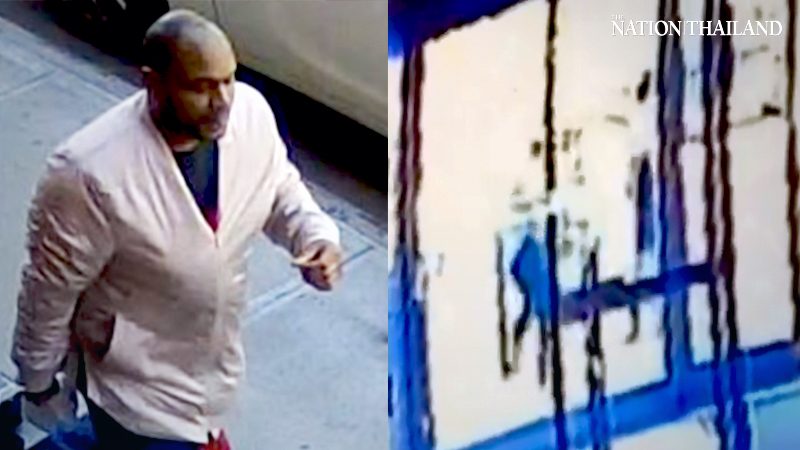
สำนักงานตำรวจนิวยอร์ก (NYPD) กำลังเร่งตามชายผิวสีชาวอเมริกันเชื้อสายแอฟริกาที่ทำร้ายร่างกายหญิงชาวอเมริกันเชื้อสายเอเชียวัย 65 ปี จนได้รับบาดเจ็บสาหัสเมื่อวันที่ 30 มี.ค. ที่ผ่านมาในแมนฮัตตัน นครนิวยอร์ก โดยภาพจากกล้องวงจรผิดพบว่าชายคนดังกล่าวเตะหญิงชาวเอเชียจนร่วงลงไปกองกับพื้นพร้อมด่าทอและเหยียบซ้ำอีกหลายครั้ง

ขณะที่ NYPD ระบุว่ากำลังเร่งสอบสวนเหตุการณ์ดังกล่าวและตามล่าตัวชายผู้ก่อเหตุพร้อมขอความร่วมมือประชาชนช่วยกันแจ้งเบาะแส ซึ่งนับตั้งแต่ต้นปีที่ผ่านมาหน่วยงานด้านการสืบสวนและป้องกันอาชญากรรมจากความเกลียดชังพบคดีลักษณะนี้ราว 33 คดีแล้ว พร้อมระบุว่าได้สั่งเพิ่มเจ้าหน้าที่ลาดตระเวนในชุมชนเอเชียมากขึ้น

Help identify the below individual wanted in connection to an assault. On Monday, March 29th at 11:40 AM, at 360 West 43rd St, a female, 65, was approached by an unidentified male who punched and kicked her about the body and made anti-Asian statements. Info???1-800-577-TIPS. pic.twitter.com/LkwfYhMCLr— NYPD Hate Crimes (@NYPDHateCrimes) March 29, 2021

Help identify the below individual wanted in connection to an assault. On Monday, March 29th at 11:40 AM, at 360 West 43rd St, a female, 65, was approached by an unidentified male who punched and kicked her about the body and made anti-Asian statements. Info???1-800-577-TIPS. pic.twitter.com/LkwfYhMCLr

— NYPD Hate Crimes (@NYPDHateCrimes) March 29, 2021

การก่ออาชญากรรมจากความเกลียดชังทางเชื้อชาติกำลังเป็นปัญหาใหญ่และทวีความรุนแรงมากขึ้นในสหรัฐ โดยองค์กร STOP AAPI Hate ระบุว่าชาวเอเชียในสหรัฐตกเป็นเหยื่อของความรุนแรงจากความเกลียดชังราว 3,795 ครั้งภายในช่วงเวลาไม่ถึงหนึ่งปีที่ผ่านมา ขณะที่ศูนย์ศึกษาความเกลียดชังและลัทธิหัวรุนแรงระบุว่าอาชญากรรมจากความเกลียดชังชาวเอเชียพุ่งสูงถึง 149% ในปี 2020

ด้านรัฐบาลสหรัฐก็ได้ประกาศดำเนินการเพิ่มเติมเพื่อตอบสนองต่อปัญหาที่เกิดขึ้นโดยระบุว่าจะมีการจัดสรรงบประมาณกรณีพิเศษเพื่อจัดการกับปัญหา และจัดตั้งคณะกรรมการ “COVID-19 Equity Task Force” เพื่อป้องกันและยุติความหวาดระแวงต่อชาวอเมริกันเชื้อสายเอเชีย

ขณะที่กระทรวงยุติธรรมก็ประกาศจะดำเนินการเพื่อยกระดับประสิทธิภาพในการดำเนินคดีที่เกี่ยวข้องกับอาชญากรรมจากความเกลียดชังตลอดจนการรวบรวมข้อมูลอื่นๆ ที่เกี่ยวข้องเพื่อให้แน่ใจว่าข้อมูลอาชญากรรมจากความเกลียดชังของประเทศมีความโปร่งใส และจะมีการจัดฝึกอบรมด้านสิทธิพลเมืองทั่วประเทศเพื่อส่งเสริมการใช้กฎหมายของรัฐและท้องถิ่นเกี่ยวกับอาชญากรรมที่เกิดจากความเกลียดชัง

Photo by Kena Betancur / AFP

Asian American woman, 65, beaten in racist attack, NYPD says. Bystanders didn’t help, video suggests. #SootinClaimon.Com

#SootinClaimon.Com : ขอบคุณแหล่งข้อมูล : หนังสือพิมพ์ The Nation.

https://www.nationthailand.com/news/30404331

Asian American woman, 65, beaten in racist attack, NYPD says. Bystanders didn’t help, video suggests.

InternationalMar 31. 2021

By The Washington Post · Tim Elfrink ·

An Asian American woman was walking through the Hell’s Kitchen neighborhood of Manhattan on Monday morning when a stranger approached.

The 65-year-old woman stopped abruptly outside a luxury condo tower, surveillance video shows. Suddenly, the man kicked her in the stomach, knocking her to the sidewalk, and then brutally stomped on her head again and again. All the while, police said, he spewed slurs at her.

As the woman was viciously attacked, video appears to show at least three people in the condo’s lobby passively watching the violence. When the attacker walks away, leaving the injured woman prone on the sidewalk, one man – reportedly a security guard – calmly shut the door on her.

The video has led to new calls for an end to the rising tide of violence against Asian Americans and raised questions about the bystanders’ conduct.

“The cold hearted building security guard not only failed to render aid, he closed the door on the victim,” the New York Police Department’s Asian Hate Crimes Task Force wrote in a since-deleted tweet about the video, WABC reported.

Early on Tuesday, the company that manages the condo tower announced that the staffers involved in the incident have been suspended.

“The staff who witnessed the attack have been suspended pending an investigation in conjunction with their union,” the Brodsky Organization wrote in an Instagram post, which also noted the company is trying to identify a “third-party vendor” who was also on the scene “so that appropriate action can be taken.”

The case was one of two attacks on Asian Americans in New York caught on video and publicized on Monday, on the same day that city leaders gathered in Brooklyn to urge quick action to halt a rising tide of racist violence and threats.

“This is absolutely vile. These attacks against Asian-American New Yorkers must end,” New York City Council Speaker Corey Johnson, D, said on Twitter, linking to a video of the attack on the woman. “Hate has no place here and we must always call it out when we see it.”

In recent weeks, Asian Americans in New York have reported being punched in subway cars, spit on and pummeled with metal pipes – an ugly echo of a national trend that activists say gained traction as former president Donald Trump has used racist terms to tie the coronavirus pandemic to China.

The first attack shared by the NYPD on Monday took place onboard a Manhattan-bound subway car in Brooklyn. Police have not said when the attack took place, but a video of the incident shows an Asian man wearing a backpack being shoved by another passenger, who then starts punching him in the face repeatedly. Eventually, the passenger locks the man in a chokehold, tightly gripping his neck until he passes out on the floor of the train.

“The NYPD is aware of this video and is investigating,” the NYPD Hate Crimes Task Force said on Twitter on Monday morning.

The attack in Hell’s Kitchen happened just before noon on Monday, police said, as the unidentified victim was walking along West 43rd Street. The woman was headed to church, WABC reported, when the attacker yelled, “F— you, you don’t belong here,” and began assaulting her.

Video shows one man in the building’s lobby watching the entirety of the attack. That man, who appeared to be tying a stack of boxes onto a cart, stared out the glass doors as the woman was repeatedly kicked in the head, but made no move to assist her. Two other men, who were security guards according WABC, then walked toward the entrance as the assailant left, and closed the door on the victim.

The woman “sustained a serious physical injury,” the NYPD said, and was taken to NYU Langone Hospital, where she was in stable condition. The NYPD’s Hate Crimes Task Force is investigating the case.

City officials, activists and celebrities decried the video and urged a swift arrest for the attacker.

“This is absolutely disgusting. Asian Americans belong in New York and are an integral part of our city,” tweeted Scott Stringer, New York City’s comptroller and a candidate for mayor. “We have to continue to speak out, we have to continue to protect our AAPI neighbors, and we have to act immediately to #StopAsianHate.”

Others questioned the apparent lack of action from the bystanders in the lobby.

“This is despicable. The attack and the guard’s inaction and closing the door on the victim,” tweeted actress Gemma Chan.

Rep. Grace Meng, D-N.Y., who was among the officials calling for an end to anti-Asian hate crimes at the meeting in Brooklyn earlier on Monday, said the video reinforced a profound lack of empathy for Asian Americans.

“We’ve gone from being invisible to being seen as sub-human,” Meng tweeted. “We just want to be seen as American like everyone else.”

China cuts number of elected legislators in Hong Kong, delays elections #SootinClaimon.Com

#SootinClaimon.Com : ขอบคุณแหล่งข้อมูล : หนังสือพิมพ์ The Nation.

https://www.nationthailand.com/news/30404330

China cuts number of elected legislators in Hong Kong, delays elections

InternationalMar 31. 2021Hong Kong Chief Executive Carrie LamHong Kong Chief Executive Carrie Lam

By The Washington Post · Eva Dou, Theodora Yu

SEOUL – China has sharply reduced the number of directly elected legislators in Hong Kong and delayed the city’s elections until December, in the latest erosion of its democratic institutions.

The electoral changes announced Tuesday cut the number of directly elected seats in Hong Kong’s legislature to 20 out of 90, from the current 35 of 70. A new committee to vet candidates for public office will give national security authorities sway over who can run.

Members of the district councils – the only fully democratic body in Hong Kong – will be excluded from the committee that selects Hong Kong’s chief executive.

“This is shocking and difficult to comprehend for Hong Kong people,” said Lo Kin-hei, chairman of the city’s Democratic Party.

It’s the latest move by China’s central government to tighten its grip over Hong Kong after a series of massive pro-democracy protests. Dozens of Hong Kong activists were arrested earlier this year under the national security law, essentially neutralizing the city’s long-cherished democratic movement.

The overhaul of Hong Kong’s legislature will mean easier control for China’s central government, with only a minority of seats directly elected by the population.

Hong Kong Chief Executive Carrie Lam said Tuesday that Hong Kong unwaveringly supports the amendment.
Referring to the pro-democracy movements since 2014, Lam said the government needs to deal with the “chaos” of the past few years that was enabled by “loopholes in the legislation” and restore order in the Legislative Council.

The move drew sharp criticism from Western officials on Tuesday. In a post on Twitter, British Foreign Secretary Dominic Raab called the electoral changes a “clear breach” of China’s commitments under the Sino-British Joint Declaration signed in 1984 ahead of the 1997 handover of Hong Kong to China.

Layla Moran, a member of Britain’s Parliament, called for the British government to act. “Words of condemnation have done nothing to protect Hong Kong’s democracy,” she said.

The new vetting procedure for public office candidates includes initial screening and background checks by the Hong Kong police’s national security department. Lo, of the Democracy Party, said police involvement essentially means they can choose who can run for public office.

Lam said the vetting committee does not aim to bar pro-democracy candidates from running for these public positions.

“As long as they can prove to be [patriots], and not be disloyal or collude with foreign forces . . . and as long as they want to serve the Hong Kong citizens, they can still [run],” she said.

Andrew Leung Kwan-yuen, president of Hong Kong’s Legislative Council, announced Tuesday that the election will be delayed until December.

The move was cheered by Chinese state media. State broadcaster CGTN said Tuesday that the legislative changes would provide “much-needed stability” in Hong Kong and prevent future violent protests.

A former British colony, Hong Kong was returned to China in July 1997 after Beijing pledged that the city’s way of life would remain unchanged for 50 years. This meant Hong Kong enjoyed a high degree of autonomy and democratic government and much greater free speech than mainland China.

But under President Xi Jinping, the Chinese central government has significantly increased control over Hong Kong’s affairs, especially following a series of massive pro-democracy protests in the city. The passage of the Hong Kong national security law last year put the city under similarly oppressive speech restrictions as in the mainland.

Dozens of activists were arrested in January under the national security law and charged with “conspiracy to commit subversion.” Many were either candidates in or helped facilitate a primary in July designed to select pro-democracy candidates who would run in the upcoming legislative election.

Tuesday’s overhaul of Hong Kong’s legislature has been expected, with China’s rubber-stamp national parliament voting in mid-March to make these amendments to Hong Kong’s Basic Law.

WHO report leaves unsettled ‘lab-leak’ theory on origins of covid pandemic #SootinClaimon.Com

#SootinClaimon.Com : ขอบคุณแหล่งข้อมูล : หนังสือพิมพ์ The Nation.

https://www.nationthailand.com/news/30404329

WHO report leaves unsettled ‘lab-leak’ theory on origins of covid pandemic

InternationalMar 31. 2021

By The Washington Post · Shane Harris, Emily Rauhala, Ben Guarino, Chris Mooney

Shortly after evidence emerged that a new coronavirus was spreading in the Chinese city of Wuhan in January 2020, speculation mounted about the origins of the lethal pathogen.

Right-wing news outlets in the United States published tendentious and thinly sourced reports that the virus may have come from the Wuhan Institute of Virology, famous in the scientific community for researching coronaviruses in bats. In April, President Donald Trump suspended U.S. funding for the World Health Organization, which he accused of being subservient to Chinese officials, and said that the U.S. government was investigating the lab as a potential source of the virus.

“A lot of people are looking at it – it seems to make sense,” he said.

Since then, more information has accumulated that the virus may have first infected humans after moving through animals, and the “lab-leak theory” usually has been framed as a political distraction, promulgated by a president deflecting attention from his administration’s response to the pandemic, and not as a serious scientific question.

No consensus has emerged on where the virus originated, and there are far more scientists who think it developed naturally than who entertain the possibility that it came from a lab.

That made it all the more surprising when, on Tuesday, the head of the WHO said that his agency hadn’t sufficiently examined the lab scenario.

“Although the [WHO] team has concluded that a laboratory leak is the least likely hypothesis, this requires further investigation, potentially with additional missions involving specialist experts, which I am ready to deploy,” Director General Tedros Adhanom Ghebreyesus said at a news conference marking the release of a highly-anticipated report on the virus’s origins, which concluded that the virus probably jumped from an infected animal into a human.

Tedros voiced frustration with the level of access Chinese authorities gave the WHO, an unusually public rebuke from an agency that has been mostly solicitous to Beijing.

In recent interviews, some members of the WHO team that flew to Wuhan to gather information have acknowledged that they lacked the expertise, resources or mandate to determine whether the virus may have emanated from a lab.

The lab-leak theory is far from proved, but Tedros’s openness was applauded by those who have argued that some circumstantial evidence points to the Wuhan lab as a possible source.

“Making these assertions despite the incredible pressure being placed on him and the WHO represented a bold defense of the organization’s integrity in the face of Chinese government efforts to manipulate and restrict the covid-19 origins examination process,” said Jamie Metzl, a National Security Council staffer in the Clinton administration and a member of a WHO expert advisory panel, who had helped organize an open letter calling for more scrutiny of the Wuhan lab, unrestricted by Chinese authorities.

Officially, the Biden administration is open to the possibility of a lab leak. A State Department document, published five days before Trump left office, and which has not been retracted, alleged that “several researchers” at the lab became sick in the fall of 2019 with covid-like symptoms, before the first identified case of the disease, and claimed that the lab “has engaged in classified research, including laboratory animal experiments, on behalf of the Chinese military since at least 2017.”

Versions of the lab-leak theory imagine that an infected worker may have unknowingly passed the virus to others in Wuhan or that an infected animal may have escaped or been sold.

Lab officials have said they possessed no samples of the virus, SARS-Cov-2. And Shi Zhengli, a renowned coronavirus researcher at the lab, has said none of the staff were infected and that the Chinese military has no connection to the institute.

The WHO report states there was no direct infection of workers but does not go into detail or recommend further research on this or other topics.

From the outset, the WHO investigation was unlikely to unearth much evidence that the virus emanated from a lab.

When a joint international-Chinese team convened in Wuhan in the final days of the Trump administration, their itinerary was focused on exploring possible paths of transmission between human and animals – and even a theory pushed primarily by the Chinese government about transmission via frozen seafood – rather than the lab hypothesis.

The group visited the Wuhan Institute of Virology for a few hours, hearing about the lab’s research and safety record and getting assurances that scientists there were not working with viruses closely related to SARS-CoV-2, according to interviews with three foreign scientists on the team and a summary included in the annexes of the WHO’s report.

At a post-trip news conference, Peter Ben Embarek, a Danish food safety expert serving as the WHO lead, described the conversation with staff at the lab as “long, frank and open,” and he appeared satisfied with the short visit and Chinese assurances.

“They’re the best ones to dismiss the claims and provide answers to all the questions,” he said, surprising some experts and U.S. officials, who were reluctant to take the staff’s word at face value.

The international team’s level of interest in exploring the lab theory seemed low, either because they saw it as a politically motivated hoax, thought the evidence pointed in other directions, or did not believe the team had a mandate – or the appropriate staffing – to investigate a Chinese lab.

Dominic Dwyer, an Australian microbiologist and infectious-disease expert on the mission, said he didn’t think the possibility of a lab accident could be ruled out but stressed that the team wasn’t equipped to investigate the hypothesis.

“So, I mean, yes, we did a three-hour visit, and it was sort of managed in the sense that there’s a lot of people there and we did a tour,” he said. “But we did get to ask questions and so on.”

Hung Nguyen-Viet, a Vietnamese expert on livestock and human health on the team described the institute as a “nice lab and well organized” and the discussions with Chinese scientists there as spirited but collaborative.

Hung emphasized that the team agreed that a lab leak was the least likely path of the virus and therefore put their time and energy into exploring other hypotheses.”You would need another team and set of people who really have expertise” to investigate the hypothesis further, he said.

The WHO report also addressed suspicions that the Wuhan institute may have been experimenting with a virus related to SARS-Cov-2 before the outbreak, which in turn might have set the stage for an accidental release.

At a mine in Mojiang, in China’s southern Yunnan province in 2013, scientists discovered the closest known relative to the coronavirus, called Ratg13. It shares 96% of its genetic identity with SARS-Cov-2.

That’s hardly close enough to mean that Ratg13 itself could have sparked the pandemic. That 4% gap would take decades of evolutionary time to bridge.

Still, Ratg13 may be an important clue to the coronavirus’s origins. Yet oddly to some observers, when lab staffers first showed how closely Ratg13 is related to the novel coronavirus, in an article in the journal Nature in early 2020, they did not highlight that it came from the mine. Nor did they note that in 2012, several mine workers who had been tasked with cleaning bat feces there were sickened with a respiratory illness that some have since argued resembles covid-19. Three died.

The Wuhan institute scientists later acknowledged that the cases of the sickened miners initially drew them to conduct extensive research, since they “suspected that the patients had been infected by an unknown virus.”

The new WHO report, however, says institute staffers told investigators the miners’ illnesses “were more likely explained by fungal infections acquired when removing a thick layer of guano,” or bat feces.

The report does not elaborate on that suggestion, which is mentioned briefly in one of the report’s annexes under a category titled “Conspiracy Theories.”

Meanwhile, there is a larger body of evidence that SARS-CoV-2 emerged in nature.

“My view is: This is another example of a bat virus jumping into humans, either directly or through an intermediate host,” said Tony Schountz, an expert in bat-borne viruses at Colorado State University.

When asked whether a lab accident may have been responsible for the Wuhan outbreak, Schountz said it was possible “but, you know, tomorrow I could win the lottery.”

Other virus specialists described WHO’s exploration as sufficient. “I’m not particularly disappointed that they didn’t dig deeper into the Wuhan Institute of Virology,” said Joel Wertheim, an associate professor of medicine at University of California at San Diego. “I don’t think that idea merited as much investigation as looking for the earliest cases.”

Wertheim and his colleagues, in a paper published recently in the journal Science, suggested that the first case of covid-19 may have emerged as late as mid-October to mid-November 2019, before a large cluster of cases linked to a seafood market in Wuhan.

In their models, Wertheim and his co-authors also found coronavirus outbreaks were much more likely than not to fizzle out, especially in rural communities with fewer connections between people. “It’s not fair to characterize this virus as sort of the perfect vessel for human-to-human transmission,” he said. The pathogen seemed to need a denser, urban area to become a pandemic.

“Even if you believe this came through the lab, what you’d have to then show is that the lab had a virus that was very close to SARS-CoV-2. They haven’t found that,” said David Robertson, head of viral genomics and bioinformatics at the University of Glasgow. If laboratory scientists “did have it, I don’t think they would have hidden it. It wouldn’t have occurred to them.”

Germany halts AstraZeneca vaccine for people under 60 because of clot worries #SootinClaimon.Com

#SootinClaimon.Com : ขอบคุณแหล่งข้อมูล : หนังสือพิมพ์ The Nation.

https://www.nationthailand.com/news/30404328

Germany halts AstraZeneca vaccine for people under 60 because of clot worries

InternationalMar 31. 2021

By The Washington Post · Loveday Morris, Luisa Beck

BERLIN – German Chancellor Angela Merkel on Tuesday said the country will halt the use of AstraZeneca’s coronavirus vaccine for people under 60 due to concerns that is causing rare but occasionally deadly blood clots.

Merkel said the government “cannot ignore” a recommendation for such a move by the country’s vaccine committee and new data about blood clots developing after being vaccinated with the vaccine developed by the Swedish-British pharmaceutical giant AstraZeneca and the University of Oxford.

Germany’s medical regulator, the Paul Ehrlich Institute, said earlier that it had recorded 31 cases of cerebral venous thrombosis, a rare kind of brain clot that can result in hemorrhaging, among 2.7 million people who have received the vaccine in the country.

All were under age 63, and all but two were women. Nine people have died of the clots.

“We all know that vaccination is the most important tool against the coronavirus,” said Merkel, but she said there were other options for younger people.

“We are not faced with the question of AstraZeneca or no vaccine,” she said. “Instead we have several vaccines at our disposal.”

AstraZeneca said that “patient safety remains the company’s highest priority” and that a causal relationship between the vaccine and blood clots had not been established by British and European regulators.

“Regulatory authorities in the UK, European Union, the World Health Organization have concluded that the benefits of using our vaccine to protect people from this deadly virus significantly outweigh the risks across all adult age groups,” AstraZeneca said in its statement. Younger Germans will still be able to receive an AstraZeneca vaccine if they consult with a doctor and sign a waiver.

After an initial review this month, the European Union’s medical overseer, the European Medicines Agency, had deemed the vaccine “safe and effective,” but it said it is continuing to investigate a “possible link” between the vaccine and rare cases of particularly unusual blood clots.

The EMA said that the risks outweighed the benefits, and it added a blood-clot warning to the product about two weeks ago. At the time, it said 25 cases were being investigated among 20 million vaccinations across Europe.

Germany had resumed vaccinations with AstraZeneca after the recommendations, having recorded three deaths before pausing.

But there have been growing calls from parts of the medical community to reassess. Of particular concern has been the risk for younger women, who have made up the majority of the blood-clot cases in Germany.

In an open letter to health authorities, the heads of five university hospitals in the German state of North-Rhine Westphalia, wrote that there was an “extremely unfavorable risk/benefit profile for the use of the AstraZeneca vaccine” for women ages 20 to 29 because of the unlikelihood of dying from the coronavirus, according to excerpts carried by Germany’s DPA news agency.

While the EMA continues its investigations, experts in Germany and Norway who have treated patients suggest that the rare type of blood clots are caused by an overactive immune response triggered by the vaccine.

Some other countries that had initially paused AstraZeneca this month had been more cautious about restarting vaccinations. France limited its use to people over 55 years old.

Norway, where regulators say four people died of blood clots among about 120,000 people who received the AstraZeneca vaccine, has continued its pause. Sweden has resumed AstraZeneca use for people over 65.

The vaccine has not been approved in the United States, where the independent medical board overseeing its trials took the unusual move last week of accusing the company of providing an “incomplete view” of its efficacy data in its U.S. trials.

Regulators in Britain, where the majority of AstraZeneca vaccines in Europe have been administered, said they had found five cases of blood clots as of March 14 but they have not updated numbers since.

“There is a time lag between reports received and publication to allow us time to fully evaluate the data before we issue any conclusions on it,” it said.

A Canadian panel of scientists on Monday recommended against the administration of the AstraZeneca vaccine in people 55 years of age and younger, citing “substantial uncertainty” over its benefits for that age group because of “rare” cases of blood clots reported in Europe.

Canada’s National Advisory Committee on immunization cast the guidance as a “precautionary measure” while Health Canada, the country’s drug regulator, investigates. It said the rate at which the clotting incidents occur is not known “with certainty.”

No such cases have been reported in Canada, which has administered about 300,000 doses of the AstraZeneca vaccine.

The panel’s guidance is nonbinding, but Canadian provinces, which are responsible for the administration of vaccines, said they would follow the advice.

In report, Biden administration formalizes genocide declaration in China #SootinClaimon.Com

#SootinClaimon.Com : ขอบคุณแหล่งข้อมูล : หนังสือพิมพ์ The Nation.

https://www.nationthailand.com/news/30404327

In report, Biden administration formalizes genocide declaration in China

InternationalMar 31. 2021

By The Washington Post · John Hudson

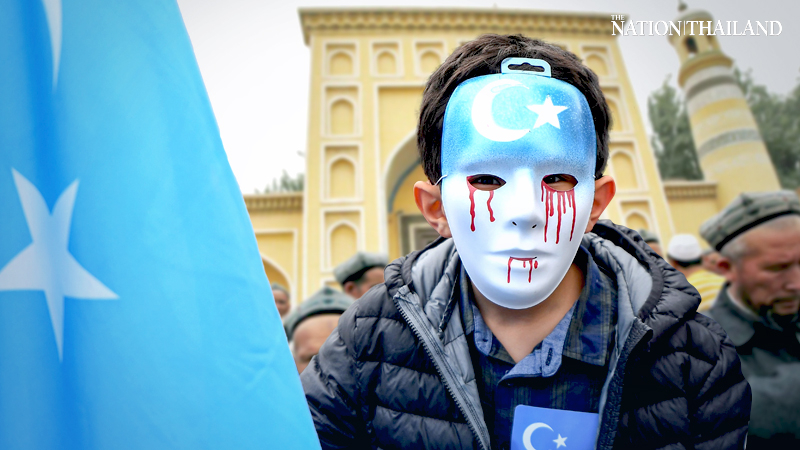
WASHINGTON – The Biden administration declared China’s treatment of Uyghur Muslims a genocide in an annual human rights report Tuesday, formalizing its dire assessment of a campaign of mass detention and sterilization of minority groups in the Xinjiang region.

The move comes amid a sharp plunge in relations between the world’s two largest economies following a tense meeting of top diplomats in Alaska and underscores the Biden administration’s willingness to spotlight atrocities regardless of the impact on sensitive bilateral relations.

“Genocide and crimes against humanity occurred during the year against the predominantly Muslim Uyghurs and other ethnic and religious minority groups in Xinjiang,” reads the report.

In unveiling the document, Secretary of State Antony Blinken said human rights were going in the “wrong direction” in “every region of the world,” calling out attacks on freedoms in Russia, Uganda, Venezuela, Ethiopia, Belarus and elsewhere.

Blinken sought to demonstrate a clear break with the Trump administration’s approach to human rights by sharply rebuking a commission setup by former secretary of state Mike Pompeo that prioritized religious liberty and property rights while dismissing LGBTQ and abortion rights.

“There is no hierarchy that makes some rights more important than others,” Blinken said. “Past unbalanced statements that suggest such a hierarchy, including those offered by a recently disbanded State Department advisory committee, do not represent a guiding document for this administration.”

Blinken also reversed a Trump-era decision to scrap the report’s sections on abortion rights, saying that will appear in the future.

The China section of the report says that genocide against minority groups in Xinjiang continues and includes “the arbitrary imprisonment or other severe deprivation of physical liberty of more than one million civilians; forced sterilization, coerced abortions, and more restrictive application of China’s birth control policies; rape; torture of a large number of those arbitrarily detained; forced labor; and the imposition of draconian restrictions on freedom of religion or belief, freedom of expression, and freedom of movement.”

Beijing has vociferously denied the claims of genocide and sought to underscore the mistreatment of Black Americans and Washington’s destabilizing wars in the Middle East.

Pompeo first officially declared a genocide in Xinjiang during the waning days of the Trump administration. Blinken affirmed Pompeo’s assessment during his confirmation hearing, but the word’s inclusion into Tuesday’s report formalizes the outlook as an official U.S. government assessment.

“Using the term genocide in the report indicates profound concern in the administration about appalling Chinese government human rights violations against Uyghurs, Kazakhs, Kyrgyz and other Turkic communities,” said Sophie Richardson, a China expert at Human Rights Watch.

The move may also put further pressure on the Biden administration to punish China for its alleged actions. “The next step is to map out a strategy to back an independent investigation, gather evidence and pursue accountability,” Richardson said.

Blinken’s relationship with his Chinese counterpart, Yang Jiechi, got off to a rocky start during a two-day meeting in Alaska on March 18 and 19. Before the first formal discussions even began, the U.S. and Chinese delegations harshly criticized each other in extended improvised remarks, which resulted in both sides claiming a breach in diplomatic protocol.

During the report’s unveiling at the State Department, Blinken was asked if his condemnations of China and Russia could come at the expense of cooperation from the two powers on other issues, such as the military crackdown in Myanmar. Blinken suggested that no trade-off was necessary.

“Whether it’s China or Russia or anyone else, we’re not standing against any of those countries,” Blinken said. “We’re not trying to, for example, contain China or keep it down. What we are about is standing up for basic principles, basic rights and a rules-based international order.”