What you need to know about Joe Biden’s presidential inauguration #SootinClaimon.Com

#SootinClaimon.Com : ขอบคุณแหล่งข้อมูล : หนังสือพิมพ์ The Nation.

What you need to know about Joe Biden’s presidential inauguration (nationthailand.com)

What you need to know about Joe Biden’s presidential inauguration

InternationalDec 05. 2020President-elect Joe Biden in Wilmington, Del., on Nov. 25, 2020. MUST CREDIT: Washington Post photo by Demetrius Freeman.President-elect Joe Biden in Wilmington, Del., on Nov. 25, 2020. MUST CREDIT: Washington Post photo by Demetrius Freeman. 

By The Washington Post · Emily Davies, Justin Jouvenal, Teddy Amenabar

WASHINGTON – Joe Biden is expected to begin his term as the 46th president on Jan. 20, when he is scheduled to be sworn into office amid an inauguration ceremony unlike any other in recent memory.
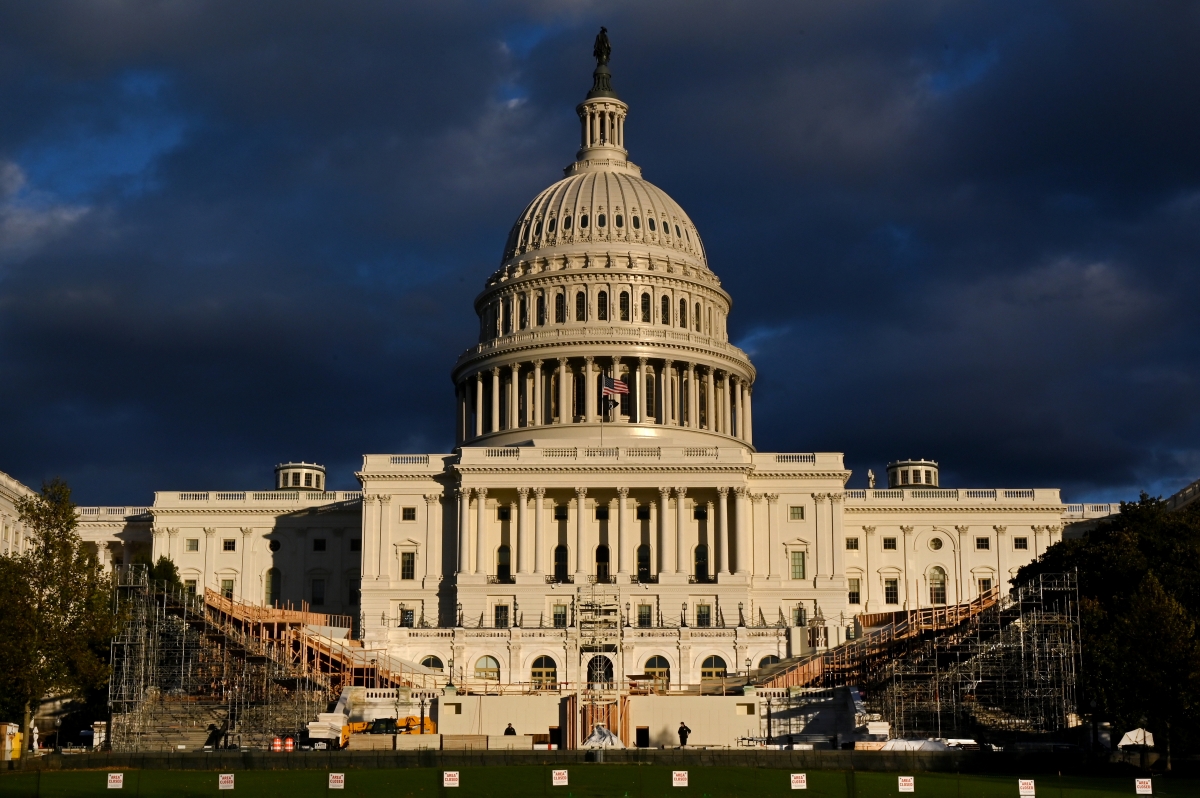
Construction of the presidential inaugural platform at the U.S. Capitol on Nov. 17, 2020. MUST CREDIT: Washington Post photo by Katherine Frey.

Construction of the presidential inaugural platform at the U.S. Capitol on Nov. 17, 2020. MUST CREDIT: Washington Post photo by Katherine Frey.

The coronavirus pandemic will transform the traditions long associated with inaugural celebrations. Galas and balls may be canceled entirely. Some events, such as the parade on Pennsylvania Avenue, are expected to occur in a smaller and potentially distant form. Other celebratory components may be virtual, drawing inspiration from the Democratic National Convention’s online event. And people interested in coming to Washington D.C. for the 59th presidential inauguration will have to navigate coronavirus travel restrictions. Here’s a look at what is known so far.

Q: Who is organizing the ceremony?

A: The Joint Congressional Committee on Inaugural Ceremonies (JCCIC) is responsible for planning the swearing-in ceremony at the Capitol on Jan. 20. The theme of the swearing-in ceremony will be “Our Determined Democracy: Forging a More Perfect Union.”

The six-member committee is led by Sen. Roy Blunt, R-Mo. and includes Senate Majority Leader Mitch McConnell, R-Ky., Sen. Amy Klobuchar, D-Minn., House Speaker Nancy Pelosi, D-Calif., House Majority Leader Steny Hoyer, D-Md., and House Minority Leader Kevin McCarthy, R-Calif.

Biden’s Presidential Inaugural Committee (PIC), formally launched Nov. 30, is responsible for coordinating and funding the inauguration’s opening ceremonies, parades, galas and balls (if they exist this year). The PIC is led by Tony Allen, the president of Delaware State University who served as a special assistant and speechwriter for Biden during four years of his career in the Senate.

Q: Where will Joe Biden be sworn in?

A: Biden and Vice President-elect Kamala Harris are slated to be sworn-in during a ceremony on the West Front of the Capitol, according to the JCCIC.

Q: Will President Donald Trump attend the inauguration?

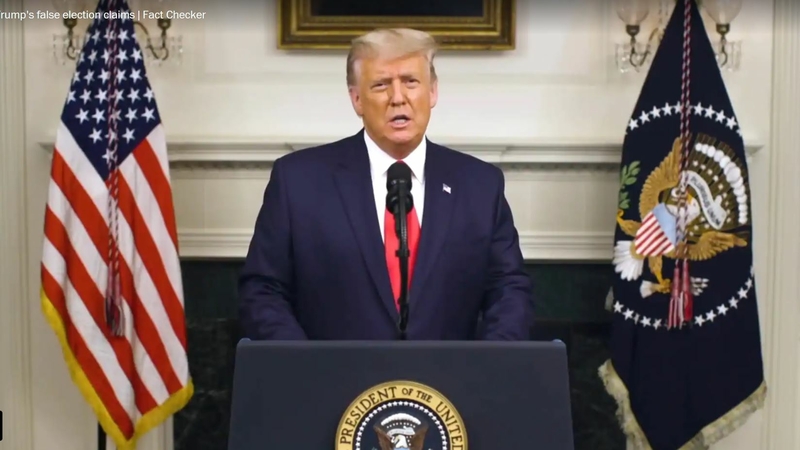
A: Trump has not said whether he’ll attend the ceremony. The president is using the power of his office to try to reverse the results of the election, attacking the integrity of the vote with unfounded conspiracy theories.

Traditionally the outgoing president welcomes his successor to the White House on the morning of the inauguration. President Barack Obama hosted President-elect Donald Trump for tea in 2017 before traveling together to the U.S. Capitol. Biden’s advisers told The Washington Post they are almost certain Trump will not attend Biden’s swearing-in.

The White House has declined to comment on whether Trump will attend. If Trump does not participate, he would be the first president to decline since President Andrew Johnson refused to participate in the inauguration of his successor, Ulysses S. Grant, in 1869, said Jim Bendat, an inaugural historian and author of the book “Democracy’s Big Day.”

Q: Who else may attend the ceremony?

A: It is unclear whether past presidents will attend or fear that the event would be potentially risky to their health because of the coronavirus pandemic. Spokespeople for former presidents George W. Bush, Jimmy Carter and Obama did not respond to requests for comment, according to The Post’s Matt Viser.

Q: Will there be the traditional events and inaugural balls?

A: It’s unclear what, if any, balls will be held. The Walter E. Washington Convention Center, which for years has hosted inaugural balls, will be unavailable for festivities in January. It has been transformed into an emergency field hospital in preparation for a surge in coronavirus cases.

Q: Will there be a parade?

A: Washington has repaved Pennsylvania Avenue in preparation for the traditional parade. No plans have been publicly announced yet.

The Biden team has discussed organizing a parade route on Pennsylvania Avenue from the Capitol to the White House to discourage a large gathering of supporters on the Mall.

The city has said it is preparing for the parade to occur in some form but is waiting for direction from the Presidential Inaugural Committee.

Q: How can a member of the public attend?

A: Some members of Congress have created forms for their constituents to apply for tickets to the inauguration, but it’s not clear how many, if any, tickets will be given to congressional offices for the public. In 2017, the JCCIC distributed nearly 250,000 tickets to congressional offices in early January. The PIC handles ticketing for parades, balls and galas. In the past, members of the public without tickets have been able to access certain areas of the Mall to watch the ceremony and related events.

Q: What restrictions are in place for people planning to visit Washington for the ceremony?

A: If you’re planning on traveling to D.C. for the inauguration, the District’s rules require that you get a negative coronavirus test before coming to Washington. If you’re staying longer than three days, D.C. rules say that you must receive another coronavirus test in the city.

Stimulus optimism grows as GOP lawmakers warm to bipartisan plan #SootinClaimon.Com

#SootinClaimon.Com : ขอบคุณแหล่งข้อมูล : หนังสือพิมพ์ The Nation.

Stimulus optimism grows as GOP lawmakers warm to bipartisan plan (nationthailand.com)

Stimulus optimism grows as GOP lawmakers warm to bipartisan plan

InternationalDec 05. 2020A staff member gives House Speaker Nancy Pelosi, a Democrat from California, a Bible during a ceremonial swearing-in of Rep. Kwanza Hall, D-Ga., not pictured, at the U.S. Capitol in Washington, D.C. on Dec. 3, 2020. MUST CREDIT: Bloomberg photo by Stefani Reynolds.A staff member gives House Speaker Nancy Pelosi, a Democrat from California, a Bible during a ceremonial swearing-in of Rep. Kwanza Hall, D-Ga., not pictured, at the U.S. Capitol in Washington, D.C. on Dec. 3, 2020. MUST CREDIT: Bloomberg photo by Stefani Reynolds. 

By Syndication Washington Post, Bloomberg · Erik Wasson, Laura Litvan, Billy House

Prospects for a pandemic relief package before the end of the year grew substantially as senior Republicans warmed to the idea of using a $908 billion proposal from a bipartisan group of lawmakers as a basis for a deal.

The plan outlined by Republican and Democratic lawmakers in the House and Senate has emerged as the first real chance for a compromise that has eluded party leaders and the White House for months.

Still, Senate Majority Leader Mitch McConnell hasn’t publicly thrown his support behind the plan, after having won President Donald Trump’s backing for his own, narrower proposal. That stance risks leaving him increasingly isolated as support shifts among Republicans eager to get some kind of agreement.

House Speaker Nancy Pelosi and Senate Democratic leader Chuck Schumer have already endorsed using the bipartisan proposal in negotiations. Several Republican senators, including South Carolina’s Lindsey Graham, a close ally of Trump, said Thursday that it contained elements for an agreement.

Graham said he pitched it to the president, whose support would be crucial to get more Republicans on board.

“The president is of the mindset that we need relief sooner rather than later, and that the package that’s being talked about is well in the ballpark of what he would would support if it had the right policy provisions,” said Graham, who was at the White House for an event on Thursday. “If the president came out for it, you’d have a large number of Republicans and Democrats vote for it.”

Trump earlier in the day had backed McConnell’s efforts, saying “they’re getting very close to a deal,” but made no direct mention of the bipartisan proposal.

That plan hasn’t yet been turned into legislative text — that won’t be finished until next week — and an agreement will hinge on details that have hung up a deal in the past. Those include magnitude of aid to state and local governments, which many Republicans have opposed, and a covid-19 related liability shield for employers, which Democrats have called a poison pill.

The four GOP senators behind the bipartisan proposal met Thursday with McConnell. Alaska Sen. Lisa Murkowski said it was a chance to “walk him through” the outline and provide more details. She indicated they left the meeting with no commitments from the GOP leader.

“We’re getting more and more support from Republicans and Democrats,” another member of the group, Utah Senator Mitt Romney said after that sit-down.

“We’re continuing to negotiate an entire package that includes the full $908 billion — that deals with state and local and liability coverage and extending the PPP program,” he said, referring to the Paycheck Protection Program that supports small businesses. “There’s transportation funding for airlines, for bus companies, for transit systems.”

McConnell and Pelosi also talked on Thursday. That discussion covered a broader measure to fund government operations, which lawmakers are working to finish before money runs out Dec. 11, as well as pandemic relief.

“We had a good conversation,” the Kentucky Republican said, without addressing the compromise proposal. “I think we’re both interested in getting an outcome both on the omnibus and on a coronavirus package.”

North Carolina Republican Sen. Thom Tillis, who isn’t part of the bipartisan group, expressed concern about how the state aid would be distributed, but said the proposal could be a “bridge” to getting the U.S. population and the economy back to health.

“I think it’s a matter of working out the details,” he said.

Pelosi and Schumer said that while they would seek some changes in the bipartisan plan as outlined, it was sufficient in enough areas for them to retreat from a pre-election stance in favor of a $2.4 trillion stimulus.

The compromise pitch covers a shorter period of time than the leaders’ earlier proposal — providing aid through the winter — with Democrats hoping they can get another significant relief bill after President-elect Joe Biden takes office in January.

Biden said in an interview with CNN Thursday that believes the package should be passed, but that his administration will need more. “I’m going to have to ask for more help,” Biden said, adding “when we get there to get things done.”

Schumer said Thursday that the U.S. risks a “double-dip recession” without a stimulus package.

Although the government reported Thursday that applications for U.S. state unemployment benefits fell by the most in almost two months, many analysts are increasingly warning that the economy will slow further or even contract in coming months with the pandemic still causing shutdowns and impeding consumers. The November jobs report on Friday is expected to show a further slowdown in payroll gains.

House poised to vote to decriminalize marijuana as GOP resists national shift on pot #SootinClaimon.Com

#SootinClaimon.Com : ขอบคุณแหล่งข้อมูล : หนังสือพิมพ์ The Nation.

House poised to vote to decriminalize marijuana as GOP resists national shift on pot (nationthailand.com)

House poised to vote to decriminalize marijuana as GOP resists national shift on pot

InternationalDec 05. 2020Rep. Earl Blumenauer, D-Ore., whose state has legalized marijuana and who supported the District of Columbia's right to legalize marijuana speaks during a news conference on Capitol Hill on Thursday in Washington, D.C. MUST CREDIT: Photo for The Washington Post by Pete MarovichRep. Earl Blumenauer, D-Ore., whose state has legalized marijuana and who supported the District of Columbia’s right to legalize marijuana speaks during a news conference on Capitol Hill on Thursday in Washington, D.C. MUST CREDIT: Photo for The Washington Post by Pete Marovich 
By The Washington Post · Mike DeBonis

WASHINGTON — The House is set to endorse a landmark retreat in the nation’s decades-long war on drugs Friday, voting to remove marijuana from the federal schedule of controlled substances and provide for the regulation and taxation of legal cannabis sales.

The measure is not expected to pass into law, and, due to political skittishness, it is coming to a vote only after the November election and more than a year after it emerged from committee. But the House is taking a stand at a moment of increasing momentum, with voters last month opting to liberalize marijuana laws in five states – including three that President Donald Trump won handily.

The vote marks the first time either chamber of Congress has voted on the issue of federally decriminalizing cannabis.

Friday’s vote, however, is expected to take place largely along party lines, with Democrats voting overwhelmingly to support the federal decriminalization bill and Republicans likely to broadly oppose it.

“This movement in states is part of a larger evolution on marijuana policy by the American people, who are rejecting the failed War on Drugs – an approach that has disrupted the lives of millions of people needlessly through failed marijuana prohibition policies,” said Rep. Earl Blumenauer, D-Ore., co-chair of the Congressional Cannabis Caucus.

Top Republicans – including House Minority Leader Kevin McCarthy, R-Calif., and Senate Majority Leader Mitch McConnell, R-Ky., – made derisive public comments about the bill this week, painting the measure as a frivolous diversion from the task of funding the federal government and delivering a new round of emergency coronavirus aid to Americans.

One headline from McConnell: House Speaker Nancy Pelosi, D-Calif., decides to “puff, puff, pass” on covid relief.

“It’s just unbelievable how tone deaf they are to these small businesses and the jobs, the families that are tied to them,” House Minority Whip Steve Scalise, R-La., said in a Fox News Channel interview Thursday, slamming Democratic leaders for holding the vote.

But some are warning that Republicans risk finding themselves out of step with their own voters, who are increasingly embracing the loosening of marijuana restrictions – including outright legalization.

On Election Day in South Dakota, for instance, 54% of voters opted to legalize marijuana, while only 36% of voters chose the Democratic presidential ticket. In Montana, the 57% who voted to legalize marijuana nearly matched the number who voted to reelect Trump. And Mississippi became the first state in the Deep South to legalize medical marijuana use, with 62% of voters approving a ballot measure in a state where Trump won 58% of the vote.

Fifteen states have now authorized some form of recreational cannabis legalization, while 36 states have approved medical marijuana programs, according to the National Conference of State Legislatures.

Decriminalizing marijuana at the federal level would not end the vast majority of cannabis-use prosecutions, which happen in state courts. But it would end troublesome conflicts between state and federal law for those states that have loosened pot restrictions and greatly ease commerce for the multibillion dollar cannabis industry.

Public opinion appears to back up the state electoral trend. In October, Gallup found that 68% of Americans said the use of marijuana should be legal, the highest support marijuana legalization since the polling organization first asked in 1969.

While overwhelming proportions of Democrats and independents supported legalization, Republicans were split: 52% said it should not be legal and 48% said it should be legal – a figure that is slightly down from recent years.

But that near 50-50 split among Republican voters is not even close to being mirrored in the GOP lawmaker ranks. Only two of 17 Republicans, Reps. Matt Gaetz, R-Fla., and Tom McClintock, R-Calif., supported the bill in the House Judiciary Committee.

The prospects of winning Republican support for the House bill were complicated by some of its provisions – such as the establishment of a 5% federal excise tax that would in part fund programs for “individuals most adversely impacted by the War on Drugs,” such as job training, legal aid in seeking expungement of marijuana convictions and mentoring programs.

The bill also provides for the expungement of federal marijuana convictions dating back to 1971 and bars the denial of federal public benefits or security clearances based on marijuana offenses.

That has turned off some libertarian-minded Republicans who might otherwise support eliminating marijuana restrictions. “Tax and spend,” said Rep. Thomas Massie, R-Ky., who said he would have considered voting for the bill had Democratic leaders allowed a vote on an amendment to eliminate the tax regime.

Still, many Republicans say it is a matter of political malpractice that the party has not taken a softer line on federal pot laws.

“The leadership is sort of stuck,” said Sen. Rand Paul, R-Ky., referring to the infamous 1937 prohibitionist film “Reefer Madness.” “I always jokingly say . . . they were all in the theater watching. And they’re still sort of this belief that marijuana is going to destroy the world somehow.”

Pro-pot activists are facing another major setback in winning support in the Republican ranks: the Nov. 3 loss of Sen. Cory Gardner, R-Colo., who emerged as an especially fervent advocate for the cannabis industry in the Republican ranks. It is unclear who – beyond Paul, a libertarian often estranged from his party’s leadership – might take up the mantle.

Still, marijuana legalization advocates say the House bill represents a watershed moment in the long struggle to roll back marijuana prohibition, and many see it as only a matter of time before it becomes an issue of bipartisan concern.

Maritza Perez, director of national affairs for the Drug Policy Alliance, said the partisan nature of the marijuana debate on Capitol Hill reflected the deeply divided nature of Congress rather than an intractable difference on policy.

“The tide is really turning on this issue, and I think it’s just something the government can’t ignore anymore,” Perez said. “Congress is going to have to come to the table and address this.”

The imperatives go beyond the political shift, according to Randal John Meyer, executive director of the Global Alliance for Cannabis Commerce, who said businesses in states that have legalized marijuana are facing an increasing incoherent legal and regulatory framework.

“It’s reached a critical tipping point where the basics of letting someone work and do their job consistent with state law and state licenses runs against the federal prohibitionist stance of Republicans,” said Meyer, a former aide to Paul. “That tension can’t hold; it’s reaching past the breaking point.”

Republicans, he added, are going to increasingly find their anti-pot stance at odds with their more fundamental pro-business, anti-regulation tenets: With the descheduling effort, he said, “The Democratic Party is trying to actually generate new business and new industry with this and to help recover the economy.”

But interviews with several Republican lawmakers revealed a fundamental reticence to loosening pot restrictions – even in states that have already seen voters endorse legalization measures.

In Arizona last month, 60% of voters chose to pursue legalization, but Rep. Debbie Lesko, R-Ariz., said she was not inclined to loosen federal laws given her concerns about addiction and speaking to teens in recovery programs.

“Every one of them, they said, they started by using marijuana,” she said. ‘I am not saying that every person that smokes marijuana is going to be addicted to harder drugs, but I am concerned that we have so much costs associated with addiction in our country.”

“With all that’s going on in our world, I just don’t necessarily think this is the time,” said Rep. Jeff Van Drew, R-N.J., who represents a state where two-thirds of voters chose to legalize marijuana last month. “There are certain points to be made. But the bottom line is my concern for urban areas, concern for kids.”

Rep. Ken Buck, R-Colo., who represents a state where cannabis use has been legal for nearly seven years, said he backed easing some of the commercial restrictions on the pot industry. But, he said, “Going as far as this bill goes is going to make sense someday, I’m not sure it makes sense right now.”

Advocates say they plan to redouble their efforts in the new Congress, but a much tighter Democratic majority could mean the bill expected to pass Friday – known as the Marijuana Opportunity Reinvestment and Expungement (MORE) Act – might not come up again in the House, let alone in the Senate, where McConnell has expressed firm opposition to legalizing pot. Democratic wins in the Jan. 5 Georgia special elections, however, would sideline McConnell and could open a narrow window for compromise action.

Perez said the trend is clear, and more Republicans are bound to change their views: “I really do believe that November’s elections can help really start to shift some of these members, realizing that this is going to happen and they need to get on board,” she said.

Of the 700 attempts to fix or abolish the electoral college, this one nearly succeeded #SootinClaimon.Com

#SootinClaimon.Com : ขอบคุณแหล่งข้อมูล : หนังสือพิมพ์ The Nation.

Of the 700 attempts to fix or abolish the electoral college, this one nearly succeeded (nationthailand.com)

Of the 700 attempts to fix or abolish the electoral college, this one nearly succeeded

InternationalDec 05. 2020

By The Washington Post · Gillian Brockell

WASHINGTON – The fight to reform or abolish the electoral college began almost as soon as it was created, by those who created it. In 1802, Alexander Hamilton, one of the original architects of the electoral college, was so displeased with how it was being executed that he helped draft a constitutional amendment to fix it.

https://www.washingtonpost.com/video/c/embed/9f0215dc-10e0-4b3e-8519-9ca4cd1b0710?ptvads=block&playthrough=false

Since then there have been more than 700 efforts to reform or abolish it, according to the Congressional Research Service.

The electoral college is once again confounding the country as it prepares to meet Dec. 14 to ratify the election of Joe Biden as the 46th president of the United States. Just one problem: President Donald Trump refuses to concede to Biden, making baseless claims of fraud while his surrogates urge Michigan legislators to overturn the election by appointing their own electors.

Biden is expected to win the electoral college by the same margin Trump did in 2016. Back then, Trump declared his victory a landslide, though he trailed in the popular vote by nearly 3 million while this time Biden leads the popular vote by nearly 7 million.

The closest the country has ever come to abolishing the electoral college was after segregationist Gov. George Wallace’s presidential campaign nearly threw the 1968 election.

Wallace was a man accustomed to winning power on technicalities. The state constitution in Alabama forbade governors from serving two consecutive terms. When his first term as governor was running out in 1966, his wife Lurleen ran to succeed him, promising to “continue, with my husband’s help, the same type of government.” She won in a landslide.

So, when he decided to run for president in 1968 as a third-party candidate, he had a trick up his sleeve there, too. His goal wasn’t to beat the Democratic or Republican candidates for the White House; it was to deprive both men of the 270 electoral votes needed to win, thus kicking the decision to the House. Then, as his biographer Dan Carter put it in a 2001 PBS documentary, Wallace would be “in a position to dictate to either candidate, ‘Alright, if you support me on the following issues, then I’ll deliver the presidency.’ ” And what were those issues? An end to federal desegregation efforts, for starters.

By this time, Wallace had learned the art of the dog whistle and was no longer saying things like “segregation now, segregation tomorrow, segregation forever” out loud. But he still inflamed rally crowds with his talk of rioters, hippies and anarchists. In the chaos of 1968, many White voters flocked to him. By October, polls showed him with 22 percent support nationally, more than enough for his electoral college hack to work.

But then Wallace dealt himself his own October surprise. He announced his running mate, Curtis LeMay, a retired Air Force general, who promptly told a room full of reporters he wasn’t opposed to nuking Vietnam.

In the end, Wallace got 14% of the popular vote, and 46 electoral votes, carrying most of the South. But Republican Richard M. Nixon got 301 electoral votes, foiling Wallace’s plan. Had Wallace gotten 50,000 more votes in Tennessee and had Democrat Hubert Humphrey gotten 91,000 more votes in Ohio, it would have been successful.

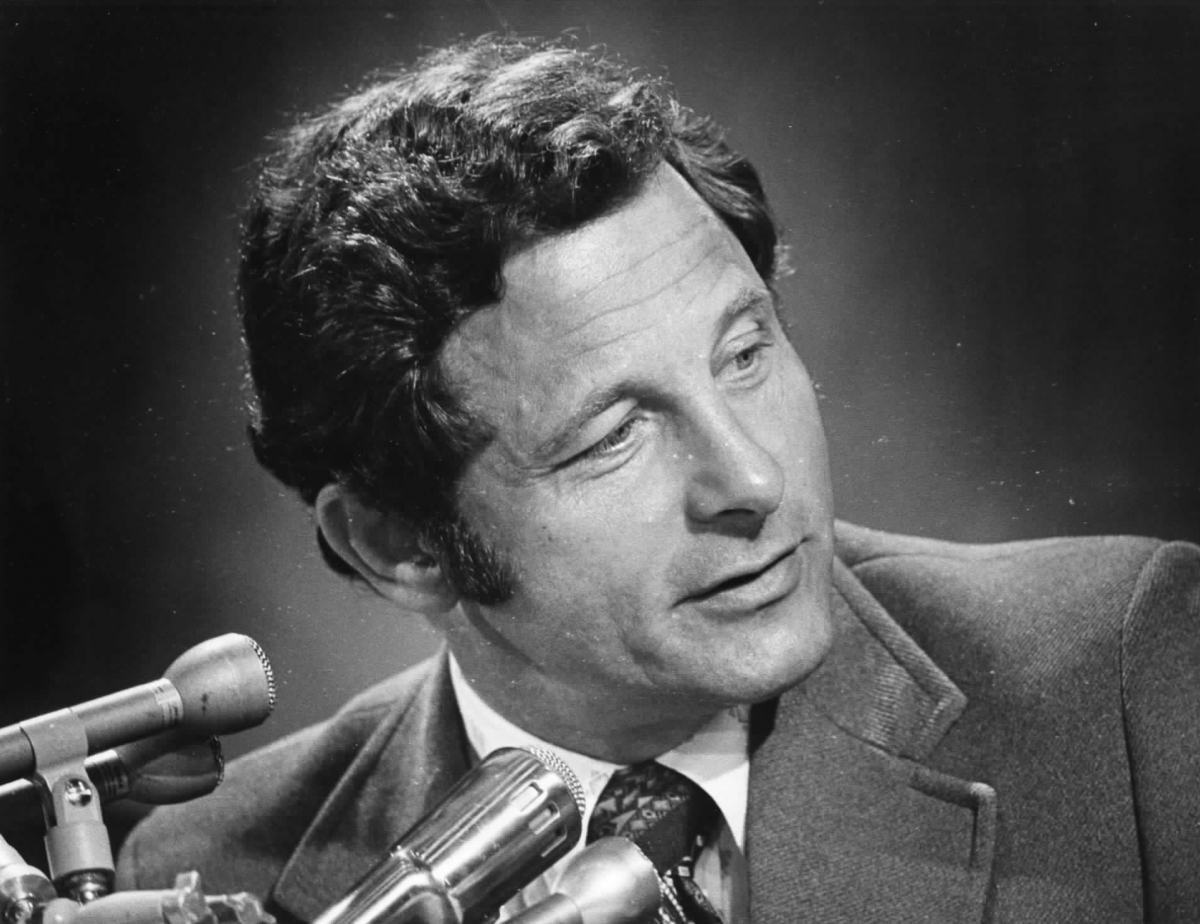
Sen. Birch Bayh, D-Ind., listens to witnesses during a Senate Judiciary Committee hearing on July 19, 1973. MUST CREDIT: Washington Post photo by Margaret Thomas.

Sen. Birch Bayh, D-Ind., listens to witnesses during a Senate Judiciary Committee hearing on July 19, 1973. MUST CREDIT: Washington Post photo by Margaret Thomas.

The near miss was enough to spur Congress to action.

Enter Birch Bayh. In 1963, the young senator from Indiana had been assigned to chair a subcommittee on constitutional amendments – usually a sleepy gig, but not so for him. First, he wrote the 25th Amendment, which outlines rules for presidential replacement due to incapacitation, resignation or death. Later, he did the same with the 26th Amendment, lowering the voting age to 18. He also wrote the Equal Rights Amendment, which fell just short of ratification in the 1970s.

President Lyndon B. Johnson had asked Bayh to work on reforming the electoral college, but after studying it, he decided it couldn’t be reformed and had to be abolished. He had first introduced legislation to replace it with a direct popular vote in 1966. But other lawmakers didn’t pay much attention until Wallace’s wake-up call. Suddenly it had bipartisan support, as well as popular sentiment; Gallup polling showed public support for the direct vote of the president at 80 percent, up 22 points in two years.

American history showed that the franchise was constantly expanding – to White men without property, to women, to African Americans – and moving toward a direct vote, as it had for the Senate. So it was natural this pattern should continue, Bayh said. The electoral college and the winner-take-all system made one person’s vote in a swing state matter more than other votes elsewhere; all votes counting equally would encourage more people to vote, he said.

“We are at long last arriving at the place and time in our history where meaning has been brought to the preamble of our Constitution – ‘We, the People of the United States,’ ” he argued in a Senate speech.

In September 1969, the proposed amendment sailed through the House, passing 339 to 70. Nixon, a Republican, threw his support behind Democrat Bayh’s proposal, and it appeared a majority of state legislatures would ratify it.

So what happened to the senator’s bill? The Senate.

Southern senators led by South Carolina’s Strom Thurmond were perfectly happy with the system as it was. As Wallace had demonstrated, the electoral college increased the importance of the Southern White vote; and the winner-take-all system effectively canceled out the Black vote so long as Southern Blacks remained the minority.

The Southerners blocked the amendment from moving forward with a filibuster. (For what it’s worth, the filibuster is another old convention that many argue should be abolished.) The amendment died on the Senate floor the next year.

Bayh tried throughout the 1970s to bring it to a vote, which finally happened in 1979 after President Jimmy Carter expressed support for direct election. It received a majority vote but not the two-thirds majority needed to pass a constitutional amendment.

Bayh, who died in 2019, lived long enough to see his worst fears – the loser of the popular vote winning the electoral college – realized.

Twice.

เอาจริง! คิมจองอึนสั่งยิงคนฝ่าฝืนมาตรการโควิดต่อหน้าสาธารณะ #SootinClaimon.Com

#SootinClaimon.Com : ขอบคุณแหล่งข้อมูล : หนังสือพิมพ์โพสต์ทูเดย์

เอาจริง! คิมจองอึนสั่งยิงคนฝ่าฝืนมาตรการโควิดต่อหน้าสาธารณะ – โพสต์ทูเดย์ รอบโลก (posttoday.com)

วันที่ 04 ธ.ค. 2563 เวลา 18:30 น.เอาจริง! คิมจองอึนสั่งยิงคนฝ่าฝืนมาตรการโควิดต่อหน้าสาธารณะแหล่งข่าวเผยเกาหลีเหนือใช้วิธีประหารชีวิตผู้ลักลอบเข้าประเทศ หวั่นนำโควิดมาแพร่ระบาด

เดลีเมล รายงานว่าเกาหลีเหนือภายใต้การปกครองของคิม จอง อึน ได้ยิงประหารชีวิตผู้ฝ่าฝืนมาตรการป้องกันการแพร่ระบาดของไวรัสโคโรนาต่อหน้าสาธารณชน

ในขณะที่เกาหลีเหนืออ้างว่ายังไม่มีผู้ติดเชื้อ แต่รัฐบาลคิม จอง อึน ได้ใช้มาตรการฉุกเฉินระดับสูงพิเศษ และกองกำลังเกาหลีเหนือได้รับคำสั่งให้ยิงผู้บุกรุกที่ชายแดนติดกับประเทศจีน โดยรัฐบาลได้เพิ่มกองกำลังทหารบริเวณชายแดนเพื่อตรวจตราและป้องกันไม่ให้มีผู้ลักลอบเข้าประเทศเนื่องจากเกรงว่าผู้ลักลอบเข้าประเทศจะนำไวรัสเข้ามาแพร่ระบาดในเกาหลีเหนือ

แหล่งข่าวคนหนึ่งเผยว่า “พวกเขาจัดการประหารชีวิตต่อหน้าสาธารณชนโดยการยิงเพื่อขู่ประชาชนคนอื่นๆ ที่อาศัยในพื้นที่ชายแดน เนื่องจากบริเวณนั้นมีการติดต่อกับผู้คนมากมายในอีกด้านหนึ่งของพรมแดน รวมถึงมีการลักลอบเข้าประเทศจำนวนมาก”

มีรายงานว่าบุคคลที่ถูกประหารชีวิตเป็นชายคนหนึ่งที่ลักลอบทำธุรกิจข้ามพรมแดนกับประเทศจีน แม้ว่าในปีนี้จะมีการปิดประเทศเกือบตลอดทั้งปีก็ตาม

นอกจากนี้วิทยุเอเชียเสรี รายงานว่าชายวัย 50 ปีคนหนึ่งที่ถูกกล่าวหาว่าลักลอบข้ามพรมแดนจากประเทศจีนถูกยิงเสียชีวิตเมื่อวันที่ 28 พ.ย. เพื่อสร้างความหวาดกลัวและขู่ให้ประชาชนคนอื่นปฏิบัติตามมาตรการอย่างเคร่งครัด

ทั้งนี้ จีนเป็นคู่ค้ารายใหญ่ที่สุดของเกาหลีเหนือ แต่การค้าระหว่างสองประเทศตกต่ำลงถึง 75% เนื่องจากการแพร่ระบาดของโควิด-19

Photo by STR / KCNA VIA KNS / AFP

แฮกเกอร์อาละวาดโจมตีบริษัทขนส่งวัคซีนโควิด #SootinClaimon.Com

#SootinClaimon.Com : ขอบคุณแหล่งข้อมูล : หนังสือพิมพ์โพสต์ทูเดย์

แฮกเกอร์อาละวาดโจมตีบริษัทขนส่งวัคซีนโควิด – โพสต์ทูเดย์ รอบโลก (posttoday.com)

วันที่ 04 ธ.ค. 2563 เวลา 17:35 น.แฮกเกอร์อาละวาดโจมตีบริษัทขนส่งวัคซีนโควิดขณะนี้นักวิเคราะห์ยังไม่ทราบว่าใครอยู่เบื้องหลังการโจมตีนี้

นักวิจัยด้านความปลอดภัยทางไซเบอร์ของบริษัท ไอบีเอ็ม พบแฮกเกอร์ออกอาละวาดโจมตีบริษัทหรือองค์กรที่เกี่ยวข้องกับการกระจายวัคซีน Covid-19 ตั้งแต่เดือน ก.ย.ที่ผ่านมา โดยการอ้างตัวเป็นผู้บริหารจากบริษัทขนส่ง ไห่เอ๋อ ไบโอเมดิคอล (Haier Biomedical) ซึ่งเป็นบริษัทขนส่งสินค้าควบคุมอุณหภูมิจากจีน ส่งอีเมลไปยังผู้บริหารของบริษัทต่างๆ

แคลร์ ซาโบเอวา และเมลิสซา ฟรีดรีช นักวิจัยของไอบีเอ็มระบุว่า จุดประสงค์ของคนร้ายคือเพื่อเก็บข้อมูลส่วนตัวเพื่อใช้ในการเข้าถึงฐานข้อมูลสำคัญของบริษัทในอนาคต อาทิ การสื่อสารภายในองค์กร ไปจนถึงกระบวนการ วิธี และแผนในการกระจายวัคซีน Covid-19

ไอบีเอ็มยังระบุอีกว่า แฮกเกอร์เจาะจงโจมตีเฉพาะบริษัทที่เกี่ยวข้องกับการขนส่งสินค้าควบคุมอุณหภูมิ โดยวัคซีนบางตัวต้องเก็บรักษาในอุณหภูมิต่ำมากเพื่อรักษาประสิทธิภาพ เช่น วัคซีนของไฟเซอร์ (Pfizer) ที่ร่วมกับไบโอเอ็นเทค (BioNTech) ที่ต้องเก็บในอุณหภูมิติดลบ 70 องศาเซลเซียส

อีเมลที่ไอบีเอ็มตรวจพบถูกส่งไปยังองค์กรในอิตาลี เยอรมนี เกาหลีใต้ สาธารณรัฐเชก ยุโรป และไต้หวัน โดยองค์กรที่ตกเป็นเป้าหมายรวมถึงสหภาพภาษีและศุลกากรของคณะกรรมาธิการยุโรป และบริษัทในยุโรปและเอเชียที่เกี่ยวข้องกับห่วงโซ่อุปทานวัคซีนซึ่งยังไม่มีการเปิดเผยชื่อ

ขณะที่นักวิจัยของไอบีเอ็มยังไม่ทราบว่าใครอยู่เบื้องหลังการโจมตี แต่คาดว่าเป็นฝีมือของบุคคลหรือกลุ่มระดับรัฐมากกว่าเอกชน

รัฐบาลโครเอเชียเตรียมฉีดวัคซีนให้ประชาชนทุกคนฟรี! #SootinClaimon.Com

#SootinClaimon.Com : ขอบคุณแหล่งข้อมูล : หนังสือพิมพ์โพสต์ทูเดย์

รัฐบาลโครเอเชียเตรียมฉีดวัคซีนให้ประชาชนทุกคนฟรี! – โพสต์ทูเดย์ รอบโลก (posttoday.com)

วันที่ 04 ธ.ค. 2563 เวลา 16:30 น.รัฐบาลโครเอเชียเตรียมฉีดวัคซีนให้ประชาชนทุกคนฟรี!รัฐบาลโครเอเชียประกาศฉีดวัคซีนโควิด-19 ให้ประชาชนทุกคนโดยไม่คิดค่าใช้จ่ายทันทีที่ได้รับวัคซีน พร้อมกระชับมาตรการป้องกันหลังยอดผู้ติดเชื้อพุ่ง

สำนักข่าวซินหัวรายงาน เมื่อวันที่ 3 ธ.ค. อันเดรย์ เปลงกอวิช นายกรัฐมนตรีโครเอเชีย ประกาศในการประชุมคณะรัฐบาลว่าวัคซีนต้านโรคติดเชื้อไวรัสโคโรนาสายพันธุ์ใหม่ (โควิด-19) จะถูกขนส่งมายังโครเอเชียในไม่ช้า และรัฐบาลจะฉีดวัคซีนให้แก่ประชาชนทุกคนโดยไม่คิดค่าใช้จ่าย

เปลงกอวิชกล่าวว่า ทันทีที่องค์การยาแห่งสหภาพยุโรป (EMA) อนุมัติวัคซีนไฟเซอร์ (Pfizer) วัคซีนชุดแรกจำนวน 125,000 โดสจะถูกส่งมายังโครเอเชียตามเงื่อนไขสัญญา

โดยรัฐบาลโครเอเชียจะดำเนินการฉีดวัคซีนให้บุคคลที่ทำงานด้านสุขภาพ ผู้พักอาศัยในบ้านพักคนชรา ผู้ป่วยเรื้อรัง และผู้สูงอายุก่อนเป็นกลุ่มแรก

นอกจากนี้รัฐสภาโครเอเชียมีกำหนดลงมติแก้ไข “กฎหมายว่าด้วยการปกป้องประชาชนจากโรคติดเชื้อ” ซึ่งจะปรับเงินผู้ที่ไม่สวมหน้ากากอนามัย 500 คูนาโครเอเชีย (ราว 2,727 บาท) และปรับเงินผู้ที่รวมตัวกันเกิน 10 คนในสถานที่ส่วนบุคคล 10,000 คูนาโครเอเชีย (ราว 48,542 บาท)

ทั้งนี้ ในช่วง 24 ชั่วโมงที่ผ่านมา โครเอเชียมียอดผู้ติดเชื้อรายวันอยู่ที่ 4,534 ราย และผู้เสียชีวิต 48 ราย รวมถึงนายกรัฐมนตรีเปลงกอวิชก็กำลังอยู่ในระหว่างการกักตัวเนื่องจากมีผลตรวจโรคโควิด-19 เป็นบวกเช่นกัน

Photo by Olivier HOSLET / POOL / AFP

รวบสองสามีมะกันขึ้นเครื่องบินทั้งที่รู้ตัวว่าติดโควิด #SootinClaimon.Com

#SootinClaimon.Com : ขอบคุณแหล่งข้อมูล : หนังสือพิมพ์โพสต์ทูเดย์

รวบสองสามีมะกันขึ้นเครื่องบินทั้งที่รู้ตัวว่าติดโควิด – โพสต์ทูเดย์ รอบโลก (posttoday.com)

วันที่ 04 ธ.ค. 2563 เวลา 15:30 น.รวบสองสามีมะกันขึ้นเครื่องบินทั้งที่รู้ตัวว่าติดโควิดยูไนเต็ด แอร์ไลนส์ ประกาศไม่ต้อนรับทั้งคู่ขึ้นเครื่องของสายการบินตลอดชีวิต

สื่อท้องถิ่นของสหรัฐรายงานว่า เวสลีย์ มอริบี และคอร์ทนีย์ ปีเตอร์สัน สองสามีภรรยาจากรัฐฮาวาย รู้ตัวว่าผลตรวจเชื้อโคโรนาไวรัสของทั้งคู่เป็นบวก และได้รับแจ้งจากศูนย์กักตัวของสนามบินนานาชาติซานฟรานซิสโกให้กักตัวและงดเดินทาง

อย่างไรก็ดี ทั้งคู่พร้อมลูกชายวัย 4 ขวบฝ่าฝืนขึ้นเครื่องบินของสายการบินยูไนเต็ด แอร์ไลนส์เพื่อเดินทางไปยังรัฐฮาวายโดยรู้อยู่แก่ใจว่าติด Covid-19

หลังจากเครื่องบินลงจอดที่ท่าอากาศยานลีอู ทั้งคู่จึงถูกตำรวจควบคุมตัวเพื่อนำไปกักตัวและสอบสวน โดยถูกตั้งข้อหาประมาทจนเป็นเหตุให้ผู้อื่นได้รับอันตราย และได้รับการประกันตัวคนละ 1,000 เหรียญสหรัฐในเวลาต่อมา ส่วนลูกชายญาติมารับตัวกลับบ้าน

หากมีความผิดจริงสองสามีภรรยาต้องรับโทษจำคุกไม่เกิน 1 ปี และปรับ 2,000 เหรียญสหรัฐ

สหรัฐขอให้ลูกสาวหัวเว่ยรับผิดแลกปล่อยตัวกลับจีน #SootinClaimon.Com

#SootinClaimon.Com : ขอบคุณแหล่งข้อมูล : หนังสือพิมพ์โพสต์ทูเดย์

สหรัฐขอให้ลูกสาวหัวเว่ยรับผิดแลกปล่อยตัวกลับจีน – โพสต์ทูเดย์ รอบโลก (posttoday.com)

วันที่ 04 ธ.ค. 2563 เวลา 14:33 น.สหรัฐขอให้ลูกสาวหัวเว่ยรับผิดแลกปล่อยตัวกลับจีนกระทรวงยุติธรรมสหรัฐเจรจากับทนายความของ เมิ่งหว่านโจว ลูกสาวหัวเว่ย เสนอข้อแลกเปลี่ยนเพื่อจบคดี

หนังสือพิมพ์ Wall Street Journal รายงานว่า กระทรวงยุติธรรมสหรัฐเจรจากับทนายความของเมิ่งหว่านโจว บุตรสาวผู้ก่อตั้งและประธานเจ้าหน้าที่ฝ่ายการเงินหัวเว่ย เพื่อหาทางยุติคดีและเปิดทางให้เมิ่งเดินทางจากแคนาดากลับจีนได้

Wall Street Journal ระบุว่าฝั่งกระทรวงยุติธรรมสหรัฐยื่นข้อเสนอให้เมิ่งเข้าสู่กระบวนการชะลอฟ้อง โดยเมิ่งต้องยอมรับข้อหาฉ้อโกงและข้อหาสมรู้ร่วมคิดที่หัวเว่ยถูกกล่าวหาบางข้อหา ซึ่งหากเมิ่งยอมปฏิบัติตามพนักงานอัยการสหรัฐจะไม่ฟ้องคดี

อย่างไรก็ดี แหล่งข่าวเผยกับ Wall Street Journal ว่า เมิ่งหว่านโจวมั่นใจว่าเธอไม่ได้ทำผิดจึงยังลังเลที่จะสารภาพในสิ่งที่เจ้าตัวคิดว่าไม่จริง

ทั้งสองฝ่ายจะเจรจากันอีกครั้งในวันศุกร์นี้และคาดว่าจะบรรลุข้อตกลงได้ก่อนที่รัฐบาลของประธานาธิบดี โดนัลด์ ทรัมป์ จะสิ้นสุดลง

ทั้งหัวเว่ยและกระทรวงยุติธรรมสหรัฐปฏิเสธแสดงความคิดเห็นต่อกรณีดังกล่าว

การเจรจากันครั้งนี้เกิดขึ้น 1 เดือนหลังการเลือกตั้งสหรัฐ

ทั้งนี้ เมิ่งหว่านโจวถูกจับกุมตัวที่แคนาดาเมื่อปี 2018 ตามหมายจับของสหรัฐในข้อหาฉ้อโกงธนาคารโดยทำให้ธนาคารเอชเอสบีซีเข้าใจผิดเกี่ยวกับการเจรจาธุรกิจของบริษัทหัวเว่ยในอิหร่าน ทำให้ธนาคารแห่งนี้ละเมิดมาตรการคว่ำบาตรของสหรัฐ

เมิ่งได้รับการประกันตัวออกมาภายใต้เขื่อนไขห้ามเดินทางออกจากเมืองแวนคูเวอร์ซึ่งเธอมีบ้านอยู่ที่นั่น

การจับกุมครั้งนั้นทำให้ความสัมพันธ์ของจีนกับแคนาดาตึงเครียดขึ้น หลังเมิ่งถูกจับกุมตัวทางการจีนระงับการนำเข้าเมล็ดคาโนลาจากแคนาดา รวมทั้งจับกุมตัวพลเมืองแคนาดา 2 คน ได้แก่ ไมเคิล คอฟริก และไมเคิล สเปวอร์ ในข้อหาเป็นสายลับ

Wall Street Journal รายงานโดยอ้างแหล่งข่าวว่า การเจรจากันครั้งนี้อาจเป็นการกรุยทางไปปล่อยตัวพลเมืองแคนาดาทั้งคู่ด้วย

เฉลยแล้ว! เสาโลหะปริศนาในยูทาห์หายไปได้อย่างไร #SootinClaimon.Com

#SootinClaimon.Com : ขอบคุณแหล่งข้อมูล : หนังสือพิมพ์โพสต์ทูเดย์

เฉลยแล้ว! เสาโลหะปริศนาในยูทาห์หายไปได้อย่างไร – โพสต์ทูเดย์ รอบโลก (posttoday.com)

วันที่ 04 ธ.ค. 2563 เวลา 13:30 น.เฉลยแล้ว! เสาโลหะปริศนาในยูทาห์หายไปได้อย่างไรเผยตัวผู้รื้อเสาโลหะปริศนาในยูทาห์ อ้างที่แห่งนี้ยังไม่พร้อมรับนักท่องเที่ยว

เดลีเมลรายงาน เมื่อวันที่ 2 ธ.ค. ซิลวาน คริสเตนเซน ไกด์นำเที่ยวในพื้นที่ออกมาอ้างว่าเขาและเพื่อนรวม 4 คน เป็นผู้อยู่เบื้องหลังการรื้อถอนเสาโลหะปริศนาในทะเลทรายรัฐยูทาห์ โดยได้เผยแพร่คลิปวิดีโอขณะทำการรื้อถอนลงในโซเชียลมีเดียเมื่อวันที่ 1 ธ.ค. ที่ผ่านมา

คริสเตนเซนกล่าวว่า การรื้อถอนเสาดังกล่าวเป็นเรื่องน่าเศร้าและพวกเขาไม่ได้ภาคภูมิใจ แต่ทะเลทรายแห่งนี้ยังไม่พร้อมที่จะรองรับนักท่องเที่ยวจำนวนมากที่แห่มาชมเสาโลหะปริศนา ไม่ว่าจะเป็นโดยรถยนต์, รถประจำทาง, รถตู้ หรือแม้กระทั่งเครื่องบินและเฮลิคอปเตอร์ ในขณะที่พื้นที่แห่งนี้ไม่มีแม้แต่ที่จอดรถรวมถึงห้องน้ำ และแน่นอนว่ามีนักท่องเที่ยวขับถ่ายทิ้งไว้ที่นี่ ซึ่งส่งผลกระทบต่อพื้นที่สาธารณะและแหล่งธรรมชาติในพื้นที่

เช่นเดียวกับสำนักจัดการที่ดินที่มองว่าการมีนักท่องเที่ยวเพิ่มขึ้นอย่างกะทันหันสร้างความเสียหายเป็นวงกว้างต่อภูมิทัศน์

อย่างไรก็ตาม การรื้อเสาโลหะปริศนาสร้างความไม่พอใจให้กับประชาชนจำนวนมากและเรียกร้องให้มีการดำเนินคดีในข้อหาบุกรุกทำลายทรัพย์สิน

โดยบางคนมองว่าพวกเขาไม่มีสิทธิ์รื้อเสาดังกล่าวไปโดยพลการ ซึ่งเสาโลหะปริศนาไม่ใช่การทำลายภูมิทัศน์แต่อย่างใด ในทางกลับกันจะส่งผลให้ยูทาห์ได้รับความสนใจจากนานาชาติมากยิ่งขึ้น และยังมองว่าพวกเขากระทำไปเพราะต้องการชื่อเสียงเท่านั้น

https://www.dailymail.co.uk/embed/video/2304256.html

Photo by Handout / Utah Department of Public Safety / AFP