Industry leaders unpack the future of travel, meeting and events at Marriott Internationals first major hybrid event across asia pacific #SootinClaimon.Com

#SootinClaimon.Com : ขอบคุณแหล่งข้อมูล : หนังสือพิมพ์ The Nation.

https://www.nationthailand.com/pr-news/business/40006243

Industry leaders unpack the future of travel, meeting and events at Marriott Internationals first major hybrid event across asia pacific


Marriott International together with industry leaders discussed future trends at its first hybrid event in Asia Pacific

With grounds for optimism over travel rebound, Marriott International together with industry leaders discussed future trends at its first hybrid event in Asia Pacific – “Be There with Marriott International – The Path Forward for Travel and Events”. The event, attended in early September by more than 1,100 in-person and virtual travel industry professionals across Asia Pacific, featured a lively panel discussion on the emerging trends and demands in meetings and events, changing business travel policies, luxury travel, and consumer behavior in a post-pandemic era. These key trends emerged:

Customer experience is still key

Cleanliness remains the top priority for many consumers, and expectations around safety and hygiene have increased dramatically as part of the customer experience. Social distancing, facemasks and hand sanitizers are expected essentials. Marriott International offers event organizers tips on setting up events in the new normal through the company’s ‘Connect with Confidence’ commitment.

In-person human interaction more powerful than ever

ADVERTISEMENT

There has been a rapid adoption of technology and digitalization across the MICE industry. Although virtual events were the norm at the peak of the pandemic, 47% of respondents surveyed post-event said that more than half of their events next year will be offline. Hybrid events, which combine live interactions and the convenience of going digital, are expected to become the de facto meeting format.

Planning events in the ‘new normal’ has taught Industry leaders to keep testing, thinking, assessing and learning, so they can be nimble and change what is not working. MICE industry leaders must recognize the importance and power of face-to-face meetings complemented by hybrid technology in bringing out the human experience and connection.

Ramesh Daryanani, Vice President, Global Sales, Marriott International Asia Pacific says, “We need to strike a balance between technology, reach and engagement. When hosting hybrid events, the platform is not the most important—instead, the desired outcome and the value that human connection brings is. Marriott’s hybrid solutions will continue to evolve, but there is no doubt that nothing replaces the power of face-to-face meetings.”

As borders reopen, customers will seek events that are more intimate; and the networking that comes with these events will also be prioritized given many lost connections over the pandemic.

Wellness is the new luxury

The pandemic gave travelers an opportunity to think about rebooting travel for the better. Wellness travel, associated with the pursuit of enhancing personal well-being, is driving demand for weekend anti-stress getaways, hidden all-inclusive resort stays, spiritual retreats and off-the-beaten-track emerging destinations.

According to a survey conducted by Marriott International, 3 in 4 travelers surveyed indicated the desire to travel to relieve stress. There is a higher demand for slow travel, where people are slowing down and visiting just one place, taking their time to get familiar with the destination and its surroundings and culture, rather than a fleeting visit. Industry leaders should adapt to these rising trends and curate experiences that cater to changing market demands. Marriott Bonvoy’s Westin and JW Marriott are two brands that feature programs that allow guests to maintain their wellness practices while on the road. The recently launched pilot of Good Travel with Marriott Bonvoy is another example of a program where guests have the opportunity to connect with local communities to create a lasting positive impact.

In partnership with technology partner, NowEvents, the hybrid event took place in Renaissance Hong Kong Harbour View Hotel, The Ritz-Carlton, Millenia Singapore and JW Marriott Gold Coast Resort & Spa. The in-person events saw the use of technology where panelists appeared to be in the same room even though in different locations. Moderated by Karen Bolinger, Strategic Business Consultant, PCMA Asia Pacific, the panelists included:

· Andy Winchester (HK) – APAC Travel Manager, Bloomberg;

· Anna Patterson (SG) – Vice President & Managing Director, George P Johnson Singapore;

· Bart Buiring (HK) – Chief Sales & Marketing Officer, Marriott International;

· Charlotte Harris (HK) – Managing Director, Charlotte Travel Hong Kong;

· Kenji Soh (SG) – Executive Director, Head of Asia Pacific Travel, Goldman Sachs;

· Oscar Cerezales (SG), Chief Strategy Officer, MCI Group

For more information and resources related to Marriott International’s enhanced meeting and event offerings, and view the live stream of the event, visit www.marriottbonvoyevents.com 

Published : September 16, 2021
Saha Group lays the foundation stone of KingBridge Tower #SootinClaimon.Com

#SootinClaimon.Com : ขอบคุณแหล่งข้อมูล : หนังสือพิมพ์ The Nation.

https://www.nationthailand.com/pr-news/business/40006236

Saha Group lays the foundation stone of KingBridge Tower


The KingBridge Tower will be a user-friendly smart building with a total area of over 85,000 square meters on a land plot of over six rai that focuses on quality of life of users and the integration of the state-of-the-art technology and innovation with green space and environmentally-friendly with emphasizing on Circular Economy

Saha Capital Tower Co., Ltd., a company within Saha Group, has performed a ceremony to lay the foundation stone for the construction of KingBridge Tower, a new iconic commercial office building on Rama III Road under the concept ‘The Spirit of Synergy’ that will focus on quality of life and blend state-of-the-art smart technology and innovation with green space.

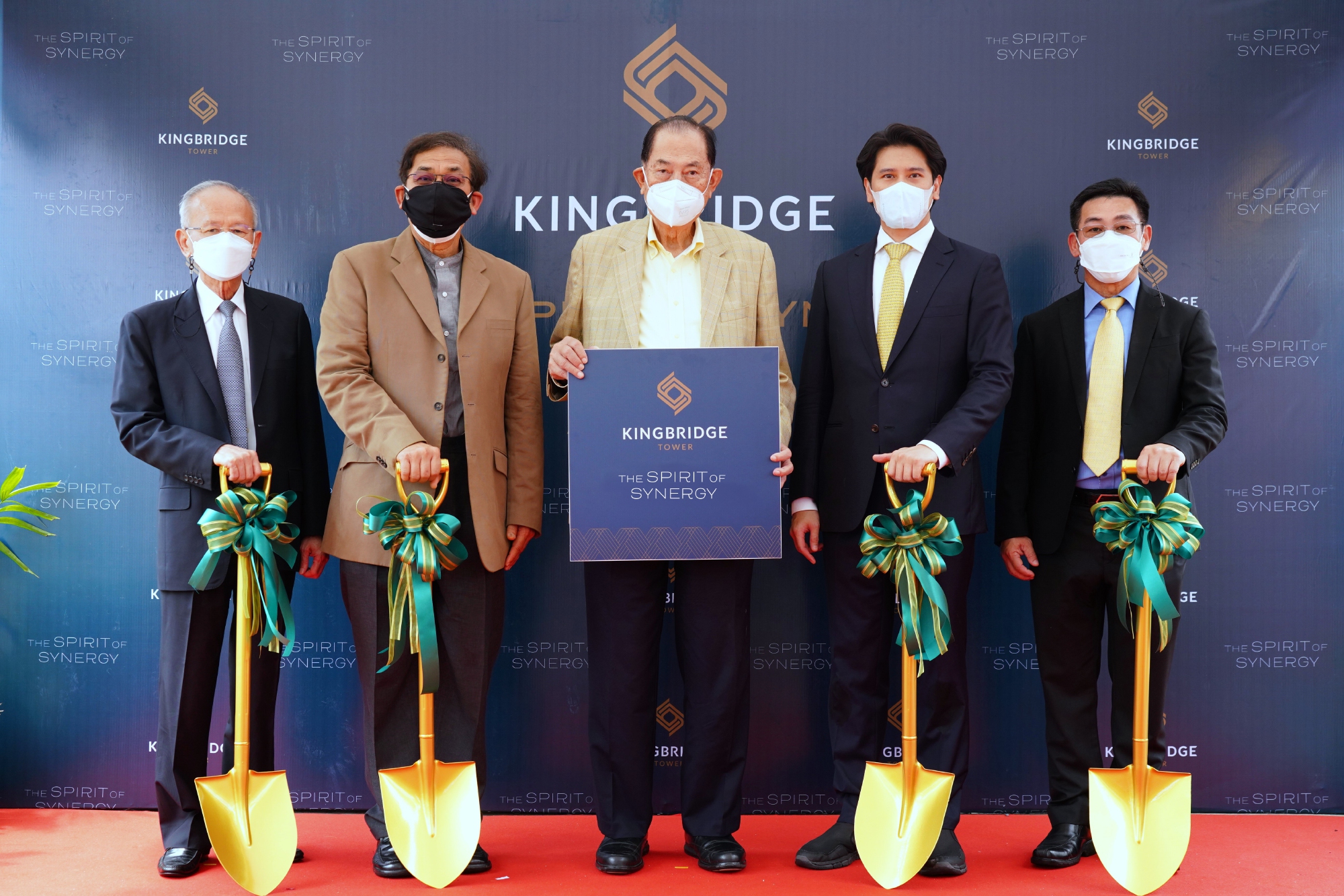
The ceremony was presided over by Boonsithi Chokwatana, Chairman of Saha Group, accompanied by Vichai Kulsomphob, President and CEO of Saha Pathana Inter-Holding Plc., and other executives.

Upon completion, KingBridge Tower will become the tallest office building in Thailand, consisting of office spaces, co-working spaces, meeting rooms, healthy canteen, vertical garden, running tracks and rooftop restaurant. The smart building is designed by Architects 49 Limited and constructed by Thai Obayashi Corporation Limited. Construction has begun and is expected to be completed in 2024.

Saha Group lays the foundation stone of KingBridge TowerSaha Group lays the foundation stone of KingBridge Tower

ADVERTISEMENT

Mr. Vichai Kulsomphob, President and CEO of Saha Pathana Inter-Holding Plc., and Managing Director of Saha Capital Tower Co., Ltd., said “Saha Capital Tower, as one of the companies under Saha Group, is committed to operating a business that is responsible to the society, people and environment. The KingBridge Tower is designed with the concept ‘The Spirit of Synergy’ as we believe synergy from working and spending time together can yield positive results, which, in turn, will stimulate growth of our businesses, organization and the overall society.”

“This concept is present in all design elements of the KingBridge Tower to ensure that everyone and every business in this building will be able to join forces to create something that is greater than the sum of its parts. The design of building’s facade, for example, has incorporated an environmentally-friendly solar cell technology without sacrificing the aesthetics. Quality of life is enhanced by the ‘Lush Co-working Space’ that combines working area with green space. As a result, the building will not only support the modern way of working but also wellness of its users,” said Mr. Vichai.

“Mott MacDonald has been selected to participate in the design of the KingBridge Tower. Mott MacDonald is a global engineering consultancy which was responsible for structural design of many world-renowned projects such as Bhumibol Bridge, London Heathrow Airport, and Silicon Valley BART Extension. With such a world-class company playing a key role in design, the KingBridge Tower is poised to be a spectacular riverside landmark of Rama III Road.” he said.

Saha Group lays the foundation stone of KingBridge TowerSaha Group lays the foundation stone of KingBridge Tower

The KingBridge Tower will be a user-friendly smart building with a total area of over 85,000 square meters on a land plot of over six rai that focuses on quality of life of users and the integration of the state-of-the-art technology and innovation with green space and environmentally-friendly with emphasizing on Circular Economy, with plans to be certified with top global building standards such as LEED Gold and 3-Star Fitwel.

The building will provide convenience and safety in a relaxing environment with the application of an IoT system in office and common spaces, an AI-based facial recognition system, EV charging stations, co-working spaces, meeting rooms, healthy canteen, vertical garden, running tracks and rooftop restaurant. Parts of the building can also be turned into an event space if needed.

Design and construction of the project is carried out in cooperation with professional partners with specific expertise, including Architects 49 Limited, Thai Obayashi Corporation Limited, Stonehenge Inter Plc., SCG, and JLL. Construction has begun and is expected to be completed in 2024.

Published : September 16, 2021

People, Planet, Profit: Recycling Solutions with Digitalization #SootinClaimon.Com
#SootinClaimon.Com : ขอบคุณแหล่งข้อมูล : หนังสือพิมพ์ The Nation.

https://www.nationthailand.com/pr-news/business/40006234

People, Planet, Profit: Recycling Solutions with Digitalization

The recycling of plastics has remained at low levels for many years, and expanding this activity is key to move toward the circular economy.

Sustainable development is both a major challenge and focus worldwide. Addressing the triple bottom line of People-Plant-Profit to meet community and employee needs; reduce environmental impact; yet also deliver company profits, is a fragile balance. Consumers and businesses alike are rethinking current behaviors to specifically address sustainability.

The production and use of plastics are important considerations in sustainability programs, and awareness has grown during the ongoing COVID-19 pandemic. In fact, all sustainability topics have drawn a lot more focus during this time. There is a greater awareness of risk across businesses, and a growing concern about the environment including plastic waste reduction. At the same time, we have seen greater use of single-use plastics to secure food and health during the pandemic.

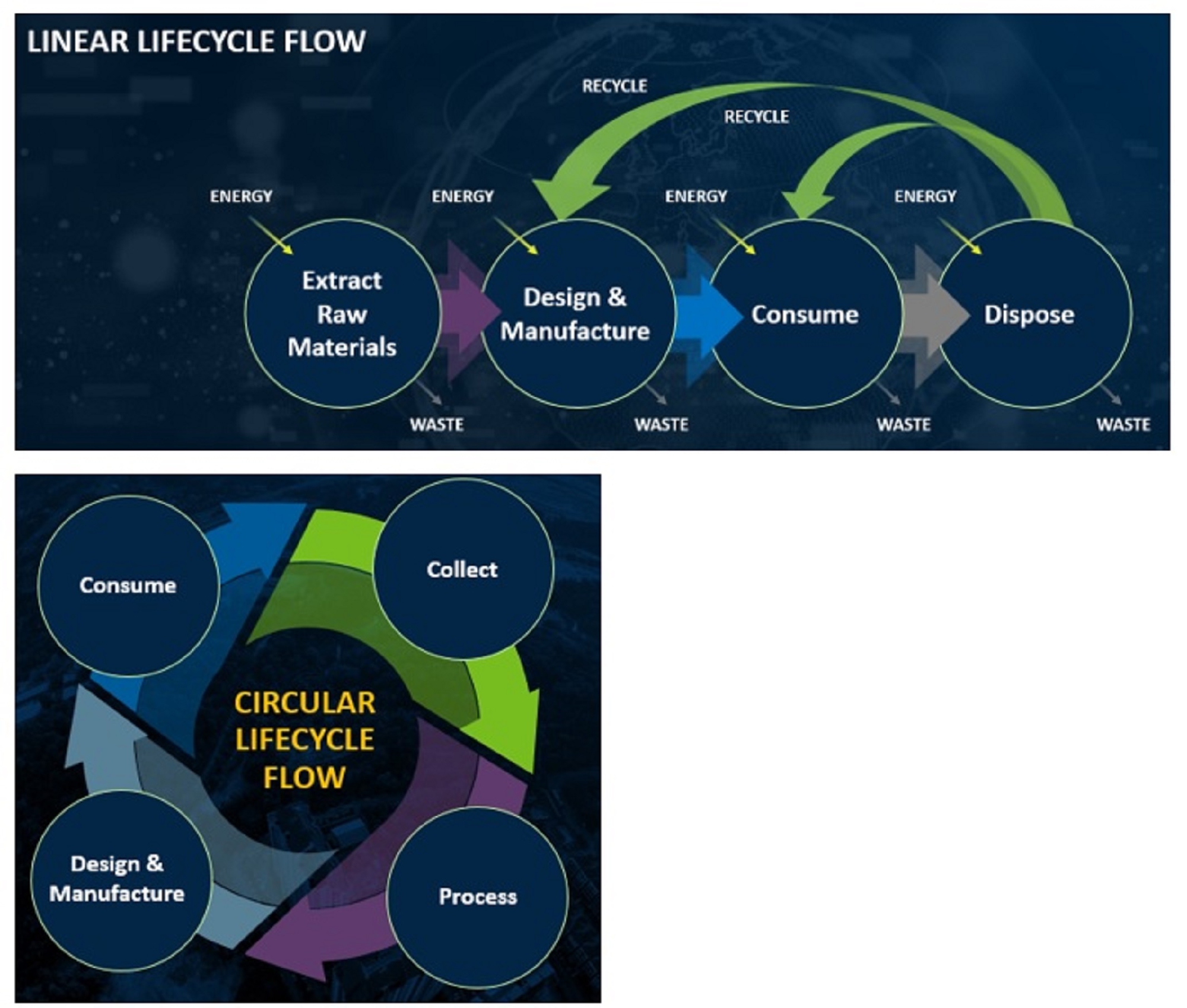
The recycling of plastics has remained at low levels for many years, and expanding this activity is key to move toward the circular economy. This demanding concept is based upon principles that manufacturing processes move from the current linear lifecycle to integrate waste and by-products and eliminate emissions, while overall reducing impact on the natural environment.

People, Planet, Profit: Recycling Solutions with DigitalizationPeople, Planet, Profit: Recycling Solutions with Digitalization

ADVERTISEMENT

According to the Ellen MacArthur Foundation, only about 14% of plastic packaging is collected for recycling globally and as much as one-third of the volume ends up in the environment. In a recent CERAWeek Conversation, IHS Markit vice president Anthony Palmer estimated that more than 400,000 metrics tons of plastic waste are expected to leak into the environment by 2050.

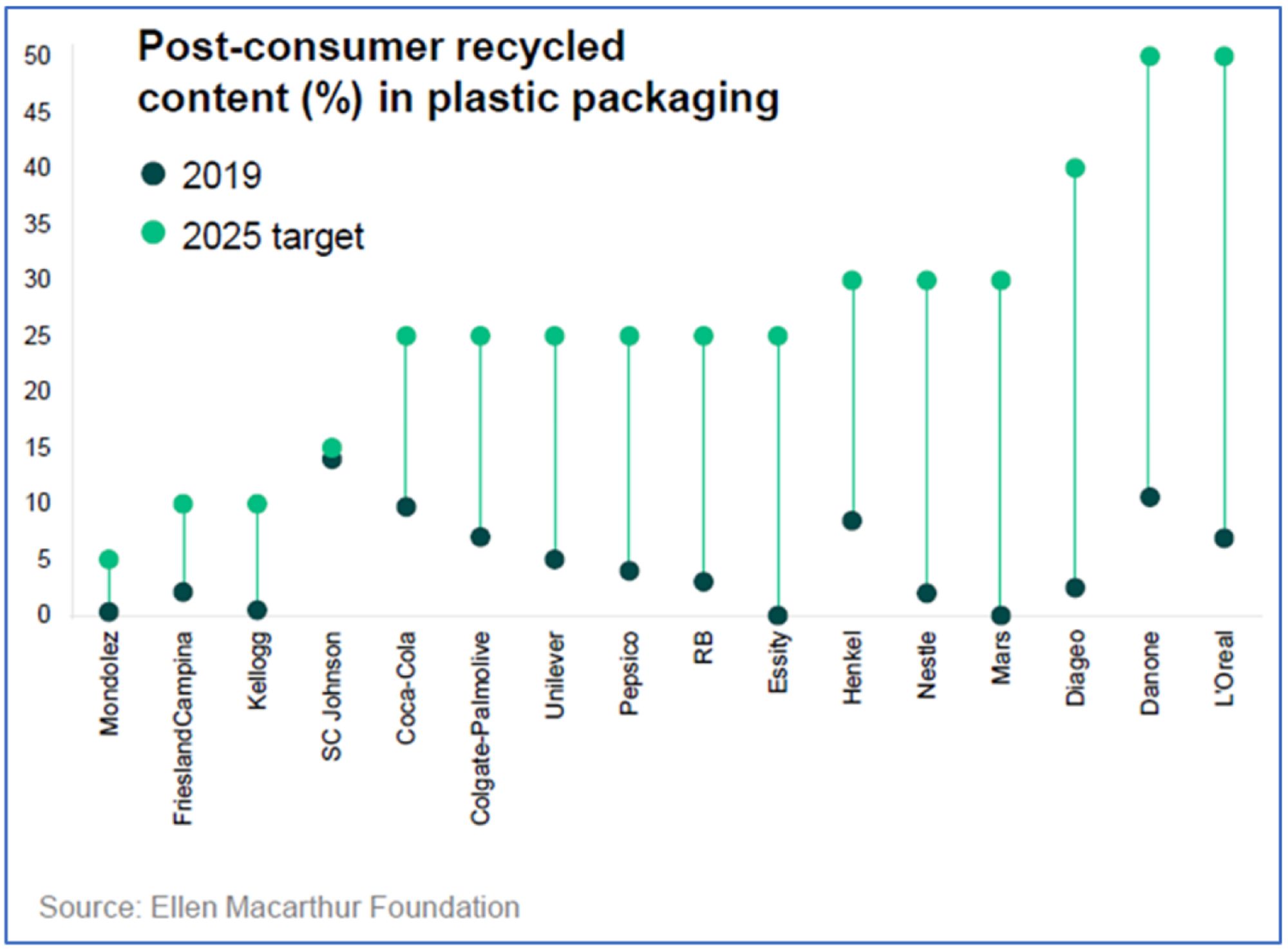
Consumer companies have ambitious targets to integrate recycled plastic into their final products and packaging, they are challenged to scale recycling and collection processes to address the very large and dispersed volumes.

People, Planet, Profit: Recycling Solutions with DigitalizationPeople, Planet, Profit: Recycling Solutions with Digitalization

The good news is that many companies across the plastic value chain are actively working and collaborating to resolve plastic waste issues. And digital capabilities are helping to solve some of the largest challenges in recycling activities.

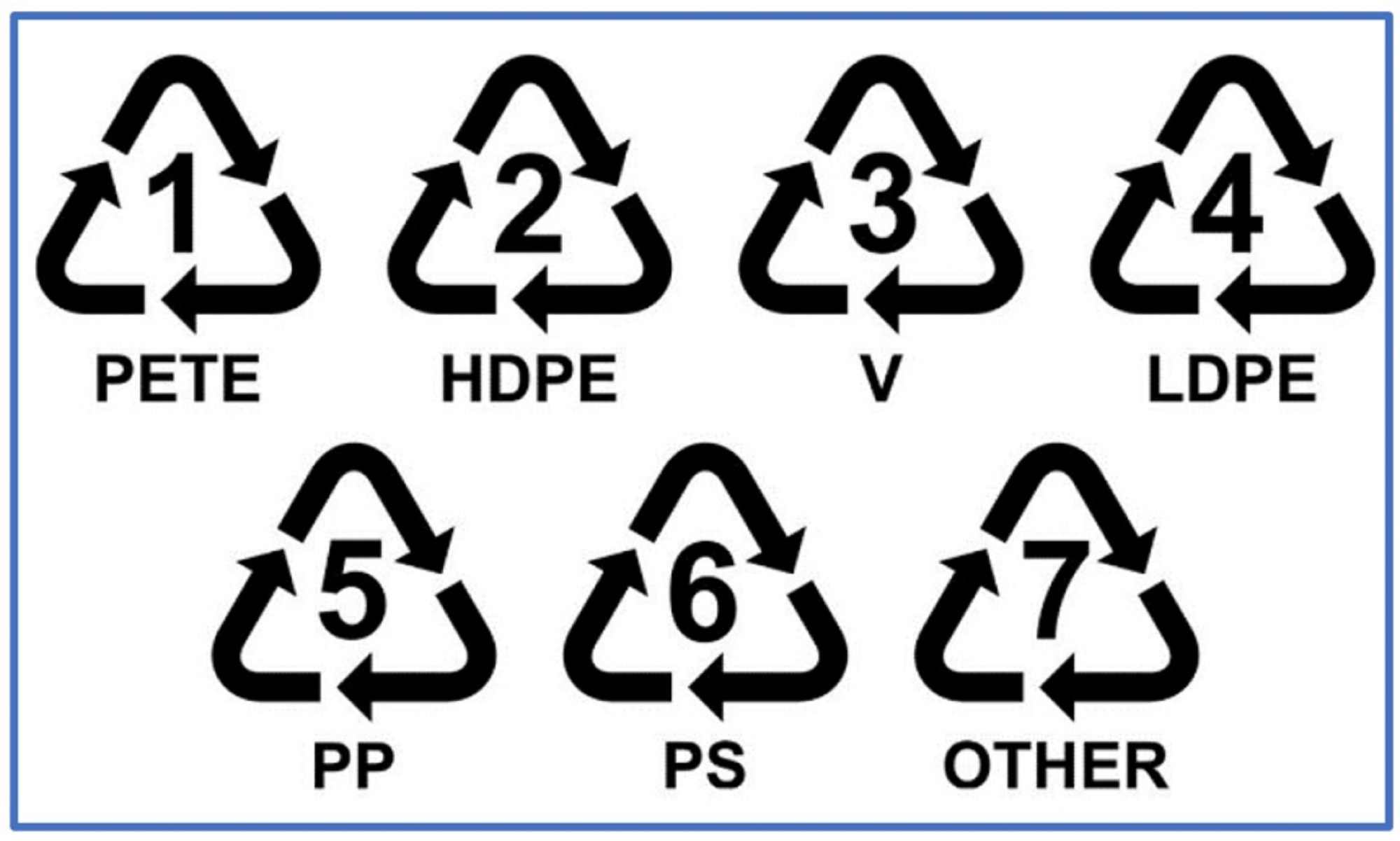
For mechanical recycling processes, when the plastic is melted to create a new plastic article, it can be difficult to re-integrate the material back into value chain. The variety of plastic types typically identified by the recycling symbols #1 – #6 (as shown in figure 3) often demands different solutions requiring labor-intensive sorting. Many packages are composed of a mix of plastics used, typically marked #7, that can require unique approaches.

People, Planet, Profit: Recycling Solutions with DigitalizationPeople, Planet, Profit: Recycling Solutions with Digitalization

Japanese company FP Corporation had complex business and sustainability challenges in its packaging and logistics operations. It successfully applied digital supply chain solutions to optimize its complex production and distribution processes for both profitability and sustainability targets.

Working with partner Time Commerce, the company generates a detailed scheduling plan that integrates its demand plans and warehouse capacity with key cost components for production, inventory and transportation. The plan includes the retrieval of spent containers from consumer locations and the material re-use at production sites, primarily made from polystyrene (PS #6) and polyethylene terephthalate (PET or PETE #1). The company estimates that it reduced landfill waste by 443,000 metric tons and cut carbon emissions by 160,000 metric tons in FY2019, continuing the improvement seen in the previous year.

Digital technologies are also helping to develop and improve new recycling capabilities often referred to as “advanced recycling”. This advanced approach differs from mechanical recycling in that it takes the polymer apart to make the starting monomer or feedstock, or another intermediate that can be used as a feedstock. Advanced recycling provides the opportunity to manage large volumes of plastic waste, and convert it to usable materials. As processes improve, it can also provide more flexibility in the types and variability of plastics that can be recycled.

Pyrolysis is the primary process for advanced recycling of polyethylene (HDPE #2 and LLDPE #4) and polypropylene (#5). Several global companies are working on pyrolysis processes with a focus on digital simulation solutions, such as AspenTech’s Aspen Plus. These solutions model the complex reactions that occur in polymer decomposition so conditions can be optimized for cost and emissions. Pyrolysis can be a helpful first step in a local recycling plan as the liquid product formed is much easier to transport than large volumes of plastic waste.

A recent research study that used Aspen Plus to model the pyrolysis of waste tires highlighted that the simulation model can “serve as a robust tool to respond to market conditions that dictate fuel demand and prices while at the same time identifying optimum process conditions (e.g., temperature) driven by process economics.” Operators can optimize based on local market demand, such as gasoline, diesel and other hydrocarbons. (1)

Digital technology can also aid the next step in the recycling process as the resultant pyrolysis oil is integrated back into operations as a feedstock into steam crackers for olefins production. Scheduling solutions, such as Aspen PIMS, help companies assess unit capability for alternate feed and provide guidance on optimal conditions for processing. As operational experience develops, process analytics can help operators target reliability and maintenance activities, such as furnace decoking, to ensure energy efficiency remains high while balancing operational demands.

The value of plastics in their applications, including increased quality and durability is another focus area across the plastics value chain. Some consumer companies are moving toward more durable packaging that can be re-used while and plastic producers are moving to upgrade the quality of their products, make them easier to recycle, and overall reduce waste in current production.

Simulation of polymer properties and processes accelerates this new product development so producers can deliver new products to the market faster and at lower cost. Dow, for example, was able to speed time to market and reduce batch cycle time for polymer production using dynamic simulation to adjust process conditions. SCG Chemical saved more than $300,000 USD by eliminating plant trials for new HDPE grades.

Plastic value is also tied to production quality, and eliminating the low value material that is often produced in high volume processes. Digital solutions help to optimize current polymer operations to minimize low quality production and reduce energy use. Scheduling solutions can be applied to polymer unit operations to optimize the production schedule and conditions to ensure minimal waste material is produced between high quality products.

Major effort is needed worldwide to resolve plastic waste challenges and make progress toward important sustainability goals. Companies can best target and accelerate their efforts in polymer recycling, optimization and redesign by using digitalization capabilities.

________________________________________

Reference:

(1) “Pyrolysis of waste tires: A modeling and parameter estimation study using Aspen Plus®.” Hamza Y. Ismail, Ali Abbas, Fouad Azizi and Joseph Zeaiter. Waste Management, Vol 60. February 2017.

Circular Economy requires the integration of process to eliminate waste and emissions

Published : September 16, 2021

Narrowing the Digital Divide in ASEAN: Infrastructure, Skills and Opportunities #SootinClaimon.Com

#SootinClaimon.Com : ขอบคุณแหล่งข้อมูล : หนังสือพิมพ์ The Nation.

https://www.nationthailand.com/pr-news/business/40006185

Narrowing the Digital Divide in ASEAN: Infrastructure, Skills and Opportunities


The ASEAN Digital Masterplan 2025 envisions ASEAN as a “leading digital community and economic bloc” – a bold plan that demands effective investments in infrastructure and skills.

The Singapore Institute of International Affairs (SIIA) organised the webinar, “Investing in Digital Infrastructure: Narrowing the Digital Divide in ASEAN”. Moderated by Mr Satyanarayan Ramamurthy, Partner and Head of Infrastructure, Government and Healthcare with KPMG Singapore, and SIIA Associate Council Member, the webinar featured Dr. Le Quang Lan, Assistant Director, Head of the ICT & Tourism Division, ASEAN Secretariat, and Mr. Andrew Williamson, Vice President and Economic Advisor of Government Affairs, Huawei.

Governments need to ensure equitable digital transformation

As the adoption of digitalisation increase, ASEAN governments have been pressured to develop digital infrastructure. Yet in the process, Dr Lan emphasised that millions of people, particularly the less digitally-enabled, may be excluded from affordable services and relevant content. Mr Williamson stated that businesses must adapt, they would either “go digital or go dark”. To prevent large-scale inequalities, governments have to encourage private sector investments in rural areas too.

“In a contactless world, the vast majority of interactions with customers and employees must take place virtually. With rare exception, operating digitally is the only way to stay in business through mandated shutdowns and restricted activity,” said Williamson.

ADVERTISEMENT

Unfortunately, telecommunications infrastructure is too costly to establish in far-flung regions. Rural residents and small businesses also lack the readiness to create economic value after being connected. A holistic approach is essential for equitable and effective results. Local governments would need to incentivise the private sector to digitally onboard the entire nation, promote the innovation of cost-effective digital solutions, and also raise public digital literacy and awareness.

ASEAN as a source of guidance for comprehensive and rationale policies

ASEAN’s importance lies in knowledge-sharing and shaping legal frameworks. The regional bloc collates and disseminates best practices across the region. The Digital Masterplan 2025 is an example of the bloc is assisting less-digitalised economies on issues including, but not limited to strengthening rural connectivity, coordinating cross-border data flows, and adopting new (Industrial Revolution 4.0) technologies. Attention is particularly directed to scaling up Micro, Small and Medium Enterprises (MSMEs); ultimately providing affordable services to rural, urban and international consumers. Mr Williamson highlighted that the region has promising unicorns, so retaining digital talent would also be a priority.

A concern, however, is underlying geopolitical tensions. Both Dr Lan and Mr Williamson warned against the bifurcation of digital and IR 4.0 technologies. Sino-American tensions have deepened techno-nationalism, which only results in losses to all parties involved. Countries are cautioned against decisions based on political motivations. Dr Lan affirms that “ASEAN very much abides by the principle of technology neutrality…we [ASEAN] shall not prevent [the adoption] of one technology over another.” This principle will play a key role in developing a common standard that can maintain global value chains while sustaining regional business development.

Private sector innovation critical to realising the visions of a digital economy

Based on a historical example of the optimisation of internal combustion engines in the 19th century, Mr Williamson illustrated that the world is at the brink of revolutionising new technologies such as Artificial Intelligence and machine-learning. This is an opportunity for ASEAN to lead, innovate and dramatically reduce digital infrastructure costs. Bigger players with rich resources like Huawei would need to be the first movers. Major companies can, and have already been, partnering with governments in producing training and upskilling programmes. Whether it be young students, small enterprises, women or mid-career switching talents, public-private collaborations would be beneficial in creating an attractive and diverse digital talent pool. The end goal is a robust and productive digital ecosystem that boosts the entire private sector, including MSMEs.

Involving all stakeholders is key to an inclusive digital community

ASEAN is a diverse region; each country’s digital strategy has a different level of maturity. It is crucial that the initiatives take advantage of the stakeholder’s capabilities, while also accounting for their needs. With an internet economy set to reach US$300 billion in 2025, more opportunities would arise. As a member of ASEAN and a key hub in the region, Singapore’s interests are tied to this ongoing transformation.

Published : September 15, 2021

Bangkok Metropolitan Administration Deploys Oracle Exadata Cloud@Customer to Deliver More Efficient Public Services to Residents #SootinClaimon.Com

#SootinClaimon.Com : ขอบคุณแหล่งข้อมูล : หนังสือพิมพ์ The Nation.

https://www.nationthailand.com/pr-news/business/40006173

Bangkok Metropolitan Administration Deploys Oracle Exadata Cloud@Customer to Deliver More Efficient Public Services to Residents


• Helps Bangkok Metropolitan Administration consolidate its IT infrastructure and accelerate the journey toward a digital government • BMA gains the simplicity, flexibility and affordability of the cloud in its own data center

Bangkok Metropolitan Administration (BMA), the local adminstrative authority of the city of Bangkok, responsible for the well-being of the city’s 11 million residents, has adopted Oracle Exadata Cloud@Customer to help fulfill its plans of becoming a Digital Government. With Oracle Exadata Cloud@Customer, a fully managed cloud database service deployed in its own data center, BMA has been able to consolidate its IT infrastructure and, as a result, improve the delivery of services to the residents of Bankok.

Suthathip Soniam, Director – General Strategy and Evalution Department,BMA said, “The citizens of Thailand are becoming increasingly digital-savvy and the Thai government recognizes the importance of keeping up with this trend to deliver digital services. As we accelerate our journey toward becoming a true Digital Government, in line with the Government of Thailand’s vision of Thailand 4.0, it is essential that we put in place a foundation that enables us to focus more on innovation instead of maintenance and operations. Oracle Exadata Cloud@Customer is helping us to accomplish exactly that.”

BMA today manages 50 district offices across the city, which between them run 40 different Oracle Databases, resulting in a range of disparate and siloed data sources. This prevents management and staff from having a single and consolidated point-of-view of data across the organization, hindering the efficient delivery of services to residents.

“With the implementation of Oracle Exadata Cloud@Customer as our primary IT platform for all of the key applications running our operations, we can be able to provide more mobile-friendly services to residents. Having one single, integrated cloud platform can help us gain data-driven insights. Additionally, higher system efficiency and speed in collecting and analyzing information can help reduce the wait time to be served and citizens’ service requests or inquiries can be attended to in a shorter time than ever before,” continued, Suthathip said

ADVERTISEMENT

With Oracle Exadata Cloud@Customer, BMA has been able to move its existing Oracle Databases quickly to the cloud as it provides full compatibility with the organisation’s existing Exadata systems. It also delivers higher database performance, consolidation, and scaling than any other on-premises database cloud service. As a result, BMA can now run its applications faster and at a lower cost, and leverage the autonomous operations, and low-cost subscription pricing of Oracle Cloud Infrastructure (OCI).

Additionally, Exadata Cloud@Customer delivers the world’s most advanced database cloud service to customers who require their databases to be located on-premises behind their own data center’s firewall, ensuring BMA remains in complete control of its data and addresses data sovereignty, security and latency concerns effectively.

Bangkok Metropolitan Administration Deploys Oracle Exadata Cloud@Customer  to Deliver More Efficient Public Services to Residents

Taweesak Saengthong Managing Director of Oracle Corporation (Thailand) Co., Ltd. added, “Just like the private sector, today’s public agencies have an exponential amount of data and workloads which are continuing to grow dramatically. To obtain the agility, flexibility and price-performance to meet their needs, moving to the cloud is clear. However, this can be challenging for organisations such as highly regulated government agencies where data sovereignty and security can be a concern—or certain workloads that require an on-premises environment. Exadata Cloud@Customer empowers these organisations to embrace the benefits of cloud and focus on driving innovation while keeping all database information secure in their own data center.”

Published : September 15, 2021

Central Pattana launches modern single house project NIRATI Donmueang targeting young generations #SootinClaimon.Com
#SootinClaimon.Com : ขอบคุณแหล่งข้อมูล : หนังสือพิมพ์ The Nation.

https://www.nationthailand.com/pr-news/business/40006121

Central Pattana launches modern single house project NIRATI Donmueang targeting young generations


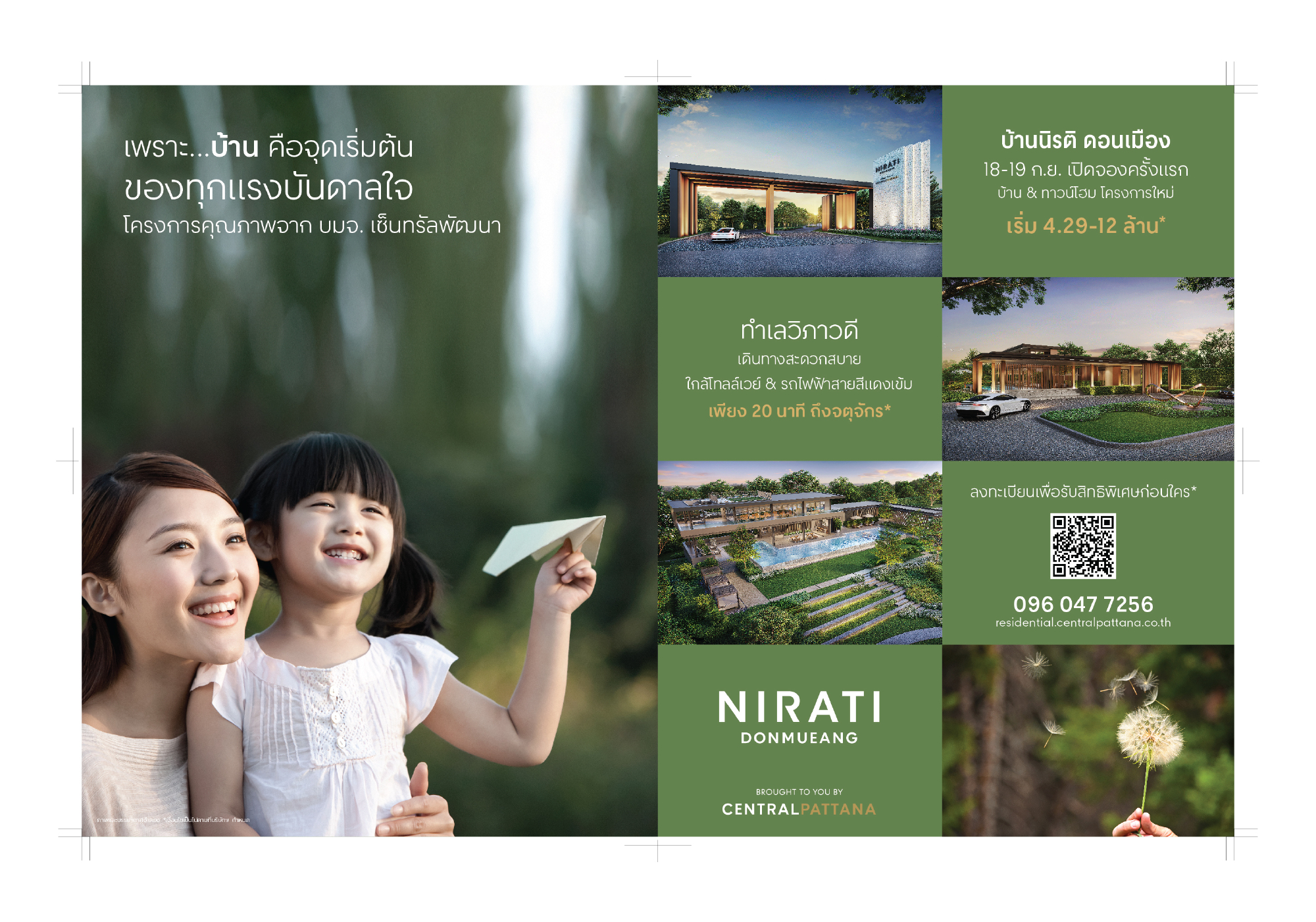
Central Pattana plc. is preparing to launch NIRATI Donmueang, a horizontal residential project worth 1.85 billion baht, in the third quarter this year with official pre-sales on 18-19 September.

The project, presented as a “mixed product” consisting of 262 units of single houses, twin houses, and town homes of 4.29-12 million baht in the Don Mueang- Vibhavadi area in Bangkok, targeting young generations which the company considers a group with a real demand, high purchasing power and good credits.

NIRATI Donmueang is one of the projects under the new brand NIRATI for modern tropical houses with lush landscape with an aim to inspire the young generations. NIRATI Bangna and NIRATI Chiangrai, two other projects under the brand, have been launched earlier.

Central Pattana is moving forward with its plans to develop horizontal and vertical real estate projects, aiming to become a leader in mixed-use projects with shopping centers and mixed products centered around residential projects supporting each other.

In addition to the NIRATI brand, Central Pattana has developed NINYA, a brand for high-end homes of 9.9-15 million baht, and NIYHAM, a brand for luxury homes of 25 million baht and higher. The company is confident it will reach its sales and ownership transfer targets for residential projects this year.

Flight Lieutenant Kree Dejchai, executive vice-president of residential business of Central Pattana, said, “The year 2021 is a huge challenge for the Thai real estate market. However, Central Pattana, with its strength and experiences of over 40 years, continues to focus on sustainable development and growth that support the urban economy and development.”

Central Pattana launches modern single house project NIRATI Donmueang targeting young generationsCentral Pattana launches modern single house project NIRATI Donmueang targeting young generations

ADVERTISEMENT

“As for the investment in residential projects in 2021, the company targets to align the projects with its core businesses of shopping centers and mixed-use projects in order to create a new landmark of life or ‘center of life’ that can cater to lifestyle needs, highlight local identity, and be friendly to the community and environment,” he said.

“Central Pattana’s real estate brands differ themselves from other players in the industry by providing high quality of life and of community for ‘Central residents’, which promote long-term benefits for both living in the projects and investing in them,” he said.

“The company provides a CRM (customer relationship management) program allowing residents to enjoy numerous benefits from the Central Group and The 1. In addition, juristic persons for the projects are managed by Central Pattana to ensure the best services, as well as convenience and safety at a level not offered by other residential projects of the same tier. A double safety approach, including a double gate system and VMS (visitor management system), is used for all residential projects of Central Pattana,” he said.

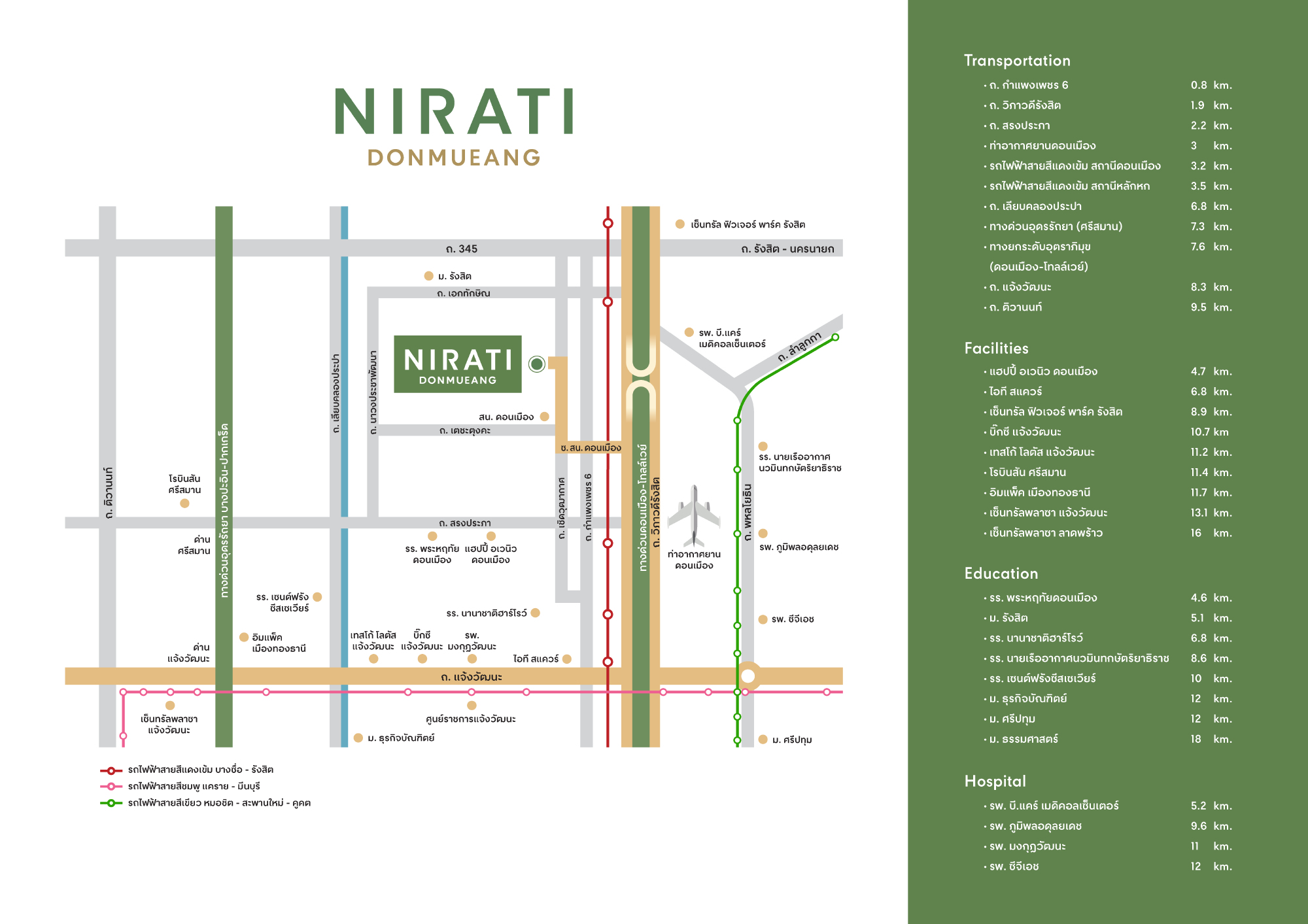
Central Pattana launches modern single house project NIRATI Donmueang targeting young generationsCentral Pattana launches modern single house project NIRATI Donmueang targeting young generationsNIRATI Donmueang, the latest residential project in the lineup, is a horizonal mixed project for modern tropical homes with lush landscape adject to Choet Wutthakat Road in the Don Mueang-Vibhavadi area near the Don Mueang Tollway and the dark red line of the SRT train system, allowing only 20 minutes of travel to Chatuchak.

The project has a total area of 45-3-68.5 rai and 262 units, consisting of single houses on land plots of 50.2 square wah minimum, twin houses on land plots of 36.9 square wah minimum, and townhomes on land plots of 22.1 square wah minimum.

Each of the single houses and twin houses has a usable area of 180-227 square meters, while each of the townhomes has a usable area of about 143 square meters. The starting prices for these units are 4.29-12 million baht*.

The project is separated into the villa zone, consisting of two-story twin houses and two-story single houses, and the townhome zone for the 2.5-story townhomes.

Privacy is ensured by a triple gate system. Facilities include a tropical clubhouse to help resident reconnect with the nature on their days off, a saltwater swimming pool, a fitness center, the main park with a focus on nature, a large playground and a basketball court unique with creative design.

“Despite the overall real estate situation, the company is confident that it can generate sales and ownership transfers for residential projects in according to the targets this year,” said Flight Lieutenant Kree.

Central Pattana has earlier launched a number of residential projects, including PHYLL Phahol 34, an eight-story low-rise condominium project with 358 units of 25-35 square meters with a starting price of 2.99 million baht* on a land plot of 3-2-7.4 rai only 20 meters away from Sena Nikhom station of the BTS green line.

Central Pattana launches modern single house project NIRATI Donmueang targeting young generationsCentral Pattana launches modern single house project NIRATI Donmueang targeting young generations

The NINYA Kanlapaphruek is a modern tropical twin house project with 1.5 billion baht adjacent to Kanlapaphruek Road, allowing easy access to the center of Bangkok. The project has 144 units with starting prices of 9-12 million baht*.

The Niyham Boromratchachonnani is a modern classic luxury single house project worth over two billion baht, offering privacy with only 71 units in a lush environment. The project has a completely underground power line system and premium security with no unit immediately placed adjacent to the wall of the project. A double gate system helps separate the residential zone from the rest and a visitor management system allows for complete entry and exit records of visitors with advance appointments possible.

Interested individuals may register to receive special benefits at https://bit.ly/3vQzxbe

For more information, call 096-047-7256, add the Line contact @CPNR or https://lin.ee/0AzYmUd. A map is available at https://bit.ly/3ueChiH

*Conditions apply. The company reserve the rights to make adjustments to conditions and promotions.

Central Pattana launches modern single house project NIRATI Donmueang targeting young generationsCentral Pattana launches modern single house project NIRATI Donmueang targeting young generations

Published : September 14, 2021

The future of workplace in the digital finance organisation #SootinClaimon.Com

#SootinClaimon.Com : ขอบคุณแหล่งข้อมูล : หนังสือพิมพ์ The Nation.

https://www.nationthailand.com/business/40006113

The future of workplace in the digital finance organisation


The Deloitte Company, a multinational professional services network with offices in over 150 countries, has published an article focused on the new era of work environment where organisations need to accelerate their adoption of automation in digital finance organisation.

Written by Bardin Laprangsirat, Deloitte Thailand’s partner, audit and assurance

Just when organisations thought that we had managed to flatten the curve of COVID-19 with plans to reopen the economy, a new wave of COVID-19 variant hit globally again. 

Countries around the globe including Thailand, are in the prospect of continued and extended long lockdowns in an attempt to curb the rising number of Covid-19 infections. Long periods of lockdowns and restricted travel have created immense operational and logistical challenges for organisations who had downplayed the first wave of COVID-19 which had caused long-term effects, as well as the timely adoption of new digital infrastructures and policies to manage a long-term virtual workforce. The pressure to shift from working in the office to remote work from home, including the holistic adoption of digital productivity tools, swapping pencil and paper, drawing boards and blueprints, in-person meetings and get-togethers has moved work from the physical world to a virtual and digital one.  

Covid-19 has shown that remote work does not pose insuperable barriers to productivity. This global force and transformational shift had many organisations realizing that where the workforce are located matters much less than how the work is done. For many organisations, the results of shift to remote work from home have been better than expected. Productivity have shown to improve when working remotely, though it does create new challenges.

A Recent Fortune/Deloitte CEO Survey conducted in October 2020 had indicated that remote work is here to stay with more than one-third of their employees continuing to work from home even a year from now. This has prompted leaders across industries to rethink where their employees work for the longer term—and how this could change their need for office space. The survey reported that 76 per cent of CEOs specified that their organisations would need less space moving forward. This could drive significant cost savings in both operating costs and capital expenditures.

ADVERTISEMENT

Real estate and facilities are often one of an organisation’s top three expenses; as a rule of thumb, they can represent two per cent to five per cent of organisational revenue. Working digitally can also deliver sustainability benefits. A more distributed workforce means less emissions due to reduction in travel and commuting, and a smaller real estate footprint with lower construction and operational emissions.

Hence, we should consider the opportunity to find new and better ways of working, we all as new approaches to organising the organisation. Considering transformation into a digital finance organisation is a good place to start. Most of the challenges are a result of the digital-manual hybrid state of financial operations. Instead of working late nights on tedious, manual tasks, the digital finance organisation introduce efficiencies into the organisations and keep the finance team running smoothly even in times of crisis.

Unbundling the traditional manual and labour intensive finance operations workplace digitally, can become a strategic advantage as operational budgeting, cashflow management and visibility has become a top priority during this pandemic.

Taking this into account, organisations need to accelerate their adoption of automation in digital finance organisation. Here are the five key transformation drivers for CFOs to consider:

  1. Go Paperless – Organisations can start considering an end to the use of paper in several processes e.g. memo approval, document approval, procure-to-pay, and order-to-cash processes, etc. Moreover, utilizing e-payments and encouraging suppliers to issue electronic invoices, including establishing a central portal for uploading documents, will be supportive of the paperless processes.
  2. Go Mobile – Organisations may consider replacing all desktop computers with laptops, including looking into possibilities of processing on-the-go via mobile applications e.g. approval workflow on your mobile phone.
  3. Go Cloud – Moving to cloud-based ERP systems, including implementing a cloud-based solution extension from those ERP related to a financial close and reporting platform, which enables the finance teams to work, manage and monitor the close, consolidation and reporting activities online from anywhere. 
  4. Go Automation – Organisations need to accelerate their adoption of automation. The examples are “Optical Character Recognition” and “Natural Language Processing” to automate the data capture of physical documents. Furthermore, leveraging “Robotics Process Automation” technology to automate repetitive, rule-based accounting activities.
  5. Go Analytics – Using analytics to make better people decisions and drive business outcomes, generating highly actionable predictions and insights from your data, and enabling more autonomous decision making.

In conclusion, finance teams need to put in more effort to consider the five key transformation drivers of finance operations. CFOs are facing more challenges from managing their finance team during the lockdown and the mandatory work-from-home policy in many countries caused by the pandemic. Another important facet to consider is that CFOs and controllers should empower their finance teams with the “flexibility” to work from anywhere, real-time collaboration and minimising tedious and manual processes. When work happens in the digital world, then our concept of the workplace must follow suit, or we miss opportunities to help teams be as successful as they can be. How we think about and frame the digital workplace, and the nature of the work that takes place within it, is likely to be what empowers organisations to take full advantage of the benefits it has to offer.

Deloitte Thailand is organizing Digital Finance webinar “Seeing is Believing” on 22 September 2021. For more information, please visit Deloitte Thailand’s Event page .

The future of workplace in the digital finance organisationThe future of workplace in the digital finance organisationThe future of workplace in the digital finance organisationThe future of workplace in the digital finance organisation

Published : September 14, 2021

Name change for company linking three airports with high-speed railway #SootinClaimon.Com

#SootinClaimon.Com : ขอบคุณแหล่งข้อมูล : หนังสือพิมพ์ The Nation.

https://www.nationthailand.com/business/40006127

Name change for company linking three airports with high-speed railway


The Eastern High-Speed Rail Linking Three Airports Co Ltd has changed its name to “Asia Era One”, pushing high-speed train routes connecting the three major airports.

Company president Sarit Jinsit said on Monday that the name change is a bid to reinforce the readiness of the railway project. The company is moving forward with the project to connect the three airports, Don Mueang-Suvarnabhumi-U-Tapao, with high-speed trains.

The project is established under the concept of “reimagining horizons” to elevate the travel experience with modern rail transportation, and to develop the country’s transportation service to become a world-class travel hub with international standards, he said.

“The name Asia Era One is in line with the company’s vision of being the central hub of Asia to connect people and nations for the brighter future. Meanwhile, the name also resonates with Erawan elephant, the vehicle of god Indra, which is a symbol of strength, good deeds and fertility. The company’s aim is to bring pride to the country with its elevated international standards,” said Sarit.

Related news:

ADVERTISEMENT

Published : September 14, 2021

Thai stocks defy Asian gloom after govt announces October reopening #SootinClaimon.Com

#SootinClaimon.Com : ขอบคุณแหล่งข้อมูล : หนังสือพิมพ์ The Nation.

https://www.nationthailand.com/business/40006245

Thai stocks defy Asian gloom after govt announces October reopening


The Stock Exchange of Thailand (SET) Index closed at 1,631.70 on Thursday, up 3.66 points or 0.22 per cent. Transactions totalled THB79.59 billion with an index high of 1,636.01 and a low of 1,628.57.

In the morning session, Krungsri Securities expected the day’s index to rise to between 1,635 and 1,640 points before falling back.

It said the index gained positive sentiment from the rising oil price in response to a decline in US oil storage and the Thai government revealing its timeline for reopening the country next month.

“However, we predict that investors will sell shares to curb risks from the FTSE’s move to cut its weighting of Thai stocks by about US$44 million [Bt1.4 billion],” Krungsri Securities said.

The 10 stocks with the highest trade value today were PTT, DELTA, SCGP, GPSC, BANPU, CPALL, PTTEP, PTTGC, KCE and KBANK.

ADVERTISEMENT

Related stories:

Other Asian indices were on the fall:

Japan’s Nikkei Index closed at 30,323.34, down 188.37 points or 0.62 per cent.

China’s Shanghai SE Composite Index closed at 3,607.09, down 49.13 points or 1.34 per cent, while the Shenzhen SE Component Index closed at 14,258.13, down 278.18 points or 1.91 per cent.

Hong Kong’s Hang Seng Index closed at 24,667.85, down 365.36 points or 1.46 per cent.

South Korea’s KOSPI closed at 3,130.09, down 23.31 points or 0.74 per cent.

Taiwan’s TAIEX closed at 17,278.70, down 75.30 points or 0.43 per cent.

Published : September 16, 2021

Gold price drops after mass international sales #SootinClaimon.Com

#SootinClaimon.Com : ขอบคุณแหล่งข้อมูล : หนังสือพิมพ์ The Nation.

https://www.nationthailand.com/business/40006221

Gold price drops after mass international sales


The price of gold dropped by THB50 in morning trade on Thursday.

AGold Traders Association report at 9.24am said the buying price of a gold bar was THB27,900 per baht weight and selling price THB28,000, while gold ornaments cost THB27,394.12 and THB28,500, respectively.

At close on Wednesday, the buying price of a gold bar was THB27,950 per baht weight and selling price THB28,050, while gold ornaments cost THB27,439.60 and THB28,550, respectively.

The spot gold price on Thursday morning was moving around US$1,796 (THB59,147) per ounce after Comex gold at close on Wednesday dropped by $12.30, slipping from the $1,800 level to $1,794.80 per ounce due to pressure as investors scrambled to profit after the gold price rose sharply.

A US stock market rise was another factor that saw gold sales increase.

Related news:

ADVERTISEMENT

The Hong Kong gold price meanwhile dropped by HK$60 to $16,650 (THB70,472) per tael, the Chinese Gold and Silver Exchange Society reported.

Published : September 16, 2021