Putin attributes Afghan crisis to imposition of foreign values
It is necessary to ensure that countries with different political and social systems, national interests, and spiritual and moral values are able to coexist, Putin said.
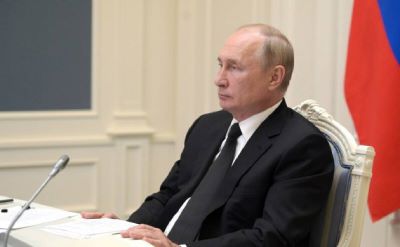
The current crisis in Afghanistan is a direct consequence of “irresponsible attempts to impose alien values from the outside” on the country, Russian President Vladimir Putin said Thursday.
Addressing the 13th BRICS summit via video link, Putin pointed out foreign countries’ desire to “build so-called democratic structures by socio-political engineering” without taking into account the local people’s historical and national characteristics as well as their traditions.
Russia has consistently advocated the establishment of a long-awaited peace and stability in Afghanistan, and expects Afghanistan not to be a threat to its neighbors in terms of terrorism and drug trafficking, he said.
To achieve a peaceful and progressive development of international relations, it is necessary to ensure that countries with different political and social systems, national interests, and spiritual and moral values are able to coexist, Putin said.
“It is also important to maintain and develop mutually respectful, constructive and effective interaction at the global level, to strengthen the emerging multi-polar system that consists of independent centers of economic growth and political influence,” he added.
The Latest: First Chinese COVID-19 vaccine plant in Europe to produce 30 million doses annually
The first Chinese COVID-19 vaccine plant in Europe, the construction of which starts today, is expected to supply Serbia, several countries in the region and Europe with the Sinopharm vaccines.
Chinese vaccines, including Sinopharm and Sinovac, have been approved by the World Health Organization for emergency use. Construction of the first Chinese COVID-19 vaccine production facility in Europe started in Serbia on Thursday.
The factory is planned to produce 30 million vaccine doses annually starting in April 2022, and is expected to supply Serbia and several countries in the region and Europe with the Chinese-developed Sinopharm vaccines.
The foundation stone for the new factory was laid by Serbian President Aleksandar Vucic in the presence of Chinese Ambassador Chen Bo, according to a press release from the president’s office.
Vucic said that he was proud that Serbia, together with partners from China and the United Arab Emirates (UAE), was “trying and seems to be able to solve some global problems.”
“This is not a partnership of interest but a proof of friendship,” Vucic said.
Back in January this year, Serbia started a mass vaccination campaign with the Sinopharm jab, which has been most widely used among Serbian citizens along with products from other manufacturers.
In June, Serbia started to produce Russia’s Sputnik V COVID-19 vaccine at the Institute of Virology, Vaccines and Sera “Torlak” in Belgrade.
Chinese vaccines, including Sinopharm and Sinovac, have been approved by the World Health Organization (WHO) for emergency use.
Chinese President Xi Jinping said on Thursday while addressing the 13th BRICS summit via video link that China will strive to provide a total of 2 billion doses of COVID-19 vaccines to the world by the end of this year, noting that China, to date, has provided more than 1 billion doses of finished and bulk vaccines to over 100 countries and international organizations.
Since the pandemic broke out, China has sent medical aid and batches of vaccines to Serbia and helped build two “Fire Eye” laboratories for PCR testing. Chinese doctors spent months helping set up prevention measures in the country.
A staff member checks the packaging of the Sinopharm vaccines in Beijing, capital of China, May 31, 2021.
Biden announces sweeping new vaccine mandates amid COVID-19 surge
President Joe Biden has put forward a six-point initiative to boost vaccinations, improve access to testing and make COVID-19 treatments more widely available.
U.S. President Joe Biden on Thursday announced sweeping new vaccine requirements, which may affect about 100 million Americans, as part of a new action plan to curb the surging COVID-19 cases driven by the highly contagious Delta variant.
“While America is in much better shape than it was seven months ago when I took office, I need to tell you a second fact, we’re in the tough stretch and it could last for a while,” said Biden, speaking from the White House.
Biden has put forward a six-point initiative to boost vaccinations, improve access to testing and make COVID-19 treatments more widely available.
The president blamed the remaining 25 percent of eligible Americans, roughly 80 million people, who are not yet vaccinated, despite months of availability and incentives.
“We’ve been patient. But our patience is wearing thin, and your refusal has cost all of us,” he said, adding this is “a pandemic of the unvaccinated.”
Biden’s latest push to combat the pandemic came as the Delta variant tears through communities across the country, causing upticks in hospitalizations and deaths particularly in areas where vaccination rates remain low.
As of Thursday, 53.4 percent of the U.S. population had been fully vaccinated, according to data from the U.S. Centers for Disease Control and Prevention.
The country’s COVID-19 caseload was over 40.5 million with a death toll of more than 654,000 as of Thursday afternoon, according to the tally by Johns Hopkins University.
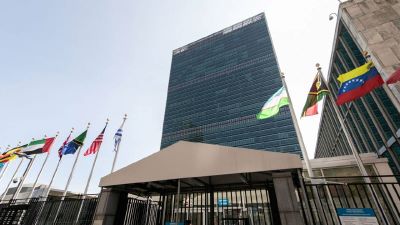
United Nations computers breached by hackers earlier this year
Hackers breached the United Nations computer networks earlier this year and made off with a trove of data that could be used to target agencies within the intergovernmental organization.
The hackers’ method for gaining access to the UN network appears to be unsophisticated: They likely got in using the stolen username and password of a UN employee purchased off the dark web.
The credentials belonged to an account on the UN’s proprietary project management software, called Umoja. From there, the hackers were able to gain deeper access to the UN’s network, according to cybersecurity firm Resecurity, which discovered the breach. The earliest known date the hackers obtained access to the UN’s systems was April 5, and they were still active on the network as of Aug. 7.
“Organizations like the UN are a high-value target for cyber espionage activity,” Resecurity Chief Executive Officer Gene Yoo said. “The actor conducted the intrusion with the goal of compromising large numbers of users within the UN network for further long-term intelligence gathering.”
The attack marks another high-profile intrusion in a year when hackers have grown more brazen. JBS, the world’s largest meat producer, was hit by a cyberattack this year that forced the shutdown of U.S. plants. Colonial Pipeline Co., operator of the biggest U.S. gasoline pipeline, also was compromised by a so-called ransomware attack. Unlike those hacks, whoever breached the UN didn’t damage any of its systems, but instead collected information about the UN’s computer networks.
Resecurity informed the UN of its latest breach earlier this year and worked with organization’s security team to identify the scope of the attack. UN officials informed Resecurity that the hack was limited to reconnaissance, and that the hackers had only taken screenshots while inside the network. When Resecurity’s Yoo provided proof to the UN of stolen data, the UN stopped corresponding with the company, he said.
The Umoja account used by the hackers wasn’t enabled with two-factor authentication, a basic security feature. According to an announcement on Umoja’s website in July, the system migrated to Microsoft’s Azure, which provides multifactor authentication. That move “reduces the risk of cybersecurity breaches,” an announcement on Umoja’s site read.
The UN didn’t respond to requests for comment.
The UN and its agencies have been targeted by hackers before. In 2018, Dutch and British law enforcement foiled a Russian cyberattack against the Organisation for the Prohibition of Chemical Weapons as it probed the use of a deadly nerve agent on British soil. Then, in August 2019, the UN’s “core infrastructure” was compromised in a cyberattack that targeted a known vulnerability in Microsoft’s SharePoint platform, according to a report by Forbes. The breach wasn’t publicly disclosed until it was reported by the New Humanitarian news organization.
In the latest breach, hackers sought to map out more information about how the UN’s computer networks are built, and to compromise the accounts of 53 UN accounts, Resecurity said. Bloomberg News wasn’t able to identify the hackers or their purpose in breaching the UN.
Bloomberg News did review dark web ads where users across at least three marketplaces were selling these same credentials as recently as July 5.
The reconnaissance carried out by the hackers may enable them to conduct future hacks or to sell the information to other groups that may seek to breach the UN.
“Traditionally, organizations like the United Nations have been targeted by nation state actors, but as cybercriminals are finding ways to more effectively monetize stolen data and as access to these organizations is more frequently available for sale by initial access brokers, we expect to see them increasingly targeted and infiltrated by cybercriminals,” said Allan Liska, a senior threat analyst at Recorded Future. Liska said he had seen the username and password for UN employees for sale on the dark web.
The credentials have been offered by multiple Russian-speaking cybercriminals, according to Mark Arena, chief executive officer of security-intelligence firm Intel 471. The UN credentials were being sold as part of a patch of dozens of usernames and passwords to various organizations for just $1,000.
“Since the start of 2021 we’ve seen multiple financially motivated cybercriminals selling access to the Umoja system run by the United Nations,” Arena said. “These actors were selling a broad range of compromised credentials from a multitude of organizations at the same time. In a number of previous occasions, we’ve seen compromised credentials being sold to other cybercriminals, who have undertaken follow up intrusion activity within these organizations.”
Imported frozen food may play role in emergency of COVID-19: research
“…the massive scale of cold-chain supply … suggests that frozen susceptible-animal carcasses, either for human or animal consumption, should not be discounted as playing a role in the emergency of SARS-CoV-2,” read a report.
Imported frozen food may play a role in the emergency of SARS-CoV-2 in China, said a recent research conducted by British and Chinese scientists and published in U.S. magazine Science.
The researchers reviewed the SARS-associated coronavirus and discussed possible animal origin of the novel coronavirus, reaching the conclusion that “animal-to-human transmission associated with infected live animals is the most likely cause of the COVID-19 pandemic,” according to the study report titled “The animal origin of SARS-CoV-2.”
“However, the massive scale of cold-chain supply … suggests that frozen susceptible-animal carcasses, either for human or animal consumption, should not be discounted as playing a role in the emergency of SARS-CoV-2,” read the report published in late August.
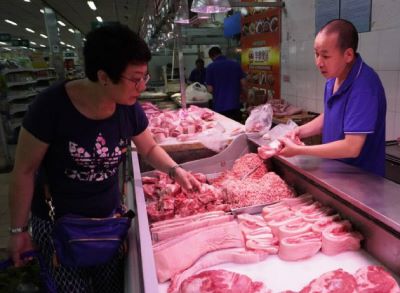
The report noted that the outbreak of the African swine fever virus, which had led to a severe shortage of pork products in China in 2019, increased wildlife-animal contacts, since China imported other meat such as poultry, beef and fish products from international markets in response to the short-fall.
“The resulting increased trade of susceptible farmed animals and wildlife could have brought humans into more frequent contact with meat products and animals infected with zoonotic pathogens, including SARSr-CoVs,” it said, pointing to reports of Chinese patients who had contact with imported frozen foods, and of SARS-CoV-2 “apparently identified from frozen food, packaging, and storage surfaces.”
The scientists also called for international anti-virus cooperation, saying “humanity musk work together beyond country borders to amplify surveillance for coronavirus at the human-animal interface to minimize the threat of both established and evolving variants evading vaccines and to stop future spillover events.”
People visit a night market at Baocheng Road in Wuhan, central China
Taliban forms caretaker govt, Afghans craving peace
“As a caretaker and committed cabinet has been announced by authorities of the Islamic Emirate to control and run affairs of the country which will start functioning at the earliest (time possible), I assure all countrymen that the figures will work hard towards Islamic rules and Sharia law.”
The Taliban announced on Tuesday night the formation of Afghanistan’s caretaker government, with Mullah Hassan Akhund appointed as acting prime minister.
In a statement following the announcement, the Taliban’s supreme leader, Haibatullah Akhundzada, said the urgent task would be to carry out reconstruction and rehabilitation, and the country would seek “strong and healthy relations” with its neighbors and all other countries.
START FUNCTIONING SOON
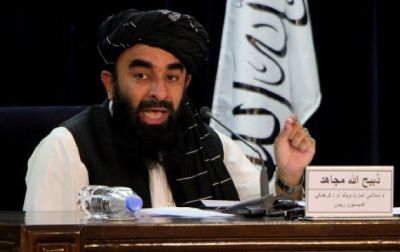
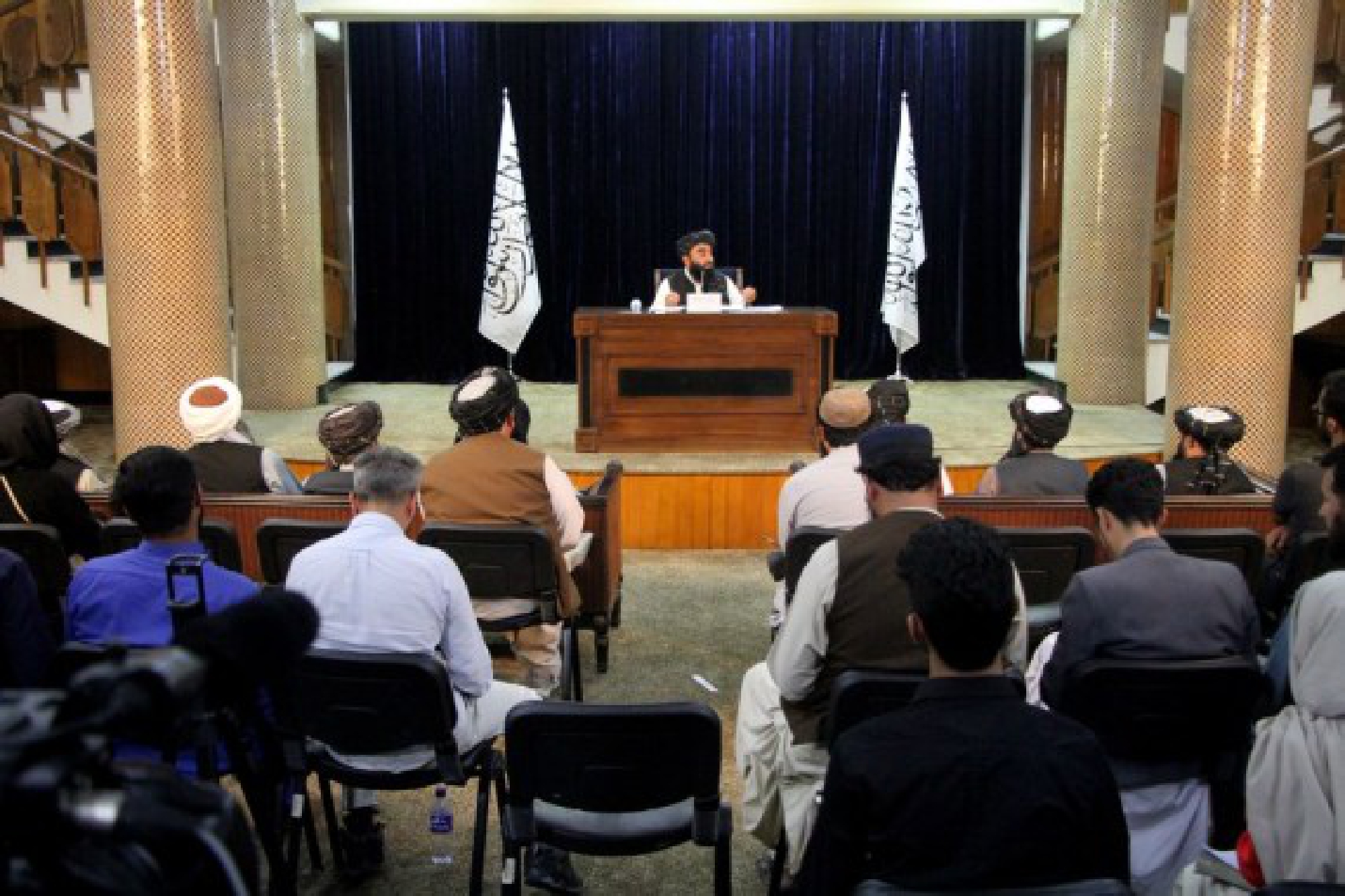
At Tuesday’s press conference, Taliban spokesman Zabihullah Mujahid said Mullah Abdul Ghani Baradar and Abdul Salam Hanafi were named acting deputy prime ministers, while Mullah Mohammad Yaqoob, son of late Taliban co-founder Mullah Mohammad Omar, was appointed as acting defense minister.
Amir Khan Muttaqi was appointed as acting foreign minister, and Sarajuddin Haqqani, son of the founder of the Haqqani network, a Taliban-linked group, was named acting interior minister, the spokesman said.
Taliban spokesman Zabihullah Mujahid (Rear) speaks during a press conference in Kabul, Afghanistan, on Sept. 7, 2021.
Mujahid said the appointments were not final as these were acting positions, and the remaining posts would be announced later.
The move was aimed at carrying out “necessary government works,” the spokesman said without elaborating on how long the caretaker government will serve.
In his first statement issued since the Taliban’s takeover of Kabul in mid-August, Akhundzada, its supreme leader, said the newly formed caretaker government would start functioning soon.
“As a caretaker and committed cabinet has been announced by authorities of the Islamic Emirate to control and run affairs of the country which will start functioning at the earliest (time possible), I assure all countrymen that the figures will work hard towards Islamic rules and Sharia law,” Akhundzada said.
An Afghan man pushes a handcart on the street in Kabul, capital of Afghanistan, Aug. 31, 2021.
He noted that the ultimate goal would be to get Afghanistan back on its feet as quickly as possible, and efficiently carry out reconstruction and rehabilitation work in the war-torn country.
“We want strong and healthy relations with our neighbors and all other countries based on mutual respect and interaction,” Akhundzada said in the statement.
He added that the Afghan soil would not be used against the security of any other country, and foreign diplomats, humanitarian agencies and investors should carry out their work in Afghanistan with “peace of mind.”
DESIRE FOR PEACE, STABILITY
In 2001, U.S.-led military forces invaded Afghanistan under the pretext of searching for Osama bin Laden, the alleged mastermind of the Sept. 11 terror attacks.
Twenty years later, the last batch of U.S. troops left Afghanistan at midnight on Aug. 30, hastily putting an end to the prolonged invasion war.
Over the past two decades, the war has caused more than 40,000 civilian deaths, and turned about 11 million people into refugees. The safety and livelihood of ordinary Afghans, who are now anxiously craving peace and stability, were severely impaired by the chronic fighting.
The announcement of the caretaker government’s founding “is another step toward peace and prosperity of Afghanistan,” Basir Faqiri, a Kabul resident, told Xinhua on Tuesday night.
“After the Taliban declared that the war is over in Afghanistan, many people changed their mind about leaving … I tried to go abroad after the Taliban took control of most provinces. But after they captured Kabul, I found that the war is over,” said Faqiri, who ran a shop in the capital.
“Now I am trying to reopen my shop and restart my small business in Kabul. I hope the Taliban soon find some solutions to political and economic uncertainty,” he said. “I know Afghans are witnessing difficult days recently, but I am sure we will overcome the difficulties soon.”
In his statement, Akhundzada told Afghans that “We want to have a peaceful, prosperous and self-reliant Afghanistan, for which we will strive to eliminate all causes of war and strife in the country, and (allow) our countrymen to live in complete security and comfort.”
For this war-battered nation, however, reconstruction requires both time and strenuous efforts. According to the latest figures of the United Nations, almost half of Afghanistan’s population, or 18 million people, are in need of humanitarian assistance to survive.
“We enjoy a peaceful environment in at least 90 percent of Afghanistan after the Taliban takeover,” said Bushra Parnian, a student at Kabul University, adding that many people in this country were still suffering from shortages of food, medicine and other daily necessities.
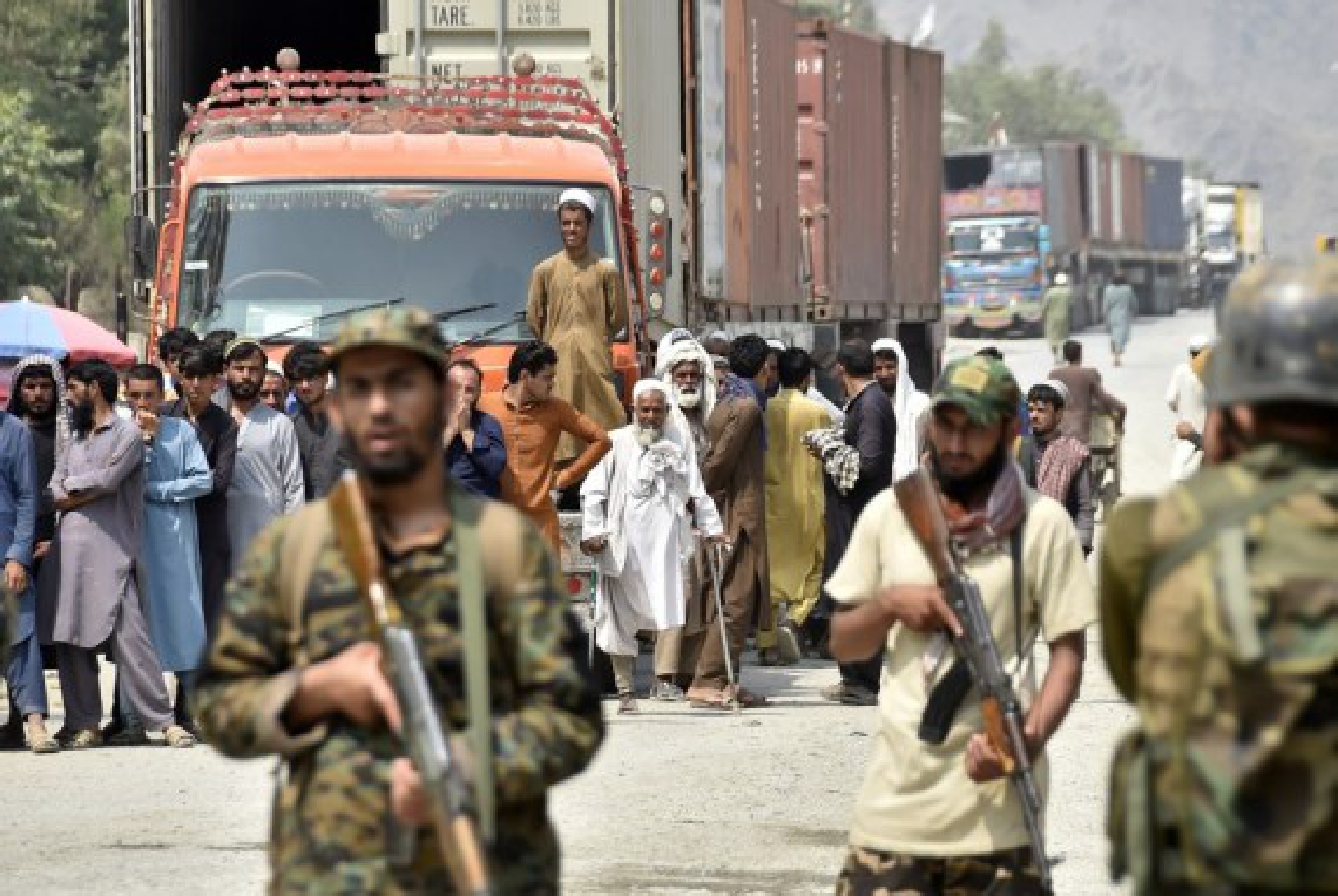
Afghan people are seen on Afghan side of the border near the border crossing point of Torkham between Pakistan and Afghanistan on Sept. 5, 2021.
MIXED INTERNATIONAL RESPONSE
The United Nations will assist the fledgling Taliban government in paving the way for international aid delivery in war-torn Afghanistan and the rights of women and girls, said UN Undersecretary-General for Humanitarian Affairs Martin Griffiths during a meeting with Mullah Baradar and the Taliban leadership on Tuesday.
“The movement we face here today, as many, many other people have told me, is not the movement that we saw (in 1998),” said the UN relief coordinator. “It certainly has links in ideology but it’s different to the one then.”
“One senior leader of the movement said to us, ‘We need guidance; we need guidance,’ and therefore we will provide guidance,” he said.
Also on Tuesday, Griffiths’ Office for the Coordination of Humanitarian Affairs (OCHA) issued a consolidated 606-million-U.S.-dollar Flash Appeal with an aim to help relieve the country’s “humanitarian crisis.”
Basic services in Afghanistan are collapsing and food and other life-saving aid are about to run out, OCHA said.
UN Secretary-General Antonio Guterres has warned of a looming humanitarian catastrophe, and will host a high-level meeting next Monday in Geneva on the humanitarian situation in Afghanistan.
The United States said there is no rush to recognize the Taliban government. White House press secretary Jen Psaki said Tuesday that Washington’s recognition would be dependent on the Taliban’s actions.
During a recent visit to Qatar, U.S. Secretary of State Antony Blinken said the Taliban were honoring promises to allow Afghans to freely depart from Afghanistan.
“We’ve been engaged with the Taliban, including in recent hours. They’ve said that they will let people with travel documents freely depart,” said Blinken.
The Kremlin on Tuesday said that Russia has not made any decisions on the recognition of the Taliban government and will “very carefully” monitor the situation in Afghanistan.
Russia will observe how the Taliban’s recent statements and promises match their actions, Kremlin spokesman Dmitry Peskov told a daily briefing.
The Chinese Foreign Ministry said Wednesday that China attaches importance to the Taliban’s announcement of the formation of the caretaker government and some important personnel arrangements.
“This ended the more than three weeks of anarchy in Afghanistan and is a necessary step toward Afghanistan’s restoration of order and post-war reconstruction,” Foreign Ministry spokesperson Wang Wenbin told a press briefing.
An Afghan child waits to cross border at the border crossing point of Torkham between Pakistan and Afghanistan on Sept. 5, 2021.
Russian emergencies minister dies while trying to save film director
Zinichev was trying to rescue Russias well known film director Alexander Melnik.
Russian Emergencies Minister Yevgeny Zinichev has died on duty while attempting to save a person’s life, the ministry announced on Wednesday.
The tragedy happened during interdepartmental drills in north Russia’s Norilsk to protect the Arctic zone from emergencies, it said.
Zinichev was trying to rescue Russia’s well known film director Alexander Melnik, 63, who travelled to Norilsk to pick a location for his new documentary on the development of the Arctic region, local media reported.
“Zinichev was standing with the director at the edge of a cliff. The director slipped and fell into the water below. No one of the many eyewitnesses even had time to figure out what had happened as Zinichev rushed into the water but crashed against a protruding rock,” RT Editor-in-Chief Margarita Simonyan said on Telegram.
Both Zinichev and Melnik died in a helicopter to hospital, according to reports.
Russian President Vladimir Putin, who has worked together with Zinichev for many years, expressed his deepest condolences to the late minister’s family and friends, the Kremlin said.
Russian Foreign Minister Sergei Lavrov said Zinichev “acted like a true rescuer” and Defense Minister Sergei Shoigu said he would always be remembered.
Zinichev, 55, became the emergencies minister in January 2020.
U.S. back-to-school week features rising COVID-19 cases, more tests among children
Some U.S. schools are trying a new plan, known as “test-to-stay,” to keep students safe in the classroom. Rather than quarantining children who have an in-school contact with a positive case, they are testing students in large numbers.
As more campuses reopened during the second week of September in the United States, pediatric cases of COVID-19 have seen upticks again, though mask mandates are observed in some schools and regular tests are carried out in areas of coronavirus exposure.
Weekly pediatric coronavirus cases surpassed 250,000 for the first time since the start of the pandemic, according to the latest data published by the American Academy of Pediatrics.
As more campuses reopened during the second week of September in the United States, pediatric cases of COVID-19 have seen upticks again, though mask mandates are observed in some schools and regular tests are carried out in areas of coronavirus exposure.
Weekly pediatric coronavirus cases surpassed 250,000 for the first time since the start of the pandemic, according to the latest data published by the American Academy of Pediatrics.
The data shows that more than a quarter of weekly reported coronavirus cases in the United States were among children for the week ending Sept. 2. While most pediatric cases are not severe, nearly 2,400 children were hospitalized nationwide with COVID-19 in the seven days ending Tuesday, more than ever before.
“COVID-19 cases in children dipped early in the summer but quickly rose again, both with the spread of the highly transmissible Delta variant and because coronavirus vaccines are not authorized for children under 12,” reported The Washington Post on Wednesday.
TEST INSTEAD OF QUARANTINE
As the pandemic extends into a third academic year, administrators, lawmakers and health officials are again balancing health risks with best practices for learning. Safety protocols vary across states and school districts. Public health experts are concerned that a rollback of precautions and the heightened infectiousness of the Delta variant could lead to greater transmission risks in schools, reported The Wall Street Journal (WSJ) on Wednesday.
Hundreds of students and staff across the United States have already tested positive, pushing thousands into quarantine and prompting schools to temporarily close or revert to virtual learning.
Meanwhile, some schools are trying a new plan to keep students safe in the classroom. Rather than quarantining children who have an in-school contact with a positive case, they are testing students in large numbers, said the report.
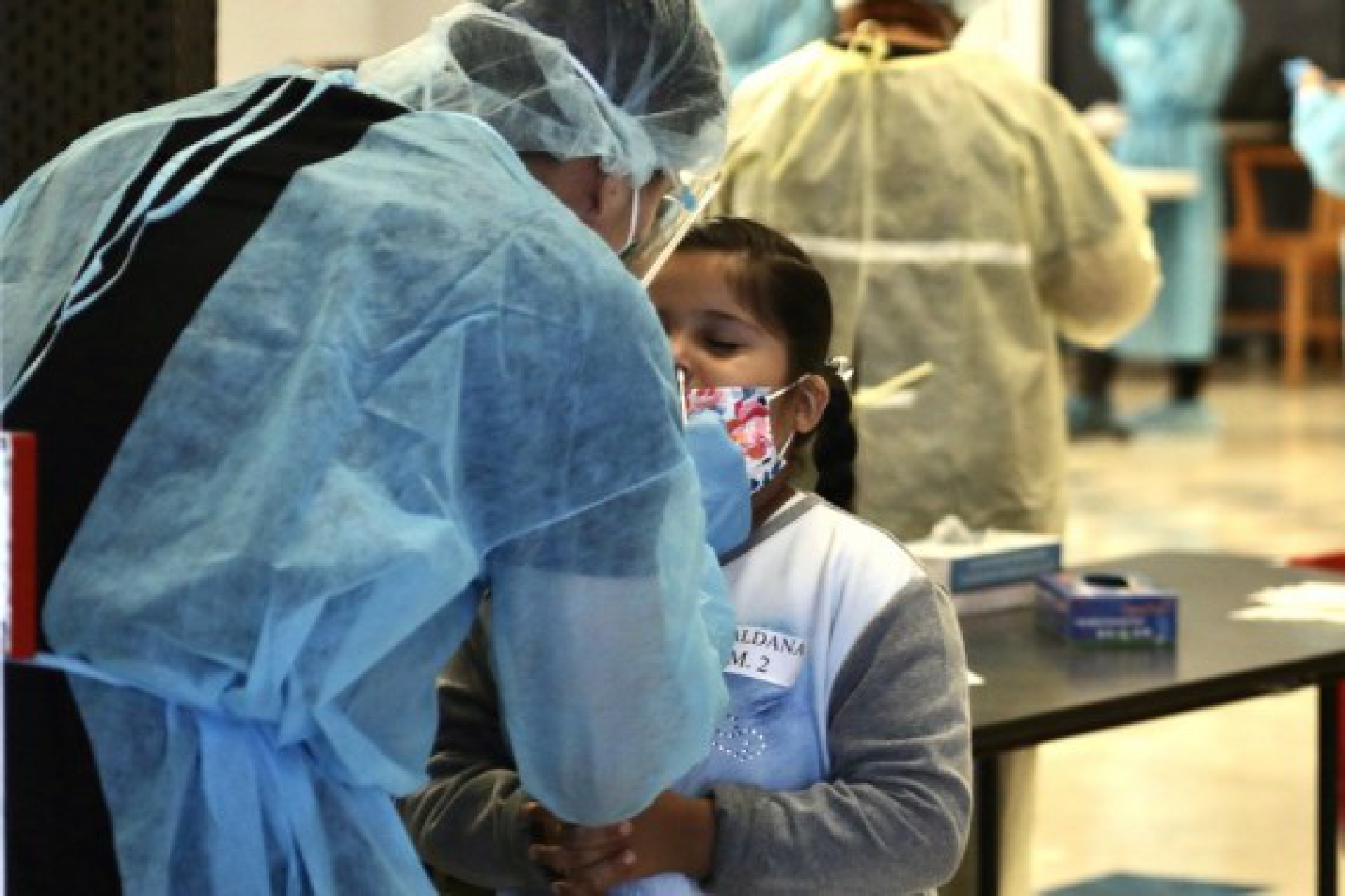
A student of Montrara Ave. Elementary School has a COVID-19 test in Los Angeles, California, the United States, on Aug. 16, 2021.
The method keeps children in school after exposure to a classmate or teacher who tested positive for COVID-19 if they test negative at least every other day. Known as “test-to-stay,” the approach is a higher transmission risk than keeping exposed students at home, but some public health experts and educators say the trade-off is worth it to avoid missed days in class.
The Centers for Disease Control and Prevention (CDC) Director Rochelle Walensky has said that bigger COVID-19 outbreaks and quarantines are occurring primarily in schools that haven’t followed the agency’s recommendations, including promoting vaccines for those who are eligible, universal masking, distancing, improved ventilation and screening testing.
Without such mitigation measures, more students and staff will have to sit out of school because they are sick or quarantined, Jason Newland, a pediatrician and infectious disease expert at Washington University School of Medicine in St. Louis, was quoted by WSJ as saying. “You’ve now really hurt the kids in the end.”
SUPPORT FOR MASKING, IN-PERSON LEARNING
U.S. parents are eager for kids to return to school, but they’re concerned their children will get seriously ill if they catch COVID-19. A strong majority support requiring masks and teacher vaccinations amid a surge in pediatric cases, reported USA Today on Wednesday.
A majority of parents in a new USA TODAY/Ipsos poll agree that masks should be required. Research suggests masking at schools can limit COVID-19 transmission, yet it’s emerged as one of the most contentious issues in education, causing chaos at school board meetings and garnering lawsuits, according to the report.
Roughly two in three Americans, parents and non-parents alike, are in favor of schools or states implementing mask mandates for teachers and students. There lies the strongest support among parents of color. Forty-three percent of poll participants said student mask-wearing should be at the discretion of individual parents, according to the poll.
Respondents were similarly in favor of requiring teachers and other school employees to be vaccinated against COVID-19 — 65 percent of all participants and 56 percent of parents said they supported such mandates.
In the meantime, parents are more skeptical of online learning than they were last school year. Across the country, more than 1,000 schools, having just reopened, halted in-person learning and went back online because of COVID-19 outbreaks.
Among parents of schoolchildren, seven in 10 supported returning to full-time instruction in classrooms. Support was the strongest among white and Asian parents and weakest among Black and Hispanic parents, communities that have been hit harder by COVID-19, according to the poll.
Kindergarten children play toys in a classroom at Montrara Ave. Elementary School in Los Angeles, California, the United States, on Aug. 16, 2021.
The number of Covid-19 cases in Southeast Asia crossed 10.67 million, with 70,045 new cases reported on Wednesday, lower than Tuesday’s tally of 75,437.
Asean however saw 1,920 additional deaths, an increase from Tuesday’s 1,821, taking total coronavirus deaths to 237,508 so far.
Hanoi’s ruling Party Committee announced the extension of social distancing measures in the Vietnamese capital for at least 14 more days, while forcing those residing in the city’s “red zone” or high infection area to receive testing three times a week.
Vietnam is currently the least vaccinated country in Asean, with only 3.4 per cent of its 98 million population being inoculated with two doses of Covid-19 vaccine, while 19 per cent have received one dose.
Meanwhile, Singapore’s government has launched an active case finding campaign in risky areas and among employees whose jobs require interaction with many people after new infections in the city-state started climbing again.
It also announced a ban on public gatherings in workplaces from Wednesday until further notice.
In the past week Singapore has reported double the number of new cases compared to the week before.
The Taliban is bringing back its feared ministry of vice and virtue
The last time the Taliban ruled Afghanistan, morality police roamed the streets, implementing the groups austere interpretation of Islamic law – with harsh restrictions on women, strictly enforced prayer times and even bans on kite-flying and chess.
Nearly 20 years later, the Ministry for Propagation of Virtue and Prevention of Vice is back.
Following its return to power last month, the Taliban this week formed an interim government, announcing a slate of provisional ministers, all male and most from the Taliban’s old guard. Among them: a little known cleric called Mohamad Khalid, named to lead the restored department.
In an English-language list of new appointees distributed by the Taliban, the Ministry for Propagation of Virtue and Prevention of Vice was the only name not translated.
A body under the previous government, the Ministry of Women’s Affairs, was not included at all, apparently having been disbanded. Protesters across major cities this week the called on the militants to give women seats in government and to run the country with less repression than the last time around.
In Kabul, some people expressed fears that the return of the ministry meant that the Taliban would not seek to change.
“People have stopped listening to loud music in public . . . fearing the past experiences from when the Taliban last ruled,” said Gul, a Kabul resident who only gave his first name due to safety concerns. “I personally didn’t see any forced prayers. But there is fear in everyone’s minds.”
A Taliban spokesman did not respond to requests for comment on the ministry or its mandate. On Wednesday, the Taliban’s Interior Ministry announced that protests were discouraged “for the time being.”
While the Taliban was in power from 1996 until 2001, the ministry enforced a severe interpretation of Islamic law.
It was disbanded by then-Afghan President Hamid Karzai after the U.S.-led invasion of Afghanistan in 2001, and replaced by the Ministry for Hajj and Religious Affairs. Karzai’s cabinet approved a less powerful Department for the Promotion of Virtue and the Discouragement of Vice in 2006 amid pressure from conservatives.
Religious policing predated Taliban rule. The government of Burhanuddin Rabbani, who served as president between 1992 and 1996, created the vice and virtue ministry. But under the Taliban their role expanded. Human Rights Watch later called the institution a “notorious symbol of arbitrary abuses.”
For ordinary people, the ministry was the face of the regime, said Robert Crews, a historian of Afghanistan at Stanford University. “It is the institution that most Afghans were likely to encounter, and it is one that the leadership prioritized above all others.”
Accounts from the time detail forces patrolling the streets, shutting down shops and markets at prayer time. They beat people caught listening to music and frowned upon dancing, kite-flying and American-style haircuts.
Squads of the ministry’s morality police punished those who disobeyed modesty codes, with beards too thin or ankles that showed. They banished girls from school and women from the workplace and the public eye. A woman could not venture outside without a male guardian.
With these memories in mind, many Afghans remain skeptical of promises from the Islamist fighters that they have changed.
Two Taliban members, who spoke on the condition of anonymity because they were not authorized to talk to the media, said the minister appointed to run the restored government body, Khalid, was a cleric well-versed in religious law.
“The ministry will have their own specific officials, but not police or soldiers,” one of the two told The Washington Post from Kabul.
“The ministry has not started working yet. Its duty will be to preach virtues and teachings of Islam, and prevent people from vice [and] unlawful acts,” he said. “It is an important ministry.”
The second member said he did not expect the Taliban to use force to apply its guidelines in the same way it had before.
While several residents of the Afghan capital said they had not encountered the militants enforcing strict regulations, they said people had changed their behavior in anticipation.
A woman who works for a private company said she had just gone back to work after spending nearly two weeks hiding at home.
“For the last three days, no one stopped me,” she said. “I am still moving in the streets, filled with nervousness that they might ask me at any time.”
The Taliban has put out mixed messages on whether women can return to work. Taliban spokesman Zabihullah Mujahid has said that there would be “no discrimination against women,” but added, “of course, within the frameworks we have.”
Crews said that if the ministry tried to return to the past, it would probably face conflict in an Afghanistan that had changed much over two decades.
“There’s no reason to expect anything different this time from the Taliban, except that they seem to be surprised by how different Afghan society has become,” Crews said, adding that he “sees the puzzlement on the faces of Taliban fighters when in recent days they’ve encountered female protesters who do not back down, even at gunpoint.”



 Taliban spokesman Zabihullah Mujahid (Rear) speaks during a press conference in Kabul, Afghanistan, on Sept. 7, 2021.
 An Afghan man pushes a handcart on the street in Kabul, capital of Afghanistan, Aug. 31, 2021.
 Afghan people are seen on Afghan side of the border near the border crossing point of Torkham between Pakistan and Afghanistan on Sept. 5, 2021.
 An Afghan child waits to cross border at the border crossing point of Torkham between Pakistan and Afghanistan on Sept. 5, 2021.

 A student of Montrara Ave. Elementary School has a COVID-19 test in Los Angeles, California, the United States, on Aug. 16, 2021.
 Kindergarten children play toys in a classroom at Montrara Ave. Elementary School in Los Angeles, California, the United States, on Aug. 16, 2021.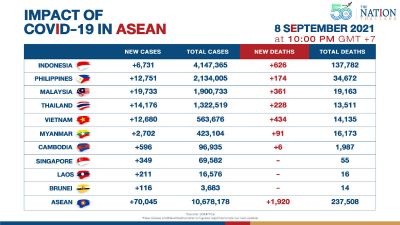

 SootinClaimon.Com