Troubled by pandemic, Tokyo Olympic Summer Games open with scaled-back ceremony #SootinClaimon.Com

#SootinClaimon.Com : ขอบคุณแหล่งข้อมูล : หนังสือพิมพ์ The Nation.

https://www.nationthailand.com/international/40003693

Troubled by pandemic, Tokyo Olympic Summer Games open with scaled-back ceremony


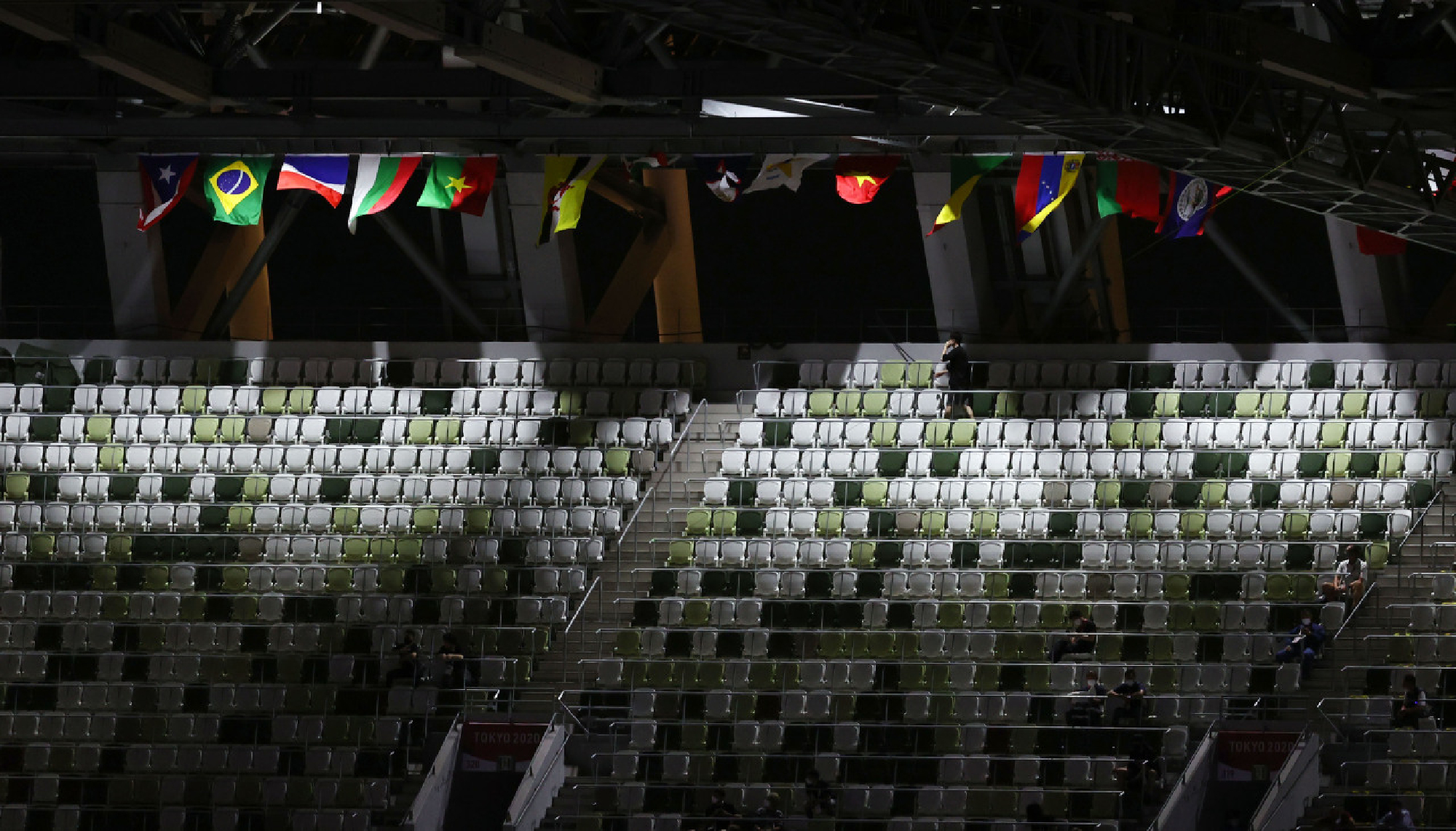
It has been eight years in the making, and the 32nd Olympic Summer Games finally kicked off in Tokyo on Friday, with a sobering, toned-down opening ceremony held at the National Stadium without spectators during the global coronavirus pandemic.

Some 11,000 athletes from 205 countries, plus a team of refugees, will compete for 339 gold medals in 33 sports until Aug. 8, while having to abide by strict health and safety protocols, the likes of which haven’t been in place at any of the previous Olympics.
Troubled by pandemic, Tokyo Olympic Summer Games open with scaled-back ceremonyTroubled by pandemic, Tokyo Olympic Summer Games open with scaled-back ceremony

ADVERTISEMENTx

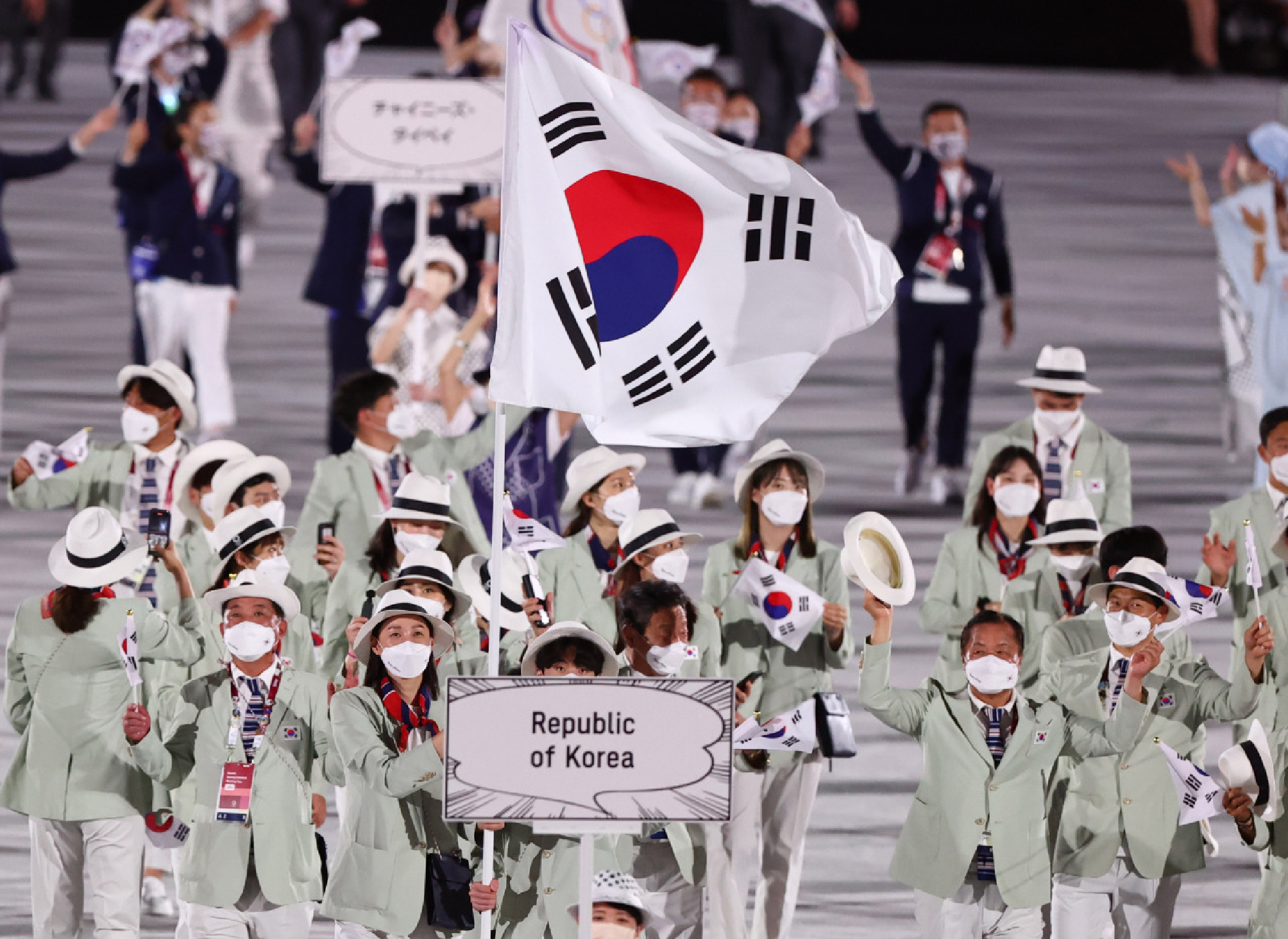
South Korea has sent 354 athletes and officials to compete in 29 sports, with an eye on six to seven gold medals and its fifth consecutive top-10 finish in the medal race.

Volleyball icon Kim Yeon-koung and teen swimming sensation Hwang Sun-woo carried the national flag for South Korea, which was represented by only about 30 athletes and officials at the ceremony.

Tokyo was awarded the right to host these Olympic Games in 2013. It had planned to showcase its recovery from the catastrophic tsunami and nuclear disaster in the northeast of the country in 2011.

Little did anyone know another type of crisis would wreak havoc on Tokyo’s grand plans and make these Olympic Games unprecedented on many levels.

The Olympics was postponed by one year due to the COVID-19 pandemic. And with the virus still raging in Japan and around the world, the local organizers and the International Olympic Committee (IOC) decided to first keep international spectators from attending the event, and then took the same step with the domestic fans for events held in Tokyo. The city is under the state of emergency due to a spike in COVID-19 cases.

Competitions held outside the capital city or in regions not under the same state of emergency will be able to accept fans, but only in limited numbers.
Troubled by pandemic, Tokyo Olympic Summer Games open with scaled-back ceremonyTroubled by pandemic, Tokyo Olympic Summer Games open with scaled-back ceremony

Despite steps taken by Tokyo to ensure safe staging of the Olympics, COVID-19 hasn’t stopped spreading. The organizers reported 19 Olympic-linked cases on Friday, including three athletes. Since July 1, there have been 106 cases involving Olympic participants.

The buildup to the Olympics has been marred by a series of scandals, including departures of three members of the creative team for the ceremonies. And mounting criticism against the government for prioritizing the Olympics over public health concerns has dampened what little enthusiasm was left for the event. Top corporate sponsors, such as Toyota and Panasonic, didn’t send executives.

Then there is the infamous summer heat of Tokyo to reckon with, and Russian archer Svetlana Gomboeva collapsed in scorching conditions on Friday during the women’s ranking round. She received medical attention while her teammates put bags of ice on her head to cool her down.

Marathon races have long been moved to the cooler northern city of Sapporo, a decision that looks smarter with each passing day.

Titled “United by Emotion,” the opening ceremony was produced on Tokyo’s hopes of bringing the world together through sport during the coronavirus pandemic.

However, strict COVID-19 protocols mean athletes and other Olympic participants will not be physically brought together.

Athletes were required to wear masks and maintain safe distancing as they paraded into the stadium. Once the competition starts in earnest on Saturday, medalists will have to pick up their own prizes from the tray and put them around their own necks. And there won’t be handshakes or hugs among medalists.

Once the athletes completed their parade into the stadium, Japanese Emperor Naruhito declared the Games officially open, with the Olympic Flag being raised at the stadium. (Yonhap)

Published : July 24, 2021

By : The Korea Herald/ANN

Olympics live zones launched to support Hong Kong athletes #SootinClaimon.Com

#SootinClaimon.Com : ขอบคุณแหล่งข้อมูล : หนังสือพิมพ์ The Nation.

https://www.nationthailand.com/international/40003692

Olympics live zones launched to support Hong Kong athletes


HONG KONG – The Hong Kong government on Friday launched “Olympics live zones” at 18 designated sports centers across the territory for the public to watch the Olympic events and show their support for Hong Kong athletes.

Forty-six Hong Kong athletes have qualified for 38 events at the Tokyo Olympics, covering 14 sports, the most in Hong Kong’s Olympics history.

Also on Friday, Chief Executive Carrie Lam Cheng Yuet-ngor officiated another event to give support to Hong Kong athletes.

Delivering a speech at the event at West Kowloon Art Park, Lam said she believes Hong Kong is well equipped to become an international sports hub as well as a cultural exchange center.

The live zones at the 18 districts will broadcast the Games’ competitions from 8 am to 11 pm for the period from July 24 to Aug 8.

ADVERTISEMENTx

“Members of the public are welcome to visit and watch the live broadcast and highlights of competitions to experience the excitement of this spectacular sports event and cheer for Hong Kong athletes participating at the Games,” said the Director of Leisure and Cultural Services Vincent Liu during a launching ceremony at the Kowloon Park Sports Centre on Friday.

Exhibition panels featuring Hong Kong athletes participating at the Games will also be displayed at the 18 venues.

Moreover, a series of “Learning Sports 101” videos are now available on the LCSD Edutainment Channel. The videos feature introductions and demonstrations of sports skills by elite athletes, including a number of Olympic sports, to encourage the public to take part in sports while having fun watching Olympic events.

Published : July 24, 2021

By : Wang Zhan/China Daily/ANN

Olympic opening day arrives amid antivirus precautions #SootinClaimon.Com

#SootinClaimon.Com : ขอบคุณแหล่งข้อมูล : หนังสือพิมพ์ The Nation.

https://www.nationthailand.com/international/40003690

Olympic opening day arrives amid antivirus precautions


The Tokyo Olympics formally kicked off Friday as the second Summer Games ever held in Japan’s capital. The opening ceremony began at 8 p.m. at the National Stadium without spectators. The previous Tokyo Games were held in 1964.

About 11,000 athletes from more than 200 countries and regions as well as the Refugee Olympic Team were registered with the International Olympic Committee as of Wednesday to compete in 339 events in 33 sports.

The Olympic flame arrived at the Citizens’ Plaza in front of the Tokyo metropolitan government building in Shinjuku Ward, Tokyo, on Friday morning. It was to be carried to the stadium later in the day.

Ahead of a Thursday evening men’s soccer match against Japan, three members of the South African team had tested positive for the novel coronavirus, with 18 people subsequently identified as close contacts. However, those who tested negative about six hours prior to the game were allowed to play, and the match for the first round of the group stage took place in Tokyo Stadium as planned.

Published : July 24, 2021

By : The Japan News/ANN

Philippines extends travel ban to Malaysia, Thailand, imposes curbs amid Delta-fuelled surge #SootinClaimon.Com

#SootinClaimon.Com : ขอบคุณแหล่งข้อมูล : หนังสือพิมพ์ The Nation.

https://www.nationthailand.com/international/40003677

Philippines extends travel ban to Malaysia, Thailand, imposes curbs amid Delta-fuelled surge


MANILA  –  The Philippines has tightened restrictions in the community and at the borders, as it confirmed the start of a new wave of Covid-19 infections – this time fuelled by the highly contagious Delta variant.

Philippines extends travel ban to Malaysia, Thailand, imposes curbs amid Delta-fuelled surge

The government on Friday (July 23) announced that its travel ban would now include Malaysia and Thailand. It has already denied entry to travellers from Indonesia and most of South Asia.

Shelter-at-home and movement curbs in Metro Manila were stepped up a notch to a “general community quarantine with heightened restrictions” till July 31 at least. This means fewer people will be allowed to dine out or go to churches for masses, weddings, baptisms and other religious services.

Gyms, salons, barbershops, tourist attractions and meeting venues will again be shut. Social gatherings in homes, such as birthday parties and reunions, are banned.

The Health Ministry confirmed late on Thursday what independent researchers and local government officials had been saying for days: There is already a local transmission of the Delta variant.

“Clusters of Delta variant cases were seen to be linked to other local cases, therefore, exhibiting local transmission,” it said in an advisory.

ADVERTISEMENTx

The Philippines had previously largely sidestepped the Delta-fuelled surges that have plagued neighbouring countries. Indonesia and Malaysia have been setting records in daily new infections, while deadly surges are also seen in Thailand, Vietnam and Myanmar.

Data analysts from the independent group Octa Research said a new wave of Covid-19 cases was already “in its early stages” in the Philippines.

Metro Manila, home to some 13 million, is now experiencing an uptick in new cases. The average number of new    infections per day was 813 in the past week, up from 638 the week before.

The Health Ministry said it has already been prepping the health system in anticipation of a new wave of infections, adding more hospital beds and quarantine sites, and beefing up supplies of oxygen, ventilators and medications.

But Octa is pressing the government to do more, saying “an urgent and decisive response” is needed.

“Let us not wait for the numbers to explode before we act… At the very least, the (government) must contemplate a stricter quarantine status or impose more restrictions in (Metro Manila),” it said.

If the Delta variant is driving the current surge, the group added, “we need to crush it with lockdowns (localised and regional)”.

The Alpha and Beta variants, first found in Britain and South Africa, are still the dominant strains in the Philippines, with close to 4,000 cases out of all the samples taken for genome sequencing.

Only 47 cases of Delta have been found so far, but this variant has already surfaced in Metro Manila, a sprawling, densely populated region of 16 cities.

Experts believe the Delta variant is behind crippling surges in places outside Manila, including Davao city, President Rodrigo Duterte’s home turf, where sweeping lockdown measures in recent weeks have failed to bring down infections.

Octa reported that the speed at which the coronavirus is spreading in Metro Manila has gone up to 1.15. The acceptable number is 1 or below. 

At that rate, cases could climb to 8,000 to 10,000 in the coming weeks.

But Health Undersecretary Maria Rosario Vergeire said on Friday that “there’s still no objective basis that we have a surge”.

“Let’s give the correct information because the public is panicking already. Let’s not add to that. The correct information is that while we may see cases rise, it’s not happening yet, and we are already preparing so that if cases do rise, it won’t be so high that we already can’t handle it,” she told reporters.

She said the government was ready to fall back into “granular lockdowns” if hospitals again start to get overcrowded with Covid-19 patients.

With over 1.5 million cases and close to 27,000 who have died from Covid-19, the Philippines has the second-worst outbreak in South-east Asia, after Indonesia.

But it has been tallying just 5,000 to 6,000 infections a day in recent weeks, from up to 15,000 cases in March and April. By comparison, Indonesia has hit over 50,000 new cases a day.  

Published : July 23, 2021

By : The Straits Times / ANN

Cambodia buys 5M Chinese vaccines for children 12-17 #SootinClaimon.Com

#SootinClaimon.Com : ขอบคุณแหล่งข้อมูล : หนังสือพิมพ์ The Nation.

https://www.nationthailand.com/international/40003645

Cambodia buys 5M Chinese vaccines for children 12-17


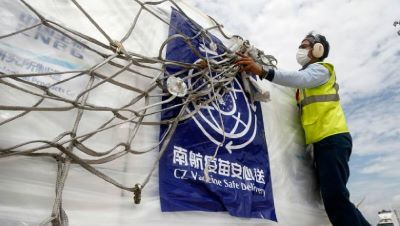
The government has purchased an additional five million doses of Covid-19 vaccine from China to vaccinate the 12-17 age group in a bid to reopen schools, with their shipments expected in August and September.

The Kingdom will also receive one million doses of the Johnson & Johnson vaccine through the World Health Organisation-led Covax Facility, according to Ministry of Health secretary of state York Sambath.

Sambath was speaking at the Phnom Penh International Airport while receiving one million doses of the Sinopharm vaccine purchased from China on July 22.

“In August, we will have three million doses of the Sinopharm vaccine, and in September we will have another two million doses of the vaccines for vaccinating children and teens. Samdech Techo [Prime Minister Hun Sen] has advised vaccination and procurement teams to prepare this,” she said.

Regarding the one million doses of Johnson & Johnson vaccine, Sambath said she did not have specific timeline for their arrival.

The national Covid-19 vaccination commission has been planning and discussing the work concerning vaccinations for the 12-17 age group following Hun Sen’s recommendation.

According to Sambath, Cambodia had vaccinated more than six million people as of July 21.

“We have enough vaccines on hand to vaccinate our people including children, in line with the goal set by [Hun Sen]. But vaccination alone would not be enough – only through participation by people from all walks of life can we break the chain of transmission,” she said.

Prime Minister Hun Sen said on July 22 that the government has defined vaccination as its strategic plan in the fight against Covid-19.

“Through this strategic plan, Cambodia has made every effort to procure vaccines for the people. The vaccines that Cambodia has received are the achievement of the government’s plan in acquiring 20 million doses to vaccinate the 10 million [adult population],” he said in a Facebook post.

On July 23, Hun Sen will personally receive one million doses of the AstraZeneca vaccine donated by the Japanese government. This marks the second time that the prime minister has personally welcomed vaccines from “friends” of Cambodia – the first was on February 7 when 600,000 doses donated by China arrived.

Japanese ambassador to Cambodia Mikami Masahiro said last week after his government announced the donation that the assistance demonstated strong ties between the two countries and in timely response to the current Covid-19 situation.

As of July 22, Cambodia had recorded a total of 70,419 Covid-19 cases with 62,577 recoveries and 1,188 fatalities.

On July 22 alone, the health ministry reported 811 Covid-19 cases, 300 of which were imported, and 20 new deaths.

Published : July 23, 2021

By : Mom Kunthear/The Phnom Penh Post/ANN

Seoul, Washington agree to induce Pyongyang back to nuclear talks #SootinClaimon.Com

#SootinClaimon.Com : ขอบคุณแหล่งข้อมูล : หนังสือพิมพ์ The Nation.

https://www.nationthailand.com/international/40003644

Seoul, Washington agree to induce Pyongyang back to nuclear talks


US Deputy Secretary Wendy Sherman on Thursday held talks with key officials here, underscoring close coordination between the allies to induce North Korea back to the stalled denuclearization talks.

As part of the Asia trip, Sherman arrived in Seoul on Wednesday after her stop in Tokyo, where she and her South Korean and Japanese counterparts, Choi Jong-kun and Takeo Mori, respectively, held trilateral talks and reiterated close coordination on North Korea policy.

Sherman met with South Korean Foreign Minister Chung Eui-yong in the morning, discussing bilateral, regional and global issues, as well as follow-up measures to the outcome of the summit between Presidents Moon Jae-in and Joe Biden in May.

During their talks, the two reaffirmed that their goal remained the “complete denuclearization and permanent peace” of the Korean Peninsula — which was affirmed by the leaders of the two countries at the summit — and diplomacy and dialogue remain the best way to achieve that objective. The officials vowed to continue close cooperation at all levels to convince the North back to the negotiating table, the Foreign Ministry said in a statement.

Chung asked for Sherman’s efforts to strengthen the South Korea-US alliance. In response, Sherman said she would do so, stressing the alliance is the linchpin to peace, security and prosperity in the Indo-Pacific region and Northeast Asia.

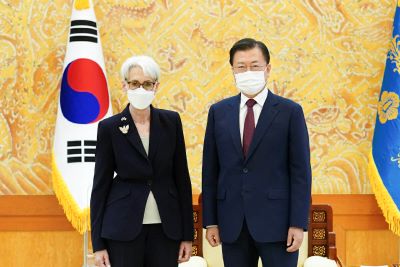
She also held a spearate meeting with President Moon Jae-in at Cheong Wa Dae. During their talks, Sherman expressed hope that the North will respond to a US offer for talks at an early date, according to Moon’s office. The US diplomat also said that she seeks to hold in-depth talks on Pyongyang with Chinese officials when she visits China later on Sunday.

Moon asked Sherman for her proactive role for the resumption of talks between Washington and Pyongyang. .

Sherman also met National Security Adviser Suh Hoon and discussed ways to resume both US-North Korea and inter-Korean talks.

In the afternoon, she held separate meetings with Unification Minister Lee In-young and Vice Minister Choi Young-joon.

During her session with Lee, Sherman voiced support for inter-Korean dialogue and cooperation and added that the ministry’s role is important for peace and stability on the Korean Peninsula, according to the Unification Ministry.

Lee stressed that now would be the most important period to diplomatically engage with the North in order to achieve denuclearization of the Korean Peninsula, adding that the allies need to continue their efforts to engage.

Her visit comes as the Biden administration seeks to bolster three-way cooperation with its key Asian allies against China’s growing assertiveness and a nuclear-armed North Korea.

Washington has expressed that it is ready to meet with Pyongyang “anytime and anywhere without preconditions,” but the North has rebuffed US diplomatic overtures since President Joe Biden took office.

On Friday, Sherman is set to hold a strategic dialogue with Choi to discuss wide-ranging issues, including the economic cooperation, the climate crisis, pandemic relief and post-COVID-19 economic recovery.

From Seoul, she will then head to Mongolia, China and Oman.

Sherman’s China trip was announced at the last minute on Wednesday. She is scheduled to meet Chinese Foreign Minister Wang Yi and other officials in the northeastern Chinese city of Tianjin.

Her visit to China comes as tensions between the two largest economies continue to escalate on multiple fronts. North Korea is expected to be among the wide range of agenda items for Sherman’s talks with her Chinese counterparts, as an area where the two countries share a common interest.

Published : July 23, 2021

By : Ahn Sung-mi/The Korea Herald/ANN

WHO’s tracing proposal called unacceptable #SootinClaimon.Com

#SootinClaimon.Com : ขอบคุณแหล่งข้อมูล : หนังสือพิมพ์ The Nation.

https://www.nationthailand.com/international/40003643

WHO’s tracing proposal called unacceptable


Including dismissed lab leak theory in study of COVID origin defies science, says official.

China cannot accept the World Health Organization’s plan for a second phase of a study into the origin of the coronavirus that causes COVID-19, as the plan’s inclusion of probing the “laboratory leak” theory-a definitively dismissed possibility-disregards common sense and science, senior officials said on Thursday.

Future origin-tracing efforts should focus on the virus’ natural origin in animals, expand beyond China to pursue clues found globally, and inherit the science-based and cooperative principle held throughout the study’s first stage in China earlier this year, the senior officials and experts said.

Zeng Yixin, vice-minister of the National Health Commission, said he was “shocked” to learn that an origin-tracing proposal released by the WHO last week has listed the hypothesis that violations of laboratory protocols in China could have resulted in the virus’ leak as one of the major research objectives.

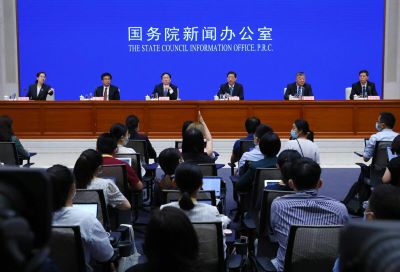
“In some respects, this plan disrespects common sense and defies science. It is impossible for us to accept a plan like this,” he said during a news conference held by the State Council Information Office.

He said all rumors linking a laboratory in Wuhan, Hubei province, to the source of the virus have been dispelled. The virus also contains no trace of human manipulation based on a number of analyses, negating the possibility of it being an engineered pathogen, Zeng added.

Previously, “the WHO-convened experts had personally conducted an on-site visit to the laboratory and arrived at the conclusion that it is extremely unlikely for the virus to have been leaked from a lab”, he said, referring to the expert panel’s 28-day trip in Wuhan in January and February.

“We ought to respect their conclusions,” so there is no need for the second phase of origin-tracing work to repeat research in this area, Zeng added.

“Rather, we should push for investigations in different countries and regions in terms of searching for early infections, conducting research on molecular epidemiology and animal hosts,” he said.

The earlier mission organized by the WHO also concluded that the virus most likely jumped from an animal species, probably bats, to humans via an intermediate host, while its direct transmission from animals to humans and spreading via the cold chain were also deemed possible.

Based on these findings, Liang Wannian, head of the Chinese experts on the mission, said concerted efforts should be devoted to researching the natural evolution of the virus and hunting for animal hosts.

Chinese scientists have done a great deal of work on this, broadening their scope of testing from food markets in Wuhan to upstream suppliers as well as farmed and wild animal samples from across the country, but “no positive antibody or antigen results have been reported”, Liang said.

Researchers in China have also extensively surveyed and sampled bats in the country without identifying a virus in them that is similar enough to the novel coronavirus to be considered the virus’ source, he said.

“Bats of different types are widely dispersed around the globe, and some regions have never launched systematic research on them,” he said. “As scientists agree that bats should be a focus during the probe into the virus’ origin, relevant research should not be limited to China but take a wider perspective to cover all countries and regions inhabited by bats.”

He also suggested further studies of pangolins, beavers and other possible intermediate hosts.

The appeal for launching wide-ranging investigations worldwide is becoming stronger, as more evidence pointing to earlier infections outside China has surfaced recently, Liang said.

For instance, a skin sample taken from an Italian resident in November 2019 yielded traces of the virus, and traces also were found in human sewage samples collected in Brazil in November 2019. The first infection in Wuhan was reported on Dec 8, 2019.

“These examples show that Wuhan may not be the ground zero for virus spillover,” he said, adding that the virus likely underwent a complicated transmission cycle between animals, humans and objects.

Zeng, the vice-minister, said China submitted its suggestions on the second phase of the study to the WHO on July 4.

He said the first phase occurring in China was an outstanding example of international cooperation, pointing to viable pathways for future research and formulating an effective cooperation mechanism rooted in scientific attitudes and rigorous discussions.

“We hope that the WHO will take Chinese experts’ thoughts and advice into consideration and truly handle the issue as a scientific one without being influenced by politics,” he said.

Published : July 23, 2021

By : WANG XIAOYU and ZHANG ZHIHAO/China Daily/ANN

Director of Olympic ceremonies dismissed over holocaust jokes #SootinClaimon.Com

#SootinClaimon.Com : ขอบคุณแหล่งข้อมูล : หนังสือพิมพ์ The Nation.

https://www.nationthailand.com/international/40003642

Director of Olympic ceremonies dismissed over holocaust jokes


The Tokyo Olympic organizing committee dismissed Kentaro Kobayashi from his role as director of the Olympic opening and closing ceremonies on Thursday over jokes he made about the holocaust in a comedy skit decades ago.

Avideo clip of Kobayashi performing the skit when he was a member of the comedy duo Rahmens has sparked criticism in Japan and abroad on the eve of the Tokyo Olympics opening ceremony.

Kobayashi joked about massacring Jews in the footage, which has been widely shared on social media. According to the organizing committee and other sources, the skit was recorded for a video released in 1998.

The Simon Wiesenthal Center, a Jewish human rights organization in the United States, issued a statement condemning Kobayashi over the “past anti-Semitic jokes.”

The issue dominated online news and social media on Thursday morning.

“Jewish athletes and Israel won’t remain silent,” tweeted film critic Tomohiro Machiyama.

Kobe University Prof. Kentaro Iwata tweeted, “I like Kentaro Kobayashi but the snippet isn’t good. When it comes to the Olympics, he should definitely be out.”

Kobayashi has issued an apology in which he said: “I’m in the business of entertaining people. It should never be the case that I make people feel uncomfortable. I understand that my foolish choice of words at the time was a mistake, and I regret it.”

The opening ceremony for the Olympics is scheduled to start at 8 p.m. on Friday.

Published : July 23, 2021

By : The Japan News/ANN

Central bank digital currencies, crypto will coexist: experts #SootinClaimon.Com

#SootinClaimon.Com : ขอบคุณแหล่งข้อมูล : หนังสือพิมพ์ The Nation.

https://www.nationthailand.com/international/40003641

Central bank digital currencies, crypto will coexist: experts


But looming regulations on crypto assets might change landscape, experts say at webinar co-hosted by The Investor and ANN

Government-backed coins and private cryptocurrencies will coexist for a while, despite rising regulatory walls set by the government to counter virtual coins, experts at a global webinar session said Thursday.

Noting that cryptocurrencies and digital currencies by governments are “two different animals,” they will coexist for now partly because current cryptocurrencies are not actually solving payment problems.

“How many of them (cryptocurrencies) are solving actual payment problem? Most of them are speculative and used as a means of storage,” said Nelson Chow, chief fintech officer of the Fintech Facilitation Office at the Hong Kong Monetary Authority.

Chow said that some central bank digital currency, or CBDC, projects such as Multiple CBDC Bridge have the potential to solve decades-old problems for cross-border transactions. Multiple CBDC Bridge is a wholesale CBDC co-creation project between the Hong Kong Monetary Authority, Bank of Thailand, the People‘s Bank of China and the Central Bank of the United Arab Emirates.

Under the current regulatory environment, John Kiffmeiste, a former senior financial sector expert at the International Monetary Fund, said that it is unlikely that the emergence of CBDC projects, now numbering nearly 60 according to Kiffmeiste’s data, would make crypto assets obsolete.

“CBDC has to operate within confines of tax regulations, anti-money laundering, KYC (know-your-customer) and so many other regulations whereas cryptocurrencies don’t operate in that environment,” the economist added. 

But, Kiffmeiste pointed out that as the regulatory and legislative walls are closing in on crypto assets, they will come under the same rules that other types of conventional currencies operate under. “In that case, that levels the playing field. Perhaps in that new world, CBDCs and cryptocurrencies coexist, but crypto assets become redundant as at least payment medium.”

Andrew Sheng, one of Asia’s top economists, stressed that authorities should understand the complex contextual backgrounds that have brought about the rising interest in CBDCs and cryptocurrencies.

Noting that the value of the cryptocurrency market has reached $1.2 trillion — half the value of the official gold reserves — Sheng said cryptocurrencies had grown outside of the purview of public control. “This was the big lesson of the COVID-19, private cyber currencies will be with us whether you like it or not,” Sheng said.

The tug-of-war between regulators and cryptocurrencies is most apparent in the US in the area of stablecoins like USD Coin, a digital equivalent of the US dollar.

The US-proposed Stable Act will bring USD stablecoin issuers into conventional regulatory perimeters.

ADVERTISEMENTx

Kevin Werbach, a professor of legal studies and business ethics at the Wharton School of the University of Pennsylvania, said that the cryptocurrency industry does not have to be allergic to regulations.

“There is always a notion that we have to choose either innovation or regulation. And I think it’s a false dichotomy. For new technological markets to mature and develop, they need to be trusted. They need to get to the point where ordinary people around the world are willing to participate in these activities at scale, and regulations are an important part of that,” Werbach said.

As to the increasing public controls on crypto assets, speakers called for regulations compatible with the emerging cryptocurrency industry. They shared a similar view that cryptocurrency companies and regulators must work together on bringing the industry into the system.

“Since innovation is always ahead of regulation, it is inevitable for regulators to rely on us when drafting policies. It is crucial to reshape their ‘legacy mindset’ and make them understand the nature and dynamics of cryptocurrency,” said Marcus Lim, CEO and co-founder of Zipmex.

They were speaking at a webinar co-hosted by The Investor, a tech media outlet run by The Korea Herald, and the Asia News Network. Speakers included a group of experts in the US, Europe and Asia who are navigating the current situation surrounding the development of central bank digital currencies and challenges posed by and to cryptocurrencies.

Experts said that central bank digital currencies have a huge potential to solve many issues, ranging from decades-old problems involving cross-border transactions to digital transformation.

Kiffmeiste noted that almost 60 jurisdictions are currently exploring retail CBDCs, with countries like the Bahamas and China at the forefront, but they are divided in their motivations for issuing the CBDCs. For instance, emerging economies consider CBDCs as a way to spur financial digitalization, while advanced economics mull digital currency as part of financial stability and to improve monetary policies.

Published : July 23, 2021

By : Park Ga-young and Byun Hye-jin/The Korea Herald/ANN

Experts: Science should guide efforts to trace virus origin #SootinClaimon.Com

#SootinClaimon.Com : ขอบคุณแหล่งข้อมูล : หนังสือพิมพ์ The Nation.

https://www.nationthailand.com/international/40003604

Experts: Science should guide efforts to trace virus origin


Searching for the origin of viruses, including the novel coronavirus now ravaging the world, is an extremely difficult and complicated undertaking prone to many uncertainties. But according to experts, one thing is for sure — the quest should be underpinned by scientific evidence, rather than politically motivated speculation.

“Whenever a major infectious disease breaks out, one of the first questions raised by scientists and the public is: Where did it come from?” said Su Jingjing, a professor at the Peking University’s School of Health Humanities. 

“Hunting down a virus’ origin, understanding how it is introduced into the human population and how it spreads further will enable medical and public health experts to better cope with the disease and prevent future outbreaks,” she added. 

ADVERTISEMENTx

However, Su said tracing the source of a virus requires large amounts of on-site investigations, thorough laboratory testing and “a great deal of luck”.

For instance, she said it took nearly two decades for global scientists to come to an initial conclusion on who might be the patient zero (the first infected case of an epidemic) for HIV/AIDS, but the question remains contentious to this day.

Likewise, scientists are still confounded by the origin of the Ebola virus that first emerged in the 1970s, as well as the influenza virus that has affected humans for over a century, Su added. 

Zhao Guoping, a Chinese molecular biologist and an academician with the Chinese Academy of Sciences, said that searching for a virus’s origin must be based on clear and conclusive evidence, but the collection and analysis process poses severe challenges.

He said one type of evidence comes from the field of pathology, clinical medicine and epidemiology, which reflects real-world situations but could be inaccurate due to human interference. 

The other type of evidence entails results of genome sequencing or antibody testing. Zhao said they are more definitive but it is challenging to “establish their connections” to other pieces of proof. 

“The origin-tracing task contains a number of uncontrollable factors. Some key information could be lost forever, which means that it will be impossible for us to build a complete chain of evidence,” he said during an interview with Science and Technology Daily. 

“Sometimes, we might not be able to get to the bottom of the question even after very long periods of research, and we can only make inferences based on available information,” he said. “The public should have a rational expectation.” 

SARS-CoV-2, the virus that causes the COVID-19 disease, has so far presented formidable obstacles to scientists struggling to pin down its origin. 

Liu Peipei, a virologist at the Chinese Center for Disease Control and Prevention, said during an earlier briefing that the patient zero for COVID-19, as well as other early infections, might be asymptomatic and leave no medical records behind. He had called on global researchers to proactively search for early cases around the world. 

In terms of gene sequencing, a widely recognized breakthrough is the discovery of RaTG13, a coronavirus found in horseshoe bats whose genetic makeup is 96 percent identical to that of SARS-CoV-2. 

But according to the report of an origin-tracing mission that was organized by the World Health Organization and conducted jointly by Chinese and WHO experts in China earlier this year, coronaviruses detected in bats and pangolins are not similar enough to make them the progenitor of the virus. 

The report said more efforts are needed to take and test samples from wild animals in Southeast Asia and around the world, where surveys to identify coronaviruses related to SARS-CoV-2 are insufficient. 

Su, from Peking University, said collecting samples from bats is a time-consuming procedure, and rigorous precautions must be taken to prevent infections. 

“There are previous reports on finding coronaviruses related to SARS-CoV-2 in Thailand, Japan and other parts of Asia,” she said. “The workload is comparable to finding a needle in a haystack.” 

Experts have warned that politicizing a virus’s origin will add more difficulties to an already herculean task as some Western governments have attempted to revive a false accusation that a laboratory incident in China should be blamed for the virus’s jump to humans. 

“Finding a virus’s origin should be based on science, logic and rational thinking, and it is scientists who should spearhead the work, rather than politicians or intelligence agencies,” Su stressed. 

“Involving intelligence agencies in the process is a blatant move to politicize the issue and will only serve to hamper international cooperation on the issue,” Su said, referring to a previous decision by Joe Biden’s administration.

Liang Wannian, a public health professor at Tsinghua University and head of the Chinese experts on the WHO-convened origin-tracing team, said during a previous interview that the politicization of the issue and distortion of their findings reflects deep disrespect to scientists’ endeavors and will hinder the global fight against the disease.

“Tracing the origin of a virus means studying a highly accidental and rare event, and we should adopt scientific methods, logic and thinking, and devote great efforts to overcome difficulties,” he said. 

“For us Chinese scientists, we will continue our research into the virus’s origin, based on any available knowledge, skills and methodology,” he said.

Published : July 22, 2021