Number of start-ups going public in South-east Asia predicted to triple by end of decade #SootinClaimon.Com

#SootinClaimon.Com : ขอบคุณแหล่งข้อมูล : หนังสือพิมพ์ The Nation.

https://www.nationthailand.com/international/40003314

Number of start-ups going public in South-east Asia predicted to triple by end of decade


SINGAPORE – More start-ups in South-east Asia are expected to go public, with the annual number of initial public offerings (IPOs) in the region expected to cross 300 by 2030.

This would be almost three times the number of regional firms that went public in 2020.

Some of the firms likely to list are online marketplace Carousell, real estate platform PropertyGuru and travel booking site Traveloka, according to a report released on Thursday (July 15).

The report by venture capital (VC) firm Golden Gate Ventures also anticipates that funding for the entertainment and media sector will grow substantially over the decade.

Growing regional players in the industry include sports media entity One Championship and Gojek’s streaming service GoPlay.

The sector recorded about US$100 million (S$135 million) in funding in 2020, but this is likely to rise as entertainment and media start-ups focused on Asian content are gaining a global following, the report noted.

It also identified Vietnam as the region’s rising star, and said the country would emerge as the third-largest start-up ecosystem in South-east Asia in 2022, with more regional VC funds committing to early-stage investments in the country.

Golden Gate Ventures partner Michael Lints said that besides the sharp rise in public listings, there are likely to be more mergers as the regional start-up ecosystem enters a new phase of maturity in the coming decade.

“Founders will have to operate at a much higher level than before as the pace of growth in South-east Asia is going to be faster in the next decade than the last,” he said.

“Start-ups will need to be much more polished and scale faster. VC firms will likewise need to offer much more than funding, experience and connections.”

The report was released as the VC firm marked its 10th anniversary in the region.

It has launched four funds in this period, and its portfolio includes the likes of used car marketplace Carro, logistics firm Ninja Van and payments platform Stripe.

Founding partner Vinnie Lauria said: “Singapore has offered Golden Gate Ventures and our founders the perfect gateway to the region in the last decade and will be the perfect international launchpad for the next decade.”

The report also outlined several trends seen in South-east Asia over the past few years.

Since 2015, a new generation of entrepreneurs has emerged, catalysed by mega rounds of fund-raising by fast-growing start-ups such as Grab and Gojek.

Former senior employees of high-growth companies have gone on to start their own enterprises, starting a new chain of entrepreneurship.

They include e-commerce aggregator Rainforest’s chief executive and co-founder JJ Chai, who was at Carousell.

More corporate VCs have also emerged in the past decade, the report said.

There were around 60 corporate VCs in the region as at 2020, compared with just seven a decade ago. Such firms are increasingly leading funding rounds, especially at the seed and Series A stages.

Published : July 16, 2021

By : Choo Yun Ting/The Straits Times/ANN
EU climate package stirs Korean industry #SootinClaimon.Com

#SootinClaimon.Com : ขอบคุณแหล่งข้อมูล : หนังสือพิมพ์ The Nation.

https://www.nationthailand.com/international/40003313

EU climate package stirs Korean industry


Who are the winners and losers?

The European Union’s sweeping plans, announced Wednesday, to cut emissions are expected to hurt South Korea’s steel and other carbon-intensive industries, experts and industry officials said Thursday.

The EU announced a comprehensive climate package that revolves around three key proposals: imposing tariffs on carbon-intensive imports starting 2026; banning the sales of cars running on fossil fuels starting 2035; and forcing clean fuel in the aviation and maritime sectors.

What caught the most attention here was the tariff plan, more commonly referred to as the carbon border tax. The Federation of Korean Industries, a major business lobby, warned of its impact on local firms, saying that “the policy is practically a tariff hike on imports.”

“For South Korea, whose industry is carbon-intensive and based on manufacturing, the carbon border tax could undermine the industry’s overall competitiveness,” an FKI official said.

“In the short term, Korea’s major export items including steel and aluminum, due to their high-carbon emissions, will suffer a decline in exports.”

The EU’s envisioned carbon border tax will first apply to five carbon-intensive imports — steel, aluminum, cement, fertilizer and electricity. After a three-year grace period, the policy will apply to all imports.

The policy will require importers to purchase a permit for every ton of carbon dioxide emitted by imported goods, forcing imports to have a similar price as if they had been produced in the continent. The system is seen as a de facto trade barrier that punishes players who operate under a more relaxed environment than Europe. The price of a permit currently stands above 50 euros ($60).

To avoid the border levy, Korean steel firms, which exported $1.5 billion worth of goods to Europe last year, would have to drastically reduce carbon emissions of their products.

According to a Greenpeace report released in January, if the permit’s price goes up to $75, it would cost the Korean steel industry $347.7 million. Bloomberg estimates that the permit’s price will reach 85 euros, which would further drive up the cost to $472.8 million.

“Korea’s leading steelmaker Posco can consider producing steel with hydrogen instead of coal, but the technology is in a research stage. Rolling out new infrastructure based on the hydrogen technology will cost about 60 trillion won ($52.6 billion), so there is no solution here,” a steel industry official said.

The Korea Institute for International Economic Policy predicted that a permit price of 30 euros would translate to a tariff of 1.9 percent to Korea.

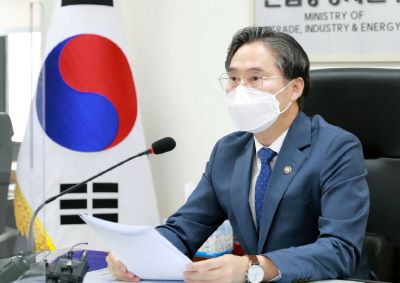
A day after the EU decision, the Ministry of Trade, Industry and Energy convened an emergency meeting to discuss the matter with major steel and aluminum manufacturers, including Posco, Hyundai Steel, Dongkuk Steel and Novelis Korea.

Korea’s steel industry is already suffering from the EU’s safeguard measures. Last year, Korea exported $1.5 billion of steel products to the EU, the lowest figure in the recent five years.

The Trade Ministry is working to persuade the EU that Korea operates its own certified reduction emission system and therefore should be exempt from the carbon border tax.

LG Energy Solution, Samsung SDI and SK Innovation, who together control about 40 percent of the global electric vehicle battery market, welcomed the news, with one of them even calling the EU’s climate package a “jackpot,” as the EU and the UK are major markets where 16 million new cars were sold in 2019.

Hyundai Motor, which sold 6,500 hydrogen vehicles and commanded 69 percent of the global hydrogen vehicle market, is expected to be a potential beneficiary of the EU’s plan to phase out all passenger cars running on fossil fuels by 2035 and have all newly registered cars be zero-emission.

Meanwhile, Korean airliners face complications as the EU will require all aviation fuels to include sustainable fuels in their blend at a minimum quota by 2030. Also, free emitting permits for air carriers will disappear after 2026.

Considering that Korean Air and Asiana Airlines spent 3 trillion won and 2 trillion won in 2020 for fuel, respectively, the EU’s mandatory use of sustainable aviation fuels is expected to drive up fuel costs by tens to hundreds of billions of won.

Shipping companies face a similar situation. By 2050, renewable low-carbon fuels should constitute more than 80 percent of their fuel mix. They will also be obliged to buy and trade carbon permits for every ton of carbon dioxide they emit.

The Export-Import Bank of Korea estimates that if the price of a carbon permit is 50 euros, shipping companies will have to spend $186 on permits for each ton of excessive fuel.

Hyundai Merchant Marine, which used 1.5 million tons of fuel worth 500 billion won, could have to spend an additional 100 billion won for fuel in the future.

Published : July 16, 2021

By : Kim Byung-wook/The Korea Herald/ANN

Virus cases in Tokyo top 1,300 for 1st time in 6 months #SootinClaimon.Com

#SootinClaimon.Com : ขอบคุณแหล่งข้อมูล : หนังสือพิมพ์ The Nation.

https://www.nationthailand.com/international/40003312

Virus cases in Tokyo top 1,300 for 1st time in 6 months


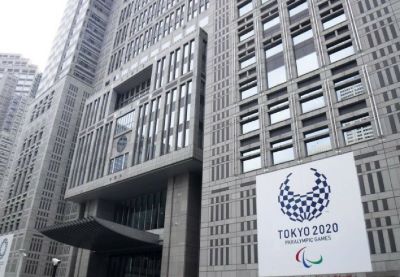
Tokyo confirmed 1,308 new cases of novel coronavirus infection on Thursday, exceeding 1,300 for the first time in about six months. It was the highest daily tally seen since the 1,485 marked on Jan. 21.

According to the Tokyo metropolitan government, the daily number of new cases was up by 412 from a week earlier and higher than the figure logged on the same day of the previous week for the 26th straight day.

The seven-day moving average came to 882.1, an increase of 32.9% from the preceding seven-day period’s average of 663.6.

The number of seriously ill COVID-19 patients in the capital increased by three from Wednesday to 57.

Published : July 16, 2021

By : The Japan News/ANN

Myanmar to receive 6 million Covid vaccine doses from China by August #SootinClaimon.Com

#SootinClaimon.Com : ขอบคุณแหล่งข้อมูล : หนังสือพิมพ์ The Nation.

https://www.nationthailand.com/international/40003310

Myanmar to receive 6 million Covid vaccine doses from China by August


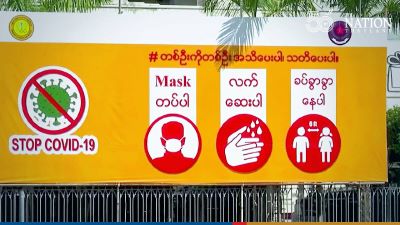
Myanmar is set to receive six million Covid-19 vaccines from China by August, according to the Ministry of Health and Sports.

The first one million doses would arrive during the last week of July. Three Million doses are expected to arrive by the first week of August. China is also expected to donate an additional two million does in August.

On Wednesday, Myanmar reported more than 7,000 new cases, up from fewer than 50 per day in early May as the country struggles to deal with the surge in new variants.

In recent days, hundreds have queued for oxygen supplies across the commercial capital Yangon and the second city of Mandalay.

Over 4,100 have died from the virus in Myanmar, according to official figures, although analysts say the true toll is likely higher.

Around 1.75 million people have so far been vaccinated in the country of 54 million, according to authorities.

Earlier this month, state media reported that Senior General Min Aung Hlaing had agreed to buy two million vaccines from Russia — another major ally — without specifying which shot.

Myanmar’s creaking healthcare system had struggled to respond to Covid even before the takeover.

Swathes of the country were put under partial lockdown last year, although enforcement was often lax in the developing nation where many face a stark choice between following regulations and feeding their families.

-AFP, MOHS

Published : July 16, 2021

By : Eleven Media/ANN

Wang Yi: China, India should become partners, not rivals #SootinClaimon.Com

#SootinClaimon.Com : ขอบคุณแหล่งข้อมูล : หนังสือพิมพ์ The Nation.

https://www.nationthailand.com/international/40003309

Wang Yi: China, India should become partners, not rivals


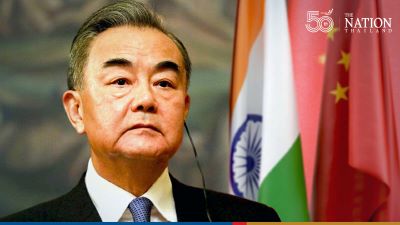
DUSHANBE – China and India should not be a threat to each other, but an opportunity for each others development, Chinese State Councilor and Foreign Minister Wang Yi said on Wednesday.

Wang made the remarks during a meeting with Indian External Affairs Minister Subrahmanyam Jaishankar.

He noted that since the foreign ministers of the two countries met in Moscow last September, the frontline troops of the two militaries have got disengaged at the Galwan Valley and the Pangong Tso Lake area, and the situation in the China-India border area has generally been easing.

However, China-India relations are still at a low point, which serves no one’s interests, he added.

Wang said that the essence of China-India relations lies in how the two major developing countries view each other, and how the two neighbors live in harmony and achieve mutual success.

He stressed that China’s strategic judgment of the bilateral relations remains unchanged, adding that neither country should be a threat to each other, but an opportunity for each other’s development, and China and India are partners, not rivals, let alone enemies.

The principles of China-India relations should continue to be mutual respect for sovereignty and territorial integrity, non-aggression, non-interference in each other’s internal affairs, and mutual respect for each other’s core interests, Wang stressed.

At present, he added, China and India shoulder more important responsibilities than ever for peace and prosperity in their respective regions and the world at large, and should attach greater importance to the common strategic interests and deliver more benefits to the two peoples.

The Chinese foreign minister pointed out that the truth of the China-India border issues last year is clear, and China is not to be blamed.

China is ready to seek a mutually acceptable solution to the issues that require emergency treatment through negotiation and consultation with the Indian side, Wang said.

He underscored the significance of consolidating the results of disengagement between the militaries of the two countries, refraining from taking any unilateral actions in the sensitive disputed areas, and avoiding the recurrence of the situation resulting from misunderstanding and miscalculation.

ADVERTISEMENT

Wang said that the two countries need to take a long-term view and prevent border-related incidents from causing unnecessary disruptions to bilateral relations.

For his part, Jaishankar said that as two major developing countries, the two sides have much in common and should strengthen cooperation in many areas.

The Indian side has not and does not want to change its strategic judgment of India-China relations and is willing to work with China to push bilateral relations out of the trough, he said.

He added that India and China should find a solution to the boundary issue that serves the interests of both countries through dialogue and consultation.

Both sides believe that bilateral relations should be lifted out of the current low level as soon as possible, so as to ensure their development in a sound and steady manner, Jaishankar said.

ADVERTISEMENT

The two foreign ministers agreed that both countries should strengthen their consultations on border issues through existing mechanisms, consolidate the results already achieved, and strive to shift from emergency response to normal management and control, in a bid to jointly safeguard peace and tranquility in the border areas.

Published : July 16, 2021

By : China Daily/ANN

HCM City businesses not meeting COVID-prevention measures to shut down #SootinClaimon.Com

#SootinClaimon.Com : ขอบคุณแหล่งข้อมูล : หนังสือพิมพ์ The Nation.

https://www.nationthailand.com/international/40003263

HCM City businesses not meeting COVID-prevention measures to shut down


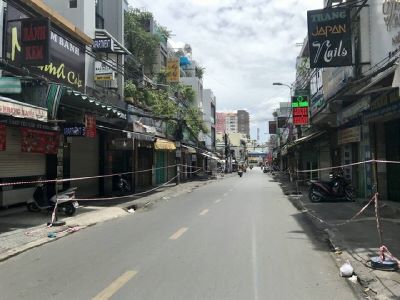
HCM CITY — All businesses in HCM City that do not meet COVID-prevention measures need to shut down from Thursday amid the worsening pandemic situation.

Dương Anh Đức, vice chairman of the city People’s Committee, said one of the requirements is to arrange accommodation and food for workers.

Alternatively, workers must be able to live in dormitories or hotels with transportation arranged to the work site, he said.

The move follows a surge in the number of workers testing positive at high-tech zones, export processing zones, industrial parks, and high-tech zones, posing a high risk of transmission. 

The infections include some 400 at 50 companies at the Tân Thuận Export Processing Zone in District 7 and 750 at the Saigon Hi-Tech Park in Thủ Đức City. 

The virus has spread to most industrial zones, export processing zones and hi-tech zones. 

They are required to perform COVID rapid tests on their workers every week.

The city administration has instructed the Department of Health to verify if businesses meet the safety requirements to remain open and set up 100 inspection teams for it.

The teams have checked all factories and companies in high-risk areas, and those considered medium- to high-risk must improve their COVID prevention measures or face closure.

Nguyễn Thành Phong, People’s Committee chairman, said the city plans to use 15 vacant land plots and 15 unused factories and warehouses to quarantine workers.

Dương Chí Nam, deputy director of the Ministry of Health’s Department of Health Environment Management, said it is important to enhance prevention measures at businesses both inside and outside export processing zones and industrial parks, pointing out when a large number of workers gather there in an extremely high risk of serious outbreaks. 

Such infection clusters could disrupt production and supply chains, seriously affecting the economy, he added.

HCM City has 1.6 million workers in factories, of whom 320,000 working in its 17 industrial parks and export processing zones and one high-tech zone.

Experts have warned that hospitals and factories and industrial zones are among the most important locations for COVID prevention measures.

City ensures smooth circulation of goods 

Speaking at a meeting on Wednesday, Minister of Transport Nguyễn Văn Thể said HCM City needs to work with provinces to ensure smooth transport of essential goods and sustain production and supply chains so that the public has access to food and other necessary items.

“Provinces must work with functional forces at HCM City’s entry checkpoints to ensure smooth circulation of goods during the lockdown.”

They need to create conditions to vaccinate and test drivers and other transport workers and use technology to minimise the time vehicles spend at the checkpoints, he said.

Provinces should consider mandatory medical isolation for drivers returning from epicentres like HCM City, he said.

ADVERTISEMENT

Provincial transport departments have been told to instruct businesses to conduct COVID tests and monitor their employees’ health status in accordance with regulations, he said.

“Businesses and drivers who violate rules will be severely penalised.”

He has instructed the Directorate for Roads of Việt Nam to develop plans for transport activities whenever a city or province announces social distancing under Directive 15 or 16.

HCM City set up the pandemic checkpoints at its gateways last Friday after starting its 15-day lockdown to ensure drivers entering the city do not have COVID.

The number of cases in HCM City is expected to keep rising due to the extensive testing in high-risk areas such as export processing zones, industrial parks, hi-tech zones, and leased apartments.

ADVERTISEMENT

Dr Nguyễn Hoài Nam, deputy director of the city Department of Health, said: “The number of cases per day has exceeded 1,000 for five consecutive days. But the number will decrease when testing is expanded to less risky areas.” 

HCM City has had more than 18,200 cases since the outbreak began in late April. — VNS  

Published : July 15, 2021

By : Viet Nam News/ANN

Bhutan to go ahead with mix and match vaccines #SootinClaimon.Com

#SootinClaimon.Com : ขอบคุณแหล่งข้อมูล : หนังสือพิมพ์ The Nation.

https://www.nationthailand.com/international/40003262

Bhutan to go ahead with mix and match vaccines


Bhutan will go ahead with the mix-and-match mode of vaccination for the second dose that would begin from July 20 despite some skepticism surrounding the idea of mixing two different types of Covid-19.

The National Immunization Technical Advisory Group (NI-TAG) has recommended that if Bhutanese who had received Covishield (AstraZeneca) vaccine for their first dose, a booster dose of an mRNA vaccine (Pfizer or Moderna) produced a stronger immune response (immunogenicity) against the SARS-CoV-2 virus.

NI-TAG member, Dr Sonam Wangchuk, said that in the wake of the fast-spreading Delta variant of the SARS-CoV-2 virus, heterologous regime (mixing of vaccines)  of vaccination was found to be more effective.

He said that clinical trials and studies conducted in developed countries have shown that mixing of vaccines was not only effective against the emerging variants of concerns but it was also safe.

“Technically, there is no issue of mixing vaccines and this is not being done for the first time. Heterologous prime-boost approach of vaccination is a common practice in other vaccines like malaria, TB, some cancer therapy, and Ebola vaccines,” he said.

As per emerging evidence, Dr Sonam Wangchuk said that mixing two different Covid-19 vaccines resulted in minimal side effects. “The side effects were similar to that during the first dose of Covishield vaccine such as headache, fever, joint pain, and pain at the site of injection.”

He explained that any vaccine or any medicine came with a certain level of side effect and that it was ‘absolutely normal’. “Even a paracetamol triggers some side effects,” he said, adding that given the uncertainties in the region and the huge population, the possibility of having new variants of concern was very likely.

“Studies show that having the same vaccines for two doses against the Delta variant of the virus reduced the efficacy to about 40 percent for AstraZeneca vaccine. On the other hand, if you mix and get mRNA vaccine for your second dose, the efficacy was over 80 percent,” Dr Sonam Wangchuk added.

There were concerns among some Bhutanese after the World Health Organisation’s (WHO) chief scientist, Soumya Swaminathan  advised against mixing and matching Covid-19 vaccines from different manufacturers, calling it a “dangerous trend”.

The scientist was quoted saying that there was limited data on the mix-and-match approach to Covid-19 vaccination by the news agency Reuters. “Maybe it will be a very good approach but at the moment we only have data on the Oxford-AstraZeneca vaccine followed by Pfizer,” she said.

However, what many missed out was that her comments stemmed from individuals deciding to mix vaccines or take additional doses on their own without public health guidance.

Soumya Swaminathan tweeted saying: “Individuals should not decide for themselves, public health agencies can, based on available data. Data from mix and match studies of different vaccines are awaited – immunogenicity and safety both need to be evaluated.”

Science-based decision

Sowai Lyonpo (health minister) Dechen Wangmo said that what the government decides will be based on science and evidence. “The evidence on mix-and-match is very strong for now and NI-TAG also recommends it.”

Lyonpo said that many were also of the belief that the government was opting for the mix-and-match approach due the shortage of vaccines. “This is not the case. Our reason for going ahead with this plan is purely based on the efficacy of the vaccine.”

Lyonpo explained that vaccination was an individual choice and strictly voluntary. “We are happy to provide our people with a choice of vaccine.” However, she said that keeping the vaccine choice open to individuals would also invite logistical challenges.

“If a person registers to take vaccine A and then at the last moment decides to go for vaccine B, it would be difficult for us to cater to many such decisions,” Lyonpo said.

Kuensel learnt that the NI-TAG has recommended homologous and heterologous methods to individuals based on their age. It was learnt that those between the age of 18-34 were recommended Moderna vaccine for their second dose, while those above 35 years to be vaccinated with AstraZeneca vaccine.

Lyonpo said that the government would decide on this and share the details in a day or two.

Provisions to vaccinate children below 17 years old are also being considered this time.

Meanwhile, the minister urged all the eligible people to get vaccinated in order to achieve the required coverage for herd immunity. “Unless we achieve herd immunity, the existing protocols will remain. We cannot imagine relaxing our protocols until we get a certain level of assurance through the vaccine coverage,” she said. “If the virus can bring countries like the US to its knees, we stand no chance. Our health system is not as advanced as other countries.”

Published : July 15, 2021

By : Younten Tshedup/Kuensel/ANN

As Nepal struggles to contain Covid-19, risk of Zika outbreak rises #SootinClaimon.Com

#SootinClaimon.Com : ขอบคุณแหล่งข้อมูล : หนังสือพิมพ์ The Nation.

https://www.nationthailand.com/international/40003261

As Nepal struggles to contain Covid-19, risk of Zika outbreak rises


Nepal is highly vulnerable to Zika outbreak as the virus vectors are present in almost all parts of the country. Epidemiologists say government lacks testing kits to carry out surveillance.

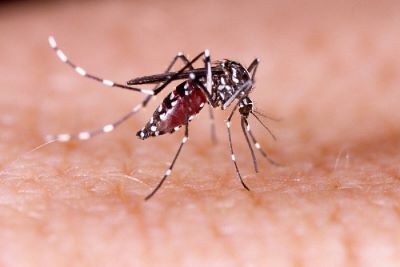
Aedes aegypti and Aedes albopictus mosquitoes that transmit the dengue virus have been present in almost all districts throughout the country. These mosquitoes also transmit the Zika virus.

And what is concerning is, there has been an outbreak of Zika virus in neighbouring India with which Nepal shares a long open border.

As thousands of people enter the country every day from India, the chances of the virus spreading into Nepal is high, experts say.

“We already have Zika-transmitting vectors which are found in almost all districts throughout the country,” Dr Basudev Pandey, former director at the Epidemiology and Disease Control Division, told the Post. “What is needed is a person infected with the virus for the Aedes mosquitoes to spread the virus.”

Health authorities in Kerala state of India declared a state of alert in all districts on Friday following the detection of 14 cases of the Zika virus.

Doctors say Zika causes microcephaly, a condition in which babies are born with underdeveloped head and brain damage. Zika is also linked to Guillain-Barre syndrome, a condition in which the immune system attacks the nerves causing muscle weakness and sometimes paralysis.

“Due to the high mobility of people between the two countries, Nepal is highly vulnerable to outbreak of any disease seen in India,” said Pandey, who is also an expert on vector-borne diseases including dengue and the Zika virus. “And what is concerning is we already have vectors of the virus.”

In 2018, the Ministry of Health and Population had carried out a risk assessment survey with technical and financial support from the World Health Organisation, which showed that Nepal was a high-risk country for dengue and Zika outbreaks.

Two experts deployed from the UN health agency in Nepal inspected places across the Kathmandu Valley and had found eggs, larvae and pupae of Aedes aegypti and albopictus mosquitoes, and warned of looming threats of outbreaks.

“Authorities should step up surveillance to monitor the presence of the virus,” Dr Sher Bahadur Pun, chief of Clinical Research Unit at the Sukraraj Tropical and Infectious Disease Hospital, told the Post. “Though Zika is a mild disease, it has grave consequences on the fetus. We should not ignore the risk.”

As the entire focus of the authorities is on the containment and management of Covid-19 cases, Nepal could face an outbreak of the Zika virus, which seems mild but gives lasting impacts.

Even if the coronavirus is a severe and deadly disease, its long term impact is not known.

According to Pun, many people infected with the Zika virus show mild symptoms like fever, rashes and red eyes.

“Studies show that pregnant women and their foetuses are at high risk,” said Pun. “If infected with the Zika virus during pregnancy, it leads to congenital defects in the newborn, which is called microcephaly. The brain of an infant is small and underdeveloped. Imagine what would happen, if hundreds of such children were born.”

Despite the high risk of the outbreak, concerned authorities in Nepal have done nothing. Even after the experts from the UN health agency warned of possible outbreaks, authorities have not taken the risks seriously.

Officials at the Epidemiology and Disease Control Division concede that the government doesn’t even have testing kits to carry out surveillance.

“Yes, with the several new cases of the Zika virus detected in India, we are at high risk of a Zika outbreak,” Lila Bikram Thapa, an official at the Epidemiology and Disease Control Division, told the Post. “We have alerted all the health agencies about the possible risks.”

However, health workers are focused on the containment and management of coronavirus cases. Along with the coronavirus cases, they have to deal with regular health problems, monsoon-related problems and contain possible outbreaks.

Thapa said that surveillance should be stepped up to minimise the risk of an outbreak. For that testing is required but the authorities lack the testing kits.

“We don’t have testing kits,” said Thapa. “We have not yet purchased testing kits, as we didn’t have any cases so far. But now having such kits is necessary.”

Doctors say Zika virus symptoms match those of the dengue virus—mild fever, rashes, muscle pain, headache, red eyes and general feeling of discomfort. Aedes mosquitos are day biters and lay eggs in clear water accumulated in used tires, flower pots, discarded plastic cups and bottles among other things.

“Even if we don’t have testing kits, tests for Zika can be done in the polymerase chain reaction labs,” said Pun. “As testing of the coronavirus has declined, authorities can use those technologies to test Zika virus for surveillance purposes.”

Zika virus was first identified in Uganda in 1947 in monkeys, according to the UN health agency. It was later detected in humans. Brazil saw the worst outbreak of the virus in 2015 and it has then spread to 24 other countries. The WHO had declared Zika outbreak an international health emergency in 2016.

Officials say what is concerning now is the vectors carrying dengue and Zika viruses are thriving in places where they did not earlier, largely due to climate change. A study by the National Health Research Council has shown that changing climate patterns are increasing the risk of diseases like dengue, chikungunya, Zika and yellow fever.

Nepal witnessed a dengue outbreak in 2019, which killed at least seven and infected thousands.

Published : July 15, 2021

By : Arjun Poudel/The Kathmandu Post

[South Korea] Nationwide spread of virus feared as cases continue to spiral #SootinClaimon.Com

#SootinClaimon.Com : ขอบคุณแหล่งข้อมูล : หนังสือพิมพ์ The Nation.

https://www.nationthailand.com/international/40003260

[South Korea] Nationwide spread of virus feared as cases continue to spiral


South Koreas daily coronavirus cases continued to spike to just shy of a record high Thursday as the country implements stronger virus curbs in regions outside of the broader Seoul area to slow down the nationwide spread of the virus.

The country added 1,600 new COVID-19 cases, including 1,555 local infections, raising the total caseload to 173,511, according to the Korea Disease Control and Prevention Agency (KDCA).

The latest figure is the second-highest daily tally after a record 1,615 cases reported a day earlier as the country battles the spread of the more contagious delta variant with toughened virus curbs amid a slow vaccine rollout.

The greater Seoul area, home to half of the country’s 51.3 million population, has been under the highest social distancing measures since Monday, while most other regions have increased restrictions starting Thursday.

The country added two more COVID-19 deaths, raising the death toll to 2,050 and leading to a fatality rate of 1.18 percent.

The country has implemented a semi-lockdown in the greater Seoul area by banning gatherings of more than two people after 6 p.m., as new cases in the region had accounted for 80 percent of the daily caseload.

Under the toughest Level 4 social distancing measures, entertainment establishments, including nightclubs and bars, are ordered to shut down, while restaurants are allowed to have dine-in customers until 10 p.m.

Starting Thursday, most regions outside the wider capital area have been placed under Level 2 measures, in which gatherings of more than eight people are banned. The regions, which had previously been under the lowest social distancing scheme with no ceiling on gatherings, have accounted for a larger share of the cases this week, indicating the growing spread of the virus nationwide.

New cases in the broader Seoul area accounted for 70.6 percent of the total domestic infections reported Thursday.

The recent spike in new virus cases comes as the country’s vaccination drive has recently lagged due to tight vaccine supplies.

A total of 15.84 million people, or 30.8 percent of the country’s population, have received their first shots of COVID-19 vaccines — almost unchanged from 29.8 percent tallied at end-June.

The KDCA said 6.18 million people have been fully vaccinated, accounting for 12 percent of the population.

Of the newly confirmed domestic cases, 518 were from Seoul, 491 from the surrounding Gyeonggi Province and 89 from the western port city of Incheon.

The southeastern port city of Busan reported 63 cases, and the central city of Daejeon added 59 new infections.

There were 45 additional imported cases, of which 19 came from Indonesia and five from the Philippines.

The total number of people released from quarantine after making full recoveries was 156,509, up 1,018 from a day earlier.

The number of patients in critical condition came to 167, up four from the previous day. (Yonhap)

Published : July 15, 2021

By : The Korea Herald/ANN

DPM: Malaysia can move to second NRP phase next month #SootinClaimon.Com

#SootinClaimon.Com : ขอบคุณแหล่งข้อมูล : หนังสือพิมพ์ The Nation.

https://www.nationthailand.com/international/40003259

DPM: Malaysia can move to second NRP phase next month


PETALING JAYA: Malaysia will be able to move to the second phase of the National Recovery Plan (NRP) by early August if the country continues to see positive progress in its vaccination rate, says Deputy Prime Minister Datuk Seri Ismail Sabri Yaakob.

This is one of the three thresholds required for progress to Phase Two of the NRP.

He said more than 10% of the population had already been fully inoculated under the National Covid-19 Immunisation Programme.

“These developments show the country is on the right track to achieving herd immunity.

“This indicator is in line with the planning of the NRP which expects the vaccination rate to reach 10% of the population at the end of July.

“If these positive developments continue, the whole country will be able to move to Phase Two in early August, as what has been achieved for Perlis, Perak, Kelantan, Terengganu, Pahang, Penang, Sabah and Sarawak after surpassing the three threshold indicators under the NRP, ” he said in a statement yesterday.

Malaysia will reopen in four phases based on three main indicators: the number of daily Covid-19 cases, the number of people who are fully vaccinated and the improved state of the healthcare system.

States such as Selangor and Kuala Lumpur are still experiencing a high number of Covid-19 cases and massive pressure on their healthcare systems.

Ismail Sabri said 68 premises were ordered to close by the task force monitoring standard operating procedure compliance on July 13. Of the 68 premises, 23 were factories, 43 were business premises and two were construction sites. Cumulatively, the task force carried out 80, 827 checks and spot checks nationwide, involving 20, 005 enforcement personnel.

He said five localities in Sabah and Sarawak would be placed under the enhanced movement control order for 14 days from July 16 to July 29.

The localities are Kampung Jagoi Duyoh in Kuching, Sarawak, while those in Sabah are Kampung Lubak in Beaufort, three blocks of the Projek Perumahan Rakyat (PPR) Taman Mesra in Sandakan, Blok Angsana and Blok Sumboi-Sumboi of Kampung Seberang Benoni in Papar, as well as Kampung Melalam in Sipitang.

Published : July 15, 2021

By : The Star/ANN