Samsung Electronics to transfer some 500 technologies to local SMEs
Samsung Electronics will share its 505 patented technologies with local small and medium enterprises, the Ministry of Trade, Industry and Energy said Friday.
The list comprises 213 mobile technologies, 68 semiconductor technologies, 68 display technologies, 45 telecommunications technologies and 31 medical equipment technologies, and others.
The SMEs that wish to benefit from the governments technology transfer program are required to submit their application via the ministry or the Korea Institute for Advancement of Technology, by June 10.
The given program, initiated in 2013, contributed to transferring 444 technologies to 226 SMEs last year from the country’s largest businesses.
Recently joining the program was SK Group, which completed the transfer of 75 technologies to 53 SMEs in March this year.
In the second half this year, South Korea plans to work with other industry leaders, including Posco, LS Electric, Korea Hydro & Nuclear Power and Korea Water Resources.
“We hope that this technology transfer program may help local businesses overcome the market challenges triggered by the COVID-19 pandemic fallout,” said an official of the ministry.
Singapore stops accepting new work pass holders from high Covid-19 risk places, including maids
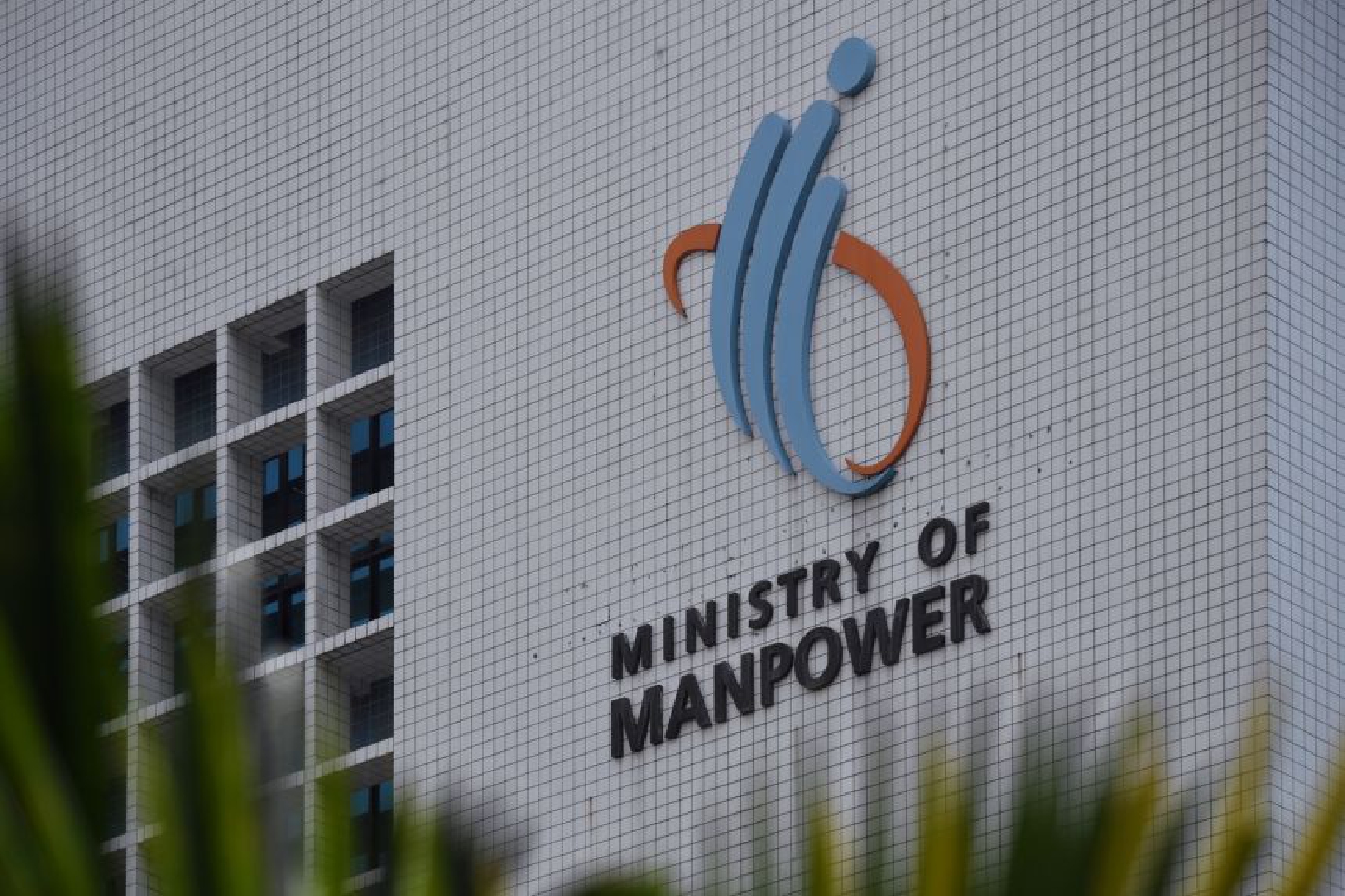
SINGAPORE – Singapore has stopped accepting new entry applications for work pass holders from higher-risk countries or regions due to Covid-19 with immediate effect, except for workers needed for key strategic projects and infrastructural works.
The Manpower Ministry on Friday (May 7) said it will also reschedule entry into Singapore from Tuesday for work pass holders who had earlier obtained approval to come to the Republic.
Work pass holders from higher-risk places who were approved to enter Singapore before July 5 will no longer be allowed to do so, with the exception of those from the construction, marine shipyard and process sectors and migrant domestic workers.
Some of these workers will have their planned arrivals in June rescheduled to subsequent weeks instead, said MOM.
“We will inform employers on when to re-apply for entry when the situation has stabilised and will prioritise them for entry approval then,” said MOM.
The agency said it was making these changes during a period of heightened alert, in view of a resurgence of Covid-19 cases in several countries and the emergence of new virus variants.
On Tuesday (May 4), the Government had announced tightened border control measures in response to growing community infections in Singapore.
These include an extension of the stay-home notice (SHN) period for travellers from higher-risk countries or regions, from 14 days to 21, starting Saturday.
Only travellers arriving from Australia, Brunei, mainland China, New Zealand, Taiwan, Hong Kong and Macau are exempt.
MOM said it was unable to provide the number of affected work pass holders due to the fluid situation.
It added that the Government would closely monitor the local and global situation and periodically review the measures in place.
From Friday, MOM will be reaching out to affected work pass holders and their employers. Dependant’s pass holders previously approved to arrive from higher-risk places will also be subject to the same changes from May 11.
MOM said work pass holders who have already been given – or are seeking – approval to enter Singapore from lower-risk places, or under the Periodic Commuting Arrangement, Reciprocal Green Lane and other approved travel lanes, would not be affected.
“We seek the understanding and cooperation of work pass holders and their employers for these changes,” said the ministry. “They are necessary to enable workers to enter in a safe and calibrated manner, and mitigate the risk of Covid-19 importation.”
Travel surges during Golden Week holidays in Japan
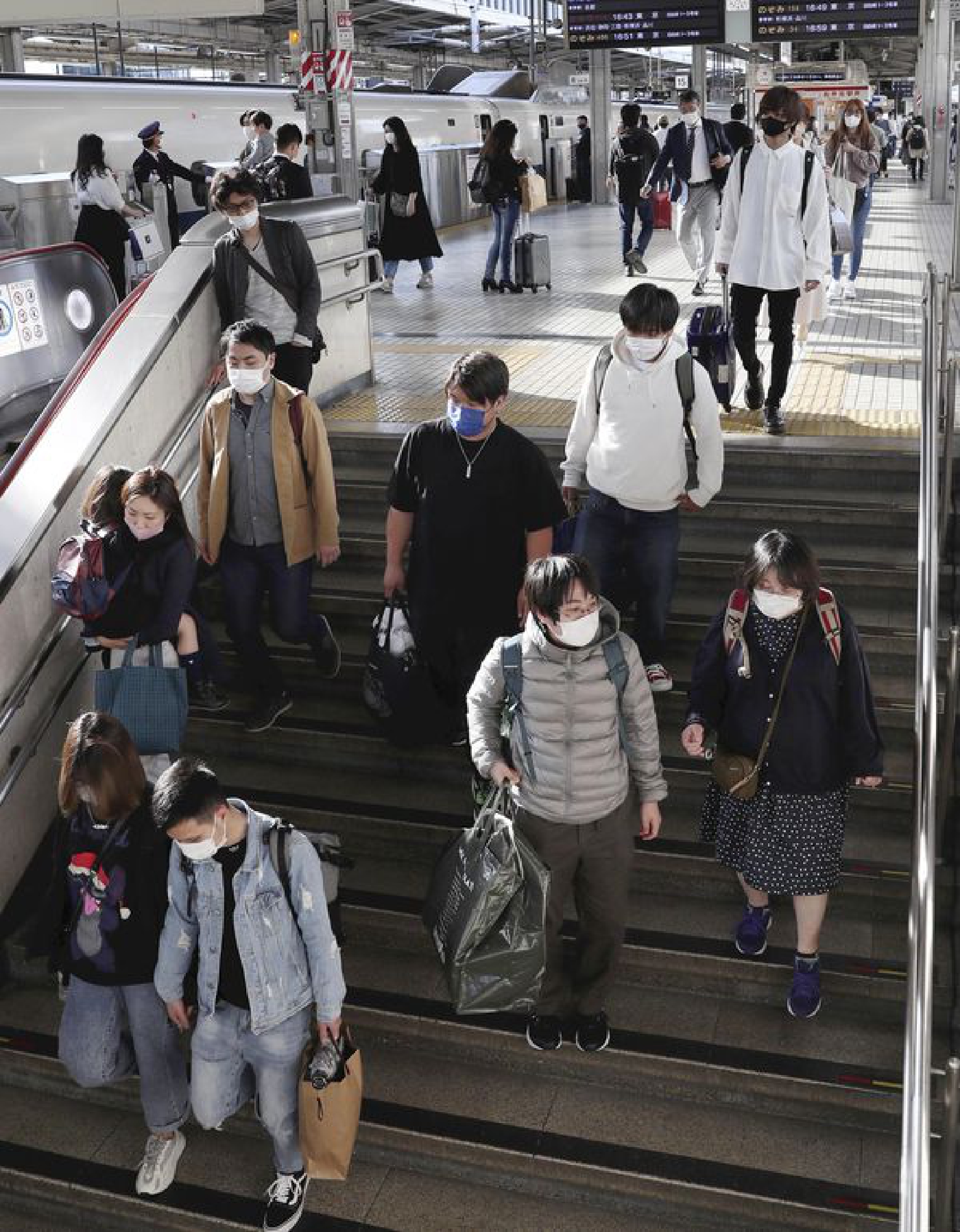
Train lines, expressways and air services saw significant increases in the numbers of people traveling during this years Golden Week holidays compared to the same period last year when the first novel coronavirus state of emergency was declared, according to data released by service operators on Thursday.
About 2,958,000 passengers boarded Shinkansen and limited express trains between April 28 and Wednesday, up by about 5.7 times from last year’s Golden Week holidays, according to JR companies.
Passenger numbers on the Tokaido Shinkansen lines surged by about 5.3 times and the Sanyo Shinkansen lines saw passenger numbers jump by about 4.9 times from the previous Golden Week holiday period.
But holiday traffic on the Shinkansen and JR-operated limited express trains plummeted by 74% compared to the 2019 Golden Week holiday, before the outbreak of coronavirus pandemic.
On average, traffic volume on major expressways stood at 28,900 vehicles per day, about twice as many as last year, according to surveys conducted by expressway operators.
On Tuesday, a tailback 41.1 kilometers long affected drivers near the Kawagoe Interchange on the inbound lanes of the Kanetsu Expressway in Kawagoe, Saitama Prefecture.
Traffic volume on average was down by 43% from the 2019 Golden Week holidays.
Between April 29 and Wednesday, All Nippon Airways Group had about 410,000 domestic passengers, 11 times more than last year, and Japan Airlines Group had about 320,000 domestic passengers, about 8 times more than last year. Both tallies mark decreases of just under 40% from the 2019 Golden Week period.
The two airlines had about 10,000 passengers aboard international flights.
WHO approves Chinas Sinopharm vaccine for emergency use
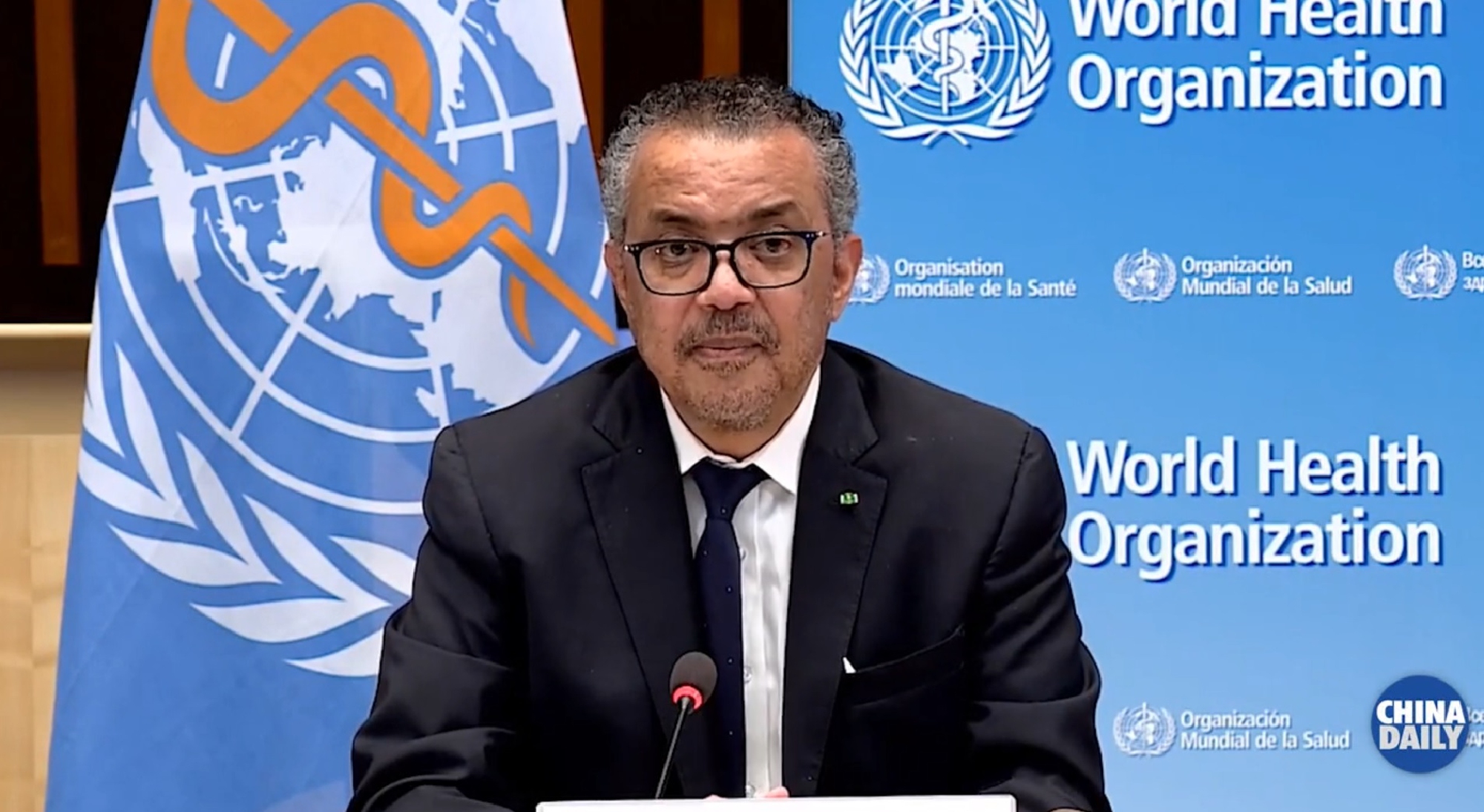
The World Health Organization announced on Friday it will give emergency use authorization to the COVID-19 vaccine manufactured by Chinas Sinopharm.
The greenlight for the Sinopharm vaccine to be rolled out globally could pave the way for millions of doses to reach needy countries and boost WHO-backed efforts such as the COVAX initiative, which is a global effort aimed at ensuring access in poorer nations to novel coronavirus vaccines.
The WHO program has already distributed over 54 million doses of COVID-19 vaccines.
The move marks the first time any Chinese-made vaccine has received emergency authorization from the WHO.
During a media briefing, the head of the WHO, Tedros Adhanom Ghebreyesus, said: “WHO gave Emergency Use Listing to Sinopharm Beijing’s COVID-19 vaccine, making it the sixth vaccine to receive WHO validation for safety, efficacy and quality.”
He added: “This expands the list of COVID-19 vaccines that COVAX can buy, and gives countries confidence to expedite their own regulatory approval, and to import and administer a vaccine.”
The Sinopharm vaccine joins a list of WHO approved vaccines, in addition to those made by Pfizer, AstraZeneca, Johnson & Johnson and Moderna.
“The addition of this vaccine has the potential to rapidly accelerate COVID-19 vaccine access for countries seeking to protect health workers and populations at risk,” said Mariangela Simao, WHO assistant-director general for Access to Health Products. “We urge the manufacturer to participate in the COVAX Facility and contribute to the goal of more equitable vaccine distribution.”
The WHO has recommended the jab for people aged 18 to 59 years, in a two-dose schedule with a spacing of three to four weeks.
The organization said the vaccine efficacy for symptomatic and hospitalized disease was estimated to be 79 percent, all age groups combined.
Experts say the Sinopharm vaccine is easy to store, making it “highly suitable for low-resource settings”.
The WHO said it is also the first vaccine that will carry a vaccine vial monitor, a small sticker on the vaccine vials that change color as the vaccine is exposed to heat, letting health workers know whether the vaccine can be safely used.
Arnaud Didierlaurent, a professor at the University of Geneva’s medical school who chairs the advisory group, said it had requested additional studies from Sinopharm, and that there would be “continuous evaluation” of the vaccine and noted that work “does not stop after the listing”.
The Sinopharm vaccine has already been authorized by many countries around the world, with some 65 million doses distributed.
Recipients of the vaccine include those in Latin America such as Brazil, Mexico and Chile as well as countries in Asia, including Indonesia, Malaysia and Thailand.
The Foreign Ministry has strongly condemned a joint statement from G7 leaders released on Wednesday that included criticism of Beijings handling of international and domestic affairs.
The communique, penned by the foreign ministers of Canada, France, Germany, Italy, Japan, Britain and the United States, as well as representatives from the European Union, began by leveling accusations of “human rights violations” in China’s Xinjiang Uygur autonomous region, before questioning Chinese handling of issues concerning its Hong Kong Special Administrative Region.
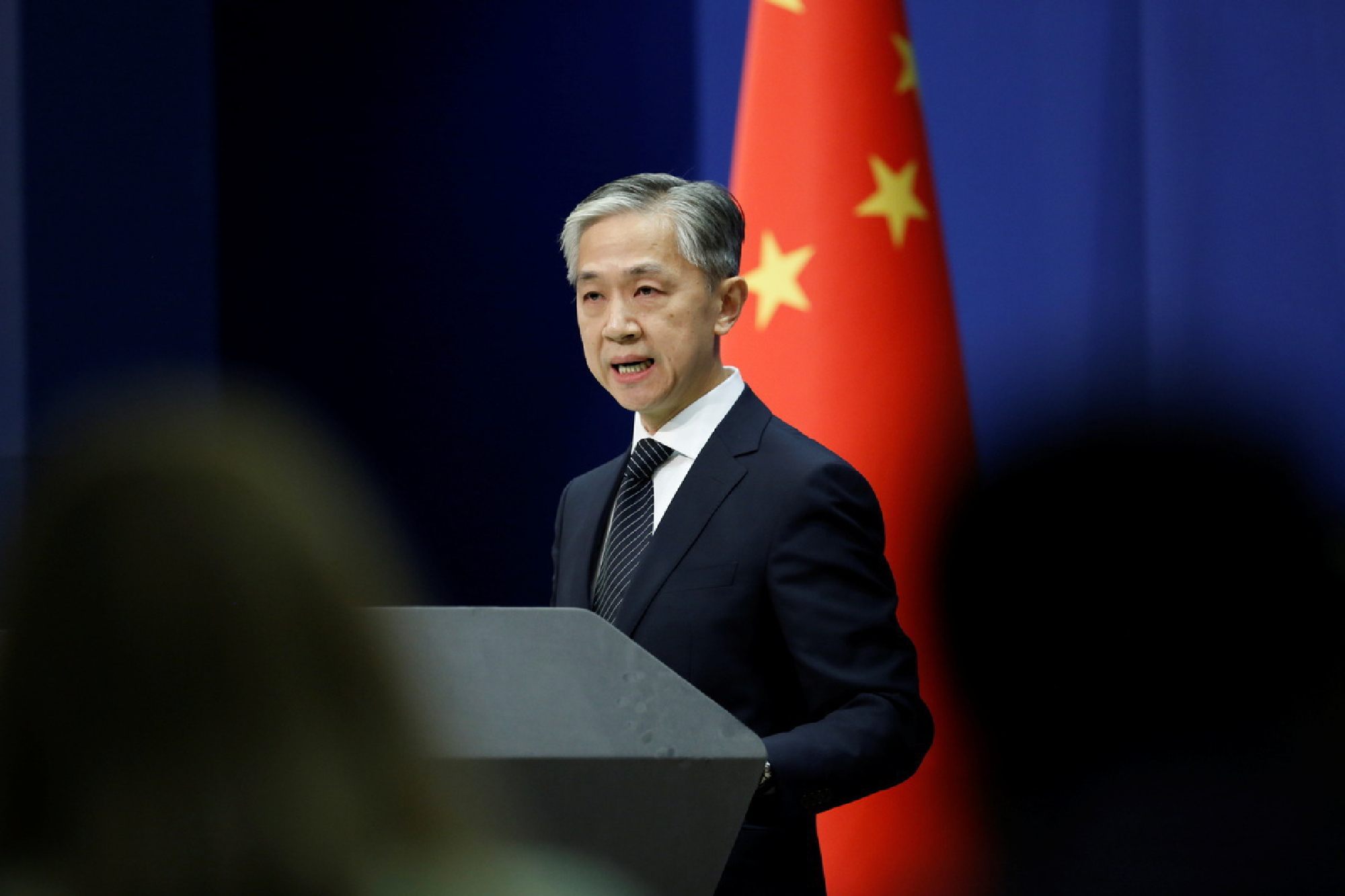
Wang Wenbin, a spokesman for China’s Foreign Ministry, said the accusations are not founded on facts. The Chinese government has previously clarified many times that some Western governments and media outlets have relied on fabricated figures and misinterpretation of statistics to smear China.
Wang said the G7 foreign ministers were interfering in China’s internal affairs and attempting to “reverse the wheels of history”.
He also said that China’s sovereignty over the Diaoyu Islands and islands in the South China Sea is based on abundant facts and has a legal basis.
As for Taiwan’s participation in international organizations, including the activities of the World Health Organization, which is composed of sovereign states, it must be handled in accordance with the one-China principle, Wang said.
He said that as a group composed of developed countries, the G7 should take concrete actions to boost recovery of the world economy and assist developing countries, rather than make contradictions and sow divisions in the international community, thus disrupting the process of economic revival.
“Much less should they grossly interfere in and accuse other nations, with a mentality of superiority, putting international cooperation against the pandemic, a current top priority, in jeopardy,” Wang added.
In the communique, which followed the first in-person meeting of the G7 in two years, the foreign ministers called on China to take action to address global challenges including the “fight against the current pandemic and prevent future ones”.
Beijing is sure to take issue with this comment, as China is the world’s leading manufacturer of COVID-19 vaccines by volume, according to London-based analytics firm Airfinity. The nation has distributed tens of millions of China-made vaccines throughout the developing world.
Shifting blame
Martin Jacques, a former senior fellow at the Department of Politics and International Studies at Cambridge University, wrote on Twitter: “Farewell, G7: You once dominated the world, now you are a shrinking faction of it. You cannot bear your diminished status. So, you blame China. You hold it responsible for your own failure.”
Jacques said G7 nations were shifting blame to China, while simultaneously failing to address “huge inequality, miserable growth and disastrous handling of COVID-19”.
“The Western nations are failing to deliver for their people. China is delivering. That is why the West is in deep trouble,” Jacques added.
David Phinnemore, a professor of European politics at Queen’s University Belfast, questioned the group’s wisdom in confronting rather than engaging with China.
“I think we’re not in the position we were a couple of decades back where the G7 was seen by some people as the key to how the world was going to be economically; it doesn’t hold that same power and position that it did back then,” Phinnemore told Xinhua. “We shouldn’t overstate its influence or importance. We shouldn’t be over-exaggerating our expectations from what’s going to come out of it in the coming years.”
No evidence that vaccines can directly cause heart attacks and strokes: HSA
SINGAPORE – There has been no uptick in heart attacks or strokes among vaccinated people, and no evidence that the Covid-19 vaccines used here can directly cause them, the Health Sciences Authority (HSA) said on Thursday (May 6).
“Agreater frequency of heart attacks and strokes has not been observed in vaccinated persons locally and to date, there is also no evidence that the vaccines can directly cause these events,” HSA said in its first update on the safety of the mRNA vaccines used here. Only the Pfizer-BioNTech and Moderna vaccines are used here.
“No deaths from heart attacks, strokes or any other causes suspected to be associated with the vaccines have been reported locally,” HSA said.
It had looked at the cases of adverse events – there were 2,796 – that arose from the more than 2.2 million doses administered between Dec 30 and April 18.
Due to the large number of people being vaccinated, some may, by chance, experience medical events such as heart attacks and strokes in the days or weeks after vaccination. And this may not be related to the vaccination, said HSA.
At a Ministry of Health (MOH) media briefing on Thursday (May 6), an HSA spokesman said it is hard to ascribe causality to heart attacks or strokes as they can happen spontaneously and generally these patients do have underlying medical conditions.
Professor Teo Yik Ying, dean of the National University of Singapore’s Saw Swee Hock School of Public Health, said at the briefing that typically, in a three-month period, there would be some 2,000 stroke cases and slightly fewer than 3,000 heart attack cases. People can experience these, whether they are vaccinated or not.
“There have not been any established links between cases of stroke or heart attack with either the Pfizer or Moderna vaccines in the United States, which has seen at least 240 million doses delivered as at May 5,” he said.
He said vaccination remains key to the battle against Covid-19 as new variants spread and form clusters here. “The signal from the Tan Tock Seng Hospital (TTSH) cluster is that vaccination helps because it provides much better protection against serious outcomes of infection,” he said.
MOH’s director of medical services Kenneth Mak had earlier said that eight patients in the TTSH cluster who had been vaccinated were either asymptomatic or exhibited very mild symptoms, and none required oxygen therapy.
“Of those not protected by vaccination, seven of the 20 had need of oxygen therapy,” he had said at a May 4 Covid-19 press conference.
MOH said on Thursday it had received and was processing applications for the Vaccine Injury Financial Assistance Programme for Covid-19 vaccination (Vifap).
Under Vifap, which was launched on March 17, those who need inpatient treatment and medical intervention, and who subsequently recover, will get $2,000.
Those who require admission to high dependency or intensive care wards, and subsequently recover, will get $10,000.
Those who die or suffer permanent severe disability as a result of the vaccination will get $225,000.
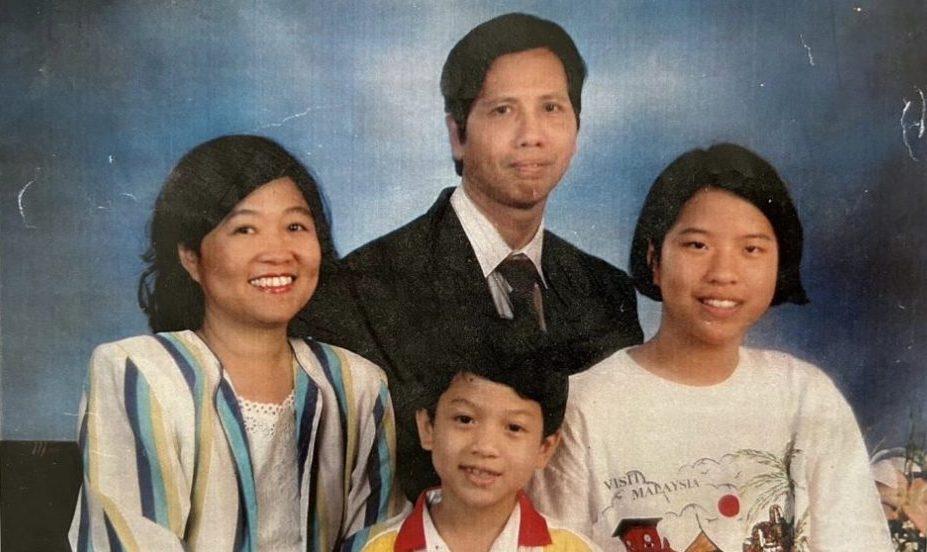
Continuation of the existing tough measures to contain the coronavirus outbreak is essential, Prime Minister Phankham Viphavanh has said in a clear reference to the nationwide lockdown.
The government has extended the lockdown for another 15 days until May 20. The Overall number of Covid-19 cases remains high, the premier said in a statement issued on May 5. On May 6, Laos recorded 105 new cases bringing the total number to 1,177 cases. The country is struggling to contain the current community outbreak of the virus which began in the middle of April.
“The government is aware that extending measures will cause difficulties in people’s daily lives,” PM Phankham said. “But we ask everyone to understand the situation and to be patient so that we may control and eventually overcome this virus outbreak.” He pledged that the government would do all it could to create conditions that would enable people to gradually normalise their lives as far as possible. In addition, the government will introduce policies that will reduce the payment of various fees. “Although these policies won’t meet the requirements of all sectors and people, it is the government’s intention to help in these times of hardship,” he said.
The government, the National Taskforce for Covid-19 Prevention and Control and local taskforces will follow up and closely monitor the situation with a view to easing restrictions in areas where the situation is favourable. But restrictions will be toughened in places where the outbreak escalates, the prime minister said. With the overall number of infections remaining high, authorities have prepared makeshift hospitals across the country to ensure sufficient treatment facilities. In Vientiane alone, three makeshift hospitals with 1,200 beds have been prepared. PM Phankham admitted that there were challenges undermining the government’s efforts to curb the outbreak. He said some people refused to be admitted to a health facility after testing positive for Covid-19, which created problems for authorities in charge. In addition, the information provided is sometimes unclear so that officials spend a lot of time trying to trace people who test positive. Some people continue to break the rules on Covid-19 prevention measures, as reflected by the fact that people in some places had organised traditional festivals or gatherings in violation of the rule on large public gatherings. In light of these issues, the premier called for strict compliance with all government guidelines. The premier expressed heartfelt gratitude to everyone who had had generously assisted the government in the battle against the virus outbreak. Central authorities have received 9.5 billion kip, US$13.18 million and 4.68 million Thai baht from various entities for the purchase of Covid-19 vaccines and supplies. In addition, friendly countries have provided equipment worth hundreds of billions of kip.
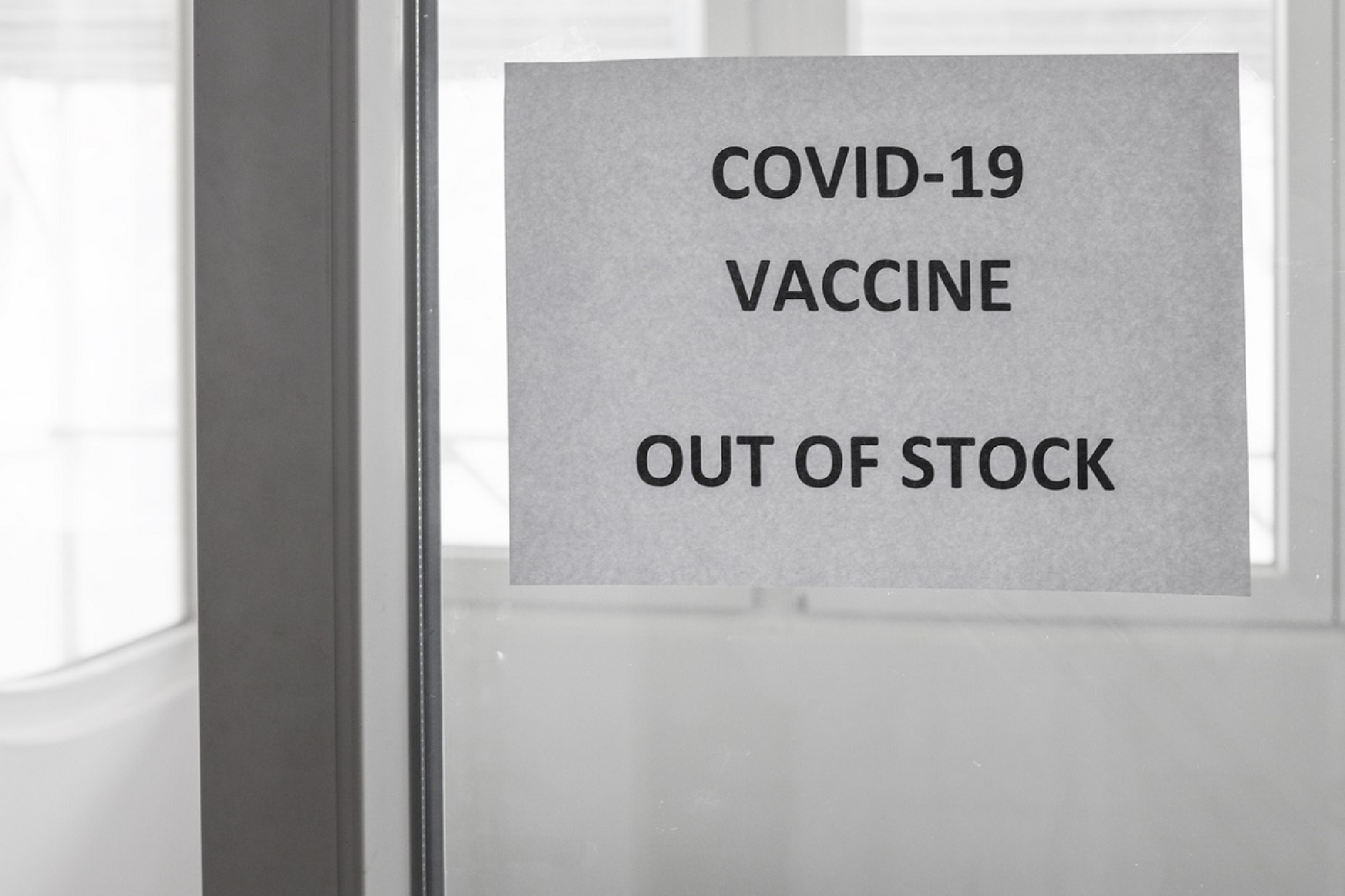
Vaccine stock in Delhi to get over by May 15 if not replenished: Sources
The second wave of Covid-19 grappling India is proving manifold lethal for its patients as the death rate has remained higher from its previous episode.
Meanwhile, the situation is frightening in the country’s national capital as the city continues to battle for life-saving measures such as hospital beds, medical oxygen and essential drugs.
Amid this, the Delhi government has flagged the paucity of vaccine doses in the city. The government officers revealed that the current stock will not sustain more than a week.
The government sources told The Statesman that the current vaccine stock will be over by May 15, if it’s not replenished before.
“We are facing immense constraint in utilizing the vaccine stock. If the current rate of vaccination is accounted for, our stock will be over in the next nine days, unless it’s replenished,” a senior government official on the condition of anonymity said.
The officials have also conveyed the scarcity of doses to the Centre, The Statesman has learnt.
The officials also said that the scarcity enhanced after Delhi opened vaccination for all the people aged above 18 on May 3.
Delhi Chief Minister Arvind Kejriwal has also expressed concerns over the short supply of Covid-19 vaccines, even as he asserted that with the current infrastructure in place, the entire population of Delhi can be vaccinated in three months if supply is scaled up.
“In the coming days, we will need a large scale supply of vaccines. The latest consignment we have received is not a large one. With the established procedures in place, we can scale up (the vaccination drive) in 24 hours. But there is a shortage of vaccine production. If production and supply are scaled up, we are capable of vaccinating the entire population of Delhi. Right now, the only obstacle is a short supply of vaccines,” he said.
The country has embarked on the third leg of vaccination since May 1 where people aged between 18 and 44 are now eligible to receive the jab against Covid-19.
While vaccination of people aged over 45 years was underway at around 500 sites in Delhi in the second phase of immunisation against Covid-19, the drive was opened at 301 additional sites scattered across all 11 revenue districts in the city for people aged between 18 and 44 years.
The government records (revised electoral rolls in January) state that around 15 million adults are expected to receive the vaccine doses. It translates to 30 million doses which Delhi would require population for full immunisation against Covid-19.
The official figures suggest that the city has been inoculating around 80,000 doses since the third phase of Covid-19 immunisation began.
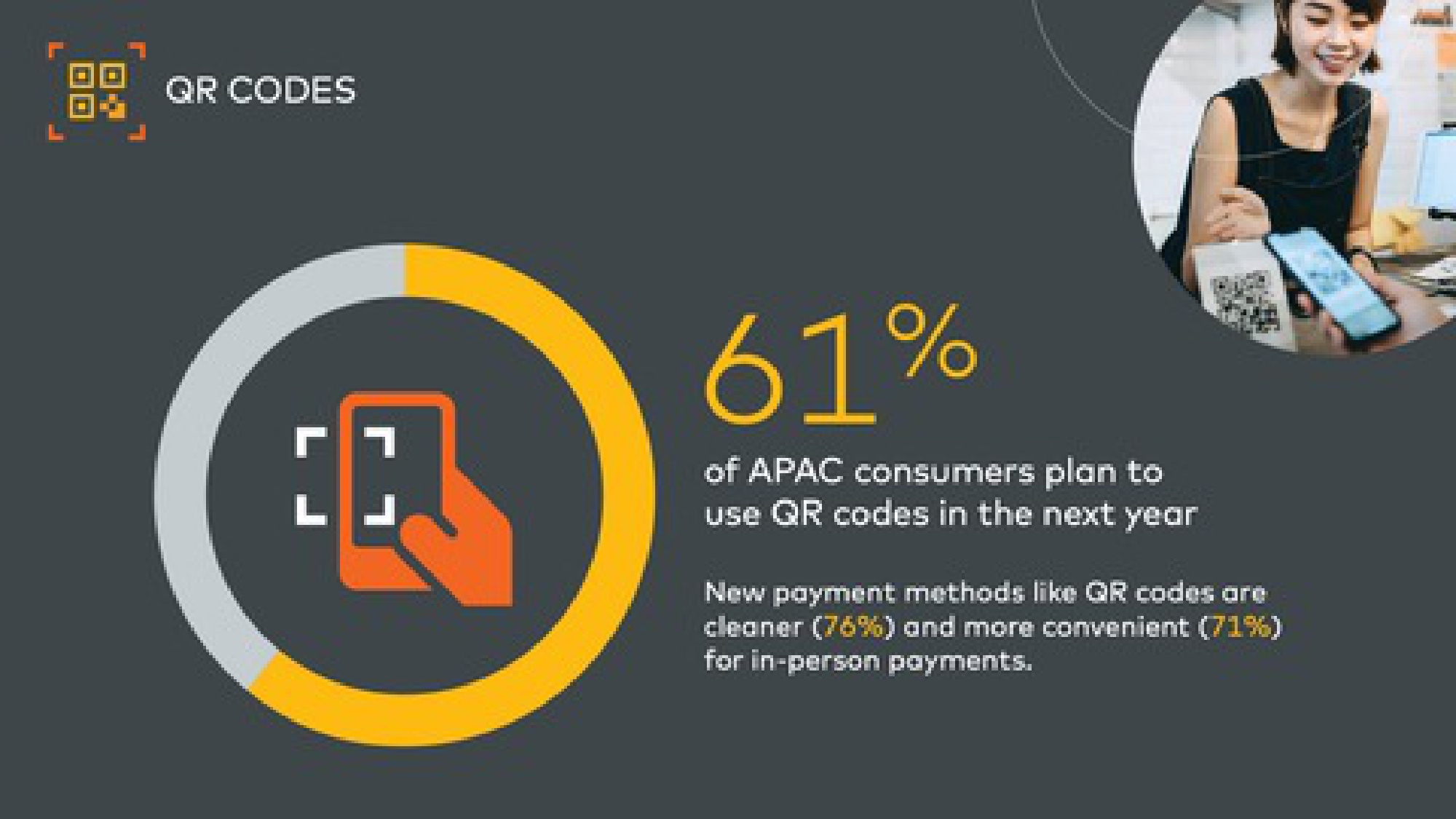
As a result of the pandemic, 94 per cent of people in the Asia Pacific region (APAC) said they will consider using at least one emerging payment method, such as QR codes, digital or mobile wallets, installment plans, crypto currencies, biometrics and others, in the coming year.
These are the main findings from the Mastercard New Payments Index conducted across 18 markets globally, which reveals that 84 per cent of consumers in APAC already have access to more ways to pay compared to one year ago. Of note for entrepreneurs, 74 per cent of respondents said that they would shop at small businesses with greater frequency if they offered additional payment options.
“Mastercard’s study finds that people in the Asia Pacific region haven’t just adopted new payment technologies — they’ve made deliberate shifts based partly on necessity, but also on considerations around personal safety, security and convenience, at a time when these concerns were paramount,” said Sandeep Malhotra, Executive Vice President, Products & Innovation, Asia Pacific, Mastercard.
“Consumers in Asia Pacific have already gained recognition globally for their openness to new technologies and innovation, and these findings confirm that this trend is only set to continue as more digital payment options rapidly become main stream in this part of the world.”
Looking ahead, the use of a range of payment technologies is trending upwards as people’s comfort with and understanding of them increases – while the use of cash steadily decreases. In fact, in the coming year, 69 per cent of respondents in APAC say they plan to use cash less frequently. Meanwhile, digital or mobile wallets have gained significant popularity amongst consumers in APAC, with 68 per cent of respondents anticipating using this type of payment in the next year, higher than the global average of 62 per cent.
“This behaviour shift is reinforced by people’s desire for choice – with 85 per cent of consumers in APAC saying that they expect to make purchases when they want and how they want. Businesses that can provide multiple ways to shop and pay will be best positioned to meet the unique needs of this moment that are shaping the future of commerce for years to come,” added Malhotra.
The survey also revealed that 84 per cent of consumers in APAC have seen their access to emerging forms of payments increase in the past year alone. QR codes have gained particularly strong traction in APAC compared to the rest of the world. Of those who used QR codes for payment, 63 per cent said they used them more frequently in the last year than they had in the past.
A recent study on 5,500 major Mastercard merchants showed that between Q1 2020 and Q1 2021, more than a fifth of these merchants globally increased the number of ways they connect with consumers, either by enabling an e-commerce channel or accepting contactless transactions. Mastercard also saw the total number of card-not-present transactions grow by over 30 percent globally while more than 100 markets saw contactless as a share of total in-person transactions grow by at least 50 per cent. — VNS
Top Seoul, Tokyo envoys hold talks after yearlong standoff
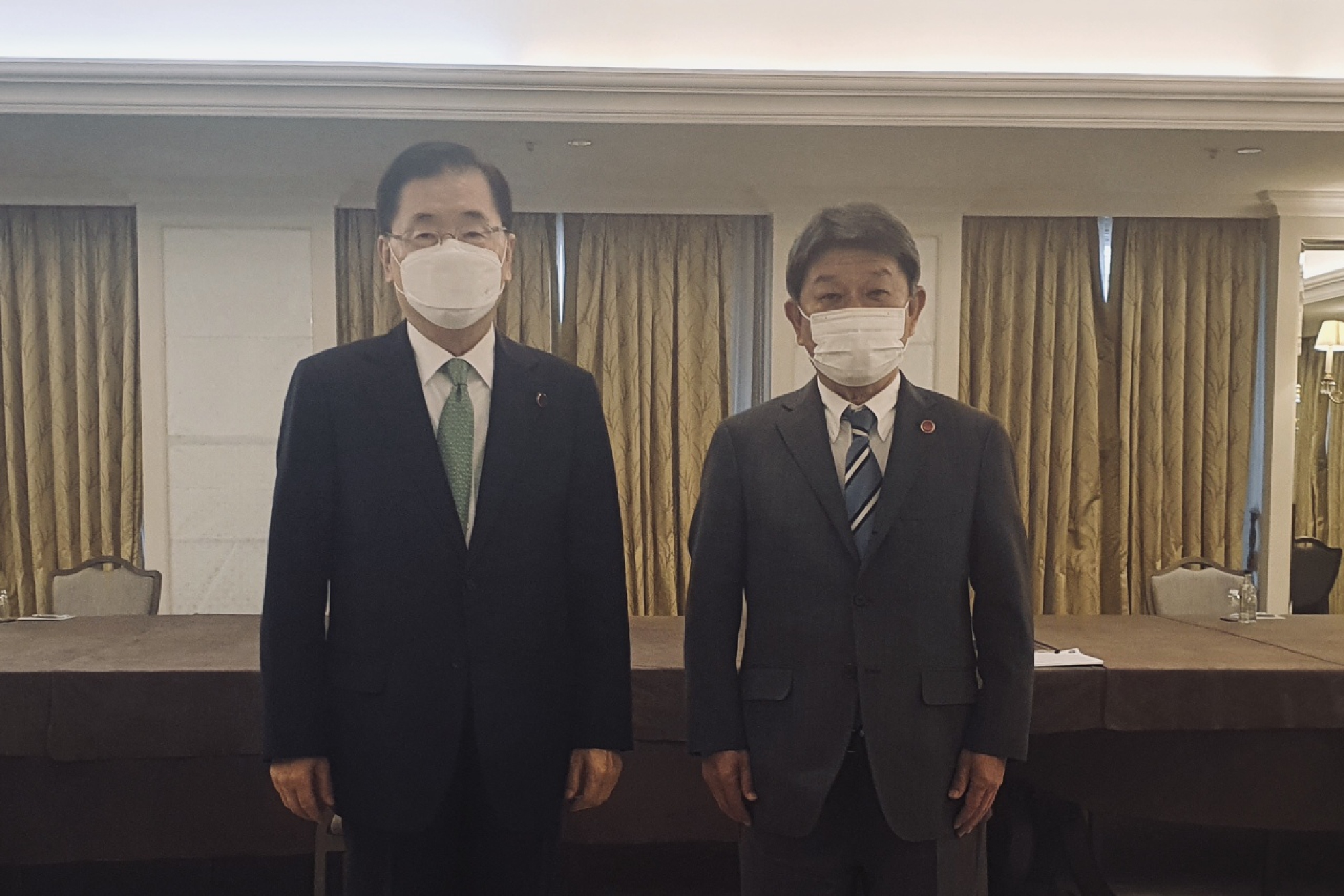
South Korean Foreign Minister Chung Eui-yong on Wednesday met his Japanese counterpart, Toshimitsu Motegi, for the first time since taking office in February, as tensions still run high between the neighbors amid an ongoing trade and political feud.
Their meeting, which was held on the sidelines of the Group of Seven foreign ministers’ gathering in London, came after months of no contact between the top diplomats, due to the continued conflict and frayed ties between Seoul and Tokyo.
The tense relations are rooted in Japan’s 1910-45 colonial rule of the Korean Peninsula and has morphed into an ongoing economic feud. The strained ties worsened further after Tokyo’s recent decision to discharge radioactive wastewater from the stricken Fukushima nuclear plant into the sea.
The two envoys agreed on the need for continued dialogue to resolve pending bilateral issues, but they remained apart on key historical matters, including the compensation for wartime forced laborers and sexual slavery victims, as well as Tokyo’s recent decision to discharge radioactive wastewater from the stricken Fukushima nuclear plant into the sea.
Chung expressed “deep concern” that Japanese government made the disposal decision without sufficient consultation with neighboring countries, and stressed the need for careful approach as it could potentially threaten the health and safety of people and the marine environment, according to the Foreign Ministry.
Touching on the historical issues, Motegi repeated Tokyo’s position on the issue of compensating “comfort women,” a euphemism for women who were forced to work in Japan’s military brothels before and during the World War II, and the victims of wartime forced labor.
During the talks, Motegi had demanded Seoul to “present at an early date a solution that would be acceptable to Japan” in regard to these historic issues, according to Kyodo News.
In response, Chung stressed the historic issues cannot be resolved without Japan’s “correct” historical perception, according to the ministry here.
Meanwhile, the two sides agreed on the need for close cooperation between Seoul and Tokyo for peace and prosperity in Northeast Asia and the world, and to develop their bilateral relations in a “future-oriented way.”
The two ministers also agreed for continued cooperation for substantive progress in the efforts for complete denuclearization and establishment of lasting peace on the Korean Peninsula.
The last time the two countries held a foreign ministers’ meeting was February last year, when Chung’s predecessor Kang Kyung-wha met Motegi on the sidelines of a security forum in Munich, Germany.
The dialogue followed immediately after three-way talks with US Secretary of State Antony Blinken, where they underscored trilateral cooperation in dealing with North Korea’s nuclear and missile development.
The envoys affirmed close coordination between the three countries to achieve the complete denuclearization of the Korean Peninsula, the ministry claimed.
The session marks the first time the top envoys of the three countries met in more than a year, and the first gathering since the launch of the Biden administration in January.
The diplomatic thaw comes as the Biden administration is pushing for tighter trilateral ties with the US’ two Northeast Asian allies in the face of an assertive China and a defiant North Korea.
It also arrives as Washington announced last week the completion of its monthslong policy review on North Korea.
The US will pursue a “calibrated, practical approach that is open to and will explore diplomacy” with Pyongyang, with the goal of the North’s complete denuclearization, according to White House press secretary Jen Psaki.
She also stressed that the US policy will not focus on achieving a grand bargain, nor will it rely on strategic patience, hinting a shift from Trump’s top-down “grand bargain” approach and Obama’s “strategic patience.”
During their meeting, Blinken shared the outcome of a review of the US policy toward Pyongyang, and the three agreed to closely communicate and cooperate on North Korea policy in future.
On Monday, Blinken held separate talks with both Chung and Motegi in the British capital.
After the meetings, Blinken called on Pyongyang to engage “diplomatically,” after it recently upped the ante by condemning both Washington and Seoul as well as firing missiles.
“I hope that North Korea will take the opportunity to engage diplomatically and to see if there are ways to move forward toward the objective of complete denuclearization of the Korean Peninsula,” Blinken said in a virtual joint press conference with his British counterpart, Dominic Raab, on Monday. “And so, we’ll look to see not only what North Korea says but what it actually does in the coming days and months.”
“But we have, I think, a clear — a very clear policy that centers on diplomacy, and it is, I think, up to North Korea to decide whether it wants to engage or not on that basis,” he said.

![[Laos] Extended lockdown essential amid ongoing challenges: PM](https://media.nationthailand.com/uploads/images/md/2021/05/TWkpxF0VR7bS79kWhw2P.jpg?x-image-process=style/lg)