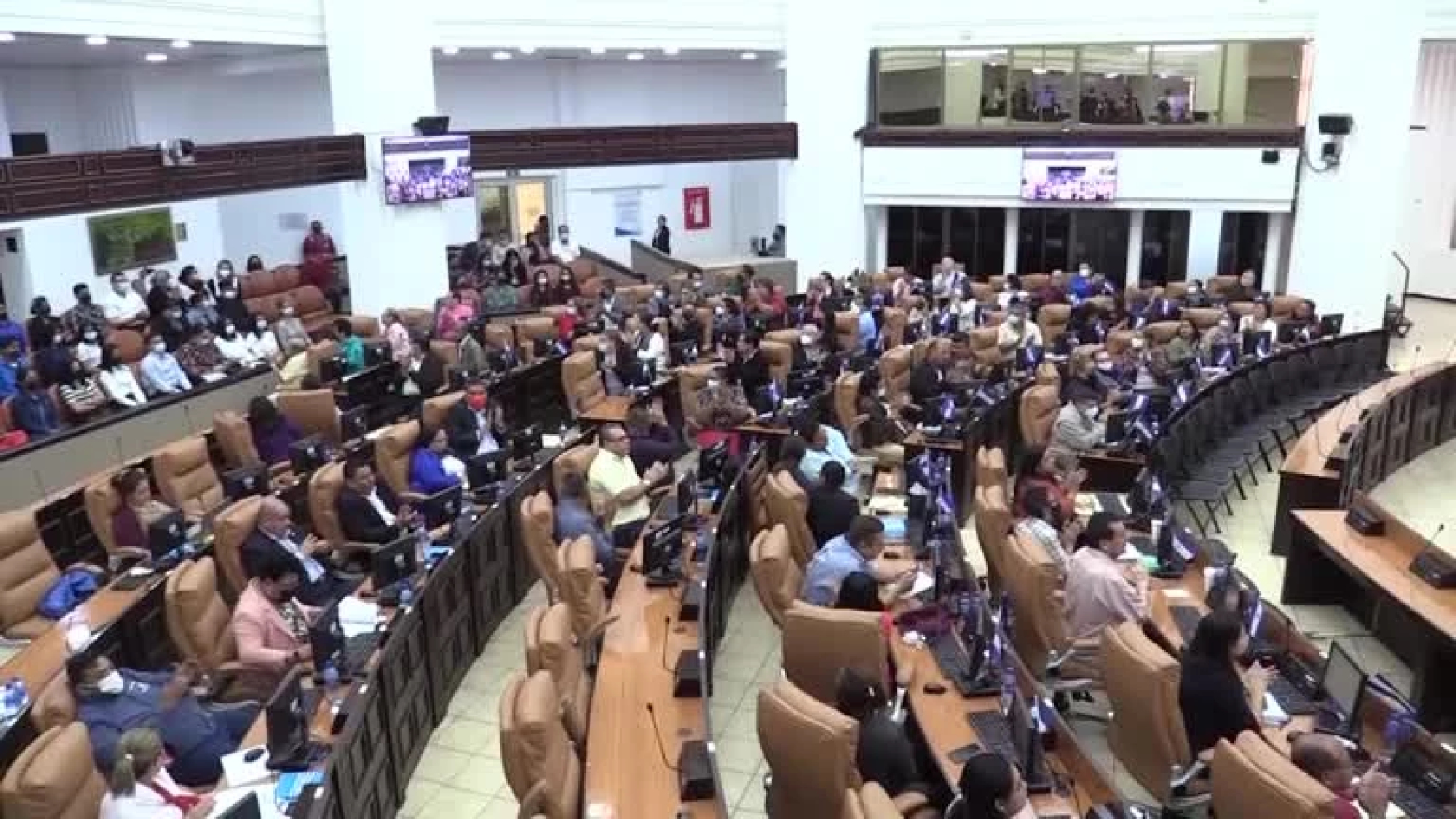
Nicaragua’s Congress renewed on Tuesday a decade-long decree allowing Russian forces to train in the Central American country, a decision criticized by the United States in light of Russia’s invasion of Ukraine.
The decree allows 230 Russian soldiers to enter Nicaragua between July 1 and Dec. 31 to patrol in Pacific waters with the Nicaraguan Army.
President Daniel Ortega has backed Russian President Vladimir Putin in his attack on Ukraine and the decision was expected.
Since 2012, Nicaragua’s unicameral Congress has biannually approved the entry of foreign military personnel, including Russians, into the country.
Russian state television had celebrated the decision earlier this month.
The United States expressed its concern.
Nicaragua’s Congress also approved the entry of U.S., Mexican, Cuban, Venezuelan and other Central American military personnel, specifying that it is “for humanitarian purposes to carry out joint work with the Nicaraguan Army.”
Happy the elephant will stay at the Bronx Zoo after New York state’s highest court on Tuesday ruled against an animal rights group that said she deserved some of the same rights as humans and should be freed.
In a 5-2 decision, the Albany-based Court of Appeals said the writ of habeas corpus, which allows people to be released from illegal custody, did not apply to Happy despite claims that the 51-year-old elephant shared many of the same cognitive abilities as humans.
“While no one disputes that elephants are intelligent beings deserving of proper care and compassion,” Chief Judge Janet DiFiore wrote, “Happy, as a nonhuman animal, does not have a legally cognizable right to be at liberty under New York law.”
DiFiore also said granting freedom to Happy would have “an enormous destabilizing impact on modern society” and could generate a “flood” of petitions to free animals, perhaps including pets and service animals.
She said it should be up to the legislature to decide whether to grant nonhuman animals the same legal rights as people.
Tuesday’s decision is a defeat for the Nonhuman Rights Project, which began asking New York courts four years ago to release Happy to one of two U.S. elephant sanctuaries.
The Florida-based group had objected to what it considered Happy’s imprisonment in a one-acre (0.4 hectares) enclosure at the zoo, segregated from other elephants.
Neither the Nonhuman Rights Project nor the Bronx Zoo immediately replied to requests for comment.
Two lower courts had previously sided with the zoo, which maintains that Happy is well cared for.
In spirited dissents, the dissenting judges empathized with Happy.
“When the majority answers, ‘No, animals cannot have rights,’ I worry for that animal, but I worry even greater about how that answer denies and denigrates the human capacity for understanding, empathy and compassion,” Judge Rowan Wilson wrote.
The temperature in Jacobabad hit a record-breaking 51 degrees Celsius (123.8 degrees Fahrenheit) on May 14, making it the hottest city on Earth that day. Pakistan had jumped from winter to summer without experiencing a spring, according to the country’s Climate Change Ministry.
In a residential area of the Pakistani city of Jacobabad, a donkey-drawn cart stacked with blue plastic jerrycans stops near an entrance leading to a cluster of houses.
Its driver runs back and forth through narrow lanes, delivering 20-litre (5.3-gallon) containers of water from one of a few dozen private pumps around the city.
It was one day after the temperature in Jacobabad hit a record-breaking 51 degrees Celsius
The inhabitants, like most residents of Jacobabad, rely on the ubiquitous blue bottles for water, but local NGO and health workers say the quality is poor and the cost puts immense stress on families, forcing them to carefully ration water even in some of the world’s most extreme temperatures.
In one home, six-month-old Tamanna cries in the afternoon heat. Today her mother, Razia, has enough water to pour over the baby in a metal basin and soap her down. Tamanna is calmer, cooing and playing with her mother’s scarf.
It also helps that their electric fan is still running.
In another home, homemaker Rubina’s family of 14 sit around an unmoving electric fan amid yet another power cut during an unprecedented heatwave.
Electricity shortages are common in Pakistan, making it tricky to cool down in extreme heat, and the city’s deputy commissioner said they were trying to work with other authorities to fix the problem.
“On hot days, we just sit down, (regardless of) fans running or not running, with or without electricity, and the only thing we do is pray to God,” she told Reuters while frying okra in an outdoor kitchen with little shade, adding that she often feels dizzy when cooking.
With an economy reliant on agriculture on farmland surrounding the city, Jacobabad has high rates of poverty that leave its population of approximately 200,000 people vulnerable to scorching temperatures. Women like Razia and Rubina are especially at risk from the effects of the sweltering heat, a local NGO worker said.
“Whether that’s day, whether that’s night, whether that’s rainy season, whether that’s summer season, they just have to cook. And even in the villages, they just have to go to the fields and they have to work and there is no roof before (above) them,” said 22-year-old Liza Khan at one of three heatstroke response centres she has helped set up.
In a local school, teachers say it is a constant battle for the 200 pupils in four small classrooms where the overhead fans stutter in and out due to power cuts.
“It is very hot. We feel this heat on the way to school and while at school too… but we don’t want to give up is our education, it is a necessity so we can give ourselves a future,” said Hafsa, 18, sitting in an English class in a crowded classroom.
The Court of Appeal in London has refused to grant an injunction to block Britain from sending its first flight of asylum seekers to Rwanda, a plan the United Nations’ refugee chief described as “catastrophic”
Britain has agreed to a deal with Rwanda to send some asylum seekers to the African country in return for an initial payment of 120 million pounds ($148 million) and additional sums based on the number of people deported.
The government has not provided details of those selected for deportation but charities say they include people fleeing Afghanistan and Syria.
Judge Rabinder Singh said on Monday they could not interfere with the original “clear and detailed” judgment and refused permission for further appeal. A full hearing to determine the legality of the policy as a whole is due in July.
Protesters outside the court yelled “shame on you” upon hearing the decision.
The government says the deportation strategy will undermine people-smuggling networks and stem the flow of migrants risking their lives by crossing the English Channel in small boats from Europe.
Human rights groups say the policy is inhumane and will put migrants at risk. The UNHCR has said Rwanda, whose own human rights record is under scrutiny, does not have the capacity to process the claims, and there was a risk some migrants could be returned to countries from which they had fled.
The U.N. High Commissioner for Refugees, Filippo Grandi, warned on Monday that the UK’s deportation policy to Rwanda sets a “catastrophic” precedent and is “wrong”.
Grandi addressed journalists at a press briefing in Geneva.
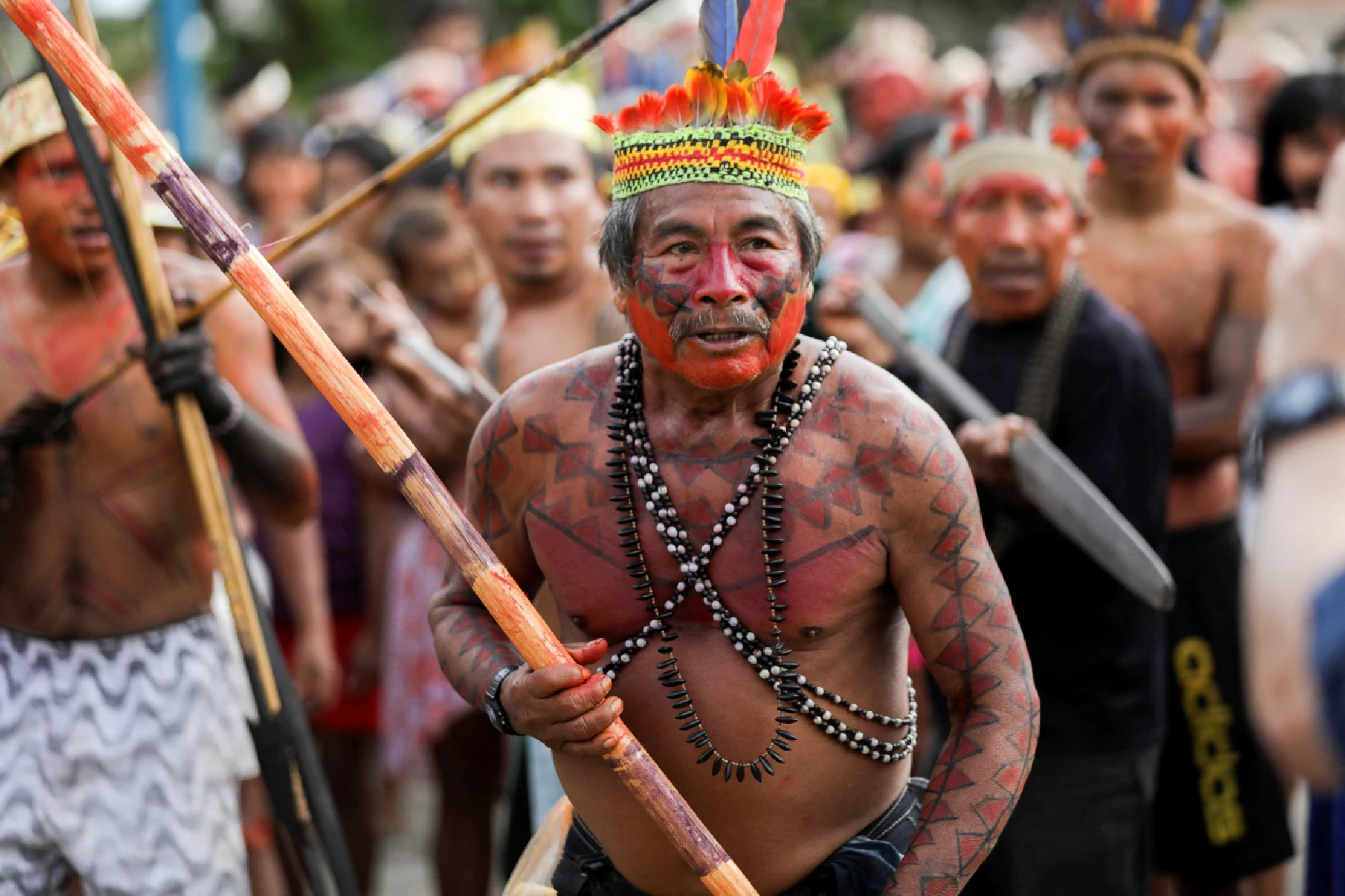
Hundreds of protesters belonging to the Javari Valley Indigenous Union (UNIVAJA) gathered on Monday to demand justice for missing British journalist Dom Phillips and indigenous expert Bruno Pereira.
With signs that read “Who killed Bruno and Dom?” and “Stop spilling the blood of the defenders of the indigenous cause” indigenous protesters walked through the streets of Atalaia do Norte located in the Brazilian Amazon.
On Sunday, police said search teams had found the belongings Phillips and Pereira, in a creek off the river where they were last seen on June 5.
“As our leader Kora Kanamari just said: we all are Bruno (Pereira) and (British journalist) Dom Phillips!” a protester said while speaking on a stage during the protest.
The two men were on a reporting trip in the remote jungle area near the border with Peru and Colombia which is home to the world’s largest number of uncontacted indigenous people.
The wild and lawless region has lured cocaine-smuggling gangs, along with illegal loggers, miners, and hunters.
News of the pair’s disappearance resonated globally, and environmentalists and human rights activists had urged Brazilian President Jair Bolsonaro to step up the search.
Bolsonaro, who last year faced tough questioning from Phillips at a news conference about weakening environmental law enforcement in Brazil, said last week that the two men “were on an adventure that is not recommended” and suggested that they could have been executed.
State police detectives involved in the investigation told Reuters they are focusing on poachers and illegal fisherman in the area, who clashed often with Pereira as he organized indigenous patrols of the local reservation
On Monday Bolsonaro said that “human organs” were found in the region where a British journalist and a Brazilian indigenous activist disappeared in the Amazon jungle, amid growing confusion over their whereabouts.
Bolsonaro said, “indications” that illegal groups operating in the Amazon committed acts of “evil” against Phillips and Pereira.
“Now the indications lead us to believe that they (illegal groups) did something evil with them because human organs have already been found floating in the river,” Bolsonaro said on government television.
Bolsonaro added that the human remains found are undergoing DNA testing in Brasilia.
Earlier on Monday Brazilian police and indigenous search teams dismissed reports that they had found the bodies of a British reporter and a Brazilian indigenous expert missing in the Amazon jungle, dashing hopes of a quick resolution in the week-old case.
On Sunday police said search teams had found the belongings of Phillips and Pereira, a former official at federal indigenous agency Funai, in a creek off the river where they were last seen on June 5.
However, a federal police statement and a spokesman for local indigenous association UNIVAJA, which has organized search efforts since June 5, denied subsequent reports of two bodies turned up in the search.
The case was thrown into confusion early on Monday by reports of a diplomatic briefing for the family of Phillips.
The Guardian reported that a Brazilian diplomat told Paul Sherwood, the journalist’s brother-in-law, that authorities were working to identify two bodies tied to a tree near the river.
No authorities or search teams in Brazil provided any corroboration of that development.
A police statement on Sunday described the belongings of the two men that had been recovered, including an ID card for Pereira. A firefighter on a search team told reporters of a backpack with clothes and a laptop tied to a tree trunk near the river.
Brazilian police had also said late on Friday (June 10) that they were analyzing “organic material” found in the river to see if it was human, but four people involved in the investigation told Reuters it seemed more likely to be of animal origin.
The material was found near the port of Atalaia do Norte, more than 40 miles (65 km) downstream from where Phillips and Pereira were last seen on a slow-moving river, the sources said. The material’s condition suggested it could have been scraps from a nearby butcher rather than remains carried downstream.
The FDA said that rates of hospitalization and death due to COVID-19 among children under 5 were higher than among those aged 5 to 17, “underscoring the benefit of an effective COVID-19 vaccine in this age group.”
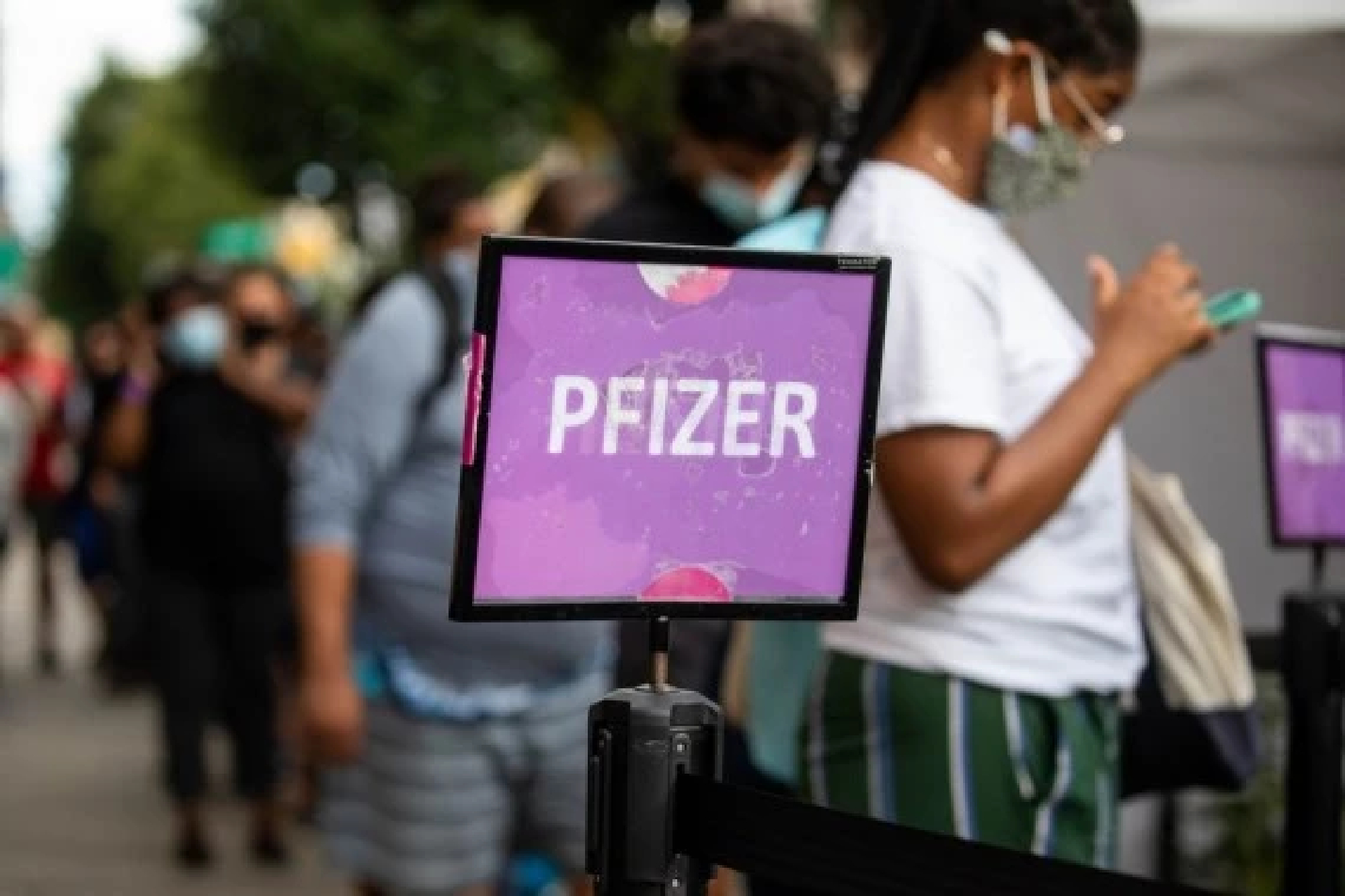
The U.S. Food and Drug Administration (FDA) said Sunday that kid-sized doses of Pfizer-BioNTech’s COVID-19 vaccine appear to be safe and effective for children aged under 5.
The analysis by FDA scientists was posted online ahead of a meeting scheduled this Wednesday for the agency’s independent experts, who will consider applications from both Pfizer and Moderna on vaccinating the nation’s youngest children.
Kids aged under 5 are the only group not yet eligible for COVID-19 vaccination in the United States.
In its analysis of Pfizer’s data, the FDA said that rates of hospitalization and death due to COVID-19 among children under 5 were higher than among those aged 5 to 17, “underscoring the benefit of an effective COVID-19 vaccine in this age group.”
The FDA also noted that among children aged 5 and older, who are already eligible for Pfizer’s vaccine, the shots have helped prevent hospitalization and other serious outcomes, including during the current year, when the highly contagious Omicron variant and its rapidly evolving subvariants became the dominant forms of the virus.
Prime Minister Justin Trudeau previously tested positive for COVID-19 in late January, and he is triple vaccinated.
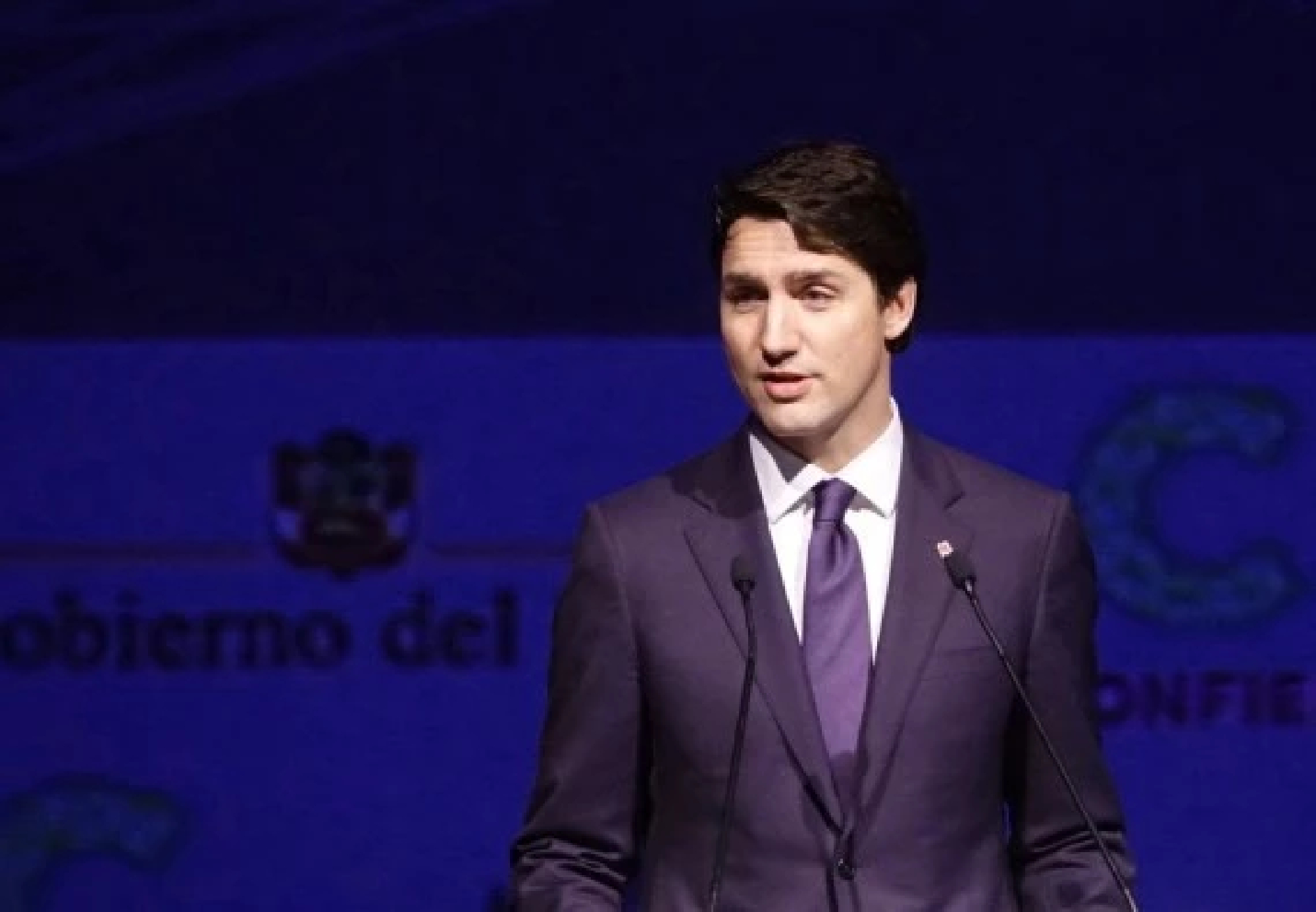
Canadian Prime Minister Justin Trudeau announced in a tweet on Monday that he has again tested positive for COVID-19.
Trudeau said that he would be following public health guidelines and isolating.
“I feel okay, but that’s because I got my shots. So, if you haven’t, get vaccinated. And if you can, get boosted. Let’s protect our healthcare system, each other, and ourselves,” he said.
Last week Trudeau traveled to the U.S. city of Los Angeles for the Summit of the Americas, meeting a number of top officials, including U.S. President Joe Biden.
According to the prime minister’s official website, Trudeau was back in the national capital region for personal issues on Sunday and previously scheduled for private meetings on Monday.
He tested positive for COVID-19 in late January and is triple vaccinated.
The prime minister previously reported being exposed to the virus on two occasions: in March 2020, he went into a 14-day isolation after his wife Sophie Gregoire Trudeau tested positive for COVID-19, and in late December 2021 he announced he was testing regularly and self-monitoring after some members of his staff and security detail tested positive. Two of his sons also tested positive at that time.
In Afghanistan’s Nangarhar province, teachers have to cross a river by leather rafts every day to get to school due to the lack of a bridge on the river.
Local teachers cross a river by leather rafts to get to school in Nangarhar province, Afghanistan, June 11, 2022. (Photo by Hamidullah/Xinhua)
Local teachers cross a river by leather rafts to get to school in Nangarhar province, Afghanistan, June 11, 2022. (Photo by Hamidullah/Xinhua)
Local teachers cross a river by leather rafts to get to school in Nangarhar province, Afghanistan, June 11, 2022. (Photo by Hamidullah/Xinhua)
A local teacher crosses a river by a leather raft to get to school in Nangarhar province, Afghanistan, June 11, 2022. (Photo by Hamidullah/Xinhua)
The global military-political situation requires Russia to have a strong and balanced fleet, Yevmenov said.
The Russian navy will receive 46 warships and support vessels in 2022, Commander-in-Chief of the Navy Nikolay Yevmenov said Sunday.
The global military-political situation requires Russia to have a strong and balanced fleet, Yevmenov said at a keel-laying ceremony for two diesel-electric submarines in Russia’s second-largest city of St. Petersburg.
He reiterated President Vladimir Putin’s desire for the Russian navy to maintain a share of modern ships of at least 70 percent.
A group of bipartisan U.S. senators on Sunday announced a narrow gun safety deal amid public disappointment about political inaction.
The plan, endorsed by 10 Democrats and 10 Republicans, includes measures to crack down on criminals who illegally straw purchase and traffic guns, strengthen criminal background check requirements for gun buyers younger than 21, and fund mental health services.
Both sides touted it as a victory but the deal fell short of the White House’s proposals to ban assault weapons and raise the minimum age of purchasing certain firearms from 18 to 21, among other things.
“This deal is heavily influenced by the canard that gun violence in the U.S. is largely a mental health problem and not an access to guns problem,” Jonathan Reiner, a professor of medicine and surgery at the George Washington University School of Medicine and Health Sciences and CNN medical analyst, tweeted.
“It will create the illusion that Congress has finally done something about guns in the U.S.,” Reiner also wrote.
People gather during a rally decrying rising gun violence while urging politicians to take action in Washington, D.C., the United States, June 11, 2022. (Xinhua/Liu Jie)
The senators’ announcement came a day after Americans gathered across the United States to decry rising gun violence and urge politicians to take action in the wake of several mass shootings over the past few weeks.
Last month, a gunman broke into an elementary school in Uvalde, Texas, killing 19 children and two teachers in a rampage that has sent shockwaves across the United States and renewed contentious gun debate.
According to the latest data from Gun Violence Archive, the United States has suffered 265 mass shootings over the past five months, with more than 19,500 lives lost to gun violence.





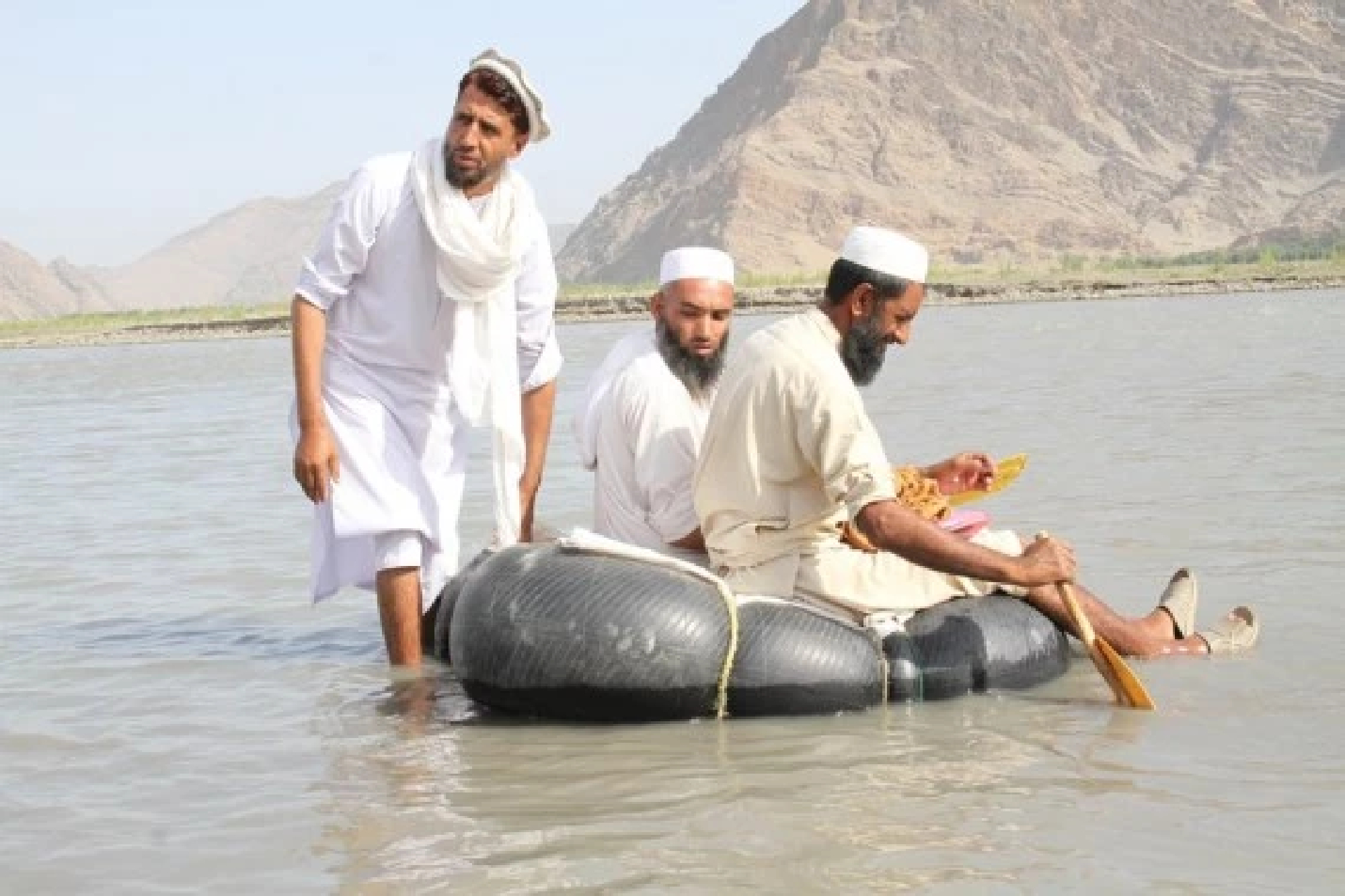
 Local teachers cross a river by leather rafts to get to school in Nangarhar province, Afghanistan, June 11, 2022. (Photo by Hamidullah/Xinhua)
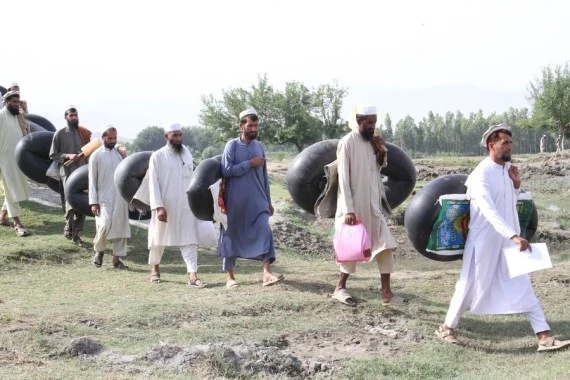 Local teachers cross a river by leather rafts to get to school in Nangarhar province, Afghanistan, June 11, 2022. (Photo by Hamidullah/Xinhua)
 Local teachers cross a river by leather rafts to get to school in Nangarhar province, Afghanistan, June 11, 2022. (Photo by Hamidullah/Xinhua)
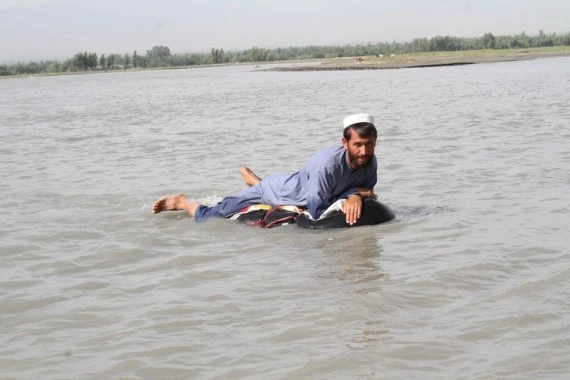 A local teacher crosses a river by a leather raft to get to school in Nangarhar province, Afghanistan, June 11, 2022. (Photo by Hamidullah/Xinhua)

 People gather during a rally decrying rising gun violence while urging politicians to take action in Washington, D.C., the United States, June 11, 2022. (Xinhua/Liu Jie)
