Civilian evacuations via humanitarian corridors halted in two Ukrainian cities on Saturday, causing a temporary setback to a truce between Russia and Ukraine.
According to the Russian Ministry of Defense, Russian forces would observe a truce in Ukraine starting 10:00 Moscow time on Saturday to facilitate the evacuation of civilians via humanitarian corridors.
As was agreed by the Ukrainian side, the humanitarian corridors would allow the exit of civilians from Mariupol and Volnovakha in south Ukraine, the ministry said, without disclosing how long the ceasefire would last.
Only a few people had been evacuated from Mariupol through humanitarian corridors since the “state of silence” opened, according to Russia’s state news agency TASS.
The ministry blamed Ukrainian nationalists for the temporary shutdown of the humanitarian corridor.
The nationalists prevented civilians from leaving and 200,000 people from Mariupol and 15,000 from Volnovakha have still not been able to reach the open humanitarian corridors, TASS reported, citing the ministry.
As the Ukrainian side has no intention of exerting influence on the nationalists or prolonging the “state of silence”, Russian forces resumed attacks from 18:00 Moscow time, and have so far taken control of seven towns, according to the ministry.
However, Ukraine’s Foreign Ministry said on Saturday in a statement that the Russian military continued shelling of Mariupol and Volnovakha in violation of the agreement reached between the two sides, making it impossible for Ukraine to safely evacuate civilians and deliver medicine and food through humanitarian corridors.
Ukraine has called on the international community to immediately call for a ceasefire and the opening of humanitarian corridors.
Ukraine’s Foreign Ministry stressed that once security is guaranteed, Ukraine will prepare to evacuate civilians with humanitarian organizations.
During their second round of peace talks on Thursday, Russian and Ukrainian negotiators agreed on the establishment of humanitarian corridors for the exit of civilians and a temporary cessation of hostilities along the evacuation routes.
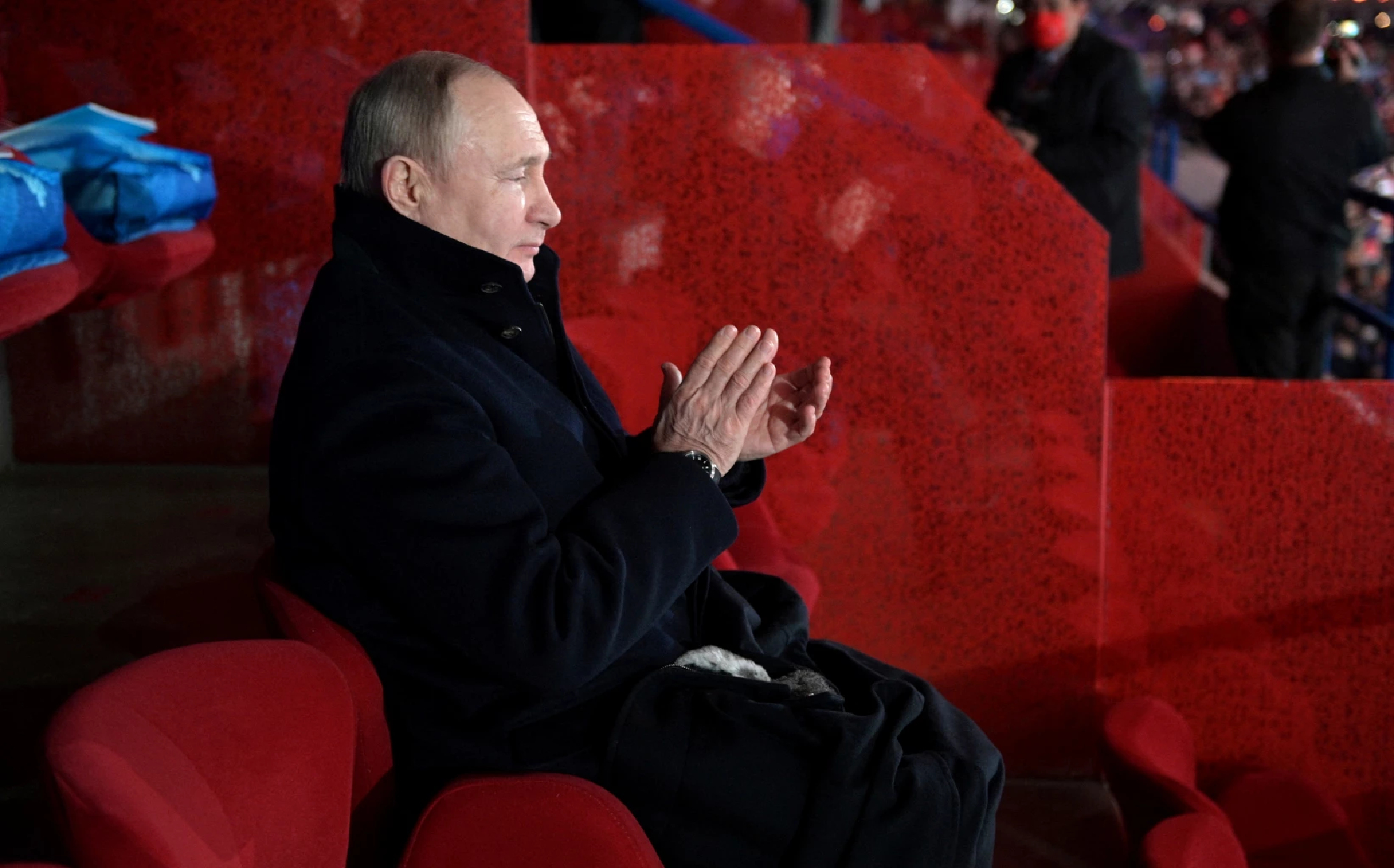
Russian President Vladimir Putin said on March 5 that Western sanctions on Russia were akin to a declaration of war and warned that any attempt to impose a no-fly zone in Ukraine would lead to catastrophic consequences for the world.
Putin reiterated that he aimed to defend Russian-speaking communities through the “demilitarisation and de-Nazification” of Ukraine so that Russia’s former Soviet neighbour becomes neutral and no longer threatens Russia.
Ukraine and Western countries have dismissed this as a baseless pretext for the invasion he launched on Feb. 24 and have imposed a sweeping range of sanctions aimed at isolating Moscow.
Putin said any attempt by another power to impose a no-fly zone in Ukraine would be considered by Russia to be a step into the military conflict. Such a step he said would have catastrophic consequences for Europe and the world.
The NATO military alliance has rejected Kyiv’s request for a no-fly zone, on the grounds it would escalate the war beyond Ukraine into a far wider conflict, potentially pitting the United States against Russia.
Asked about reports that Russian conscripts had been used in Ukraine, Putin said none had been involved and said the military operation was going to plan.
President Vladimir Putin said on Saturday (March 5) that Western sanctions on Russia were akin to a declaration of war and warned that any attempt to impose a no-fly zone in Ukraine would lead to catastrophic consequences for the world.
Putin reiterated that his aims were to defend Russian- speaking communities through the “demilitarisation and de-Nazification” of the country so that Russia’s former Soviet neighbour became neutral and no longer threatened Russia.
Ukraine and Western countries have dismissed this as a baseless pretext for the invasion he launched on Feb. 24 and have imposed a sweeping range of sanctions aimed at isolating Moscow.
“These sanctions that are being imposed are akin to a declaration of war but thank God it has not come to that,” Putin said, speaking to a group of flight attendants at an Aeroflot training centre near Moscow.
He said any attempt by another power to impose a no-fly zone in Ukraine would be considered by Russia to be a step into the military conflict. Such a step he said would have catastrophic consequences for Europe and the world.
The NATO military alliance has rejected Kyiv’s request for a no-fly zone, on the grounds it would escalate the war beyond Ukraine into a far wider conflict, potentially pitting the United States against Russia.
Asked about reports that Russian conscripts had been used in Ukraine, Putin said none had been involved and said the military operation was going to plan.
That description was at odds with assessments from U.S. and British officials. British military intelligence said on Thursday that Russia’s advance on the Ukrainian capital had made little progress and encountered staunch resistance.
Putin dismissed concerns that some sort of martial law or emergency could be declared in Russia.
He said such a measure was imposed only when there was a significant internal or external threat.
“We don’t plan to introduce any kind of special regime on Russian territory – there is currently no need,” Putin said.
That description was at odds with assessments from U.S. and British officials. British military intelligence said on Thursday that Russia’s advance on the Ukrainian capital had made little progress and encountered staunch resistance.
Putin dismissed concerns that some sort of martial law or emergency could be declared in Russia.
He said such a measure was imposed only when there was a significant internal or external threat.
“We don’t plan to introduce any kind of special regime on Russian territory – there is currently no need,” Putin said.
A tanker of Russian gas arrived at the French port of Montoir-de-Bretagne, in Brittany, on March 5 after dockworkers in Britain refused to unload it in protest at Russia’s invasion of Ukraine.
Greenpeace activists on speedboats asked the tanker not to unload its cargo over the radio, while a handful of others held a small protest at the port entrance.
“This cargo is full of Russian gas from Yamal (Russia). Gas and oil are financing the Russian regime’s war in Ukraine,” they said. “We stand with the people of Ukraine and people of Russia who have not chosen the war. We ask you not to unload your cargo.”
The Guardian newspaper reported the vessel had been on its way to the Isle of Grain, in southeast England, with a consignment of liquefied natural gas for Centrica, the owner of British Gas.
Russian Defence Ministry released a video on Saturday (March 5) claiming the Russian military took full control of the Ukrainian military base in the outskirts of Ukraine’s city of Kherson.
Russia’s war on Ukraine has been met by outrage from the international community, with the EU, Britain, and the US, among others, implementing a range of economic sanctions on Russia.
According to UN figures, at least 331 civilians have been killed and 675 injured in Ukraine since the start of the 10-day war.
More than 1.2 million people have fled Ukraine to neighboring countries, according to the UN refugee agency.
Ukraine’s President Volodymyr Zelenskiy told Ukrainians in a televised address on a Saturday (March 5) evening that their determination and unity will expel Russian forces pressing their assault on Ukraine for the 10th day.
“Our people, our Ukrainians do not retreat. Do not give up. Do not stop the resistance. They shout to the occupiers – go home, ” He said.
Zelenskiy appealed to people living in the separatist controlled territories to resist “liars on Russian TV” telling them Ukraine hated and wanted to destroy them and called for unity.
“We appeal to all people in the temporarily occupied territory. To all who hear us. Whose memory has not been erased by propaganda. Whose eyes have not been closed by fear. Whose soul has not been mutilated by cynicism,” he said.
In a Facebook post on Saturday, the Russian Embassy in Thailand warned people against joining Ukraine forces because “they are not qualified combatants”.
“Social networks and the media spread materials with appeals of the leadership of Ukraine to join the so-called ‘international volunteer units’ and take part in hostilities on the side of the Ukrainian armed forces. In particular, such information is posted by the account of the Ukrainian Embassy in Thailand,” the post said.
It also quoted the Russian Defence Ministry as saying that according to the international humanitarian law, “mercenaries” are not qualified as combatants and will not be considered prisoners of war when taken into custody.
The best-case scenario for them would be detention and prosecution, the post said, concluding that the Russian Defence Ministry strongly advises people against participating in foreign military campaigns.
– Russia is open to dialogue with Ukraine, Putin said in a telephone conversation with German Chancellor Olaf Scholz. – Both Russia and Ukraine take a tough position, so negotiations would be difficult, said Ukrainian Presidential Advisor Mykhailo Podolyak.
Moscow wishes to continue dialogue with Ukraine and wants peace, provided that all Russia’s security demands are met, Russian President Vladimir Putin said Friday.
In a telephone conversation with German Chancellor Olaf Scholz, Putin expressed his hope that Kiev will take a “reasonable and constructive stance” during a third round of talks between Russia and Ukraine.
According to Ukrainian Presidential Advisor Mykhailo Podolyak, the third round of peace talks between Ukraine and Russia may take place on Saturday or Sunday.
Podolyak said that both Russia and Ukraine take a tough position, so negotiations would be difficult. And yet the talks will still be carried out.
Ukrainian President Volodymyr Zelensky will not make any concessions that could “humiliate” Ukraine’s resistance, Podolyak added.
Photo taken on March 1, 2022 shows armed personnel in Donetsk. (Photo by Victor/Xinhua)
During talks with Belarusian President Alexander Lukashenko over phone, Putin said the goals of Russia’s military operation in Ukraine are being carried out according to plan, and will all be fulfilled.
Meanwhile, Ukrainian authorities said Friday that Russia’s armed forces has captured the Zaporizhzhia nuclear power plant, the largest one in Europe, which was later confirmed by Russian Defense Ministry spokesman Igor Konashenkov.
The plant was seized following a shelling which caused a fire at the plant, the State Inspectorate for Nuclear Regulation of Ukraine said in a statement on Facebook.
Currently, Ukrainian personnel continued to operate the plant, the agency said.
Earlier on Friday, a fire broke out in a training building outside the plant, which the mayor of the nearby town of Energodar claimed was “a result of continuous enemy shelling of buildings and units” of the nuclear power plant.
The Russian defense ministry refuted the claim, saying that the fire was the result of a provocation by Kiev aimed at accusing Russia of creating a hotbed of radioactive contamination.
A Chinese envoy on Friday called on parties to the Ukraine conflict to act with caution and work together, with the assistance of the International Atomic Energy Agency, to ensure the safety of relevant nuclear facilities inside Ukraine.
Zhang Jun (C), China
China pays close attention to the latest developments in Ukraine and expresses its concern over the relevant reports about the Zaporizhzhia nuclear power plant, said Zhang Jun, China’s permanent representative to the United Nations.
The Ukrainian parliament called for the introduction of peacekeeping forces to Ukraine, the parliament’s First Deputy Chairman Oleksandr Korniyenko said on Friday.
The parliament also called for the immediate introduction of “a no-fly zone” over the territory of Ukraine.
During a telephone conversation with British Prime Minister Boris Johnson on Friday, Turkish President Recep Tayyip Erdogan said that Turkey will continue to make efforts for an immediate ceasefire in Ukraine.
Also on Friday, Finland Chamber of Commerce published a survey saying that the sanctions imposed by some Western countries against Russia in some way will affect up to 90 percent of Finnish export companies.
The impact of sanctions on companies’ operations was generally seen as negative. About 85 percent of companies responded to the negative effects of sanctions. Only 3.6 percent of companies thought the sanctions would have a positive impact on the company’s business.
A quarter of the companies that responded to the survey said there could be a significant impact on their business.
Russia’s foreign ministry said on March 3, without providing evidence, that the British Broadcasting Corporation (BBC) was being used to undermine the internal political situation and security in Russia.
Moscow has said foreign media, including from Britain, offer a partial view of the world. Some Western governments dismiss that assertion and accuse Russian state media of bias, including over Russia’s invasion of Ukraine.
The European Union banned Russian state-controlled media outlets RT and Sputnik with immediate effect on Wednesday for what it branded as systematic disinformation over Russia’s invasion of Ukraine.
The sanction means EU operators will be prohibited from broadcasting, facilitating or otherwise contributing to the dissemination of any RT and Sputnik content.
Reuters
Britain’s media regulator was also considering whether RT should retain its license in the country as it conducts 15 investigations into the broadcaster’s impartiality and a further 12 into its programming.
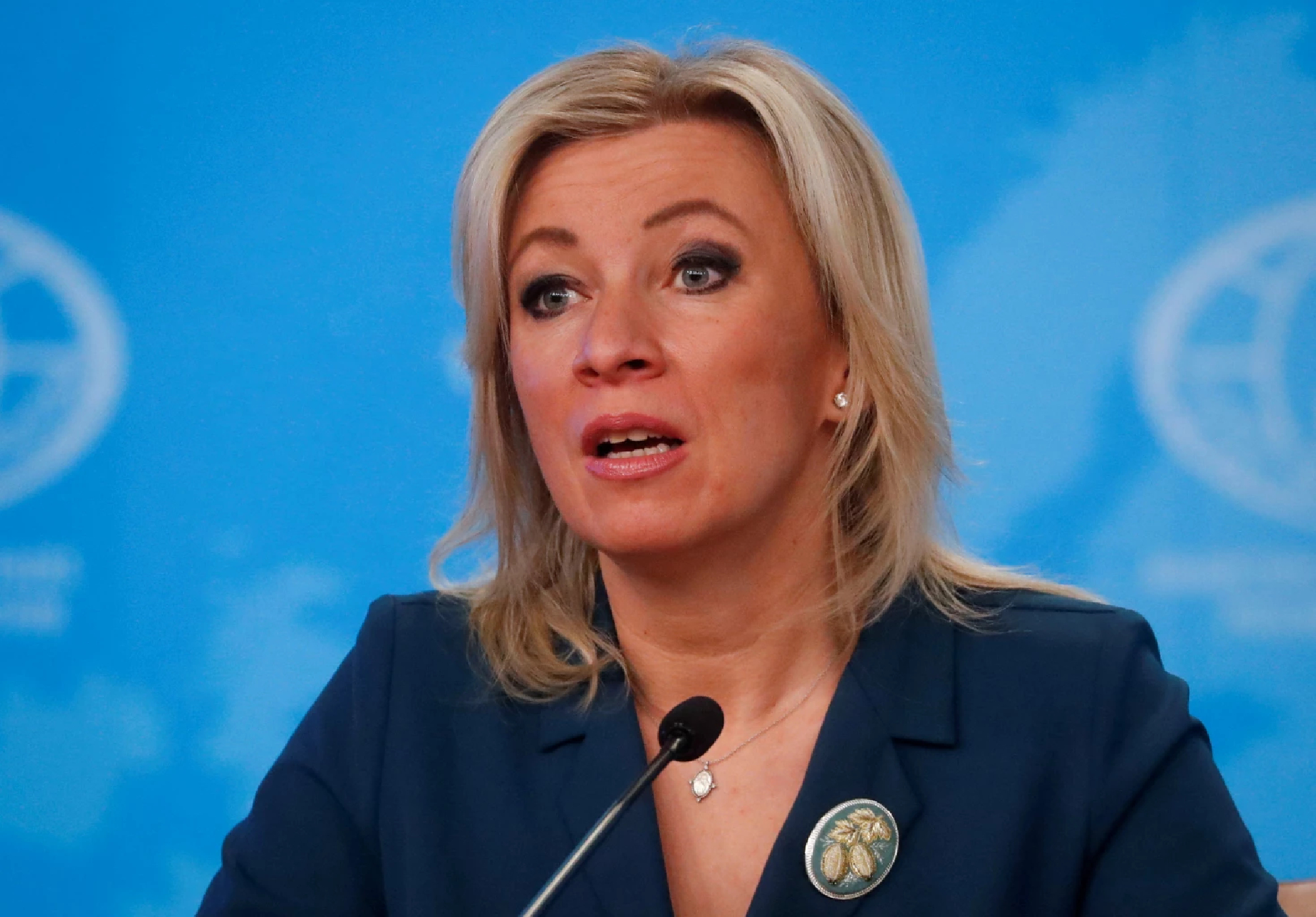
“The fact that Russian journalists are still at least somehow able to work there (in Britain) is associated solely with London’s fears of jeopardising the position of the BBC radio and television corporation in Russia, since it is far from being assigned the last role in undermining domestic political stability and security in our country,” Russian Foreign Ministry spokeswoman Maria Zakharova told a briefing in Moscow.
The BBC declined to comment on the matter.
Asked about Zakharova’s remarks, a spokesman for British Prime Minister Boris Johnson said the BBC operated independently of the government.
“It is important that the BBC and other media organisations are editorially independent and they are free to report the news in the way they do,” he said.
The European Union has proposed banning RT and news agency Sputnik to prevent what it said was Russian propaganda. But Britain has warned that such an approach could lead to a reciprocal ban by Moscow against the BBC and others.
Russia and Britain have had dire relations for years, hitting low points with the fatal 2006 poisoning of former Russian security officer Alexander Litvinenko in London and the attempted killing of former Russian double agent Sergei Skripal and his daughter with a nerve agent in the English city of Salisbury in 2018.
Russian Foreign Minister Sergei Lavrov accused British Foreign Secretary Liz Truss last month of grandstanding and of refusing to listen after talks in Moscow that underlined the gulf between them over the Ukraine crisis.
The United States on March 3 imposed sanctions against Russian oligarchs as it targeted Russia’s super-rich and others close to President Vladimir Putin, further ratcheting up financial pressure over Moscow’s invasion of Ukraine.
The United States imposed full blocking sanctions on eight oligarchs and officials, including Russian tycoon Alisher Usmanov, aiming at those who have amassed fortunes and political influence through their connections to Putin.
The sanctions are the latest in a series announced by Washington, including against Putin and Russia’s central bank, after Russian forces invaded Ukraine in the biggest assault on a European state since World War Two. Moscow calls the assault a “special operation.”
Washington imposed sanctions on Usmanov, founder of Russian mining company Metalloinvest, whom the White House described as “one of Russia’s wealthiest individuals and a close ally of Putin.”
The sanctions block his property from use in the United States and by U.S. persons, including his luxury yacht, which the White House said was seized by Germany, and his private jet.
The U.S. Treasury Department took the rare step of including a pair of photos of Usmanov’s super-yacht and a private jet in what are normally textual news releases.
Kremlin spokesman Dmitry Peskov, whom the White House accused of being “a top purveyor of Putin’s propaganda,” was also targeted.
Nikolay Tokarev, chief executive of energy giant Transneft, was designated along with his wife, daughter, and two luxury real estate companies.
Billionaire brothers Boris and Arkady Rotenberg and several family members were also hit with sanctions, as was Igor Shuvalov, a Russian politician and Putin’s former deputy prime minister who heads the State Development Corp.
Yevgeniy Prigozhin, previously targeted for alleged attempts to interfere in U.S. elections, was designated again. The Treasury described him as the Russian financier of the Internet Research Agency (IRA) and said his “influence apparatus is reportedly supporting Russian Government designed influence operations within Ukraine.”
“Treasury is committed to holding Russian elites to account for their support of President Putin’s war of choice,” Treasury Secretary Janet Yellen said in a statement.
In addition to sanctions against Russian elites, the Treasury designated 26 Russia- and Ukraine-based individuals and seven Russian entities, some linked to Russian intelligence services, accused of spreading disinformation aimed at destabilizing the Ukrainian government.
The United States will also impose visa restrictions on 19 Russian oligarchs, their family members and associates, the White House said in a statement.
Thursday’s action helps bring the United States in line with measures the European Union took earlier this week.
The EU on Monday (March 28) imposed sanctions on 26 prominent people over Russia’s invasion of Ukraine, including oligarchs and businesspeople active in the oil, banking and finance sectors. The EU measures included Peskov and Usmanov.
Britain on Thursday also imposed sanctions on Usmanov and Shuvalov.
Thursday’s measures come after the U.S. Justice Department Wednesday (February 2) launched a task force known as “KleptoCapture” aimed at straining the finances of Russia’s oligarchs.
The United States and its allies last week announced they would launch a task force to identify and freeze the assets of sanctioned Russian companies and oligarchs.
The State Department named the 22 Russian defence-related entities that the White House had announced on Wednesday would be hit with sanctions. The targeted firms include Kurganmashzavod, which makes infantry fighting vehicles, and Makeyev State Missile Center, which produces missiles.
Washington has repeatedly warned that it is prepared to take further measures to hold Moscow to account over its invasion of Ukraine.
In his State of the Union address on Tuesday night, President Joe Biden said the United States would work to seize the yachts, luxury apartments and private jets of wealthy Russians with ties to Putin.
U.S. prosecutors in Manhattan on Thursday charged a television producer for Konstantin Malofeyev, described as a Russian oligarch, with violating Crimea-related sanctions.
In February, the producer, U.S. citizen John Hanick, was arrested in London, and the United States is seeking his extradition. Prosecutors said Hanick was charged with violating U.S. sanctions arising from Russia’s 2014 invasion of the Crimean peninsula.
A fire has broken out at Europe’s largest nuclear power plant, located in Zaporizhzhia, Ukraine, following an attack by Russian forces, Ukraine’s foreign minister said on Friday.
Dmytro Kuleba warned that if the Zaporizhzhia plant blows up, the resulting disaster would be 10 times larger than the Chernobyl nuclear catastrophe of 1986.
He said Russian military forces must call a ceasefire immediately to allow firefighters to establish a security zone around the plant.
The BBC reported that the mayor of Enerhodar, which is located close to the nuclear plant, said that fighting had ceased in the area on Friday.
Fire reportedly broke out on the third, fourth and fifth floors of a building at the plant after it was bombarded by heavy artillery for several hours.
“As a result of continuous enemy shelling of buildings and units of the largest nuclear power plant in Europe, the Zaporizhzhia nuclear power plant is on fire,” Enerhodar Mayor Dmytro Orlov said via the Telegram app just after 1.30am local time, adding the incident was a threat to world security.

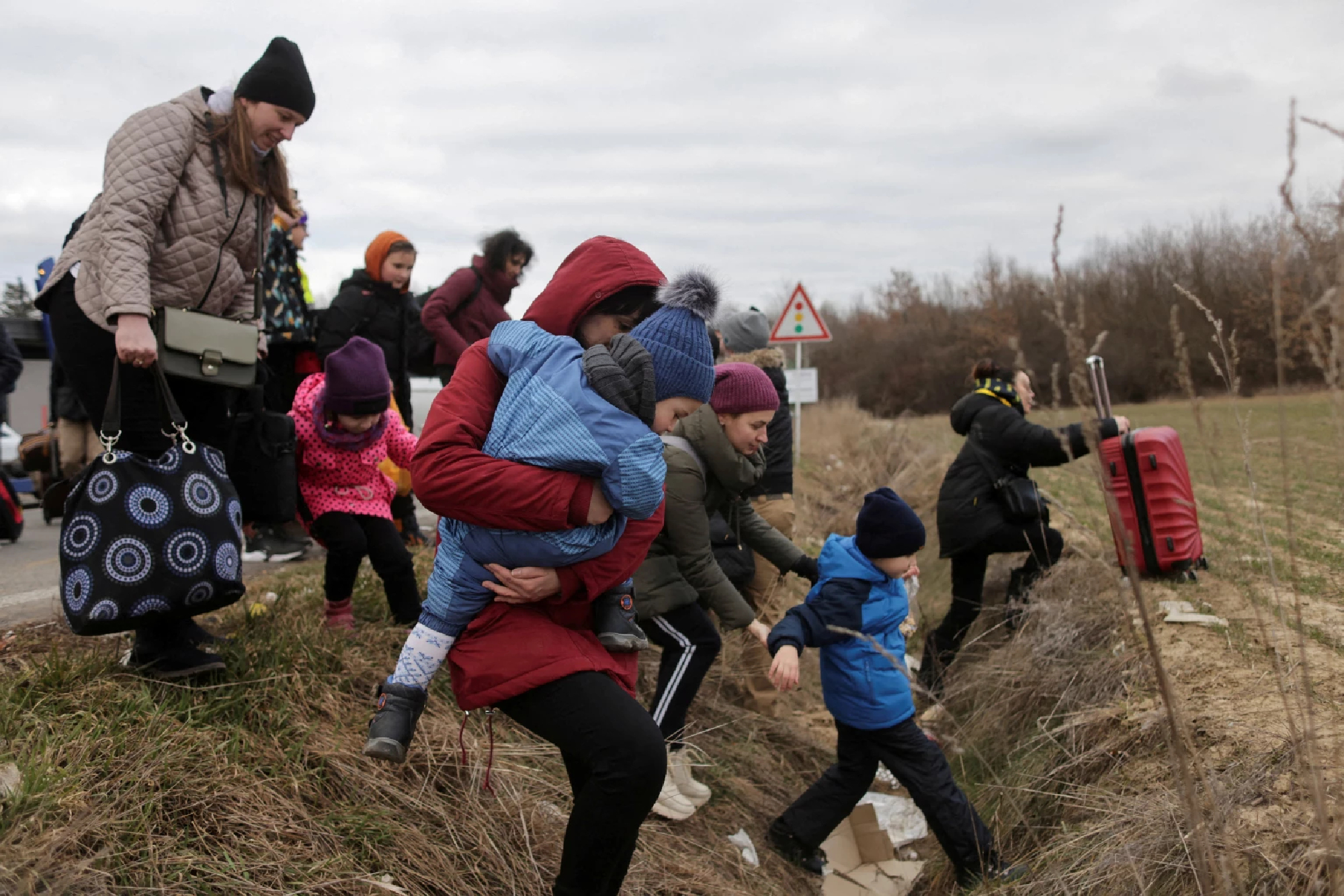
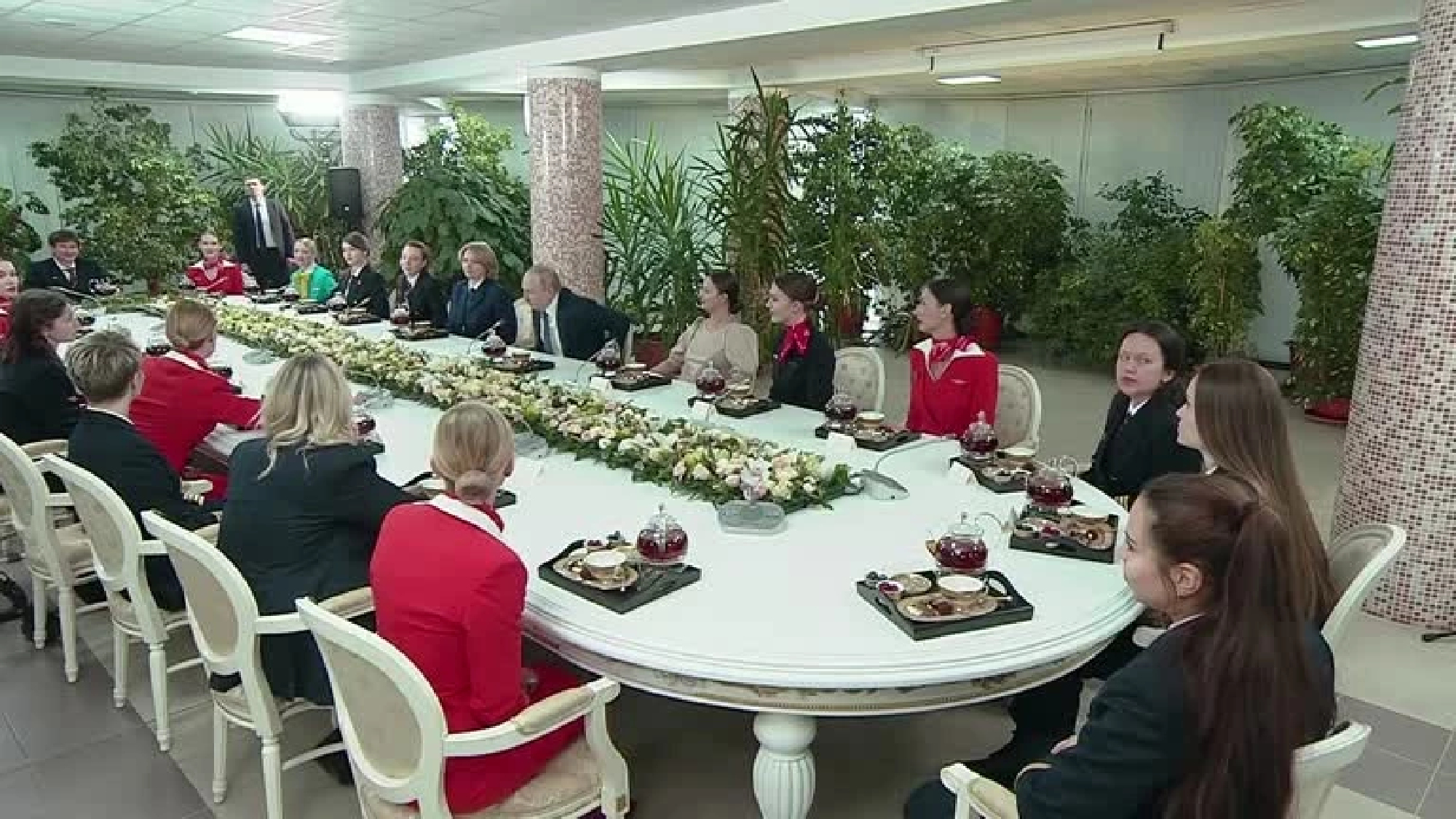
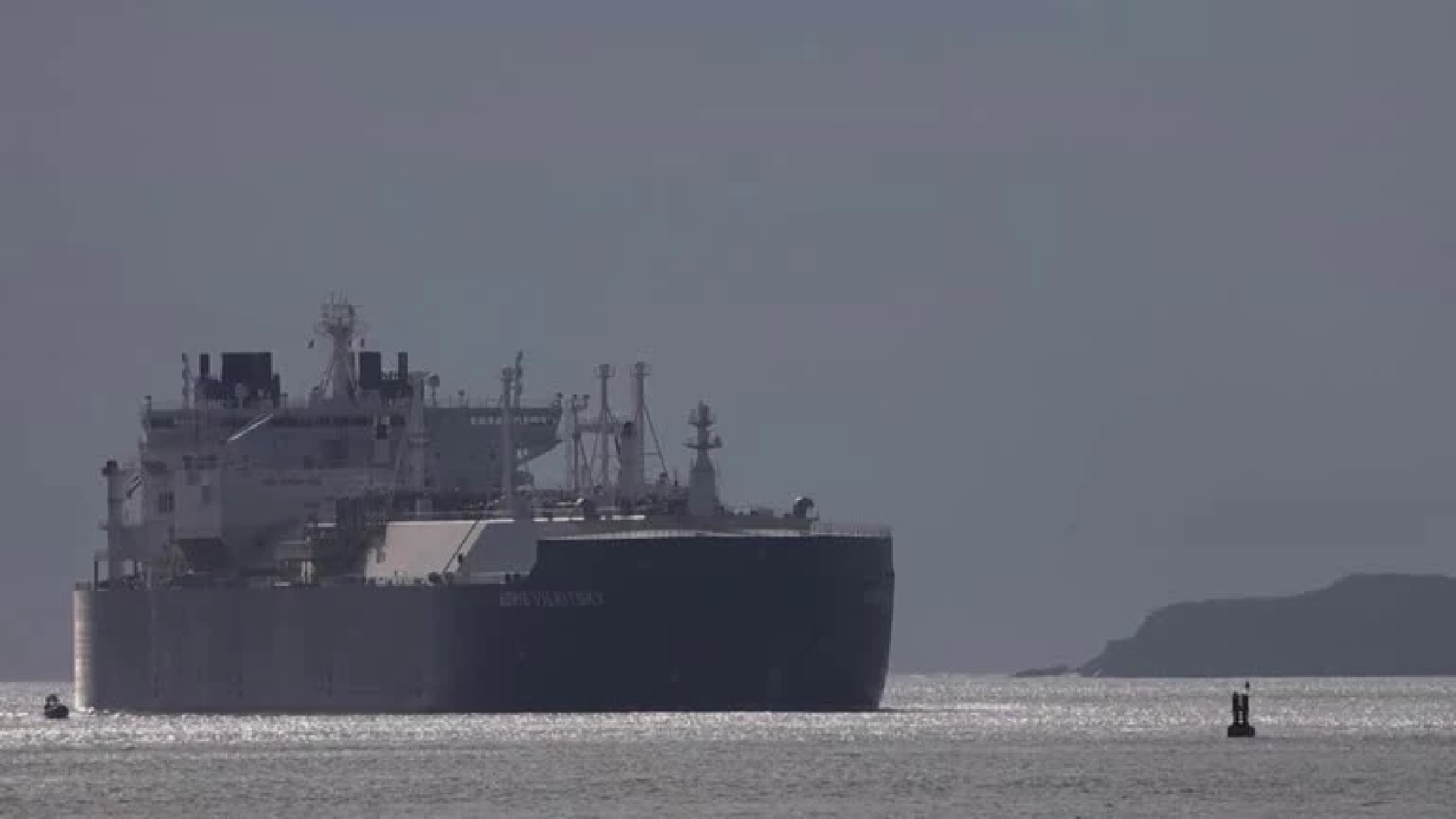
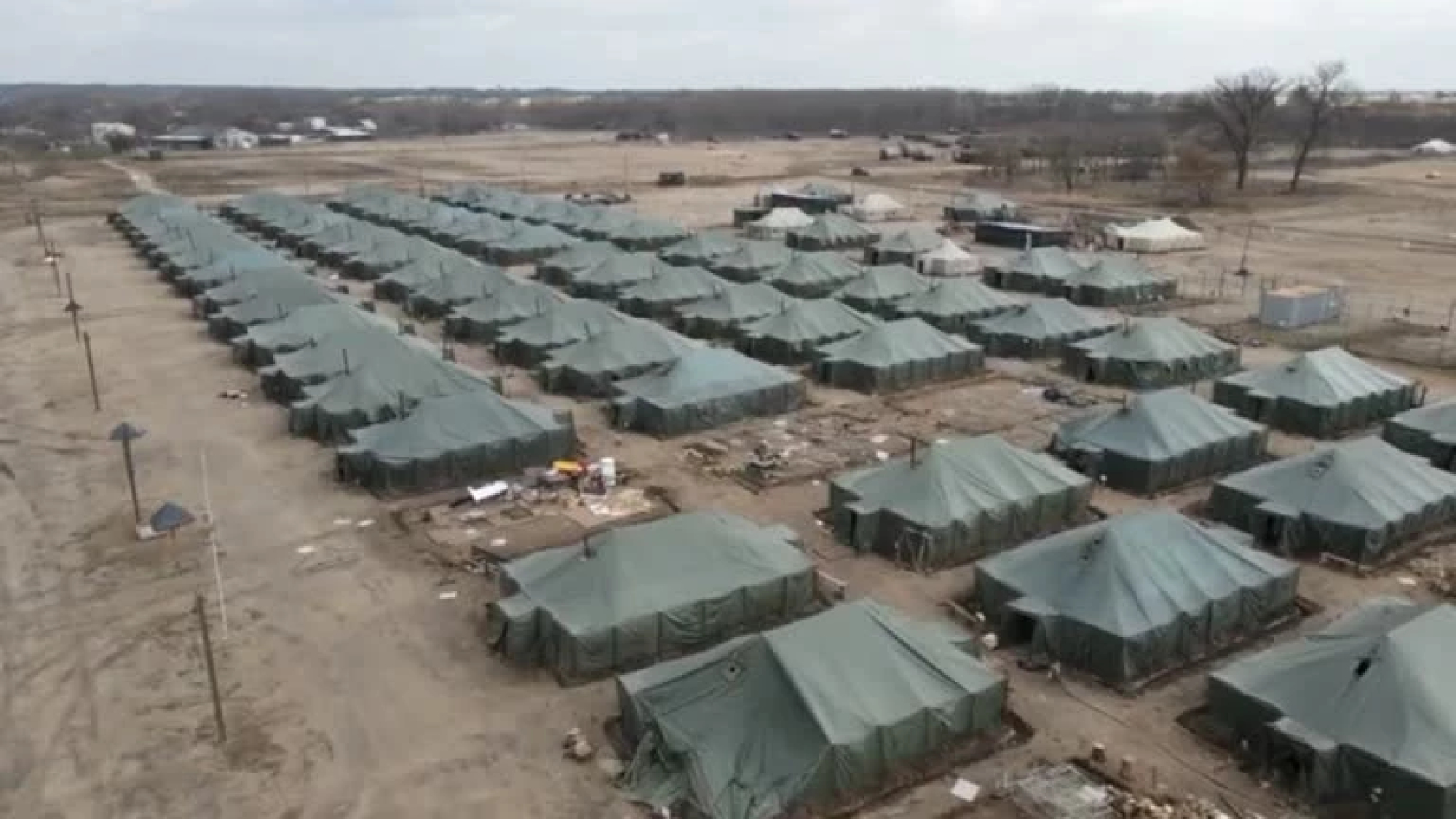
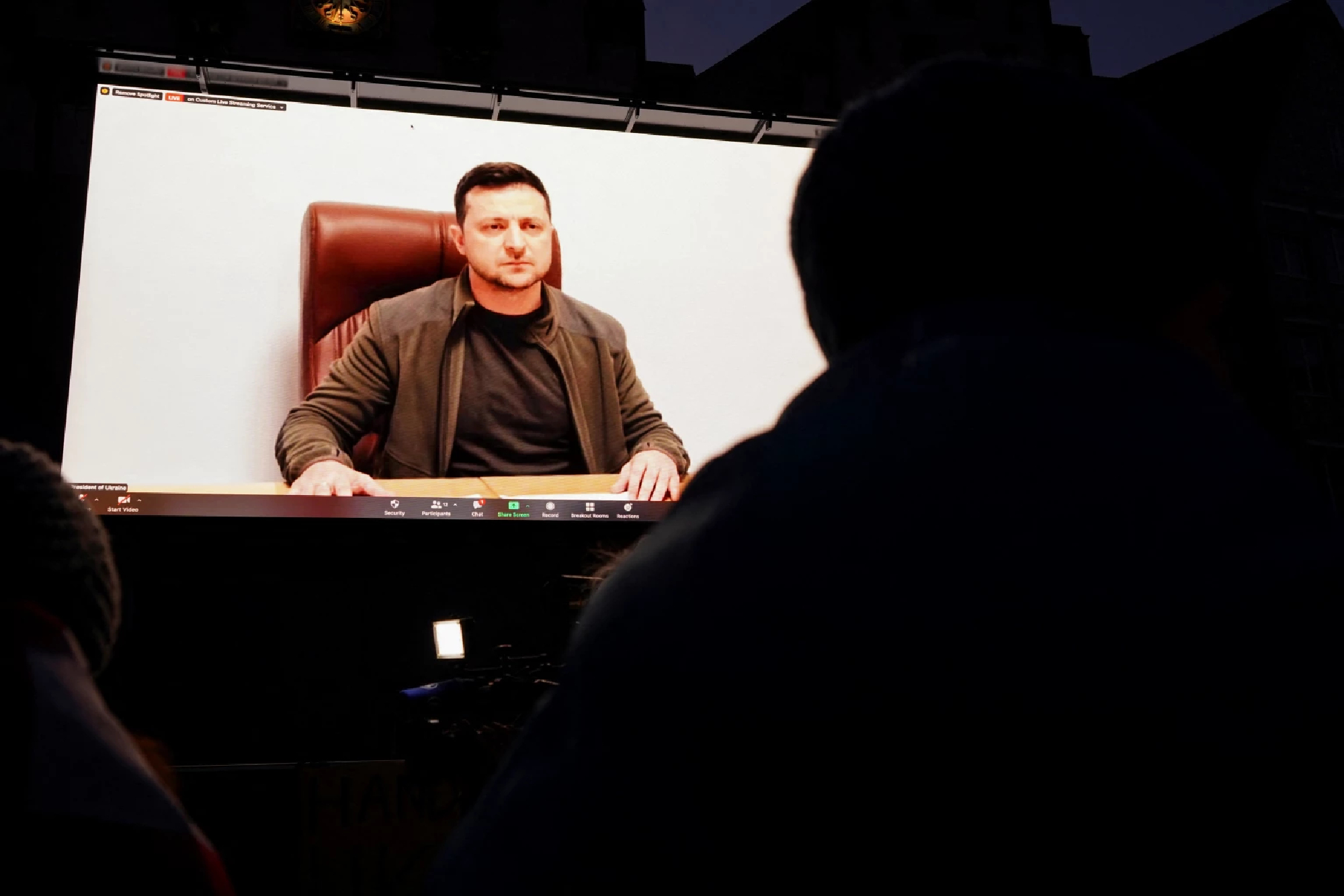
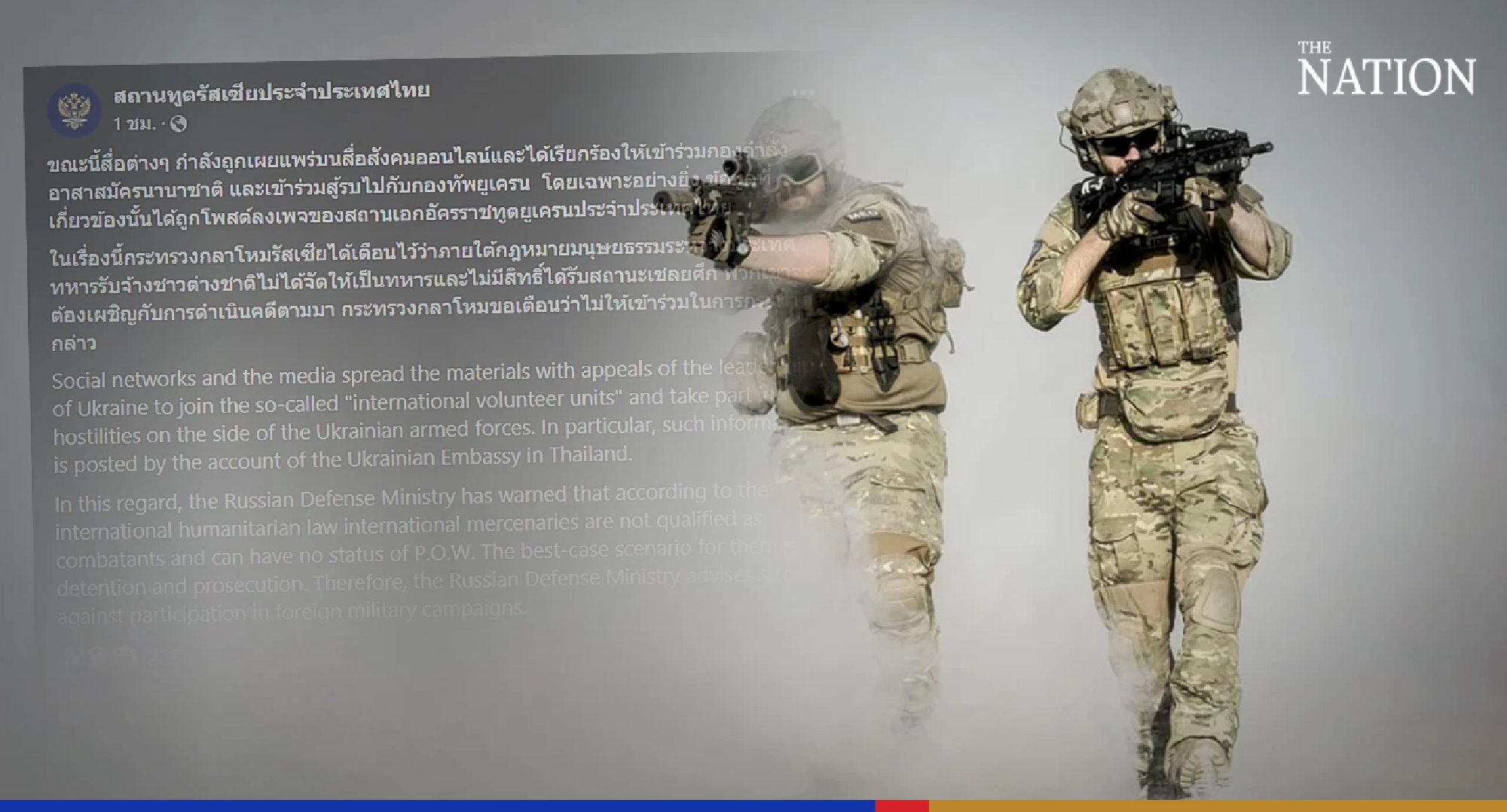
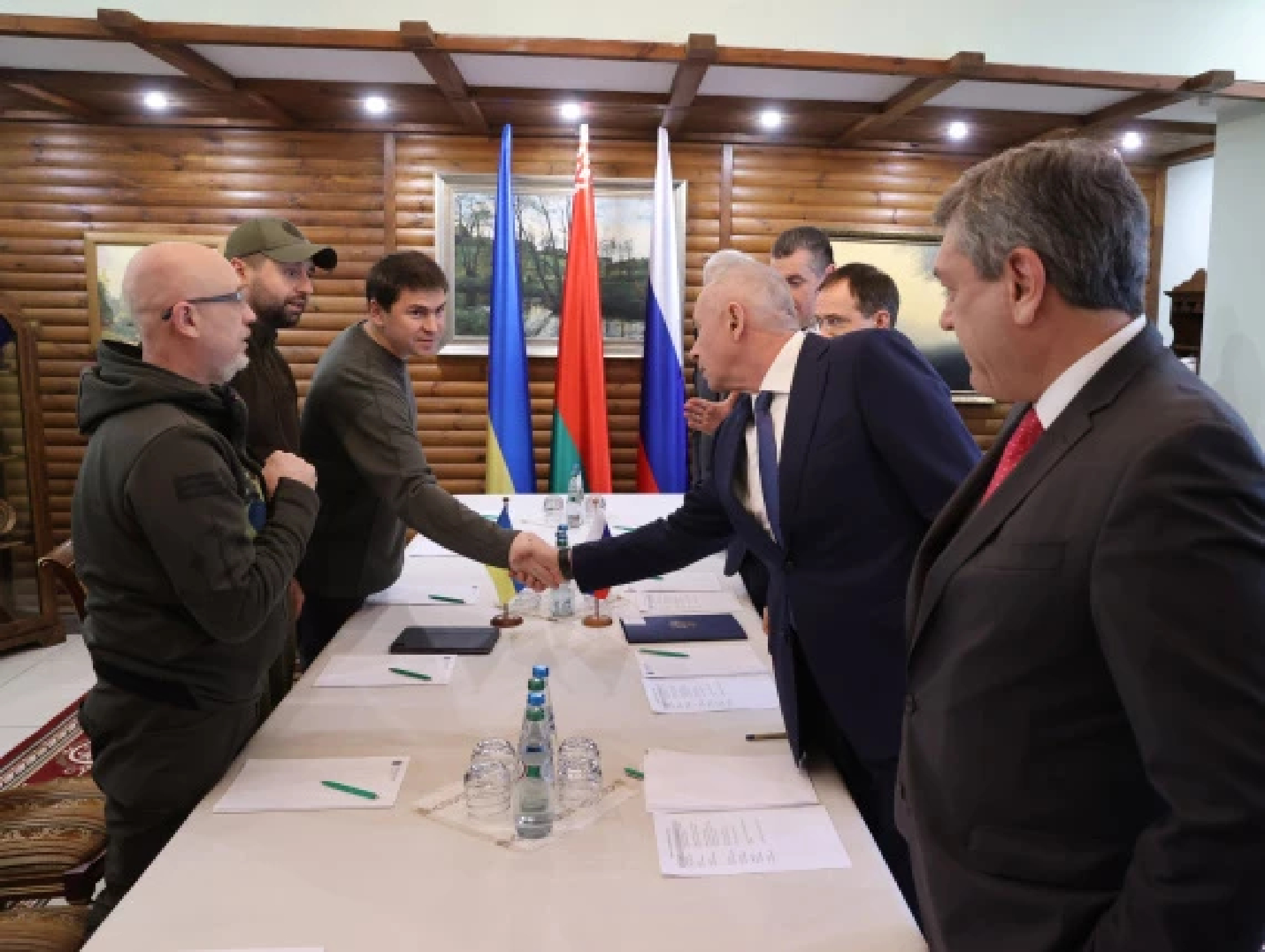
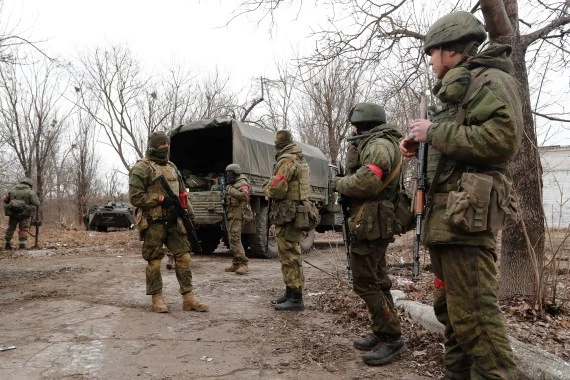 Photo taken on March 1, 2022 shows armed personnel in Donetsk. (Photo by Victor/Xinhua)