
WHO calls for moratorium on booster vaccine shots through September, citing global disparity #SootinClaimon.Com

#SootinClaimon.Com : ขอบคุณแหล่งข้อมูล : หนังสือพิมพ์ The Nation.

https://www.nationthailand.com/international/40004211

WHO calls for moratorium on booster vaccine shots through September, citing global disparity


The World Health Organization on Wednesday called for a halt on booster shots of coronavirus vaccines through at least September, as poorer countries struggle to access doses, even for high-risk populations such as health-care workers and the elderly.
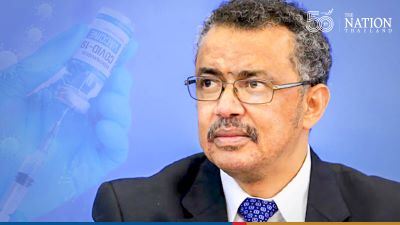
“We cannot and we should not accept countries that have already used most of the global supply of vaccines using even more of it while the world’s most vulnerable people remain unprotected,” WHO Director General Tedros Adhanom Ghebreyesus said at a news conference.

Tedros said the focus for now should be meeting the U.N. health agency’s goal of 10 percent vaccination coverage in every country by the end of September. So far, more than 80 percent of vaccine doses globally have gone to high and upper-middle income countries that represent less than half of the world’s population.

The remarks come as the United States and other wealthy nations weigh if and when booster shots are necessary and consider how to balance domestic calls for additional doses against growing evidence of an alarming vaccine gap around the world.

White House press secretary Jen Psaki on Wednesday said the WHO was presenting a “false choice.”

The United States announced Tuesday “an important milestone” of over 110 million vaccines donated to the world, she said, more than any other country has shared, combined.

“More needs to happen, but we believe we can do both,” she said.

In recent months as a small number of relatively rich countries have pressed ahead with coronavirus vaccination campaigns, the WHO, public health experts and advocates have urged rich countries to do more to share doses and increase global supply.

They have stressed, repeatedly, that the unequal distribution of doses is not only unethical, but could extend the pandemic by prolonging shutdowns and giving the virus room to spread and mutate in unvaccinated populations.

Now, the spread of the highly-transmissible delta variant has countries with vaccine access considering third doses before much of the world has had access to one.

The WHO’s position on boosters is still shaping up. WHO officials said Wednesday that they do not necessarily oppose giving additional doses to certain populations who are not protected by standard doses.

Bruce Aylward, senior adviser to the director general, acknowledged that the moratorium may also need to be extended. “Is September long enough? Not on the current trajectory,” he said.

Officials in the United States say that booster shots are not needed yet. But there is growing concern among some health officials about the urgent need to give additional doses to people with fragile immune systems amid growing concerns about waning immunity in vulnerable populations and surging infections from delta.

Some patients are trying to get additional doses, including those who are immunocompromised and are doing so at the recommendation of their doctors, clinicians have said.

Many patients have ‘taken matters into their own hands and many are proceeding with additional doses of vaccine as they see fit,” said Camille Kotton, a transplant-medicine physician at Massachusetts General Hospital in Boston and a member of the vaccine advisory board to the Centers for Disease Control and Prevention, at the panel’s meeting last month.

In Northern California, the Contra Costa county health department notified its providers July 23 to allow individuals who wanted a booster dose of any coronavirus vaccine to get one if one was available, only to reverse itself this week after realizing it was in violation of FDA policy, a spokesman said.

The FDA’s existing authorization permits only a two-dose regimen of the Pfizer-BioNTech and Moderna vaccines, or a single dose of the Johnson & Johnson product. But the FDA is expected to give full approval to the Pfizer vaccine by the end of the summer, according to a federal official familiar with the situation who requested anonymity because the process is ongoing.

Once the Pfizer vaccine is licensed, clinicians could recommend additional doses to immunocompromised patients and other vulnerable populations who are more likely to become seriously ill from covid-19and might more frequently spread the virus to others.

Emerging data suggests that an additional dose in immunocompromised people may enhance disease-fighting antibody responses and increase the proportion of those who respond to the vaccines, CDC officials have said.

Debate over the need for booster shots has intensified since Pfizer and BioNTech announced last month they would seek regulatory approval for a third shot for all eligible adults, not just the immunocompromised, amid rising global concern about the delta variant.

The companies’ announcement that they would seek an emergency use authorization for a booster prompted U.S. health officials to declare that Americans who have been fully vaccinated do not need a third shot at this time.

But health officials make a distinction between boosters for people who already have an immune response after getting vaccinated versus additional doses for the immunocompromised who have failed to respond fully or at all to the shots.

ADVERTISEMENTx

Other countries are grappling with questions over boosters. A booster campaign is already underway in Israel, where the effort focuses on adults over 60, and Russia. Clinics in Moscow started offering boosters in July, amid a surge in cases and concern about delta.

Parts of Europe appear to be moving in that direction. The WHO’s announcement came two days after Germany said it would also start offering boosters to the elderly, the immunocompromised and those who got the AstraZeneca or Johnson & Johnson shots, because they may be less effective than other vaccines.

France also plans to make certain groups of people – residents of nursing homes, those over the age of 75 and people with severe health conditions – eligible for boosters in September.

Hungary will this month begin offering citizens a third dose of a coronavirus vaccine, Prime Minister Viktor Orban has said. Both Spain and Italy have said residents will be very likely to need a booster, but have yet to announce firm plans.

In Britain, meanwhile, health officials have said they are preparing to offer booster shots in September, but are awaiting guidance from an expert advisory panel before firming up plans.

ADVERTISEMENT

With global supply scarce, the booster debate will deepen questions about how the world should address the problem.

Since last summer, a small number of relatively wealthy nations have cut deals with directly with vaccine-makers, snapping up a disproportionate share of near-term supply and undermining a WHO-backed effort, known as Covax, to equitably distribute vaccine.

Covax aimed to deliver up to 2 billion doses this year, with an eye to vaccinating 20 percent of the populations of participating countries in need. To date, it has delivered just under 178 million doses to 138 countries.

As it became clear that the U.S. had more than enough doses for its population, the Biden administration stepped up its vaccine diplomacy, promising to play a leadership role.

At a June meeting of the Group of Seven meeting in Britain, the White House announced it would buy 500 million doses of Pfizer’s coronavirus vaccine to donate to the world, a step President Biden said would help “help supercharge the global fight against the pandemic.”

ADVERTISEMENT

On Tuesday, Biden said the United States has sent more than 110 million doses of coronavirus vaccines to 65 countries, putting the country ahead of all others on vaccine donations.

Other wealthy nations have pledged to share surplus doses, but supply remains limited – and diverting supplies to boosters could make that worse, the WHO warns.

Asked if nations already providing extra doses are “failing their duties,” WHO officials focused Wednesday on those still pondering the issue, saying they hoped leaders will hold off.

Tedros urged “concrete” commitments to global vaccination goals and ventured that the that leaders of G-20 countries will determine the course of the pandemic.

“We need everyone’s cooperation,” he said.

Published : August 05, 2021

By : The Washington Post · Emily Rauhala, Hannah Knowles, Lena H. Sun, Laurie McGinley
Indonesia becomes second in Asia to hit 100,000 covid deaths #SootinClaimon.Com

#SootinClaimon.Com : ขอบคุณแหล่งข้อมูล : หนังสือพิมพ์ The Nation.

https://www.nationthailand.com/international/40004209

Indonesia becomes second in Asia to hit 100,000 covid deaths


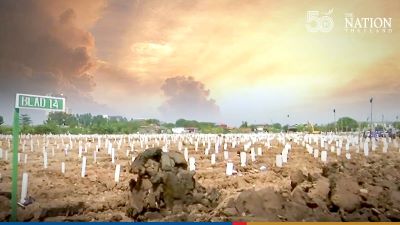
Indonesia has reached a grim milestone as more than 100,000 people died from the coronavirus, becoming the second country in Asia to breach that threshold.

After weeks of topping the world’s tally of daily covid-19 deaths, Southeast Asia’s largest economy added 1,747 fatalities on Wednesday, according to data from the health ministry, bringing its total number to 100,636.

Indonesia joins 11 other countries – including Brazil and India – that have lost more than 100,000 lives in the pandemic that began last year, showing how the world’s epicenter for the virus is shifting beyond Europe and America to Southeast Asia. While Indonesia is adding fewer number of cases daily than the U.S., its lower vaccination coverage and less-equipped health-care system have led to higher mortality rates from the virus.

Just 8% of Indonesia’s 270 million population are fully inoculated, compared with more than half in the U.S., according to Bloomberg’s vaccine tracker.

The death toll has risen frighteningly fast for Indonesia. More than a third of fatalities was recorded in July alone, when the highly transmissible delta variant took hold, overwhelming hospitals and depleting the supply of much-needed oxygen tanks. Most of the deaths were due to late treatment, as health-care facilities could only take in the sickest patients despite setting up beds across parking lots and converting apartment buildings into isolation centers.

At least 2,837 people have died while isolating at home or outside of hospitals, as the government urged only those with severe cases to come to the overburdened health facilities, according to data compiled by crowdsourcing platform LaporCovid19.

ADVERTISEMENTx

In early July, the government imposed its strictest set of movement limits on the most populated island of Java and tourist destination Bali to curb the spread of the virus, before expanding similar restrictions to the rest of the country. Daily cases have since eased from the peak reached on July 15, especially in the capital Jakarta that had long been the local virus hot spot. Infections are now spreading through provinces beyond Java, including in East Kalimantan and Riau.

Indonesia seeks to quicken its vaccine rollout with a target of administering 2.5 million doses a day this month and the next, more than double the rate in July. Lack of supply remains the key hurdle. The majority of the Sinovac Biotech shots it’s relying on needs to be cultured from the bulk doses shipped by the Chinese manufacturer, a process that can take one to two months. The country’s just starting to receive shipments of Pfizer and Moderna shots through Covax and bilateral deals.

As other countries grapple with vaccine hesitancy, most Indonesians are eager to be inoculated but lack access. Among those who haven’t had their shots, 80% said they’re waiting for a slot, are looking for available doses or haven’t been able to get the jabs for various other reasons, such as health conditions or lack of transport. More than 65% of those who have been vaccinated said they did so out of personal choice, followed by 31% who were told to by their workplace or other figures of authority, according to the July survey by the statistics agency.

Published : August 05, 2021

By : Syndication Washington Post, Bloomberg · Yudith Ho

Anti-science drive in U.S. seriously undermines recovery efforts #SootinClaimon.Com

#SootinClaimon.Com : ขอบคุณแหล่งข้อมูล : หนังสือพิมพ์ The Nation.

https://www.nationthailand.com/international/40004198

Anti-science drive in U.S. seriously undermines recovery efforts


With such anti-science sentiments, bigoted Washington elites are fueling an ideology-motivated disinformation campaign, through which they deliberately ignore facts and seek to mislead the public.

Amid new spikes in COVID-19 deaths and infections in the United States, anti-science rhetoric and conspiracy theories are also gaining steam in the country, triggering concerns that the global anti-pandemic course could worsen further.

ADVERTISEMENTx

The latest episodes of such absurdity include Fox News anchor Tucker Carlson’s assertion that it was Anthony Fauci, a top U.S. infectious disease expert, who had “helped to create COVID in the first place,” and Congressman Clay Higgins’s wild claim that the virus had been weaponized for biological attacks.

These ridiculous statements can not withstand any rational analysis and are nothing but a new epitome of the rising anti-science sentiments in the United States. With such sentiments, bigoted Washington elites are fueling an ideology-motivated disinformation campaign, through which they deliberately ignore facts and seek to mislead the public.

What is more worrying is that these delusional minds are bringing about real consequences: In the United States, scientists and health officials, while working overtime to study the novel coronavirus and address the pandemic, have to spare a massive amount of time and resources to bust rumors and refute opinions spread by conspiracy theorists.

Due in part to the anti-science push, the United States overall has responded poorly to the pandemic and remains among the worst-hit countries in the world.

At the outset of the COVID-19 pandemic in the United States, the U.S. government, instead of acknowledging the threat it posed and informing the public in a timely manner, repeatedly downplayed the severity and exaggerated the country’s capabilities to handle the disease.

After the situation got worse, some U.S. officials quickly turned to conspiracy theories and anti-science positions in order to deflect attention and blame. The political tricks have gone as far as going after some of the country’s leading scientists, including Fauci, who had received death threats for siding with science and evidence.

Since the current U.S. leadership took office early this year, the U.S. government has been accelerating vaccinations for its residents. Over the past few months, states and cities have moved to lift COVID-19 preventive measures. The White House announced last month that the country is “closer than ever” to declaring “independence” from the deadly virus.

Healthcare workers operate in an ICU in the "COVID Area" of the Beverly Hospital in Montebello City, California, the United States, Jan. 22, 2021.Healthcare workers operate in an ICU in the “COVID Area” of the Beverly Hospital in Montebello City, California, the United States, Jan. 22, 2021.

However, the pandemic is rapidly rebounding in the United States, with new cases, deaths, and hospitalizations all on the rise. “We’re going in the wrong direction,” Fauci told CNN during an interview late last month.

A man receives COVID-19 test at a mobile testing site in Times Square, New York, the United States, on July 20, 2021.A man receives COVID-19 test at a mobile testing site in Times Square, New York, the United States, on July 20, 2021.
The giant gap between the cruel reality and the narrative pushed by the U.S. government and media is eroding people’s trust in their government and confidence that a recovery is on the horizon.

In addition, the current White House’s political maneuver, including asking intelligence agencies to investigate the origin of COVID-19 with a presumption of guilt targeting China, is further fanning anti-science remarks and activities.

Matthew Kavanagh, director of the Global Health Policy & Politics Initiative at Georgetown University, pointed out that if the aim of the U.S. government was finding a scientific explanation of the COVID-19 origin, it would have tasked health institutes instead of intelligence agencies with the research.

“This tells us that this is a political and an intelligence story: not a story mostly about science,” Kavanagh recently told U.S. magazine Rolling Stone. “We’re in a place where politics is driving people’s scientific understanding in a dangerous way.”

As Kavanagh said, anti-science sentiments and rhetoric would be unhelpful in suppressing the still raging COVID-19 pandemic and tracing the origin of the disease, and could further impede global efforts to defeat the pathogen. As a result, the international community should stay alert to the anti-science drive in the United States. 

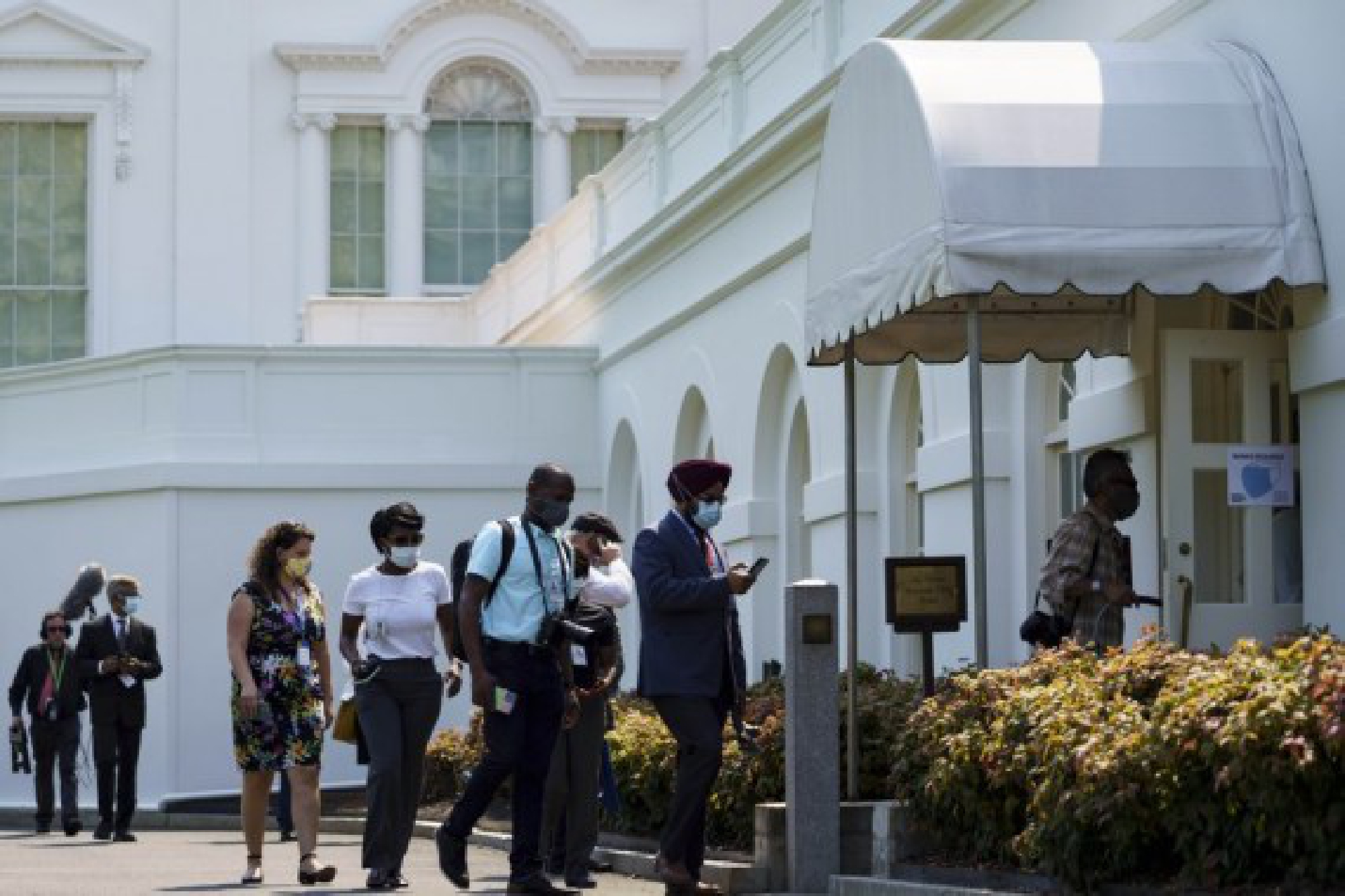
Journalists wearing face masks enter the White House in Washington D.C., the United States, July 28, 2021Journalists wearing face masks enter the White House in Washington D.C., the United States, July 28, 2021


Published : August 04, 2021

By : xinhua

Racist incidents targeting Asian Americans worry students, parents: U.S. media #SootinClaimon.Com

#SootinClaimon.Com : ขอบคุณแหล่งข้อมูล : หนังสือพิมพ์ The Nation.

https://www.nationthailand.com/international/40004197

Racist incidents targeting Asian Americans worry students, parents: U.S. media


With the rise in hate incidents nationwide and the new school year less than a month away, many Asian American students in central Ohio are bracing for the potential of new or continued verbal assaults by fellow students when they return to school in the fall, said an article published by The Columbus Dispatch.

Racist incidents targeting Asian Americans occurred before COVID-19, but the pandemic has increased the frequency and level of bullying, worrying Asian American students and their parents, said an article published by The Columbus Dispatch, a daily newspaper based in Ohio, on Monday.

ADVERTISEMENTx

One in eight Asian Americans reported hate incidents in 2020, according to AAPI Data, a national coalition battling the problem, and one in 10 reported anti-Asian hate incidents in the first quarter of 2021, including physical assaults, verbal harassment, civil rights violations and online harassment, the article said.

Hate crimes against Asian-Americans overall have reached an “alarming level” in the United States, the article said, noting that more than 1,800 racist incidents against Asian Americans were reported from March to May.

With the rise in hate incidents nationwide and the new school year less than a month away, many Asian American students in central Ohio are bracing for the potential of new or continued verbal assaults by fellow students when they return to school in the fall, the article added.

Published : August 04, 2021

By : xinhua

7-day average of daily U.S. COVID-19 cases surpasses last summers peak: U.S. media #SootinClaimon.Com

#SootinClaimon.Com : ขอบคุณแหล่งข้อมูล : หนังสือพิมพ์ The Nation.

https://www.nationthailand.com/international/40004196

7-day average of daily U.S. COVID-19 cases surpasses last summers peak: U.S. media


“Cases in the U.S. begin to spike once again, with the highly contagious delta variant fueling infections, particularly in regions of the nation with low vaccination rates,” the report said.

The seven-day average of daily COVID-19 cases in the United States surpassed the peak seen last summer, CNBC has reported.

ADVERTISEMENTx

The U.S. daily infections, based on a seven-day moving average, reached 72,790 last Friday, which was higher than last summer’s peak, CNBC reported on Monday, citing data from the Centers for Disease Control and Prevention.

“Cases in the U.S. begin to spike once again, with the highly contagious delta variant fueling infections, particularly in regions of the nation with low vaccination rates,” the report said.

Published : August 04, 2021

By : xinhua

Hero nurse saving 3 babies from Beirut blast expects better future #SootinClaimon.Com

#SootinClaimon.Com : ขอบคุณแหล่งข้อมูล : หนังสือพิมพ์ The Nation.

https://www.nationthailand.com/international/40004166

Hero nurse saving 3 babies from Beirut blast expects better future


Working at a hospital close to the Beirut port, Zeinoun did not expect a picture of her on the day of the explosion could touch hearts around the world.

One year after the deadly explosions rocked the Beirut port, Pamela Zeinoun, the 26-year-old nurse who saved the lives of three babies, voiced her two expectations.

“I hope we can bring justice to people who were affected by the explosions, and those who lost their beloved ones can somehow be relieved,” Zeinoun said.

ADVERTISEMENTx

Meanwhile, she expected future generations would not experience the same awful circumstances that Lebanese are currently suffering.

On Aug. 4, 2020, the Beirut port was hit by two big explosions, destroying a big part of Beirut, killing over 200 people, and injuring more than 6,000 others.

Estimated as one of the biggest non-nuclear explosions recently, the explosions had a major impact on the country’s economy while plunging lots of people into psychological distress.

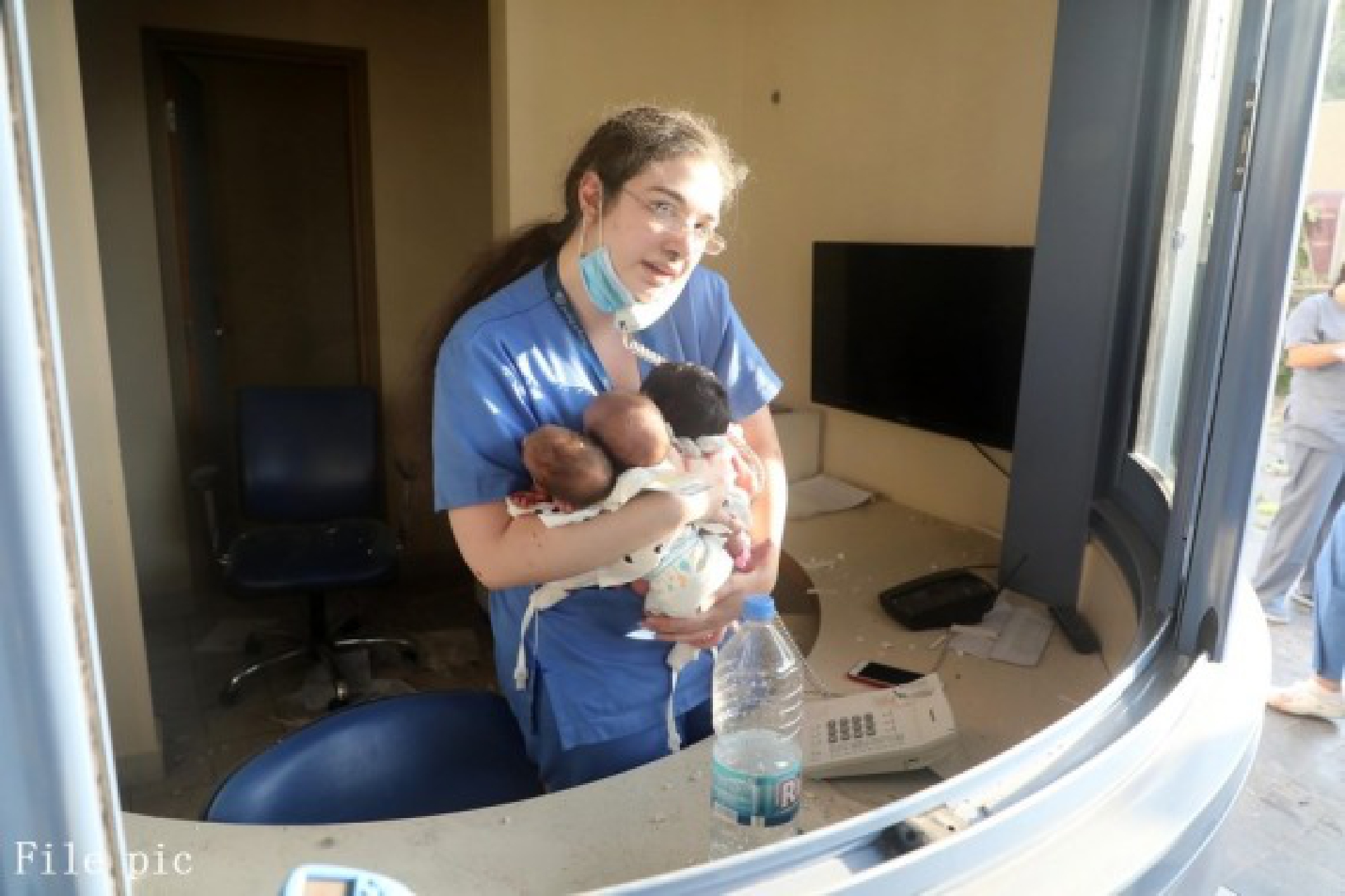
Working at Saint George Hospital close to the Beirut port, Zeinoun did not expect a picture of her on the day of the explosion could touch hearts around the world. In the picture, she was seen holding three newborn babies close to her chest, while making a phone call.

“Those babies were the first thing I thought of at the moment of the explosion. I had lived with these babies every single day for one month and could not even imagine for a moment that I’d leave the place without them,” Zeinoun recalled.

ADVERTISEMENT

Then she managed to pull the three babies from incubators before a long and hard journey of running out of the hospital, along with one father and his baby who were on the same floor.

“The electric power was out given the magnitude of the explosion. It was dark in there, and the sound of the alarm was so high that it was barely possible to hear the frightened people screaming when they were trying to find the way out,” Zeinoun said.

“It was a horrible experience,” she added.

After reaching the hospital’s ground floor a few minutes later, Zeinoun realized how hard it was to find emergency medical care at the intensive care units of the hospital filled with injured doctors and cadavers.

“I figured out I only had one choice: to look for another hospital where I can place the babies in incubators to guarantee their survival until they are found by their parents,” said Zeinoun.

ADVERTISEMENT

The roads were covered by debris, so she had to walk for five kilometers to reach another hospital.

“You cannot imagine how relieved I felt when I was sure that the babies were safe. I felt they were my responsibility,” she added.

One year after the catastrophic explosions, the horrific image still haunted Zeinoun.

“Several days after the incident, I still could not believe what had happened. I lost a lot of weight as I could not eat or sleep,” she said.

Currently doing her Master’s degree in Hospitals Management at the Lebanese German University, Zeinoun had received multiple job offers from Saudi Arabia, Dubai and Kuwait, given her bravery and courage.

“I don’t want to leave my country. We’ve already lived through the worst moments,” she said, expecting for a better future.

Families of the victims of the Aug. 4 explosion protest in front of the Beirut Justice Palace, Lebanon, on July 12, 2021. Families of the victims of the Aug. 4 explosion protest in front of the Beirut Justice Palace, Lebanon, on July 12, 2021.
Families of the victims of the Aug. 4 explosion protest in front of the Beirut Justice Palace, Lebanon, on July 12, 2021. 

Zeinoun takes care of three babies in a damaged hospital after the explosion in Beirut, Lebanon, Aug. 4, 2020. Zeinoun takes care of three babies in a damaged hospital after the explosion in Beirut, Lebanon, Aug. 4, 2020.
Zeinoun takes care of three babies in a damaged hospital after the explosion in Beirut, Lebanon, Aug. 4, 2020. 

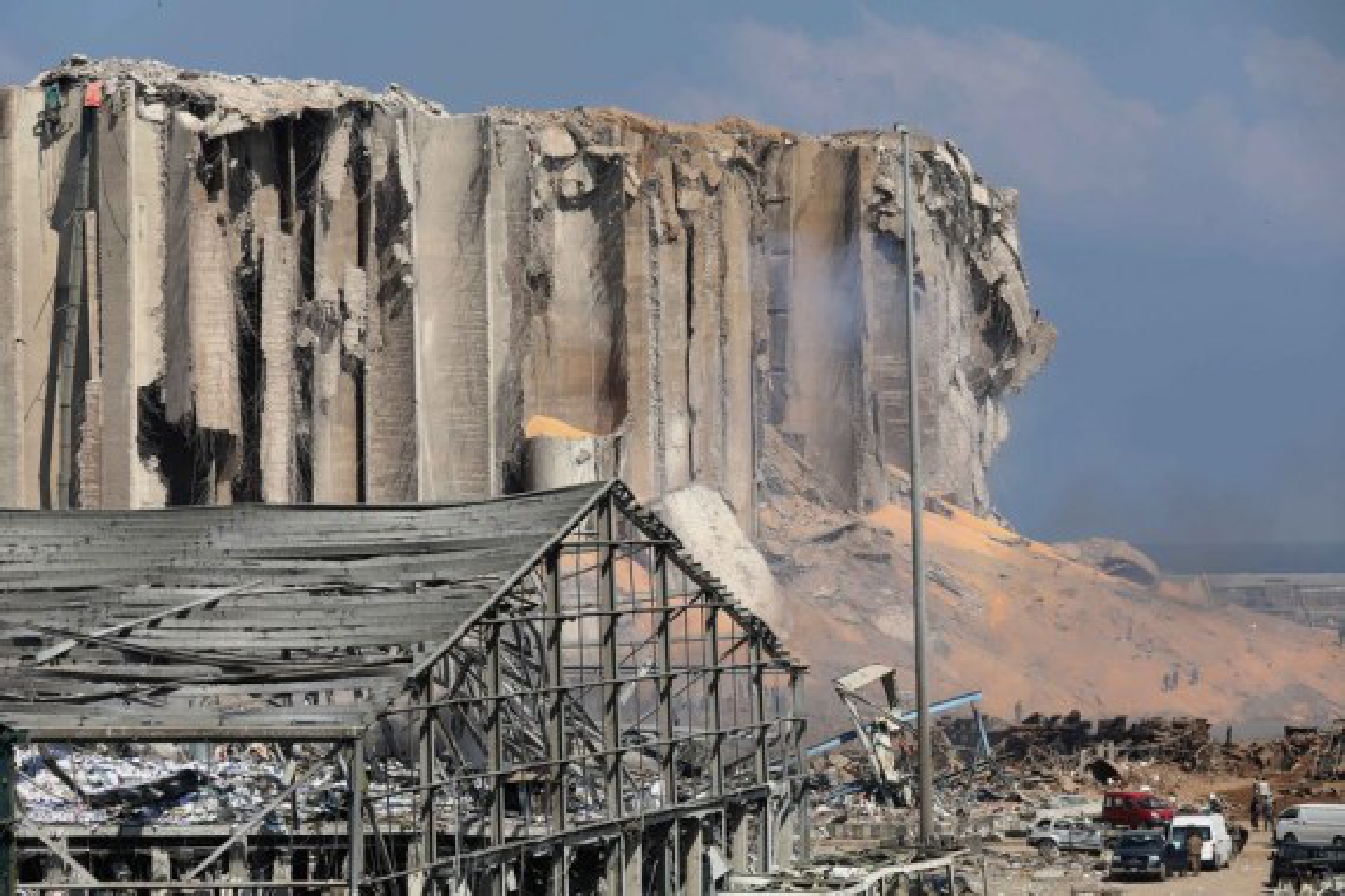
Damaged buildings are seen after the explosions near the Port of Beirut in Lebanon, Aug. 5, 2020. Damaged buildings are seen after the explosions near the Port of Beirut in Lebanon, Aug. 5, 2020.

Damaged buildings are seen after the explosions near the Port of Beirut in Lebanon, Aug. 5, 2020. 

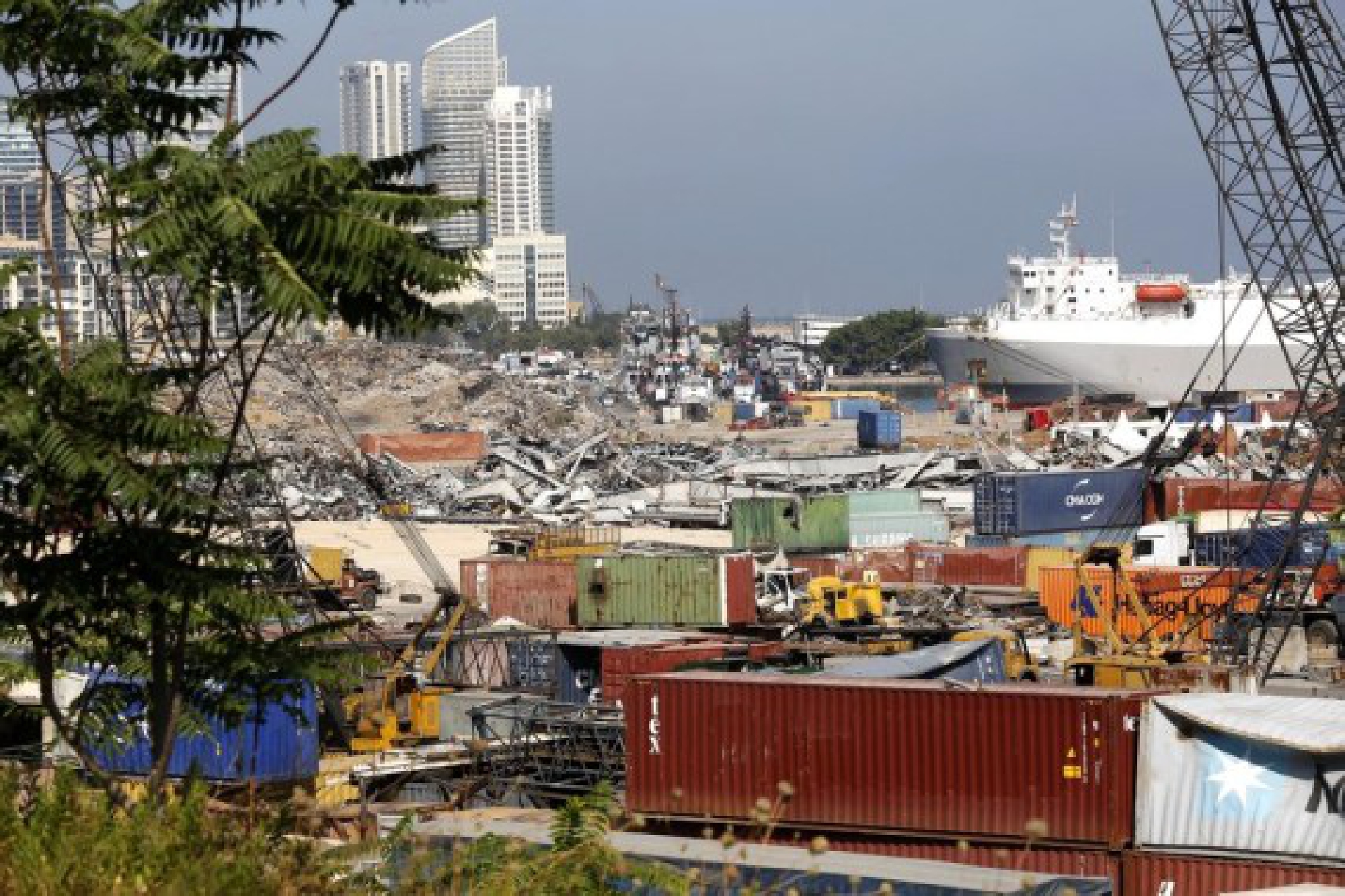
Photo taken on Aug. 2, 2021 shows a view of the Port of Beirut in Beirut, Lebanon.Photo taken on Aug. 2, 2021 shows a view of the Port of Beirut in Beirut, Lebanon.

Photo taken on Aug. 2, 2021 shows a view of the Port of Beirut in Beirut, Lebanon.

Published : August 04, 2021

By : xinhua

UN concerned about worsening humanitarian situation in Lebanon #SootinClaimon.Com

#SootinClaimon.Com : ขอบคุณแหล่งข้อมูล : หนังสือพิมพ์ The Nation.

https://www.nationthailand.com/international/40004164

UN concerned about worsening humanitarian situation in Lebanon


Lebanon is grappling with an economic and financial meltdown, COVID-19, the disastrous impact and aftermath of the Beirut Port explosions a year ago, and the continued impact of the Syrian crisis, the UN OCHA said.

The United Nations remains deeply concerned about the worsening humanitarian situation in Lebanon, said the UN Office for the Coordination of Humanitarian Affairs (OCHA) on Tuesday.

The country is grappling with an economic and financial meltdown, COVID-19, the disastrous impact and aftermath of the Beirut Port explosions a year ago, and the continued impact of the Syrian crisis, it said.

ADVERTISEMENTx

Political deadlock continues to fuel popular protests and is hampering meaningful reform and recovery efforts, it added.

The situation of ordinary people in Lebanon is worsening day by day. Food prices increased by a staggering 400 percent between January and December 2020. Humanitarian needs are increasing among Lebanese and migrants, including in food security and nutrition, health, protection, education and water and sanitation, said OCHA.

At the end of 2020, 19 percent of Lebanese nationals reported the loss of their main sources of income. In March 2021, 78 percent of the population was estimated to be in poverty. More than a third of the Lebanese population is facing extreme poverty, it said.
 

Photo taken on Aug. 2, 2021 shows a view of the Port of Beirut in Beirut, Lebanon.Photo taken on Aug. 2, 2021 shows a view of the Port of Beirut in Beirut, Lebanon.
In parallel, nine out of 10 Syrian refugee families live in extreme poverty, increasing from 55 percent only a year before. The situation is most acute for female-headed households. The estimated 210,000 migrants in Lebanon, who are predominantly female, face high rates of unemployment, food and shelter insecurity, and poor access to drinking water, it said.

At the same time, basic services such as fuel, electricity, health care, and clean water, are in short supply. Most of these services were previously provided through the private sector which is already overstretched due to years of under-investment, said OCHA.  

Published : August 04, 2021

By : xinhua

Massive wildfire prompts new mandatory evacuation orders in Northern California #SootinClaimon.Com

#SootinClaimon.Com : ขอบคุณแหล่งข้อมูล : หนังสือพิมพ์ The Nation.

https://www.nationthailand.com/international/40004162

Massive wildfire prompts new mandatory evacuation orders in Northern California


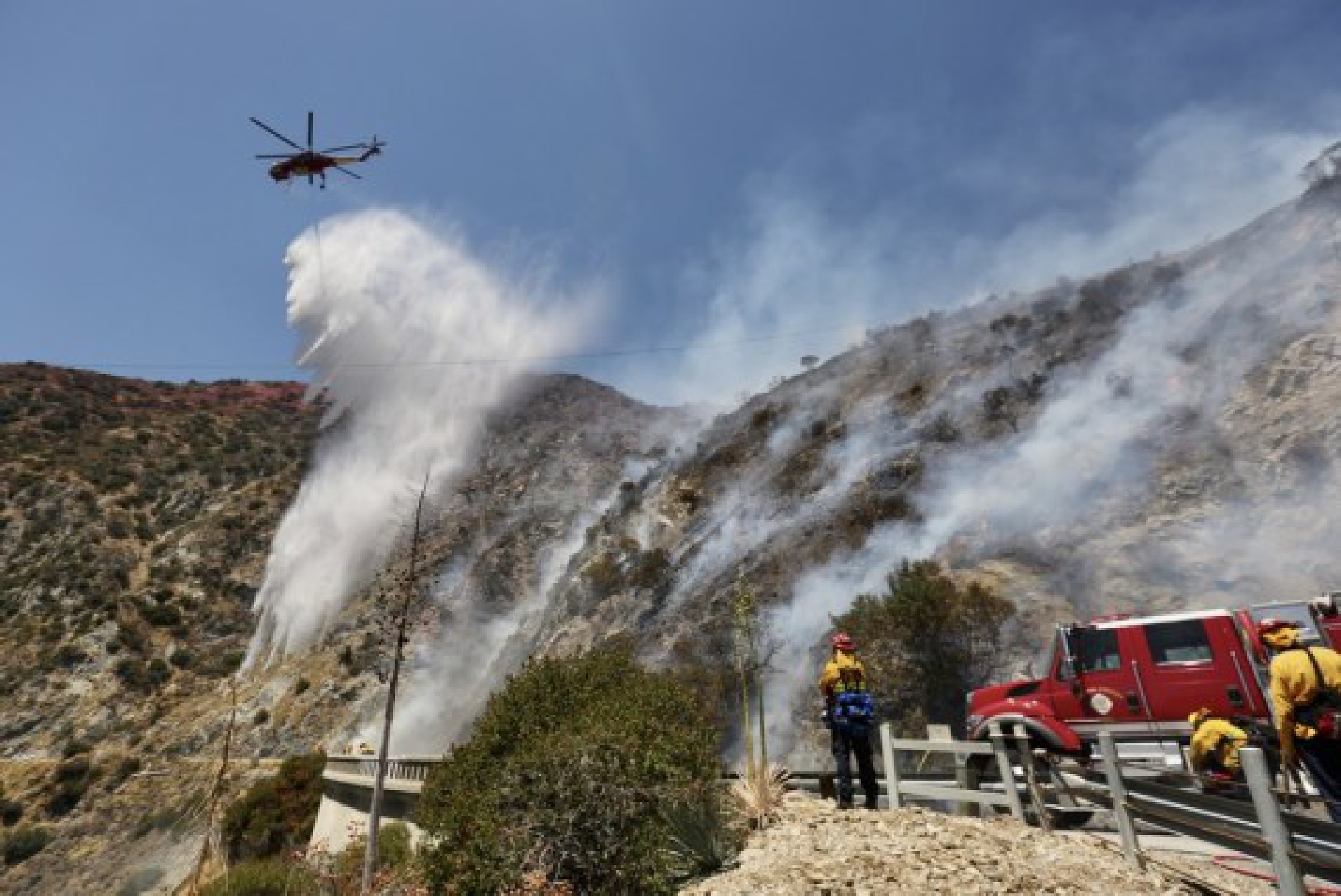
A total of 5,998 wildfires had burned over estimated 542,000 acres and damaged or destroyed 400 structures in California this year, according to official data. California and most of the U.S. West are in the grip of a severe drought of historic proportions.

Amassive wildfire scorched over 253,000 acres (around 1,024 square km) in Northern California as of Tuesday morning, prompting new mandatory evacuation orders and warnings for local communities.

The fire raging in Plumas and Butte counties, dubbed Dixie Fire, was at 253,052 acres and 35 percent contained, said the California Department of Forestry and Fire Protection (Cal Fire) in an incident report Tuesday morning.

ADVERTISEMENTx

Officials said at least 7,144 structures were threatened by the fire and more than 5,100 fire personnel were battling the blaze.

The fire, which started on July 13, has destroyed 45 structures and 22 other minor structures to date. It’s now the largest wildfire so far this year in California and the 11th largest wildfire in the history of the western U.S. state.

Extreme fire behavior is predicted due to drying conditions on Tuesday, according to the InciWeb, an interagency all-risk incident web information management system provided by the U.S. Forest Service.

Officials said that active fire with uphill runs, single tree torching, and spotting was expected.

“Winds and fire activity are expected to test established firelines on the perimeter. Evacuation zones have changed with new mandatory areas in Plumas County,” the InciWeb noted, urging residents in evacuation warning areas to stay alert to conditions and remain prepared.

After reviewing the current position of the wildfire and receiving a recommendation from the operations division, the Plumas County Sheriff’s Office issued new evacuation orders and warnings for residents in some communities near the fire zones Tuesday morning.

Firefighters participate in battling wildfire at the Angeles National Forest in Azusa, California, the United States, on July 31, 2020.Firefighters participate in battling wildfire at the Angeles National Forest in Azusa, California, the United States, on July 31, 2020.
A total of 5,998 wildfires had burned over estimated 542,000 acres and damaged or destroyed 400 structures in California this year, according to the Cal Fire’s 2021 Incident Archive. The state and most of the U.S. West are in the grip of a severe drought of historic proportions.

In 2020, over 9,900 fires burned over 4.2 million acres, more than 4 percent of the state’s roughly 100 million acres of land, making it the largest wildfire season recorded in California’s modern history. A total of 33 people were killed and 10,488 structures were damaged or destroyed by wildfires last year.

“While wildfires are a natural part of California’s landscape, the fire season in California and across the West is starting earlier and ending later each year. Climate change is considered a key driver of this trend,” said the Cal Fire on the agency’s official website.

“Warmer spring and summer temperatures, reduced snowpack, and earlier spring snowmelt create longer and more intense dry seasons that increase moisture stress on vegetation and make forests more susceptible to severe wildfire,” the agency noted.

Published : August 04, 2021

By : xinhua

Asean sees 90,856 new cases #SootinClaimon.Com

#SootinClaimon.Com : ขอบคุณแหล่งข้อมูล : หนังสือพิมพ์ The Nation.

https://www.nationthailand.com/international/40004161

Asean sees 90,856 new cases


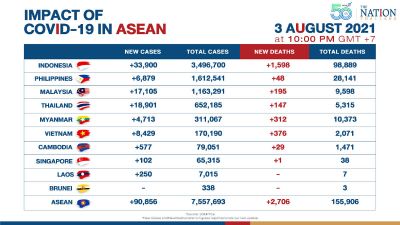
The number of Covid-19 cases in Southeast Asia crossed 7.55 million, with 90,856 new cases reported on Tuesday, higher than Monday’s tally of 76,320. There were 2,706 more deaths, decreasing from Monday’s 2,783 and taking total coronavirus deaths in Asean to 155,906 so far.

Indonesia’s health minister announced that the pandemic had already passed its peak point as the country has been seeing a decreasing number of new infections for several days now.

He added that 258 million doses of vaccine will arrive from August to December, which will enable Indonesia to achieve the target of imparting 70 million jabs per month in August and September. Meanwhile, the government will consider allowing more economic activities from September if the infection rate continues to decline and vaccination and testing rates continue to improve.

Cambodia reported 577 new cases and 29 deaths on Tuesday, bringing cumulative cases in the neighbouring country to 79,051 patients and a total 1,471 deaths so far. Cambodia’s health ministry reported that more than 200 infections linked to the Delta variant has been found in the country, most of which are workers who have returned from Thailand.

It urged people to strictly adhere to disease control measures, including self-isolation, as the Delta variant can spread faster than the original virus.

Published : August 04, 2021

By : THE NATION

Germany, France and U.K. prepare for coronavirus vaccine boosters starting in September #SootinClaimon.Com

#SootinClaimon.Com : ขอบคุณแหล่งข้อมูล : หนังสือพิมพ์ The Nation.

https://www.nationthailand.com/international/40004157

Germany, France and U.K. prepare for coronavirus vaccine boosters starting in September


BRUSSELS – European nations have been among the most successful in the world at getting their residents vaccinated against the coronavirus. Now, some will be among the first to dole out booster shots.

The small but growing group that is planning additional jabs for the fully inoculated includes some of the continent’s richest and most populous countries, potentially setting a precedent and marking a new phase of the vaccination campaign.

But as covid-19 continues to infect and kill at alarming rates across the Global South, where vaccination levels remain catastrophically low, the decision by wealthy countries to give booster shots to their own people rather than donating those doses to poorer nations is deeply controversial.

Advocates and experts, including at the World Health Organization, have called the move immoral, and the European Union’s foreign policy chief criticized the bloc for its “insufficient” vaccine shipments to countries in Africa and Latin America.

“It fits into the pattern of decisions we’ve seen from wealthy countries since the beginning of the pandemic,” said Andrea Taylor, who is leading research into global vaccine distribution at Duke University. “The wealthy countries are going to allow their citizens to go through the buffet and get seconds while half the world is still starving.”

ADVERTISEMENTx

Those concerns have not stopped a handful of countries from moving ahead, and more may soon follow.

On Monday, Germany announced it would begin offering booster shots in September to the elderly, immunocompromised and anyone who received a full regimen of the AstraZeneca or Johnson & Johnson shots, which may not be as highly protective as mRNA vaccines.

“We want to protect particularly at-risk groups as best as possible in fall and winter,” Germany’s health minister, Jens Spahn, said in a statement. “The risk of declining vaccination protection is greatest for those people.”

Infectious-disease specialists have cautioned against seeking out booster shots until more data becomes available, and scientists continue to disagree about whether and when the additional jabs will be necessary. The latest guidance from Europe’s health authorities says it is “too soon” to make a call on boosters.

Yet the highly transmissible delta variant has changed the calculus for some countries. With new virus cases on the rise across Europe, leaders hope that booster shots can help stave off another cold weather covid-19 wave.

ADVERTISEMENT

In France, those who were the first to receive the vaccine – residents of nursing homes, those over the age of 75 and people with severe health conditions – will be eligible for boosters in September, President Emmanuel Macron said last month.

In Britain, officials at the Department of Health and Social Care said they are preparing to offer booster jabs in September, but are awaiting guidance and confirmation from the country’s expert advisory panel. The booster program would ensure “millions” of people maintain protection “ahead of the winter and against new variants,” a spokesperson said.

Hungary – which has authorized a wider range of coronavirus vaccines than its neighbors, including formulations from Russia and China – is offering booster shots to everyone, regardless of age or health status, recommending people wait at least four months after their second dose.

And top officials in Spain and Italy have said residents will very likely need a booster, but concrete plans have not emerged.

Booster campaigns have also been underway in Russia and in Israel, where adults over 60 years old are now eligible. Prime Minister Naftali Bennett compared it to the flu vaccine, “which needs to be re-administered from time to time.”

ADVERTISEMENT

A booster campaign could be coming in the United States, as well. The U.S. Centers for Disease Control and Prevention has said it is exploring ways to get additional vaccine doses to immunocompromised individuals.

So far, U.S. regulators have approved only a two-dose regimen of the Pfizer-BioNTech and Moderna vaccines, or a single dose of Johnson & Johnson. But the country’s top infectious-disease doctor, Anthony Fauci, said a recommendation for booster shots in certain populations is “likely.”

But the global supply of vaccines is still limited, and every dose used as a booster is one that cannot be sent to countries desperate for shots.

The Biden administration celebrated on Tuesday that the United States had shipped more than 110 million doses of the coronavirus vaccines to more than 60 countries. Yet distributions to needy countries are nowhere near the 11 billion doses that the WHO says are essential to “truly end the pandemic.”

And while the European Union has made ambitious promises about vaccine donations, the bloc and its countries continue to lag the United States, according to officials, reports and publicly available data.

Josep Borrell, the European Commission vice president, said the EU is falling far short of the 200 million doses it promised would be shared by the end of the year.

“Yes, but when?” Borrell told a university class in Spain on Friday, according to Politico Europe. “The problem isn’t just the commitment but the effectiveness.”

According to EU figures from Monday, the bloc has donated 7.1 million doses to other countries, including nearly 1.59 million through Covax, a WHO-backed effort to equitably distribute vaccines.

A spokesperson said the EU’s institutions and member states have also provided about $3.5 billion to Covax and have raised nearly $50 billion in pandemic recovery aid to other countries, with more than a quarter of that earmarked for countries in Africa and Latin America.

“The EU has played and is playing an important role,” the spokesperson told The Washington Post. “But we need to do more. We have made the commitments and created the channels to deliver to our partners, now it’s time to deliver.”

European leaders have also pointed to their exports of tens of millions of vaccine doses (most of those sold to wealthy countries) and to their support of local vaccine manufacturing across Africa.

Taylor, the Duke researcher, said it’s unclear if EU countries will have the capacity to both administer booster shots to residents and fulfill their philanthropic pledges, which could have global implications if vaccination rates worldwide remain low.

Last week, the EU’s vaccination campaign surpassed that of the United States. Roughly 60% of people in the bloc have received at least one dose. In African countries, however, just 3.6% of people have been partially vaccinated and less than 2% are fully inoculated.

This lack of protection is already leading to unchecked spread, allowing the virus more chances to mutate, as happened in India, where the delta variant was first detected.

“It would be wise for us to learn that lesson quite quickly and not make those same mistakes again,” Taylor said. “We are sitting on a time bomb. We are just sitting, waiting for disaster to happen.”

The science on booster shots is also far from settled.

Elena Petelos, of the umbrella European Public Health Association, said additional shots – either targeting current or new variants – will eventually be needed for certain groups, such as those with compromised immune systems. But she said more studies must be done on the dosage and types of booster vaccines. She added that boosters at this stage of the crisis will not have as significant an impact as vaccines in countries with low coverage.

“What we’ve been seeing is local thinking for a global problem, which is not going to work,” she said.

In statements to The Post, the European Centre for Disease Prevention and Control and the European Medicines Agency reiterated their July guidance, saying they’are awaiting more data on the length of vaccine protection before recommending a booster.

“It is currently too early to confirm if and when a booster dose for covid-19 vaccines will be needed,” EMA spokesperson Rebecca Harding said.

Studies have shown that two doses of the mRNA-based Pfizer or Moderna vaccines offer significant protection, even against the delta variant. But Pfizer has said booster shots will still be needed.

The European Commission has already purchased the rights to more than two billion additional doses in preparation for the possibility of booster shots or new variants.

Germany’s vaccine advisory commission, known as Stiko, has not officially recommended booster shots. The commission’s head, Thomas Mertens, did not criticize governments for beginning to administer boosters, but on Friday he said the necessary scientific evidence was not yet available to endorse the approach.

Some have suggested that with German national elections next month, the decision to prioritize booster shots is more political than evidence-based. Clemens Schwanhold, at the German chapter of the ONE Campaign, a nonprofit that fights poverty and disease, said the country’s leaders should limit booster shots to only the most vulnerable and pledge to donate all leftover doses.

“This shouldn’t be a political decision to win more votes,” he said. “It should be a decision backed by science.”

Published : August 04, 2021

By : The Washington Post · Reis Thebault, Kate Brady