New restaurants in Singapore make the best of a stressful situation with dining in off the table again
SINGAPORE – New restaurants are feeling the heat from the changing rules for dining in.
Over the last two months, these went from no dining in to two people allowed to five vaccinated people to no dining in again. The latest rule will kick in from Thursday (July 22) to Aug 18 under Covid-19 phase two (heightened alert) of reopening.
Chef-partner Remy Lefebvre, who delayed the opening of Casa Restaurant by Remy Lefebvre at Chijmes until last month, said: “Opening a restaurant is difficult and requires projection and experience, but in this environment, we don’t even know what the projections are for next week.”
He added: “Moving from a lockdown into a strange one-month opening, and now to another lockdown, our finances are really affected and the mental health of our team has been really affected too.”
The restaurant is now banking on its upcoming online gourmet shop with pre-cooked dishes, brunch packages, gourmet pantry products, wine, cocktail pre-mixes and merchandise. The chef said he is reaching out to customers through generic channels like the media, newsletters and personal contacts.
Another new restaurant, Canchita Peruvian Cuisine, which opened in Dempsey Hill on May 15, one day before the previous no-dining-in rule was imposed, said it had been busy building up its customer database since then.
It will push its delivery and takeaway items using that and the restaurant’s social media pages. It had also offered takeaway and delivery in May and, said its manager Celvin Chiang, the response was “not bad for a restaurant that had only been open for one day”.
But he added: “The multiple changes in dine-in rules have been challenging on the operations front, as we’ve had to adjust the seating arrangements and call guests to verify their vaccination status.”
The 28-seat modern Korean restaurant Nae:um in Telok Ayer Street opened only last month and is experiencing the dining-in ban for the first time.
But its chef-founder Louis Han said: “There is a Korean saying, ‘If you cannot escape, just enjoy’, so we try to stay positive while we adapt to the changes. With takeaway and delivery, we can potentially reach out to more people even though the offering is a little different from the dine-in menu. This, for us, is the upside of the new rules.”
Food wastage will be minimal, he added, as the new dishes will use similar ingredients.
Firangi Superstar in Craig Road is also going through its first experience of having no diners on the premises. The modern Indian restaurant opened on June 25.
ADVERTISEMENTx
Mr Rohit Roopchand, chief executive officer of The Dandy Collection, which owns the eatery, said its menu does not translate well to delivery and in-home dining. The restaurant will instead introduce rolls and bowls. To keep waste to a minimum, it will come up with dishes using ingredients it has in stock.
Chinese restaurant Clan 7 by SF Group, which opened on May 17, launched immediately into takeaway and deliveries. The company also owns the Collin’s chain of Western eateries.
Fortunately, said chief executive officer Collin Ho, his team had enough experience in ingredient procurement, staff allocation and marketing initiatives to support the new restaurant. He said: “We are expecting a better response to deliveries this time, as the restaurant is now on delivery platforms such as GrabFood, foodpanda, Deliveroo and Oddle.”
The restaurant is also offering a 20 per cent discount until Aug 18, with a smaller menu of dishes suitable for takeaway.
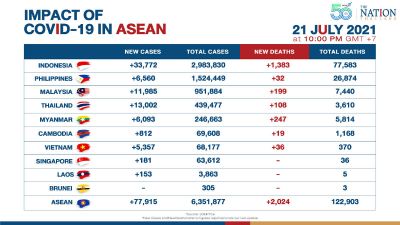
The number of Covid-19 cases in Southeast Asia crossed 6.35 million, with 77,915 new cases reported on Wednesday – lower than Tuesday’s tally of 78,379. There were 2,024 more deaths, increasing from Tuesday’s 1,818 and taking total Covid-19 deaths in Asean to 122,903 so far.
Indonesia reported 33,772 new infections and 1,383 deaths on Wednesday, bringing cumulative cases in that country to 2,983,830 and 77,583 deaths.
The president extended the lockdown on Java and Bali that has been in place since July 3 for at least five days or until July 25. He also promised that disease control measures would be gradually relaxed if the daily infections come down to a “stable” level.
Myanmar meanwhile reported 6,093 new cases and 247 deaths on Wednesday, bringing cumulative cases in the neighbouring country to 246,663 patients and 5,814 deaths.
Spreading infections at the community level is worsening due to poor public health services, a lack of quarantine facilities and a low vaccination rate.
Netizens in that country are sharing photos of people putting up a yellow flag in front of their homes to signify they have Covid-19 patients and require medical assistance as well as other necessities including food and water.
Pfizer partners with Biovac to boost Africas vaccine supply
Pfizer Inc. said it reached an agreement to start production of its Covid-19 vaccine at a facility in Cape Town in an effort to deliver more than 100 million doses annually to African nations.
Pfizer and its German vaccine partner, BioNTech, said Wednesday they signed a letter of intent with Biovac Institute, a company partially owned by the South African government, to manufacture the shots. The companies expect to bring Biovac’s Cape Town-based facility into the fold of their broader coronavirus vaccine supply chain by the end of 2021, and to begin producing finished doses in 2022.
At full capacity, Biovac is expected to produce more than 100 million doses per year, all of which would be distributed to the more than 50 member states of the African Union. The financial terms of the agreement, announced ahead of a World Trade Organization summit, weren’t disclosed.
With the addition of Biovac’s site, which will focus on filling the vaccine’s active ingredient into sterile vials, Pfizer and BioNTech’s Covid-19 vaccine supply chain now spans 20 facilities across three continents. To date, the companies have shipped more than 1 billion doses of the two-dose regimen to more than 100 countries or territories, including South Africa. Pfizer and BioNTech aim to deliver a total of 3 billion doses in 2021, and 4 billion doses in 2022.
Still, the global coronavirus immunization campaign has been plagued by unequal access to vaccines, spanning from the Pfizer-BioNTech shot to those made by Moderna, AstraZeneca, Johnson & Johnson and others from China and Russia.
ADVERTISEMENTx
Africa remains the world’s least-vaccinated continent, and many of its nations are battling a third wave of infections with little access to shots. Before March, few African nations had received a single shipment. Even in South Africa, where Biovac is based, only 5.4% of the population has yet been fully vaccinated, according to Bloomberg’s Vaccine Tracker.
“This collaboration is another example of our commitment, from day one, to provide fair and equitable access to the Pfizer BioNTech Covid-19 vaccine to everyone, everywhere,” Pfizer Chief Executive Officer Albert Bourla said in remarks prepared for the WTO meeting. “This commitment has been our North Star, and this agreement is just one example of the tireless work being done to expand access, in this instance to benefit Africa.”
Ngozi Okonjo-Iweala, a Nigerian-American economist and the director-general of the WTO, has repeatedly sounded the alarm on the concentration of coronavirus vaccine manufacturing facilities in North America, Europe and Southeast Asia. She’s said supply gaps can be alleviated by bolstering more regional production centers.
To bridge the gap, the World Health Organization announced in late June it would establish a messenger RNA technology transfer hub in Cape Town with Afrigen Biologics & Vaccines Ltd. and Biovac. The WHO said at the time that it was in talks with potential partners that developed mRNA-based shots to work with the companies to produce them. Afrigen is also partially state-owned.
Pfizer and Biovac were a natural fit, as the companies have partnered in the past. Since 2015, New York-based Pfizer has worked with Biovac to make its blockbuster Prevnar 13 vaccine, a shot given to children to protect against 13 types of pneumococcal bacteria that most commonly cause serious infections. Biovac has formulated, packaged and distributed it.
Now, Pfizer and BioNTech will help get the South African biopharmaceutical company ready to make their Covid-19 vaccine. The technical transfer, on-site development and equipment installation will begin immediately, they said in a statement.
Biovac won’t produce the vaccine’s main ingredient but instead will acquire it from facilities in Europe. It will begin placing the vaccine in sterile vials in 2022.
“To Dr. Ngozi and others who have expressed concern that Africa is being left behind in part due to lack of vaccine manufacturing, I want to say that we hear you,” Bourla said in his prepared remarks, noting that Pfizer will pursue additional partnerships to build out its supply chain. The CEO added that the WTO can support the company’s efforts to expand global manufacturing by maintaining open trade and preserving intellectual property rules.
Published : July 22, 2021
By : Syndication Washington Post, Bloomberg · Riley Griffin
Delta variant drives surge in coronavirus cases worldwide, WHO warns
The global number of new coronavirus cases grew by at least 12 percent over the past week with almost all regions reporting a rise in infections, according to the the World Health Organization.
Nearly half a million new cases were reported each day in the seven days ending July 18, the agency said said late Tuesday in a weekly epidemiological update, warning against the relaxation of public health restrictions while vaccination coverage lags.
The agency blamed the global surge in part on the meteoric rise of the more transmissible delta variant, which has now spread to 124 countries and is on track to become the dominant coronavirus strain worldwide.
He also urged the officials, at a meeting of the International Olympic Committee, to make sure that any virus cases linked to the Games “are identified, isolated, traced and cared for as quickly as possible.”
Some global and Japanese health experts have cautioned that the Games could become a “super-spreader” event. Tokyo on Wednesday reported its highest number of daily new cases since mid-January, the Kyodo news agency reported.
“The pandemic is a test. And the world is failing,” Tedros said in his address.
“The global failure to share vaccines, tests and treatments. . . is fueling a two-track pandemic,” he said. “The more transmission, the more variants will emerge with the potential to be even more dangerous than the delta variant that is causing such devastation now.”
ADVERTISEMENTx
The WHO said in its weekly update that in many countries, the delta variant now accounts for more than 75 percent of sequenced virus samples, citing data from the open-access GISAID database headquartered in Germany. Those countries include Australia, Britain, China, Denmark, Israel, Russia and South Africa.
Also, top U.S. infectious disease expert Anthony S. Fauci said Tuesday that the delta variant is now the cause of more than 80 percent of new infections in the United States.
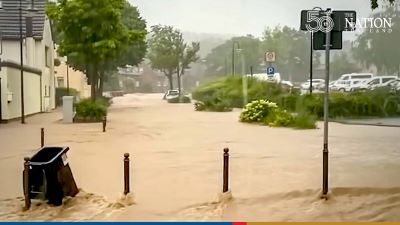
BONN, Germany – The German government approved $470 million in immediate aid for flood victims on Wednesday as it assessed the mammoth task of rebuilding infrastructure torn apart by floodwaters last week.
The initial assistance to help people rebuild their homes and businesses after the flooding that killed at least 171 people in Germany will be expanded as needed, Finance Minister Olaf Scholz said. At least 200 people died across Europe, with neighboring Belgium also hit by the surging waters.
“If it becomes the case that more is needed, then we will make more funds available,” he said, adding that efforts would be made so the funding, the cost of which will be split between Berlin and the federal states, reaches people as quickly as possible.
For longer-term reconstruction efforts of roads, railways, hospitals, water and electricity networks the government is still working out how high the bill will run. The Ministry of Transport and Digital Infrastructure has estimated the damage to the rail networks alone to be $1.6 billion.
A week after the worst flooding in living memory ripped through parts of western Germany, entire villages are still without power or the most basic of services. Highways are ripped to pieces, railway bridges lie twisted across rivers clogged with mounds of detritus including cars and caravans. Sewage, water and telecommunications networks have been obliterated.
Touring the town of Bad Münstereifel on Tuesday, one of the worst hit areas in the western state of North Rhine-Westphalia, German Chancellor Angela Merkel said that the scale of the damage was “terrifying.”
“We have seen people who have lost everything,” she said. “We will work together to do everything we can to ensure that funds quickly reach those who have been left with nothing but the clothes on their backs. They are counting on our support.”
ADVERTISEMENTx
The reconstruction effort comes as Germany approaches elections in September, with some victims expressing hope that this will speed up the aid in the country’s notoriously bureaucratic system.
Merkel even assured people that the aid would be administered “unbureaucratically.”
The longer term reconstruction efforts will be funded by the government in Berlin and state funds, Merkel said. Germany is also considering applying for E.U. assistance, Scholz said.
The bill from extreme flooding in 2013 that largely hit eastern and southern states stretched to more than $7 billion, Scholz said. “It will still be more. That’s how long it drags on,” he said.
Thousands of homes remain without power, and electricity supplier Westnetz, has said that some areas are still cordoned off and inaccessible to their engineers. Substations and supply lines need to be completely rebuilt.
Trucks have distributed plastic containers of water to some areas where water pipes have been washed away.
“We don’t know at this point what the actual damage will ultimately look like,” said Hartmut Hoevel, a hydraulic engineer with Erft Water Authority, which monitors water and rainfall levels in the region along the Erft river, a tributary of the Rhine.
Published : July 22, 2021
By : The Washington Post · Loveday Morris, Austin Davis
Biden splits from Trudeau, extending travel curbs at U.S.-Canada land border
TORONTO – The United States on Wednesday renewed its pandemic curbs on nonessential travel at the U.S.-Canada land border for at least a month, marking a split with its northern neighbor and close ally on the restrictions, and fueling rancor on both sides of the frontier.
The Department of Homeland Security said in a tweet that the extension of the measures, which also apply at the U.S.-Mexico land border – set to expire Aug. 21 – was motivated in part by a desire to decrease the spread of the highly transmissible delta coronavirus variant.
“DHS is in constant contact with Canadian and Mexican counterparts to identify the conditions under which restrictions may be eased safely and sustainably,” the agency said.
The announcement comes several days after Canada said it would begin to open up its borders to some foreigners for discretionary travel, beginning with fully vaccinated U.S. citizens and permanent residents living in the United States on Aug. 9; and fully vaccinated people from elsewhere on Sept. 7.
Canada and the United States agreed to impose the curbs on nonessential travel at their 5,500-mile land border at the pandemic’s onset in March 2020, renewing them in one-month increments since.
The measures have had limited effects on trade and the movement of some cross-border workers, but they have kept families apart, battered the tourism industry and altered life in close-knit border communities in ways big and small – and that some analysts fear could be more permanent.
Canadian officials have often pointed to their work with U.S. counterparts on the restrictions as evidence of robust cooperation between the traditionally close allies, even as those bonds were tested when Donald Trump was president.
There has always been some asymmetry to the border measures. Canadians have been able to fly to the United States for nonessential purposes, while Canada has kept its air, land and marine borders shut to tourists.
ADVERTISEMENTx
In recent months, lawmakers, business groups, cross-border mayors and some travelers have prevailed upon Canadian Prime Minister Justin Trudeau to ease the restrictions, arguing that he was taking a far-too-cautious approach. Some had called on President Biden to act unilaterally and lift the measures.
Now, it’s Canada that is going one way, acting unilaterally to roll back some of the curbs, while the United States is keeping them in place.
The Biden administration’s move drew criticism from several U.S. lawmakers who represent border communities.
Rep. Brian Higgins, D-N.Y., a co-chair of the congressional Northern Border Caucus, said he was “infuriated” by the administration’s decision, which he described as “illogical given the success of vaccines and counterproductive.”
Rep. Suzan DelBene, D-Wash., said the extension of the measures was “shortsighted” and left her “deeply disappointed.”
“Right now, Canadians can fly from Vancouver to Seattle but residents in the border town of White Rock cannot drive the short distance south across the border to Blaine,” she said. “Instead of helping them build back better, we’re putting our border communities at a significant disadvantage.”
On the opposite side of the border, the Canadian Chamber of Commerce expressed exasperation. Perrin Beatty, the group’s chief executive, said Canada’s higher vaccination rates and lower infection rates make it hard to argue that fully vaccinated Canadians pose a public health threat to the United States.
Seventy percent of people in Canada have received at least one dose of a coronavirus vaccine and 52% are fully vaccinated, compared with 56% and 48% in the United States, respectively, according to Oxford University’s Our World in Data.
Beatty also pointed to a road map for a renewed U.S.-Canada relationship from February that said Trudeau and Biden “agreed to take a coordinated approach” when considering whether to ease border restrictions going forward.
“Less than five months later, Washington appears to have lost its copy,” he said.
Protests over water shortages in Iran turn deadly in a summer of drought and rolling blackouts
ISTANBUL – Residents in southwestern Iran have held large protests for nearly a week, denouncing the countrys leadership amid severe water shortages in the region, according to activists and video footage. At least two people have been killed in the unrest.
The protests, in oil-rich Khuzestan province along the border with Iraq, appear to have rattled the government, which has been accused of responding with a heavy hand as it looks to prevent the demonstrations from spreading to other parts of the country.
Videos shared on social media show hundreds of people marching in Ahvaz, the provincial capital, and other cities. The videos could not be independently verified. They show riot police using tear gas to break up demonstrations, and in at least one video there are sounds of gunfire and a witness saying that security forces were firing on protesters.
The unrest comes during a delicate political transition in Iran and at a moment when the government is wrestling with overlapping crises: an unrelenting coronavirus outbreak, economic woes compounded by U.S. sanctions and widespread power outages that have set off other protests. In recent weeks, there have also been waves of labor unrest, including strikes by oil workers.
The challenges will test Iran’s incoming president, Ebrahim Raisi, who will assume office next month. Raisi was the winner of an election marked by voter apathy and allegations that the ruling clergy stacked the contest in favor of the hard-line cleric and former judiciary head.
Authorities have blamed the outages on soaring temperatures, unusually high consumer consumption of water and electricity, and Iran’s worst drought in decades, which the government says has halted hydroelectric power generation. Rolling blackouts, frequent in the summer, have also hit the capital, Tehran.
Outgoing president Hassan Rouhani issued a rare apology this month for the outages. Officials have said they are providing emergency aid to Khuzestan, including water tankers.
ADVERTISEMENTx
Earlier this week, Rouhani said Iran was facing its worst drought in 50 years, an “unprecedented” event due to a 52 percent decline in rainfall this year, the state-run Islamic Republic News Agency reported.
About 90 percent of Iran’s overall water resources go toward the agriculture sector, which is beset by draining groundwater after the depletion of surface-level sources. Adding to the pressures, regional increases in temperatures attributed to global warming have led to more-extreme droughts, dust storms and other climate-related crises.
The water shortages have been especially severe in southwestern Iran, an agricultural area where more than 80 percent of the country’s oil reserves are held but where poverty is widespread and long-standing complaints of discrimination and official neglect have sparked frequents bouts of unrest. Most of Iran’s ethnic Arab minority lives in the region. Major protests took place in Khuzestan during weeks of anti-government unrest in November 2019 that security forces violently suppressed.
The water shortages, blamed on climate change, dam-building that has dried out rivers and government mismanagement, have worsened in recent years. Protests over shortages in Khuzestan also broke out in 2017 and 2018.
Some Iranian environmental scientists have criticized officials’ emphasis on climate change, saying it is a way for the country’s leadership to deflect responsibility.
“If you are a policymaker in the developing world, or like in the Middle East, it is best to blame everything on climate change because then you can say: ‘This was caused by climate change. I had no role in it. I could not have done anything to help it,’ ” Kaveh Madani, an environmental scientist and former deputy head of Iran’s Department of Environment who lives in exile, said in a lecture at Utah State University in 2019.
Madani cited Iran’s population growth, inefficient agriculture and government mismanagement, alongside such trends as global climate change, as major drivers of the water shortages.
“Climate change is definitely a catalyst,” he said. “Extreme events would be catalysts. We also have this situation of political instability, sanctions and all these things. They definitely contribute to the problem.”
“The damage is already irreversible,” he added, accusing Iranian policymakers of trying to mitigate the issue rather than initiating adaptive measures.
The most recent wave of demonstrations began July 15 and spread to other parts of Khuzestan, according to the Human Rights Activists News Agency, or HRANA, which tracks the protests. Another group, the Center for Human Rights in Iran, said that at least three protesters had been killed, in circumstances that remained unclear.
The government has acknowledged two deaths, saying a “passerby” and a police officer were killed by “rioters,” according to state media outlets. There were reports that authorities had blocked internet access through cellphone networks in some parts of Khuzestan, including Ahvaz, possibly to prevent the organizing of protests and dissemination of videos showing the unrest, according to HRANA. But word had already spread.
In Tehran on Tuesday, a small group of activists and mothers of people killed in previous protests held a gathering in solidarity with the Khuzestan demonstrators in front of the Interior Ministry, according to videos posted by the activists. Several were arrested and later released, including leading human rights advocate Narges Mohammadi.
Two former presidents – reformist Mohammad Khatami and hard-liner Mahmoud Ahmadinejad – have criticized the state’s heavy-handed response to the protests.
“No political, security, military or law enforcement organization has the right to confront the people’s protests with violence, weapons or bullets with the excuse of countering chaos,” Khatami said on Twitter.
Published : July 22, 2021
By : The Washington Post · Kareem Fahim, Miriam Berger
World Insights: Challenges remain despite Europe meeting 70 pct vaccine delivery goal
Despite the European Union said over a week ago that it had hit the target of delivering enough COVID-19 vaccines to cover 70 percent of the blocs adult population, there are concerns that what has been achieved so far will not be enough.
aps in vaccine coverage remain across the European continent although the European Union (EU) said over a week ago that it had hit the target of delivering enough COVID-19 vaccines to cover 70 percent of the bloc’s adult population.
Meanwhile, the Delta variant is rapidly becoming the predominant strain as it is up to 60 percent more transmissible than the Alpha variant first discovered in Britain last September, according to the European Center for Disease Prevention and Control (ECDC).
According to data released by the EU health watchdog on Friday, the number of reported infections has increased by 64 percent over the previous seven-day period — a trend seen in 20 countries.
According to the ECDC data released on Monday, the number of new cases of the Saturday-Sunday period increased to more than 23,000 in France, compared with fewer than 9,000 over the same period a week earlier, corresponding to a 162-percent increase. Meanwhile, the number of new cases increased by 124 percent in Italy, 72 percent in Germany and 337 percent in Austria.
ADVERTISEMENTx
DELIVERY GOAL REACHED
EU Commission President Ursula von der Leyen tweeted “Target achieved!” on July 10, by which the bloc had reached its goal of delivering enough coronavirus vaccines to fully vaccinate at least 70 percent of its adult population.
While more than 242 million EU adults had received their first dose and nearly 182 million were fully vaccinated by Sunday, the population in some countries on the eastern fringe of Europe had been less eager to roll up their sleeves for a jab.
Less than 18 percent of all adults in Bulgaria had received their first dose, while 16.1 percent were fully vaccinated, said the ECDC, even though the EU had distributed more than 82 doses per 100 inhabitants to the country.
In Romania, nearly 31 percent of the population had received the first dose and 30 percent were fully vaccinated. Despite brighter situations reported in Latvia, Slovakia, Croatia, and Slovenia, vaccination rates were still far behind the 70-percent target.
ADVERTISEMENT
“Circulation among a large unvaccinated population can lead to a high number of cases, and the more cases there are, the more opportunities the virus has to mutate,” Hans Henri P. Kluge, WHO’s regional director for Europe, told Xinhua.
Meanwhile, more than 80 percent of adults in Denmark, the Netherlands, Belgium, and Malta had received their first dose, and more than half of the target population were fully vaccinated.
Besides the EU, the ECDC also lists vaccine uptake in the European Economic Area — Norway, Iceland, and Liechtenstein, where 70 percent of the population having received at least the first dose.
Iceland has administered the first dose to 90 percent of all adults and nearly as many have been fully vaccinated. The country, with a population of only around 360,000, was also quick to vaccinate those aged 80 and above, reaching 98 percent already by the end of March.
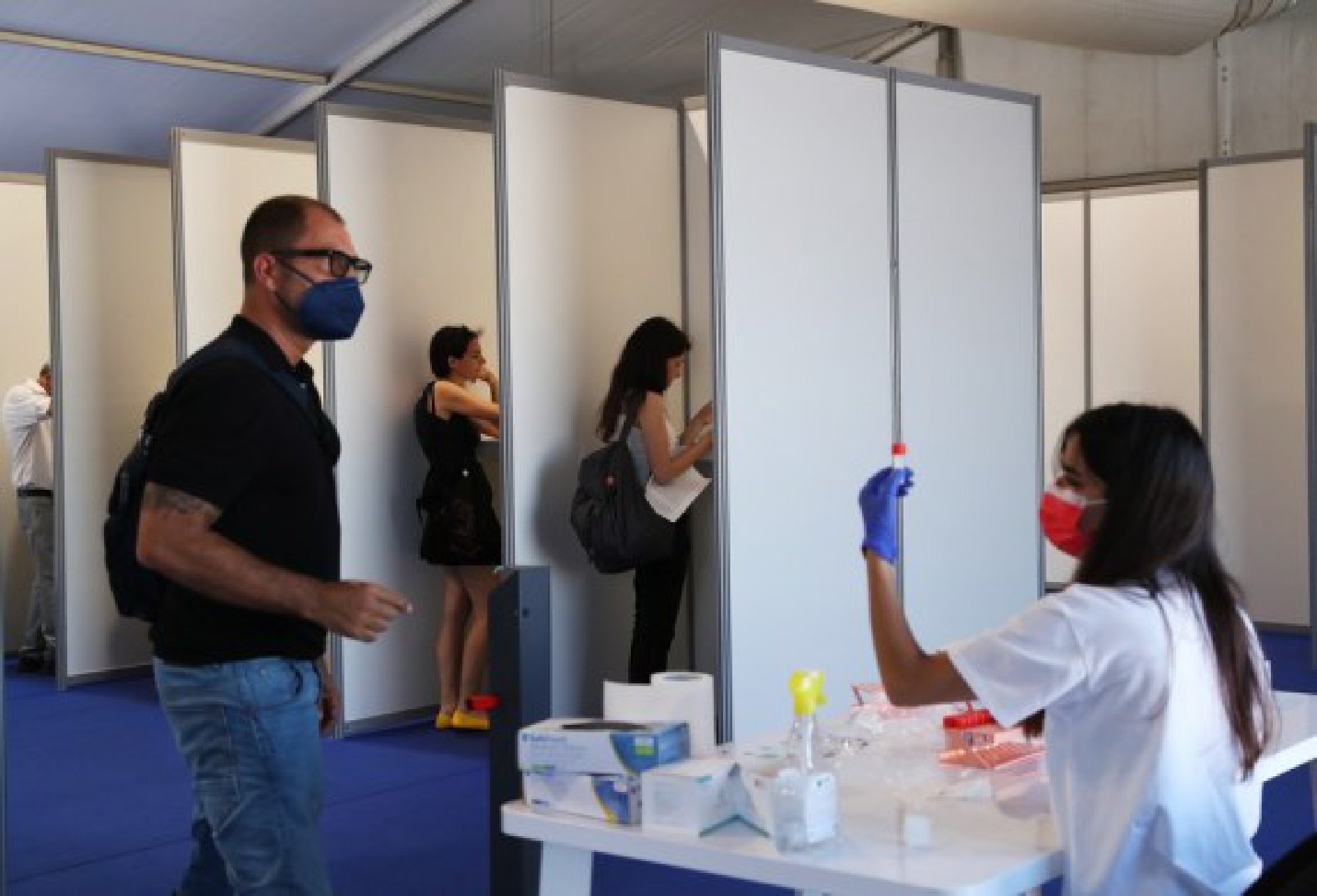
A medical staff member collects saliva samples for COVID-19 test at a tent ahead of the film festival in Cannes, southern France
ADVERTISEMENT
Photo taken on July 19, 2021 shows the exterior view of the Humboldt Forum museum in Berlin, Germany
DELTA WARNING
Despite von der Leyen’s tweet, there are concerns that what has been achieved so far will not be enough. In June, the ECDC warned that the number of COVID-19 patients in hospitals and the number of fatalities may within months reach levels similar to those in last autumn amid the rapid spreading of the Delta variant across Europe.
According to data released by the ECDC on Friday, there had been a 64-percent increase of weekly COVID-19 cases over the previous seven days.
An increasing trend was observed in 20 of the 30 countries in the EU/EEA area with the steepest weekly increases observed in Malta, the Netherlands, Slovakia, Lithuania, Greece, and France. In the most affected countries, the steepest increases were reported among 15 to 24-year-olds. “The current continuing deterioration of the epidemiological situation in many countries is expected to continue given the rapid increase in the Delta variant,” the ECDC said in a press release.
Concerned by the rapid spread of the Delta variant, the ECDC warned in June that intensive care units could be running at full capacity again before the end of summer unless the pace of vaccinations sped up.
“It is very important to progress with the vaccine roll-out at a very high pace,” the ECDC’s Director Andrea Ammon said in June.
“At this stage it becomes crucial that the second vaccination dose is administered within the minimum authorized interval from the first dose, to speed up the rate at which vulnerable individuals become protected. I am aware that it requires a significant effort from public health authorities and society at large to achieve this goal. But now is the time to walk the extra mile. We have several safe and effective vaccines available and every single infection prevented now through our compliance with public health measures, is a life that can be saved by vaccination,” she said.
However, recent data from other parts of the world suggests that the efficacy of vaccines may not be as high against the Delta variant as it was against previous strains.
An Israeli study released earlier this month suggested that the Pfizer-BioNTech vaccine may be considerably less effective (64 percent protective) against the Delta variant compared to other strains, for example the less transmissible Alpha variant (more than 95 percent protective).
The majority of the doses used in the EU, up to date 335 million, were produced by Pfizer-BioNTech, while 88 million doses were from AstraZeneca, according to rollout data from the ECDC.
The European Medicines Agency (EMA) lists another two vaccines as authorized for use in the EU, namely those made by Moderna and Johnson & Johnson. Another four vaccines, including one manufactured by China’s Sinovac, are under rolling review by the EMA.
CHALLENGES AHEAD
Besides improved vaccine uptake and adherence to non-pharmaceutical measures such as social distancing and face masks, the ECDC said that the second dose must be administered as soon as possible, as evidence shows that a single dose is not sufficient to protect against the Delta variant.
Several European countries have therefore started to use different vaccines for the second dose from the ones used for the first dose.
“Currently, EMA and ECDC are not in a position to make any definitive recommendations on use of different COVID-19 vaccines for the two doses. Nonetheless, preliminary results from studies in Spain, Germany and the UK suggest a satisfactory immune response and no safety concerns,” the ECDC said in a press release on July 14.
While the Delta variant is rapidly becoming the predominant strain in Europe, there are also several other strains that are at play. After all, the so-called Alpha variant quickly became the predominant strain only to be overtaken by Delta variant months later.
The Lambda variant, first discovered in Peru, was upgraded by the WHO on June 14 as a Variant of Interest under its close monitor. The strain, which has so far been identified in over 29 countries, has become the predominant strain in Peru, where 81 percent of COVID-19 cases since April 2021 were associated with this variant, said authorities.
“We need to stop all variants, not just the Delta variant. A key part of WHO’s strategy is the suppression of transmission and the way to stop the spread of variants is to reduce the amount of transmission to such a low level that it can be managed by the surveillance that is in place,” Kluge told Xinhua.
“That is within our reach with the vaccines we have at our disposal, if they are used appropriately,” Kluge said, adding this could, however, not be achieved by vaccines alone.
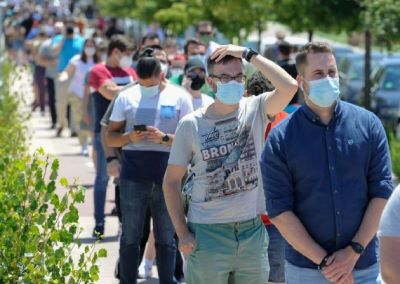
People walk on a business street in Brussels, Belgium, July 19, 2021. Belgium has witnessed a rise in COVID-19 cases recently.
U.S., Germany make progress on Nord Stream 2 issue
“The Germans have put forward useful proposals and we have been able to make progress on steps to achieve that shared goal … to ensure that Russia cannot weaponize energy flows,” a State Department spokesperson said.
The U.S. State Department said on Tuesday that Washington and Berlin had made progress on the contentious issue of the Nord Stream 2 gas pipeline project.
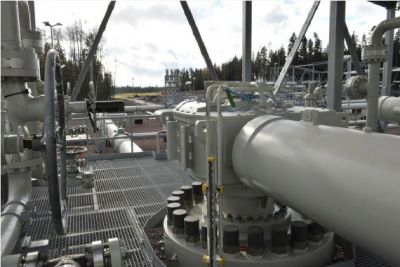
The 1,230-km gas pipeline, expected to be completed next month, would bring natural gas from Russia to Germany through the Baltic Sea.
“The Germans have put forward useful proposals and we have been able to make progress on steps to achieve that shared goal … to ensure that Russia cannot weaponize energy flows,” State Department spokesperson Ned Price told reporters during a daily briefing.
“We don’t have any final details to announce yet, but I expect we will be able in a position to say more soon,” he added.
ADVERTISEMENTx
State Department counselor Derek Chollet is on his trip to Ukraine and Poland this week. Price said Chollet will discuss the Nord Stream 2 and energy security with the two eastern European nations, both against the pipeline project.
The United States has long claimed that the project was a geopolitical maneuver by Russia that will undermine Ukraine’s role in transiting energy to Europe. Germany and Russia pointed out that the project is purely commercial.
During his meeting with German Chancellor Angela Merkel last week, President Joe Biden reiterated his concerns over the Nord Stream 2 project, warning “Russia must not be allowed to use energy as a weapon to coerce or threaten its neighbors.”
Citing the importance of relations with Germany and the difficulty to stop the nearly completed pipeline, the Biden administration in May waived sanctions against a company behind the pipeline project and its German CEO, which led to opposition from bipartisan lawmakers.
The new jet boasts low visibility, high flight performance, and artificial intelligence assistance for the pilot.
Russia displayed a prototype of its fifth-generation lightweight single-engine fighter jet “Checkmate” at the International Aviation and Space Salon (MAKS)-2021 that kicked off in a Moscow suburb on Tuesday.
The “completely new” aircraft boasts low visibility, high flight performance, and artificial intelligence assistance for the pilot, said Russia’s high-tech conglomerate the Rostec State Corporation, which is developing the plane.
ADVERTISEMENTx
The Checkmate will use the same engine and avionics as Russia’s fifth-generation heavyweight twin-engine fighter Su-57, which ensures the speedy development of the new jet, Rostec CEO Sergei Chemezov said.
A Checkmate will cost 25-30 million U.S. dollars, making it relatively affordable on the international weaponry market, he added.
It will take five and a half years before the first delivery of the fighters to customers, according to local media reports.
Russian President Vladimir Putin visited the prototype of the Checkmate at the MAKS aerospace show on Tuesday.




 A medical staff member collects saliva samples for COVID-19 test at a tent ahead of the film festival in Cannes, southern France
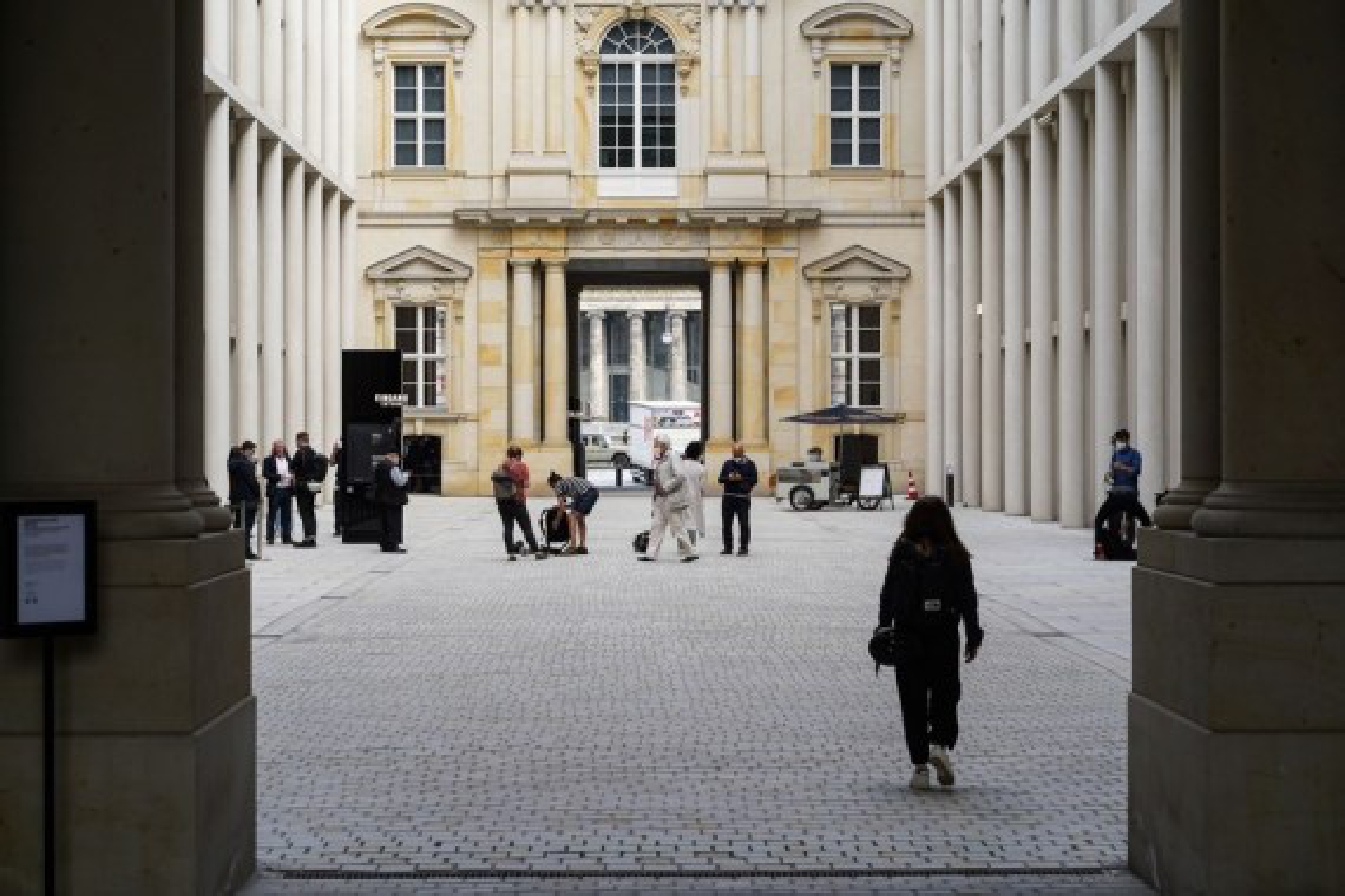 Photo taken on July 19, 2021 shows the exterior view of the Humboldt Forum museum in Berlin, Germany
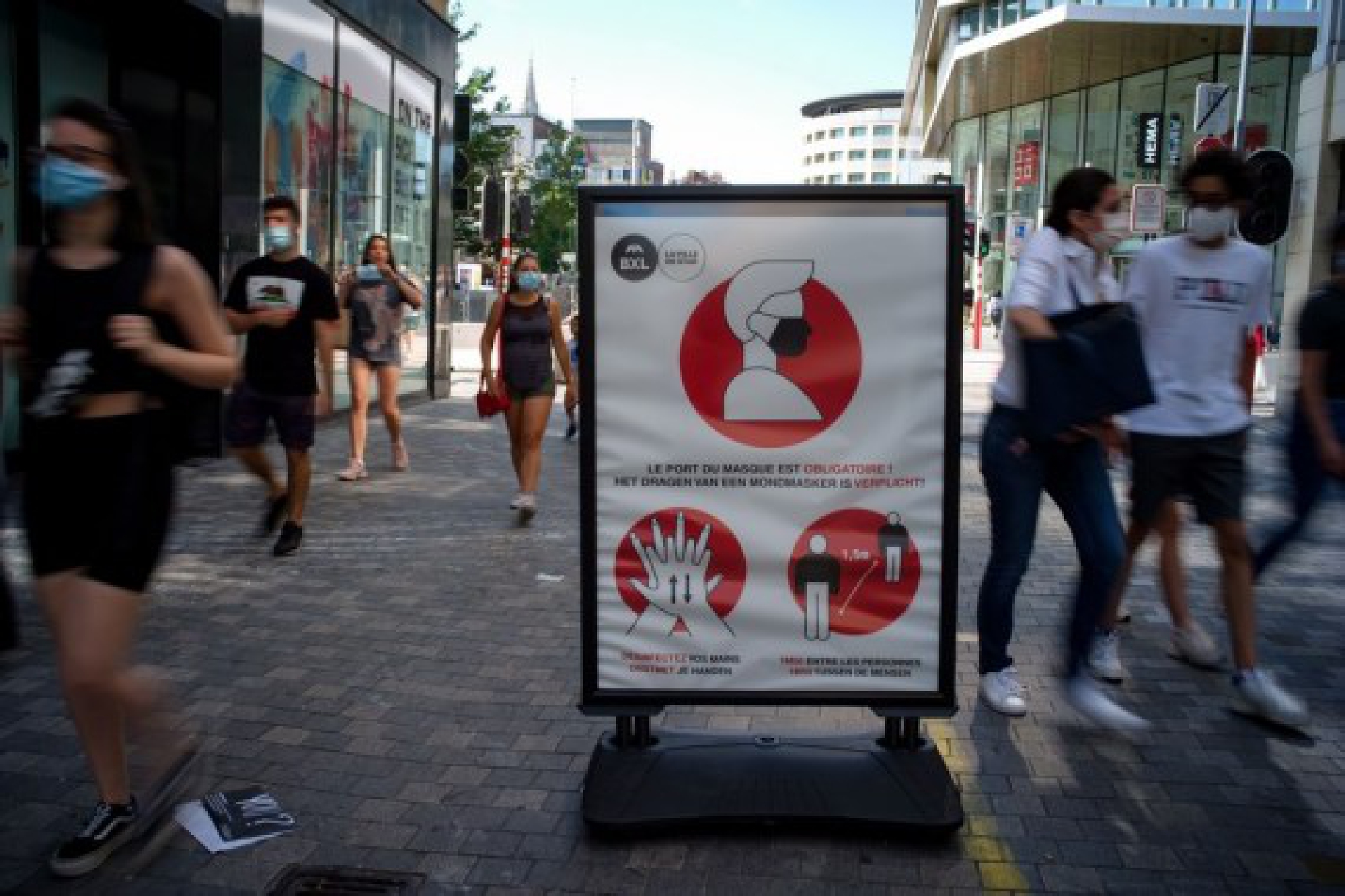 People walk on a business street in Brussels, Belgium, July 19, 2021. Belgium has witnessed a rise in COVID-19 cases recently.