Minneapolis activists fuel up and prepare for long fight for racial equality #SootinClaimon.Com

#SootinClaimon.Com : ขอบคุณแหล่งข้อมูล : หนังสือพิมพ์ The Nation.

https://www.nationthailand.com/international/40000209

Minneapolis activists fuel up and prepare for long fight for racial equality


MINNEAPOLIS – When protests broke out here last summer after George Floyds killing, Pimento Jamaican Kitchen was one of the few restaurants on its block that remained open. It became a community hub, feeding the hungry, distributing necessities such as diapers and serving as a gathering spot for activists.

Minneapolis activists fuel up and prepare for long fight for racial equality

So it was only natural that people flooded the popular restaurant when former Minneapolis police officer Derek Chauvin was found guilty of murdering Floyd. Yes, they gathered to cheer Chauvin’s conviction on murder and manslaughter charges, but they also knew it was but a brief respite before they would again be raising their voices in protest over the killing of another Black American at the hands of police.

“Everybody took a collective breath last night,” Pimento owner Tomme Beevas, 41, said the day after the Chauvin verdict. “It was just one battle in a larger war.”

The next day many of those people gathered to mourn at the funeral of Daunte Wright, a 20-year-old Black man who was killed April 11 by a suburban Minneapolis police officer during a traffic stop. As the Chauvin verdict was being read, Columbus, Ohio, police were at the scene of a fatal police shooting of 16-year-old Ma’Khia Bryant. Another Black man, Andrew Brown Jr., was fatally shot by a sheriff’s deputy in Elizabeth City, N.C., last week as police were attempting to arrest him.

While the Chauvin trial verdict is viewed as a victory by activists, many in Minneapolis are emphasizing that the conviction of one White officer – however rare – does not mean the fight is over, nor does it erase what they see as systemic racism in policing or other areas of American life. Police have fatally shot at least 275 people this year, including 57 Black people, according to data collected by The Washington Post. At least two Black people have been killed by police since Chauvin’s conviction.

Justice for Floyd is not final, either. Three other former Minneapolis officers who were at the scene that night – Alexander Kueng, Thomas Lane and Tou Thao – are awaiting trial on charges of aiding and abetting murder and manslaughter in Floyd’s killing. Prosecutors also are expected to try to reinstate third-degree-murder charges against each before their trial in August.

Although the Justice Department on Wednesday announced an investigation of the Minneapolis police department, a Post review in 2015 of such probes determined that they have mixed results.

It’s amid that backdrop that many activists said the battle for racial equality and justice has a long way to go. A report from the Pew Research Center in October found that 65% of Black people who believe they do not yet have equal rights say it’s not too likely or not at all likely that the United States will ever achieve racial equality. White people are much less skeptical, with the majority predicting that the country will reach that goal.

Black Minnesotans in particular have seen Floyd’s story repeated too many times to think the conviction of one police officer signals lasting change.

“We thought Jamar Clark was a bookend. We thought Philando Castile was a bookend,” said Dara Beevas, Tomme Beevas’s wife. “George Floyd wasn’t even a bookend.”

She was referring to a 2015 case in which a Minneapolis police officer fatally shot Clark, 24, in the head after he allegedly struggled with officers who were responding to an assault call. Castile, 32, was fatally shot by police the following year during a traffic stop by an officer who thought he matched the description of a robbery suspect. The officer, who said he thought Castile was reaching for a gun, was acquitted of all charges.

– – –

Protesters have been marching on behalf of Wright since the night of his shooting, and continued to do so even on the evening of Chauvin’s conviction. While the number of protesters has waned recently, aggressive police tactics – including the use of chemical irritants and rubber bullets – injured dozens of protesters and journalists in the volatile early days of the demonstrations.

As demonstrations broke out in suburban Brooklyn Center, where Wright was killed, Tomme Beevas’s nonprofit, Pimento Relief Services – an outgrowth of his restaurant that began last summer – organized events to distribute food and facilitate activities aimed at helping people take care of themselves.

Beevas considers serving food, including the popular jerk chicken and coconut bread at his restaurant, to be a form of ministry. If people are hungry, he said, they will not have the energy to press forward in their fight.

That fight is made all the more important to Beevas, a Jamaica native, as he prepares for his soon-to-be-born son. He said he worries that his child will live with a target on his back.

“It’s still jarring that I can’t convince my wife that we can’t protect him, regardless of our degrees, our successes or our pedigree,” Beevas said. “We’re still raising a Black son in America.”

Activists said that type of fear takes a significant toll on their mental and physical health. The burden is heightened by the feeling that there are few opportunities to take meaningful breaks from their advocacy, they said.

Joi Lewis, chief executive of Joi Unlimited, a coaching and consulting firm, is among several people who offer healing activities – from meditation to dance – to the activists who pass through Pimento’s doors.

That healing is necessary, Lewis said, because traumas on the city’s Black community compound. For example, the Minnesota National Guard was called in as the city prepared for potential unrest following the Chauvin verdict, causing anxiety for residents as who passed armed troops and Humvees on their streets.

As residents and activists press for tougher charges against the former Brooklyn Center officer who shot Wright, Lewis said they wonder what new tragedy awaits them.

“While we are marching for liberation,” she said, “oppression is still happening at the exact same time.”

– – –

Origami birds with small inscriptions hang from the ceiling. Flowers, dried and preserved from last summer, lie in a glass casing. A 9-year-old’s drawing with the words “Take your knee off our neck” hangs on the wall.

The pain of Floyd’s death, encapsulated in mementos left last year by people from across the country, are on display inside the Chicago Avenue Fire Arts Center building at the intersection of 38th and Chicago, where Floyd was killed.

Mileesha Smith, 30, is often there. Although the room is full of reminders of the tragedy, she said she does not dwell on the past.

“When people are like, ‘What’s next?’ I’m like, ‘Let me know, so I can figure out what I’m going to do after that,’ ” Smith said.

Her days are filled with Black Lives Matter work, so much so that she has not furnished an apartment she moved into this month. When Wright was killed, Smith said, “it was like deja vu.”

“I was never so wrapped up with the [Chauvin] trial,” she said, because like others, she views the fight for equality as much bigger than that.

Smith described her life and those of other Black Americans as constantly being dragged down by forces of racism that pervade all areas of their lives, from education to housing and the criminal justice system, to the subtle and not-so-subtle attacks that come from individual interactions with people.

She and Monnica Williams, a therapist and expert on racial trauma, described the mere act of being Black women in America as like living in a war zone.

“You’re constantly on guard for bullets. You’re constantly looking for land mines so you don’t step on them, and at the same time, you can’t avoid them all and you’re constantly getting hit,” Williams said.

Before the Chauvin verdict arrived, the Rev. Jia Starr Brown said she was prepared for the heaviness of loss. An associate pastor at the First Covenant Church in Minneapolis, she has a long history of activism and plans to have a long future of it, too.

When the verdict came in, she issued a sigh of relief and opened her arms to what it gave her: “fuel for the journey,” she said, to continue her social justice mission.

“Go and celebrate and smile and give thanks to God for this verdict,” Brown said. “And then let’s get up in the morning, and let’s continue the work. There’s so much left to do.”

Published : April 26, 2021

By : The Washington Post · Marisa Iati, Silvia Foster-Frau, Kim Bellware
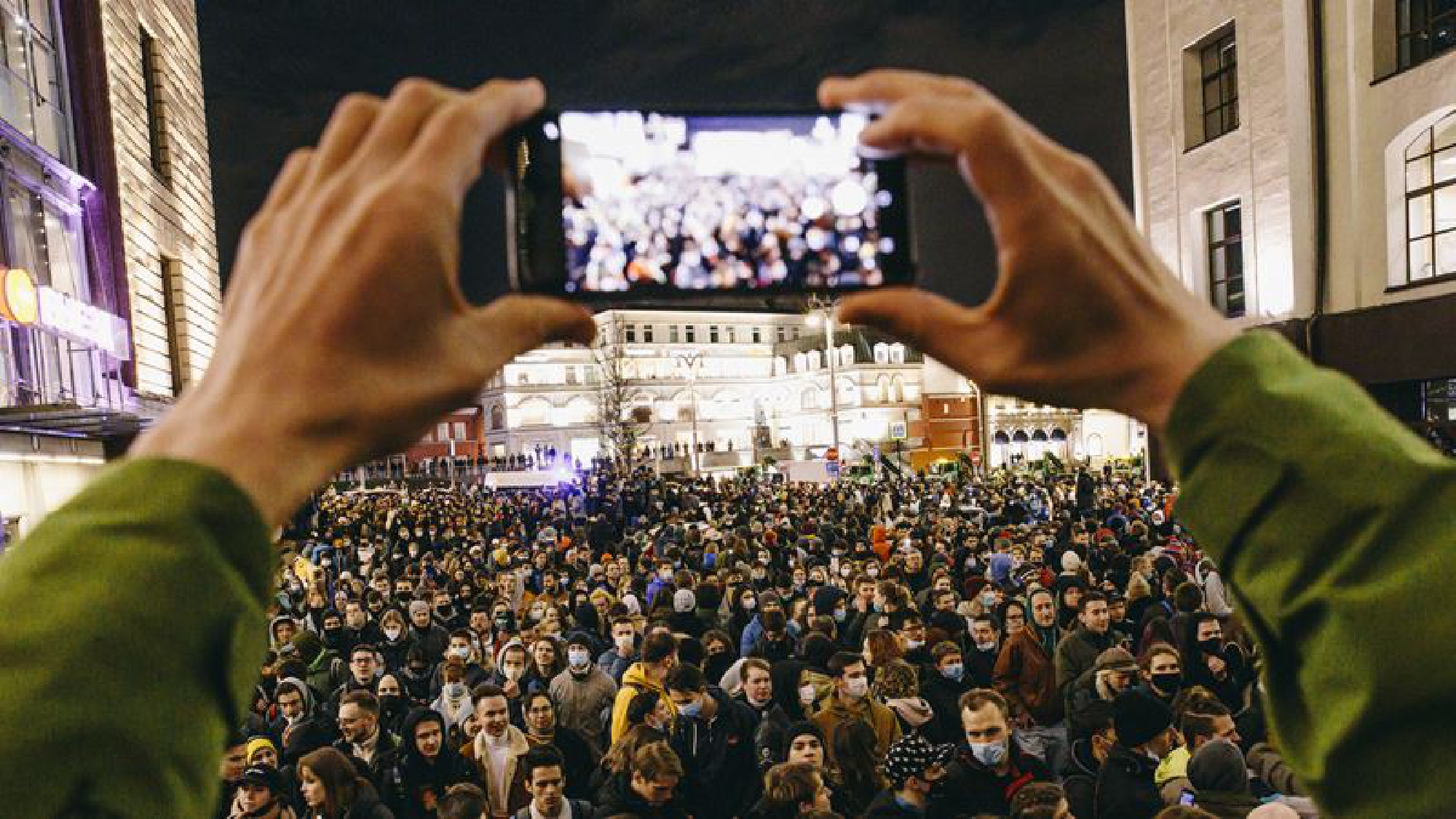
Russia may label Navalnys opposition networks as extremists groups. Even T-shirts could be outlawed. #SootinClaimon.Com

#SootinClaimon.Com : ขอบคุณแหล่งข้อมูล : หนังสือพิมพ์ The Nation.

https://www.nationthailand.com/international/40000190

Russia may label Navalnys opposition networks as extremists groups. Even T-shirts could be outlawed.


MOSCOW – A closed-door Moscow court hearing Monday is expected to officially ban the political and anti-corruption networks of jailed opposition leader Alexei Navalny, a ruling that would mark the most sweeping attempt to crush the Kremlins greatest political threat.

Russia may label Navalnys opposition networks as extremists groups. Even T-shirts could be outlawed.

The evidence to be used in the case is itself a state secret. Navalny’s attorney has been told he will get access to the file shortly beforehand, according to Navalny ally Ivan Zhdanov.

If the court sides with the prosecutor’s general request – declaring Navalny’s political group and his Anti-Corruption Foundation to be extremist organizations – it would put them alongside the Islamic State, al-Qaida and the Taliban in the eyes of Russian authorities.

The rights group Amnesty International said it would be “one of the most serious blows for the rights to freedom of expression and association in Russia’s post-Soviet history.”

Even selling refrigerator magnets or wearing T-shirts with Navalny’s slogan “Russia will be happy” could bring jail time. Navalny’s team members could face six years in jail if they continued to work.

Putin foe Navalny once described prison life with dark humor. Now his messages are just dark.

Donating to Navalny’s crowdfunded organizations would be akin to supporting terrorists, with penalties of up to 10 years in jail. Retweeting previous videos by Navalny’s group, exposing the corruption of Russian politicians and bureaucrats, could also mean prison.

Already, Russian authorities have barred Navalny and many of his allies from contesting elections and made it a crime to call unauthorized protests or repeatedly participate in them. Many have fled into exile to avoid jail.

The court ruling takes to another level President Vladimir Putin’s efforts to stamp out Navalny’s influence.

Navalny, poisoned by a chemical nerve agent in August and jailed in February, announced an end to a 24-day hunger strike Friday after medical warnings he was facing death. On Wednesday, thousands of protesters across Russia took to the streets to call for Navalny’s release.

Opposition activists draw parallels between Putin’s increasingly tight grip and Soviet-style rule dominated by security officials and preoccupied with staying in power, amid growing public dissatisfaction over declining real wages and rising food prices.

“It reminds me of Soviet trials when someone was declared a spy or foreign agent and then there would be a secret closed trial,” said Zhdanov, director of Navalny’s Anti-Corruption Foundation, who fled the country earlier this year. “Putin is trying to take Russia back into the Soviet past.”

Banning the organization as extremist “would open the gate to mass repressions. The authorities really want to destroy us because our activity is now making them vulnerable and they feel it,” he said.

Putin and his government see themselves as Russia’s true patriots and state media disparages Navalny a “Nazi” paid by foreign powers to ruin the country.

But the struggle underway in Russia is about two competing views of the country: one outward-facing and democratic, the other inward-looking, increasingly isolated and paranoid, forcing some young scientists, computer experts and engineers and others to immigrate to freer countries.

“It would not be safe for our staff and people who work for us to continue. Of course, we would have to reformat certain parts of our activity, but we are not going to stop,” said Zhdanov.

Russian flags are stacked in one corner in Navalny’s headquarters in Tomsk, the Siberian city where he was poisoned last August – an attack he blames on Russian agents acting on orders from Putin. The Kremlin denies any link.

Head of the regional headquarters Ksenia Fadeyeva, 29, is one of two Navalny Tomsk team members elected to the local council last year. On the wall in the office is a large map with all of the city’s electoral districts marked out in pen and numbered.

“I love my country, but I know something is wrong here,” she said. “I don’t want to just sit here and do nothing. I want to change things.”

Police have already raided many of Navalny’s regional offices in recent weeks and arrested dozens of staff.

“We all know what risks we are facing. They can bring in new criminal cases or absurd charges. They will do their best to ruin our lives. We understand what might happen, but we cannot think about that too much or we would go crazy,” she said.

Fadeyeva did not comment on what could happen if the organization is banned.

Tomsk colleague Andrei Fateyev was sentenced to 30 days in jail over Wednesday’s protest in Tomsk.

“It’s dangerous in Russia in general, whether you are a businessman or a politician or an activist,” said Fateyev in an interview earlier this month.

But he believes “Russia will change.”

“The goal of the regime is to hang onto power . . . But I don’t believe they have the ability to cement their power, as they are trying to do now,” he said.

Maria Alyokhina, a member of the political activist punk rock group Pussy Riot who was jailed for nearly two years over an anti-Putin protest in 2012 in Moscow’s Christ the Savior Cathedral, said the crackdowns on dissent and jailing activists are now “part of everyday reality” in Russia.

“It happened in small steps, closing everything down,” said Alyokhina, who is now under house arrest, is awaiting trial over her role in January protests in support of Navalny. “All these crazy laws on naming [nongovernment organizations] as foreign agents and people as foreign agents, and the huge fines and imprisonment,” she added.

Designating Navalny’s organizations as extremists “means that if you post a link to them, you can go to jail. What it means is that is that a big part of the country can be jailed. We are all illegal,” said Alyokhina, who spent 12 hours a day, six days a week in prison sewing police and army uniforms. “It’s Stalin’s principle.”

One 80-year-old Muscovite who joined a mass protest in support of Navalny on Wednesday feared Russia is heading into a form of authoritarian worse than that of the Soviet era.

After the Soviet Union collapsed, “we expected a brighter future. But we missed the moment when there was openness and this ability to speak up and express your opinion to do something,” said Galina, who spoke on the condition that her surname not be used out of fear of repercussions. “Now we have this new control where the secret services are repressing everyone.”

Published : April 25, 2021

By : The Washington Post · Robyn Dixon

Biden will close the first chapter of his presidency before a sparse crowd – and with a historic backdrop #SootinClaimon.Com

#SootinClaimon.Com : ขอบคุณแหล่งข้อมูล : หนังสือพิมพ์ The Nation.

https://www.nationthailand.com/international/40000189

Biden will close the first chapter of his presidency before a sparse crowd – and with a historic backdrop


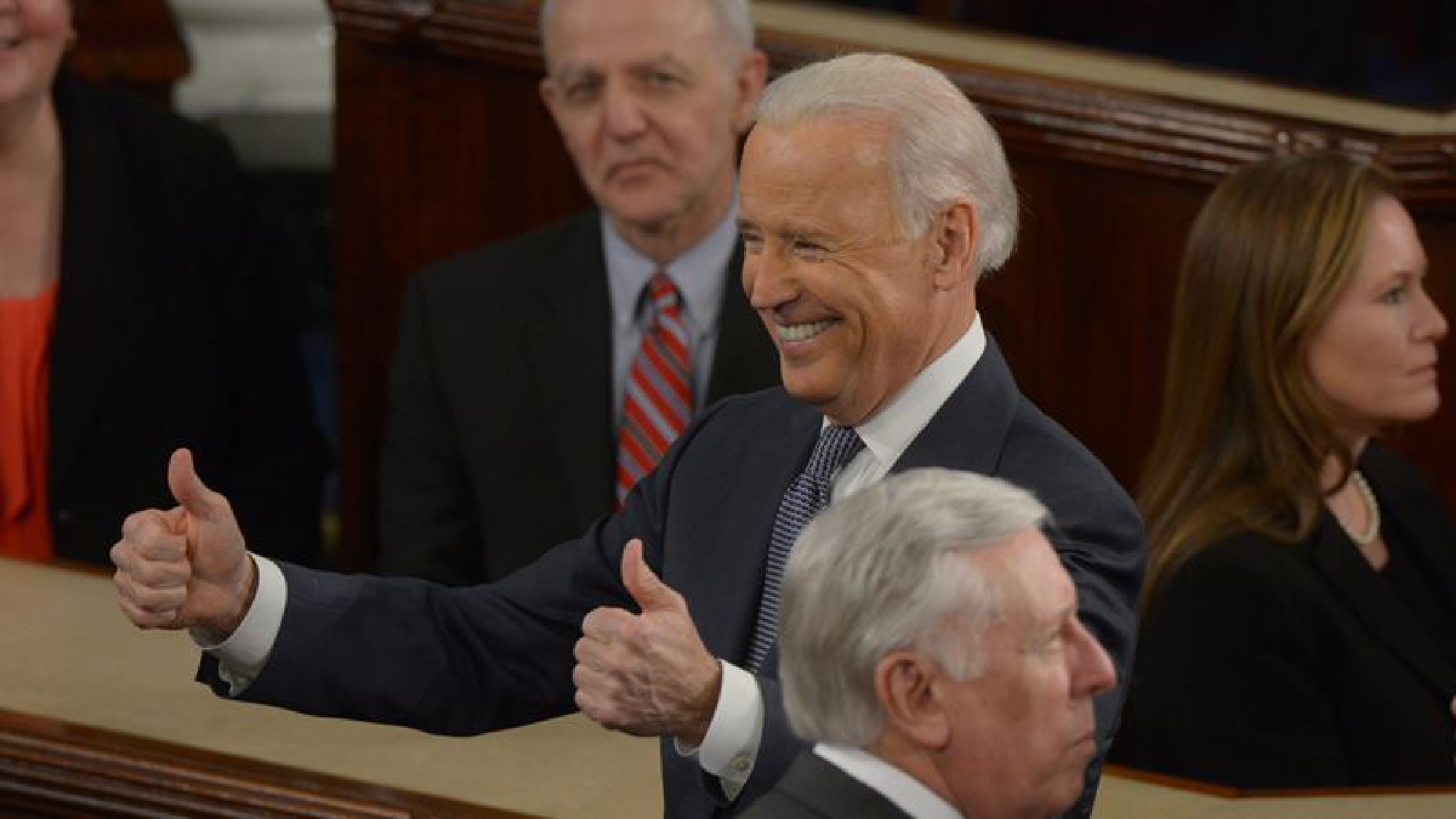
WASHINGTON – For eight years, Joe Biden was a fixture at President Barack Obamas addresses inside the House chamber, a near-constant part of the tableau. He winked. He pointed. He gripped the House speakers arm. He smiled, and he clapped with gusto.

Biden will close the first chapter of his presidency before a sparse crowd - and with a historic backdrop

For 36 years before that, he often sat in the audience with his Senate colleagues. He twice gave a portion of the Democratic response to President Ronald Reagan.

As one of the nation’s longest-serving politicians he has witnessed more speeches to a joint session of Congress than just about anyone.

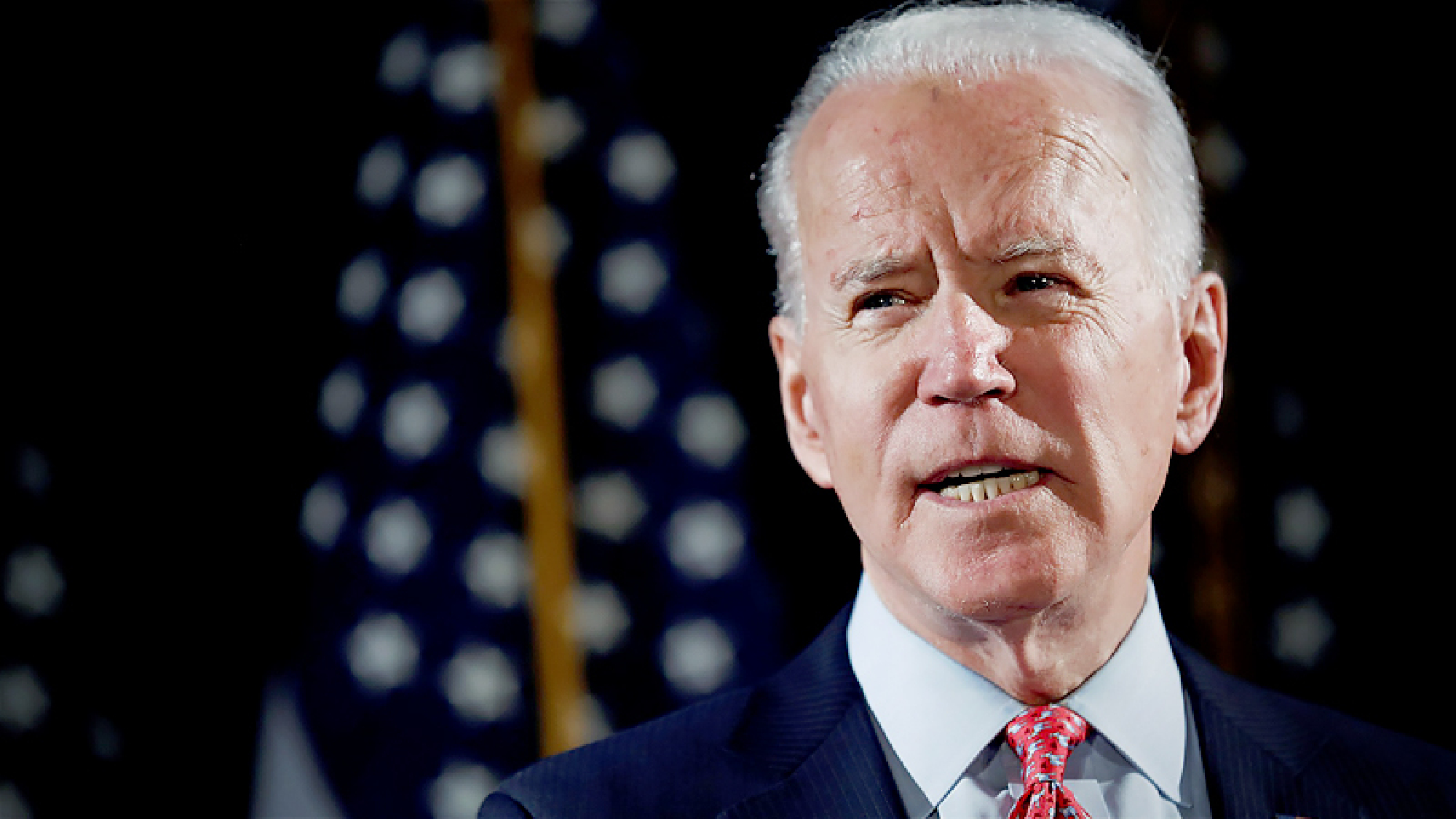
Next week, he will give one.

He will have a historic backdrop: Two women, House Speaker Nancy Pelosi and Vice President Kamala Harris, for the first time will be in the immediate frame of the president – something Biden is planning to note at the beginning of his speech.

In a different historic marker, both will be wearing masks as part of the coronavirus protocols in the chamber.

Biden has been working on the speech for weeks, preparing remarks to reflect on the first 99 days of his presidency, and outlining a range of new initiatives he will pursue. He is expected to press the need for expanding access to health care and outline additional economic relief for American families. He also will renew his call for police reform, coming in the wake of the conviction of former Minnesota police officer Derek Chauvin in the murder of George Floyd.

The address marks the conclusion of the first chapter of Biden’s presidency, one that he has sought to enter with a burst of activity meant to reshape the country’s politics and its place in the world. It will also be yet another vivid collision between the rituals of democracy and the pandemic that continues to grip much of American life.

Members and senators won’t be allowed to bring guests. Biden is expected to have few, if any, guests aside from first lady Jill Biden and second gentleman Doug Emhoff. Those in the chamber will be spread out, with some members on the House floor and others seated in the gallery.

No Cabinet members are expected to attend, and just one Supreme Court justice, Chief Justice John Roberts, is expected. Gen. Mark Milley, chairman of the Joint Chiefs of Staff, will represent the military.

There will likely be only 200 people total in the chamber, according to a person involved in the planning. That’s a fraction of the 1,600 people normally in attendance for the president’s address to Congress.

The event has been designated as a National Special Security Event, which mobilizes the nation’s top law enforcement and security agencies. That is typical for joint addresses, but there are extra layers of security this year following the Jan. 6 Capitol riots. The perimeter of the Capitol is still fenced off, and some National Guard troops remain there.

Biden’s advisers have long believed that he would be judged, more than anything else, on his handling of the coronavirus. That guided most of their early decisions around vaccines and school reopenings, mask mandates and stimulus checks. But he is now in the midst of a major push for massive pieces of legislation that would reorient much of the American economy, changing its tax structure, expanding its social safety net, and reorienting many of its environmental policies.

Author and presidential historian Douglas Brinkley compared it to John F. Kennedy’s first joint session speech, in which he called on the country to send a man to the moon within the decade. That call came as a surprise – whereas many of Biden’s policies are already known – but it required a significant amount of convincing, of both the public and congressional Republicans.

“Biden – he doesn’t seem always to be the best salesperson,” Brinkley said, marking the moment as one where Biden transitions from consoler in chief toward a more assertive posture. “But he now has to be talking about the recovery: Covid is on the run. We’re going to win and going to go on and make the economy stronger with . . . the largest jobs package since World War II.”

For much of his nearly five-decade-long political career, Biden has organized his thoughts, and his life, around speeches. He’s used prepared remarks to express grief or vent emotions, and he often uses them to determine whether his policies are connecting with an audience.

Biden often thrives on speaking extemporaneously and, to the frustration of staff, frequently veers off script. He tells his speechwriters to craft language that is simple, as if they were talking to a relative.

He gets heavily involved in the crafting of speeches, writing out longhand or dictating his thoughts – and heavily editing the text, sometimes up until delivery. His top strategist, Mike Donilon, is always involved in major speeches like the one Biden will deliver on Wednesday, as is his speechwriter, Vinay Reddy.

Most of Biden’s recent speeches have seen their usual pageantry curtailed because of the pandemic. When he accepted the Democratic presidential nomination, it was in a mostly empty ballroom. When he won the election, he spoke to a parking lot of honking cars. His inauguration address included elected officials but almost no average citizens on the National Mall.

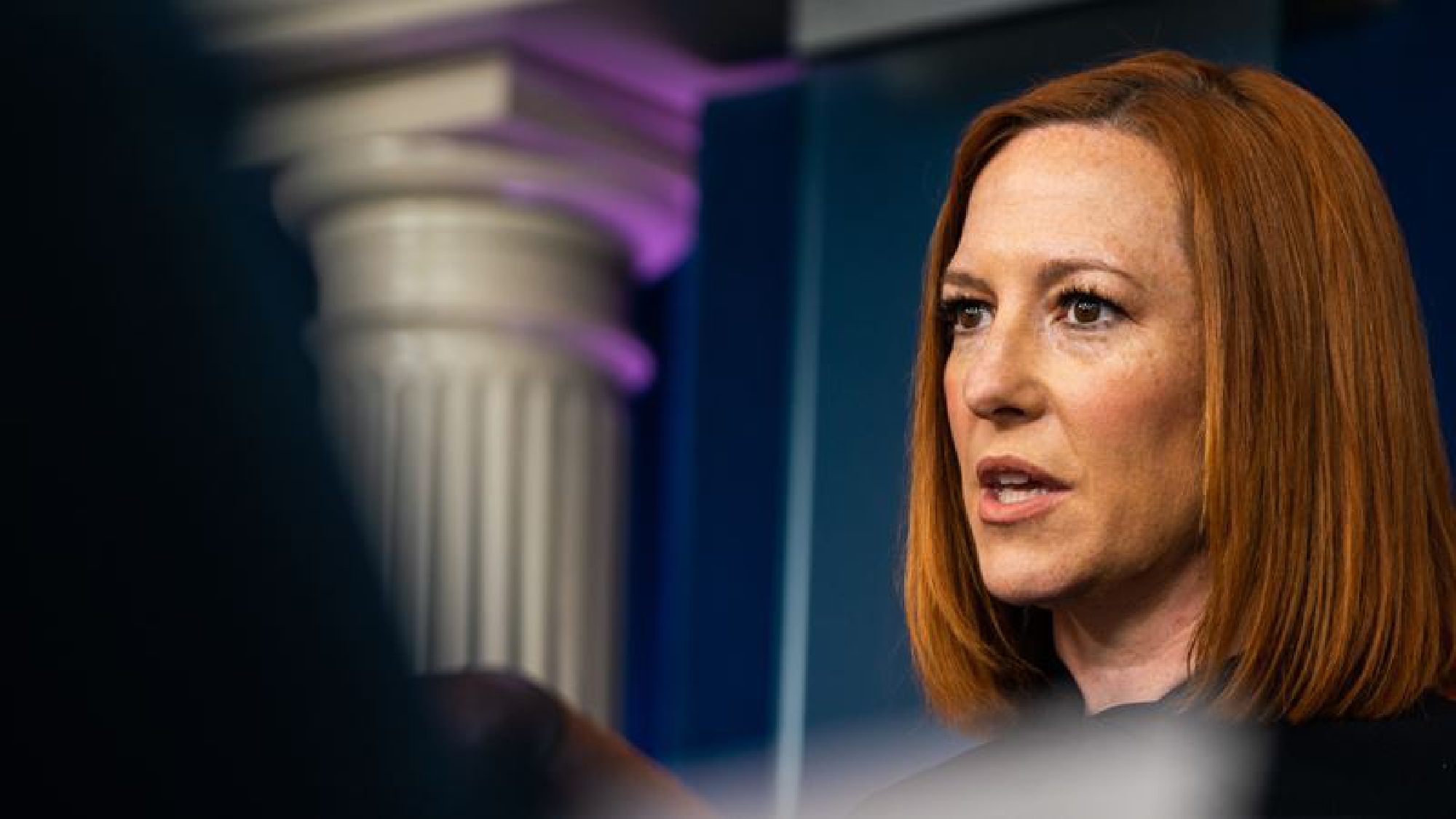
“It will not look like or feel like, in many ways, what past joint addresses have,” White House press secretary Jen Psaki told reporters on Friday. White House staff will be watching virtually – rather than in person – and there will not be a traditional presidential box for guests.

But the timing of the speech, coming on the eve of his 100th day in office, was no accident. Since Franklin D. Roosevelt, presidents have often used their first 100 days as a symbolic marker for their young presidencies.

The planning for Biden’s first 100 days began almost exactly a year ago when, last April, he tapped his longtime confidant and chief of staff, Ted Kaufman, to begin transition preparations. Kaufman built a team that compiled Biden’s campaign promises – often by scouring his speeches to tally up the commitments he made publicly – and began prioritizing them.

Entering office, Biden leaned into the 100-day time frame. He said he’d ask Americans to wear masks for his first 100 days. He said he’d oversee 100 million vaccine shots within his first 100 days. He wanted a majority of elementary and middle schools open for in-person learning by the end of his first 100 days.

Biden’s speech is coming later than most joint addresses, which are typically delivered in January or February. And he has given a number of speeches already outlining many of his priorities – some expect it to be more of a review of his achievements than an articulation of a wholly new vision.

“I’m looking forward to being a little bored by it,” said Joan Hoff, professor of history at Montana State University and the former president of the Center for the Study of the Presidency. “It’s only because he’s conducted himself so publicly on all of these issues and already taken some dramatic actions. . . . You can only repeat yourself so much.”

The speech – which is similar to the State of the Union, but in inauguration years is technically a joint address to Congress – can be a television showcase, giving a president one of the largest audiences he can get even as viewership numbers have declined in a fragmented media environment. President Bill Clinton in 1993 had the largest audience recorded, at nearly 67 million, while Obama averaged nearly 40 million viewers over his eight addresses. President Donald Trump averaged about 44 million viewers during his four addresses.

“He certainly recognizes this is an opportunity to speak directly with the American people – one of the highest-profile opportunities that any president has in their first year in office,” Psaki told reporters.

Republicans have criticized Biden for not doing more to reach out to their party and make good on a core promise to unify the country. Senate Minority Leader Mitch McConnell, R-Ky., has assailed many of Biden’s priorities as out of the mainstream, and he tapped Sen. Tim Scott, R-S.C., to give the Republican response to Biden’s speech

“Nobody is better at communicating why far-left policies fail working Americans,” McConnell said in announcing Scott, the only Black Republican senator.

While Biden has received frequent criticism from Republicans, he has managed to keep his own fractured party united around many of the items in his agenda.

“To his credit, he has looked around and said incrementalism, small steps, are not going to do it,” Sen. Bernie Sanders, I-Vt., a chief rival of Biden’s in the presidential primary, said in a recent interview. “It’s a lot easier to keep the party together when you have serious and good legislation supported by over 70 percent of the American people.”

But in one indication of some of the challenges Biden faces in maintaining party unity, Rep. Jamaal Bowman, D-N.Y., is also giving a response to Biden’s Wednesday night speech, on behalf of liberal Democrats.

“It’s a balancing act. He’s already done a lot that I love. And he’s going to say a lot of things that I like, as well,” Bowman, who last year defeated a 16-term incumbent, told NBC News. “But if we relent, it doesn’t mean that what’s been going on so far is going to continue. It’s important for us as progressives to continue to push and continue to organize.”

In addition to the speech next week, the White House is planning to make a concerted effort to claim credit for a range of early accomplishments, with Biden traveling to Georgia on Thursday in the first of several trips organized around pushing toward the next phase of his agenda.

The White House has branded each of its efforts. First was the American Rescue Plan, a $1.9 trillion package that Congress approved without any Republicans voting for it. He has also proposed the American Jobs Plan, which is another $2 trillion plan aimed at fixing infrastructure and boosting the green energy economy.

Biden this week is planning to flesh out in more detail the American Families Plan. That will include new spending on child care, education, paid family leave and other domestic priorities. The price tag – which could be around $1 trillion along with $500 billion in new tax credits, The Washington Post reported this past week – would be offset by tax increases on high-income Americans and wealthy investors.

The plan is another area where Biden made comparing promises for universal prekindergarten, tuition-free community colleges, and paid family and medical leave.

Biden over the past year has often taken inspiration from Roosevelt, attempting to usher in far-reaching government programs. But he also has a long record of quoting from the New Deal Democrat in a way that he could again turn toward next week.

“As Franklin D. Roosevelt said during the recovery from the Great Depression just four words are important,” Biden said, in delivering a response to Reagan’s State of the Union address in 1983. “These four words: It can be done.”

Published : April 25, 2021

By : The Washington Post · Matt Viser

White Houses new $1.8 trillion families plan reflects ambitions – and limits – of Biden presidency #SootinClaimon.Com

#SootinClaimon.Com : ขอบคุณแหล่งข้อมูล : หนังสือพิมพ์ The Nation.

https://www.nationthailand.com/international/40000188

White Houses new $1.8 trillion families plan reflects ambitions – and limits – of Biden presidency


WASHINGTON – The White House is preparing to unveil a roughly $1.8 trillion spending and tax plan this week that includes many of President Joe Bidens campaign promises but also reflects the daunting challenges facing the administration as it tries to transform the U.S. economy.

White Houses new $1.8 trillion families plan reflects ambitions - and limits - of Biden presidency

The “American Families Plan,” set to be released ahead of the president’s joint address to Congress on Wednesday, calls for devoting hundreds of billions of dollars to national child care, prekindergarten, paid family leave, and tuition-free community college, among other domestic priorities. It will be at least partially funded by about a half-dozen tax hikes on high-income Americans and investors, proposed changes that are already provoking fierce opposition in Congress and on Wall Street.

White House officials spent much of last week making a series of refinements to the plan, showing the enormous pressure they are under to include or discard key items as they attempt to satisfy a range of competing voices.

In a potential last-minute change, White House officials as of Friday were planning to include about $200 billion to extend an increase in health insurance subsidies through the Affordable Care Act exchanges, according to three people who spoke on the condition of anonymity to reveal internal discussions.

Despite pressure from Democratic leadership, White House officials are also prepared to table a measure they had included in earlier drafts aimed at reducing consumer and government spending on prescription drugs, a measure fiercely opposed by the pharmaceutical industry, the people said. Aides stressed discussions were preliminary and subject to change. The overall price-tag of the measure could also wind up being lower than $1.8 trillion.

The proposal will represent the second part of Biden’s “Build Back Better” agenda, following the $2.3 trillion jobs and manufacturing proposal the White House released several weeks ago. Combined, the approximately $4 trillion in new spending would amount to among the most ambitious government overhauls of the economy in decades. But the administration’s coming proposal also shows the limits constraining Biden’s ambitions, with the White House set to jettison campaign pledges and demands from key allies in the face of countervailing political pressures.

“It is an important moment; it is an opportunity to lay out his agenda. But it will not represent the totality of every proposal he wants to achieve during the course of his presidency,” White House press secretary Jen Psaki said on Thursday when asked whether the prescription drug change had fallen out of the measure.

The legislative challenges in passing the bill could also be among the most difficult the White House has so far faced. Many congressional Republicans have said they will be fiercely opposed to new spending measures – and tax increases – as Biden tries to navigate his proposals through Congress.

Biden’s first major effort through Congress – the $1.9 trillion stimulus package – was accelerated by pandemic crisis and widespread calls for additional federal funds to fight it. The infrastructure plan is just beginning to work its way through Congress, but congressional Republicans and corporate America have long acknowledged the need to make large investment to rebuild the nation’s roads, bridges, and other infrastructure. Certain Republicans have indicated they favor a scaled-back infrastructure plan, roughly one-quarter the size of Biden’s proposal.

This new package to be unveiled this week, by contrast, moves the administration onto potentially more fraught legislative terrain – attempting to approve largely Democratic priorities with the narrowest of margins in the House and Senate. It is unclear whether the White House will seek to pass the jobs plan first through Congress or attempt to package both efforts together.

Even if they try to pass the measures through the Senate by a simple majority vote – something at least one Democrat has raised concerns about – they would have to keep virtually all members of their party satisfied with the legislation.

“I’m not sure anyone knows how this is going to play out,” said Jim Manley, who served as an aide to former Senate Majority Leader Harry Reid, D-Nev. “Getting the infrastructure provisions done is going to be hard enough because Republicans may not want to play ball. But getting the other domestic spending plans over the finish line is going to be a heck of a lot tougher.”

On both the taxing and spending provisions, the White House’s emerging package aligns largely with what Biden ran on a presidential candidate in 2020 even as some important details have changed.

The key components of the plan consists of roughly $300 billion in education funding, the biggest pot of which includes funding to make two-year community colleges tuition-free; $225 billion in child care funding; $225 billion for paid family and medical leave; $200 billion for prekindergarten instruction; and $200 billion to extend more enhanced Affordable Care Act subsidies, according to three people briefed on the plan who spoke on the condition of anonymity. The plan would also extend a more robust Child Tax Credit until 2025, the people said, a measure that could cost as much as $400 billion, as well as extending a more robust tax credit for workers. Aides repeatedly stressed that the details of the plan were subject to change and final decisions had not yet been made.

Those programs all largely reflect ideas that have moved into the Democratic mainstream, brought to the fore by the changes caused by the pandemic. America is the only wealthy nation with no federally-provided paid maternity leave, as well as only one of about five with no paid paternity leave and one of two without general paid sick leave, according to Vicki Shabo, a paid leave expert at New America, a think tank. The Organization for Economic Co-operation and Development has ranked America one of the worst in the world in terms of spending on families, with parents particularly stressed by the high cost and lack of access of child care during covid.

“We found very early on in the campaign that there was a tremendous receptivity in people’s minds, particularly with women voters, for these kinds of investments,” said Celinda Lake, a Democratic pollster who advised Biden’s presidential campaign. “But with covid people have even more awareness of it and support for it.”

Potentially more contentious are the White House’s coming tax proposals – measures that aides also cautioned had not yet been finalized.

Biden and White House officials have been adamant their tax hikes would not hit anyone earning under $400,000 per year. The key tax changes are expected to include increasing the top tax rate from 37% to 39.6%; taxing investment gains from capital income at ordinary wage rates for those earning more than $1 million; and imposing higher tax on assets when they are transferred at death, among other provisions, the people said.

Republicans have attacked the tax plans, just as they have assailed the more than $2 trillion in corporate tax hikes Biden has proposed for his jobs package. Wall Street tumbled on reports of the higher capital gains rate, with the Dow Jones industrial average falling by more than 300 points. White House officials are prepared to emphasize how few people would pay the tax, with Chief of Staff Ron Klain on Friday saying the change would affect less than .05% of Americans.

“It’s an enormous deal to tax capital like labor, and we’d be pushing the tax rate on capital gains to the highest level ever,” said Donald Schneider, who served as chief economist to Republicans on the House Ways and Means Committee.

But the proposal in other ways reflects the limits of the White House’s ambitions as well.

The “families plan” is not expected to include a push from Senate Finance Chair Ron Wyden, D-Ore., and Sen. Michael Bennet, D-Colo., to revamp the nation’s unemployment system, two people familiar with the matter said. Wyden and Bennet have pushed the White House to overhaul unemployment systems nationwide after the pandemic showed their inability to accommodate a surge in jobless claims.

The measure is also set to only propose expanding an enhanced child benefit through 2025, although many Democratic lawmakers and Biden himself have called for making the provision permanent. That move would dramatically increase the overall cost of the package, and it is not clear if the White House is becoming skittish about embracing daunting spending figures given the rising national debt. But as a result of those fears, “you become a slave to scoring and a bottom-line number,” said Jim Kessler, executive vice president of Third Way, a centrist think tank urging the White House to make the credit permanent. It is also unclear if the funding levels proposed by the administration will be sufficient to ensure every American can afford child care.

If ultimately including the $200 billion in expanded subsidies for Obamacare materializes in the final package, the White House would be backing calls from House Speaker Nancy Pelosi, D-Calif. Those expanded subsidies were initially approved in the $1.9 trillion stimulus approved by Congress in March. Senate Budget Chair Bernie Sanders, I-Vt., and other lawmakers have called for the “families plan” to expand Medicare, an approach the administration is set to reject.

The White House is also set to scrap a plan included in earlier drafts of their proposal to include as much as $500 billion in savings from the prescription drug industry. Speculation was rampant last week among congressional Democrats and advocates close to the White House as to why the administration would reject the measure to allow the government to force the pharmaceutical giants to lower their prices. Pelosiis lobbying the White House to include the measure. The White House declined to comment.

“This issue was the dominant issue in the Democratic primary . . . It was the number one issue in Democrats retaking the House in 2018 and arguably the number two issue in the Georgia Senate campaigns,” said Eliot Fishman, senior director of health policy at Families USA, a health advocacy organization that recently met with White House officials to discuss the measure. “There were campaign commitments around this issue through all of that.”

Published : April 25, 2021

By : The Washington Post · Jeff Stein

American Horticultural Society board rift could complicate proposed sale of historic River Farm #SootinClaimon.Com

#SootinClaimon.Com : ขอบคุณแหล่งข้อมูล : หนังสือพิมพ์ The Nation.

https://www.nationthailand.com/international/40000187

American Horticultural Society board rift could complicate proposed sale of historic River Farm


A split in the American Horticultural Societys leadership could complicate the nonprofit organizations plan to sell George Washingtons historic River Farm property.

American Horticultural Society board rift could complicate proposed sale of historic River Farm

Five members of the nonprofit’s board of directors on Friday issued a statement stating their opposition to the sale. They also called on other AHS members, donors, government officials and members of the public to take action to preserve the 27.6-acre site and its public access.

“There is growing evidence that the decision to sell River Farm is not only morally and ethically wrong, but is fraught with serious legal issues,” the statement says.

Board members Skip Calvert, Tim Conlon, Laura Dowling, Holly Shimizu and Marcia Zech said they could no longer remain silent about their opposition as they had been directed to do by fellow board members.

AHS board Chair Terry Hayes said in an email Saturday that the sale would proceed based on a majority vote that occurred before several members left the board, leaving 10 members who are now evenly divided. “We continue to weigh options responsibly,” Hayes said. None of the five dissenting board members could be reached for comment.

None of the five could be reached for comment. But Virginia state Sen. Scott Surovell, D-Fairfax, who successfully sponsored legislation to protect the historical resources at the property and ensure public access, confirmed the statement’s authenticity.

“The wheels are coming off,” Surovell said in an interview, citing the mounting opposition to AHS’s putting the site up for sale and what now appears to be a 50-50 split on the organization’s 10-member board.

The development comes as state and local officials have entered negotiations to acquire the land as a park and preserve its historic value and public access. Earlier this month, Fairfax County modified the zoning regulations of the property to protect its historic resources by creating a “historic overlay district” around River Farm. The regulations cannot stop development, but it gives local officials more say in how the property can be used.

The foundation that made AHS’s purchase possible nearly 50 years ago also has voiced opposition to the sale. And attorneys general in Virginia and the District of Columbia have opened an investigation into its legality in light of AHS’s nonprofit status and because the granting of the land called for the preservation of River Farm as green space for public use. Meanwhile, a coalition of conservationists, led by the Northern Virginia Conservation Trust and the NOVA Parks, has been in talks with AHS about buying the land.

AHS stunned neighbors last year by putting River Farm on the market for $32.9 million, saying the proceeds would help create an endowment that would allow the gardening society to widen its mission. The society was able to purchase the historic manor and gardens in 1973 only with the help of a $1 million gift from Enid Annenberg Haupt, a philanthropist who gave widely to public botanical gardens.

Board chair Hayes and other members of the board may have been expecting the rift among members to become public. Days before the dissenters’ statement, Hayes issued a statement saying that only she or the public relations consultant recently hired by the board were authorized to speak on the organization’s behalf.

“Should you or your outlet receive communications of any kind from other parties purporting to represent AHS and its official positions and policies, please note this information is NOT approved by the board and does not represent the official position of our national nonprofit,” Hayes’s email said.

Published : April 25, 2021

By : The Washington Post · Fredrick Kunkle

Federal agencies lift pause on use of Johnson & Johnson vaccine, saying benefits outweigh risks #SootinClaimon.Com

#SootinClaimon.Com : ขอบคุณแหล่งข้อมูล : หนังสือพิมพ์ The Nation.

https://www.nationthailand.com/international/40000186

Federal agencies lift pause on use of Johnson & Johnson vaccine, saying benefits outweigh risks


Federal health officials lifted a pause on the use of the Johnson & Johnson coronavirus vaccine Friday night after an extensive safety review by the Centers for Disease Control and Prevention and the Food and Drug Administration.

Federal agencies lift pause on use of Johnson & Johnson vaccine, saying benefits outweigh risks

The officials said the benefits of the single-shot vaccine far outweigh the risks from a rare and severe type of blood clot.

The decision to lift the pause allows state and local officials to resume immediately giving the vaccine they have available on shelves, CDC officials said. The FDA has updated patient and health care provider fact sheets for use as early as Saturday, and both agencies will publish additional education and communication materials by early next week.

The agencies had halted the use of the Johnson & Johnson vaccine last week because of reports of six cases of blood clots among the millions of people who had received the vaccine in the United States.

The announcement Friday evening followed an all-day meeting of an independent advisory panel to the CDC that recommended inoculations with the Johnson & Johnson vaccine should restart. The panel said the benefits outstrip the risks even as it heard about an additional small group of recipients who developed blood clots.

The Johnson & Johnson vaccine “can be reinstituted and should be reinstituted. I acknowledge, as does everyone else, that these events are rare, but serious,” Jose Romero, chair of the committee, said. “It is our responsibility as clinicians to make sure that women understand this risk and, when possible, that they have an alternative at the same site that you’re administering the vaccine.”

The FDA and Johnson & Johnson are updating the vaccine’s label to carry a warning about a rare risk of blood clots paired with low counts of platelets, blood cells involved in clotting.

The CDC’s independent expert panel, the Advisory Committee on Immunization Practices, voted 10-4 to recommend lifting the pause, with one member abstaining. CDC Director Rochelle Walensky approved its recommendation.

In a statement, the FDA and CDC said the agencies have confidence that the vaccine is safe and effective.

Janet Woodcock, acting FDA commissioner, said the agencies withdrew the pause based on FDA and CDC reviews of all available data and in consultation with medical experts,and based on recommendations from the advisory committee.

“We have concluded that the known and potential benefits of the [Johnson & Johnson] covid-19 vaccine outweigh its known and potential risks in individuals 18 years of age and older,” Woodcock said at a news conference Friday evening.

“This is not a decision the agencies reached lightly,” Woodcock said. “We’re confident that the [Johnson & Johnson] vaccine meets our robust standards for safety, effectiveness and quality.”

Walensky, in a statement, said the agencies “identified exceptionally rare events- out of millions of doses of the [Johnson & Johnson] covid-19 vaccine administered -and we paused to examine them more carefully. As we always do, we will continue to watch all signals closely as more Americans are vaccinated. I continue to be encouraged by the growing body of real-world evidence that the authorized COVID-19 vaccines are safe and effective, and they protect people from disease, hospitalization, and death.”

The CDC advisory committee, which reconvened Friday to discuss next steps for the Johnson & Johnson coronavirus vaccine, heard data about 15 confirmed cases of the rare and severe blood clots that prompted federal officials to recommend last week that states pause use of the vaccine.

All of the committee members said the benefits far exceed the risks, but several members expressed concern that people receiving the vaccine will not be sufficiently informed of the rare but potential danger or that other vaccine options exist. There was a debate about whether to add an additional warning targeting women under 50.

“I voted yes, but I am concerned that consumers and women in this age group, in particular, will not be adequately informed just by the FDA [emergency use authorization] fact sheet,” said Beth Bell, a clinical professor in the department of global health at the University of Washington.

“This is an age group that is most at risk, that is getting this vaccine predominantly to save other people’s lives and morbidity, not their own. . . . And if they choose to be vaccinated with this anyhow, we want to respect that choice. But I’m very sorry that we haven’t chosen to put upfront the knowledge that we have that is unique,” said Sarah Long, a professor of pediatrics at Drexel University College of Medicine.

All the blood-clot cases were in women, including three who died and seven who remain in the hospital. The 15 cases mostly involved brain clots in women between 18 and 59. The 15 cases were identified among nearly 8 million doses of the vaccine administered as of April 21.

CDC officials who presented the data Friday said it was too early to conclude that the incidents affected only women and said a few cases in men were being reviewed.

The panel was reviewing the data as part of the next steps for the vaccine after the CDC and the FDA recommended a temporary halt April 13 in giving the vaccine following initial reports of blood clotsin those six women.

By lifting the pause and adding the FDA warning, the U.S. position is similar to one taken by Europe’s drug regulator. The European Medicines Agency said this week that the Johnson & Johnson vaccine should carry a warning but placed no restrictions on its use. The European agency said the shot’s benefits continue to outweigh the risks.

Paul Stoffels, chief scientific officer for Johnson & Johnson, thanked the advisory committee for its “rigorous evaluation” and called it an “essential step toward continuing urgently needed vaccinations in a safe way for millions of people in the U.S.”

The rarity of the cases had persuaded many federal officials that the complication can be addressed by adding a warning that describes the groups at higher risk for the adverse event, and by working to ensure that doctors know how to identify and treat the problem.

People who have received the Johnson & Johnson vaccine and develop severe headaches, abdominal pain, leg pain or shortness of breath within three weeks after vaccination should contact their medical provider. Most notably, physicians are advised to avoid using heparin, a common treatment for blood clots, because it can exacerbate the vaccine-related condition.

Experts have said the risk of developing a clot after receiving the vaccine appears far lower than the chance of a clotting issue caused by hormonal birth control, such as oral contraceptives.

Federal agencies lift pause on use of Johnson & Johnson vaccine, saying benefits outweigh risks

https://www.washingtonpost.com/video/c/embed/b269d220-fcad-4a93-9124-4a3638db5cb8?ptvads=block&playthrough=false

For the Johnson & Johnson vaccine, “we don’t see any clear association at this point with oral contraceptives or any one of the typical risks that some people have for blood clotting,” Peter Marks, director of the FDA’s Center for Biologics Evaluation and Research, said during the Friday evening news conference.

Among the 15 confirmed U.S. cases, the clotting reactions were rare, with seven cases per 1 million vaccinations among women ages 18 to 49, according to the CDC. There was fewer than one case per 1 million vaccinations in women older than 50. The reactions were most common in women in their 30s.

There was an initial concern that people with the condition might be treated with the anticoagulant heparin, which can worsen it. One reason for the pause was to alert health officials to use similar non-heparin drugs and intravenous immunoglobulin.

Tom Shimabukuro, a CDC official, said Friday that six patients had received heparin because they were treated before the health alert was sent out last week. None of the patients who died received heparin.

Models by CDC scientists showed that restricting the vaccine to people older than 50 would prevent a few dozen cases of clotting events but could mean thousands more admissions to intensive care units and hundreds more deaths.

Company officials argued that vaccinations could be restarted with a warning label about the rare risk, and presented proposed warning language that the company had drafted in consultation with the FDA. They argued against age restrictions on who should receive the vaccine.

“Our concern is that with the restrictions, it’s not just about delaying vaccination, but potentially leaving unvaccinated a portion of the United States. And if the unvaccinated population is large enough, then we put at risk reaching herd immunity,” said Joanne Waldstreicher, chief medical officer of Johnson & Johnson. “A restriction in use here could have a negative impact on the success of achieving global herd immunity.”

An estimated 9.2 million doses of the vaccine were available at administration sites when the pause was imposed, CDC officials have said. Those doses were not made in the Emergent BioSolutions plant in Baltimore that was the subject of an FDA inspection report issued this week detailing unsanitary conditions and other problems.

In the six cases initially identified, the vaccine recipients developed symptoms, most often headaches, six to 13 days after vaccination. One vaccine recipient, a Virginia woman, died in March. In all cases, the clots were seen in combination with low levels of blood-clotting cells, known as platelets, a condition known as thrombocytopenia.

All six original cases were White women, and only one was taking hormonal contraceptives that can cause blood clots, suggesting that was not the reason for the condition.

Some of the six women had blood clots in other parts of their body, and CDC officials said last week the agency would cast a wider net, looking for clotting accompanied by low levels of platelets. Four of the recipients of the Johnson & Johnson vaccine were treated initially with heparin, an anticoagulant that is not recommended because the events closely resemble an immune-triggered reaction to the drug that could worsen the clots.

Johnson & Johnson presented data on two other cases of clots in people who received the vaccine during a clinical trial, one of whom was a 25-year-old man with a hallmark of the symptoms.

The complication also has been seen, rarely, among people who received the vaccine developed by AstraZeneca and the University of Oxford, which uses a similar technology. The rare but alarming clotting cases in Europe caused some countries to suspend vaccinations altogether.

European data on the people who suffered similar reactions after receiving the AstraZeneca vaccine showed that although women were at greater risk, they weren’t exclusively at risk.

The Johnson & Johnson vaccine, which was authorized for adults 18 and over, was a large part of the U.S. and global vaccination strategy. It has clear practical and logistical advantages over the other two authorized vaccines in the United States – it does not have to be kept frozen, and requires just one dose. That makes it particularly useful for rural areas and other hard-to-reach communities, and for distribution to community health centers and physician offices that might not have the freezers needed for the other vaccines, public health officials say.

Most of the more than 222 million shots administered in the United States have been made by Pfizer-BioNTech and Moderna using a different technology.

South Africa announced Thursday it will resume using the Johnson & Johnson vaccine to immunize health-care workers against the coronavirus after the country suspended the vaccination program when U.S. officials reported the rare blood clots. There have been no incidents of blood clots reported in South Africa.

About 290,000 of South Africa’s 1.2 million health workers have been given the Johnson & Johnson vaccine in a study that is evaluating the vaccine before a mass rollout to combat an aggressive variant detected in the country last fall.

Published : April 25, 2021

By : The Washington Post · Lena H. Sun, Carolyn Y. Johnson

D.C. officials ignore growing pressure to end 23-hour covid lockdown at jail #SootinClaimon.Com

#SootinClaimon.Com : ขอบคุณแหล่งข้อมูล : หนังสือพิมพ์ The Nation.

https://www.nationthailand.com/international/40000176

D.C. officials ignore growing pressure to end 23-hour covid lockdown at jail


WASHINGTON – D.C. officials said this week they have no plans to relax the virtually around-the-clock confinement of 1,500 jail inmates to their cells, despite growing pressure from lawmakers to end a coronavirus lockdown that has now lasted for 385 straight days.

D.C. officials ignore growing pressure to end 23-hour covid lockdown at jail

The 23-hour-a-day lockdown has been denounced by experts as a human rights abuse and a form of mass solitary confinement.

On a call with D.C. Council members Friday and in a letter Wednesday to Charles Allen, D-Ward 6, chairman of the Council’s judiciary and public safety committee, city officials said that lifting what they term a “medical stay-in-place” policy could needlessly expose jail inmates and staff to the risk of covid-19. They also pointed to federal court oversight, instituted after inmates sued the city last spring for inadequate virus containment policies, that they said tied their hands.

“We had a crisis, and covid is still with us,” City Administrator Kevin Donahue told Council members Friday. “We can’t have and don’t want an outbreak of covid in the jail.”

Donahue said the court has been “very prescriptive as to social distancing” and noted that only 58 inmates have tested positive for coronavirus in the last 10 months – evidence that the restrictive policy is working after hundreds of cases in the early months of the pandemic, before the lockdown began.

“We want to lift and ease up the medical stay in place, and we will do so as soon as we can,” he said.

But those rationales were challenged by council members, including Allen and Christina Henderson, I-At Large. Allen noted that the federal injunction governing the jail’s virus controls makes no reference to the 23-hour-per-day cell confinement that has been in place at the jail since last April. At the very least, he said, the city needs to begin planning for how it will end the lockdown safely.

“It doesn’t appear there’s an exit strategy,” Allen said.

This week The Washington Post reported on the details of the ongoing lockdown and the lack of plans for ending it.

For more than a year, inmates have been locked in their cells – alone or sometimes with a cell mate – and released for only one hour each day on a rolling schedule, sometimes at 3 or 4 a.m. Until this month, for reasons that jail officials have not been unable to explain, inmates were not allowed outside, despite the decreased risk of infection in an outdoor setting.

Barber services and library access were halted, as were all in-person visits.

One inmate who spoke to The Post by phone from the jail, and has been there for 11 months, said he had begun to talk to himself and that many of the men around him had grown long hair, beards and fingernails. Jail officials said grooming services for inmates have resumed on a limited basis and will be available to all again in July.

The District’s approach contrasts with those of other jails and prisons with more measured containment policies, according to corrections officials outside the city. The “23-and-1” lockdown has sometimes been used as a last resort, but usually as a short-term measure to extinguish an outbreak.

Craig Haney, a psychology professor at the University of California, Santa Cruz who has studied the effects of solitary confinement, said the city’s extended lockdown was “very dangerous” and could do lasting harm.

The lockdown even became ammunition this week for Republican members of Congress – rarely among the advocates for incarcerated people in the nation’s capital – amid a historic House vote to approve D.C. statehood. One congressman compared the city to “authoritarian governments such as Russia.” Another said the District was “essentially torturing its inmates,” WAMU reported.

The overwhelming majority of the jail’s inmates are Black men. Many have not been found guilty of the charges they face.

Last spring the jail came under heavy criticism for a lack of protective equipment and basic social-distancing regulations, problems that afflicted many other correctional systems across the country. A judge ultimately ordered the city to better protect inmates, correctional officers and other jail workers.

In a letter to Allen this week, D.C. Department of Corrections Director Quincy Booth said that until “there is a dismissal of the injunction foisted upon the agency” the jail could not change its policies.

But Steven Marcus, a staff attorney at the D.C. Public Defender Service who is representing inmates in the litigation, said the court had not required the lockdown, which he said would be unnecessary if the jail adopted other protection measures.

“There is absolutely nothing in the court’s currently effective order requiring the jail to impose the harmful, continuous lockdown,” Marcus said. “Indeed, if the Department of Corrections did comply with the court’s order and implement surveillance testing, there would be no need for the department’s across-the-board lockdown.”

Donahue said Friday that as more of those who work or are incarcerated at the jail receive vaccines – about a third of inmates have received their first shot, according to jail officials – city officials hope to revisit the court’s current social-distancing guidance.

Photo: The D.C. jail, where 1,500 inmates have been confined to their cells for 23 hours a day for more than a year to prevent covid-19 outbreaks.

Credit: Washington Post photo by Jonathan Newton

Published : April 24, 2021

By : The Washington Post · Peter Jamison

Manslaughter case in Park Police killing of Bijan Ghaisar moves to federal court #SootinClaimon.Com

#SootinClaimon.Com : ขอบคุณแหล่งข้อมูล : หนังสือพิมพ์ The Nation.

https://www.nationthailand.com/international/40000175

Manslaughter case in Park Police killing of Bijan Ghaisar moves to federal court


The family of Bijan Ghaisar, who was shot to death by two U.S. Park Police officers in 2017, watched in amazement as the prosecution of a former police officer, Minneapoliss Derek Chauvin, moved from charging to trial to conviction in 11 months for the murder of George Floyd.

Manslaughter case in Park Police killing of Bijan Ghaisar moves to federal court

“Ihope that would be an example of how these cases should be handled,” Ghaisar’s mother, Kelly Ghaisar, said Friday.

Kelly Ghaisar spoke outside federal court in Alexandria, where a judge had just ordered the manslaughter case against the officers accused of killing her son be heard, rather than in Fairfax County, where the officers were indicted last year. No date was set for a trial or pretrial motions, in which the officers’ lawyers said they will invoke the immunity of federal officers from state prosecution and move to dismiss the case.

“Here we are, 3 ½ years later,” Kelly Ghaisar said, “and all we have is a hearing to see if they have immunity. The judicial system, everything, has failed Bijan.”

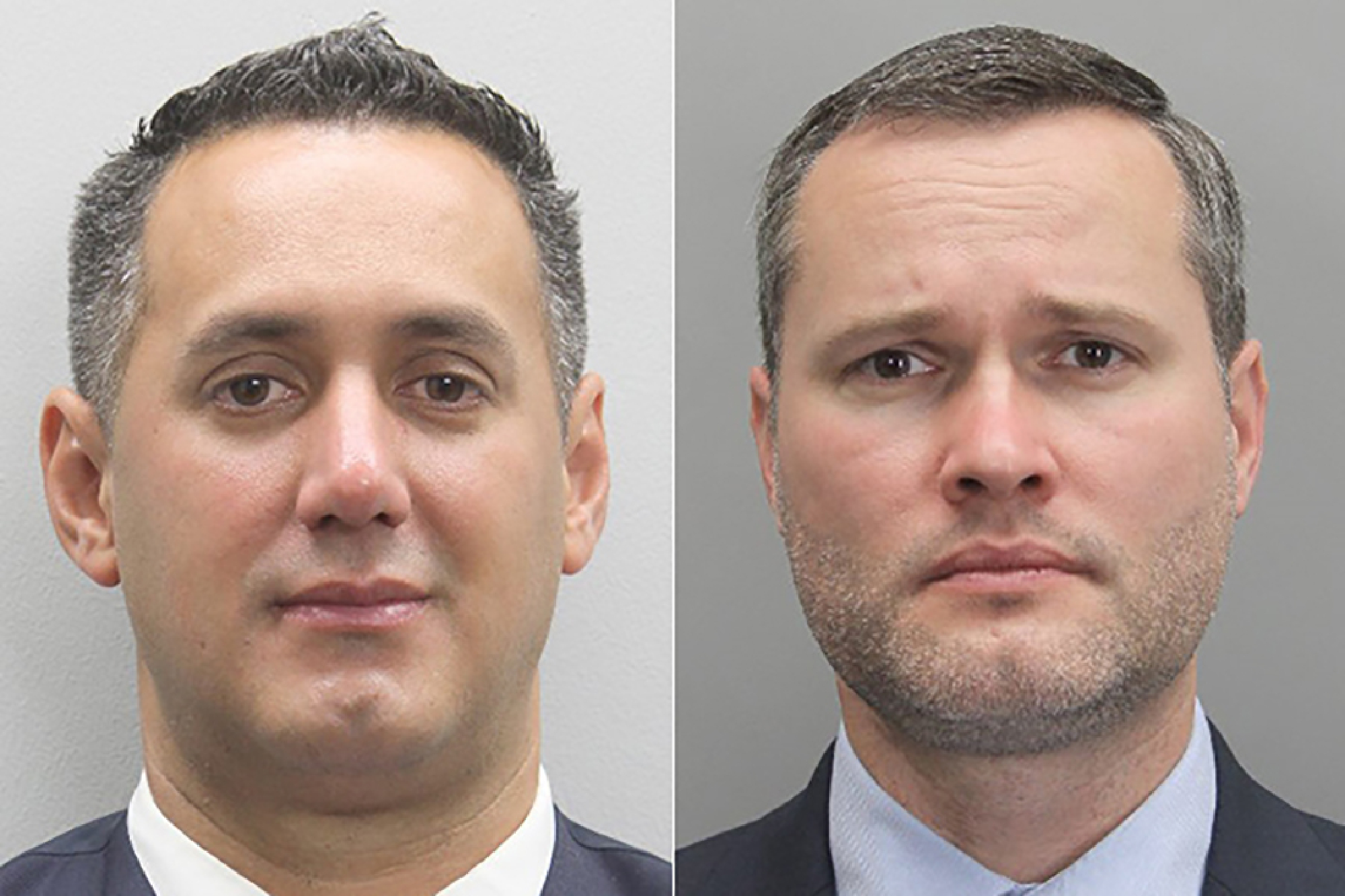
The hearing Friday in front of Senior U.S. District Judge Claude M. Hilton was the first time the Ghaisars had come face-to-face with Park Police officers Lucas Vinyard, 39, and Alejandro Amaya, 41, who were indicted by a Fairfax grand jury last October. The officers sat quietly with their lawyers and declined to comment after the hearing. Both are on paid leave from the Park Police, whose commanders have never publicly discussed the case.

The Ghaisars sat directly behind the officers. “My chest was so heavy, it was about to burst,” Kelly Ghaisar said. James Ghaisar, Bijan Ghaisar’s father, said, “I believe if the officers were local, with all the support we’ve received from Congress and local officials, we would have had much, much faster results. But because they’re federal officers, it’s been 1,253 days since they killed my son. This is so sad, how unbelievable this bureaucracy is.”

After Ghaisar’s Jeep Grand Cherokee was rear-ended by a Toyota Corolla on the George Washington Memorial Parkway on the evening of Nov. 17, 2017, Vinyard and Amaya pursued him with lights and siren on down the parkway in Fairfax County. Twice Ghaisar stopped, then drove off as the officers ran at his Jeep with guns drawn, a video recorded by a Fairfax County police in-car camera shows. A Fairfax lieutenant had joined the pursuit. The Park Police do not have in-car or body-worn cameras.

At a third stop, after Ghaisar had pulled off the parkway and into the Fort Hunt neighborhood of Fairfax, the officers again emerged with guns drawn and Ghaisar again started to slowly drive off. Both officers fired five times, an FBI investigation found, and Ghaisar, 25, was killed. He was unarmed.

Two years after the shooting, in 2019, the Justice Department decided not to pursue federal criminal civil rights charges against Amaya and Vinyard, saying it could not prove they acted with willful use of unreasonable force. In 2020, Fairfax Commonwealth’s Attorney Steve Descano presented the case to a special grand jury, which indicted the officers on charges of involuntary manslaughter and reckless use of a firearm.

Federal law allows federal officers, being prosecuted by state officials, to remove the case to federal court. The lawyers for Vinyard and Amaya made such a motion in November. Descano enlisted the Virginia Attorney General’s Office to litigate the case in federal court, and they opposed the removal to federal court, but Hilton granted it.

“I do find that this case has been properly removed to district court,” Hilton said. “The defendants have a right to present a defense of immunity.”

The lawyers for the officers, Jonathan Fahey and Daniel Crowley, said they would file motions seeking to have the case dismissed. Federal case law has held that if federal officers wereacting in their official capacities, and their actions were “necessary and proper,” they may not be prosecuted in state court, under the supremacy clause of the U.S. Constitution. The Constitution also states that state authorities must defer to federal law.

Hilton did not set a date to hear those motions, or for a trial if he were to deny the officers immunity. Instead, he set May 14 as a date for an initial appearance and to set conditions of bond. Hilton is also presiding over the Ghaisars’ lawsuit against the Park Police and has postponed it indefinitely pending the outcome of the criminal case.

When a hearing is held on the issue of immunity, it is likely to be a mini-trial of the officers’ thoughts and actions, lawyers in the case have said. And after Hilton rules, the losing side is likely to appeal, which will further delay the case.

Descano and Virginia Attorney General Mark R. Herring, D, issued a statement after the hearing that said they were disappointed in the judge’s ruling. “We believe that the Commonwealth must be able to hold people accountable for crimes that they commit in Virginia,” they said in the statement. “That being said, today’s decision will keep this case moving forward toward finally getting justice for Bijan Ghaisar and his family.”

Photo: U.S. Park Police officers Alejandro Amaya, left, and Lucas Vinyard, are charged in the 2017 shooting death of Bijan Ghaisar. MUST CREDIT: Fairfax County Sheriff’s Office

Photo: U.S. Park Police officers Alejandro Amaya, left, and Lucas Vinyard, are charged in the 2017 shooting death of Bijan Ghaisar.

Credit: Fairfax County Sheriff’s Office

Published : April 24, 2021

By : The Washington Post · Tom Jackman

Should I wear a mask outside? Experts weigh in on scenarios. #SootinClaimon.Com

#SootinClaimon.Com : ขอบคุณแหล่งข้อมูล : หนังสือพิมพ์ The Nation.

https://www.nationthailand.com/international/40000133

Should I wear a mask outside? Experts weigh in on scenarios.


As more Americans are vaccinated against the coronavirus and a growing body of scientific evidence suggests that the risk of outdoor transmission is low, many people are wondering: Do we need to keep wearing face masks outside?

Should I wear a mask outside? Experts weigh in on scenarios.

The short answer is that masking outdoors can be “optional,” says Paul Sax, clinical director of the Division of Infectious Diseases at Brigham and Women’s Hospital in Boston. While he says people should still generally don masks indoors, Sax believes statewide mandates for wearing masks outdoors may no longer be necessary. “The science of the viral transmission is advanced enough that we really don’t want to be kind of confusing people by forcing them to wear masks in places where really they’re at minimal risk,” he says.

But before you start spending all your time outdoors barefaced, Sax and other experts emphasize that decisions about when to wear a mask outside largely depend on personal risk assessments involving a variety of virus-related factors. What is your vaccination status? How many other people could you be interacting with? Do you know their vaccination status? How much prolonged close contact could you have with them? Are you, or is anyone in your household, at increased risk for becoming severely ill from covid-19?

“There is not necessarily a straightforward rule,” says Krystal Pollitt, an assistant professor of epidemiology at the Yale School of Public Health. “A lot of it really comes down to still thinking of the level of risk of the situation around you and the people around you, especially.”

Here’s how experts say you should assess risk and what they recommend about masking in various outdoor scenarios.

Q: How can I judge whether it’s safe for me to take my mask off?

A: Although situations vary, there are guiding principles that can help you answer this question.

If you can’t maintain distance and there are a lot of people around who might not be vaccinated or might not be comfortable if others are unmasked, “then I think those are good cues to be wearing a mask,” Pollitt says. You also should be mindful of the public health guidance on masking in your area.

Linsey Marr, an aerosol expert at Virginia Tech who studies airborne virus transmission, suggests keeping three factors in mind: whether you’re outdoors, whether you’re at a safe distance from other people and whether everyone is wearing masks. Ideally, Marr says, you should try to be in situations where you can meet two out of three of those conditions, particularly if you or people you’re interacting with outside your household aren’t vaccinated.

But if you’re by yourself or only coming into close contact with members of your household and everyone is considered low risk, being outdoors without a mask is probably fairly safe, experts say.

“When you’re walking your dog, you’re going for a run or you’re on a bicycle, these are really not risky situations for either you or the people who you might transiently pass,” Sax says. Studies on ventilation, he adds, have shown that air flow outside is far better than it is indoors, “even with just a gentle breeze.”

That means if you’re hiking unmasked and you briefly encounter strangers on the trail, experts say there is probably no need to throw on a mask unless you’re doing so to be polite. “We know that these aerosols are going to disperse very quickly outdoors,” Pollitt says, “and the risk of infection, even without vaccination, would be much lower.”

The risk decreases even more if you and the people around you outdoors are fully vaccinated, Marr says – “not zero risk, but getting there.”

Of course, if you want to wear a mask outdoors in lower-risk situations, go ahead. “There are going to be people who, for a while, feel uncomfortable being outside without a mask,” Sax says. “Any changes we make with relation to this pandemic are going to take some adjustment.”

Q: When can I take off my mask while socializing?

A: Masks aren’t necessary for outdoor socializing unless you’re in a crowded area where unvaccinated people from different households are close to one another for prolonged periods of time, experts say.

If you’re going to be having a face-to-face conversation and don’t know whether the other people are fully vaccinated, keep your mask on, Sax says. “Face-to-face conversation is one of the things we know is risky for covid transmission.”

But if you’re vaccinated and talking outdoors with people from a single household, it may be OK to take your mask off, Marr says, as long as the other people are comfortable. The Centers for Disease Control and Prevention has said that it is low risk for a vaccinated person to spend time indoors and unmasked with unvaccinated people from a single household who aren’t vulnerable to severe cases of covid.

“If it’s OK do it indoors, then it’s certainly OK to do it outdoors,” Marr says.

Q: If I’m eating outdoors, when should I put on mask?

A: Eating outdoors is generally safe, especially if you’re vaccinated, Marr says, noting that she would not recommend that unvaccinated people from different households gather for a meal.

Regardless of your vaccination status, try to avoid dining setups where tables are close together or you’re eating with others inside a structure. “You could be under a roof, but there should not be any walls,” Marr says.

While brief unmasked interactions with servers are likely low risk, experts say you should still put your mask on when they approach your table to be considerate. Similarly, consider putting on your mask if you’re engaging with someone at a drive-through window, even though the risk of transmission is low.

“As a matter of courtesy, we should continue to wear masks when we have encounters with servers because servers have been front-line workers from the start,” Sax says. “I think that it’s something that we should just do to respect them.”

Q: Do I have to wear my mask while walking or running?

A: While masks aren’t needed for a solo walk or run, if you’re vaccinated and planning to go with someone outside your household or with a group of people who might not be vaccinated, that may increase risk.

“The larger the group, theoretically, no matter what the activity is, the greater the likelihood that someone could have covid in that group,” Sax says.

And, Pollitt notes, you’re going to be breathing more heavily if you’re running, which means you might inhale greater amounts of air expelled by someone else. If you don’t feel comfortable running in a mask, try to keep your distance from other people in the group, she says.

People who want to walk or run with a partner can forgo masks if everyone involved is comfortable with the level of risk, Pollitt says. In this situation, Marr suggests running side-by-side with a bit of distance between you and the other person.

“If one person’s following behind the other, then the person behind could be breathing a lot of the front person’s exhaled breath,” Marr says. “That’s the situation you want to avoid.”

Q: Do I have to wear my mask playing outdoor sports?

A: The decision to wear a mask while playing sports outside will depend on the amount of contact you’ll have with other players.

“If you are able to maintain extended distance, the mask, especially for vaccinated individuals, is less important,” Pollitt says.

You probably don’t need to wear a mask during noncontact sports such as tennis or golf, but a pickup basketball game is a different situation, experts say. During a basketball game, “people can get really close to each other and you’re breathing hard,” Marr says. So unless everyone is vaccinated, masks should be worn.

Q: Should I wear my mask at an outdoor game or concert?

A: Large crowds are risky, even outdoors, Sax says.

If you’re watching a game or attending a concert, you’ll likely be around many other people for an extended period of time and should wear a mask. Keep in mind that people at games and concerts are typically yelling or cheering loudly, Marr says, actions that may forcefully expel larger amounts of potentially infectious particles into the air.

Guests at outdoor weddings also should consider staying masked unless they can be seated at a safe distance, Marr says.

Q: How long will we have to wear masks?

A: As the pandemic continues to evolve, experts emphasize that recommendations for masking will change. In the meantime, it’s important to understand that being outdoors and without your mask can be safe, Sax says.

“We’re never going to get to a place where there’s zero risk,” Sax says. “But I think that if we focus on the situations that are riskiest and pull back a little on the safer settings, that would actually give people more trust in public health messages.”

Published : April 23, 2021

By : The Washington Post · Allyson Chiu

Biden spells out U.S. climate goal, urges other world leaders to go big #SootinClaimon.Com

#SootinClaimon.Com : ขอบคุณแหล่งข้อมูล : หนังสือพิมพ์ The Nation.

https://www.nationthailand.com/international/40000132

Biden spells out U.S. climate goal, urges other world leaders to go big


WASHINGTON – In one of the most surreal summit meetings ever, President Joe Biden on Thursday hosted more than 40 world leaders in a bid to restore the United States damaged diplomatic reputation and to rally nations around the globe to make deeper cuts to greenhouse gas emissions.

Biden spells out U.S. climate goal, urges other world leaders to go big

With Biden, Secretary of State Anthony Blinken and special presidential envoy for climate John Kerry seated around a horseshoe-shaped table in the East Room of the White House, the faces of presidents and prime ministers flashed by on a large screen, one by one putting forth their own limited plans for meeting the goals of the 2015 Paris climate accord.

Biden kicked off the meeting vowing to cut U.S. emissions to half of their 2005 levels by the end of the decade. Several other world leaders also pledged to speed up cuts to their own emissions, restore forests, phase out coal plants, and put people to work building wind turbines and solar panels. And many leaders beseeched the world to act more urgently – and find more money – to help nations already grappling with existential threats from rising seas and other impacts.

This was climate diplomacy in the pandemic age – technical glitches and all – as Biden virtually convened more than three dozen heads of state for an Earth Day summit intended to reassert U.S. leadership on international climate action and galvanize worldwide momentum ahead of a critical United Nations gathering in Scotland this fall.

“This is a moral imperative, an economic imperative. A moment of peril, but also a moment of extraordinary possibilities,” President Biden said at the start. “Time is short, but I believe we can do this. And I believe that we will do this.”

The event, while global in scope, also was aimed at shining a spotlight on Biden’s renewed push at home to transform the U.S. economy, moving it away from fossil fuels and setting in motion far-reaching changes that would affect everything from how Americans power their homes to what cars they drive.

Three months after officially rejoining the Paris climate accord, the White House on Thursday unveiled a new pledge to reduce U.S. emissions between 50% and 52% by 2030 compared with 2005 levels – significantly more aggressive than the target set by President Barack Obama six years ago.

Biden also promised by 2024 to double the amount of annual financing that Obama had made available for climate-related projects in developing countries. He faces an uphill battle in delivering on some of these climate promises, given that they will need congressional support.

Throughout the morning, other world leaders announced their own new promises.

Canadian Prime Minister Justin Trudeau vowed to reduce his county’s emissions by 40% to 45% by the end of the decade, compared to 2005. Japanese Prime Minister Yoshihide Suga said his country would aim to cut greenhouse gases at least 46% by 2030, more than double its previous target. South Korea president Moon Jae-in committed to ending public financing for overseas coal power plants, and said the nation “hopes” to ramp up its overall emissions-cutting goals this year.

South African President Cyril Ramaphosa said the country’s greenhouse gas emissions would peak in 2025, 10 years earlier than previously targeted. Brazilian President Jair Bolsonaro vowed eliminate illegal deforestation by 2030, even though the problem has grown more dire since he took office.

U.K. Prime Minister Boris Johnson, meanwhile, touted the nation’s decision to reduce its emissions by 78% by 2035, compared with 1990 levels. Like Biden and other leaders, he spoke of tackling climate change not just as an environmental necessity, but as an unprecedented economic opportunity.

“It’s vital for all of us to show that this is not all about some expensive, politically correct agreement of bunny hugging,” Johnson said. “This is about growth and jobs.”

Some experts criticized Canada’s and Japan’s pledges as insufficient, however, and other high-profile leaders steered clear of making major new commitments.

China’s Xi Jinping, the first national leader to speak at Thursday’s summit, reiterated the nation’s pledge to “strive to peak carbon dioxide emissions before 2030 and achieve carbon neutrality before 2060.” On coal consumption, Xi said China might “phase it down” during its 15th Five Year Plan, which runs from 2025 through 2030. The Chinese leader also said his country, which is responsible for nearly a third of the world’s emissions, would strictly control coal power projects in the years ahead.

Russian President Vladimir Putin promised only to “significantly” reduce emissions by 2050, and noted that his country takes seriously its international commitments. He mentioned both the Kyoto Protocol and the Paris accord – climate agreements that the United States once walked away from.

Still, most countries on Thursday wholeheartedly welcomed the U.S.’s return to the world stage, saying American leadership is critical to reach the collective goal of limiting Earth’s warming to “well below” 2 degrees Celsius (3.6 Fahrenheit) compared with preindustrial levels, and if possible to stay closer to 1.5 degrees Celsius. Failure to hit those targets, scientists have warned, will result in a cascade of costly and devastating effects.

“It is so good to have the U.S. back on our side in the fight against climate change,” European Commission President Ursula von der Leyen said.

Despite the Biden administration’s renewed push to slow the Earth’s warming and the flickers of climate ambition that emerged Thursday from other nations, the world so far remains nowhere near meeting the aspirations it set for itself in Paris six years ago.

U.N. Secretary General António Guterres warned leaders at the White House summit that the world is “racing toward the threshold of catastrophe” unless it moves more rapidly. He noted that the past decade was the hottest on record, greenhouse gas concentrations in the atmosphere have reached disturbing levels, and scorching temperatures and epic wildfires are growing more intense.

“We are at the verge of the abyss,” he said. “We must make sure the next step is in the right direction.”

“So far, only 18 to 24 percent of pandemic recovery spending is expected to contribute to mitigating emissions, reducing air pollution or strengthening natural capital,” Guterres said. “We cannot use these resources to lock in policies that burden [the next generation] with a mountain of debt on a broken planet.”

The U.S. climate pledge is less ambitious than Britain’s or the European Union’s, which has committed to cutting its greenhouse gas emissions 55% compared to 1990 levels by the end of the decade, as well as Britain’s. Using 1990 as a baseline, the U.S. would cut its emissions by between 41% and 44% by 2030.

Even as the White House said the new U.S. commitment is consistent with the goal of keeping global temperature rise to 1.5 degrees Celsius (2.7 Fahrenheit), an independent analysis by the nonprofit Climate Action Tracker suggests it still falls short of that lofty goal.

America would have to cut its carbon output by between 57% and 63% at least to avert that level of warming and meet Biden’s own 2050 climate target, the scientists projected. Biden has pledged to reach net-zero carbon emissions by mid-century.

Several analyses suggest that the new U.S. commitment, which would rely in part on significant new funding from Congress and federal policies to rein in emissions from power plants and the nation’s auto fleet, would require a profound reshaping of the American economy.

The University of Maryland’s Global Center for Sustainability published a working paper in February examining what changes would transpire if the nation cut emissions 51% by 2030. At that point, the researchers projected, renewable power would account for roughly half of the nation’s electricity – quadruple current levels. Almost no coal plants would be operating unless they captured their carbon pollution.

Advances in transportation would account for a quarter of emissions reductions between now and 2030, they estimated, so that more than 65% of new cars and SUV sales and 10% of new truck sales will be electric. All new buildings would be fully electric, they wrote, and almost all new appliances would run on electricity rather than natural gas.

“For this U.S. economy, this is a fundamental and thorough transformation,” University of Maryland Professor Nathan Hultman, who directs the center and was the report’s lead author, said in an interview.

While Biden’s climate summit was intended to help persuade other nations to embrace the bigger, bolder goals envisioned under the Paris accord, whether that succeeds or fails will become clearer only over time. A moment of truth will come this November in Glasgow, where nations are expected to arrive with detailed new blueprints for how they intend to do their part.

This week, though, part of the answer seemed to rely on big corporations, which world political leaders tried to rally to the climate cause. Biden announced Thursday that he would launch an international climate finance plan to help underwrite the transition to a decarbonized global economy “in a coordinated way.”

He said that money must flow toward finding breakthrough technologies and helping the world’s most vulnerable countries, many of which have also been battered by the covid-19 crisis. But Treasury Secretary Janet Yellen said that while she shared Biden’s goals, “past efforts to support private investment have not achieved anywhere near the scale needed to green the global economy.”

International Monetary Fund managing director Kristalina Georgieva was among the officials who made a strong pitch for an international carbon price, starting with a common price among the Group of 20 largest economies. Georgieva said that the price should increase to $75 a ton by 2030.

“Without it, we will not meet our carbon goals,” she said.

For now, Biden already faces competing pressures from critics who say he is taking the country down a disastrous path, as well as allies who say he still isn’t moving aggressively enough.

“President Biden is unilaterally committing America to a drastic and damaging emissions pledge,” Sen. John Barrasso, R-Wyo., ranking member of the Senate Committee on Energy and Natural Resources, said in a statement. “As the president sets punishing targets for the country, America’s adversaries like China and Russia continue to increase emissions at will. The last thing the economy needs is higher energy prices and fewer jobs, but that’s exactly what we’re going to get.”

West Virginia Attorney General Patrick Morrisey, a Republican, who repeatedly sued the Obama administration over its climate policies, called Biden’s pledge “a domestic and foreign policy blunder of almost unfathomable proportions.”

“It would necessarily take over nearly every aspect of American life – requiring drastic changes for homes, businesses and factories – while crippling our country’s ability to compete on the world stage,” Morrisey said in a statement.

To some climate activists, the U.S. pledge unveiled Thursday and the new measures announced by other countries represent merely a down payment on what must be more transformative action to come.

“You need to accept the era of fossil fuels is over,” 18-year-old Xiye Bastida, a New York-based organizer with the youth climate group Fridays for Future, said at the White House summit. “You will often tell us again and again that we are being unrealistic and unreasonable,” she added. “But who is being unrealistic and unreasonable with non-ambitious, non-bold solutions?”

Bastida called on leaders to drastically scale back emissions, while also addressing the persistent inequality between wealthy nations and those suffering the worst effects of climate change: island nations, Arctic communities, and people in Africa and the Amazon.

On Capitol Hill, Swedish climate activist Greta Thunberg delivered a similar message.

“How long do you think you can continue to ignore the climate crisis?” she asked in her opening statement before a virtual House Oversight subcommittee hearing, in which she called government fossil fuel subsidies a “disgrace.”

“You still have time to do the right thing and to save your legacies, but that window of time is not going to last for long,” she continued. “So my advice for you is to choose wisely.”

Published : April 23, 2021

By : The Washington Post · Brady Dennis, Juliet Eilperin, Steven Mufson