Tourism ministry wants pre-emptive measures to prevent ‘Itaewon tragedy’ during upcoming festivities
THURSDAY, NOVEMBER 03, 2022
The Ministry of Tourism and Sports has asked concerned government agencies to intensify countermeasures during the approaching festivals, such as Loy Krathong, Christmas, and New Year, to avoid an “incident” like what happened during Halloween celebrations in South Korea last weekend.
Tourism and Sports minister Phiphat Ratchakitprakarn said that provincial authorities had already implemented safety countermeasures for the festive events during end-of-the-year festivities, such as Loy Krathong, Christmas, and New Year, but with the additional measures from police and other related agencies.
The ministry also told Tourist Police, along with other local authorities, to enhance their safety countermeasures and ensure an emergency safety plan, especially regarding crowd control and fire evacuation at a festival event.
The chief of Tourist Police has also ordered high-ranking police to oversee designated places that hold events to control the number of visitors attending the event so as to prevent an incident similar to the Itaewon stampede.
The Itaewon tragedy, which killed 156 people and left 172 injured, occurred after more than 100,000 partygoers and tourists were crushed in a narrow alleyway of the Itaewon nightlife district in Seoul during Halloween celebrations last Saturday (October 29).
Child protection foundation chief surrenders over alleged abuse, forced labour
THURSDAY, NOVEMBER 03, 2022
A child protection foundation chief surrendered to face charges of alleged physical abuse against children at his foundation in Samut Songkram and forcing them to work as “cheap labour” at his resort.
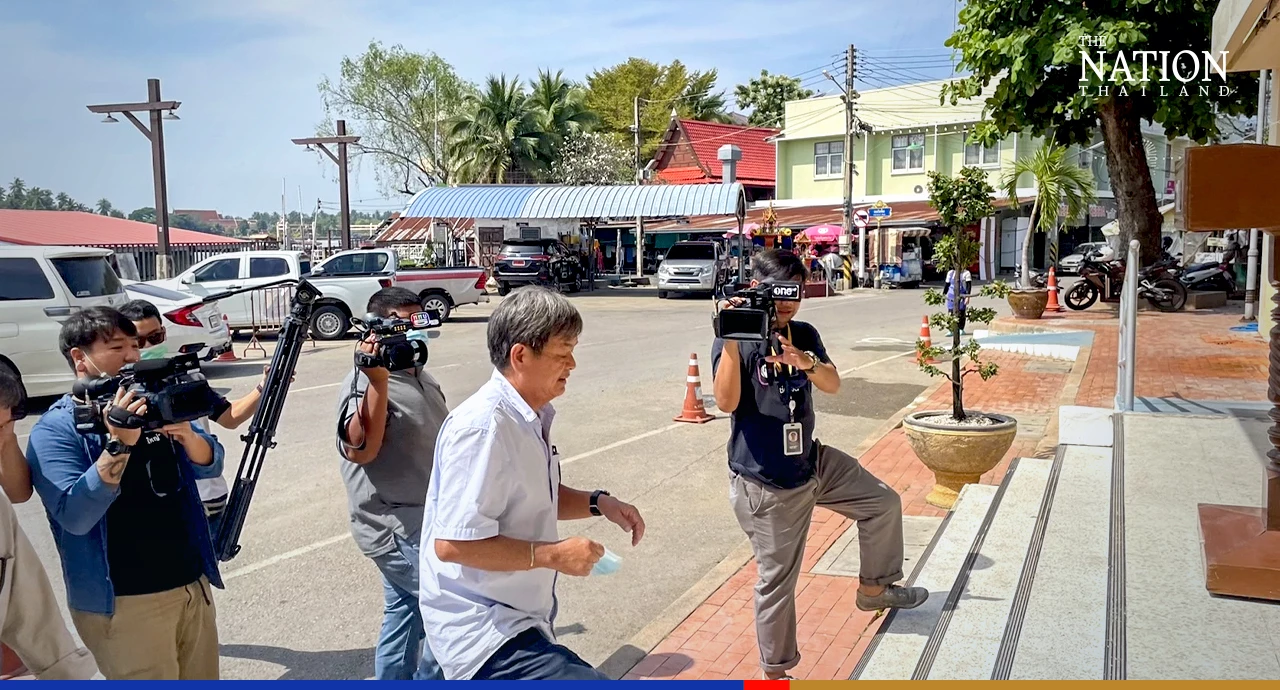
Child Protection Foundation secretary-general Montree Sintawichai, his wife and his son reported to Amphawa police station on Thursday after the station summoned them to face the charges.
Late last month, the foundation, which takes care of 55 abandoned children, made headlines after a group of university students who carried out voluntary work there covertly took a video clip of two teachers beating seven or eight children aged between 10 and 17.
The clip that was sneaked out and publicised by popular Facebook page Zendai (thread) also showed the teachers cursing the children.
A smiling Montree did not express any worry when he arrived at the police station.
He claimed he received “moral support” from Kaewsan Aibodhit, the chairman of the foundation, while Panas Thassaniyanon, former member of the Constitution Drafting Assembly, would assist him as a legal adviser in the shocking case.
After Zendai posted the clip and relayed an account by the voluntary students that the children at the foundation were allegedly forced to work at a resort owned by Montree, the Samut Songkram provincial administration, the Social Development and Human Security Ministry and police sprang into action.
The National Police chief ordered his deputy, Pol General Surachate Hakpal, to head an investigation while the social ministry sent officials to relocate the eight abused children to another shelter for protection pending the investigation.
Police also charged the two teachers who were seen in the clip beating the children.
The foundation was formed in 1994 and was initially located in Soi Lat Prao 106 before being relocated to Amphawa district in 2001.
Its Facebook page has not been updated since 2015. Earlier posts showed several well-known figures visiting the foundation to donate money and necessities.
On Wednesday, Zendai wrapped up allegations against the foundation in a post.
The page thanked the group of students for their courage in exposing the misdeeds.
It said the group of students went to the foundation to work voluntarily but soon saw things were wrong.
They noticed the children were not happy with the activities they were given. They were not even delighted when the students gifted them dolls or rewards.
Some children whispered to the students that they would prefer food or something to eat than the dolls.
During activities, the university students secretly talked to some children and learned they were allegedly forced to work at a resort belonging to the owner of the foundation in exchange for a small sum of money to buy sweets.
Zendai also alleged that a teenage girl was forced to study in a vocational school so she could work for the foundation owner’s resort after she finished her studies.
Furthermore, the page alleged that foundation staff would not allow children to have mobile phones. If anyone was found to sneak in a phone, it would be “seized” and “smashed”.
Zendai claimed the children were forced to clean the resort in the morning before school in exchange for 40 baht for buying sweets at school and 36 baht for bus fare.
The page went on to allege that when some children managed to contact their parents or relatives to come pick them up, the foundation would not let them go and remind their parents that they had abandoned their kids.
The page added that a 17-year-old girl, who was raised since birth, did not have anywhere to go despite her frustration.
Zendai said three kids had fled the foundation, telling friends they would rather seek jobs at construction sites in Bangkok. Their fate has not been known since.
According to the university students, the kids had told some teachers about the alleged abuse but the teachers replied they could do nothing about it.
Only a ‘remote chance’ of Chinese rocket debris falling on Thailand
THURSDAY, NOVEMBER 03, 2022
There is only a 1.4% chance of falling debris from a Chinese rocket affecting Thailand, the Geo-Informatics and Space Technology Development Agency (GISTDA) said on Thursday.
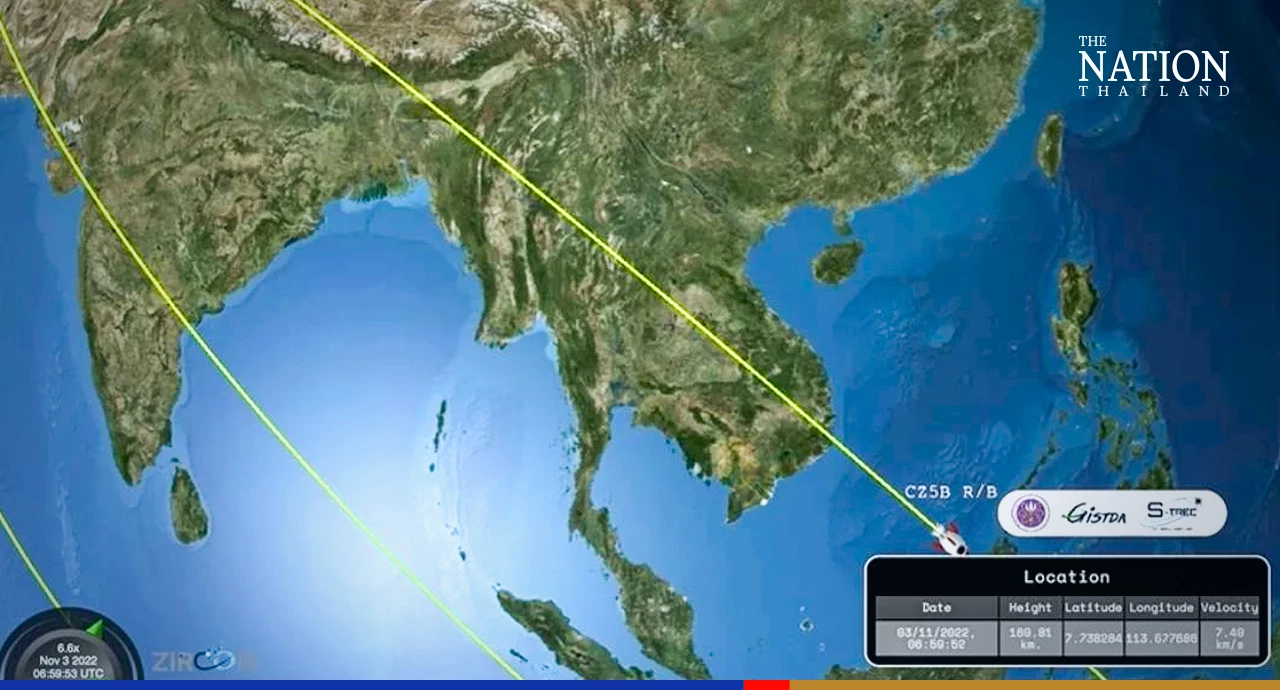
The GISTDA said that the Space Traffic Management System, or Zircon, has monitored and estimated the falling debris of the Chinese rocket, Longmarch 5B-Y4.
The piece is expected to fall to the Earth’s surface on Saturday and might affect Thailand because the object has passed over Thailand every day.
The GISTDA estimates that it would orbit some parts of Chiang Rai, Chiang Mai, Phayao, Nan, Nong Khai, Udon Thani, Kalasin, Roi Et, Yasothon, Amnat Charoen, and Ubon Ratchathani provinces on Thursday from around 1.54pm to 1.56pm.
According to the latest information, this space object’s orbit is around 177 kilometres on average above the Earth’s surface with a weight of 21.6 tonnes, but it is reducing as it falls through the atmosphere.
As for the falling area, the GISTDA said that it has to monitor closely and will be able to estimate accurately when the height is around 130 kilometres on average from the Earth’s surface.
The operation of the rocket, Longmarch 5B-Y4, began on October 31 to connect the Mengtian module with Tiangong Space Station to support astronauts in scientific experiments and studies in physics, materials science, and space technology.
The GISTDA said there were low chances of the piece falling on Thailand, but the organisation will continue to monitor the situation and offer updates.
Six Thai teams all set to bake up a pizza storm in embassy’s Tasty USA Day contest
THURSDAY, NOVEMBER 03, 2022
Six teams from Thai cooking schools and pizza shops are set to roll up their sleeves and get baking in the Great American Pizza Competition to be held by the United States Embassy next Thursday (November 10).
In the final round, the competitors are required to make pizzas from ingredients imported from the US under the concepts of “Real California Pizza”, “Wow American Pizza”, and “Plant Forward Pizza”. The contest, to be held at EmQuartier shopping mall, is part of the annual Tasty USA Day event organised by the US Embassy in Thailand and the US Department of Agriculture to promote American food products in Thailand. The California Cheese Advisory Board, US Wheat Associates, the Washington Apple Commission, US Meat Export Federations, and Thai importers of American food products will participate in this year’s event.
Among the panel of judges will be US Ambassador Robert F Godec, who will present awards to the winners in person. In addition to the pizza-making contest, Tasty USA Day also has booths selling pizzas and imported American food products and beverages. The event is open from November 10 to 13 between 11am and 10pm.
Timely response by firefighters halts gas leak at NGV station in Bangkok
THURSDAY, NOVEMBER 03, 2022
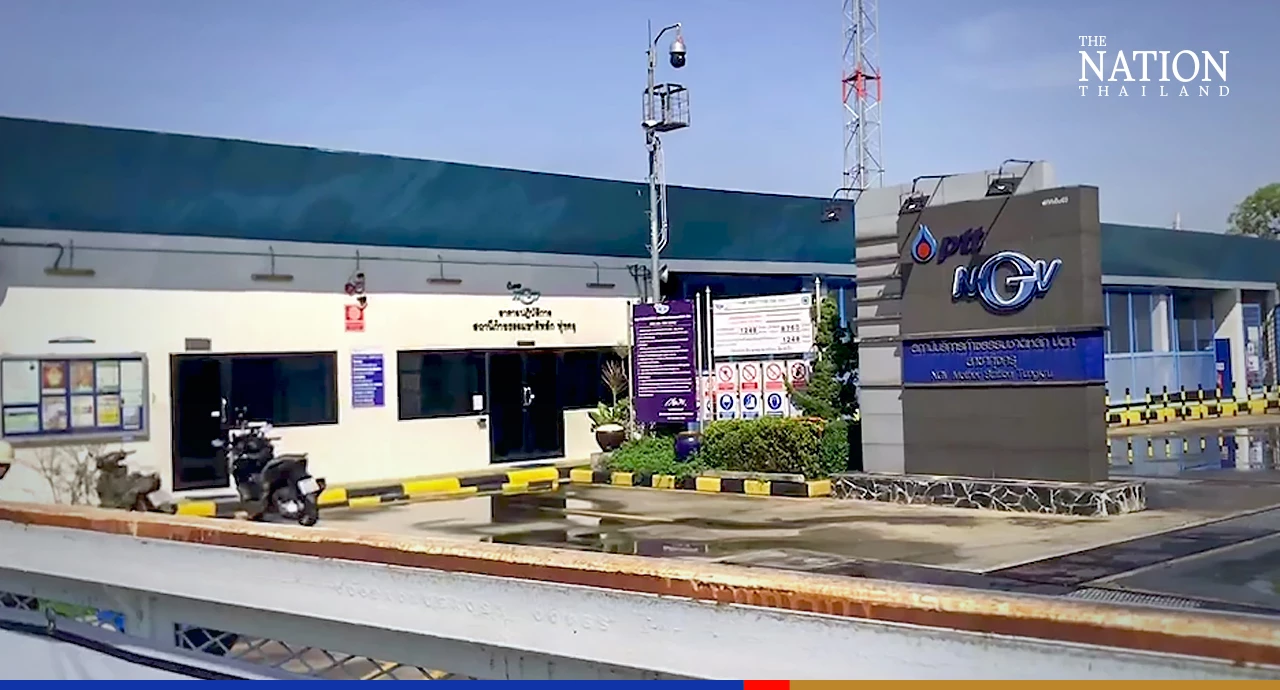
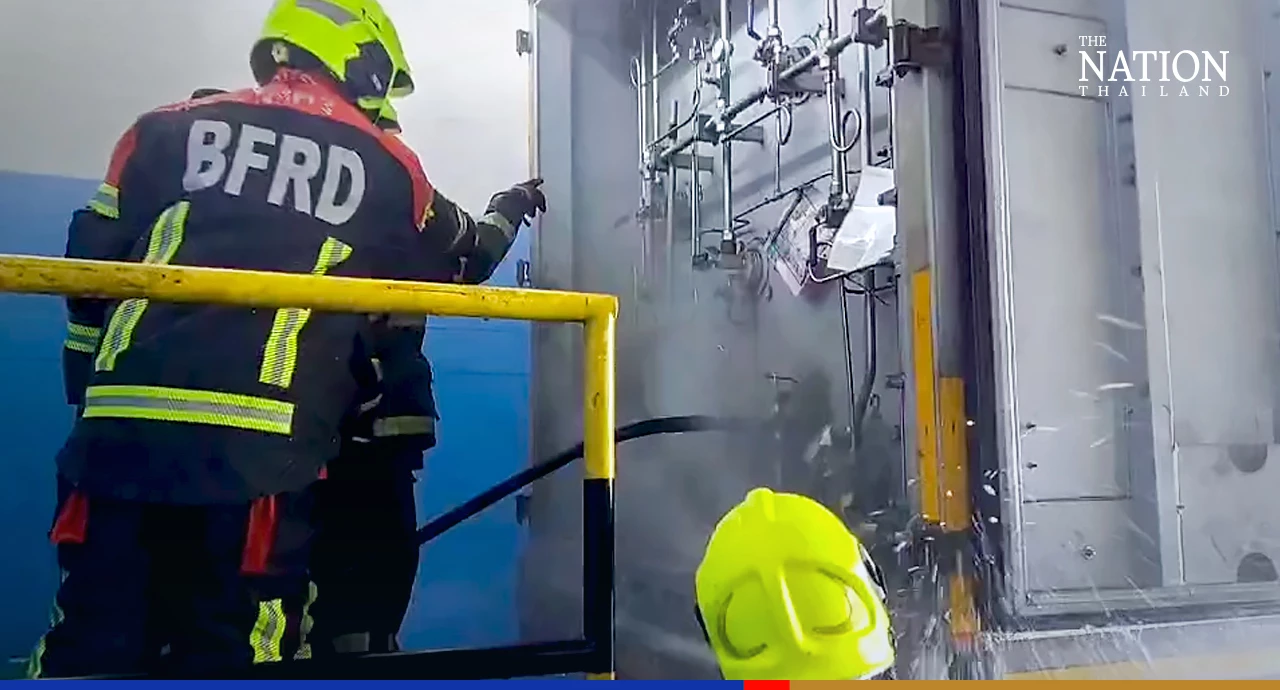
Firefighters took about 20 minutes to halt NGV leakage at a gas station in Bangkok’s Thung Khru district on Thursday morning and averted a possible disaster.
Thung Khru Police Station chief Pol Colonel Ananchai Kamolrat and Thung Khru assistant director Prasart Phosrimart were informed about the leak at 9.15am.
Police then coordinated with the Thung Khru fire station to rush fire engines and firefighters to the PTT NGV station on Thung Khru Road along an elevated expressway.
Firefighters found that the leakage occurred at one of four trailer trucks that were filling gas there.
Staff at the station said they had tried to shut the valve of the gas tank of the truck but failed because the leaked gas formed a thick smog inside the building.
Firefighters took 20 minutes to dilute the gas using water hoses, after which the station staff were able to close the valve.
Thailand’s award-winning GranMonte wines to be served at Apec leaders gala dinner
THURSDAY, NOVEMBER 03, 2022
Wine from Khao Yai-based GranMonte Vineyard and Winery will be served to Asia-Pacific Economic Cooperation (Apec) leaders attending a key summit in Bangkok this month in a bid to promote Thai-made products.
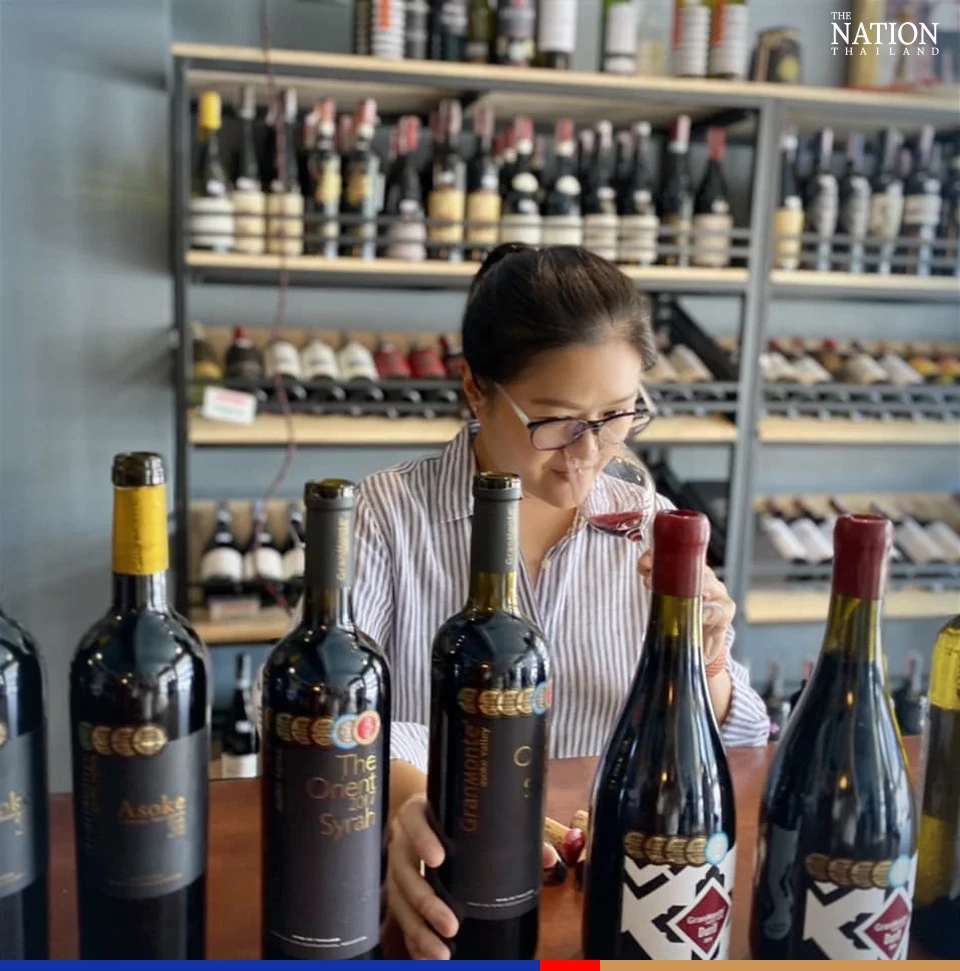
GranMonte is located in Nakhon Ratchasima’s Pak Chong district. Its renowned winemaker “Nikki” (Visootha) Lohitnavy is general manager.
This Thai wine brand is internationally well known. For instance, its NV GranMonte Crémant Méthode Traditionnelle Extra Brut received a gold medal and an additional seven silver medals at Europe’s biggest wine competition, AWC Vienna 2022.
The 2020 GranMonte Orient Viognier, a super-premium full-bodied white wine, received a silver medal at the same competition.
“Nikki” (Visootha) Lohitnavy
The Crémant Méthode Traditionnelle Extra Brut and the Orient Viognier are among a number of top GranMonte wines selected for the Apec leaders gala dinner at the Royal Thai Navy Convention Hall.
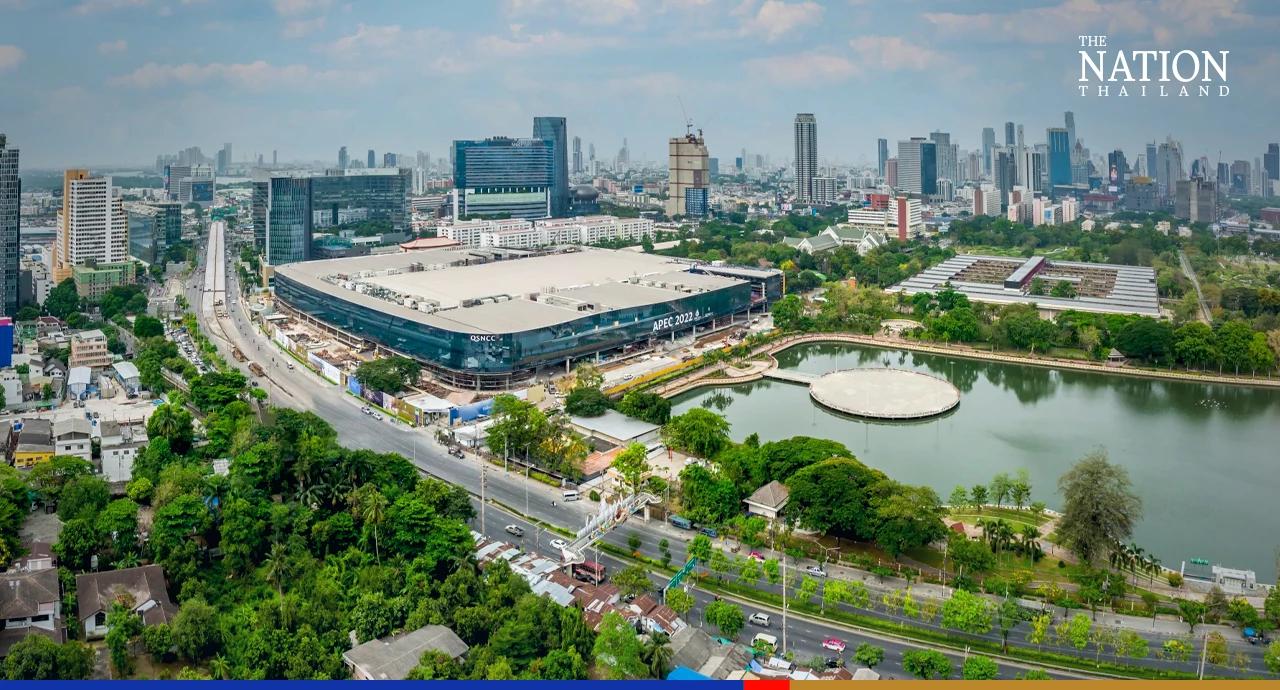
The Apec Summit, scheduled to be held at Queen Sirikit National Convention Centre on November 18 and 19, has been organised under the theme of “Open. Connect. Balance”.
Ratchadapisek Road to be closed to traffic for Apec Summit
THURSDAY, NOVEMBER 03, 2022
Bangkok’s Ratchadapisek Road will be closed from November 14 to 19 for the Asia-Pacific Economic Cooperation (Apec) Summit and only those with a valid permit can use the route.
Thong Lor police station issued an announcement on Thursday stating Ratchadapisek Road, from Asoke Intersection to Ratchada-Khlong Toei Intersection, will be closed to general traffic from November 14 to 19.
The move aims to facilitate traffic and security management of the key summit, which will be held at Bangkok’s Queen Sirikit National Convention Centre.
The announcement, signed by Pol Colonel Duangchote Suwancharan, superintendent of the Thong Lor police, said motorists who wish to use the route during this period must first register for a permit with the police via this Google Form.
Registrants must provide their name, phone number, copy of ID card, licence plate number, type and colour of the vehicle along with photos, and specify the building/s they wish to visit on the closed-off route.
Motorists can then present the permit to police officers before entering the road.
BMA to hold major Loy Krathong events from Sunday to Tuesday
THURSDAY, NOVEMBER 03, 2022
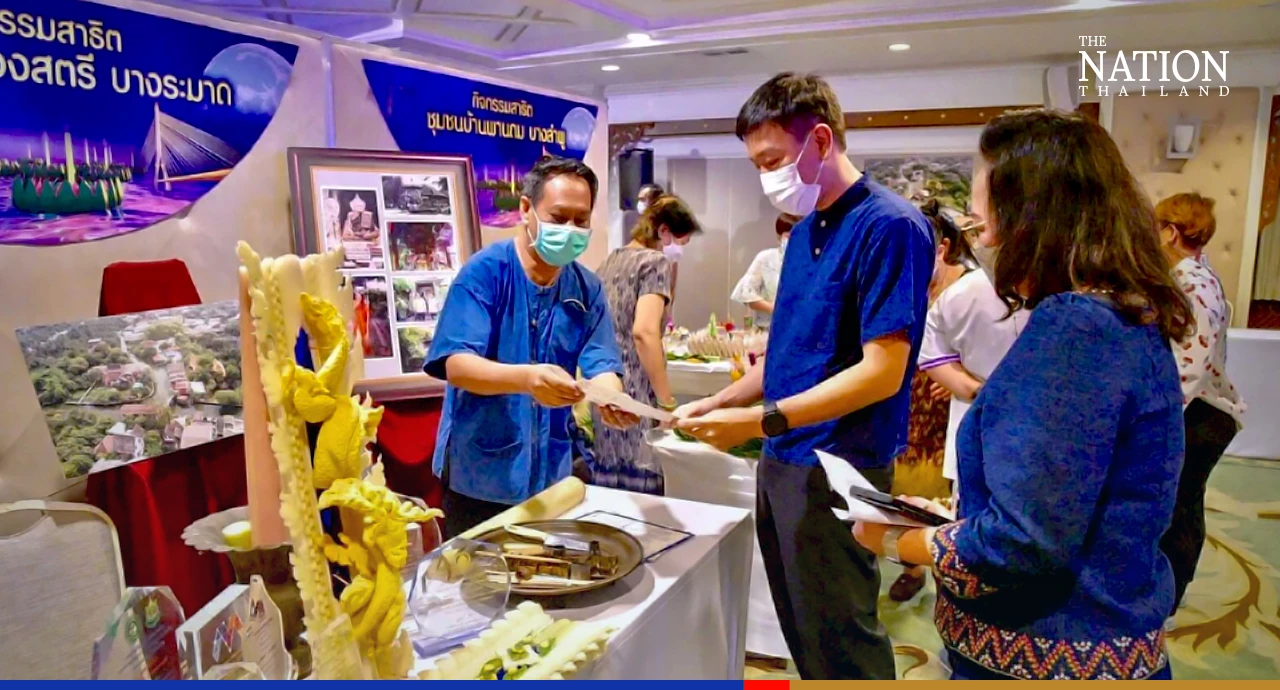
Get your krathong ready: the Bangkok Metropolitan Administration (BMA) will hold major Loy Krathong events at two locations from this Sunday to next Tuesday with a focus on promoting krathongs made of environmentally friendly organic materials to reduce waste.
Loy Krathong, also called Thailand’s festival of lights, sees people releasing small floats called krathongs into waterbodies to “honour” the goddess of water.
During a press conference on Wednesday, deputy governor Sanon Wangsrangboon said the first event would be held at Ong Ang Canal in Phra Nakhon district on November 6 and 7. The fair will feature a live performance of traditional and modern music, a cultural performance, an open-air movie theatre, and booths selling products by community enterprises.
The second event will be held on the Thonburi side of Rama VIII Bridge in Bang Phlat district on November 8, the official Loy Krathong night this year. This event will feature a cultural performance on stage and a concert by popular singer Vid Hyper. There will also be an ancient-style market selling souvenirs, handicrafts, “Bangkok Brand” products from 50 districts and traditional Thai food.
“The Loy Krathong event at Rama VIII Bridge will commence at 5pm on Tuesday and go on until 10pm. We urge Bangkokians to use only krathongs made from organic materials so they don’t add non-disposable waste to the Chao Phraya River,” said Sanon.
“For those who cannot come to the bridge, the BMA will also let people float their krathongs at ponds in 33 public parks across the city, which will remain open until midnight.”
The deputy governor also urged people to float only one krathong per family instead of one per person to minimise waste.
Earlier this week the Culture Ministry announced it would hold separate Loy Krathong events under the banner of Bangkok River Festival 2022.
This festival will be held at the following 10 piers that have historical significance:
– The pier of Wat Pho, or Wat Phra Chetuphon
– Wat Arun, or the Temple of Dawn
– Wat Prayun
– Wat Kalayanamit Woramahawihan
– Wat Rakhang Kositaram Woramahawihan
– Maharaj Pier
– Asiatique the Riverfront
– Lhong 1919 pier
– Sooksiam @ Icon Siam pier
– Guan Yu Shrine pier at Khlong San.
The events will be held from 5pm to 10pm on Saturday and Sunday and from 5pm to midnight on Tuesday, November 8, Loy Krathong night.
FDA warns consumers after discovering contaminated squid from China
THURSDAY, NOVEMBER 03, 2022
The Food and Drug Administration of Thailand (FDA) warned people to carefully check seafood packages after frozen squid imported from China was found to contain cadmium exceeding the safety standard.
The FDA announcement came on Wednesday after a random check at the Lat Krabang Food and Drug checkpoint in May this year. The Department of Medical Sciences had found a package of frozen whole squid imported from China to contain 3.27 milligrams of cadmium per kilogram, which exceeded the safety standard of less than 2mg per kg.
The seafood was manufactured by Fujian Minwell Food Industrial Ltd in China and was allegedly imported by M Global Sourcing, which is based in Samut Sakhon, the FDA said.
The 1kg packet of squid was manufactured on April 29 this year and had an expiration date of April 28, 2024, according to the FDA.
The agency said it had filed a charge against the importer for violating the Food Act of 1979: importing contaminated food for sale, which has a maximum fine of 50,000 baht or two years imprisonment, or both.
The FDA warned people to check frozen seafood packages and avoid buying products manufactured by the Chinese company.
For inquiries on food safety, contact FDA hotline 1556 or Line@FDAThai, or visit Facebook @FDAThai or E-mail: 1556@fda.moph.go.th.
Cadmium is a chemical element that can cause acute or chronic toxicity if consumed in high volumes through food, according to the National Food Institute. Symptoms of acute toxicity include nausea, vomiting, diarrhoea, headache, muscleache, stomachache, shock or liver and kidney damage. Chronic symptoms include a loss of smell, weight loss, anaemia, having trouble breathing, yellowing of the teeth or liver and kidney damage.
Norway’s co-processing system offers new solutions to region’s plastic problems
WEDNESDAY, NOVEMBER 02, 2022
Nongluck Ajanapanya
A team of Western scientists, led by a Norwegian expert, have come up with a “win-win solution” for eliminating single-use plastic and expanding business opportunities.
The solution, dubbed “co-processing”, uses waste as a source of energy to replace fossil fuels.
“This co-processing system has been used in Norway’s cement kilns for more than 30 years to treat hazardous organic waste. It has also been shown to significantly reduce plastic waste,” said Dr Kåre Helge Karstensen, chief scientist at the Norwegian Foundation for Scientific and Industrial Research (Sintef).
Karstensen is also the project manager for Ocean Plastic turned into an Opportunity in Circular Economy (OPTOCE).
Despite the eagerness with which nations discuss and act on recycling plastic and developing new types of plastic, more than 5 billion tonnes of plastic waste has now accumulated in dumpsites and landfills across the world, he said.
He was speaking at the two-day OPTOCE Regional Forum held in Bangkok on October 28 in a move to seek cooperation from the business sector.
“An estimated 9.3 billion tonnes of virgin plastics were produced globally up to 2019. Of this, around 6.3 billion tonnes have ended up as plastic waste, with only 9 per cent recycled and 12 per cent incinerated – 79 per cent was dumped. If current production and waste-management trends continue, roughly 12 billion tonnes of plastic waste will be in landfills or the natural environment by 2050,” he warned.
Even worse, this plastic waste will eventually find its way into the ground, rivers, and ocean, he said. Numerous studies have demonstrated the presence of “microplastic,” or extremely small pieces of plastic, in both human blood vessels and marine life.
“The problem is that few people are talking about how to properly accumulate and eliminate single-use plastic. International action is key to tackling the most significant sources of plastic litter in the oceans,” Karstensen said.
Pilot project OPTOCE projects seek to discover the best way to deal with plastic waste management, particularly single-use plastic, across the world.
However, OPTOCE needs to provide more successful examples to encourage different parties to use the co-processing method.
Hence, a pilot project was officially launched in 2019 in five partner countries, namely Thailand, India, China, Myanmar and Vietnam.
These countries were chosen because they are among the world’s largest plastic consumers, producing about 217,000 tonnes of plastic waste per day or 79 million tonnes per year.
They are all plagued by inadequate waste management infrastructure and treatment capacity.
In addition, with close to 3 billion people living along coastlines, they need an immediate solution to this problem. It is estimated that more than 80 per cent of marine debris originates on land.
These countries are also industrially intensive and use a lot of fuel to make cement and steel.
“Some pilot countries, such as Thailand, already use incineration. However, when compared to co-processing, this method is not suitable as a long-term solution. This is because the incineration process still emits carbon dioxide,” Dr Karstensen said.
Incineration is a waste-treatment process that involves the combustion of waste materials’ constituents. Waste-to-energy plants are commonly used in industrial waste incineration plants.
“There is no dedicated incinerator for organic hazardous waste in Norway. Today, over 75 per cent of coal is replaced by various wastes from the Norwegian cement industry,” Karstensen added.
Businesses can have a sustainable source of energy, reduce carbon emissions and help communities get rid of plastic waste thanks to this pilot project, which diverts single-use plastic and turns it into fuel.
Unfortunately, Karstensen said, this project is moving at snail’s pace due to the Covid-19 pandemic. He added that now is the time to act quickly and investigate the advantages and disadvantages of bringing the cement industry into plastic-waste management in Thailand and other countries in the region.
Alternative business opportunities Karstensen said the co-processing technology will not just improve the circular economy, but will also reduce the plastic waste in oceans, boost waste-treatment capacities and establish sustainable, cost-effective integrated waste-management options.
With many countries focusing on responsibility and sustainability, Karstensen said he is confident that co-processing will offer business opportunities for some entrepreneurs.
“The ‘polluter pays principle’ is a common rule in the West. It means that the company that generates the waste and pollutes the environment must pay waste-management fees,” he said.
Though the investment is significant, the co-processing company will profit from both waste elimination and the sale of carbon footprint quotas. The company will also get to save money on fuel consumption and raw materials.
Let market mechanisms work The goal of the pilot project, Karstensen said, is to foster collaboration among private firms so they are willing to invest in equipment, technology, talent, and licence.
He said a pilot project in China, launched in 2005 in collaboration with a local environmental agency, began with no co-processing plant and has now grown to more than 200 co-processing cement kilns.
“The Chinese government just did one project as a model and let the private sector across the country learn the [co-processing] technology,” Karstensen explained.
He said the project does not require any financial support from governments. All they need to do is enact and support some regulations that are strictly enforced.
“The Malaysian government once tried to do it on their own and the project went bankrupt. As a result, it demonstrates that simply allowing the market to run its course is sufficient,” Karstensen explained.
He concluded that the OPTOCE would take co-processing or integrated waste management into consideration. By substituting non-recyclable plastic waste for some of the coal could prevent a significant amount of plastic from entering the ocean.
This would reduce reliance on fossil fuels and indirectly cut greenhouse gas emissions by not building new landfills or incinerators.


 On Wednesday, Zendai wrapped up allegations against the foundation in a post.




 “Nikki” (Visootha) Lohitnavy