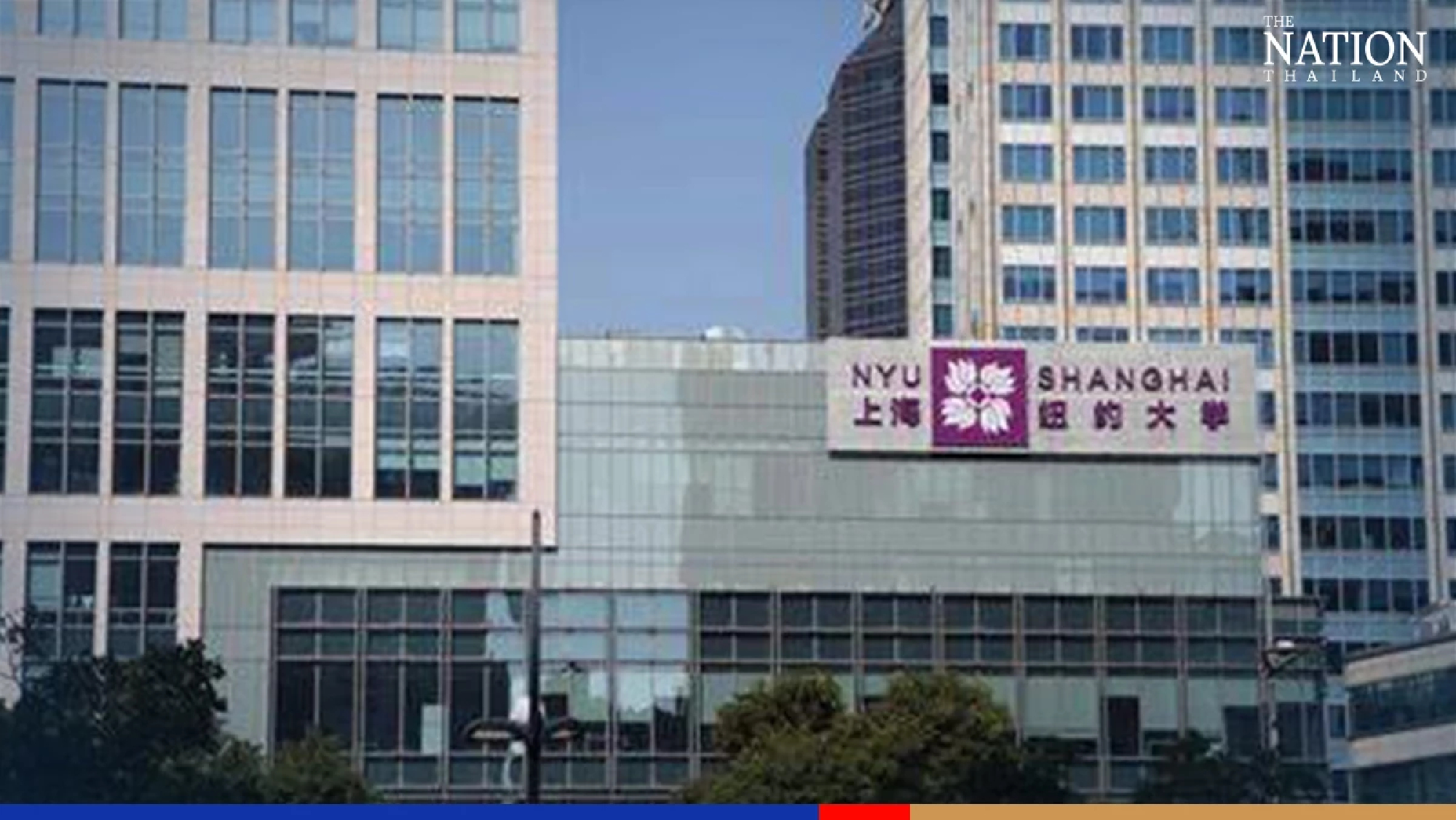
Thai students will be allowed to return to China after Beijing eased strict Covid-19 lockdown measures last week.
China hosted over 30,000 Thai students before the pandemic – many taking medical and science courses – but most were sent back to study online in Thailand in 2020.
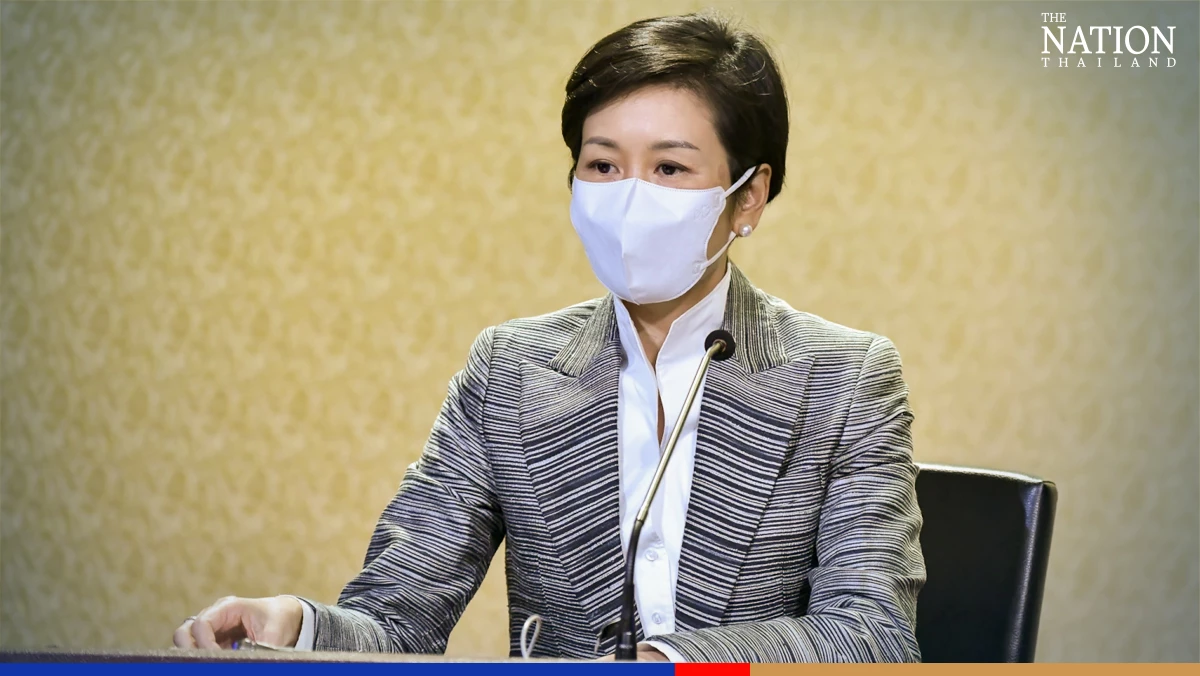
Their permission to return was secured by Thai Foreign Ministry cooperation with Chinese agencies, deputy government spokeswoman Rachada Dhnadirek said on Friday.
She added that Prime Minister Prayut Chan-o-cha had also expressed concern about this issue.
“Thanks to Foreign Ministry cooperation, China has allowed Thai students to enter the country based on necessity and students’ readiness,” she said.
deputy government spokeswoman Rachada Dhnadirek
The first group of 76 Thai students flew back to China in February, according to Rachada.
However, China then imposed a rigid lockdown on tens of millions of people in Shanghai and other large cities to contain a new outbreak of the virus. Those measures were eased last week, meaning a second group of Thai students will now be allowed entry to the country.
Rachada said Chinese authorities were permitting the students to return as they are confident in Thailand’s Covid-19 management, especially its vaccination programme. Thailand recorded fewer than 3,000 cases on Friday as it moves towards declaring Covid endemic.
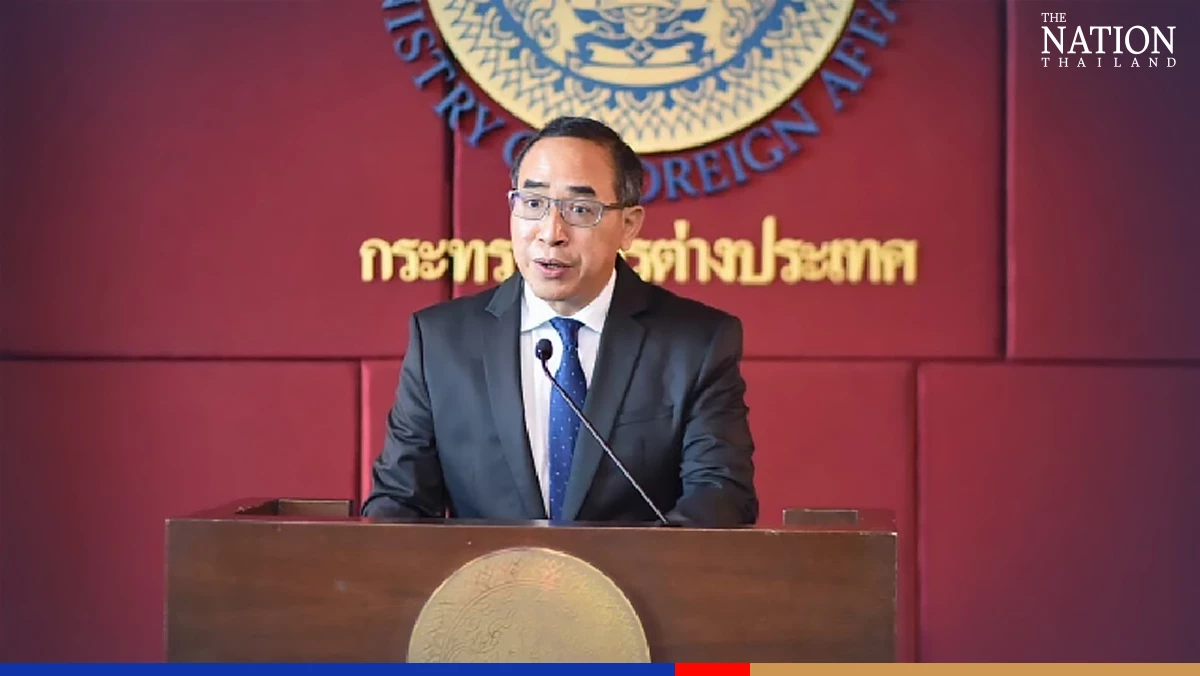
Foreign Ministry spokesman Tanee Saengrat
The Foreign Ministry said China had allowed overseas students from several countries to return to certain Chinese universities.
Some parts of the Huai Khwang MRT station parking lot will be closed from June 15 to July 17, the Mass Rapid Transit Authority of Thailand (MRTA) said on Friday.
The MRTA explained that it would install two additional robot parking machines in the parking lot.
Cars and motorcycle users, however, will be able to use the parking lot as usual, it said.
The MRTA explained that it had previously installed some robot parking machines in Sam Yan MRT station and Huai Khwang MRT station.
The automatic parking system increases space utilisation efficiency in the limited area.
It will also help users when parking a car as the machine will stack the vehicles vertically.
Users have to wait for at least 90 seconds or three minutes if the car is parked in the deepest area.
More information is available at the Line Official account @MRTAParking
Excise tax on electric vehicles (EVs) has been reduced from 8 per cent to 2 per cent until December 31, 2025, according to an announcement published on the Royal Gazette website on Wednesday.
The move aims to boost the country’s competitiveness in the automotive industry, promote safety standards and reduce carbon emissions to mitigate the impact on the environment.
Three automakers — MG, Great Wall Motor and Toyota — participating in the government’s EV incentive campaigns will benefit greatly from the excise tax reduction.
Toyota aims to launch its EV model “Toyota bZ4X” in the latter part of this year.
Earlier, MG and Great Wall Motor gained benefits from import tariff exemption and THB150,000 for each EV unit with more than 40kWh battery capacity.
MG has outstanding orders for more than 6,000 EVs so far, namely MG EP EV and MG ZS EV. Most customers are waiting for the excise tax reduction to gain maximum discount on EVs priced at not more than THB2 million.
For instance, the price of the MG ZS EV X will go down from THB1,269,000 to THB1,023,000, after taking into account discounts totalling THB246,000 — THB150,000 government subsidy and THB96,000 from excise tax reduction.
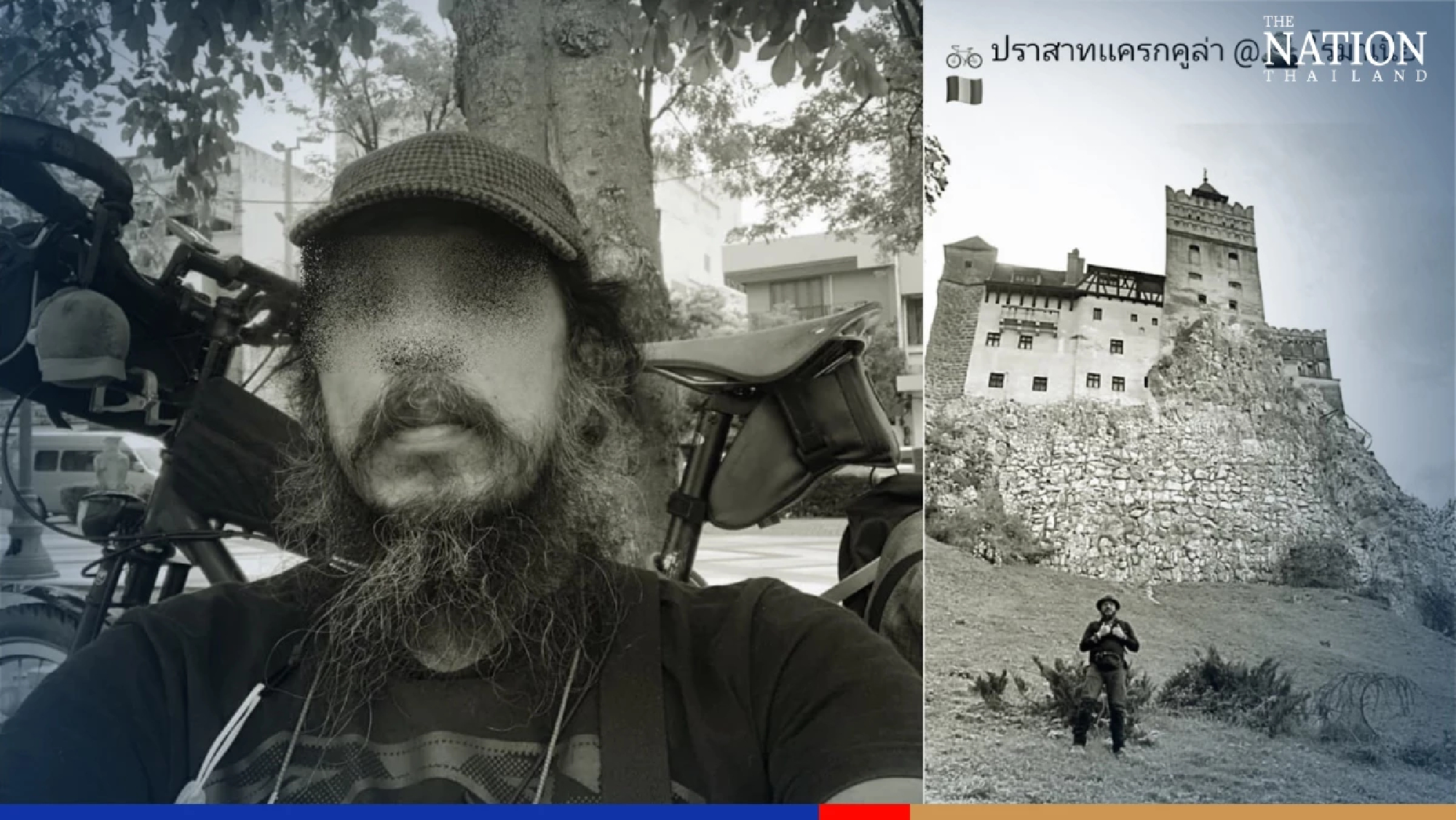
A 53-year-old Prachuap Khiri Khan native who has been on a bicycle tour around the country was run over and killed by a 10-wheeler on Thursday in Nakhon Ratchasima (Korat).
Niranta Pramthong, who had ridden his bike to several countries before, was found dead near his bike, with the truck parked on the parallel road. The truck’s rear tyre had sustained a scratch.
The driver Pradit Thiangtham, 41, told officers from Pho Klang Police Station that because the road was being constructed, he had to take the parallel path.
He claimed he was driving slowly, but did not see the bike. It was only after his truck trampled the bike did he realise there was someone there and jumped out to find the biker killed.
Reports failed to indicate what time of day the accident took place.
Police will gather evidence and contact the victim’s relatives to proceed with legal action.
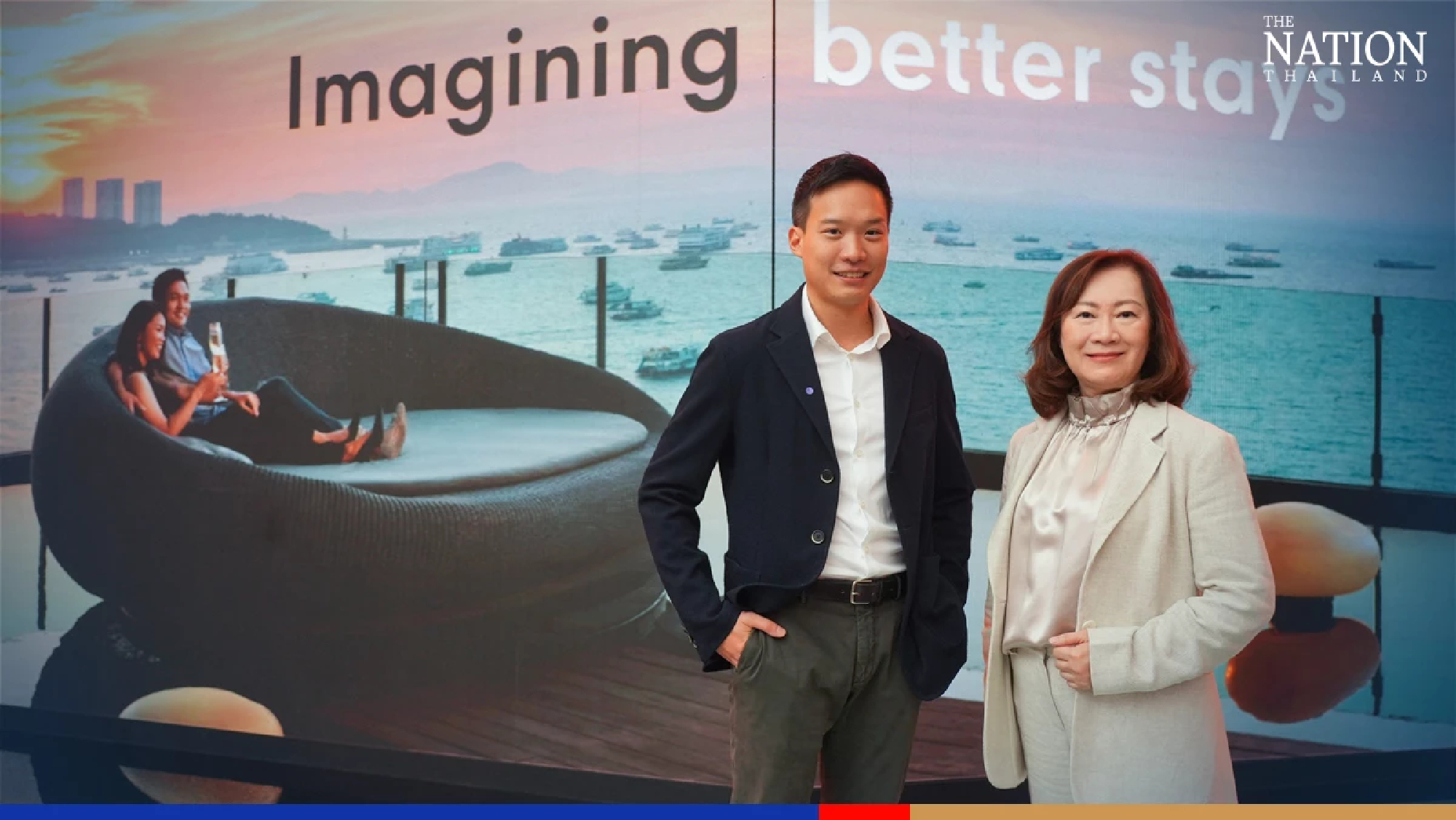
Leading Thai real-estate developer Central Pattana plans to implement strategies to create a new standard for hotel stays in a bid to change the country’s travel ecosystem.
Central Pattana said on Thursday that it wants its hotels to not just cater to tourists, but also to people travelling for other purposes. This will also help foster the potential of different cities across the country.
Tourism and Sports Minister Phiphat Ratchakitprakarn said he believes Central Pattana will become a key force to drive the Thai economy, boosting the tourism industry as well as creating jobs and income opportunities in local communities.
“This is in line with government and the ministry’s policies to push for the country’s recovery via tourism,” he said.
He added that the ministry is eyeing new products to revitalise domestic tourism, targeting high-growth groups such as travellers on staycation, workation and digital nomads.
He added recovery of the tourism industry relies on cooperation from the private sector as Thailand has been suffering from the Covid-19 crisis for a long time.
“Central Pattana’s plans to expand its hotel business and its mixed-use development projects will support the ministry’s efforts as well as drive the country and the economy,” he added.
Wallaya Chirathivat, Central Pattana’s president and CEO, said the company will continue implementing its 10-billion-baht five-year plan of setting up 37 hotels in 27 provinces.
She said this plan will help boost the local economy and create as many as 3,900 jobs.
“We are looking to create and implement a high standard for our hotels to become the No 1 choice for domestic travel and pioneer a new travel ecosystem,” she said.
She said Central Pattana will implement three strategies:
Complete Travel Ecosystem
The company believes hotels should not just cater to tourists but also to people travelling for other purposes. This shift in focus will help target both Thai and foreign travellers.
Creating New Standard of Travel Lifestyle
Central Pattana’s hotel brands will cover all market segments and work in synergy with other businesses under Central Pattana and Central Group.
Co-Creating with Communities
The company wants to join forces with communities and promote their identities, which can help generate revenue for local businesses.
“Every province has the potential to support travel for different purposes, so we believe the expansion of the hotel project, including the extension of Central Pattana’s mixed-use project, will have a positive impact on travel,” she said.
“This gives Thais more destinations to go to and foreigners will have more alternatives for accommodation.”
Phoom Chirathivat, chief of Central Pattana’s hotel properties, said the company’s three hotel brands will each focus on tapping into specific segments and locations. Its three brands are the upscale Centara, midscale Centara One and premium budget Go! Hotel.
He added that locations in the pipeline include Korat, Ubon Ratchathani, Ayutthaya, Rayong, Sri Racha, Chonburi and Chiang Rai.
“The first project is Centara Korat, to be launched in September this year,” he said.
He added that the project’s target includes Korat people, travellers from other provinces, including those travelling to Korat for MICE, and business people who need to travel to Buri Ram, Udon Thani and Khon Kaen.
The Centre for Covid-19 Situation Administration (CCSA) will meet next week to consider removing the facemask mandate in public places and allow entertainment venues to close at 2am, chief of the CCSA operation centre Supoj Malaniyom said on Thursday.
He said CCSA requires more time to evaluate the situation and has tasked the Department of Health with drawing up new rules for facemasks, especially marking out areas where people can go without wearing a mask.
“Our aim is to help people resume normality as soon as possible now that Covid-19 is close to becoming endemic,” he said. “The same goes for extending operating hours for entertainment venues, as we found the situation to be under control after allowing bars, pubs, karaoke joints and massage parlours to reopen since June 1.”
He added that the meeting on June 17 will also consider reopening more border checkpoints.
“Though the situation in Thailand is improving, CCSA is still concerned as the number of people getting booster shots is low. We, therefore, urge those who have not received a booster to get one as soon as possible to reduce the risk of hospitalisation and death,” Supoj said.
As of June 9, Thailand had administered 138.36 million doses of Covid-19 vaccines, of which 56.81 million were first jabs covering 81.7 per cent of the population, 52.84 million second jabs covering 76 per cent of the population, and 28.69 million booster shots covering 41.3 per cent of the population.
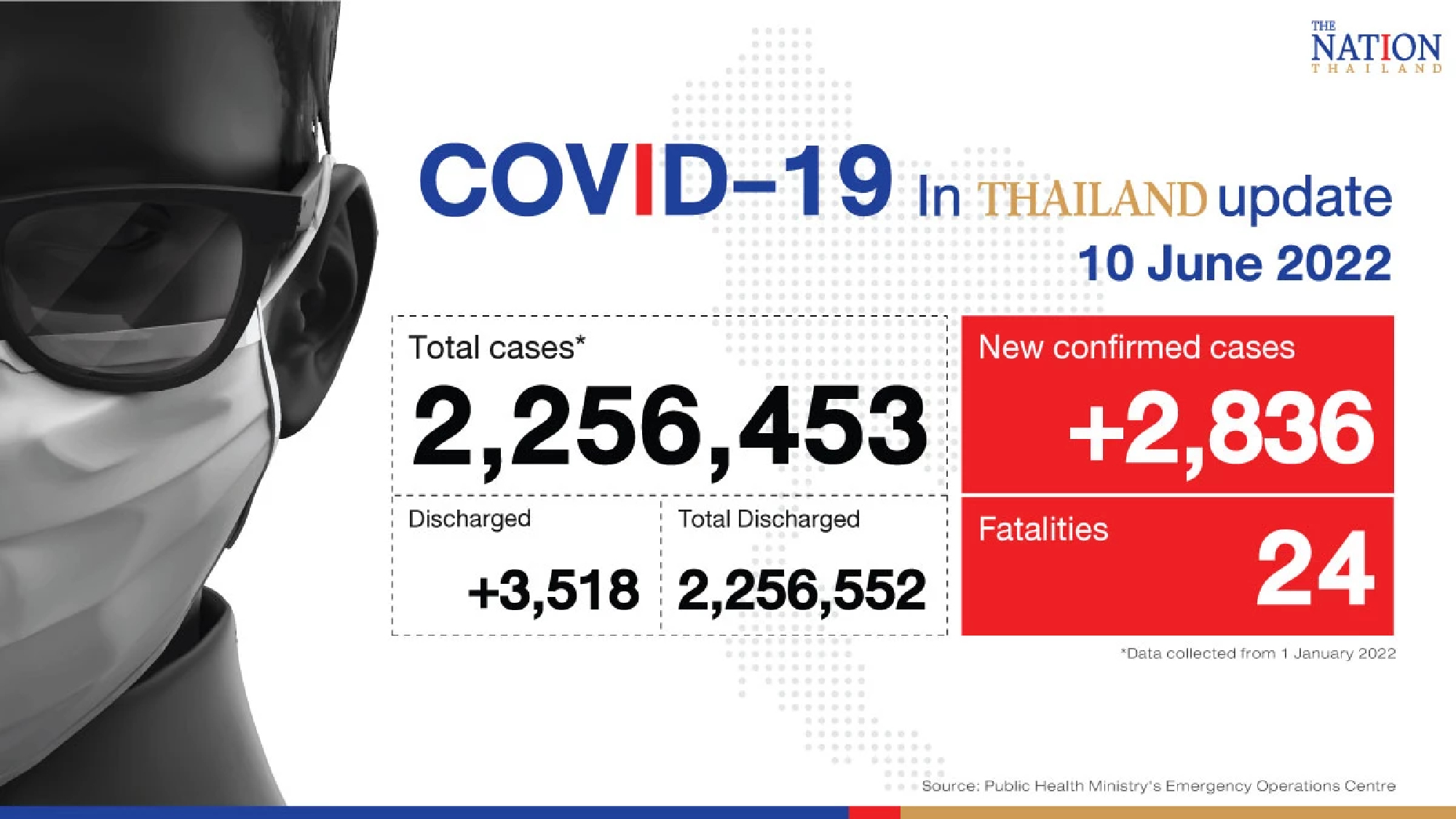
On Friday, Thailand recorded 2,836 Covid-19 cases and 24 deaths, while 3,518 patients had recovered and were discharged from hospitals. Since January 1, 2022, Thailand has seen a total of 2,256,552 Covid-19 cases.
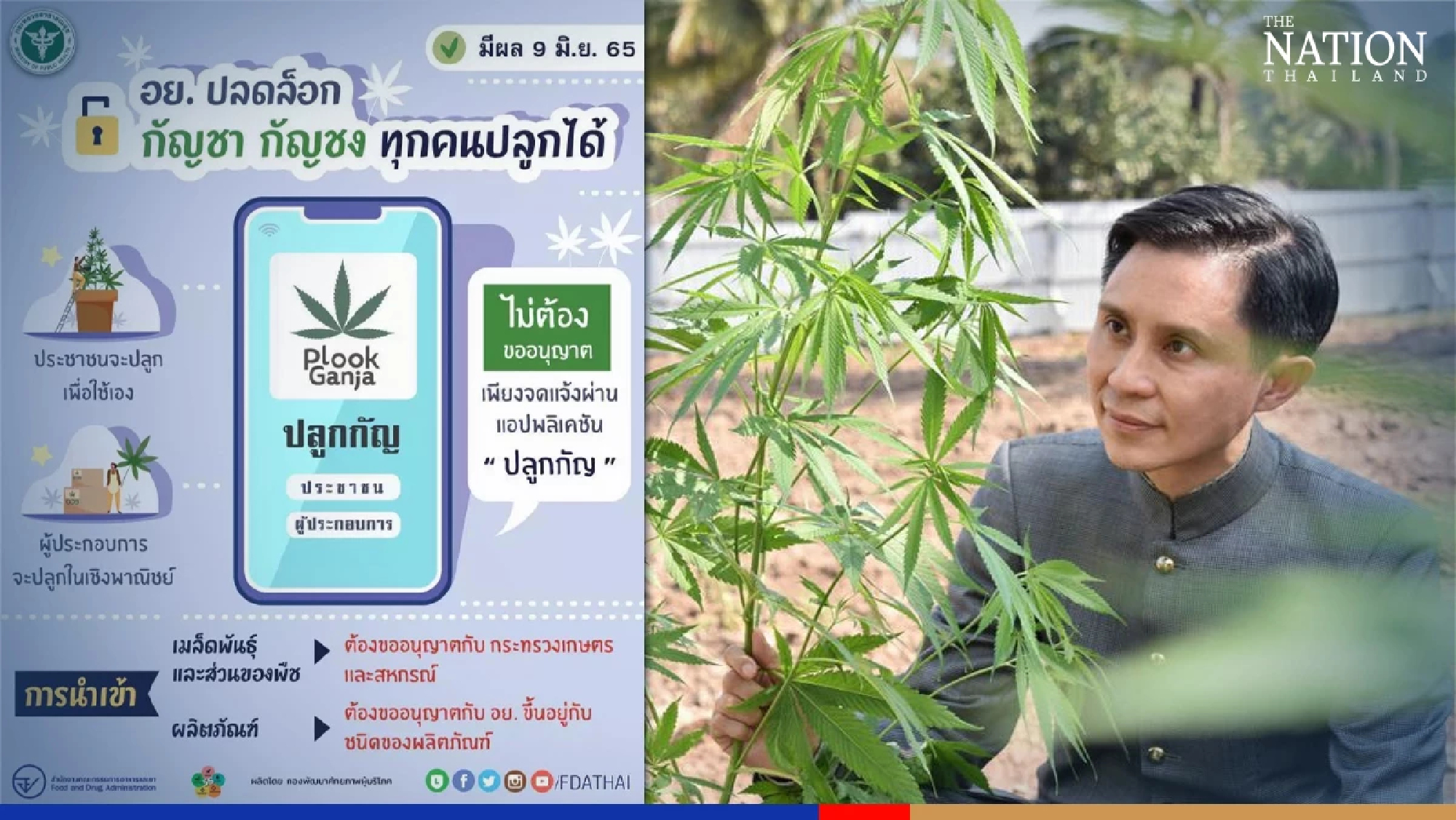
The Thai Food and Drug Administration (FDA)’s “Plookganja” app crashed on Thursday after receiving more than 9 million applications from people wanting to grow marijuana and hemp.
The two plants were officially removed from the list of Category 5 Narcotics on June 9 (Thursday), allowing individuals and businesses to cultivate them for food and medicinal purposes.
Before planting the herbs, individuals need to register via the Plookganja app or the http://plookganja.fda.moph.go.th website and get a digital certificate. Applicants need to provide information on the number of plants they intend to grow and explain why.
“The app and website crashed by 4pm after receiving 9,023,194 applications,” Panthep Phuaphongphan, spokesman for Public Health Ministry’s committee on communication and public relation for marijuana usage, said on Thursday.
“The FDA is working to improve the application and website to accommodate more applicants,” he said. “While the app and website are down, we will process the applications submitted so far.”
He added that the FDA had issued 152,700 digital certificates, most of whom (120,837) had applied to grow marijuana and the rest hemp.
This registration process has been set up so the FDA can record the number of marijuana and hemp plants growing nationwide, which will serve as a database for businesses wishing to manufacture cannabis-based products. This is in line with the Public Health Ministry’s aim to make marijuana and hemp new cash crops.
Ministry of Public Health reported on Friday (June 10) morning that in the past 24 hours there are 2,836 new patients who tested positive for Covid-19, one of whom has arrived in Thailand from abroad.
Death toll increased by 24, while 3,518 patients were cured and allowed to leave hospitals.
Cumulative cases in the country since January 1, 2022 are at 2,256,552.
The fourth phase of the popular “Rao Tiew Duay Kan” (We Travel Together) co-payment scheme is being extended and will take off next month, with rooms and flight discounts for 1.5 million domestic travellers, the Tourism Authority of Thailand (TAT) announced on Thursday.
Those looking to avail of the co-payment scheme, aimed at encouraging domestic travel, may register on its website from June 27 and start reserving hotel rooms on July 1, with stays commencing on July 8, according to the agency.
Reservations are open until October 23. The scheme ends on October 31.
TAT governor Yuthasak Supasorn said the extension of the fourth phase offers domestic travellers another 1.5 million room nights.
He said the next Cabinet meeting on June 14 is expected to endorse implementation of the extended phase.
The fourth phase ran from February 1 to May 31. However, not all rooms under the scheme were booked up, leaving an unused budget that is now being allocated for extension of the phase.
The scheme’s website (www.เราเที่ยวด้วยกัน.com) is being updated to comply with the requirements under the Personal Data Protection Act in force since June 1.
Travellers who book accommodations are eligible for a 40 per cent government subsidy on room rates, limited to THB3,000 per night and 10 nights per person.
They are also entitled to a 40 per cent subsidy on food of up to THB600 per day, as well as a 40 per cent subsidy on airfares capped at THB3,000 per passenger and two persons per hotel room.
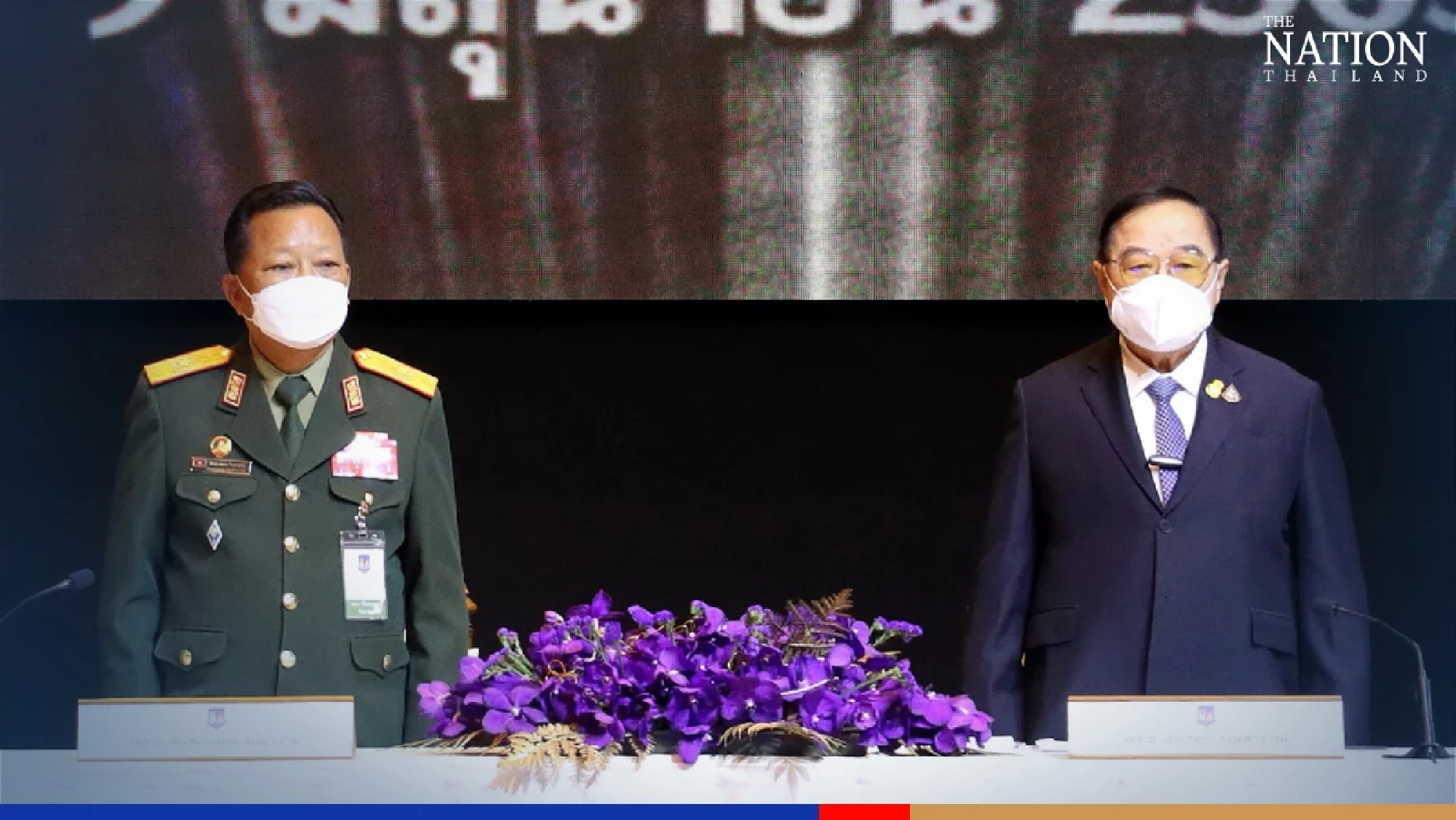
Deputy Prime Minister General Prawit Wongsuwan and his Laotian counterpart chaired the 27th Thai-Lao General Border Committee meeting in Bangkok on Thursday.
The meeting was held at the Conrad Bangkok Hotel with Laotian Deputy Prime Minister Chansamone Chanyalath representing the neighbouring government.
Before the GBC meeting started, the two deputy prime ministers discussed measures for cooperation after the end of the Covid-19 pandemic, which is expected soon, according to Thai officials who attended the meeting.
The two also discussed security issues, which were joint problems along the border of the two neighbouring countries, including the issues of drug trafficking, trafficking in persons, illegal immigrants and across-the-border call-centre gangs.
The two deputy prime ministers discussed plans to strengthen local economies of villages along the border of the two nations.
The two deputy prime ministers then jointly presided over the GBC meeting and congratulated each other for the successful operations of the committee during the past year.
Prawit and Chansamone were informed that the GBC had overseen strict security enforcement along the border as agreed upon earlier in the panel.
During the past year, the GBC has held meetings at various levels and has overseen the exchange of visits of officials of both countries and the holding of joint cultural and sport activities as well as military medical cooperation. Moreover, the GBC has arranged the exchange of military personnel for studying in military institutions of the two countries.
The Thai officials said the two deputy prime ministers pledged support and cooperation on all fronts through the GBC.
The meeting also agreed to have Thailand continue to grant scholarships for short and long medical courses to medical students form Laos. The meeting agreed on cooperation to tackle the smog along the border and to exchange military officers to be trained in each nation.
The meeting pledged to continue to take in Lao officials to learn from various royally-initiated projects in Thailand.
The officials said the GBC meeting also resolved to have the two countries join forces in checking smuggling of drugs and illegal immigrants across the border.

 deputy government spokeswoman Rachada Dhnadirek
 Foreign Ministry spokesman Tanee Saengrat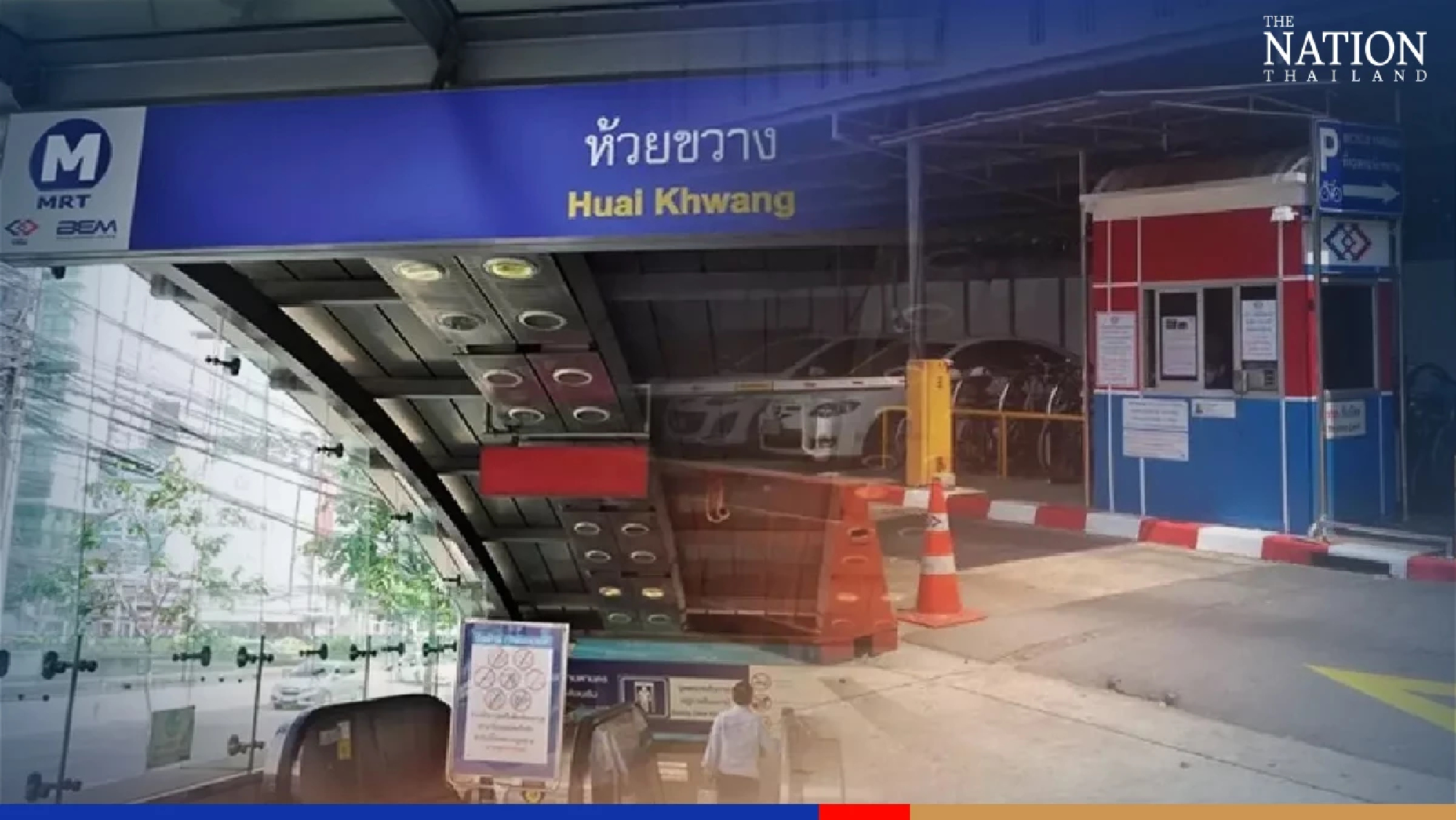





 During the past year, the GBC has held meetings at various levels and has overseen the exchange of visits of officials of both countries and the holding of joint cultural and sport activities as well as military medical cooperation. Moreover, the GBC has arranged the exchange of military personnel for studying in military institutions of the two countries.
