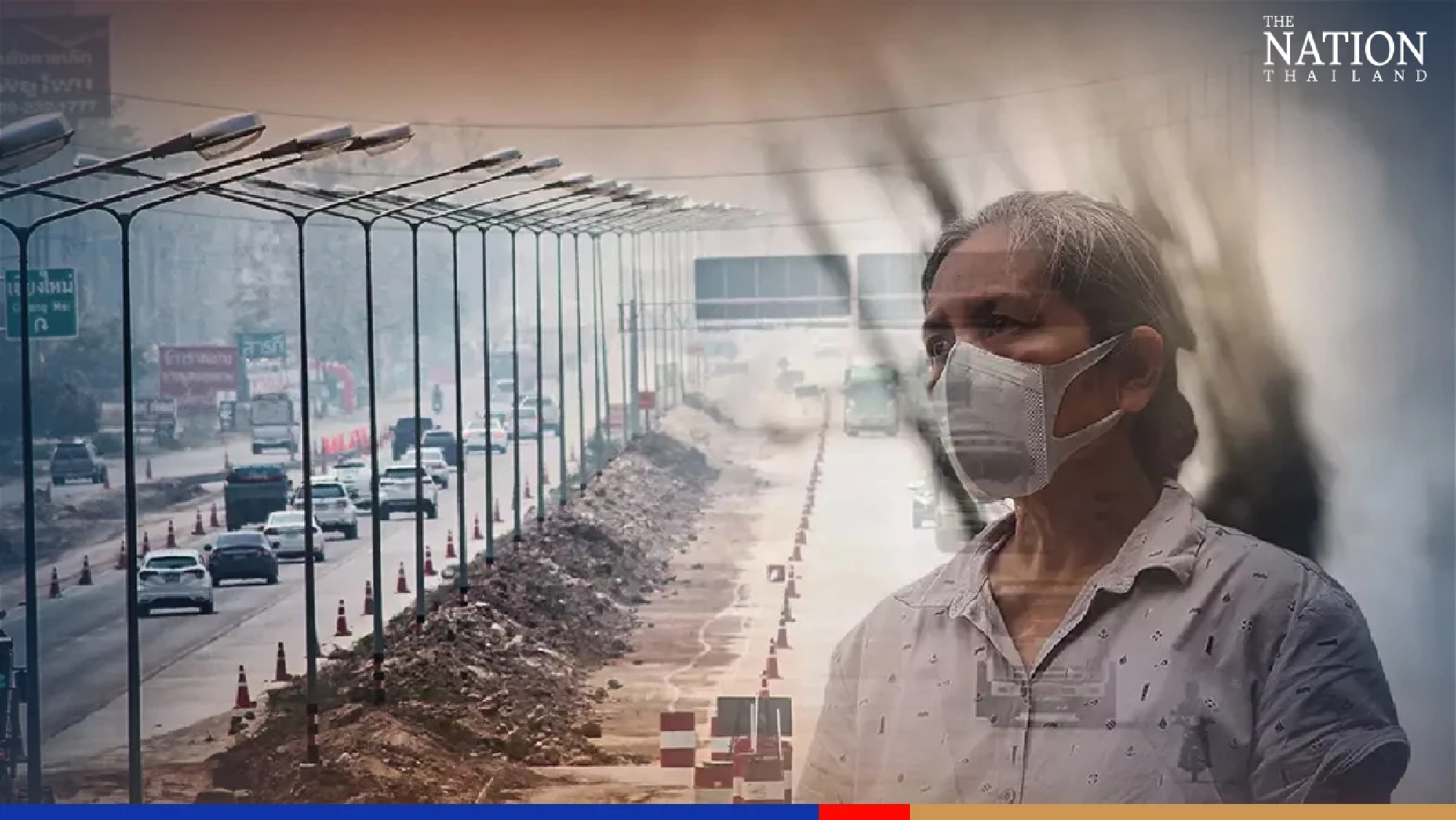
Levels of PM2.5 air pollution exceeded the safe limit in 13 provinces on Saturday, according to the Centre for Air Pollution Mitigation (CAPM).
However, air quality in Bangkok has improved amid reduced traffic and construction activities over the long Songkran holiday.
The provinces where PM2.5 reached unsafe levels on Saturday are Chiang Rai, Nan, Phayao, Chiang Mai, Lampang, Phrae, Phitsanulok, Lopburi, Saraburi, Bueng Kan, Nong Khai, Udon Thani and Ubon Ratchathani.
Thailand sets the safe level for PM2.5 at 50 micrograms per cubic metre (μg/m3) of air.
As of Saturday morning, pollution levels across the country were as follows: North: PM2.5 at 22 to 62 μg/m3 Northeast: 30 to 65 Central region and West: 24 to 54 East: 23 to 39 South: 15 to 26 Bangkok and its vicinity: 25 to 49
CAPM asked people to avoid burning refuse and other activities that boost PM2.5 in the air.
It also urged people – especially those in at-risk groups – to monitor their health and check the air quality before leaving the house.
Sunday’s forecast is for good air quality in Bangkok and its vicinity, while all 17 provinces in the North will have moderate air quality.
However, PM2.5 levels are expected to climb over the next seven days, with hotspots in the East and lower North from Thursday to Saturday (April 21 to 23). Levels could also be high in the Northeast, the centre added.
Rain forecast in the North from Sunday to Tuesday (April 17 to 19) should help clear PM2.5 haze.
Motorway No 6 (Bang Pa-in – Nakhon Ratchasima) will only serve inbound traffic until Sunday to cover people returning from the Northeast as Songkran holidays come to an end.
The motorway only served outbound traffic from April 11-14 as people headed out of Bangkok to celebrate Songkran upcountry.
The Highway Police Division website says that until midnight on Sunday, motorists heading to Bangkok can use Motorway No 6. All toll has also been waived until then.
The motorway can be entered via the Sikhiu-Ban Nong Ree checkpoint, which intersects with Highway No 201 at KM5 and at Kham Thale So checkpoint on Highway No 2068 at KM8+607.
Motorists must exit the motorway to join Highway No 2 (Mittraphap Road) in Nakhon Ratchasima’s Pak Chong district.
Those not familiar with the route can scan the QR code below for Google Maps or call hotline 1193 for information.
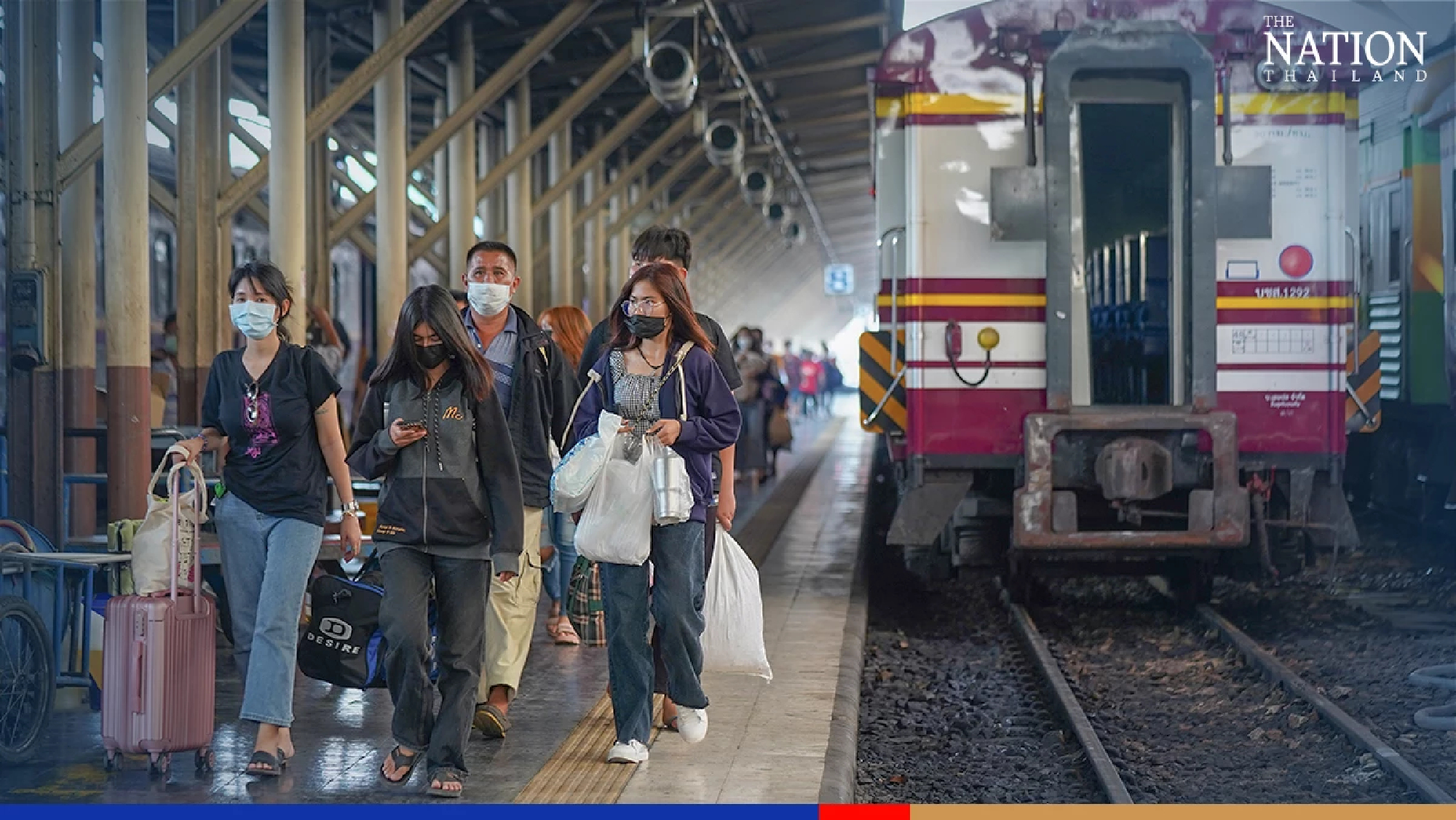
Thailand’s railway system is feeling the strain as tens of thousands of passengers flow out of Bangkok over Songkran.
Atotal of 169,208 people boarded State Railway of Thailand (SRT) trains in the first four days of the holiday (April 11-14), exceeding estimates by more than 3 per cent.
SRT has laid on an extra 13 express trains and 184 normal trains per day on major routes to increase daily capacity to 100,000 passengers during Songkran week, said SRT Public Relations Centre director Ekarat Sriarayanphong.
But passengers have also been flooding into Bangkok, according to SRT data.
In the first four days of the holiday up to Thursday, 72,774 passengers arrived in the capital by train – although 96,434 left Bangkok for other provinces.
Southern routes recorded the most passengers at 54,097 people, followed by Northeast routes at 45,621 and Northern routes at 37,332 people.
“In the first four days, the number of train passengers is slightly [3.03 per cent] above our estimate for the Songkran holiday this year,” said Ekarat.
“SRT forecasts we will handle about 40,000 passengers per day from April 15-17 [Thursday to Sunday].”
All passengers must pass temperature scanning and check in via the THaiChana app before boarding trains, he said. Meanwhile face masks must be worn at all times and sale or consumption of alcohol is prohibited.
“All train drivers, train officers and station officers must pass an alcohol and drug test before assuming their duty,” Ekarat added.
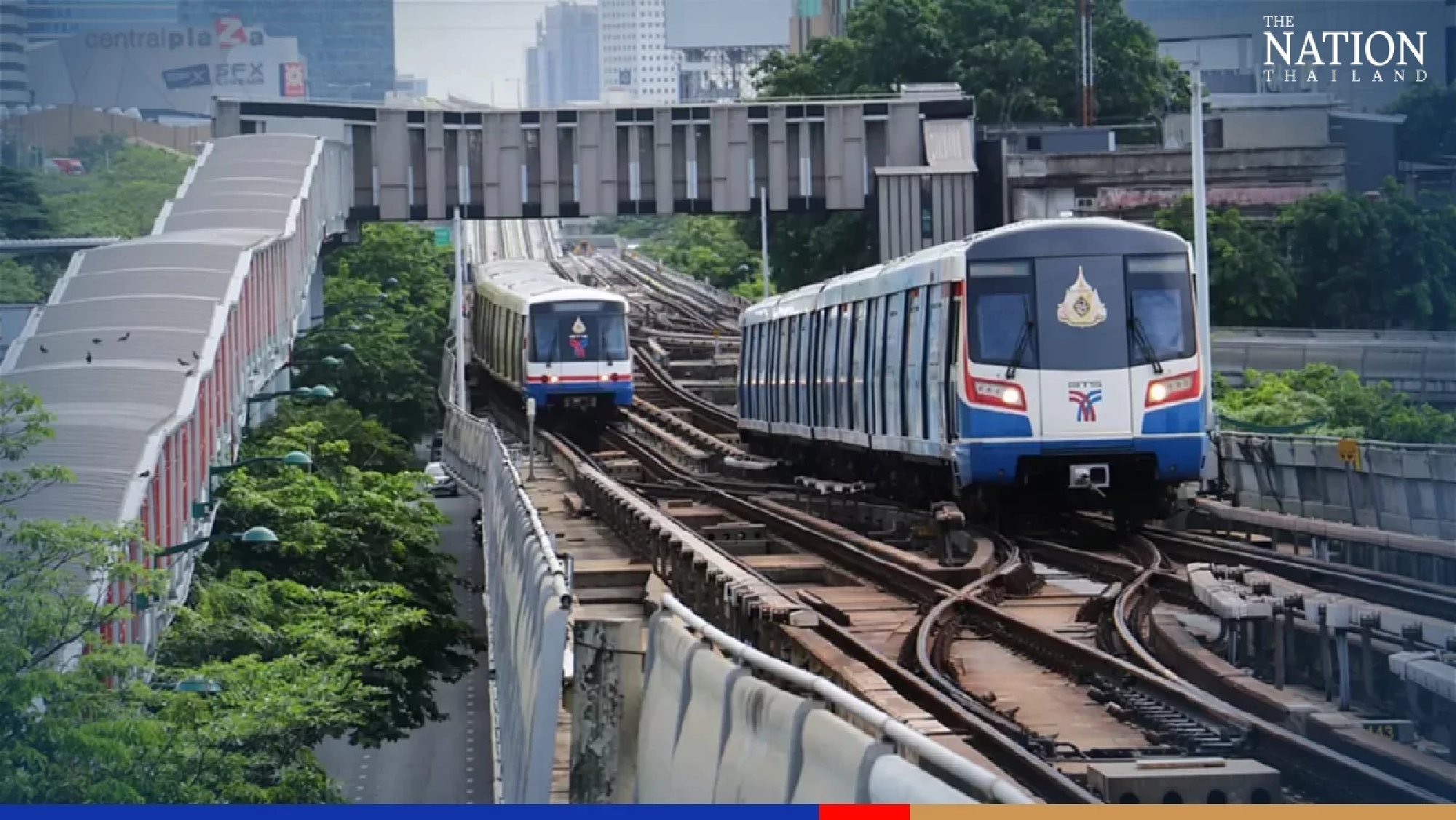
BTS Skytrain operator Bangkok Mass Transit System (BTSC) said it will sue Bangkok Metropolitan Administration (BMA) for a debt of nearly 38 billion baht it owes in operating and installation fees.
BTSC executive director Surapong Laoha-Unya said the debt has built up since April 2017. It comprises two separate amounts – 18 billion baht in operation and maintenance fees and almost 20 billion baht for installations.
The debt has increased because the BMA has failed to pay costs for operating the Green Line extension since 2017. A previous BTSC lawsuit suing BMA and its business arm Krungthep Thanakhom (KT) for 12 billion baht in Green Line operating costs since 2017 was accepted by the Administrative Court.
Both sides were scheduled to submit documents to the court this week but requested an extension.
Suraphong added that BTSC is gathering documents to file a lawsuit with the Administrative Court over the 20-billion-baht operation and maintenance debt.
BMA also owes 55 billion baht in civil engineering costs for the Bearing-Samut Prakan and Mo Chit-Khu Kot Green Line extensions incurred by the original owner, State Railway of Thailand. Interest on this debt has grown to around 10 billion baht.
Seniors aged over 60 and any person with one of seven chronic health problems are eligible for free treatment at any hospital if they test positive for Covid-19, the government’s Anti-Fake News Centre confirmed on Friday.
The centre said it had verified the information with the Office of the Public Health Permanent Secretary, to clear up confusion on social media about the latest Covid-19 treatment scheme.
“Due to the rapidly spreading Omicron variant, people in vulnerable groups have a higher chance of developing severe symptoms and therefore must be admitted to a hospital after testing positive for Covid-19 so that doctors can monitor their symptoms closely,” the centre said.
Hence, the Public Health Ministry has instructed all emergency medical centres and hospitals to allow admission of Covid-19 patients who fit the following criteria:
– Aged over 60.
– Suffer any of the following seven health problems: chronic respiratory disease, cardiovascular disease, chronic kidney disease, cerebrovascular disease, cancer patients under chemotherapy, radiotherapy and autoimmune therapy, diabetes, and obesity.
– Not been vaccinated, not yet fully vaccinated, not yet received booster shot.
The ministry has urged people to follow the latest updates at its website https://ops.moph.go.th/public/ or by phoning (02) 590 1000.
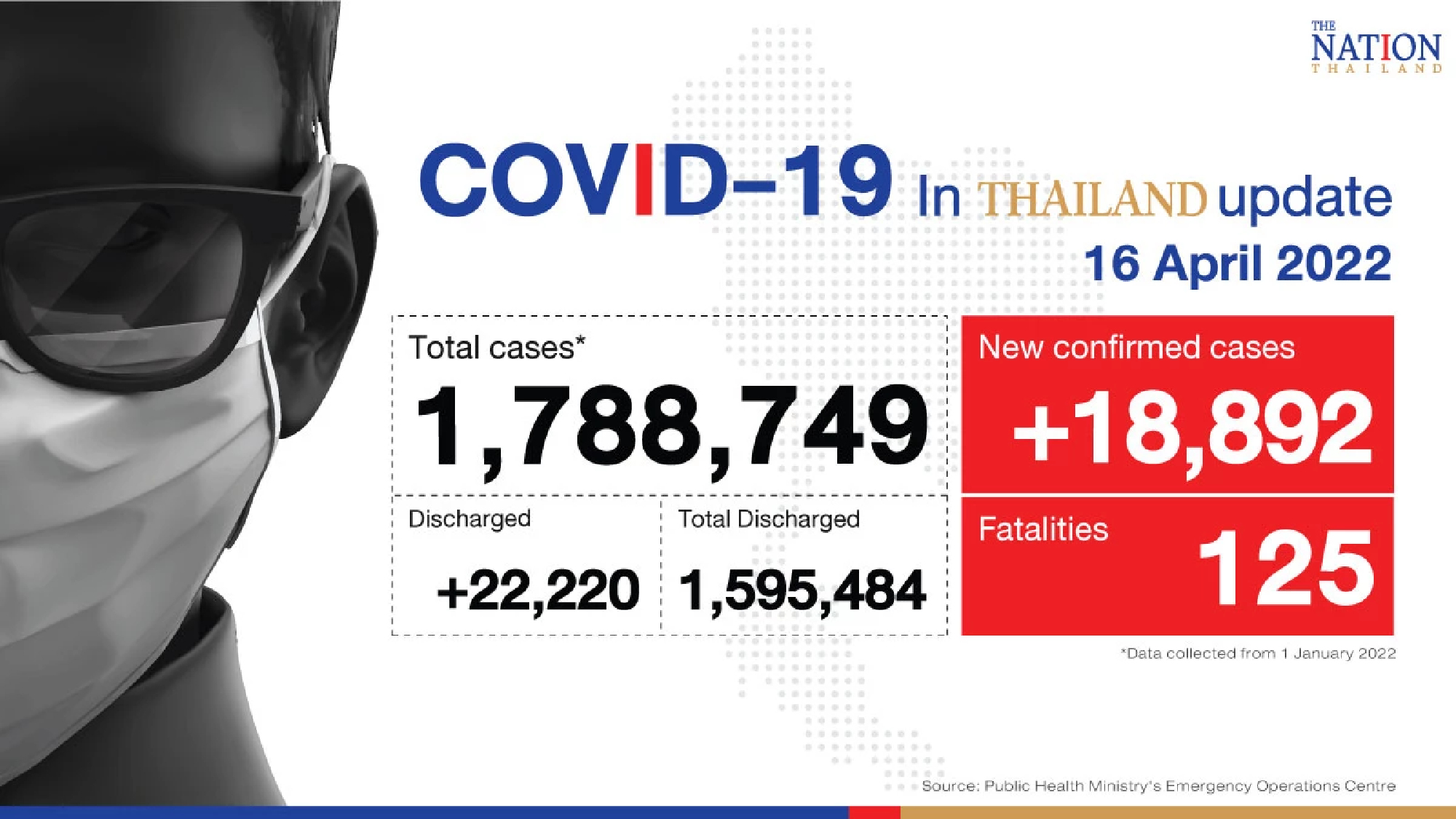
Ministry of Public Health reported on Saturday (April 16) morning that in the past 24 hours there are 18,892 new patients who tested positive for Covid-19, 82 of whom have arrived in Thailand from abroad.
Death toll increased by 125, while 22,220 patients were cured and allowed to leave hospitals.
Cumulative cases in the country since January 1, 2022 are at 1,788,749.
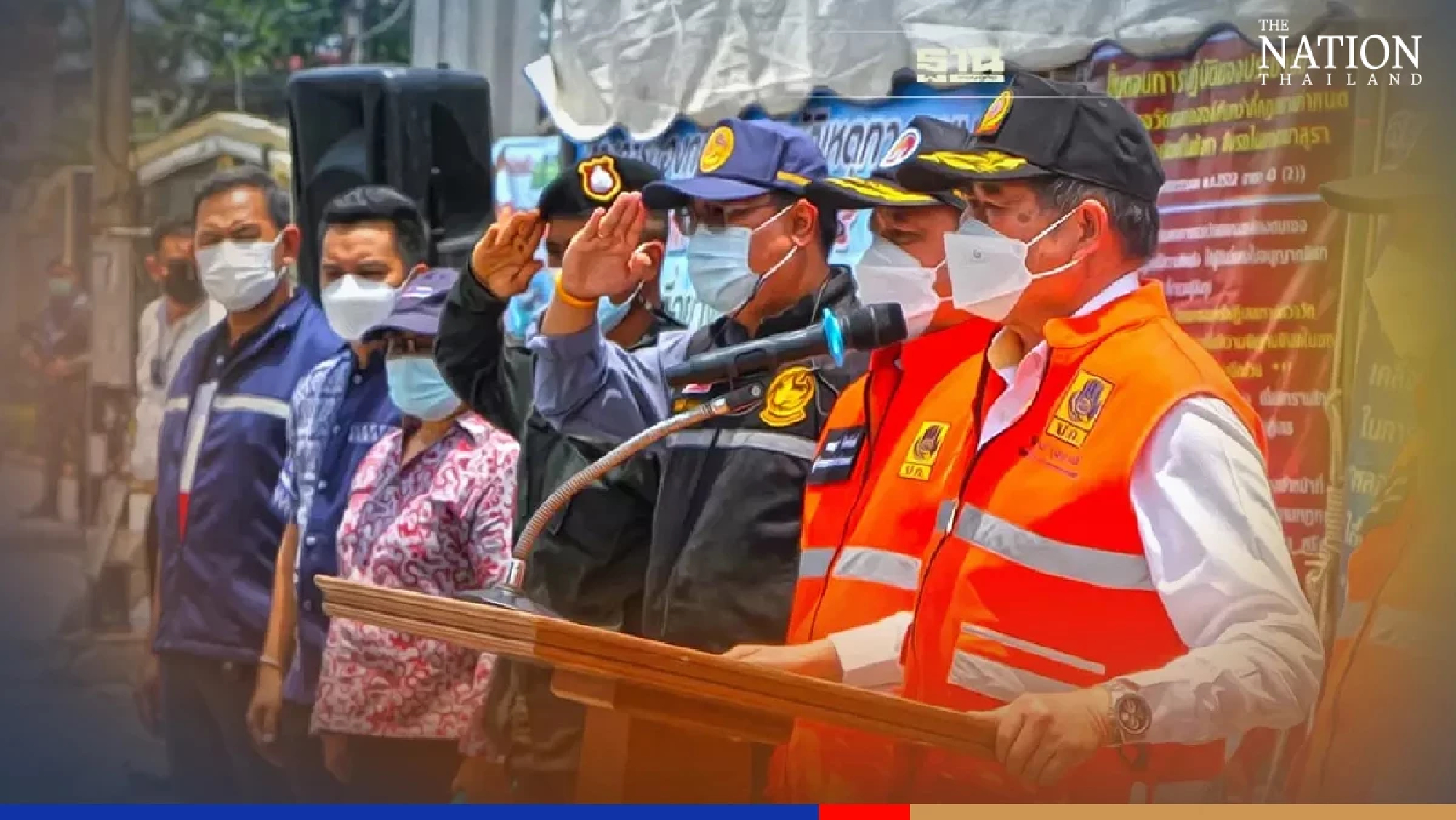
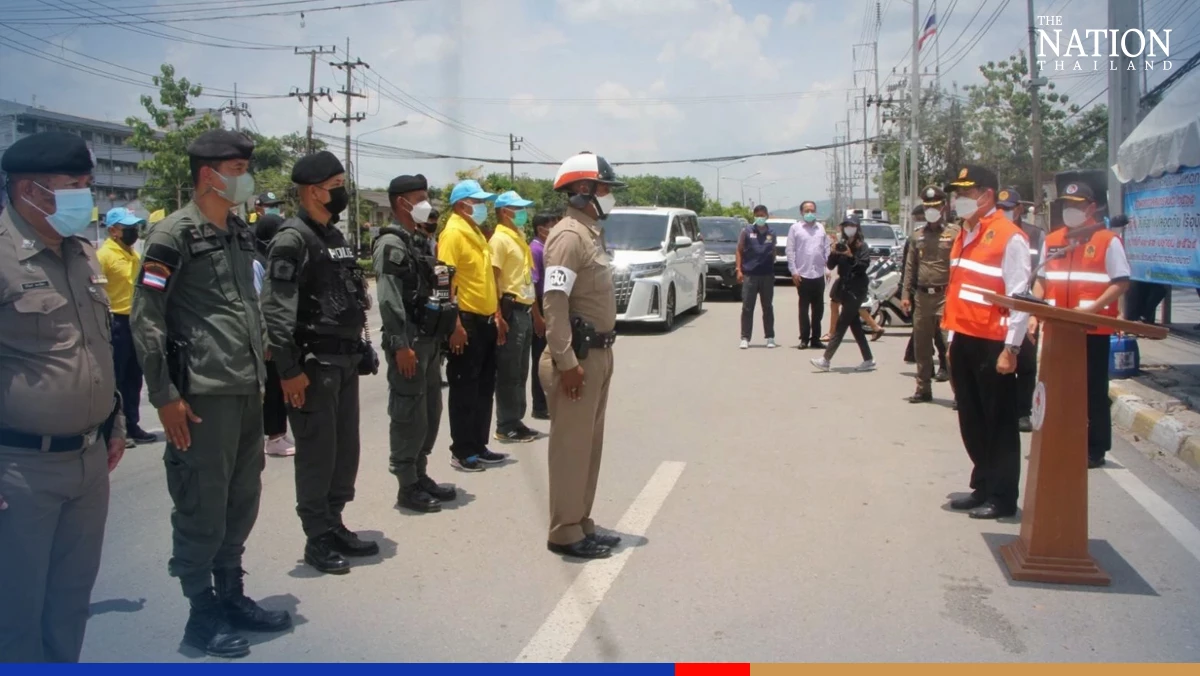
Road deaths during this Songkran break have dropped by almost 20 per cent from last year, Deputy Interior Minister Nipon Bunyamanee said on Friday.
He also said that he expects an overall improvement in road accidents, injuries and deaths during the “Seven Dangerous Days” from April 11 to 17.
Thai roads are among the world’s deadliest, with road accidents claiming 32.7 lives for every 100,000 people or 25,000 per year on average.
Nipon, a key Democrat Party figure, called on motorists to help cut down on losses and make roads safer. He also reckons that strict enforcement of the law by traffic police would help greatly.
“Motorists should cooperate by avoiding actions that could cause fatal accidents, such as driving while drunk, speeding and ignoring safety gear,” he said.
He also advised drivers to rest sufficiently before heading off, so they do not fall asleep at the wheel.
“In the first four days [of Songkran] this year, deaths reduced by 20 per cent,” he said.
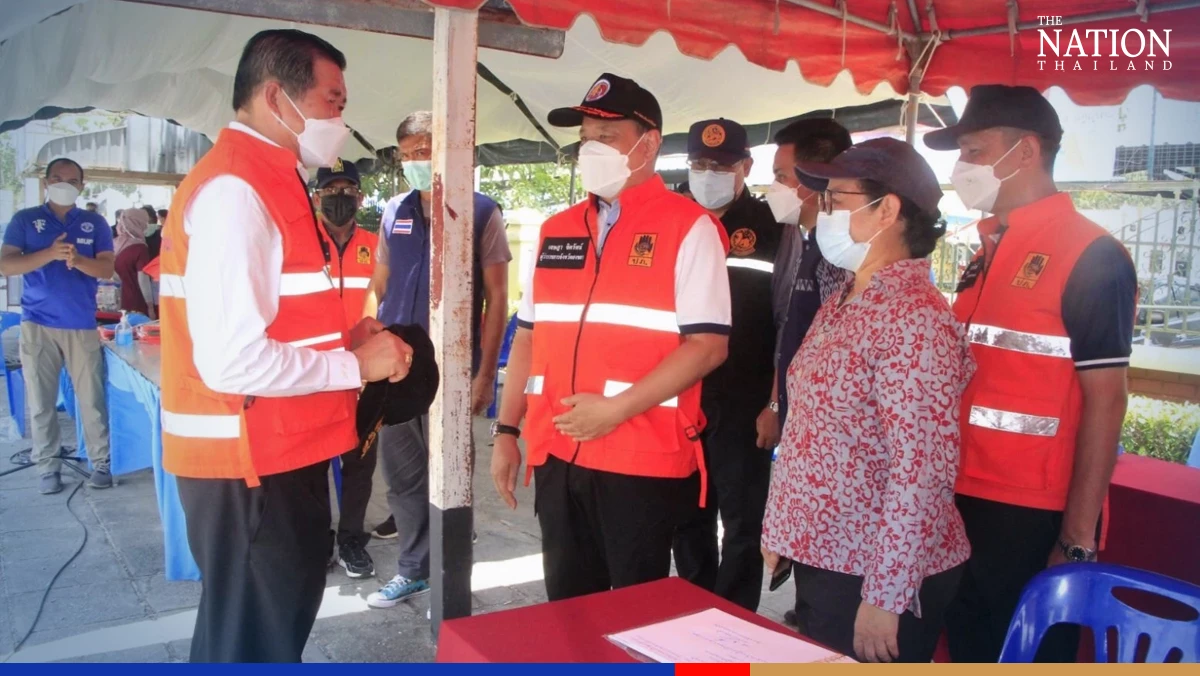
The minister was inspecting a police checkpoint in Songkhla’s Na Thawee district, where he was greeted by provincial governor Jessada Jitrat and other local officials.
The first four of the seven dangerous days this year have claimed 157 lives, compared to 192 in the same period last year.
The first four days saw 1,195 road accidents, with 1,185 people getting injured, a significant drop from 1,795 road accidents and 1,818 injuries during the same period last year.
An opinion survey found that the Covid-19 crisis has brought families closer together, with family members contacting each other more often.
The survey was conducted by Suan Dusit University on 1,143 respondents from April 4-12.
When asked how often they talk to their family members now, 63.25 per cent said they did it every day, while 18.37 per cent said they called at least twice or three times a week, though 15.92 per cent said they rarely spoke to their family members.
When asked who they turned to in times of trouble or crisis, 32.31 per cent said they turned to their spouse, while 21.51 per cent turned to their friend and 18 per cent preferred to seek advice from parents.
Up to 70.71 per cent of the respondents said chats with their families covered general topics, 62.88 per cent talked about health and the ongoing Covid-19 situation, while 60.33 per cent discussed food. The respondents were given more than one choice for this question.
When asked how they benefited from these chats with their families, 67.28 per cent said it brought them together, while 62.52 per cent said the chats strengthened ties and 61.55 per cent said they helped them solve problems. Again, the respondents were allowed more than one choice for this question.
As for why sometimes family members do not contact each other, 56.36 per cent put it down to the lack of time or clashing work schedules, 55.12 per cent said it was due to different views and attitudes, while 47.08 per cent put it down to disagreements. Respondents were allowed more than one choice to this question as well.
The chairman of the Personal Data Protection Commission (PDPC) said the new Personal Data Protection Act (PDPA) will be enforced from June 1 without further delay.
PDPC chairman Thienchai Na Nakhon said recently that any more delays in the enforcement of PDPA will likely see Thailand facing trade punitive measures, especially from the European Union.
He said it is unlikely that PDPA’s enforcement will be postponed by three years as urged by the Joint Standing Committee on Commerce, Industry and Banking. He explained that the PDPC was established in January 2022 specifically for the job.
Thienchai noted that personal data protection is a basic right enjoyed by people in many countries and will soon become a new world order.
He said all 28 EU nations and 50 other non-EU nations have started enforcing personal data protection laws.
“So, if Thailand does not have a personal data protection law that is on par with EU’s GDPR [General Data Protection Regulation], it will likely face a tariff wall,” Thienchai said.
He added that personal data protection law will possibly become part of international trade rules very soon.
Thailand will become the third Asean country to enforce the personal data law after Singapore and the Philippines if it sticks with the June 1, Thienchai pointed out.
As for private companies trading with EU nations, he said they do not have to worry about the PDPA enforcement because they are already complying with GDPR.
Several Thai firms have voiced concerns that the PDPA enforcement would increase their expenses and put them at risk of criminal and civil penalties.
“But they should realise that PDPA will boost Thai organisations’ potential to meet international standards. The enforcement on June 1 will announce to the world that Thailand recognises people’s right to personal data protection,” Thienchai said.
He added that once PDPA is enforced, there will be some 20 or 30 organic laws to follow. He also allayed Thai businesses’ fears, saying PDPC will set a grace period for them to familiarise themselves with the new law.
The PDPC Office will also use a recent Chulalongkorn University study on the subject to come up with easy-to-understand guidelines on complying with the law.
Thienchai also said that PDPC will hold public hearings before it issues directives for enforcing the law.
The PDPC Office has signed a memorandum of understanding with the Securities and Exchange Commission, the Bank of Thailand and the Office of Insurance Commission, so they can ensure that firms under their supervision will comply with the PDPA.
The PDPC will also encourage the Federation of Thai Industries, the Thai Chamber of Commerce and the Thai Hotels Association to set up a joint panel with the PDPC to ensure their members comply with the law.
“We believe that within five years, everybody in the country will be aware of personal data protection,” he said.
Meanwhile, Asst Prof Supawat Malanon, an adviser to the PDPC Office, said PDPA’s aim is to ensure that data processing is done safely and transparently without violating the privacy of data owners or inhibiting business practices.
He said the enforcement of PDPA has already been postponed twice and there is no justification to delay it again because it provides individuals with a basic right.
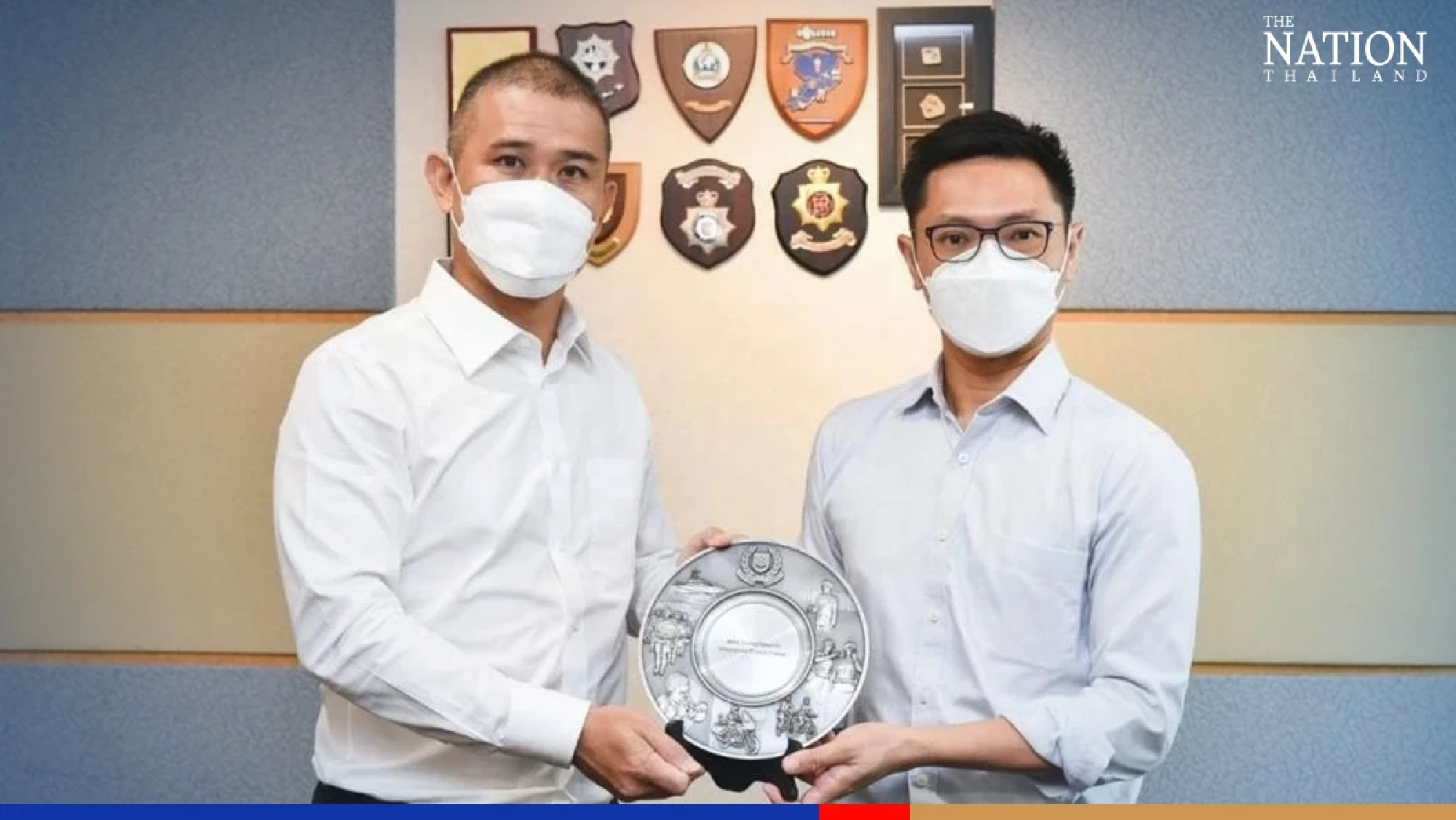
The Central Investigation Bureau (CIB) last week visited the Criminal Investigation Department and Interpol in Singapore from April 7 and 12 to exchange knowledge and work towards crime prevention and suppression.
Pol Lt-General Jirapob Phuridej said on Thursday that Singapore is safe as the number of crimes in the country was low, especially serious crimes were less than 10 cases annually.
He said 50 per cent of crimes in Singapore were cases of fraud that caused damage up to THB1 billion. He added that Thais were involved in some cases, both as culprits and victims.
“We expect Thailand and Singapore police to work together in order to enhance work potential,” he said.
He said the CIB also discussed with Singapore Interpol issues related to personnel development to tackle cybercrimes at Interpol Global Complex for Innovation.
He added that the CIB is ready to support Singapore Interpol in every aspect, as internet fraud commonly happened in countries worldwide, especially during the Covid-19 pandemic.
“I paid attention to data as more data will help facilitate officers on investigation and suppression,” he said.
He also believed that Thailand and Singapore will cooperate and exchange crime-related information, such as transnational organisations, online fraud and call-centre gangs.