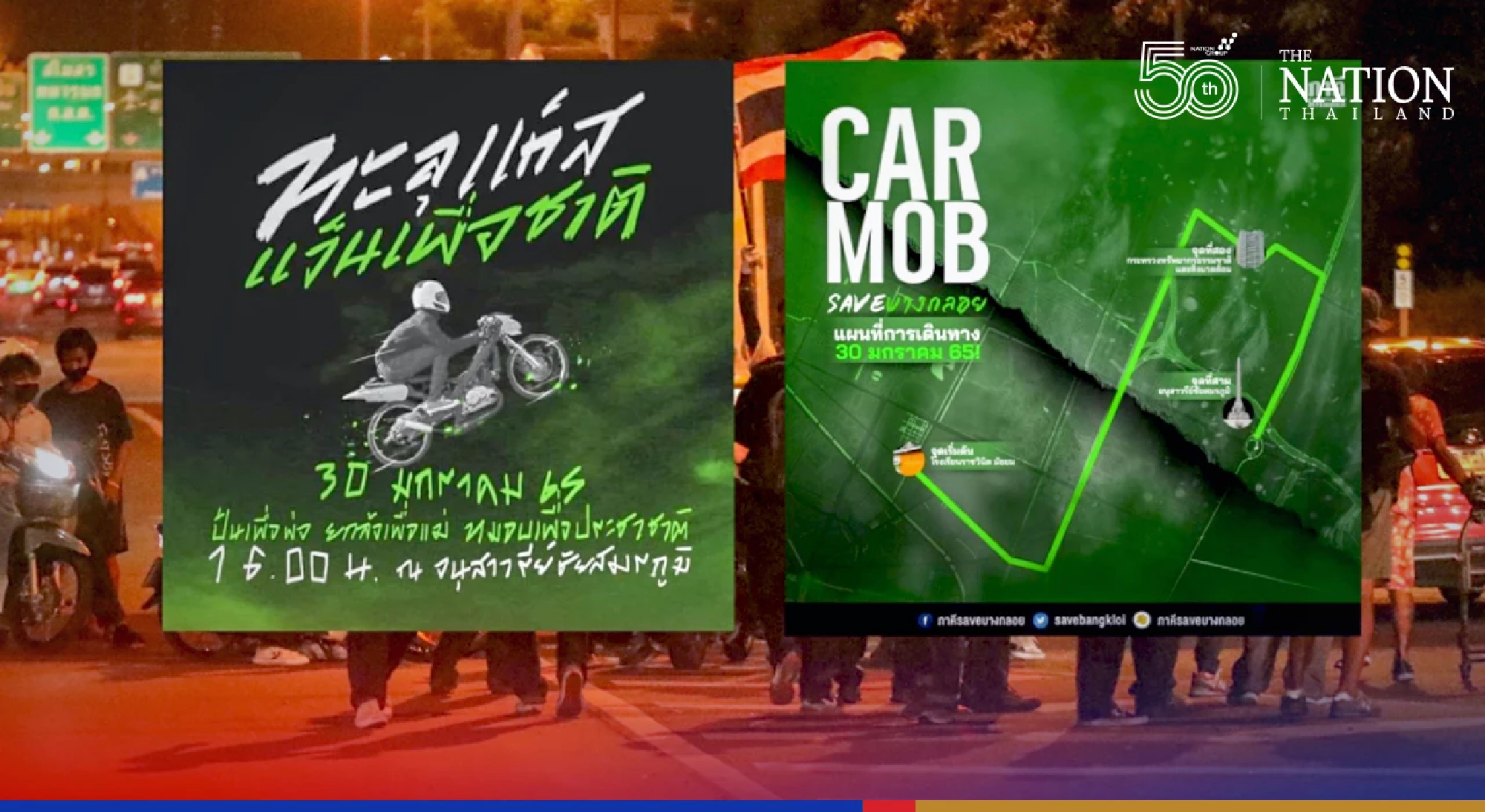
Police advised motorists to avoid routes around Bangkok’s Victory Monument and Din Daeng intersection on Sunday, where anti-government protesters are holding rallies.
The Thalugaz group announced they would protest at Victory Monument from 4pm, while the Save Bangkloi group plan a 3pm march from Rajavinit Mathayom School in Dusit district to the Natural Resources and Environment Ministry and Victory Monument.
The police expect the rallies will affect traffic on Phaya Thai Road, Phahonyothin Road, Ratchawithi Road, Asok-Din Daeng Road, Vibhavadi Rangsit Road and Din Daeng Expressway.
They advised motorists to avoid these routes and instead use Ratchadaphisek Road, Rama IX Road, Chaturathit Road, Rama VI Road, Pradiphat Road, Sutthisan Winitchai Road, Utraphimuk Expressway, Si Rat Expressway and Chalerm Maha Nakhon Expressway.
Star Petroleum Refining (SPRC)’s move to dispose of oil from a 60-tonne spill in the Gulf of Thailand could violate the law, an environmental group said on Sunday.
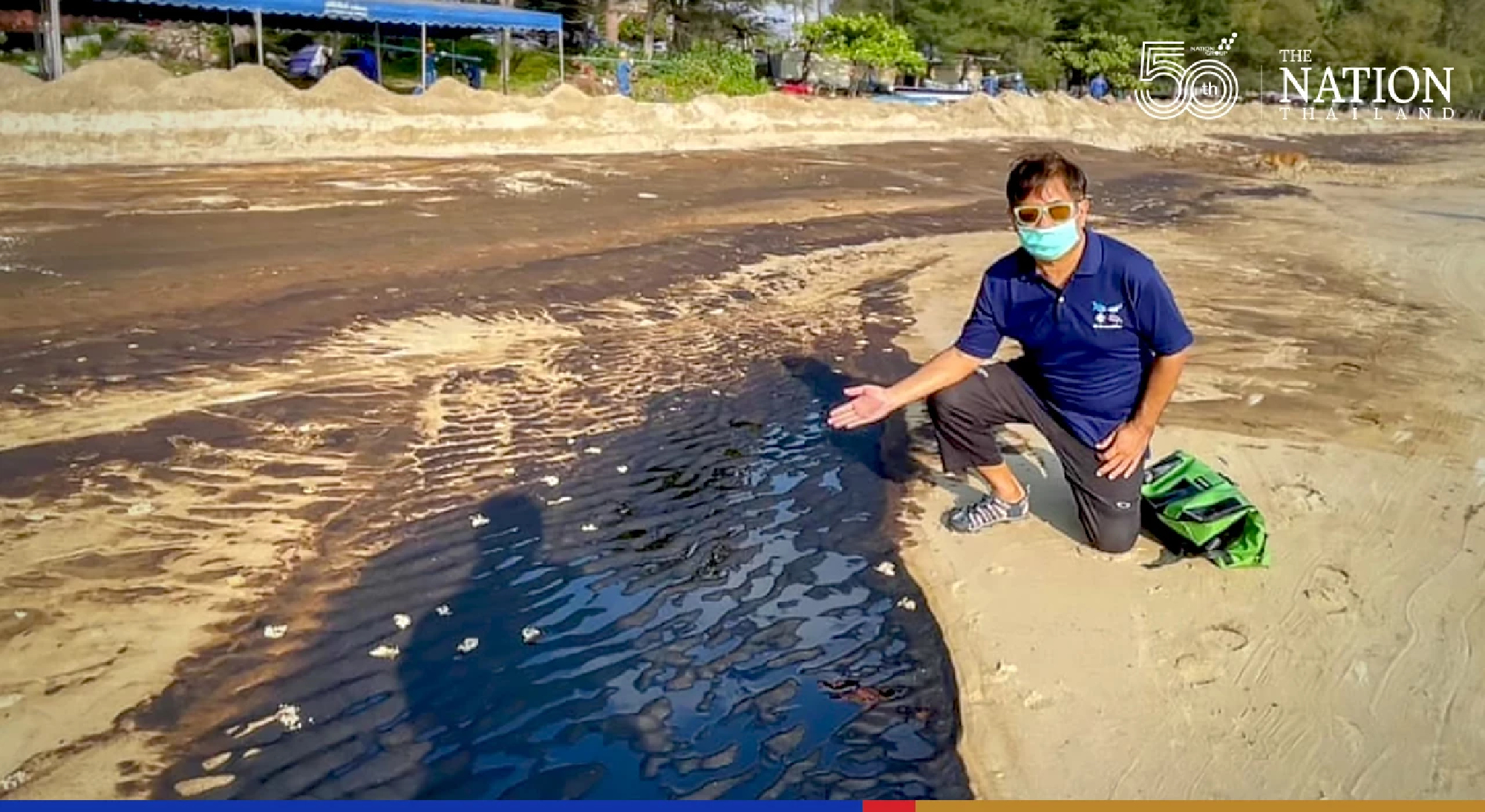
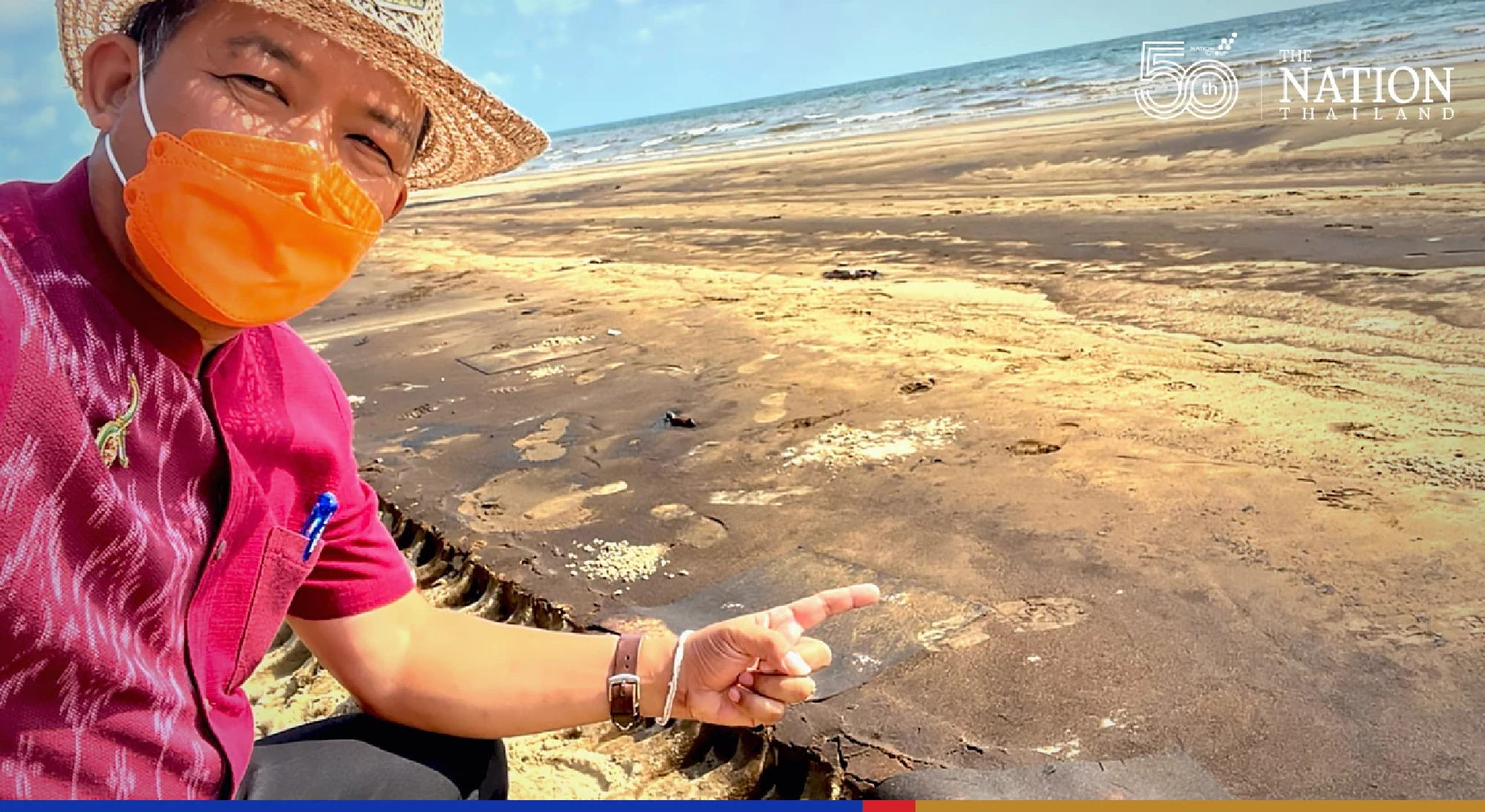
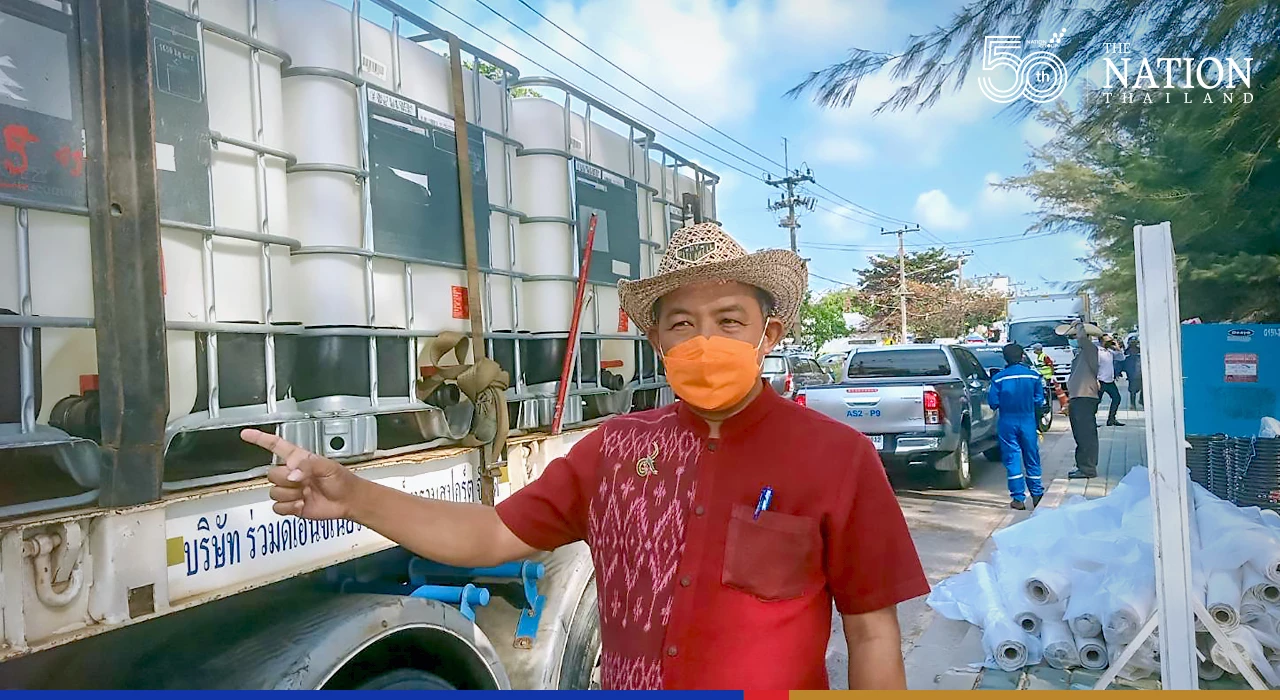
Stop Global Warming Association president Srisuwan Janya issued the warning as he surveyed the oil slick on Rayong’s Mae Ram Phueng Beach.
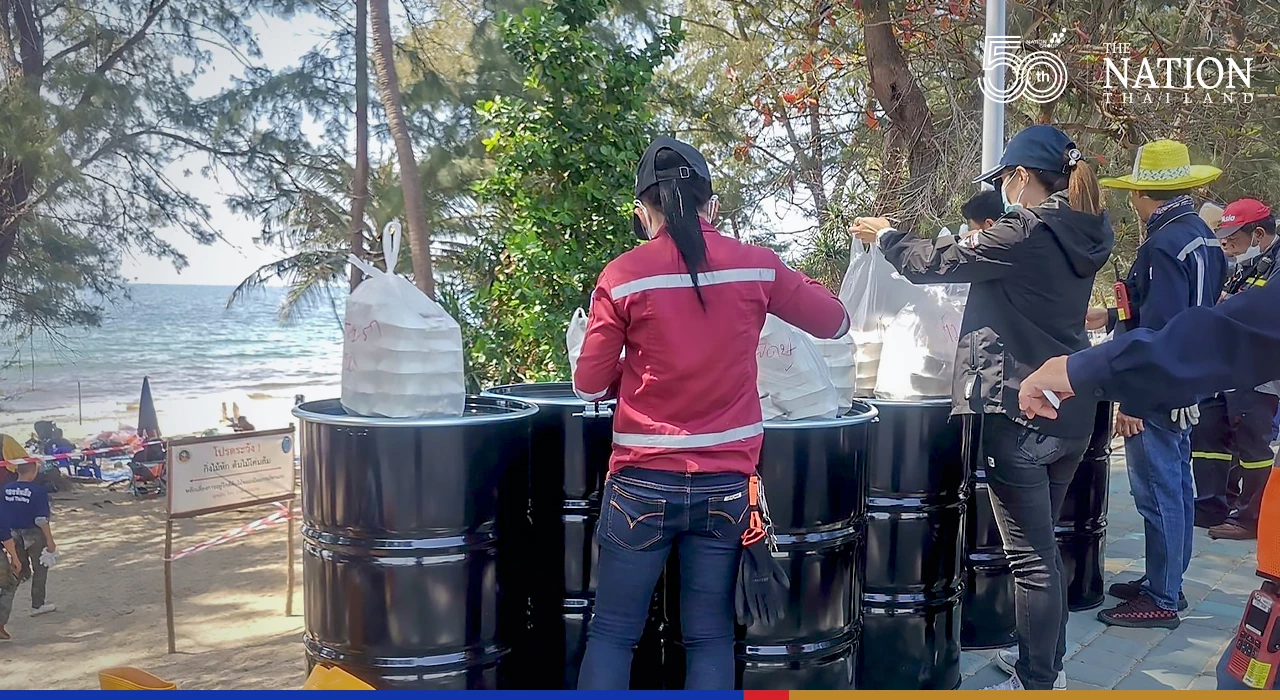
The beach has been declared a disaster zone and closed to visitors as officials clean up the oil, which spilled from an undersea pipe belonging to SPRC earlier this week.
Srisuwan said local residents including tourism operators and fishermen have filed complaints about the spill with his association.
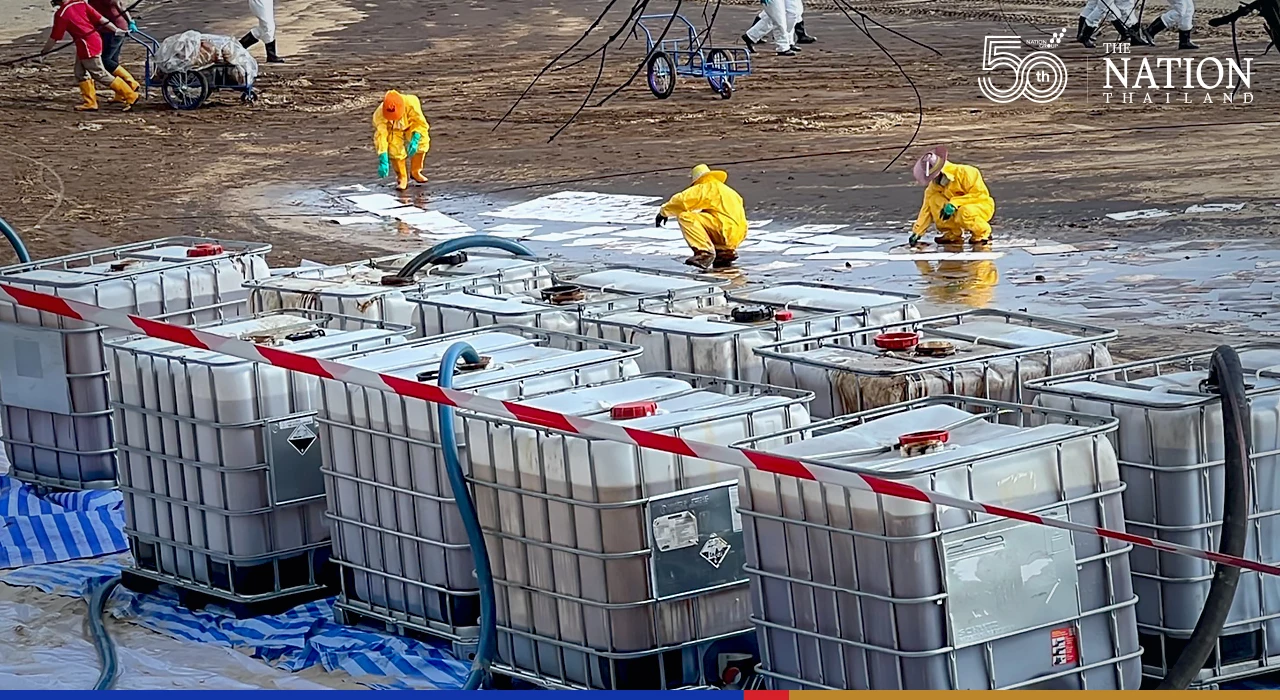
“Our survey found that SPRC and government agencies have launched a joint effort to collect waste oil on the beach,” he explained. The waste oil has been earmarked for disposal at SPRC’s plant in Map Ta Phut Industrial Estate.
However, this move could be illegal as spilled oil is considered hazardous waste that must be collected and disposed of according to Industry Ministry rules, Srisuwan said.
Meanwhile, government officials who aid SPRC’s operation may be charged with negligence under Criminal Code Section 157, which carries one to 10 years in jail and/or a fine of up to 20,000 baht.
He added that the association would wait for the clean-up operation to finish before collecting evidence to back claims for government compensation for residents affected by the incident.
The Finance Ministry will launch phase four of the “Khon La Khrueng” (Let’s Go Halves) shopping subsidy scheme a month early on February 1 (Tuesday), government spokesman Thanakorn Wangboonkongchana said on Sunday.
The move comes after the Cabinet approved a budget of 34.8 billion baht for the fourth phase, aimed at reducing living costs and generating revenue for small businesses. Under the new phase, which was originally due to launch on March 1, 29 million people will be eligible for a 50 per cent discount on products and services, capped at 150 baht per day and 1,200 baht per person. The subsidy scheme does not cover the lottery, alcohol or tobacco.
“About 27.98 million existing registrants can verify their eligibility via the Paotang app on February 1 from 6am onwards,” Thanakorn said.
The shopping subsidies will be available from February 1 to April 30. Registrants must use the scheme before 10.59pm on February 28, otherwise their registration will be transferred to others.
Meanwhile, up to 1 million eligible people who have not yet joined the scheme can register from February 10 on the Paotang app or at www.คนละครึ่ง.com, with subsidies available from February 17 to April 30, he said.
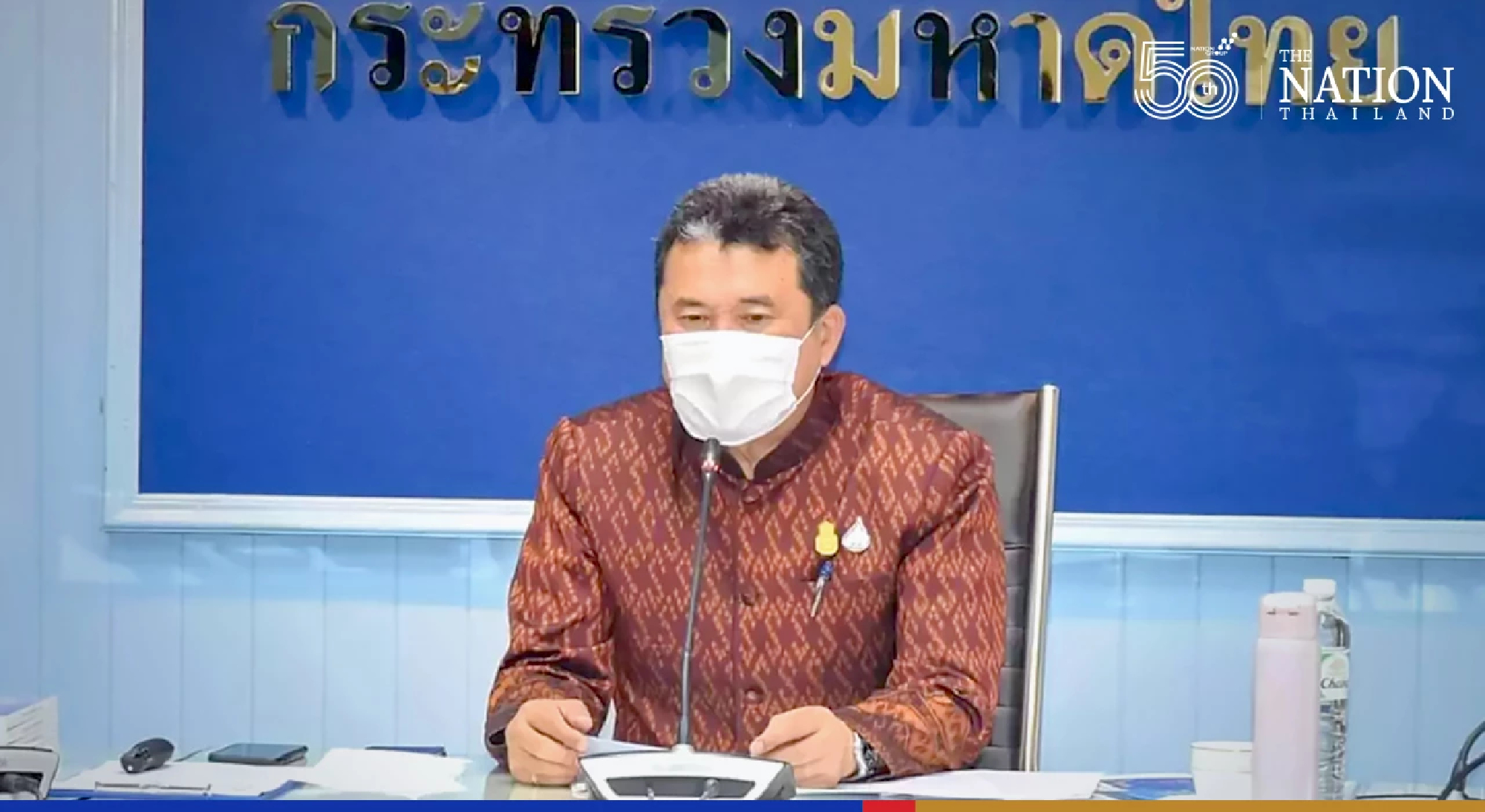
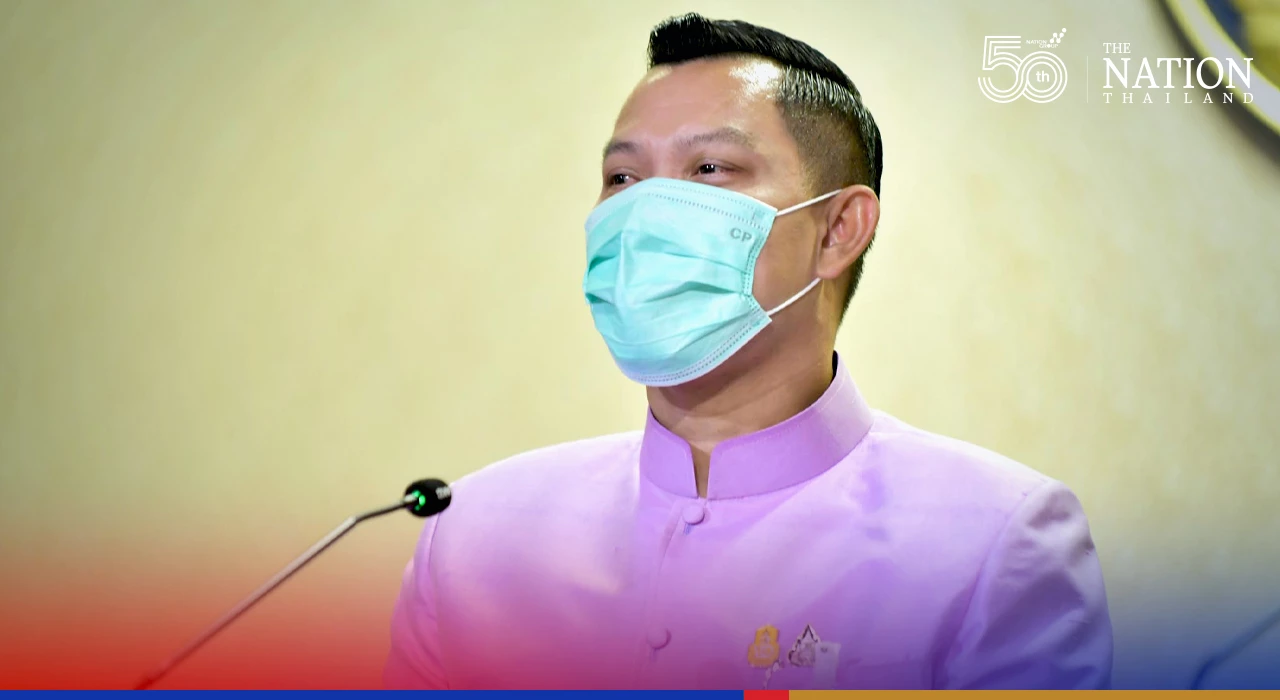
Thanakorn Wangboonkongchana
Registrants under the “Shop Dee Mee Kuen” (Shop and Payback) scheme can also use privileges under phase four of Khon La Khrueng scheme.
The launch of phase four had been brought forward after Prime Minister Prayut Chan-o-cha expressed concern over people’s living costs, Thanakorn said. The premier has urged agencies to ensure the scheme is ready to operate when it opens on February 1, he added.
Prime Minister Prayut Chan-o-cha’s visit to Saudi Arabi will be beneficial for Thai trade and investment, government spokesman Thanakorn Wangboonkongchana quoted the premier as saying.
He said improved bilateral relations will also offer more export opportunities, especially since Saudi Arabia is one of the largest economies in the Middle East.
According to the Thai Chamber of Commerce, Thai exports to Saudi Arabia in 2021 accounted for about 45 billion baht or just 0.6 per cent of the country’s total exports.
If the proportion of trade with Saudi Arabia can be pushed up to 2.2 per cent, like it was before relations soured over the 1989 “blue diamond affair”, then Thailand’s export revenue can rise by 150 billion baht.
Improved ties will also boost opportunities for Thai businesses in the automotive and auto parts sector, clean energy industry, food and agricultural products, machinery, electrical equipment, building materials and medical sector to name a few.
Apart from export opportunities, improved ties will also allow skilled and non-skilled workers to return to Saudi Arabia. Before 1989, there were more than 300,000 Thai workers in Saudi Arabia, who sent home up to 9 billion baht yearly.
The Foreign Ministry also expects more Saudis to travel to Thailand and generate at least 5 billion baht per year. Saudis have high spending power and are being targeted for the health and wellness sector.
Deputy government spokesperson Rachada Dhnadirek said the Southern Border Provinces Administrative Centre has set up guidelines on how people and businesses in the South can benefit from improved relations.
A seminar titled “Opportunities and Potentials of the Southern Border Provinces after Thailand-Saudi Ties have been Restored” will be held in mid-February to collect opinions and listen to suggestions from religious leaders, local leaders, civil servants, Thai workers heading for Saudi Arabia and more than 500 people who have worked in the Middle East.
Information gathered at the forum will be compiled to develop new policies for bilateral ties and
will also be presented at an Islamic conference scheduled for March.
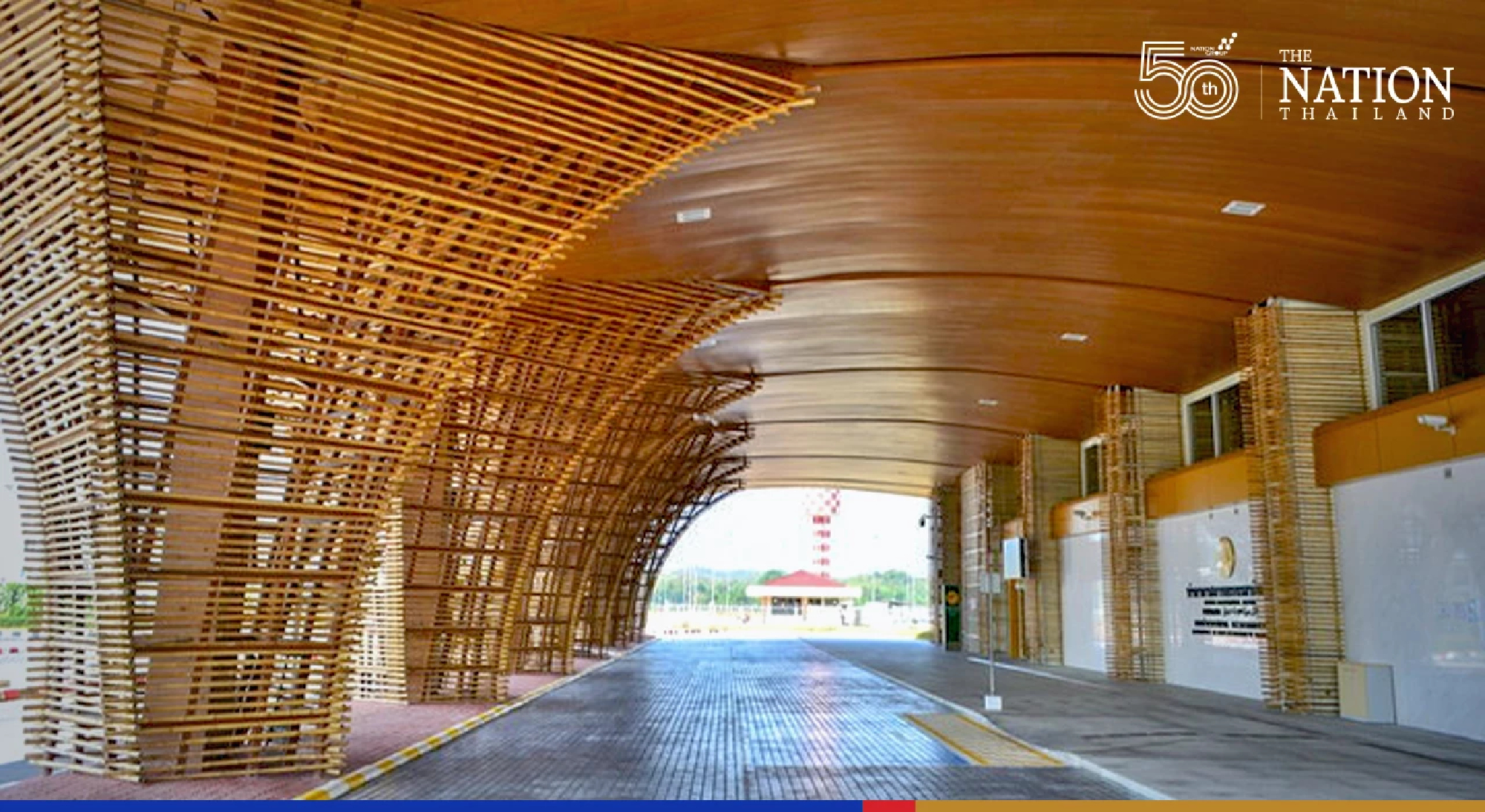
Prime Minister Prayut Chan-o-cha hailed the opening of Betong Airport in Yala province as a gateway to economic development in the South, after the first charter flight from Bangkok landed on Saturday.
The Don Muang-Betong route operated by Nok Air will boost business and tourism in Betong district, government spokesman Thanakorn Wangboonkongchana said today.
The new airport is part of the government’s plan to develop the economy and security in the three southern border provinces, which remain under emergency rule aimed amid a two-decade-old separatist insurgency.
The airport will form a hub connecting the three provinces of Pattani, Narathiwat and Yala under the government’s regional development plan.
The plan categorises Pattani as an “Agricultural Zone”, Narathiwat’s Su-ngai-Klok district as the “Border Trade Connecting City” and Yala’s Betong district as a “Model Tourism City”. These three zones will be linked to boost development and create employment.
Airlines have been granted permission to fly two commercial routes to Yala.
These are the Don Muang-Betong-Don Muang route and the Hat Yai-Betong-Hat Yai route.
Betong Airport is also serving both government and private flights.
As part of efforts to contain the spread of Covid-19, Thai government agencies will start providing services online very soon.
Relevant regulations passed on January 26 have been published in the Royal Gazette and will be enforced within 30 days.
Thai citizens who wish to use civil registration services online are required to sign an application form, provide documentation to prove their identity and set a password at the district registrar’s office, local registry office or other agencies as prescribed by the Central Registration Office.
Registration fees will be waived for the first year.
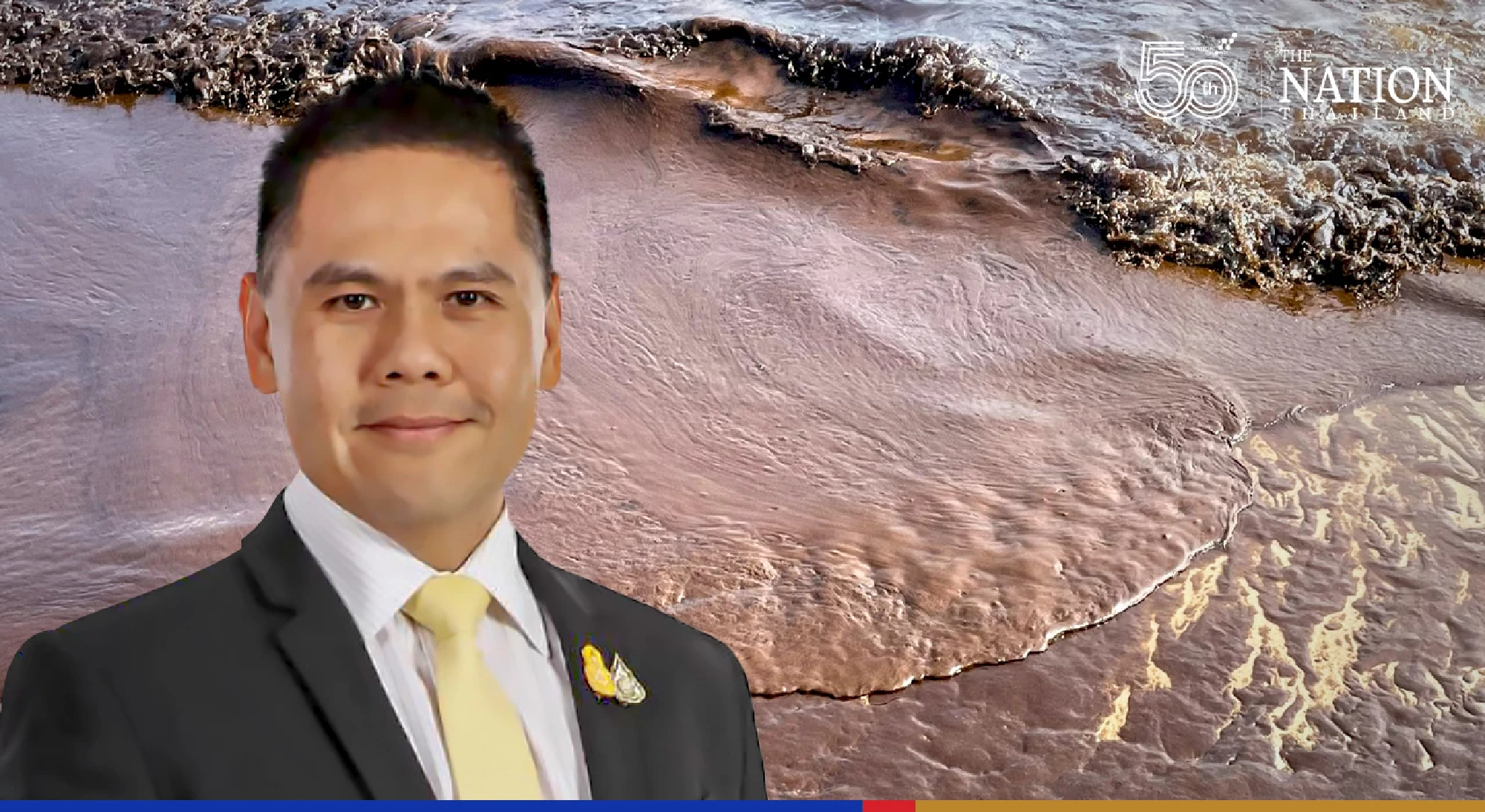
Judging by satellite images and reports from fishermen, marine scientist Thon Thamrongnawasawat said the oil covering Rayong’s Mae Ram Pheung Beach can be categorised in terms of severity.
He said the state of the several-kilometre-long beach can be divided into four levels:
Dark red: Some 100 metres of the beach near Wat Chang Chon is covered in thick dark-red sludge.
Red: A slightly less dense sludge that is covering up to 200 metres of the beach near the dark-red area.
Orange: A film of oil covering about 2km.
Yellow: Faint blotches of oil running along almost all of the beach.
Thon also confirmed that the oil spill has started affecting marine life in the area.
The agency in charge of cleaning crude oil that began hitting the shore of Rayong’s Mae Ram Phueng beach held a press conference on Saturday to provide updates.
Members of the Royal Thai Navy and pollution experts have been working hard to remove the sludge, with many boats sent out to spray dispersant chemicals, suck up the sludge and blot out the oil from the sand by using paper.
The latest satellite images show a 51-square-kilometre-large dark black stain in the area and a thin film of oil about 10km from the shore of Mae Ram Pheung Beach. Based on the images, the slick is believed to be moving in the direction of Khao Laem Ya–Mu Ko Samet National Park and Samet’s Ao Prao Beach, which is home to coral reefs and seagrasses.
An underwater pipeline owned by Star Petroleum Refining Plc (SPRC) sprung a leak early last week, and checks show that the leak may have been caused by problems with the flexible hose that is part of the equipment used to offload oil from tankers. At least 60 tonnes of crude oil is believed to have flowed into the sea before the leak was plugged.
With the oil spill having reached Rayong’s Mae Ram Phueng beach, Natural Resources and Environment Minister Varawut Silpa-archa has come up with plans to prevent a repeat of the disaster.
He said the National Oil Water Pollution Prevention and Elimination Plan was created in 2002 to provide the public and private sectors with guidelines and raise awareness.
The plan, which is overseen by the Transport Ministry, is implemented by the Oil Water Pollution Prevention and Elimination Committee, with the Marine Department and Industry, Energy and Transport ministries serving as coordination centres.
Meanwhile, the Royal Thai Navy and Marine Department will run an operation control centre with the provincial government and oil companies acting as operating units.
The Pollution Control Department is also involved in preventing oil spills and has been tasked with the following jobs:
• Developing and improving coastal resource databases and storing them in geographic information systems (GIS).
• Studying the composition of the oil to determine the source.
• Supervising the use of chemical dispersants to remove the spill.
• Preparing an environmental rehabilitation plan and proposing a subcommittee to work on restoring the area and assessing the damage incurred.
• Providing information and evidence to be used in claiming compensati
on and taking legal action against the polluters.
• Using the oil map as well as spatial and temporal changes in conditions in the upper Gulf of Thailand and Eastern Seaboard to prepare for future oil spills.
Despite the surge in Covid-19 cases, Pattaya has remained popular among local and foreign tourists thanks to its high defence against the virus that is helping tourists feel more at ease.
“Ibelieve Chinese New Year on February 1 is another important event that will see Pattaya bustling again. Tourists can come and complete all the rituals before heading to the beach to relax,” said Pattaya’s mayor Sontaya Kunplome.
The Centre for Covid-19 Situation Administration (CCSA) marked Pattaya City as a “blue zone” for domestic travellers, while foreign tourists can enter it via Test & Go or the Sandbox scheme.
Thailand is relaunching the Test & Go scheme from February 1 onwards, only this time it is open to all countries. Under the new version, tourists will be required to show booking at an SHA hotel or AQ site for the first and fifth day in Thailand and should be willing to undergo RT-PCR tests on those days. They are required to wait in the hotel or AQ premises until the results are released.
In the case of cluster infections, the Test & Go scheme may be replaced by a sandbox tourism pilot scheme.
Meanwhile, the CCSA will allow restaurants in the eight blue-zone provinces to serve booze until 11pm, provided the eateries meet SHA+ standards, or have Thai Stop Covid-19 and Covid-19 Free Setting measures in place.
Meanwhile, Sontaya said Pattaya’s income since the country reopened on November 1 last year has been good because more than 10 per c
ent of tourists entering Thailand head to the seaside town.
“I think the challenge now is managing tourism in line with health measures until the Covid-19 pandemic turns into an endemic,” the mayor said.


 Thanakorn Wangboonkongchana