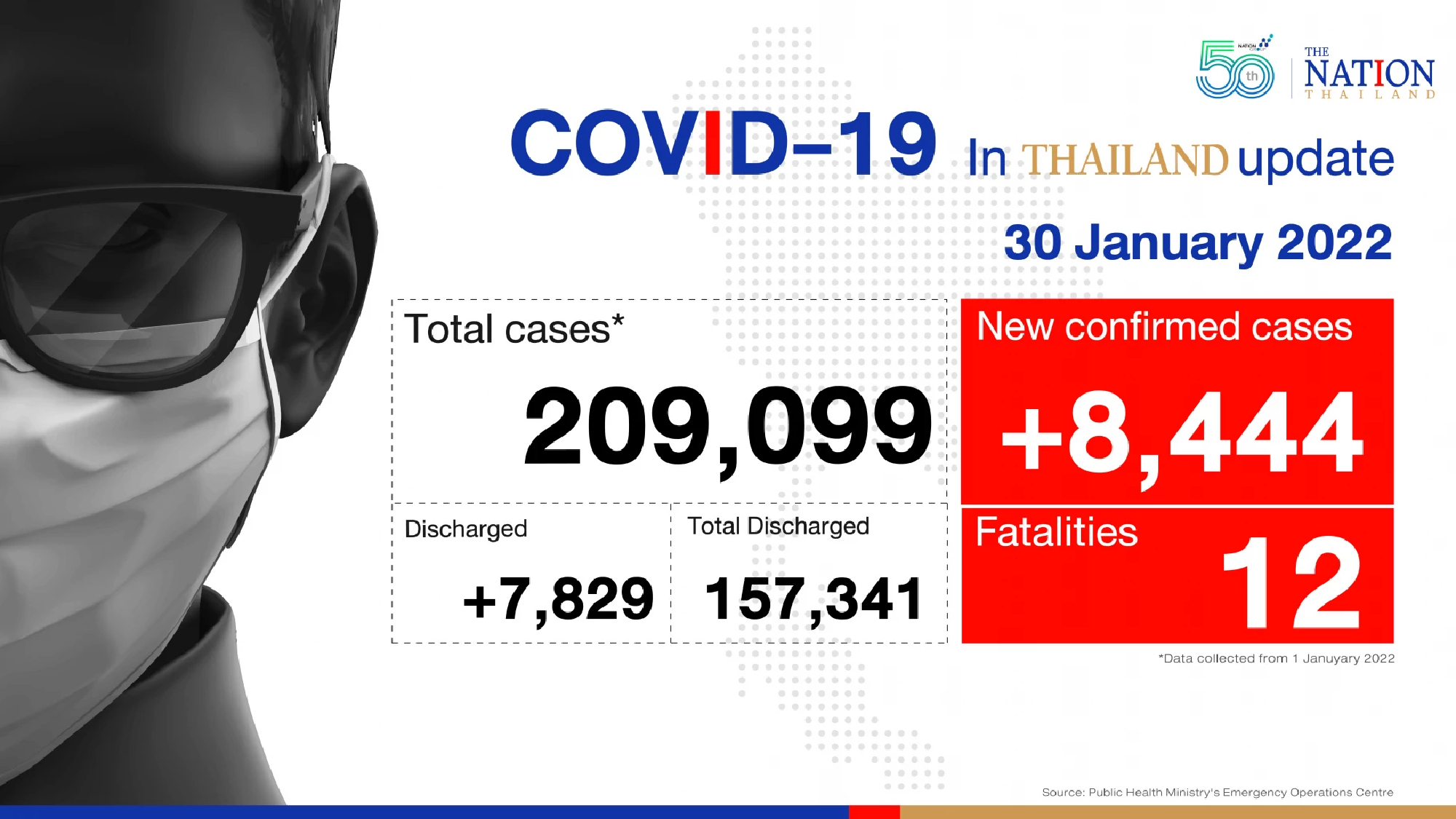
Public Health Ministry reported on Sunday (January 30) morning that in the past 24 hours there are 8,444 new patients who tested positive for Covid-19, 236 of whom are foreign travellers.
Death toll increased by 12, while 7,829 patients were cured and allowed to leave hospitals.
Cumulative cases in the country are at 2,432,534 with 22,157 total deaths.
The Thailand Meteorological Department on Sunday (January 30) that The westerly winds at high altitude prevail over the North and the Northeast of Thailand with cool to cold remaining.
Meanwhile, another high-pressure system over southern China, upper Vietnam and the South China Sea is expected to reach the upper Northeast of Thailand by tomorrow (January 31). This forces the southerly and southeasterly winds blowing the humidity from the sea to cover the East and the Northeast regions of the country with isolated rain.
On mountaintops of the North and the Northeast, cold to very cold is forecast. The minimum temperature of the North mountaintops is in range of 5-12 °C while the Northeast ranges by 9-15 °C.
People in the upper country should keep healthy due to the variable weather. All transports take more caution in poor visibility.
The weak northeast monsoon prevails across the Gulf with isolated light rain over the South.
The 24-hour weather forecast for different regions:
North: Cool to cold with fog in the morning; temperature lows of 12-18 °C and highs of 30-35 °C; temperature on hilltops is likely to drop to 5-12 °C.
Northeast: Cool with fog in the morning. Isolated thundershowers; temperature lows of 17-22 °C and highs of 33-35 °C; temperature on hilltops is likely to drop to 9-15 °C.
Central: Partly cloudy with morning fog and isolated light rain; temperature lows of 23-24 °C and highs of 35-37 °C.
East: Partly cloudy with morning fog and isolated light rain. Isolated thundershowers; temperature lows of 24-27 °C, highs of 32-36 °C; waves below 1 metre high and about 1 metre offshore.
South (east coast): Partly cloudy with isolated light rain. Isolated thundershowers; temperature lows of 21-25 °C, highs of 30-35 °C; waves below 1 metre high and about 1 metre in thundershowers.
South (west coast): Partly cloudy. Isolated thundershowers; temperature lows of 22-26 °C, highs of 34-36 °C; waves below 1 metre high and about 1 metre offshore.
Bangkok and surrounding areas: Partly cloudy with fog in the morning and isolated light rain; temperature lows of 23-25 °C and highs of 33-36 °C.
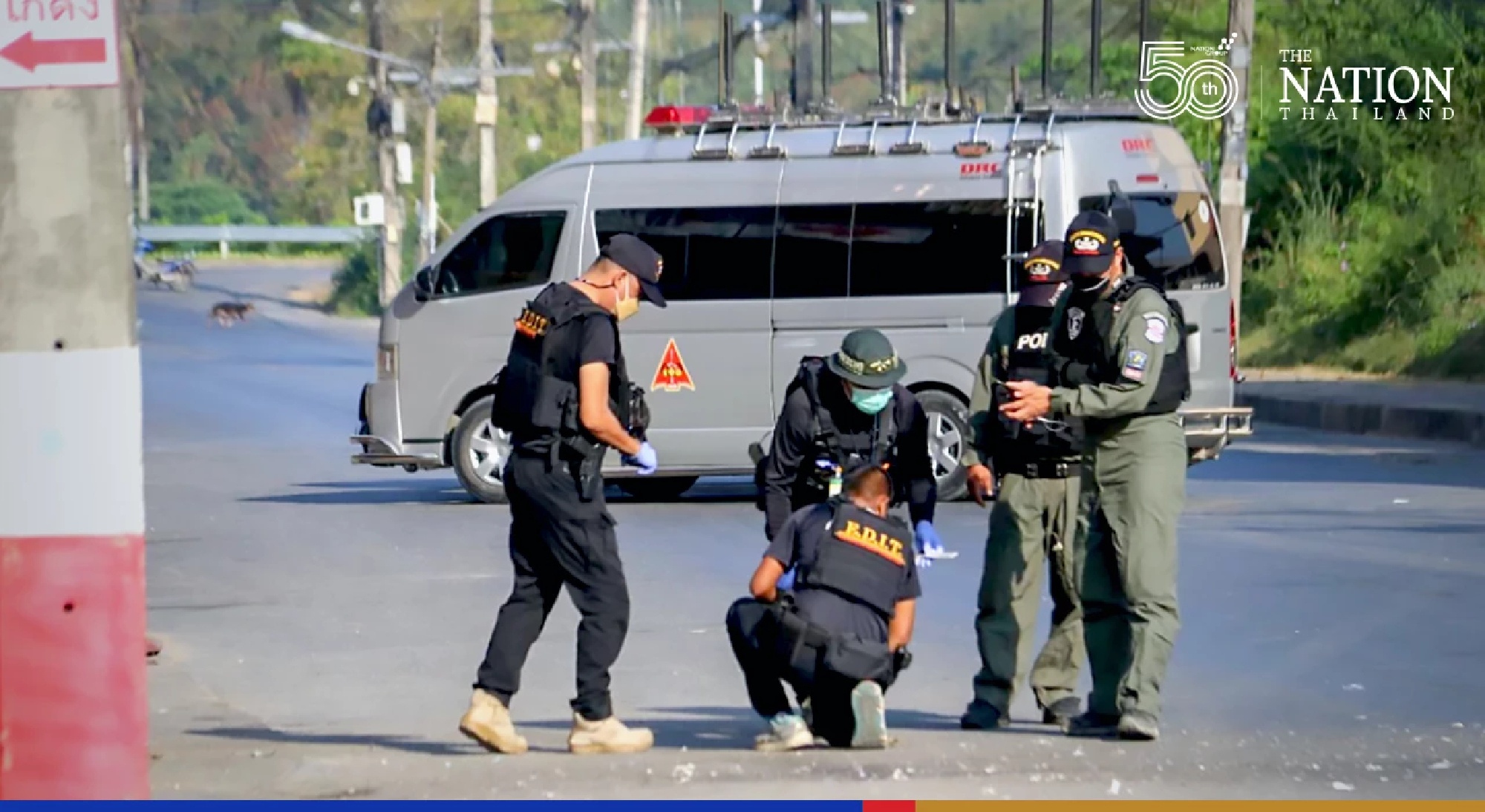
An explosion in the southern province of Yala on Friday night sent police on a hunt for bombs and they had found 11 suspected explosive devices as of press time on Saturday.
The explosion in front of a convenience store in Muang district at around 9pm on Friday left a 59-year-old man, identified as Manoon Unok, with injuries to his left arm and right leg.
At around the same time, police also found another suspicious-looking box on Siroros Road. The box, containing gunpowder and an integrated circuit attached to a clock, was defused by the bomb disposal team.
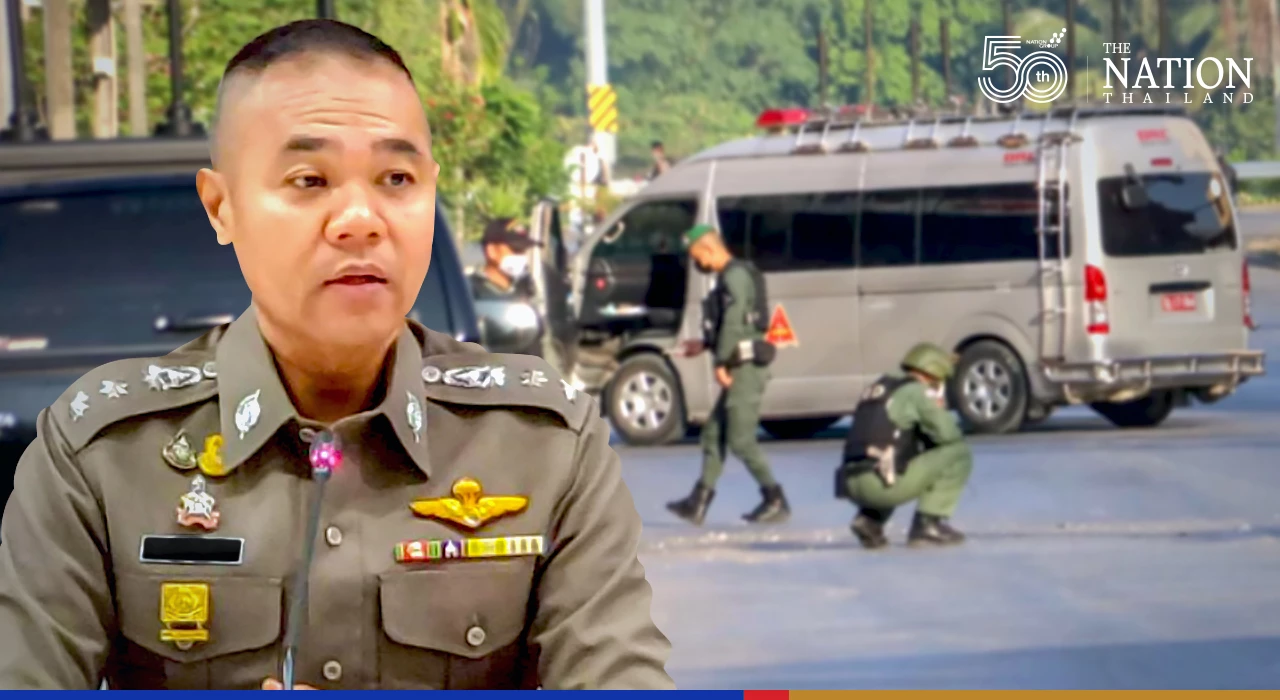
Provincial police chief Pol Maj-General Tinnakorn Rangmart instructed investigators to study all security camera footage from areas around these locations to try and identify suspects. Some of the suspected perpetrators were spotted on the CCTV footage.
Meanwhile, of the 11 suspected explosive devices found, bomb disposal experts managed to defuse three. There were no reports of property damage.
Police believe the perpetrators simply wanted to cause disturbance in the insurgency-hit region.
The Metropolitan Police Bureau will deploy up to 800 police officers to man polling stations in Bangkok’s Constituency 9 on Sunday, the bureau’s deputy chief Pol Maj-General Jirasan Kaewsangek said on Saturday.
Voters will cast their ballots on Sunday from 8am to 5pm for a new member of Parliament for Constituency 9, which covers parts of Lak Si and Chatuchak districts, after Palang Pracharath Party MP Sira Jenjaka was disqualified by the Constitutional Court.
“There are 280 polling stations in the constituency and at least two officers will be monitoring each station,” Jirasan said. “The bureau will also have a fast-response team and a company of crowd-control officers ready in case of emergency.
“After 6pm on Saturday, sale or distribution of alcoholic beverages in election zones will be prohibited and the bureau has ordered all officers to ensure the law is strictly followed,” he added.
The no-booze regulation will be lifted at 6pm on Sunday.
Jirasan went on to say that police intelligence has reported that the anti-government group “Thalu Gas” is planning protests in six locations from 4pm on Sunday and has advised people to avoid the following areas as they will be heavily congested:
• Government House on Phitsanulok Road
• Finance Ministry on Rama VI Road
• October 14, 1973, memorial on Ratchadamnoen Avenue
• Bangkok Remand Prison in Chatuchak district
• Supreme Court in Phra Nakhon district
• Victory Monument in Ratchathewi district
“Though controls have been eased in Bangkok as it is a pilot tourism area, holding public activities that can spread Covid-19 is considered illegal under the Communicable Disease Act and the Emergency Decree during Covid-19 Situation,” the police spokesman said.
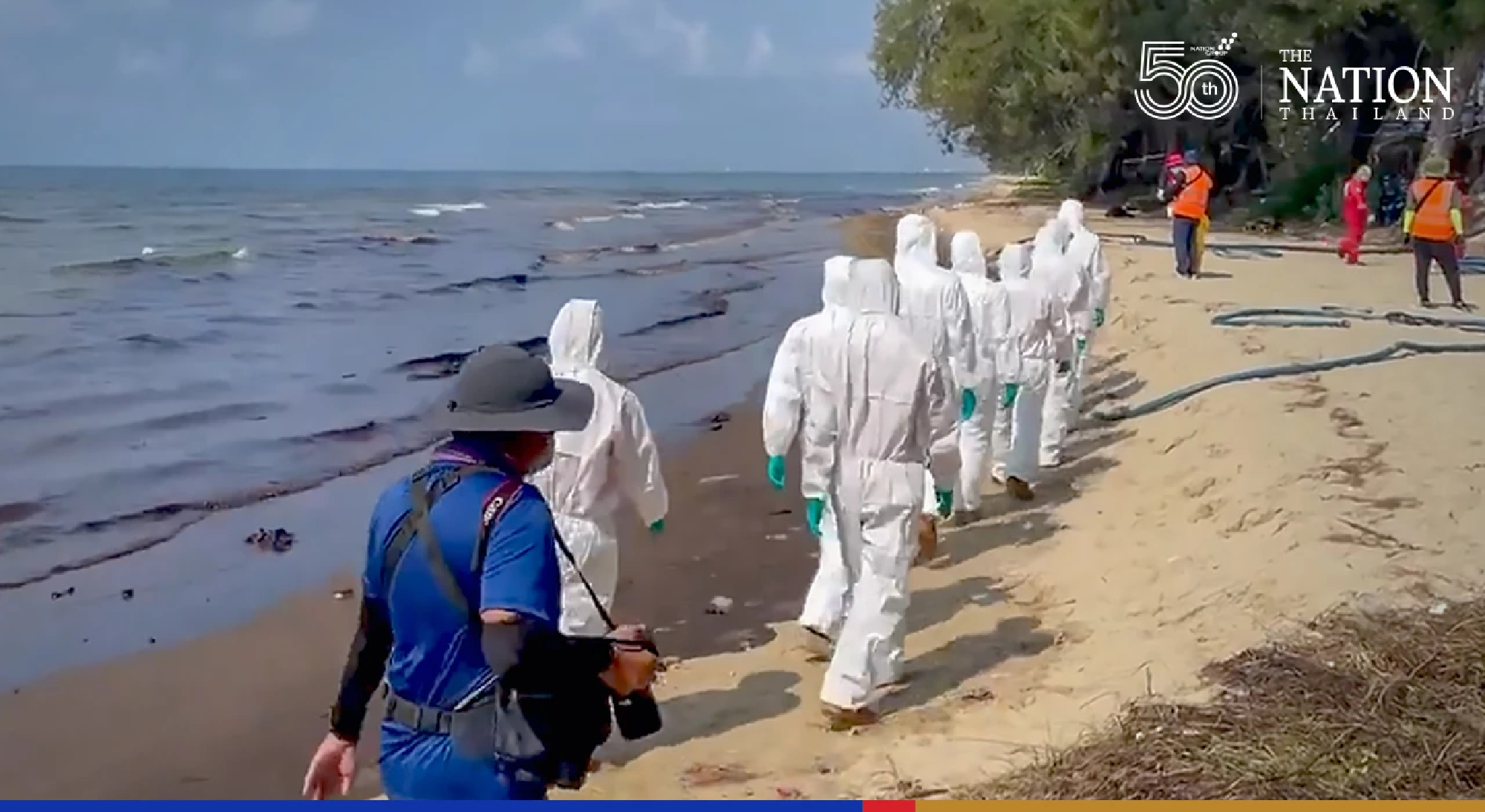
Rayong’s Mae Ram Phueng Beach was closed to the public on Saturday as officials launched an operation to clean up an oil spill washing ashore.
Beach vendors have been asked to suspend their business “until the situation returns to normal”, provincial governor Channa Iamsaeng said.
Meanwhile medical staff have been dispatched to the area to treat locals for allergies and nausea caused by the stench of crude oil.
The oil washed ashore from a leaking undersea pipe in the Gulf of Thailand, 20 kilometres off Rayong. An estimated 50,000 litres has spewed from the pipe, which is owned by Star Petroleum Refining Public Company Limited (SPRC).
Rayong’s chief public health official Dr Sunthorn Rheanpumikankit urged people to stay clear of oil-slicked beaches, which present a health hazard.
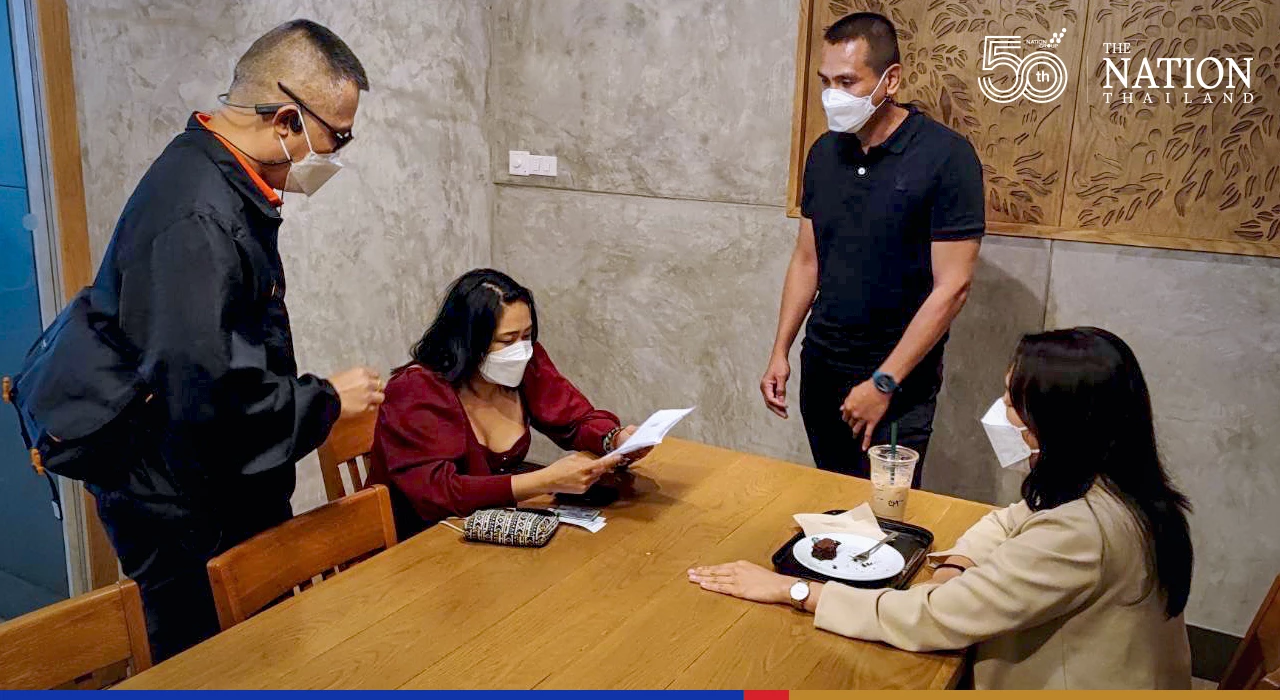
A former model was on Friday arrested for selling live sex shows online after being caught in a police sting operation.
Natchayapa Udomchokwattanakit, 32, was trapped when Cyber Crime Investigation Bureau officers posing as restaurant operators asked her for a photo shoot to advertise their business.
The undercover cops arranged to meet her at the Summer Hill branch of Starbucks in Phra Khanong district, Bangkok. Police said she was arrested at the meeting and confessed to importing pornography to a computer system and selling it. They also seized an iPhone X, two sex toys, and Durex lubricant gel from the suspect.
According to police, Natchayapa opened a private Line group to share pornographic images, videos and live shows that featured sexual intercourse. Members were charged a 500 baht joining fee and then 500 baht per month.
Police said Natchayapa used to be a model for events and photoshoots. She switched to the pornography business, uploading content to Line and Zoom and publicising the members-only account via social media, they added.
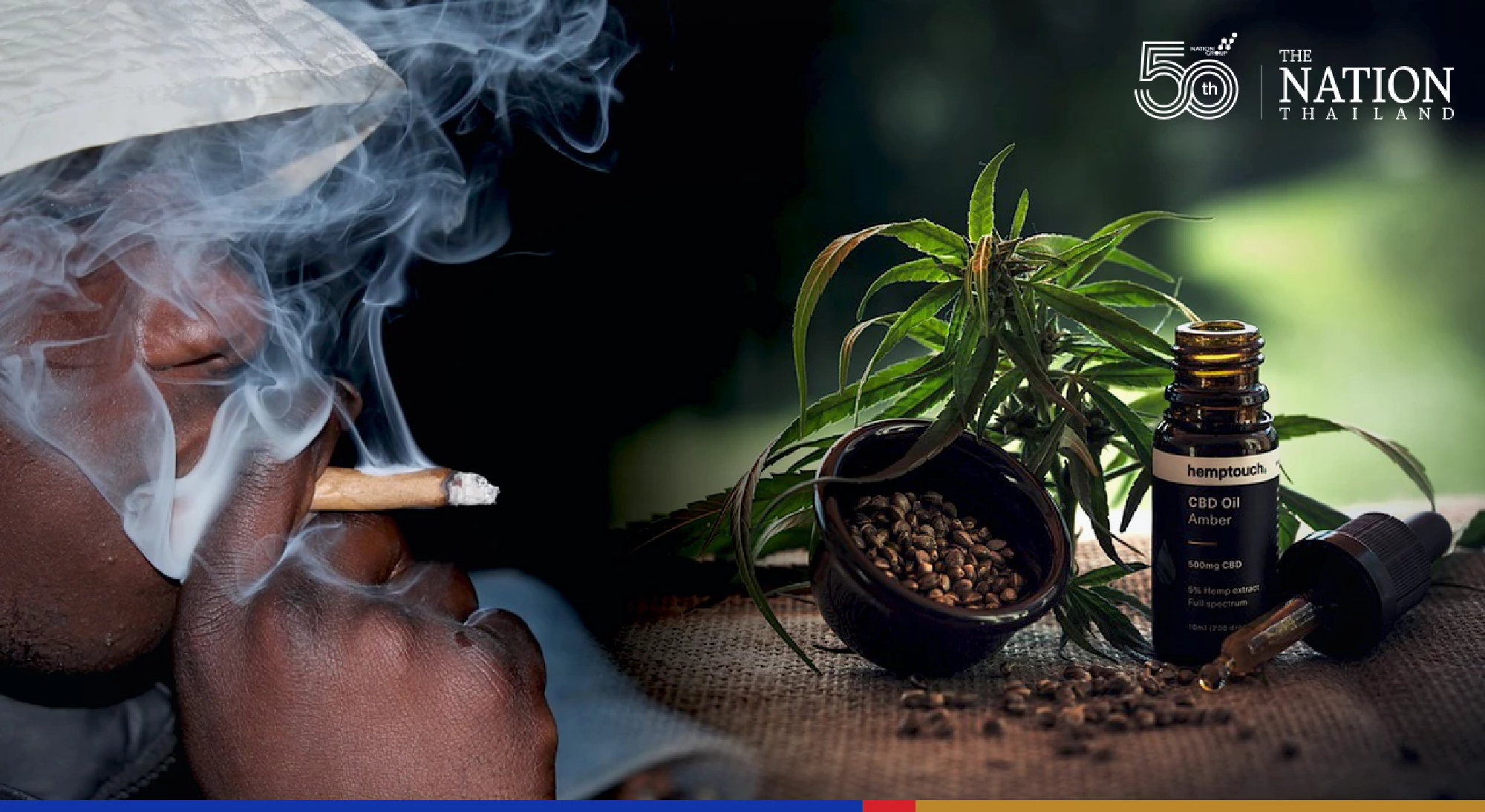
Coalition partner Bhumjaithai Party presented draft bills related to cannabis and hemp to the Cabinet on Wednesday after the Office of the Narcotics Control Board (ONCB) removed marijuana from the list of Category 5 narcotics.
ONCB’s decision came after the Public Health Ministry’s controlled drugs committee approved a draft to remove marijuana from the narcotics list on January 20.
This legislation will allow nearly every part of the marijuana plant to be removed from the list of controlled substances except for buds and flowers which produce tetrahydrocannabinol (THC) of more than 0.2 per cent.
ONCB said it will collect information and analyse the legislation before it is signed by Public Health Minister Anutin Charnvirakul and announced in the Royal Gazette before going into effect within 120 days.
How does the legalisation affect consumers?
Though marijuana has been removed from the list of Category 5 narcotics, it is still a controlled substance and the process of growing, extraction, manufacturing and usage will be controlled by the Cannabis and Hemp Act.
Individual growers must register with relevant authorities.
Commercial growers must be authorised by the Food and Drug Administration (FDA).
Extraction and processing:
Must be authorised by the FDA.
Selling, exporting or importing:
All products made from marijuana must be authorised by the FDA and nothing laced with cannabis that can be eaten, chewed, drunk or kept in the mouth can be sold to people under the age of 20, pregnant women, nursing mothers or people at risk.
Advertising:
No advertising allowed unless authorised by the FDA.
However, even though marijuana has been removed from the list of Category 5 narcotics, there is still a lot of confusion about how it can be consumed.
Anutin has insisted that all recreational use of marijuana is illegal and those misusing it will face legal action. Yet there is a loophole in the law saying individuals only need to register with an agency without requiring authorisation from the FDA. No details have been provided about which agency is in charge.
Dangers of legalisation
Chitlada Areesantichai, director of Chulalongkorn University’s Centre for Addiction Studies (CADS), said the centre has studied 29 samples of marijuana-laced food products over the past two months.
The aim of the study was to see if the amount of THC present in the products crossed the legal limit and found that drinks on average had 0.214 to 0.231 per cent of THC, while a cookie could have 0.498 per cent.
Meanwhile, dry food like noodles can have as much as 32 to 35 per cent of THC, the study showed.
Chitlada also pointed out that people may inadvertently consume more THC as there is no way of keeping the consumption in check. Sellers might also up the THC content in their products to boost sales.
Crude oil from the leak that an underwater pipeline sprung on Tuesday evening has reached Rayong’s Mae Ram Phueng Beach, provincial governor Channa Iamsaeng confirmed on Saturday.
The area will be marked off as a disaster zone and visitors barred from entering the water, he said, adding that the rule also applies to fishermen.
However, Channa insisted the situation was not severe but the area has been marked as a disaster zone to facilitate the clean-up operation.
Atthaphol Charoenchansa, director-general of the Pollution Control Department (PCD), said soldiers and government officials were doing their best to clean the beach and are keeping an eye out for another wave of crude oil 3 kilometres from the beach.
Fishermen in the area, however, say the situation is far worse than reported.
As of Friday, the areas most at risk were the IRPC port, Rayong’s Mae Ram Phueng and Ban Phe beaches as well as the channel linking Koh Samet’s Ao Prao beach.
In a Facebook post on Saturday, Natural Resources and Environment Minister Varawut Silpa-archa said all efforts are being made to clean the oil spill as soon as possible to reduce the impact on the environment and economy.
He pointed out that the situation will be handled as per the 2002 National Oil Spill Contingency Plan, which brings together different agencies, including the Marine Department, the Pollution Control Department and the Royal Thai Navy, to deal with the disaster.
Meanwhile, Deputy Public Health Minister Satit Pitutecha said in a Facebook post on Saturday: “We have arrived at Larn Hin Kaw at Mae Ram Phueng Beach this morning.”
He added that his ministry has sent representatives, including the Department of Health’s chief Dr Suwanchai Wattana Yingcharoenchai, to collect samples to determine the impact the spill may have on locals’ health.
A pipeline owned by Star Petroleum Refining Plc sprung a leak late on Tuesday, releasing some 50,000 litres of oil in the sea some 20 kilometres from the shores of Rayong.
The leak was reportedly brought into control a day later, though satellite images from the Geo-Informatics and Space Technology Development Agency showed that the oil slick ran for up to 47 kilometres.
Separately, Deputy Transport Minister Atirat Ratanasate told reporters on Friday that the government has filed an official complaint seeking compensation for damages caused by the spill.
Reuters has cited the Royal Thai Navy as saying it will take up to a month to clean the affected areas.
This is not the first time that Rayong has been hit by an oil spill. In 2013, a leak from underwater pipes blackened beaches in the province, causing environmental damage that affected fishing and tourism. It took several months to clear the area.
The Office of Insurance Commission (OIC) will give Southeast Insurance Plc and Thai Insurance Plc seven days to submit documents detailing steps taken to manage active policies and compensate their customers and beneficiaries in line with the law.
The two companies have filed motions with the OIC for permission to shut down their insurance business.
“OIC will approve their motion to shut down only after all details required have been submitted,” Adisorn Pipatworphong, OIC’s deputy secretary-general for legal affairs, said on Friday. “In the meantime, both companies shall continue operating as usual, and their customers can file for insurance claims within their legal rights.”
Southeast Insurance and Thai Insurance are both subsidiaries of Thai Group Holdings (TGH), which had announced the termination of its insurance businesses earlier this week due to an unprecedented surge in Covid-19 claims. The group has reportedly paid more than 9.9 billion baht in Covid-19 claims.
According to OIC’s regulations, an insurance company wishing to close its business must inform the OIC of the following before closure can be approved:
• Steps taken to manage or transfer active insurance policies to a new operator. The new operator must provide equal or greater benefits compared to the current policies.
• Steps taken to inform its customers and beneficiaries of the closure and information on how they can exercise their legal rights.
• Steps taken to withdraw or transfer the deposit the company placed with the OIC. The company will be required to provide evidence that it has no outstanding debts or obligations to transfer the deposit.
• Asset and debt management plans for the affected insurance business and other related businesses.
• The period during which regulations 1 to 4 will be implemented.
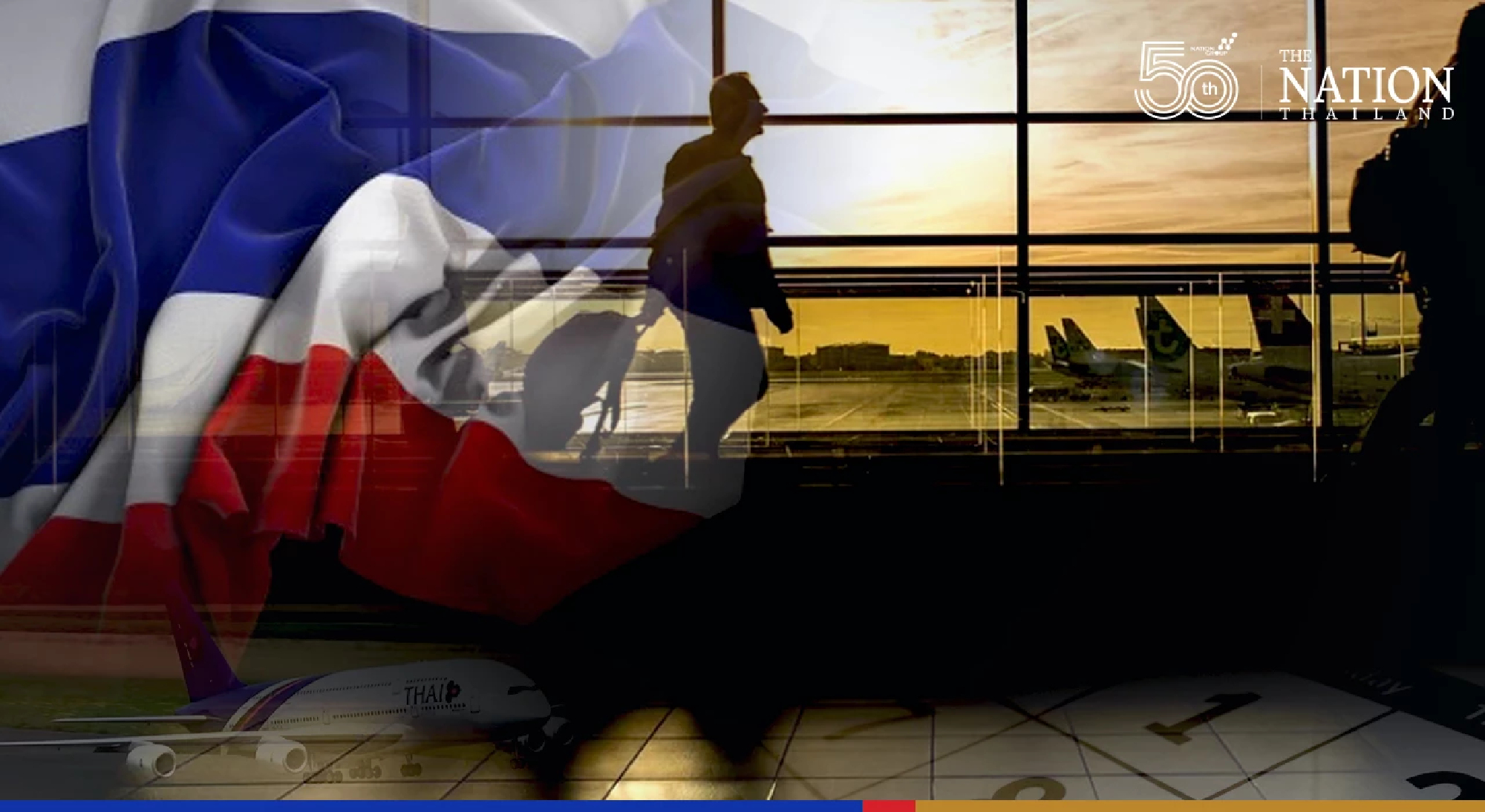
Registration for the new Test & Go scheme, which kicks off on February 1, is open to all nationalities, though registrants must be willing to undergo two RT-PCR tests during their first five days in the country, the Centre for Covid-19 Situation Administration (CCSA)’s spokesperson Dr Apisamai Srirangsan said on Friday.
The original Test & Go scheme had opened the country to visitors from 63 countries/territories with a low level of Covid-19 infections. However, this scheme was suspended from December 22 in a bid to curb the spread of the highly transmissible Omicron variant.
“Under the revised criteria of Test & Go scheme, registration is no longer restricted by country/region of origin,” she said. “However, travellers are required to have two RT-PCR examinations, one on the day of arrival and second on the fifth day.
“They must also provide proof of booking and payment for two nights of SHA Extra Plus/AQ/OQ/AHQ hotel or accommodation on days one and five. The bookings do not necessarily have to be in the same hotel or even the same province. However, visitors must wait at the hotel for the test results,” she added.
“In case infections start surging or if there is a change in the situation, the CCSA may consider adjusting the measures and only allowing visitors to arrive under sandbox or quarantine conditions like before,” she said.
From January 1 to 27, 170,479 tourists have landed on Thai soil, and of them 3.63 per cent or 6,194 have tested positive. The arrivals are categorised as follows:
• 69,488 entered under Test & Go scheme, with 2,652 or 3.82 per cent testing positive.
• 70,593 entered under sandbox scheme, with 2,867 or 4.06 per cent testing positive.
• 30,398 people arrived under the alternative quarantine system, with 675 or 2.22 per cent testing positive.