67 deaths, 9,692 new infections as Thailand fights losing battle
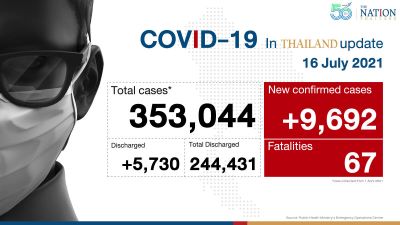
The number of fatalities from Covid-19 in Thailand dropped slightly to 67, but new infections stayed high at 9,692 over the past 24 hours on Friday, pushing the country’s caseload to 381,907 cases.
Of the total infections, 6,733 had tested positive in hospitals, 2,329 were found via proactive testing, 615 infections were found in prisons and 15 were arrivals from overseas.
Meanwhile, 5,730 patients have recovered and been discharged in the last 24 hours.
Of the total 381,907 cases, 271,857 have recovered and been discharged, 106,951 patients are still in hospitals, and 3,099 have died.
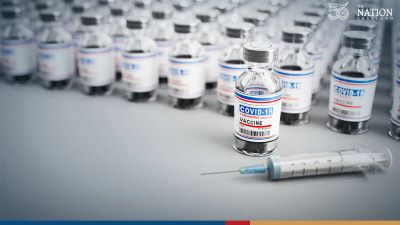
Separately, another 261,809 people were given their first Covid-19 shot in the last 24 hours, while 28,189 were given their second shot, bringing the total Covid-19 vaccines administered in Thailand to 13,823,355.
According to Worldometer, as of 11am on Friday, the number of confirmed cases globally had risen to 189.73 million, 173.14 million of whom have recovered, 12.51 million are active cases (79,288 in severe condition) and 4.08 million have died (up by 8,502).
Thailand ranks 58th on the global list of most cases, which is topped by the US with 34.88 million, followed by India with 31.02 million, Brazil with 19.26 million, France with 5.88 million and Russia 5.83 million.
Minister sheds light on govt’s post-Covid plans in online forum
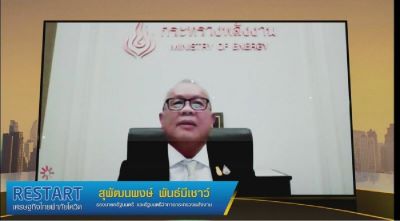
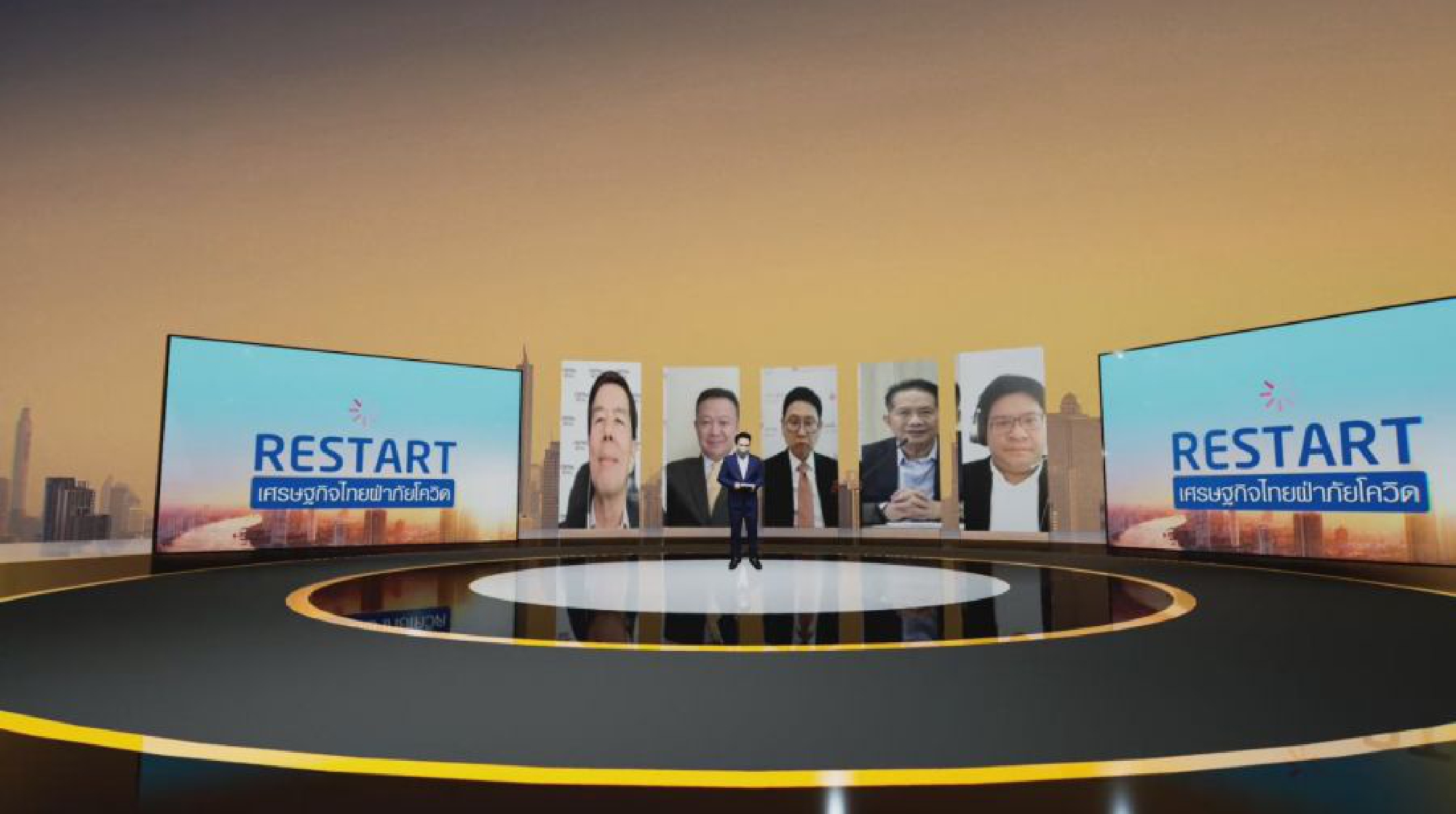
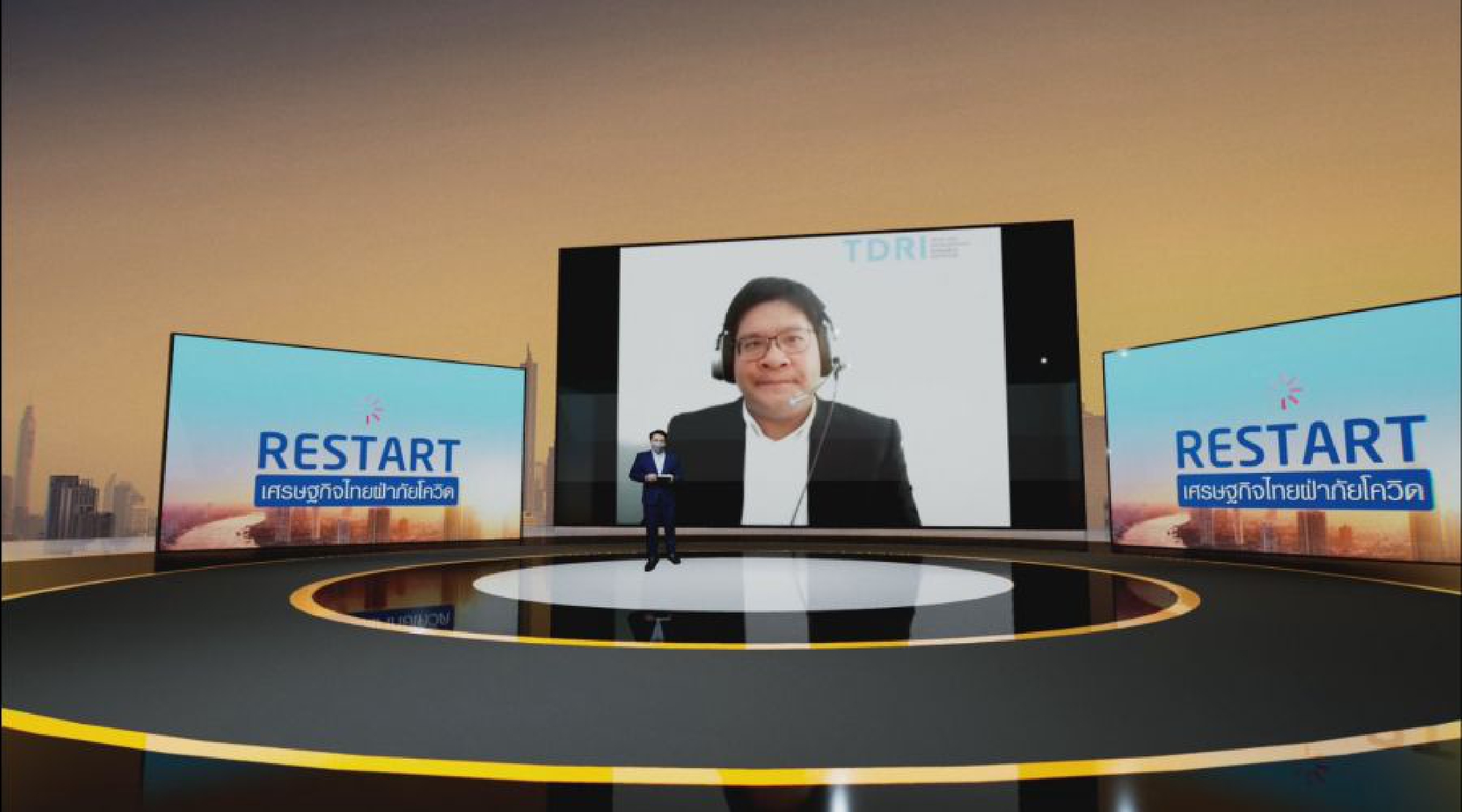
The government’s plans to rehabilitate the economy were revealed on Thursday at the online seminar, “Restarting Thailand’s Economy to Overcome Covid-19 Crisis”.
The forum was organised by Krungthep Turakij newspaper and the Electricity Generating Authority of Thailand (Egat).
Joining the event were several speakers including Energy Minister Supattanapong Punmeechaow, Tourism Authority of Thailand (TAT) governor Yutthasak Supasorn and Federation of Thai Industries (FTI) president Suphan Mongkolsutee.
In his speech, the energy minister said the government is formulating an economic rehabilitation plan, called “4-D Strategies”, which will be implemented once the Covid-19 situation improves. The strategies are:
• Digitalisation: The government will promote the building of digital infrastructure, reduce obstacles for foreign investors to establish data centres and other digital factories in Thailand, as well as build a skilled workforce to cope with expansion in the digital industry. This industry is expected to boost the country’s GDP by 0.7-0.8 per cent.
• Decarbonisation: The government will promote industries that reduce the emission of carbon and other pollutants as well as promote the use of electric vehicles to reduce reliance on fossil fuel. The aim is also to have Thailand producing electric vehicles at 50 per cent of its total manufacturing capacity by 2030.
• Decentralisation: The government will help expand key industries and related smaller sectors to attract investment from various sources. For instance, the electronics industry could branch into smart electronics.
• D-Risk: This measure aims to reduce the risk of buying property in Thailand to attract foreign buyers, especially people with high net worth, retirees, expatriates working in Thailand and tourists who plan on long stays.
Minister sheds light on govt’s post-Covid plans in online forum
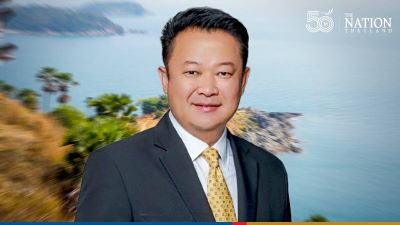
Meanwhile, TAT governor Yutthasak said his agency was confident that the reopening of tourist destinations under the sandbox scheme will attract many inoculated foreign tourists and revive the tourism industry.
“Since the Phuket Sandbox scheme started on July 1, only 10 out of 5,742 arrivals were infected, which is a good start,” he said. “A similar campaign will be implemented in some islands of Surat Thani, Krabi and Phang Nga. In September, this scheme will expand to other cities, including Pattaya, Chiang Mai and Buri Ram.”
Minister sheds light on govt’s post-Covid plans in online forum
FTI president Suphan said the 14-day lockdown of 10 provinces, including Bangkok, since July 12 will affect many industries especially those relying on manual labour.
“The government must speed up Covid-19 testing in all groups of labour to prevent cluster cases from emerging, as well as provide vaccination to workers across all industries as fast as possible,” he added. “Currently there are social security beneficiaries who have still not got their jabs because the Social Security Office has not been allocated enough doses.
“The most important thing is to restore the country’s public health to its full capacity by achieving vaccination targets to reduce new infections. Only then can all businesses reopen with confidence and fully restart the country’s economy,” he added.
Temples overburdened with Covid-19 cremations offered help
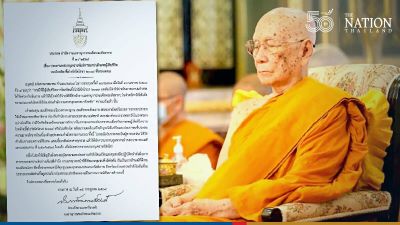
The Supreme Patriarch has called on the National Office of Buddhism to ensure temples nationwide have the means to cremate people who have succumbed to Covid-19.
The agency has also been tasked with checking if any temples are having problems with performing this duty.
The cremation of Covid-19 patients has become difficult because the job must be done under new safety guidelines without any rituals.
“Temples can also seek extra funding from the National Office of Buddhism or Provincial Office of Buddhism,” the announcement read.
The Supreme Patriarch also blessed monks and the public, saying he hopes the Covid-19 crisis can be overcome safely.
National Police chief promises support for Samui Plus Model
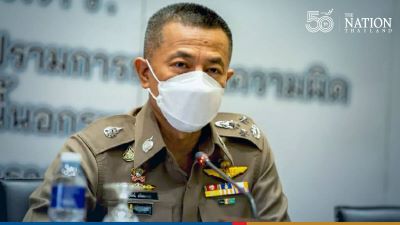
National Police chief Pol General Suwat Jangyodsuk said on Thursday that the police force would help ensure there are no glitches in the implementation of the Samui Plus Model.
He also confirmed that police officers will cooperate with related agencies like the Foreign and Tourism and Sports Ministries and the Tourism Authority of Thailand to promote tourism and curb the spread of Covid-19.
He added that police officers have experience from the Phuket Sandbox scheme, which kicked off on July 1.
Meanwhile, deputy police spokesperson Pol Colonel Krisana Pattanacharoen said the Immigration Bureau, Surat Thani police and other relevant departments are ready to support the operation of welcoming travellers arriving in Koh Samui, Koh Pha-ngan and Koh Tao via land, water or air.
He said people, both locals and tourists, can call police hotlines 191 and 1599 at any time for assistance.
National Police chief promises support for Samui Plus Model
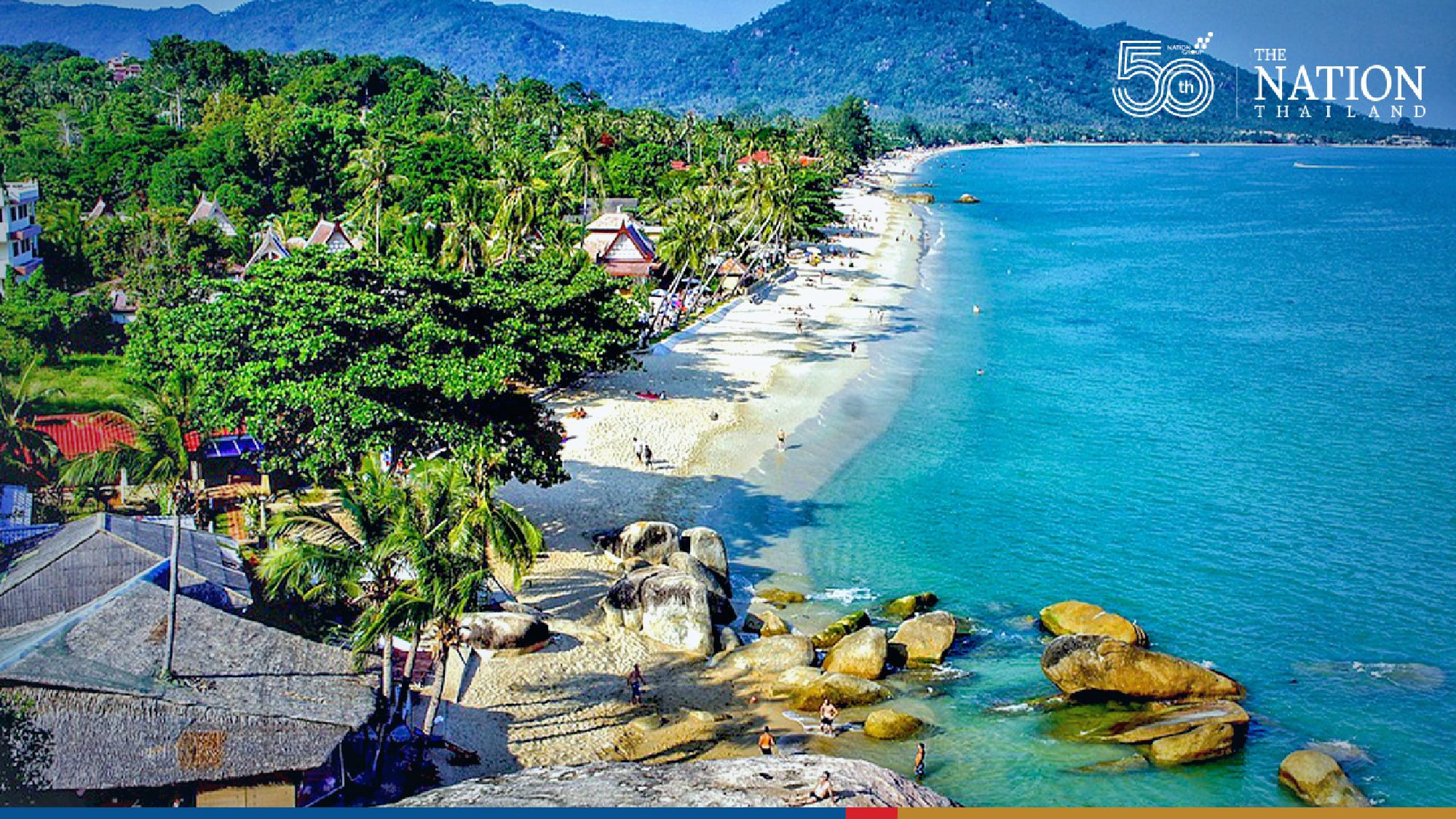
Surat Thani kicked off its Samui Plus Model on Thursday.
Under the scheme, fully vaccinated foreigners will stay in a Samui Extra+ hotel in Koh Samui for seven days, after which they can stay in Samui Extra+ or SHA+ hotels in Koh Samui, Koh Pha-ngan or Koh Tao.
Baht expected to weaken further as investors take refuge in dollars
The baht opened at 32.69 to the US dollar on Friday, weakening from Thursday’s closing rate of 32.66.
The Thai currency is likely to move between 32.65 and 32.80 during the day, Krungthai Bank market strategist Poon Panichpibool said
As of Thursday, foreign investors were continuing to sell their Thai assets due to uncertainty caused by the Covid-19 situation in the country, he said. This situation would lead to a gradual weakening of the baht, he added.
Poon warned investors to beware of the Covid-19 situation overseas, as it could pressure the global economy. Concerned by this situation, some players are banking on the dollar as a safe haven asset, he explained. The current situation is expected to further strengthen the dollar and pressure the baht.
TAT expects sandbox schemes to give tourism a big boost
The Tourism Authority of Thailand (TAT) is confident that the number of foreign tourists visiting Thailand in the fourth quarter of the year will increase significantly, thanks to the tourism sandbox campaigns that aim to reopen certain areas of Thailand to vaccinated tourists.
“The pilot tourism sandbox programme in Phuket that started on July 1 has been a great success. From July 1-14 the province has welcomed 5,742 tourists, nearly reaching the same level as in May, which had 6,512 tourists,” TAT Governor Yuthasak Supasorn said on Thursday.
“Meanwhile, we tested all visitors and found that only 10 were infected, which is lower than expected and is easily manageable.”
Yuthasak added that on Thursday, Koh Samui in Surat Thani also opened under the sandbox programme, followed by Koh Phi Phi and Railay Beach in Krabi as well as Khao Lak and Koh Yao in Phang Nga.
“In September the sandbox scheme will expand to other tourist cities, including Pattaya, Chiang Mai and Buri Ram, which will host the MotoGP tournament,” he added.
“The TAT has set the target that this year we will have domestic tourists at 90 million and will increase to 100 million in 2022, while in the fourth quarter of this year there will be at least 3 million foreign tourists visiting Thailand, generating income of THB850 billion,” said Yuthasak.
“Tourism revenue for 2022 is estimated at THB2.5 trillion, but could vary depending on the Covid-19 situation. The TAT hopes to achieve this target by promoting Thailand to be at the top of the minds of foreign tourists and working with local partners to bring back foreign visitors.”
Locally made Favipiravir tablets used for Covid treatment get FDA approval
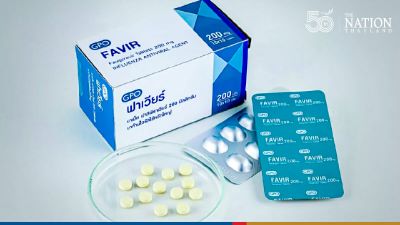
The Food and Drug Administration (FDA) has approved for use in Thailand Favipiravir tablets — administered to Covid-19 patients — researched, developed and manufactured by the Government Pharmaceutical Organisation (GPO).
“The GPO will start manufacturing Favipiravir tablets in August and will start delivering to hospitals immediately,” Dr Nanthakan Suwanpidokkul, a drug specialist at GPO, said on Thursday.
“In the early phase, we can produce at least 2 million tablets of 200mg per month at the GPO’s factory in Bangkok, but in the following months we will expand the manufacturing to our Pathum Thani factory to further increase the output.”
Nanthakan added that the domestically produced Favipiravir tablets were of international standard and were effective in treating Covid-19 patients.
“The tablets that we produced passed the bioequivalence study comparable with the originally imported tablets. However, they are significantly cheaper than the imported drug and should help the country save more money,” she said.
“Currently Thailand is using 300,000 tablets of imported Favipiravir per day, or 9 million tablets per month, as new patients have been increasing every day,” she said.
“The GPO will continue to import Favipiravir tablets from overseas and also them locally to make sure that we have adequate supply in case new infections surge even further.”
Community-based isolation a solution for managing healthcare challenge
With the rising Covid-19 cases, the Bangkok metropolitan region has been declared a pandemic hotspot by the Thai government.
Two-thirds of the nearly 10,000 new daily cases reported in Thailand are concentrated in the region. The influx of patients at hospitals has left medical professionals and health workers fatigued. Hospital beds are fully occupied, forcing new patients to wait longer to be admitted. Some patients have even died at home, unable to obtain hospital care.
We are genuinely sorry about their loss and feel the suffering of people who have had to deal with illness and death in the last one and a half years.
But we also believe that there is light at the end of the tunnel. We see the solidarity of people who have put in great effort to help and comfort others. Many have come up with solutions to fill the gaps in the health system.
One of the solutions that we recognise is the collaboration among multi-stakeholders in Bangkok to initiate “Home Isolation” and “Community Isolation” programmes.
This involves individuals, local communities, civil society groups and hospital operators providing care and assistance to Covid-19 patients with mild symptoms. The programme helps patients reach out to physicians or medical staff via video calls, medical devices and medicine delivery services.
Community-based isolation a solution for managing healthcare challenge
The programme not only helps prevent the spread of the coronavirus, especially in households having several members living together in a limited space, it also helps reduce crowding at hospitals, allowing medical staff to focus on critical cases.
This idea has not come out of the blue. It is based on data and the communities’ observation of the high prevalence of mild-symptom patients among those who tested positive.
As of June 4, around 19,430 hospital beds in the Bangkok metropolitan region were occupied by Covid-19 patients. Only 65 of those were critical cases. Bed occupancy increased to more than 29,000 in early July, with around 1,140 severe cases, after the highly contagious Delta variant spread throughout the region.
These numbers show that hospital beds are largely occupied by patients with mild symptoms, many of whom don’t require to be admitted to a hospital. They can recover at home if they can get rest and take medicines properly. In addition, health experts have found that the ratio of patients with mild, moderate, and severe symptoms is at 80:15:5.
Aware of this data, Rajavithi Hospital, for example, piloted home isolation care for 18 patients last month. Doctors closely monitored them via video calls. Hospital staff delivered medicines and meals to their homes every day. Most of them have recovered now, proving that home isolation is possible and effective if we can ensure a good monitoring system.
On the other hand, community isolation is a collective approach in which local communities turn communal buildings such as temples and community halls into isolation facilities.
The Institute of HIV Research and Innovation (IHRI) is a frontline organisation that helps many local communities in Bangkok manage the facilities and set up a patient monitoring system, in collaboration with non-governmental organisations such as Human Settlement Foundation and Duang Prateep Foundation.
The IHRI staff has trained community leaders to look for high-risk persons, distinguish the severity levels of Covid-19 patients, and provide them proper care. Equipped with knowledge, each community leader has formed a Covid-19 working group and transferred that knowledge to the group members.
The IHRI team has also connected this working group with medical staff at Piyavate Hospital, whose staff dispatch mobile X-ray vehicles and medicines to the communities. Physicians from the hospital arrange video conferences with patients once every three days.
If their condition worsens, hospital staff will send an ambulance to pick them up and transfer them to a hospital facility to get intensive care.
Community isolation is a bottom-up solution that empowers local communities to fight the pandemic, while ensuring healthcare access to Covid-19 patients amid the tight healthcare resources.
Its success is recognised by the Public Health Ministry, the NHSO and the Bangkok Metropolitan Administration, and has been adopted at the policy level.
From July 12, asymptomatic and patients with mild symptoms in Bangkok will be placed in home or community isolation under close monitoring of medical staff from hospitals or community clinics partnering the NHSO.
There are 204 clinics located across Bangkok. Each can look after 200 patients. Meanwhile, the community isolation model is in the process of expanding into 23 communities across the capital.
The NHSO will cover expenses of medical services and provisions given to Covid-19 patients under this programme, including RT-PCR and rapid antigen tests, laboratory service, patient transfer, mobile chest X-ray service, daily meals, medical devices, and personal protective equipment for medical staff.
On behalf of the NHSO, I want to thank all parties involved in creating this community-based solution to fill the gap in Bangkok’s health system that serves more than 10 million people.
I want to emphasise that this programme does not leave patients to their fate at home. It helps patients get faster access to physicians, treatment, and medicines via virtual consultation and home delivery services. It is much better than leaving patients in uncertainty while waiting days and nights for hospital beds.
In the time of crisis, we see the strength of all stakeholders in the health system. We will engage them, empower them and trust them. As long as we collaborate, we should be able to get through the crisis together.
Thailand in talks for subunit vaccine to fight Delta
The National Vaccine Institute is in talks to purchase second-generation vaccines as booster shots against Covid-19 variants.
Institute director Dr Nakorn Premsri negotiations were underway with Novavax, whose second-gen protein subunit vaccine achieved 90 per cent efficacy against Covid infection in trials. Nakorn said the plan is part of the National Vaccine Committee’s framework for procuring 120 million vaccine doses next year, with deliveries expected in the first quarter. Cooperation with other countries for transfer of technology to produce inactivated and mRNA vaccines in Thailand was also being accelerated, he added. “The Vaccine Institute is in talks with companies that produce subunit protein vaccines, such as Novavax and others,” said Nakorn. Phase 3 trials of the Novavax vaccine in Cuba showed it was 90 per cent effective, he added.
Thundershowers forecast for all regions, isolated heavy rains in Central and East
The Thailand Meteorological Department said on Friday that the southwest monsoon prevails over the Andaman Sea, Thailand and the Gulf of Thailand, while a low-pressure cell covers the middle South China Sea.
Thundershowers are forecast for all regions with isolated heavy rains in the Central and the East. People in these areas should beware of the severe conditions, the department said.
The weather forecast for the next 24 hours:
North: Thundershowers in 70 per cent of the areas; temperature lows of 23-25 degrees Celsius, highs of 32-35°C.
Northeast: Thundershowers in 60 per cent of the areas; temperature lows of 23-25°C, highs of 32-33°C.
Central: Thundershowers in 60 per cent of the areas with isolated heavy rains; temperature lows of 23-25°C, highs of 32-35°C.
East: Thundershowers in 60 per cent of the areas with isolated heavy rains; temperature lows of 23-26°C, highs of 30-34°C; waves a metre high and 1-2 metres during thundershowers.
South (east coast): Thundershowers in 60 per cent of the areas; temperature lows of 23-25°C, highs of 31-34°C; waves a metre high and 1-2 metres during thundershowers.
South (west coast): Thundershowers in 60 per cent of the areas; temperature lows of 21-25°C, highs of 30-33°C; waves a metre high and 1-2 metres during thundershowers.
Bangkok and surrounding areas: Thundershowers in 40 per cent of the areas; temperature lows of 25-26°C, highs of 31-33°C.
 Minister sheds light on govt’s post-Covid plans in online forum
 Minister sheds light on govt’s post-Covid plans in online forum
 National Police chief promises support for Samui Plus Model

 Community-based isolation a solution for managing healthcare challenge