Keep aspirin in the fridge? Take them out, says FDA
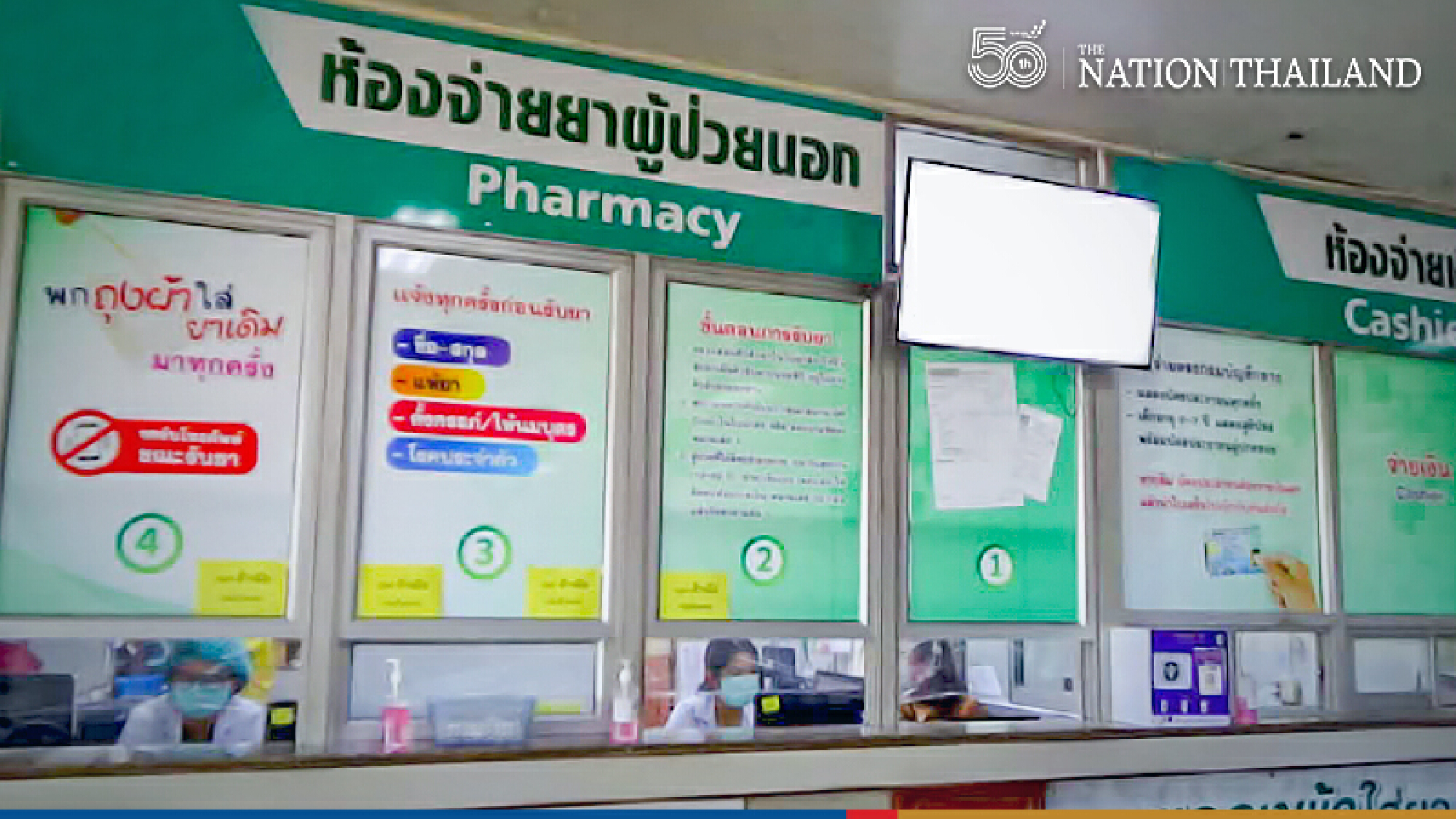
Keeping aspirin tablets in the fridge can degrade the drug’s quality and even make it dangerous to consumers, the Thai Food and Drug Administration (FDA) has warned.
The FDA was responding to social media rumours about the dangers of refrigerating aspirin, a medication to reduce pain, fever or inflammation.
The agency explained that keeping aspirin in a refrigerator can degrade its effect. Moreover, cold temperatures can generate salicylic and acetic acids in the drug, making it more dangerous to consumers if they consume it in high amounts.
So far, nine people have been fined for stepping out of their home without a face mask, Court of Justice spokesman Suriyan Hongwilai said on Wednesday.
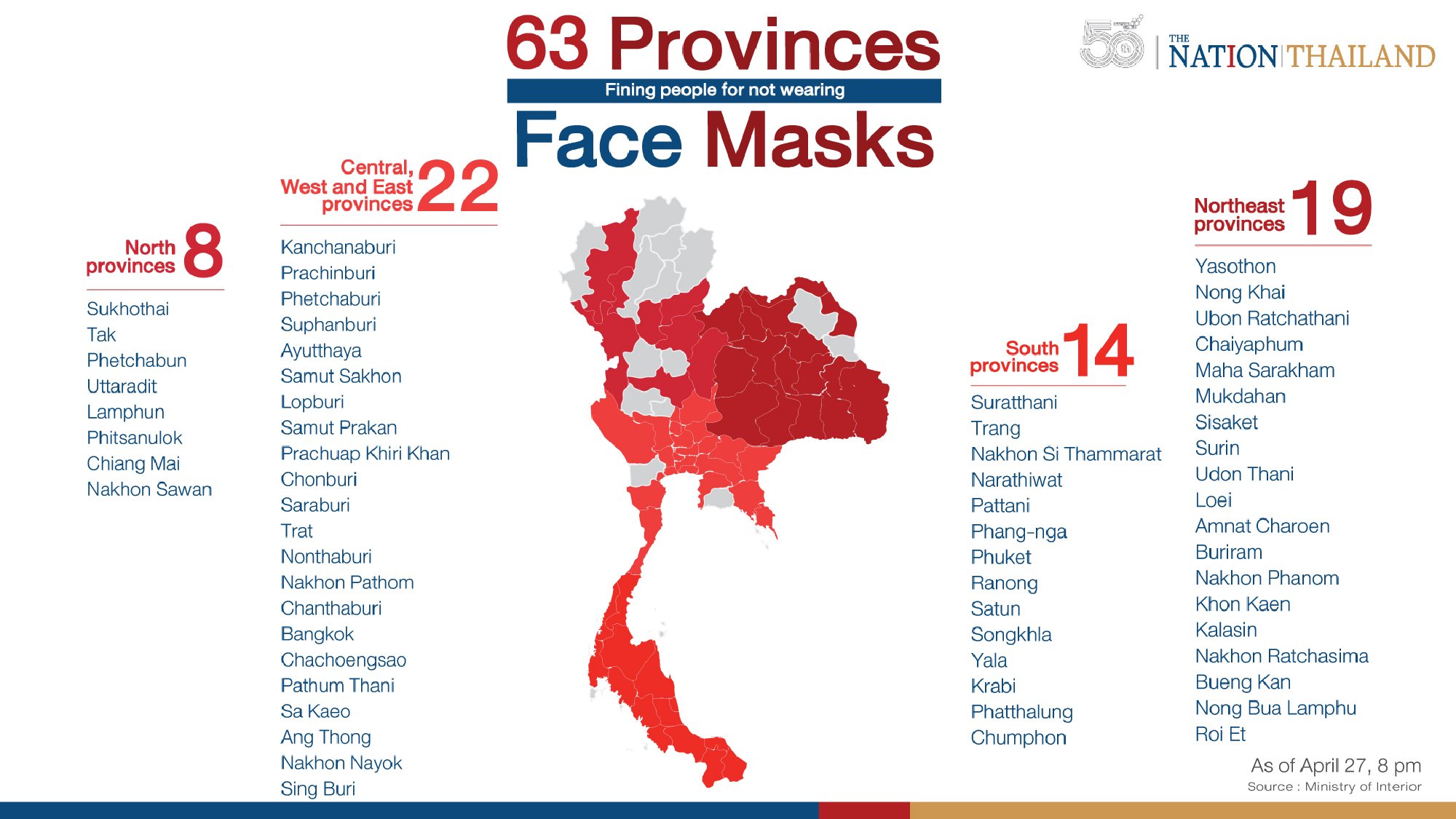
The Interior Ministry last week ordered 63 provinces where cases have been rising to launch stringent measures to ensure people wear masks in public. Under the regulations, violators will face fines of up to THB20,000 as per the Communicable Disease Act.
“Surat Thani reported two cases with three defendants. The provincial court initially set their fine at THB2,000 but halved it when the defendants confessed,” he said.
“Ayutthaya reported two cases with two defendants, each of whom was fined THB4,000 but the court halved the fine after confession.
“Yala reported four cases with four defendants. Two were hit with a THB2,000 fine each, which was halved thanks to confession, and the other two fined THB1,000 each, which was also halved for the same reason,” he added.
Suriyan added that each judge can use his or her discretion to determine the fine, which will depend on the severity of the offence.
“People should keep an eye out for announcements from the authorities and strictly follow regulations related to the Covid-19 situation for the safety of themselves and others,” he added.
DITP launches safety campaign for handling fruit, veg to boost consumer confidence
The Department of International Trade Promotion (DITP) has launched the “Thailand Delivers with Safety” campaign in a bid to boost consumer confidence.
The campaign focuses on handling products in line with the Covid-19 prevention practices and ensures Thai manufacturers do the same to ensure greater safety.
Somdet Susomboon, director-general of DITP, said the pandemic has changed consumer behaviour and heightened concerns over health and safety.Most importantly, consumers are taking extra precautions when buying fresh fruits and vegetables. As a major exporter of fruits and vegetables across the world, Thailand is among the first few to emphasise on delivering safety for consumers. Thailand’s Commerce, Public Health, Agriculture and Cooperatives as well as Interior Ministries have joined forces in implementing compliance of Covid-19 prevention best practice by setting the following safety measures for manufacturers, exporters, business operators, fruit and vegetable suppliers, as well as logistics operators to follow:
DITP launches safety campaign for handling fruit, veg to boost consumer confidence
• Reduce risk of contamination:
Business operators and suppliers must control access to the premises, such as signing names to check-in, using an online system to screen and manage employee data as well as data on the freight vehicles and cleaning surface of the freight vehicles at risk of contamination after each use, while employees are required to wear a mask at all times to prevent contamination.
• Strict production control: Every factory must implement quality and safety controls throughout the production line, from receiving fresh fruit and vegetable, processing and packing in compliance with Good Manufacturing Practice (GMP) and Hazard Analysis Critical Control Point (HACCP). Besides, employees must maintain personal hygiene at all times by wearing aprons, gloves and mask, and wash hands frequently during work, while maintaining preventive measures for transporting goods by cleaning and disinfecting the interior of the vehicle container.
DITP launches safety campaign for handling fruit, veg to boost consumer confidence
• Control Personal Hygiene, Work Environment as well as Location and Manufacturing Building
Location and Manufacturing Building: Entrances and exits must be controlled at all times. In addition, the manufacturing building, meeting room, cafeteria, changing room and toilets should be properly managed to reduce congestion. Business operators should also install high-efficiency ventilation systems and air filters in the building.
Sanitation: Personal hygiene equipment must be readily available at the workstation including a handwashing sink, liquid soap, disinfectant, disposable paper towels and auto lid pedal waste bins, with the clear instructions provided.
Cleaning: Strictly clean and disinfect machinery manufacturing buildings, toilets, floors, walls, as well as common areas that are prone to contact such as doorknobs, handrails, elevator buttons, chairs, dining tables, etc., in appropriate frequency and time of day.
Personal hygiene of workers: Workers’ health must be monitored daily before they enter the building. Workers must wear a mask at all times and information collected for tracing. They are also required to wear gloves, wash hands, maintain social distancing and prevent any contaminations during operation.
Training: Employees must be trained to protect themselves from COVID-19 including temperature checking, wearing a mask, social distancing, cleaning and disinfecting, as well as reducing congestion, to ensure that their workplace is Covid-19 secure.
DITP launches safety campaign for handling fruit, veg to boost consumer confidence
“DITP has launched ‘Thailand Delivers with Safety’ campaign to strengthen relationships and trust among buyers and trade partners across the globe. Thai manufacturers strictly follow Covid-19 Prevention Best Practice in every procedure from sourcing ingredients, harvesting, transporting, manufacturing with a high level of personal safety, packaging to delivering at the consumers’ doorstep,” Somdet said.
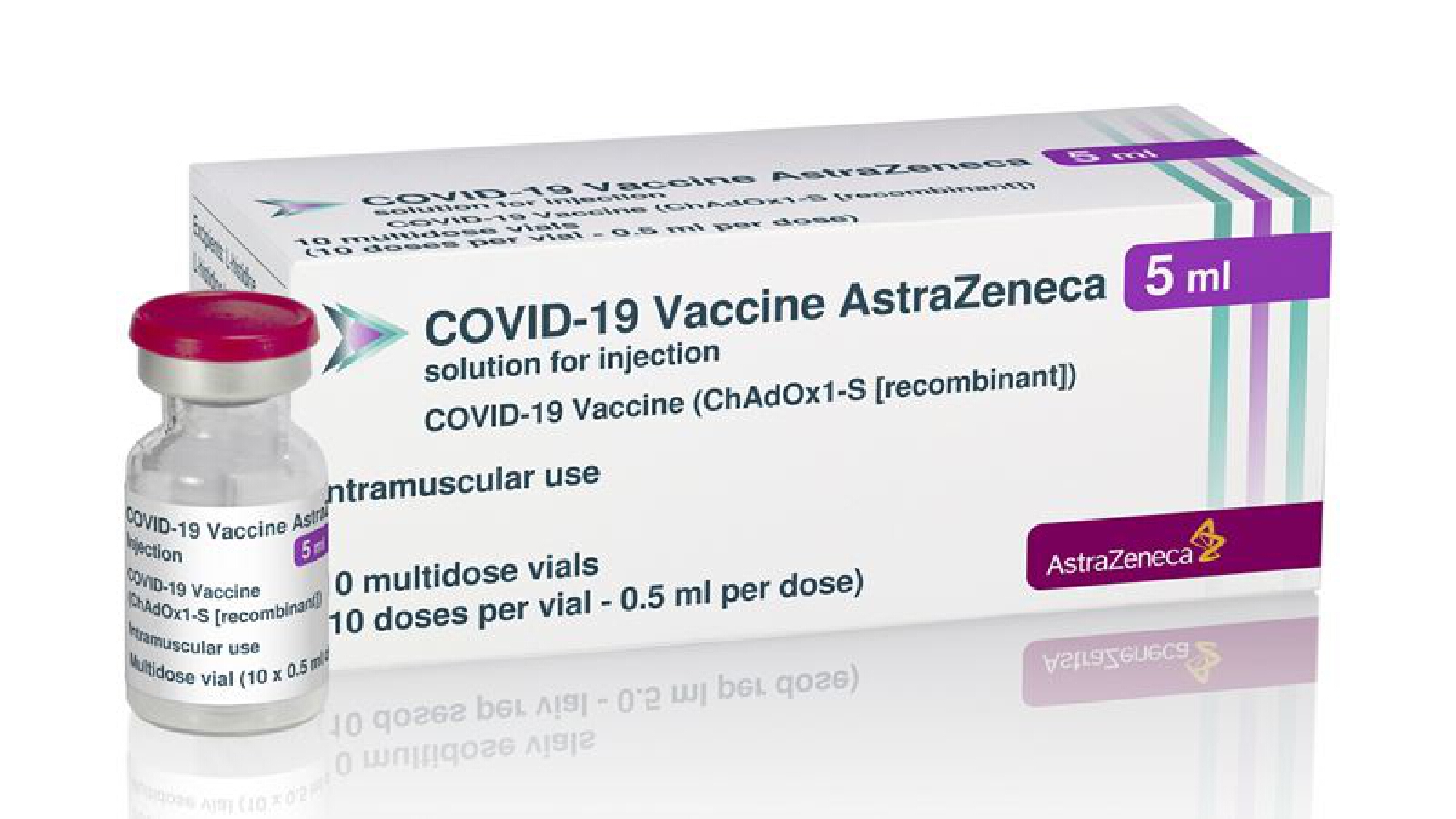
Local production of Covid-19 vaccine on track, says AstraZeneca
AstraZeneca’s plan to produce its Covid-19 vaccine in Thailand has made significant progress and the first batch is expected to be ready for delivery by June.
Manufacturing of vaccines approved
Siam Bioscience, which is owned by the Crown Property Bureau, has been chosen by the Thai Food and Drug Administration (FDA) to manufacture the vaccines. AstraZeneca said that it and Siam Bioscience have been working tirelessly to ensure safe and timely delivery of vaccines to inoculate the Thai population.
Production of the vaccine is critical not only to Thailand’s fight against the virus but also to the eight other countries in Southeast Asia the vaccines will be exported to.
The plant has passed the Good Manufacturing Practice (GMP), a system ensuring that products are consistently produced and control. Siam Bioscience’s plants have also earned several international standards such as ISO9001, ISO17025, and ISO13485.
Each batch of the vaccine undergoes more than 60 different quality control tests during its journey from manufacture to inoculation.
James Teague, president of AstraZeneca (Thailand), said: “AstraZeneca and our global manufacturing partners, including Siam Bioscience, are committed to maintaining the highest safety and quality standards of our products. Numerous safety tests and quality control measures are carried out at each step. We are working as quickly as possible to supply the vaccine to Thailand.”
Regional production hub
“Thailand will play a key role in supporting our neighbours in Southeast Asia to combat Covid-19,” Teague said.
“We all have the same objective, to get effective vaccines to everybody as quickly as possible but safely.
“The AstraZeneca vaccine is safe and can save many lives as it has very high efficacy, it is easy to transport and store. Patient safety is the highest priority for AstraZeneca. Regulators have clear and stringent efficacy and safety standards for the approval of any new medicine, and that includes our vaccine.
“Much work is ahead of us in Asia and elsewhere, as we continue to deal with the terrible pandemic and the roll-out of vaccination programmes. AstraZeneca has an important role to play, and our intent remains to do that fairly and equitably at no profit during the pandemic around the world,” Teague added.
Vaccine rollout
AstraZeneca’s Covid-19 vaccine has been granted conditional marketing authorisation for emergency use in more than 70 countries, with the World Health Organisation (WHO) Emergency Use Listing now accelerating the pathway to access in up to 142 countries through the Covax facility.
The AstraZeneca vaccine is well-tolerated and highly effective against all disease severities across all adults in clinical trials, and emerging real-world evidence from tens of millions of people also shows that the vaccine reduces severe disease and hospital admissions by more than 80 per cent after the first dose.
Regulatory authorities in the UK, European Union, the WHO have concluded that the benefits of using the vaccine to protect people from this virus significantly outweigh the risks.
A generous doctor came to the aid of a penniless mother, giving her THB3,000 to buy milk for her one-year-old baby, whom he had treated, and also paying the THB30 medical fee, the Rueng Lao Mor Chai Daen (The Story of Doctors at the Border) Facebook page reported on Tuesday.
The page said the mother could not pay either the THB30 medical fee for her baby or the cost of the milk because both she and her husband were laid off due to the Covid-19 crisis.
“Hence a doctor, who provided medical service to the mother’s baby, gave her THB3,000 in cash for buying milk and paid the THB30 medical fee for her,” the page reported.
It went on to say that the Covid-19 situation has led to many people being unable to pay their medical fees under the THB30 healthcare scheme despite this scheme being introduced to enable patients to seek treatment for about 20 years.
The page also urged comparatively well-off people to help relieve the sufferings of those affected by the Covid-19 outbreak “as much as they can”.
“People can help relieve others’ suffering due to the Covid-19 situation by at least talking politely,” the page added.
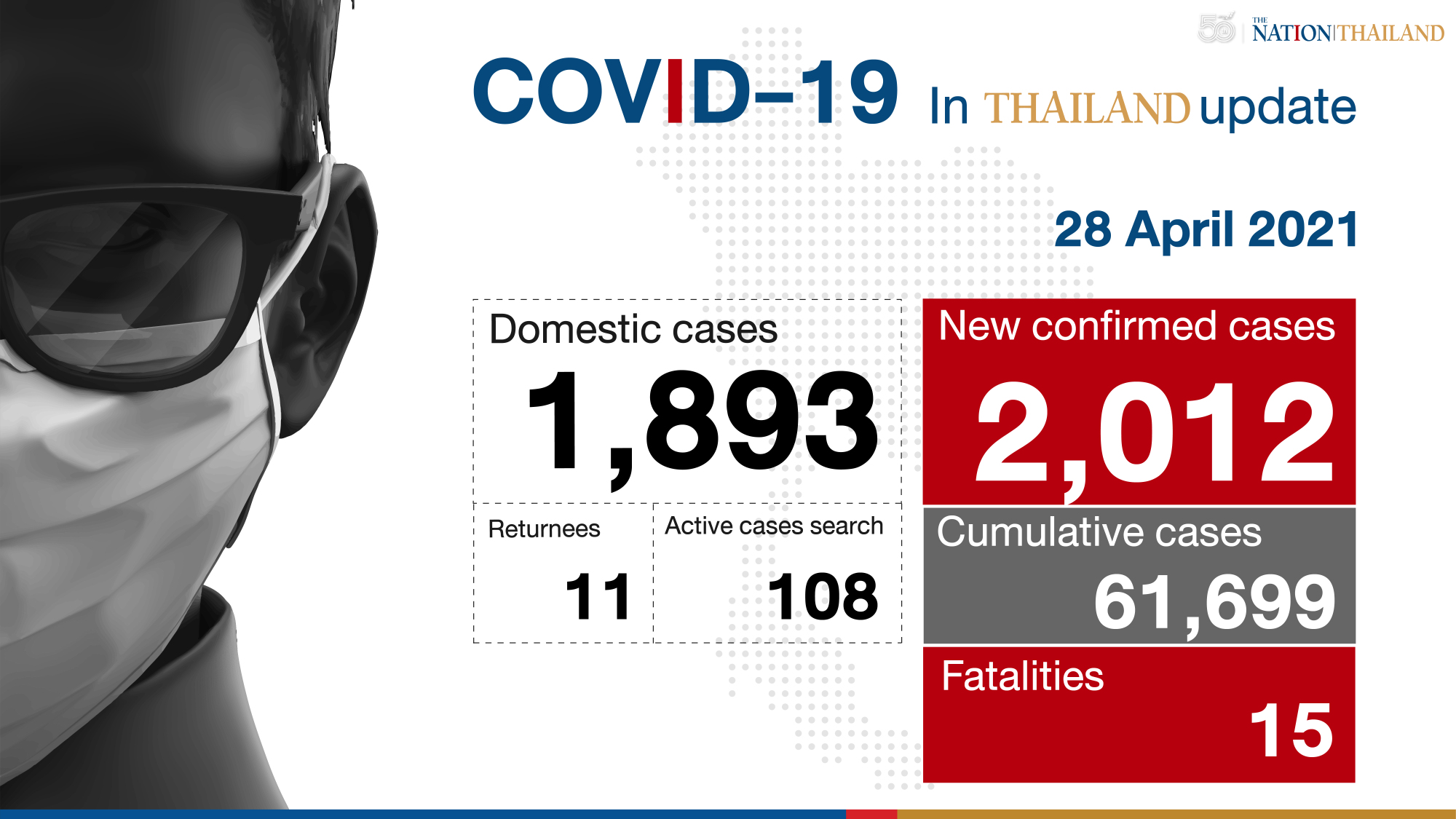
Covid claims 15 lives for 2nd consecutive day, 2,012 new cases confirmed
The Centre for Covid-19 Situation Administration (CCSA) on Tuesday reported 2,012 new cases, and 15 deaths for a second day running. The new fatalities include nine cases in Bangkok, two each in Chiang Mai and Samut Prakan and one each in Chonburi and Ranong.
The ages of those who succumbed to the virus ranged between 35 and 88, and all of them reportedly suffered from chronic conditions.
Meanwhile, of the 2,012 new cases, 830 were in Bangkok, followed by 108 in Chonburi and 161 in Samut Prakan.
The new infections also included 11 arrivals from overseas. Of them, seven were Thais, four of whom flew in from Pakistan, two from Cambodia and one from Qatar.
The remaining four included two Indians from India and UAE and a Chinese national and a Czech from their own countries.
Meanwhile, 851 patients have recovered and been discharged in the last 24 hours.
As of Wednesday, the number of confirmed cases in Thailand had risen to 61,699. Of these, 58,402 had been contracted locally, including 21,840 who were found via proactive testing, while 3,297 were returnees.
So far, 34,402 have recovered and been discharged, 27,119 patients are still in hospitals, and 178 have died.
Since April 1, 84 people have succumbed to the virus, CCSA said. Thailand’s third wave of Covid-19 infections was sparked by some cluster cases in mid-March.
According to Worldometer, as of 11am on Wednesday, the number of confirmed cases globally had risen to 149.35 million (up by 830,822), 127.02 million have recovered, 19.18 million are active cases (111,234 in severe condition) and 3.15 million have died (up by 14,821).
Thailand ranks 104th on the global list of most cases, which is topped by the US with 32.92 million, followed by India 17.98 million, Brazil 14.44 million, France 5.53 million, and Russia 4.77 million.
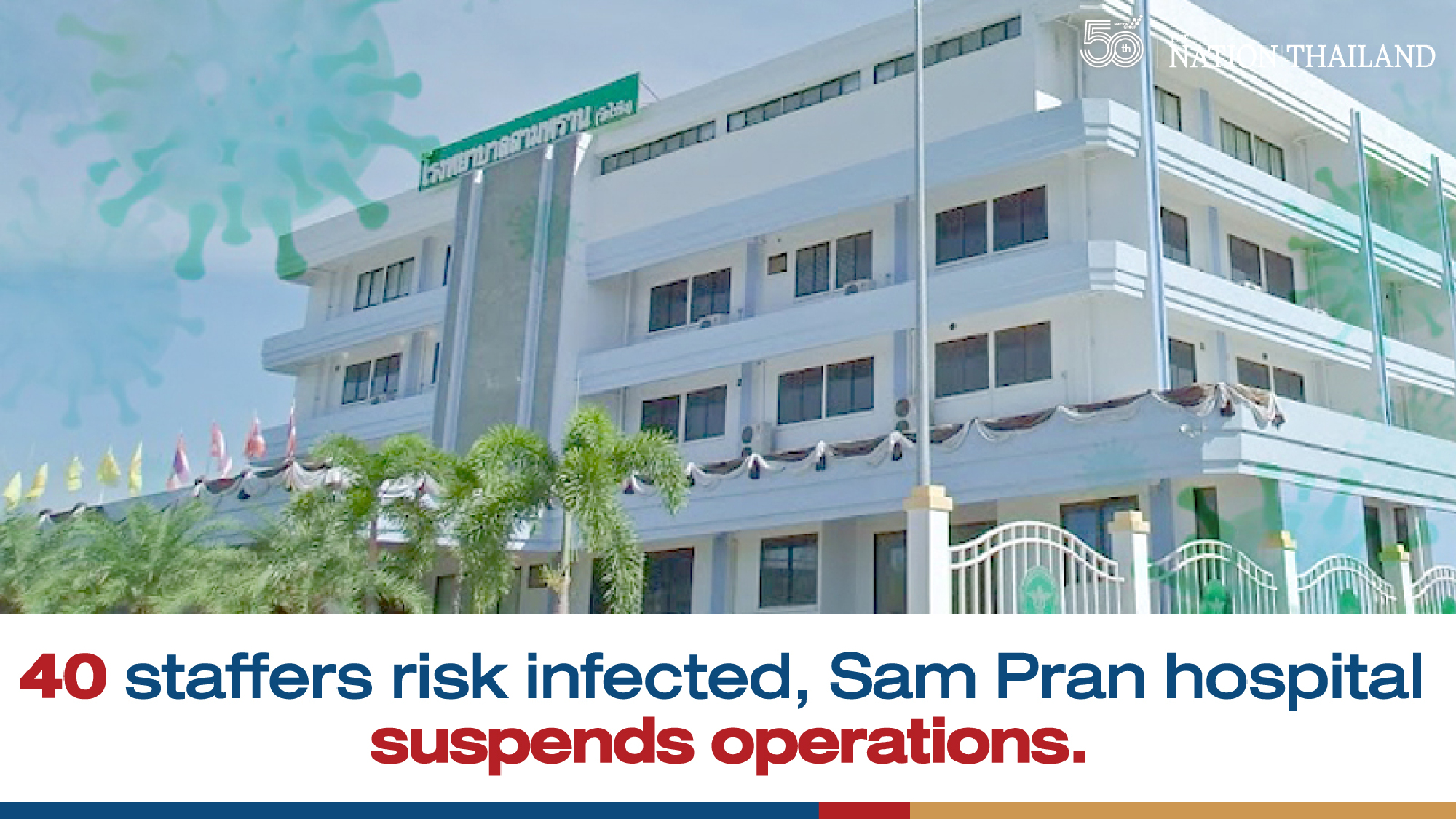
Nakhon Pathom hospital suspends operations after patient, staffer infected
Nakhon Pathom province announced on Wednesday that Sam Pran Hospital has suspended surgeries/operations for 14 days – from April 27 to May 10 – after one of their medical personal contracted Covid-19.
Moreover, an infected patient “with a concealed personal history” had been attended to in the operating room on April 25.
This led to 40 personnel at the room being ordered to quarantine themselves.
The hospital wanted only patients with urgent cases to visit. Those who were scheduled to receive medicine at the hospital will now receive these via post, it added.
Indian Covid-19 variant found in at least 17 countries: WHO
The World Health Organisation said on Tuesday that a variant of Covid-19 feared to be contributing to a surge of coronavirus cases in India has been found in more than a dozen countries.
All other nations, apart from Southeast Asia and the Western Pacific, meanwhile reported a weekly decrease in the number of cases.
The UN health agency said the B.1.617 variant of Covid-19 first found in India had as of Tuesday been detected in more than 1,200 sequences uploaded to the GISAID open-access database “from at least 17 countries”.
“Most sequences were uploaded from India, the United Kingdom, USA and Singapore,” WHO said in its weekly epidemiological update on the pandemic.
WHO recently listed B.1.617 – which counts several sub-lineages with slightly different mutations and characteristics – as a “variant of interest”. But the international agency has stopped short of declaring it a “variant of concern”.
That label would indicate that it is more dangerous than the original version of the virus, for instance being more transmissible, deadly or able to dodge vaccine protections.
Fears are rising that the Indian variant could be contributing to an unfolding catastrophe.
The explosion of infections in that country – 350,000 new cases were recorded there on Tuesday alone – has driven a surge in global cases to 147.7 million.
The virus has now killed more than 3.1 million people worldwide.
WHO acknowledged that its preliminary modelling based on sequences submitted to GISAID indicates “that B.1.617 has a higher growth rate than other circulating variants in India, suggesting a potentially increased transmissibility”.
It stressed that other variants circulating at the same time were also showing increased transmissibility, and that the combination “may be playing a role in the current resurgence in this country”.
WHO highlighted though that “other drivers” could be contributing to the surge in India, including lax adherence to public health measures as well as mass gatherings.
The UN agency also stressed that “further robust studies” into the characteristics of B.1.617 and other variants, including impacts on transmissibility, severity and the risk of reinfection, were “urgently needed”.
Globally, new Covid-19 cases have increased for the ninth consecutive week, with nearly 5.7 million new cases reported last week, surpassing previous peaks.
The number of patients dying increased for the sixth consecutive week, with more than 87,000 new deaths reported.
This week, all regions are reporting a decrease in cases, apart from Southeast Asia and the Western Pacific, WHO said.
For the third consecutive week, Southeast Asia reported the highest relative increases in both case and death incidences.
While a number of countries in the region are reporting upward trends, India accounts for the vast majority of cases from this regional trend and 38 per cent of global cases reported in the past week.
Similarly, all but two regions – Southeast Asia and the Eastern Mediterranean – reported declines in new deaths this week.
Sixty-three provinces fining people for not wearing face mask
In response to the third wave of Covid-19 in Thailand, some provinces have ordered people to wear face masks in public. The penalty for violating this order is a fine of up to THB20,000, according to the Communicable Disease Act.
AMinistry of Interior announcement at 8pm on Tuesday said the following provinces have made it mandatory to wear masks in public:
Central, West and East
Kanchanaburi, Prachinburi, Phetchaburi, Suphanburi, Phra Nakhon Si Ayutthaya, Samut Sakhon, Lopburi, Samut Prakan, Prachuap Khiri Khan, Chonburi, Saraburi, Trat, Nonthaburi, Nakhon Pathom, Chanthaburi, Bangkok, Chachoengsao, Pathum Thani, Sa Kaew, Ang Thong, Nakhon Nayok and Sing Buri.
South
Surat Thani, Trang, Nakhon Si Thammarat, Narathiwat, Pattani, Phang Nga, Phuket, Ranong, Satun, Songkhla, Yala, Krabi, Phatthalung and Chumphon.
North
Sukhothai, Tak, Phetchabun, Uttaradit, Lamphun, Phitsanulok, Chiang Mai and Nakhon Sawan.
Northeast
Yasothon, Nong Khai, Ubon Ratchathani, Chaiyaphum, Maha Sarakham, Mukdahan, Si Sa Ket, Surin, Udon Thani, Loei, Amnat Charoen, Buri Ram, Nakhon Phanom, Khon Kaen, Kalasin, Nakhon Ratchasima, Bueng Kan, Nong Bua Lamphu and Roi Et.

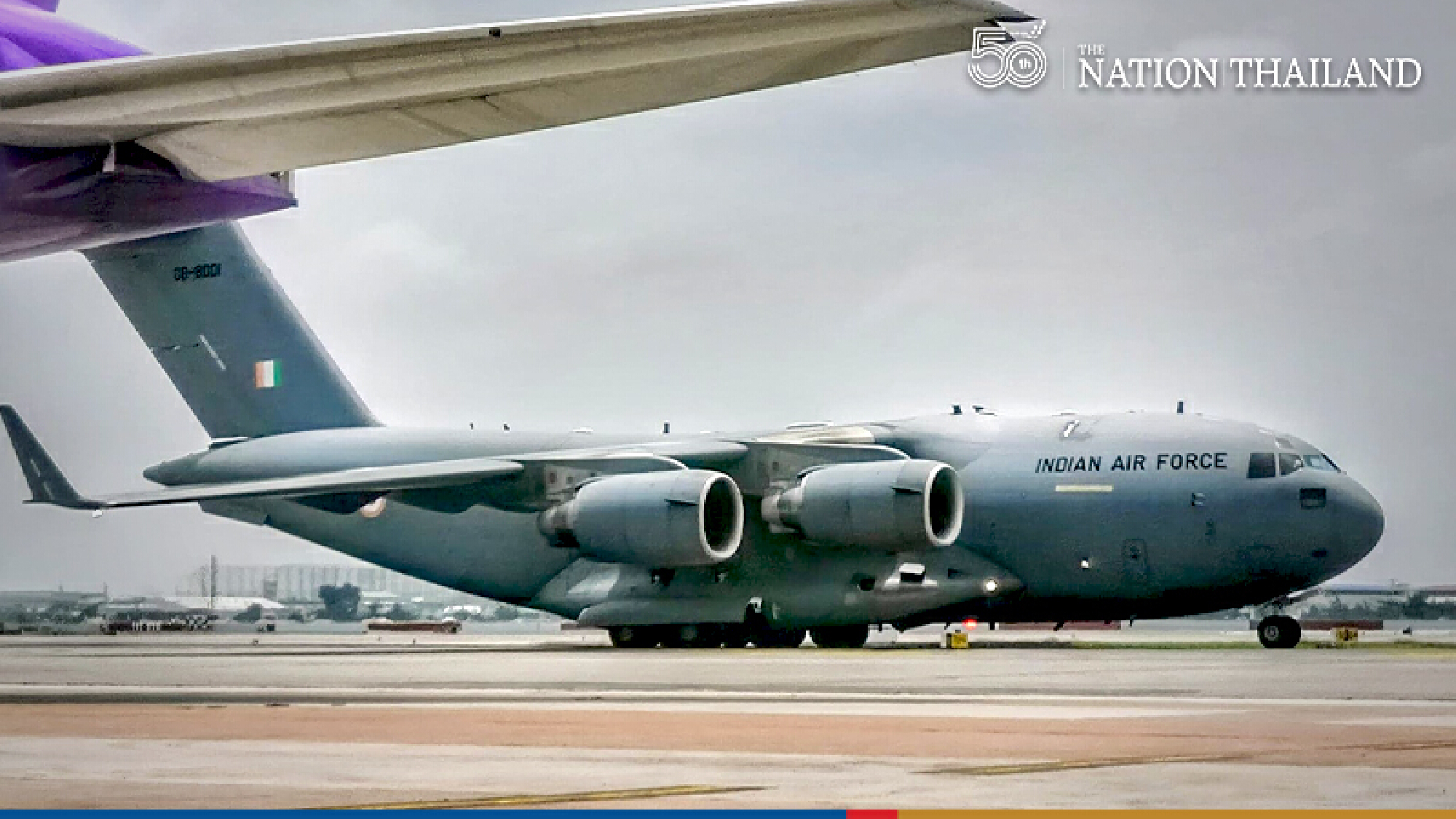
 India sends second plane this week to pick up oxygen tanks


 DITP launches safety campaign for handling fruit, veg to boost consumer confidence
 DITP launches safety campaign for handling fruit, veg to boost consumer confidence
 DITP launches safety campaign for handling fruit, veg to boost consumer confidence