Prime Minister Prayut Chan-o-cha told two ministers to leave the room after a heated exchange of words between the two during the weekly Cabinet meeting, a source said.
However, only one minister left the room after the prime minister cut them short, the source said.
The source identified the two ministers as Deputy Agriculture Minister Mananya Thaiset and Natural Resources and Environment Minister Varawut Silpa-archa.
According to the source, the quarrel broke out when the Cabinet was deliberating the Natural Resources and Environment Ministry’s proposal to extend tax privileges for businesses to use environmentally friendly, degradable plastic bags to reduce the use of non-degradable plastic.
Mananya reportedly started the brief exchange of words when she raised a question to Varawut. She said retail shops do not sell items in plastic bags to buyers but many shops sold the bags to buyers.
“It’s taking advantage of the people. I would like the Natural Resources and Environment minister to say how he will solve this issue,” the source quoted Mananya as saying.
Varawut reportedly responded that “it had nothing to do with my ministry. We only supervise the policy on reducing the use of plastic. The sale of bags is a matter for the shops. Don’t refer it to me and don’t speak just for a kick.”
The source said Mananya replied by criticising Varawut for making an “irresponsible” statement.
The meeting atmosphere became tense as the two exchanged words before Prayut cut them short, saying, “Enough, enough. Go outside to quarrel. I’m sitting here but still…” the source quoted Prayut as saying.
The two ministers stopped at once. Mananya rose from her chair and left the meeting room before the meeting had concluded.
A recent opinion survey found that most Bangkokians want their governor and city councillors to be independent of political parties.
The survey, conducted by Siam University’s Political Science Faculty from March 30 to April 2, covered 1,242 city dwellers who were at least 18 years old.
The results were announced on Tuesday by the faculty’s dean Asst Prof Dr Jidapha Thirasirikul.
According to the survey, 72.5 per cent of Bangkokians believe the governor should be independent, while 27.5 per cent think the candidate should come from a political party.
Jidapha said the survey also found that 63.8 per cent of the respondents want city councillors to be independent as well, though 36.2 per cent would prefer them to come from a political party.
When asked which party they think a Bangkok governor should belong to, the response was:
• Independent: 44.4%
• Move Forward Party: 30.4%
• Palang Pracharath: 6.8%
• Democrat Party: 4.8%
• Thai Sang Thai: 4.3%
• Others: 9.2%
As to which party Bangkok councillors should belong to, the response was:
• Independent: 43.2%
• Move Forward: 31.6%
• Democrat: 7.2%
• Palang Pracharath: 6.3%
• Thai Sang Thai: 2.4%
• Others: 9.2%
When asked which qualities and personality traits of the governor candidate will influence their vote the most, the response was (respondents were given more than one choice):
• Capability: 34.5%
• Leadership skills: 18.4%
• Honesty: 16.7%
• Good ethics: 12.1%
• Determination: 10%
• Ability to coordinate with central government: 6.5%
• Adherence to rules: 1.14%
• Others: 2%
When asked about the candidates’ preferred background, the response was:
Bangkok governor and council candidates came together on Tuesday to declare their intention to participate in the local elections with fairness.
The Office of Election Commission in Bangkok invited the candidates to brief them on the rules and regulations regarding campaigning to prevent violation of the election law.
They also declared their intention to have a fair election and accept the the result. They agreed to be united and conduct their campaign with honesty and transparency and avoid slandering other candidates.
Among the candidates present at the briefing were former governor Aswin Kwanmuang, Sakoltee Phattiyakul, Chadchart Sittipunt, Suchatvee Suwansawat, and Rosana Tositrakul.
Ittiporn Boonprakong, chairman of the Election Commission of Thailand, said that it was a great opportunity for the candidates to show their determination to ensure a fair election.
They declared their intention willingly and voluntarily to create unity as a political culture for the society and citizens, he said.
It is important for the people involved to understand their roles and follow the law for the election to be fair, he said.
The commission has created an application, “Smart Vote”, which includes local laws and laws related to elections and political parties.
It also released another application “Ta Sapparod” (Pineapple’s eye) for people to report election fraud. However, people could call 1444 and talk to an election official when campaigning intensifies.
Chadchart Sittipunt maintained his status as front-runner for the Bangkok governor election by topping the latest opinion poll on Sunday. Chadchart, an independent candidate, came first with 25.7 per cent followed by Suchatvee Suwansawat (Democrat) and Wiroj Lakkhanaadisorn (Move Forward).
The Thammasat University Research and Consultancy Institute (TU-RAC) poll randomly surveyed 2,041 people in all 50 Bangkok district from March 31 to April 2.
The results were as follows:
Chadchart Sittipunt (independent) – 25.7 per cent
Suchatvee Suwansawat (Democrat) – 18.3 per cent
Wiroj Lakkhanaadisorn (Move Forward) – 11.8 per cent
Aswin Kwanmuang (independent) – 11.3 per cent
Sakoltee Phattiyakul (independent) – 6.7 per cent
Rosana Tositrakul (independent) – 5.7 per cent
Sita Diwari (Thai Sang Thai) – 2.8 per cent
Other candidates – 0.1 per cent
Undecided – 17.5 per cent
Not voting or vote no – 0.1 per cent
A total of 29 candidates have registered for the election, which will be held on May 22.
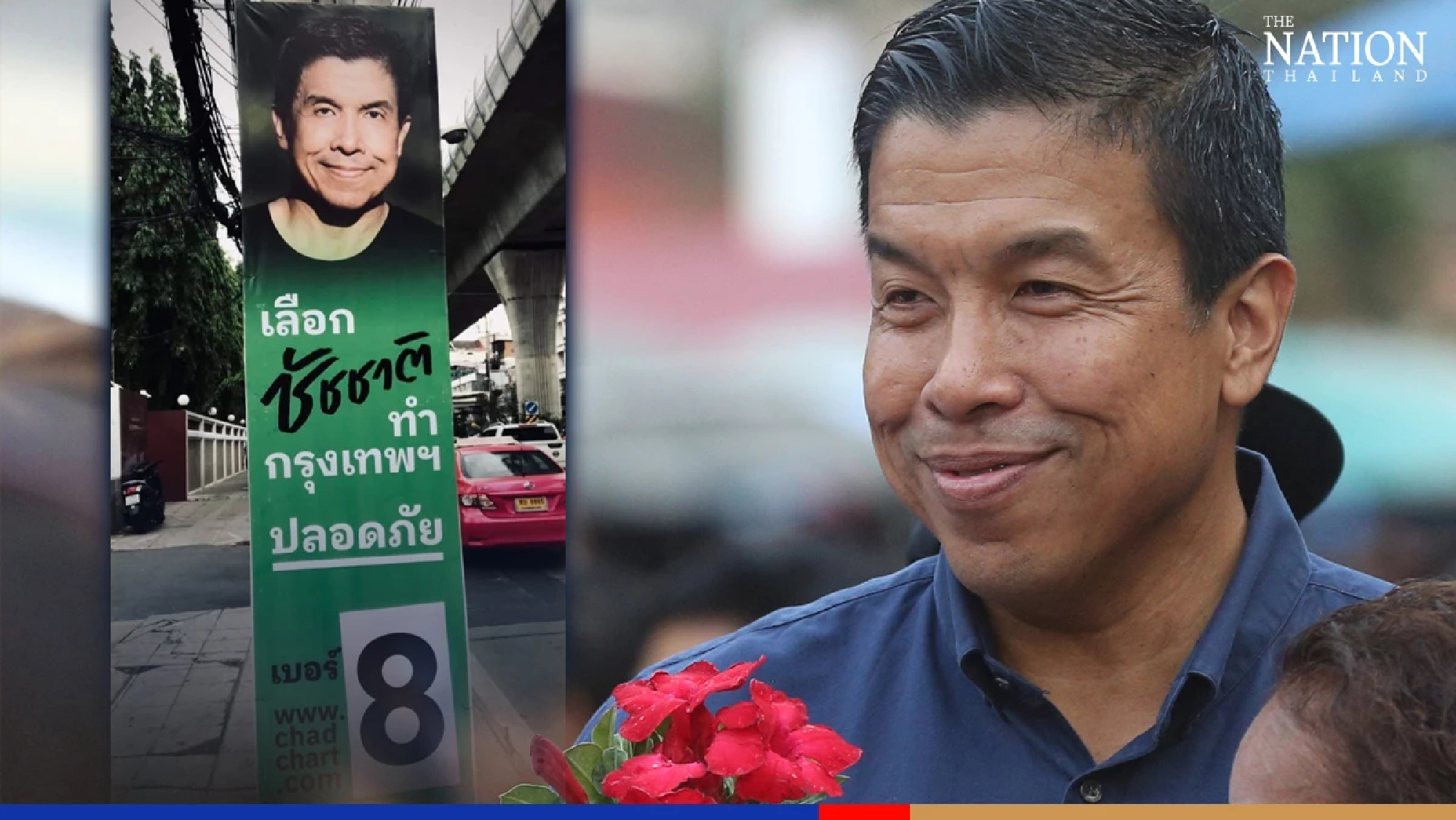
Chadchart Sittipunt has received a boost in his bid for election as Bangkok’s next governor after his innovative campaign signs won praise on social media.
Bangkokians used to negotiating an obstacle course of political billboards blocking the city’s sidewalks expressed surprise and admiration at Chadchart’s innovative ads.
Facebook user Oopatham Ratanasupa posted a photo of a sign adorned with the independent candidate’s face on Charansanitwong Road.
He said the sign was not much wider than the power pole on which it was tied, leaving the sidewalk free for pedestrians.
Conventional political billboards often stretch across the sidewalk and into the road, bringing complaints that they block the way for motorists and pedestrians.
“My respect to you for making this sign,” Oopatham said in a Facebook message posted on Saturday.
By Sunday afternoon, the post had been shared over 11,600 times and drawn more than 18,000 likes.
Most commenters praised the sign for its effective yet modest design that showed sensitivity to pedestrians and road users.
According to opinion polls, Chadchart is the front-runner among 14 candidates contesting for the post of Bangkok Metropolitan Administration governor.
All leading candidates who declared their intention to contest the Bangkok governor election turned up to file their papers on the first day of registration.
Of the candidates, six are outstanding. They are Chadchart Sittipunt, Wiroj Lakkhanaadisorn, Suchatvee Suwansawat, Sakoltee Phattiyakul, Aswin Kwanmuang and Sita Dhivari.
Here, The Nation highlights the backgrounds of the six:
Chadchart Sittipunt
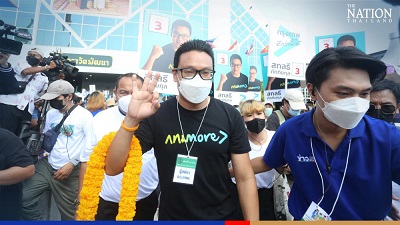
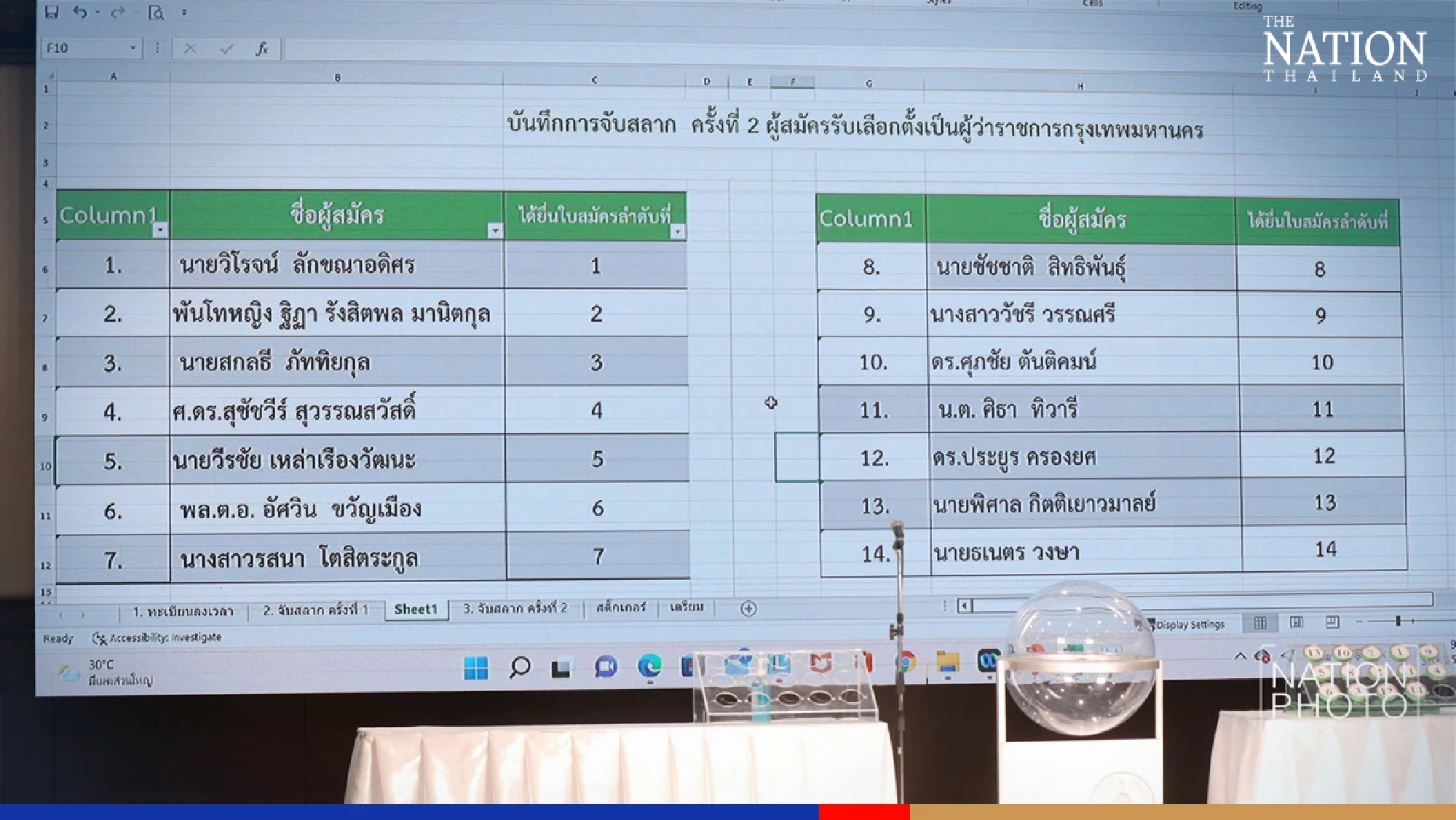
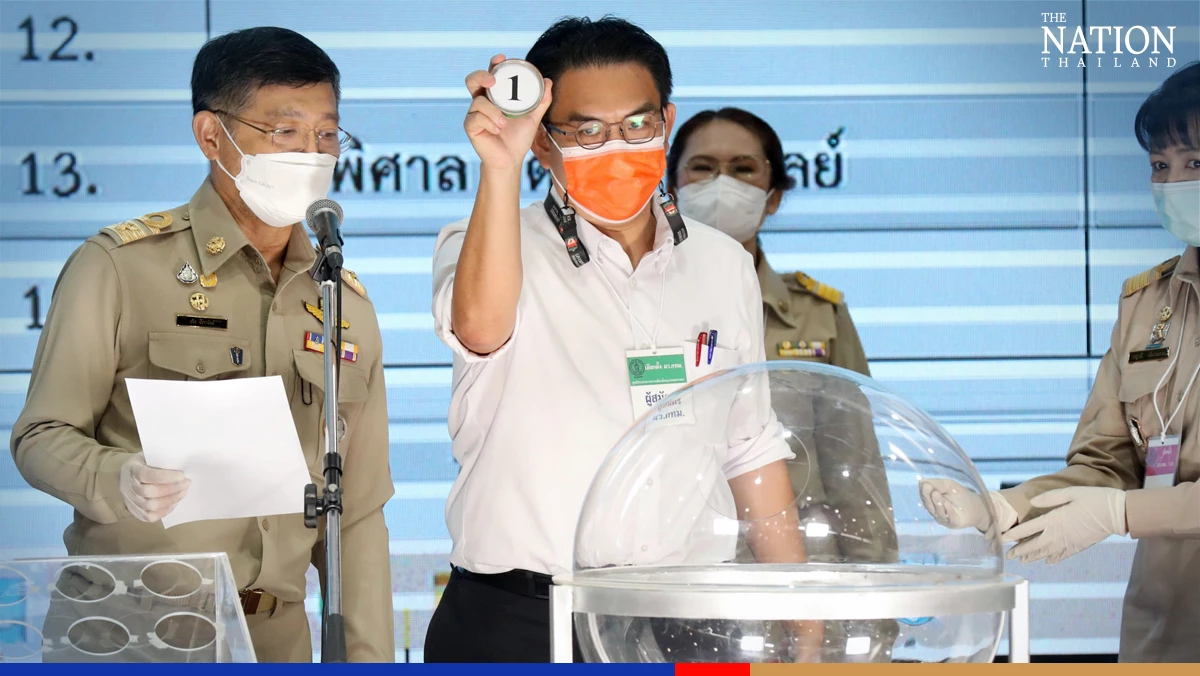
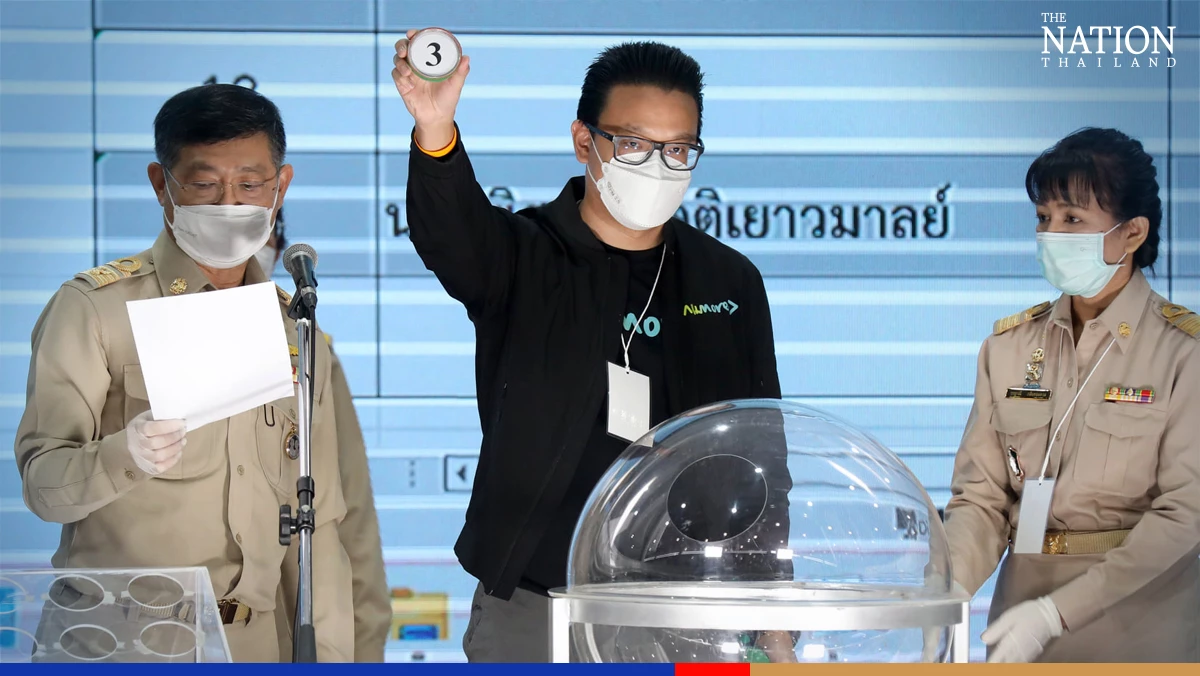
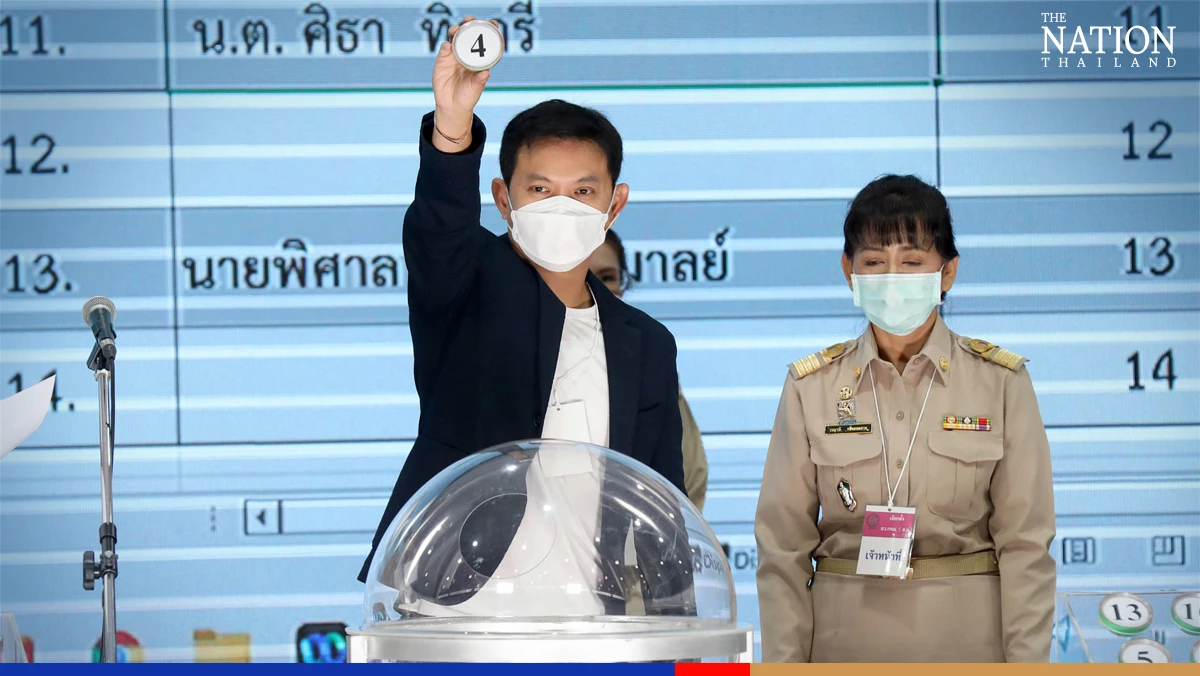
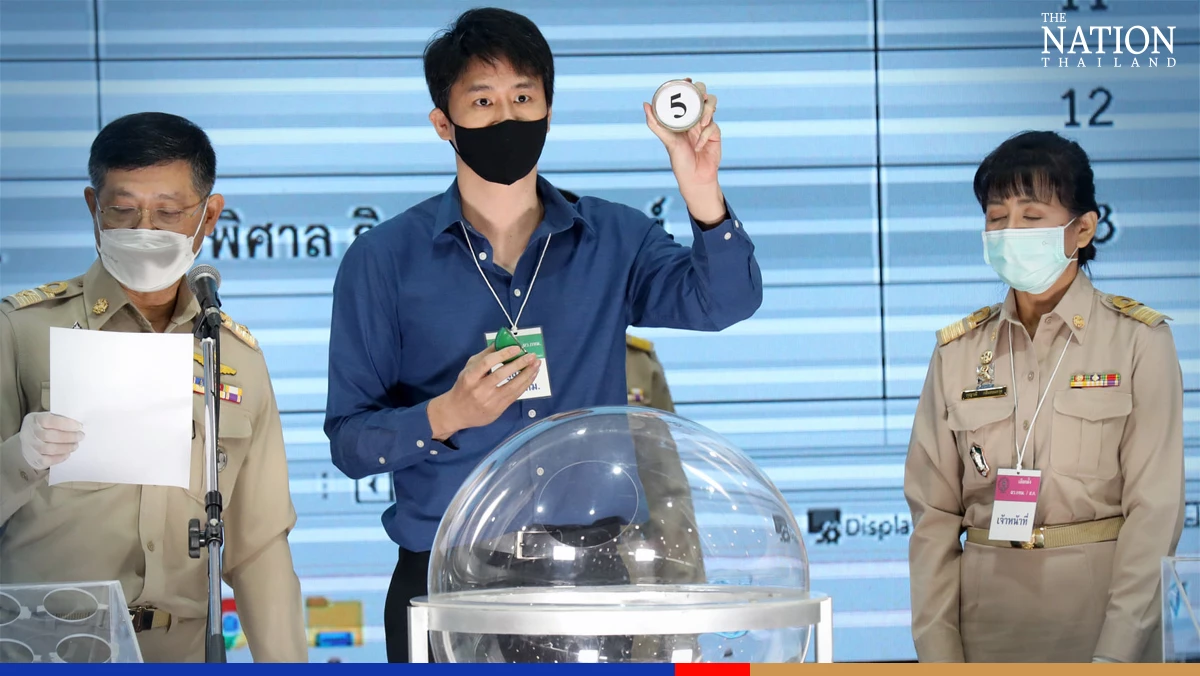
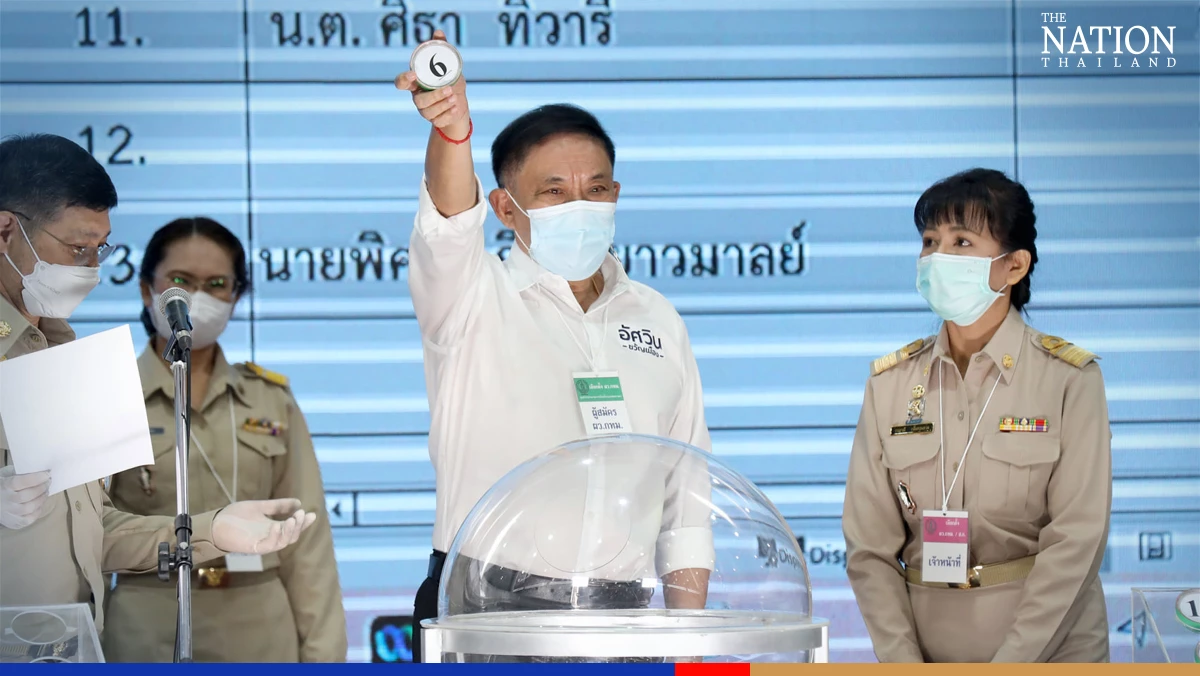
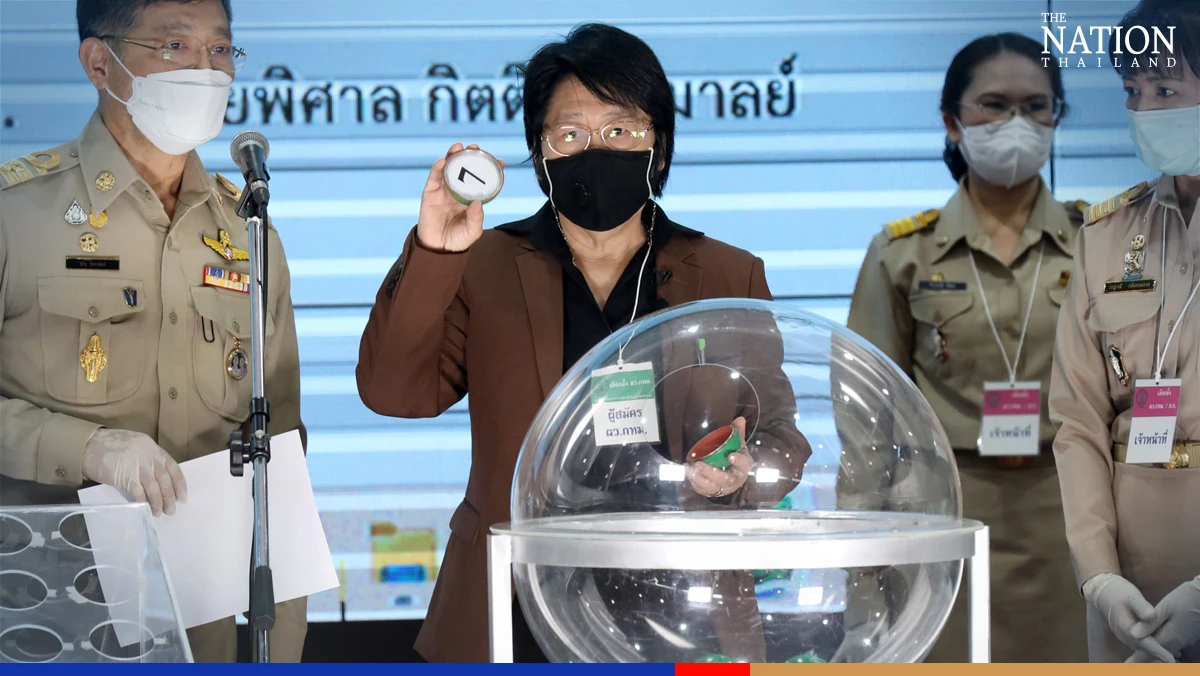
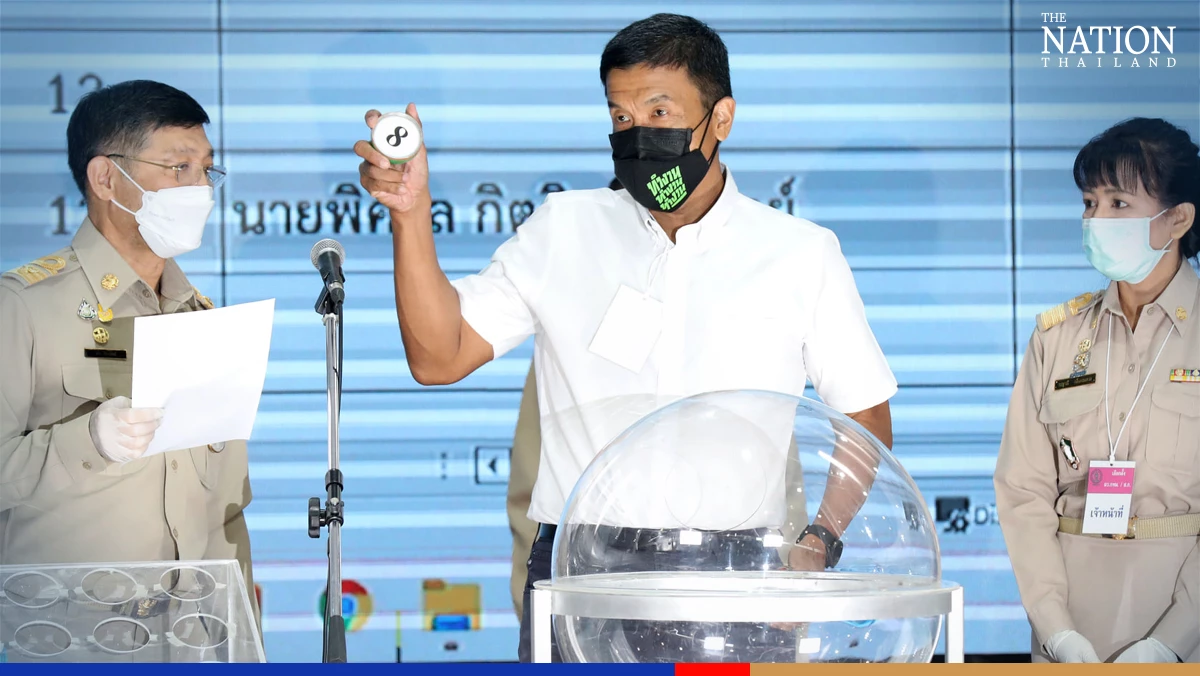
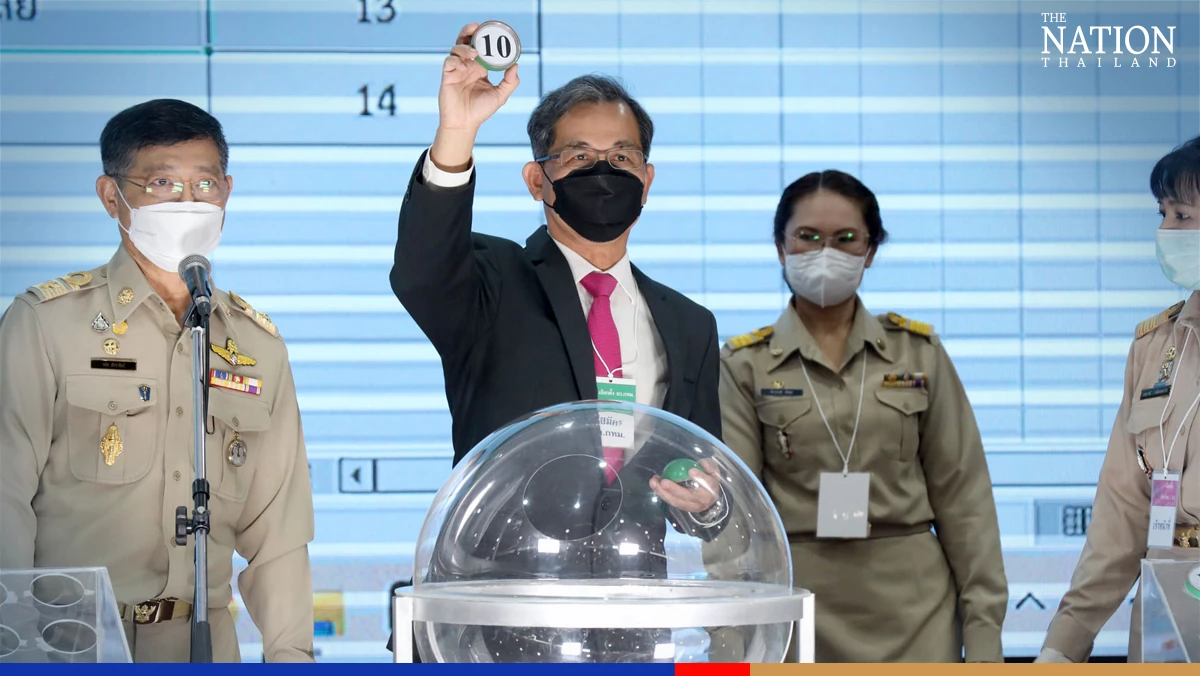
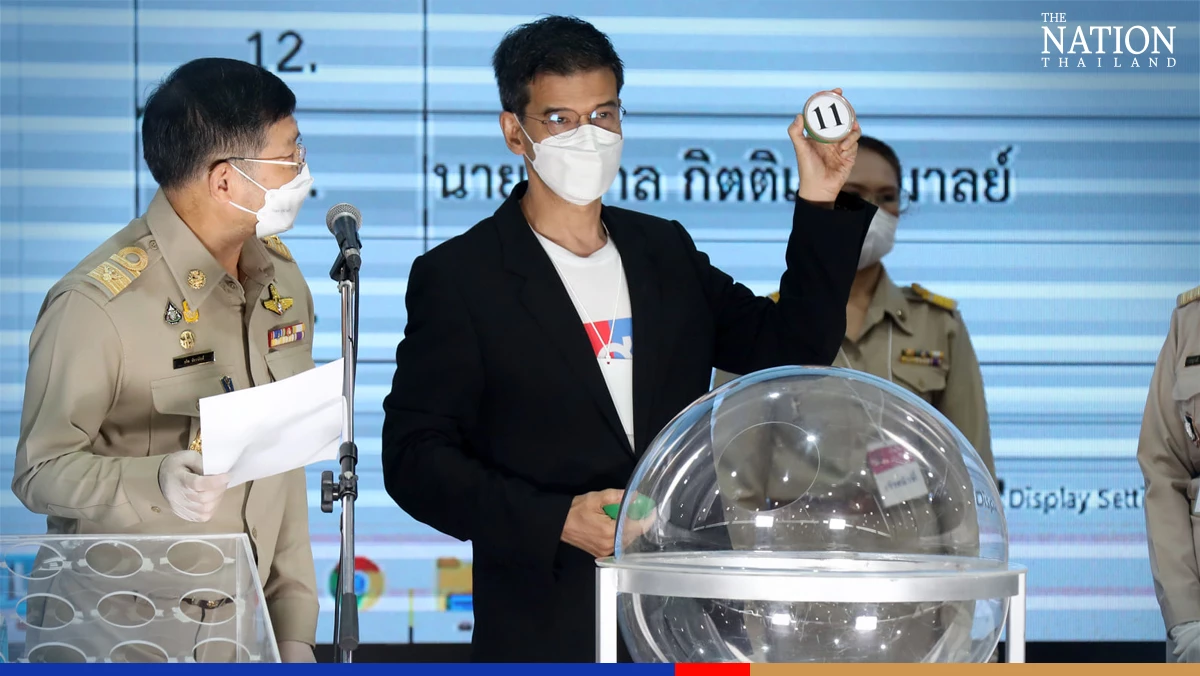
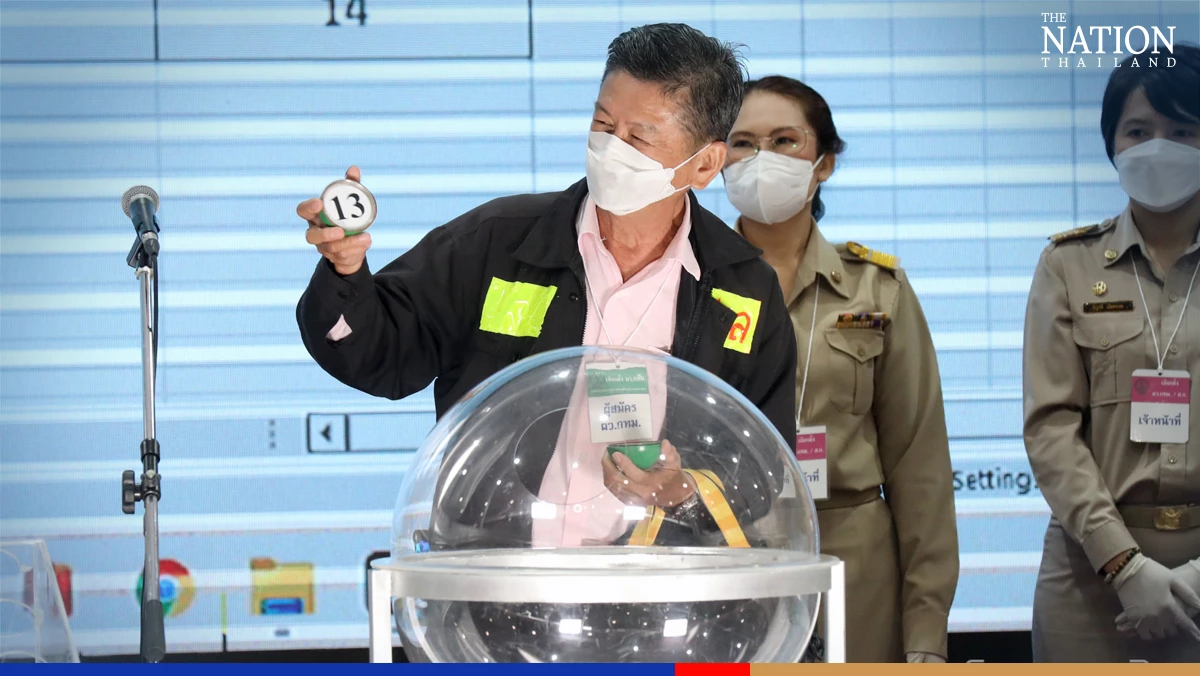
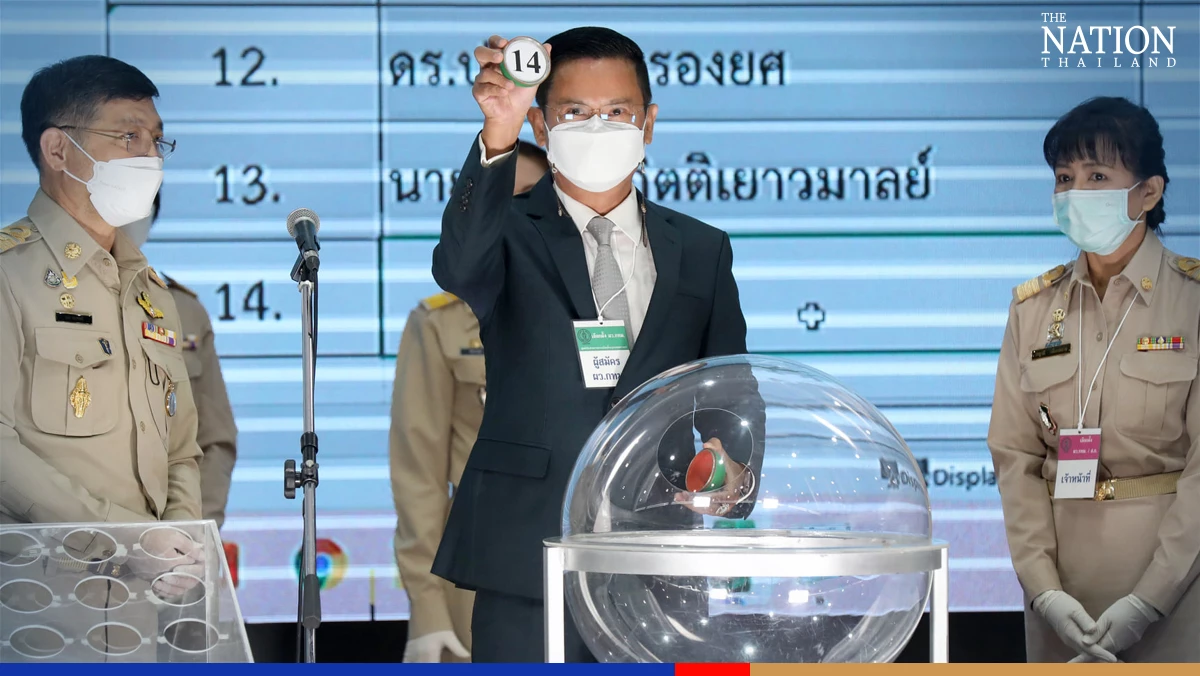
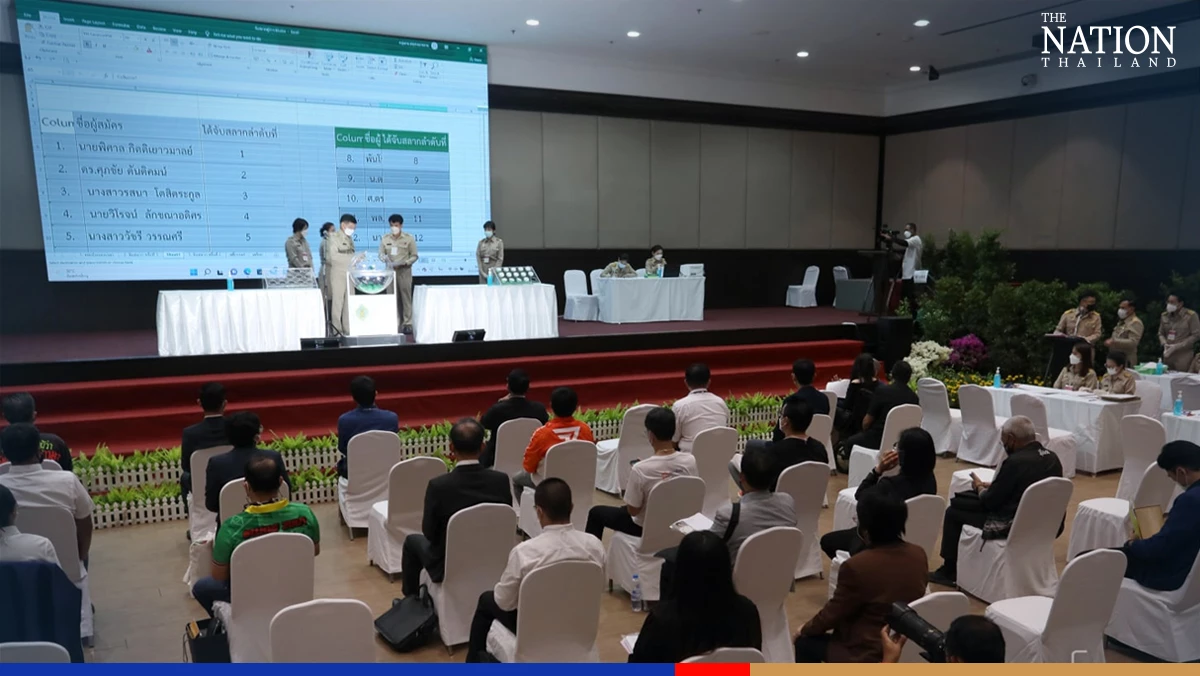
Chadchart, who received candidacy number 8 after a drawing of lots, had once pronounced himself as “the strongest man on earth” when he was transport minister.
He was also a prime ministerial candidate of the Pheu Thai Party. He is now contesting the Bangkok governor election as an independent candidate. He announced his intention to run way back in November 2019, making him one of the first to announce the candidacy.
He has often been seen wearing a black T-shirt with the words “work, work, work” in shining green while jogging with his staff at Bangkok parks or on city roads on Saturdays.
He has been campaigning under the slogan of “Join me to make Bangkok a city nice to live in”.
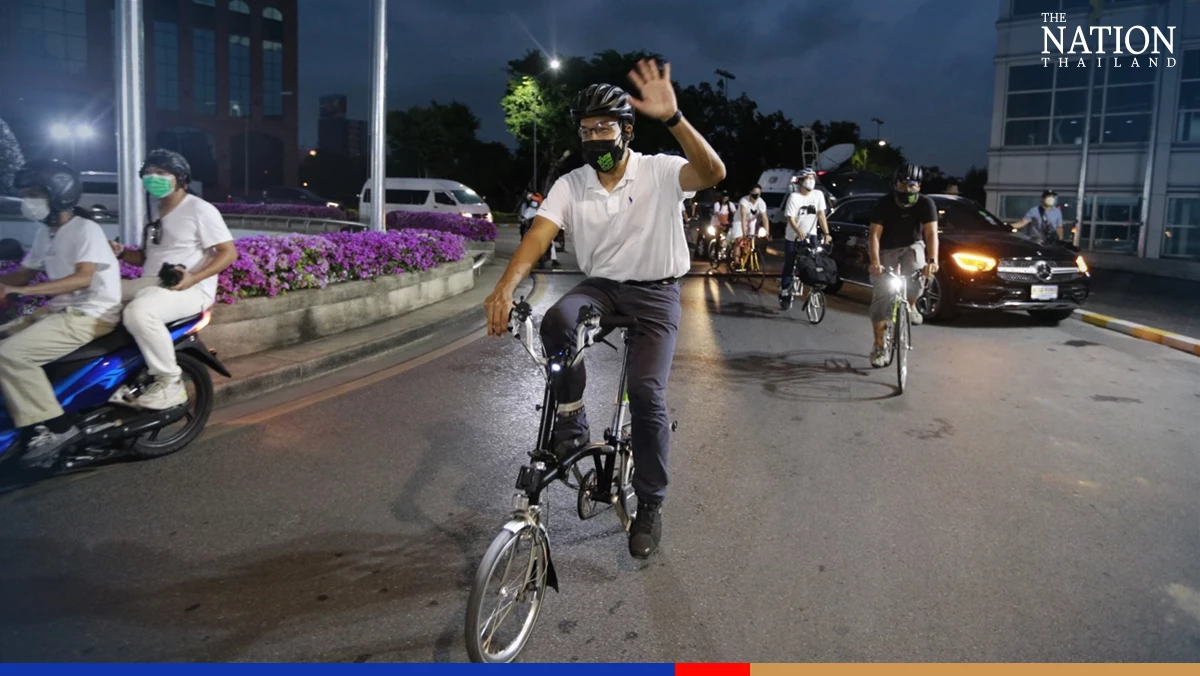
Chadchart, the first to arrive at Bangkok City Hall 2 to register, came on his bicycle.
He has been visiting several communities around the capital to hear problems specific to each community.
He said Bangkok’s 50 districts have their own problems so the governor must visit every district in a bid to solve thorny issues.
Suchatvee Suwansawat
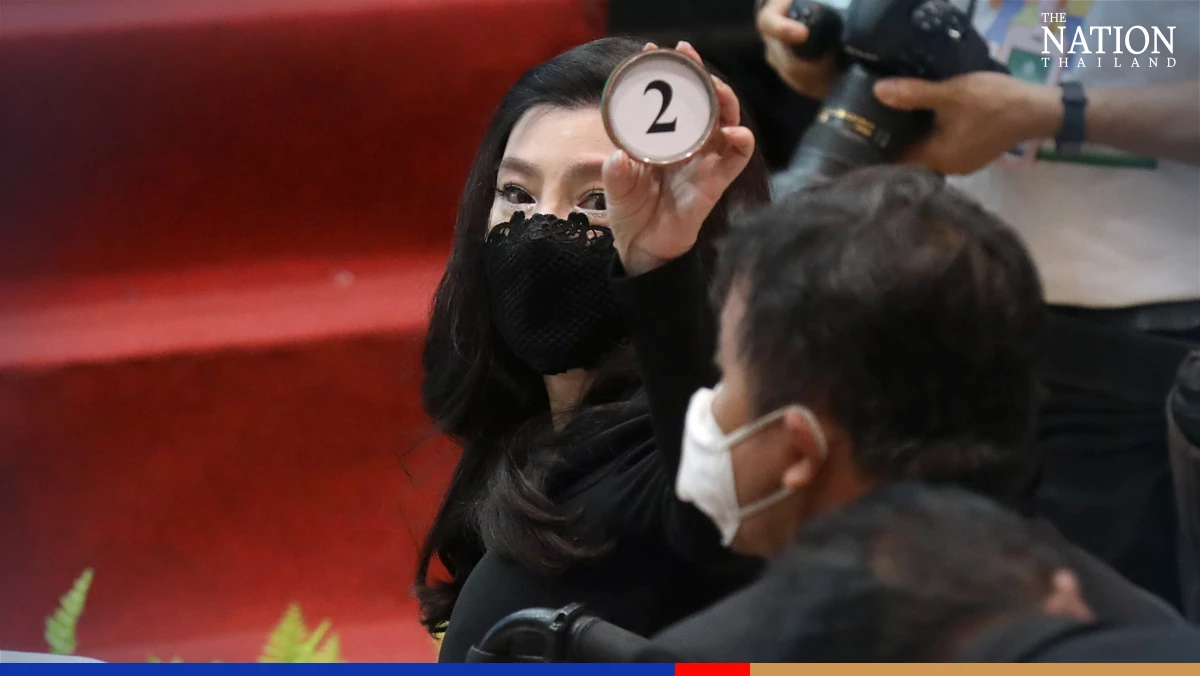
Suchatvee, a candidate of the Democrat Party, drew number 4. He resigned as rector of King Mongkut Institute of Technology Ladkrabang to contest the election under the slogan “to change Bangkok”.
The Democrat, who will also contest one of 50 Bangkok Council seats, stands to gain from his party’s political base.
Suchatvee has been selling the idea that Bangkok must become a model welfare city in Asean. He believes all Bangkok residents must be treated equally with welfare from the capital.
Wiroj Lakkhanaadisorn
Wiroj, the Move Forward Party candidate, received candidacy number 1.
He resigned as Move Forward party-list MP to contest the governor election, hoping to win Bangkokians’ support for his party to enhance its chance of becoming a government coalition partner in the future.
His outspoken character prompted some to compare him with vocal former MP Chuwit Kamolvisit.
Wiroj, who banks on support from a younger generation of voters, is running under the slogan of “Bangkok city of equality, I’m ready to fight for Bangkokians”.
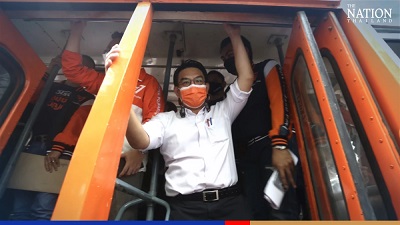
He and the party’s other Bangkok Council candidates arrived in an orange bus in an apparent gimmick to show he is a down-to-earth governor candidate.
He started campaigning earlier, making headlines from his inspection of a zebra crossing, where a young doctor was killed by a speeding motorcycle late in January.
Aswin Kwanmuang
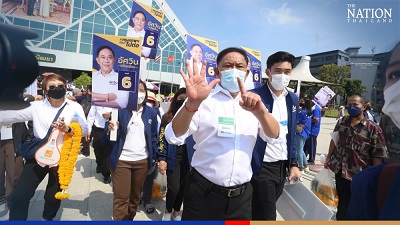
Aswin is candidate number 6. He was installed as Bangkok governor by the National Council for Peace and Order under the then coup, replacing MR Sukhumbhand Paribatra.
Aswin ran the Bangkok Metropolitan Administration for five years, five months and five days before stepping down to contest the election under the slogan of “Bangkok must go on”.
He declared “I’ll be back in three months” when he announced his resignation.
Aswin is running as an independent candidate but his Rak Bangkok (Protecting Bangkok) group has also fielded candidates for 50 Bangkok Council seats.
It is believed his group has established strong support among Bangkokians with its younger generation members.
Sita Dhivari
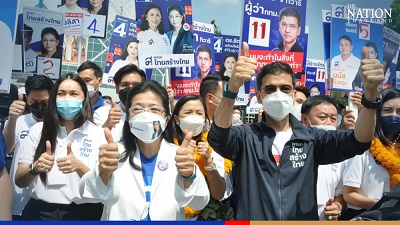
Sita, who received candidacy number 11, is the candidate of the Thai Sang Thai Party, which is led by former Bangkok MP Khunying Sudarat Keyuraphan.
Sita used to be a F-16 pilot before he entered politics and made his political debut as a Thai Rak Thai MP in Bangkok when Thaksin Shinawatra was the prime minister.
Sudarat gave Sita her blessing, declaring: “I can’t contest the election myself so I selected the person I trust the most to do it. He is the most capable and he has always been behind my success. He is now leading the Thai Sang Thai army in Bangkok.”
Sita is contesting the election under the slogan “Bangkok the metropolis accepted by the world”.
Sakoltee Phattiyakul
Sakoltee is running as an independent under candidacy number 3.
He used to be a founding member of the Palang Pracharath Party and initially planned to contest the governor election as a PPRP candidate but eventually decided to quit the party and run as an independent candidate because of “internal problems”.
His slogan is “Bangkok can be better”.
Sakoltee used to be a leader of the now-defunct People’s Democratic Reform Committee that organised protests against the Yingluck government.
He visited Soi Chaeng Wattana 14 recently to listen to complaints of the residents there.
Sakoltee said he would dare to push for amendments of some city regulations so that the capital is further developed to tackle old woes such as flooding.
Police on Thursday stepped up security around Bangkok City Hall 2 in Din Daeng district, where candidates are applying to contest the Bangkok governor election.
Metropolitan Police Bureau deputy commissioner Pol Maj-General Jirasan Kaewsaeng-ek said security has been tightened until the last day of registrations.
Registration has been opened from Thursday to Monday from 8.30am to 4.30pm at the Bangkok Airawat Pattana Room at City Hall 2.
Jirasan said the bureau had instructed the Din Daeng police station to cooperate with Metropolitan Police Division 1 to plan and enforce security measures around the venue.
He said police are advising motorists to avoid the area to minimise traffic congestion.
Police are monitoring the situation to prevent any untoward incident and intelligence so far has found no indication there would be any disturbance, Jirasan said.
Despite the peaceful situation so far, special teams from the 191 Police Taskforce, the Special Branch Police and local police are on hand to deal with any untoward situation.
Jirasan said if campaign signs by candidates cause “hardship to the people”, it would be the Bangkok Metropolitan Administration’s responsibility to handle them. But if police detect any sign blocking the view of motorists or posing a danger to them, police will inform the owner to remove the sign forthwith.
The registration for Bangkok governor and council elections will open on Thursday.
Former Bangkok Governor Aswin Kwanmuang last week resigned from the position after five years, five months, and five days in office.
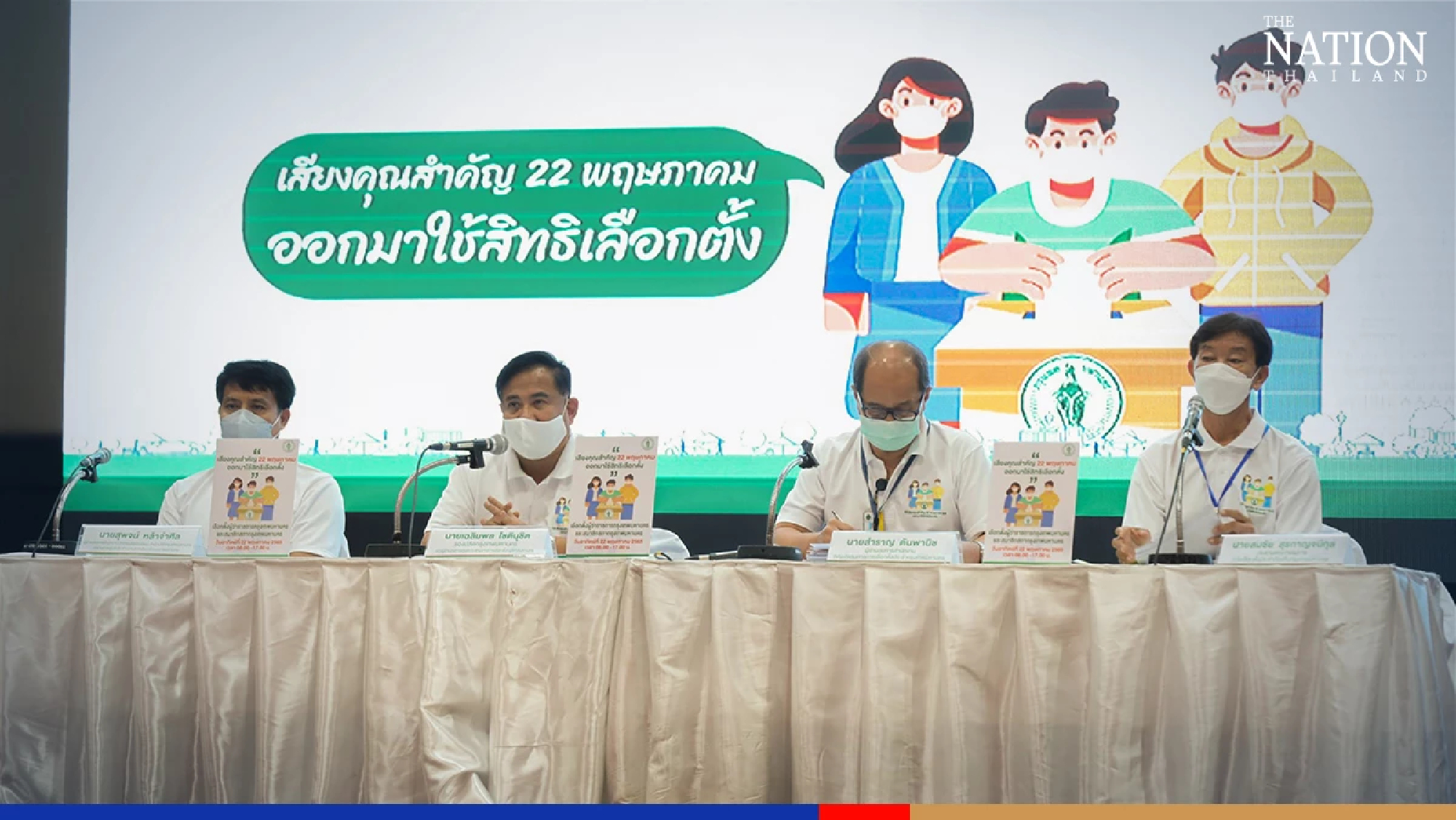
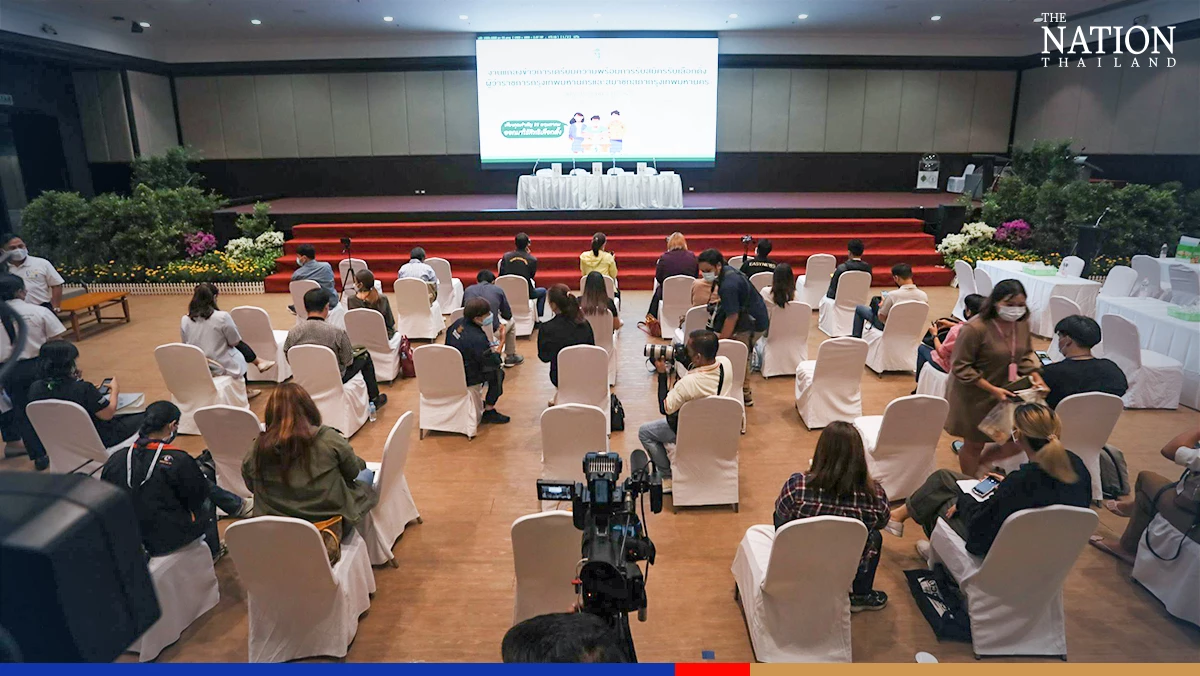
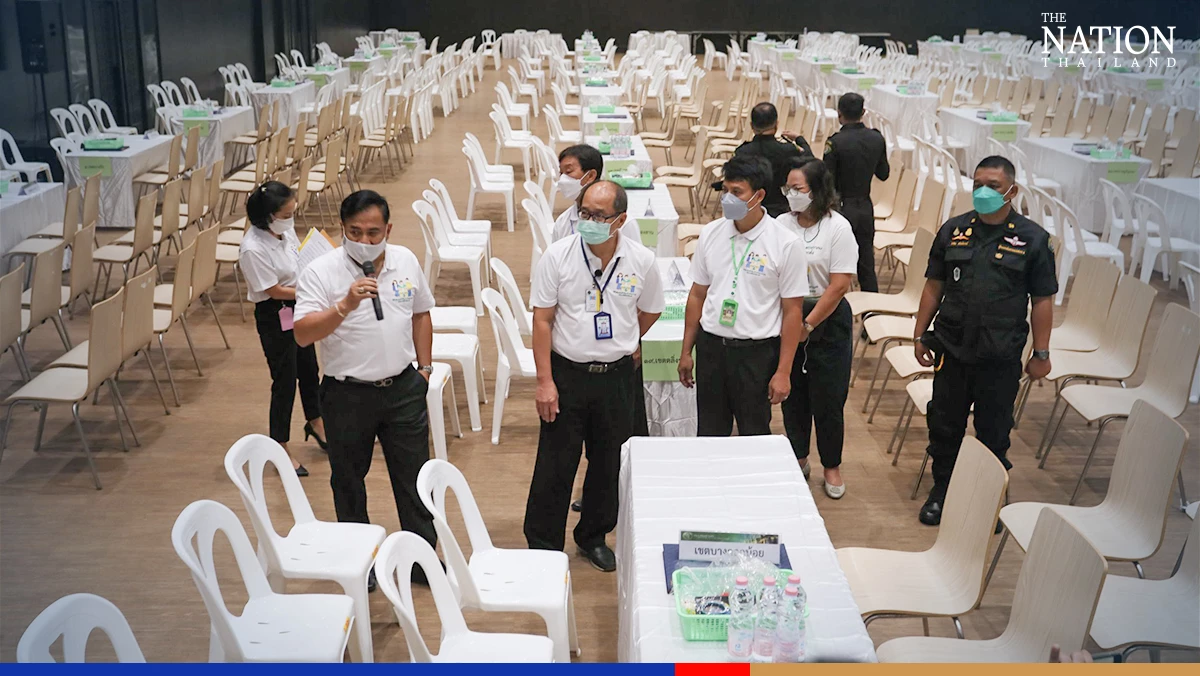
Chalermpol Chotinuchit, deputy permanent secretary of Bangkok Metropolitan Administration, held the press conference at the Bangkok City Hall 2 in Din Daeng district regarding preparations for the elections.
Chalermpol said that the BMA will accept registrations for both governor and council candidates from March 31 to April 4 from 8.30am to 4.30pm, including on holidays. He said the preparation is 100 per cent ready. The BMA has set criteria for putting up signs at various places, including district offices, schools and organisations under the BMA. Each candidate could put one sign per place and they must ask prior permission from organisation leaders or representatives of that place.
He added that candidates could not put a sign on the road surface, intersections, on overpasses for both people and cars, iron fences and barriers beside roads, traffic signs and lights, government announcement signs, fences or walls of government buildings, trees and electricity posts at intersection strips.
He said candidates should study the information and regulations strictly as the district could warn them and take the sign away if they do not follow the warning.
According to data on March 22, Bangkok’s population was 5,523,676 people, but only 4,374,131 of them have the right to vote; 1,996,104 of them are male and 2,378,027 are female. There are around 600,000 to 700,000 first-time voters, while there will be 6,862 electoral units.
Chalermpol added that the BMA allows only the candidate and one follower to enter the registration area in keeping with the public health safety standards and Covid-19 prevention measures.
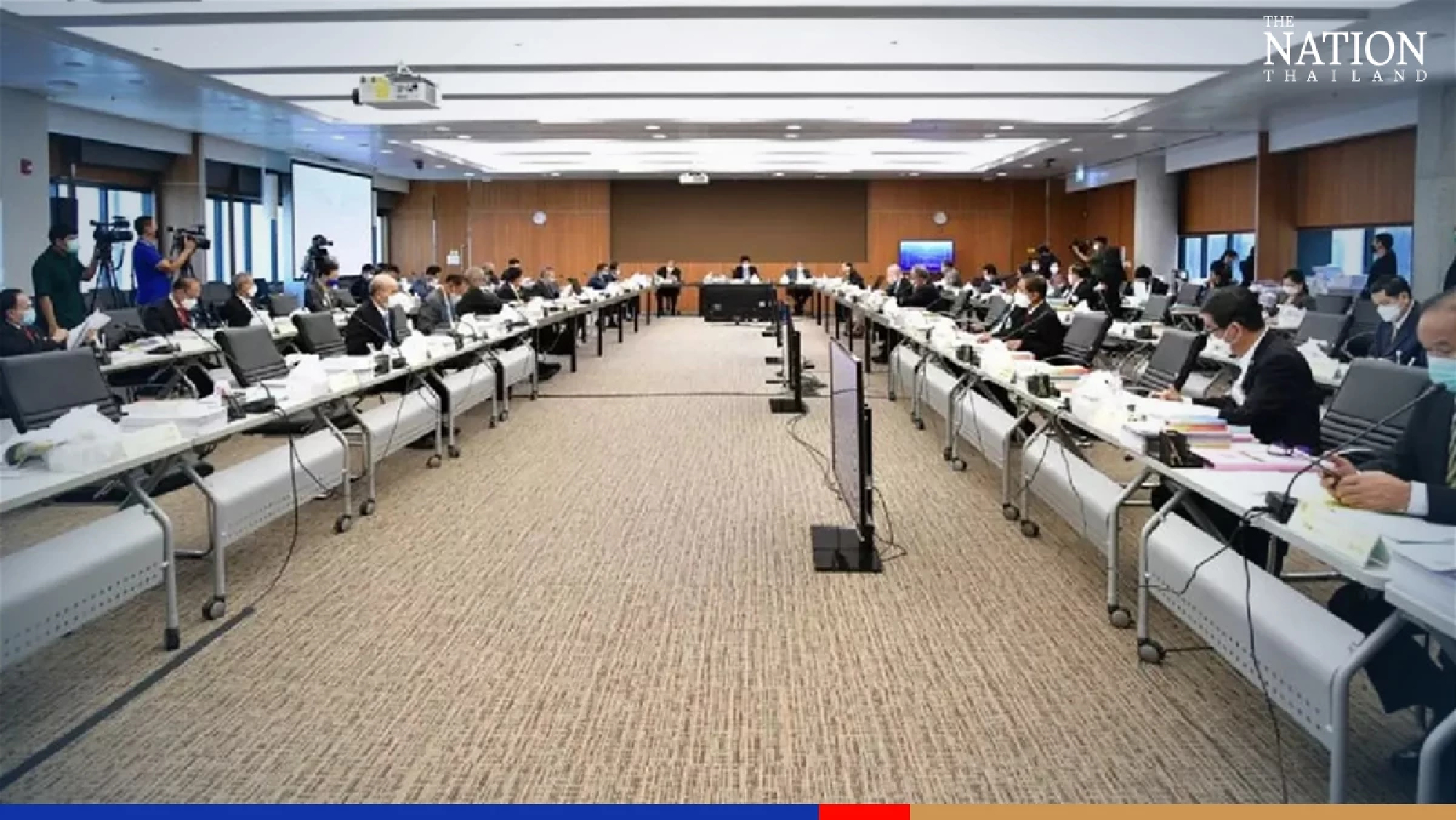
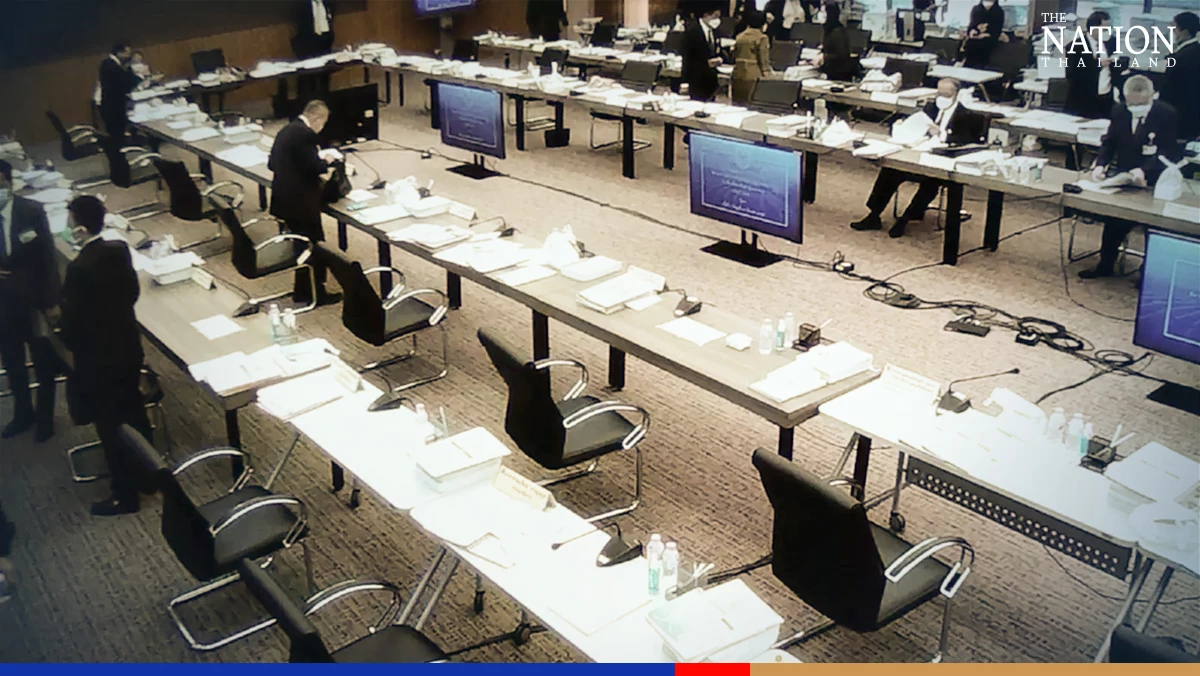
The special House committee vetting the MP election bill on Wednesday voted to use different candidacy numbers for constituency and party-list elections.
The ad-hoc House panel is vetting four MP election bills that have been passed in the first reading by the House of Representatives to rewrite them into a single draft.
The panel, which has representatives from coalition parties, opposition parties and senators, voted 32 to 14 to use different numbers for the election of 400 constituency MPs and 100 party-list MPs.
The Senate representatives joined forces with most of the coalition representatives to vote to reject the opposition’s proposal of using the same number for both types of elections.
Representatives of the opposition and Democrat Party on the panel proposed the use of the same number for the two election types to make it easy for voters to remember and to make it easier for the Election Commission to print and distribute ballots.
But the government side argued that it would violate the Constitution to use the same number.
The government side argued that Section 90 of the Constitution required parties to register their constituency-based candidates before submitting their party-list candidates. This means the constituency-based contests would get candidacy numbers first.
The opposition side argued that the organic law on MP elections could be enacted first and if it violates the charter, the final decision can be later sought from the Constitutional Court.
Fourteen senators joined 18 coalition representatives to vote for the use of different numbers as stated in the main draft of the Cabinet.
Democrat MP Chinnaworn Boonyakiart and Therdpong Chai-anan voted with 12 opposition representatives to support one number for one party system.
Deputy Public Health Minister, Sathit Pitutecha, a Democrat MP, abstained because he chaired the meeting.
Speaking to reporters after the meeting, Sathit said the panel discussed two issues – the candidacy numbers and how to regard the scope of the election area for the party-list election.
Discussions on the election boundary for party-list election was inconclusive. The panel assigned its working subcommittee to study the issue more before sending it back for the entire committee to vote on later, Sathit said.
He said the issue of boundary for party-list election would have an impact on other sections of the bill, so the working subcommittee would would need a deeper study of the issue.


 According to opinion polls, Chadchart is the front-runner among 14 candidates contesting for the post of Bangkok Metropolitan Administration governor.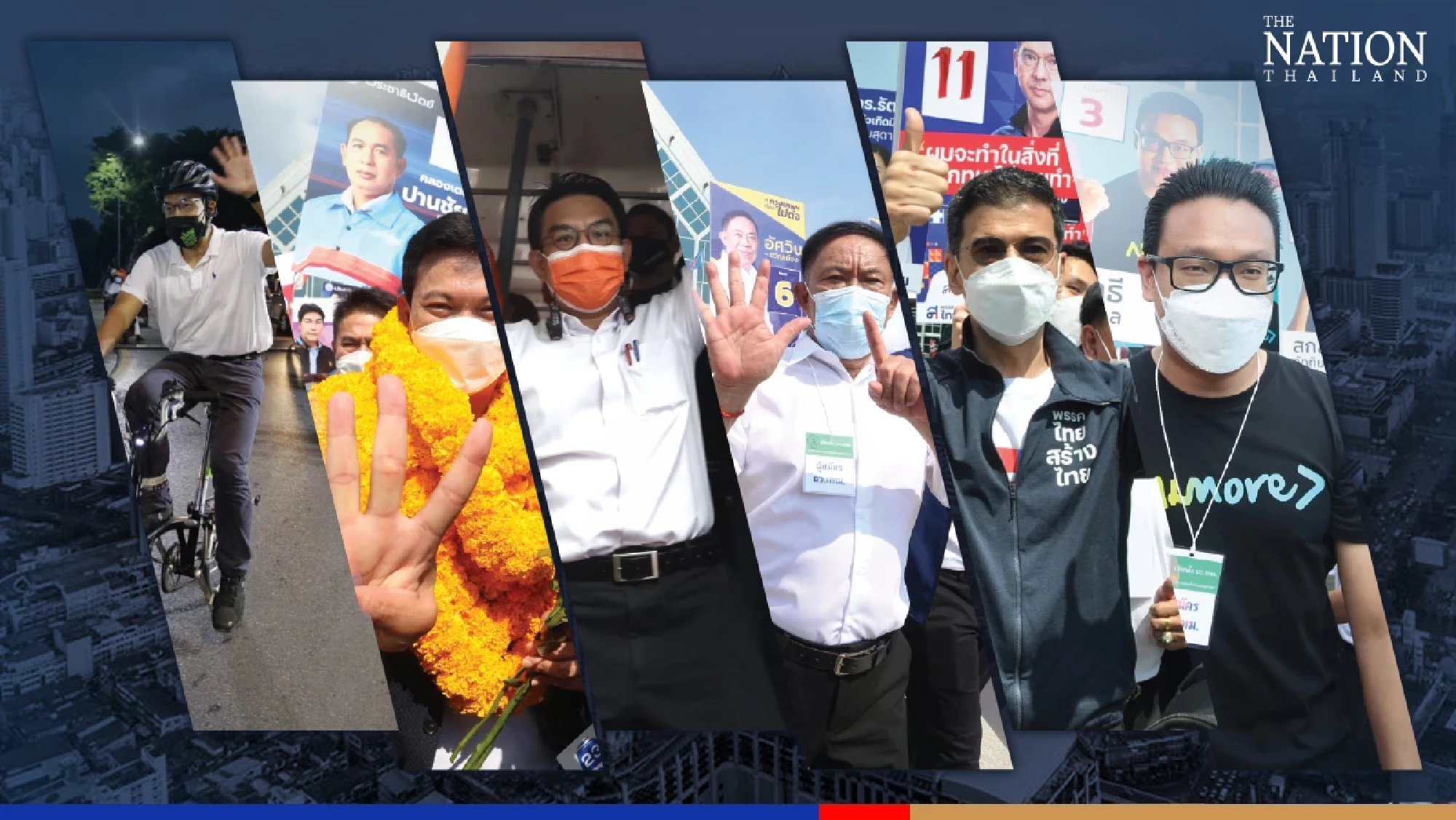
 He has often been seen wearing a black T-shirt with the words “work, work, work” in shining green while jogging with his staff at Bangkok parks or on city roads on Saturdays.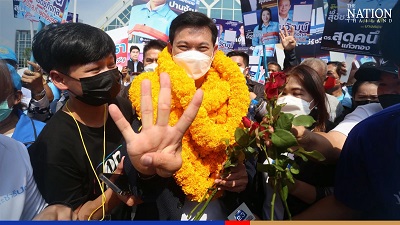



 Fourteen senators joined 18 coalition representatives to vote for the use of different numbers as stated in the main draft of the Cabinet.
 SootinClaimon.Com