Lighting up the Thai winter

#ศาสตร์เกษตรดินปุ๋ย : ขอบคุณแหล่งข้อมูล : หนังสือพิมพ์ The Nation

https://www.nationthailand.com/travel/30379461?utm_source=category&utm_medium=internal_referral

Lighting up the Thai winter

Dec 15. 2019
By The Nation

2,740 Viewed

The NaSatta Light Festival is all set to usher in the New Year with a spectacular display of decorative lights at NaSatta Thai National Park in Ratchaburi province.

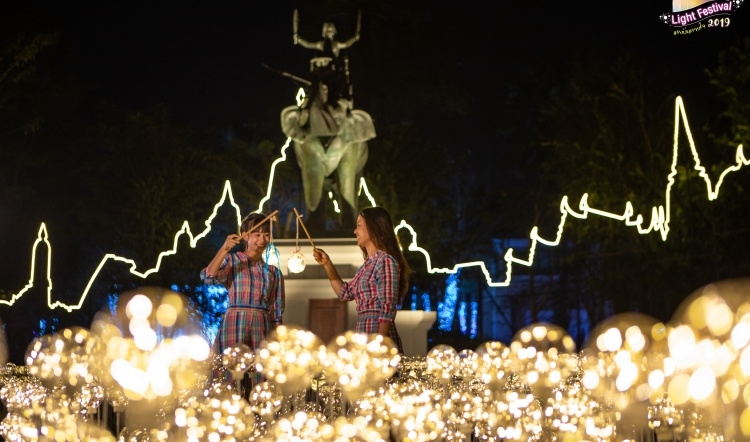
Visitors looking for a cool winter experience can also bask in the glow of millions if light that take the form of illumination art.

Widely known as the City of the Jar, Ratchaburi’s most notable landmark has been a giant jar with a dragon painting. However, the NaSatta Thai National Park is emerging as a new tourist attraction in Bang Phae district. A cultural learning centre, the place educates visitors on the roots of Thai society and the inheritance of beautiful Thai art.

The place will become even more special in December, when the “NaSatta Light Festival: Inspiration 2019” presents the beauty of millions of colourful light displays by expert designers who specialise in lighting using projector mapping, interactive light art and interactive display techniques, which will allow you to walk around in amazement at night.

The 7 highlighted spots to take photos are:

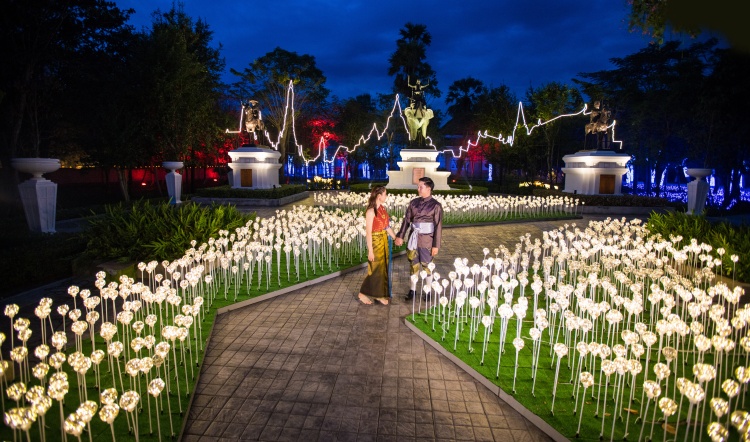
1. Maha Raja Kasattha is a light display with the sculpture of the three statues of the saviours of Thai independence. With the illuminated brass decorated with lights like a flower field in front of the sculpture courtyard In the background, the lights are set in red, white, and blue to represent the Thai flag.

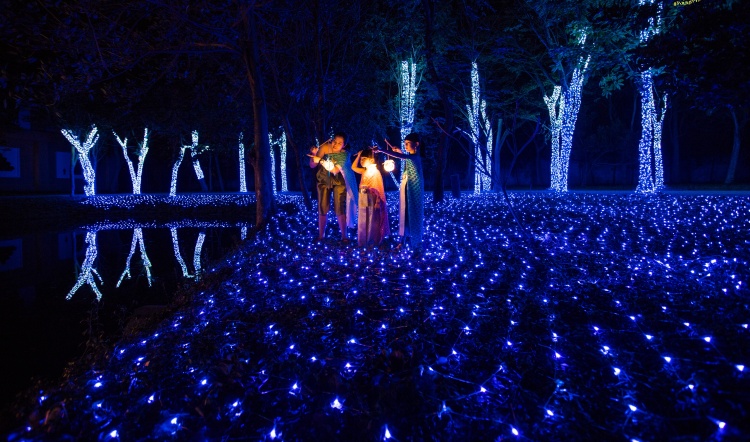
2 Na Suthanuson is a building that exhibits fibreglass images of important persons, known as the good figures of the land, such as the late Princess Mother, Professor Mom Luang Pin Malakul, Professor Sanya Dharmasakti, Professor Puay Ungphakorn, MR Kukrit Pramoj, Sueb Nakhasathien etc. There will be a walkway in a small forest park before the building with blue decorative lights along the entire path, both on the ground and on trees. The garden is decorated with mirrors on the right side of the paths, creating beautiful reflections.

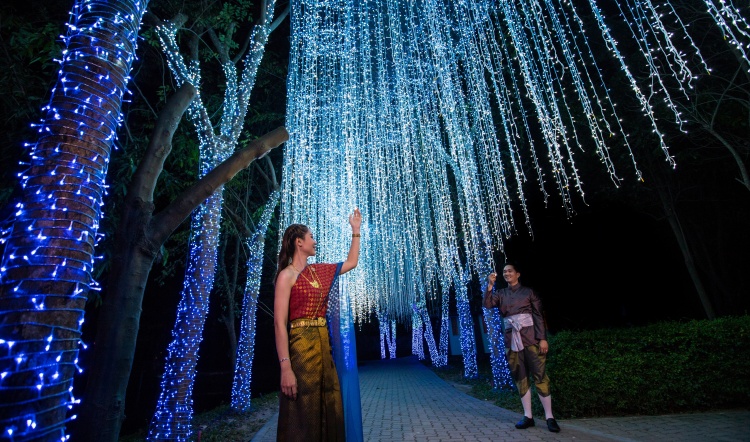
3. Chandelier lighting with orange fish. After leaving the fibreglass figures building, you enter a walkway decorated with arches of white and aquamarine chandelier, long lines descending from a height. When passing through that arch, it feels like watching a hundred thousand stars. Meanwhile, the walkway is a swamp with orange fish lights above the surface.

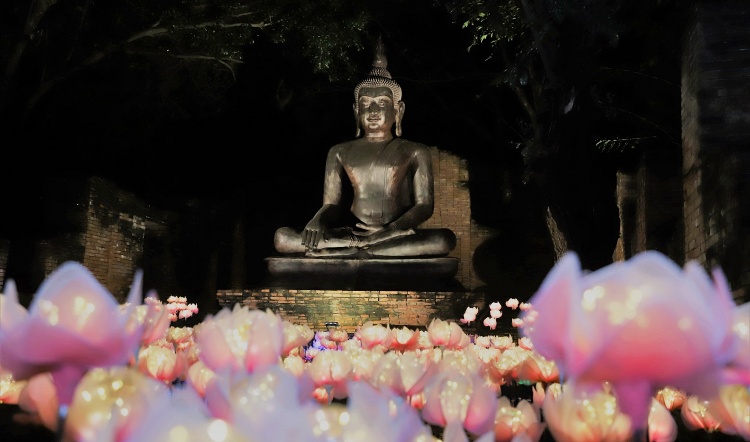
4 Na Suthapathima, the exhibition of the three Buddha sculptures, each of which will be displayed separately. The first Buddha image is decorated with lights in a beautiful pink lotus blossomed in front of the Buddha image. The other Buddha statues have spherical lights of various colours including yellow, orange, golden, and blue.

5 Sukhothai period shrine. This is the highlight of the Na Suthas Thai Park, which is located in the zone of Na Suthapathima. This building enshrines Buddha images in the Sukhothai period. There is a story about the journey of Buddhism to Thailand during the Sukhothai Kingdom through light, sound and images on the walls and Buddha images using short mapping techniques. The story can be told via interactive light art for approximately 10-15 minutes.

6 Food zones and waterfall lighting. Tourists will be able to relax and have dinner from many restaurants with your choice of meat and vegetables (skewers), Tom Yum noodles, BBQ pork noodles, grilled chicken etc. Decorative lights at the waterfall can be viewed from some areas.

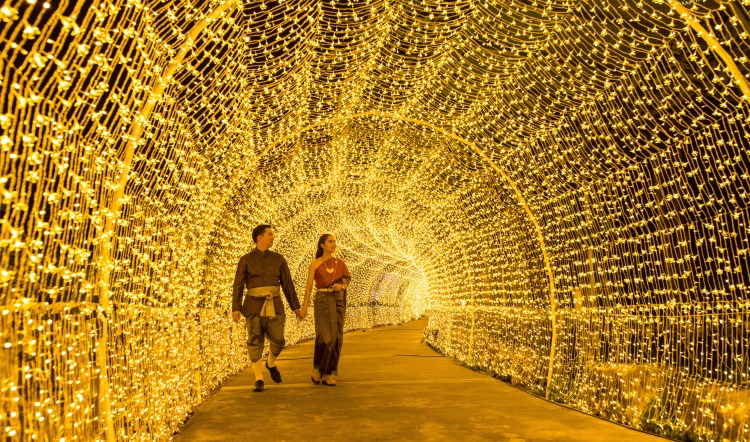
7. Magnificent golden light tunnels, approximately 300-400 metres long, is another highlight of this event. There are many tourists crowding around, standing, taking pictures in this tunnel, more crowded than at other spots. In addition, once they pass through the light tunnel, tourists will also find another decorative light garden as well-decorated as in a science fiction movie.

Night-time viewing of decorative lights is from 6pm to 10pm with activities scheduled every Saturday-Sunday and public holidays. Admission tickets range from Bt300 to Bt2,000.

No worry, no hurry: Discover Bhutan’s homestays, astrology readings and social enterprises

#ศาสตร์เกษตรดินปุ๋ย : ขอบคุณแหล่งข้อมูล : หนังสือพิมพ์ The Nation

https://www.nationthailand.com/travel/30379440?utm_source=category&utm_medium=internal_referral

No worry, no hurry: Discover Bhutan’s homestays, astrology readings and social enterprises

Dec 14. 2019
Bhutan, a landlocked Himalayan nation, topped Lonely Planet’s list of best places to visit in 2020.ST PHOTO: CLARA LOCK

Bhutan, a landlocked Himalayan nation, topped Lonely Planet’s list of best places to visit in 2020.ST PHOTO: CLARA LOCK
By The Strait Times/Asia News Network

1,941 Viewed

BHUTAN – Dzongs top the itinerary in most cities on Bhutan’s burgeoning tourist circuit, and for good reason too.

They are dramatic structures – former military fortresses with towering walls that encircle a network of temples, monks’ living quarters and government offices today. Monks and civil servants cross the same courtyards; elaborate murals adorn walls and doorways and there are floor-to-ceiling prayer wheels.

Built in 1637, Punakha Dzong in the valley town of Punakha rises impressively from the banks of the Pho Chu and Mo Chu rivers.

Paro Dzong, dubbed “fortress of a heap of jewels”, offers panoramic views of Paro township. And Tashichho Dzong, located in the capital Thimphu, has been the seat of Bhutan’s government since 1952.

But there is more to Bhutan, I learn, during a seven-day tour with home-grown company Druk Asia, which specialises in tours to a country that topped Lonely Planet’s list of best places to visit next year.

SOCIAL CAUSES

In Thimphu, we visit The Craft Gallery by Gyalyum Charitable Trust, a two-storey craft shop that sells accessories, scarves and bags made by vulnerable women, such as survivors of domestic violence and sexual abuse.

I have encountered many similar initiatives while travelling around South-east Asia. But I did not expect to find the same thing in Bhutan, often touted as the world’s happiest kingdom.

There is trouble in paradise too. Executive director Tshering Uden Penjor knows this. She is proud of Bhutan’s unique culture, yet realistic about the work that needs to be done.

“Although Bhutan is a matrilineal society, a lot of women accept domestic violence because they are reliant on their spouses or believe that is just the way things are. We want to help the women who do not complain,” she says.

Founded by Bhutan’s Queen Mother Sangay Choden Wangchuck, the trust oversees various charities and grassroots organisations such as Renew, which empowers vulnerable women, and the non-profit Royal Textile Academy, a museum-cum- educational centre.

Weaving is an important part of the country’s heritage and the academy’s goal is to collect, document, preserve and display the national art form.

Locals take summer weaving courses at the Royal Textile Academy, a museum cum educational centre. ST PHOTO: CLARA LOCK

Locals take summer weaving courses at the Royal Textile Academy, a museum cum educational centre. ST PHOTO: CLARA LOCK

Hand-woven textiles are used to make the traditional Bhutanese dress. Women wear the kira, a large piece of fabric tightly wrapped around the waist or chest and topped with a short jacket, while men wear the gho, a knee-length robe fastened at the waist by a cloth sash.

We wander along walls of richly coloured tapestries, adorned with symbols such as the eternal knot, which represents the importance of Buddhism in Bhutan.

Then we head downstairs to visit classrooms of girls taking a summer weaving course, their headphones plugged in and tapping away at smartphones while weaving at looms.

THE FAULT IN OUR STARS

In Bhutan, astrology is so well-regarded that locals consult the stars before making major life decisions such as getting married, changing jobs or buying a car.

I am no believer in horoscopes, but keep an open mind during my reading at Pari Zampa Lhakhang, a temple and astrology school where about 100 monks study. They will take at least a decade to graduate and then serve at monasteries in various districts.

Mr Sangay Lhendup, 32, who spent 15 years as a student and now teaches at the school, uses my birth year to read the charts and discerns that my lucky colours are white, orange and yellow, my lucky number is one and that I was a goddess in my previous life.

If the reading appears arbitrary, it is also grounded in common sense. I am told to avoid polluted areas in my old age and to avoid killing animals.

I think guiltily about the mosquitoes I have swatted over the years – very un-goddess-like.

Locals, in contrast, take a much gentler approach. When flying ants swarm my bedroom at a lodge in Gangtey, a Bhutanese girl gathers them by hand and tosses them out the door.

Phobjikha Valley in Gangtey offers an easy yet scenic trek. ST PHOTO: CLARA LOCK

Phobjikha Valley in Gangtey offers an easy yet scenic trek. ST PHOTO: CLARA LOCK

And while driving along winding mountain roads – punctuated by painted signs that exhort “No hurry, no worry” – our driver does not honk at passing cows, but slows down to let the animals cross.

LOCAL PLEASURES

Life is unhurried in Bhutan. There is time to indulge in long baths where the water, infused with artemisia, mint and marijuana leaves to soothe tired muscles, is warmed by river stones that have been heated over a wood fire until they glow like embers.

I experience this at the Aum Choden farmhouse in Paro, a delightfully rustic homestay run by Mr Yeshi Tashi Gocha, 31. We are here only for the afternoon, but guests can spend the night at the two-storey building run by Mr Yeshi, his wife and brothers.

In the backyard, wooden tubs are housed in a row of cubicle-like sheds. Knock on a privacy panel and someone will drop a stone into a partitioned section of your tub, so hot that the water sizzles and steams. I hear the strumming of a guitar and soak in strains of a lilting Bhutanese tune.

Mr Yeshi says Bhutanese take baths like these about eight times a month. In summer, it is healing after a trek. In winter, it warms the body and soul.

So popular is this pastime that luxury lodge Six Senses Thimphu includes an upscale version as part of its spa offerings. The international luxury chain opened its first three properties in Thimphu, Punakha and Paro this March.

International luxury chain Six Senses opened new properties in Thimphu, Punakha and Paro this March. ST PHOTO: CLARA LOCK

International luxury chain Six Senses opened new properties in Thimphu, Punakha and Paro this March. ST PHOTO: CLARA LOCK

With earthy timber furnishings and balconies that overlook Bhutan’s rolling hills and verdant rice terraces, the lodges meld luxury with touches of local culture. Bukharis, or traditional wood-burning stoves offer warmth in winter; and vegetable-dyed Himalayan rugs adorn guest rooms.

Six Senses chefs adapt local specialities such as ema datshi, a cheese and chilli stew that is Bhutan’s most iconic dish. Here, chilli is a vegetable, not a condiment.

Chefs have toned down the heat for international palates, but spice-lovers who want to sample the original version can sign up for a cooking class at Gangtey’s ABC Lodge, which employs youth from the surrounding villages.

Meals often include an assortment of dishes cooked with chilli and cheese, accompanied by red rice. ST PHOTO: CLARA LOCK

Meals often include an assortment of dishes cooked with chilli and cheese, accompanied by red rice. ST PHOTO: CLARA LOCK

Here, we crumble a mixture of cottage and processed cheese, mixing it by hand as the staff add onions, garlic and tomatoes to temper the heat. A sprinkle of peppercorns lends a buzzy, mildly numbing sensation to the dish, like the mala stir-fries so popular in Singapore.

MONASTERY IN THE CLOUDS

Should you feel the need to burn off all the food, there are opportunities aplenty.

In Gangtey, we trek through the scenic Phobjikha Valley where cows amble through yellow-speckled meadows and horses graze beneath pine trees.

Phobjikha Valley in Gangtey offers an easy yet scenic trek. ST PHOTO: CLARA LOCK

Phobjikha Valley in Gangtey offers an easy yet scenic trek. ST PHOTO: CLARA LOCK

After about an hour, we emerge atop a knoll, where the clouds hang heavy and low, almost close enough to touch. Between November and February, the valley teems with endangered black-necked cranes prized because they symbolise longevity, prosperity and peace.

It is July when I visit, so we take a short drive to the black-necked crane information centre, which houses a solitary bird, year round. Karma, found in 2016 with an injured left wing, is healthy but unable to fly, regards us with cool curiosity from its cage.

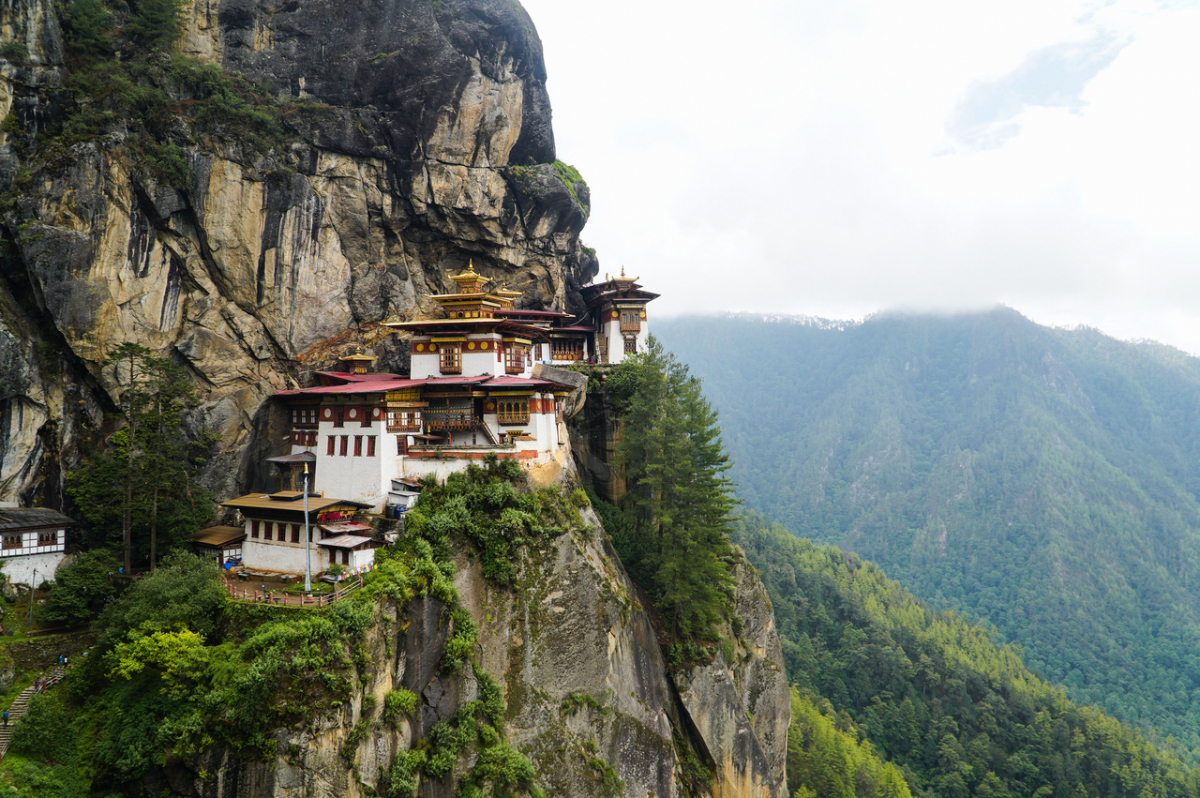
There are many temples in Bhutan, but none so majestic as the iconic Tiger’s Nest Monastery. Built on a cliff near the town of Paro, in western Bhutan, the temple looms dramatically from the clouds.
Tiger's Nest Monastery, arguably Bhutan's most iconic attraction, is built on a cliff and takes a two-to-four-hour trek to get to. ST PHOTO: CLARA LOCK

Tiger’s Nest Monastery, arguably Bhutan’s most iconic attraction, is built on a cliff and takes a two-to-four-hour trek to get to. ST PHOTO: CLARA LOCK

It is like the Eiffel Tower in Paris or Tower Bridge in London – the classic postcard shot everyone associates with the country.

But getting to the temple is not so easy. The way up is a two- to four-hour trek, depending on your fitness level. The thinning air, at 2,800m above sea level, compounds the challenge.

Still, almost every visitor attempts this route, climbing alongside locals who ascend to pay their respects at what is believed to be Bhutan’s holiest site.

According to folklore, revered figure Guru Rinpoche, who is recognised for bringing Buddhism to Bhutan, flew to the site on the back of a tiger and subdued the evil spirits in the region. Today, locals believe that all prayers they make at the monastery will be answered.

At the end of a lung-busting climb, we finally make it to the monastery, which houses a maze of caves and temples. Each one tells a different story – for instance, my guide points out a cave where Guru Rinpoche is said to have meditated for three months.

Around me, devotees pause to receive holy water blessings from monks or light offerings of butter lamps. But dwarfed by the mountains, I am content to sit in silence.

I have no prayers, only gratitude.


GETTING THERE

I took a five-hour flight to Paro on Drukair, which included a 40-minute stopover in Guwahati, India. Passengers headed for Bhutan do not have to disembark. In December this year and next year, Drukair will increase the frequency of Singapore-Bhutan flights from twice to thrice a week.

TIPS

• Daily minimum tariffs, which include guide and transport fees, entrance fees to tourist attractions, all meals and lodging at three-star accommodation, apply to tourists. It costs US$250 (S$340) a night during peak season (March to May and September to November) and US$200 a night during off-peak season.

• For those seeking far-flung adventures, the time to visit is now. Bhutan’s focus on high-value, low-impact tourism means top attractions are not yet overcrowded. But tourist arrivals to the landlocked Himalayan nation have grown exponentially in the past decade. Close to 275,000 people visited Bhutan last year, compared with about 110,000 in 2012. Go before more tourist buses jam the roads.

• Pack layers as the weather can vary drastically depending on time of day, as well as between cities of different elevation. During my trip in July, temperatures dropped to single digits at night in Gangtey, while afternoons in the lower-lying Punakha were warm enough for just a T-shirt.

Six sites of Thai culture you can explore along Chao Phraya River

#ศาสตร์เกษตรดินปุ๋ย : ขอบคุณแหล่งข้อมูล : หนังสือพิมพ์ The Nation

https://www.nationthailand.com/travel/30379408?utm_source=category&utm_medium=internal_referral

Six sites of Thai culture you can explore along Chao Phraya River

Dec 14. 2019
By The Nation

922 Viewed

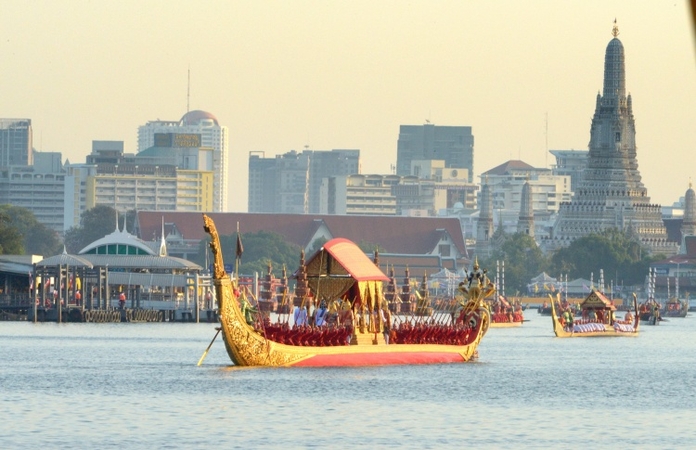
The royal barge procession on Thursday showcased the majesty and grace of Thai culture, kindling public interest in exploring more of the historic attractions.  There are many historical sites and tourist attractions along the Chao Phraya River which came into the limelight such as Thammasat University, Wat Rachathiwat Pier, Santichai Prakan Park, Maharaj Road, Nakarapirom Park, etc. For those interested in history, here are six spots they can check out:

Wat Mahathat Yuwarajarangsarit Rajaworamahavihara

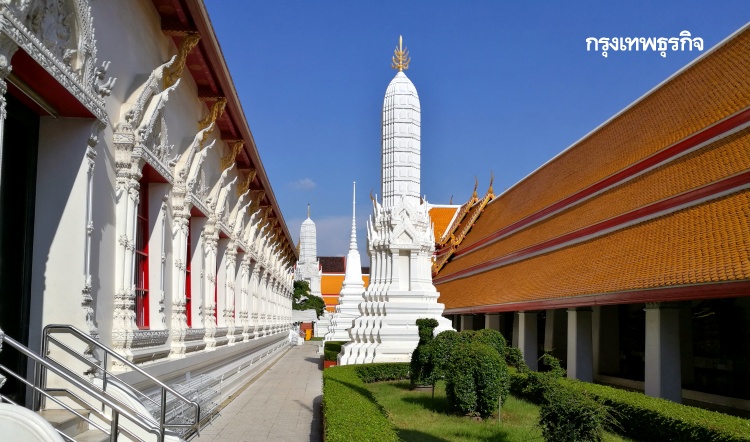
Better-known among Thais as Wat Mahathat or Wat Saluk, this is one of the 10 main temples in Bangkok. Built in the Ayutthaya leriod and renovated during the reign of King Rama I, Wat Mahathat is at the foundation of the history of Buddhism in Thailand, as the Buddhist Tripitaka was convoked here in 1788. Among the highlight features are the Vihara Pho Lanka, or Vihara Noi, where King Rama IV resided when he was a monk, and Akarn Watthu, or Red Building, which once housed Bangkok’s first library. In the reign of King Rama I, he intended the temple area to be an important religious site to divide the space between the royal palace and the deputy king’s palace. In olden days, Thai-Chinese people lived around the temple area and the community expanded to the Sanam Luang area, becoming a large Chinese community. Later, when the Grand Palace was built, the Chinese migrated to the south of the river to what is now known as Yaowarat or China Town.

Hall of Sculpture

A distinctive tourist attraction when passing the old deputy king’s palace fence, the Hall of the Sculpture is located near the Fine Arts Department. It was originally used as a sculpture workshop. However, since it was located in a crowded area, the department received complaints about pollution, especially when melting metal and gold. The new workshop is now in Nakhon Pathom province while the old one became the sculpture museum or Hall of Sculpture. It shows the process of sculpting and the works of many important artists to inspire the younger generation.

Wat Arun Ratchawararam Ratchawaramahawihan 

From the Grand Palace when you cross the Chao Phraya River for a Bt4 fee, you reach another temple — Wat Arun Ratchawararam Ratchawaramahawihan — also known as the Temple of Dawn. It is one of the most popular tourist attractions, and is a part of most foreign travellers’ itinerary. The highlight of the temple is the central prang, built in the complicated Ayutthaya style.

Wat Arun has been associated with the monarch as the Temple of King Rama II.

Wat Kalayanamitr Varamahavihara 

Access the shortcut around Klong Bangkok Yai bridge to the Kudeejeen community where the millionaire owner of the area was once friends with King Rama III. Wat Kalayanami [Temple of True Friendship] is located near the west bank of the Chao Phraya River and has been built as a monument to their friendship. The most distinctive feature is the large chapel with the Buddha Tri Rattanayok statue or ‘Sam Poo Kong’ as it is called by Chinese-Thais around the area. The temple combines Thai and Chinese art.

Kian Un Keng Shrine

Walking along the river from the Temple of Friendship, the ancient Chinese Kian Un Keng Shrine in the Kudeejeen area has welcomed visitors for a 100 years. The shrine interior contains a rare image of the Chinese goddess Guanyin and is decorated with murals and paintings of scenes from the classical Chinese novel, “Romance of Three Kingdoms”.

Santa Cruz Church

Beaides Buddhist attractions, visitors can also admire the Santa Cruz Church [Holy Cross church]. The Roman Catholic Santa Cruz Church was built in 1834 as a place of worship for the local community of Portuguese merchants and missionaries who had settled in the Kudeejeen area. The building has a magnificent semi-circle dome tower and a graceful arch with the red roof, which is lit in blue light and stands out in the dark.

Chae Son’s hot springs draw thousands of visitors

#ศาสตร์เกษตรดินปุ๋ย : ขอบคุณแหล่งข้อมูล : หนังสือพิมพ์ The Nation

https://www.nationthailand.com/travel/30379354?utm_source=category&utm_medium=internal_referral

Chae Son’s hot springs draw thousands of visitors

Dec 12. 2019
By The Nation

1,818 Viewed

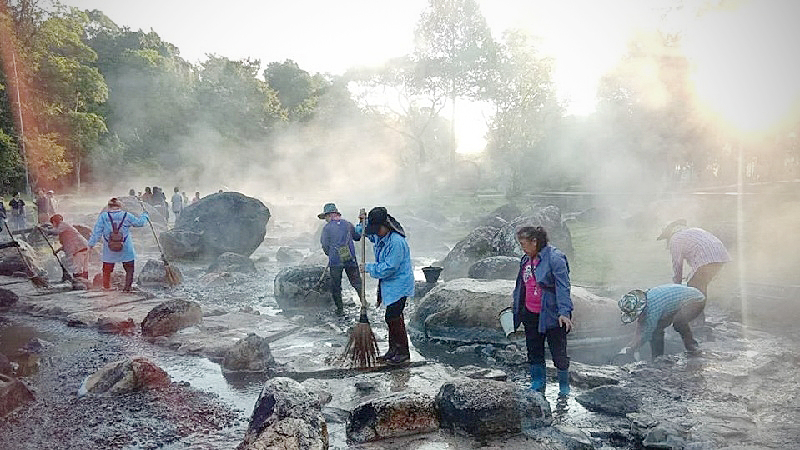
Visitors from all over the country are thronging Chae Son National Park in Lampang province to enjoy the hot springs in the park and the cool weather after the temperature dropped to 8-10 degrees Celsius, Tawan Chanprom, the park’s chief officer, said.

About 1,000-2,000 visitors visited the park every day during the last five days, particularly at the weekend. Most of them enjoyed immersing themselves in the hot springs for relaxation and boiling eggs for fun.

The park has announced that it will be temporarily closed from 8am to 9am on December 17 and 18 to clean the hot springs area and bathhouses and requested visitors not to bring any kind of plastic and foam to the park.

Tourists flock to old Nakhon Ratchasima railway station

#ศาสตร์เกษตรดินปุ๋ย : ขอบคุณแหล่งข้อมูล : หนังสือพิมพ์ The Nation

https://www.nationthailand.com/travel/30379314?utm_source=category&utm_medium=internal_referral

Tourists flock to old Nakhon Ratchasima railway station

Dec 11. 2019
By THE NATION

1,253 Viewed

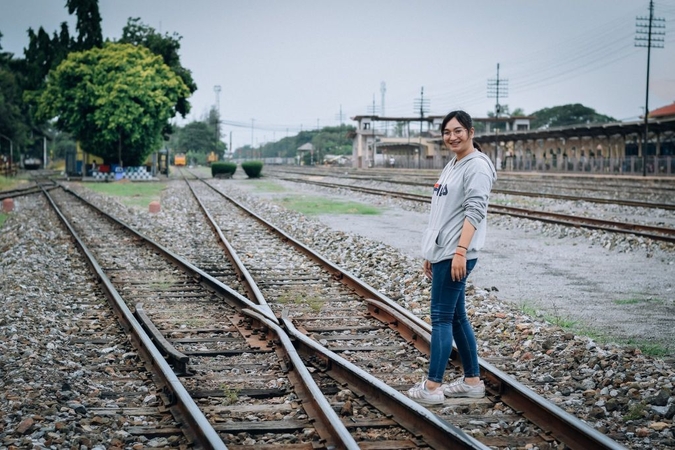
The old Nakhon Ratchasima railway station, which started operations in 1900 as the terminus for the first-ever Nakhon Ratchasima Line from Bangkok, has once again become popular with young tourists. Hundreds of them visit the station and take selfies in the old wrecked train after news reports that the station will be completely demolished and become a part of the double-track railways project soon.

On Wednesday (December 11), the generally quiet station was bustling with tourists taking photos on the railways track, the old abandoned train, and the vintage station.

For many it was a trip down memory lane, as the station is a part of their childhood memories.

Nakhon Ratchasima locals invited tourists nationwide to visit the station before the building is demolished and suggested to take photos at 7am to 8am and 3pm to 5.30pm for the best lighting.

Two new camping grounds open in Chiang Mai mountains

#ศาสตร์เกษตรดินปุ๋ย : ขอบคุณแหล่งข้อมูล : หนังสือพิมพ์ The Nation

https://www.nationthailand.com/travel/30379294?utm_source=category&utm_medium=internal_referral

Two new camping grounds open in Chiang Mai mountains

Dec 11. 2019
By The Nation

2,394 Viewed

Department of National Parks, Wildlife and Plant Conservation (DNP) under Natural Resources and Environment Ministry today (December 11) introduced two new tourist attractions in Chiang Mai: Sui Tang and Doi Lang camping grounds.

Sui Tang camping ground is perched at an altitude of 1,390-1,395 metres in Chai Prakan District, while Doi Lang is higher at 1,700-1,720 metres and located in Mae Ai District. Both are part of Doi Fha Hom Pok National Park.

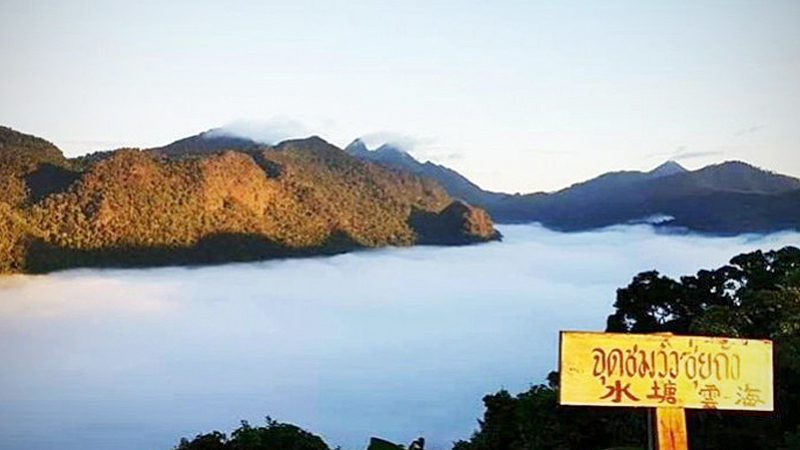
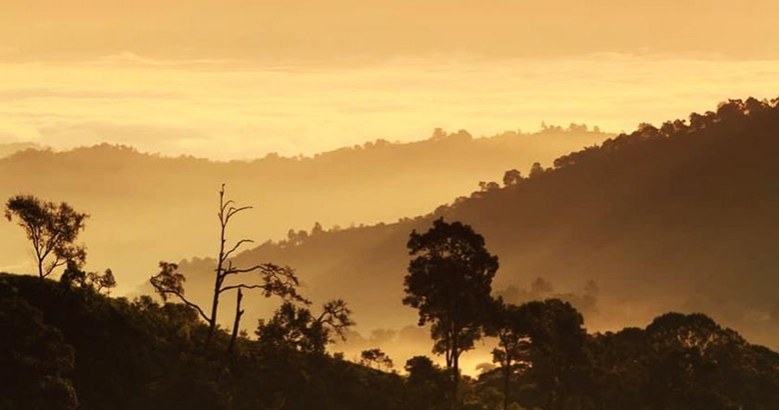
Facilities in both camping grounds include bathrooms, toilets and parking lots, while each can support up to 150 people. Visitors can enjoy beautiful views of the sunrise, sunset, and sea of fog, hike to the summit of Doi Ang Khang mountaintop or follow the clearly marked bird-watching trails.

For information, call (052) 080 801, (084) 4834689, or email: doiphahompok.np@hotmail.com.

In full bloom

#ศาสตร์เกษตรดินปุ๋ย : ขอบคุณแหล่งข้อมูล : หนังสือพิมพ์ The Nation

https://www.nationthailand.com/travel/30379292?utm_source=category&utm_medium=internal_referral

In full bloom

Dec 11. 2019
By The Nation

1,979 Viewed

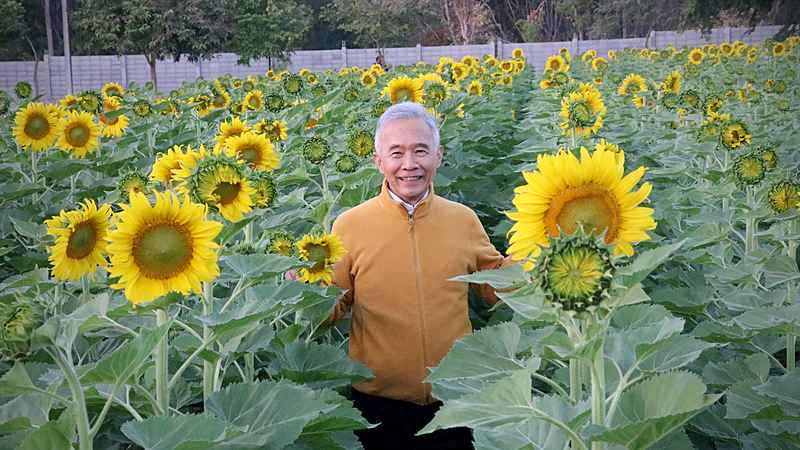
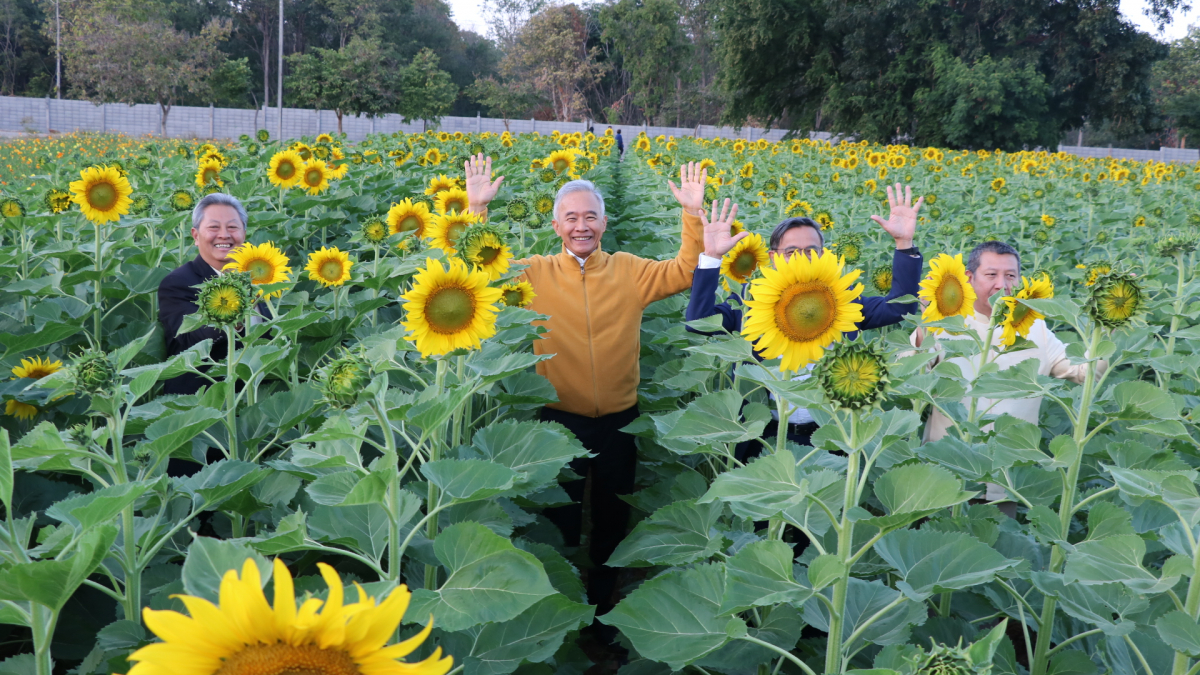
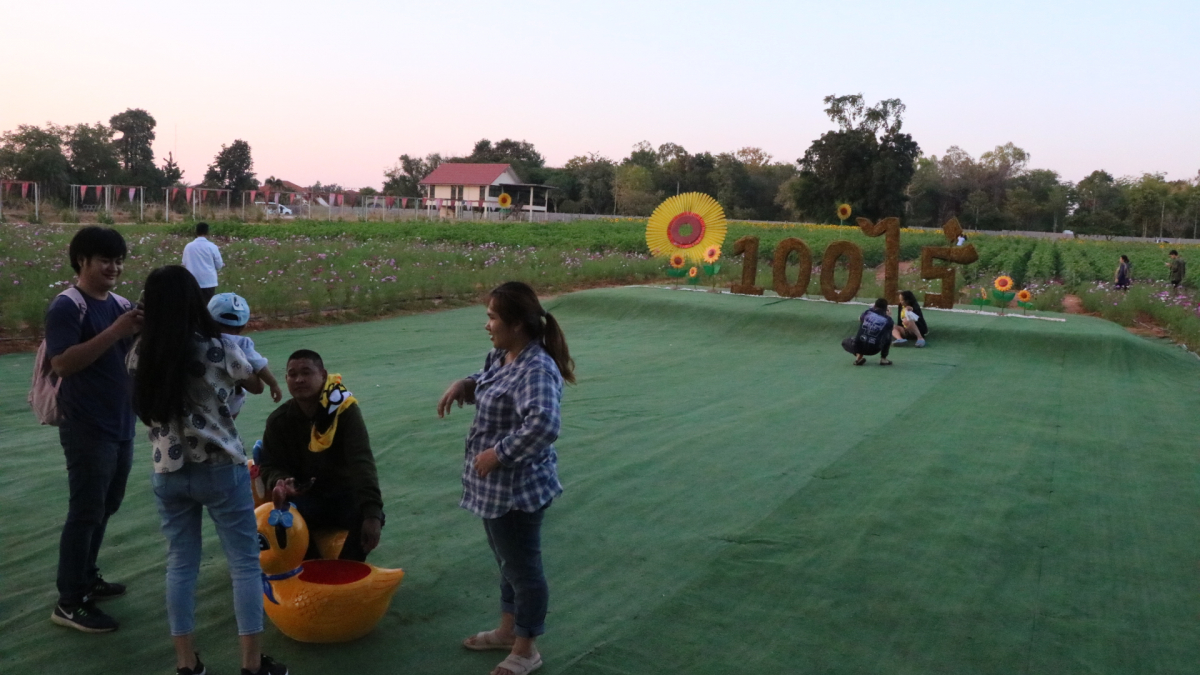
The agricultural training and research centre known as the “100 Rai” at Nakhon Ratchasima’s Rajabhat University is now carpeted with glorious sunflowers, many of them a massive 40 centimetres in diameter and still growing.

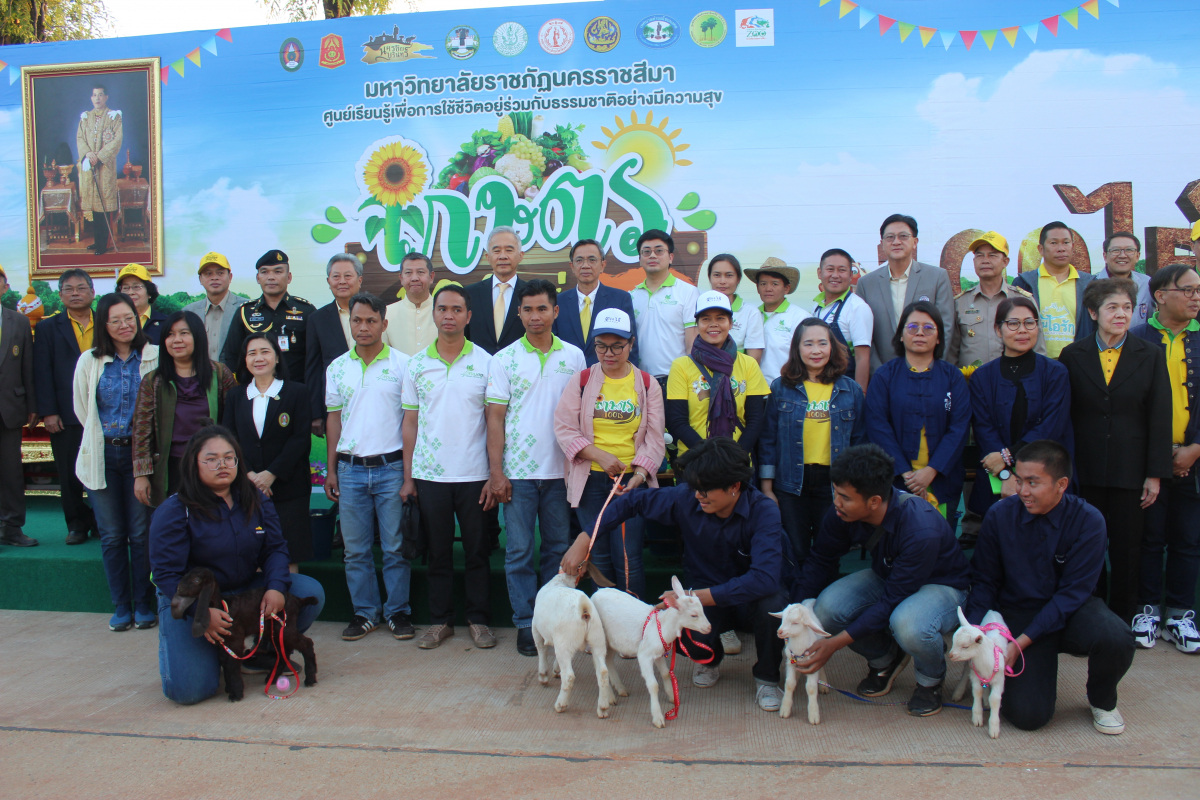
Former deputy prime minister Suwat Liptapanlop, who presided over the opening ceremony this week, encouraged members of the public to come and enjoy the flowers and take lots of photos. Visitors can also enjoy a field of colourful cosmos flowers, a deer enclosure, a sheep farm , a mushroom house and an organic vegetable demonstration farm. Admission is free and the 100 Rai will remain open through January 5.

Dubai’s magical geometric architecture a treat for tourists

#ศาสตร์เกษตรดินปุ๋ย : ขอบคุณแหล่งข้อมูล : หนังสือพิมพ์ The Nation

https://www.nationthailand.com/travel/30379190?utm_source=category&utm_medium=internal_referral

Dubai’s magical geometric architecture a treat for tourists

Dec 08. 2019
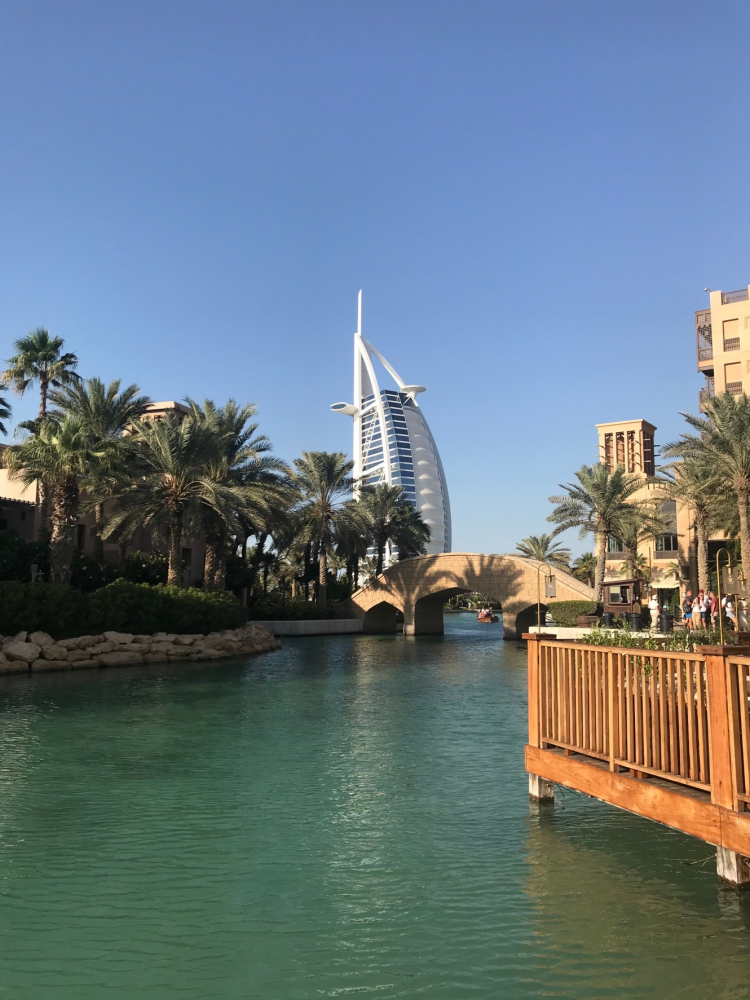
Tourists also enjoy taking pictures of the Burj Al Arab, a luxury hotel in Dubai that resembles a ship’s sail.

Tourists also enjoy taking pictures of the Burj Al Arab, a luxury hotel in Dubai that resembles a ship’s sail.
By Wichit Chaitrong
The Nation

1,137 Viewed

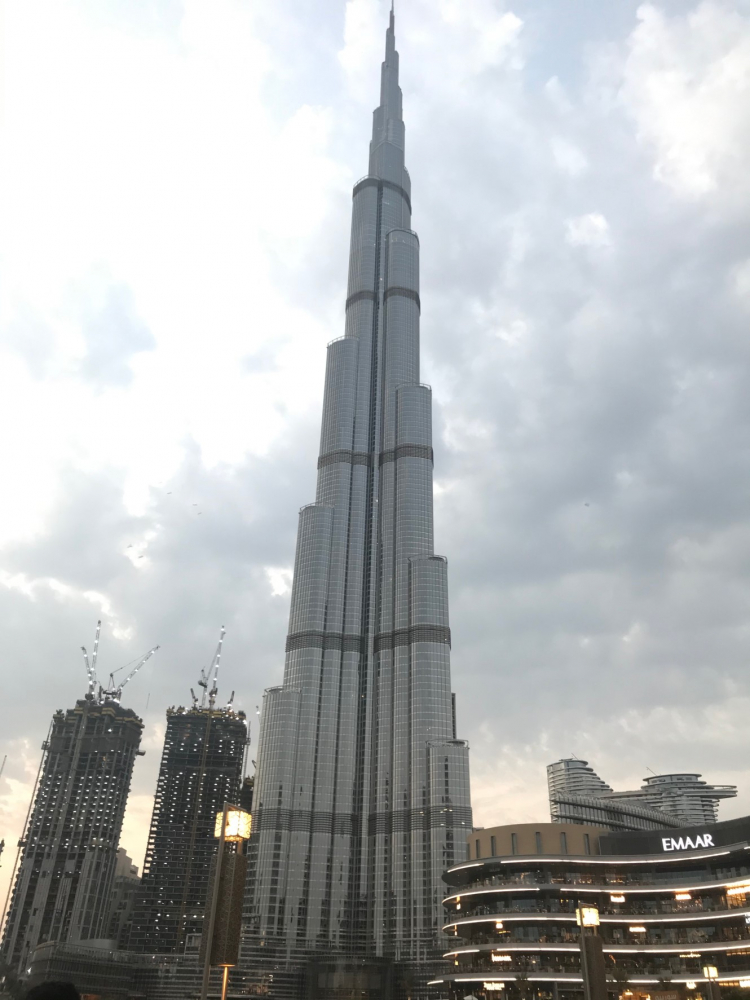
The Burj Khaifa in Dubai is the world’s tallest skyscraper at 828 metres high.

The Burj Khaifa in Dubai is the world’s tallest skyscraper at 828 metres high.

The Burj Khaifa in Dubai is the world’s tallest skyscraper at 828 metres high.

Lifts moving at 10 metres per second give visitors just a hint of the dizzying experience in store for them as they reach the designated observatory floor at 555.7 metres.

A spectacular view of the city all the way to the horizon awaits people on days when they are lucky to have clear skies. Selfies with wings of a bird as the backdrop are the most popular among visitors.

The design of the building is said to be inspired by Islamic architecture in the region such as the 9th-century Great Mosque of Samarra located in Iraq.

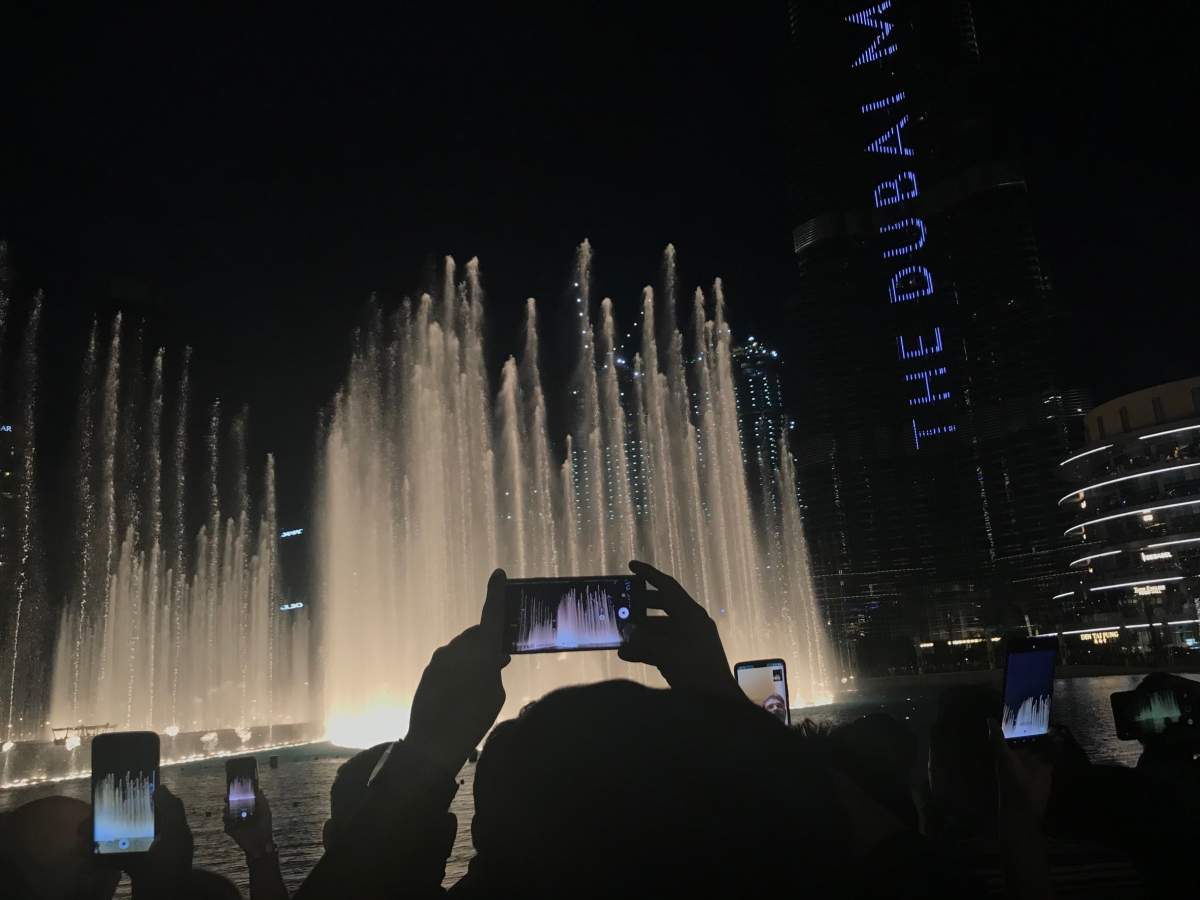
Water dance-Dubai Dance Fountain and light show on the Burj Khalifa building also draw tourists from the nearby shopping mall.

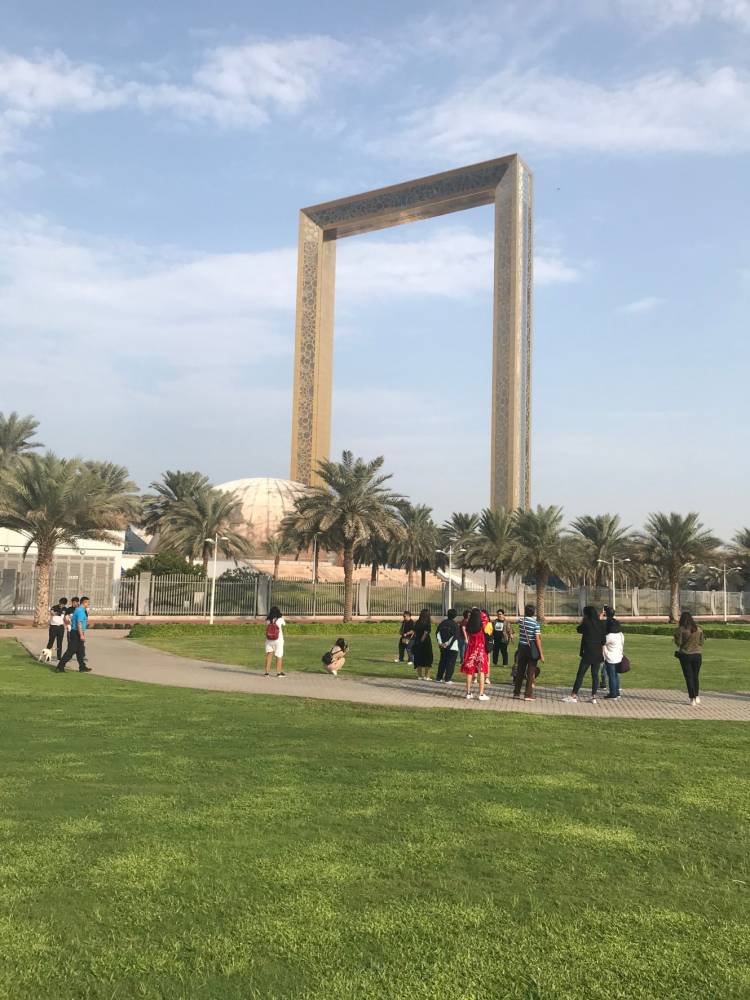
Frame tower is a simple architecture but it also draws tourists to celebrate its elegance and take selfies.

Tourists also enjoy taking pictures of the Burj Al Arab, a luxury hotel in Dubai that resembles a ship’s sail.

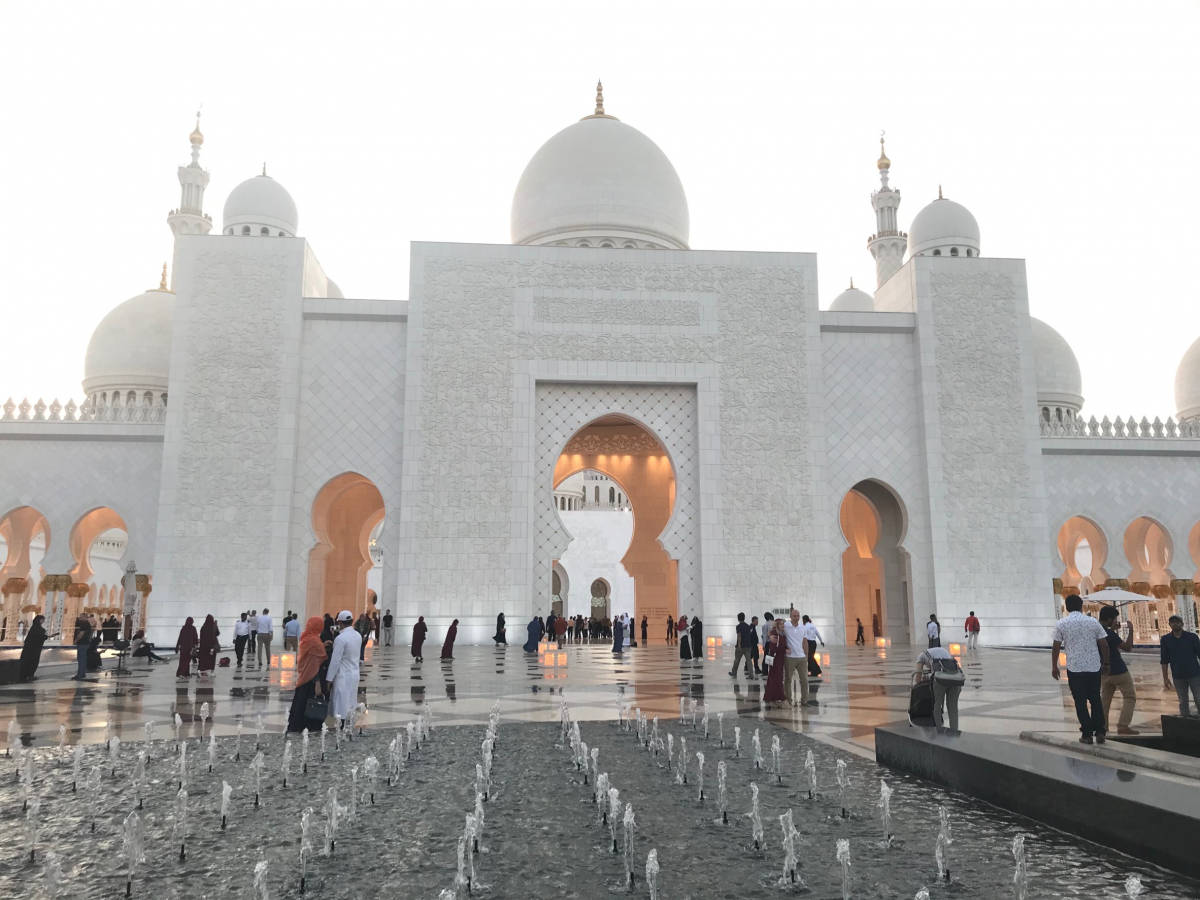
The marvel of curved designs and decorative works at the Grand Mosque in Abu Dhabi also impress visitors.

Off-road rides and sightseeing of sand dunes also give visitors a unique experience of the unique landscape.

The shape and engineering of wind towers to deal with the hot weather is also very interesting. People used to build these towers in their buildings a long time ago as it could draw breeze into their homes. Another technique is creating shade to lessen the impact of the sun’s hot rays.

In modern times, architecture and engineers have adapted ancient wisdom with new technology and new geometric shapes that better serve the challenge of coping with the high temperature.

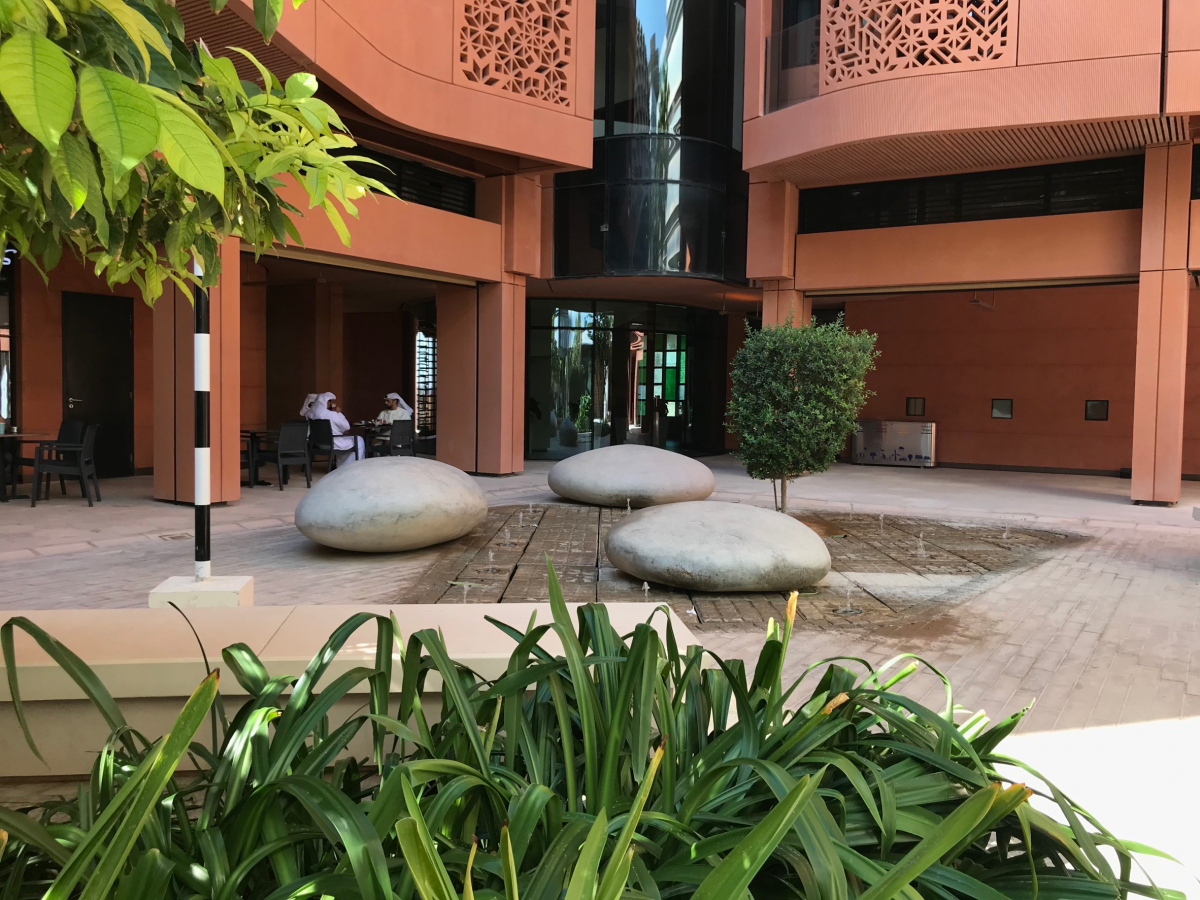
Staff at the Masdar City project said residential buildings stand close to each other in order to create shade for residents when they walk around the area. The government intends to make Masdar City, which is spread over six square kilometres, the world’s first carbon-neutral and seriwaste city. The project is under construction and a solar energy facility is part of it.

Wind towers cool the weather from higher space to the ground and water springs add naturally cooler surroundings for residents.

Historically, great thinkers in the Middle East have played an important role in storing and advancing knowledge, including geometric science during the medieval ages when the West was almost in darkness .

The Middle East has probably been the land of wonderful geometric knowledge and architecture since ancient times.

Geometric solution of 'squares and roots equal to numbers'. Illustration credit: Ian Stewart, author of the book "Significant Figures: Lives and Works of Trailblazing Mathematicians".

Geometric solution of ‘squares and roots equal to numbers’. Illustration credit: Ian Stewart, author of the book “Significant Figures: Lives and Works of Trailblazing Mathematicians”.

People have been entertained by this geometric solution of squares and roots equal to numbers since around 830AD when the Middle East thinker Muhammad ibn Musa al-Khwarizmi wrote a popular book on mathematics, “The Compendious Book on Calculation by Completion and Balancing”.

Chilling – literally – by the lake

#ศาสตร์เกษตรดินปุ๋ย : ขอบคุณแหล่งข้อมูล : หนังสือพิมพ์ The Nation

https://www.nationthailand.com/travel/30379189?utm_source=category&utm_medium=internal_referral

Chilling – literally – by the lake

Dec 07. 2019
By The Nation

1,485 Viewed

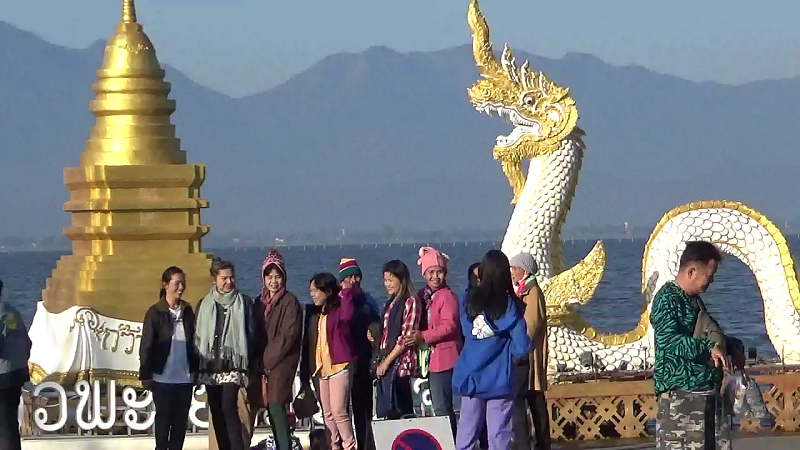
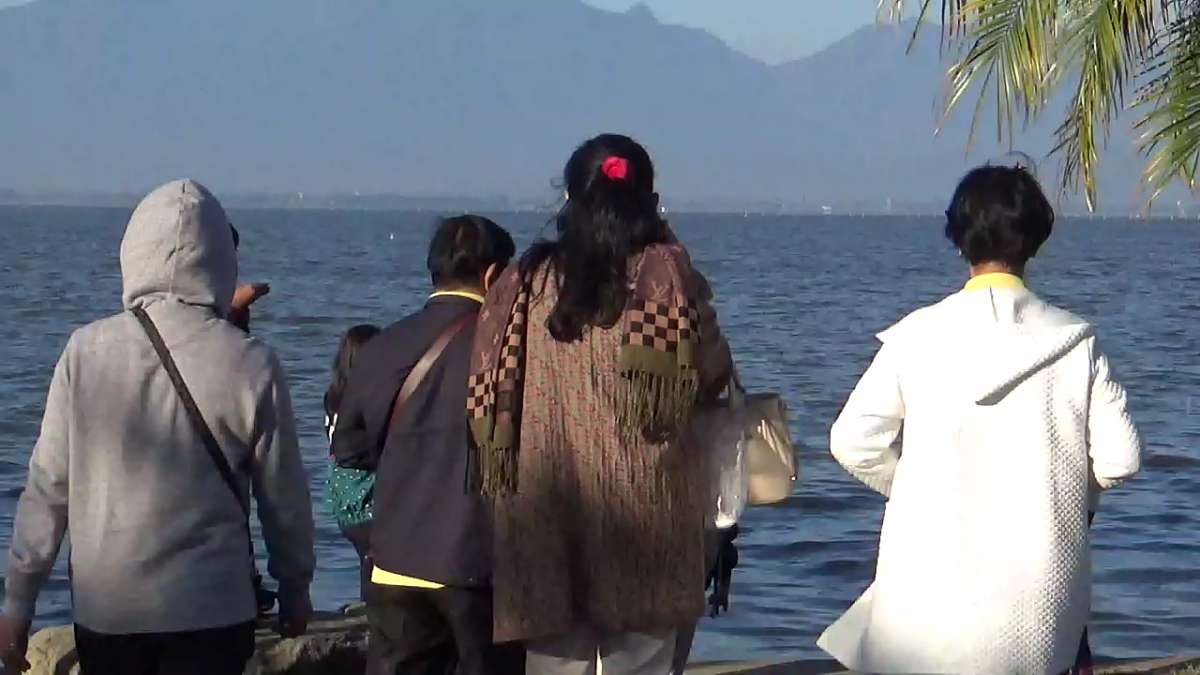
Tourists flocked to Kwan Phayao Lake in Phayao Province on Saturday (December 7) to take advantage of the cold weather and admire the natural surroundings

Kwan Phayao – the word “Kwan” means means “lake” or “large swamp” in the northern Thai language is shaped like a half-circle, and is the largest freshwater lake in the northern region and the fourth largest in the country. It is 1.5 metres deep, and covers an area of about 1,980 hectares.

Some 50 species of fish are found in the lake, Phayao is about 691 kilometres from Bangkok and covers an area of 6,335 square kilometres. Temperatures is the area are currently hovering around 10 degrees Celsius.

Walks on the wild side

#ศาสตร์เกษตรดินปุ๋ย : ขอบคุณแหล่งข้อมูล : หนังสือพิมพ์ The Nation

https://www.nationthailand.com/travel/30379097?utm_source=category&utm_medium=internal_referral

Walks on the wild side

Dec 05. 2019
Director-General of The Department of National Parks, Wildlife and Plant Conservation, Thanya Netithammakul

Director-General of The Department of National Parks, Wildlife and Plant Conservation, Thanya Netithammakul
By The Nation

255 Viewed

The Department of National Parks, Wildlife and Plant Conservation is allowing Thais free admission to National Parks, Wildlife Sanctuaries, and Non-Hunting Areas nationwide today, December 5, National Father’s Day.

The department’s director-general, Thanya Netithammakul said that this campaign aimed to encourage families to participate in recreational activities, as well create awareness of conservation towards natural resources, environment, and wildlife.

“We would like to ask for tourists’ cooperation in not using plastic bags and foam packages in order to maintain cleanliness of the area, and keeping wild animals away from plastic waste. Drinking alcohol in these areas is also prohibited,” he said.

“Tourists can contact the department by phone at (02) 562 0760-2 during office hours, while the reservations can be made anytime at the website http://nps.dnp.go.th/reservation.php.