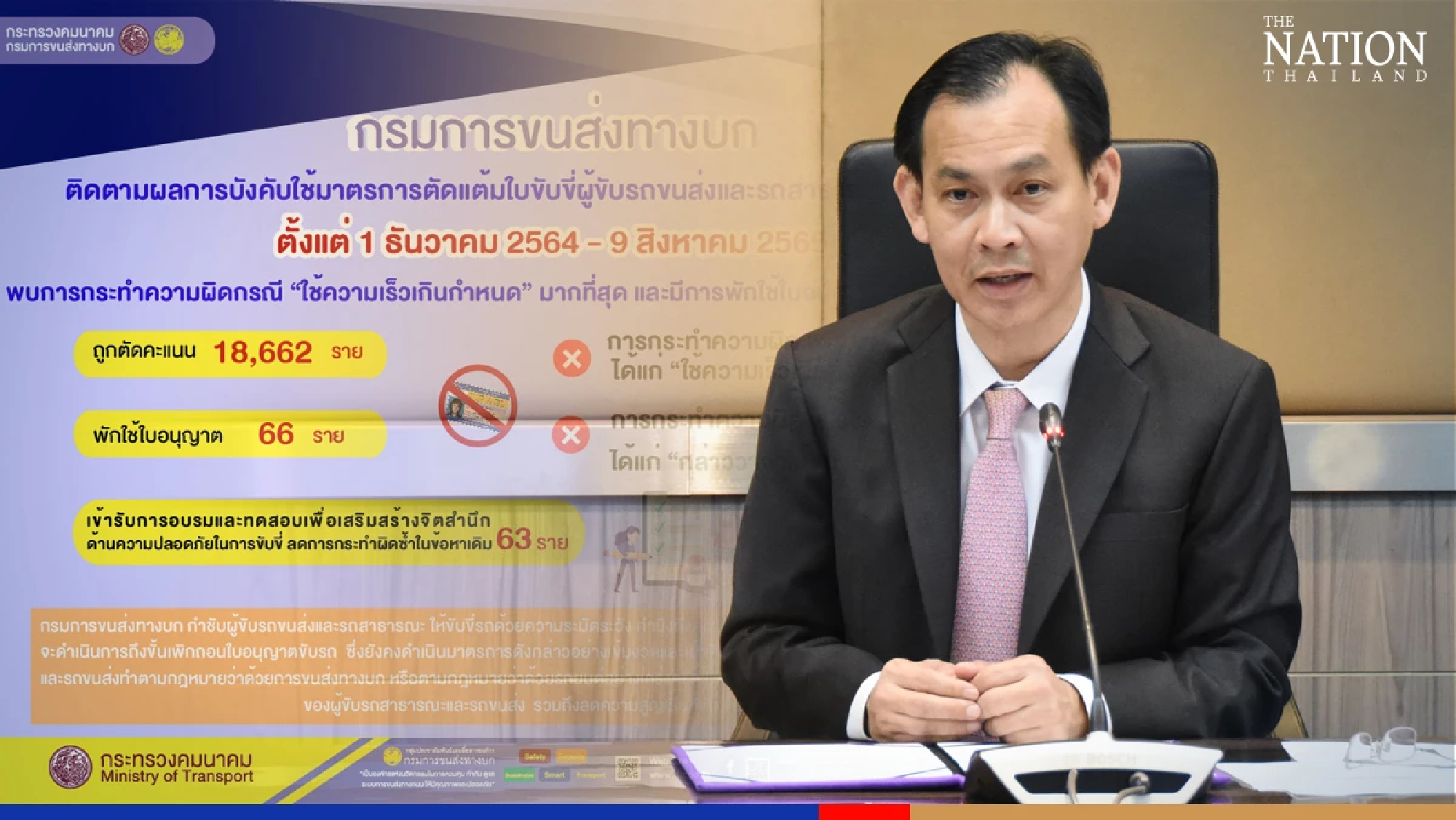
As many as 18,662 public transport drivers nationwide stand to have their driving licence points deducted for offences committed between December 1, 2021, and August 9, 2022.
Public transport drivers cover drivers of trucks, buses, taxis, tuk tuks and motorcycle taxis.
Meanwhile, 66 drivers stand to have their licences suspended, while 63 have been told to undergo training and testing to learn about road safety, the Department of Land Transport (DLT) said on Thursday.
Seksom Akraphand, DLT’s deputy director-general, said the department has introduced a points deduction system in a bid to raise awareness of driving safely.
He also said that most public transport drivers face punishment for speeding or being impolite. He added that one driver lost his licence for taking drugs while driving.
“All public transport drivers have been instructed to drive carefully and pay attention to safety,” he said.
He added that DLT will continue using these measures to ensure all public transport drivers strictly observe traffic laws and make an effort to cut down on road accidents.
At least 20,000 people die on roads in Thailand every year, making it the ninth most dangerous country in the world.
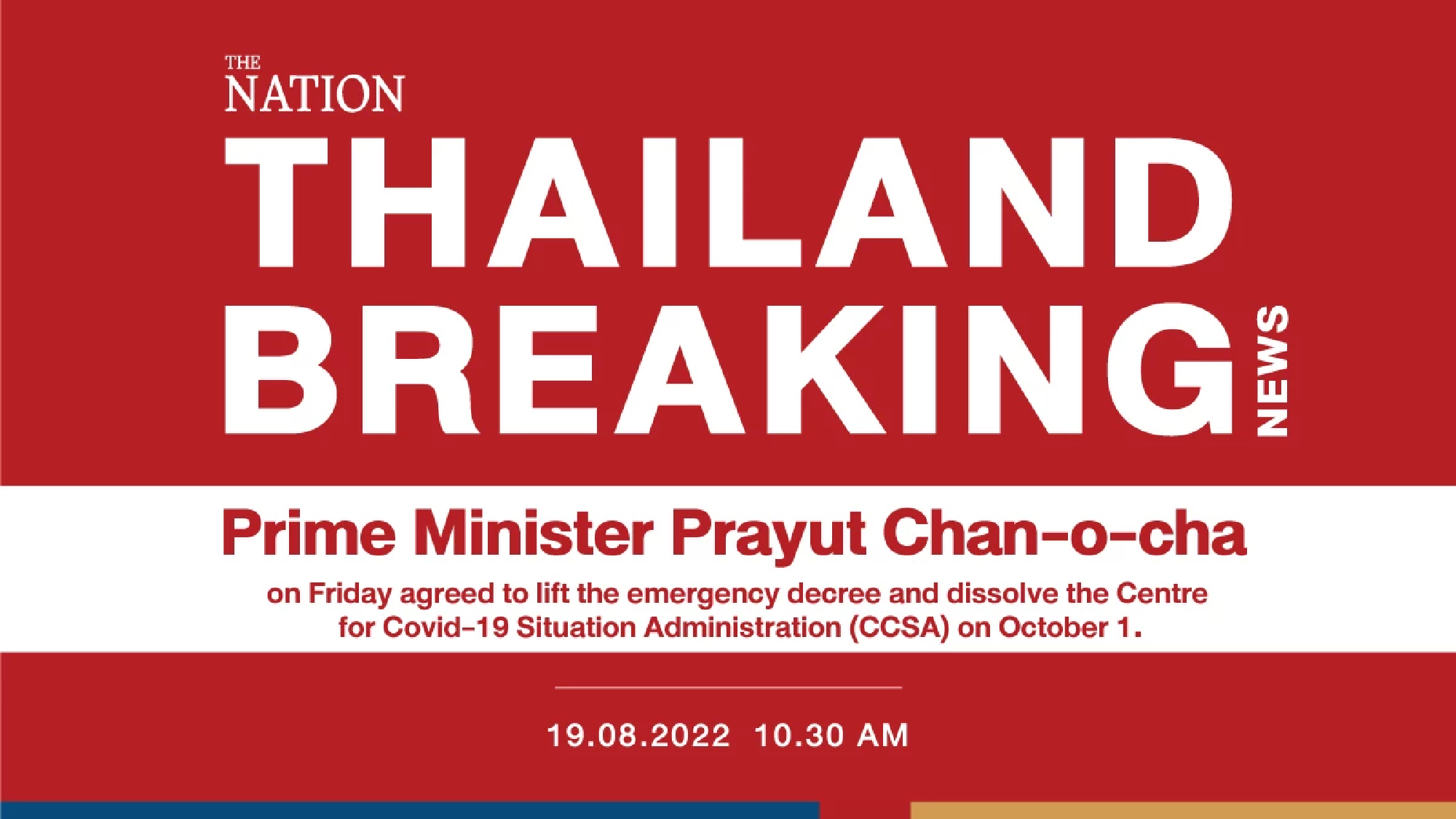
Prime Minister Prayut Chan-o-cha on Friday approved the lifting of the emergency decree and dissolution of the Centre for Covid-19 Situation Administration (CCSA) on October 1.
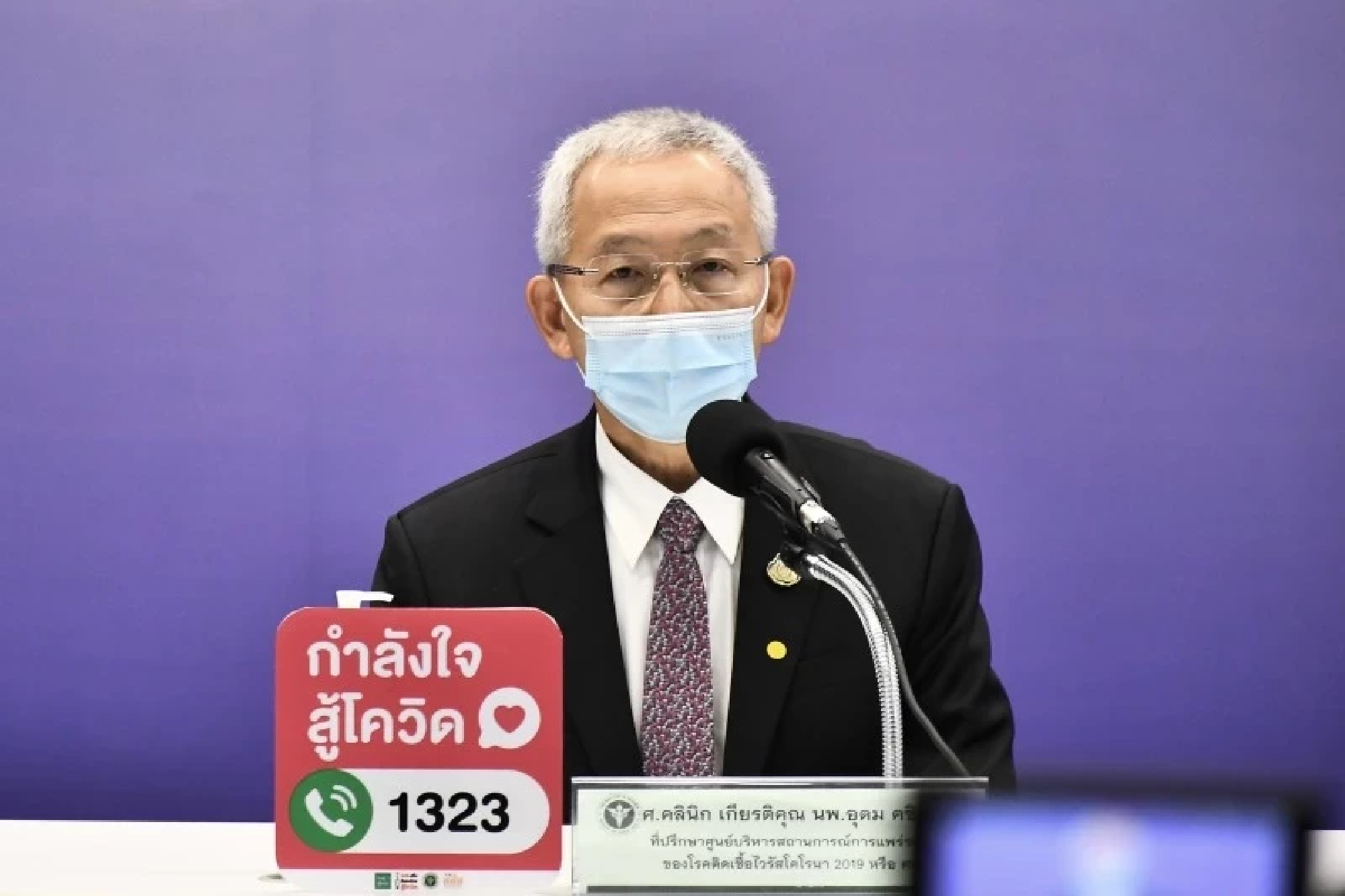
Dr Udom Kachintorn, an adviser to the CCSA, said the move is in line with the government’s decision to downgrade Covid-19 from a “dangerous communicable disease” to “communicable disease under surveillance”.
He said after October 1, the 2015 Communicable Disease Act will be the governing law to tackle the Covid-19 outbreak instead of the Emergency Decree on Public Administration in Emergency Situations, which has been in place since March 24, 2020.
Udom added that Thailand currently has some 70,000 confirmed Covid-19 patients either in hospitals or in home isolation, and most of them have few or no symptoms.
The CCSA expects the number of new patients to remain flat for around a month before falling in mid-October.
Udom also expects that by yearend, the number of hospitalised patients will drop to around 1,000 people per day and the daily death count should drop to around 10.
“From October 1, Covid-19 will become a disease under surveillance but not endemic, which means wearing a facemask in crowded public places will remain necessary,” he said.
“Before its dissolution, the CCSA will propose guidelines for people to follow to stay safe from Covid-19, as well as instructions on how to seek treatment now that the disease has been downgraded.”
Udom said that apart from visiting the hospital, Covid-19 patients have the option of receiving Covid-19 treatment via the National Health Security Office (NHSO)’s telemedicine system.
The NHSO has employed three apps for the treatment of Covid-19 patients. They are Clicknic for the high-risk group (those aged over 60 or suffering from any of eight chronic conditions), and Good Doctor Technology and MorDee, which only tend to “green” patients or those with mild symptoms.
The emergency decree has been extended a total of 19 times since March 24, 2020, to enable authorities to control the outbreak more efficiently, with the latest extension ending on September 30.
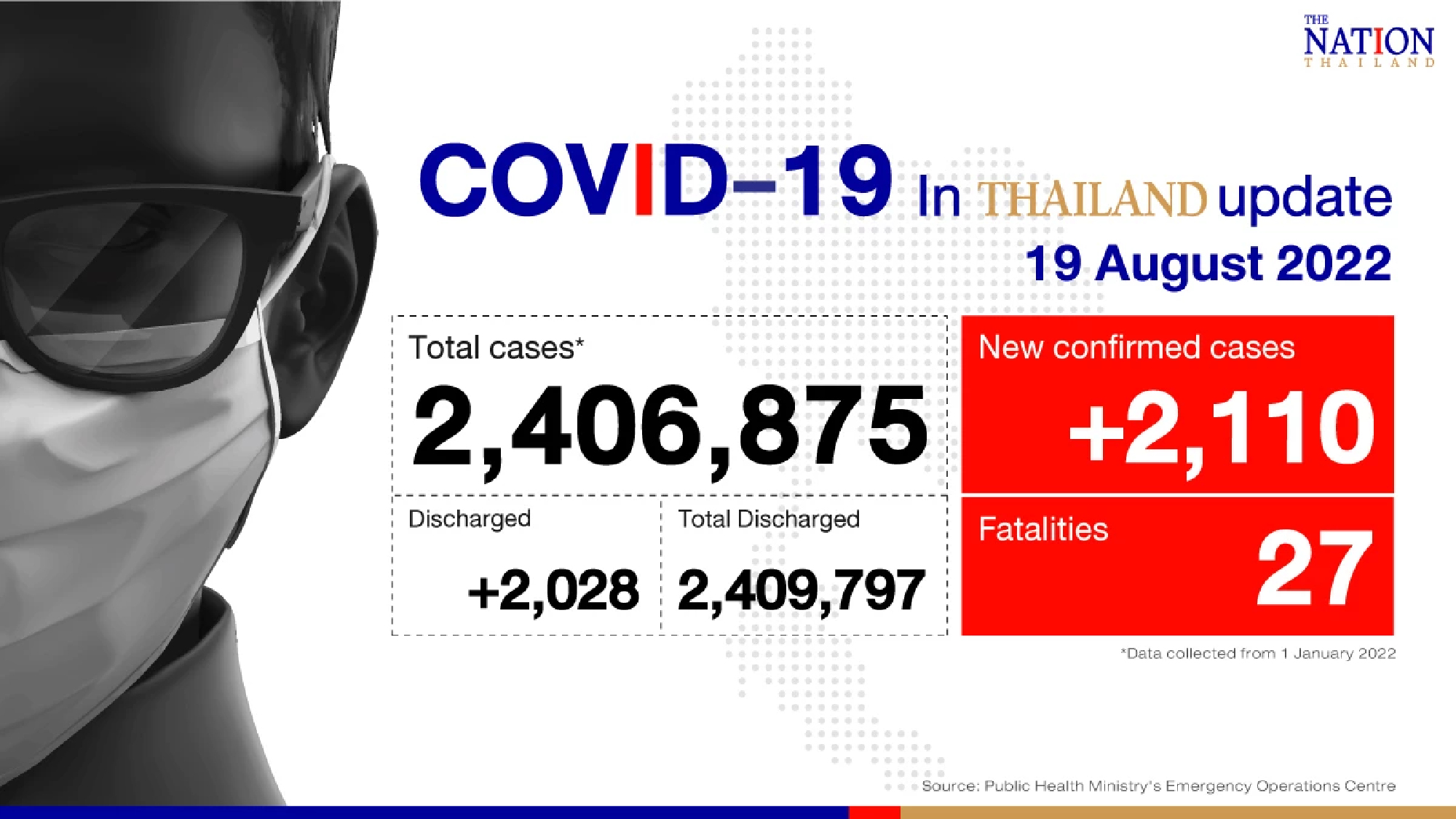
On Friday, Thailand recorded 2,110 confirmed Covid-19 cases and 27 deaths, while 2,028 patients had recovered and discharged from hospitals. The number of cumulative cases in the country since January 1, 2022, stands at 2,406,875 with 10,273 deaths.
The Bangkok Metropolitan Council (BMC) has agreed to earmark a 79-billion-baht budget for the Bangkok Metropolitan Administration (BMA) for fiscal 2023.
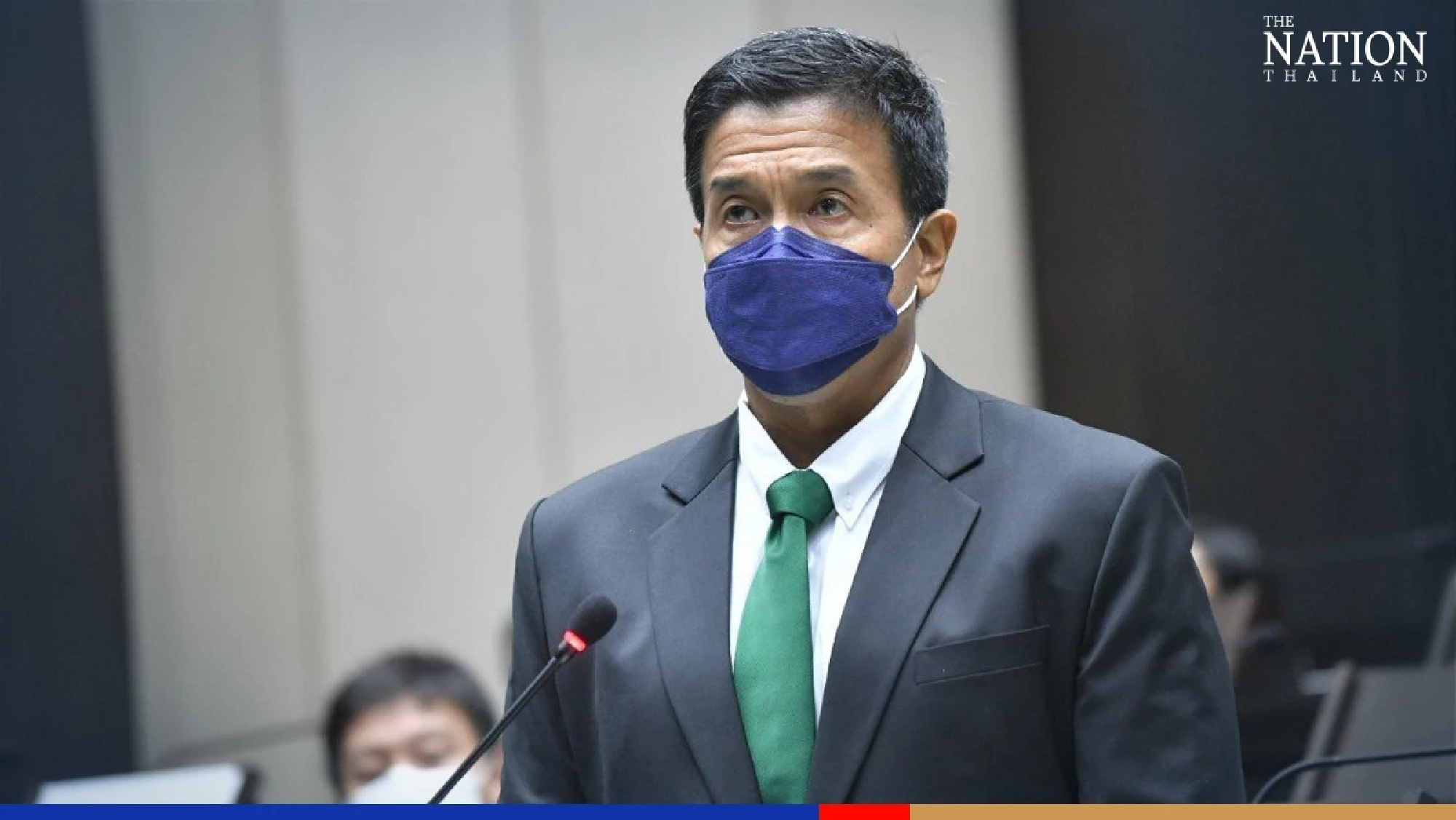
The decision was made at a meeting on Thursday between BMC and BMA executives. Also attending was Bangkok Governor Chadchart Sittipunt.
At the meeting, the extraordinary committee in charge approved a budget of 79.72 billion baht for the BMA.
Welcoming the approval, Chadchart said the funds will be used carefully and efficiently with the Bangkok residents’ benefits in mind.
He said this was the first time he has worked with BMC and everything went smoothly. Chadchart has been in his post as Bangkok governor since June 1.
Chadchart also said that the BMC has adjusted some policies and agreed to increase the budget for district offices by 1.1 billion baht, which he said was at the heart of his policy.
He also said that more funding has been earmarked for Education, Social Development and Disaster Prevention and Mitigation departments, while the governor’s budget has been reduced. This, he said, was a good thing as it will respond to people’s needs directly.
Chadchart said the BMA and BMC are obliged to not just take care of the people, but also build confidence and trust in the city’s democratic regime.
He also pointed out that decentralisation is necessary so the BMA and BMC can respond to people’s needs with transparency and efficiency.
Separately, the governor proposed two drafts for the council’s approval. One is to give an annual award to Bangkok officials and employees and the other is for setting up a fund for public health research. The meeting appointed two extraordinary committees to consider these drafts within 15 days.
As for rewarding officials and employees, Chadchart said nothing can be achieved if their morale is low.
At the meeting, Future Forward Party’s council representative Peerapong Kanokwilai said the construction of the bridge across the Chao Phraya River at the Kiak Kai intersection should be halted until public opinion has been collected.
He also suggested that the Public Works Department be allocated more funds to boost the capacity and accessibility of Bangkok parks, instead of giving these funds to the Environment Department.
Peerapol also suggested reducing the amount the Culture, Sports and Tourism Department spends on trade shows, as this should be covered by the government.
Meanwhile, Democrat Party member Wirat Kongkhakhet said that the Environment Department should shift from approving the purchase of diesel-run vehicles to those using renewable energy instead.
Napak Pengsuk, another council member from the Future Forward Party, questioned the amount of money spent by the Lat Phrao district office on maintenance and transport.
Sansit Naothavorn, also from Future Forward, also asked the Wattana district office to consider building cesspools alongside newly built roads.
People interested in what we will eat in the future are invited to take part in the “Future Food for Sustainability” contest for a top prize of 1 million baht.
The 21 qualifying teams will see their dishes being served to Asia-Pacific Economic Cooperation (Apec) leaders at meetings hosted by Thailand.
The contest under the “Plate to Planet” concept encourages participants to use their talent to further develop Thai cuisine, which is considered the country’s soft power. The event has been launched by the government’s Public Relations Department.
Students, food startups, chefs, farmers or people interested in future food aged between 18 and 45 are eligible to participate.
Participants can enter as individuals or in groups of four. They can also have one person as an adviser, with no age restriction.
Each team can present one entrée or dessert as well as the dish’s concept, recipe and photographs. A video presentation is optional.
Teams that make it to the second round will also be expected to prepare a business plan.
The winner will be awarded a prize of 1 million baht, 600,000 baht of which will be earmarked for a scholarship or business expansion and 400,000 baht for research.
The first and second runners-up will win 500,000 baht and 200,000 baht in cash respectively. The winner of popular votes stands to win 100,000 baht in cash.
Heavy continuous rain from Saturday to Monday is expected to bring flash floods to several provinces across Thailand.
The Thai Meteorological Department said on Friday that isolated heavy to very heavy rains are possible across the country over the next three days. Bangkok and its vicinity will also be affected.
“People should beware of severe conditions that may cause flash floods and runoffs, especially along waterways near foothills and lowlands,” the department said.
Moderate winds will create 2-metre high waves in the Andaman Sea and the upper Gulf of Thailand, which will become higher in thundershowers.
“Ships should proceed with caution and keep off thundershowers,” the department said.
The rain is expected to hit several provinces in the North, Northeast, East, South and the Central region including Greater Bangkok.
Prime Minister Prayut Chan-o-cha on Friday agreed to lift the emergency decree and dissolve the Centre for Covid-19 Situation Administration (CCSA) on October 1.
Dr Udom Kachintorn, adviser to the CCSA said that after October 1, the 2015 Communicable Disease Act will be the governing law to tackle the Covid-19 outbreak instead of the Emergency Decree on Public Administration in Emergency Situations, which has been in place since March 24, 2020.
An adjustable metal flood levee was installed on Thursday around the ancient Wat Chaiwatthanaram in Ayutthaya to protect it from an overflowing Chao Phraya River.
More than 100 soldiers and officials from the Fine Arts Department put up the 2-metre-high metal planks that can be raised or laid flat. The planks cover a distance of 165 metres around the temple, which sits on the west bank of the Chao Phraya River.
Sandbags were also laid in front of the levee to slow down water flow and a wall of scaffolding will also be put up behind the level to strengthen it.
The Department of Disaster Prevention and Mitigation said the river’s level was rising because water is being released by the Chao Phraya Dam in Chai Nat province at a high rate to ease flooding in the North.
Wat Chaiwatthanaram is a major tourist attraction in the old city of Ayutthaya and though its compound is part of the Ayutthaya Historical Park, it is not included in the areas marked out as Unesco World Heritage Site.
The confiscated assets of Apiruk Kothi, the alleged mastermind behind the Forex-3D Ponzi scheme, were delivered to the Anti-Money Laundering Office (AMLO) on Thursday.
The assets worth over 230 million baht will be auctioned off to pay back victims of the scheme, the Department of Special Investigation (DSI) said.
The 173 items confiscated include 14 luxurious cars, 11 go-karts, 12 plots of land and buildings, nine special licence plates, 54 sets of fitness equipment and several pieces of gold jewellery and watches.
The DSI revealed that the foreign currency Ponzi scheme, operated via the www.forex-3D.com website and three Facebook pages, has defrauded 9,824 people since 2019 and their losses could amount to over 2.48 billion baht.
Apiruk was arrested in January last year while trying to sneak into the country from Cambodia after more than a year on the run. Though he and other members of his team are in jail, many others are still at large.
On Thursday, the Criminal Court denied bail for actress Sawika “Pinky” Chaidet, her mother Sarinya, brother Sarayut and 19 others who face charges of colluding to defraud others and disseminate fake information through a computer system.
The suspects allegedly lured thousands of people into investing in foreign currencies with the promise of high returns, using their status as celebrities to boost the scheme’s credibility.
The suspects were denied bail because the court considers them a flight risk.
The Public Health Ministry reported on Friday (August 19) that over the past 24 hours, 2,1110 Covid-19 patients have been admitted to hospitals.
The death toll has risen by 27, while 2,028 patients have recovered and discharged from hospitals.
The number of cumulative cases in the country since January 1, 2022, stands at 2,406,875 with 10,273 deaths.
The country’s total caseload from Covid-19 stands at 4,630,310 – 4,578,291 of whom have recovered, 20,048 are still in hospitals and 31,971 have died.
Separately, another 3,765 people were given their first Covid-19 shot in the last 24 hours, 7,633 their second shot and 24,366 a booster, bringing the total number of Covid-19 vaccine doses administered nationwide to 142,324,408.
According to Worldometer, confirmed cases globally had risen to 599.12 million on Friday, 573.11 million of whom have recovered, 19.55 million are active cases (44,299 in severe condition) and 6.47 million have died (up by 1,950).
Thailand ranks 29th in the global list of most cases, which is topped by the US with 95.19 million, followed by India with 44.31 million, France with 34.3 million, Brazil with 34.25 million and Germany with 31.77 million.
Ethnic hill-tribe communities in northern Thailand are expected to benefit from a training programme on digital entrepreneurship and marketing skills.
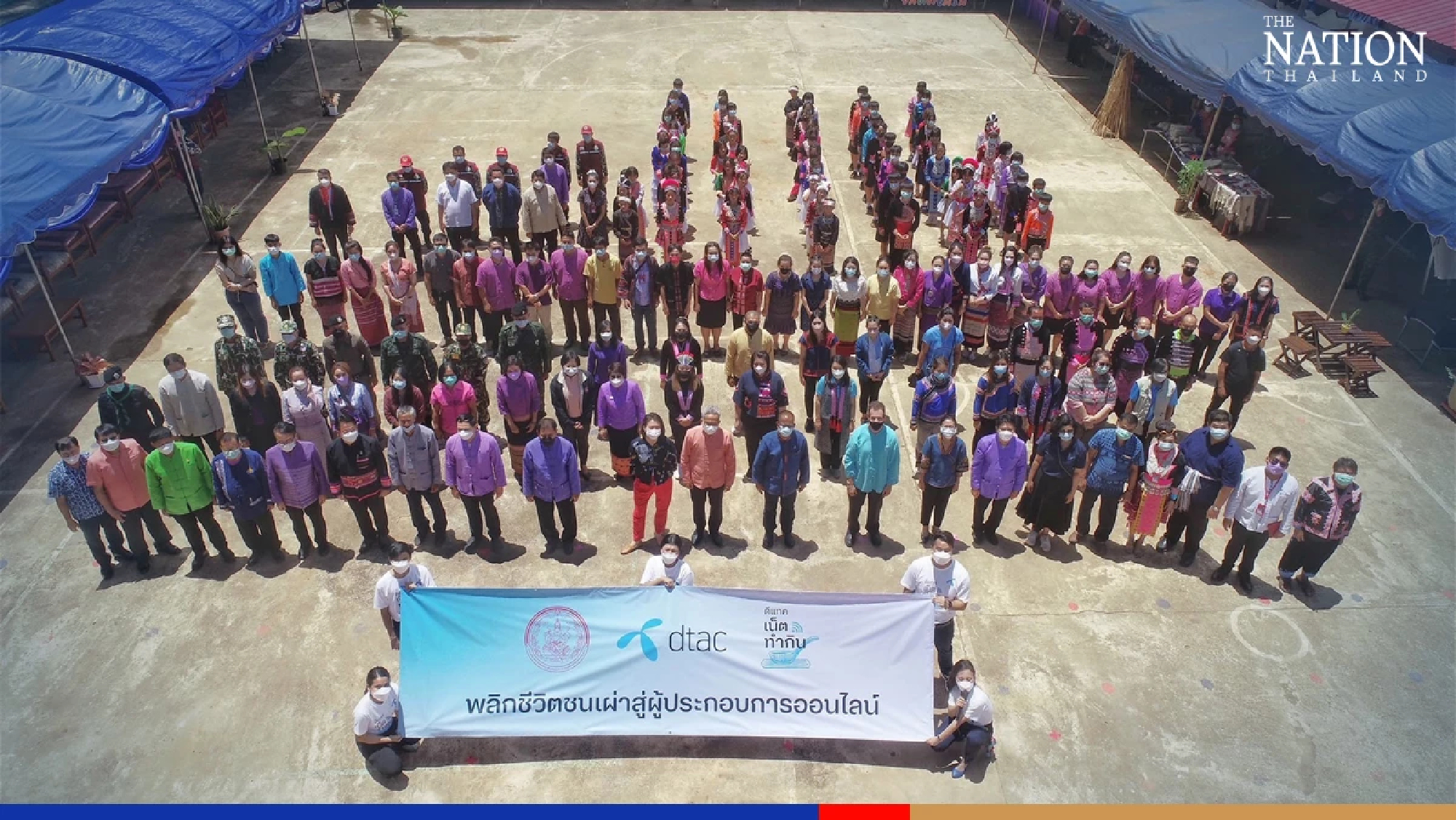
This is a collaboration between the Social Development and Human Security Ministry and mobile network operator DTAC.
The ministry and DTAC signed a memorandum of understanding (MoU) on Thursday to form a partnership aimed at empowering indigenous people through digital and entrepreneurial skills while improving their economic well-being and promoting sustainable tourism.
The programme focuses on residents of 24 villages in the mountainous areas of seven northern provinces — Chiang Rai, Chiang Mai, Mae Hong Son, Lamphun, Uthai Thani, Nan and Phayao, according to Anukul Peedkaew, director-general of the Department of Social Development and Welfare.
He said the villagers would be provided with knowledge and training and career opportunities as online entrepreneurs.
“Our partnership with DTAC will help indigenous people promote their products in the online market, thus expanding their potential market regionally, nationally and even internationally,” Anukul said.
According to him, DTAC’s Net-for-Living team teaches digital skills to ethnic villagers with the aim of raising their incomes by 50 per cent. Meanwhile, his department provides knowledge on business management, accounting, product development and registration with the Food and Drug Administration (FDA).
“This initiative is a critical part of the department’s efforts to create opportunities and address the inequality issue,” said the official.
Stephen James Helwig, DTAC’s interim chief corporate affairs officer, said the collaboration illustrates his company’s efforts to reduce the digital divide among indigenous people through the Net-for-Living programme.
“DTAC’s business operation is based on human rights, particularly in terms of promoting equality without any discrimination — whether it is race, gender, or nationality,” Helwig said.
For him, mobile network operators play an important role in connecting all parts of society with the digital economy, which will help create jobs, income and better quality of life through mobile technology.
“This project will equip [ethnic villagers] with digital entrepreneurial and marketing skills, together with a plan from the Department of Social Development and Welfare focusing on advancing their economic potential, leading to grassroots economic development and sustainable economic recovery for their region,” he said.
According to the executive, DTAC’s Net-for-Living programme has managed to raise the participants’ income by 40-50 per cent, allowing those living in vulnerable conditions to step into new frontiers and opportunities to work with confidence.
Through this initiative, DTAC’s immediate goal is to increase income per head by 15-20 per cent in six months after completing training, he said.
Meanwhile, local villagers voiced optimism that their participation in the training programme would boost their skills in online commerce.
Lapawan Semu, an Aka tribe villager in Chiang Rai province, said she expected to start an online business selling clothing with the knowledge from the programme.
Sophon Sae-lee, a Karen villager from Chiang Rai, said that e-commerce would help her village boost their revenue from selling their silverware products and expanding the customer base, after their business was hit hard during the Covid-19 pandemic.
Thailand’s indigenous population is estimated at six million, covering 70 ethnic groups across the nation. Most of them live in mountainous areas of northern and southern Thailand.
According to United Nations data, more than 86 per cent of indigenous people globally work in the informal economy, compared to 66 per cent for their non-indigenous counterparts. Indigenous people are nearly three times as likely to be living in extreme poverty compared to their non-indigenous counterparts.













 Through this initiative, DTAC’s immediate goal is to increase income per head by 15-20 per cent in six months after completing training, he said.

