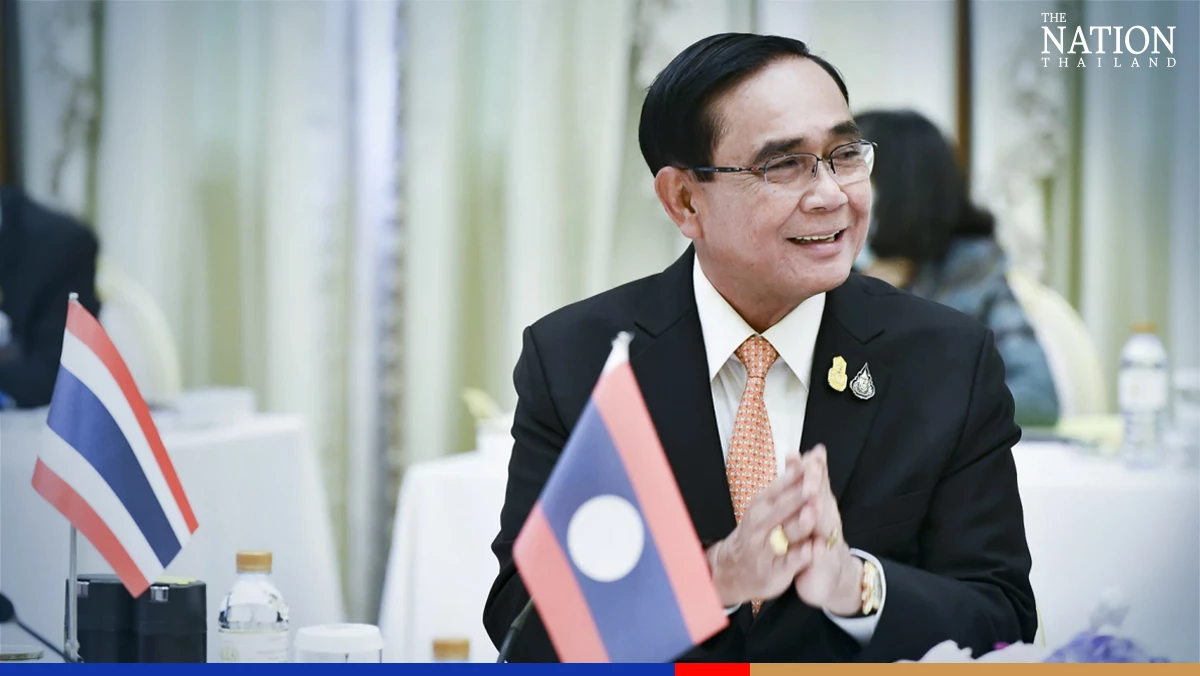
Prime Minister Prayut Chan-o-cha has called for expeditious development of the Udon Thani-Nong Khai railway to form a link to the Laos-China high-speed rail in a move to facilitate all-important exports.
Government spokesman Thanakorn Wangboonkongchana said on Thursday that Prayut ordered related organisations to speed up the development of the railway logistics system.
He emphasised that the Udon Thani-Nong Khai railway station area is a Northeastern strategic point for exports, so it should be advanced, efficient and respond to demands, especially for exporting popular Thai agricultural products.
From January to April 2022, Thai exports ballooned by 13.7 per cent, or US$97.12 billion (THB3.33 trillion), with top exports comprising agricultural products, agro-industrial items and industrial goods.
Monthong durian, latex pillows, silk, malt rice, asphalt, plastic pellets and Thai food are some of the items in demand in China.
With the Laos-China high-speed railway in operation, Thailand has the opportunity to develop a linking, efficient railway system to facilitate increased exports to China.
Thanakorn said Prayut is monitoring and supporting moves that promote Thai products on the world market while improving logistical capabilities to help the country become a centre of transportation in the Greater Mekong Subregion.
The prime minister thanked every sector for solving problems as they arise. He also asked related organisations to work together and strictly follow trade policies and an efficient logistics strategy to achieve concrete results.
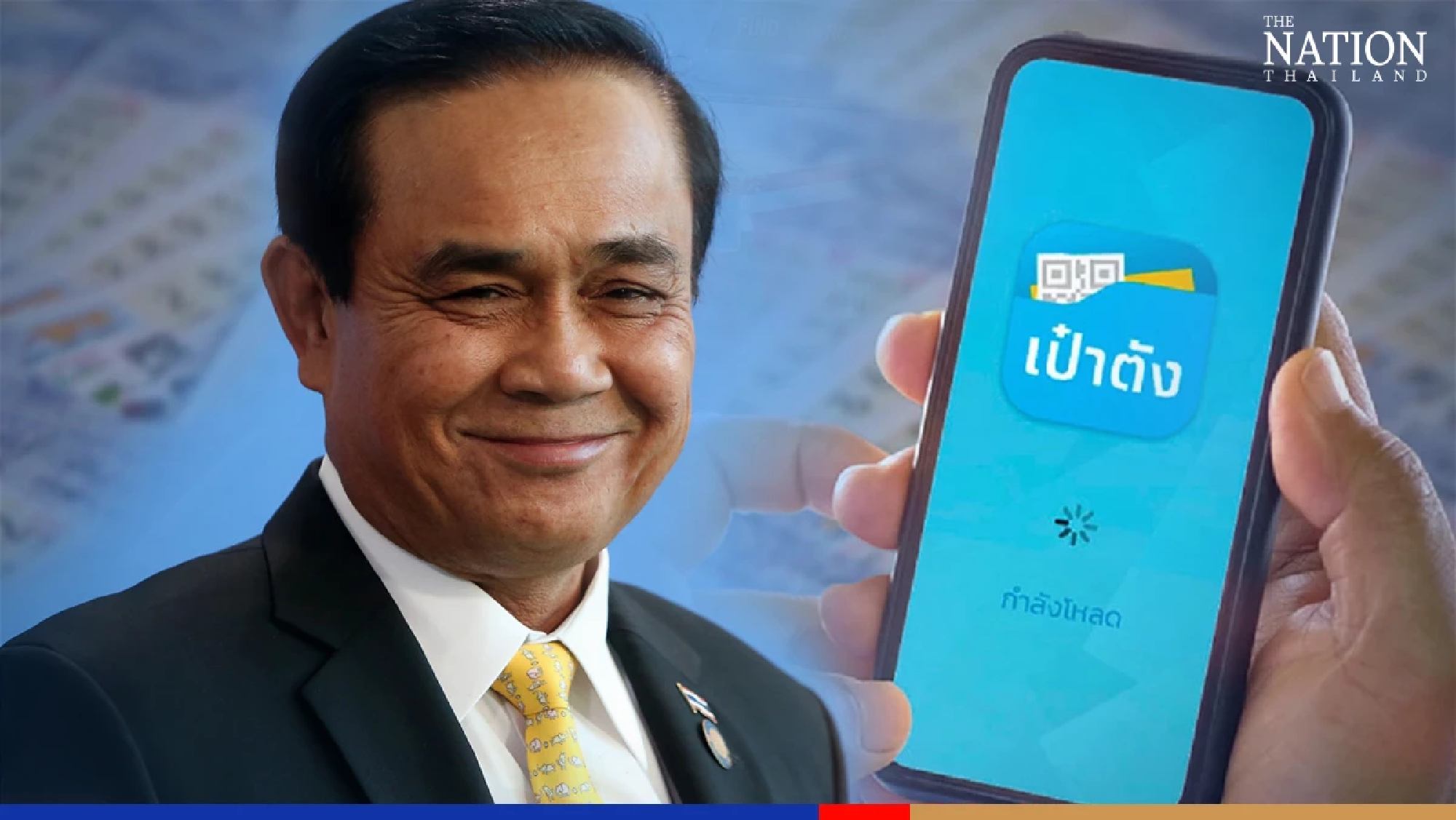
Prime Minister Prayut Chan-o-cha is happy that government lottery tickets sold fast and smoothly on the first day they went on sale via the Paotang app on Thursday.
“General Prayut Chan-o-cha, the prime minister, is pleased with the overall picture of the digital lottery sale,” Government Spokesman Thanakorn Wangboonkongchana said.
“The prime minister would like to thank all the concerned agencies for successfully implementing measures against overpriced lottery tickets.”
Thanakorn said that after the digital version of lottery tickets started selling on the app at 6am on Thursday, the Paotang system of Krung Thai Bank ran smoothly without hiccups as earlier feared.
Within the first hour, 79,800 lottery tickets were sold, he said.
The sale averaged 1,330 tickets per every 10 minutes, he added. So far, 10,104 out of 10,354 vendors, who registered to sell on the app, have sold their tickets, he said.
Going by this pace, some 5.27 million digital tickets would be sold out in about five to seven days, he said, adding that the app would help lottery vendors sell their tickets much faster than selling on the street.
“This shows that the selling of lottery tickets via Paotang app has received warm support from buyers,” the spokesman added.
The Paotang app was initially used to distribute cash by the government under several subsidy schemes, including the Khon La Krueng co-payment programme.
Unlike the Kong Salak Plus and Blue Dragon platforms, the Paotang app does not show scanned tickets. Buyers can key in the digits they want by keying all six digits or digits in any of the six positions. The app will show available numbers and will state from which vendors the tickets are available.
Buyers are required to have a Krung Thai Bank account and state the account number on the app for the winning money to be deposited. In case, a buyer wins the first prize, he or she must show proof of purchase via the app to the GLO head office to claim the prize money.
Vendors must apply to sell the digital version and their ticket numbers will automatically be uploaded by the GLO to the app system.
Currently, 10258 vendors are selling 5,279,500 online tickets via the system.
Government Lottery Office (GLO) Noon Sansanakom said the Paotan app system ran the online sale smoothly after the sale opened at 6m.
At 11am, five hours after the sale started, 110,000 people had bought almost 500,000 tickets, or about four to five tickets per buyer.
Noon said the tickets that sold the fastest were those having the same number as the six digits on the face of the ticket. He said tickets with repeated six digits have sold out.
“The GLO monitored the reactions of netizens in the morning and found that they were happy about purchasing digital lottery tickets because it is convenient for them to buy, and every ticket sells for THB80,” Noon said.
He added that the GLO also provides 362 retail points in Bangkok and other provinces around the country that will sell lottery tickets priced at THB80 to meet the needs of customers who find it inconvenient to buy them online.
The GLO director said the selling of digital tickets via Paotang app will continue from 6am to 11pm every day. About 5.27 million tickets will be available via the app for each draw. On the draw days — the first and 16th of a month — tickets will be sold until 2pm.
The GLO will later assess the sale and decide whether to increase the number of digital tickets to be sold via Paotang app.
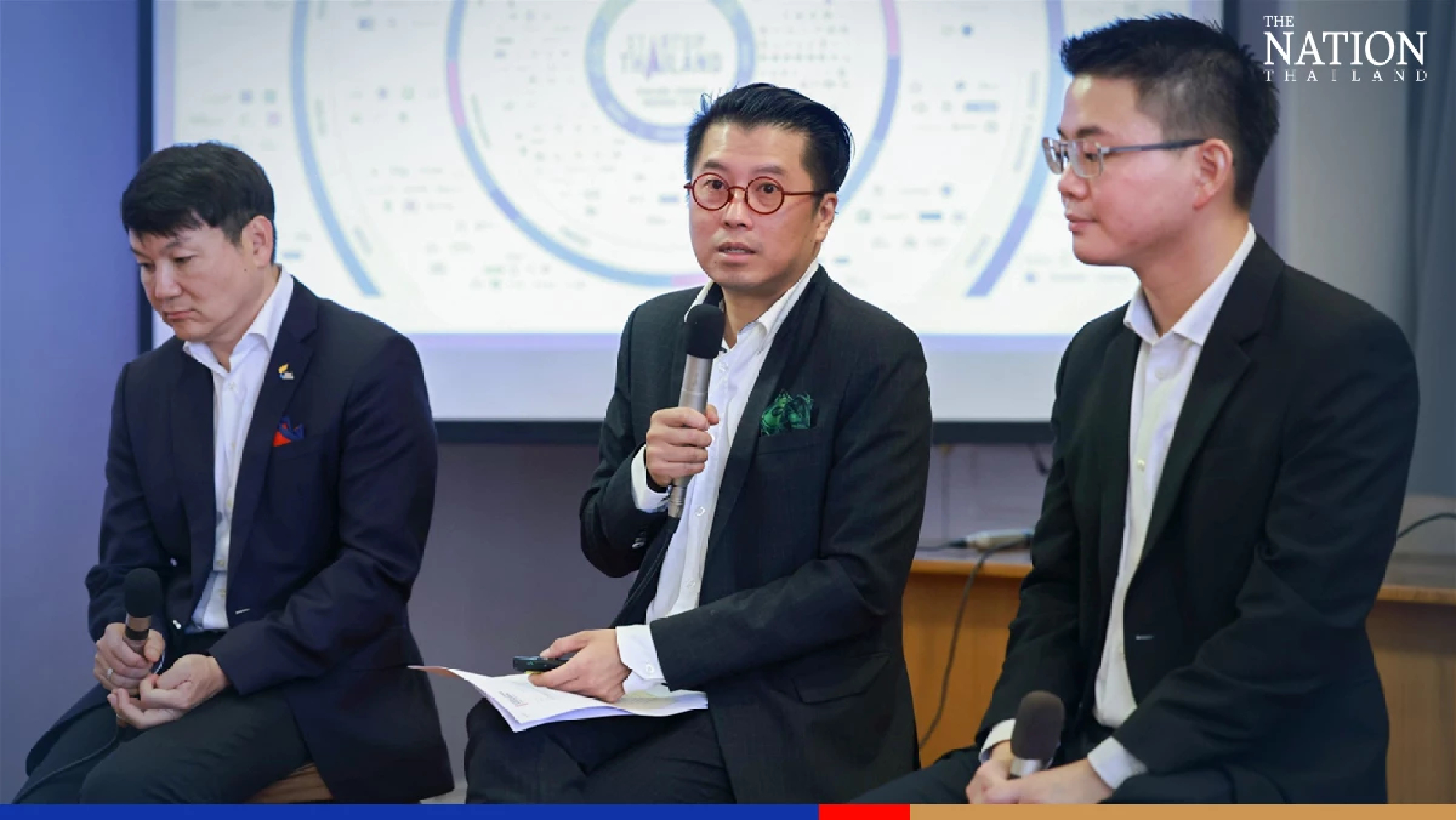
The National Innovation Agency (Public Organisation) has announced a strategic plan to reshape Thailand’s position as an innovative country.
The initiative is aimed at increasing the country’s competitiveness and preparedness to face global challenges.
Pun-Arj Chairatana, executive director of NIA, said the rapid changes in the economy, society, and lifestyle, caused by the Covid-19 pandemic during the past two years, became the catalyst for tech disruption as well as tech adoption, such as a cashless society, online meetings, hybrid working, telemedicine, and vaccine development.
Although these emerging technologies, like the metaverse for instance, require more development, it is expected to create an astounding change in the economy and society
He explained that technology adoption was not only helpful in work-life routine but also will significantly accelerate the development of the country. Thailand requires innovation to sustain its economic growth.
To promote innovation that is responsive to global challenges while building the country’s brand as ‘Innovation Thailand’, the NIA has chalked out seven strategies: 1. Increase innovation-based enterprise capability that could survive abrupt changes in the innovative system; 2. Build and foster human capacity in innovation; 3. Utilise innovation infrastructure and ensure accessibility to innovation services; 4. Enhance innovation opportunity and regionalisation; 5. Reshape regulatory environments to ease innovation processes; 6. Create recognition for Thailand as being at the forefront of innovation in the world; 7. Transform innovation systems to address global challenges.
“The move is also part of its plan to raise Thailand’s position in the Global Innovation Index from the top 43 in 2021 to top 30 by 2030. By 2025, the NIA wants around 100 companies capable of registering as DeepTech companies; 60 companies currently have good potential,” Pun-Arj said.
“Leading cities like Bangkok and Chiang Mai will be startup and tech cities of Thailand, serving as a launching pad and landing pad for global startups,” he added .
He said the strongest point that made Thailand among the world’s top innovative countries was the nation’s infrastructure and the heavy investment from the private sector, which was around 80 per cent of all investment. Hence, apart from those seven strategic plans, Pun-Arj said the NIA would support government agencies to take the lead in research and development so that Thailand can have its own innovation and technology, especially Deep Tech.
Meanwhile, Tunyawat Kasemsuwan, global innovation director of Thai Union Group Pcl, said Covid-19 has had an impact on some businesses, as people’s behaviour changed. For example, more people have shifted to online food delivery to eat at home. Many companies, including Thai Union Group, focus on health, safety standards, and cost management to overcome the crisis, it has also focused on investments in new businesses, such as automation and technology, to keep pace with market trends.
“By using innovation to develop new products that meet consumers’ demand worldwide, Thai Union Group’s innovation strategy consists of two key approaches: research and development by the Innovation Centre of Thai Union Group, and investing in global startups to create a food tech ecosystem,” said Tunyawat.
Highlighting the importance of urban planning that supports the emergence of metaverse trends, Onza Janyaprasert, senior vice president – project development of Magnolia Quality Development Corporation, [MQDC] said the company was investing heavily in the metaverse and blockchain technology as an attempt to bridge the physical and virtual worlds.
“Covid-19 has drastically changed our way of living from work to leisure, so we want to build a world in which people can seamlessly enjoy all activities in their life regardless of where they are,” said Onza.
To support the government and the NIA policy of “Innovation Thailand”, MQDC also set up the plan to transform the South Sukhumvit neighbourhood (Onnut – Bang Na) to become the new innovation district of Bangkok in collaboration with global experts and local professionals. The plan is part of a series of anchor projects from True Digital Park and Cloud 11 to foster strong communities of innovators.
To further promote an innovation-based development plan, Pun-Arj revealed that the NIA would host Startup x Innovation Thailand Expo 2022 (SITE 2022) to showcase outstanding innovative products and services. The hybrid event, which brings together leading startups, innovators, experts, business executives, and investors, will be held under the theme “Reconnecting the World” from June 23-25 to strengthen innovation competency, and create awareness of innovations nationwide.
Several motorists have been awarded thousands of baht for their video clips promoting road safety during the seven days of Songkran under the “7 Days, 7 Clips, 70,000 baht” campaign.
The Royal Thai Police (RTP) teamed up with Viriyah Insurance, the Don’t Drive Drunk Foundation, JS100 Radio and FM91 Radio for the safety campaign to award selected motorists who submit video clips from their dashboard cameras in a bid to promote road safety and track down traffic law violators.
More than 20 video clips were submitted by travellers in the campaign that kicked off on April 13, the first day of the so-called “7 dangerous days” of the Songkran Festival.
The RTP held the award ceremony for selected winners on Thursday at Police General Hospital presided over by deputy national police chief Pol General Damrongsak Kittiprapas.
A first batch of seven selected owners received THB10,000 each in prize money from Viriyah Insurance for their dashboard clips.
Meanwhile, another 10 clips were selected as best road safety promotion clips in April, with motorists who shot the videos standing a chance to win a first prize of THB20,000, a second prize of THB10,000 and a third of THB6,000, besides seven consolation prizes of THB2,000 each from the RTP.
The amount of prize money handed out under the April campaign totalled THB120,000.
Apart from the prize money, owners of the selected clips received a certificate from the RTP.
“The campaign aims to encourage people to submit video evidence in case of an accident so officials can track down traffic law violators as well as publish the clips on the police’s Facebook page to promote public awareness about road safety,” said Damrongsak.
Although the Songkran holidays are far over, you can still submit your dashboard clips and stand a chance to win prizes each month.
You can upload your road safety clips to the following Facebook pages: @SocialMediaRoyalThaiPolice, @js100radio, @fm91trafficpro, @highway1193 or @thaimetropolice.
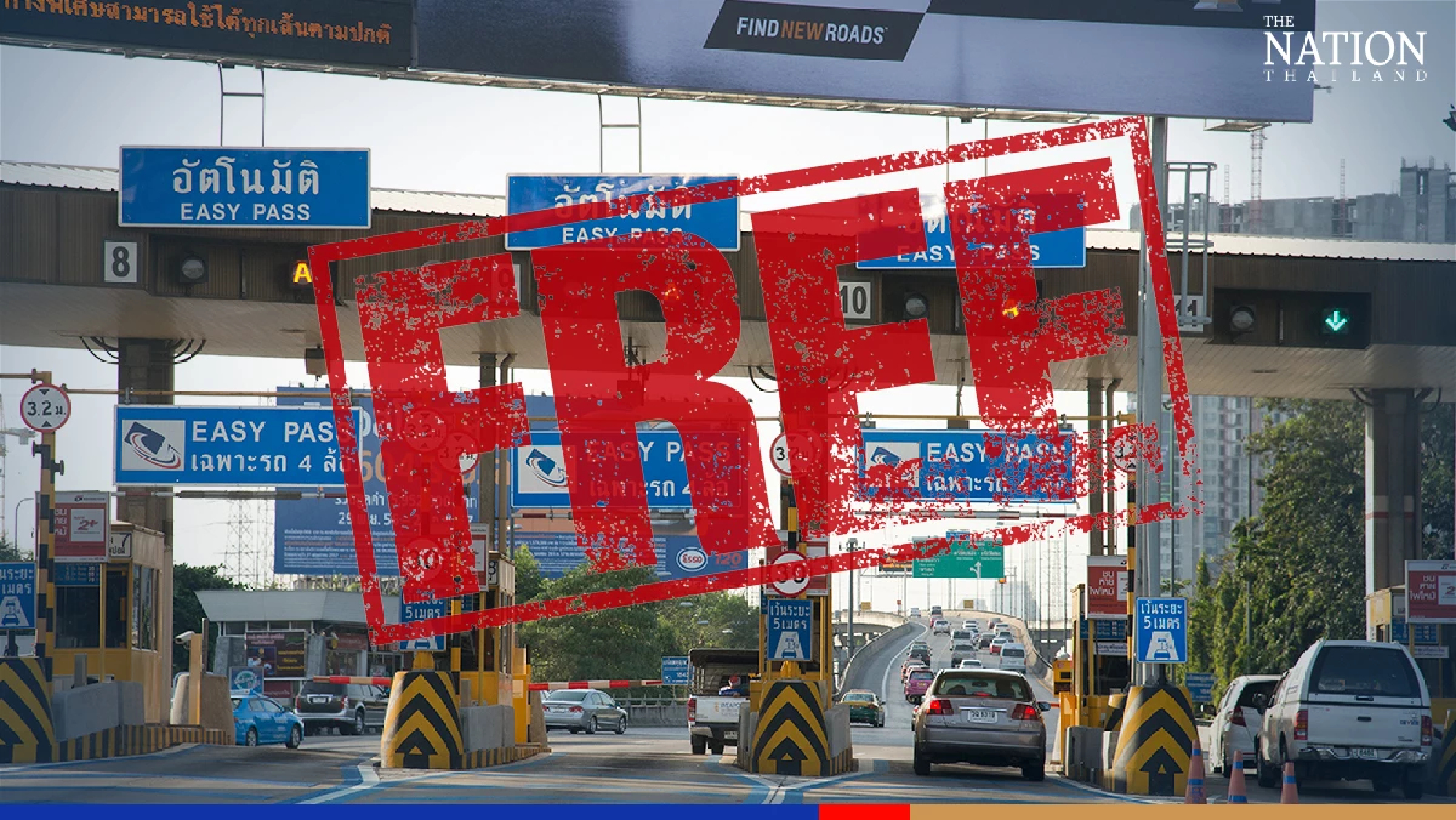
The Expressway Authority of Thailand (Exat) will allow motorists to use three expressways for free on Friday to mark the celebration of Her Majesty the Queen’s birthday.
Exat announced that motorists can enter 19 gates of the Chalerm Mahanakhon or first-stage expressway, 31 gates of the Srirat or second-stage expressway, and 10 gates of Udorn Ratthaya or Bang Pa-in-Pakkret expressway free of charge on Friday, June 3.
The announcement said since Friday is a national holiday, free access is being given to motorists to facilitate travel on a holiday and help them save costs in line with government and Transport Ministry policies.
Exat also said motorists can call its Call Centre via 1543 to check traffic conditions on expressways or seek emergency help around the clock.
The Land Transport Department (DLT) has teamed up with the Digital Economy and Society Ministry to put the brakes on illegal taxi applications.
Digital Economy and Society Minister Chaiwut Thanakamanusorn met with DLT director-general Jirut Wisanjit to find a solution to the problem of unregistered taxi apps.
Chaiwut pointed out that some taxi service apps or digital platforms have not been authorised. He did not name them but wanted them to obtain a licence and employ measures to take care of both drivers and passengers for the sake of security and protection.
The minister said there is a law that supports taxi services so he had asked existing and new unregistered taxi application operators to follow the law.
The government wants it to be more convenient for people to use apps when hailing taxis, he said.
However, the ministry and the DLT will request the court to block illegal apps, he added.
Meanwhile, Jirut said cooperation between the DLT and the ministry was aimed at organising taxi service apps so they are legal, safe and beneficial to residents.
He confirmed that there are some apps that have not registered with the government and plainly said that what they are doing is illegal.
Jirut therefore met with Chaiwut to inform him and ask him to enforce the Computer Act.
He asked residents to report any “illegal” taxis along with their plate numbers to the DLT.
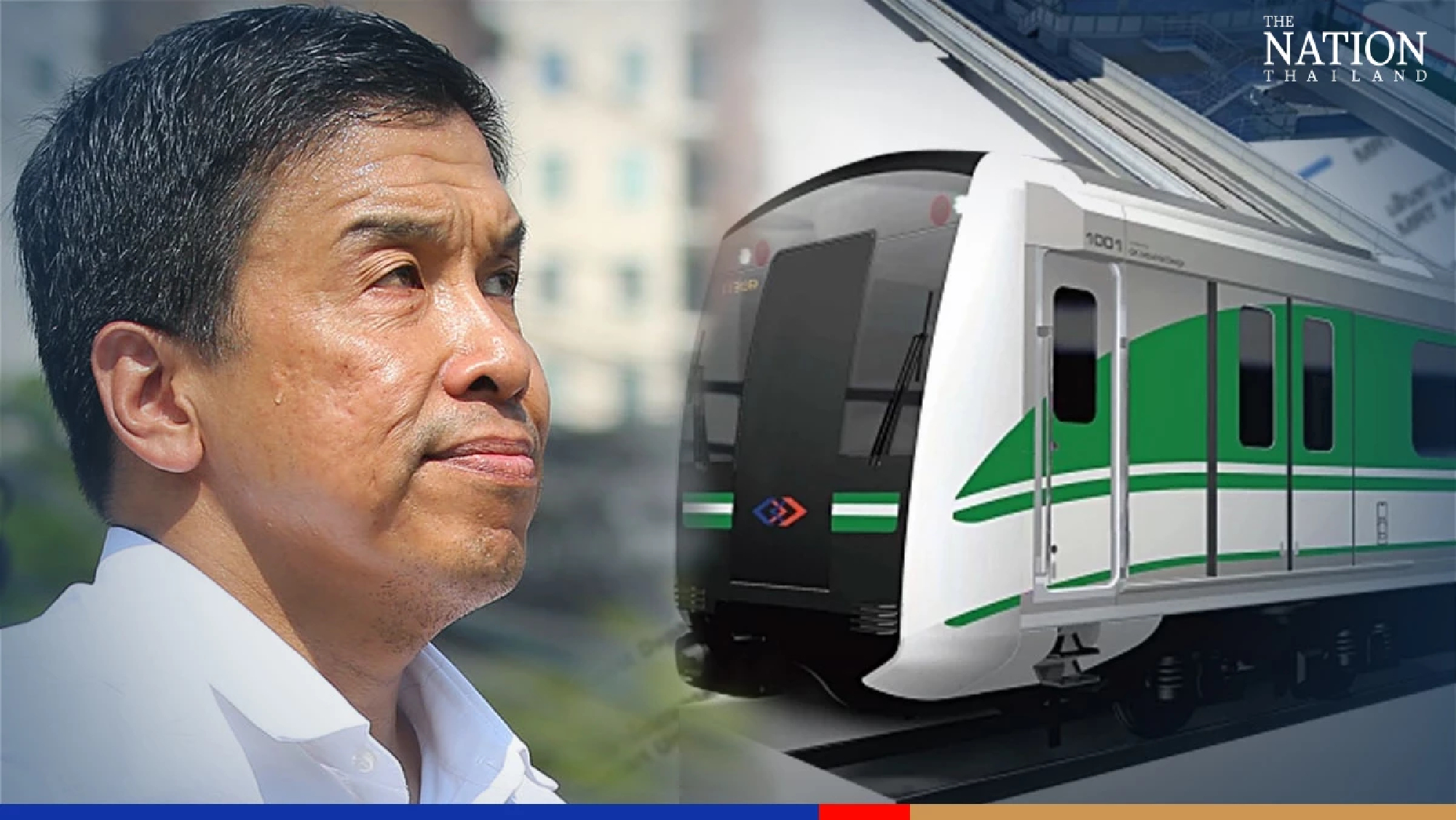
New Bangkok Governor Chadchart Sitthiphan said on Wednesday that he planned to discuss with Krungthep Thanakom – a company wholly owned by the Bangkok Metropolitan Administration (BMA) – the possibility of amending the concession contract with Bangkok Mass Transit System (BTSC) to resolve the debt issue in which the BMA owes BTSC money for Green Line operations.
BTSC had slapped the BMA with a lawsuit in September last year, suing the city for THB12 billion it said it was owed for operating the Green Line train extension and another THB20 billion for the train operating system itself. The total debt and interest has now reportedly amounted to nearly THB40 billion.
“There is no way the BMA will wait until the contract expires [in 2029] before doing something,” said Chadchart.
“We must try to amend the contract now as the process could take a long time and require cooperation from related parties,” he pointed out.
“If necessary, the BMA may issue bonds to raise money to settle the THB40 billion debt with BTSC. I believe this issue should not be the reason for raising the fare to THB65 across the BTS system since it’s unreasonable,” the governor said.
Chadchart explained that a more sensible way was to collect a separate fare of THB30 from travellers using the Green Line extension, which comprises eight stations. This way those who use the train on other routes would not have to shoulder the financial burden from the Green Line, which aims to hike the fare to THB65.
“There is more than one way to settle the debt. However, the debt should not be the reason to not extend the concession contract with the train operator. We must separate these issues in order to not get confused,” Chadchart added.
Public Health Ministry officials descended on entertainment venues in Bangkok’s Ekamai area on Wednesday night for a close inspection after the Centre for Covid-19 Situation Administration (CCSA) lifted its shutdown order on pubs, bars, karaoke joints and massage parlours from June 1.
Ministry permanent secretary Dr Kiattiphum Wongrajit, who led the investigation team, said that although the night establishments are allowed to open, strict Covid-19 preventive measures must be observed, while serving alcoholic beverages is still limited until midnight under CCSA orders.
“Businesses that want to reopen must register via the Thai Stop Covid Plus platform and pass a self-evaluation process,” he said.
“Customers and employees must have a vaccine certificate of at least two doses and a negative ATK result, pass thermal scanners at the entrance, and check in via the ThaiChana platform. Face masks must be worn at all times in the establishment, except when drinking or eating,” Kiattiphum made clear.
He said establishments that serve alcohol must halt all drinking and sales at midnight, while drinking from the same glass by more than one person and all sales promotion activities of alcoholic beverages are prohibited.
The ministry and the provincial public health office will carry out random checks on entertainment venues periodically to make sure all rules are followed. Businesses that fail to do so will be ordered to rectify their failures and their operations would be suspended immediately if any Covid-19 clusters emerge.
On Thursday morning, Thailand reported 2,560 Covid-19 cases and 34 deaths in the past 24 hours, while 5,605 patients were cured and allowed to leave hospital. Cumulative cases in the country since January 1 are 2,234,145.
Ministry of Public Health reported on Thursday (June 2) morning that in the past 24 hours there are 2,560 new patients who tested positive for Covid-19, two of whom have arrived in Thailand from abroad.
Death toll increased by 34, while 5,605 patients were cured and allowed to leave hospitals.
Cumulative cases in the country since January 1, 2022 are at 2,234,145.
Thailand is at a critical crossroads in identifying new sectors of growth due to mega-shifts in technology, banking, education, and digitalisation, experts said at a conference titled “Thailand Next Big Change” held by Nation TV at BITEC Bangna on Wednesday.
Thailand is currently dealing with both domestic and international development issues in addition to being affected by the global warming crisis. The Russia-Ukraine conflict is an external factor. The economic impacts of Covid-19 is also included, Nation Group (Thailand) Plc chief executive officer Shine Bunnag said in his opening remarks.
Shine Bunnag, CEO, Nation Group (Thailand) Plc.“Another important issue is, we have entered an ageing society and the generational divide. According to a recent study on the country’s inequality problem, 10 per cent of Thai people own almost 80 per cent of the country’s total assets,” he said.
Two prominent keynote speakers expressed their views on the future of the environment with reference to electric vehicles and the digital economy.
Sompote Ahunai, CEO, Energy Absolute Plc (EA)
“Thailand has the potential to become one of the world’s biggest battery producers in the development of electricity vehicle production,” said Sompote Ahunai, CEO, Energy Absolute Plc (EA).
But the country is now facing threats from both international factors — pandemic, inflation, supply chain disruption — and domestic, such as high household debt, middle-income trap, ageing society, wealth gap etc. Therefore, the nation needs to find a clear solution and direction to take action. Thailand’s industries need to become high-end sources of technology and a skilful workforce, Sompote said.
“At present, Thailand is at a major crossroads. If we do nothing and stand still, we are certain to be lost and get left out of the global economy. However, every crisis has its own opportunity and that opportunity for Thailand is the strong fundamental infrastructure. If we start from what we are good at, I’m sure we can change and sustain our growth,” he added.
As an expert in Thailand’s EV industry, Sompote pointed out that Thailand, once dubbed as the “Detroit of Asia”, should take strong action now, otherwise the country would lose its competitiveness.
“We can’t let one of our country’s major sources of income collapse, because the automotive industry earns 11 per cent of the nation’s GDP and employs more than 900,000 people. The cost of this collapse will not only impact Thailand’s economy but also damage people’s lives,” said Sompote.
He suggested that Thailand start with the construction of EV charging stations nationwide to boost the demand for EV cars in the country.
“Once the volume of EV cars increases, the demand for batteries will go up as well. Thailand may fall behind other countries in creating and developing locally made EV cars, but not battery. When the supply keeps increasing to catch up with demand or exceeds the demand, battery prices in the country would become cheaper so that we can export to serve the global demand. EV is the global trend, therefore Thailand should be able to become among the world’s top five battery producers,” he said.
Jirayut Srupsrisopa, Founder and Group CEO of Bitkub Capital Group Holdings Co., Ltd.
Jirayut Srupsrisopa, founder and group CEO of Bitkub Capital Group Holdings, said that the world economy would tend to shift in the future from high-speed growth to “quality growth”.
Quality growth involves shaping the future of integrated energy and advocating the need to move quickly and establish a stable framework for renewable energy, he said.
Jirayut said the energy transition would be accelerated because “policies that slow down the transition to clean energy will have extremely high consequences”. Thais should concentrate on economic electrification, innovation, and increased consumer connectivity.
“A buyer may consider whether to buy from India or Thailand. If any country could make sure that their products are truly environmentally friendly, the buyer will choose that country because they can provide quality products,” he said.
In the second session of the conference, six representatives from six political parties were each given five minutes to speak.
Parit Wacharasindhu, manager of policy campaign at Move Forward Party
Parit Wacharasindhu, manager of policy campaign at Move Forward Party:
There are three aspects to take care of or three pieces of cake to make that can move Thailand out of the crisis. The first piece of cake is to groom the economy by reforming the education system, improving infrastructure and changing the structure of the bureaucracy. The second piece of cake is to reduce inequality by distributing wealth and improving local administration. And the last piece of the cake is to restore democracy with a transparent and accountable government.
Sita Divari, chairman of the development committee of Thai Sang Thai PartySquadron Leader Sita Divari, chairman of the development committee of Thai Sang Thai Party:
Thailand is currently in the most fragile state with high inflation, high household debt, high inequality, and also underdeveloped technology. The key to reviving the country and making economic progress is to stop the big tycoons from corrupting, and supporting SMEs and startups to grow and go abroad.
Six representatives of six political parties joined a panel to discuss social, economic, and political issues.
Six representatives of six political parties joined a panel to discuss social, economic, and political issues.Six representatives of six political parties joined a panel to discuss social, economic, and political issues.Six representatives of six political parties joined a panel to discuss social, economic, and political issues.
Poramez Kumarnboon, adviser to the chairman of the committee on policy and strategy, Chart Thai Pattana Party:
One of the keys to overcoming this complex crisis is to find a solution that is concerned with the environment and sustainability. Meanwhile, Thailand should prioritise improving agricultural technology so that the nation can create value-added products while sustaining the country’s food security. Moreover, the government should come out with policies that are related to the circular economy, carbon neutral, upcycling industry and green tourism.
Paopoom Rojanasakul, deputy secretary-general of Pheu Thai Party:
The Pheu Thai Party focuses on three angles of the triangle — labour, education, and the private sector. Using digital assets is good to raise funds.
Pongprom Yamarat, deputy spokesman of Sang Anakot Thai (Building Thailand’s Future) Party:
Thailand 4.0 is a vital function for the people of Thailand. We must concentrate on human resources. The importance of humans cannot be overstated. There should be a platform where you can showcase the people’s abilities. The importance of boosting creativity for technology, which includes the internet, cannot be overstated. People, opportunities, and nations are all built by people.
Issara Sereewatthanawut, chairman of the Democrat Party’s committee on modern economy:
Inflation is forcing prices to rise as a result of Covid. What’s going on is an economic recession. We must reduce wasteful spending and focus on what matters most. We must support Thai people to get out of debt.
The “Thailand Next Big Change” conference by Nation TV at BITEC Bangna
The third part of the event took up random questions from the public and a representative (randomly selected) was given two minutes to answer.
▪︎What should be a good policy to support LGBTIQ+?
Sita Divari: At present, LGBTIQ+ people have opened up more to society. But they have not received welfare and equality like other people. They pay taxes like other citizens, but welfare is not equal for them. For example, they cannot avail of health schemes. So, the first thing to do is to provide protection to same-sex marriage. They are supposed to get the same rights as others.
▪︎ How to help new graduates who are facing unemployment?
Poramez Kumarnboon: We should groom great and able people for the future demand. Set aside a certain budget to subsidise education for the future career.
▪︎How to handle the digital economy?
Paopoom Rojanasakul: Let the market define which way to go by opening the market to call for investments. Look at digital assets as a bigger picture.
▪︎How to push our “soft power”?
Pongprom Yamarat: We need a specific agency to develop our soft power. We don’t need a new ministry, but instead create a new zone with tax privileges to support the growth of soft power. We can bring our local talents to mix with K Pop. We can provide the stage and do business matching.
▪︎How to tackle inflation?
Issara Sereewatthanawut: To immediately tame the high inflation and high cost of living, Thailand needs to increase the minimum wage with a dynamic system that will grow along with the growth of the business. Meanwhile, to solve inflation in the long term, the country must educate people with the needed skills for the job market.
▪︎How to bring equality to society?
Parit Wacharasindhu: There are two solutions to Thailand’s inequality. The first is to allocate the nation’s budget for making a fair welfare state. The second is to distribute prosperity, budget, power, and mission to the local government so that they can manage the development that suits them the most.








 Shine Bunnag, CEO, Nation Group (Thailand) Plc.“Another important issue is, we have entered an ageing society and the generational divide. According to a recent study on the country’s inequality problem, 10 per cent of Thai people own almost 80 per cent of the country’s total assets,” he said.
 Sompote Ahunai, CEO, Energy Absolute Plc (EA)
 Jirayut Srupsrisopa, Founder and Group CEO of Bitkub Capital Group Holdings Co., Ltd.
 Parit Wacharasindhu, manager of policy campaign at Move Forward Party
 Sita Divari, chairman of the development committee of Thai Sang Thai PartySquadron Leader Sita Divari, chairman of the development committee of Thai Sang Thai Party:
 Six representatives of six political parties joined a panel to discuss social, economic, and political issues.
 Six representatives of six political parties joined a panel to discuss social, economic, and political issues.
 Six representatives of six political parties joined a panel to discuss social, economic, and political issues.
 Six representatives of six political parties joined a panel to discuss social, economic, and political issues.
 The “Thailand Next Big Change” conference by Nation TV at BITEC Bangna
