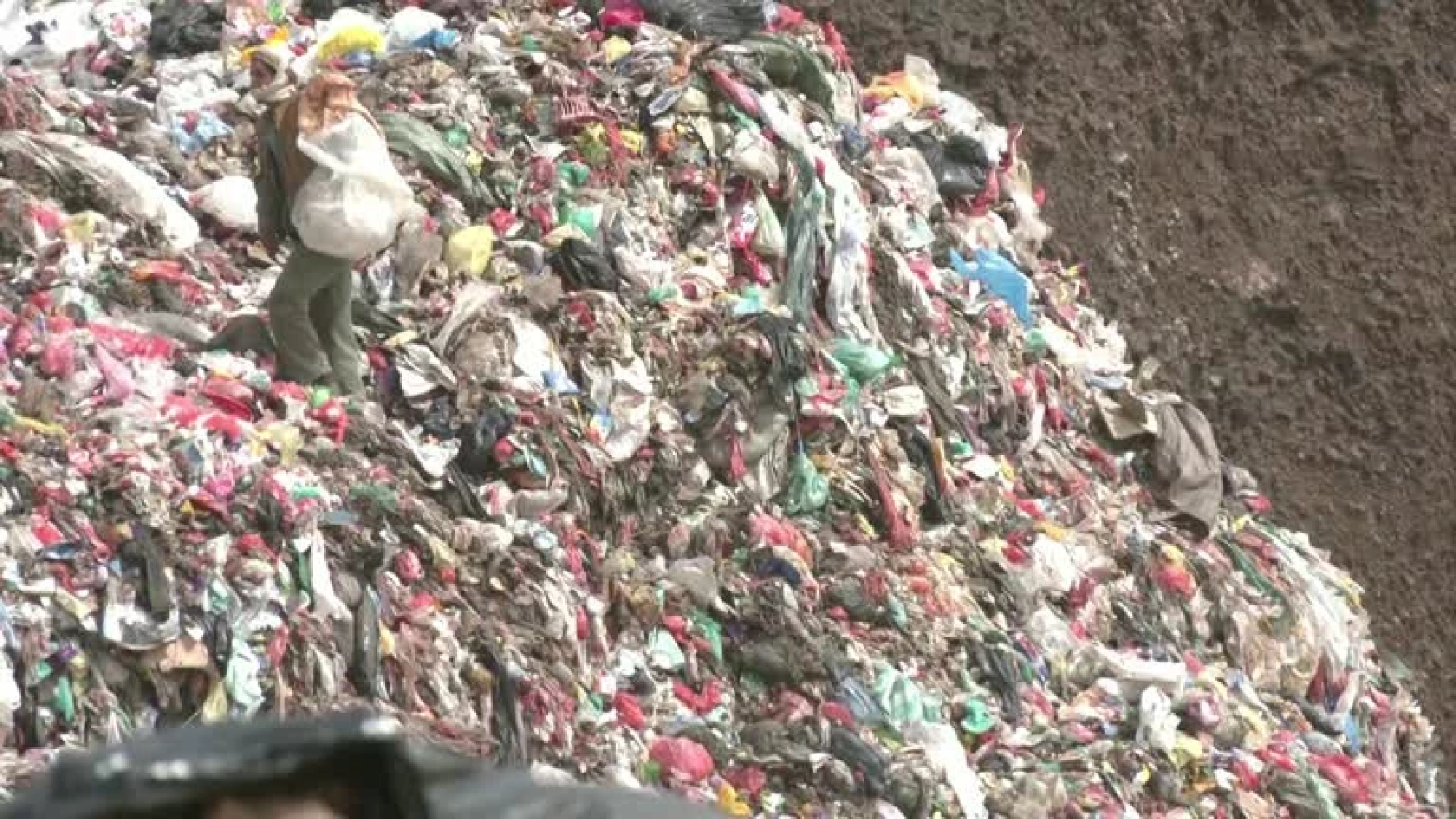
The al-Azraqain landfill receives hundreds of tonnes of waste a day, including the dangerous untreated medical waste generated by hospitals in Sanaa.
At a landfill near the Yemeni capital Sanaa, a truck unloads bags of colorful trash to the seemingly unending sea of waste covering the area.
Close by, people stand readied with garbage bags to collect recyclables they can find amid the piles of organic, solid, and medical waste.
“We have no solution but to bury the medical waste with the garbage. It is mixed with garbage and buried,” said Bahauddin al-Hajj, manager of Data at the landfill.
“This may cause issues in the future, health issues – chemicals may leak into the groundwater, meaning this will affect the environment, this is one of the biggest threats to the environment,” he added.
More than seven years of conflict in Yemen have devastated the economy, displaced millions, and wreaked havoc on the environment.
Waste management officials in Sanaa say Saudi-led airstrikes destroyed a medical waste processing incinerator at the landfill site in 2015.
“After the incinerator was bombed, we were forced to mix medical waste with organic waste. This now poses a health risk, for humans, for workers, it is a threat to groundwater,” said Muhammad al-Jabri, an official at the landfill.
Houthi administrators say they are looking for support from NGOs to rebuild the facility.
In 2021 the UNDP inaugurated a waste-to-energy system in Lahij in a bid to “revolutionize the governorate’s approach to addressing waste management.”
The plant built southwest of the capital is expected to transform up to five tons of solid waste a day, a fraction of the 1,700 tonnes of waste dumped at al-Azraqain.
“Due to the high cost of establishing such a project (incinerator), we have coordinated with the Supreme Council (for the Coordination of Humanitarian Affairs) as well as with various organizations, and God willing at the beginning of next year, we will discuss the rebuilding of this strategic project.”
Yemen’s warring sides, in a breakthrough, agreed this month on a two-month truce that began on April 2, the first since 2016. The deal eased a coalition blockade on areas held by the Houthis, who ousted former president Abd-Rabbu Mansour Hadi’s government from the capital, Sanaa, in late 2014.
Thousands of residents across parts of Sydney were ordered to evacuate on Sunday, with torrential rain and damaging winds pounding Australia’s east coast and threatening floods in areas that were hammered in March.
Emergency personnel was seen approaching a vehicle marooned in floodwater with a lifeboat, while heavily inundated sports fields turned into lakes. The weather bureau warned heavy rainfall along the east coast region is expected to intensify over the next two days.
“We are now facing dangers on multiple fronts — flash flooding, riverine flooding, and coastal erosion,” New South Wales emergency services minister Steph Cooke said in a televised media briefing.
The heavy rains have also caused dams to start spilling, an official said. Water authorities added that modeling showed the spill would be comparable to a major spill in March 2021 at the Warragamba Dam.
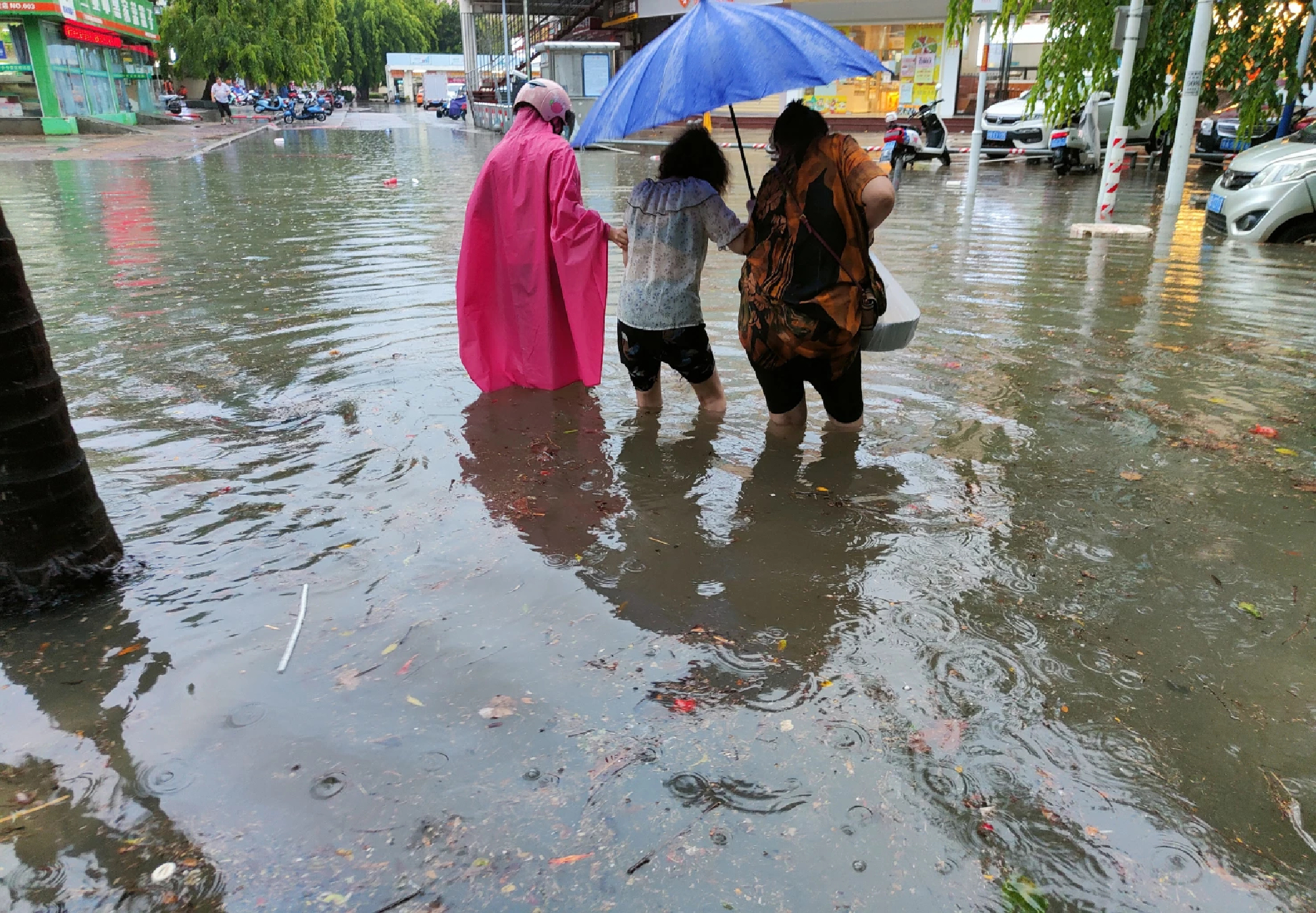
Chaba, the third typhoon of the year, made landfall in the coastal area of Maoming City in south China’s Guangdong Province at around 3 p.m. Saturday.
Typhoon brought gales and rain to its southern shores, causing floods in some areas, state TV reported on Saturday, as forecasters warned of record rainfall and high disaster risk in provinces including Guangdong, the country’s most populous.
Footage showed residents in Hainan being evacuated from rising flood waters. Hainan upgraded its emergency response to Level II, the second-highest, on Saturday. It suspended railway service across the island and canceled more than 400 flights to and from the cities of Haikou and Sanya.
Typhoon Chaba, the Thai name for the hibiscus flower, was moving northwest at 15 to 20 km (10 to 15 miles) per hour after the eye of the storm made landfall in Guangdong’s Maoming city on Saturday afternoon, the National Meteorological Center said in a statement.
Chaba, though medium in intensity and expected to lose strength over time, is likely to bring extremely heavy rains and may break the record for cumulative rainfall as it pulls the monsoon rain belt in the region inland, said Gao Shuanzhu, the centre’s chief forecaster.
According to the provincial meteorological department, Chaba will enter Guangxi Zhuang Autonomous Region on Saturday night.
Intense downpours and rainstorms are expected to lash the western part of the Pearl River Delta over the weekend, while the seas off Guangdong will experience strong gusts of up to about 160 km per hour, according to the meteorological forecast.
The provincial government has upgraded its emergency response level for typhoons to Level II, the second-highest, effective 8:30 a.m. Saturday.
Rainstorms, with maximum precipitation expected to reach 600 mm, have been forecast to hit most parts of Guangxi from Saturday to Thursday.
Typhoon Aere, the fourth typhoon of the year, is forecast to approach the East China Sea on Saturday night. Affected by Typhoon Aere, there are still uncertainties about Chaba’s route and the intensity of rainfalls it will cause, said the ministry, alerting severe flood control situations.
Anti-typhoon measures should be taken on all fronts at sea, in the air, and on land, the authorities said, stressing work to ensure vessels return to ports and offshore workers come ashore while relocating people in areas prone to geological disasters.
They also urged strictly guarding against river floods, mountain torrents, and urban waterlogging, and implementing effective emergency rescue.
China has a four-tier flood-control emergency response system, with level I being the most severe.
In recent weeks, historic rainfall and flooding in southern China have destroyed property, paralysed traffic and disrupted the daily lives of millions in one of the country’s most populous and economically key regions.
Extreme weather including unusually heavy flooding is expected to continue in China through August, forecasters predicted this week, with climate change partly blamed.
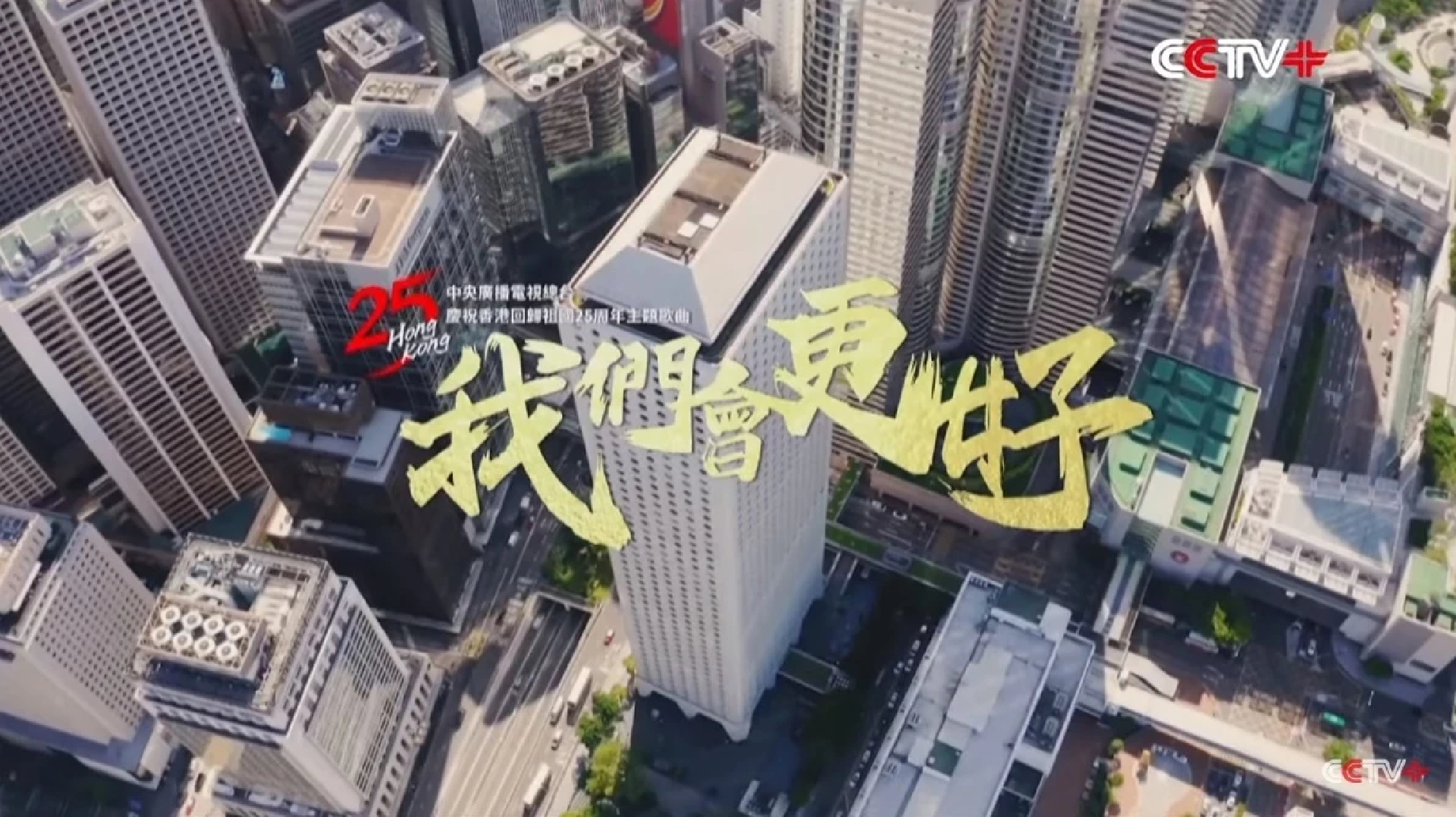
The Hong Kong Special Administrative Region marked 25 years under China rule by releasing a new theme song called “We Will Be Better”.
The song, composed by musicians Keith Chan Siu-kei and Alan Cheung Ka-shing, was released by China Media Group on June 22, one week ahead of Chinese President Xi Jinping’s visit on July 1.
Hong Kong became a special administrative region with executive, judicial and legislative autonomy when the UK handed it over to China on June 22, 1984. However, Hong Kong’s autonomy has been heavily curtailed by Beijing in recent years.
The theme song, set to a brisk melody with readable lyrics, aims to highlight the deepening integration of Hong Kong with the mainland. More than 30 Chinese characters, such as “sea”, “river” and “bay”, are used in the lyrics to underscore the characteristics of Hong Kong’s Greater Bay Area.
The composition captures Hong Kong’s distinctive style, combining light rock that is popular with Hong Kong youth and traditional Chinese music that highlights the culture.
The music video also records the lives of many Hong Kong compatriots including Olympic medallist Doo Hoi Kem, a role model of “Touching China 2021” Janis Chan Pui-yee, Hong Kong resident Leung On-lee, who has been working to fight poverty in China’s Guizhou Province, and medical professionals who devoted themselves to fighting the Covid-19 pandemic.
นักลงทุนหวังว่าจะเป็นสัญญาณว่าในที่สุดปักกิ่งสามารถผ่อนคลายนโยบายเกี่ยวกับ zero COVID-19 ที่เข้มงวด และทางการกำลังพยายามทำตามคำมั่นสัญญาเพื่อสนับสนุนเศรษฐกิจที่ใหญ่เป็นอันดับสองของโลก
นักวิเคราะห์ของ Morgan Stanley ระบุในรายงานเมื่อวันพุธว่า “นโยบาย zero COVID-19 ถูกกล่าวถึงว่าเป็นอุปสรรคที่ใหญ่ที่สุดที่นักลงทุนต้องเผชิญ เนื่องจากพวกเขาต้องการทำความเข้าใจการมุ่งเน้นนโยบายในปัจจุบันของจีน” “การพัฒนาล่าสุดเหล่านี้จะช่วยสร้างความมั่นใจให้กับนักลงทุนอีกครั้งว่าการเติบโตทางเศรษฐกิจได้รับการจัดลำดับความสำคัญ” จีนไม่มีปัญหาเรื่องเงินเฟ้อต่างจากประเทศอื่นๆ ทั่วโลก การควบคุมโรค COVID-19 ของไวรัสโคโรน่าและการขาดการกระตุ้นที่เน้นการบริโภคจำนวนมากได้ทำให้อุปสงค์อ่อนตัวและปิดราคา ทำให้ธนาคารกลางผ่อนคลายนโยบายในขณะที่คู่แข่งส่วนใหญ่ยังคงเข้มงวดขึ้น
นักวิเคราะห์ของ J.P. Morgan เมื่อวันศุกร์ที่ผ่านมาแนะนำให้ลูกค้าเพิ่มตำแหน่งงานในประเทศจีนโดยตรง ซึ่งเปลี่ยนจากคำแนะนำก่อนหน้านี้เพื่อรักษาการเปิดเผยโดยอ้อมผ่านสินค้าโภคภัณฑ์หรือตลาดอื่นๆ
นักลงทุนกังวลว่าการคว่ำบาตรของตะวันตกต่อรัสเซียอาจเป็นพิมพ์เขียวสำหรับจีน ในขณะที่สุขภาพของตลาดอสังหาริมทรัพย์ซึ่งครั้งหนึ่งเคยเป็นกลไกขับเคลื่อนการเติบโต เป็นเรื่องที่น่ากังวลนับตั้งแต่ผู้พัฒนา China Evergrande ผิดนัดชำระหนี้บางส่วนเมื่อปีที่แล้ว
State Street Global Markets Yuting Shao กล่าวว่าบริษัทไม่ได้กลับมามีน้ำหนักเกินในหุ้นจีน ในขณะที่ Ewan Markson-Brown ผู้จัดการกองทุนที่ CRUX Asset Management หลีกเลี่ยงไม่เกี่ยวข้องกับอสังหาริมทรัพย์
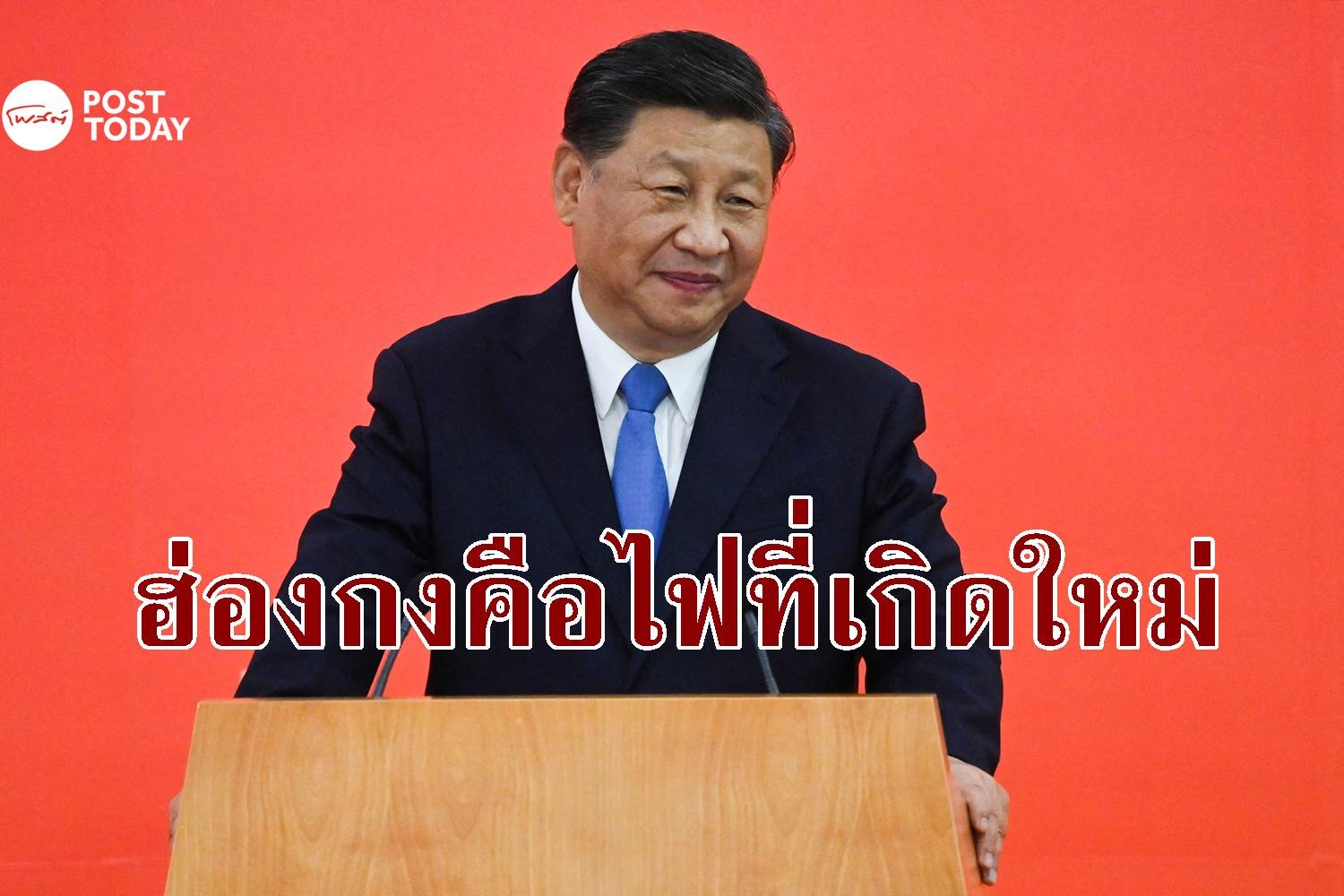
Chinese President Xi Jinping swore in Hong Kong’s new leader on Friday in a ceremony marking the 25th anniversary of the former British colony’s return to China.
Former Hong Kong security chief John Lee was sworn in as Chief Executive of the Hong Kong Special Administrative Region (HKSAR) Friday morning, as Hong Kong marks the 25th anniversary of its return to China.
Lee took his oath before Chinese President Xi Jinping, who oversaw the swearing-in ceremony.
“I, John Lee, swear that, in the office of Chief Executive of the Hong Kong Special Administrative Region of the People’s Republic of China, will uphold the Basic Law of the Hong Kong Special Administrative Region of the People’s Republic of China, bear allegiance to the Hong Kong Special Administrative Region of the People’s Republic of China and serve the Hong Kong Special Administrative Region conscientiously, dutifully, in full accordance with the law, honestly and with integrity, and be held accountable to the Central People’s Government of the People’s Republic of China and the Hong Kong Special Administrative Region,” said Lee.
The president congratulated Lee on his inauguration after the oath-taking.
Lee, who is sanctioned by the United States over his role in implementing the new national security law, takes charge at a time when the global financial hub is facing an exodus of people and talent amid some of the toughest COVID-19 restrictions in the world. Lee said in a speech that emphasizing that National Security law is beneficial for citizens.
Xi’s trip to Hong Kong is his first since 2017 when he swore in the city’s first female leader, Carrie Lam, who oversaw some of the territory’s most tumultuous times marked by anti-government protests in 2019 and the COVID epidemic.
Britain returned Hong Kong to Chinese rule on July 1, 1997, under a “one country, two systems” formula which guarantees wide-ranging autonomy and judicial independence not seen in mainland China.
Critics of the government, including Western nations, accuse authorities of trampling on those freedoms, which Beijing and Hong Kong reject.
Hong Kong residents speaking to Reuters on Friday said they felt little cause for celebration.
“So many major events have happened in Hong Kong and the city has changed, and we cannot go back. (We can’t regain) that sense of happiness. Even with (Chinese) President Xi coming, he cannot bring Hong Kong any happiness and bring about a proper sense of occasion,” said a local resident, Ivan Lam.
Another resident, 31-year-old cook Philip Fung, felt Xi’s arrival was creating an inconvenience, with a heavy police presence around barricaded roads near the Wan Chai Convention Centre, where Xi is attending the inauguration ceremony of the city’s new chief executive, John Lee.
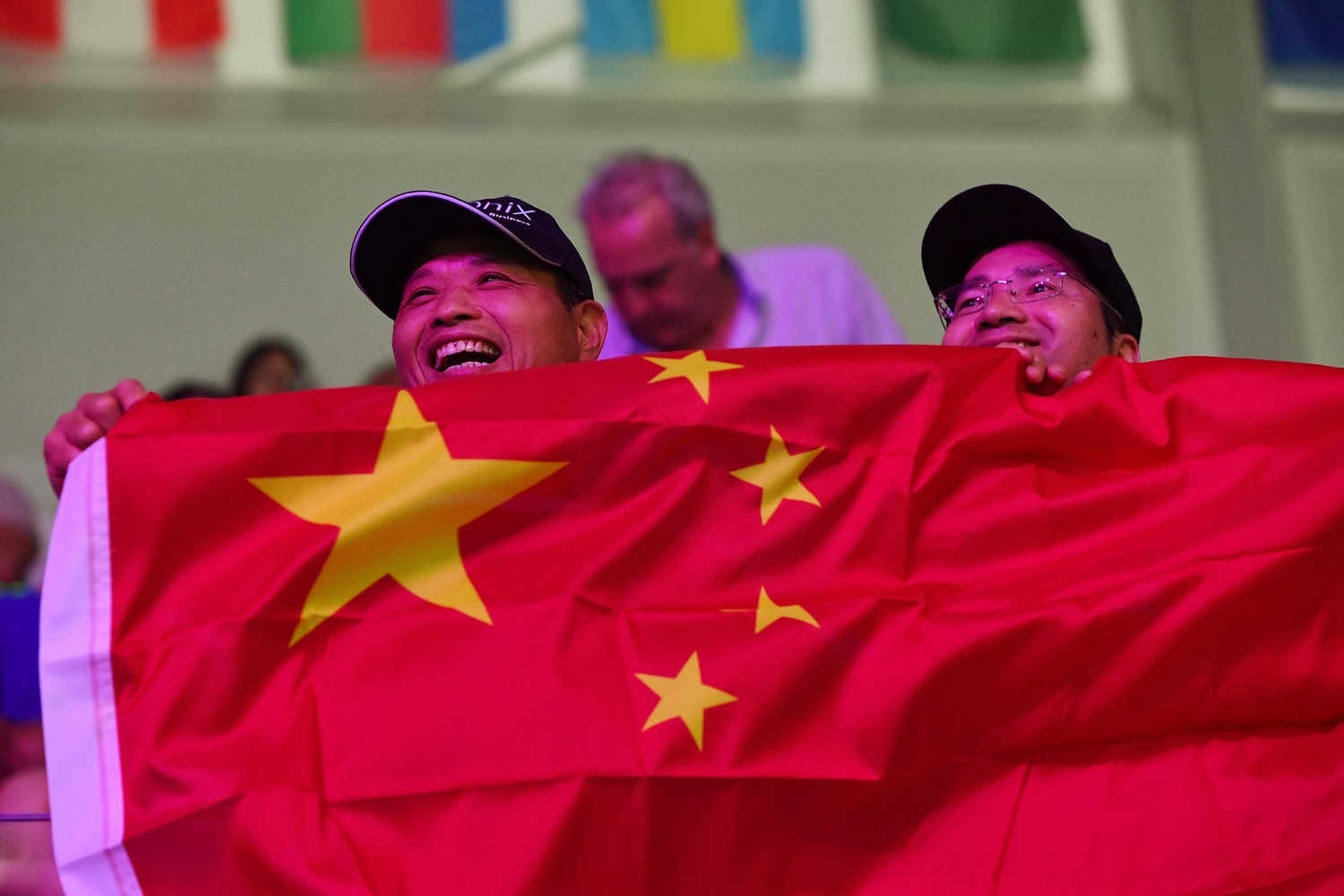
Flags and commemorative banners declaring a “new era” of stability decorated main roads and walkways as part of the celebrations.
Indonesian President Joko Widodo on Thursday said he had urged G7 leaders to ensure that sanctions imposed on Russia did not affect the global supply of food and fertiliser.
Widodo, who is the current G20 president, spoke at a news conference with his Russian counterpart Vladimir Putin after a meeting in Moscow on Thursday.
“I have asked for a guarantee that food from Ukraine by the sea is safe. Also, I asked G7 to guarantee, there are no obstacles in exporting food and fertilisers,” he said.
“I hope that Russia will not extend the ban on exports of grains including wheat and not impose quota restrictions on fertilisers,” he added.
Russia’s war in Ukraine has exacerbated a global food crisis, sending prices soaring for grains, cooking oils, fuel and fertiliser.
Russia and Ukraine account for nearly a third of global wheat supplies, while Russia is also a key global fertiliser exporter and Ukraine is a major exporter of corn and sunflower oil.
Since Russia invaded on February 24, Ukrainian grain shipments from its Black Sea ports have stalled and millions of tonnes of grain are stuck in silos. Moscow says the onus is on Kyiv to remove mines from the ports to free up shipping lanes.
Russia says Western sanctions against it are worsening the situation. The sanctions do not directly target its grain and fertilisers but have hit exports because of the difficulty of arranging shipping, insurance and finance.
The Indonesia President, better known as Jokowi, met Ukrainian President Volodymyr Zelenskiy on Wednesday (June 29) after attending the G7 summit in Germany earlier in the week. After his meeting with Zelenskiy, Jokowi had offered to deliver a message from Kyiv to Putin.
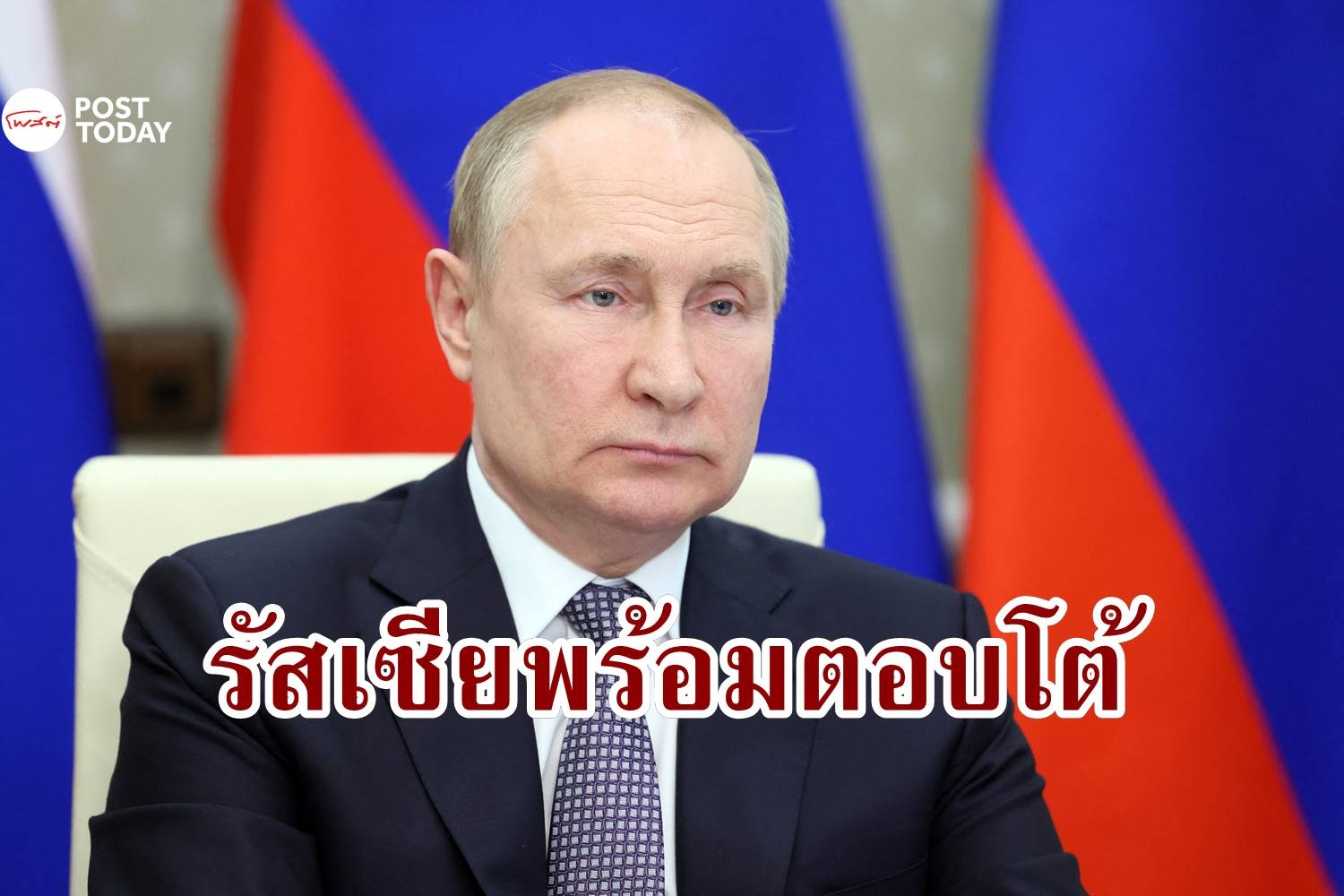
Russian President Vladimir Putin fired back at leaders of the Group of Seven for mocking his macho image, saying the image of the Western leaders undressed “would be a disgusting sight anyway” regardless if it was “from top or from the bottom.”
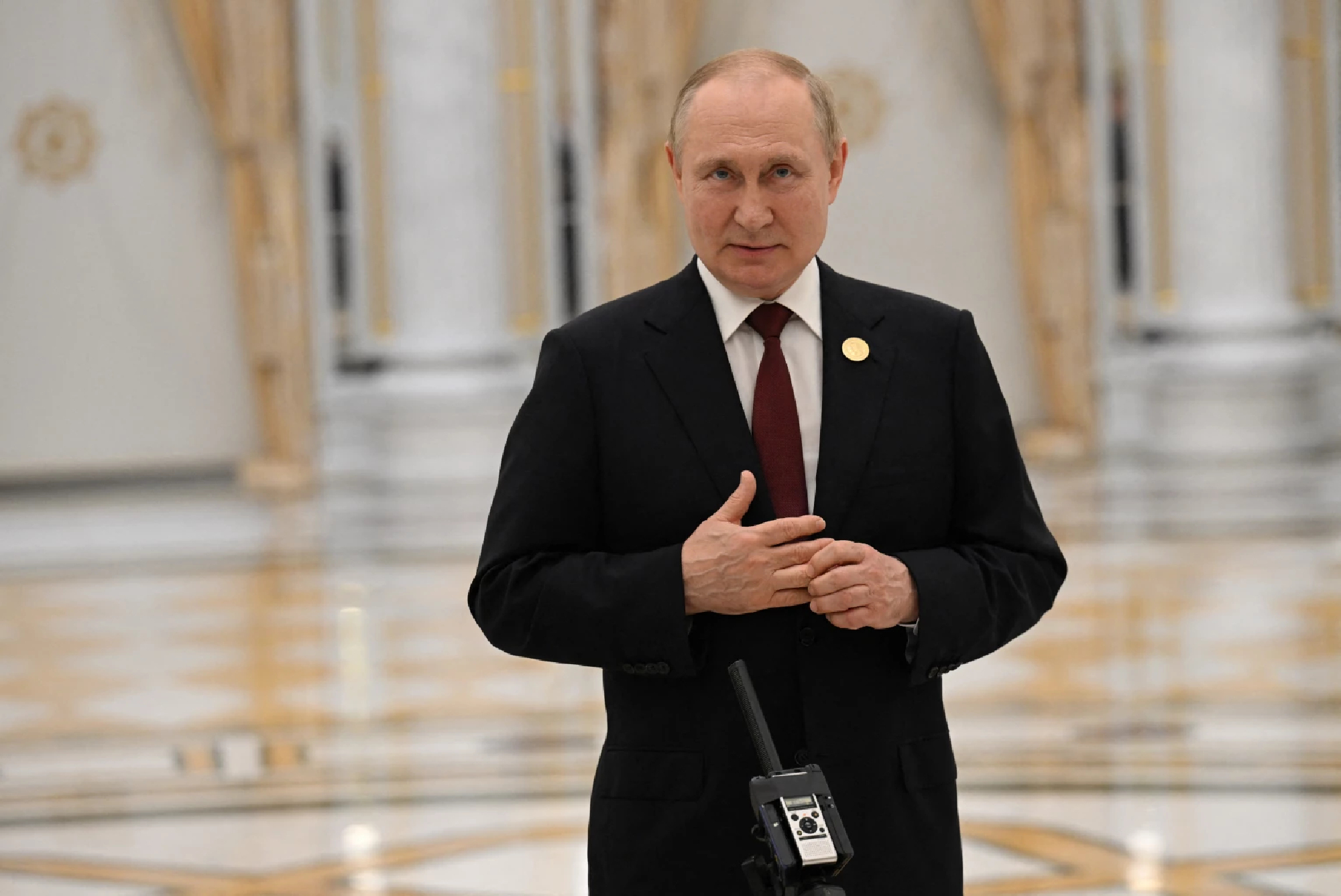
Speaking at a news conference during a visit to Turkmenistan on Wednesday (June 29), Putin hit back at world leaders and advised them to refrain from alcohol abuse and to do exercise.
The comments came after G7 leaders poked fun at their absent adversary at a meeting in Germany, where British Prime Minister Boris Johnson could be heard asking colleagues if they should keep their “jackets on, or jackets off? We’ve got to show them we are tougher than Putin.”
Despite the noise in the room from members of the press and officials, Canada’s Prime Minister and European Commission President Ursula von der Leyen, could be heard joking about bare-chested horse riding, referencing macho photo opportunities of the Russian leader.
“We are not having the best period of our relations, this is understandable. Nevertheless, they are all world leaders, it means they have character. And if they want to, they can certainly achieve the desired success. They just need to work on themselves,” Putin told journalists.
“The fact that they are talking about it, it is already good, I praise them for it.”
The Russian leader also rejected Boris Johnson’s charge that if he were a woman he would not have invaded Ukraine. Putin pointed to former British leader Margaret Thatcher’s decision to send troops into the Falklands as a rebuttal of Johnson’s theory.
Johnson on Tuesday dubbed Putin’s decision to launch what Moscow calls a “special military operation” against Ukraine a “perfect example of toxic masculinity” and mocked Putin’s macho posturing.
Hitting back, Putin told reporters: “I just want to recall the events of recent history, when Margaret Thatcher decided to launch military operations against Argentina for the Falkland Islands. So, a woman took the decision to launch military action.
Moscow repeatedly rails against Western military interventions in the likes of the former Yugoslavia, Afghanistan and Iraq as examples of Western imperialism and hypocrisy.
But during his two-decade rule, Putin himself has faced multiple charges of imperialism, wanting to forcefully expand Russia’s borders and influence across the former Soviet space, and has himself said he wished he could reverse the collapse of the Soviet Union.
Russia’s February 24 invasion of Ukraine has destroyed numerous cities, killed thousands of civilians and forced millions from their homes across Ukraine.