
Climate change may be costing Russia billions every year #SootinClaimon.Com

#SootinClaimon.Com : ขอบคุณแหล่งข้อมูล : หนังสือพิมพ์ The Nation.

https://www.nationthailand.com/news/30405004

Climate change may be costing Russia billions every year

InternationalApr 18. 2021
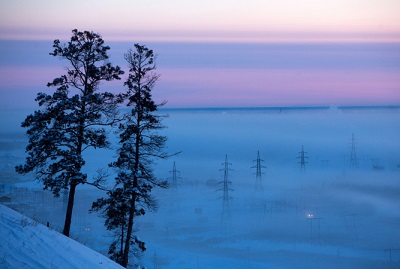
Fog shrouds Yakutsk, which has a reputation as the world’s coldest city, on Feb. 16, 2016. The eastern Siberian city is in Sakha Republic, Russia. MUST CREDIT: Bloomberg photo by Andrey Rudakov

By Syndication Washington Post, Bloomberg · Olga Tanas, Dina Khrennikova

The residents of Irkutsk, one of Russia’s coldest regions, are used to harsh winters. But when the temperature dropped to negative -76 Fahrenheit (60 degrees Celsius) last January, even they had to submit to the elements. “Please stay at home unless absolutely necessary,” Governor Igor Kobzev pleaded on Instagram.

With the cold came the heaviest snowfall in 25 years. It blanketed Siberia, the Far East and central Russia. When temperatures starting rising at the end of March, the Ministry of Emergency Situations warned that the melting snow may cause dangerous floods.

“The unstable climate system is leading to increasing extremes, to a growing number of weather anomalies, including dangerous events,” said Anna Romanovskaya, director of the Moscow-based Yu. A. Izrael Institute of Global Climate and Ecology. “The direction of the trend is undeniable.”

Russia is one of the countries most vulnerable to climate change. A significant part of its territory is in the Arctic, which is warming more than twice as fast as the rest of the world. That’s manifested in Siberia’s unusually high 2020 temperatures, two consecutive years of record wildfires and thawing permafrost-the frozen ground that covers vast swaths of the country.

The disasters have caused expensive damage. Reinsurance broker Aon Benfield estimated that June floods near Russia’s border with China in 2019 cost the nation more than $460 million. In total, major catastrophes may have led to just under $1 billion of losses in Russia that year, it said.

“The heat wave in Siberia in 2020 and the corresponding widespread fires are renewed evidence of climate change,” said Ernst Rauch, chief climate and geo scientist at global reinsurance provider Munich Re. “We view with concern the thawing permafrost soils, which amplify global warming by releasing methane.”

Russia hasn’t developed a comprehensive system for assessing weather-related losses. Leading databases only record events with registered damage, some of the nation’s top climate scientists at its Federal Service for Hydrometeorology and Environmental Monitoring, or Rosgidromet, wrote in a 2019 paper. “Data on the losses are, for the most part, only descriptive, while monetary assessments are rare.”

The paper also cites confidentiality requirements and the lack of a developed insurance system as key hurdles to assessing the nation’s economic damage from natural catastrophes. The lack of data means current estimates for Russia’s annual weather-related economic damage by insurers, researchers and governmental bodies vary greatly.

Munich Re, which been gathering estimates of losses caused by natural disasters across the world for nearly 50 years, has only limited information on Russia’s recent annual weather-related damage. “The data quality for Russia is not sufficient,” a spokesman said.
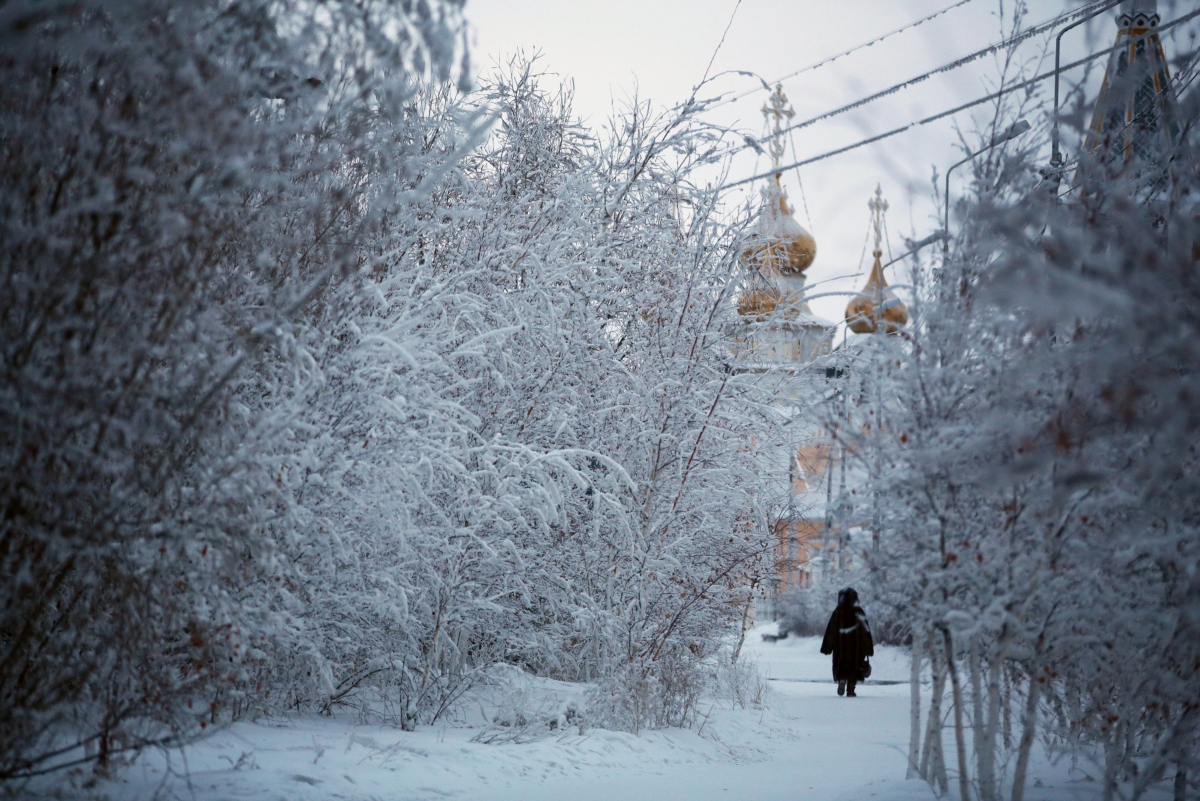
A resident passes frozen trees, with a Russian orthodox church in the background, in Yakutsk, Sakha Republic, Russia, on Feb. 14, 2016. MUST CREDIT: Bloomberg photo by Andrey Rudakov

A resident passes frozen trees, with a Russian orthodox church in the background, in Yakutsk, Sakha Republic, Russia, on Feb. 14, 2016. MUST CREDIT: Bloomberg photo by Andrey Rudakov

The Russian climate scientists in their 2019 paper presented a mathematical model for assessing losses from only four high-impact weather events: strong wind, summer rain, winter snow and rain, and frost. According to the model, the events resulted in monetary losses of as much as $4 billion (234 billion rubles) in 2017.

Romanovskaya from the Yu. A. Izrael Institute says that calculations should go further, including not only direct but also collateral economic losses, such as damage to residents’ health and the environment. She estimates Russia’s total weather-related losses for 2019 were around 850 billion rubles, meaning working citizens paid almost 10,000 rubles each. It’s “kind of a climate tax,” she said.

The Russian government remains sanguine about the impacts of climate change. It’s the world’s biggest energy exporter and fourth-largest emitter of planet-warming greenhouse gases, yet lags other nations in taking steps to reduce its pollution.

The nation pledged to reduce greenhouse gas emissions by as much as 70% from 1990 levels by 2030, assuming that its vast forests absorb the maximum amount of carbon dioxide possible. The target is so low that Russia met it years ago and has so far expressed no desire to set a more ambitious goal. Carbon Action Tracker, a U.K.-based nonprofit, rates its policies as “critically insufficient.”

Russia is working on a national climate strategy set to be adopted this year, with recent comments from officials indicating the country aims to develop a low-carbon economy in the next decades rather than reach full carbon neutrality.

Meanwhile the warming Arctic will keep causing greater weather imbalances in the northern hemisphere, according to Yury Varakin, head of the Rosgidromet’s situation center. In recent weeks, scientists have linked higher temperatures in the Arctic to the cold spell that moved as far south as Texas, shutting down power plants and leaving residents without electricity.

Air masses “are moving more frequently from north to south or south to north” rather than in the west-east circulation that dominated during the 20th century, Varakin said. That means an Arctic blast can reach southern regions relatively quickly and Mediterranean heat can move rapidly into northern areas. “This trend will only increase irreversibly in the next 10 to 15 years,” leading to wilder swings in the weather, he said.

Asia’s richest man rebuilds a 261-year-old British icon #SootinClaimon.Com

#SootinClaimon.Com : ขอบคุณแหล่งข้อมูล : หนังสือพิมพ์ The Nation.

https://www.nationthailand.com/news/30405003

Asia’s richest man rebuilds a 261-year-old British icon

InternationalApr 18. 2021

The Hamleys toy store at the DLF Saket Avenue mall in New Delhi, on April 10., 202l. MUST CREDIT: Bloomberg photo by Prashanth Vishwanathan.

By Syndication Washington Post, Bloomberg · P R Sanjai, Chris Kay

A struggling 261-year-old U.K. toy-store chain is seeking a new lease of life in the hands of billionaire Mukesh Ambani, who’s looking to India where about a fifth of the world’s babies are born to fuel its revival.

Hamleys, a British retail icon that hasn’t made a profit for a number of years, plans to quadruple its outlets in the former British colony to more than 500 in three years despite the pandemic, according to Darshan Mehta, chief executive officer of Ambani’s Reliance Brands. Besides the main growth market, the company is also adding stores from Europe to South Africa and China, he said in an interview.

Ambani, 63, bought Hamleys in 2019 to strengthen his retail footprint as part of the ongoing transformation of his oil-and-chemicals conglomerate Reliance Industries Ltd. into a consumer and technology behemoth. The deep pockets of Asia’s richest man and India’s demographics could help breathe new life into Hamleys, whose share of global toy sales was estimated at 0.6% last year by Euromonitor International, and see it avert the pitfalls faced by rivals such as Toys “R” Us Inc.

With a backer whose net worth is $72 billion, Hamleys is seeking to tap into what it sees as an inadequately serviced section of India’s almost 1.4 billion people, of which about 27% are children under 14. The country accounts for just 1% of the $90 billion global toy industry, meaning the potential for growth is high, Mehta said.

“There is a lot of headroom and India is no way near saturation,” Mehta said. “We are now mulling how we can roll out stores in newer geographies and new formats.”

Hamleys stores are famed for the carnival-like experience, allowing children to race toy cars, enjoy model train sets and play various games. In a country like India, with its densely packed cities and limited entertainment options, such an environment could be a hook to get customers to visit again. Product prices appealing to buyers of modest means as well as the super-rich make Hamleys an “elastic brand,” said Mehta.

A street cleaning buggy moves along the pavement outside The Hamleys Group flagship store on Regent Street in London on June 11, 2020. MUST CREDIT: Bloomberg photo by Chris J. Ratcliffe.

A street cleaning buggy moves along the pavement outside The Hamleys Group flagship store on Regent Street in London on June 11, 2020. MUST CREDIT: Bloomberg photo by Chris J. Ratcliffe.

In Asia, Hamleys is seen as “high class and it’s on par with Harrods in some ways,” said Marc Alonso, a London-based senior research analyst at Euromonitor. “So it’s attracting that customer base, which is why in some places like India and China, it has been seeing some good sales growth in the past few years.”

While the pandemic has been hitting parts of India’s economy, Mehta sees the toy industry as “recession proof” because many families choose the happiness of kids over anything else.

But other chains have struggled before the virus. Toys “R” Us was the biggest victim of the U.S. retail apocalypse when it filed for bankruptcy in 2017, crushed by debt and felled by competition from online sellers such as Amazon.com. Though the American chain is on a recovery path now under a new owner, a protracted pandemic points to an uncertain future for retailers.

Nailing online sales is key to avoiding the fate of other high-end toy chains, according to Reliance. As part of Ambani’s e-commerce and technology pivot, his group is building Jiomart, a shopping portal, to take on giants such as Amazon.com and Walmart’s Flipkart in the local market. Reliance Industries has roped in Facebook Inc. and Google as investors to fuel those ambitions.

With covid-19 accelerating the group’s digital strategy, Mehta expects 30% of Hamleys’ sales coming from orders online in five years, versus 20% now. Direct selling over the phone or via WhatsApp would account for 20% in the same period, he said.

Euromonitor’s Alonso said that target may be too ambitious because some customers could go to another portal that offers cheaper prices. “You can get the same product much cheaper by going straight to Lego, for example, on their e-commerce site,” said Alonso.

A child looks at a display in a Hamleys toy store at the DLF Saket Avenue mall in New Delhi, India on April 10, 2021. MUST CREDIT: Bloomberg photo by Prashanth Vishwanathan.

A child looks at a display in a Hamleys toy store at the DLF Saket Avenue mall in New Delhi, India on April 10, 2021. MUST CREDIT: Bloomberg photo by Prashanth Vishwanathan.

Founded by William Hamley in 1760, Hamleys has seen its share of troubles. Ownership of the London-based chain has changed at least three times in the past decade alone — from an Icelandic bank to a French group and then to a Chinese fashion retailer. Two years ago, Ambani snapped it up for about $89 million in cash. Hamleys’ most recent books for 2019 show a loss of almost 9 million pounds ($12.4 million) on revenue of about 48 million pounds.

The onset of the pandemic just months after Reliance took control compounded Hamleys’ financial distress in the U.K., where it runs 21 outlets. Like most shops in the deserted streets of London, its grand seven-story Regent Street flagship store that opened in 1881 remained closed for much of the past year until recently, while it cut a quarter of its staff to weather the crisis.

Mehta believes the U.K. operations will “come out very strongly” with non-essential stores reopening this week following the easing of curbs. After 100 days of lockdown, consumers flocked to shopping streets across England on Monday. Retailers like Hamleys are hoping the pent-up demand will translate into bumper sales. Mehta said another coronavirus wave could cause temporary disruption — like delayed plans for the U.S., a market Hamleys wants to crack.

Prior to the acquisition of the chain, Reliance had the master franchise for Hamleys in India. The retail unit of Reliance is also the local partner for over 45 international brands including Burberry, Hugo Boss, Jimmy Choo and Tiffany & Co., according to the company’s website.

The pandemic has limited Hamleys’ India target to just about 50 new stores this year before the roll out picks up pace. The toy retailer is looking at outlets in the U.S. this year or next, depending on travel restrictions, as well as in tourist hot spots in European countries, including France and Italy, the Reliance executive said.

Still, India is likely to be a key market, said Arvind Singhal, chairman of Indian retail consultancy Technopak Advisors. With about 26 million children born in the country each year, Hamleys is unlikely to be short of customers there even if only the top 5% of the population can afford to shop at its store, he said.

“Toys is one category where emotions sometimes overtake your financial abilities,” said Singhal. “Hamleys is probably one of the best investments from Mr. Ambani’s point of view in retail — the visibility the Hamleys brand has in India is unparalleled.”

Afghanistan plans raise U.S. security concerns #SootinClaimon.Com

#SootinClaimon.Com : ขอบคุณแหล่งข้อมูล : หนังสือพิมพ์ The Nation.

https://www.nationthailand.com/news/30405001

Afghanistan plans raise U.S. security concerns

InternationalApr 18. 2021

By The Washington Post · Missy Ryan, Shane Harris, Paul Sonne

WASHINGTON – The military and intelligence agencies are racing to refine plans for countering extremist groups in Afghanistan following President Joe Biden’s planned troop withdrawal, but current and former officials warn it will be far more difficult to head off threats to U.S. security from afar.

Biden said the United States would reposition personnel and equipment once the Pentagon pulls its forces out of Afghanistan ahead of the 20th anniversary of the Sept. 11, 2001, attacks.

“We’ll not take our eye off the terrorist threat,” Biden said as he announced his decision, to end a war that is now America’s longest, a goal that has eluded earlier presidents.

Top Biden aides said the move, which came despite warnings from military and intelligence leaders that withdrawal could permit a diminished al-Qaida to regroup, was necessary to comply with a 2020 withdrawal agreement President Donald Trump negotiated with the Taliban, and to allow the United States to focus on more pressing challenges, like China’s military rise.

But some officials cautioned that the trade-offs for American security, especially given the anemic state of peace talks between the Taliban and Afghan government, could be steep without the constellation of military bases, arsenal of weaponry and aircraft, and network of human sources the two-decade American effort in Afghanistan has accrued.

“The reason why al-Qaida is pretty weak right now is that we’ve been putting pressure on them,” making it hard for them to attempt to regroup, said Lisa Curtis, who served as the top White House official for Afghanistan and Pakistan during the Trump administration. Without an American presence, she said, “they’re going to have the freedom to do just that.”

Curtis’ warning echoed statements from CIA Director William Burns, who told lawmakers this week that the military departure would diminish the U.S. government’s ability to detect and respond to upticks in extremist threats, also including the Islamic State. “To be honest, there is a significant risk once the U.S. military and the coalition militaries withdraw,” he said.

Pentagon officials say that preliminary repositioning plans, drawn up during a policy review Biden kicked off after taking office and during earlier debates about U.S. options in Afghanistan, will be reworked and submitted to Defense Secretary Lloyd Austin for approval.

“We’re still working out what the future bilateral relationship is going to be with Afghanistan,” Pentagon spokesman John Kirby said on Friday. “It will not include a U.S. military footprint,” he said, with the exception of a Marine force assigned to protect the U.S. embassy.

Among the biggest challenges once troops are gone will be how to effectively surveil – and potentially strike – extremist groups in Afghanistan, which is landlocked and far from any major American base. U.S. aircraft could launch flights from al-Udeid, the sprawling air base outside the Qatari capital that is the main U.S. air hub in the Middle East. But the Gulf nation’s distance from Afghanistan, compounded by the need to fly around neighboring Iran, makes it an expensive option.

Fighter jets flying from Qatar to Afghanistan require substantial aerial refueling, which if scaled up could further strain the military’s stock of aging tanker planes. More significantly, those staffed flights would occur without the on-the-ground search-and-rescue backup they now have.

Flying unstaffed aircraft like the MQ-9 Reaper from Qatar entails a six- to eight-hour round trip, reducing the time the drones can spend over Afghanistan. That means the military would need a high number of drones to attain 24-hour coverage over multiple areas of Afghanistan at a time when the Pentagon is seeking to shift surveillance resources to East Asia.

Current and former officials said the administration will likely consider closer options for drone operations, including Uzbekistan, whose Karshi-Khanabad base was a logistics hub for Afghanistan until Uzbek officials ousted the United States in 2005. While Uzbekistan is less under the sway of U.S. rival Russia than neighbors like Tajikistan, where U.S. officials say Moscow has positioned weaponry near the Afghan border, its dismal human rights record could make renewed cooperation unpalatable.

Also nearby is Pakistan, where the CIA once flew drone missions out of Baluchistan province’s Shamsi airfield until Islamabad closed it to American use during a 2011 dispute. While Pakistan has sought to show its support for Afghan peace talks, Prime Minister Imran Khan, who once led sit-ins against U.S. drone strikes, appears unlikely to approve such a move.

Pakistani leaders “want to be friends, but I don’t think there’s an eagerness to go back to old patterns,” said Husain Haqqani, who served as Pakistani ambassador in Washington and is now a Hudson Institute fellow.

Current and former officials said that major advances in surveillance technology nevertheless means U.S. visibility would be far better in Afghanistan than it was before 9/11.

“But strike options will become more limited because we won’t have a team of JSOC who can go out and do a raid,” a former defense official said, referring to elite Joint Special Operations Command operatives who have carried out missions against militant leaders.

It’s not yet clear whether the Biden administration will, as other administrations have done in the past, seek to assign a small number of troops under embassy or intelligence authority in a way that could be seen as complying with the letter, if not the spirit, of the U.S.-Taliban deal.

Some former officials pointed to the U.S. experience in Iraq following the Obama administration’s hurried 2011 withdrawal as a potential model. There, a contingent of roughly two dozen Special Operations forces stayed behind, placed under embassy control so they could continue to advise Iraq’s elite Counterterrorism Service, which U.S. troops had established after the 2003 invasion.

“That proved to be pretty decisive” when the Islamic State overran much of Iraq less than three years later, said retired Gen. Joseph Votel, who served as head of U.S. Special Operations Command and Central Command before retiring in 2019.

Votel said Biden faced “a really hard decision” in Afghanistan. “But I am concerned it may be one we come to regret,” he said.

The Biden administration has declined to publicly address how the withdrawal will impact intelligence agencies in Afghanistan, where they have played a shadowy but substantial role since 2001.

Burns and other top officials have pointed to the Taliban’s responsibility, under the terms of the 2020 U.S.-Taliban deal, for ensuring Afghanistan does not again become a launchpad for terrorist plots.

“Our expectation is they’re going to live up to their obligation and continue to ensure that al-Qaida can’t again use Afghanistan as a platform to stage external attacks,” Burns told Congress.

But it remained unclear in the days following Biden’s announcement whether that intelligence presence, which in addition to traditional spycraft includes a paramilitary operation staffed in part by military personnel who partner with Afghan counterterrorism teams, can continue their work.

Simone Ledeen, who served as a Pentagon official for Special Operations during the Trump administration, said other U.S. agencies operating in Afghanistan “are doing so off the DOD logistics backbone.”

“They’re going to be really challenged if they’re left behind, despite the fact they still have a fundamental mission to keep the homeland safe,” she said.

Mick Mulroy, a former CIA paramilitary officer who also served as a top Pentagon official for the Middle East during the Trump administration, said he understood the desire to leave.

“We’ve reduced our exposure and we’ve significantly reduced our casualties,” he said. “I just don’t think the investment of 3,000 troops is too much to keep what we’ve gained in 20 years.”

A former intelligence official said while it may be possible for the CIA, which has its own aircraft, to press on, officials might also decide it is too risky without the medical support and far greater firepower the military can provide. “I have a feeling the new director is going to say ‘Heck no. We can defend ourselves, but it’s going to be an Alamo situation,’ ” the former official said, who spoke on the condition of anonymity to discuss a sensitive matter.

The troop pullout is likely to make the job of recruiting intelligence agents more difficult, and some experts worry that Afghans who have spied for the Americans will become Taliban targets.

Marc Polymeropoulos, a retired CIA officer, recalled being in Kandahar in early 2002 some time after scores of Afghans had been hanged by the Taliban in a soccer stadium. Among them was an Afghan CIA agent, he said.

“I very quietly slipped into the agent’s family compound, and through a curtain, as I was not permitted to make eye contact with the female family members, I passed them money that the U.S. government owed our former agent,” Polymeropoulos recalled.

“I fear such scenes – bodies hung in soccer stadiums – will repeat themselves with a precipitous full U.S. withdrawal, as the Taliban takes revenge on any and all Afghans who helped the U.S. government over the last two decades,” he said.

ยอดติดโควิดยังพุ่งขึ้นเกือบทุกภูมิภาคทั่วโลก #SootinClaimon.Com

#SootinClaimon.Com : ขอบคุณแหล่งข้อมูล : หนังสือพิมพ์โพสต์ทูเดย์

https://www.posttoday.com/world/650643

วันที่ 17 เม.ย. 2564 เวลา 18:50 น.ยอดติดโควิดยังพุ่งขึ้นเกือบทุกภูมิภาคทั่วโลก“อนามัยโลก”เผยสถานการณ์โควิดน่าเป็นห่วง! จำนวนผู้ติดเชื้อพุ่งขึ้นในเกือบทุกภูมิภาคทั่วโลก ชี้หนึ่งในเหตุสำคัญคือการกลายพันธุ์ของไวรัส และการฉีดวัคซีนที่ล่าช้า

นายแพทย์ทีโดรส อัดฮานอม กีบรีเยซุส ผู้อำนวยการใหญ่ของ องค์การอนามัยโลก (WHO) กล่าวว่า ขณะนี้จำนวนผู้ติดเชื้อและผู้เสียชีวิตจากโรคติดเชื้อโควิด-19 ยังเพิ่มขึ้นอย่างต่อเนื่องในอัตราที่น่าเป็นห่วง และบางประเทศที่ก่อนหน้านี้สามารถหลีกเลี่ยงการแพร่ระบาดในวงกว้างได้แล้ว แต่ก็ได้กลับมาเผชิญกับการติดเชื้อที่พุ่งขึ้นอย่างมากอีกครั้ง

“ขณะนี้จำนวนผู้ติดเชื้อโควิด-19 พุ่งขึ้นในเกือบทุกภูมิภาคทั่วโลก โดยมีการแพร่ระบาดเพิ่มขึ้นอย่างมากในบราซิล, อินเดีย, โปแลนด์ และตุรกี โดยเพียงสัปดาห์เดียวของช่วงต้นเดือนเม.ย.64 จำนวนผู้ติดเชื้อทั่วโลกได้เพิ่มขึ้นถึง 11% เมื่อเทียบกับสัปดาห์ก่อนหน้า

ผู้อำนวยการใหญ่ของ WHO กล่าวว่า การติดเชื้อที่เพิ่มขึ้นอย่างต่อเนื่องในขณะนี้ เป็นผลมาจากไวรัสโควิดที่กลายพันธุ์ทำให้แพร่ระบาดได้อย่างรวดเร็ว, การดำเนินมาตรการด้านสาธารณสุขที่ไม่ต่อเนื่อง, การผ่อนคลายมาตรการเร็วเกินไป, ความเหนื่อยหน่ายของประชาชนกับข้อจำกัดทางสังคม รวมถึงความล่าช้าในการฉีดวัคซีนป้องกันโรคโควิด-19

ภาพ เอเอฟพี

เผยโควิด-19 กลายพันธุ์ในอินเดีย แพร่เชื้อง่าย-อาจกระทบวัคซีน #SootinClaimon.Com

#SootinClaimon.Com : ขอบคุณแหล่งข้อมูล : หนังสือพิมพ์โพสต์ทูเดย์

https://www.posttoday.com/world/650636

วันที่ 17 เม.ย. 2564 เวลา 16:50 น.เผยโควิด-19 กลายพันธุ์ในอินเดีย แพร่เชื้อง่าย-อาจกระทบวัคซีนเราต้องกังวลกับการเปิดเผยครั้งนี้ขององค์การอนามัยโลกหรือไม่? ต้องจับตาสถานการณ์อย่างใกล้ชิดในเวลาที่ไทยกำลังเจอเชื้อกลายพันธุ์จากอังกฤาเช่นกัน

เจนีวา, 17 เม.ย. (ซินหัว) — เมื่อวันศุกร์ (16 เม.ย.) องค์การอนามัยโลก (WHO) กล่าวว่าบี.1.617 (B.1.617) เชื้อไวรัสโคโรนาสายพันธุ์ใหม่ที่ก่อโรคโควิด-19 ชนิดกลายพันธุ์ ซึ่งอุบัติขึ้นในอินเดีย อาจก่อให้เกิด “การแพร่ระบาดมากขึ้น” หรือแม้กระทั่ง “ลดทอนตัวลบล้างฤทธิ์” สืบเนื่องจากการกลายพันธุ์ที่มีลักษณะเฉพาะ

มาเรีย แวน เคอร์โคฟ หัวหน้าฝ่ายเทคนิคโรคโควิด-19 ขององค์การฯ แถลงข่าวว่ากลุ่มศึกษาจีโนมเชื้อโรคโควิด-19 แห่งอินเดีย (INSACOG) เปิดเผยว่าบี.1.617 ปรากฏครั้งแรกในอินเดียเมื่อวันที่ 7 ธ.ค. 2020 โดยมีการกลายพันธุ์ลักษณะเฉพาะ 2 ตำแหน่ง ได้แก่ อี484คิว (E484Q) และแอล452อาร์ (L452R) ซึ่งเป็นรูปแบบที่พบในสายพันธุ์ไวรัสที่แพร่ระบาดเป็นวงกว้าง

“การกลายพันธุ์สองตำแหน่งที่พบในสายพันธุ์อื่นๆ ทั่วโลกเป็นสิ่งน่ากังวล เนื่องจากเชื้อไวรัสกลายพันธุ์เหล่านี้มีความคล้ายคลึงกัน และอาจมีส่วนเพิ่มความสามารถการแพร่ระบาด นอกจากนั้นเชื้อบางส่วนยังลดทอนตัวลบล้างฤทธิ์ ซึ่งอาจส่งผลกระทบต่อมาตรการต่างๆ รวมถึงวัคซีนด้วย” แวน เคอร์โคฟกล่าว

ขณะเดียวกันแวน เคอร์โคฟ ตั้งข้อสังเกตว่าบี.1.617 กำลังแพร่กระจายไปยังหลายประเทศ และมีรายงานการตรวจพบทั่ว “เอเชียและอเมริกาเหนือ”

อย่างไรก็ดี องค์การฯ จัดให้เชื้อไวรัสกลายพันธุ์ 2 ตำแหน่ง (double mutant) ดังกล่าวเป็น “เชื้อที่ต้องสืบสวน” (Voi) หรือเป็นเชื้อที่ยังไม่สามารถพิสูจน์ได้ชัดเจนแต่ต้องเริ่มเฝ้าระวังอย่างใกล้ชิด และยังไม่บ่งชี้ว่าจำเป็นต้องยกระดับการดำเนินการด้านสาธารณสุข

อนึ่ง เมื่อไม่นานนี้ กระทรวงสาธารณสุขของอินเดียเผยแพร่แถลงการณ์อย่างเป็นทางการ ระบุว่าบี.1.617 สามารถเพิ่มอัตราการติดเชื้อและหลบหลีกการป้องกันทางภูมิคุ้มกันได้

อนุเคราะห์เนื้อหาข่าวโดยสำนักข่าวซินหัว

Photo by NOAH SEELAM / AFP

การค้าเจนเก่าอยากรอด ต้องฉีกกฎค้าปลีกเดิมๆ แบบ B8ta #SootinClaimon.Com

#SootinClaimon.Com : ขอบคุณแหล่งข้อมูล : หนังสือพิมพ์โพสต์ทูเดย์

https://www.posttoday.com/world/650431

วันที่ 17 เม.ย. 2564 เวลา 15:00 น.การค้าเจนเก่าอยากรอด ต้องฉีกกฎค้าปลีกเดิมๆ แบบ B8ta ในยุคที่อีคอมเมิร์ซกำลังมาแรง แต่ทำไม B8ta ถึงมั่นใจว่าธุรกิจค้าปลีกจะยังไปรอดและไม่มีวันตาย

ในขณะที่การซื้อขายสินค้าออนไลน์กำลังอยู่ในช่วงขาขึ้น ใครๆ ก็คิดว่าอีกไม่นานการค้าปลีกคงถึงกาลอวสาน เนื่องจากหลายเจ้าทยอยปิดตัวไปแล้ว บางเจ้าก็ล้มละลาย แต่ไม่ใช่สำหรับ วิภู นอร์บี ผู้ร่วมก่อตั้ง B8ta ร้านขายปลีกแก็ดเจ็ทที่มีสาขาถึง 22 แห่งทั่วสหรัฐ เขามองว่ายังไงๆ ธุรกิจค้าปลีกก็ยังไปรอดและไม่มีวันตาย เนื่องจากมีความได้เปรียบตรงที่ลูกค้าสามารถลองสัมผัส ลองใช้สินค้าตัวอย่างได้จนกว่าจะพอใจ ซึ่งการซื้อขายออนไลน์ทำไม่ได้

จากประสบการณ์การทำงานด้านวิศวกรในบริษัทผลิตเครื่องควบคุมอุณหภูมิอัจฉริยะ Nest และการพูดคุยสอบถามผู้เชี่ยวชาญด้านธุรกิจค้าปลีกเกี่ยวกับระบบการขนส่ง การสต๊อกสินค้า ทำให้ นอร์บี อยากเปลี่ยนแปลงรูปแบบการค้าปลีกเดิมๆ เพื่อให้เอื้อต่อทั้งคนซื้อและคนขายไปพร้อมๆ กัน เขาจึงร่วมกับเพื่อนเปิด B8ta ขึ้นมาเมื่อปี 2015

โมเดลที่ไม่เหมือนใคร

โมเดลธุรกิจใหม่ที่ทำให้ B8ta ต่างจากร้านค้าปลีกอื่นๆ คือ ร้านจะคิดค่าวางสินค้าในอัตราตายตัวจากผู้ผลิตอุปกรณ์แก็ดเจ็ท แทนที่จะหักเปอร์เซ็นต์จากกำไรที่ขายสินค้า โดยที่ B8ta จะรวบรวมข้อมูลปฏิกิริยาที่ลูกค้ามีต่อผลิตภัณฑ์ต่างๆ ส่งกลับไปให้เจ้าของแบรนด์ ซึ่งข้อมูลเหล่านี้ได้จากกล้องสามมิติที่ติดอยู่ภายในร้านโดยไม่มีการเปิดเผยตัวตนของลูกค้า

เป้าหมายต่อมาของ B8ta คือการสร้างประสบการณ์การรับรู้เกี่ยวกับสินค้า ฉีกกฎเดิมที่ร้านค้าปลีกมักจะมีโชว์สินค้าในกล่องอย่างเดียวโดยที่ไม่มีสินค้าทดลอง นอร์บี ตอบโจทย์ข้อนี้ด้วยการจัดอบรมพนักงานในร้านให้มีความรู้เกี่ยวกับสินค้าแต่ละชิ้นเป็นอย่างดีสำหรับตอบคำถามกับลูกค้า รวมทั้งแกะสินค้าออกจากกล่องให้ลูกค้าได้สัมผัสและทดลองก่อน พร้อมกับติดตั้งไอแพดไว้ข้างสินค้าแต่ละแบรนด์เพื่อสาธิตการใช้

นักช็อปออนไลน์บางคนอาจจะเคยแวะไปลองสินค้าจากหน้าร้าน แต่สุดท้ายเมื่อได้สีหรือแบบที่ต้องการแล้วกลับไปสั่งซื้อในอินเทอร์เน็ตแทนไม่ว่าจะด้วยเหตุผลอะไรก็ตาม แต่จุดนี้ไม่ใช่ปัญหาสำหรับร้านค้าปลีกแนวใหม่อย่าง B8ta ที่นี่ไม่กลัวว่าลูกค้าจะไม่ซื้อสินค้าจากร้านตัวเอง ฟิลลิป ราอับ หนึ่งในผู้ร่วมก่อตั้ง เผยว่า ถ้าลูกค้าต้องการสั่งซื้อสินค้าจากเว็บไซต์อีคอมเมิร์ซเราก็ไม่ว่า เนื่องจากเราไม่ได้รับผลกระทบแต่อย่างใด เพราะไม่ได้คิดส่วนแบ่งจากผลกำไร

สำหรับสินค้าที่วางขายในร้านก็คนละแนวกับร้านค้าปลีกอุปกรณ์อิเล็กทรอนิกส์ทั่วไป สินค้าของ B8ta ส่วนใหญ่มาจากกลุ่มสตาร์ทอัพที่ผ่านการระดมทุนในเว็บไซต์ Kickstarter เช่น ลำโพงไวไฟ กล้องวงจรปิด จักรยานไฟฟ้า อุปกรณ์อัจฉริยะภายในบ้าน หรือสินค้าไอเดียแหวกแนว อาทิ เครื่องปล่อยไหมขัดฟันที่จะปล่อยเส้นไหมออกมาตามความยาวที่ทันตแพทย์แนะนำและส่งสัญญาณไฟเตือนหากไม่ได้ใช้งานหลายวัน

นอร์บี มองว่า การนำแก็ดเจ็ทล้ำๆ จาก Kickstarter มาวางที่ร้านถือเป็นการให้โอกาสกับสตาร์ทอัพหน้าใหม่ได้มีที่ยืน ในทางกลับกันสินค้าเหล่านี้ก็ช่วยสร้างสีสันให้กับ B8ta และเป็นการต่อลมหายใจให้กับร้านค้าปลีกในภาวะที่ต้องเผชิญกับการเปลี่ยนแปลงครั้งยิ่งใหญ่ในยุคอีคอมเมิร์ซครองเมือง

สะดุดเพราะโควิด

ดูเหมือนว่าธุรกิจของนอร์บีต้องสะดุดลงเมื่อเขาเริ่มเปิดสาขา 2 แห่งในเท็กซัส แต่เขาไม่ได้เตรียมพร้อมกับสิ่งเลวร้ายที่จะเกิดขึ้นนั่นก็คือการแพร่ระบาดของโควิด-19 เมื่อปีก่อน ซึ่งทำให้ลูกค้าของเขาลดลงไปมาก อย่างสาขาหนึ่งในฮูสตันมีลูกค้าเข้าเพียง 40 คนในช่วงสุดสัปดาห์แรกของเดือนพ.ค. 2020 ขณะที่ช่วงก่อนหน้านั้นมีลูกค้ากว่า 1,000 คน เช่นเดียวกับสาขาในออสตินซึ่งมีลูกค้าลดลงราว 98%

ก่อนหน้านั้นในเดือนมี.ค. 2020 ช่วงแรกๆ ของการแพร่ระบาด B8ta ประกาศว่าจะต้องปลดพนักงานกว่าครึ่งหนึ่งขององค์กร ขณะที่พนักงานที่เหลือจะถูดลดค่าจ้าง พร้อมกำหนดมาตรการในการควบคุมโรคในร้านอย่างเข้มงวด

อย่างไรก็ตาม นอร์บีหวังว่าบริษัทของเขาและร้านค้าปลีกอื่นๆ จะสามารถผ่านพ้นวิกฤตนี้ไปได้ “ผมไม่ได้มองโลกในแง่ดีนะ แต่ทุกอย่างจะโอเค” นอร์บีกล่าว

ภาพโดย : B8ta

เบียร์ทหารเมียนมาขายไม่ออก ประชาชนหันมาดื่มเบียร์เพื่อนบ้าน #SootinClaimon.Com

#SootinClaimon.Com : ขอบคุณแหล่งข้อมูล : หนังสือพิมพ์โพสต์ทูเดย์

https://www.posttoday.com/world/650606

วันที่ 17 เม.ย. 2564 เวลา 12:20 น.เบียร์ทหารเมียนมาขายไม่ออก ประชาชนหันมาดื่มเบียร์เพื่อนบ้านก่อนหน้านี้ในช่วงที่มีการต่อต้านการรัฐประหารช่วงแรกๆ ประชาชนก็เริ่มบอยคอตเบียร์ Myanmar Beer และมีการนำมาเทท้งกันอยางโจ่งแจ้ง

Frontier Myanmar เป็นนิตยสารข่าวและธุรกิจในย่างกุ้งประเทศเมียนมาร์รายงานว่า เมียนมาร์เบียร์ (Myanmar Beer) ซึ่งเป็นกิจการของกองทัพและเคยได้รับความนิยมสูงสุด มีส่วนแบ่งตลาดถึงครึ่งหนึ่ง ตอนนี้ได้รับผลกระทบหนักที่สุดโดยแหล่งข่าวในอุตสาหกรรมบอกกับ Frontier Myanmar ว่ายอดขายลดลง 800% ถึง 90% แบรนด์ที่เชื่อมโยงทางทหารอื่นๆ บางแบรนด์ก็มียอดขายลดลงเช่นกัน

เจ้าหน้าที่ฝ่ายขายอาวุโสของ Myanmar Beer กล่าวกับ Frontier Myanmar ลูกค้าเบียร์ด้วยกันเองยังคุกคามคนที่สั่งเบียร์ของทหารมาดื่มโดยจะชี้ว่าคนๆ นั้นกำลังสนับสนุนสินค้าของทหาร ทำให้ผู้บริโภคต้องเปลี่ยนไปดื่มแบรนด์อื่น

เจ้าของร้านขายสุรารายหนึ่งบอกกับ Frontier Myanmar ว่าพวกเขาหยุดขายผลิตภัณฑ์ทางทหารทั้งหมดไม่เพียงแต่Myanmar Beer แต่ยังรวมถึง Andaman Gold, Black Shield และเบียร์ยี่ห้ออื่นๆ ตั้งแต่กลางเดือนกุมภาพันธ์

นักดื่มคนหนึ่งบอกวว่าเขาดปลี่ยนไปดื่ม Tiger และเบียร์ช้าง เพราะเกลียดชังกองทัพ

ทั้งนี้ ตัวเลขจากบริษัทวิจัย Euromonitor แสดงให้เห็นว่าในปี 2018 Myanmar Brewery ผู้ผลิตเบียร์รายใหญ่ที่สุดในเมียและเป็นของทหารมีส่วนแบ่งตลาด 62% ในขณะที่ Dagon Beverages Company ซึ่งเป็นบริษัทย่อยของ Myanmar Economic Corporation ที่เป็นเจ้าของทางทหารมีส่วนแบ่งเกือบ 60% แบรนด์ Myanmar Beer คิดเป็น 56% ของยอดขายเบียร์ทั้งหมด แต่ตามตัวเลขที่เผยแพร่โดย Kirin Holdings ในปี 2018 Myanmar Brewery ควบคุมตลาดเบียร์เกือบ 80% ของประเทศ

เมื่อเดือนกุมภาพันธ์บริษัท Kirin Holdings ผู้ผลิตเบียร์รายใหญ่ของญี่ปุ่นและของโลก ยกเลิกการเป็นพันธมิตรกับกลุ่มบริษัทที่เชื่อมโยงกับทหารเมียนมาซึ่งเป็นบริษัทแรกๆ ที่ถอนตัวจากความสัมพันธ์กับทหารในเวลาไม่ถึง 1 สัปดาห์หลังการทำรัฐประหาร ความเคลื่อนไหวดังกล่าวทำให้ยุติการร่วมทุนในชื่อบริษัท Myanmar Brewery ซึ่ง Kirin ถือหุ้นมีมูลค่าสูงถึง 1,700 ล้านดอลลาร์

การลงทุนของ Kirin ในปี 2015 ในเมียนมาเป็นส่วนหนึ่งของการลงทุนของญี่ปุ่นซึ่งได้รับการสนับสนุนจากรัฐบาลญี่ปุ่นหลังจากมีการยกเลิกมาตรการคว่ำบาตรเมียนมาและพรรคของอองซานซูจีได้รับชัยชนะในการเลือกครั้งแรกหลังจากการปกครองโดยรัฐบาลทหาร

เกือบครึ่งศตวรรษ แต่การลงทุนของในปี 2015 ของ Kirin นั้นโดดเด่นกว่าใคร เนื่องจากได้ผูกมัดผู้ผลิตเบียร์ญี่ปุ่นโดยตรงกับ Myanmar Economic Holdings Public Company (MEHL) ซึ่งในขณะนั้นสหรัฐยังคงถูกคว่ำบาตรจากสหรัฐฐานมีส่วนสัมพันธ์กับกองทัพ

Photo by Handout / FACEBOOK / AFP

ไบเดน-ซูงะจับมือต้านอิทธิพลจีน-ร่วมพัฒนา 5G หลังสกัด Huawei #SootinClaimon.Com

#SootinClaimon.Com : ขอบคุณแหล่งข้อมูล : หนังสือพิมพ์โพสต์ทูเดย์

https://www.posttoday.com/world/650597

วันที่ 17 เม.ย. 2564 เวลา 10:40 น.ไบเดน-ซูงะจับมือต้านอิทธิพลจีน-ร่วมพัฒนา 5G หลังสกัด Huawei  สหรัฐและญี่ปุ่นจับมือพัฒนา 5G และแสดงความเป็นหนึ่งเดียวกันเพื่อต้านจีนในการประชุมสุดยอดครั้งแรกของไบเดน

สหรัฐและญี่ปุ่นประกาศที่จะยืนหยัดร่วมกันเพื่อต่อต้านการรุกคืบของจีน และเทคโนโลยีแห่งอนาคตฏโดยเฉพาะ 5G ซึ่งคาดว่าเพื่อแข่งขันกับจีนโดยเฉพาะ และเสริมความร่วมมือด้านการเปลี่ยนแปลงสภาพภูมิอากาศ หลังจากที่ประธานาธิบดีโจ ไบเดนได้จัดการประชุมสุดยอดครั้งแรกเพื่อแสดงความเป็นหนึ่งเดียวกันของพันธมิตร

ไบเดนต้องรอเกือบสามเดือนเพื่อต้อนรับอาคันตุกะต่างชาติคนแรกของเขา เนื่องจากการระบาดของโควิด-19 จนในที่สุดเขาก็ได้จัดการประชุมสุดยอดผู้นำครั้งแรกกับโยชิฮิเดะ ซูงะ นายกรัฐมนตรีของญี่ปุ่น และไบเดนบอกกับซูงะว่าจะสนับสนุนญี่ปุ่น “ด้วยเกราะเหล็กของเรา” ในประเด็นด้านความมั่นคงและอื่นๆ

“เรากำลังจะทำงานร่วมกันเพื่อพิสูจน์ว่าประชาธิปไตยยังคงสามารถแข่งขันและชนะได้ในศตวรรษที่ 21” ไบเดนกล่าวกับการแถลงข่าวที่สวนกุหลาบของทำเนียบขาว หรือ White House Rose Garden โดยเขาเรียกผู้นำญี่ปุ่นว่า “โยชิ” ด้วยความสนิทสนม

พันธมิตรต่ออำนาจจีน

แถลงการณ์ร่วมเรียกร้องให้มีการ “สนทนาอย่างตรงไปตรงมา” กับจีนและไม่ได้นิ่งเฉยสร้างความกังวลต่อการเคลื่อนไหวทางทะเลที่เพิ่มขึ้นของจีน การปิดล้อมในฮ่องกงและซินเจียง และความตึงเครียดที่เพิ่มขึ้นในไต้หวัน

คำแถลงดังกล่าวย้ำว่าสนธิสัญญาความมั่นคงของสหรัฐ-ญี่ปุ่นครอบคลุมหมู่เกาะเซนกากุที่อยู่ภายใต้การปกครองของญี่ปุ่นซึ่งจีนอ้างกรรมสิทธิ์เช่นกันโดยเรียกว่าเกาะเตียวหยู

สหรัฐและญี่ปุ่น “ตระหนักถึงความสำคัญของการป้องปรามเพื่อรักษาสันติภาพและเสถียรภาพในภูมิภาค” แถลงการณ์ระบุ “เราคัดค้านความพยายามเพียงฝ่ายเดียวในการเปลี่ยนแปลงสภาพที่เป็นอยู่ในทะเลจีนตะวันออก”

ขณะที่จีรนเพิ่มการเคลื่อนไหวด้านทัพอากาศในไต้หวัน ในประเด็นนี้แถลงการณ์ของไบเดนและซูงะได้เน้นย้ำถึง “ความสำคัญของสันติภาพและเสถียรภาพในช่องแคบไต้หวัน” และสนับสนุน “การแก้ไขปัญหาข้ามช่องแคบอย่างสันติ”

นี่เป็นครั้งแรกที่ผู้นำญี่ปุ่นเข้าร่วมประธานาธิบดีสหรัฐออกแถลงการณ์เกี่ยวกับไต้หวันนับตั้งแต่ทั้งสหรัฐและญี่ปุ่นได้เปลี่ยนการรับรองรัฐบาลไทเปไปรับรองรัฐบาลปักกิ่งในช่วงทศวรรษ 1970 ถึงแม้ว่าจะเป็นแถลงการณ์เชิงรุกในทางการเมืองครั้งแรก แต่ทั้งสองก็ใช้คำพูดอย่างระมัดระวัง

พัฒนา 5G เพื่อสู้จีน?

ไบเดนและซูงะกล่าวว่าพวกเขาจะร่วมกันพัฒนาและทดสอบอินเทอร์เน็ตรุ่นที่ห้า (5G) รวมถึงเทคโนโลยีรุ่นที่หก (6G) ร่วมกันในอนาคต

สหรัฐอเมริกาและญี่ปุ่นต้อง “รักษาและเพิ่มขีดความสามารถในการแข่งขันของเรา” และตรวจสอบให้แน่ใจว่า “เทคโนโลยีเหล่านั้นอยู่ภายใต้บรรทัดฐานประชาธิปไตยร่วมกันที่เราทั้งสองมีร่วมกัน – บรรทัดฐานที่กำหนดโดยระบอบประชาธิปไตยไม่ใช่โดยรัฐบาลอำนาจนิยมต่างๆ” ไบเดนกล่าวโดยเห็นได้ชัดว่าพาดพิงถึงจีนที่มีความก้าวหน้าในเรื่อง 5G แต่เลือกใช้คำพหูพจน์เพื่อหลีกเลี่ยงการโจมตีเฉพาะเจาะจง

บริษัท Huawei ของจีนมีบทบาทสำคัญในเทคโนโลยี 5G ยุคแรกๆ ซึ่งกำลังกลายเป็นส่วนสำคัญของเศรษฐกิจโลกแม้ว่าสหรัฐจะกดดันบริษัทอย่างหนักก็ตามโดยรัฐบาลสหรัฐระบุว่าเป็นภัยคุกคามต่อความปลอดภัยและความเป็นส่วนตัว

แถลงการณ์ร่วมระบุว่าสหรัฐจะจ่ายเงิน 2,500 ล้านดอลลาร์และญี่ปุ่นอีก 2,000 ล้านดอลลาร์ เพื่อพัฒนาเทคโนโลยีนี้

มาซาชิ อาดาจิ ที่ปรึกษาพิเศษของซูงะกล่าวกับผู้สื่อข่าวว่า ข้อตกลงดังกล่าวเกี่ยวข้องกับการพัฒนาร่วมกันมากกว่าการระดมทุนใหม่ โดยชี้ไปที่โครงการหลายโครงการที่กำลังดำเนินการในญี่ปุ่นเกี่ยวกับการพัฒนา 5G

Photo by MANDEL NGAN / AFP

J&J ขอคู่แข่งช่วยแก้ปัญหาเลือดอุดตัน มีแต่ AstraZeneca ที่ยื่นมือ #SootinClaimon.Com

#SootinClaimon.Com : ขอบคุณแหล่งข้อมูล : หนังสือพิมพ์โพสต์ทูเดย์

https://www.posttoday.com/world/650590

วันที่ 17 เม.ย. 2564 เวลา 10:05 น.J&J ขอคู่แข่งช่วยแก้ปัญหาเลือดอุดตัน มีแต่ AstraZeneca ที่ยื่นมือJohnson & Johnson ขอให้ผู้ผลิตวัคซีน COVID-19 ของคู่แข่งตรวจสอบความเสี่ยงในการแข็งตัวของเลือด จากการรายงานของ WSJ

บริษัท จอห์นสันแอนด์จอห์นสัน (Johnson & Johnson/J&J) ได้ติดต่อกับคู่แข่งผู้ผลิตวัคซีนโควิด-19 เพื่อให้มาร่วมในความพยายามในการศึกษาความเสี่ยงของการเกิดลิ่มเลือดอุดตัน Wall Street Journal รายงานเมื่อวันศุกร์โดยอ้างถึงคนที่คุ้นเคยกับเรื่องนี้

แอสตราแซเนเกา (AstraZeneca) ซึ่งได้รับผลกระทบจากความกังวลเกี่ยวกับการแข็งตัวของเลือดที่คล้ายกันมาหลายสัปดาห์เห็นด้วยที่จะร่วมมือในเรื่องนี้ ในขณะที่ผู้บริหารของ ไฟเซอร์ (Pfizer Inc) และ โมเดิร์นนา (Moderna) ปฏิเสธโดยกล่าวว่าวัคซีนของพวกเขาปลอดภัยแล้ว

หน่วยงานด้านสุขภาพของรัฐบาลกลางของสหรัฐอเมริกาได้แนะนำให้หยุดใช้วัคซีนของ Johnson & Johnson ชั่วคราวเป็นเวลาอย่างน้อยสองสามวัน หลังจากผู้หญิง 6 คนที่อายุต่ำกว่า 50 ปีมีปัญหาลิ่มเลือดที่เกิดขึ้นยาก แต่เกิดขึ้นมาหลังจากได้รับการฉีดวัคซีน

เมื่อสัปดาห์ที่แล้วหน่วยงานกำกับดูแลของยุโรปกล่าวว่ากำลังตรวจสอบการอุดตันของเลือดที่เกิดหายาก แต่เกิดในผู้รับการฉีด J&J จำนวน 4 รายในสหรัฐ หลังจากนั้นรายงานของ WSJ กล่าวว่าบริษัทเริ่มติดต่อกับผู้ผลิตวัคซีนรายอื่น

Pfizer Inc และ Moderna ปฏิเสธความร่วมมือเนื่องจากพวกเขาไม่เห็นความจำเป็นที่จะต้องทำซ้ำซ้อนกับความพยายามของหน่วยงานรัฐและบริษัทต่างๆ ที่กำลังตรวจกรณีลิ่มเลือดและสืบสวนสาเหตุที่กิดขึ้น

Pfizer Inc และ Moderna ยังกล่าวว่ายังไม่มีรายงานเหตุการณ์ไม่พึงประสงค์ที่เฉพาะเจาะจงโดยผู้ที่ได้รับวัคซีนของ Pfizer Inc และ Moderna ด้วย

Photo by JUSTIN TALLIS / AFP

ไทยรอดข้อหาบงการค่าเงิน แต่อยู่ในกลุ่มถูกจับตา #SootinClaimon.Com

#SootinClaimon.Com : ขอบคุณแหล่งข้อมูล : หนังสือพิมพ์โพสต์ทูเดย์

https://www.posttoday.com/world/650576

วันที่ 16 เม.ย. 2564 เวลา 21:08 น.ไทยรอดข้อหาบงการค่าเงิน แต่อยู่ในกลุ่มถูกจับตาสหรัฐไม่เอาเรื่องเวียดนามกับไต้หวันตามคาด ชี้เกณฑ์ถึงแต่หลักฐานจับผิดไม่เพียงพอ

กระทรวงการคลังของสหรัฐกล่าวว่าเวียดนาม, สวิตเซอร์แลนด์ และไต้หวันเข้าเกณฑ์ภายใต้กฎหมาบงการอัตราแลกเปบี่ยนเงินตราของสหรัฐฉบับปี 2015 แต่กระทรวงการคลังกล่าวว่ามีหลักฐานไม่เพียงพอภายใต้กฎหมายฉบับปี 1998 ที่จะสรุปได้ว่าเวียดนาม, สวิตเซอร์แลนด์หรือไต้หวันกำลังปรับเปลี่ยนอัตราแลกเปลี่ยนเพื่อประโยชน์ทางการค้า

กรณีนี้เป็นไปตามคาดการณ์ของนักวิเคราะห์ว่ารัฐบาลสหรัฐจะไม่เอาผิดกับคู่ค้าอยางรุนแรงแบบที่อดีตประธานาธิบดีโดนัลด์ ทรัมป์เคยทำและหาทางออกแบบบัวไม่ช้ำน้ำไม่ขึ่นได้โดยใช้กฎหมายแบบเดียวกันแต่มีอยู่ 2 ฉบับ

ในเรื่องนี้เจ้าหน้าที่กระทรวงการคลังสหรัฐกล่าวว่ามีความเป็นไปได้ที่ประเทศต่างๆ เข้าเกณฑ์ภายใต้กฎหมายปี 2015 แต่ไม่ถือว่าบิดเบือนสกุลเงินของตน

กระทรวงการคลังกล่าวว่าการมีส่วนร่วมที่เพิ่มขึ้นอย่างต่อเนื่องกับสวิตเซอร์แลนด์และเวียดนามควบคู่ไปกับการประเมินพัฒนาการทางเศรษฐกิจโลกอย่างละเอียดมากขึ้นอันเป็นผลมาจากการระบาดของโควิด -19 จะช่วยให้ระบุได้ว่าทั้งสองประเทศเข้าแทรกแซงตลาดสกุลเงินในปี 2020 เพื่อให้ได้เปรียบในการแข่งขันทางการค้าที่ไม่เป็นธรรมต่อสหรัฐหรือไม่

สำหรับไต้หวันกระทรวงการคลังกล่าวว่าจะดำเนินกับไต้หวันโดยให้สอดคล้องกับพระราชบัญญัติการอำนวยความสะดวกทางการค้าและการบังคับใช้การค้าปี 2015 โดยคาดว่าการเจรจาเหล่านี้จะช่วยตรวจสอบว่าไต้หวันบงการสกุลเงินของตนภายใต้กฎหมายปี 1988 หรือไม่

กระทรวงการคลังกล่าวว่าไม่มีคู่ค้ารายใหญ่รายอื่นของสหรัฐที่มีคุณสมบัติตรงตามเกณฑ์ทางกฎหมายบงการสกุลเงินทั้งปี 1988 และ 2015

แต่กระทรวงการคลังเรียกร้องให้จีนปรับปรุงความโปร่งใสเกี่ยวกับกิจกรรมการแทรกแซงการแลกเปลี่ยนเงินตราต่างประเทศและวัตถุประสงค์ของนโยบายของระบอบการจัดการอัตราแลกเปลี่ยน รวมถึงความสัมพันธ์ระหว่างธนาคารกลางกับกิจกรรมแลกเปลี่ยนเงินตราต่างประเทศของธนาคารของรัฐและกิจกรรมในตลาดเงินหยวนนอกประเทศ

กระทรวงการคลังกล่าวว่าพบว่ามี 11 ประเทศอยู่ใน “รายชื่อที่ต้องจับตา” คือ จีน, ญี่ปุ่น, เกาหลีใต้, เยอรมนี, ไอร์แลนด์, อิตาลี, อินเดีย, มาเลเซีย, สิงคโปร์, ไทย และเม็กซิโก ทั้งหมดยกเว้นไอร์แลนด์และเม็กซิโกรวมอยู่ในรายงานเดือนธันวาคม 2020 ต่อสภาคองเกรส

Photo by Jewel SAMAD / AFP