Tourists from Russia topped the list of foreign visitors to Thailand in February before Moscow was hit by international sanctions, Tourism and Sports Ministry figures show.
Atotal of 17,599 Russian tourists visited Thailand from February 1 to 28.
However, Russian tourists fell to the sixth in the rankings for the first three days of March after Russia was slapped with sanctions for invading Ukraine on February 24.
Thailand received a total of 203,970 foreign tourists from February 1 to 28, according to ministry statistics.
Of these 137,312 arrived under the Test & Go scheme, 57,775 under the Sandbox, 6,919 under the 7-day quarantine scheme and 1,964 under 10-day quarantine.
The top 10 countries sending tourists to Thailand from February 1 to 28 were:
Entrepreneurs seeking to tap Thailand’s multimillion-dollar herbal industry will head to the famous Suan Sam Phran rose garden just south of Bangkok next week.
The Department of International Trade Promotion (DITP) will promote Thai herbal products’ potential to penetrate the global market at the garden in Nakhon Pathom on Wednesday (March 9).
The event will reveal how Thai businesses can add value to their herbal products under the country’s Bio-Circular-Green (BCG) economic model, said DITP director-general Phusit Rattanakul Sereeruengrit.
“The government expects the BCG model to help boost the country’s GDP by Bt1 trillion between 2022 and 2027,” he said.
The DITP roadshow is a collaboration with Patom, a Thai herbal brand that has achieved success in overseas markets.
“Sam Phran garden manager and Patom director Anak Navaraj and Patom’s sale & marketing director Datchanee Kunavichayanont will share ideas for operating businesses in line with the BCG model,” he added.
Sales of herbs have soared in the global market over the past two years as people seek remedies and protection against Covid-19.
The Thai herbal industry was worth US$54.73 billion in 2021 and is expected to hit $70 billion in 2026.
The wholesale price of a packet of instant noodles will rise to Bt25 from April as costs of packaging and palm oil have risen.
Thai Retailers and Wholesalers Association president Somchai Pornrattanacharoen said at least two instant noodles manufacturers have said they will raise the factory price by 25 satang from April.
He said the price hike would hit wholesalers as their profit will drop from 1 baht to 75 satang per packet.
“Manufacturers claimed that the move was caused by increasing costs for packets and palm oil for frying noodles,” he said.
The change would not affect consumers immediately as the retail price will remain at Bt6 per packet for now, he added.
However, manufacturers had asked the Department of Internal Trade (DIT) if they could raise the price of packet noodles, but the DIT asked them to postpone the move, Somchai said.
“The association would summon manufacturers to discuss this issue next week,” he added.
The Thai insurance sector is gearing up for regional expansion under the Asean Framework Agreement on Services, according to the Office of Insurance Commission (OIC).
OIC joined hands with EY Corporate Services on Thursday for a seminar aimed at sharpening Thai insurers’ competitiveness as regional markets open up.
A recent study found that the Thai insurance sector was in good health, with most companies financially stable with strong foundations and potential for growth, OIC secretary-general Suttipol Taweechaikarn said. They also benefit from their wide range of products and selling methods, he added.
Moreover, the strong reputation of Thailand’s medical services has boosted business among foreigners buying Thai insurance and receiving medical treatment in the Kingdom, according to Suttipol.
Meanwhile the “new normal” era of increased online commerce provided opportunities for Thai insurers to sell their products online in other countries.
However, Suttipol urged the government to ease the limit on foreign shareholders so as to boost competitiveness of Thai insurance companies via investment. This would also strengthen bonds between Thailand and its neighbours while increasing choice for consumers and helping the economy to grow, he said.
Most of the seminar participants agreed that easing the foreign shareholding limit of 25 per cent would increase capital for Thai insurers and aid transfer of expertise and technology plus development of new products.
They also agreed that Thai vehicle, health, accident, and personal lines insurance was well set to meet demand in the Asean market.
Suttipol noted that the current foreign shareholder regulation is flexible in line with World Trade Organisation rules, with the limit lifted to 49 per cent in special cases. However, any decision to change the limit should take into account the readiness of the Thai insurance sector, he cautioned.
At a forum hosted by Spring News on Friday, many speakers explained how the Metaverse can be used to make Thailand a leader in the tourism industry as well as promote its indigenous products.
Metaverse Thailand’s co-founder Parin Panichpak told the virtual forum, entitled “Spring News Special Forum Metaverse”, how this new technology can be used to impart knowledge in school. He said children can be taught lessons using virtual games and edutainment.
Parin also said that the Metaverse offers many job opportunities like people can display the art of Muay Thai to potential visitors or sell real estate.
However, he said, there may be a problem with ethics and transparency, so the government must come up with laws and the private sector should comply. Yet, he said, too many restrictions may stop the private sector from reaching its full potential.
As for tourism, he said the Metaverse can play a key role in promoting the country and its unique products to tourists.
Kitti Pornsiwakit, president of Smart Tourism Committee, said that if the Metaverse is used correctly, it can help make Thailand a leader in the tourism industry again. However, he added, tourism operators need to learn how to do this and he has joined up with two government agencies to develop a course on the application of Metaverse in tourism.
He said initially a pilot project will be created to promote two minor provinces, adding that the picture will be clearer in two months.
Pathom Indarodom, vice president of the Digital Council of Thailand, said though the country’s digital infrastructure is as good as any other nation, Thailand is still ranked 53 among 65 countries when it comes to preparing for the future.
He blamed this on Thai people’s lack of interest in learning new things and adopting new technology for application in the business sector.
Pathom said Thailand is still in the Metaverse 1.0 era when we have to wear heavy virtual reality (VR) glasses, yet companies like Elon Musk’s Neuralink have broken barriers by creating an interface between the human brain and computers.
He said very soon everything in the real world will be available in the virtual world and people will be able to enter the Metaverse without any equipment.
However, he said, he was worried about Thailand’s inability to compete with other countries due to local people’s attitude towards the digital world.
Blockchain Prime Holding’s co-founder Pongbol Iemvicharana lauded the development of the Social Bureau: Decentralised Justice System, saying the Metaverse will make it difficult to identify people and will open the door to hacking. With this justice system in place, the bureau can hunt down culprits and punish them, but he said, information should be made available to the public as well. This way, he said, the public can have data in hand and protect themselves when conducting transactions.
Trikun Srihongse, country manager for Zipmex, said his company’s goal is to revolutionise investment in digital assets for decentralised financial services. They will apply blockchain and crypto technology to access finances more easily, while NFTs (non-fungible assets) will play a bigger role once the Metaverse has grown.
AP (Thailand) tops the list of Thailand’s 10 top real estate developers with the highest investments in new residential projects this year.
The Real Estate Information Centre said the number of new residential units in Bangkok and suburban areas will see a sharp jump from 46,602 units last year to 81,126 units built by the 10 top residential developers based on their project plans as follows:
AP Thailand
New launches: 65 projects with a total value of Bt78 billion
Revenue target: Bt47 billion
Presales target: Bt50 billion
AP Thailand deputy managing director Witkarn Chanwimol said that this year, they will launch the highest number of projects since the founding of the company. The new projects are divided into 29 townhome projects with a value of Bt25.2 billion, 26 single detached house projects with a value of Bt35.6 billion and five condominium projects with a value of Bt13 billion as well as five residential projects in the provinces worth Bt4.2 billion.
Sansiri
New launches: 46 projects with a total value of Bt50 billion
Revenue target: Bt35 billion
Presales target: Bt35 billion
Sansiri CEO Srettha Thavisin said the company will launch 46 new projects this year, divided into 18 condominium projects and 28 other residential projects on the ground.
Noble Development
New launches: 18 projects with a total value of Bt47.7 billion
Revenue target: Bt29 billion
Presales target: Bt28 billion
Thongchai Busrapan, vice chairman and co-CEO of Noble Development, said his company would launch 18 projects this year, comprising 12 low-rise condominiums and ground residential projects with a value of Bt18.8 billion and six high-rise condominium projects with a value of Bt28.9 billion.
Origin Property
New launches: 31 projects with a total value of Bt42 billion
Revenue target: Bt17.5 billion
Presales target: Bt35 billion
Origin Propery CEO Peerapong Jaroon-ek said the company’s new projects will see a 137 per cent increase this year, compared to last year. The new projects comprise 12 single detached house projects with a total value of Bt13.4 billion and 19 condominium projects with a value of Bt15 billion.
Supalai
New launches: 34 projects with a total value of Bt40 billion
Revenue target: Bt29 billion
Presales target: Bt28 billion
Supalai managing director Traitecha Tungmatitham said the Covid-19 situation had affected buyers’ confidence last year so it launched just 23 residential projects. But this year, Supalai plans 34 new projects — 31 residential projects on the ground and three condominium projects. Supalai also plans to expand its projects to Chachoengsao, Lamphun, Nakhon Sawan, Nakhon Pathom and Prachuap Khiri Khan provinces.
SC Asset Corporation
New launches: 27 projects with a total value of Bt40 billion
Revenue target: Bt22 billion
Presales target: Bt22 billion
SC Asset CEO Nuttaphong Kunakornwong said the company is breaking its record of new project launches this year. The 27 new projects comprise 25 residential projects with a value of Bt33.5 billion and two condominium projects worth Bt6.5 billion. The company also has a budget of Bt11.5 billion to purchase new land plots this year for future projects.
Land and Houses Plc
New launches: 15 projects with a total value of Bt29.52 billion
Revenue target: Bt33 billion
Presales target: Bt31 billion
The company plans to launch 15 new projects this year with a total value of Bt29.52 billion. They include 11 single detached house projects, four twin-house projects, two townhouse projects and one condominium.
Frasers Property Thailand
New launches: 25 projects with a total value of Bt29.5 billion
Revenue target: Bt13 billion
Presales target: Bt25 billion
Frasers Property Thailand CEO Saenphin Sukhee said the company will launch 10 townhome projects, two twin home projects, 10 single detached house projects and three other residential projects in the provinces.
Ananda Development Plc
New launches: Seven projects with a total value of Bt28.4 billion
Revenue target: Bt12.186 billion
Presales target: Bt13.979 billion
Chanon Ruengkrittiy, the CEO of Ananda Development, said the company plans to launch seven projects with a total value of Bt28 billion — five condominium projects and two residential projects on the ground.
Sena Development Plc
New launches: 49 projects with a total value of Bt27.480 billion
Revenue target: Bt12.186 billion
Presales target: Bt13.979 billion
Ketsara Thanyalakpark, the managing director of Sena Development, said the company would be undergoing a major transformation this year and would launch 15 projects worth Bt27.48 billion.
Thai Airways International (THAI) has launched flights to four destinations in India under the Thai-Indian air travel bubble scheme.
The new flight schedule, which kicked off on March 1, will be valid until March 26. The flights are:
Bangkok-New Delhi: Five flights a week from Monday to Friday
Bangkok-Mumbai: Three flights a week from Monday to Wednesday
Bangkok-Chennai: Three flights a week on Monday, Wednesday and Thursday
Bangkok-Bengaluru: Two flights a week on Wednesday and Saturday
Passengers can visit thaiairways.com or call (02) 356 1111 to check out the fares.
Commercial flights between the two countries had been suspended since March 23, 2020, and under the new arrangement, Thai, Indian, Nepal and Bhutan passport holders can fly two and from Thailand. The travel bubble also applies to other people of other nationalities who hold the required visas.
Airlines, however, are still required to meet both India and Thailand’s Covid-19 prevention guidelines.
A total of 23 hotels in Thailand worth a cumulative 13.2 billion baht were sold to local and foreign investors in 2021, marking a 550 per cent jump from 2020, global property broker Jones Lang LaSalle (JLL) reported recently.
Chakkrit Chakrabandhu Na Ayudhya, JLL’s executive vice president for Asia’s Hotels & Hospitality Group, attributed the sharp jump to a recovery in Thailand’s tourism industry and an improved outlook for the Covid-19 pandemic.
“The availability of investment-grade properties at reasonable prices is another factor that drew investors,” he said.
Potential buyers began noticing Thai hotels in the second half of 2021, he said, adding that the total value of Thai hotel sales in 2020 accounted for less than 2 billion baht due to the Covid-19 crisis. However, the value skyrocketed almost six times in 2021.
Most of the hotels sold last year are located in Surat Thani’s Samui island, Bangkok and Phuket – representing 44.3 per cent, 24.6 per cent, and 11.7 per cent of the total value respectively, according to JLL.
“Normally, Bangkok accounts for the highest hotel sales, but Koh Samui came in first last year, not just because more hotels were sold, but also because it had one with the highest price,” said Pimpanga Yomchinda, vice president at JLL’s Hotels & Hospitality Group.
The 23 hotels sold last year have some 3,000 rooms and their price averaged between 500 million and 600 million baht. The most expensive hotel located on Samui was sold for more than 1 billion baht.
More hotel purchase deals are under negotiation for properties in Bangkok and other destinations popular among tourists, Chakkrit said, adding that some of these hotels were worth more than 1 billion baht.
He said JLL expects the value of Thai hotel sales this year to exceed that of 2021.
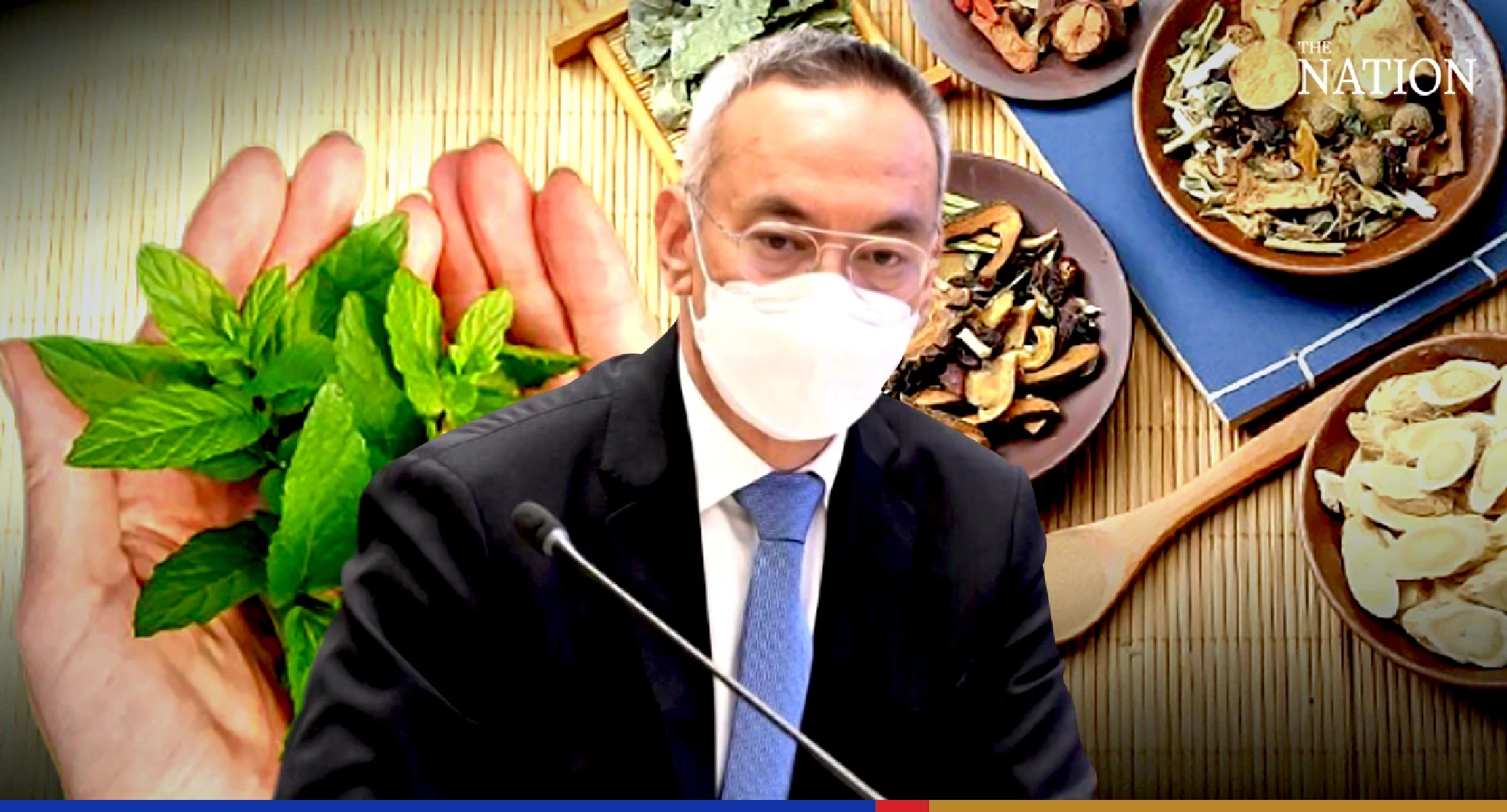
Asean members are working on facilitating increased trade, removing trade barriers and reduce transaction costs to deal with the Covid-19 crisis, the top official at Thailand’s Department of Trade Negotiations said on Friday.
Department director-general Auramon Supthaweethum made the remarks after attending the 22nd Asean Trade Facilitation Joint Consultative Committee (ATF-JCC) via teleconference.
She said Thailand has requested additional details from Asean members on using trade measures to ensure that the operation will be in line with the agreement and facilitate Thai exporters, such as permission to sell medicines in Vietnam and import horticultural crops, medicines, tyres and air-conditioners from Malaysia and Indonesia.
Auramon Supthaweethum
“In 2021, Asean improved trade facilitation and the average score increased by 13 per cent compared to 2017,” she said, “Thailand was ranked No. 2 in Asean trade facilitation, behind Singapore.”
She added that Thailand has cooperated with Asean on operating under Non-Tariff Measures guidelines to remove trade barriers in the region as well.
In 2021, trade between Thailand and Asean was worth US$110.79 billion, up 17.09 per cent year on year. Of the total, Thailand’s exports accounted for $65.02 billion and $45.78 billion were imports, up 17.24 per cent and 16.89 per cent, respectively.
Major exports included oil, gold, electric circuits, trucks, beverages, air-conditioners and cars, while major imports included oil, electricity, natural gas, voice recorders, electronic components, electric circuits and coal.
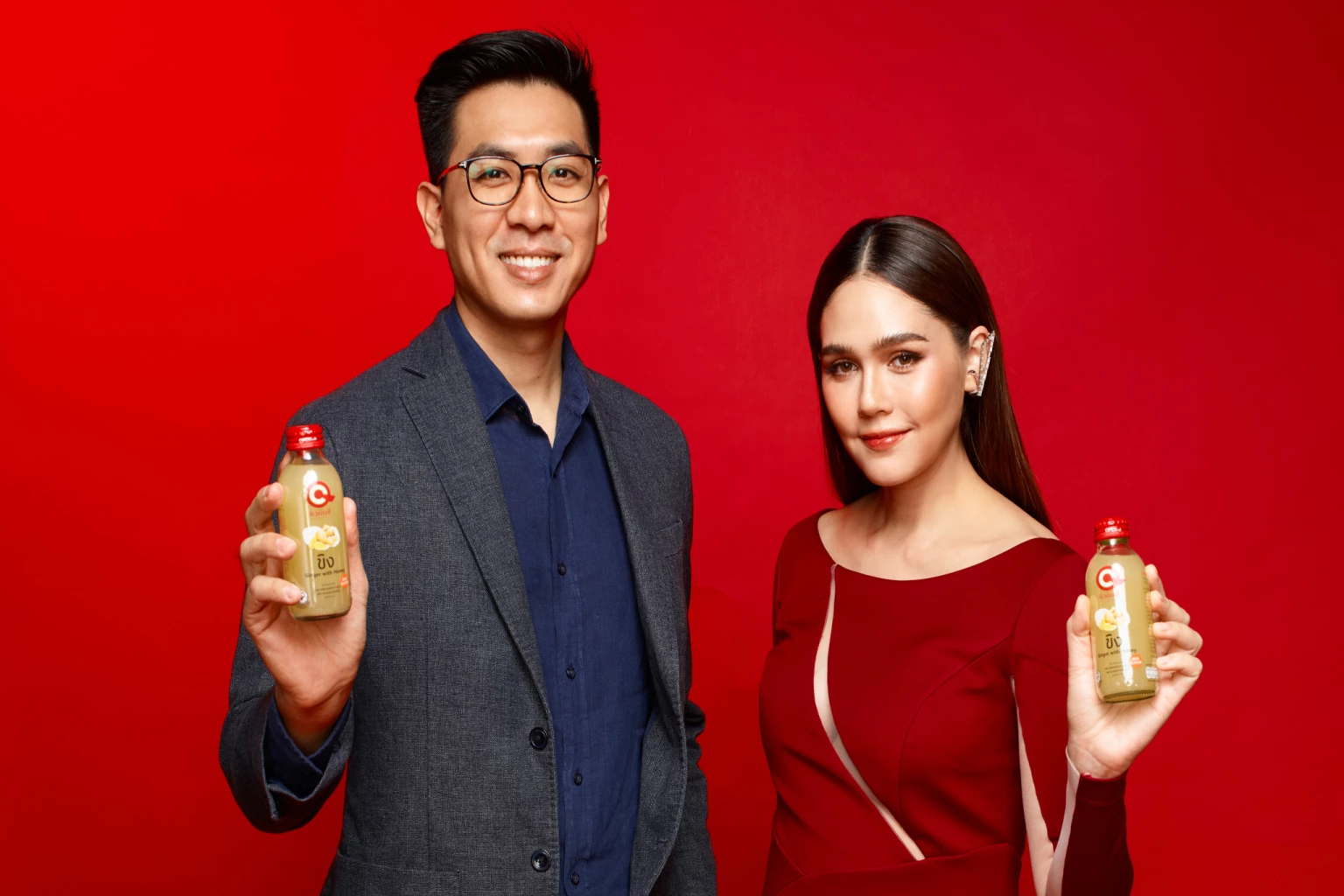
Tera Food and Beverage Co Ltd, a market leader in the production of preservative-free health beverages in Thailand, on Thursday launched two new herbal drinks – “QminC Ginger with Honey” and “QminC Finger Root with Honey”.
Tera Food and Beverage Co Ltd, a market leader in the production of preservative-free health beverages in Thailand, on Thursday launched two new herbal drinks – “QminC Ginger with Honey” and “QminC Finger Root with Honey”.
The sugar and preservative-free drinks, sold under the concept “Stop it! Before it couldn’t be stopped”, cost 25 baht each. The brand, represented by Thai superstar Araya Hargate, is targeted at the health-conscious.
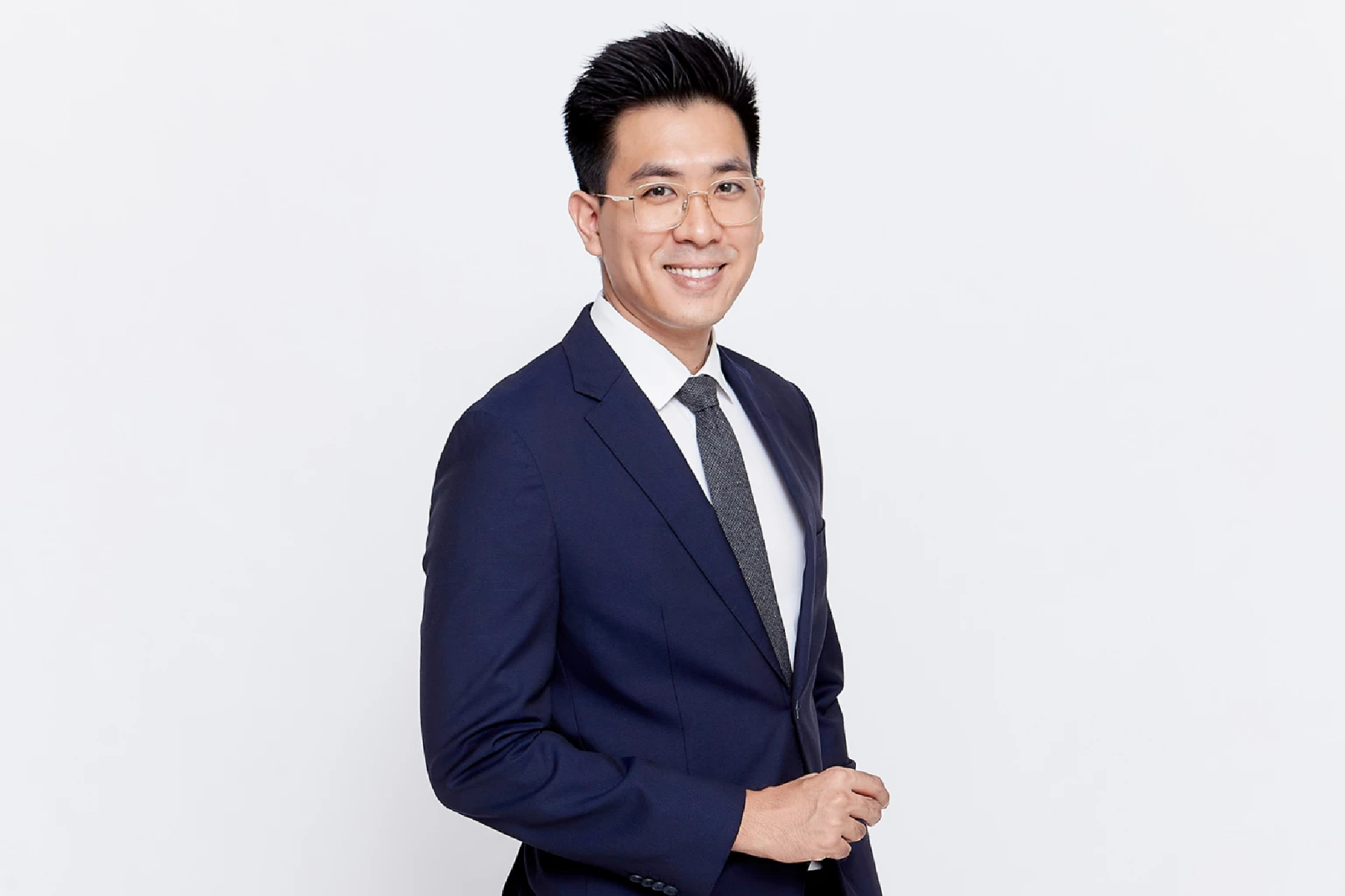
Thanthit Yuenyongtechahiran, president of Tera Food & Beverage, said this is the first time that a concentrated ginger drink has been made available in a ready-to-drink bottled form.
“We are responding to health seekers in Thailand with products extracted from natural herbs that are rich in benefits and to the trend of natural functional drinks, which is likely to have a growth of 6.6 per cent a year from 2021 to 2024,” he said.
“We believe the functional drink industry in Thailand will grow in the same direction as the global trend with the Covid-19 pandemic being the main driving force as it makes people aware of the importance of staying healthy thus contributing to the popularity of healthy beverages, particularly herbal health drinks.”
Thanthit said both drinks, QminC Ginger with Honey and QminC Finger Root with Honey, are innovations resulting from hard work in research and development.
“They were only put on the market after we had the confidence that they are beneficial, delicious, easy and healthy to drink with no added preservatives,” he said.
QminC Ginger with Honey is Thailand’s first ginger extract drink in a ready-to-drink bottle and contains 1,000 milligrams of USDA-approved ginger extract imported from the United States.
It also has 100mg of beta-glucan as well as vitamins C, D, E and zinc together with the spicy flavour of ginger and natural sweetness of honey.
Studies have found that the beta-glucan in ginger provides immunity and prevents infections, making it widely recognised for its anti-inflammatory properties.
QminC Finger Root with Honey carries 1,000mg of fingerroot extract (the maximum amount allowed by the Food and Drug Administration) as well as beta-glucan, vitamins C, D, A and zinc.
The company has applied nanoparticle technology in the production of the drink, which makes it refreshing and healthy without leaving behind a bitter taste or odour typical of fingerroot.
Fingerroot is a superfood with pinostrobin, which has been recognised for its anti-viral and anti-bacterial properties.
He said the Covid crisis has ushered in a healthy trend and changed the way Thai consumers live their lives and find something to eat as they go fully online.
“QminC has made a substantial investment in online marketing to expand our distribution channels. We also offer a best-for-money promotion, fast and safe delivery. It has led to people buying QminC by the crate, especially among those who have to work or study from home,” he said.
“Our QminC Curcumin has remained our best-seller despite the many lockdowns. It just shows the level of demand and popularity among Thai consumers for herbal, healthy, and functional drinks. This made us confident to roll out the two new flavours as new alternatives for consumers.”
Tera Food and Beverage plans to export QminC drinks to the US, China, Singapore South Korea, Kuwait, and the United Arab Emirates from the second quarter of this year, and add the two new drinks to the shelves in Cambodia, Laos, Myanmar and Vietnam, where QminC drinks are already available.
“We aim for QminC to be a brand that consumers think of first and we want Thai people to look at herbs from a new perspective. You can drink it every day. It is not just seasoning in the kitchen,” he said.
“Consuming herbs can help boost your immunity. It is important to build good health before it’s too late. That’s how we came up with the concept ‘Stop it! Before it couldn’t be stopped’,” he added.
QminC Ginger with Honey and QminC Finger Root with Honey are only 15 kilocalories and come in 150ml bottles at 25 baht each.
Both flavours are available at convenience stores and leading supermarkets, as well as mom and pop stores, online markets like Lazada and Shopee as well as via www.qmincthailand.com.
For more information visit QminC on Instagram or visit its Facebook page QminCThailand.








 Auramon Supthaweethum