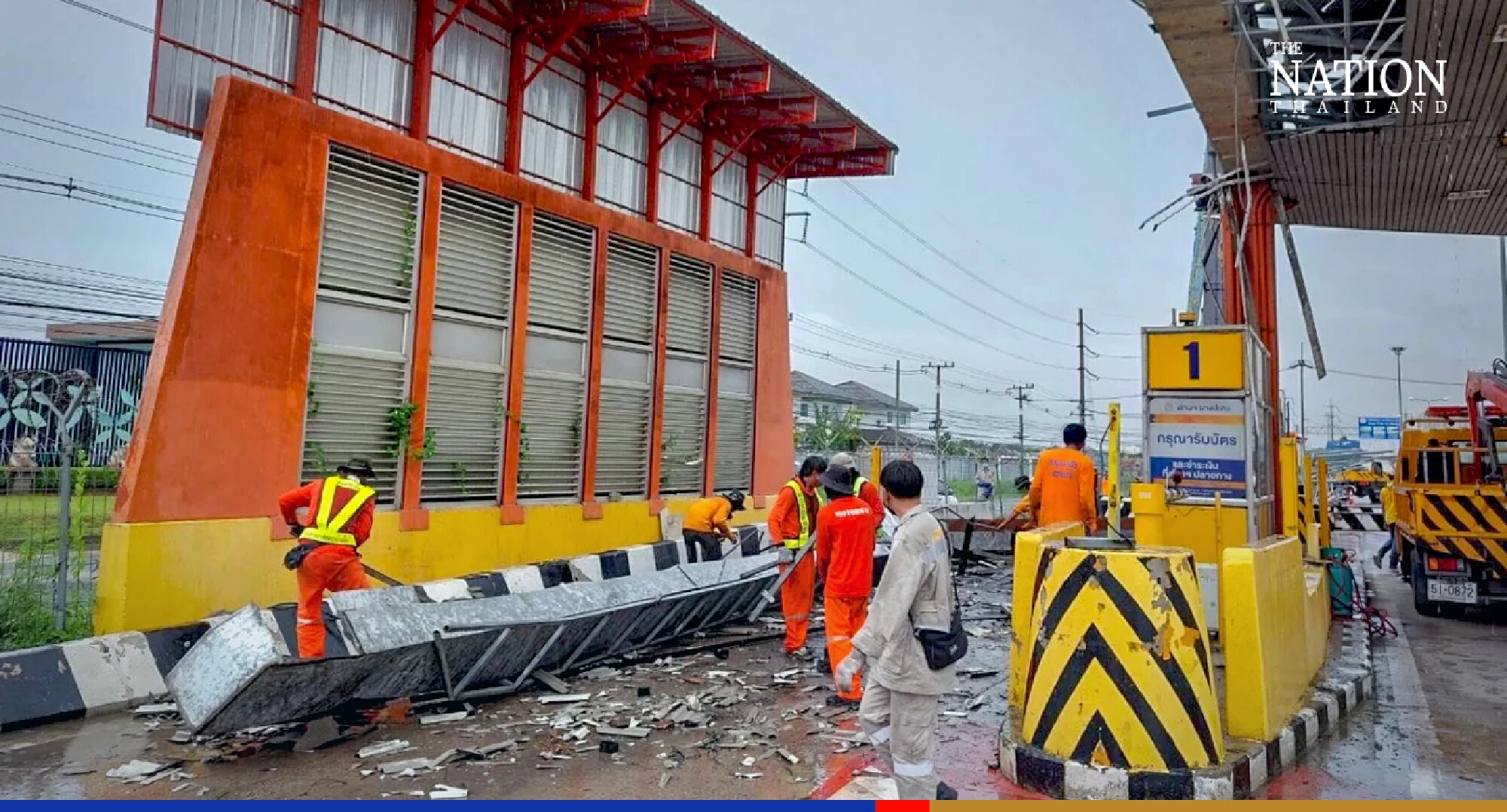
An investigation team will look into the collapse of the roof at the entrance to the Bangkok-Pattaya motorway in Chachoengsao and should have answers within 14 days, the Department of Highways said.
The roof above the leftmost toll booth at the Bang Pakong gate collapsed at 11.30am amid heavy rain on Monday. Nobody was harmed as there were no vehicles at the entrance at the time.
The department director-general Sarawut Songsiwilai said the department’s Inter-City Motorway Division has been instructed to make way for motorists at the entrance and repair the area as soon as possible.
“The division has also been urged to focus on enhancing the entrance’s durability to ensure the safety of motorists and toll booth operators,” he said, apologising for the accident.
The Public Health Ministry released treatment guidelines on Monday after the second monkeypox patient was detected in Thailand last week.
Dr Naruemon Sawanpanyalert, a specialist at the Medical Services Department, said those at risk will be treated as monkeypox patients while waiting for test results from two labs for accuracy.
If the virus is not detected by either lab, then the patient will be treated for symptoms or be discharged. Suspected monkeypox patients who show no symptoms will be advised to monitor themselves for 21 days and visit a doctor immediately if they develop any symptoms.
If the virus is detected, the patient will be treated and isolated. They can only get palliative care as there are no antiviral drugs for monkeypox yet. The patient will be isolated for 14 to 21 days until their scabs fall off.
Naruemon said there are six high-risk groups that might develop severe symptoms, namely:
People with compromised immunity like HIV and cancer patients.
People who have received an organ or bone marrow transplant over the past two years.
People suffering from immunosuppression.
Children aged eight or less.
Pregnant and breastfeeding women.
People suffering from skin disease.
The Public Health Ministry confirmed that the second monkeypox case was found in Bangkok on July 28, while the Disease Control Department said no new cases were found as of Monday.
Flash floods from heavy rains can be expected all this week in 38 provinces in the North, Northeast, Central, East and South of the country, the Department of Disaster Prevention and Mitigation announced on Tuesday.
The department said a strong southwest monsoon over the Andaman Sea, Thailand and the Gulf of Thailand will bring isolated heavy to very heavy rain until August 10.
The affected provinces are as follows:
North: Tak, Mae Hong Son, Chiang Mai, Chiang Rai, Nan, Uttaradit, Phitsanulok and Phetchabun
Northeast: Loei, Nong Khai, Sakon Nakhon, Bueng Kan, Mukdahan, Nakhon Phanom, Chaiyaphum, Khon Kaen, Roi Et, Yasothon, Nakhon Ratchasima and Ubon Ratchathani
South: Prachuap Khiri Khan, Chumphon, Surat Thani, Nakhon Si Thammarat, Phatthalung, Ranong, Phang Nga and Trang
The department has advised people living near rivers and water reservoirs in these provinces to monitor the water level closely, as well as keep up with weather updates.
Help can be sought by calling the 24-hour DDPM 1784 hotline or via Line ID @1784DDPM.
Delivery of gas via the PTT Exploration and Production (PTTEP) pipe from Myanmar’s Zawtika area will be suspended for at least two weeks for repairs.
PTTEP said its subsidiary in Yangon, PTTEP International Limited (PTTEPI), suspects the pipe may have sprouted a leak because the gas pressure has dropped.
Hence, the company has isolated the pipe and temporarily suspended the delivery of gas to Thailand from the Zawtika field.
Initial investigation shows little or no possibility of an explosion or fire, PTTEP said.
Meanwhile, PTTEPI is investigating the cause of the leak and expects to have it repaired within two weeks.
The Zawtika Project in Myanmar can produce up to 300 million cubic feet of gas daily, 80 per cent of which is transported to Thailand and the remainder to Myanmar.
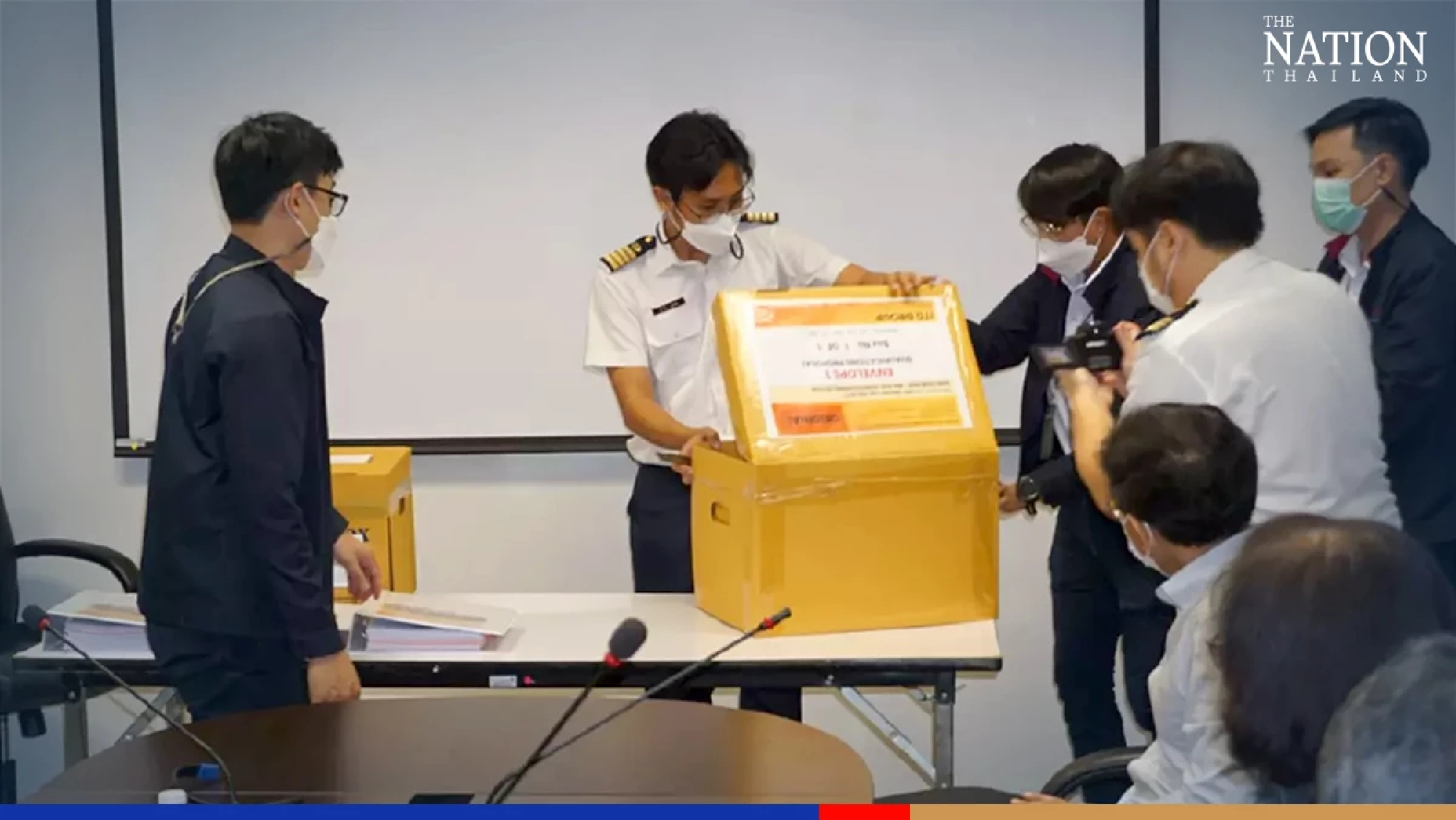
The Mass Rapid Transit Authority on Monday went ahead and opened two bid envelopes for the contract to build the Orange Line western extension, despite the threat of a lawsuit.
Second-round bids to construct the 35.9-kilometre Bang Khunnon-Min Buri rail section were submitted by two consortiums – Bangkok Expressway and Metro (BEM)/H Karnchang Plc and Italian Thai Development Plc/Incheon Transit Corp (South Korea).
Skytrain operator Bangkok Mass Transit System (BTSC) participated in the first round of bidding, which was cancelled, but boycotted the second round, alleging that its terms of reference (TOR) and request for proposal (RFP) favoured a particular bidder and were designed to thwart BTSC’s bid.
BTSC last week announced it had filed a lawsuit challenging the TOR and RFP with the Central Administrative Court and a complaint with the Department of Special Investigation.
BTSC earlier won two cases against the MRTA – for unlawfully cancelling the first round of bidding and unlawfully changing the TOR.
An MRTA source consideration of the two consortiums’ bids would take time as the bidding committee would have to examine the technical proposals before considering the offered prices.
Representatives of the two bidders witnessed the opening of bid envelopes on Monday.
Bangkok’s Don Mueang airport on Monday opened two lanes for taxis to drop passengers in a bid to reduce traffic congestion.
Taxis can now stop in front of the domestic terminal building without driving up to the departures entrance on the third floor. Escalators will ferry the dropped passengers up to departures.
Disabled or wheelchair taxi passengers can still go to the drop-off point for private cars in front of Gate 12 on the third floor, the airport added.
Airport deputy director Ronakorn Chalermsaenyakorn said the new lanes would ensure taxis left quickly instead of slowing down to look for more fares after delivering passengers to the third floor.
Ronakorn said the measure was needed because about 50 per cent of travellers arrived at the airport by taxi, generating traffic of between 500 and 1,000 taxis per day.
He said congestion at the drop-off point on the third floor was causing lines of vehicles to spill on to Vibhavadi-Rangsit Road.
The merger of True Corporation and Total Access Communication (DTAC) will cause difficulties in Thailand’s transition to a digital economy, Thailand Development Research Institute (TDRI) warned on Monday.
“If a merger is allowed, online retailers and people will have to pay more for mobile services, resulting in a decline in their savings,” said TDRI president Somkiat Tangkitvanich.
He said the mobile service charge would increase by 5-6 per cent if there are three mobile operators, but would be hiked by 20-30 per cent if there are only two operators.
“Hence, reducing even one mobile operator in the market affects consumers,” he said, adding that this also raises the issue of market monopoly.
Separately, the National Broadcasting and Telecommunications Commission’s board is expected to hold a meeting to consider the merger deal between the two telecom giants on August 10.
The law faculty of Thailand’s oldest university has given its verdict in a dispute that has split the country’s education authorities.
Chulalongkorn University’s Faculty of Law will now permit students to wear their own clothes instead of uniforms to attend classes. The move could set a precedent for universities across Thailand, where mandatory uniforms are the norm.
Lifting of the mandatory uniform rule for law students was announced by Chula lecturer Ponson Liengboonlertchai in a Facebook post on Monday.
Ponson said that all 14 Chula law lecturers had signed a letter addressed to the faculty’s dean, permitting students to wear their own clothes to attend classes as long as they dressed politely.
“In summary, the letter says that all the lecturers agreed students should be free to dress as they like, which is a freedom guaranteed by the Constitution,” Ponson said.
The absence of uniforms would not affect students’ ability to study, he explained.
He added that he and his colleagues believed that the effectiveness of teaching and learning in classes had nothing to do with uniforms.
“As a result, all 14 lecturers of the Chulalongkorn University Law Faculty, including me, jointly drafted the memo permitting undergraduate students to wear either uniforms or polite clothes to attend lectures,” Ponson said.
The post drew over 580 likes, 130 shares and 17 comments in four hours.
Chulalongkorn University was founded in 1917. Its uniforms have long been the model for uniforms adopted in universities across Thailand.
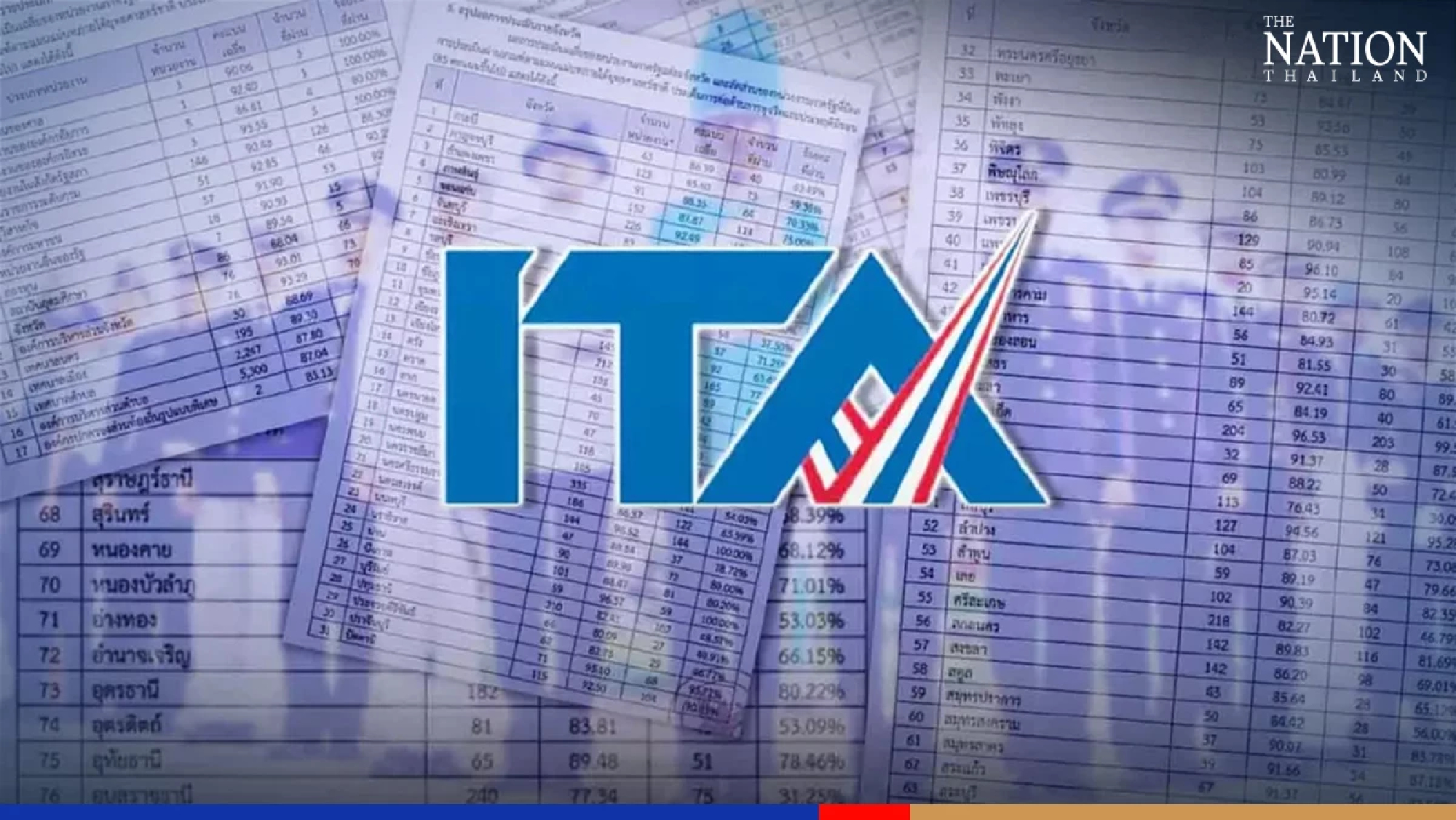
All Armed Forces agencies passed the integrity and transparency assessment (ITA) of the Office of the National Anti-Corruption Commission for the fiscal 2022 year.
The NACC Office on Monday released the results of its ITA assessment of public agencies and organisations.
The results showed that the Royal Thai Air Force, the Royal Thai Army, the Royal Thai Navy and the Supreme Command passed the criteria of 85 ITA points.
The office said eight agencies of the Defence Ministry, including the Defence Permanent Secretariat, took part in the assessment and all passed the criteria. The eight agencies earned average ITA points of 94.91.
The office said 8,303 agencies took part in the ITA assessment this year and over 1.3 million public members and state officials took part in the evaluation of the agencies’ ITA assessment.
The evaluated agencies got an average ITA score of 87.57 points, compared to 81.25 points last year.
The office said 5,855 agencies, or 70.52 per cent, passed the 85-point criteria while 2,448 agencies, or 29.48 per cent, failed to earn up to 85 points.
The office noted that the anti-corruption master plan requires up to 80 per cent of all evaluated agencies to pass the 85-point criteria.
The office said the three main courts – the Central Administrative Court, the Court of Justice and the Constitutional Court – passed the assessment with an average score of 90.06 per cent.
The Office of the Attorney-General also passed the assessment with a score of 92.40 points.
All three agencies of Parliament – the King Prajadhipok’s Institute, the Senate Secretariat and the House Secretariat – also passed the assessment with an average score of 95.55 per cent.
The Defence, Foreign Affairs, Tourism and Sports, Social Development and Human Security, and the Higher Education, Science, Research and Innovation ministries and all their evaluated agencies passed the assessment.
The office said nine provinces were found to have fewer than half of their evaluated agencies pass the assessment. They were Chaiyaphum, Buri Ram, Pathum Thani, Prachuap Khiri Khan, Phichit, Mahasarakham, Ratchaburi, Si Sa Ket and Ubon Ratchathani.





 An MRTA source consideration of the two consortiums’ bids would take time as the bidding committee would have to examine the technical proposals before considering the offered prices.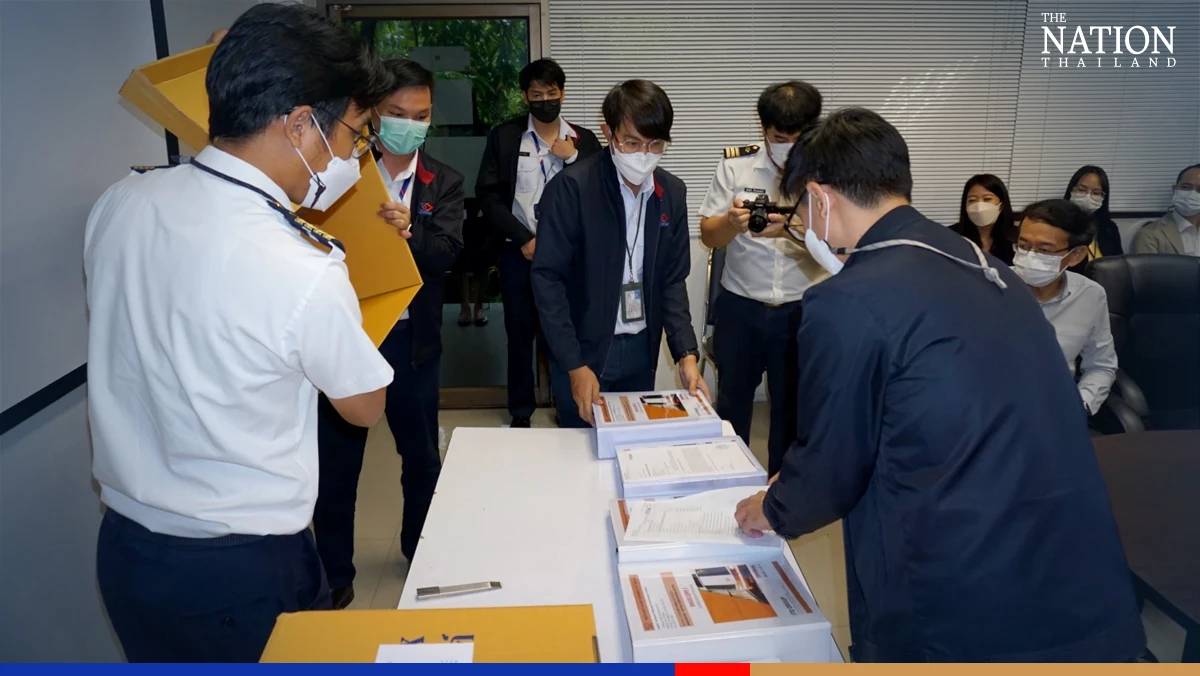

 He said congestion at the drop-off point on the third floor was causing lines of vehicles to spill on to Vibhavadi-Rangsit Road.