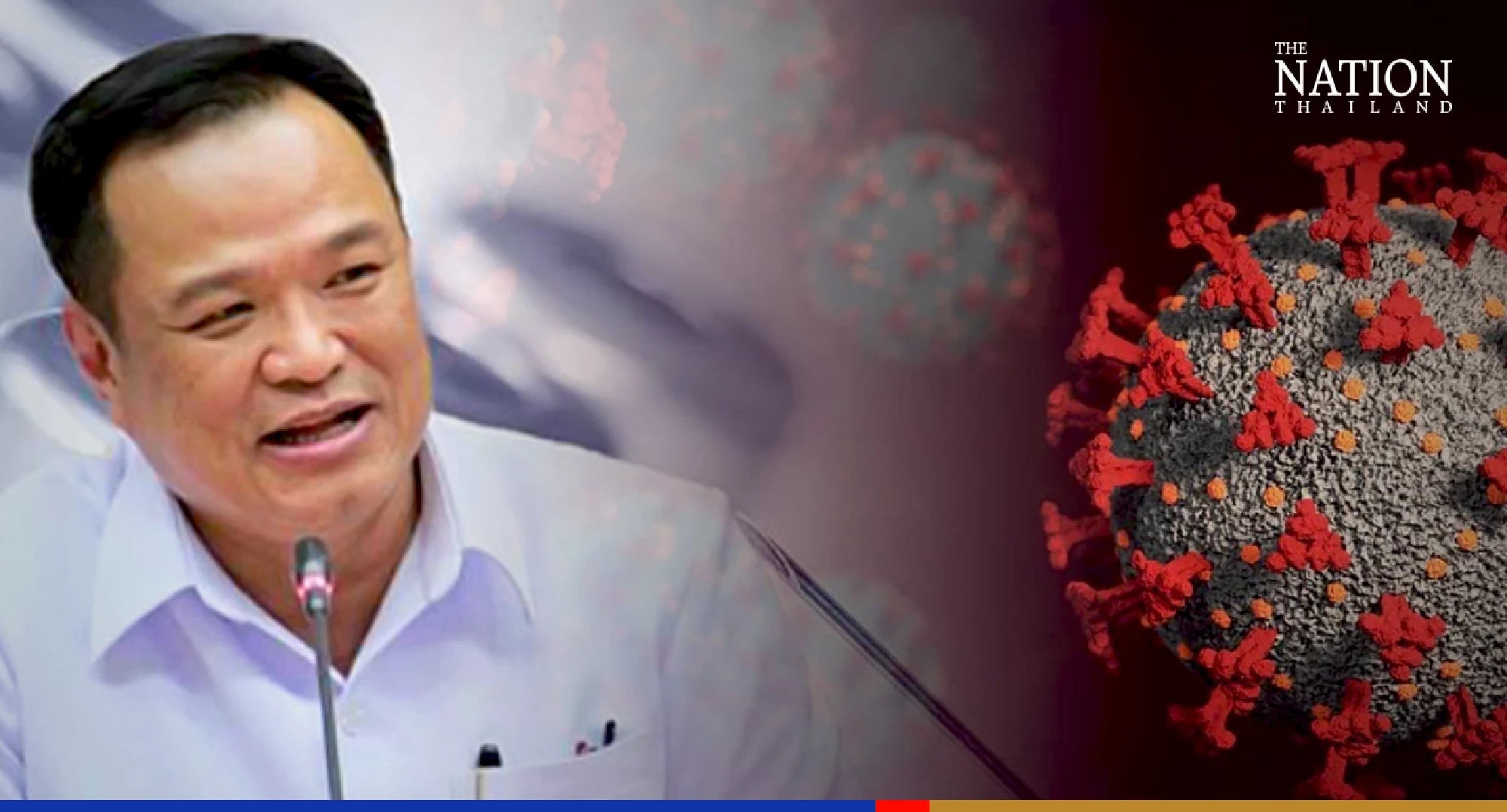
Deputy Prime Minister and Public Health Minister Anutin Charnvirakul has instructed the Public Health, Transport, and Tourism and Sports ministries to coordinate with related agencies to prepare for the Covid-19 transition from pandemic to endemic, deputy government spokesperson Trisulee Trisaranakul said on Thursday.
“The Deputy PM said the number of new Covid-19 infections has kept decreasing in the two weeks after Songkran, which indicates that Thailand is preparing to declare Covid-19 endemic,” she said.
Anutin wants the three ministries and related agencies to set up steps and measures to facilitate the transition, as well as prepare public services suitable to the situation when Covid-19 is declared endemic.
“Downgrading Covid-19 to endemic status must be carried out along with providing health-related knowledge to the people so that they can protect themselves and live with the disease safely,” said Anutin.
Trisulee added that several provinces that are ready for the transition have launched an “endemic sandbox” programme, in which some Covid-19 restrictions have been lifted at venues and for services such as public parks and public transport, provided the provinces have implemented suitable preventive measures, along with having low infection rates and a majority of the population vaccinated. This programme aims to make the transition as smooth as possible with the least impact on people’s daily life.
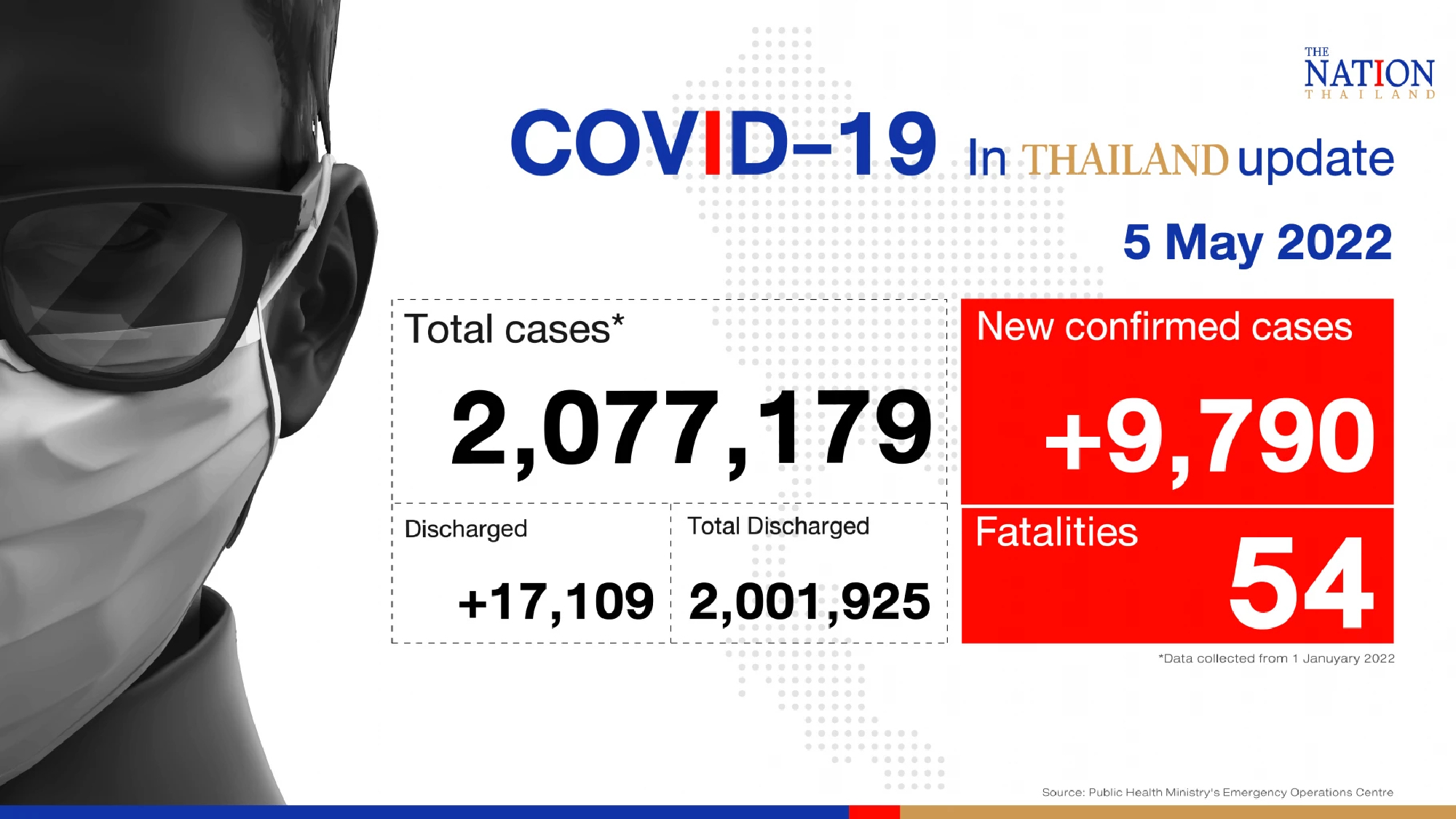
On Thursday Thailand recorded 9,790 Covid cases and 54 deaths, while 17,109 patients were cured and allowed to leave hospital.
Cumulative cases in the country since January 1 this year are 2,077,179.
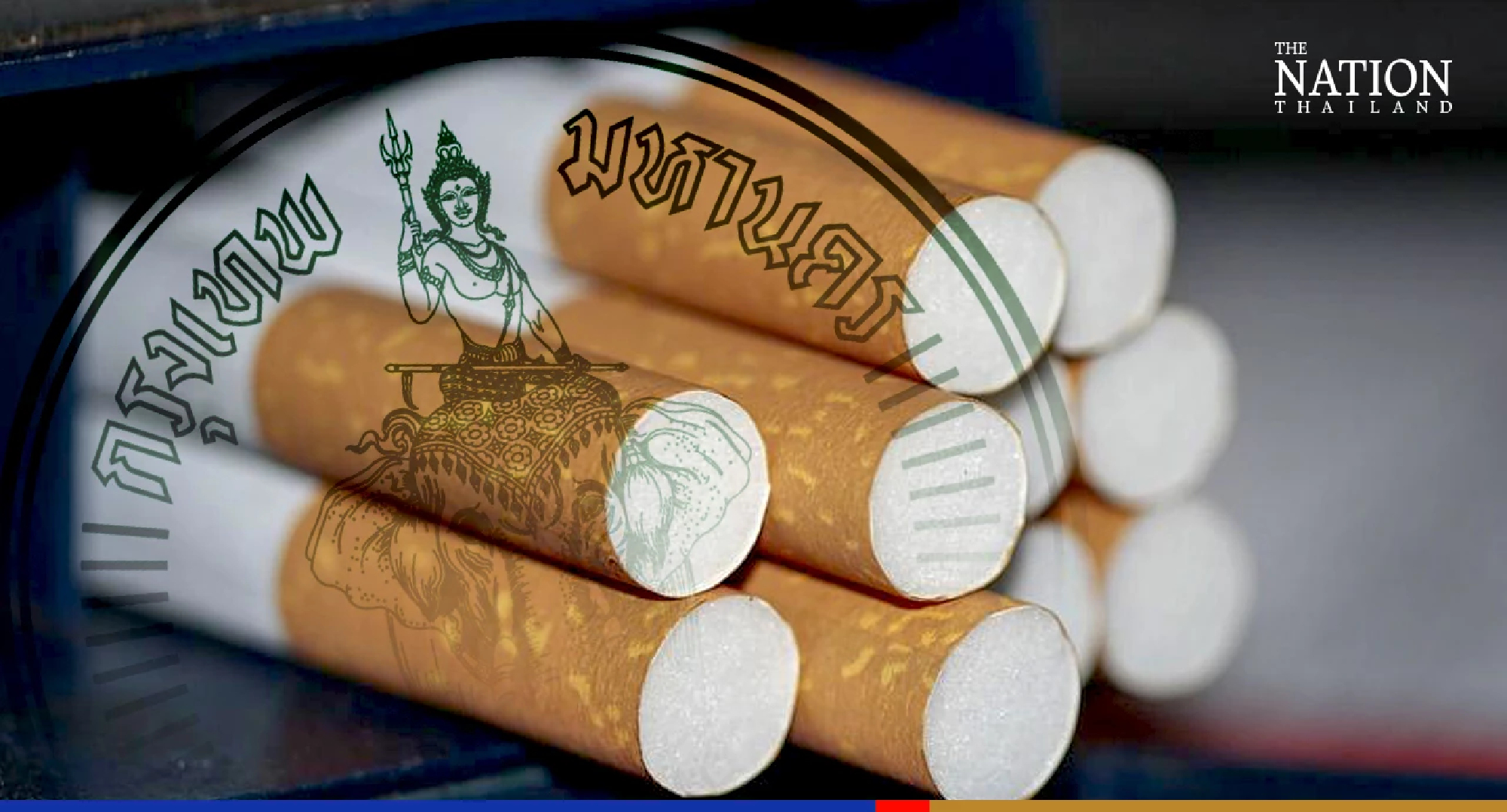
The Bangkok Metropolitan Administration (BMA) is planning to impose a new tobacco tax of up to 10 satang per cigarette called “Tobacco Tax for Local Maintenance”.
BMA deputy permanent secretary Suthathip Son-iam said on Wednesday that this would be the first time Bangkok will impose tax on tobacco in its areas.
“The new tobacco tax can be announced after the city finishes amending the Bangkok Administration Act of 1985 to include tax collection and other related clauses under the Plans and Process of Decentralisation to Local Government Organisation Act of 1999,” she said.
The amendment to the act was carried out in 2016. Amendments related to revenue collection have been proposed in 2016, 2017 and 2020.
The city council will first need to give the new tax the go ahead before it seeks Cabinet approval for it to take effect.
The tax aims to raise funds for maintenance of the city and to control the consumption of tobacco, Suthathip added.
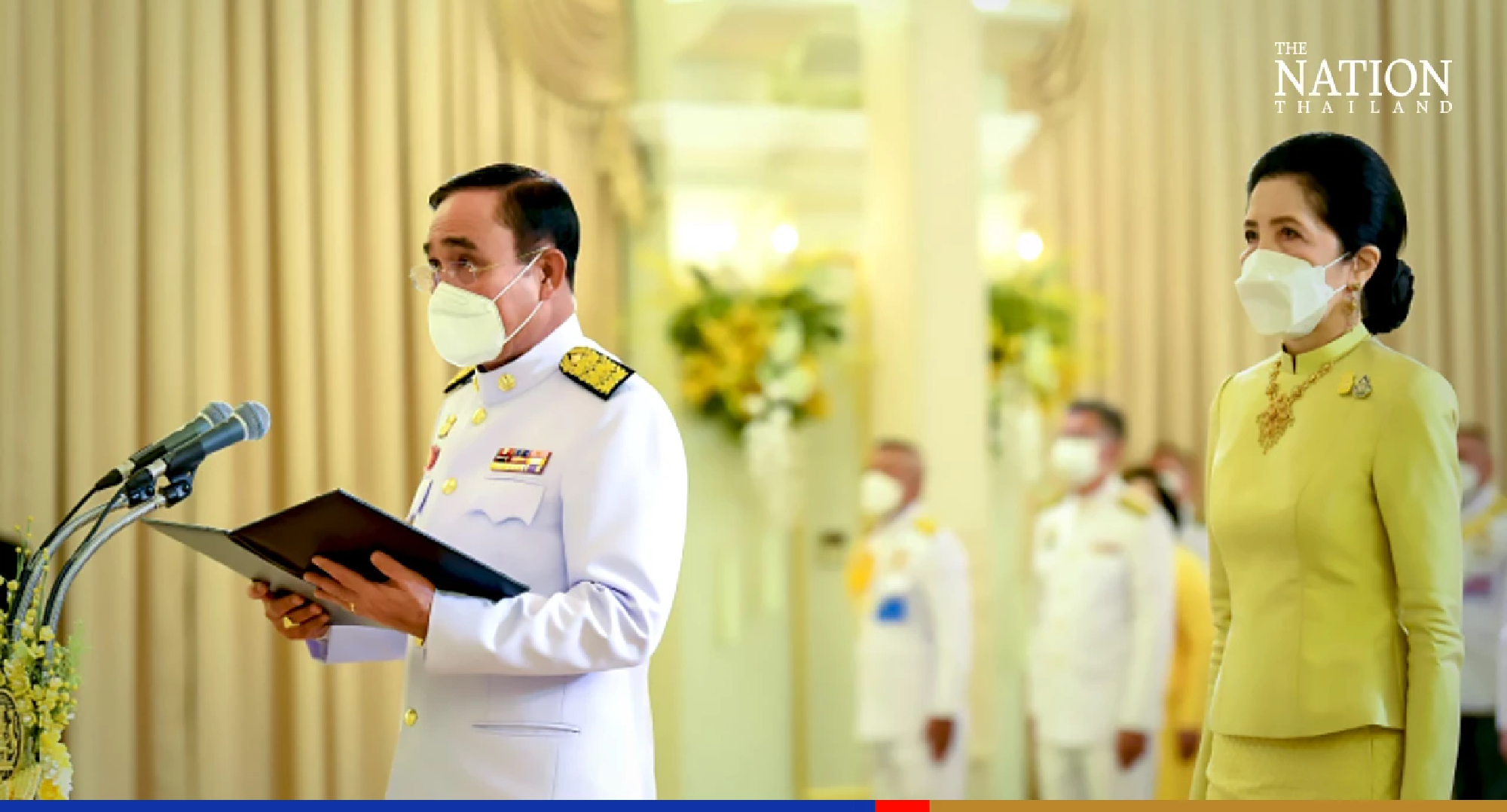
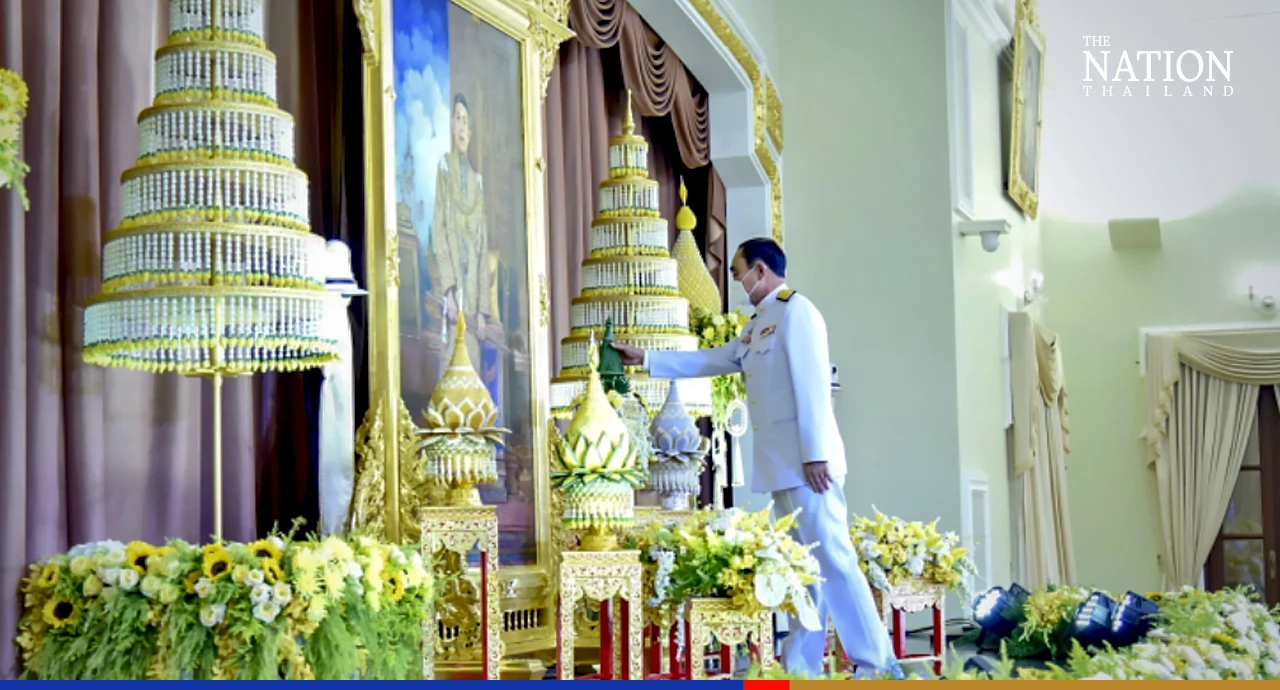
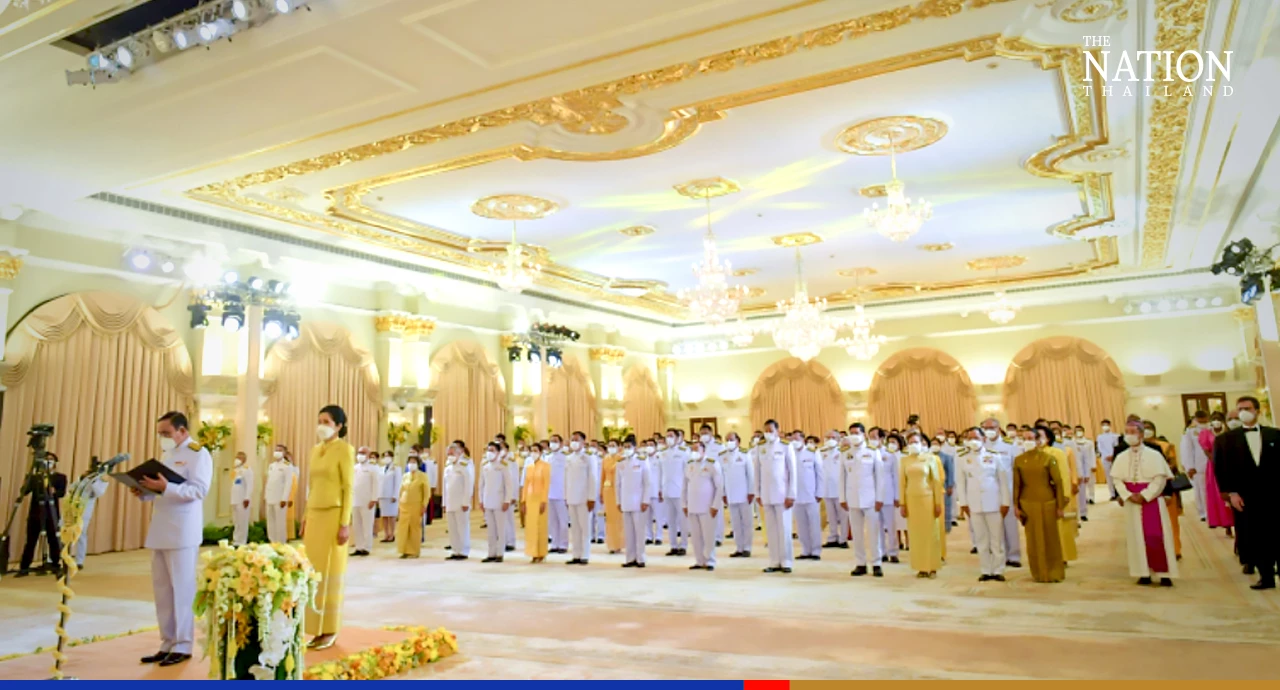
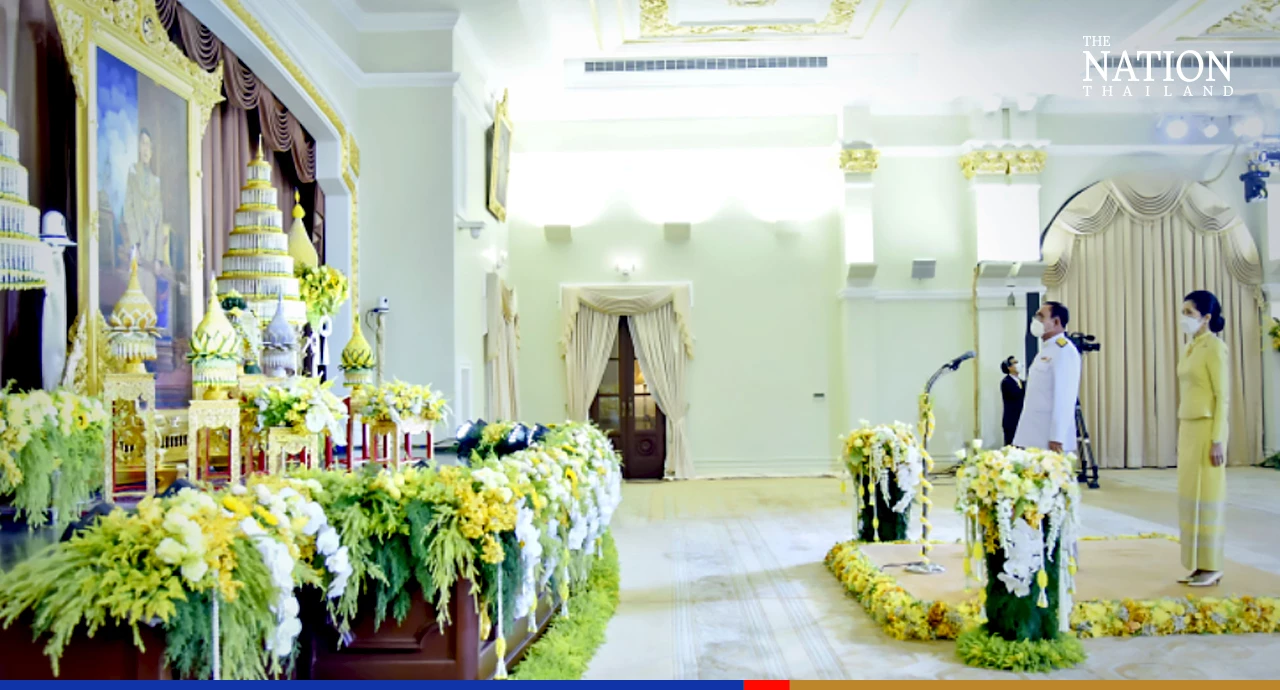
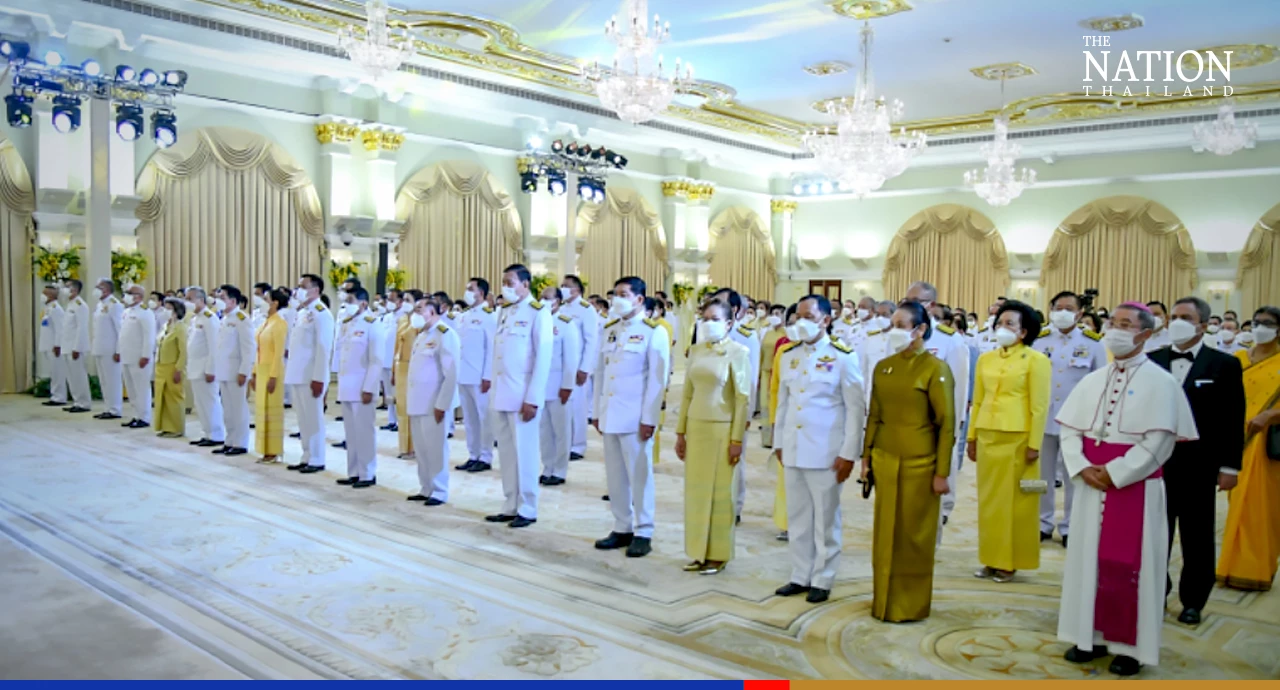
Prime Minister Prayut Chan-o-cha and his spouse Naraporn presided over a ceremony to offer their best wishes to His Majesty King Maha Vajiralongkorn on the auspicious occasion of Coronation Day on Wednesday.
The ceremony was held at Government House’s Santi Maitree Building at 7pm and was attended by the House speaker, speaker of the Senate, the chief justice, president of the Constitutional Court, chiefs of the armed forces and the Royal Thai Police, Cabinet members, ambassadors and other high ranking government officials and their spouses.
After paying respects in front of His Majesty the King’s portrait, the prime minister delivered a speech offering best wishes to the King on the occasion of the third anniversary of his coronation on May 4, 2019. Prayut also expressed gratitude for the King’s kindness towards government officials and Thai people over the past years.
Saturday, May 4, 2019, was the start of a 3-day traditional ceremony, which culminated in the coronation of Thailand’s 10th King of the Chakri Dynasty. The first day of HM King Maha Vajiralongkorn’s Coronation, May 4, is now commemorated as a public holiday in Thailand each year.
Ministry of Public Health reported on Thursday (May 5) morning that in the past 24 hours there are 9,790 new patients who tested positive for Covid-19, 4 of whom have arrived in Thailand from abroad.
Death toll increased by 54, while 17,109 patients were cured and allowed to leave hospitals.
Cumulative cases in the country since January 1, 2022 are at 2,077,179.
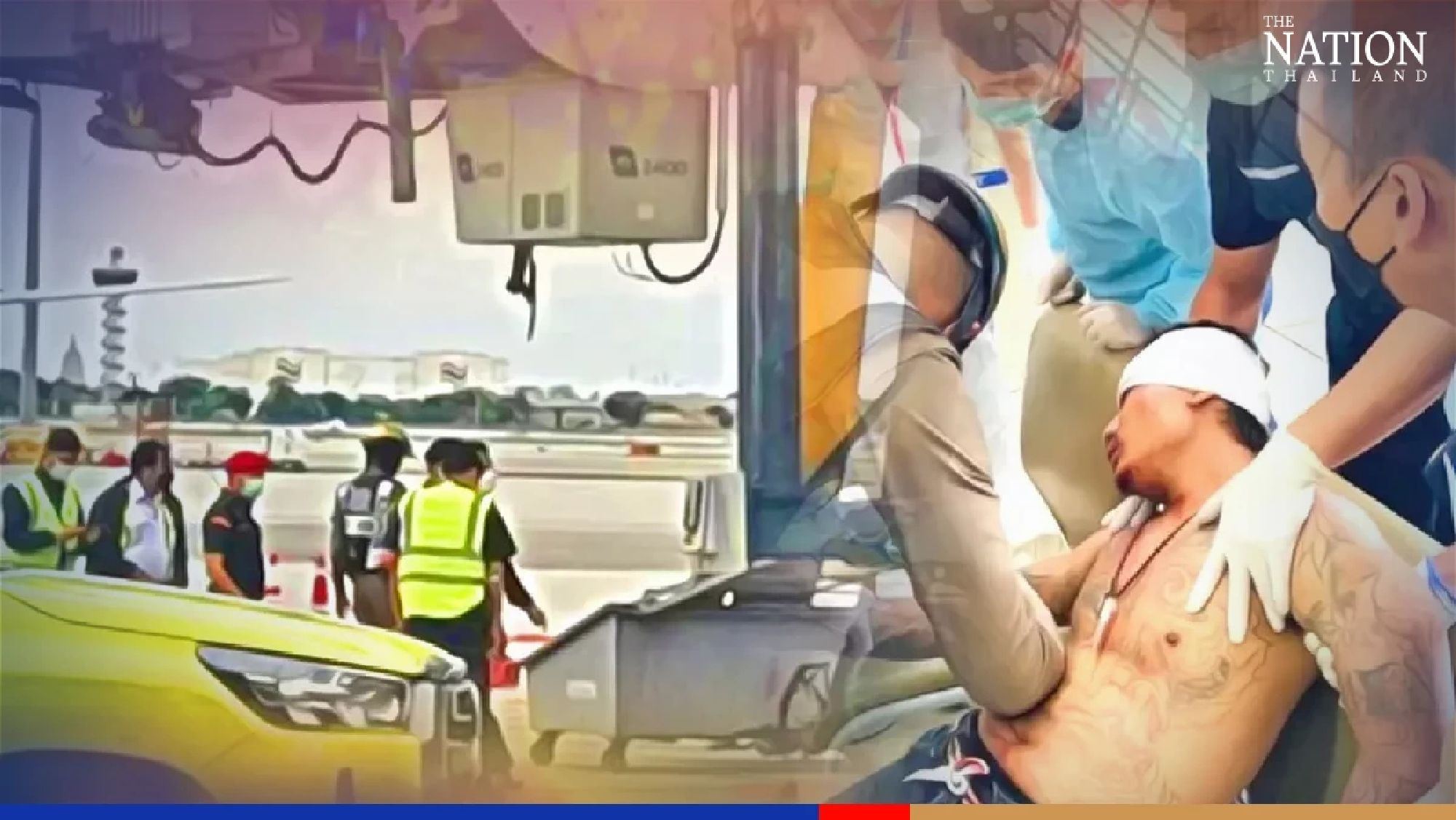
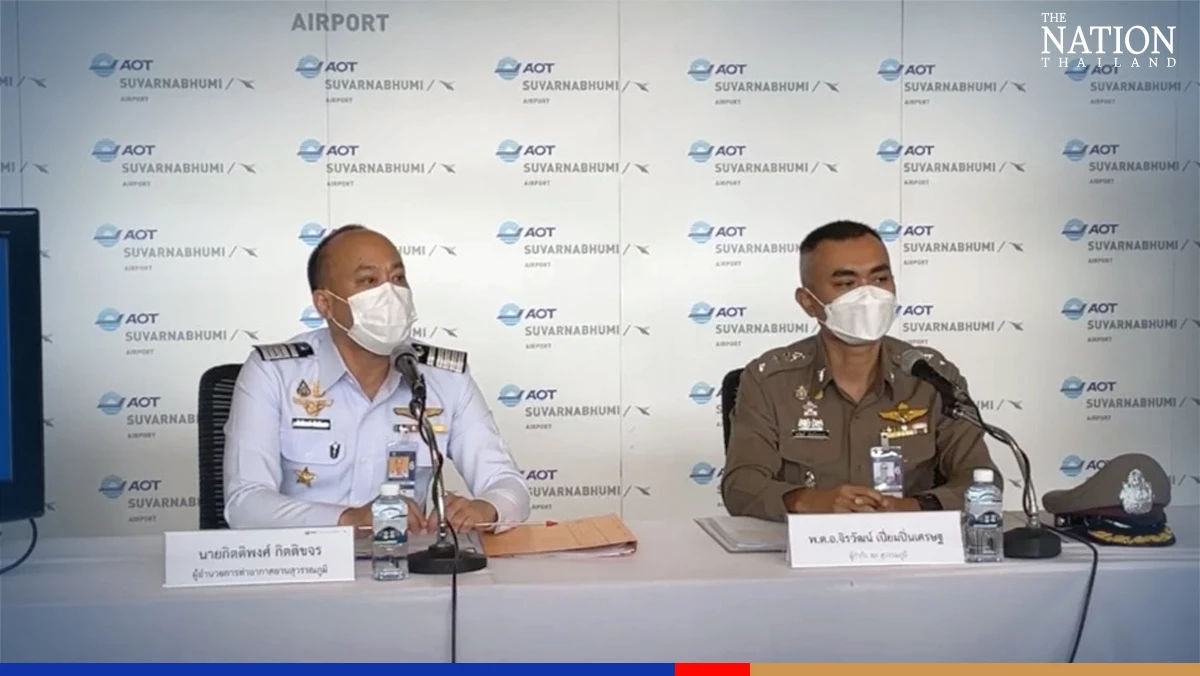
A Thai man, 34, who was arrested after riding a motorcycle into a restricted Suvarnabhumi Airport zone on Tuesday and using an axe to destroy glass doors after he was prevented from trying to board an empty plane will face seven charges, airport police station chief Pol Colonel Jirawat Piampinset said on Wednesday.
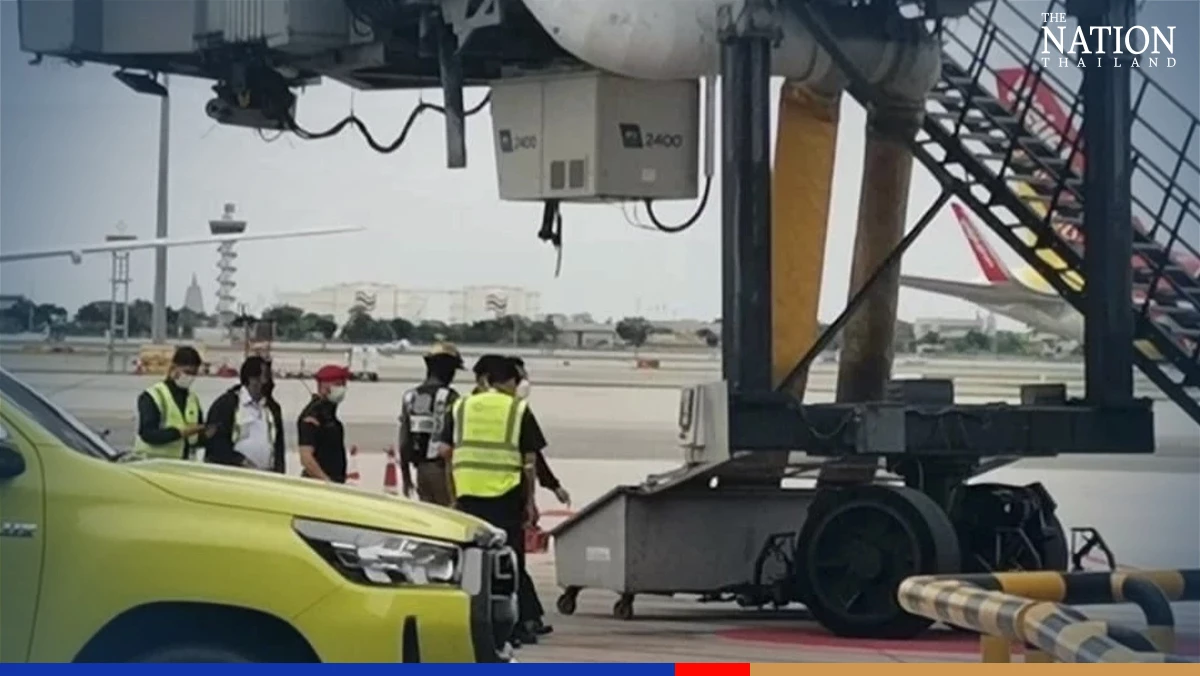
Airport officials reported on Tuesday that at around 11.50am the man had ridden from parking lot number 3 into a restricted area and tried to enter an empty Bangkok Airways plane at Control Post 3, prompting security guards to quickly shut the glass doors. He then used an axe to smash the doors in an attempt to escape but was apprehended.
Apart from the iron axe, security officers also found a custom-made pistol, a pair of scissors and an amphetamine tablet on him.
A security guard received minor injuries during the incident. Flight schedules were not affected.
Jirawat said investigation officers have filed the following charges against the trespasser:
1. Using a weapon or other material to cause serious damage to a plane or airport facility.
2. Trespassing into other people’s property by force.
3. Damaging property.
4. Carrying a weapon (axe) into a public venue without proper cause.
5. Possessing type I narcotics (amphetamine).
6. Consuming type I narcotics.
7. Scaring others by threatening to use lethal force.
The first charge carries the stiffest punishment under the 1978 Act on Certain Offences Against Air Navigation, in which an offender could face a maximum punishment of death or a life sentence, and a fine of up to THB800,000.
“The suspect was under the influence of a substance when he was arrested and could not give a statement, while a preliminary urine test found traces of a drug,” said Jirawat.
“This morning he started to sober up. He said he lived in Samut Prakan’s Bang Phli area and had been arrested twice on drug related charges in 2014.”
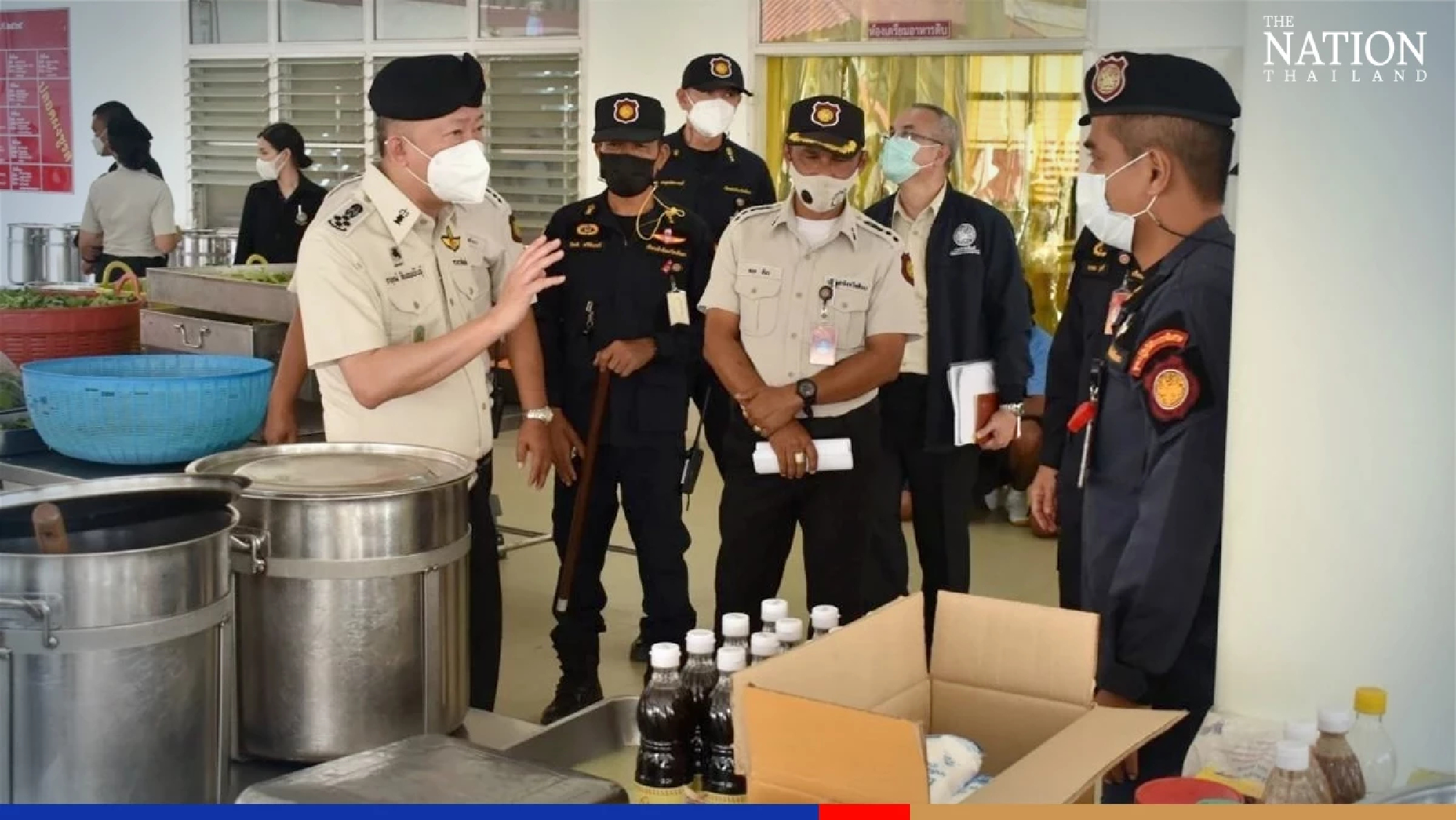
The Department of Corrections will randomly inspect food at 12 prisons across the country for quality or ambiguity in the procurement process.
Department director-general Ayuth Sintoppant said on Wednesday that Justice Minister Somsak Thepsuthin appointed a committee to inspect food quality at the prisons after the department received complaints about the poor quality of pork, chicken and vegetables, while some of the condiments purchased did not follow the department’s orders.
The committee aims to conduct surprise visits to find the truth. If any problems are discovered, they must be solved immediately.
The department has had external agencies inspect inmates’ food on a regular basis.
Prisons had been instructed to follow the guidelines, from procurement of ingredients, inspection and preparing food nutritionally to hygiene.
If an inmate gets sick or even dies from eating prison food, the warden and head chef of that facility will be responsible while the committee investigates the case.
Those who have evidence or information on bad food quality or ambiguity in the procurement or preparation of food at prisons could report to the department by calling 080-071-5182 or visiting the website http://www.correct.go.th.
The Cabinet on Tuesday approved a draft agreement to end a dispute with the Philippines over tobacco tax-evasion charges.
The draft agreement titled “Understanding between the Philippines and Thailand on agreed procedures towards a comprehensive settlement of the dispute over Thailand’s customs and fiscal measures on cigarettes from the Philippines” was proposed by the Finance Ministry.
The agreement said the Philippines would no longer resort to trade retaliation against Thailand, while investigations would be conducted. Meanwhile, Thailand agreed to proceed under the pact.
Thailand and the Philippines should talk to each other because Thailand has invested a lot in the Philippines, said a minister, whose name and position were withheld.
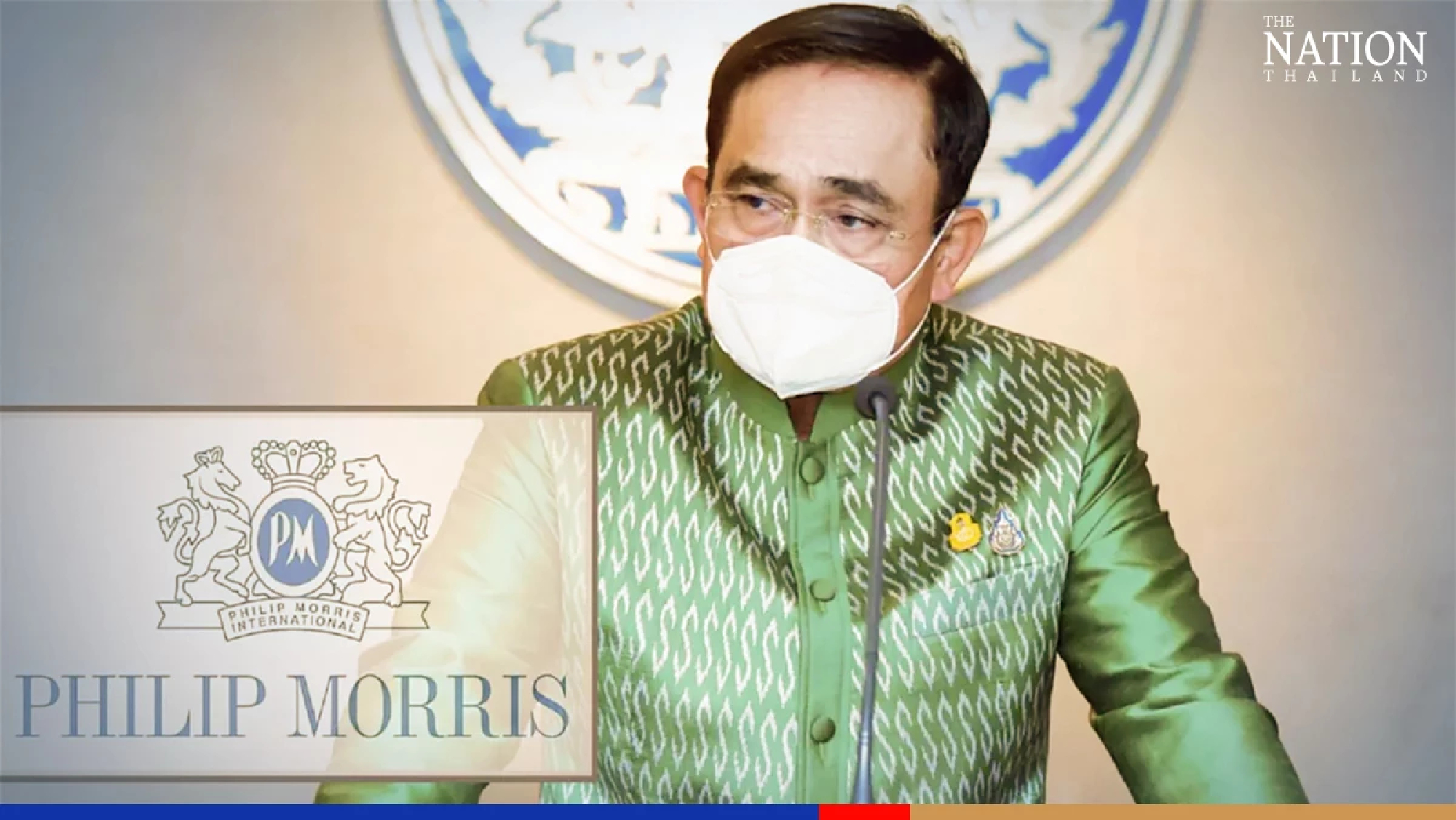
According to Reuters, the Thai public prosecutor filed charges in 2017 against Philip Morris Thailand and seven of its Thai employees for inaccurate price declarations of cigarettes imported from Indonesia between 2002 and 2003.
Later, on March 20, 2020, a Thai court fined the local unit of Philip Morris THB130 million for dodging tax on cigarette imports from Indonesia. The court also dismissed all charges against the seven former employees.
The ruling followed a court decision to fine the tobacco giant THB1.2 billion in November 2019 for similar customs violations regarding cigarette imports from the Philippines.
The World Trade Organisation subsequently ruled that Thailand had not met its obligations under the Customs Valuation Agreement regarding the valuation of cigarettes imported by Philip Morris Thailand from the company’s subsidiaries in the Philippines and Indonesia.
The Covid-19 pandemic has had a seriously adverse impact on Thailand’s education system in the past two years, widening social inequality and inflicting learning loss on students.
Even though many schools organised online classes to enable students to learn amid the Covid-19 crisis, some students lost the opportunity to study due to lack of electronic devices, especially smartphones and stable internet connection.
Some migrant students in border provinces lost opportunities to study in Thai schools as they had to return to their hometown due to various factors, such as rising Covid-19 cases.
Stress was another factor that took a toll on students while taking online classes as they were forced to study in isolation at their residence without being able to interact directly with teachers and friends.
Homework assigned by teachers also caused stress among students as some of them could not clearly understand the subjects they were studying.
Meanwhile, the number of children infected with Covid-19 continues to rise despite more than 98 per cent of children aged above 12 years receiving vaccine jabs. However, only 3-4 per cent of children aged 5-11 have received their shots.
Department of Health data shows 334,030 children — 115,332 of them children aged 0-6 years — got
infected with Covid-19 from January 1 to April 27. The Basic Education Commission (BEC) said on Tuesday that the commission is encouraging teachers, students and guardians to receive their Covid-19 jabs as soon as possible.
The number of children aged 0-6 years who have been vaccinated was low because their guardians did not allow them to receive the jab, said BEC secretary-general Amporn Pinasa.
Leading virologist Dr Yong Poovorawan on April 25 warned that extra precautions were needed during the opening of the new school year on May 17 as Covid-19 and other respiratory diseases, such as influenza, are likely to spread among students over the rainy season from June to September.
Covid-19 can still cause severe illness and even death to children, he added. Children in the under-5 age group are most vulnerable, as they are too young to be vaccinated. Children aged under 2 were especially at high risk, Yong said.
He urged the Thai Food and Drug Administration (FDA) to consider China’s policy of vaccinating children aged 3 and above to reduce the severity of their symptoms. The FDA currently allows vaccination from the age of six.
Yong said it would be difficult to ensure young students maintained social distancing and wore masks, so parents and teachers must cooperate on safety when schools open.
Meanwhile, primary school students should get vaccinated before returning to school and not attend classes if they are sick, he added.
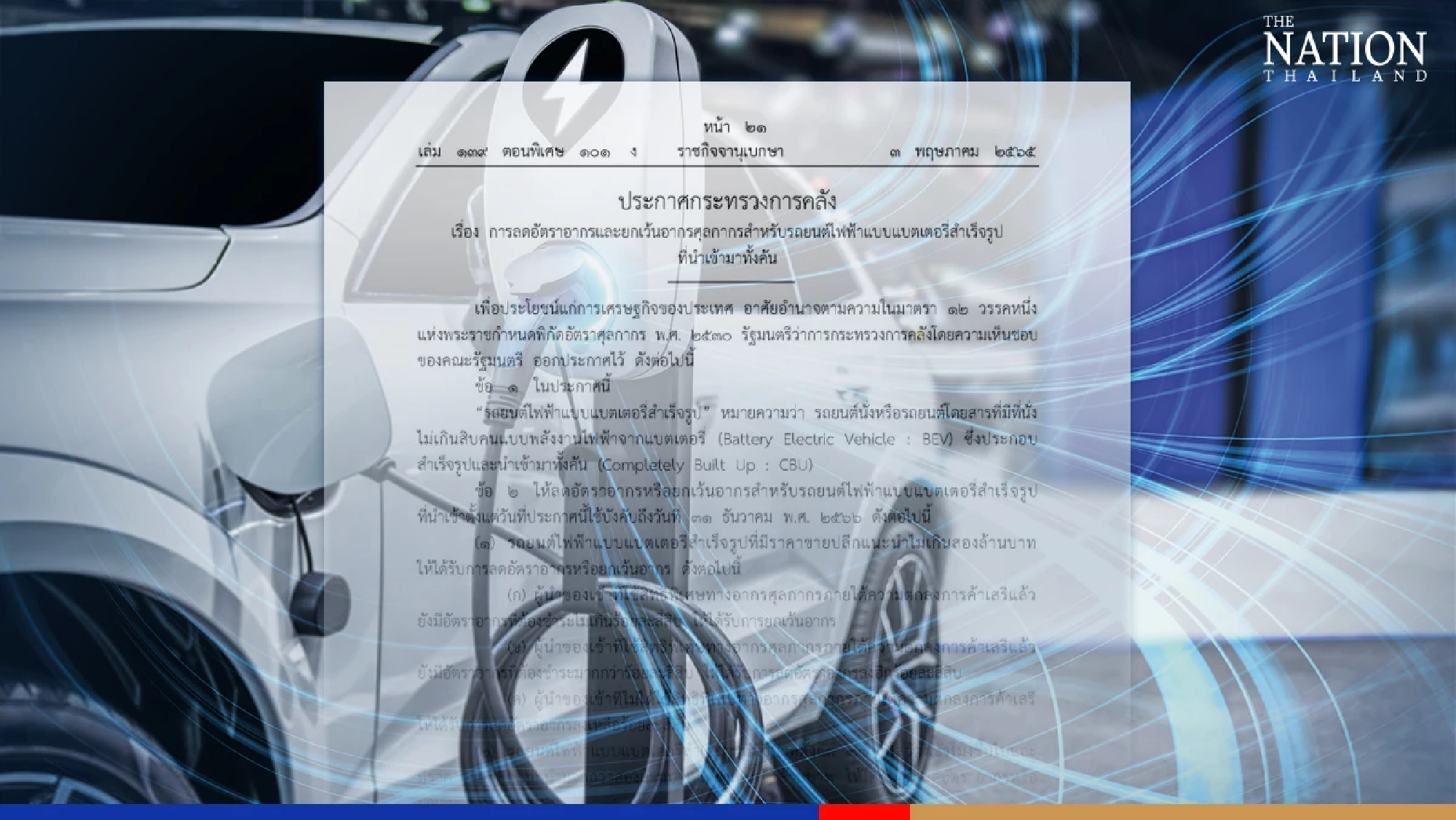
The Royal Gazette website on Tuesday published a Finance Ministry announcement on reduction of import tariffs for completely built up (CBU) battery electric vehicles (BEVs) in a bid to promote the use of EVs in Thailand.
The tariff reduction measures will be effective from May 4, 2022 until December 31, 2023.
Eligible vehicles are as follow:
1. Battery electric vehicles with less than 10 seats and costing under THB2 million will be exempted from import tariffs if the original tariffs are less than 40 per cent, and will be reduced by 40 per cent if the original tariffs exceed 40 per cent.
2. BEVs with over 30 kilowatts/hour battery and costing THB2 million to THB7 million will be exempt from import tariffs if the original tariffs are less than 20 per cent, and will be reduced by 20 per cent if the original tariffs exceed 20 per cent.
The tariff reduction for the two categories of EVs is among six measures proposed by the National Electrical Vehicle Policy Board, which received Cabinet approval in April to promote the use of EVs as well as EV manufacturing in Thailand.
Other measures include granting subsidy to buyers of selected EVs, reducing excise tax on BEV motorcycles, and reducing import tariffs on selected EV parts by domestic manufacturers.
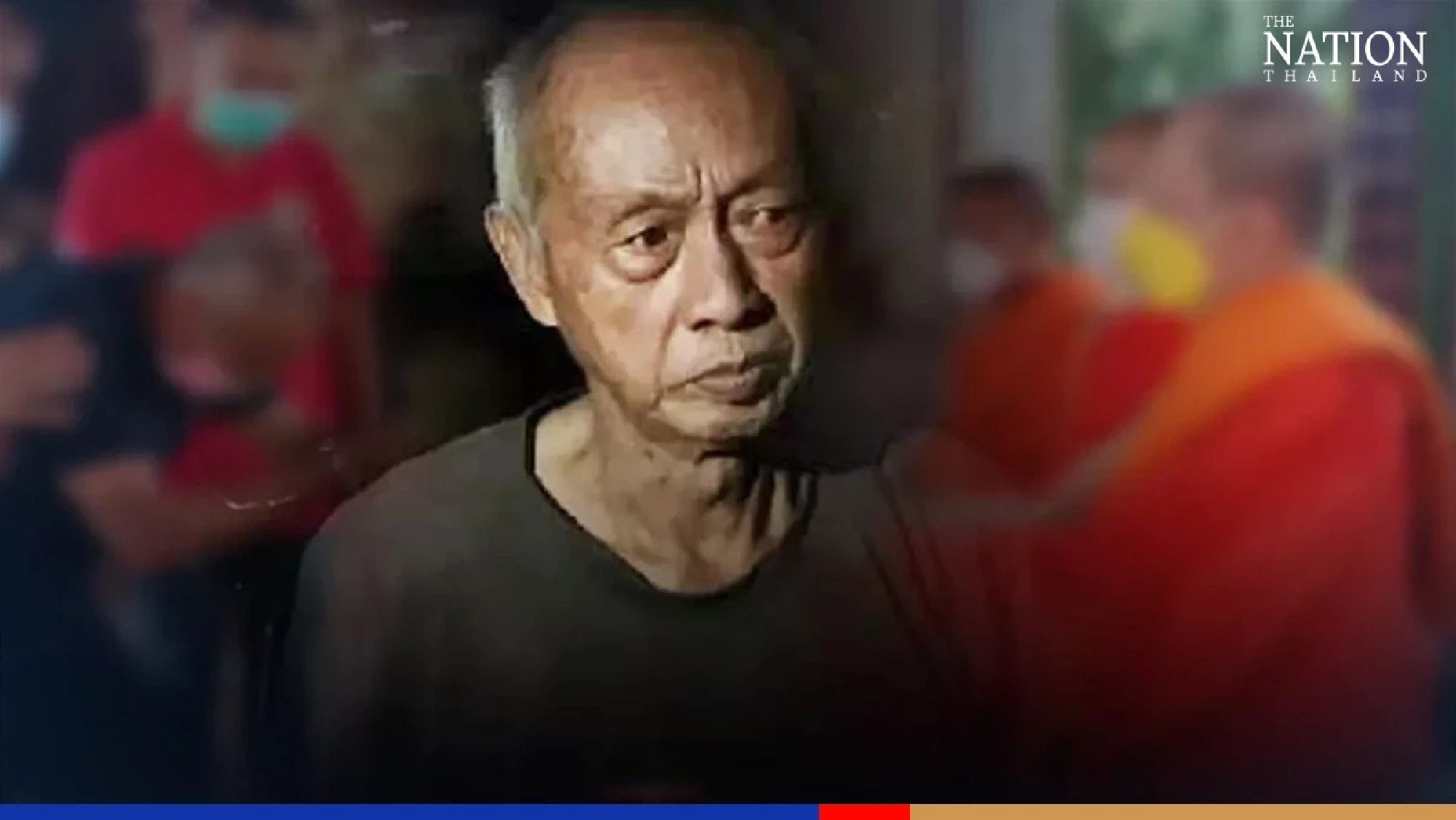
A 72-year-old man who lived with the body of his late wife for 21 long years is keeping her cremated remains at his house and turning himself into a foundation volunteer to spend the rest of his life doing good for her.
After the story of Sub-Lieutenant Charn Janwatchakal, 72, living alone with the body of his late wife for more than two decades was unveiled on Saturday, several social networkers called him the “endless love man” or man with “eternal love”.
In the latest development, prominent lawyer Nitithorn Kaewto visited Charn on May 2 and interviewed him. The lawyer recounted that the old man is well-educated with several degrees to his name. But he lived less than a modest life without even electricity after the loss of his wife.
The endearing man lives alone in a small ramshackle one-floor concrete house that looks like a tiny storage room but on a 195-square-wah plot in Soi Raminthra 3 in Tha Reng subdistrict, Bangkok’s Bang Khen district. The house, with windows and doors fallen out, had no electricity or water: the old man lived on water shared by a neighbour.
On April 29, Charn visited the Phet Kasem Bangkok Foundation to seek help in cremating his wife’s body. A female executive of the foundation was puzzled as she thought the old man lived alone. She had visited him every day during the past two months to give him food and drink after the foundation rescued him following a motorcycle accident.
It later came to light that the man kept the body of his wife in a coffin in the small room where he slept. He said he talked to the body as if his wife were still alive. He finally decided to cremate her for fear that nobody would give her a proper ceremony after his death.
It was a heartbreaking scene when the old man was seen at the foundation on Facebook Live, sobbing and bidding his wife’s coffin a final goodbye.
“Mum,” he cried, “you are just going for a brief business and you’ll be back home again. It won’t be long, I promise.”
Charn kept his word as he put the cremated remains in a white cloth the following day and took them home to place them in the same room.
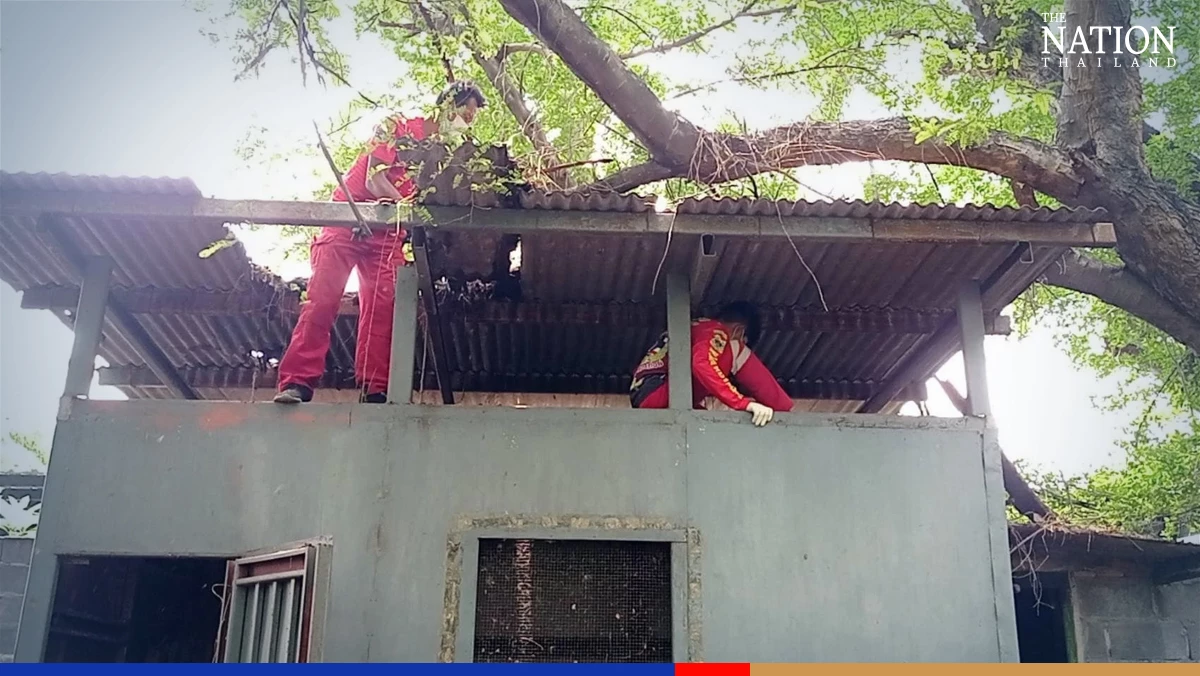
Staff from the foundation visited the dilapidated house to clean it up. They removed a lot of weeds and dry leaves from the compound, fixed the roof and wired electricity for him the day following the cremation.
Charn told lawyer Nitithorn he used to live with his wife and two sons but after his wife died and he decided to keep her body, the two sons moved out as they could not accept his decision.
When Nitithorn visited the old man on May 2, foundation workers had not yet finished cutting the tree branches or fixing and cleaning the house.
The foundation has now given him a new mattress, blanket and pillow.
The old man told Nitithorn that he had graduated from the Faculty of Pharmacy at Chulalongkorn University before becoming a medic in the Royal Thai Army. He also graduated from a traditional medicine course and went on to grow several herbs in his compound. His knowledge of herbs helped him survive a snake bite twice in his house.
And that’s not all. Charn also received a law degree from Ramkhamhaeng Open University and got a licence to represent plaintiffs or defendants in court in 1984.
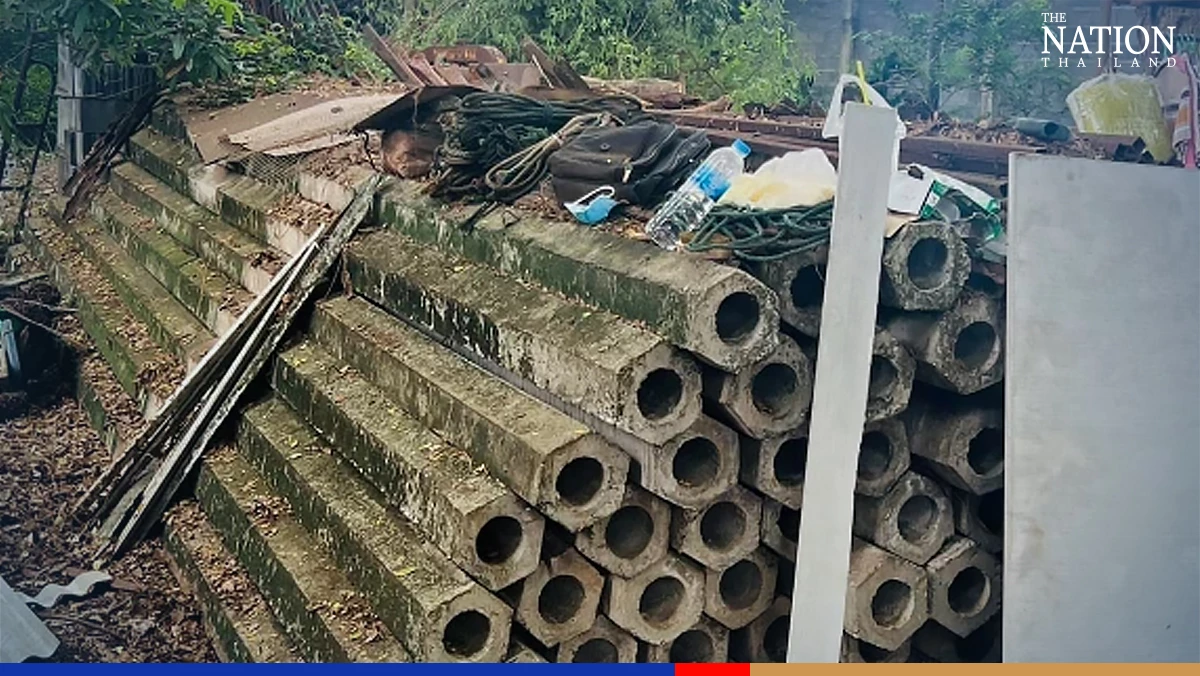
A picture taken by Nitithorn showed a pile of concrete pillars and some old construction materials in the house compound.
According to the lawyer, when the man’s wife was alive, they had planned to build a bigger house but the contractor fled as soon as he got the first payment. After his wife died, Charn wasn’t interested anymore in pursuing the construction.
During the day he rested with his cats and dogs in a small space beside the house. At night he slept beside his wife’s coffin in a room which used to be storage quarters.
Charn told Nitithorn he would from now on work as a volunteer for the foundation to do merit for his late wife. He has also allowed the foundation to keep its rescue boats, which are used for flood operations, in the house compound. In return, foundation staff promised to visit and take care of him daily.
The lawyer also bought Charn a bed and gypsum boards for building a new house.



 Charn kept his word as he put the cremated remains in a white cloth the following day and took them home to place them in the same room.
 A picture taken by Nitithorn showed a pile of concrete pillars and some old construction materials in the house compound.
