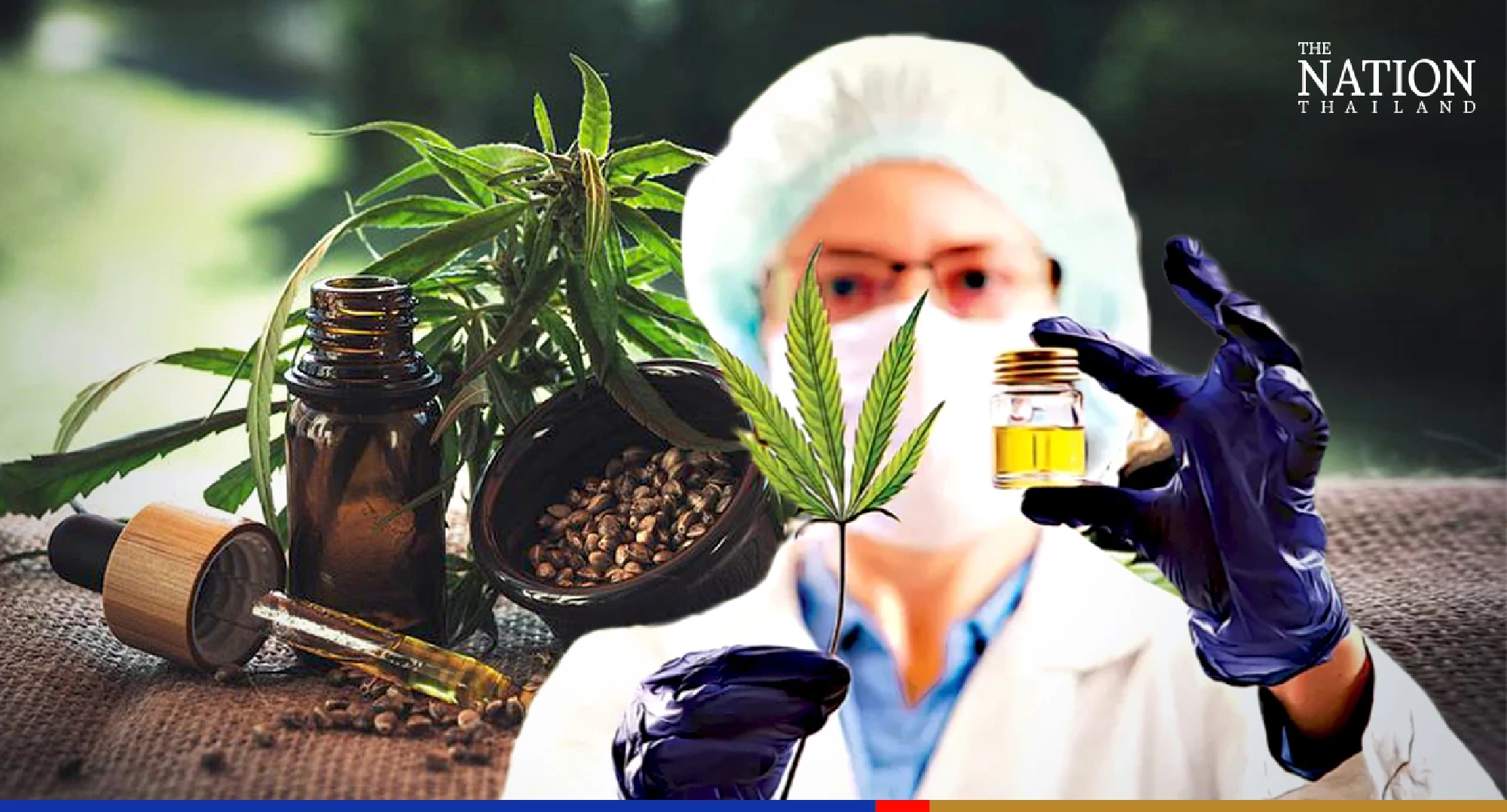
Marijuana advocate Aram Limsakul on Friday called on the government to relax laws so cannabis growers could collect a variety of stock seeds for genetic development of local strains.
He said Thailand has many experienced cannabis growers, but the law prohibits them from developing parent-stock seeds.
“We want the government to unlock the law and make it easier to make parent-stock seeds. Growers are a major part of the industry. Without good growers and good seeds, you can’t get good products,” Aram said.
He was speaking at the Cannabis Wealth seminar on the topic “Thai cannabis in the world market”, held at the Grand Hyatt Erawan Hotel in Bangkok.
Aram, a founder of the Thai cannabis growers association, also said that it was “against principle” to prohibit cannabis growers from using their product. He added that the law should encourage cannabis growers, not deter them.
“We are founding an association of professional cannabis growers to encourage illegal growers to do it legally. This way we can spread knowledge among the enterprises,” he said.
Following recent amendment of laws, people in Thailand will be allowed to grow “as many cannabis plants” as they like in their own homes from June 9, according to Public Health Minister Anutin Charnvirakul.
The cannabis grown must be of medical grade and used for medicinal purposes only. Official registration is not required for growing weed at home, but growers are advised to inform authorities so that Thailand can meet the requirements of international treatises.
However, growing cannabis for recreational use is not allowed and smoking marijuana is still prohibited.
It is currently legal in Thailand for registered companies to sell marijuana products which contain less than 0.2 per cent tetrahydrocannabinol or THC, the main psychoactive compound in marijuana that gets people “high”.
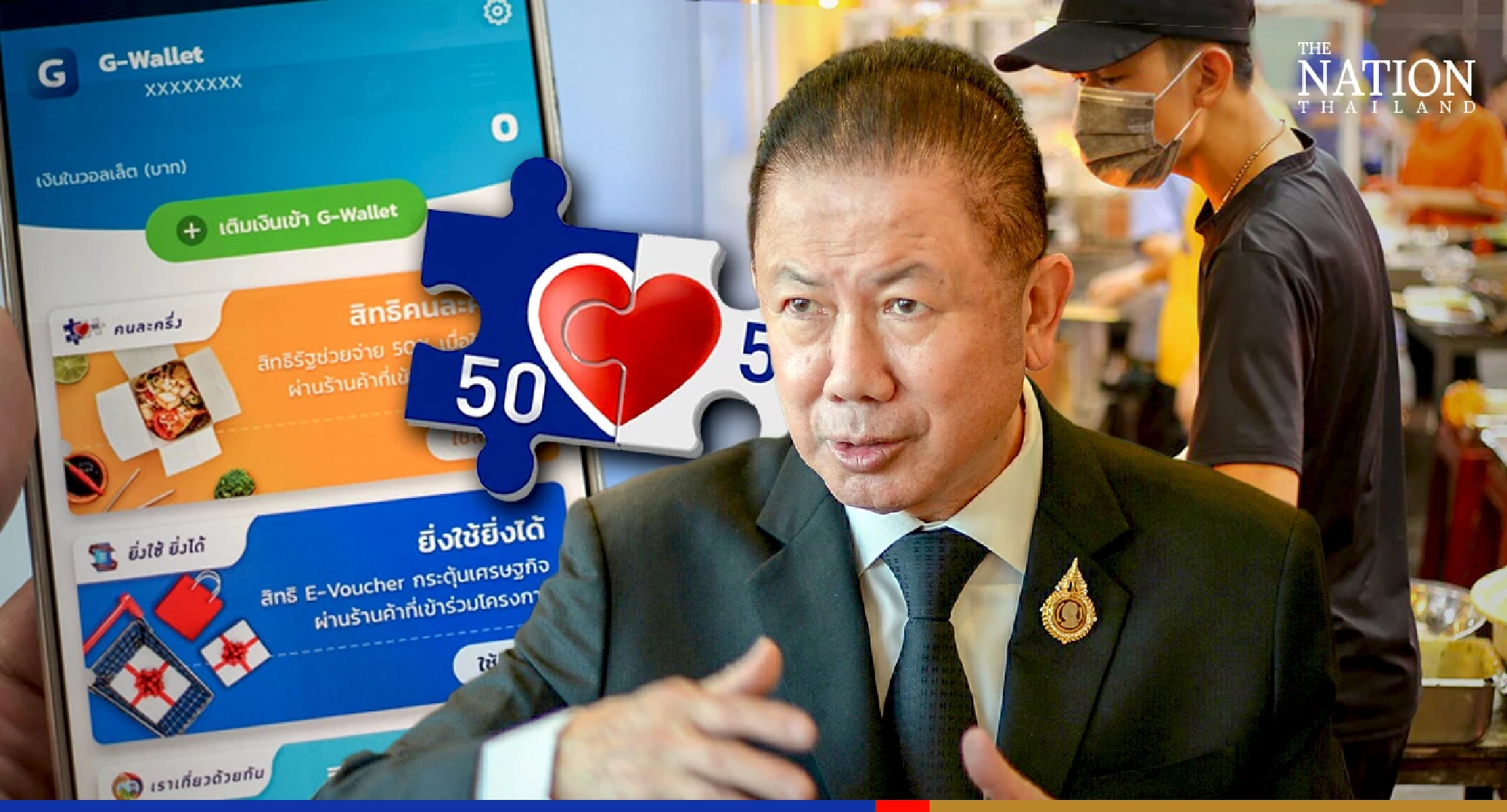
The Thai private sector is pushing for another extension of the government’s “Kon La Krueng” co-payment scheme as an economic stimulus measure.
Sanan Angubolkul, chairman of the Thai Chamber of Commerce and Board of Trade of Thailand, said on Friday that phase five of the scheme would help boost the country’s gross domestic product (GDP) by 0.63 to 0.65 per cent.
“This would certainly keep Thailand’s GDP growth above 3 per cent this year,” he said.
Sanan estimated that a 1,500-baht subsidy for each of about 30 million Kon La Krueng participants would cost about 45 billion baht but spur circulation of about 90 billion baht.
“The Chamber of Commerce realises the government wants to maintain the country’s financial and monetary discipline, after a lot of money has been spent on different [economic stimulus] measures,” Sanan said.
“But further stimulus will bring a better result. It adds money to the economic system while helping to sustain small businesses and keep jobs,” he added.
He said that more challenges were waiting for the government in May, as the rising diesel price was threatening to stall Thailand’s economic recovery.
Sanan also thanked the government’s Centre for Covid-19 Situation Administration (CCSA) for heeding the private sector’s call to cancel RT-PCR Covid tests for every traveller entering Thailand, starting from May 1.
“We believe the cancellation will help revive the country’s tourism, trade and investment,” he said.
The Mass Rapid Transit Authority of Thailand (MRTA) has told its contractors to prepare to start foundation work on the southern MRT Purple Line in August, according to a well-informed source.
The move comes after the Cabinet on Tuesday approved MRTA’s borrowing plan for construction of the 23.6-kilometre Tao Poon-Rat Burana section of the line.
The MRTA source said the Public Debt Management Office (PDMO) won a green light from Cabinet to provide a Bt82-billion loan for the construction.
The PDMO will provide the first loan payment worth Bt10.8 billion in June and the MRTA will gradually pay the contractors for six contracts in early July.
The source said the MRTA signed the contracts in March and had now sent notice to proceed on the foundation work in areas requisitioned from government agencies.
The project will expropriate 410 plots of land and 500 buildings. The MRTA is now rushing to carry out surveys of the land and buildings so that the areas can be handed over to the contractors gradually.
The MRTA is concerned that expropriation of land in an Army compound on Nakhon Chaisri Road, Dusit district is a sensitive issue that could affect national security.
The source said the MRTA would have to expropriate a plot in the Royal Thai Army Ordnance School and the Royal Thai Army Ordnance Department for the construction of a tunnel under the compound.
If the expropriation faces delay, the entire project could be delayed, the source added.
The Tao Poon-Rat Burana section of the Purple Line will run underground for 13.6km with 10 stations and feature a 10km elevated section with seven stations.
The project is scheduled to be completed in 2,005 days or about five and a half years, before opening for service in 2027.
The section will begin from Tao Poon elevated station, which will connect with the Chalong Ratchatham and Chalerm Ratchamongkol lines.
The first section will be an elevated railway across the Bang Sue Canal before going underground at the Royal Thai Army Ordnance Department.
The subway will then turn right to Thaharn Road and go under the Kiakkai Intersection to Samsen Road, passing the new Parliament, the Rachinee Bon School, Vajira Hospital and the National Library before turning left.
The subway will then run to Phra Sumeru Road and pass Wat Borworn, Phan Fah Intersection, Rajadamnoen Avenue, Mahachai Road, and reach Chakphet Road before passing under the Chao Phraya River at Phra Pok Klao Bridge.
It will then run to Prajadhipok Road and pass Ban Kaek Intersection, run under Wong Wien Yai roundabout to King Taksin Road and then under the Mahaiswan Intersection where it will become an elevated railway again.
The elevated section will run along Suksawad Road to Pracha Uthit Intersection, Bhumibhol Bridge 1 and Phra Pradaeng Intersection to the terminus at Samut Prakan.
Thailand’s exports of fresh mangoes increased by US$11 million (THB363 million) in the first two months of this year, a 15 per cent jump from the same period last year.
Malaysia imported as much as 46 per cent of the mangoes, followed by South Korea (34 per cent), Japan (8 per cent), Myanmar (4 per cent), and Vietnam (2 per cent).
These countries are among Thailand’s 18 partners with whom it has bilateral free trade agreements (FTAs) — 10 member nations of Asean, China and Hong Kong, Japan, South Korea, Australia, New Zealand, India, Chile, and Peru.
They represent 98 per cent of Thailand’s export markets for fresh mangoes, according to Department of Trade Negotiations director-general Auramon Supthaweethum.
She said that Thai mangoes have been popular in those markets due to their good quality, sweet taste and beautiful appearance. Also, Thai fresh mangos are available all year round in multiple varieties, she added.
Last year, Thailand exported $93 million (3.1 billion baht) worth of fresh mangoes to its FTA partner countries, a 53 per cent increase year on year, Auramon said.
Thailand is the world’s seventh largest exporter of fresh mangoes.
Among the Thai mango varieties popular in those markets are Nam Dokmai, Maha Chanok, Khiew Savoey, and Chok Anan.
Fifteen of those countries waive import tax on Thai fresh mangoes, and only three still levy the tax — 5 per cent by Laos and Cambodia, and 24 per cent by South Korea, according to the official.
She said that the market for processed fruits is also expanding for such products as dried and frozen mango, as well as ready-to-eat mango sticky rice. Such products are free from import tax in 16 FTA markets.
“Thai business operators should improve and increase the formats of their products for export, in order to add more value and expand the market,” Auramon said.
She suggested that the development of product quality should start from the planting process to packaging. No chemicals and pesticides should be used to make their products organic and exportable to countries that are strict with the matter.
Thailand’s ubiquitous mango and sticky rice shot to global fame when rapper Danupha “Milli” Khanatheerakul ended her set at the Coachella Valley Music and Arts Festival in California on Sunday by feasting on the traditional dessert.
This move spurred more interest in developing “soft power” to spread Thailand’s unique culture worldwide. The country ranks 35 in the 2022 Global Soft Power Index.
The top five top countries on the list this year are the US, UK, Germany, China and Japan.
Applauding the rapper for promoting mango sticky rice, the Commerce Ministry said on Monday that it will focus more on its “Creative Economy” concept to promote trade
Apart from mango and sticky rice, Thailand is already cashing in on five typically Thai features to attract foreign interest and generate revenue:
1. Muay Thai
This kickboxing martial art is not just popular among Thais but has also become famous overseas. Many foreign Muay Thai boxers travel to Thailand to hone their skills, while enthusiasts book packages to learn the art. Many well-known gyms offer weekly and monthly training packages for between 4,000 and 13,000 baht.
Muay Thai star Buakaw Banchamek said that the Kickboxing Association is pushing for Muay Thai to be included in the Olympic Games after it was recognised as a sport by the International Olympics Committee last year.
2. Thai cuisine
Apart from mango sticky rice that went viral last week, many Thai dishes like tom yam kung, somtam and phad Thai are already household names outside Thailand. Up to 17 restaurants serving Thai food were featured in the inaugural Michelin Guide Bangkok in 2018, and by 2022, the list expanded to 32 with six retaining their two Michelin stars.
According to the Thai embassy in Washington, there are some 20,000 Thai restaurants outside Thailand, though more than half of them are in the US and Canada.
3. Tourism
Thailand is probably on everybody’s bucket list. From 2016 to 2019, Thailand welcomed more than 30 million visitors per year, though the number dropped drastically upon the arrival of Covid-19 in early 2020.
According to the Tourism and Sports Ministry, Thailand generated some 1.93 trillion baht from 39.79 million foreign arrivals in 2019 alone. However, the number of arrivals dropped to 6.7 million tourists generating only 332 billion baht in 2020.
The Tourism Authority of Thailand (TAT), however, expects the situation to improve in 2022, especially since Test & Go and Thailand Pass will be scrapped from May 1. TAT expects at least 10 million foreigners to land in Thailand this year and generate up to 1.5 trillion baht.
4. Entertainment
Many Thai films have received global recognition, such as Apichatpong Weerasethakul’s “Uncle Boonmee Who Can Recall His Past Lives”, which won the Palme d’Or in Cannes in 2010. Apichatpong also won the Jury Prize in 2021 with his ninth feature film “Memoria”, and “Tropical Malady” in 2004.
Many Thai films have also been released in foreign countries such as “The Medium”, which first premiered in South Korea in July last year before being released in Thailand on October 28, 2021.
According to the Korean Film Council, “The Medium” was the sixth highest-grossing film in 2021 in South Korea, pulling in US$7.32 million.
Many Thai actors have also played roles in international films, including action star Tony Jaa, who was featured in Hollywood blockbusters “Furious 7” and “Monster Hunter”.
Thais are even making a name in the K-Pop world, including Blackpink’s Lalisa “Lisa” Manoban, 2PM’s Nichkhun Buck Horvejkul and GOT7’s Kunpimook “BamBam” Bhuwakul.
Lalisa’s self-titled solo debut album surpassed Justin Beiber and set new world records by scoring more than 76 million views on YouTube in the first 24 hours.
5. Video Games
Thailand can also boast of many talented video-game developers, some of whom have worked with international video-game makers like Capcom and Ubisoft. However, Thai developers have come up with very few video games as such.
The Yggdrazil Group released the third edition of its “Home Sweet Home” game and it was downloaded more than 150,000 times. Since it was free, it generated revenue from in-game purchases, with reports saying the company generated some 100 million baht by the end of last year. Another Thai developer Urnique Studio released “Timeline” in 2020 and sold more than 100,000 copies via the online platform Steam.
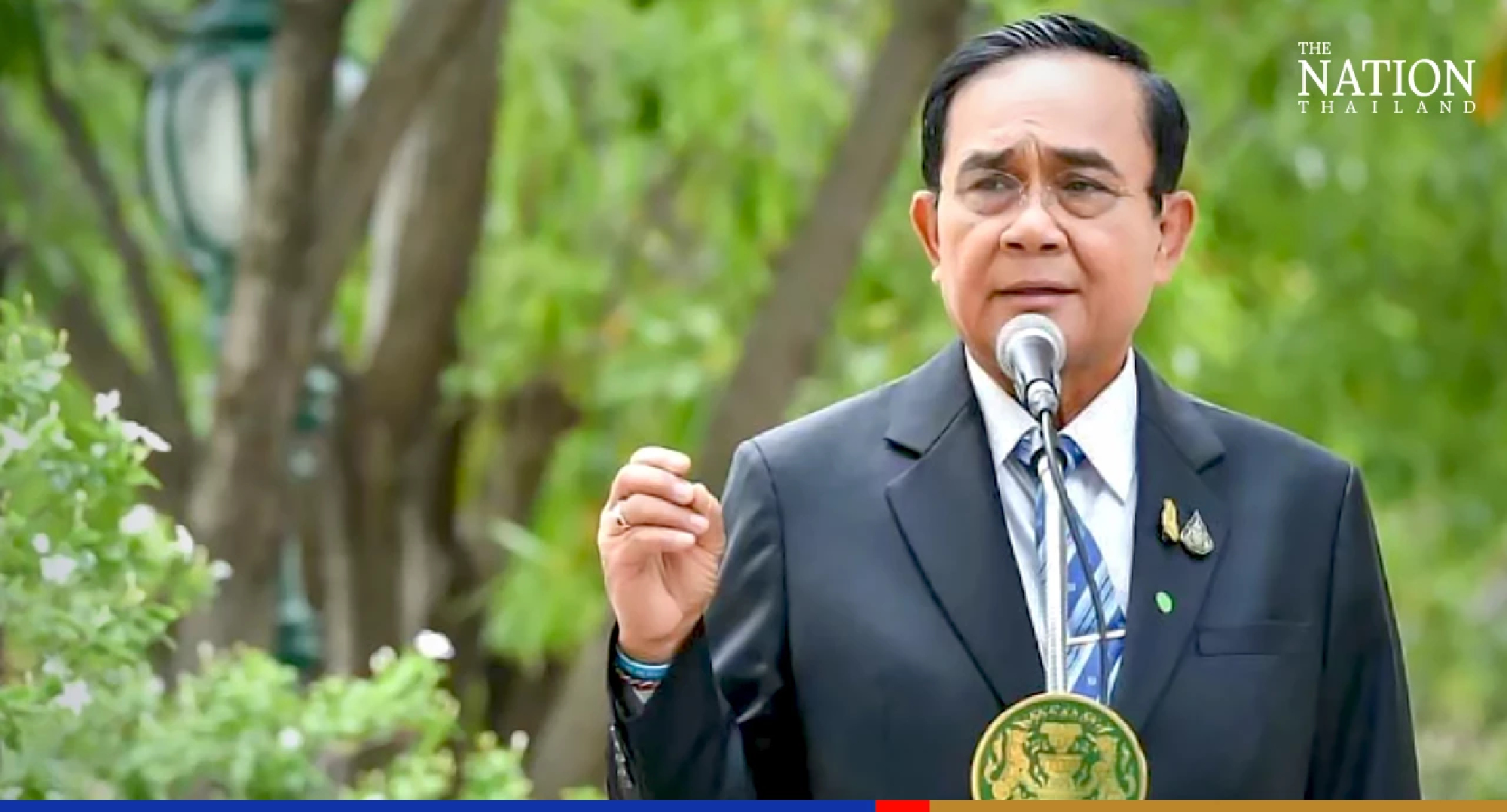
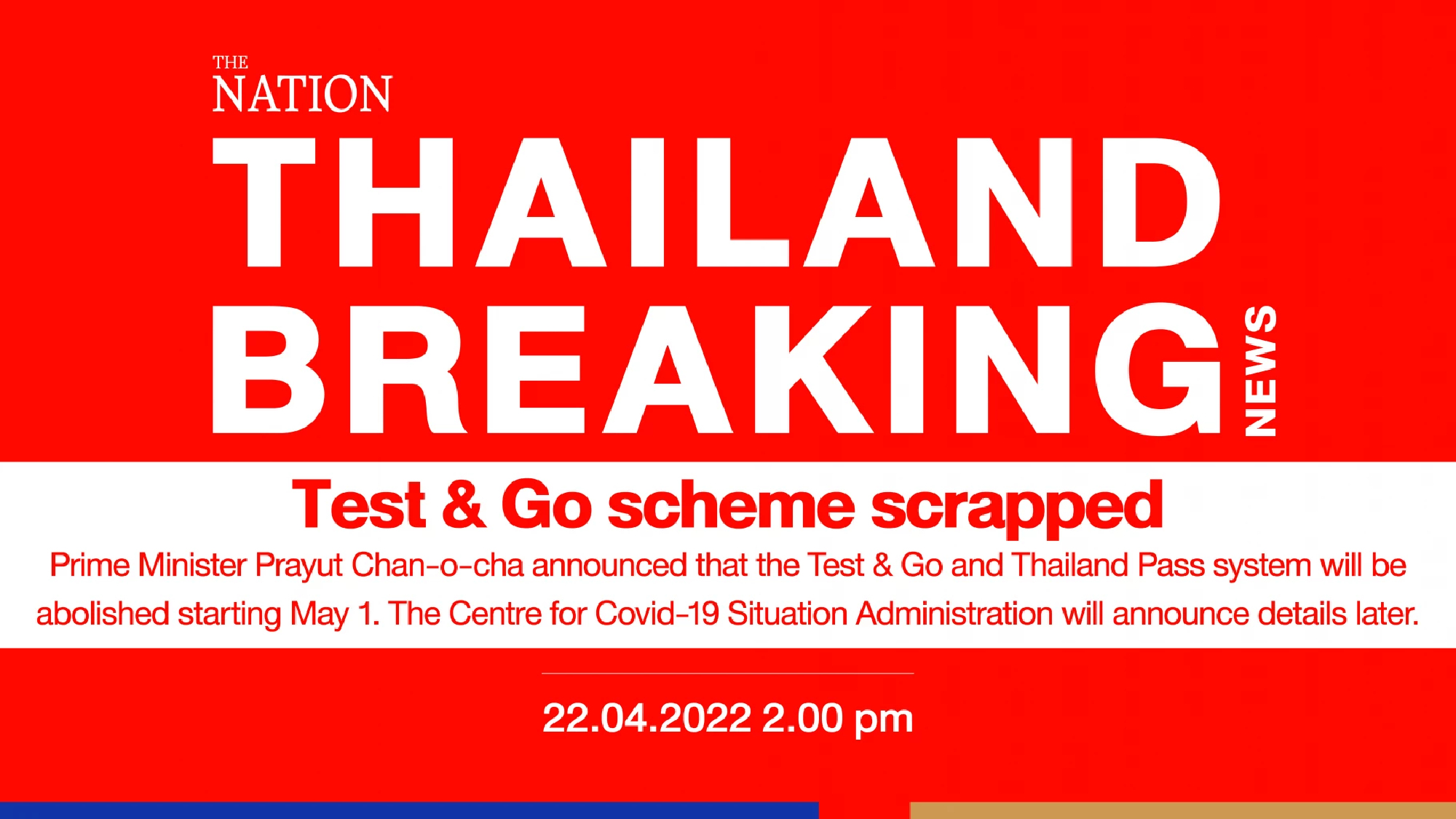
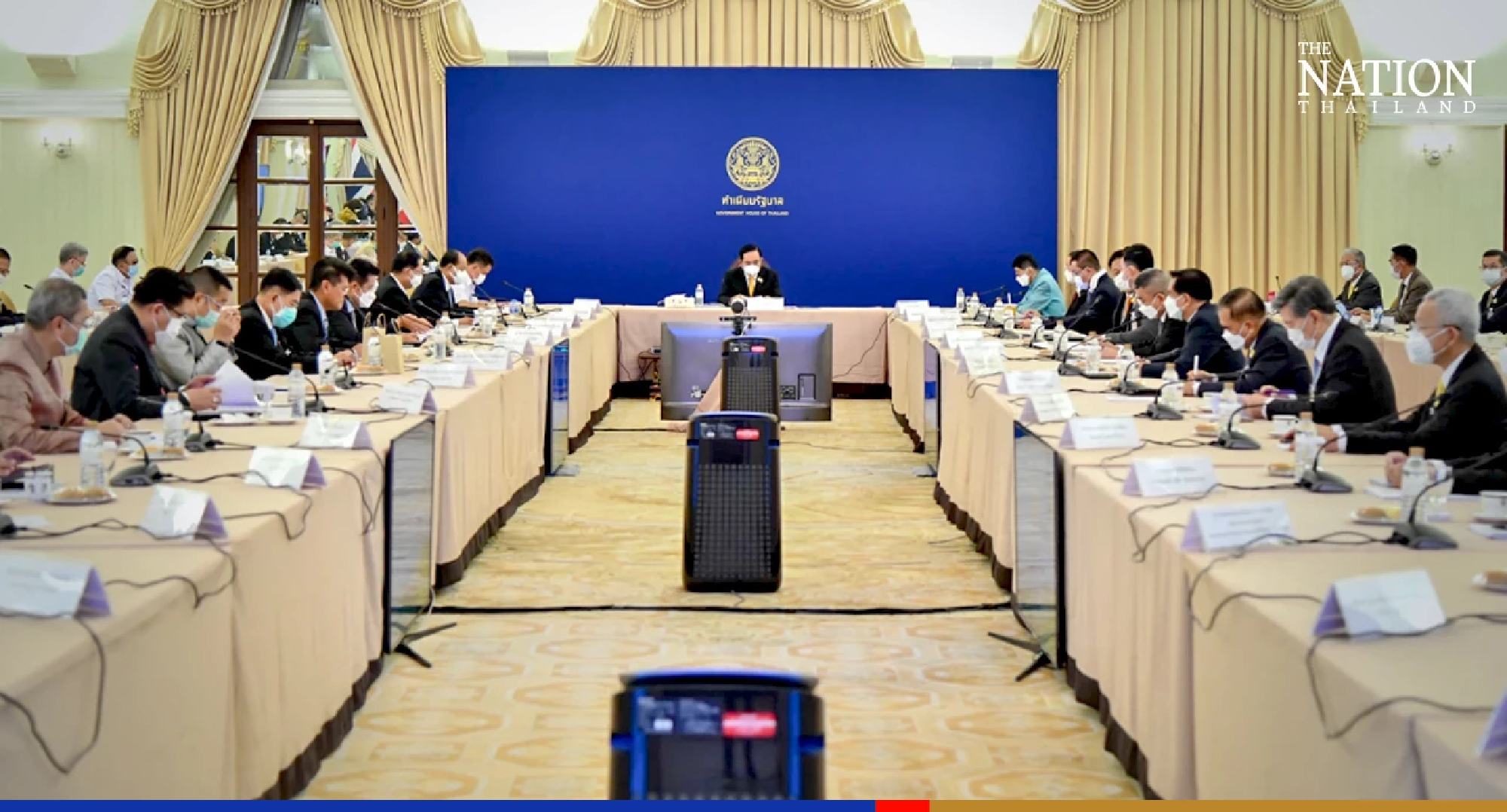
The Centre for Covid-19 Situation Administration (CCSA) on Friday ended the Test & Go and Thailand Pass system and opened the country fully for foreign arrivals, Prime Minister Prayut Chan-o-cha said.
Speaking to reporters after chairing the CCSA meeting, Prayut said the Test & Go scheme will no longer be used from May 1 so as to make it more convenient for arriving foreign tourists.
“It will take effect on May 1 to make it more convenient to open the country to tourists as several countries have already eased their restrictions. This step bodes well for the economy,” Prayut said.
The prime minister explained that the abolition of the Test & Go scheme means foreign tourists would no longer be required to undergo expensive RT-PCR tests upon arrival.
Hotel and tourism operators have repeatedly called on the government to abolish the Test & Go scheme, saying other countries in the region have already lifted Covid-19 restrictions to boost their tourism while Thailand has been left behind.
“The measures which were considered today [Friday] will see easing of travel restrictions for land, marine and air transport,” Prayut said.
“It can be said Thailand is fully opened on May 1.”
The prime minister said the CCSA also reclassified Covid-19 zoning around the country, improving the status of most provinces.
The CCSA upgraded all 20 provinces in the Covid-controlled orange zone to high surveillance yellow.
The upgrade on Friday saw 65 provinces classified as yellow zones and 12 provinces as pilot tourism areas, or blue zones.
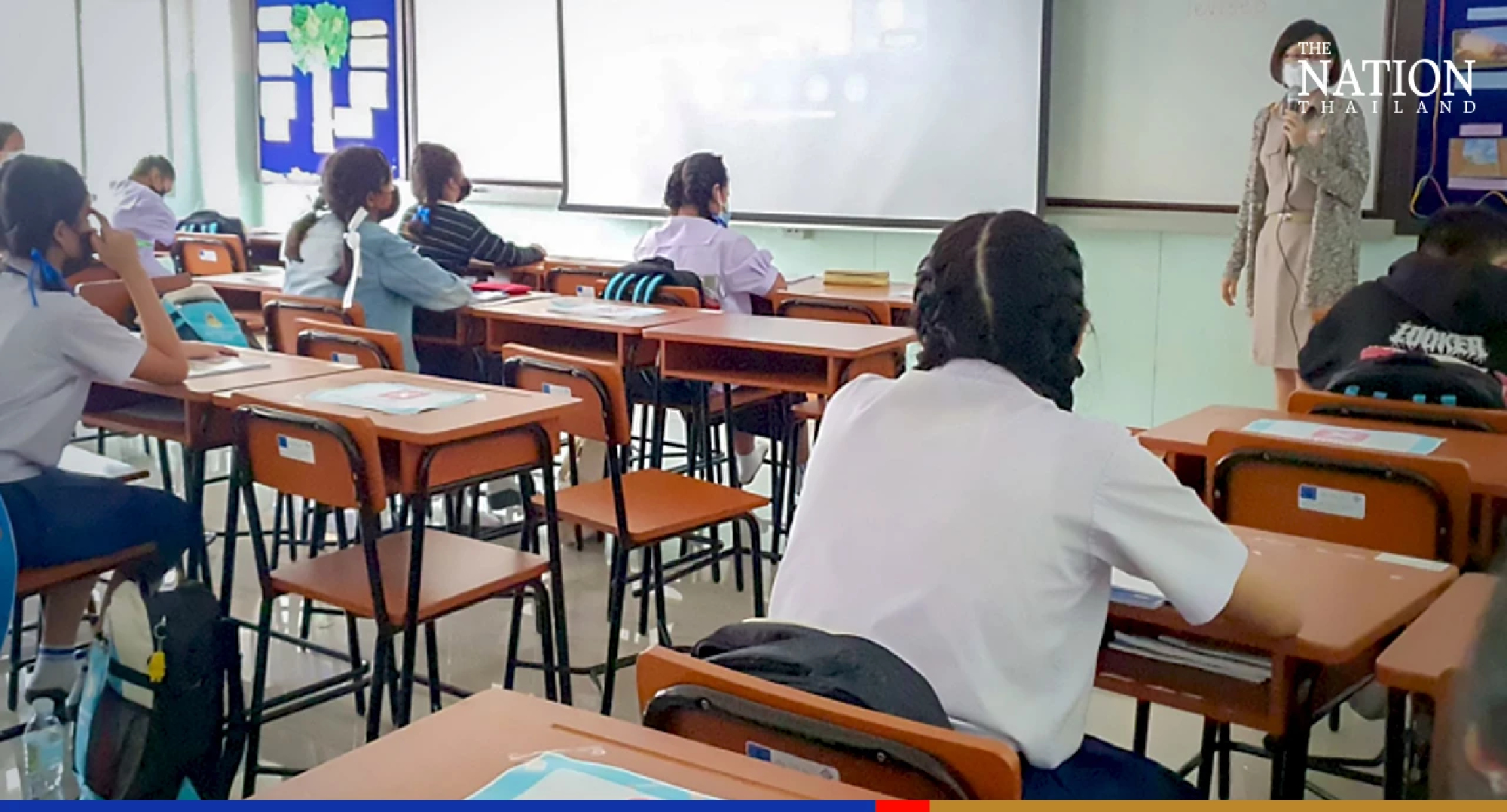
Prayut said the CCSA had also discussed and allowed schools to resume on-site teaching when the new school year starts on May 17. The CCSA has set safety measures for schools to resume onsite classes.
Prayut said the meeting emphasised the need to inoculate people who have not received Covid-19 vaccines yet or who have received just one dose.
The meeting resolved to have concerned government agencies speed up inoculation of children to provide them immunity against the coronavirus, Prayut added.
The prime minister said his government has been trying its best to contain the virus and he said several countries had complimented Thailand for its Covid measures.
“Although there are still new infections, the international community looks at our measures and the rate of people cured. Moreover, the number of people with severe conditions has gone down,” Prayut said.
“I would like to thank all agencies and the people for cooperating to make Thailand safe. Our situation is much better than those in several countries and they would like to exchange public health information with us.”
The prime minister said government agencies concerned will find out why the fatalities increased although the country has better preventive measures.
He said preliminary findings showed that those who had died of Covid-19 belonged to vulnerable groups or who had not been vaccinated or had not got two jabs.
“We must find out the exact cause of these deaths. Were they fully vaccinated? Were other diseases the main causes of their deaths? We are compiling statistics on these,” Prayut said.
When asked to confirm whether Thailand will be fully opened on May 1, Prayut replied: “Yes, May 1, which will be sooner than the original plan to open up on June 1.”
The prime minister added that the CCSA did not discuss the plan to downgrade Covid-19 to endemic status on July 1. He said the CCSA would gather more views on the issue first.
The Education Ministry announced on Friday that schools can provide onsite teaching in the new school year though they must strictly comply with Covid-19 safety measures.
The ministry announced on its website that schools should provide as much onsite classes as possible without using vaccination as a condition to bar students from attending classes.
But the ministry said it would continue its campaign to encourage parents to get their children from kindergarten to vocational schools vaccinated against Covid.
The ministry has said that the new school year will start on May 17 and there would be no postponement.
The ministry said schools must provide online teaching to students, who cannot go to schools because they are in vulnerable groups. But if the vulnerable students have no gadgets for studying online, their schools must provide on-hand teaching, meaning the teachers must assign books and homework for the students to study on their own at home.
For students, who come to study onsite, the schools must apply six measures:
– Make sure students are seated at appropriate distance
– Students must always wear face mask
– They must wash hands regularly
– Students must take a temperature test before entering school
– Schools must reduce crowdedness in the compound
– Schools must regularly clean classrooms and other facilities.
Schools must also tell children to regularly monitor their own health condition and they must not eat with friends. They must also register upon arrival and on leaving the school compound.
The schools must also ensure that activities for students will be held in small groups and students must carry a school pass for tracking their medical record.
The schools must also evaluate the situation and report it to the ministry regularly, the ministry added.
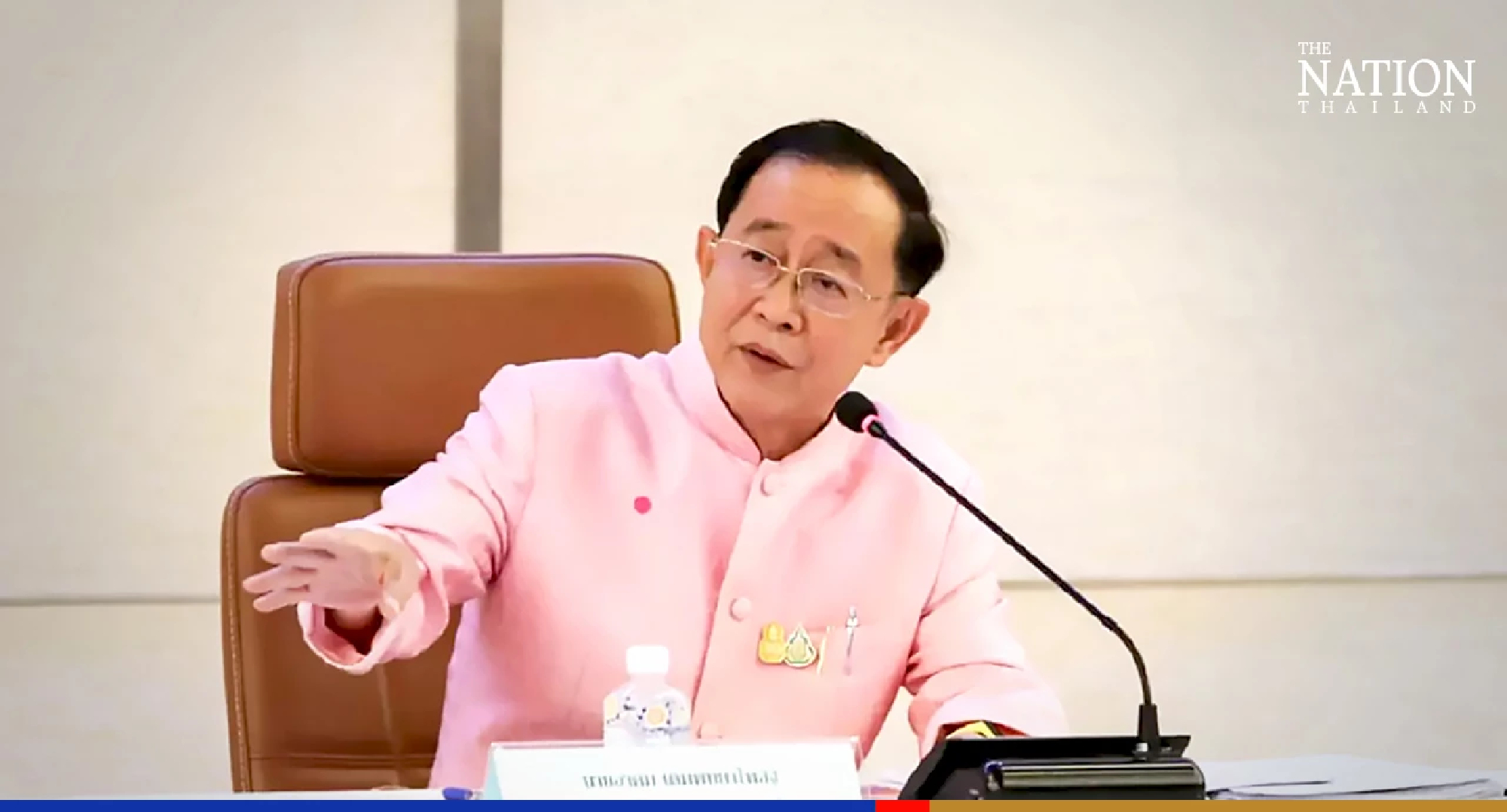
The Finance Ministry is reconsidering the necessity of launching another phase of the “Khon La Khrueng” (Let’s Go Halves) co-payment scheme because uses up a lot of money and only boosts spending for a short time.
“With the economy starting to recovery steadily, a fifth phase of the Khon La Khrueng subsidy may not be necessary anymore,” Finance Minister Arkhom Termpittayapaisith said on Friday. “The ministry will instead focus on promoting job opportunities to boost people’s purchasing power instead of giving away free subsidies, which can only boost spending temporarily.”
The Let’s Go Halves scheme sees the government covering 50 per cent of bills for food, drinks and basic necessities of up to 150 baht per day when paid via the Pao Tang application at participating shops. The fourth phase of Let’s Go Halves capped total subsidy at 1,200 baht per person and runs from February 1 until April 30.
Arkhom added that the government still has 70 billion baht left from the second loan of 500 billion baht it took to deal with the Covid-19 situation, but the ministry will spend that sum carefully based on necessities.
The minister also added that he expects government revenue to meet the target for this fiscal year, adding that it has already exceeded the target in the first six months of fiscal 2022 (October 2021-April 2022).
The Centre for Covid-19 Situation Administration on Friday upgraded all the remaining 20 Covid-controlled “orange” provinces to “yellow”, or provinces under high surveillance.
The CCSA reached the decision during a meeting chaired by Prime Minister General Prayut Chan-o-cha.
The lifting of the orange status of the 20 provinces increased the number of provinces under high surveillance for Covid from 47 to 65.
Two of the 47 highly-monitored yellow provinces were elevated to blue, or pilot tourism provinces, raising the number of blue provinces to 12.
The 12 blue-zone provinces are: Bangkok, Kanchanaburi, Krabi, Chonburi, Chiang Mai, Nonthaburi, Pathum Thani, Phang Nga, Phetchaburi, Phuket, Rayong and Songkhla.
The CCSA added that some districts of the four yellow-zone provinces are categorised as blue.
The 65 provinces in the yellow zone are: Kalasin, Kamphaeng Phet, Khon Kaen, Chanthaburi, Chachoengsao, Chai Nat, Chaiyaphum, Chumphon, Chiang Rai, Trang, Trat, Nakhon Phanom, Nakhon Sawan, Narathiwat, Nan, Bueng Kan, Prachin Buri, Pattani, Phayao, Phetchabun, Phrae, Mahasakham, Mukdahan, Mae Hong Son, Yasothon, Yala, Roi Et, Lopburi, Lampang, Lamphun, Loei, Si Sa Ket, Sakon Nakhon, Satun, Samut Songkram, Sa Kaew, Saraburi, Singburi, Sukhothai, Suphanburi, Surin, Nong Khai, Nong Bua Lamphu, Ang Thong, Amnart Charoen, Uthai Thani, Ubon Ratchathani, Tak, Nakhon Nayok, Nakhon Pathom, Nakhon Ratchasima, Nakhon Si Thammarat, Buri Ram, Prachuap Khiri Khan, Ayutthaya, Phatthalung, Phichit, Phitsanulok, Ranong, Ratchaburi, Samut Prakan, Samut Sakhon, Surat Thani, Udon Thani and Uttaradit.







 The 65 provinces in the yellow zone are: Kalasin, Kamphaeng Phet, Khon Kaen, Chanthaburi, Chachoengsao, Chai Nat, Chaiyaphum, Chumphon, Chiang Rai, Trang, Trat, Nakhon Phanom, Nakhon Sawan, Narathiwat, Nan, Bueng Kan, Prachin Buri, Pattani, Phayao, Phetchabun, Phrae, Mahasakham, Mukdahan, Mae Hong Son, Yasothon, Yala, Roi Et, Lopburi, Lampang, Lamphun, Loei, Si Sa Ket, Sakon Nakhon, Satun, Samut Songkram, Sa Kaew, Saraburi, Singburi, Sukhothai, Suphanburi, Surin, Nong Khai, Nong Bua Lamphu, Ang Thong, Amnart Charoen, Uthai Thani, Ubon Ratchathani, Tak, Nakhon Nayok, Nakhon Pathom, Nakhon Ratchasima, Nakhon Si Thammarat, Buri Ram, Prachuap Khiri Khan, Ayutthaya, Phatthalung, Phichit, Phitsanulok, Ranong, Ratchaburi, Samut Prakan, Samut Sakhon, Surat Thani, Udon Thani and Uttaradit.
