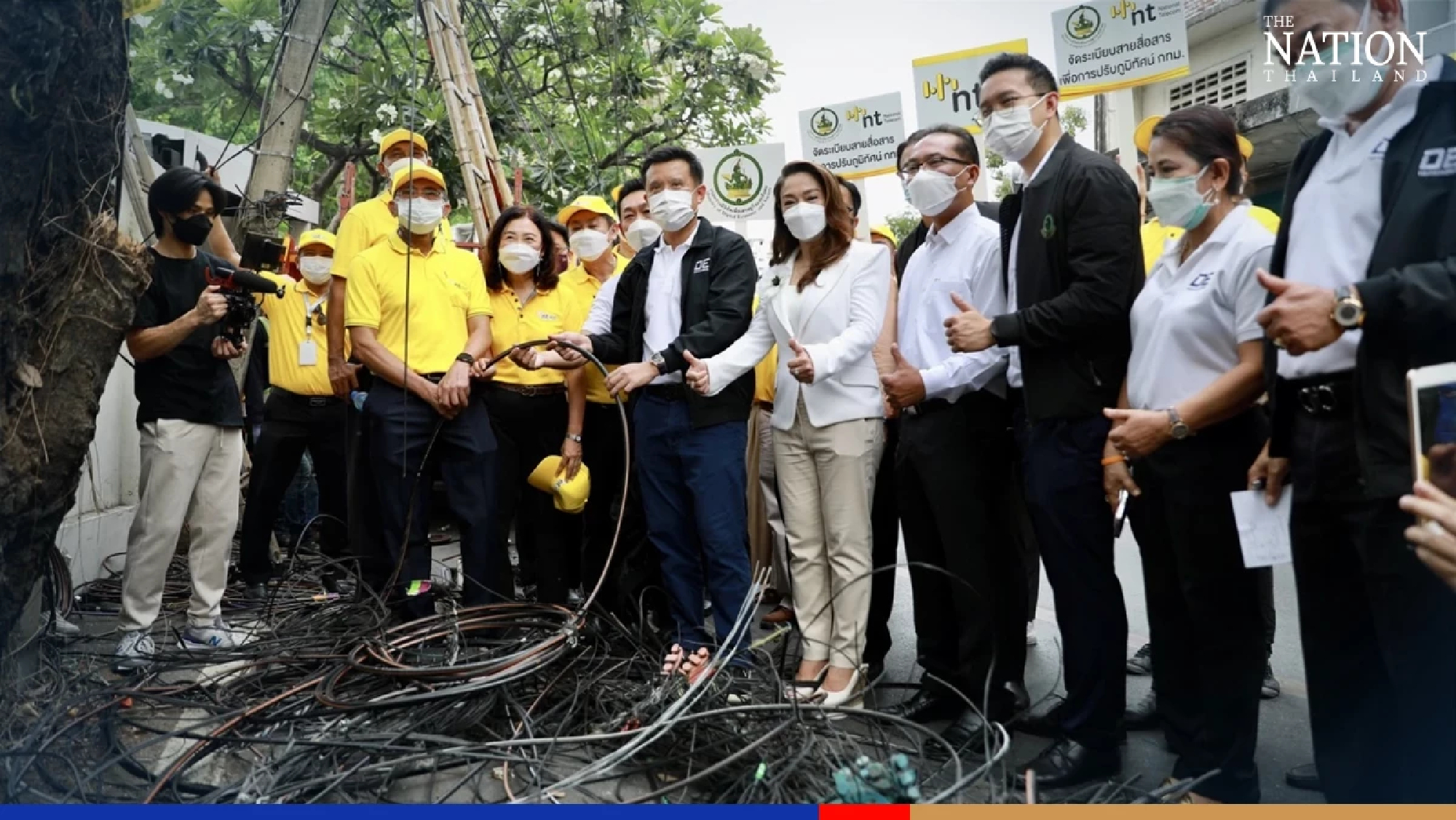
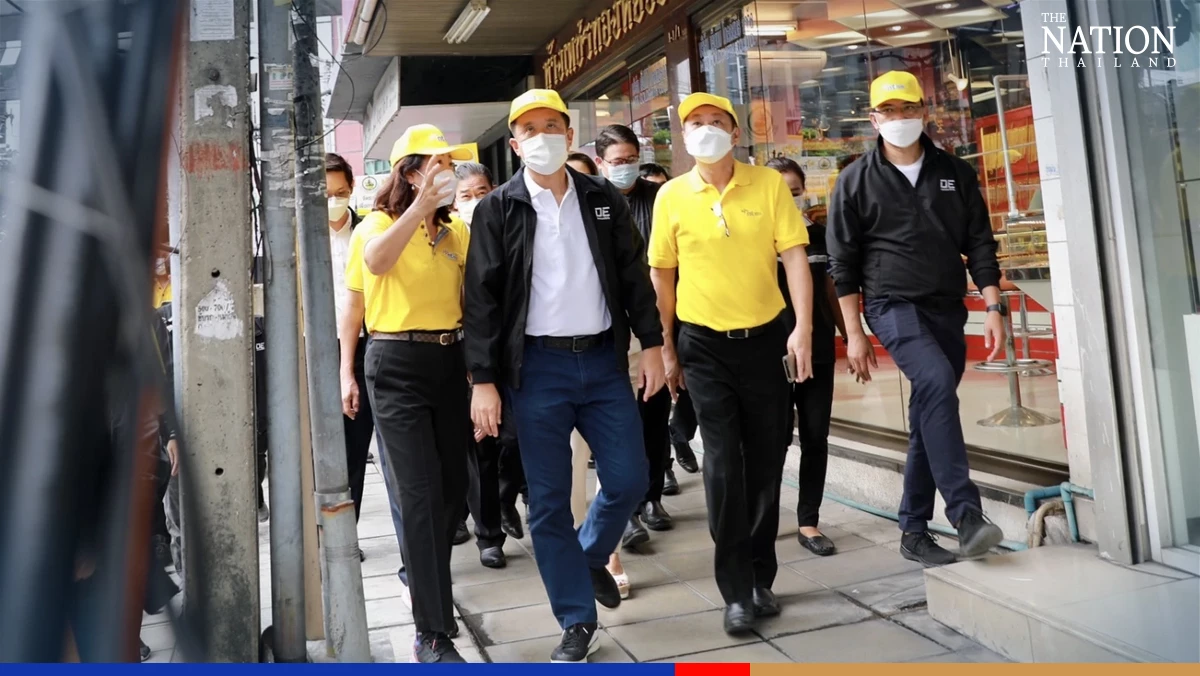
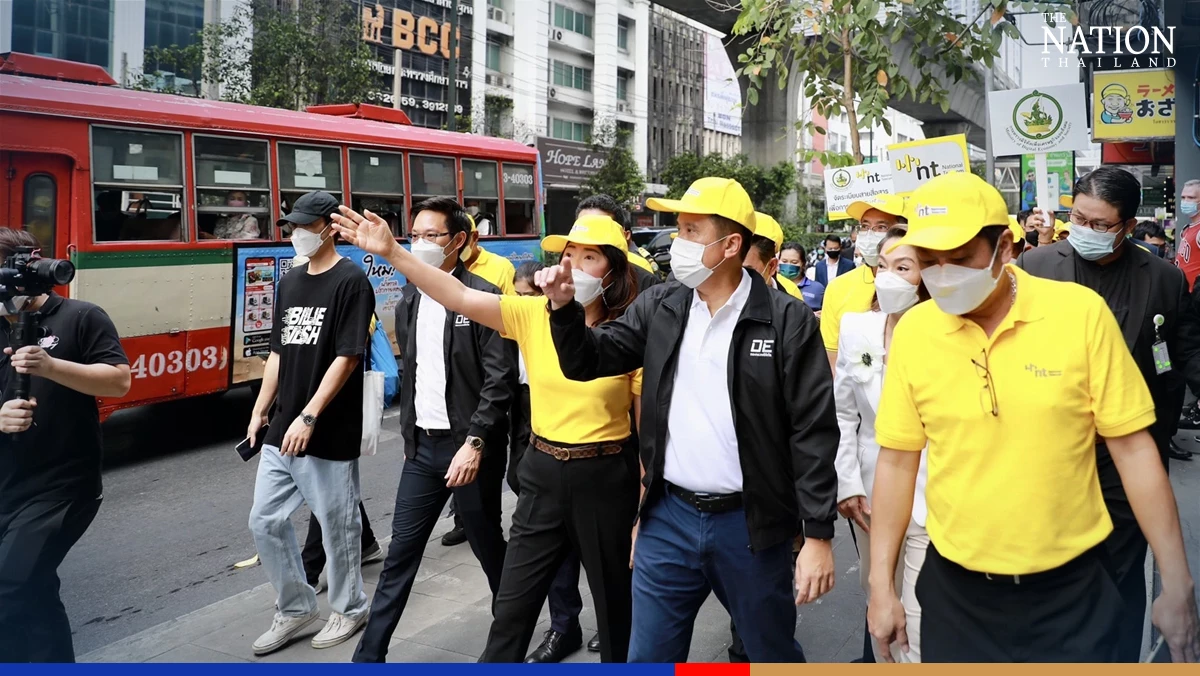
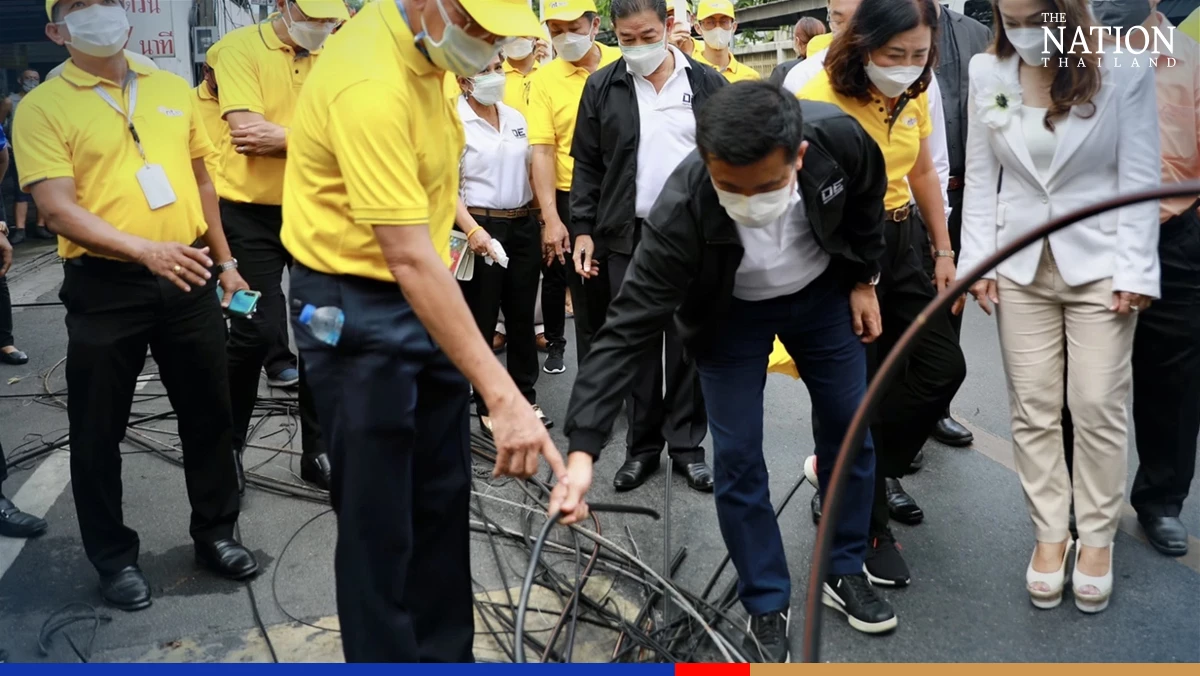
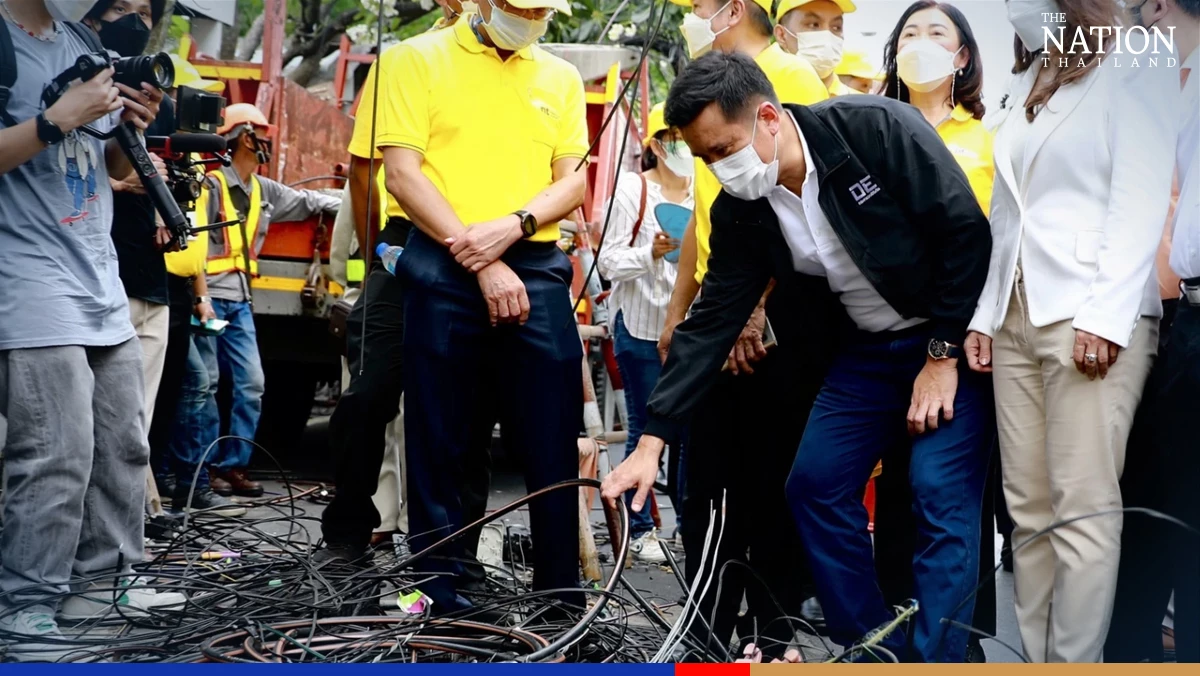
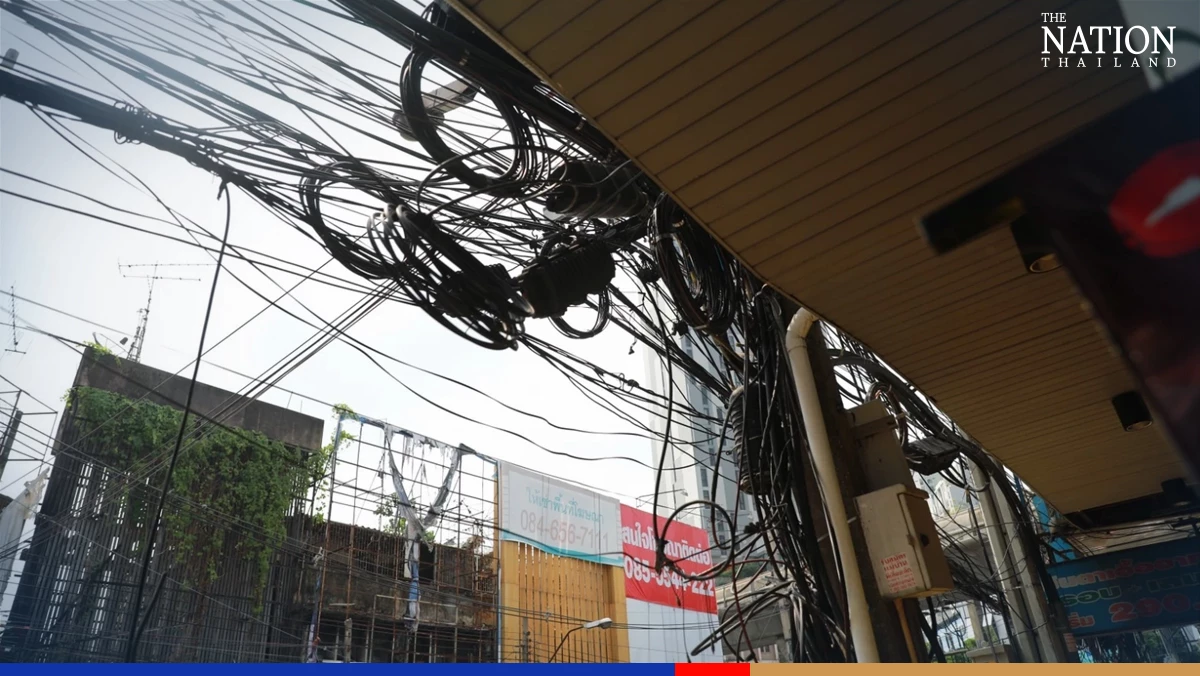
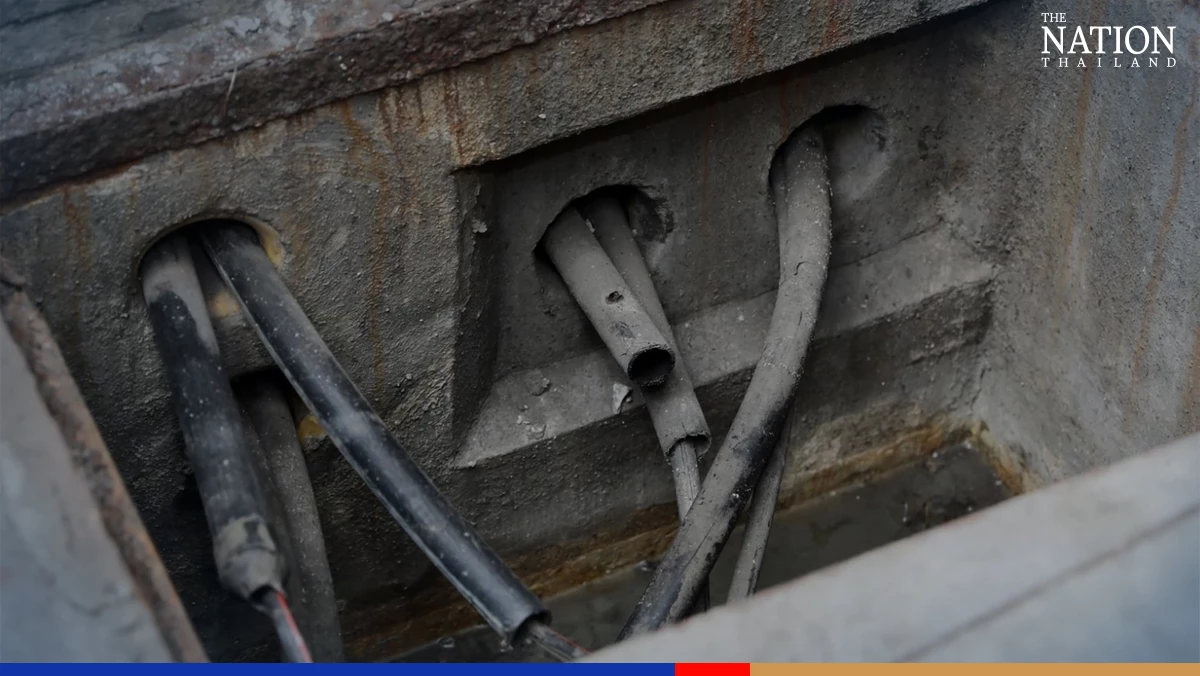
The Digital Economy and Society (DES) Ministry and related agencies are accelerating the rearranging of communication cables on Sukhumvit Soi 71 in Bangkok since Thursday in a bid to improve the capital’s landscape and ensure safety for the citizens.
The operation covers the area between Soi Pridi Banomyong 31, Soi Ekamai 12 and Soi Thonglor 10.
DES Minister Chaiwut Thanakamanusorn said that while overseeing the operation, the ministry will speed up efforts to improve Bangkok’s landscape and promote the capital as a lively world-class city, starting from inner Bangkok.
He assured that the city landscape would be improved and would be made safer for citizens, although there coud be temporary inconvenience for citizens living in the area.
Meanwhile, National Telecom (NT) executive vice president Morakot Thienmontree said the agency is ready to cooperate with DES minister’s policy in the public and national interest.
He also thanked other agencies, such as the National Broadcasting and Telecommunications Commission, Watthana District Office, Thonglor Police Station and Metropolitan Electricity Authority for cooperation.
He added that the NT is ready to implement infrastructure sharing in a bid to reduce complex expenses, utilise national resources effectively, improve the city landscape and ensure the safety of citizens.
“Also, infrastructure sharing will enable the agency to maintain communication cables effectively,” he added.
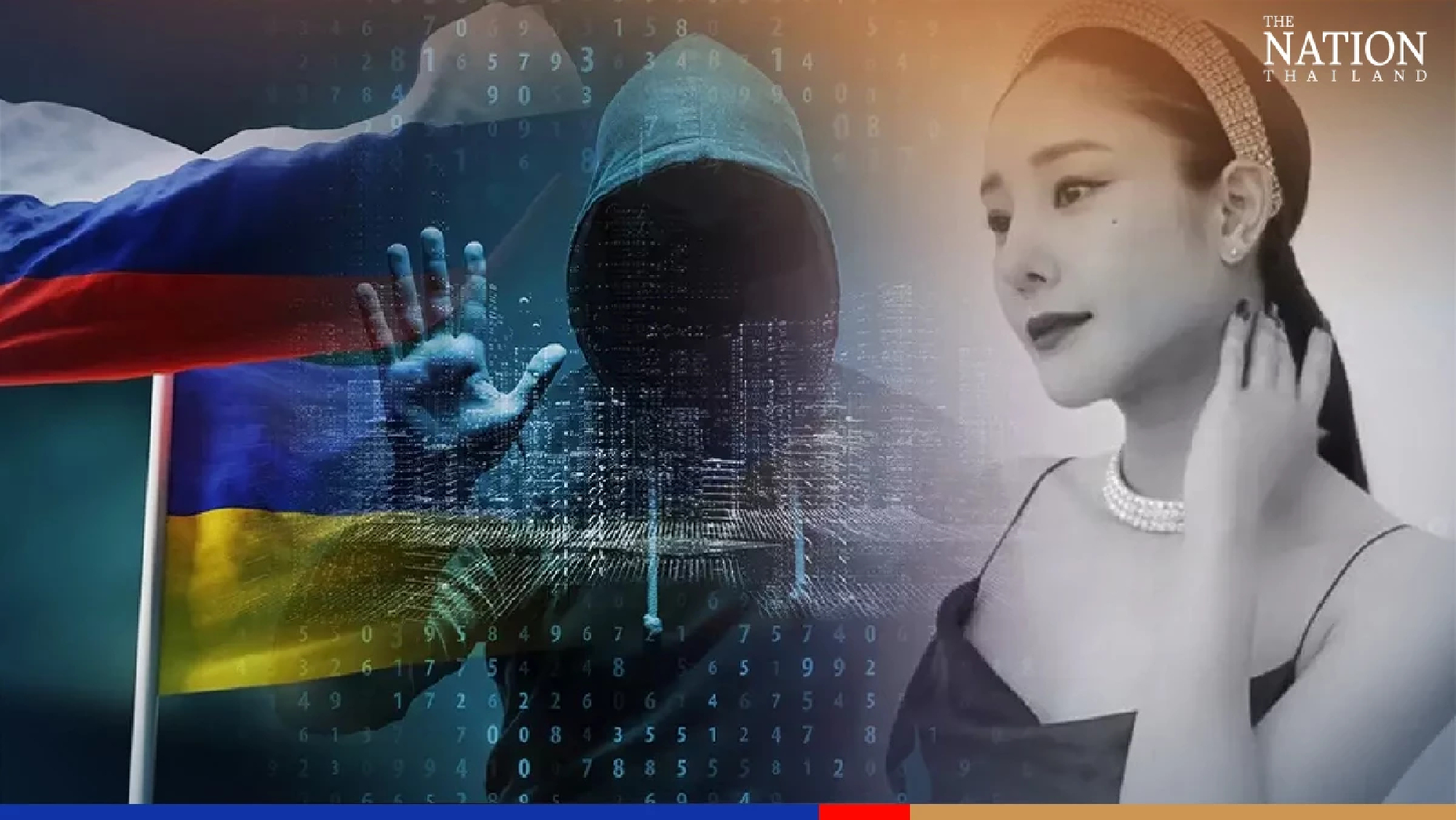
Online criminals are seeking donations supposedly to help war victims in Ukraine or to hold the funeral for actress Nida “Tangmo” Patcharaveerapong, police have warned.
Royal Thai Police deputy spokesman Pol Colonel Siriwat Deephor said on Thursday that criminal gangs were using popular news stories to prey on potential victims, including using the ongoing military conflict between Russia and Ukraine and the actress’s death under mysterious circumstances.
He said the criminals sought donations via social media, claiming the funds raised would be spent on arranging the actress’s funeral and helping people evacuate from war-torn Ukraine.
“You should take precautions and verify the identities of the persons seeking donations. This way, you can avoid becoming victims of the criminals who use other people’s sufferings as their tool to make money,” Siriwat said.
He warned that such a deception is an offence under the Computer Crimes Act and carries a maximum imprisonment of five years and a fine of up to 100,000 baht.
Suspicious acts and fraudulent schemes seeking donations can be reported round the clock by calling 191 or through the Royal Thai Police hotline 1599.
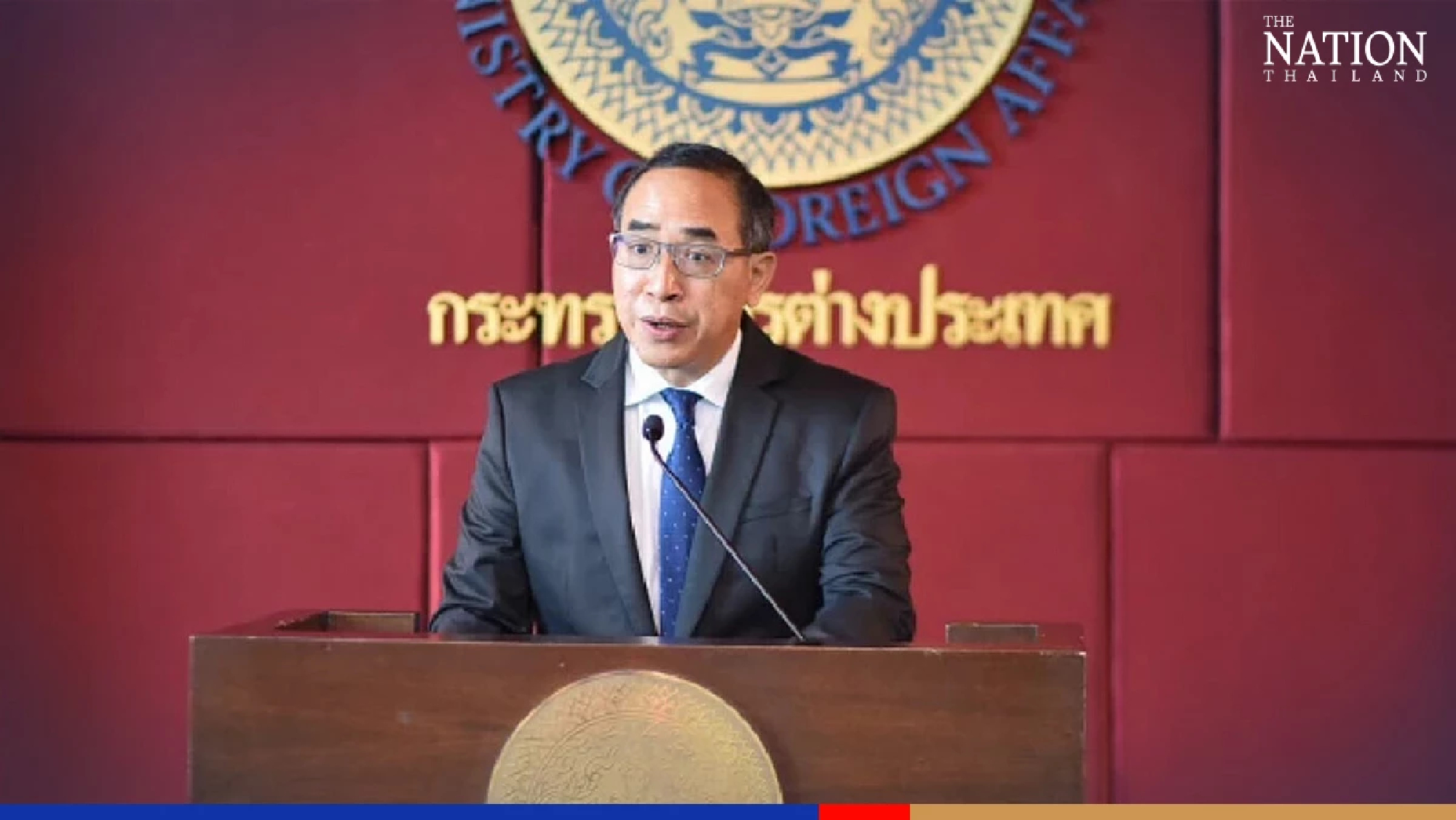
Thailand will donate 2 million baht in humanitarian aid to war-ravaged Ukraine, the Ministry of Foreign Affairs spokesman Tanee Sangrat said on Thursday.
Tanee, who doubles as the Department of Information director-general, said the ministry has approved a budget of THB2 million for humanitarian aid to the Ukrainian people affected by the ongoing military conflict.
The Thai Embassy in Poland, Ukraine’s western neighbouring country, has been assigned to deliver the aid through the Ukrainian Red Cross or some international organisation, the spokesman said.
According to him, the Ukrainian Embassy in Thailand had requested humanitarian aid after the fighting in their country led to deaths, injuries and damage to infrastructure.
In 2019, Thailand donated THB1 million to Ukraine through the International Committee of the Red Cross and the Thai Red Cross Society for humanitarian aid to internally displaced people in the eastern region of that country.
Tanee said that the donations reflected the Thai government’s commitment to providing humanitarian aid and supporting human security in the international community.
Covid-19 infection was not the main cause of deaths in some 10 to 30 per cent of daily fatalities attributed to the infection, the Public Health Ministry said on Thursday.
Kiattiphum Wongrajit, permanent secretary at the Public Health Ministry, said there must be a new way of reporting daily Covid-19 fatalities after the ministry found that the infection was not the main cause of deaths in about 10 to 30 per cent of cases.
Kiattiphum said the Covid-19 virus was just incidentally detected after these patients died of comorbidities or other causes.
“Some of them saw their comorbidities worsen so they had to be admitted to hospitals and when they were admitted, they had to be tested and the virus was detected,” Kiattiphum said.
“Some of them didn’t show symptoms of Covid but the virus was detected after their deaths.”
He said as of now all patients who were found to be infected with Covid-19 after their deaths had to be reported as Covid-19 fatalities although the virus was not the cause of the deaths.
Kiattiphum said the death report would be rewritten to separate patients with lung inflammation from those who did not have lung inflammation, and the reports would also state the main cause of death.
Kiattiphum unveiled the plan to review the report on Covid-19 fatalities after Deputy Prime Minister and Public Health Minister Anutin Charnvirakul told reporters earlier in the day that he had consulted with senior officials of the ministry about daily reports on Covid-19 fatalities.
Anutin said the daily reports seemed to show that Covid-19 fatalities had increased but, he said, people, who died due to other causes or diseases should be separated from the Covid-19 fatality reports.
Anutin said the meeting discussed that when patients died while they were on a ventilator and died of lung inflammation caused by Covid-19 virus, they could be classified as Covid-19 deaths.
But there were cases of bed-ridden people, who died and were later found to have the virus, Anutin added.
“These cases should be separated from the obvious cases of Covid-related deaths. There should be a clear-cut figure as to how many had died because of respiratory system failure or lung inflammations. The permanent secretary and Disease Control Department chief discussed this issue to prevent more public confusion,” Anutin said.
The minister said the Public Health Ministry has been receiving good cooperation from the people since the policy to treat mild or asymptomatic Covid patients as outpatients started on March 1.
“We have received good cooperation. This is a good indicator that when most people take medicine back home as OPD patients without being admitted, the public health system will be more efficient without causing excessive burden on hospitals and medical personnel,” Anutin said.
He said Covid-19 patients who received OPD treatment were sacrificing their right to receive three free meals a day so that the ministry could manage the overall patients.
Anutin added that the ministry would speed up vaccinations to minimise deaths so that Thailand would reach the criteria of having fewer deaths than the ratio of 1 death per 1,000 population to downgrade Covid to an endemic.
Kiattiphum said since the OPD measure started on March 1, hotline 1330 was overwhelmed with calls from people inquiring about the measure. He added that 60 per cent of the calls were from Bangkok.
On March 4, the Public Health Ministry decided to allow Covid-19 patients with mild symptoms to receive outpatient treatment from public hospitals in 14 provinces around Bangkok.
Public hospitals in 14 provinces, including Pathum Thani, Nakhon Nayok, Nonthaburi, Ayutthaya and Lop Buri, can treat some 18,000 Covid outpatients each day, Kiattiphum added.
He said the hospitals in the 14 provinces treated some 8,000 Covid outpatients from March 4 to 8. He said 50 per cent of them were administered anti-cough medicine, 22 per cent Fah Thalay Jon (Andrographis paniculata) herb and 28 per cent Favipiravir.
Meanwhile, Dr Somsak Akkasilp, director-general of the Medical Services Department, said guidelines have been set for declaring Covid-19 an endemic, which is scheduled for July 1.
As part of the preparations, the Public Health Ministry has ordered Covid-19 drugs from abroad.
He said the first lot of Molnupiravir had arrived and officials are putting labels on the drug packages to be used for elderly or people with eight comorbidities in various hospitals.
He said the ministry has yet to draft and sign a contract to buy Paxlovid drug, which is expected to be done next month.
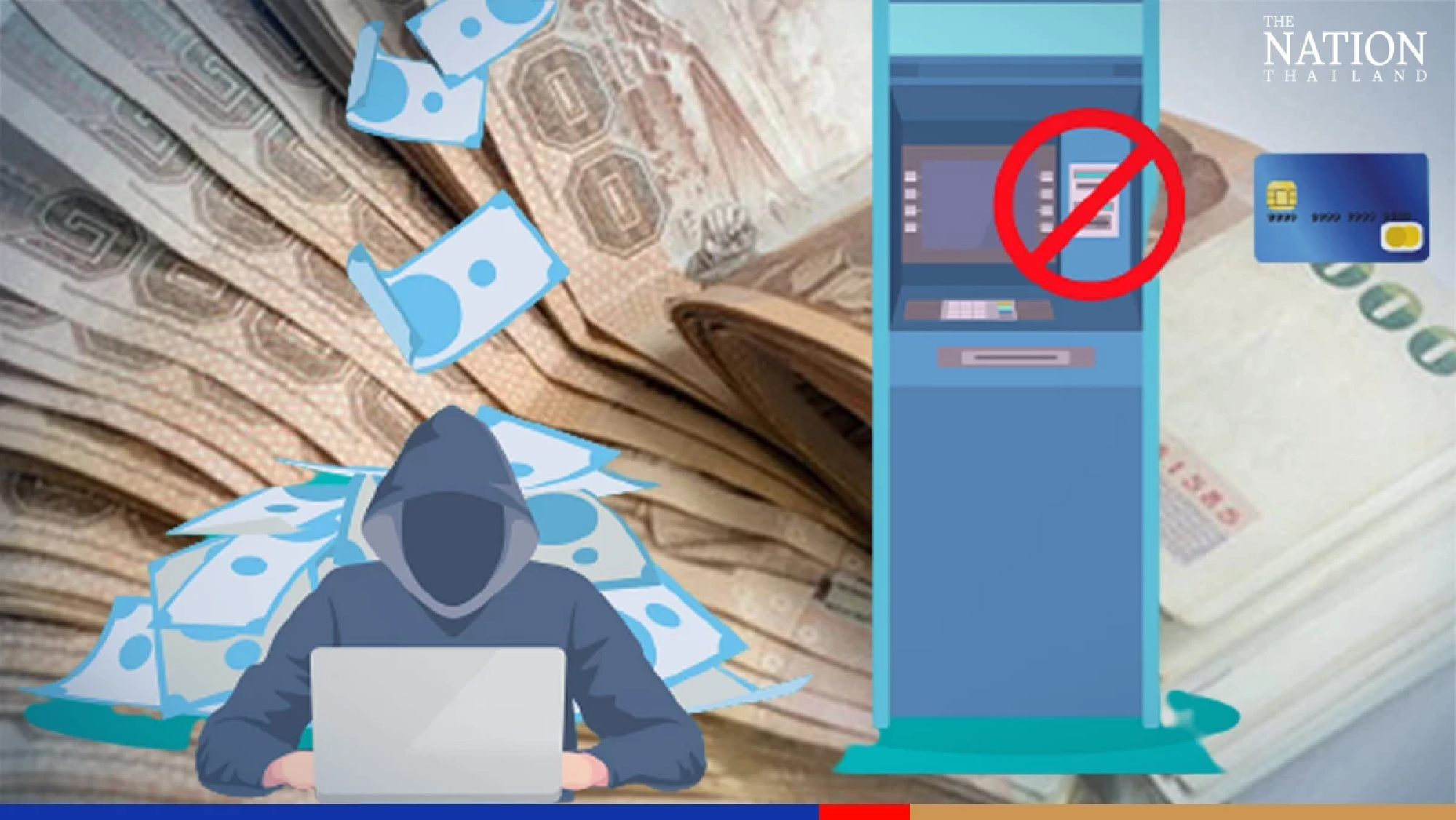
Prime Minister Prayut Chan-o-cha has thrown his support behind an amendment to the Anti-Money Laundering Act that would punish anyone who fraudulently opens bank accounts under other people’s names for online scams, deputy government spokesperson Traisuree Taisaranakul said on Thursday.
The amendment, proposed by the Anti-Money Laundering Office, carries imprisonment and fine penalties for people involved in opening false bank accounts to accept money transfers from scam victims, she said.
Prayut has instructed the relevant authorities to ensure a quick amendment of the law so that police can use it as a tool to suppress prevalent online scams, which have caused much suffering to many people, according to the spokesperson.
Also, the prime minister has ordered relevant agencies to warn people against allowing their names to be used in opening false bank accounts, as they could end up being accomplices under this amended legislation, she said.
The Ministry of Digital Economy and Society is working closely with the Royal Thai Police in tackling online crimes. A “cybercrime patrol” task force was set up to investigate reported offences and there is also collaboration with neighbouring countries, according to Traisuree.
Meanwhile, the Bank of Thailand and the Thai Bankers’ Association have set measures to warn potential scam victims and prevent the opening of false bank accounts.
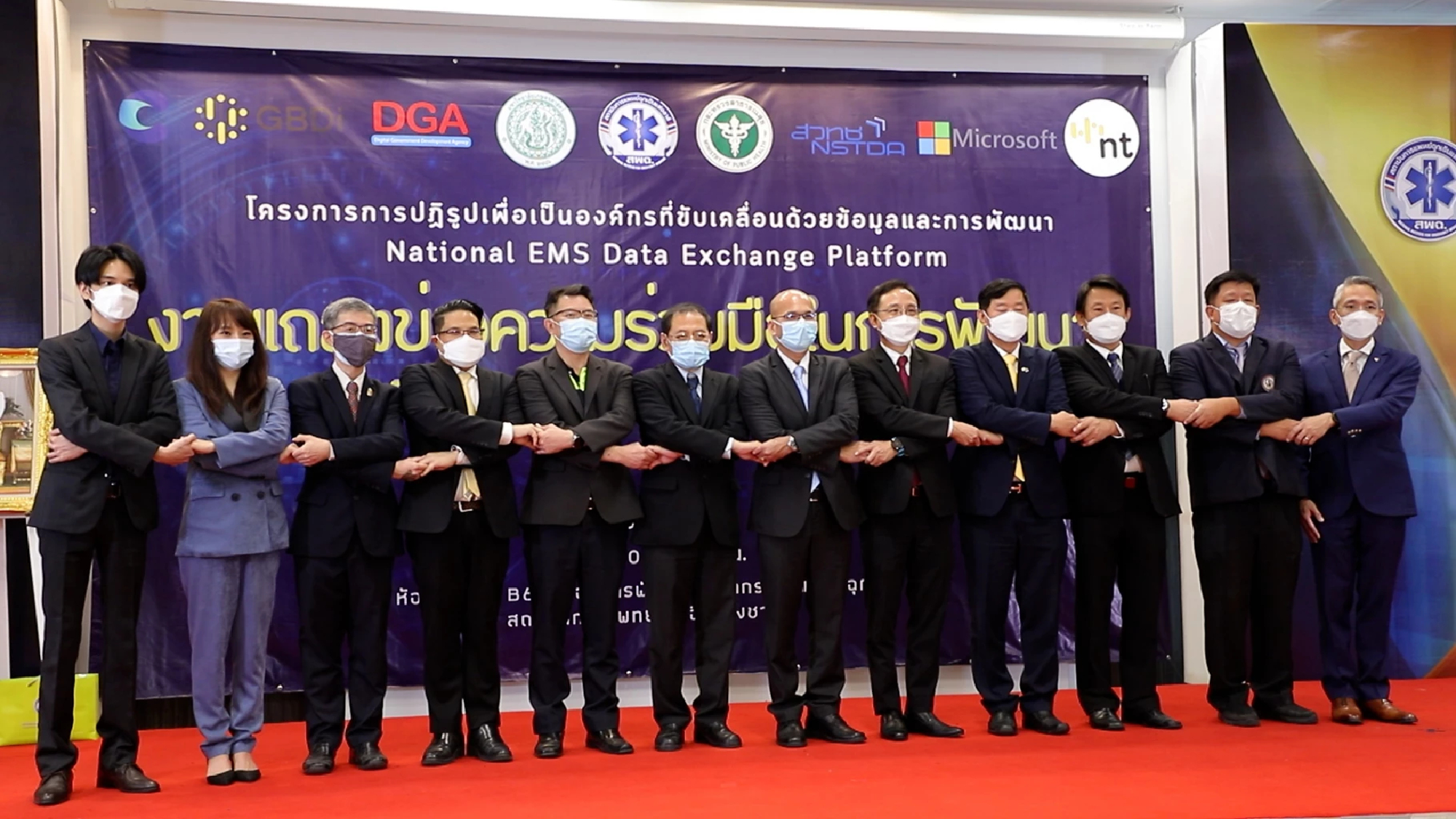
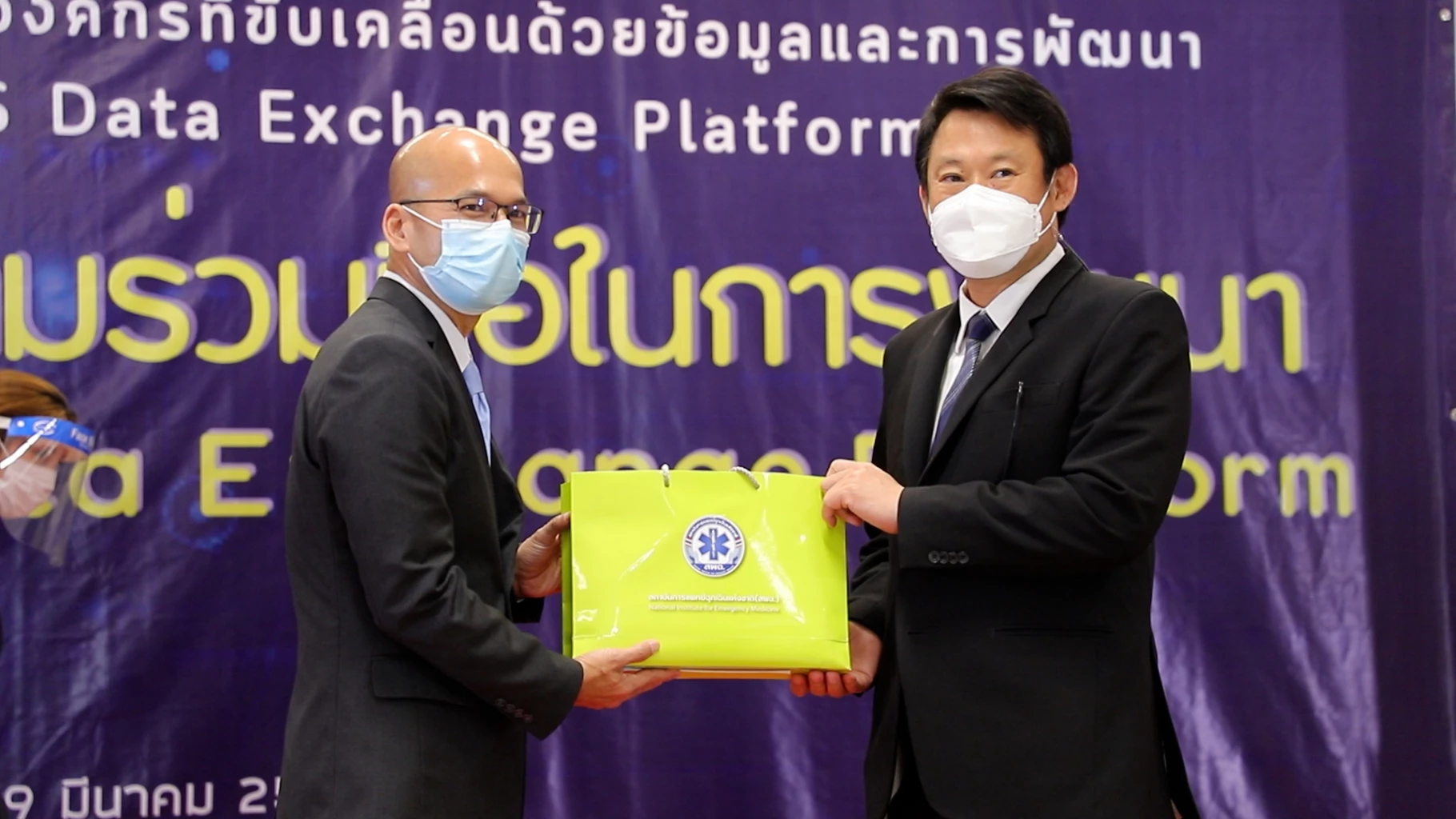
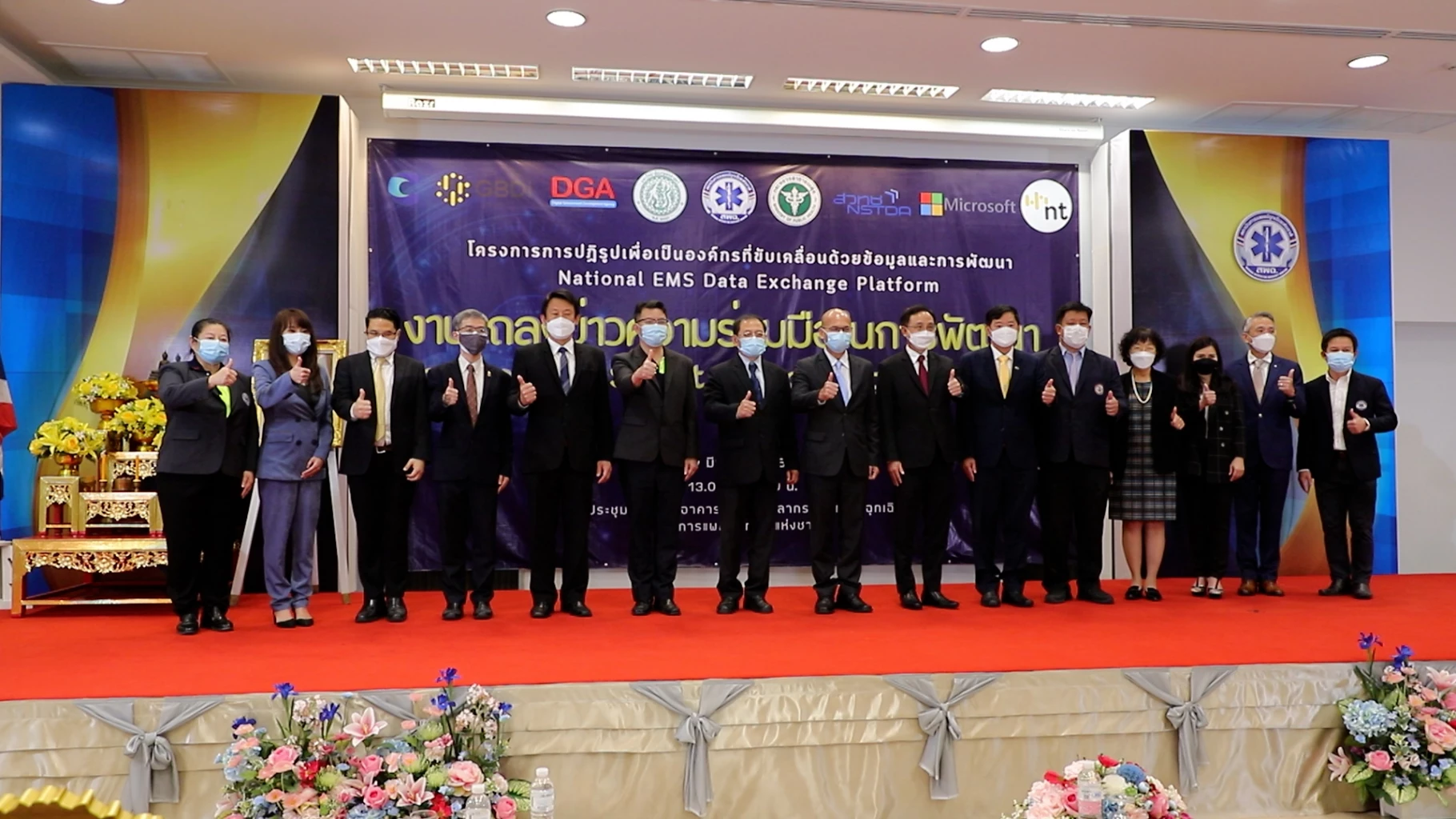
The National Institute for Emergency Medicine (NIEM) is cooperating with its partners on a data-exchange platform to provide quicker, more effective emergency medical services in line with international standards.
Its partners are the Digital Government Development Agency, the Public Health Ministry’s Information Communication Technology Centre, the National Science and Technology Development Agency, the Government Big Data Institute, National Telecom, Kasetsart University, Microsoft and Coraline.
NIEM deputy secretary-general Pisit Charoenying said the move, which includes reforming the institute’s ICT system and creating a platform for exchanging emergency medical service-related data, aims to improve the potential of providing services to citizens.
Pisit went on to explain that the platform covers data governance, standards, data access control, data quality control and data security control to become the country’s emergency medical service-related data centre.
“This project will benefit the government and private sectors on emergency medical service-related data exchange and integration,” he said.
“In addition, it also helps reduce ICT development costs and enables people to access quality emergency medical services sustainably in line with modern standards,” he added.
Meanwhile, Coraline CEO and founder Asama Kulvanitchaiyanunt expected the project to help improve the quality of life as the platform will enhance NIEM’s potential to provide emergency services.
She hoped the platform would enable NIEM to dispatch ambulances to help emergency patients faster and set up a plan to tackle any future pandemics effectively.
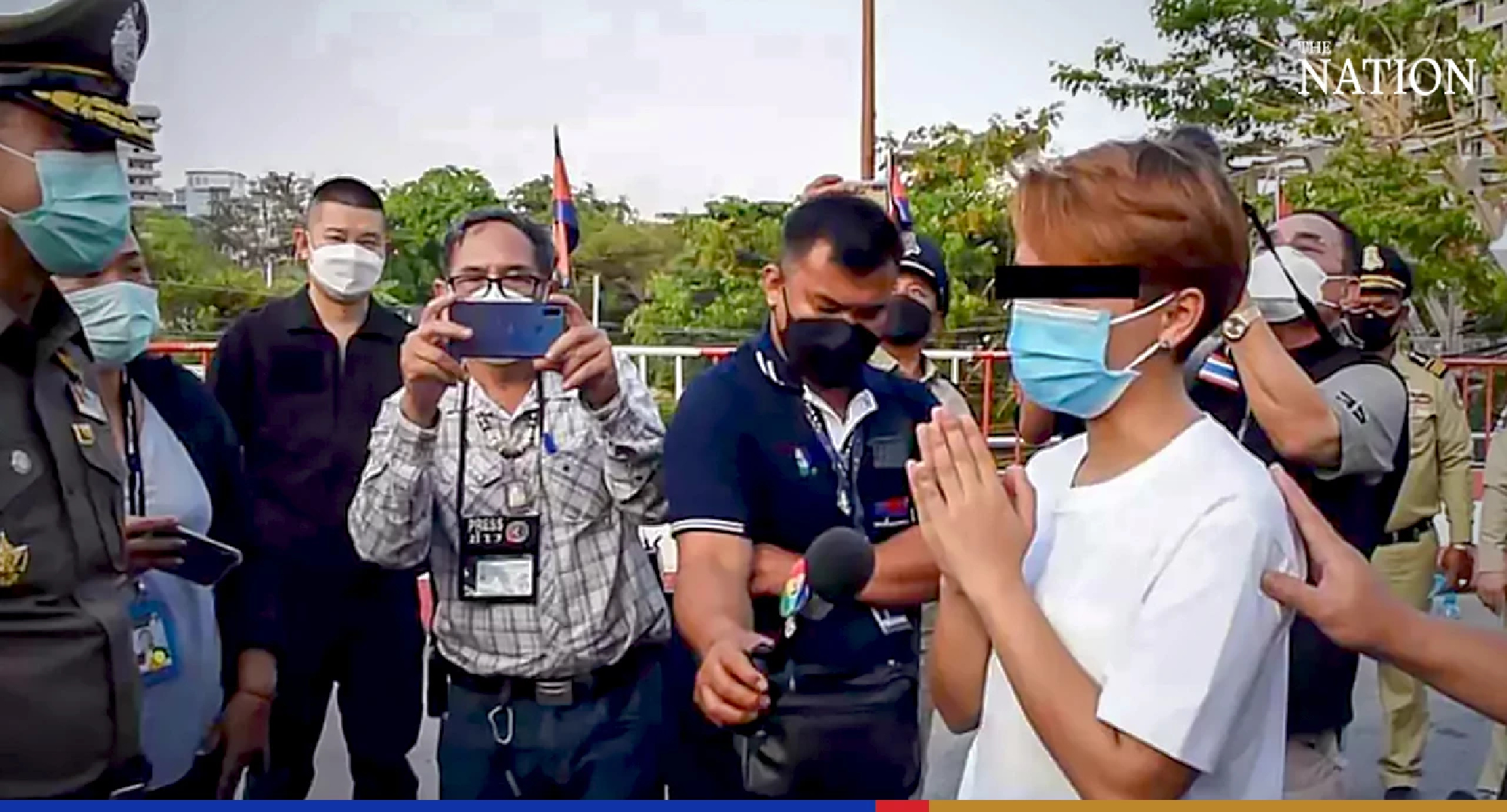
A Thai woman lured to work for Chinese call-centre scammers in Cambodia has claimed that she was drugged and blood drawn from her body, but she was rescued before the gang would remove her internal organs for sale.
The 25-year-old woman, identified only as Bee, was among eight Thai nationals — seven women and one man — handed over by Cambodian immigration officials to Thai authorities at the Klong Luek border checkpoint in the Aranyaprathet district of Sa Kaeo province on Wednesday evening.
Royal Thai Police assistant chief Pol Lt-General Surachate Hakparn, who was among the senior Thai officials receiving the eight returnees, said that scammer gangs in Cambodia have became “very cruel” now. They lure Thais to work for them to prey on other Thais, and also want to sell their organs after drawing blood from them till they die, he added.
The policeman warned against working illegally in Cambodia, adding that there are currently about 3,000 Thais doing so there, many of them for call centre gangs.
He said Cambodian authorities are carrying out a crackdown on such gangs and sending their Thai workers back to Thailand, as a result of a recent discussion between Cambodian Prime Minister Hun Sen and Thai Deputy Prime Minister Prawit Wongsuwan.
The rescued woman, a Bangkok resident, told Surachate that she had been lured to work for a Chinese call-centre gang based in Cambodia’s Sihanoukville town. She refused to work after learning that she had to make calls to deceive her compatriots.
She was then assaulted and detained without food. The gang demanded a ransom for her release but she could not arrange the money.
Later, she managed to flee but lost consciousness during a bus ride. She regained consciousness in Sihanoukville where three bags of blood were drawn from her. After that, she was moved to different hotels and the last one was close to the Vietnamese border.
She gave a note asking for help to a Thai woman she met on the way who alerted the authorities. Bee said the rescue arrived as she was about to be taken for organ removal.
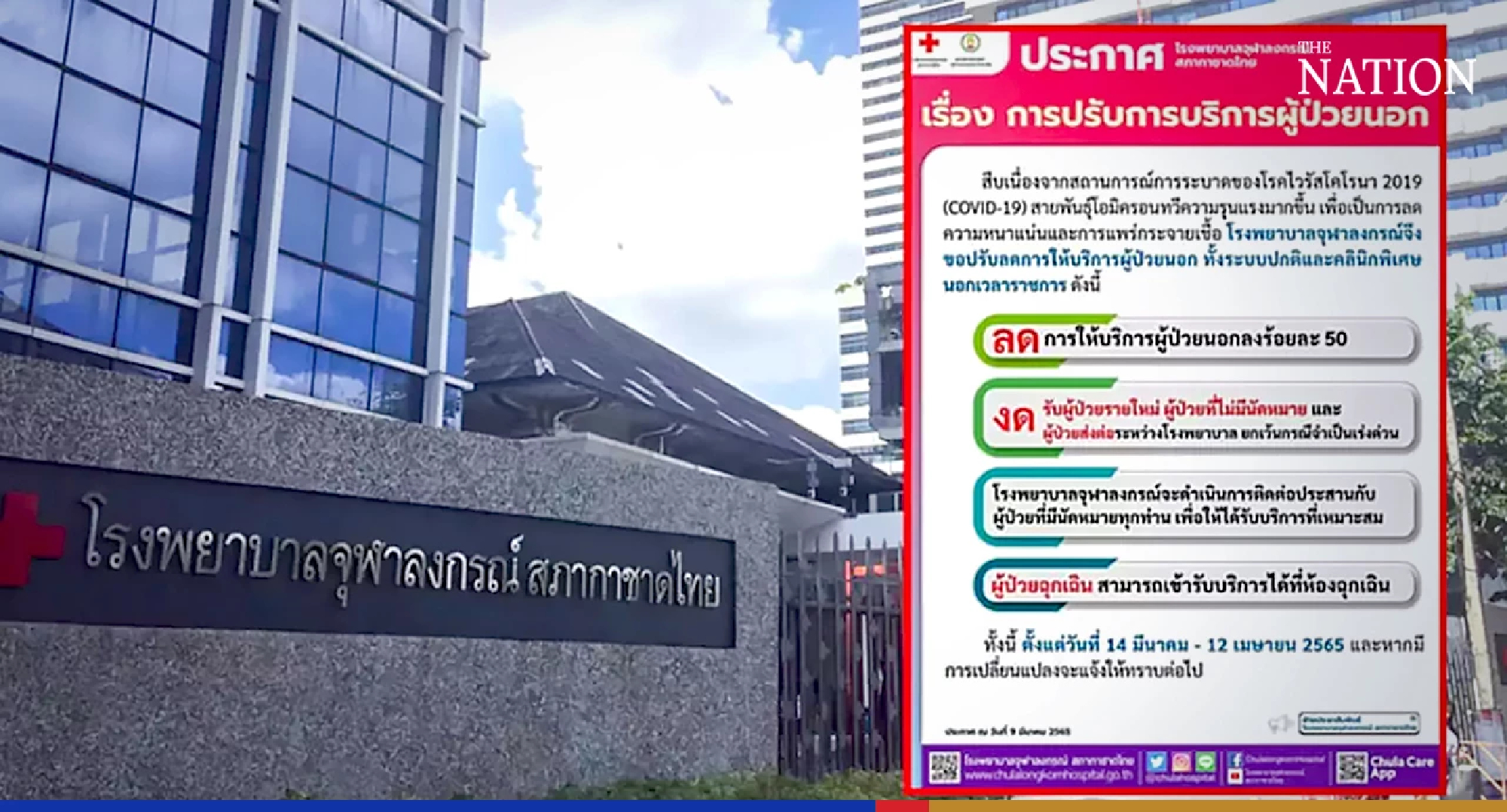
Chulalongkorn Hospital announced it would cut outpatient treatment by 50 per cent because of the rising number of new Omicron infections.
The hospital issued a statement on Wednesday saying that from March 14 to April 12, it will cut by half its normal and off-office-hours capacity for treatment of outpatients.
The hospital reasoned that Omicron infections have intensified so it wanted to reduce crowding to minimise the virus spread.
During the period, the hospital said it will not accept new patients or walk-in patients who have no schedule to meet their doctors. And it will not accept new patients transferred from other hospitals either.
The hospital also said it would coordinate with current patients, who have schedules to meet doctors, as their visits may have to be rescheduled according to the situation.
The hospital added that emergency patients can still seek treatment at the emergency ward during the period.
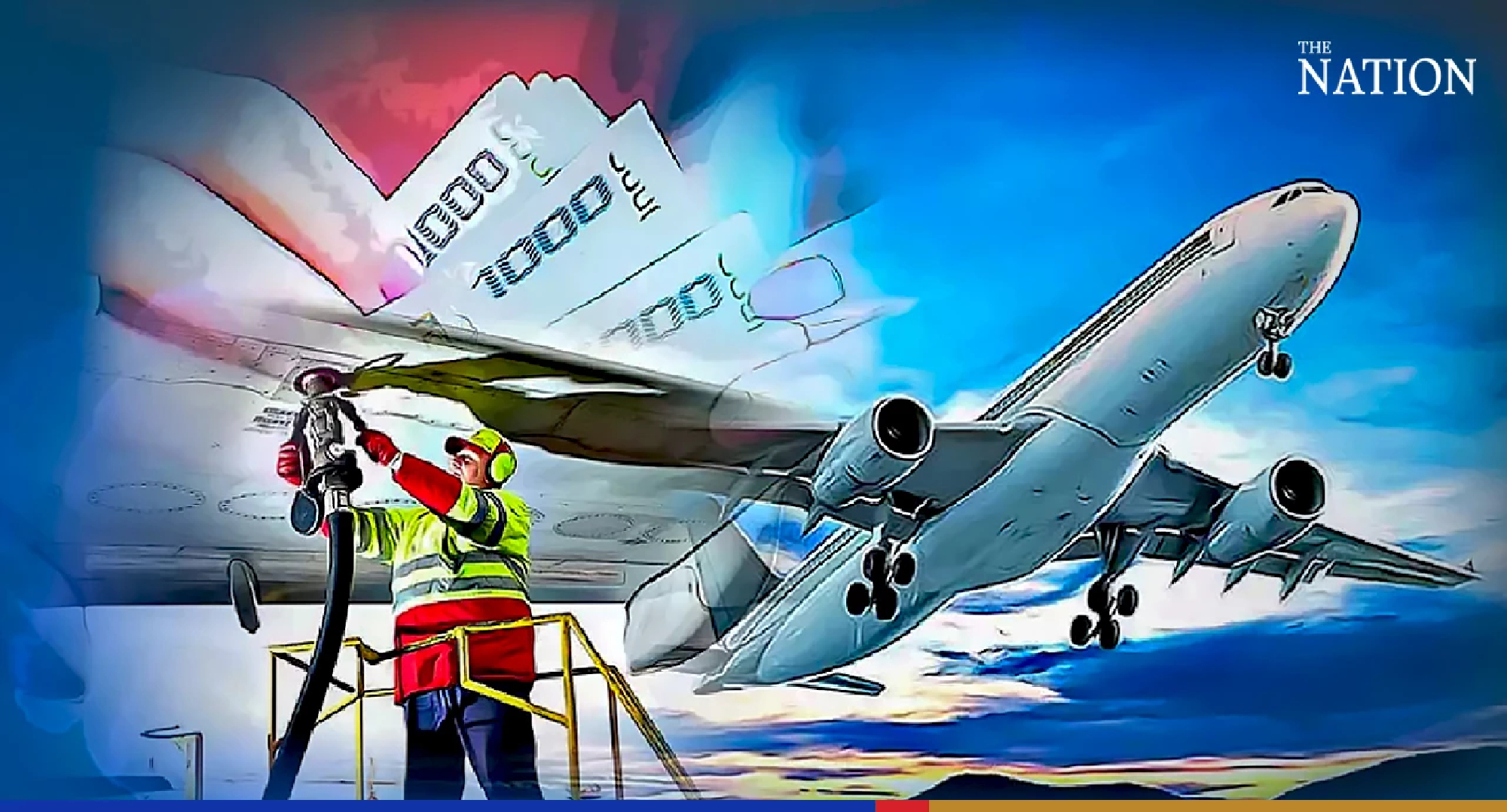
The Thai Airlines Association on Thursday submitted a letter to the Civil Aviation Authority of Thailand (CAAT) urging the authority to consider allowing airlines to resume collecting fuel surcharge for domestic flights.
“Airlines are suffering from increasing operational costs due to the hike in fuel prices from the impact of the Russia-Ukraine conflict,” association president Puttipong Prasarttong-Osoth said. “We, therefore, urge the CAAT to allow us to collect fuel surcharge like in the past, by bundling the charge into the price of tickets.”
Puttipong added that the move would help mitigate the risk from fuel price fluctuation that airlines are facing. He added that the authority could revoke the fuel surcharge for domestic flights later when the global fuel prices return to normal.
Currently fuel surcharge is collected only on international flights, while aircraft fuel price has reached $100 per barrel compared to $70-80 per barrel at the end of 2021.
The Thai Airlines Association has seven airline members: Bangkok Airways, Thai AirAsia, Thai AirAsia X, Thai Smile Airways, Nok Air, Thai Lion Air, and Thai Vietjet.
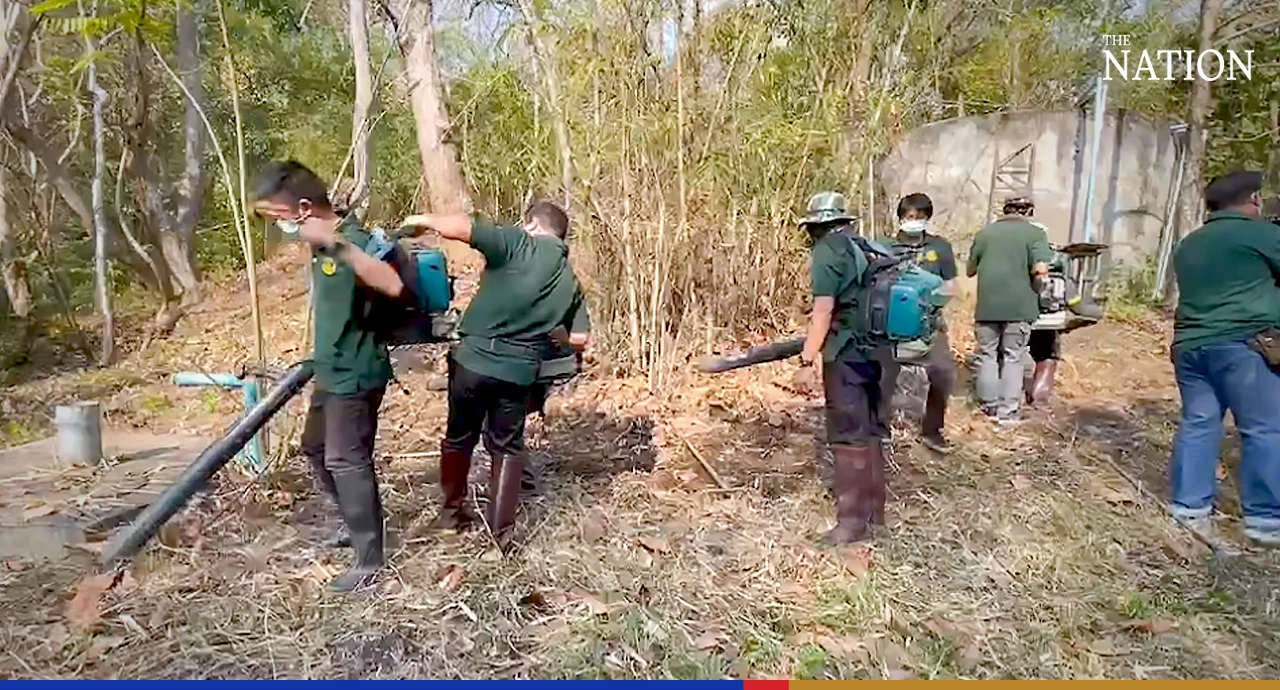
The Chiang Mai Zoo has set up firebreaks near Doi Suthep-Pui National Park to cope with forest fire and smog during the dry season this year and is also boosting animal hydration.
Director Attaporn Sriheran said the 531-rai zoo is often affected by forest fire and smog, pointing out that Doi Suthep-Pui National Park is always at risk of forest fire due to its steep landscape.
“To deal with forest fires and smog in the area, Chiang Mai Zoo has set up 3.5 kilometres of firebreaks on the west side near Doi Suthep-Pui National Park to prevent any fire from spreading,” he explained.
Attaporn said the move is in line with Natural Resources and Environment Minister Varawut Silpa-archa’s guidelines to tackle wildfires and smog in the North.
Zoo officials have also covered floors with ice flakes, served iced fruits and sprayed water to ensure animals in the zoo, including a 37-year-old Orang Utan named Sam, stay hydrated, Attaporn added.