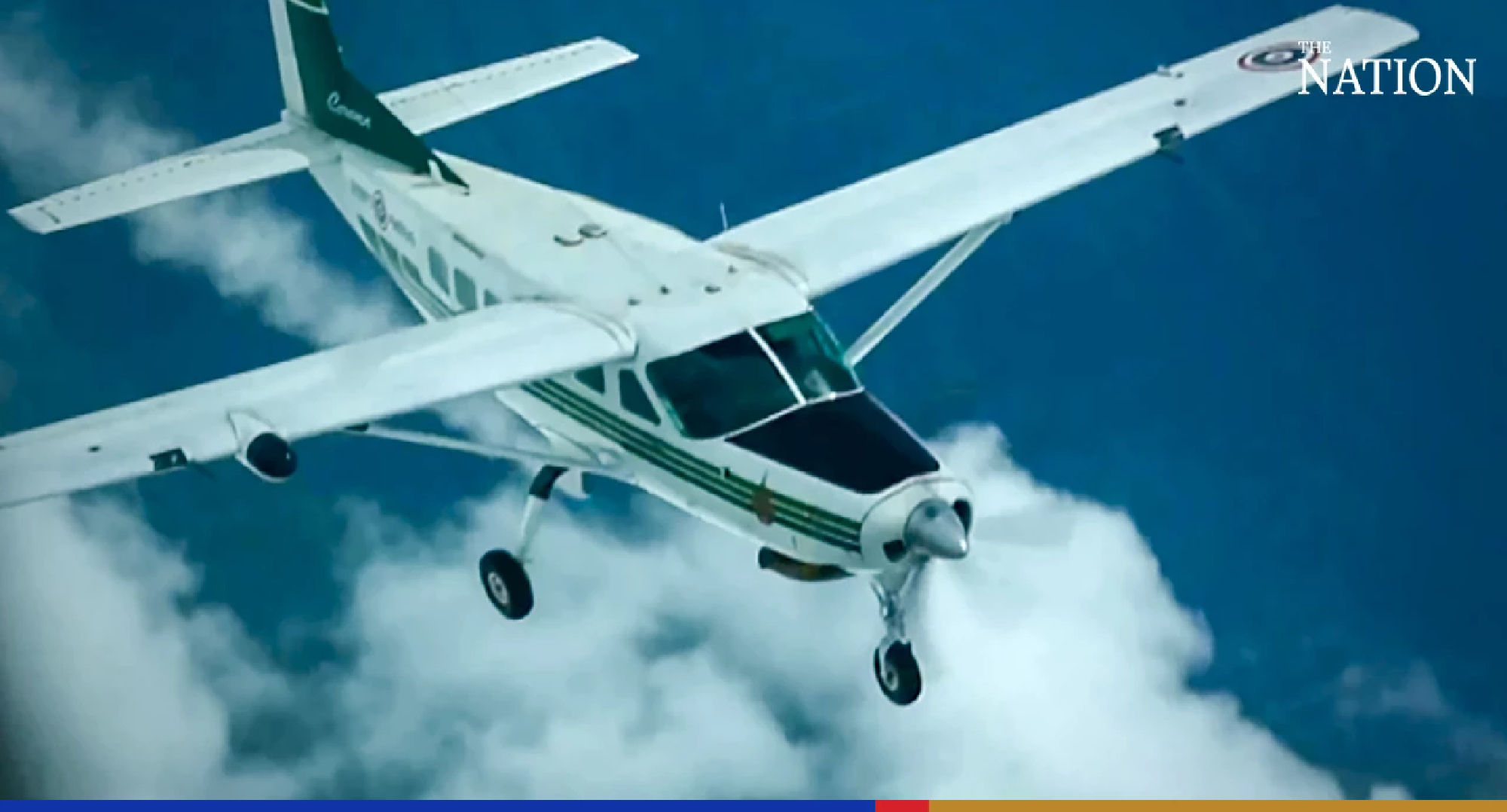
The royal cloud-seeding unit in Phitsanulok undertook a flying mission on Wednesday to stop a hail storm in the lower northern region.
Unit chief Wongsakrit Changpreecha said that Thailand is entering the dry season and the weather is changing so the Department of Royal Rainmaking and Agricultural Aviation ordered the cloud seeding operation in the Northern region. The unit used two Super King Air 350 planes.
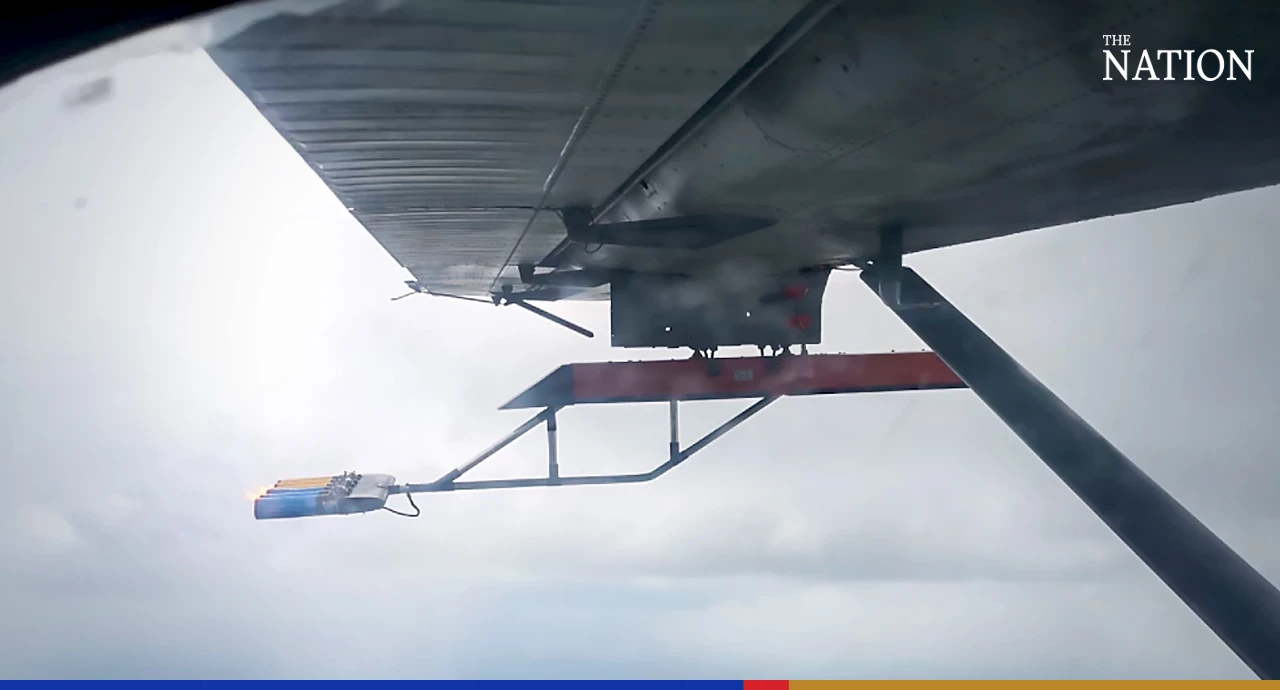
The mission was aimed at stopping a hail storm with silver iodide rockets to hasten the precipitation of ice crystals into rain.
The unit had earlier flown two planes in the Chat Trakan, Nakhon Thai, and Wang Thong districts. The operation was highly successful as there were rains in the area and no hail and people’s properties suffered only slight damage, he said.
The Phitsanulok and Phrae units, meanwhile, joined hands in Nan province for cloud seeding in the agricultural area.
The Phitsanulok unit is expecting to start the royal cloud-seeding operation in Phitsanulok and eight other provinces in the lower northern region in April to solve the drought issue, boost water reservoirs, and extinguish forest fires.
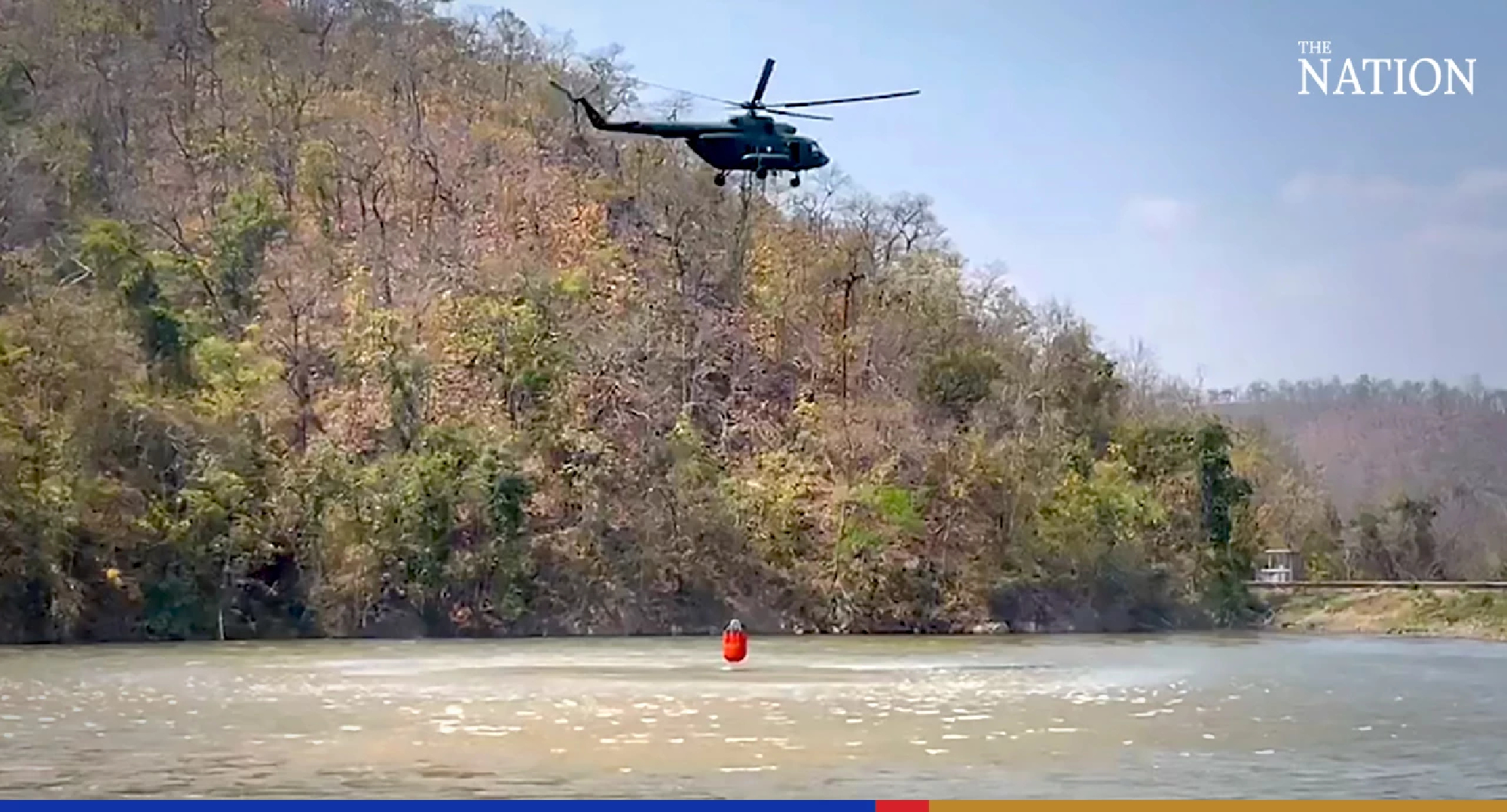
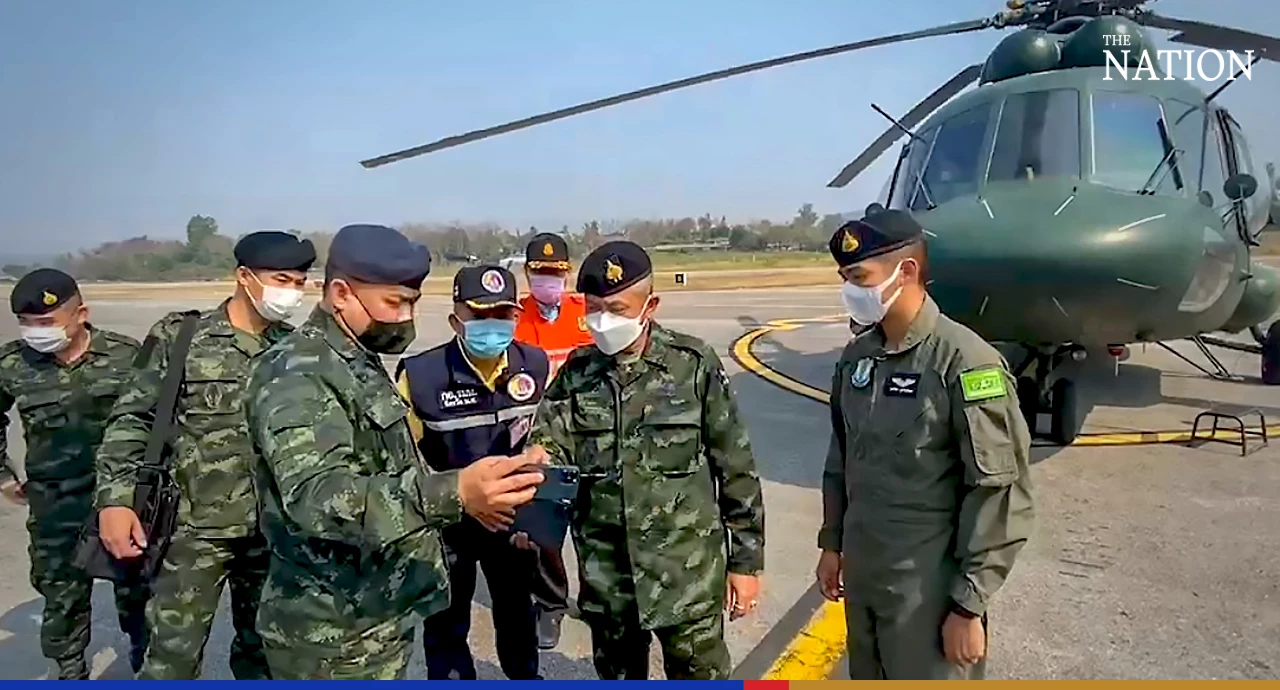
The Third Army Area deployed a troop-carrying Mi-17 helicopter to extinguish a forest fire in Mae Hong Son on Wednesday after the situation became worrisome.
With cooperation from soldiers and firefighters, the helicopter succeeded in extinguishing the forest fire in Pha Bong and Pang Mu subdistricts.
According to a Facebook post by the Geo-Informatics and Space Technology Development Agency (GISTDA) on Thursday, 262 hotspots were found in Thailand on Wednesday, 30 of which were located in Ubon Ratchathani, 18 in Nakhon Phanom and 17 in Mae Hong Son.
Even though the number of hotspots had dropped due to thundershowers, a large number in neighbouring countries – 2,039 in Myanmar, 827 in Laos and 820 in Cambodia – would affect the air quality in the North and Northeast.
The GISTDA asked residents living in the affected areas to take special care of their health and wear face masks.
The Transport Ministry is preparing a master plan for its “MR-MAP” mega project, or construction of 10 routes connecting motorways and railways, a news source revealed.
“The feasibility study for the MR-MAP project is underway and expected to be completed by the end of the year,” said the source.
“Next year we should have the estimated value of the whole project and a construction time frame, which is expected to be from 2023 until 2037.”
The 10 routes cover a distance of about 7,000 kilometres:
– MR1 Chiang Rai-Narathiwat (2,125km)
– MR2 Bangkok-Chonburi-Nong Khai (914km)
– MR3 Bueng Kan-Surin (544km)
– MR4 Tak-Nakhon Phanom (856km)
– MR5 Nakhon Sawan-Ubon Ratchathani (722km)
– MR6 Kanchanaburi-Sa Kaeo (390km)
– MR7 Bangkok-Rayong-Trat (437km)
– MR8 Chumphon-Ranong (91km)
– MR9 Surat Thani-Phuket (252km)
– MR10 Bangkok-surrounding provinces (642km).
The news source added that the first route to be constructed would be the shortest one – MR8, Chumphon-Ranong. The ministry has already finished a feasibility study on this section and estimates the project will use a budget of 115 billion baht.
Of this, 66.6 billion baht will go for road construction, 46.1 billion for construction of a railway and related facilities, and 2.3 billion for land and building expropriation.
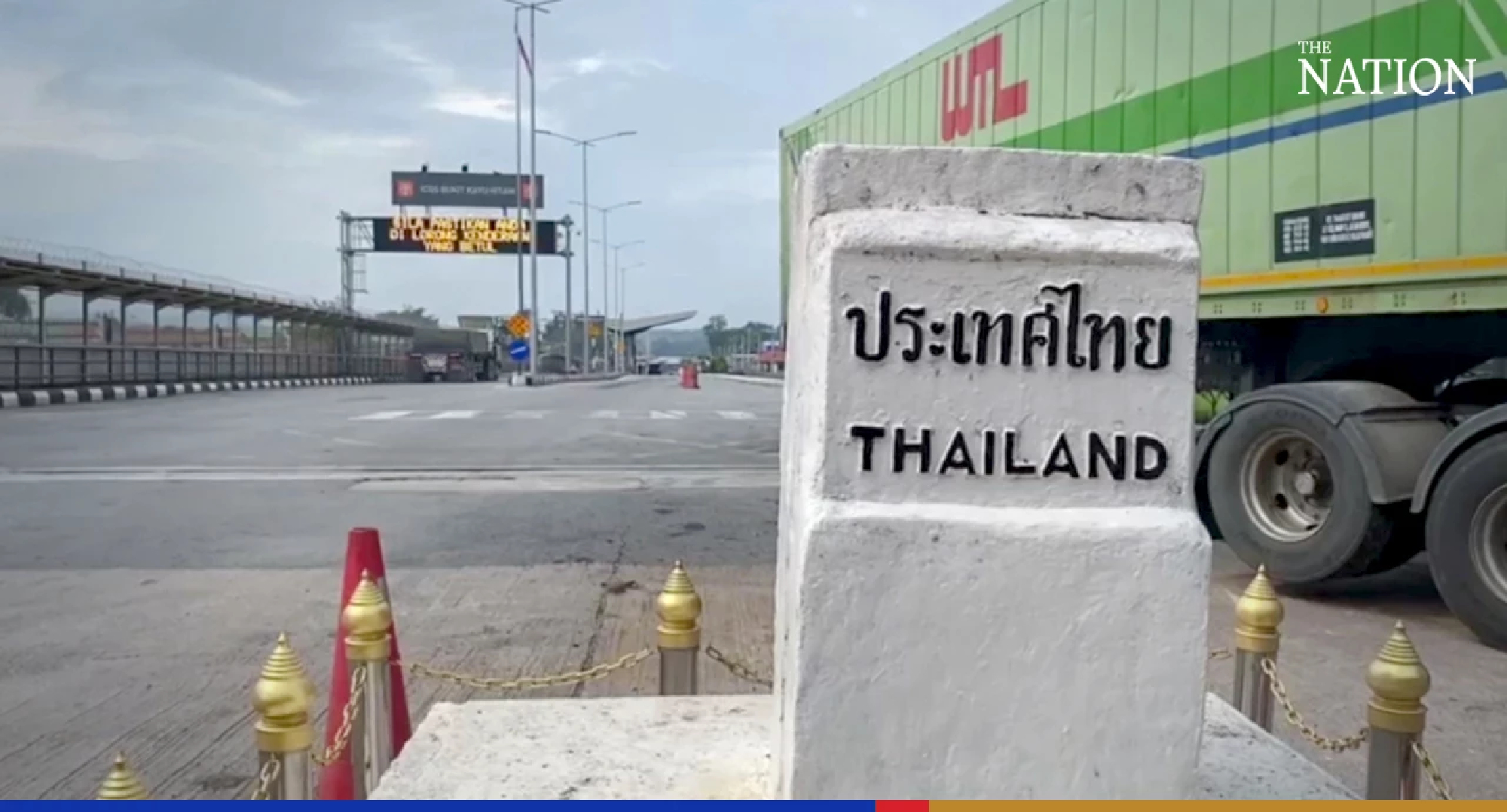
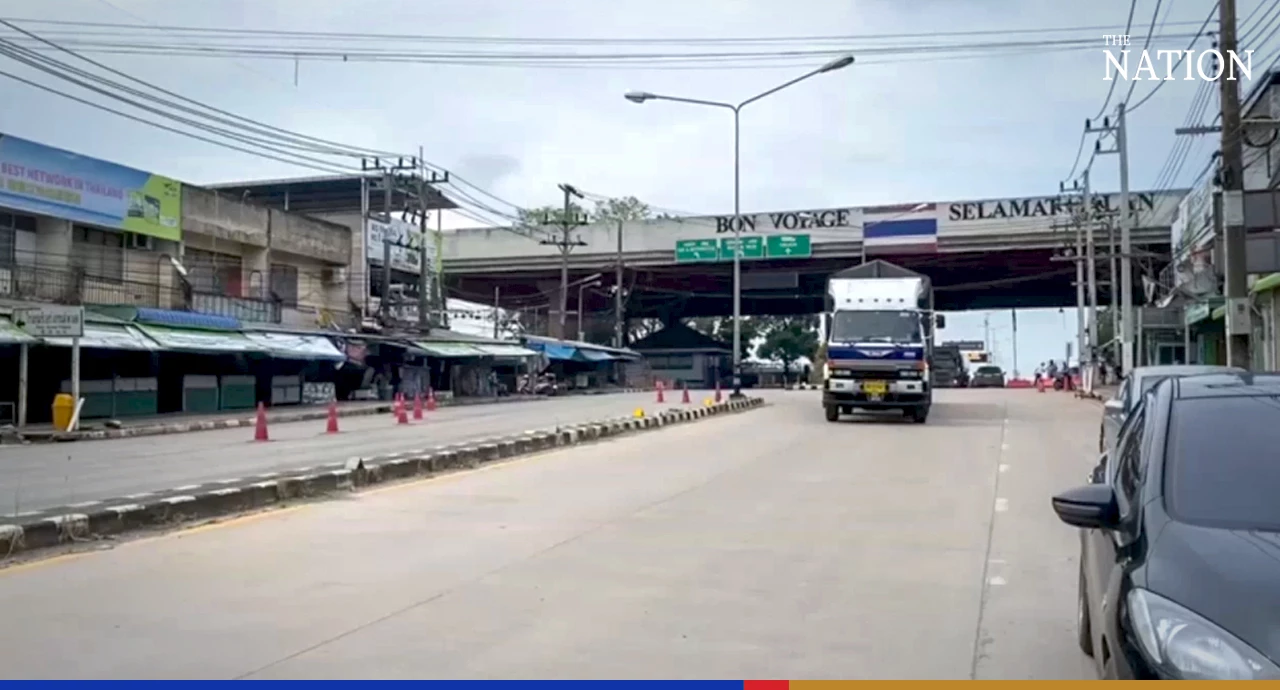
The private sector in Songkhla said it was ready to welcome foreign tourists with open arms after Malaysian Prime Minister Ismail Sabri Yaakob announced his country would reopen its borders on April 1.
The news has delighted businesses in Songkhla as the border had been closed for two years due to the Covid-19 crisis.
Sittipong Sitthiphatprapha, an adviser to the Rak Dannok Entrepreneurs Association, said the Sadao border was reopened on March 1 under the Test & Go scheme but it was only Thais who used the crossing.
He hoped a full Thailand-Malaysia border reopening would stimulate tourism and the economy.
“The private sector and businesses in the area will discuss measures that are in line with the reopening, especially conditions or measures to contain the spread of Covid-19,” Sittipong said.
He also said Malaysia’s move to reopen its borders came after the country declared Covid-19 as endemic.
Sittipong said entrepreneurs in the area were ready to welcome Malaysian tourists, with more than 30 hotels in Songkhla now having SHA and SHA Plus certification. Five of the hotels are located in Sadao district.
“However, the government should smooth travel measures to draw tourists to the province, such as implementing a ‘vaccinated travel lane’ similar to the one in Malaysia,” he suggested.
Sittipong also asked the government to reconsider land tax relief to enable the private sector to attract foreign tourists.
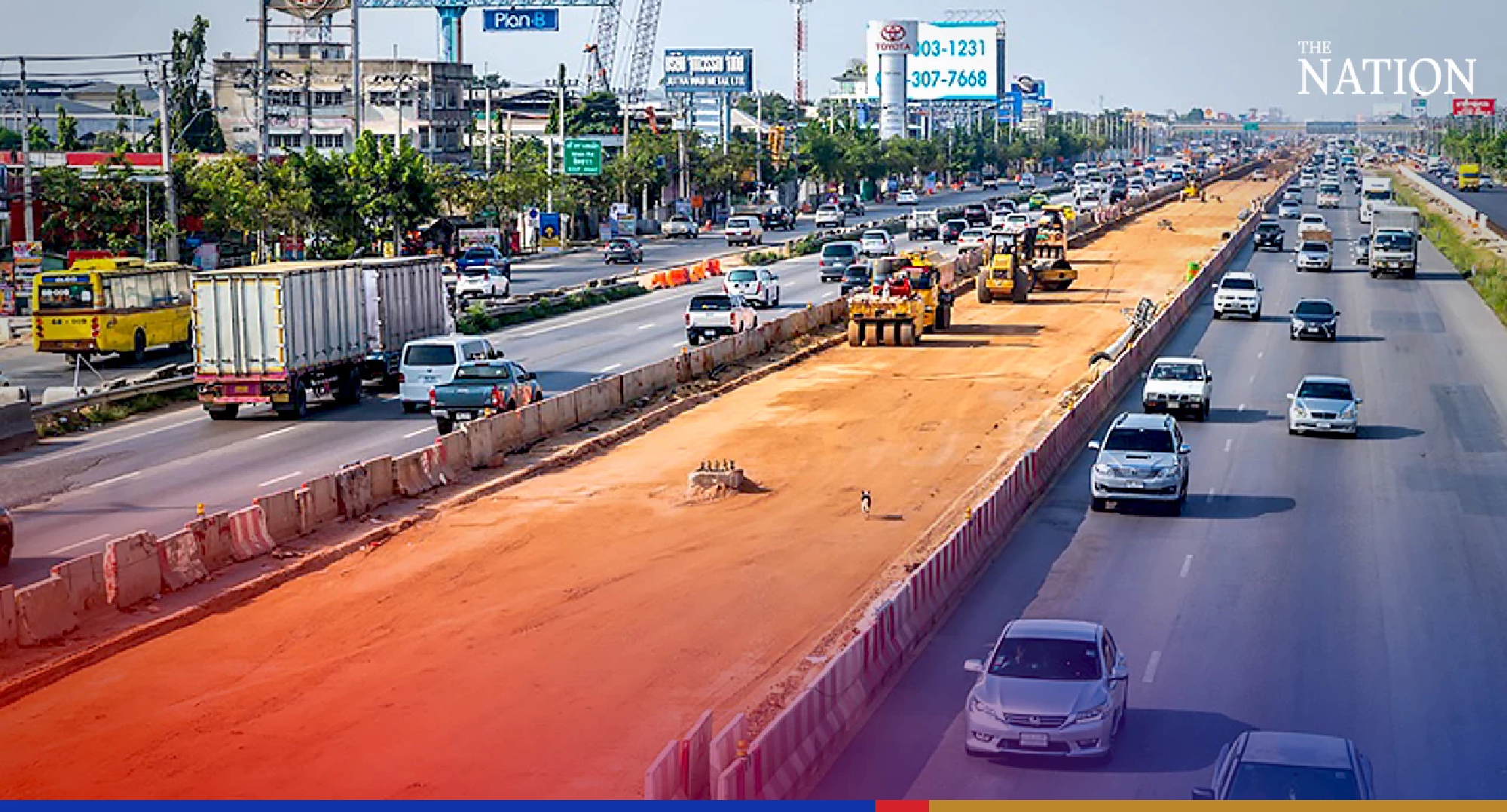
The Transport Ministry surveyed the progress of motorway construction on Rama II Road on Wednesday.
Transport Minister Saksayam Chidchob said the construction of Motorway 82 is being carried out by the Department of Highways. M82 will have a distance of 24.7 kilometres and a budget of 29.2 billion baht.
The construction is separated into two phases.
The first phase is Bang Khun Thian-Ekkachai, which has a distance of 8.3km and a budget of 10.47 billion baht. Around 60 per cent of this stretch is complete and it is expected to finish in June 2023.
The second phase is Ekkachai-Ban Phaeo, which has a distance of 16.4km and a budget of 18.75 billion baht. Construction of this stretch is expected to be completed by January 2025, according to the contract.
Saksayam said the whole route would improve transportation from Bangkok to the South, making it “efficient, convenient, fast and safe”. It would also improve logistics. Moreover, it would smooth the traffic flow on Rama II Road, which currently sees around 100,000 cars per day.
Highways Department director-general Sarawut Songsiwilai said the first phase of M82 construction was initially expected to finished by August 2022, but it was postponed to June 2023 as there was a problem with removing infrastructure and getting the area ready because they needed to wait for the Rama II Road expansion project – from 10 lanes to 14 lanes – to finish first.
This project is being carried out under operate & maintenance (O&M) as the department has asked the Transport Ministry and the Cabinet to approve a public-private partnership before private sector investment. It is expected to be fully operational in 2025.
A cabinet meeting on Tuesday approved the Public Health Ministry’s new Universal Coverage for Emergency Patients (UCEP) scheme for Covid-19 patients, called “UCEP Covid Plus”, which will go into effect from March 16, Department of Health Service Support director-general Dr Thares Krainairawiwong said on Thursday.
The ministry on March 1 adjusted the UCEP condition for Covid-19 patients in the green category, or those who have mild or no symptoms.
Under the old condition, patients received three days of free treatment at any facility before being switched to hospital treatment under their state health insurance scheme. But after March 1, those who tested positive for Covid-19 but do not require critical care have to pay their own medical bills if they choose to seek treatment at private hospitals. Green patients can still receive free Covid-19 treatment under home/community isolation.
“The UCEP Covid Plus scheme will provide free hospital treatment to patients who contract Covid-19 and are classified in yellow or red categories by doctors,” said Thares. “Yellow and red patients will not need to pay out of their own pockets, as the National Health Security Office will cover the treatment at any hospital,” he said.
In general, yellow group patients refer to those who have moderate Covid-19 symptoms or underlying health problems that require close monitoring, while red category patients are those who have severe symptoms and/or require respirators.
National Institute for Emergency Medicine secretary-general Dr Atchariya Phaengma said that in order to be classified in the yellow or red category, Covid-19 patients must display one or more of the following symptoms:
> Acute respiratory distress, a stop in heartbeat, in a shock or coma, or having a seizure after being admitted to hospital.
> Having high fever of over 39 degrees Celsius for more than 24 hours, or having an oxygen saturation level of less than 94 per cent.
> Needing to take more than 25 breaths per minute (applicable to adults). Children who have trouble breathing, become lethargic and refuse to eat or drink milk.
> Having a chronic disease that requires constant monitoring, which includes respiratory disease, kidney disease, cardiovascular disease, cerebrovascular disease or diabetes.
> Cancer patients undergoing chemotherapy, radiotherapy or autoimmune therapy.
> Obese persons weighting over 100 kilograms or with a BMI of more than 35 kilograms per square metre, and pregnant women.
To avail of the UCEP Covid Plus scheme, call hotline 1669 and wait for an ambulance to take you to the nearest available hospital. Doctors will diagnose your symptoms and determine whether or not you are qualified for free treatment under the scheme.
“The UCEP Covid Plus will cover all medical fees, drugs, meals and a standard room necessary for the treatment of patients’ symptoms,” said Atchariya.
“However, it will not cover expenses for special rooms or special meals that the hospital might have. If you want these services you have to pay from your own pocket,” Atchariya added.
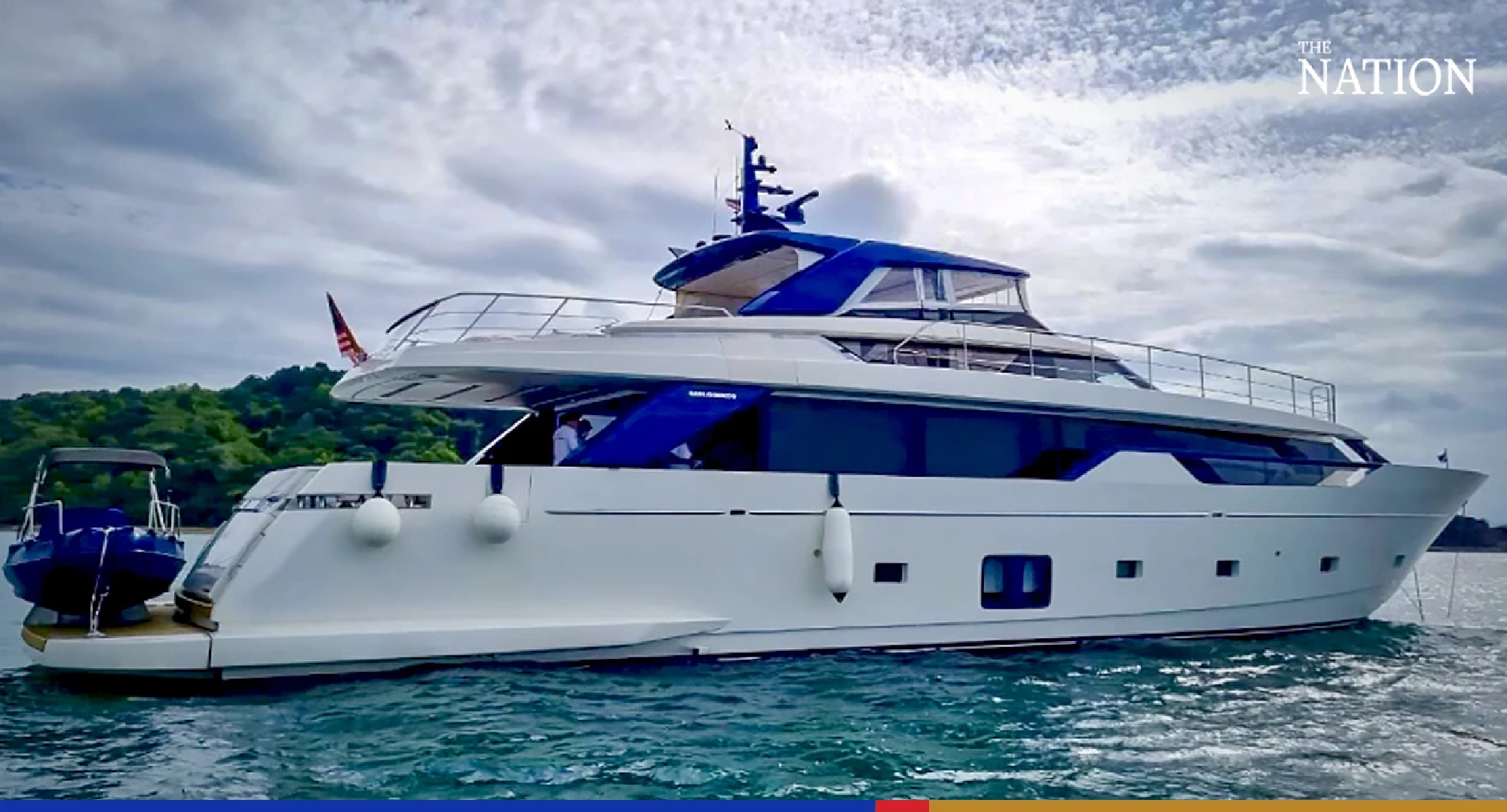
Malaysia-registered yacht “The Maggie”, hailing from Singapore, docked at Phuket’s Ao Por Pier on Tuesday – the first foreign vessel allowed to enter Thailand under the Test & Go scheme via sea.
The Centre for Covid-19 Situation Administration (CCSA) on March 1 lifted travel restrictions on foreign arrivals via land and marine channels in the pilot border provinces of Nong Khai, Udon Thani, Songkhla and Phuket.
Before March 1, Thailand allowed no-quarantine entry only via air under Thailand Pass and the Test & Go scheme.
New arrivals by land require no quarantine, but they need to take a RT-PCR test upon arrival and stay at an alternative quarantine hotel that is certified under the SHA Extra Plus standard for one night while waiting for the result. They will need to take a test again on the 5th day of their stay in Thailand via the antigen method (ATK).
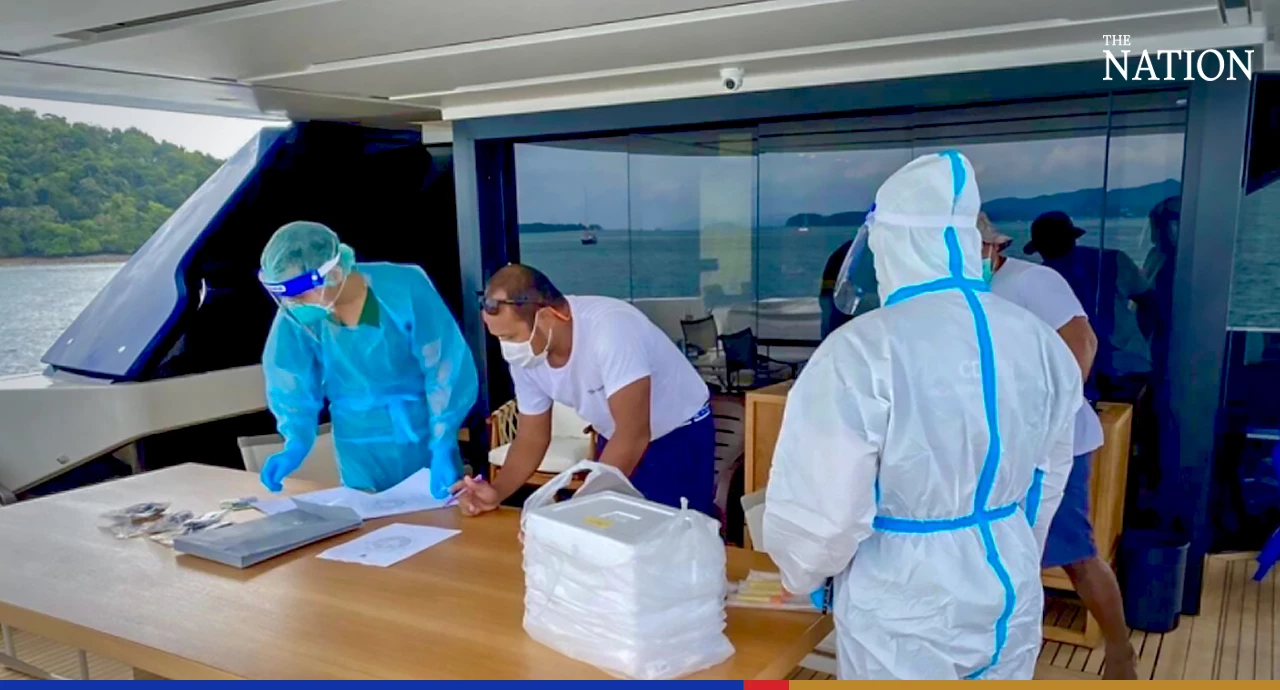
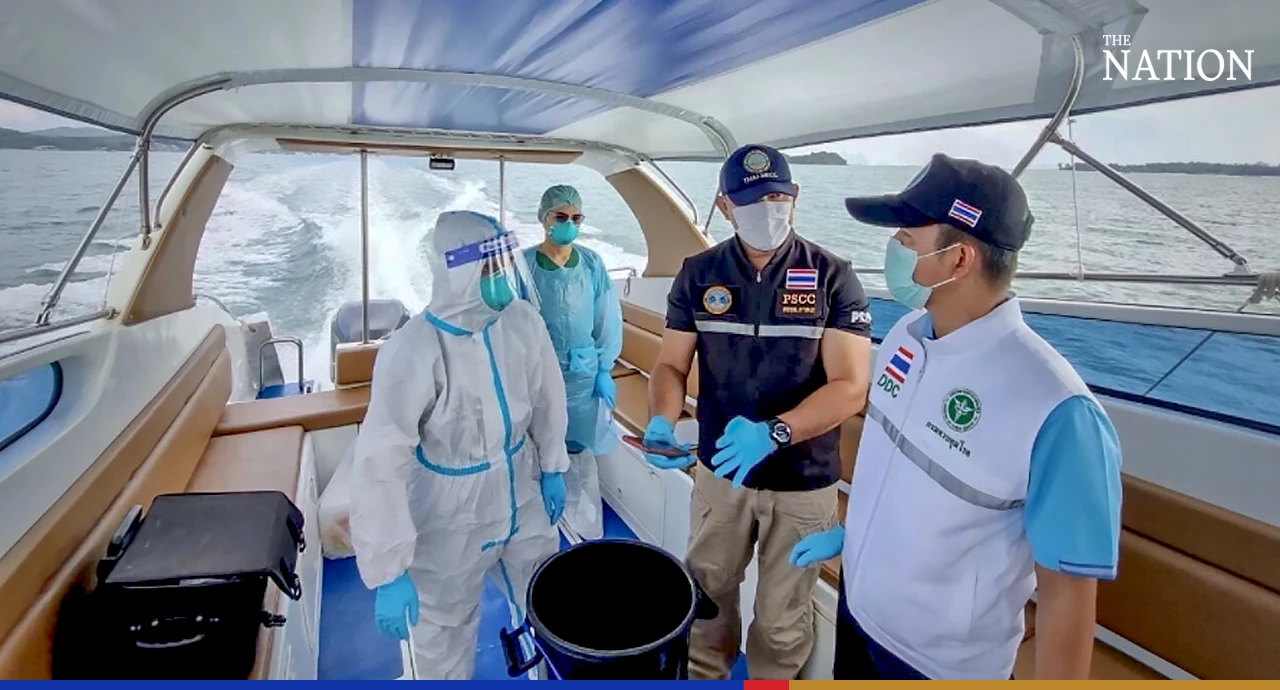
New arrivals via river/sea need to register for a COE (certificate of entry) and take a RT-PCR test upon arrival. They are required to stay on their boat/yacht while waiting for the result. The second test on the fifth day is also required.
Both types of visitors must be fully vaccinated against Covid-19 at least 14 days before departure and provide a negative RT-PCR test result not more than 72 hours before departure.
The Tourism Authority of Thailand’s Phuket office reported that in 2021 the province welcomed 91 yachts carrying 323 tourists, most of whom hailed from Europe and Mediterranean countries.
In the first two months of 2022, 27 yachts sailed into Phuket carrying 92 visitors, who entered under standard quarantine procedures.
Phuket has a deep sea port and more than 30 piers that can accommodate luxurious yachts.
Soneva Kiri Resort and Residences has fire alarms and smoke detectors, but they malfunctioned when a fire broke out at the luxury resort in Trat province last Sunday, the Koh Kood subdistrict administration organisation (SAO) said on Wednesday.
Afire erupted at Villa 63 of the six-star luxury resort in the wee hours of March 6, razing it to the ground and causing some 22 million baht in damage and some injuries among guests and staffers.
One of the guests who escaped the fire took to social media to claim that the resort had no fire alarms or smoke detectors installed, despite boasting a room tariff of a whopping 500,000 baht per night.
Koh Kood SAO president Dechathorn Chan-ob said officials investigated the scene and found that the hotel has fire alarms and smoke detectors, but these malfunctioned and therefore failed to warn guests of the fire in time.
Dechathorn also said Soneva Kiri had filed proper documents with the authorities before building the resort, which does not encroach on national forest land, as some suspected.
“The SAO has been checking hotels on Koh Kood periodically to make sure they comply with the Building Safety Act and Hotel Act,” he said. “We will continue to check every hotel and homestay on the island regardless of their stars to make sure such an accident does not happen again,” Dechathorn added.
The fourth phase of the co-shopping subsidy campaign “Khon La Khrueng” (Let’s Go Halves) recorded a spending of Bt52 billion by 26.2 million registrants and the government as of March 8, the Finance Ministry announced on Wednesday.
Under the campaign, the government covers 50 per cent of bills for food, drinks and basic necessities of up to Bt150 per day via the Pao Tang application at participating shops.
The total subsidy per person is capped at Bt1,200.
The fourth phase started on February 1 and has a limit of 29 million registrants.
“Of the spending so far under Khon La Khrueng, Bt26.6 billion was from registrants and Bt25.75 billion was covered by the government,” said Pornchai Theerawet, Fiscal Policy Office director and Finance Ministry spokesman.
“The programme will run until April 30. New merchants can still register at www.คนละครึ่ง.com to participate in the programme.”
When divided by type of spending, about Bt21.7 billion was spent on food and drinks, Bt18.2 billion at general stores, Bt9 billion at the government’s Blue Flag shops, Bt2.3 billion at OTOP stores, Bt923 million on various services, and 95.6 million on public transport.
So far 1.35 million merchants have joined the fourth phase. Of these, about 26,600 are new merchants who hadn’t joined the previous phases, Pornchai added.
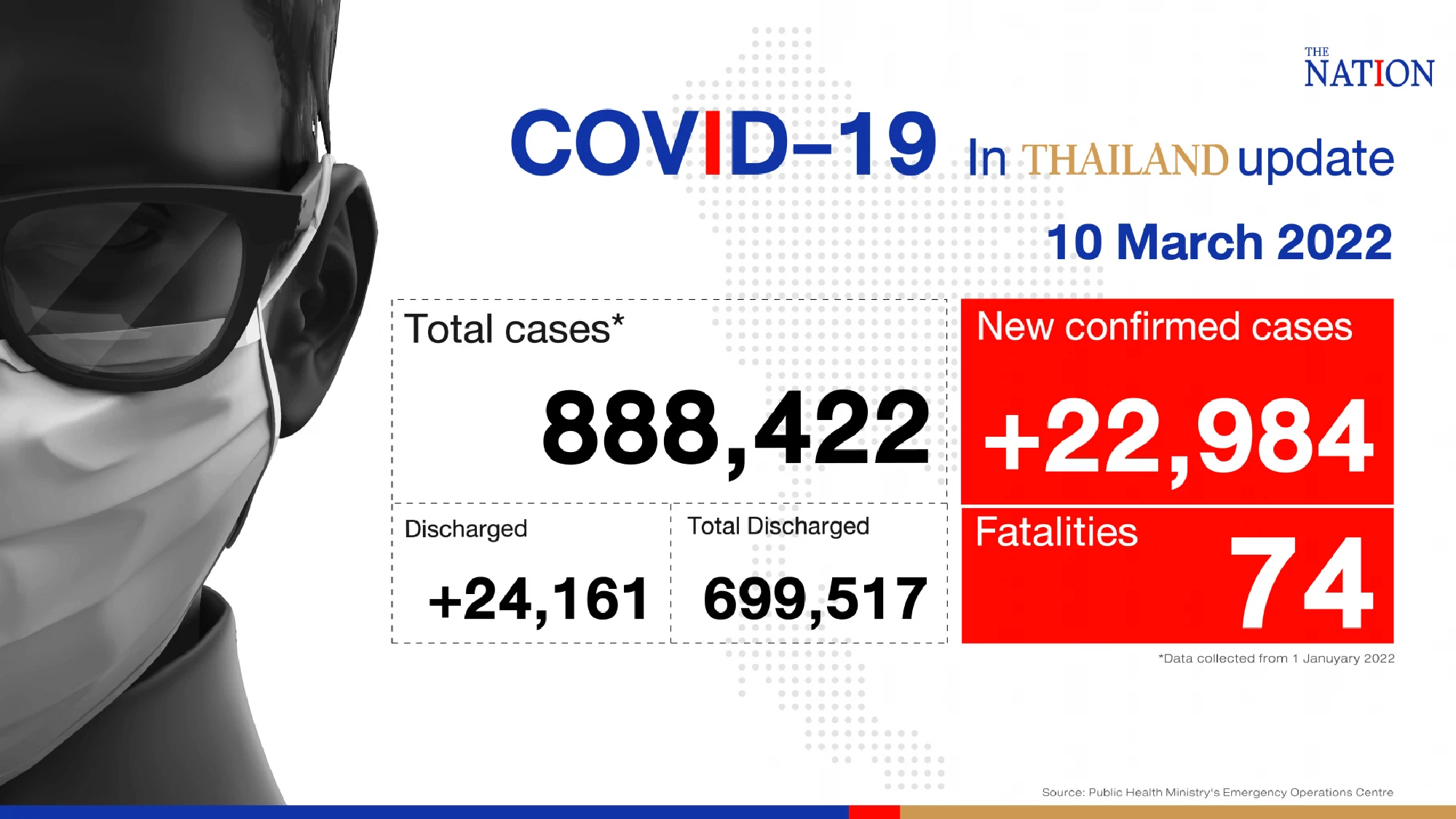
Ministry of Public Health reported on Thursday (March 10) morning that in the past 24 hours there are 22,984 new patients who tested positive for Covid-19, 47 of whom have arrived in Thailand from abroad.
Death toll increased by 74, while 24,161 patients were cured and allowed to leave hospitals.
Cumulative cases in the country since January 1, 2022 are at 888,422.