Designer captures gleaming beauty of Siamese Fighting Fish for Miss Universe pageant
The shimmering beauty of the Siamese Fighting Fish was captured in Miss Universe Thailand Amanda Chalisa Obdam’s national costume for the Miss Universe 2020 pageant on Friday. The event was held in Florida.
The costume, designed by Akarach Poosanaphong, was inspired by the Siamese Fighting Fish and Suvannamaccha, a mythical mermaid princess who appeared in the Ramakien.
In her Instagram post, Amanda said: “Not only is the Siamese Fighting Fish known for its vibrant array of colours of elongated pelvic fins, but also for its courageous nature. Moreover, it has appeared in Thai classical literature such as poetry and ancient documents centuries ago.
“Thailand’s national costume ‘Siamese Fighting Fish’ is particularly inspired by the unique tricolour fish named ‘Tri Rong’ [or three colours], which was successfully bred to resemble the colours of the Thai national flag – red, white and blue. With its uniqueness and scarcity, it became the most expensive fighting fish in history,” the post read.
“Crystallised, gleaming, streaming fabric mimics the vivacious, feisty, graceful characteristics of this ‘Splendid Warrior’ fish, while elaborate accessories reflect traditional Thai art and cultural richness of Thailand.”
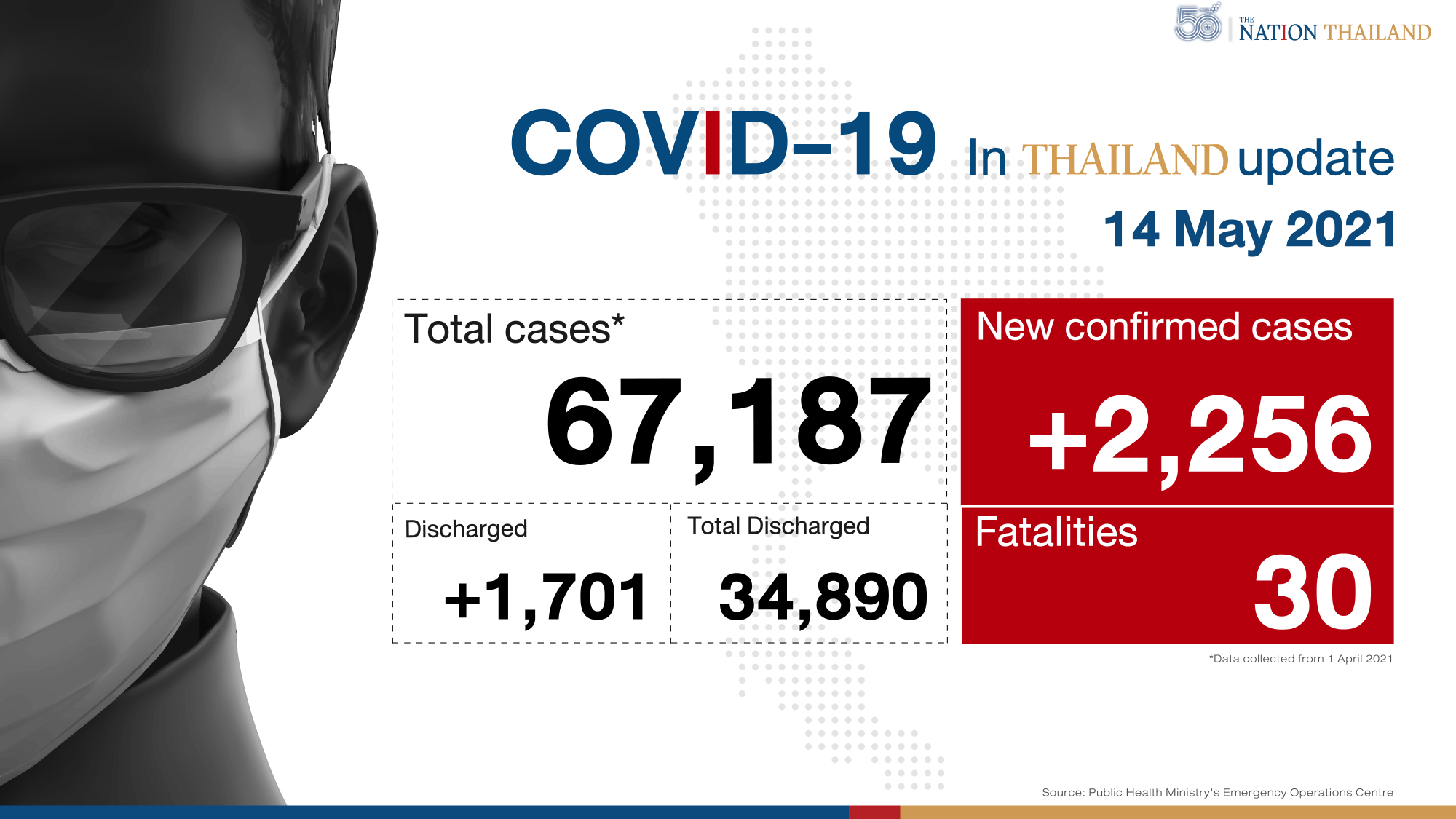
The Centre for Covid-19 Situation Administration (CCSA) on Thursday reported 30 deaths and 2,256 new cases, including five returnees.
Of the deaths, 11 were in Bangkok, four in Ratchaburi, two each in Pathum Thani and Sa Kaew, and one each in Samut Prakan, Chachoengsao, Chonburi, Sukhothai, Maha Sarakham, Chiang Rai, Suphan Buri, Nonthaburi, Roi-Et, Phattalung and Surat Thani.
The ages of those who succumbed to the virus ranged from 15 to 85, and they all reportedly suffered from chronic conditions like high blood pressure, diabetes, obesity, etc.
Meanwhile, the returnees were five Thais, two each from Malaysia and Cambodia, and one from the United Arab Emirates.
In terms of new infections, Bangkok again topped the list with 1,087 new cases, followed by 157 in Pathum Thani, 131 in Nonthaburi and 121 in Samut Prakan.
Over the last 24 hours, 1,702 patients have recovered and been discharged.
As of Friday, the number of confirmed cases in Thailand had risen to 96,050. Of these, 89,595 infections had been contracted locally, 3,437 were returnees, while 3,018 were detainees.
So far, 62,316 have recovered and been discharged, 33,186 are still in hospitals, and 548 have died.
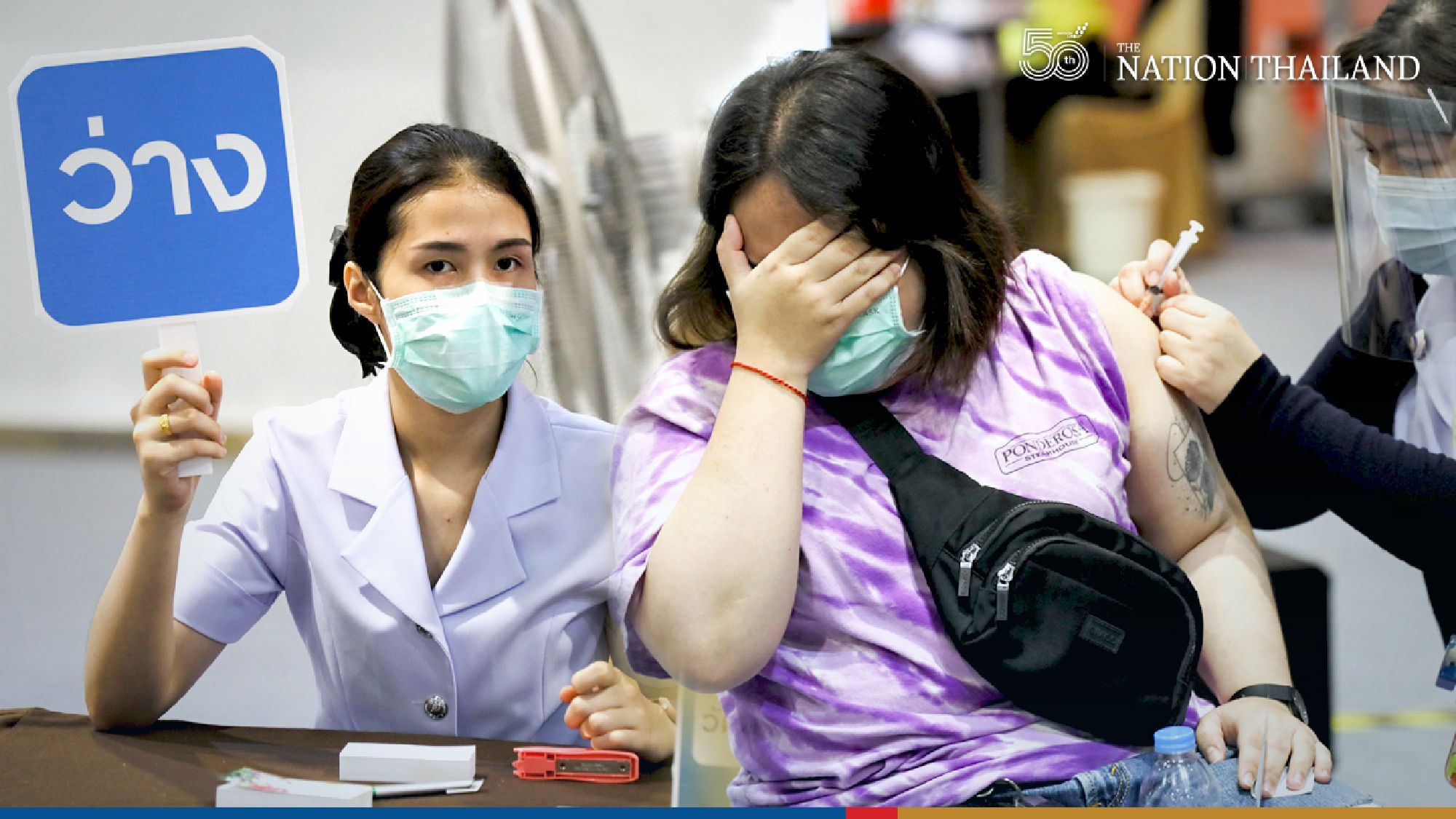
Meanwhile, another 21,302 people were given their first Covid-19 shot in the last 24 hours, while 63,067 were given their second shot, bringing the total number of Covid-19 vaccine doses administered in Thailand to 2,124,732.
Separately, according to Worldometer as of 11am on Friday, the number of confirmed cases globally had risen to 161.82 million (up by 743,191), 139.62 million of whom have recovered, 18.85 million are active cases (104,224 in severe condition) and 3.35 million have died (up by 13,398).
Thailand ranks 94th on the global list of most cases, which is topped by the US with 33.62 million, followed by India 24.04 million, Brazil 15.43 million, France 5.84 million, and Turkey 5.08 million.
In a bid to build herd immunity and reduce the number of Covid-19 cases as soon as possible, the government has been encouraging people to get their jabs.
Currently, people can sign up for a jab via the Mor Phrom (Doctors Ready) Line application, make an appointment with medical facilities or even show up at the vaccination venues.
Meanwhile, the Department of Disease Control (DDC) is advising people who want to receive a Covid-19 jab without registering to:
• Check out which medical facility provides the service or the nearest vaccination venue
• Prepare ID card or other identity documents like passport
• Inform officials at medical facilities or vaccination station – if the queue is full, officials will make an appointment with the recipient for the following day
• Those with chronic diseases are advised to consult a doctor before getting a jab.
The Public Health Ministry has indicated that around 30 per cent of the jabs will be booked through the Mor Phrom app, 50 per cent through hospitals and 20 per cent will be walk-ins.
However, it said, adjustments can be made depending on the circumstances.
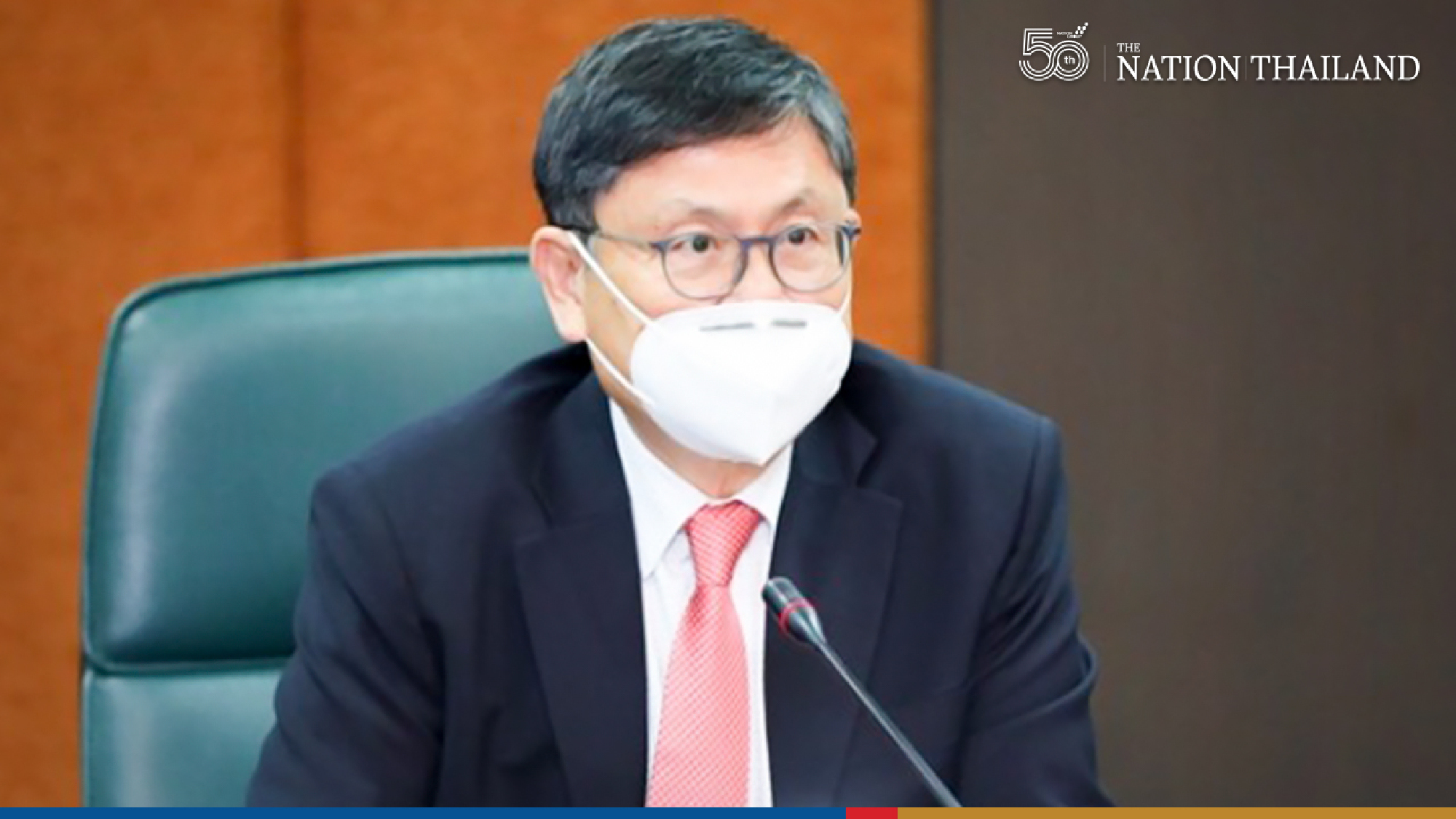
Dr Kiattiphum Wongrajit, Public Health Ministry’s permanent secretary, said mass vaccinations will be rolled out from June, once all preparations have been made. He also said Thailand will have enough Covid-19 vaccines for everyone.
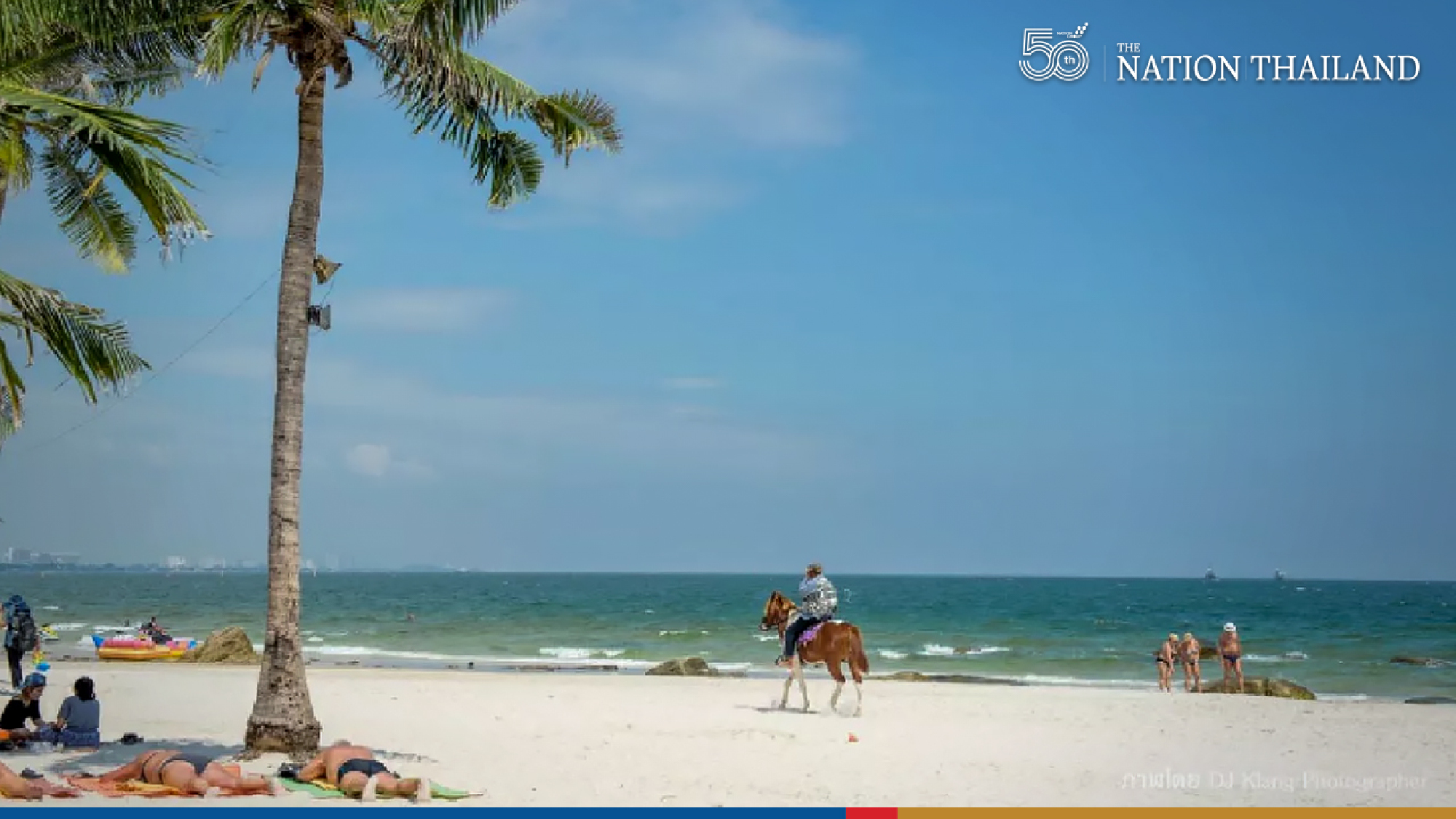
Hua Hin residents, tourism staff to get jabs from June
In a bid to stimulate the tourism industry, the Committee of National Tourism Policy has approved the Hua Hin Recharge project under which residents and tourism workers will be given Covid-19 jabs.
On May 7, the committee approved a pilot plan to allow foreign tourists with a vaccine passport to enter Prachuap Khiri Khan, Bangkok, Phetchaburi and Buri Ram from October onwards.
Traisulee Traisoranakul, deputy government spokesperson, said the panel also agreed to have tourism personnel nationwide vaccinated in line with the government’s plan to reopen the country and gain confidence.
The plan will be proposed to the Centre for Covid-19 Situation Administration within this month.
Under the Hua Hin Recharge project, she said the government will accelerate the procuring of 350,000 doses to vaccinate residents and tourism staff in the area next month.
Hua Hin residents, tourism staff to get jabs from June
“If the project goes as planned, at least 100,000 tourists should visit Hua Hin from October to December, generating revenue of over 1.2 billion baht, while some 100,000 will get their jobs back,” said Krod Rojanasatien, president of the Thai Spa Association.
Dr Suriya Kuharat from the Prachuap Khiri Khan Provincial Public Health Office said medical staff in the province will encourage people to receive their Covid-19 jab from June 7 onwards.
“The number of people registering for jabs is rising gradually,” he said.
Foreigners in Bangkok can register for Covid jabs in August: BMA
The Bangkok Metropolitan Administration (BMA) aims to allow foreigners to register for a Covid-19 vaccine from August onwards, BMA spokesman Phongsakorn Kwanmuang said on Thursday.
“BMA is working in line with Prime Minister Prayut Chan-o-cha’s policy, who said last week that everybody in Thailand will get a vaccine on a voluntary basis as per international standards. This will cover all persons living in Thailand, whether they are Thai or foreigners,” he said.
“As the vaccine registration system [via the Mor Phrom Line account] is now targeting primarily Thais, BMA plans to add registration for foreigners and expects it to go into effect from August.”
Phongsakorn further added that BMA also plans to vaccinate homeless people in the future to efficiently control the outbreak in the city, which is now logging the highest number of infections in the country.
“BMA urges people to register via the Line application instead of walking into vaccination venues without an appointment. Registration allows the authorities to determine how many doses each unit requires daily and this will prevent under or oversupply,” Pongsakorn added. “If there are more recipients than vaccines at a vaccination venue, priority will be given to those working in high-risk jobs.”
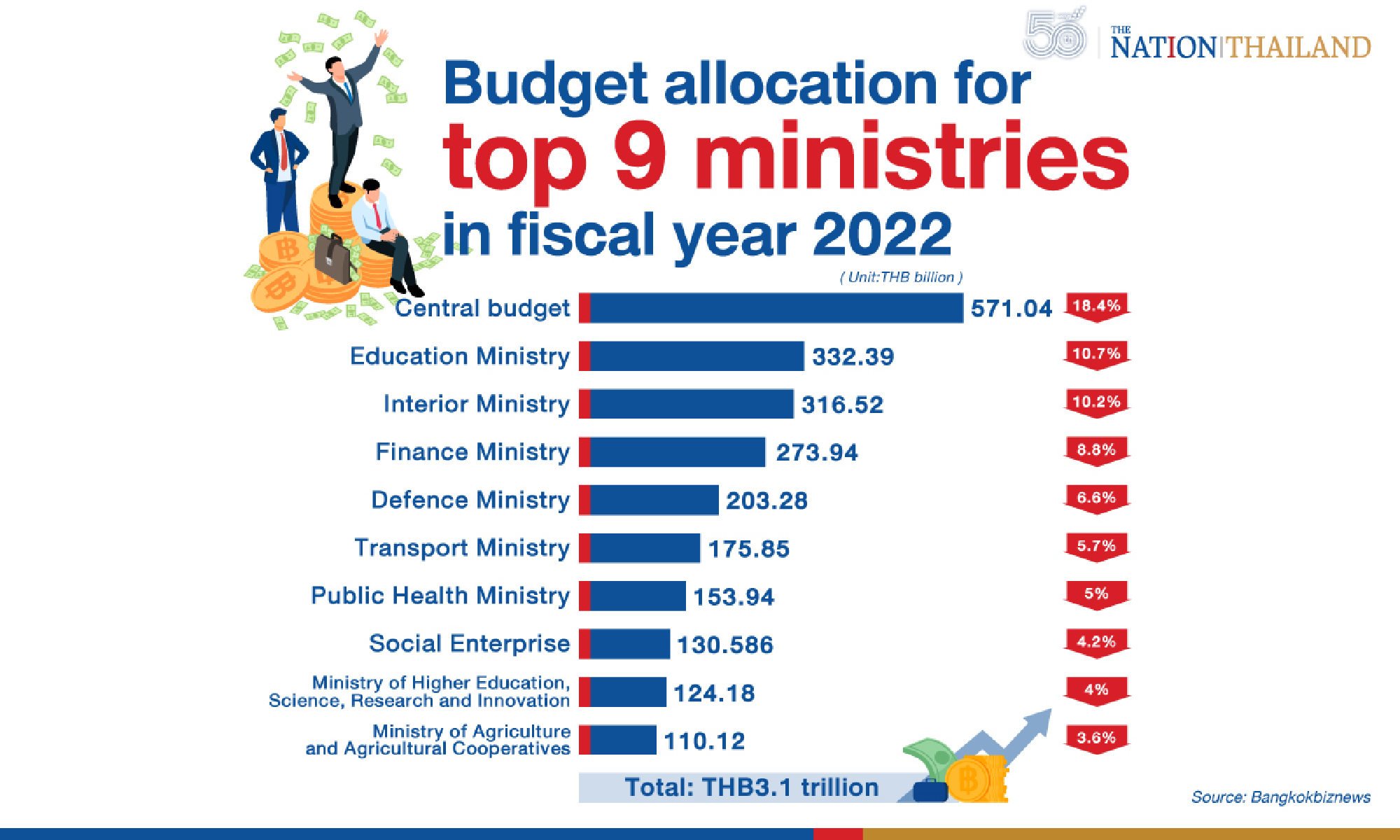
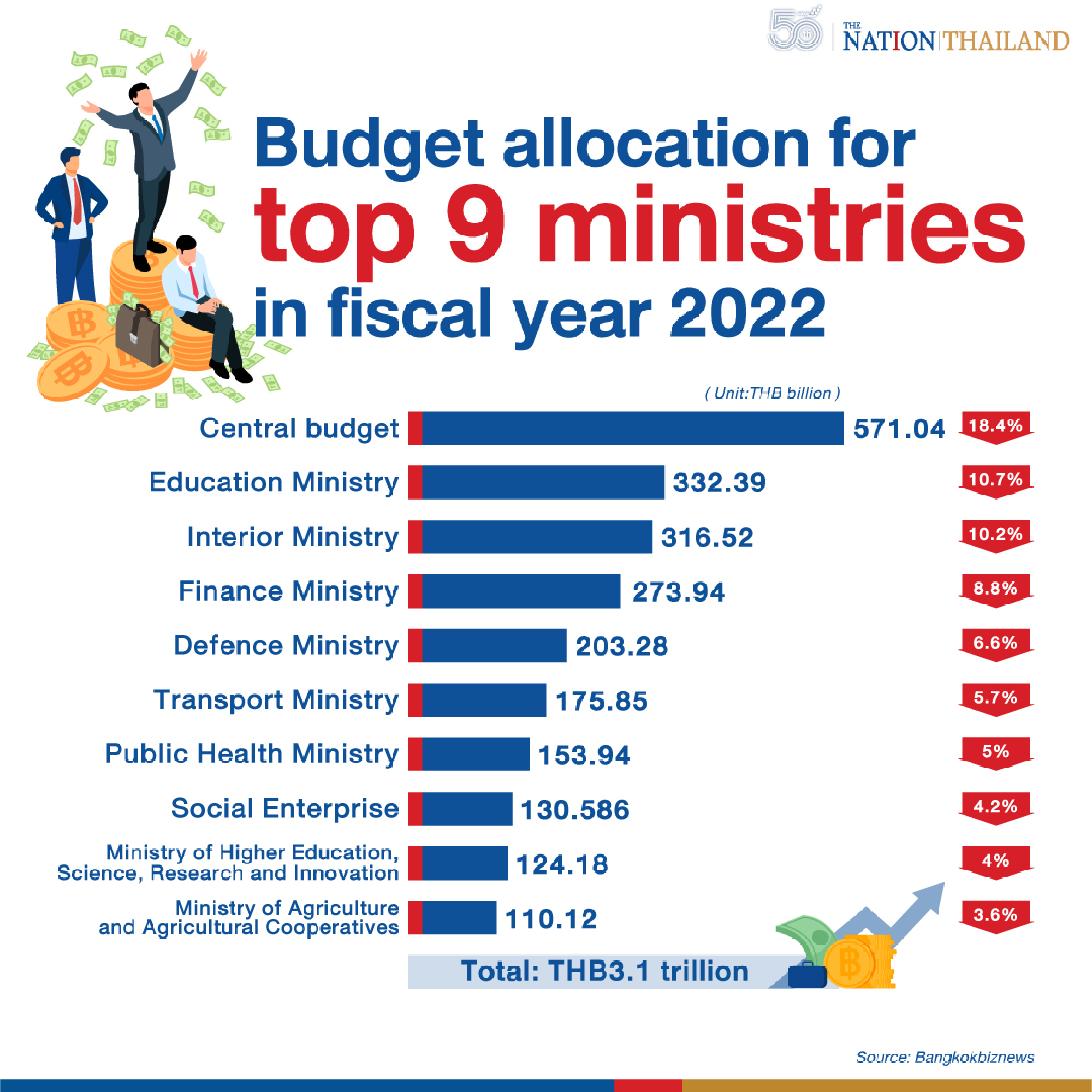
A draft budget of THB3.1 trillion for fiscal year 2022 has been approved by the Cabinet and will now be put before the House of Representatives.
The THB3.1 trillion spending limit is 5.66 per cent (THB185 billion) lower than this year’s budget.
The Education Ministry tops the budget allocation for 2022 with THB332.39 billion, followed by the Interior Ministry with THB316.52 billion.
The budget has been allocated under six strategies – national stability, competitiveness, human resources, social inequality, environment and administrative balance.
Parliament is scheduled to debate the draft budget between May 31 and June 2.
Baht opens stronger but faces pressure in the short term
The baht opened at 31.33 to the US dollar on Friday, strengthening from Thursday’s closing rate of 31.39.
The Thai currency is likely to move between 31.25 and 31.40 during the day, Krungthai Bank market strategist Poon Panichpibool said.
Poon said that the baht faced fluctuation caused by negative factors in Thailand, as seen in the sales of Thai stocks by foreign investors.
However, he added that the baht would not weaken much as exporters aimed to sell the dollar when the baht moves near 31.30 to 31.40 per US dollar. The important resistance mark for the Thai currency is 31.50.
Poon urged exporters to consider exchange risk, as the baht tended to strengthen, not weaken, due to the dollar’s situation.
The government is working on a plan to vaccinate students at all levels as well as people who reside near universities, the Minister of Higher Education, Science, Research and Innovation, Anek Laothamatas, said on Thursday.
“We estimate that there are about two million students at both school and college levels who wish to be vaccinated against Covid-19,” he said.
“The ministry is preparing to offer vaccination at selected campuses while people residing nearby will also be welcome to get a jab.
“All vaccines that have been registered in Thailand are effective against Covid-19 and have rarely caused side-effects,” he added.
“So far more than two million doses have been administered with no death found, while several people are dying from Covid-19 every day.”
Anek added that while the number of new infections is still climbing, the best strategy against Covid-19 is for as many people to get vaccinated as possible.
“It is not important which type of vaccine you are going to get, as all of them are equally effective. The key part is to get them as soon as possible,” he said.
Anek also added that personally he would get the AstraZeneca vaccine as it helped improve the recipients’ immunity against Covid-19 significantly even after the first jab.
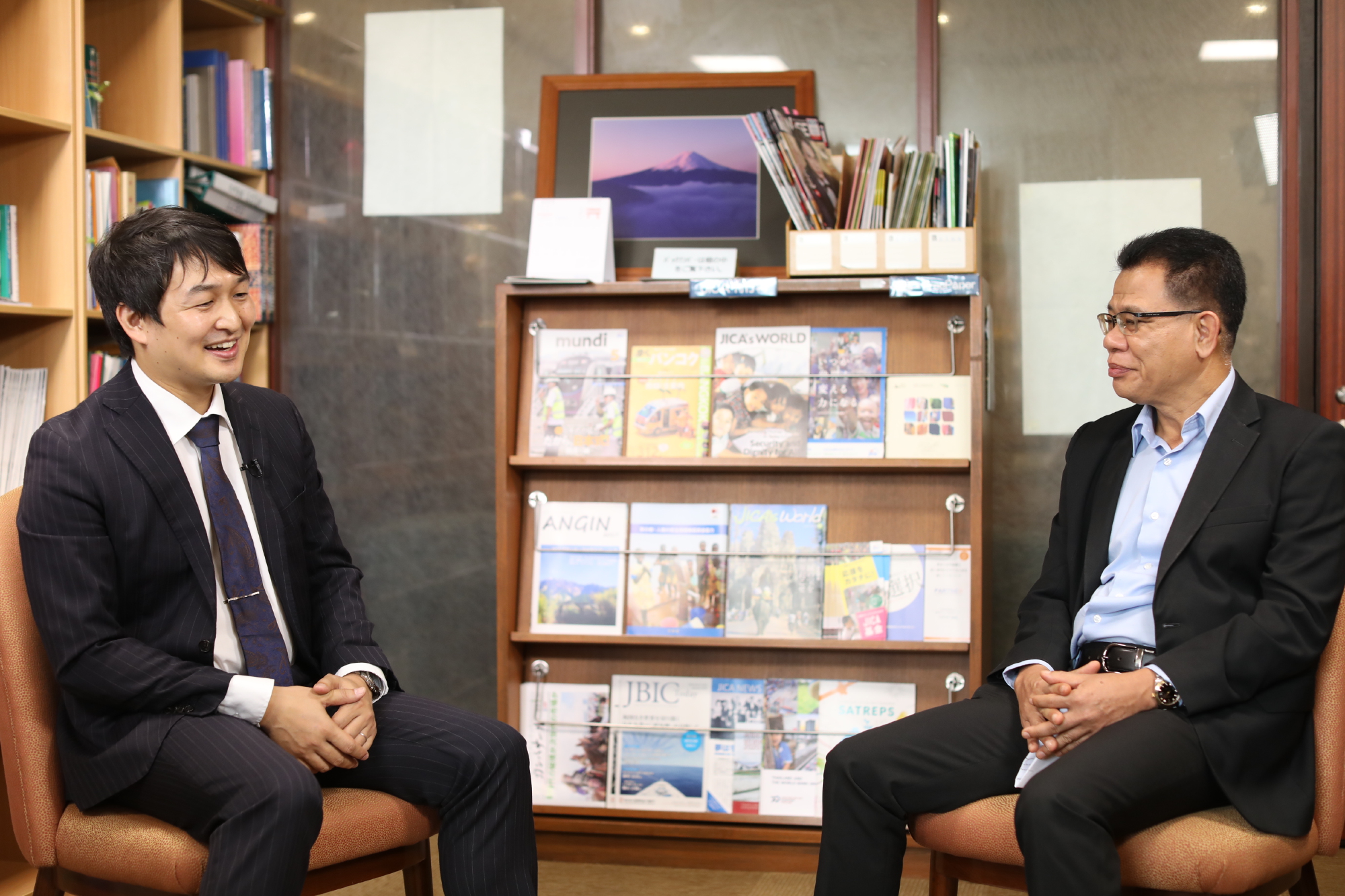
Exclusive interview with Morita Takahiro, Chief Representative of JICA Thailand Office, and Kato Takuma, Chief Advisor of GLO+UHC.
This year, Japan International Cooperation Agency (JICA) and Thailand extend the collaboration on universal health coverage (UHC) and global health.
The cooperation is a part of the Partnership Project for Global Health and Universal Health Coverage Phase 2 (GLO+UHC Phase 2), aiming to strengthen health financing, health workforce, and global health of Thailand, Japan, and other countries.
Starting from this year to 2023, the partnership will deliver a series of activities, including capacity-building workshops, lectures, policy recommendations, and field visits. Japan and Thailand will share ideas on the successful establishment of UHC.
Both countries will share lessons learned and good practices of UHC implementation with other countries, including Asian and African countries striving for UHC.
Morita Takahiro, Chief Representative of JICA Thailand Office, and Kato Takuma, Chief Advisor of GLO+UHC Project, share their views on how the partnership form up and how it drives Japan and Thailand to set a mission for a healthier world.
Morita Takahiro
How did JICA and Thailand start the partnership on UHC?
Morita: We [JICA] started our operation in Thailand in 1954, so we have more than 60 years of history of cooperation. As for the corporation in the health sector, it is one of our major activities in Thailand.
In the 1970s and 80s, our cooperation focused on primary health care. We extended our cooperation to human resources development, research, and medical technology based on the hospitals and [universities’] medical faculty. When it comes to the 1990s, we expanded our cooperation to mother and child health and infectious diseases, including HIV/AIDS and Dengue vaccine.
Since 2000, we have focused on the health system, including UHC. I think health is one of the most fundamental rights for the human being. UHC provides health and security to the people, which promotes the security and stability of the nation. It’s the foundation of sustainable economic development, so JICA has a great interest in supporting UHC in developing countries.
Thailand established UHC in 2002. Among the middle-income countries, Thailand is the first country that established UHC and accumulated a lot of experience and knowledge in terms of the establishment and UHC operation. To JICA, Thailand is a good partner to disseminate the expertise to other countries. That’s why we choose Thailand as a partner.
What are the differences and similarities between Thailand and Japan that make both countries can learn from each other?
Morita: There are two major differences between Japan and Thailand. The first is the economic situation. Japan established UHC in 1961 and joined the Organization of Economic Cooperation and Development (OECD) in 1964. That means Japan established UHC when it achieved economic development. But Thailand became a middle-income country during the 1990s. The stages of [the two countries’] economic development were different at the beginning of the UHC establishment.
The second is aging. Japan became an aging society in 1970. Thailand became an aging society in 2001. That means Japan established UHC before it entered an aging society. Thailand established UHC after it became an aging society.
In terms of the speed of aging, Japan became an aged society in 1995. Thailand will become an aged society in 2022. It took around 25 years for Japan to become an aged society from an aging society, while Thailand has 20 years to be prepared for an aged society. It will take around 50 years for European countries like France, England, and Germany. When we think about the cost coverage of UHC, we have to think about the speed and scale of aging and demography.
When we establish UHC, to some extent, economic growth is necessary. Because service delivery in the health sector should accompany health systems. When we consider budgeting programs, the government should prepare for the displacement of the health systems. In that case, we have to wait for some extent of the economic growth as well. But in parallel, as Thailand’s experience shows in the course of the development, they can be prepared and facilitate access to the health systems such as UHC.
Recently, JICA and Thailand extend GLO+UHC into the second phase. What has been achieved in this project so far?
Kato: In the first phase, we conducted activities for four years. For example, we organized about 20 short-term training programs in Japan and 30 capacity-building programs in Thailand. In total, 130 Thai government officials joined those programs. About 31 Japanese experts in various fields such as economy, education, and data information engaged.
This is not one side from Thailand or Japan. This is an equal partnership project. That’s because Thailand has already built up a very strong health system. That system is one of the best in the world. We must share our experience with other countries.
Achievement of the first phase can be divided into three [parts.] Through a wide range of activities, Thai officers built up the capacity to implement or revise the UHC System. For example, in the Bangkok region, the fee schedule system, which set up the unified price for medical services, was modeled on the Japanese system for suitable sustainable pricing.
Second, through the international education activities, we could share our experience with neighboring countries striving for the UHC. We could build up a network with them. Third, we could strengthen our partnership between Thailand and Japan. For example, two countries cooperated and committed through the Political Declaration for the UN High-Level Meeting on UHC. The presence of Thailand and Japan was much enhanced as a result.
Kato Takuma
What will happen during the second phase of the partnership?
Kato: Achieve UHC means almost a hundred percent of people can access essential health services regardless of their financial hardship. This is one of the Sustainable Development Goals (SDGs) that all countries worldwide need to achieve by 2030. Some of our neighboring countries are on the journey toward UHC. Through the second face, we can support them by utilizing our experience.
We will also focus on financing health workforces. Two countries [Thailand and Japan] and other countries are suffering from disproportionate distribution of physicians. Many rural areas are struggling to find or retain physicians.
Our neighboring countries are also facings rising health care costs due to an aging society and financial burden by non-communicable diseases such as hypertension, diabetes, and cancer. We need to tackle all these problems with other countries.
We have some common issues with achieving UHC. But we need to support them based on their own needs or each country’s needs. That’s why we’ve started the survey to understand each country’s needs to improve the UHC and health system. The survey will help us see differences such as stakeholders, culture, and the economic stages. We are planning to have the interviews and more communication with other countries through our second phase.
What is the challenge for you to work on this partnership?
Kato: The challenge for us is COVID-19. We need to build up tailor-made activities based on countries’ needs, so we need to communicate [with them] deeply. For example, we’ve constantly discussed with countries officers by using the online system.
Achieving UHC by 203o is a goal that we need to support other countries [to make it happen.] That’s why this partnership is very important. We [ Thailand and Japan] have a history of achieving UHC. We need to utilize our experience to support the neighboring countries on their own programs. We need to share our experience first, communicate more, and find out how to cooperate with them.
Cost of Covid-19 treatment for all Thais borne by government, say key agencies
All Thais who contract Covid-19 would receive free treatment, the concerned state agencies assured on Thursday.
The assurance was given by National Health Security Office (NHSO) secretary-general Jaded Thammathataree, Social Security Office secretary-general Thossaphol Kritwongwiman and Comptroller-General’s Department director-general Praphas Khong-Iad during the live programme “NBT fight against Covid-19” hosted by the National Broadcasting Services of Thailand on Thursday.
Jaded said that the NHSO had asked all private hospitals who were capable of treating Covid-19 to bill the office for the cost of treatment instead of charging the patients.
The NHSO said it would reimburse the hospitals within two weeks of starting the treatment.
“The NHSO also has set aside a budget for civil servants who contract Covid-19 so they can receive free treatment at private hospitals. The office will disburse the money to the hospital within three days,” he added.
Thossaphol added that the Social Security Fund had enough resources to reimburse the hospitals that provided Covid-19 treatment to patients under the social security scheme. “If you see any hospitals demanding payment for Covid-19 treatment from the patients, please contact Social Security hotline at 1506, NHSO call centre at 1330, or the Comptroller-General’s Department on tel. 02-270-6400,” he added.
During the program Dr Somsak Akksilp, director-general of the Department of Medical Services, added that currently there was no shortage of ICU rooms in the country but there were not enough medical professionals to treat patients in the ICUs.
“In Bangkok alone, 33 of 1,000 patients on average would need treatment in an ICU. The department is capable of building 10 new ICU beds within a week,” he said. “However, of those 10 new beds, only four would be available to treat the patients due to lack of certified medical professionals.
“The department is working to find additional personnel to treat ICU patients, but in the meantime people must protect themselves from the virus to slow down the infection rate and reduce the number of patients needing intensive care,” he added.


 Hua Hin residents, tourism staff to get jabs from June

 Cabinet approves 2022 budget worth THB3.1 trillion

 Morita Takahiro
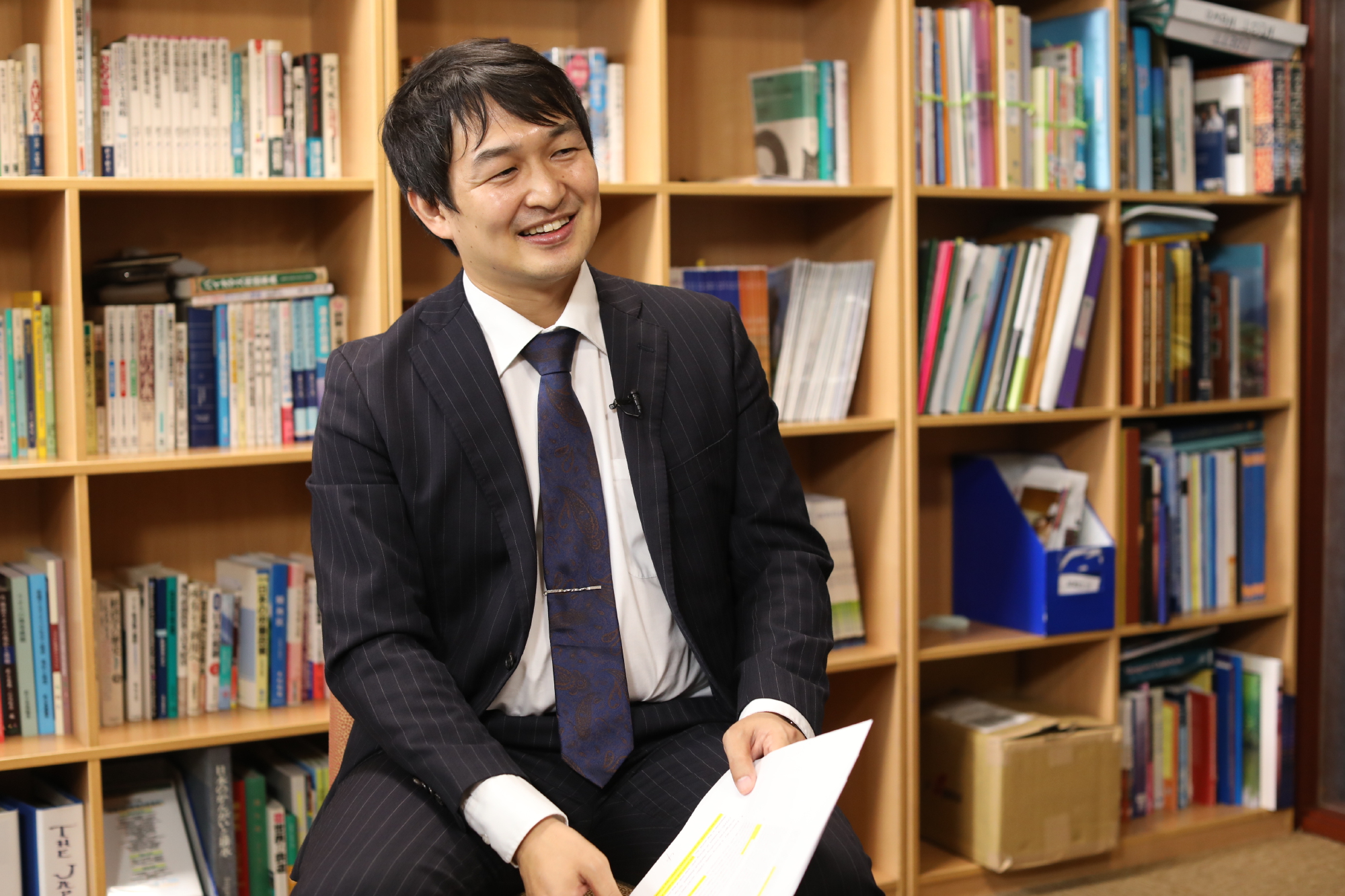 Kato Takuma


