Krisadang Nutjaras, an attorney from the Thai Lawyers for Human Rights Centre, on Friday visited the Criminal Court along with professors from the faculties of political science, sociology and anthropology at Thammasat University and Mahidol University to post bail for three pro-democracy protesters of the Ratsadon group.
Panasaya “Rung” Sithijirawattanakul, Jatupat “Pai Dao Din” Boonpattararaksa and Parit “Penguin” Chiwarak have been charged with violating Article 112 or the lese majeste law of the Criminal Code, for sedition under Article 116 as well as the unlawful assembly of 10 or more persons under Article 215 for their role in a political rally on September 19-20, 2020, at Thammasat University and Bangkok’s Sanam Luang area.
They were denied bail by the Criminal Court on Monday and have been detained at Bangkok Remand Prison and Central Women Correctional Institution.
Penguin and Rung are currently undergraduate students at Thammasat, while Pai is a graduate student at Mahidol.
“The professors have agreed to pool money to post bail for the three at Bt500,000 per person, so that they could be released and continue their study, as now is the exam period,” said Krisadang. “We urge the court to reconsider releasing them on bail. Keeping them in prison will cut off their opportunity for proper education and destroy their future.”
The Stock Exchange of Thailand (SET) Index rose by 7.66 points, or 0.49 per cent, to 1,582.79 in the morning session on Friday.
The SET Index is expected to rise to between 1,580 and 1,585 points on positive sentiment over the European Central Bank easing its monetary policy and US President Joe Biden signing a $1.9-trillion economic relief bill, a Krungsri Securities analyst said
However, he warned investors to beware of volatility in foreign funds flows that would pressure the index.
He recommended that investors buy:
▪︎ AP, SPALI, LPN, LH and SIRI, which benefit from Bank of Thailand’s revision of the Loan to Value Ratio rule to help home buyers.
▪︎ AOT, MINT, CENTEL, CPN, CRC and MAJOR, which benefit from positive news of the Covid-19 vaccine in Thailand.
▪︎ HANA, KCE, TU and CPF, which benefit from the weakening baht.
▪︎ CBG, ICHI, SAPPE, RBF, DOD, PTG, and TACC, which benefit from positive news on hemp production and its general use.
The SET Index closed at 1,575.13 on Thursday, up 2.08 points or 0.13 per cent. Total transactions amounted to Bt102.01 billion with an index high of 1,584.61 and a low of 1,569.87.
The baht opened at 30.55 to the US dollar on Friday, unchanged from the close on Thursday.
The Thai currency is likely to move between 30.50 and 30.60, Krungthai Bank market strategist Poon Panichpibool said.
He said that the direction of the US Ten-Year Treasury yield had still been effective towards the dollar’s movement. If the yield decreased or became stable, the market would be open to risk, pressuring the US currency to weaken and supporting other currencies to strengthen.
He explained that the baht had been supported by the sales of assets, stocks in particular, that tended to increase in volume.
Meanwhile, importers would tend to buy the dollar, when it was at Bt30.50, the market strategist added.
Poon also predicts that the dollar will strengthen if the market fluctuates. In that case, the baht will weaken up to 30.90 per US dollar.
It was possible the Thai currency would strengthen again if the dollar weakened and foreign funds flowed back into the Thai capital market, he added.
The State Railway of Thailand (SRT) is opening 30 additional routes from March 13 in accordance with the lifting of Covid-19 lockdown measures.
“As the Centre for Covid-19 Situation Administration has permitted interprovincial travel in many areas, we anticipate that more people would want to travel, especially during the upcoming Songkran festival,” said SRT governor Nirut Maneephan on Thursday.
The 30 new train routes are:
Southern line
– No.43 Bangkok-Surat Thani, starting March 13
– No.40 Surat Thani-Bangkok, starting March 14
– No.31 Bangkok-Hat Yai, starting March 26
– No.32 Hat Yai-Bangkok, starting March 27
– No.39/44 Bangkok-Surat Thani-Bangkok, starting April 9
– No.83/84 Bangkok-Trang-Bangkok, starting April 9
– No.175/176 Hat Yai-Sungai Kolok-Hat Yai, starting April 9
Northern line
– No.107/108 Bangkok-Denchai-Bangkok, starting April 9
– No.109/102 Bangkok-Chiang Mai-Bangkok, starting April 9
Northeastern line
– No.25 Bangkok-Nong Khai, starting April 9
– No.26 Nong Khai-Bangkok, starting April 10
– No.71 Bangkok-Ubon Ratchathani, starting April 9
– No.72 Ubon Ratchathani-Bangkok, starting April 10
– No.75 Bangkok-Nong Khai, starting April 9
– No.76 Nong Khai-Bangkok, from April 10
– No.139/140 Bangkok-Ubon Ratchathani-Bangkok, from April 9
– No.145/146 Bangkok-Ubon Ratchathani-Bangkok, from April 9
Holiday trains
– No.909/910 Bangkok-Nam Tok-Bangkok, from March 13
– No.911/912 Bangkok-Praditpat Park-Bangkok, from March 13
– No.997/998 Bangkok-Ban Plu Ta Luang-Bangkok, from March 13
Nirut said the SRT had implemented measures to prevent the spread of Covid-19, such as setting up Covid-19 screening and hand-sanitising checkpoints, while passengers are required to wear mask and check-in via ThaiChana smartphone app.
For more information, contact SRT call centre: 1690, or visit @pr.railway Facebook page.
The Bangkok Art Biennale 2020 festival, or BAB2020, was more successful than expected despite the Covid-19 crisis gripping the world and the political conflict in Thailand last year, Apinan Poshyananda, the artistic director of the event, told the media on Wednesday.
The biennale, organised by Thai Beverage and held from October 29, 2020, to January 31, 2021, displayed more than 200 art pieces from 82 artists – 31 domestic and 51 foreign.On display were artworks from top artists like the outstanding Ai Weiwei, Yoko Ono, John Akomfrah and Araya Rasdjarmrearnsook.
Apinan said BAB2020 exceeded expectations. Around 30 art biennales had been scheduled for 2020, but only eight went ahead.“The Bangkok event was the only one in Southeast Asia, and was held as scheduled,” he said, adding that the Riga International Biennial of Contemporary Art 2020 in Latvia was open for a mere two weeks due to the virus crisis.
Around 410,000 people came to BAB2020, while as many as 2.3 million others visited the exhibition as virtual tourists.This compares to more than 3 million visitors who physically attended the Bangkok Art Biennale 2018.However, this artistic success came with challenges, especially the Covid-19 crisis.
Apinan explained that the initial budget for the biennale – Bt60 million – increased by Bt3 million to Bt4 million. Besides, the organiser had to “re-manage” the budget in order to run the event as smoothly as possible.Meanwhile, strict health measures and a countrywide lockdown last year prevented some artists from visiting Thailand, which meant they could not “control” the installation of their artwork themselves, but video conferencing app Zoom was a handy solution, he said.
Asked why the organiser decided to go ahead with the event instead of suspending it, Apinan, as a ThaiBev representative, said “it was because Thailand was not hit by the virus as severely as other countries, and we were confident that travellers would be interested in attending BAB2020”.Asked what was the most disappointing and impressive factors of the event, he said “the artists were not here”, but “all of them were ready to fight with us – no one withdrew”.
Apinan pointed out that one of the reasons why BAB2020 was a success was the role of foreign media. He said several art organisers and magazines had interviewed him, spreading word about the “brave move” to run the event.Meanwhile, at a time when numerous events were suspended amid the Covid-19 crisis, it was not surprising that a virtual tour of the biennale attracted many under lockdown at home.In addition to the pandemic, another crisis Thailand faced in 2020 was the political clashes between youth-led pro-democracy groups and the government, he said.
An unforgettable event was the crackdown in which police used water canon against protesters in Pathumwan on October 16, Apinan said.“It was the same day Yoko Ono’s works were installed at the Bangkok Art & Culture Centre, which was not far from the violent scene,” the director recalled.Apinan also said the question of politics surrounded BAB2020, and he admitted it was impossible to exhibit art without politics. He revealed that some artists had even been pressured by their counterparts to remove their works from the event as the political situation intensified.
“Everything is political,” he insisted, adding that the biennale was a neutral area for artists to express their points of view.“It was their right to show their political views, and we respected that right,” he said.The Bangkok Art Biennale is held every two years, and details of BAB2022 have not been revealed yet.However, Apinan said the next event would not focus on a virtual tour as he believed that art should be seen and “sensed” physically, with personal experience depending on each person.He added that the BAB Academy will run a curator course this year and anyone who is interested or those with art experience are welcome to join the programme. There is no age limitation for participants and they will be trained how to curate and constructively criticise artwork.
Officials of Kaeng Khoi Wildlife Sanctuary in Champhakphaew subdistrict in Saraburi province have refilled water in cement ponds that they had constructed around the forest areas to make sure that wild animals have enough drinking water as the hot summer is approaching.
Department of National Parks, Wildlife and Plant Conservation posted a video on Thursday on their Facebook page of monkeys drinking from one of these ponds, adding that the move should help prevent animals from seeking water sources outside the sanctuary, especially in farming areas of nearby communities, which might trigger a conflict between humans and animals.
“Hidden cameras reveal that these ponds have been visited by monkeys, deer and barking deer all day long,” added the department. “Each of these animals drinks an average of 5-10 litres of water per day, so officials must refill these ponds regularly.”
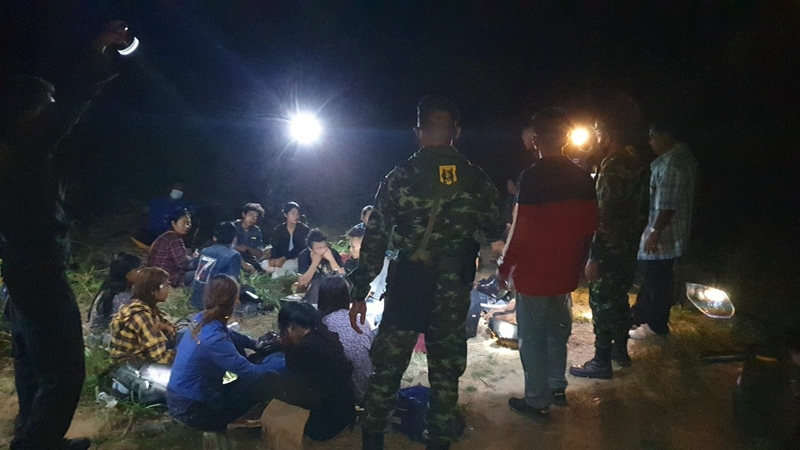
Four out of 32 Myanmar migrants who had allegedly illegally entered Thailand via Prachuap Khiri Khan province on March 3 have tested positive for Covid-19, provincial Governor Phanlop Singhaseni said on Thursday.
“These migrants had been arrested while crossing the border via natural channels in Ao Noi subdistrict,” he said. “The infected patients have been sent to Prachuap Khiri Khan Hospital for treatment.”
Phanlop added that before the test results were confirmed, the arrested migrants were detained at three different facilities — Muang Police Station, Ao Noi Police Station, and Prachuap Khiri Khan Central Prison. “This has resulted in up to 128 officials and 29 other prisoners having had close contact with them,” he added. “The high risk group had already received testing with no infection found, while about 116 people in the low risk group have been told to self-quarantine at home and monitor their symptoms.”
As of Thursday, Prachuap Khiri Khan had reported eight confirmed cases since the new wave started in Thailand in December, while five are under hospitalisation and three have recovered.
A source in the province reveals that Prachuap Khiri Khan has more than 40 natural channels that connect to Myanmar, making it an easy option for illegal migrants to enter the country, most of them to look for jobs in Thailand.
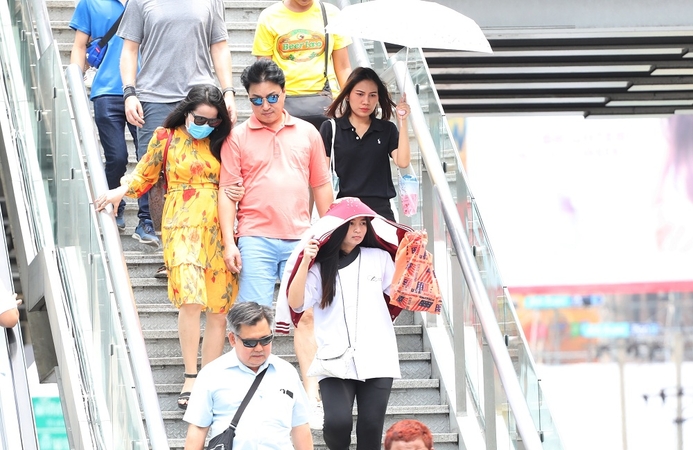
The Thailand Meteorological Department said on Friday that a heat low covers upper Thailand while moisture brought by the southerly and the southeasterly winds from the South China Sea and the Gulf of Thailand covers the lower North, the Northeast, the Central including Bangkok and its vicinity, and the East.
Hot weather is forecast for the entire country while outbreaks of thundershowers and gusty winds are possible in the North and the East.
People should beware of the severe condition, the department said.
Meanwhile, the easterly winds prevailing over the South and the Gulf bring isolated thundershowers over the lower South.
The weather forecast for the next 24 hours:
North: Hot with haze during the day; isolated thundershowers with gusty winds in 10 per cent of the areas; temperature lows of 16-23 degrees Celsius, highs of 33-39°C.
Northeast: Hot with haze during the day; temperature lows of 22-25°C, highs of 36-38°C.
Central: Hot with haze during the day; temperature lows of 22-25°C, highs of 36-38°C.
East: Hot with haze during the day; isolated thundershowers with gusty winds in 10 per cent of the areas; temperature lows of 22-25°C, highs of 32-36°C; waves less than a metre high and a metre offshore.
South (east coast): Partly cloudy with isolated thundershowers in 20 per cent of the areas; temperature lows of 22-26°C, highs of 32-35°C; waves a metre high and over a metre during thundershowers.
South (west coast): Hot during the day with isolated thundershowers in 10 per cent of the areas; temperature lows of 20-26°C, highs of 35-36°C; waves less than a metre high and a metre offshore.
Bangkok and surrounding areas: Hot with haze during the day; isolated thundershowers in 10 per cent of the areas; temperature lows of 23-25°C, highs of 34-37°C.
Bangkok Governor Aswin Khwanmuang revealed on Thursday that all targeted medical staff in the capital have been vaccinated against Covid-19.
The at-risk medics are among three groups prioritised in Bangkok’s first-phase vaccination programme.
The second group comprises those at risk of contact with Covid patients, health volunteers, police, military, and related personnel. Of the total 2,840 people in this group, 477 or 16.80 per cent had been vaccinated as of March 10, said Aswin.
Vaccination of the third group – 26,832 people with underlying health conditions – will begin on March 15.
Aswin said a total of 3,997 people in metropolitan Bangkok had been vaccinated, with 402 or 10.06 per cent experiencing mild side effects.
Health authorities had also tested 17,422 people for Covid-19 in a proactive search of 694 infection hotspots in Pathum Thani and Samut Sakhon provinces, said the governor.
The number of new infections in Thailand fell to 58 on Thursday, 38 of which were logged in Samut Sakhon.
The Constitutional Court on Thursday ruled that Parliament has the power to amend the Constitution but must first gain permission to do so via a public referendum.
Thursday’s ruling came after Palang Pracharath Party MP Paiboon Nititawan and Senator Somchai Sawangkarn submitted a motion for lawmakers to ask the court whether the ongoing charter change process was constitutional.
The court ruling confirmed that Parliament has jurisdiction to amend the Constitution but must first call a referendum to inquire whether the people – who are “the constitutional authority” – agree with changing the supreme law. If the people grant permission and the Constitution amendment is completed, the final draft must be put to another public referendum, said the court.

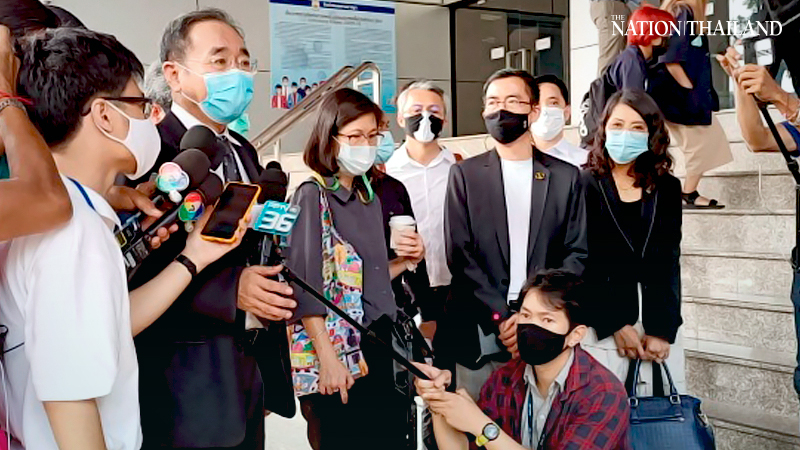


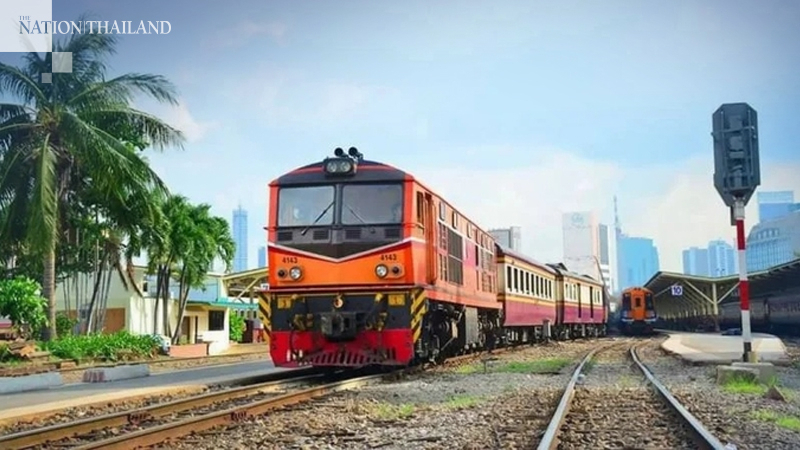
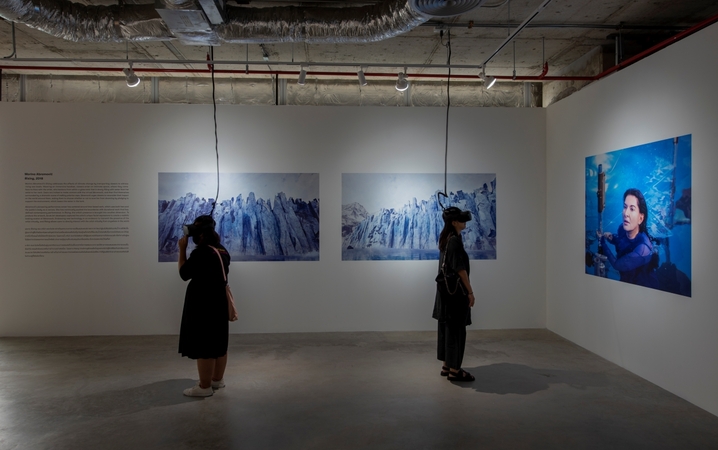
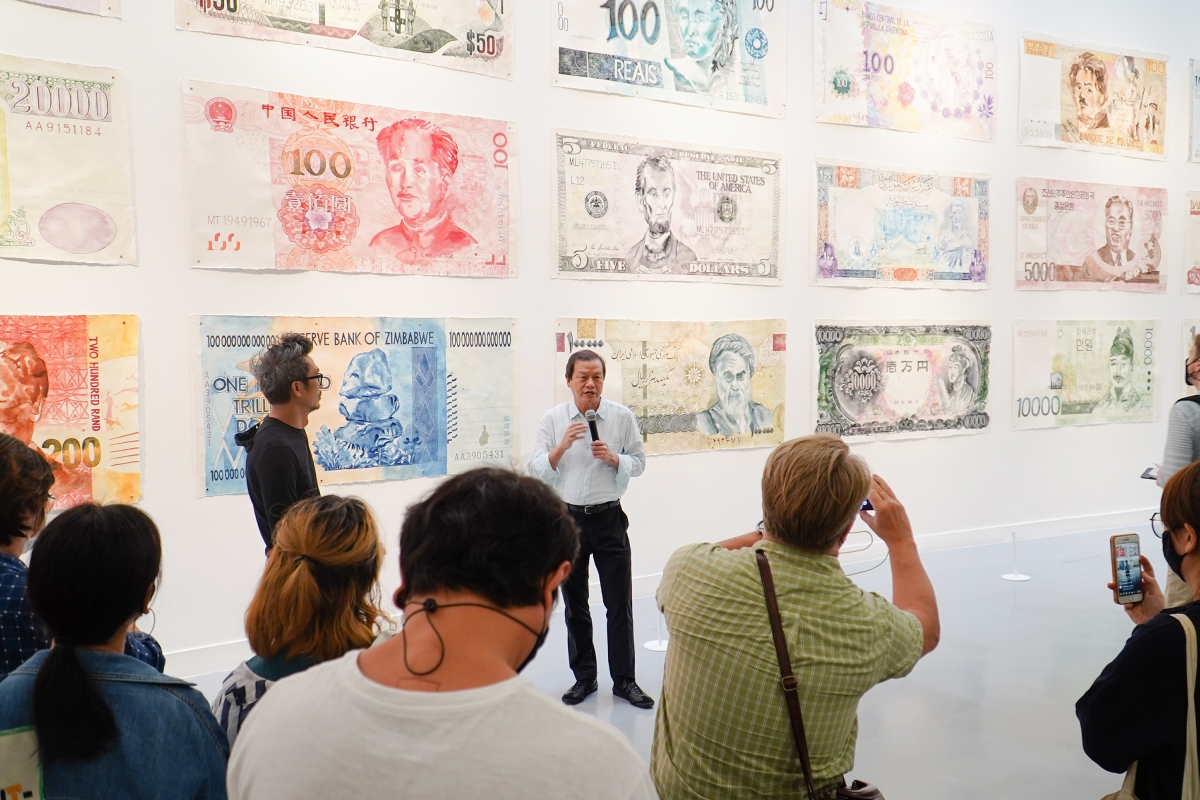
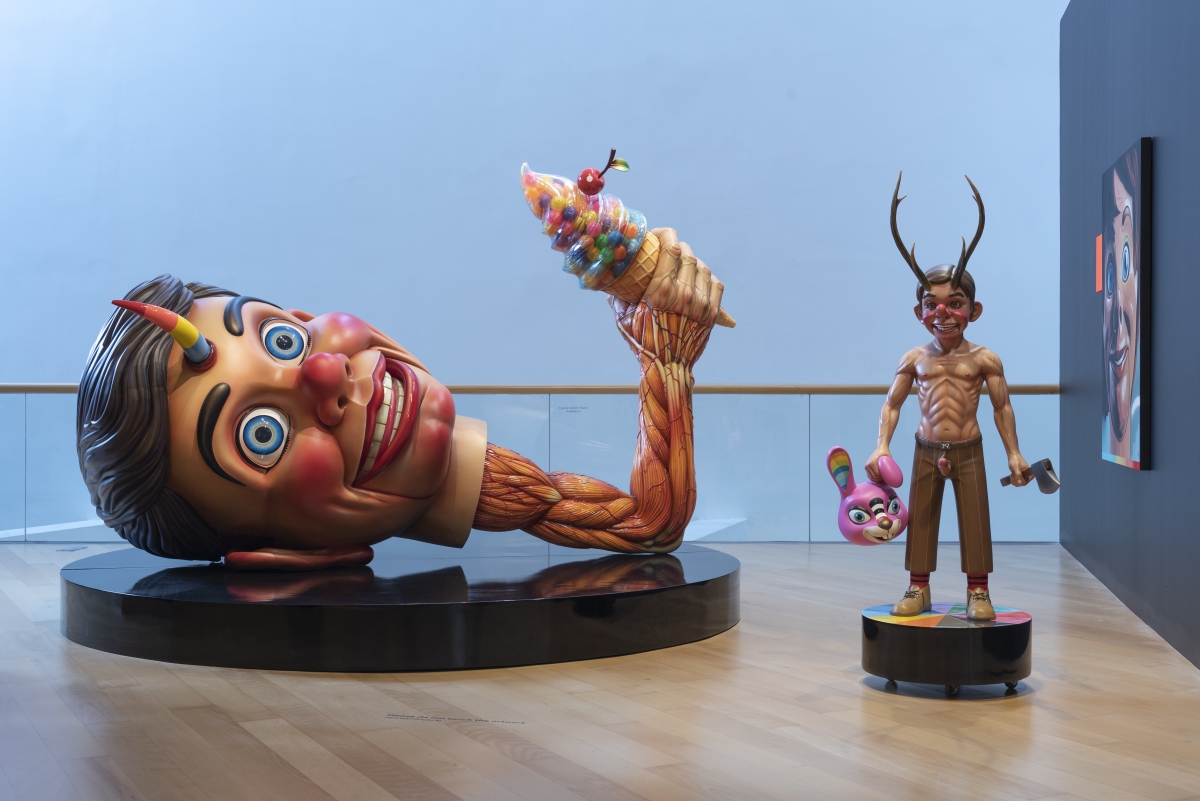

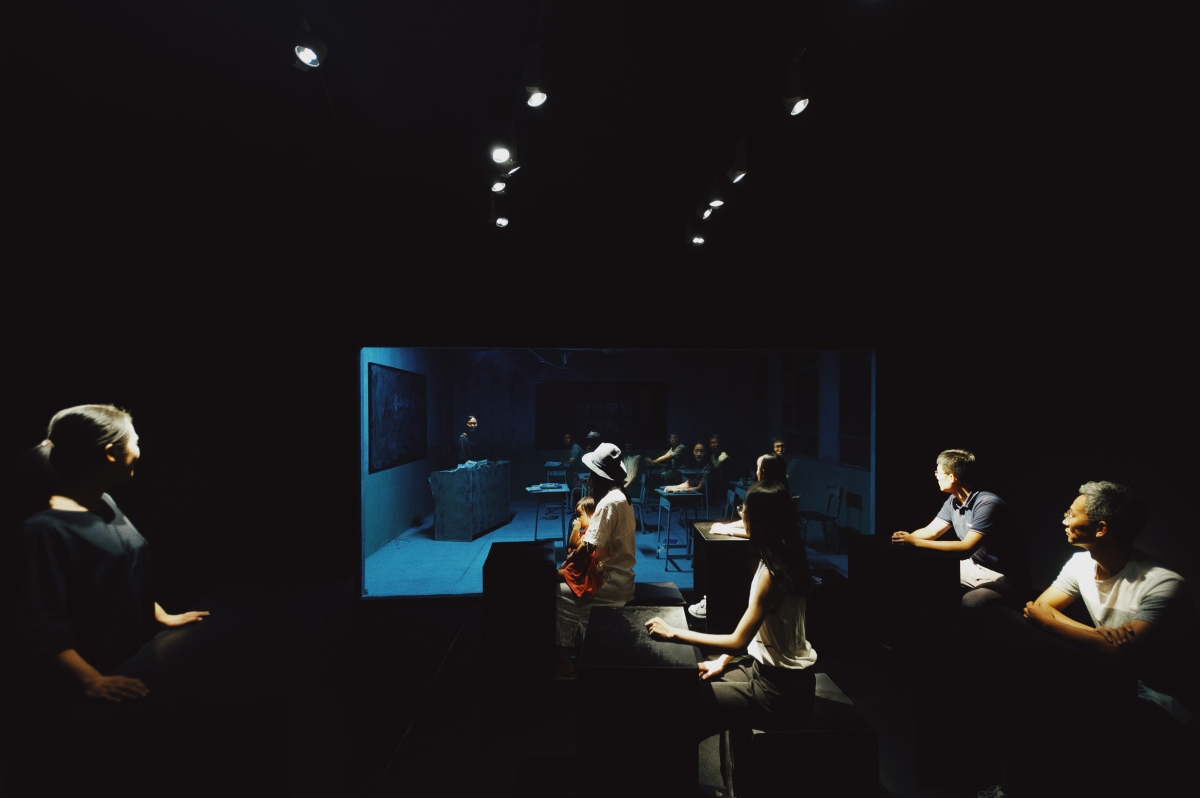

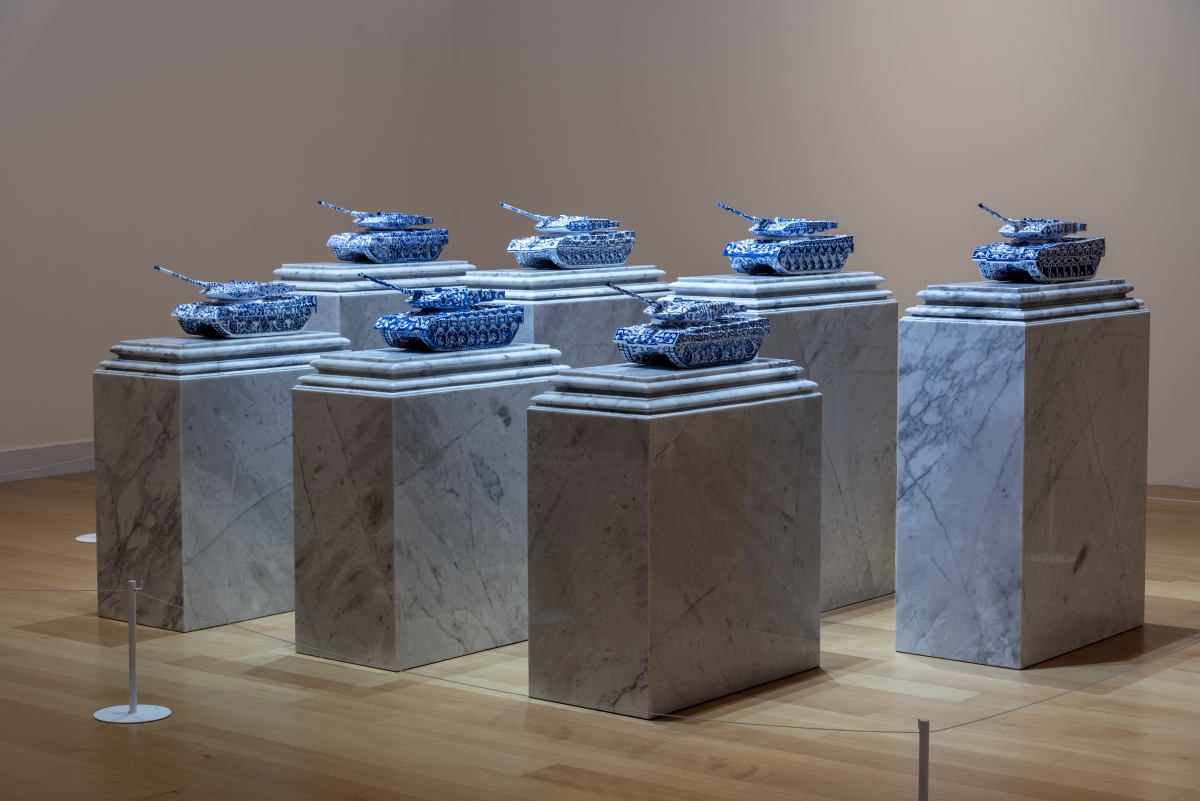
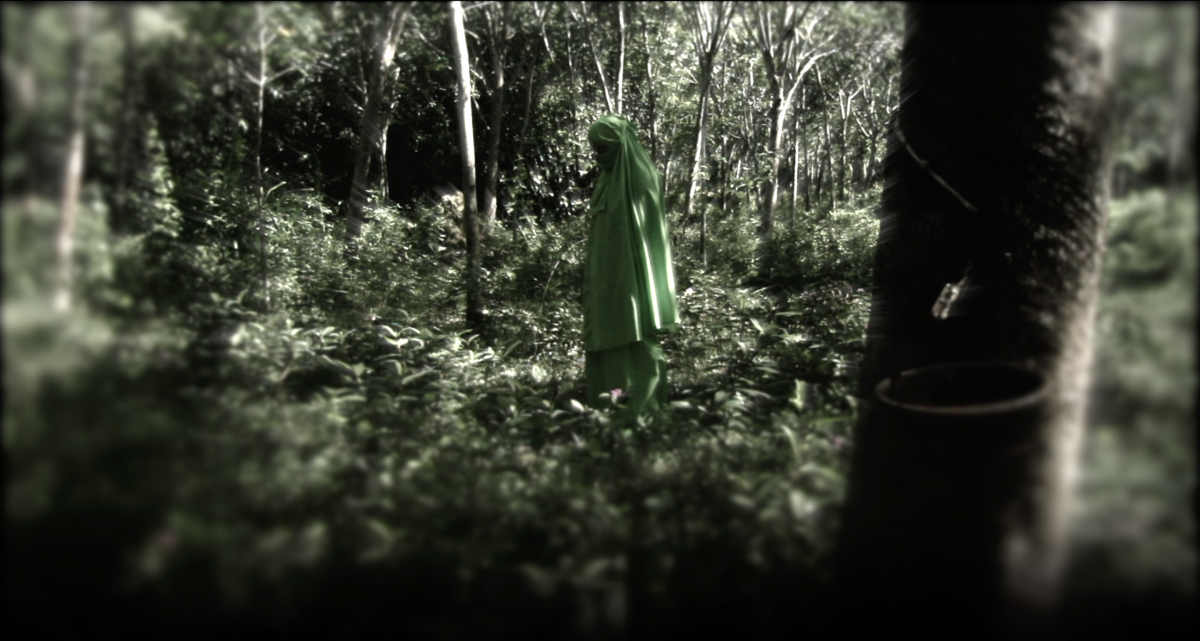
 Photo: Facebook @DNP1362