Majority of respondents believe their organizations are prioritizing LGBT+ inclusion and that this is having a positive impact. Over four in ten have experienced non-inclusive behaviors at work. Despite steps taken by employers to further LGBT+ inclusion at work, many respondents choose not to share their sexual orientation and/or gender identity at work beyond their closest colleagues.
Bangkok, June 21, 2022 – Many organizations are prioritizing LGBT+ inclusion, creating an overall positive impact in the workplace, according to nearly 80% of respondents in the latest Deloitte report, “LGBT+ Inclusion @ Work: A Global Outlook”, released recently. The research reveals that more than 70% of LGBT+ employees are more inclined to stay with their current employer because of its approach to LGBT+ inclusion and many cited visible allyship and the availability of Employee Resource Groups (ERGs) as key enablers of an inclusive culture. Yet despite these efforts, 42% of all respondents reported experiencing non-inclusive behaviors at work.
Surveying 600 respondents from organizations across 12 geographies and a range of sectors, the research provides a snapshot of the lived experiences of LGBT+ employees (defined as those who identify as Lesbian, Gay, Bisexual, Transgender and more) to understand their daily realities, what organizations are getting right, and what can be improved.
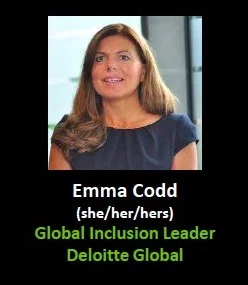
“It is clear that employers are taking steps to incorporate LGBT+ inclusion into their DE&I strategies, and that this is regarded positively by their LGBT+ employees,” says Emma Codd, Deloitte Global Inclusion Leader.
“However, it is also clear that there is much more for these organizations to do to fully embed LGBT+ inclusion into their everyday culture. Organizations need to go beyond programs to embed a truly respectful culture where non-inclusive behaviors are not tolerated and everyone feels able to be out at work.”
Organizations have introduced a range of actions that employees view as having led to meaningful support
Many organizations are focusing on LGBT+ inclusion within their Diversity, Equity & Inclusion (DE&I) strategies, with around 80% of respondents reporting that their employers have introduced LGBT+ inclusion actions and initiatives and 95% of those believing that this has led to meaningful support for LGBT+ employees across their respective organizations.
According to respondents, actions taken by organizations vary – nearly 40% say their company leaders speak openly about LGBT+ inclusion within the organization, a third say their organizations have LGBT+ allyship programs, and nearly a third (31%) say their employers discuss LGBT+ inclusion at external forums such as business events.
Almost all (93%) of respondents who work for global organizations also believe that organization-level communications and actions around LGBT+ inclusion are translating into meaningful support in their home countries.
Despite supportive actions from employers, non-inclusive behaviors persist at work
Despite the positive steps organizations are taking to support their LGBT+ employees, 42% of survey respondents reported experiencing non-inclusive behaviors at work. These non-inclusive behaviors included unwanted comments of a sexual nature (33%), unwanted comments on gender identity (25%), and broader unacceptable behavior.
Furthermore, these behaviors are experienced in both office and remote working environments. Nearly half (47%) of those who reported experiencing non-inclusive behaviors said they experienced these in a physical office, while 20% have experienced them in a virtual setting. One-third (33%) experienced such behaviors in both physical and remote environments. Of those who encountered these behaviors, nearly three-quarters reported their experience to their employer, and six in 10 were satisfied with the response.
The rationale as to why respondents didn’t report non-inclusive behaviors was generally similar across all gender identities (for example, when it came to concerns as to the perception of colleagues). Women, however, were more concerned than men that their complaints would not be taken seriously (40% vs. 22%) and that the behavior wasn’t serious enough to report (33% vs. 16%), while men were more concerned than women that the behavior would get worse (38% vs. 17%) if it was reported.
Many still choose not to share their sexual orientation and/or gender identity with the majority of their colleagues
Around one in five respondents are not out to anyone at work about their sexual orientation, while 34% are out only to their closest colleagues. Of the latter respondents, 36% reported that while their immediate team/colleagues made them feel comfortable disclosing their sexual orientation at work, the organization at large did not. From a gender identity perspective, nearly one-quarter (23%) who are out to some of their colleagues are worried that being out to the majority of their colleagues will adversely impact their career.
Of those respondents who are out to the majority of their colleagues, nine in 10 agreed that this is because their workplace culture helps them feel comfortable being out.
“It has been encouraging to see a focus on LGBT+ inclusion in the workplace,” says Michele Parmelee, Deloitte Global Deputy CEO and Chief People and Purpose Officer.
“However, the survey has also shown us that more needs to be done. Looking ahead as companies build future-ready organizations, it will be incumbent upon leaders and colleagues to focus on three critical elements to promote LGBT+ inclusion: enabling employees to feel comfortable being out at work, creating an environment where non-inclusive behavior is not tolerated, and leveraging visible and vocal allyship.”
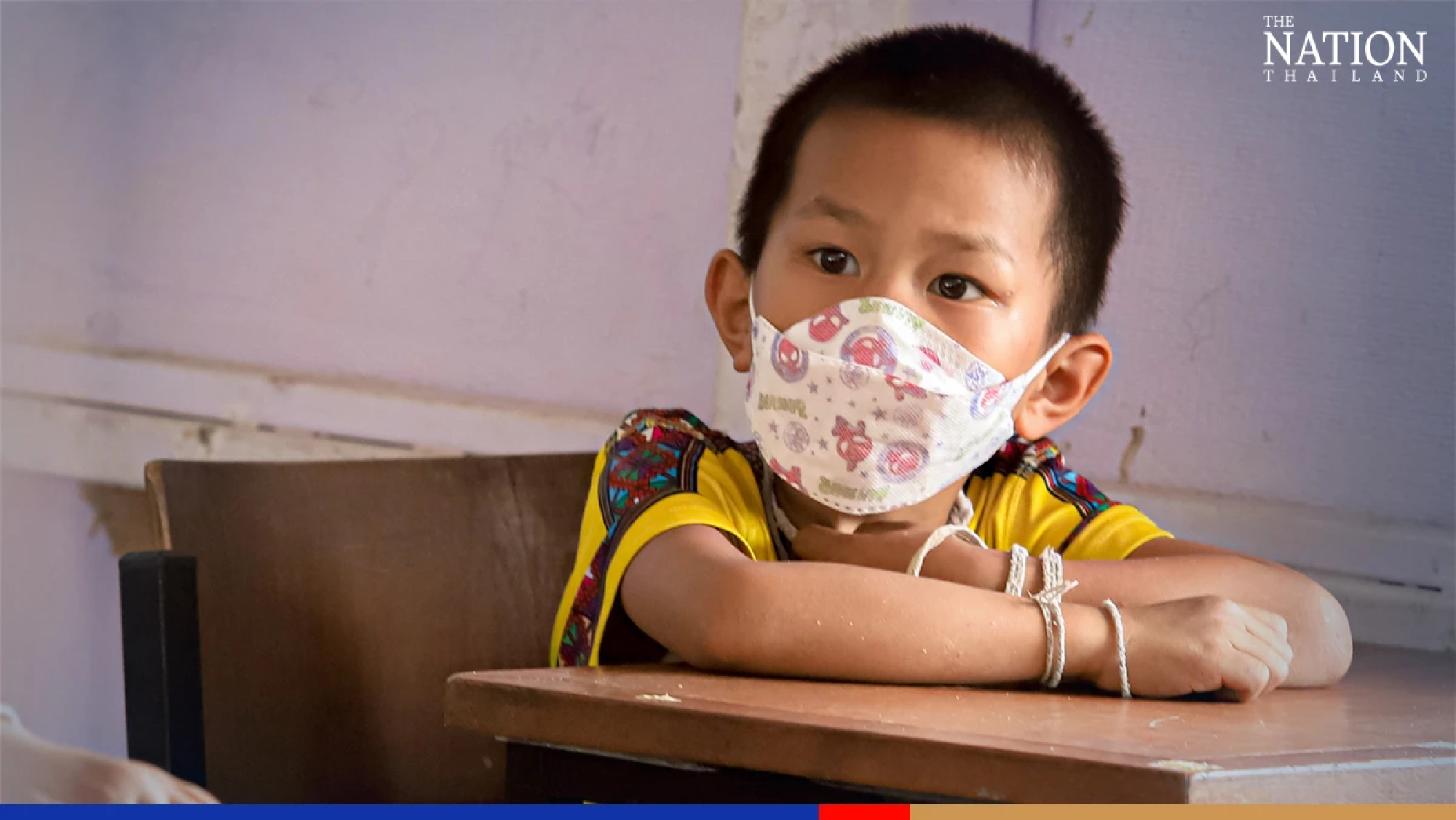
Success is not always defined as achieving greatness. For hill-tribe children, making dreams come true offers unmeasurable success, and the Community Children Foundation (CCF) can give them this opportunity.
CCF under the Royal patronage of Her Royal Highness Princess Maha Chakri Sirindhorn has been helping underprivileged children in Thailand for more than 64 years. It has educated over 42,000 children in remote areas to ensure they have better lives and career opportunities.
The route to proper education for many hill-tribe children is long and full of obstacles, but their strength shaped by a challenging environment has fuelled them to overcome hardship. The concept of “giving up” just does not exist for them.
CCF’s staffers and volunteers travel down the Kok River to provide assistance to children in remote areas of Chiang Rai province.
CCF has been providing scholarships as well as training on vocational and life skills to children who do not let geographic disadvantages prevent them from following their dreams.
This is the story of young civil servants who were helped by CCF to achieve their goals.
Committed to making her dream come true
Once upon a time, Maneenuch “Nuch” Yepiew could not communicate fluently due to severe shyness. So, CCF worked with her parents and teachers to address this problem and provide her with much-needed skills. Nuch says CCF helped bring out her true potential and solved family problems, which allowed her to focus on herself.
“The CCF scholarship gave me the ticket to a new world of career opportunities that people in my community rarely have,” she said. “I used part of my scholarship to study Mandarin and furthered my knowledge in Maths, which is my strong subject as I wanted to become an accountant.”
After graduation, Nuch stayed on in her village and got a job at the Mae Salong subdistrict administration office, which brought her closer to achieving her dream of helping develop her hometown. “Without CCF’s help, I would have ended up working at a factory for minimum wages in a city far away from my beloved village and parents,” she said.
Maneenuch ‘Nuch’ Yepiew, who now works as a civil servant thanks to opportunities offered by the Community Children Foundation
“I have come a long way from a shy hill-tribe kid. I am proud to wear this uniform and work for the betterment of the community. The CCF has allowed me to stand on my own two feet and obtain my dream career,” she said. “I want to give back by helping other underprivileged children so they have better career opportunities like CCF has made possible for me.”
Success belongs to those who do not give up
Orawan “Ant” Saemeu teaches at Baan Mae Chan School in Chiang Rai’s Mae Chan district. Her first and only dream was to become a teacher at this border-patrol police school from where she graduated. Ant’s aim now is to provide proper education to children in her community and inspire them to follow their dreams.
Orawan ‘Ant’ Saemeu, another CCF beneficiary, is now a teacher at Baan Mae Chan School
She says the best thing that happened to her as a child was to be taken under CCF’s wing.
“CCF has given me scholarships, learning materials, skill training and close guidance from staffers who made me feel like I am part of their family,” she said. “I am also grateful to my family for supporting me and working diligently with CCF. The CCF programme has helped other hill-tribe children, who like me have overcome obstacles to get a proper education.”
Teachers at Pha Khwang Witthaya School and CCF staffers work together to make children’s dreams come true.
The success achieved by these young children cannot be passed on to the next generation without continued support. You can help provide proper education and better career opportunities to children in remote areas with a contribution of just 600 baht a month.
To donate, call (+662) 747 2600, visit https://bit.ly/3wJw40C or scan the QR code below.
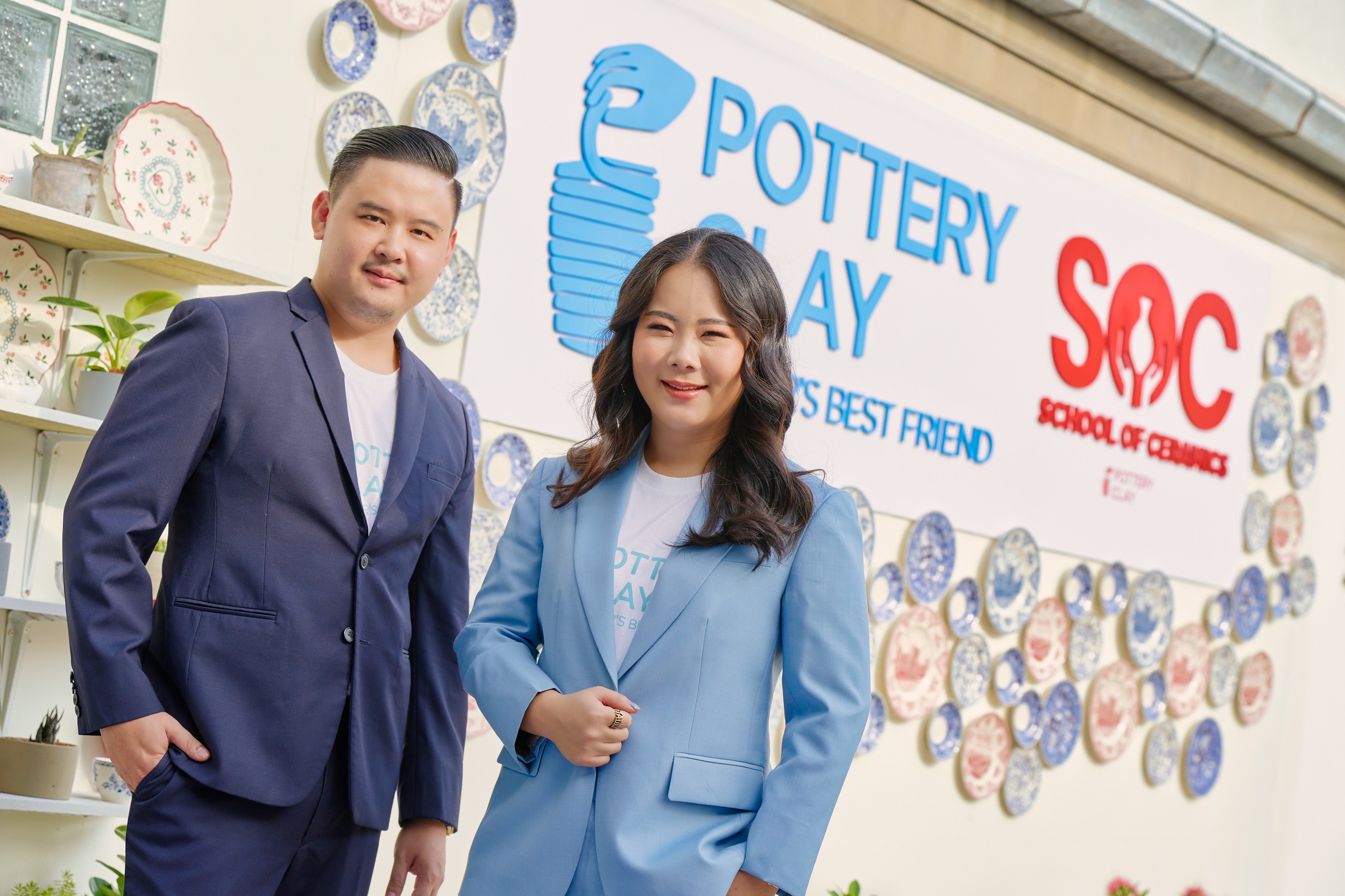
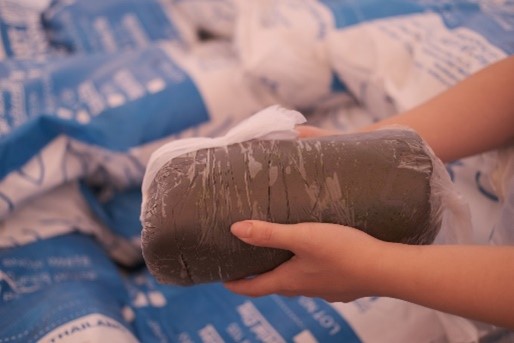
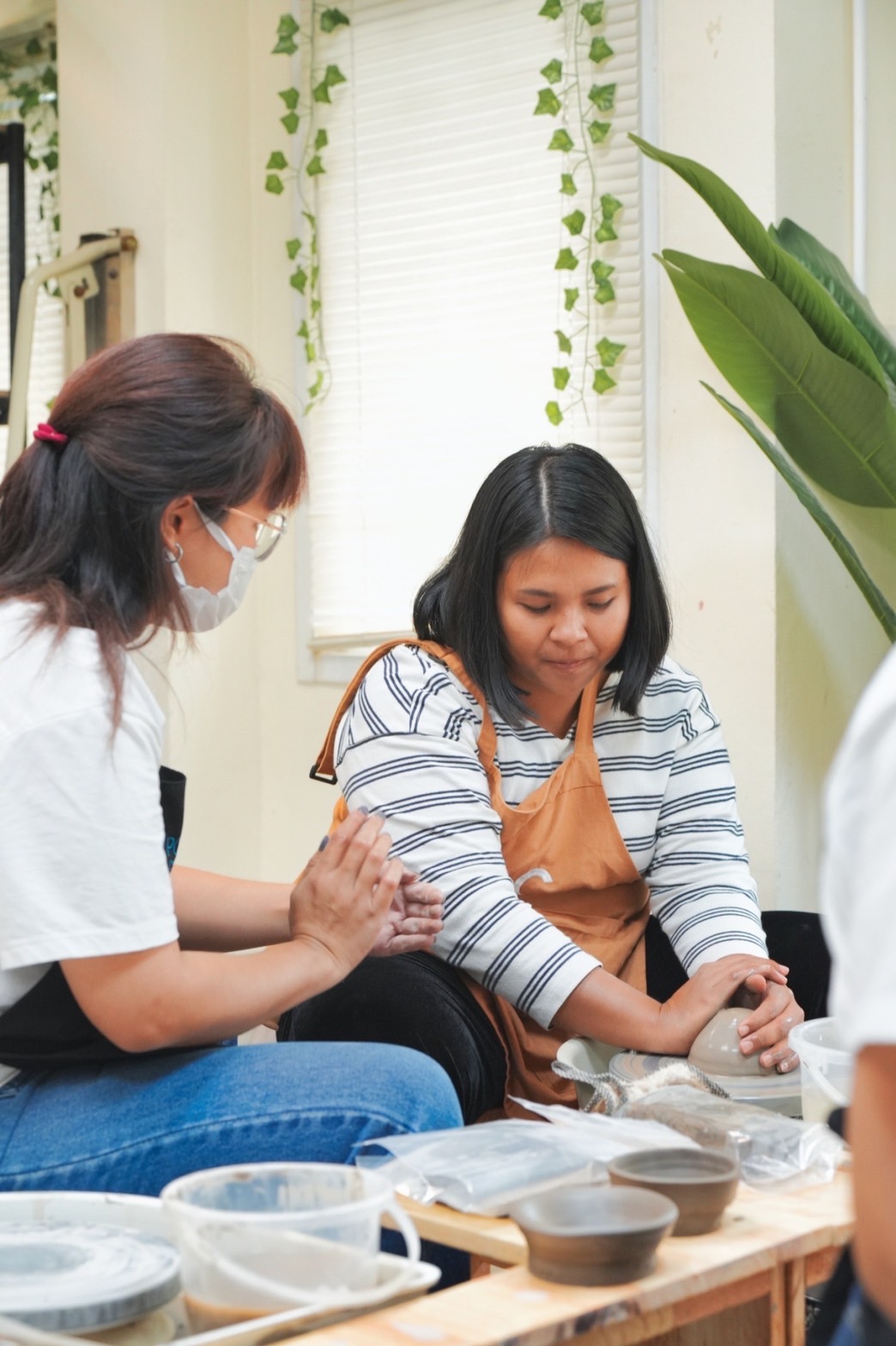
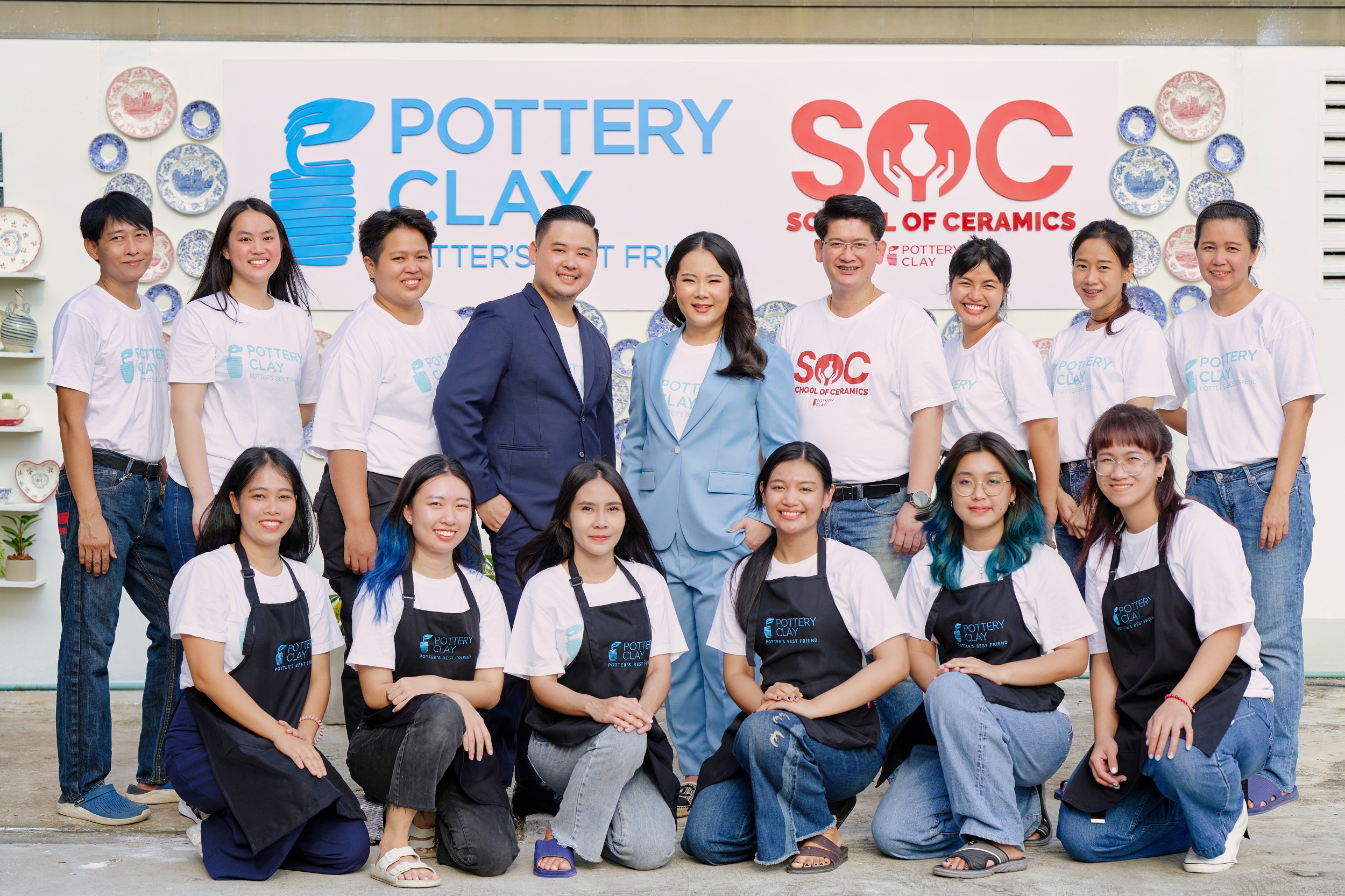
สินค้าของเราจึงไม่ได้มีแค่ดินสูตรของเราเองเท่านั้น แต่ลูกค้ายังสามารถออเดอร์ให้จัดหาดินสำเร็จรูป รวมถึงพัฒนาสูตรดินขึ้นมาตามความต้องการในลักษณะ Made to order ได้ด้วย ทั้งยังนำเข้าดิน Keane จากประเทศออสเตรเลีย ซึ่งถือว่าเป็นดินที่มีสูตรเฉพาะเข้ามาให้นักปั้นได้ใช้งาน โดยไม่ต้องสั่งออนไลน์ถึงต่างประเทศ ไม่ต้องรอนาน แค่มาที่เราก็ได้สัมผัสเนื้อดินจริงๆ และซื้อกลับไปใช้งานได้ทันที”



















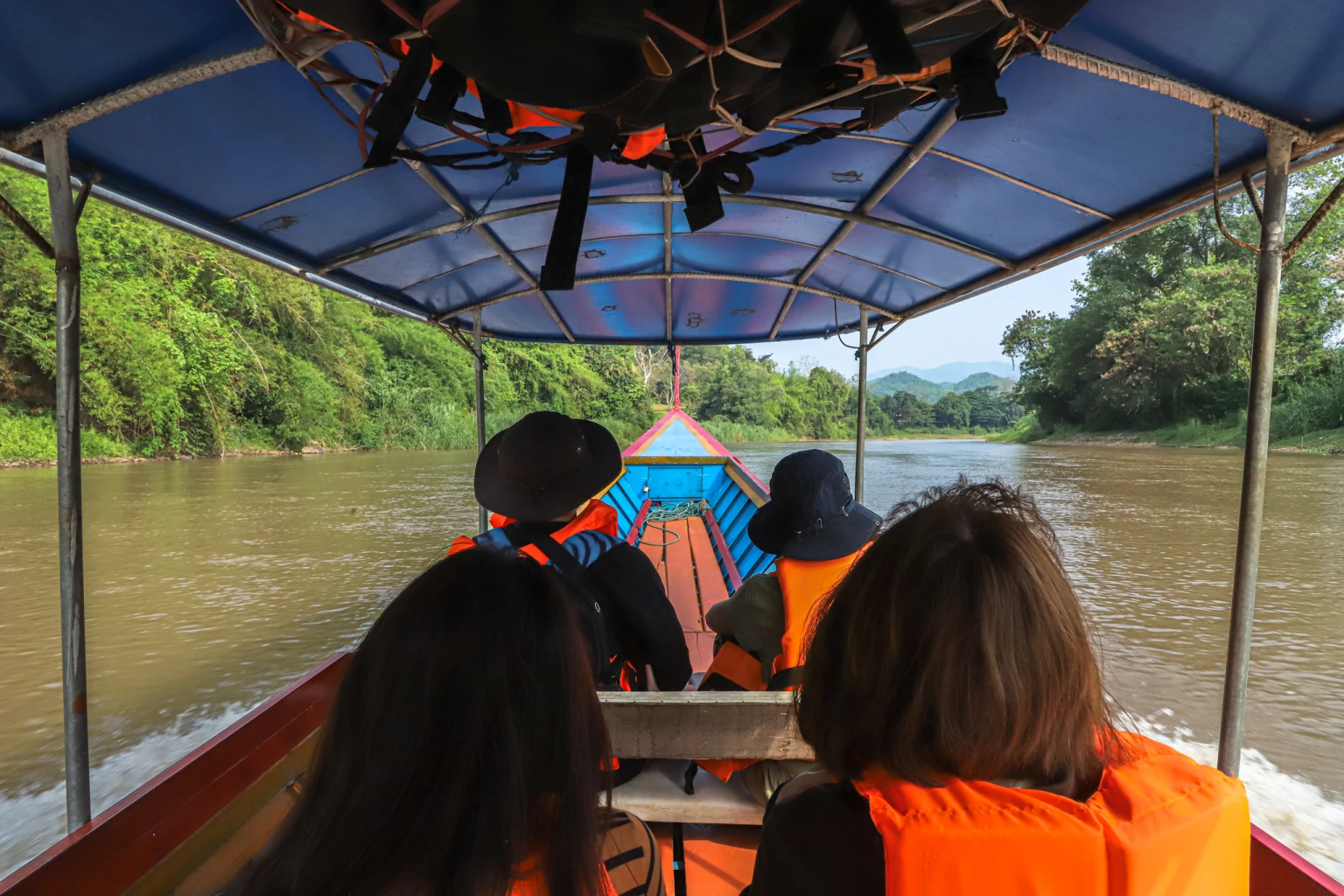 CCF’s staffers and volunteers travel down the Kok River to provide assistance to children in remote areas of Chiang Rai province.
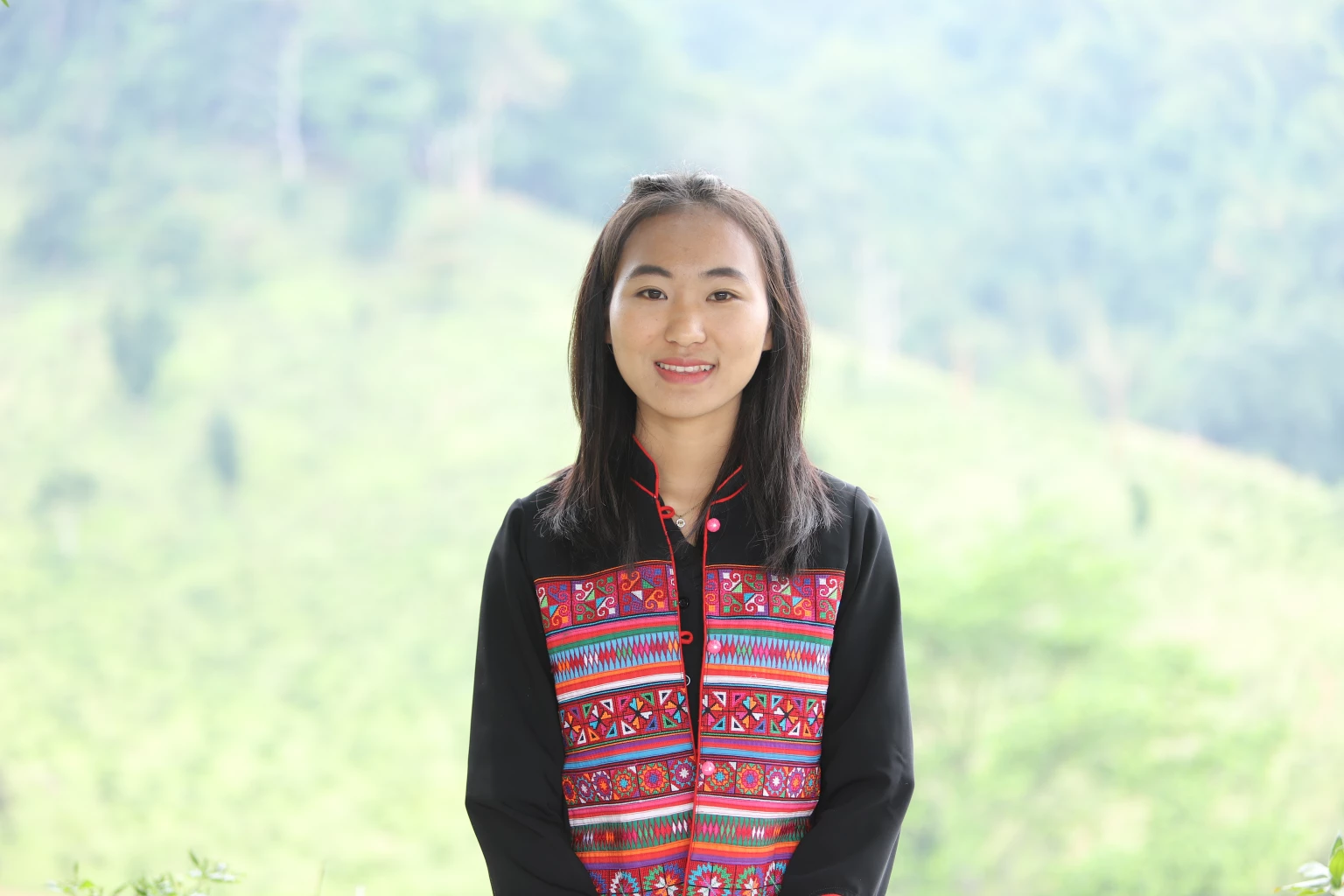 Maneenuch ‘Nuch’ Yepiew, who now works as a civil servant thanks to opportunities offered by the Community Children Foundation
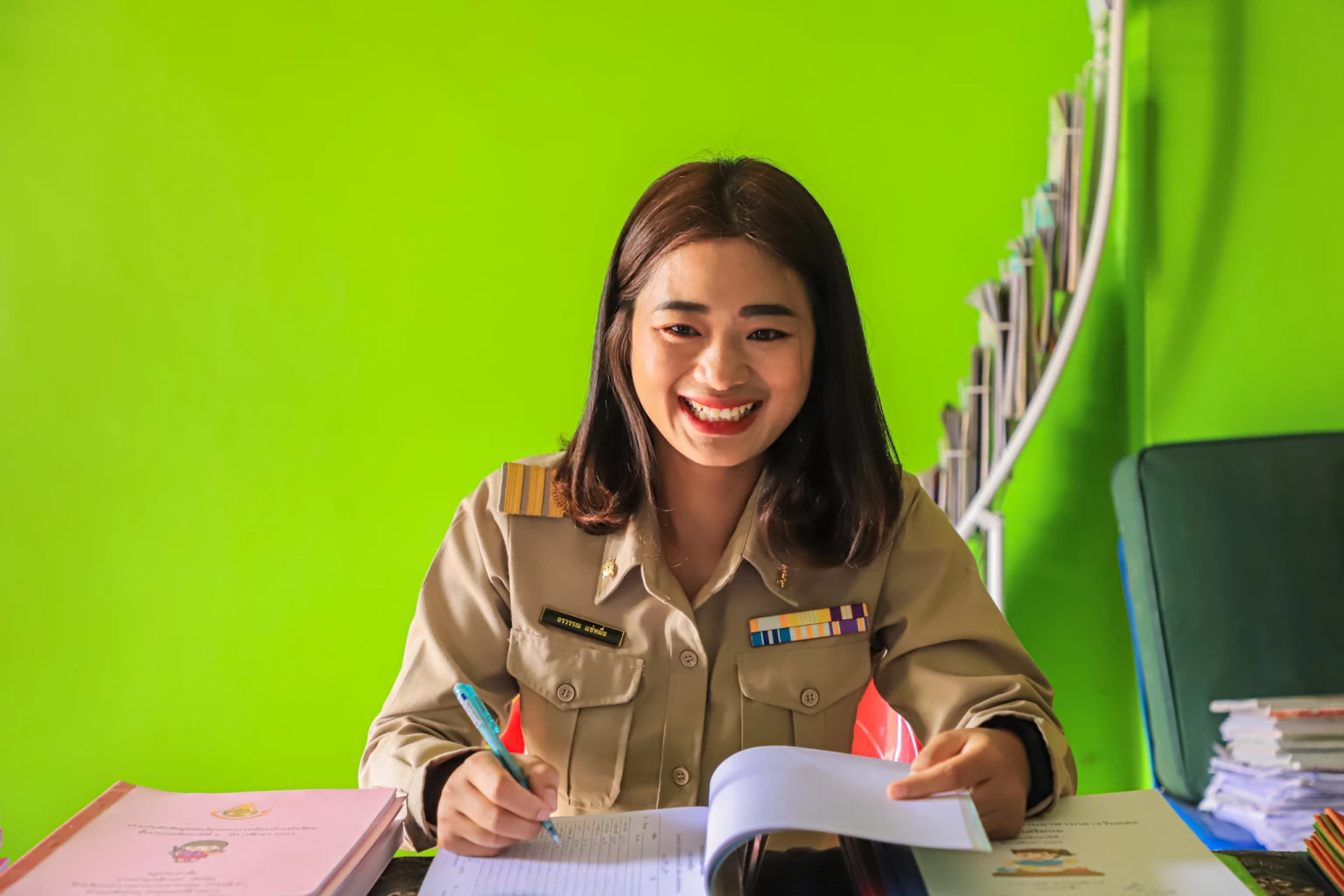 Orawan ‘Ant’ Saemeu, another CCF beneficiary, is now a teacher at Baan Mae Chan School
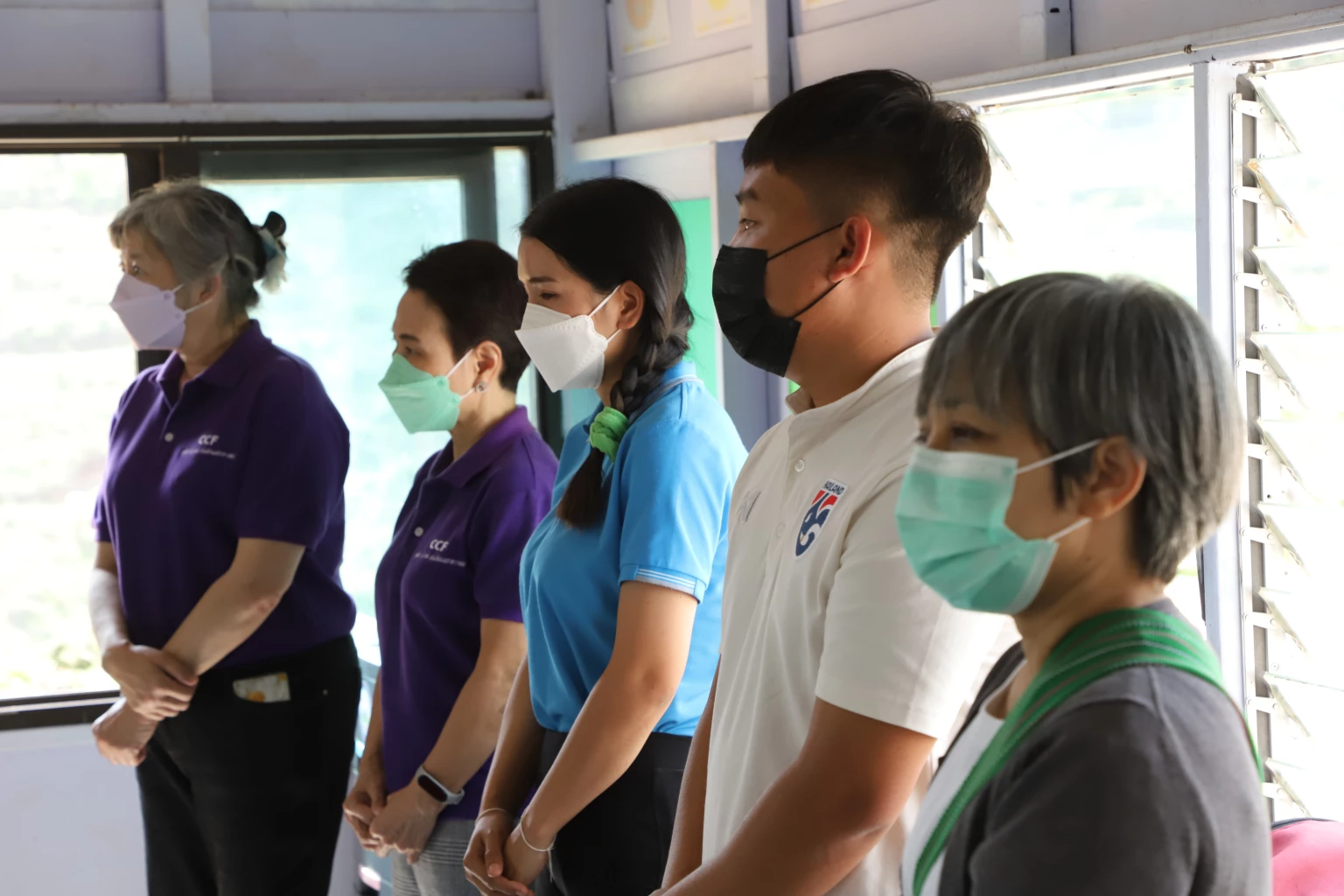 Teachers at Pha Khwang Witthaya School and CCF staffers work together to make children’s dreams come true.









 SootinClaimon.Com