Goldman Sachs launches pronoun initiative, making it easier for employees to identify their gender

ศาสตร์เกษตรดินปุ๋ย : ขอบคุณแหล่งข้อมูล : หนังสือพิมพ์ The Nation

https://www.nationthailand.com/news/30378663?utm_source=category&utm_medium=internal_referral

Goldman Sachs launches pronoun initiative, making it easier for employees to identify their gender

Nov 23. 2019
By The Washington Post

204 Viewed

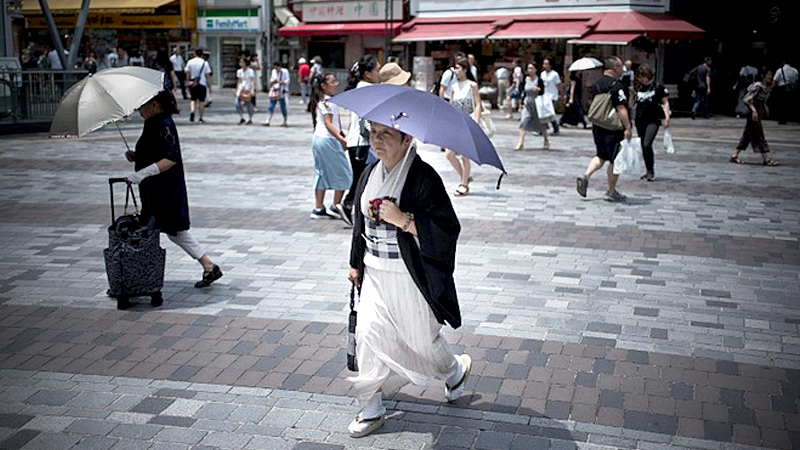
NEW YORK – Goldman Sachs, one of Wall Street’s oldest and most famous banks, announced an initiative Friday to make it easier for employees to be identified by their gender identity, including coaching workers on how to handle meeting new people.

“Proactively share your pronouns to foster an environment of respect and awareness (ex: “Hi, I’m Karen! My pronouns are she/hers. Welcome to the team!”),” the bank encourages employees in the announcement.

A person’s pronoun shouldn’t be assumed by their name or appearance, the bank counsels. “Made a mistake? Don’t make a big deal out of it or draw extra attention to it; instead, make a swift apology and use the correct pronoun(s) moving forward,” the announcement says.

The 150-year old bank also included a cheat of potential pronouns and how they could be used. The gender-neutral “Ze/ Zir (Zem)” can be used in a sentence such as “Ze went to the store” or “I spoke with zir / zem,” the company explains.

As part of phase one of the initiative, employees will also be able to attach flags to their desks that identify them including as an “ally” or “LGBT member.” Next year, as part of the second phase of the initiative, the company’s internal directory will also allow employees to include preferred pronouns.

While such initiatives are still rare in the typically conservative, buttoned-up banking world, non-binary identities have become increasingly visible. Earlier this year, Merriam-Webster said the pronoun “they” may be used to refer to a “single person whose gender identity is non-binary.” The District, California and New York, among other parts of the country, have begun offering a gender option of “X” on identification cards.

Goldman Sachs said it launched the initiative after two employees came out as transgender and the bank began to think more broadly about gender issues. “We believe in fostering an inclusive environment where they feel comfortable to be their authentic selves – and that should be welcomed and valued by their team and by the firm,” the bank said in the announcement.

The initiative comes a few weeks after a prominent Danish entrepreneur complained on Twitter that his wife was denied a credit line increase for the Apple Card, despite having a higher credit score than him. The allegations has sparked a regulatory investigation of Goldman Sachs, which issues the card.

The bank said at the time that credit assessments are made based on individual income and creditworthiness, which could result in family members having “significantly different credit decisions.”

In rambling conversation, Trump embraces conspiracies, spreads falsehoods and insults opponents

ศาสตร์เกษตรดินปุ๋ย : ขอบคุณแหล่งข้อมูล : หนังสือพิมพ์ The Nation

https://www.nationthailand.com/news/30378661?utm_source=category&utm_medium=internal_referral

In rambling conversation, Trump embraces conspiracies, spreads falsehoods and insults opponents

Nov 23. 2019
By The Washington Post · Toluse Olorunnipa ·182 Viewed

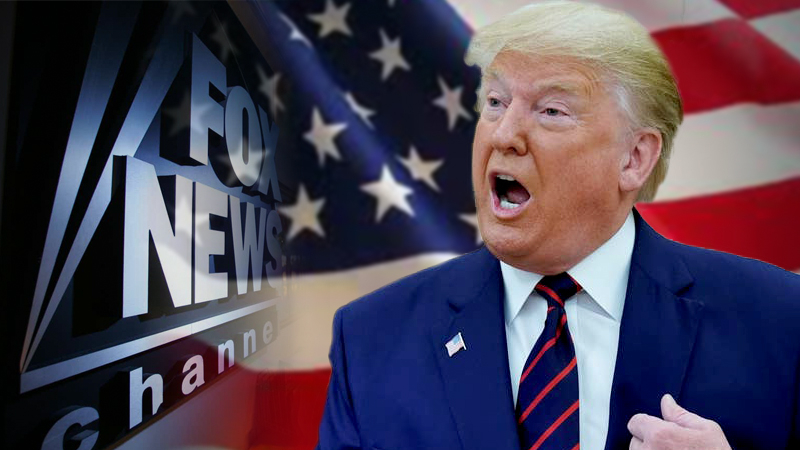
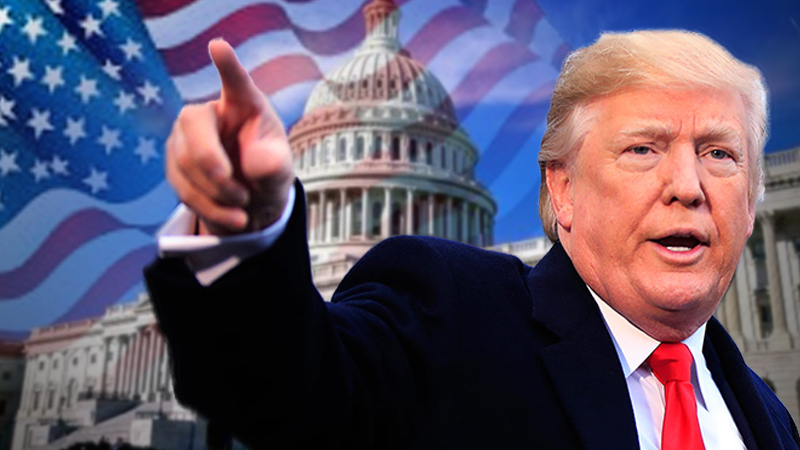
WASHINGTON – Speaking to his favorite morning television hosts Friday, President Donald Trump offered a window into his state of mind as he faces his greatest political threat yet.

As his unfiltered thoughts streamed from his mind, through a telephone receiver and onto the airwaves of Fox News for 53 minutes, it became clear that prospect of being impeached has changed nothing about Trump’s unorthodox approach to the presidency.

He continued to make lofty promises of soon-to-come bombshells, peddle falsehoods, spread long-debunked conspiracy theories, attack his perceived enemies and dabble in misogynistic tropes – all while playing the role of persecuted victim.

Trump’s phone conversation with the hosts of the “Fox & Friends” program also served to undercut Republicans’ strained efforts to defend him during the House impeachment inquiry.

He attacked witnesses – including ones that had been requested by Republicans – saying that he hardly knew them. He continued to smear his former ambassador to Ukraine, Marie Yovanovitch, and said House Republicans hadn’t followed his example only because they told him “She’s a woman, we have to be nice.” And he briefly appeared to welcome the prospect of being impeached by the House, saying “I want a trial” in the Senate.

Trump also parroted the unfounded theory that Ukraine, not Russia, was responsible for hacking Democrats’emails during the 2016 campaign, a baseless claim most Republican lawmakers tried to sidestep during the hearings.

“They gave the server to CrowdStrike, or whatever it’s called, which is a company owned by a very wealthy Ukrainian,” Trump said, indicating that his concerns about “corruption” in Ukraine were linked to a politically convenient conspiracy. “That’s a big part of this whole thing. Why did they give it to a Ukrainian company?”

Trump’s own former homeland security adviser, Tom Bossert, has said he repeatedly informed the president the allegation was false. On Thursday, Republicans on the House Intelligence Committee took umbrage when Trump’s former Russia adviser Fiona Hill accused them of promoting a “fictional narrative” of Ukrainian election meddling promoted by the Kremlin.

Trump appeared unfazed by the fact that not even his staunchest defenders have embraced his claims about CrowdStrike, a company he asked Ukrainian President Volodymyr Zelensky to investigate during the July 25 phone call at the heart of the impeachment proceedings.

“Are you sure they did that? Are you sure they gave it to Ukraine?” Fox’s Steve Doocy asked Trump.

“Well, that’s what the word is,” Trump said, offering no evidence. “That’s what I asked, actually, in my phone call, if you know. I asked it very point blank because we’re looking for corruption.”

Republican lawmakers have tried to make the case that Trump withheld military aid and a White House visit from Ukraine while seeking investigations into Democrats in part because he had legitimate concerns about corruption in the country. House Democrats have dismissed that defense, saying that Trump and his lawyer, Rudy Giuliani, used the pretext of corruption to try to secure probes targeting former vice president Joe Biden and his son, Hunter, as well as the unfounded claims about Ukraine’s role in the 2016 election.

Several witnesses from Trump’s own administration have testified that Trump’s push for “investigations” was a thinly veiled political effort to boost his reelection chances.

While Trump’s convoluted impeachment defense has lacked consistency, his Fox interview underscored how has never wavered in his willingness to attack Democrats.

He blasted House Intelligence Committee Chairman Adam Schiff, D-Calif., as a “sick puppy,” called House Speaker Nancy Pelosi, D-Calif., “crazy as a bedbug” and, without evidence, accused top officials from the Obama administration of “spying on my campaign.”

His attacks got an assist from Fox’s Ainsley Earhardt, who helped Trump peddle the falsehood that Trump’s release of a rough transcript of his July 25 call with Zelensky had undermined Democrats’ impeachment claims.

“Why did Schiff make up my statement?” Trump asked, referring to an exaggerated account of Trump’s phone call Schiff gave last month that added mob-boss flair to the president’s actual words.

“Because he didn’t think you were going to release the transcript,” Earhardt responded.

“That’s right,” Trump replied. “Exactly.”

Except it was wrong. Schiff’s rendition came after the White House had already released the rough transcript of the call.

The Fox News hosts also repeatedly challenged Trump to offer evidence when he made his most head-scratching claims. The president repeatedly demurred.

“What are you talking about?” Doocy asked when Trump predicted that his Justice Department was on the verge of exposing “perhaps the biggest scandal in the history of our country.”

Trump’s answer was vague.

“I think you’re going to see things that are going to be incredible,” he said, adding that he has not been personally involved in any of the Justice Department’s investigations into the origins of the FBI’s Russia probe.

“Who is your source that’s telling you this?” Fox’s Brian Kilmeade asked when Trump claimed that Obama administration officials had worked to undermine his presidency from its earliest days.

“I can’t tell you that,” Trump answered. “I can only say that we have a lot of information that a lot of bad things happened.” “You electrified the wall?” Kilmeade asked when Trump casually claimed that the fence on the southern border had been equipped with electricity.

“We’re building a fantastic wall,” Trump responded. It wasn’t clear if he heard the question.

Trump’s classic braggadocio was also on display for much of the interview, appearing in tandem with his penchant for playing the victim. He complained of negative media coverage while claiming that his administration had accomplished more than any other in history. He also credited himself with saving thousands of lives in Hong Kong.

“If it weren’t for me, Hong Kong would’ve been obliterated in 14 minutes,” he said, claiming that China had refrained from cracking down on pro-democracy protesters at his request.

He also suggested that he might veto bipartisan legislation designed to support the Hong Kong protesters to pave the way for a trade deal with China.

“We have to stand with Hong Kong, but I’m also standing with President Xi [Jinping],” Trump said.

He complained that he had not been given adequate credit for the death of Islamic State leader Abu Bakr al-Baghdadi during a raid he approved last month.

“If Obama did al-Baghdadi, the biggest terrorist in the last 100 years, if Obama did it, it would be a two-year story,” he said. “With me, I got a day. Not that it matters.”

He lamented that when he arrived in Washington, the government was filled with “thousands of people that are Never Trumpers,” people he said are now testifying against him.

But many of the witnesses in the impeachment inquiry, including Hill, European Union Ambassador Gordon Sondland, former Ukraine envoy Kurt Volker and acting ambassador to Ukraine William Taylor, are people that his administration specifically hired.

Trump also launched into gender-specific criticism of several women, including one in his own White House.

He described Yovanovitch as “the ambassador, the woman,” and recounted a conversation with Republicans in which her gender was brought up.

“I said ‘Why are you being so kind?’,” Trump said, before recounting the GOP response: “‘Well sir, she’s a woman, we have to be nice.'”

“This was not an angel, this woman, OK?” he said.

Yovanovitch testified last week that she was forced to leave her post in Ukraine due to a smear campaign led by Trump’s allies.

Trump described Pelosi, the first female speaker of the House, as “not talented,” “highly overrated” and “totally incompetent.”

And he criticized the husband of one of his top White House aides, Kellyanne Conway, by hinting that he had been traumatized by the marriage.

“Kellyanne is great but she’s married to a total whack job,” Trump said. “She must’ve done some number on him, Ainsley. . .. He’s got to be some kind of a nut job. She must’ve done some bad things to him, because that guy is crazy.”
China’s Xi stresses need for ‘mutual respect and equality’ in trade deal

ศาสตร์เกษตรดินปุ๋ย : ขอบคุณแหล่งข้อมูล : หนังสือพิมพ์ The Nation

https://www.nationthailand.com/news/30378658?utm_source=category&utm_medium=internal_referral

China’s Xi stresses need for ‘mutual respect and equality’ in trade deal

Nov 23. 2019
By Syndication Washington Post, Bloomberg375 Viewed

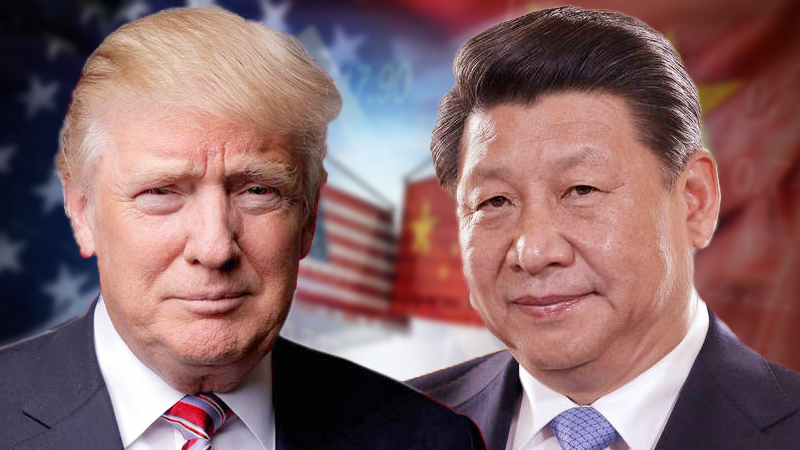
Chinese President Xi Jinping said his nation wants to work toward a phase-one trade agreement with the U.S. that’s based in part on “equality,” a guiding principle that President Donald Trump just hours later said he doesn’t share.

“I didn’t like his word ‘equality’ because we started off so low,” Trump said in an interview Friday on Fox News. “This can’t be like an even deal, because we’re starting off on the floor and you’re already at the ceiling. So we have to have a much better deal.”

Six weeks after Trump declared he’d secured a phase-one “deal, pretty much, subject to getting it written” in three to five weeks, the feud over fairness illustrates how fundamental differences remain at the top. Trump repeated his criticism that China “took us to the cleaners” with unfair trade policies over the years, putting the price tag of the imbalance at $500 billion.

Still, Trump expressed optimism that an initial pact could be reached soon, saying “we have a very good chance to make a deal.”

In his remarks earlier Friday, Xi stressed that the talks must be conducted in an atmosphere of “mutual respect” and said that China hasn’t been the aggressor.

“We didn’t initiate this trade war and this isn’t something we want,” the Chinese leader said. “When necessary, we will fight back, but we have been working actively to try not to have a trade war.”

Privately, negotiators from both countries have been talking regularly in recent days, trying to bridge the remaining differences on issues including Chinese pledges to buy American farm products, protect intellectual-property rights and open its economy further to foreign companies. But they’re still struggling to agree on exactly what tariffs each side would roll back as part of the agreement’s initial step.

On Wednesday, China’s chief trade negotiator, Liu He, indicated he was “cautiously optimistic” about reaching the first phase of a deal. Liu made the comments in a speech in Beijing on Wednesday ahead of the New Economy Forum, which is being organized by Bloomberg Media Group, a division of Bloomberg LP, the parent company of Bloomberg News.

Some of the foreigners who met with Xi on Friday were also in Beijing to attend the forum.

Xi emphasized that the nation’s overall goal wasn’t “a dream about hegemony” but was rather “working to realize the Chinese dream of renewal” and to ensure that the country was never humiliated again.

“We are just trying to restore our place and role in the world rather than reliving the humiliating days of semi-colonial and semi-feudal era,” Xi said. “In those days there were signs in Shanghai saying Chinese and dogs are not allowed inside — and we will not relive those days again.”

One of the three key demands for any trade deal with the U.S. is that it should be “balanced” to ensure the “dignity” of both nations, indicating that this quest for respect still motivates policy.

U.S. equities markets have soared to records on optimism for a trade-war truce. But stocks on Friday were on course for their first weekly decline since early October.

The latest potential hurdle came after Liu made his dinner-time comments, when the U.S. House voted 417-1 for legislation supporting Hong Kong protesters that the Senate already unanimously approved.

In his interview with Fox, Trump declined to say whether he’d sign the legislation, adding that it’s “a complicating factor, there’s no question about it,” in the ongoing trade discussions.

Trump’s Fed pick Judy Shelton cast doubt on central bank independence

ศาสตร์เกษตรดินปุ๋ย : ขอบคุณแหล่งข้อมูล : หนังสือพิมพ์ The Nation

https://www.nationthailand.com/news/30378653?utm_source=category&utm_medium=internal_referral

Trump’s Fed pick Judy Shelton cast doubt on central bank independence

Nov 23. 2019
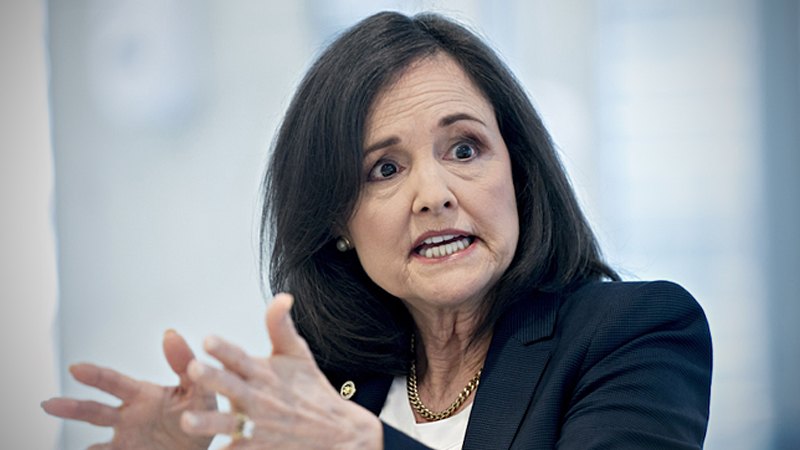
Judy Shelton speaks during a Bloomberg Television interview in Washington on May 29, 2019. MUST CREDIT: Bloomberg photo by Andrew Harrer.Photo by: Andrew Harrer — Bloomberg

Judy Shelton speaks during a Bloomberg Television interview in Washington on May 29, 2019. MUST CREDIT: Bloomberg photo by Andrew Harrer.Photo by: Andrew Harrer — Bloomberg
By Syndication Washington Post, Bloomberg · Saleha Mohsin

417 Viewed

Judy Shelton, one of President Donald Trump’s most recent picks for the Federal Reserve board, challenged an article of faith regarding the U.S. central bank in private comments to a bank executive last month: that it should operate free of political influence.

Shelton shared her views on monetary policy and the Fed with Beat Siegenthaler, global macro adviser for UBS Group, after speaking at an event on Oct. 18 in Washington on the sidelines of the International Monetary Fund annual meetings.

“I don’t see any reference to independence in the legislation that has defined the role of the Federal Reserve for the United States,” Shelton told Siegenthaler, according to a transcript of the interview.

Shelton confirmed she had spoken with Siegenthaler and a UBS spokesman declined to comment. The transcript was shared with the bank’s institutional clients, according to a person familiar with the matter.

If people were to read the law, “they would see that it demands that the Board of Governors of the Federal Reserve work hand-in-hand with Congress and the president to meet certain strategic economic goals for the U.S.,” Shelton added.

It is unusual for someone the president intends to nominate for the Fed board to speak publicly before the Senate considers her for the post, and even rarer for a Fed nominee to question the central bank’s independence. The remarks may complicate Shelton’s nomination, should Trump proceed to send it to the Senate. The White House has yet to officially nominate Shelton or another person Trump has said he intends to put on the Fed board, the St. Louis Fed’s director of research, Christopher Waller.

Some Republicans on the Senate Banking Committee, which would consider Shelton’s nomination, have expressed concerns about her to the White House, citing her unconventional views on monetary policy, according to people familiar with the matter. Shelton and Waller’s paperwork was expected to be sent to the Senate in September, but now may be delayed until next year as the White House waits for the candidates to complete ethics requirements, the people said.

They asked not to be identified discussing a personnel matter. The White House didn’t immediately comment.

Shelton agreed to an interview with Siegenthaler because she had seen him conduct similar question-and-answer sessions with other notable economists, she said in an email. She was not compensated for her time with the UBS economist, she said.

Before Trump, presidents were measured in their public criticism of the Fed in order to avoid appearing as if they sought to influence the central bank’s conduct of monetary policy. Fed independence is considered a given among investors who buy U.S. debt, financing the government’s budget deficit, who assume the central bank will ignore political pressure to keep interest rates artificially low.

But Trump has turned that tradition on its head. He regularly criticizes the Fed and the Fed chairman he appointed, Jerome Powell, calling him an “enemy” of the U.S. and a “bonehead” in tweets for not cutting interest rates farther and faster, asserting that the central bank is braking what would otherwise be a runaway economic boom.

Previous presidents have criticized Fed chairs in private.

The president met with Powell on Nov. 18 at the White House to discuss some of his frequent complaints. Lately, he has said that the Fed should set interest rates below zero to keep up with countries that have been able to sell debt at negative rates.

In that light, Shelton’s comments are in line with the philosophy of the man who would nominate her. She told Siegenthaler that the Fed “is by its nature a creation of Congress,” adding that if it insists on independence it should be more transparent about its activities with lawmakers.

“It’s in some ways healthier that criticism from the White House is out in the open. At least we know how the president feels,” Shelton said in the UBS interview.

The Federal Reserve isn’t promised independence under the Constitution, but like many American institutions it has internal checks and balances. The monetary policy committee, at full strength, has seven politically-appointed board members, but also five of the 12 regional bank presidents who are appointed by independent boards. The committee could also elect its own chairman if it wasn’t happy with the president’s choice.

Board members serve staggered terms which can protect political diversity. And economic researchers have long concluded that the central bank’s independence is associated with better economic outcomes.

Shelton told Siegenthaler that the 1978 Humphrey-Hawkins Act was meant to bring together the Fed, Congress and the president to “pursue a sound and stable and orderly international monetary system.”

Shelton’s nomination would be a test of whether Congress is willing to allow an economist with unorthodox views to fill one of seven seats on the Fed’s board. She has previously questioned the Fed’s so-called “dual mandate” to contain inflation and maximize employment, and she has also publicly mused about returning the U.S. to the gold standard, a move that many mainstream economists believe would damage the economy and handcuff the Fed in the event of a recession or other crisis.

The concerns of Senate Banking Committee members, shared with White House economic adviser Larry Kudlow and legislative affairs director Eric Ueland, include that Shelton once promoted returning to the gold standard, the people said.

Since Trump said he would nominate her, Shelton has participated in numerous interviews with news organizations, sometimes publicly advocating for the Fed to cut interest rates and questioning the central bank’s statutory mission, which is set by Congress.

White House officials have asked her to stop agreeing to interviews, according to people familiar with the matter, out of fear that she may say something inflammatory that could scupper her confirmation in the Senate.

Shelton said she plans to continue contributing to global discussions on monetary policy and that she encourages policy makers to be accessible and transparent.

Shelton’s comments to UBS’ Siegenthaler also revealed her view that the Fed is being bullied by markets. She told him that the Fed “wouldn’t dare pull the monetary rug out from under market expectations, even if it wanted to discipline” them.

“Someone could say that it’s the central banks that are the currency manipulators,” she added.

“All it takes is an announcement by, say, the head of the ECB that we’re looking at more stimulus measures” to weaken the euro against the dollar, she said, referring to the European Central Bank. “That does affect our trade outlook.”

While Trump has filled four of the Federal Reserve’s seven board seats and won Powell’s confirmation as chairman, he has struggled to find candidates acceptable to the Senate for two remaining vacancies. Four people Trump previously said he would nominate failed to advance even as far as a confirmation hearing, raising questions about the White House’s vetting procedures.

Westpac ‘unreservedly’ apologizes for links to child abuse funds

ศาสตร์เกษตรดินปุ๋ย : ขอบคุณแหล่งข้อมูล : หนังสือพิมพ์ The Nation

https://www.nationthailand.com/news/30378652?utm_source=category&utm_medium=internal_referral

Westpac ‘unreservedly’ apologizes for links to child abuse funds

Nov 23. 2019
Brian Hartzer, chief executive officer of Westpac Banking Corp., speaks during a hearing before the House of Representatives Committee on Economics in Canberra, Australia, on Nov. 8, 2019. MUST CREDIT: Bloomberg photo by Mark Graham.
Photo by: Mark Graham — Bloomberg

Brian Hartzer, chief executive officer of Westpac Banking Corp., speaks during a hearing before the House of Representatives Committee on Economics in Canberra, Australia, on Nov. 8, 2019. MUST CREDIT: Bloomberg photo by Mark Graham. Photo by: Mark Graham — Bloomberg
By Syndication Washington Post,Bloomberg · Peter Vercoe

422 Viewed

Westpac Banking Corp.’s board stood behind its management team on Friday, offering embattled chief executive Brian Hartzer some respite from mounting criticism over allegations of a breach of money-laundering laws, including failing to detect payments linked to child abuse.

Chairman Lindsay Maxsted said the board was “truly sorry,” two days after the lender was sued by Australia’s financial crimes agency for 23 million breaches of the laws, one of the worst cases brought globally in recent years. The agency has said the systemic breaches were the result of “indifference by senior management and inadequate oversight by the board.”

Westpac has since come under fire from politicians, pension funds and shareholder groups. Australia’s second-largest lender responded on Friday by instituting an independent inquiry and implicitly backing Hartzer, 52, who has pledged to lead the response.

“The notion that any child has been hurt as a result of any failings by Westpac is deeply distressing,” Chairman Lindsay Maxsted said in a statement after the board met Friday. He endorsed Hartzer’s decision, saying the “board, CEO and management team are fully committed to fixing these issues.”

Westpac said it will appoint independent experts to review efforts to improve compliance with anti-money laundering and counter-terrorism financing laws. It has also started talks with community groups about taking further steps to fight child exploitation.

The suit against Westpac alleges that between November 2013 and June 2019, the lender failed to report more than A$11 billion ($7.5 billion) in international transfers.

Among the most serious allegations, the Australian Transaction Reports and Analysis Centre said Westpac failed to carry out appropriate due diligence on 12 customers whose accounts showed repeated low-value transactions to countries in Southeast Asia including the Philippines, even though it knew these patterns were indicative of child exploitation risks.

In one case, a customer in October and November 2014 transferred money to a person in the Philippines who was later arrested for child trafficking and exploitation involving the live streaming of child sex and offering minors for sex.

The “allegations clearly indicate there may have been a lack of attention to” human-rights issues “within the corporate culture of Westpac,” Ethical Partners Funds Management CEO Matt Nacard and Chief Investment Officer Nathan Parkin said in a statement. The fund has sold some of its Westpac shares since the allegations were aired, they said.

While Hartzer appears safe for now, other local bank CEOs have been brought down by scandals in the past two years after initially vowing to stay on.

In August 2017, Ian Narev resigned as Commonwealth Bank of Australia CEO less than two weeks after the lender was sued for more than 53,000 breaches of money-laundering rules. That case was eventually settled with the bank paying a record A$700 million fine.

In February this year, National Australia Bank CEO Andrew Thorburn and Chairman Ken Henry quit after being the target of withering criticism in a report into financial industry misconduct, which questioned whether they were capable of leading the lender’s response to a string of scandals, including charging customers for services they never received.

Westpac shares fell for a third day in Sydney, extending a slide that has wiped A$6.4 billion ($4.3 billion) off the bank’s market value. The stock closed at A$24.77, the lowest in almost 10 months. Shares of the other big banks also fell this week, dragging the benchmark index to its worst decline in seven weeks.

Banks around the world have been caught in a series of high-profile laundering scandals. Danske Bank is the target of criminal probes in Denmark, Estonia and France after claims it was involved in a scheme to funnel dirty money from Russia and other former Soviet states to the West. HSBC Holdings was fined $1.9 billion by the U.S. Justice Department and bank regulators in 2012 for failing to do enough to monitor money laundering in its global operations.

Nearly 1,000 China nationals nabbed in Malaysia

ศาสตร์เกษตรดินปุ๋ย : ขอบคุณแหล่งข้อมูล : หนังสือพิมพ์ The Nation

https://www.nationthailand.com/news/30378630?utm_source=category&utm_medium=internal_referral

Nearly 1,000 China nationals nabbed in Malaysia

Nov 22. 2019
By The Straits Times/Asia News Network

909 Viewed

Malaysian authorities have nabbed nearly 1,000 China nationals who were believed to be working in the country with an online scam syndicate, local media reported.

The bust on Wednesday (Nov 20) by the Immigration Department in Cyberjaya was the biggest conducted this year, Bernama news agency said.

On its Facebook, department said the raid was conducted at the syndicate’s headquarters in Cyberjaya.

Immigration director-general Khairul Dzaimee Daud said the syndicate was operating from a six-storey building in Cyberjaya, a high-technology zone located about an hour south of Kuala Lumpur.

The raid was the end result of a month’s worth of surveillance, following complaints from the public.

The office was well secured, with guards stationed at each floor and rooms only being accessible with access cards, The Star reported.

“We seized around 8,230 handphones, 174 laptops and 787 computers. Several of our officers were injured after a group attacked and tried to break through our barricade,” Datuk Khairul said at a press conference at the department’s headquarters here.

Around 100 escaped, and “we are working with the police to track them down”, he said. A video recorded from a building nearby showed a large of group of men suddenly appearing outside a building and running across the streets.

It is known that the group has been operating in Malaysia for around six months and that the building was used as a call centre.

Investigations showed that the group targeted victims in China by offering fast and profitable returns in their investment scams.

“All were found to have entered the country via social visit passes. Nearly all could not produce their passports after being arrested.

“No representative has come forward with their documents and the Chinese embassy has been notified of developments, ” he said.

Reuters quoted Mr Khairul as saying in a statement: “The modus operandi of this syndicate is to target victims in China.”

He added: “They are offered high and quick profits. The operators send a code to customers of a Mandarin-language website. All transactions were done through WeChat Pay or banks in China.”

Asia needs to invest $1.1 trillion more to feed its people: Study

ศาสตร์เกษตรดินปุ๋ย : ขอบคุณแหล่งข้อมูล : หนังสือพิมพ์ The Nation

https://www.nationthailand.com/news/30378629?utm_source=category&utm_medium=internal_referral

Asia needs to invest $1.1 trillion more to feed its people: Study

Nov 22. 2019
By Tee Zhuo
The Straits Times/ANN

893 Viewed

SINGAPORE – It finds that spending on food in region is likely to double by 2030

A massive US$800 billion (S$1.09 trillion) on top of existing investment levels will be needed for Asia to feed itself sustainably over the next 10 years, a study has found.

This comes as spending on food in the region is expected to double to US$8 trillion by 2030, with 250 million more mouths – equivalent to the size of Indonesia’s population – to feed in the same time.

As Asia rapidly urbanises and becomes more affluent, governments, investors and firms will have to work together to create an environment that supports innovation in the agri-food sector, said the report by PwC, Temasek and Dutch multinational Rabobank.

Much of this innovation will need the use of new technology, such as vertical farming, developing alternative sources of protein, and even using artificial intelligence or drones to improve farming methods.

However, challenges will need to be overcome. These include Asia’s diversity – in terms of differences in regulation, wealth and culture – as well as the region’s currently fragmented production and supply chains.

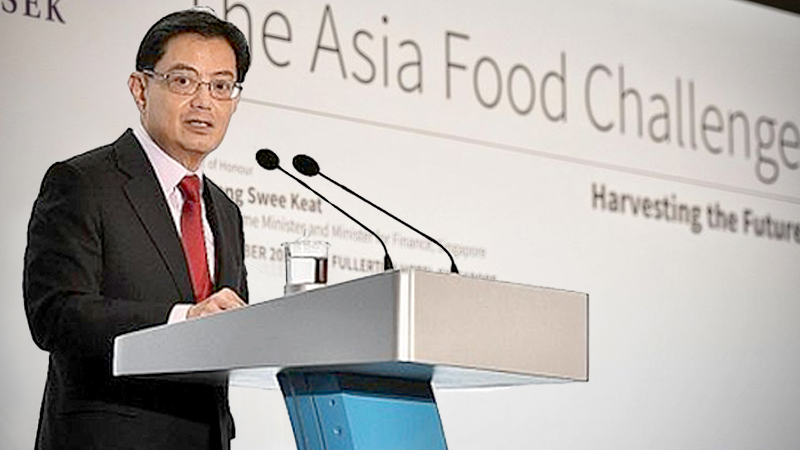
The report was launched by Deputy Prime Minister Heng Swee Keat yesterday as part of the Asia-Pacific Agri-Food Innovation Week.

Mr Heng delivered a three-part speech that highlighted the growing demand for food, the need for technology, and how to translate innovation into solutions.

“Global demand for food is rising… but the growth of global food supply is not keeping up. In fact, it is slowing down,” Mr Heng, who is also Finance Minister, told around 300 attendees at the Fullerton Hotel.

He pointed to how more than 800 million people live in hunger today, and the planet’s growing population is set to increase by two billion people in 30 years.

On the other hand, crop yields may drop by 25 per cent over the same period and the world has lost a third of its arable land in the last 40 years because of unsustainable farming.

The report also highlighted how Asia has become increasingly dependent on other regions for food, with net imports of food tripling to around 220 million tonnes annually since the turn of the century.

Temasek managing director Anuj Maheshwari, a co-author of the report, said there has long been an attitude that the West is better in the agri-food industry.

“Asia has its own unique challenges that can be best solved by those here who understand them. Governments and investors in the region need to take up the opportunities now, and if we don’t, those from the United States and Europe certainly will.”

Mr Richard Skinner, a partner at PwC Singapore and another co-author of the report, agreed.

Citing examples of crops such as oil palm, and rice, which are native to the region, he said: “The next stage is to further develop technology that will suit our crops and our needs.”

Similarly, Mr Heng said there are several ways technology can help address many challenges facing the agri-food sector.

Big data, sensors and biotech can help with crop yield and nutritional quality, cold chain technology can help keep food fresh, and tracking technology can provide assurance as to the origins of the food.

Mr Heng said Singapore’s land and resource constraints have created many opportunities for technology and innovation such as by growing new foods in unconventional places, at higher intensities and using less resources.

“Taken together, these efforts will take us a step closer to realising our ’30 by 30′ goal – to produce 30 per cent of our nutritional needs locally by 2030.”

Mr Skinner told The Straits Times that Singapore “perfectly describes” what it means to be an innovation hub for agri-food.

“There is a fantastic academic base that is already putting its mind to the sector, strong government support, lots of research and development, and attractiveness to investors,” said Mr Skinner, who leads PwC’s strategy team for the Asia-Pacific.

Singapore can become an agri-food node for Asia and the world, affirmed Mr Heng.

“For this menu to translate into dinner on the table, we will need to work together – from farmers and industry players, to researchers, venture capitalists and governments,” he said.

Local tourism hit hard by plunge in S. Korean visitors

ศาสตร์เกษตรดินปุ๋ย : ขอบคุณแหล่งข้อมูล : หนังสือพิมพ์ The Nation

https://www.nationthailand.com/news/30378628?utm_source=category&utm_medium=internal_referral

Local tourism hit hard by plunge in S. Korean visitors

Nov 22. 2019
By The Japan News/Asia News Network

765 Viewed

South Korea and Japan are embroiled in a trade standoff which has extended to other realms of diplomacy.

The decline in South Korean visitors to Japan continues unabated,spurred by the deterioration in bilateral relations.

The number of South Koreans who visited in October fell 65 percent from a year earlier to a near-record low, and the number of foreign visitors to Japan overall also declined. This has dealt a significant blow to the aviation and tourism industries of both Japan and South Korea, and there are calls for Japan to increase the number of visitors from a wide range of regions to reduce its dependence on neighboring countries, which is greatly affected by political risks.

Zero regular flights

The international terminal at Oita Airport in Kunisaki, Oita Prefecture, was crowded with South Korean passengers until this summer. On Tuesday, however, the entrance was locked because South Korean low-cost carrier (LCC) T’Way Air suspended all flights connecting Oita and three South Korean cities in August. At present, the airport has no regular international flights.

The drop in passengers at Oita Airport is huge considering the fact that international passengers there reached a record of about 140,000 in fiscal 2018. The airport spent about ¥1.3 billion to expand the terminal, only to close it three months later.

Sometimes there also are no passengers on the bus bound for Yufuin Onsen hot spring.

“We plan to keep the route, but as things stand, it won’t be profitable,” said a spokesperson of operator Kamenoi Bus Co. based in Beppu in the prefecture.

Many South Korean tourists flocked to Oita Prefecture for hot springs or golf, accounting for about 60 percent of all foreign visitors to the prefecture.

“Since July, the number of South Korean visitors has decreased by about 90 percent compared to last year,” said Taichiro Hayashi, 44, president of the Sekiya Resort Group, which operates ryokan inns in Beppu.

According to the Land, Infrastructure, Transport and Tourism Ministry, the number of international flights scheduled between Japan and South Korea in winter (from the end of October to the end of March 2020) was 707 a week, down more than 40 percent from the summer (from the end of March to the end of October).

Flights at 16 airports between Japan and South Korea have been reduced or suspended, with local airports feeling the effects most.

The decline in the number of travelers has also had an impact on South Korean airlines, with six major airlines reporting a net loss for the July-September quarter. Air Seoul, an LCC affiliated with Asiana Airlines that has 12 branches in Japan, decided to suspend operations at six branches, including one in Toyama. People concerned lament that the hurdles are high for restarting those flights.

Dependence on China risky

Amid the drastic decline in South Korean tourists, visitors from China have become increasingly important. The number of Chinese tourists to Japan hit a record high of 730,000 for October, accounting for about 30 percent of the total.

However, there are risks in relying on China. When Japan-China relations deteriorated after Japan nationalized the Senkaku Islands in 2012, the number of Chinese visitors to Japan fell below the previous year’s levels for about a year.

To avoid depending on visitors from South Korea and China, where worsening bilateral relations can easily affect the tourism industry, Japan needs to increase the number of visitors from the United States, Europe and other countries. Although those countries are far from Japan, visitors from there are likely to stay long-term and they tend to spend more.

Visitors from Britain and Russia in October set a record for the month, apparently due to many of the Rugby World Cup participants being from distant locations. According to a Yomiuri Shimbun survey, the average length of their stay reached 18 days. Consumption including food and drink is said to have exceeded ¥100 billion, making the case a tourism model for the future.

Secret Service spent quarter of a million dollars at President Trump’s properties in first five mont

ศาสตร์เกษตรดินปุ๋ย : ขอบคุณแหล่งข้อมูล : หนังสือพิมพ์ The Nation

https://www.nationthailand.com/news/30378626?utm_source=category&utm_medium=internal_referral

Secret Service spent quarter of a million dollars at President Trump’s properties in first five mont

Nov 22. 2019
By The Washington Post · David A. Fahrenthold, Jonathan O’Connell, Joshua Partlow ·

399 Viewed

The U.S. Secret Service paid more than $250,000 to President Donald Trump’s private businesses in just the first five months of Trump’s presidency – paying the president’s company an average of nearly $2,000 per day, according to Secret Service records.

Those records, obtained by the group Property of the People after an open-records lawsuit, detail some of the revenue that Trump derives from the U.S. taxpayer.

The president has set up an extraordinary arrangement: he kept ownership of his businesses – and then visited them repeatedly, bringing along aides and security officials and charging the government for what they bought.

Documents released previously had shown $84,000 in federal spending at Trump properties in the first months of Trump’s time in office. These new records, detailing spending on Secret Service credit cards, show another $254,000 by the Secret Service alone.

The documents do not give much detail about the spending: they list only the dates of the purchases, and the name of the Trump property that received the payments. Adding to the confusion: Trump has multiple properties called “Trump National Golf Club,” and this list does not distinguish between them.

But in some cases, the spending appears to match up with Trump’s visits to his own properties. On April 2, 2017, for instance, Trump played golf at his club in suburban Virginia – a short drive from the White House.

That day, the records show, the Secret Service made five separate payments to “Trump National Golf Club” totaling $26,802, the records show.

Between May 31, 2017, and June 5, 2017, Trump played golf twice at the Virginia course, according to news reports – including once with former NFL quarterback Peyton Manning and then-Sen. Bob Corker, R-Tenn. The Secret Service reported paying $29,000 to the Trump golf club then.

Later, on May 7, Trump was staying at his golf club in Bedminster, New Jersey. The Secret Service records show $16,000 in spending at “Trump National Golf Club” that day.

The records do not show what the Secret Service payments are for.

But Secret Service agents often spend multiple days securing a property and planning on-site before a president’s arrival, even if it isn’t the president’s first time going there. It’s unclear how the Secret Service would do this at Trump properties where there are little or no overnight accommodations, including the Virginia golf course.

Some expenditures do not seem to correlate to Trump’s public schedule.

On March 17, Trump was at his Mar-a-Lago Club in Florida. But on that day, the Secret Service recorded spending $40,000 at a Trump property thousands of miles away: the Trump hotel in Las Vegas.

That spending could relate to a visit by someone else: the Secret Service protects other top officials and Trump family members.

The White House declined to comment for this story. The Trump Organization did not respond to requests for comment Thursday. A Secret Service spokeswoman declined to comment, saying the agency does not discuss “protective means and methods.”

Ryan Shapiro, the executive director of Property of the People, said the figures showed “Donald Trump views the American public as a bunch of marks waiting to be fleeced.”

“Due to his overt self-dealing and refusal to divest from his sprawling business empire, Donald Trump has turned the American presidency into a racket,” Shapiro said.

His group had submitted a public-records request to the Secret Service in June of 2017 for “any and all records reflecting charges to a Government Travel Charge card or other government charge card for expenditures at Trump businesses,” according to Secret Service records. The group then sued after the records weren’t provided.

The Constitution prohibits Presidents from taking “emoluments,” or payments, from the U.S. government beyond their official presidential salary. Trump has said this does not prohibit him from charging his own government for services rendered.

Eric Trump, the president’s son, is one of those running the Trump Organization while Trump is in the White House. He has said that the Trump Organization only charges the taxpayers “at cost” for federal employees, but has not said more about how that “cost” figure is calculated.

Previously, other records have shown that taxpayers covered the cost of Trump aides staying in the guest suites at Mar-a-Lago, at $546 per night. Taxpayers also paid for a $1,000 liquor tab rung up by Trump aides in a Mar-a-Lago bar.

The Secret Service records released Thursday only cover the first five months of Trump’s term, during which he made 21 visits to Trump properties, by The Washington Post’s count.

Since then, Trump has made more than 100 additional visits to his own properties. The Secret Service has not yet released records about those visits.

Heavy rain, strong winds and high waves forecast for the South

ศาสตร์เกษตรดินปุ๋ย : ขอบคุณแหล่งข้อมูล : หนังสือพิมพ์ The Nation

https://www.nationthailand.com/news/30378671?utm_source=category&utm_medium=internal_referral

Heavy rain, strong winds and high waves forecast for the South

Nov 23. 2019
By THE NATION

180 Viewed

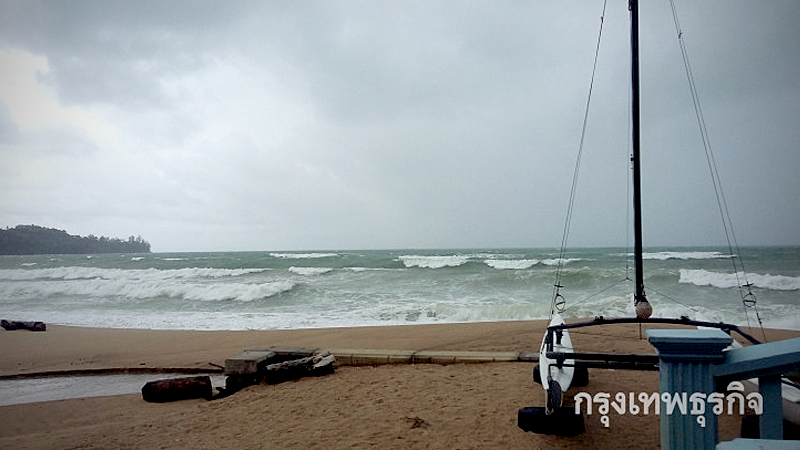
Thailand Meteorological Department issued a warning on Saturday (November 23) of heavy rain, strong winds and high waves in the south of the country.

The strong northeast monsoon will prevail across the Gulf of Thailand and the South from November 25-29, bringing isolated downpours in Surat Thani and further south, with rough seas 2-3 metres high in the Gulf. Residents along the Gulf’s coast should be on the lookout for storm surges. All ships should proceed with caution, and small boats should stay ashore through November 29.

A moderate to strong high-pressure system is covering upper Thailand and the South China Sea bringing chilly mornings to the North. Lowland in the North and the Northeast will remain cool, especially in the morning, with minimum temperature 16-20 °C while in the highlands, the thermometer will drop to 6-14 °C.