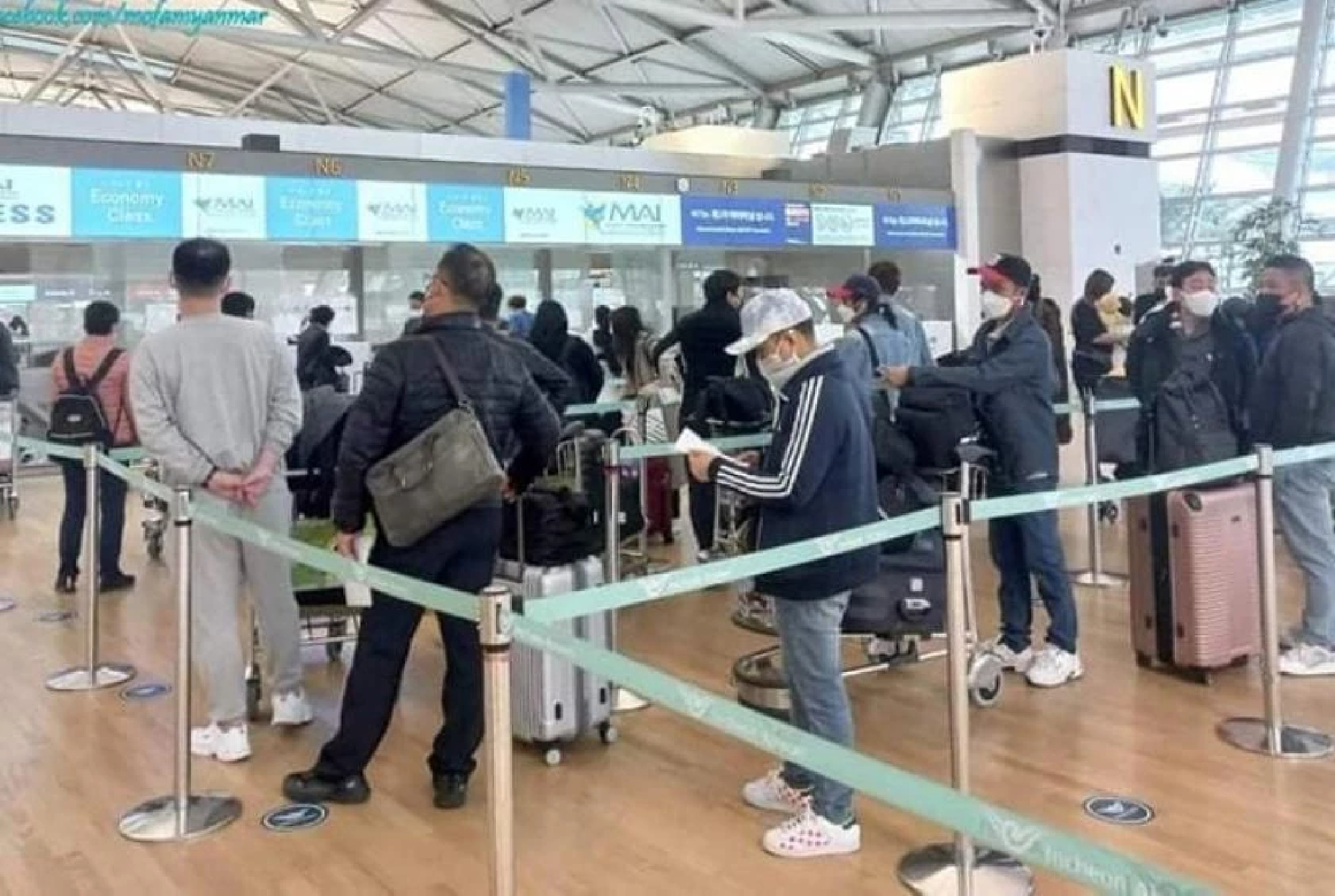
Myanmar is taking measures for prevention of the new Omicron variant of Covid-19 by extending quarantine period for those returning from overseas and carrying out tests with the use of RT-PCR, while preparations are being made to provide treatment if infections occur, according to the Ministry of Health.
Plans are under way to carry out three times of RT-PCR tests, instead of two times, on Myanmar returnees and foreign travellers if they have not been fully vaccinated or received testing 72 hours before.
Under the plan (that started on November 3) of restricting travels and movements of travellers entering the country via international and border exits, except for emergency matters, authorities have set new measures such as placing those fully vaccinated in quarantine for seven days and having them tested two times, and placing those not fully vaccinated in quarantine for 10 days and having them tested two times.
Although the Omicron variant is highly infectious, it is less severe, and there had been few deaths till December 4, the ministry reported.
Some of the domestic flight schedules for travellers from the regions bordering the neighbouring countries have been suspended. For running schedules, all travellers will have Covid testing with RDT technology and they will be allowed flying only if they test negative.
The Ministry of Health is urging the people to receive full doses of Covid-19 vaccines, those who have received the first doses to visit the nearest immunization point in due course and all public members to actively cooperate in the nationwide inoculation programme.
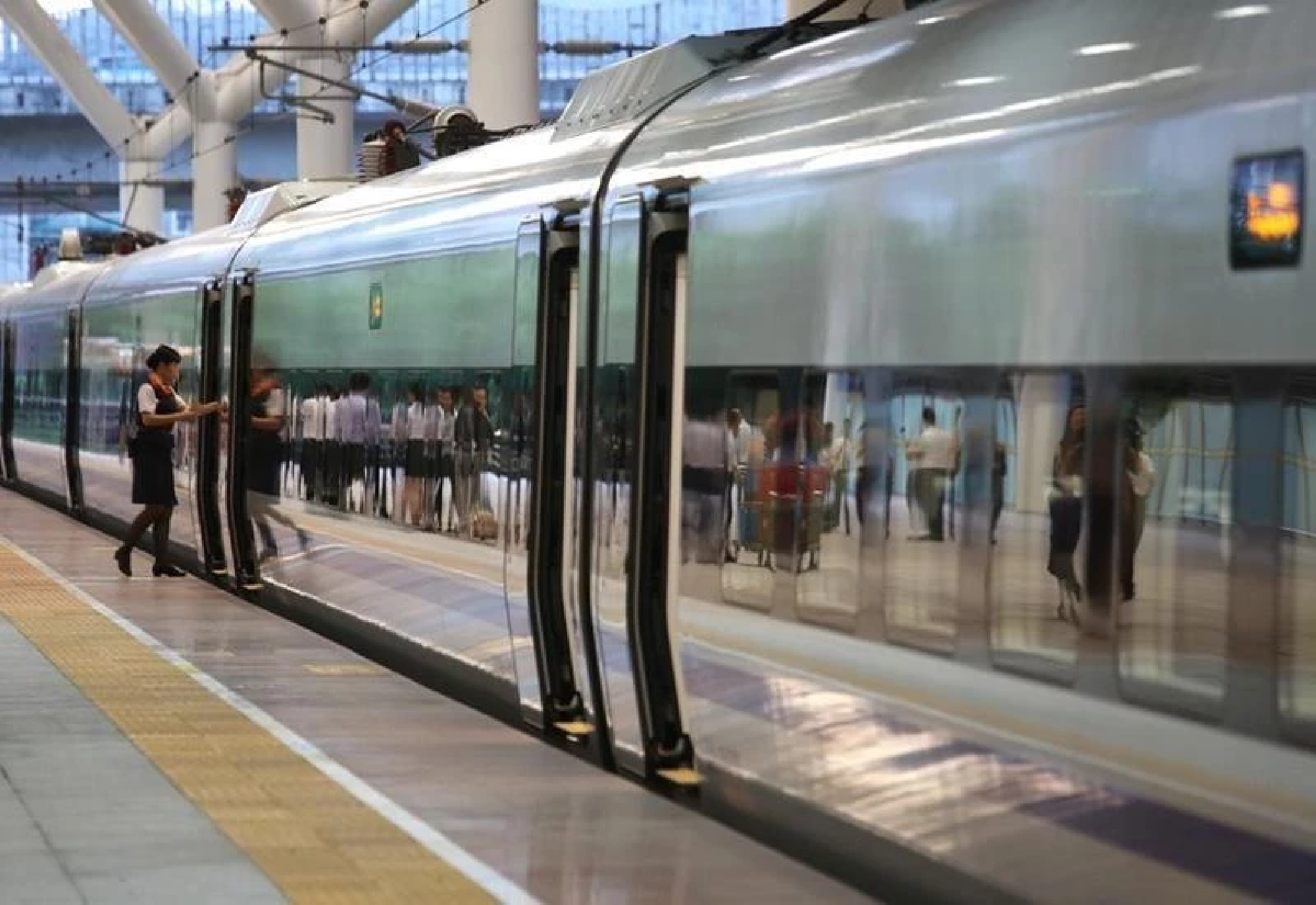
Five new railways connecting Hong Kong and Shenzhen are being proposed to facilitate the connectivity between the two cities and Hong Kong’s integration into the overall development of the Guangdong-Hong Kong-Macao Greater Bay Area.
Stephen Cheung Yan-leung, chairman of Hong Kong’s Transport Advisory Committee, outlined the proposal on Tuesday.
The five railway projects, proposed by the Northern Metropolis Development Strategy, were welcomed by the committee members, Cheung said.
The proposed railways include: the Hong Kong-Shenzhen Western Rail Link, which would link Hung Shui Kiu/Ha Tsuen and Qianhai in Shenzhen; the Northern Link (NOL) Spur Line, which would connect to the new Huanggang Port in Shenzhen; an extension of the East Rail Line to Luohu district in Shenzhen, and the possibility of a new railway station between the existing Lo Wu Station and the Sheung Shui Station; an extension of the NOL eastward from the Kwu Tung Station to connect with the areas in Lo Wu and Man Kam To on the Hong Kong side and various development nodes in the New Territories North New Town; and an automated people-mover system from Tsim Bei Tsui to Pak Nai.
These cross-boundary railway projects will be pursued through the Task Force for Hong Kong-Shenzhen Co-operation on Cross-Boundary Railway Infrastructure, jointly established by the governments of Hong Kong and Shenzhen.
A series of practical factors have to be examined before the projects are set in motion, such as projected volume of passenger flow, the feasibility of construction, and the financial cost that would be incurred, Cheung said.
For those local projects, the task force will factor in land-use planning of the affected areas, the expected population growth, and employment opportunities, “so as to meet the transport needs of the residential and working populations of the area in the most effective manner,” he said.
While there currently is no development timetable, preparatory work will be carried out in an orderly, meticulous and holistic fashion, he said.
KUALA LUMPUR: The government should continue its existing income relief measures to target groups for at least another six months to maintain financial support for the poor and vulnerable group in the near term, said the World Bank Group.
Senior economist on Poverty and Equity Dr Ririn Salwa Purnamasari said there is an ongoing need to provide support to a broad range of households, particularly low-income and vulnerable households, through cash assistance transfers at least until economic growth, job creation, and wage growth resume.
“Thereafter, this cash assistance can be focused more narrowly on the chronically poor,” she said during the launch of Malaysia Economic Monitor December 2021 Edition ‘Staying Afloat’ today.
She also said that targetted wages subsidies must be introduced, including for youth and women, who traditionally suffer from difficulties in entering the labour market.
“As the economy and employment recover, resources could be directed to those who may continue to need support to obtain a job and who may not benefit from the existing wage subsidy programme,” she suggested.
Ririn Salwa also said a pilot and social insurance evaluation measures also needed to be carried out, whereby Malaysia could learn from the experience of other countries on pilot initiatives to increase the coverage and adequacy of social insurance programmes among informally employed workers.
On the education system, she said within Malaysia’s education space, measures were required to improve learning processes, especially for socioeconomically disadvantaged children.
“With prolonged school closures, it is likely that disparities between the socioeconomically advantaged and disadvantaged households have widened the existing learning gaps,” she said.
As a crucial first step, she said the government could conduct an assessment of the pandemic-related learning loss to determine the specific needs of students as they re-engage in face-to-face learning.
For a long-term focus, Ririn Salwa said the government must improve the targeting and adequacy of Malaysia’s cash transfer systems to provide better coverage and protection.
“This can involve outreach programmes and leveraging existing registries for cash transfer programmes that focus on the most vulnerable, such as those implemented by the Department of Social Welfare,” she said.
Over time, she said the Malaysian government might need to increase its expenditure on social assistance to ensure a robust social protection system and to promote equitable outcomes.
“Active labour market policies should be strengthened to increase their responsiveness to economic shocks,” she added. – Bernama
South Koreas new coronavirus cases spiked to above 7,000 on Wednesday, and the number of critically ill patients surged to a record high.
The country added 7,456 more COVID-19 cases, including 7,365 local infections, bringing the cumulative total to 583,065, the Korea Disease Control and Prevention Agency (KDCA) said.
Wednesday’s tally is sharply up from 5,318 on Monday and 5,202 on Tuesday. The number of new daily cases usually shrinks at the beginning of the week due to less testing over the weekend.
The number of critically ill patients came to a fresh high of 1,063, the authorities said. The previous high was the 1,025 reported Sunday.
The country added 78 more deaths from COVID-19, bringing the total to 4,906. The fatality rate stood at 0.84 percent, unchanged from a day earlier.
The country reported seven new omicron variant cases, bringing the total to 234, the authorities said.
On Saturday, the government reimposed a set of revised virus restrictions across the country, which will remain in effect until Jan. 2 to stem the spread of the virus.
It marks a reversal of the government’s “living with COVID-19” scheme that began last month, with an aim to regain normalcy by relaxing virus restrictions in phased steps.
Under the new measures, the maximum size of private gatherings is limited to four people nationwide, from the previous limit of six in the capital area and eight elsewhere.
A 9 p.m. or 10 p.m. curfew is applied to businesses as well, depending on their type of service.
Of the locally transmitted cases, Seoul reported 2,779 infections and Gyeonggi Province that surrounds the capital logged 2,192 cases.
The KDCA said 91 cases came from overseas, raising the caseload to 16,537.
As of Wednesday, 85.1 percent of the country’s 52 million people had received their first shots of COVID-19 vaccines, and 82.1 percent had been fully vaccinated, while 25.5 percent had gotten booster shots, the KDCA said. (Yonhap)
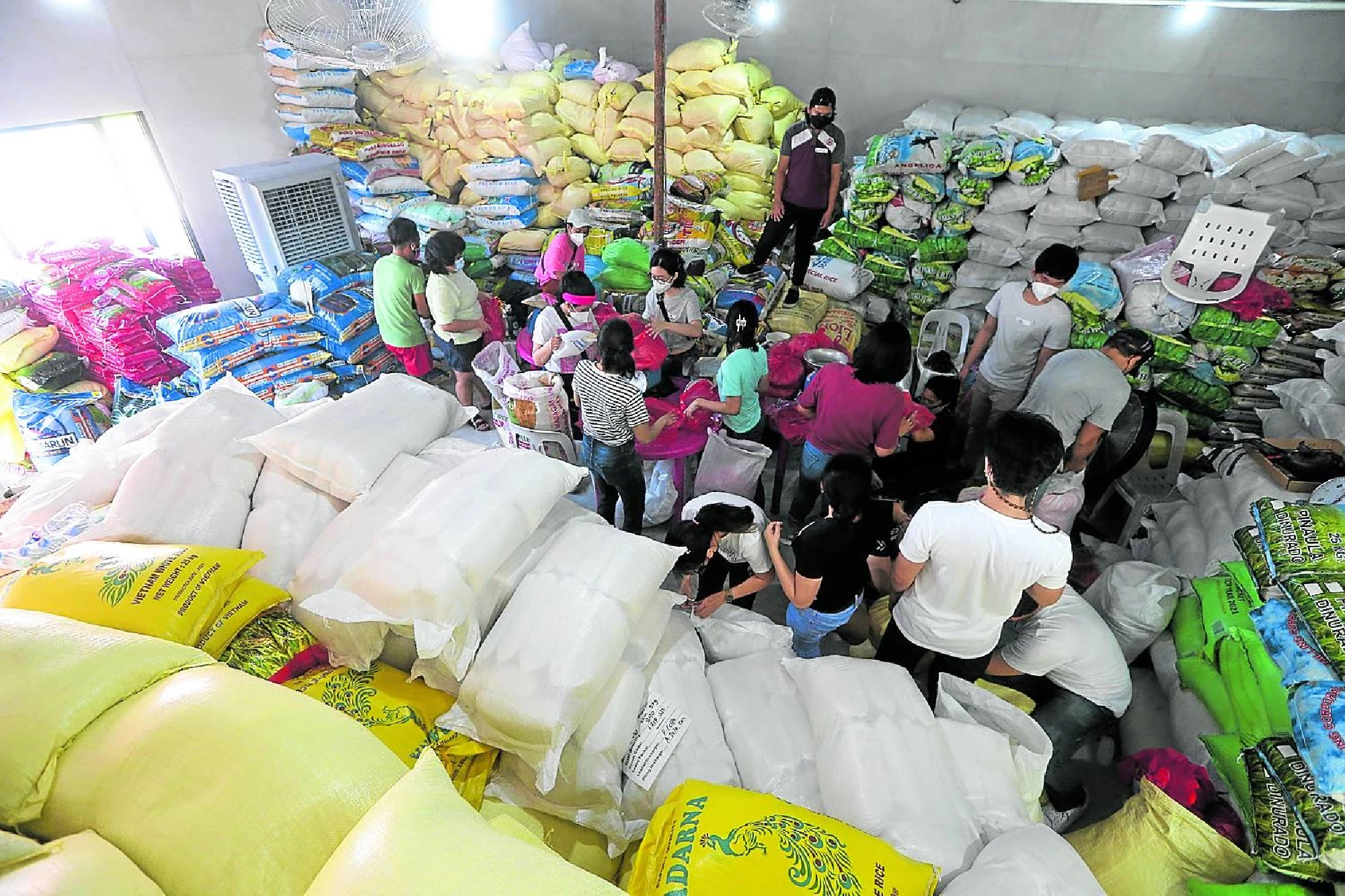
As hundreds of thousands of people displaced by Typhoon Odette (international name: Rai) cry out desperately for food, water and shelter, government and private groups are being mobilized to ship relief supplies to the devastated regions, officials said on Tuesday.
President Duterte has also promised to raise up to P10 billion in fresh calamity funds for the “rehabilitation and recovery efforts” in areas devastated by the strongest typhoon to hit the country this year, according to acting presidential spokesperson Karlo Nograles.
In addition to military planes and vessels, private shipping and airline companies have also been tapped by the Department of Social Welfare and Development (DSWD) to speed up delivery of relief supplies. (See related stories on Pages A5 and A8.)
The Philippine Navy’s landing dock ship BRP Tarlac was to sail for Cebu on Tuesday night with a cargo of relief supplies. The ship is expected to reach Cebu on Wednesday afternoon, the military said.
A ship from the domestic Montenegro Shipping Lines had already delivered food packs to Siargao while AirAsia had flown supplies to Palawan, according to DSWD spokesperson Irene Dumlao.
“Our distribution of family food packs has been continuous as part of our response operations,” Dumlao said.
P29-M aid out so far
Based on DSWD’s data, P28.9 million worth of assistance have been distributed to typhoon-stricken areas as of Tuesday. The aid came from the DSWD itself (P17.3 million), local governments (P10.5 million) and nongovernmental organizations (more than P1 million), she said.
The assistance included family food packs and nonfood items such as hygiene kits, laminated sacks, modular tenets, blankets, mosquito nets, bed sheets and towels.
Each food pack contains six kilograms of rice, two cans of sardines, four cans of corned beef, four cans of tuna flakes, five packs of 3-in-1 instant coffee mix, and five packs of powdered cereal drink, according to the agency.
Dumlao said the food relief supplies were “prepositioned in strategic areas” before the typhoon hit but could not immediately say how many families or individuals had received them.
She said reporting by DSWD’s field personnel was being hampered by downed communication lines and power outages in areas heavily-affected by the typhoon.
Danilo Atienza, Southern Leyte province’s disaster chief told Reuters news agency that the prepositioned food and nonfood aid were not enough “because many are in need.”
Foreign help
Foreign aid has also started to arrive, including from Japan and China, while the United Nations said it was working with partners to help in the areas of shelter, health, food, protection and other life-saving responses.
Local authorities and the police reported nearly 400 fatalities since the typhoon first hammered Siargao Island on Thursday last week with 195-kilometer-per-hour winds and 270-kph gusts.
At least 56 were reported missing.
The DSWD on Tuesday said 588,778 families, or 2,348,754 individuals, have been affected by the typhoon. It said 112,966 families or 459,673 individuals remained in evacuation centers five days after Odette struck.
The National Disaster Risk Reduction and Management Council (NDRRMC) on Tuesday reported that 3,238 barangays were affected by the typhoon in Mimaropa (Mindoro, Marinduque, Romblon and Palawan), the Bicol region, Western Visayas, Central Visayas, Eastern Visayas, Northern Mindanao, Davao region, Soccsksargen, Caraga, and the Bangsamoro Autonomous Region in Muslim Mindanao.
The Visayas regions, however, suffered the most devastation.
The President’s commitment to raise funds came after he said that the public coffers had been “immensely” depleted due to spending for the COVID-19 pandemic, a claim that some lawmakers and opposition groups had questioned, citing his administration’s P1.15-trillion loans for the health crisis and the money already preprogrammed in the budget for it.
Albay Rep. Joey Salceda said there were funds that the government could immediately mobilize for the typhoon-ravaged areas, specifically the quick response funds created under the National Disaster Risk Reduction and Management (NDRRM) Fund, plus the President’s Contingent Fund and his Social Fund.
Both the 2020 and the 2021 budgets for these funds were still valid, said the chair of the House ways and means committee.
“You have around P6.5 billion in available fund balances from the NDRRM Fund and the President’s contingent funds, based on latest budget reports,” Salceda said.
‘There’s money to spare’
The President’s Social Fund received P2 billion from the Philippine Amusement and Gaming Corp. this year, according to Salceda.
“So, there is definitely money to spare for these areas,” he said.
He said the government could also work with Congress to reprogram some funds from agencies with large outstanding balances.
He could not immediately say how much additional funds such reprogramming could raise for the Odette disaster relief effort.
Salceda also urged the NDRRMC to recommend the declaration of a state of calamity in several regions in the country to activate measures such as price controls, reprogramming of funds for infrastructure repair, and the granting of no-interest loans by the government financial institutions.
Cebu province declared a state of calamity as early as Friday last week. Others that followed were Bohol province, Puerto Princesa City, Agusan del Norte province and Butuan City.
Surigao del Sur Gov. Alexander Pimentel said he had called a special session of the provincial board so that a state of calamity could be declared in the province.
Pimentel said his province was not extensively damaged unlike Surigao del Norte. Still, 45,043 families, or 104,257 individuals, were affected by Odette and some parts of the province were still without power and communication, he said.
Nograles thanked Filipinos for “showcasing the Filipino bayanihan spirit in helping our kababayans in this time of great need.”
“We likewise express our sincere gratitude to our friends in the international community and partners for their show of support, solidarity and readiness to extend assistance to the Philippines,” he said. —WITH REPORTS FROM LEILA B. SALAVERRIA, JEANNETTE I. ANDRADE, NESTOR CORRALES, DEMPSEY REYES AND REUTERS
HÀ NỘI — Prime Minister Phạm Minh Chính has requested all ministries, sectors, and localities to ramp up efforts against COVID-19 in the face of the new variant Omicron.
According to the PM’s official dispatch issued on Sunday, the COVID-19 pandemic remains highly unpredictable around the world amid the emergence of Omicron, which has been found to spread much faster than the Delta variant.
Though Việt Nam hasn’t yet seen any Omicron cases, the numbers of infections, patients in critical condition, and related deaths have still been on the rise, and the healthcare systems in some localities have become overloaded, it said.
Facing that fact and the high possibility of recording Omicron in the country, the PM asked the Ministry of Health to keep a close watch on the global pandemic situation to make timely guidelines, propose necessary and appropriate measures to the PM, and increase monitoring so as to detect any new variant early.
All ministries, sectors, and provincial-level People’s Committees have to step up the application of COVID-19 prevention and control measures, boost examination, and strictly deal with those who violate anti-pandemic rules.
The Government leader told the Health Ministry and provincial-level administrations to organise as safe and fast as possible vaccination and ensure that no persons subject to vaccination are left without full inoculation, especially those in high-risk groups.
They were also requested to increase training in home treatment to avoid overloading higher-lever hospitals and enhance the capacity of the healthcare system at all levels.
Meanwhile, the Ministry of Information and Communications was demanded to promptly complete IT tools and work with relevant sides to conduct uniform and effective application. This ministry also needs to coordinate with the Party Central Committee’s Information and Education Commission to step up communication to raise public awareness of the pandemic, Omicron, and prevention measures, according to the dispatch.
In a move to prevent Omicron, the Ministry of Health has also asked local administrations, Pasteur institutes, and the National Institute for Hygiene and Epidemiology to enhance surveillance for the Omicron variant.
All arrivals into the country from November 28, 2021, who have tested positive for coronavirus through the RT-PCR method or NAAT (Nucleic Acid Amplification Test) within 14 days of entry, will have their samples taken for genomic sequencing.
If the Omicron variant is detected, all close contacts of the infected will also be tested and all positive samples will be further analysed as well.
Health authorities must strengthen the surveillance system for cases with unusual developments and characteristics and collect samples for screening and identification, to identify any Omicron transmissions.
According to the Ministry of Health, the Omicron variant has appeared on four continents. At least 77 countries and territories have confirmed cases of Omicron.
According to the World Health Organisation, Omicron is worrisome because it increases the chance of reinfection, it can evade immune systems, and it spreads 3.2 times faster than the Delta strain. However, there is no evidence that the Omicron variant reduces the effectiveness of the COVID-19 vaccine, nor is there evidence of increased morbidity and mortality. — VNS
WHO warns that “diverting supply to countries already having high levels of vaccination coverage” will give the virus “more opportunity to spread and mutate.”
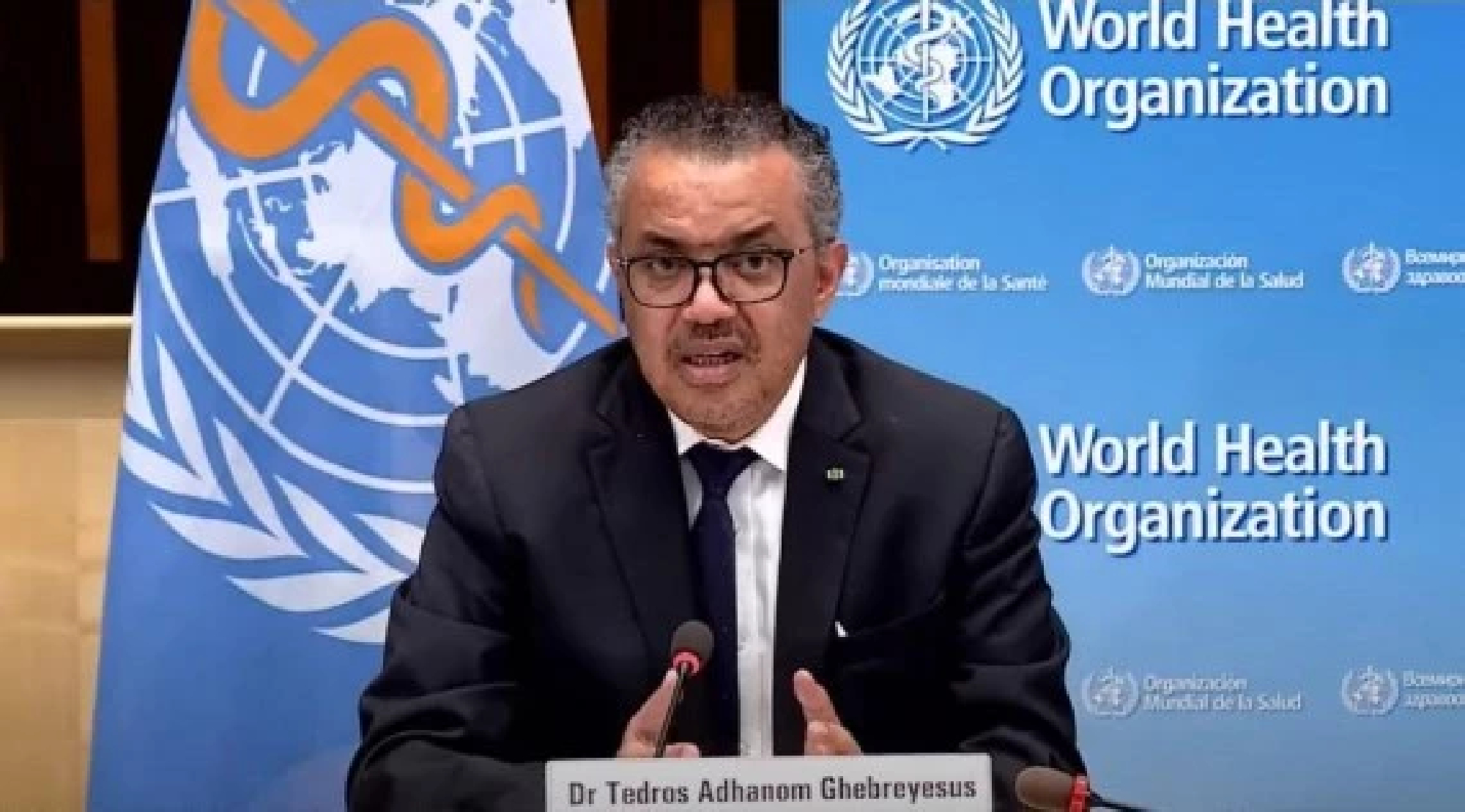
Blanket vaccine booster programs are likely to prolong the COVID-19 pandemic rather than ending it, as a result of unequal distribution of vaccines between rich and poor countries, the head of the World Health Organization (WHO) warned on Wednesday.
WHO Director-General Tedros Adhanom Ghebreyesus told a news briefing that “diverting supply to countries already having high levels of vaccination coverage” will give the virus “more opportunity to spread and mutate.”
WHO has previously called on countries to reach a target of vaccinating 40 percent of their populations by the end of the year, but only half of WHO member states have been able to make it, which has largely been a result of the global inequity of vaccine distribution, according to Tedros.
British Prime Minister Boris Johnson meets citizens having their booster shots at a COVID-19 vaccination site at Lordship Lane Primary Care Center in London, Britain, Nov. 30, 2021. (Andrew Parsons/No 10 Downing Street/Handout via Xinhua)
While some countries are now rolling out blanket vaccine booster programs, three in four health workers in Africa still remain unvaccinated by the end of 2021, a year since the first vaccines were administered, he said.
If those vaccines had been distributed equitably, the 40 percent target could have been reached in every country by September, he added.
As vaccine supply continues to improve, WHO projections have shown that it should be sufficient to vaccinate the entire global adult population and to give boosters to high-risk populations by the first quarter of 2022, but only later in 2022 will supply be sufficient for extensive use of boosters in all adults.
Also on Wednesday, the WHO Strategic Advisory Group of Experts on Immunization (SAGE) issued an interim statement on booster doses. Although SAGE confirmed that vaccine effectiveness against severe COVID-19 decreased by about eight percent over a period of six months in all age groups, particularly in adults above 50 years, it still remained cautious on booster programs.
People line up to enter a COVID-19 vaccination clinic in Toronto, Canada, on Dec. 20, 2021. (Photo by Zou Zheng/Xinhua)
SAGE warned that “in the context of ongoing global vaccine supply constraints and inequities, broad-based administration of booster doses risks exacerbating vaccine access by driving up demand in countries with substantial vaccine coverage and diverting supply, while priority populations in some countries, or in subnational settings, have not yet received a primary vaccination series.”
It thus called on booster programs to be evidence-driven and targeted to the population groups at highest risk of serious disease and those necessary to protect the health system.
British Prime Minister Boris Johnson warned that the rapid spread of the Omicron variant meant curbs could be imposed after Christmas.
Britain has recorded 106,122 coronavirus cases in the latest 24-hour period, exceeding 100,000 daily cases for the first time since the start of the pandemic and bringing the total number of cases in the country to 11,647,473, according to official figures released Wednesday.
Experts said there are likely to be hundreds of thousands of infections per day, with many being missed by the system.
The country also reported a further 140 coronavirus-related deaths, taking the national death toll to 147,573.
The latest figures came as British Prime Minister Boris Johnson confirmed Tuesday that he will not introduce any further COVID restrictions in England before Christmas, but warned that the rapid spread of the Omicron variant meant curbs could still be imposed after Christmas.
In a video posted on social media by Downing Street, the prime minister said: “People can go ahead with their Christmas plans.” However, he urged caution and suggested people should take a test before meeting elderly relatives.
British Prime Minister Boris Johnson records a video in London, Britain, Dec. 21, 2021. (Andrew Parsons/No 10 Downing Street/Handout via Xinhua)
Health Secretary Sajid Javid announced Wednesday that people in England will now only have to isolate for seven days if they can produce negative lateral flow tests on both day six and seven. He said those leaving quarantine after day seven should “continue to remain cautious.”
Photo taken on Dec. 19, 2021 shows a general view of NHS (National Health Service) COVID Vaccine Center at Wembley Stadium in London, Britain. (Photo by Ray Tang/Xinhua)
Javid also said he has signed contracts for an extra 4.25 million courses of antivirals for the National Health Service (NHS) to help Britain “build our defenses” against the Omicron variant.
Meanwhile, Welsh First Minister Mark Drakeford urged people to work together to get through the COVID crisis. Drakeford said cases of the new variant have “risen sharply” in Wales and there has also been a “rapid rise” in the overall rates of the virus.
Speaking at a news briefing to announce more restrictions, he said he expects this trend will “continue and accelerate.”
“We are now entering a really serious phase of the pandemic,” Drakeford said.
More than 89 percent of people aged 12 and over in Britain have had their first vaccine dose and around 82 percent have received both doses, according to the latest figures. Some 53 percent have received a booster jab, or the third vaccine dose.
Analysts expected supply to catch up and even exceed demand growth in 2022, highlighted by an increase in exports of liquefied natural gas (LNG), higher output of shale oil, natural gas and natural gas liquid in the United States and the return of investment in non-OPEC production.
Crude oil prices could soften in the coming months as looming oversupply is turning oil producers’ fortunes around, according to industry institutions and analysts. Meanwhile, a possible failure to revive the Iran nuclear deal by the first quarter of 2022 together with expected return of oil demand in the summer of next year could result in a spike of oil prices.
While supply shortage in the second half of 2021 drove up the prices of oil, natural gas and coal in many parts of the world, supply is surpassing demand in the global oil market leading to a buildup of inventories.
Global oil production is poised to outpace demand from December of 2021, led by growth in the United States and the Organization of the Petroleum Exporting Countries (OPEC) and its partnering oil producing countries, said a monthly oil market report recently issued by the International Energy Agency (IEA).
A customer fuels a vehicle at a gas station in Berlin, capital of Germany, on Oct. 1, 2021. (Xinhua/Shan Yuqi) Related Stories
Global crude oil supply could increase by as much as 6.4 million barrels per day in 2022, up from a rise of 1.5 million barrels per day in 2021, while global oil demand is projected to expand 3.3 million barrels per day in 2022, in comparison with 5.4 million barrels per day of growth in 2021, according to the IEA.
Analysts with S&P Global Platts Analytics expected supply to catch up and even exceed demand growth in 2022, highlighted by an increase in exports of liquefied natural gas (LNG), higher output of shale oil, natural gas and natural gas liquid in the United States and the return of investment in non-OPEC production.
Oil prices would start to rebalance and normalize in the first quarter of 2022 as inventories recover, according to S&P Global Platts Analytics.
“For 2022 as a whole, we expect that growth in production from OPEC Plus, of U.S. tight oil, and from other non-OPEC countries will outpace slowing growth in global oil consumption, especially in light of renewed concerns about COVID-19 variants,” said a short-term energy outlook for December recently issued by the U.S. Energy Information Administration (EIA).
In reality, crude oil futures prices have witnessed substantial correction since early November due to the decision to release crude oil stocks in a few major oil consuming countries and warmer-than-expected winter in the Northern Hemisphere so far.
Brent crude oil futures prices will average 70 U.S. dollars per barrel in 2022, according to the forecast by the EIA.
The ceiling of oil prices depends on real demand and oil prices would continue to fluctuate at around 80 U.S. dollars per barrel in 2022, according to Ji Mo, chief China economist with Fidelity International.
Photo taken on Dec. 17, 2021 shows a meeting of the Joint Comprehensive Plan of Action (JCPOA) Joint Commission in Vienna, Austria. (EU Delegation in Vienna/Handout via Xinhua)
Oil prices will remain volatile in the near term as investors assess the latest news on the new COVID-19 variant Omicron, said analysts with UBS Global Wealth Management in a recent report.
UBS reiterated its positive outlook for oil banking on continuous growth of global oil demand in 2022 and the flexibility of OPEC Plus in unwinding its production cut deal.
Moreover, a low level of spare capacity in the global oil industry leaves the outcome of Iran nuclear talks consequential to the international oil market in 2022 as a deal between Iran and the United States on the nuclear issue would lead to Iran’s return to the international oil market.
“Iran will significantly influence oil balances in 2022, and by extension, oil prices,” said S&P Global Platts Analytics.
S&P Global Platts Analytics assumes a framework U.S.-Iran nuclear deal will be reached in the first quarter of 2022, with full sanctions relief by April, facilitating 1.4 million barrels per day of Iranian oil supply growth by the end of 2022.
However, the absence of an Iran nuclear deal could leave the market vulnerable to breaking 100 U.S. dollars per barrel if combined with any other disruptive event, according to S&P Global Platts Analytics. The key test will come in the third quarter of 2022 as summer demand challenges supply resilience.
A no-deal with Iran nuclear issue would mean less oil supply from Iran and a possible military engagement, with both cases supportive for oil prices, according to a recent report by JBC Energy.
“It is more likely to us that an agreement will eventually be found” considering Iran already has sufficient stocks of enriched material, said JBC Energy.
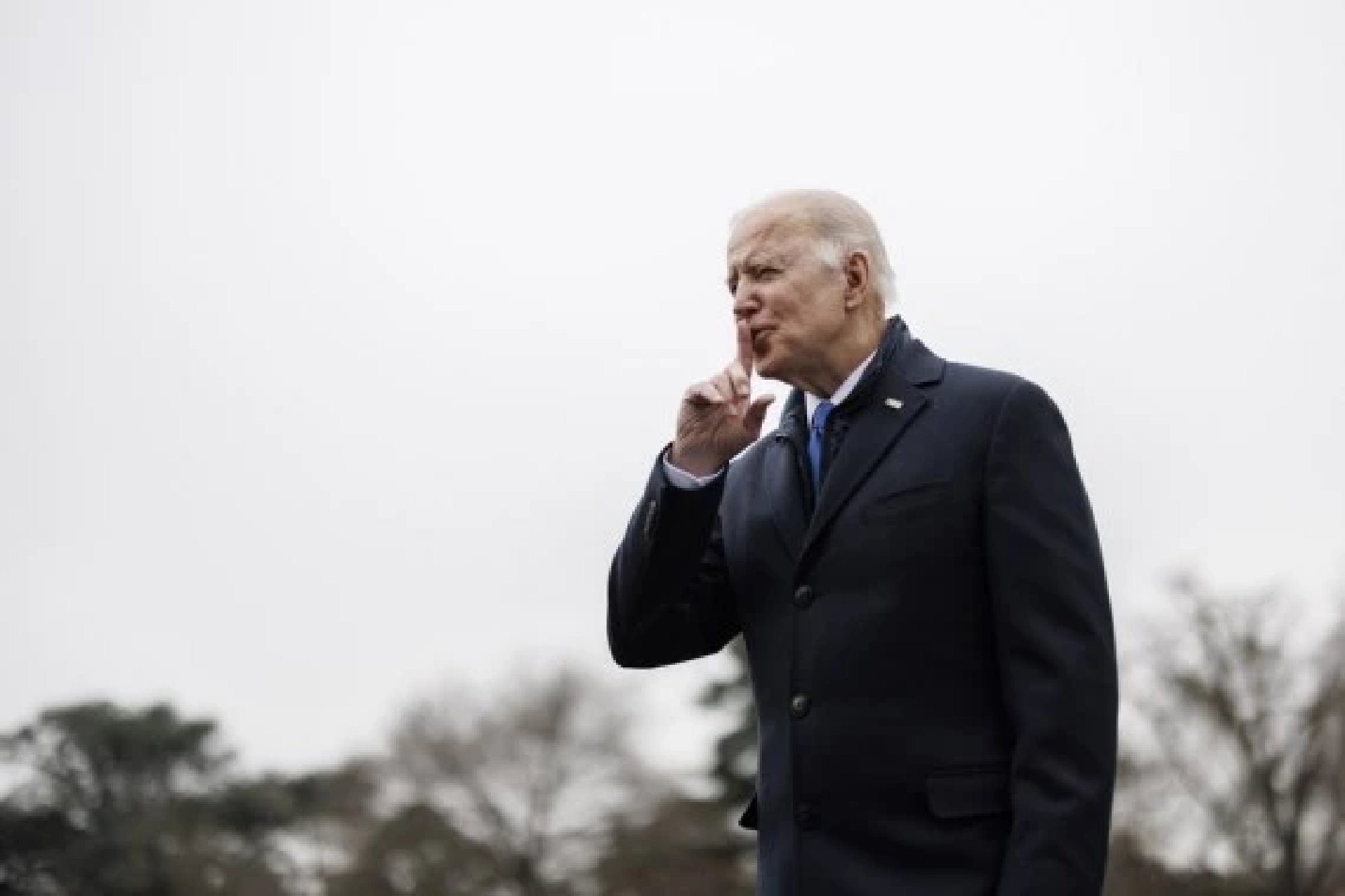
“If Im in the health Im in now, if Im in good health, then in fact, I would run again.”
U.S. President Joe Biden said Wednesday that he will run for reelection in 2024 if he is in good health at the time.
“Yes,” he said when asked by host David Muir if he plans to run for reelection, in an interview aired Wednesday on ABC’s World News Tonight.
“But look, I’m a great respecter of fate. Fate has intervened in my life many, many times. If I’m in the health I’m in now, if I’m in good health, then in fact, I would run again,” he said.
Muir asked Biden whether he still wants to run if his opponent turns out to be former President Donald Trump again.
“You’re trying to tempt me now,” Biden answered with a laughter. “Sure. Why would I not run against Donald Trump for the nominee? That’ll increase the prospect of running.”

![[South Korea] New COVID-19 cases spike to over 7,000, critical cases at fresh high](https://media.nationthailand.com/uploads/images/md/2021/12/eJBwd1aapS8z7TanRls4.webp?x-image-process=style/lg)
![[Vietnam] PM demands stronger anti-pandemic actions in face of Omicron](https://media.nationthailand.com/uploads/images/md/2021/12/ckXHrIFIgRCV28cvOk1r.webp?x-image-process=style/lg)
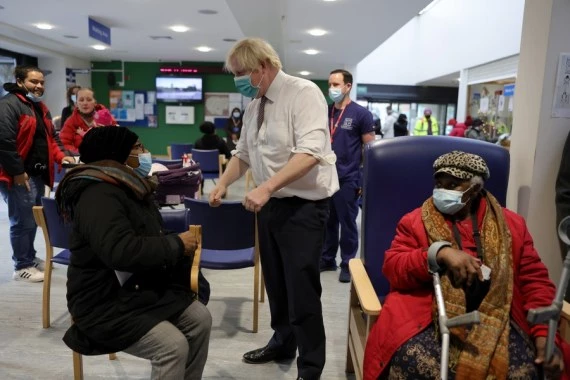 British Prime Minister Boris Johnson meets citizens having their booster shots at a COVID-19 vaccination site at Lordship Lane Primary Care Center in London, Britain, Nov. 30, 2021. (Andrew Parsons/No 10 Downing Street/Handout via Xinhua)
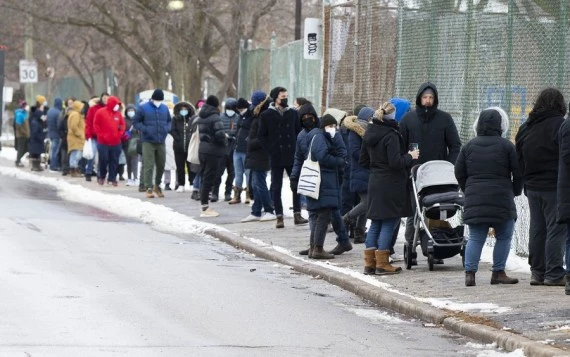 People line up to enter a COVID-19 vaccination clinic in Toronto, Canada, on Dec. 20, 2021. (Photo by Zou Zheng/Xinhua)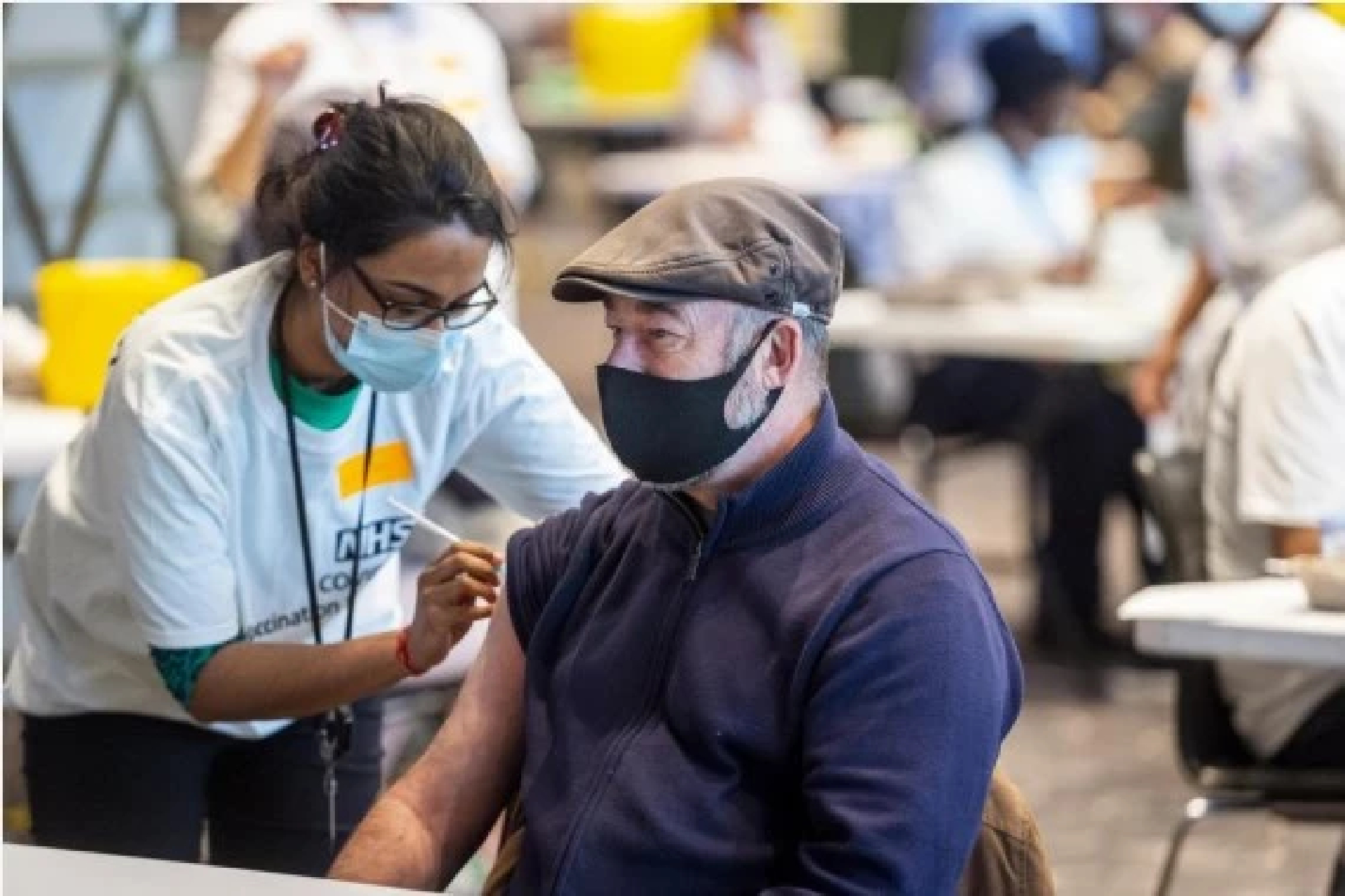
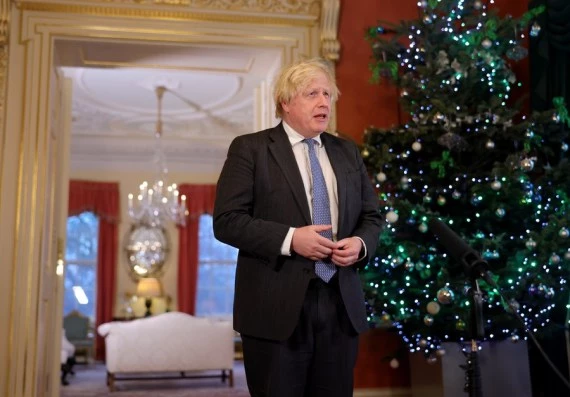 British Prime Minister Boris Johnson records a video in London, Britain, Dec. 21, 2021. (Andrew Parsons/No 10 Downing Street/Handout via Xinhua)
 Photo taken on Dec. 19, 2021 shows a general view of NHS (National Health Service) COVID Vaccine Center at Wembley Stadium in London, Britain. (Photo by Ray Tang/Xinhua)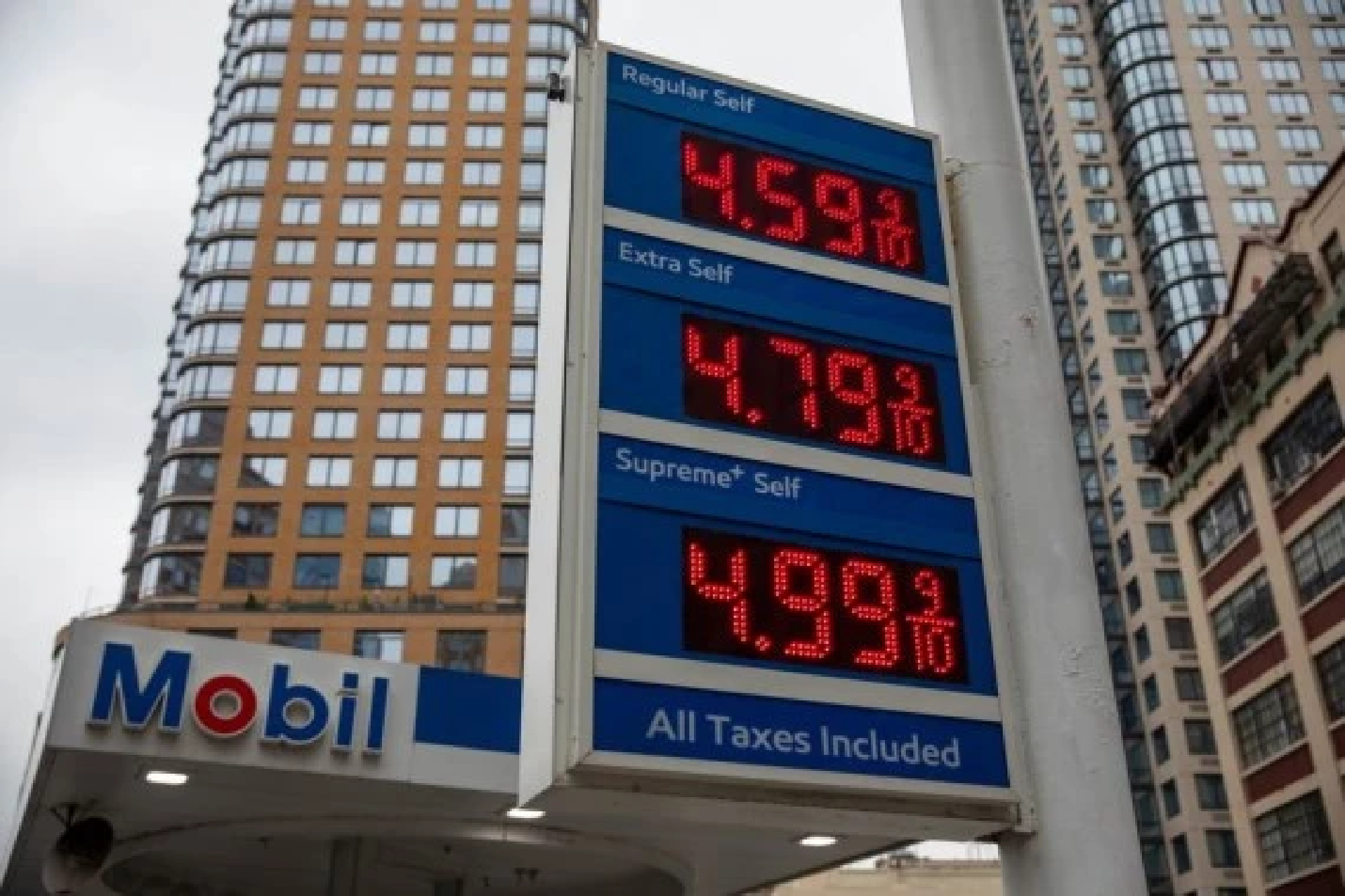
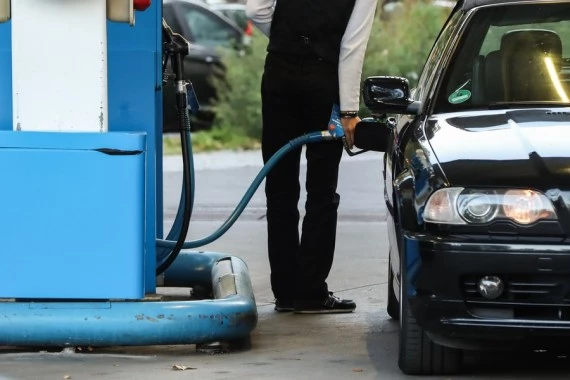 A customer fuels a vehicle at a gas station in Berlin, capital of Germany, on Oct. 1, 2021. (Xinhua/Shan Yuqi)
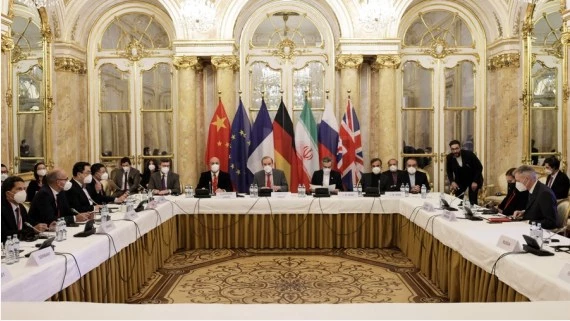 Photo taken on Dec. 17, 2021 shows a meeting of the Joint Comprehensive Plan of Action (JCPOA) Joint Commission in Vienna, Austria. (EU Delegation in Vienna/Handout via Xinhua)