S. Korea mulls raising travel alert for India amid virus surges
South Korea could raise the travel alert for India amid a massive spike in COVID-19 cases in the country, the foreign ministry said Friday.
The ministry is considering raising the alert by one notch to “red,” recommending South Koreans leave India unless there are essential reasons, officials said.
“We are closely watching the situation in India and reviewing measures and what we can do,” an official said when asked about the possibility of raising the travel advisory.
The government has only issued the red warning once over coronavirus fears so far — for China’s Hubei province where the city of Wuhan, the original epicenter of the disease, is located.
The measure was in effect from January to August.
The ministry is also in talks with Indian officials and local air carriers about whether to increase non-regular flights to help South Koreans staying in India to return home, the official said.
Korean Air Lines and Asiana Airlines, the country’s two biggest carriers, plan to provide one flight and four flights, respectively, next month to the South Asian country, to bring back Koreans there. India has reported more than 200,000 coronavirus deaths.
Currently, nearly 130 out of about 10,000 South Koreans staying in the virus-hit country have contracted COVID-19 so far, but the actual number of infections could be higher as the official count represents those collected by the diplomatic missions, the official said.
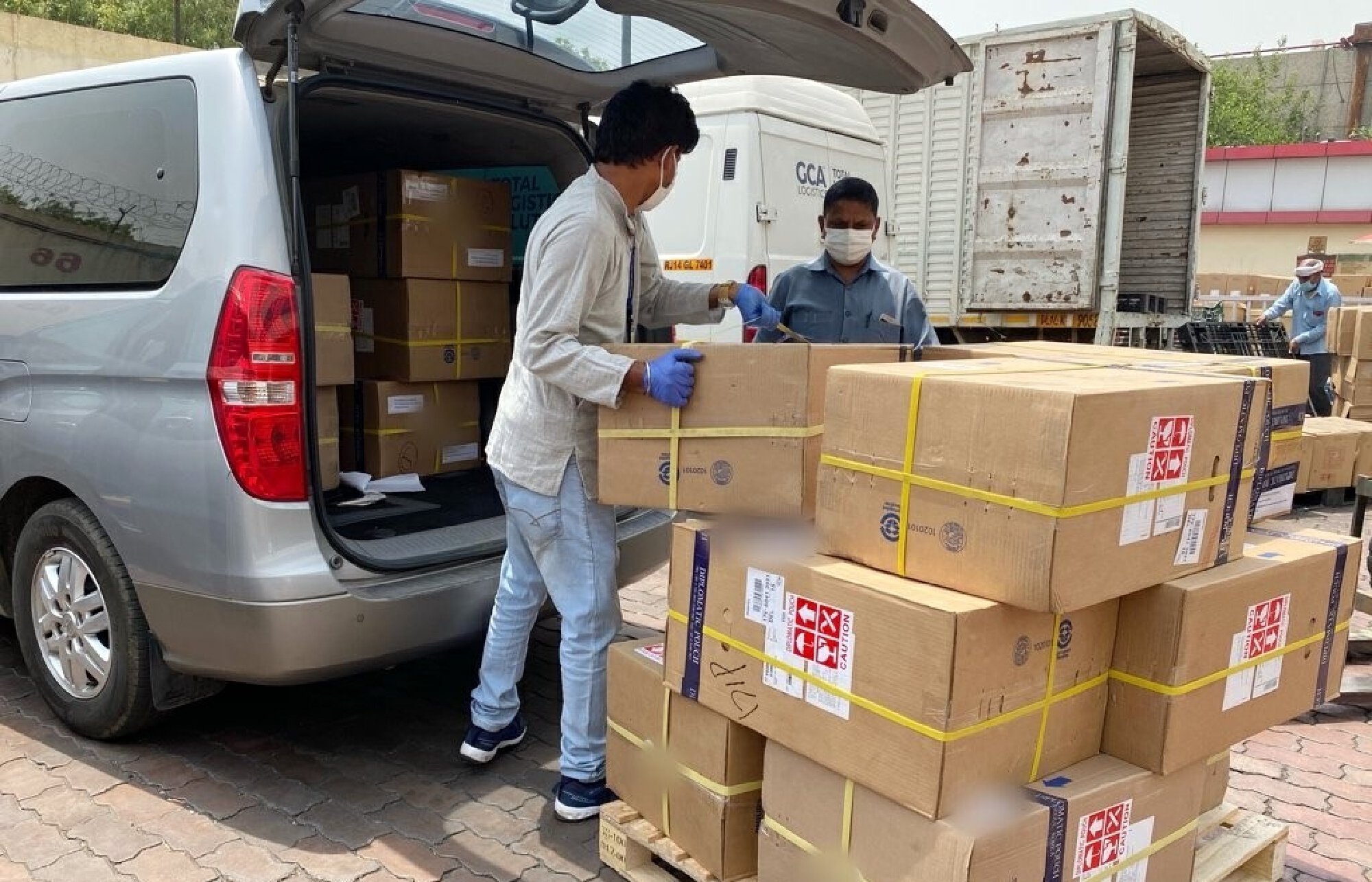
Meanwhile, the ministry said 14 medical oxygen generators requested by a South Korean residents association in India arrived in New Delhi via a diplomatic pouch.
Another three oxygen generators will be sent to the Chennai and Mumbai areas next week at the request of local Korean residents associations. (Yonhap)
Indias effort to expand vaccination drive from May 1 runs into problems amid second Covid-19 wave
NEW DELHI – Indias effort to ramp up its vaccination programme to cover everyone above the age of 18 from Saturday (May 1) is in disarray.
Many people were unsuccessful when trying to register for the jab, while those who managed to do so were unable to locate vaccination centres. On top of this, several states have requested more time to expand the programme, saying they did not have adequate supplies of vaccines.
Some 24.5 million people between the age of 18 and 45 have registered for their shots but it was apparent on social media and elsewhere that the experience has been anything but smooth sailing.
“I’ve indeed managed to register after an hour or two of trying. But booking a slot is still out of sight for me. There was one hospital available initially for 45-plus persons, but even that is unavailable now. The list is blank,” said Mr Ayush Basu, 20 from the city of Kolkatta in West Bengal.
“And I want my vaccination process to start by the first week of May at least. The more I wait, the riskier it gets,” he added.
India is in the midst of a devastating second Covid-19 wave, with cases shooting up exponentially. In the 24 hours up to Friday (April 30), it recorded 386,452 new cases and 3,498 deaths.
The total number of infections has now passed 18 million and vaccinations at this point are seen to be crucial for the populous country.
India has been using two vaccines for its national inoculation programme. Covishield, the domestically-produced AstraZeneca vaccine, which is manufactured by the Serum Institute of India (SII) and Covaxin, an indigenous product made by Bharat Biotech.
Russia’s Sputnik V has also been authorised for use and Indian media reported that the first batch is set to arrive on Saturday, although pricing and availability have yet to be announced.
The government of Prime Minister Narendra Modi changed the procurement policy for the vaccines last week, decentralising the process. States and private hospitals can now place orders directly with the manufacturers instead of going through the federal government.
States will have to pay 300 rupees (S$5) for a single dose of Covishield and 400 rupees for Covaxin.
Maharashtra, the worst-affected state in the country, has said it will not start the vaccination drive without procuring 2.5 million to three million vials of vaccine first. The state capital, Mumbai, a metropolis with nearly 12.5 million people, has announced a shutdown of its vaccination drive for three days because of inadequate supplies.
Delhi also appears to be caught in the same quandary, with Chief Minister Arvind Kejriwal urging people not to crowd vaccination centres.
“We have not received the vaccines yet. We are hopeful that they will reach by tomorrow or the day after,” he said on Friday.
The federal government insists there is no shortage of vaccines.
Health Minister Harsh Vardhan said the states should have more than 10 million doses remaining in stock from the previous distribution exercise.
Another two million are set to become available in the next few days.
India’s vaccine journey has been one of highs and lows. It started off on a bright note as a major vaccine exporter, supplying to dozens of countries. Data from the ministry of external affairs showed that 66.3 million doses were sent overseas until April 16.
At home, though, the situation has been far less rosy as the vaccination drive got off to a slow start with many people hesitant about getting the jab.
India’s initial target was to inoculate 300 million people by August. So far, 15.22 million have been vaccinated since the programme was rolled out on Jan 16. While that number is impressive when compared with most countries, it is still seen as inadequate, taking into account the size of the country’s population, which is 1.35 billion
Questions have now arisen over whether India has enough production capacity for vaccines as its two main producers are inundated with orders from multiple states and hospitals.
SII produces around 70 million doses of Covishield every month. Bharat Biotech has ramped up capacity and now produces around 58 million doses of Covaxin a month.
“Who will be given priority? Surely, it can’t be first come, first served. Neither can it be based on the quantum of order placed. Who will decide on allocation of vaccines across 28 states and eight union territories?… Because the fact is vaccine stocks are limited, and it has to be rationed. The vaccine basket has all of two vaccines. The new ones are weeks, if not months, away,” said the Indian Express in an editorial.
Meanwhile, anxiety levels are also mounting for those waiting to get their second dose.
Dr Aniruddh Wadvikar, a general practitioner in Thane, which is just outside Mumbai, has been unsuccessful in trying to book the second dose for his 83-year-old grandfather as well as his 54-year-old father.
“I’m not particularly stressed but I am frustrated,” said Dr Wadvikar.
“Even if the walk-in option is active at some places, I am a little apprehensive about taking them into public places and making them wait in a line for hours on end, increasing their chances of exposure,” he said.
Chan reaffirms HKs position as global investment, trade hub
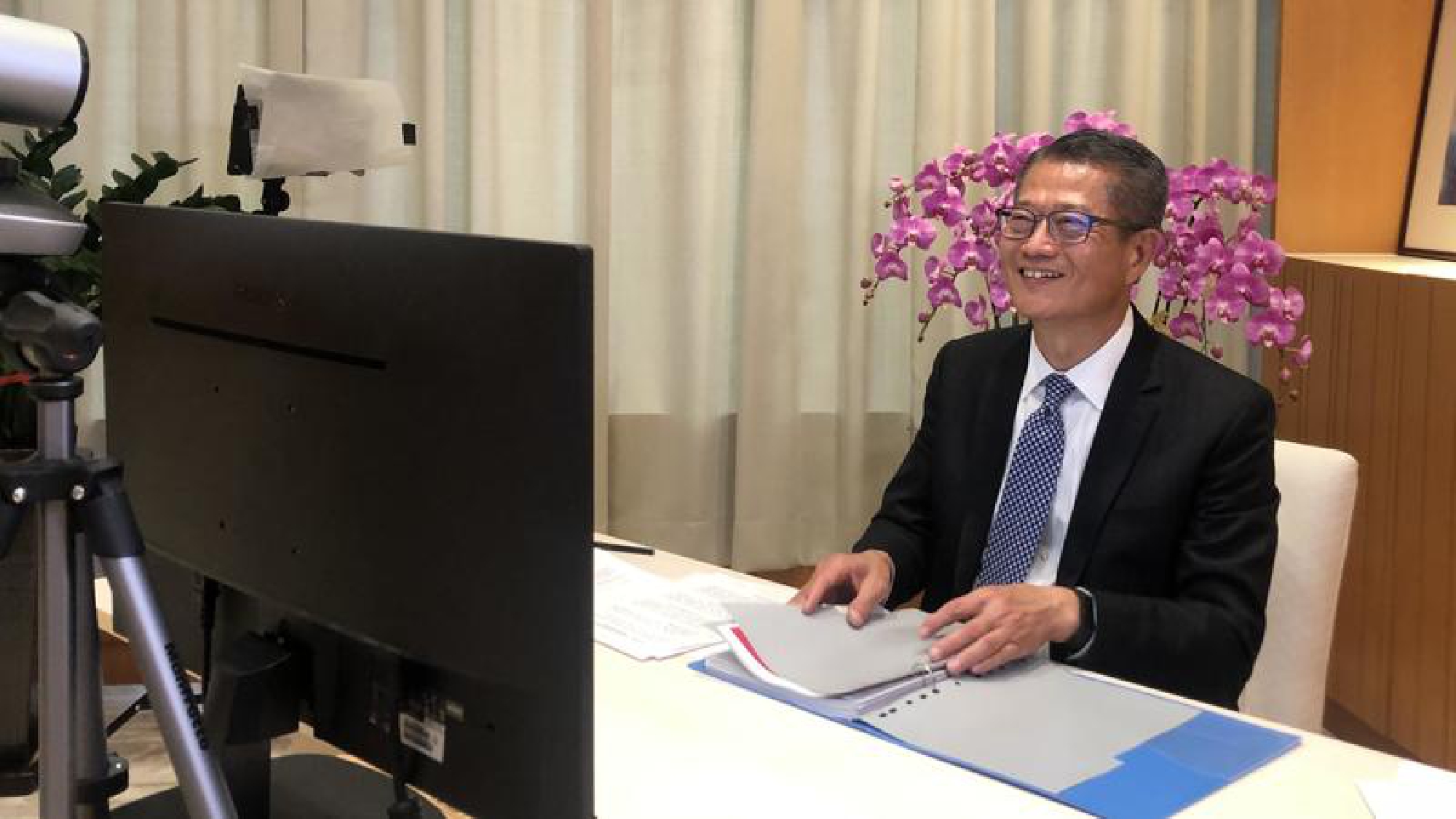
HONG KONG – Financial Secretary of the Hong Kong Special Administrative Region (HKSAR) government Paul Chan Mo-po on Friday updated business leaders from Britain on Hong Kongs leading position as a global investment and trade hub at an online meeting.
Chan highlighted the restoration of social and political stability due to the enactment of the National Security Law in Hong Kong and the improvement to the electoral system of Hong Kong.
He said the improved electoral system would ensure that patriots administer Hong Kong with the goal of getting on with the substantive business of building a flourishing economy and providing for an engaged community.
Chan said that with its institutional strengths and core competitiveness, Hong Kong’s status as an international financial center remains very solid.
Hong Kong has continued to thrive as a global hub for financing, offshore Renminbi business and asset and risk management, and is fully committed to promoting the development of green and sustainable finance, he said.
Despite the fallout from the COVID-19 pandemic, Hong Kong’s economy continued to function well, said the finance chief, adding that the strong growth of the mainland economy, the improved economic situation in neighboring Asian markets and the gradual control over COVID-19 in major economies should render further support to Hong Kong’s economy.
Chan also introduced Hong Kong’s unique roles as a gateway, a springboard and an intermediary under China’s dual circulation development strategy.
He said Hong Kong’s flourishing future is underpinned by its role as the multilevel business bridge between the mainland and the rest of the world. The national 14th Five-Year Plan duly recognizes Hong Kong as a global financial, transport and trade center and supports Hong Kong’s development as an international hub for both aviation and innovation and technology.
Hong Kong will capitalize on the Guangdong-Hong Kong-Macao Greater Bay Area development as the best entry point to grasp the opportunities arising from the mainland’s development, he added.
With around 50 participants joining, the online event was organized by Asia House, an independent think tank based in Britain.
[Myanmar] Policeman fires into air to control the crowd queued at KBZ Bank in Mawlamyaing
A policeman fired a warning shot to control the large number of crowd waiting to withdraw money in front of the KBZ bank branch opened at Ocean Center in Mawlamyaing in the morning of April 29, sources said.
“Idon’t know if it was because there were too many people waiting to withdraw money. I think the policeman fired a warning shot to control the crowd,” said a person who lived nearby.
There are people who start queued from 4 am at the bank to withdraw their money. Customers from private banks are only allowed to withdraw one million kyats from each saving account per week and people are facing difficulties to withdraw their money as a bank branch can only allow about fifty saving accounts to withdraw money in a day.
Japan seeing more infection clusters at workplaces
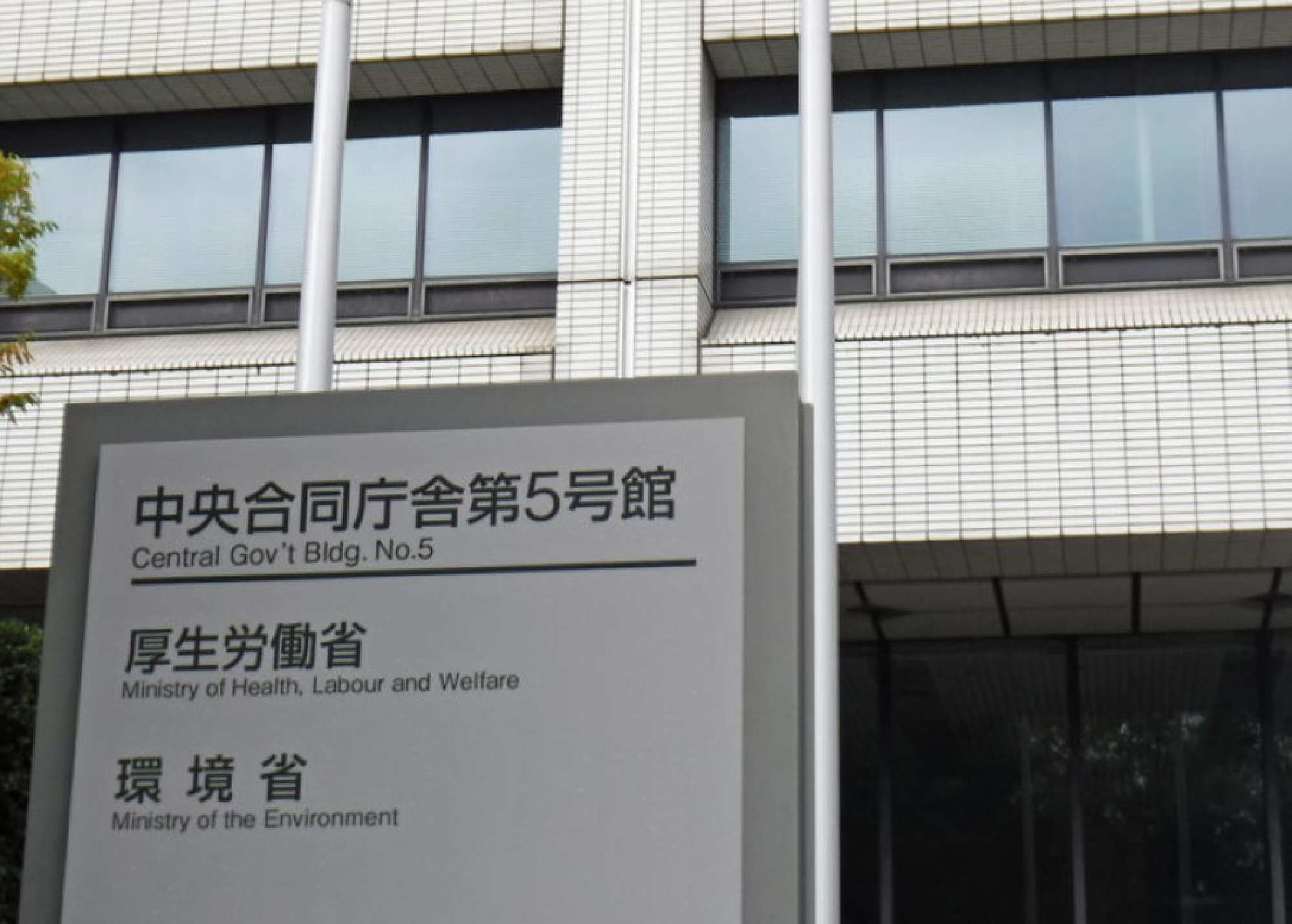
A total of 463 coronavirus infection clusters have been confirmed in the nation this month, with the greatest number occurring in workplaces, according to an advisory board to the Health, Labor and Welfare Ministry.
In the so-called third wave of infections that began at the end of last year, restaurants and bars were considered key locations where the virus might spread, so countermeasures focused on these establishments. But in the fourth wave, in which novel coronavirus variants are prevalent, outbreaks are occurring in a wider range of locations, including schools and facilities for the elderly.
According to the advisory board, there have been 4,631 clusters of five or more people since January last year, excluding cases in homes, which are difficult to ascertain. In the first wave in spring last year, many clusters occurred at medical institutions. In the following second wave in summer, many emerged in nighttime entertainment districts that involve close contact with customers.
The risk of eating in groups was pointed out during the third wave, which saw a sharp increase in the number of people infected with the virus from the end of last year to the beginning of this year. Bars and restaurants were asked to shorten their business hours around the nation.
In the current fourth wave, however, infections are feared in all aspects of daily life.
A breakdown of the provisional figure of 463 clusters reported during April 1-23 shows 96 occurred at workplaces, the largest number, while 90 occurred at schools and child welfare facilities. They were followed by 86 clusters at facilities for the elderly and 82 at bars, restaurants and group dining occasions.
There were 49 workplace infections in February, but the number increased in April. After a late-night farewell party attended by 23 people from the health ministry in late March, 29 people in the same bureau, including 12 of the party participants, were found to have been infected.
The causal relationship between the infection and the farewell party remains unclear, but the virus may have spread through shared equipment such as desks, telephones and copiers.
Having also analyzed 489 clusters that occurred at elementary and junior high schools, universities, cram schools and others since January last year, the advisory board found that school club and circle activities may have contributed to 20%, or 100 of the 489 cases. Such activities are believed to have contributed to 58 clusters, or 40% of such cases at universities.
In Yokohama, 78 members of the Keio University rugby team and others were confirmed to have been infected with the virus as of Wednesday, possibly due to living together in dormitories. The government has called for restraint in such club and circle activities.
Infection clusters caused by drinking on the streets are a new issue amid the closure of bars and restaurants due to the declaration of a state of emergency in four prefectures including Tokyo and Osaka.
Takaji Wakita, head of the National Institute of Infectious Diseases, said: “Each and every one of us needs to refrain from making unnecessary and non-urgent outings through the Golden Week holidays. We all need to wear a mask and take other thorough infection control measures.”
South Korea to extend social distancing rules for another three weeks
South Korea has decided to extend the current social distancing measures and the ban on gatherings of more than five people for another three weeks.
Currently, Level 2 is in place in Seoul and surrounding regions, and Level 1.5 in other parts of the country.
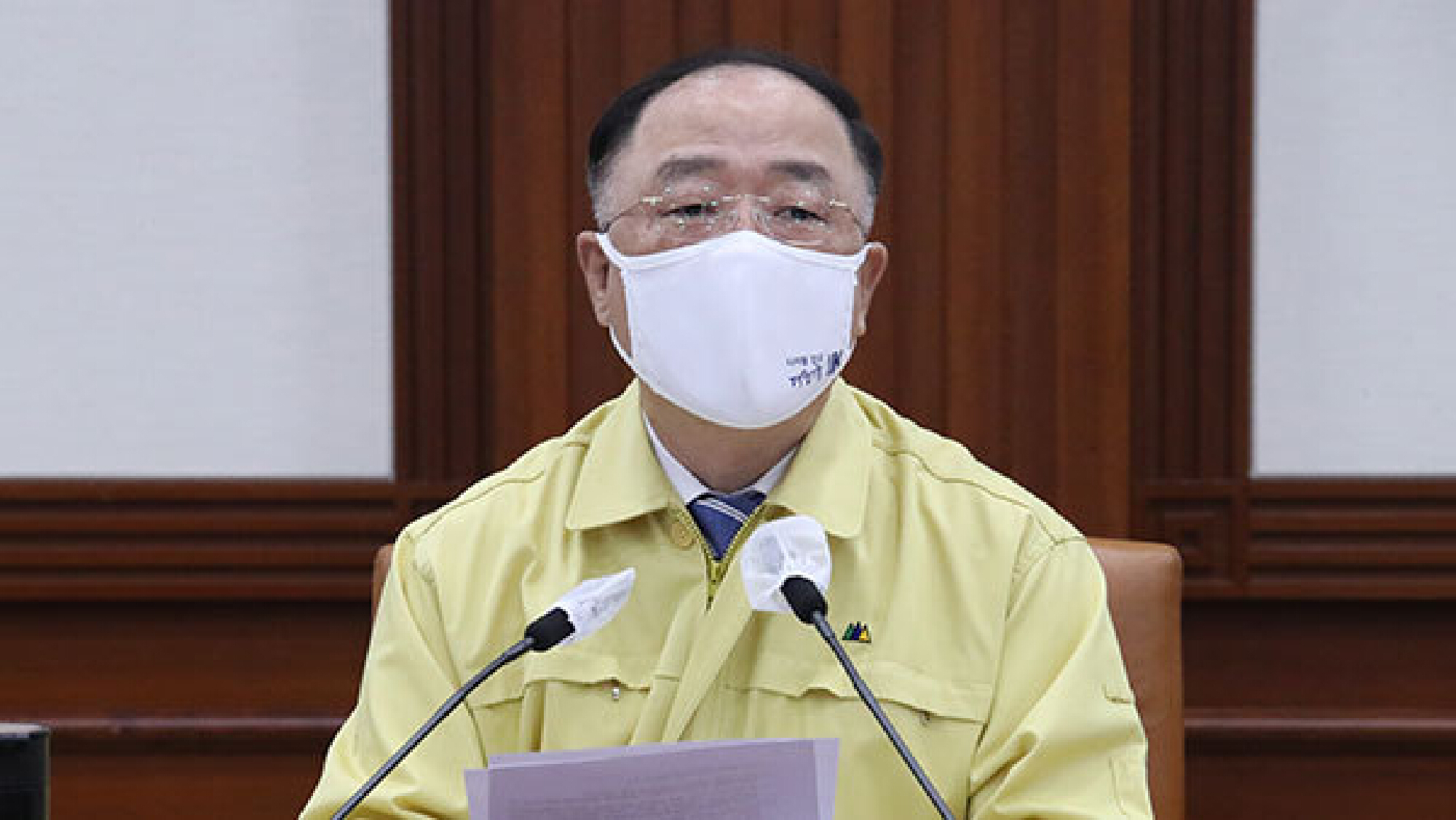
Acting Prime Minister Hong Nam-ki said Friday at a meeting of the Central Disaster and Safety Countermeasures Headquarters, “We cannot relax, with 661 confirmed cases of COVID-19 coming out the previous day.”
“In May, there will be Children’s Day, Parents’ Day, and Buddha’s Birthday, which could increase the risk of spreading the infection,” he said, adding that he decided to extend the special quarantine week for another week.
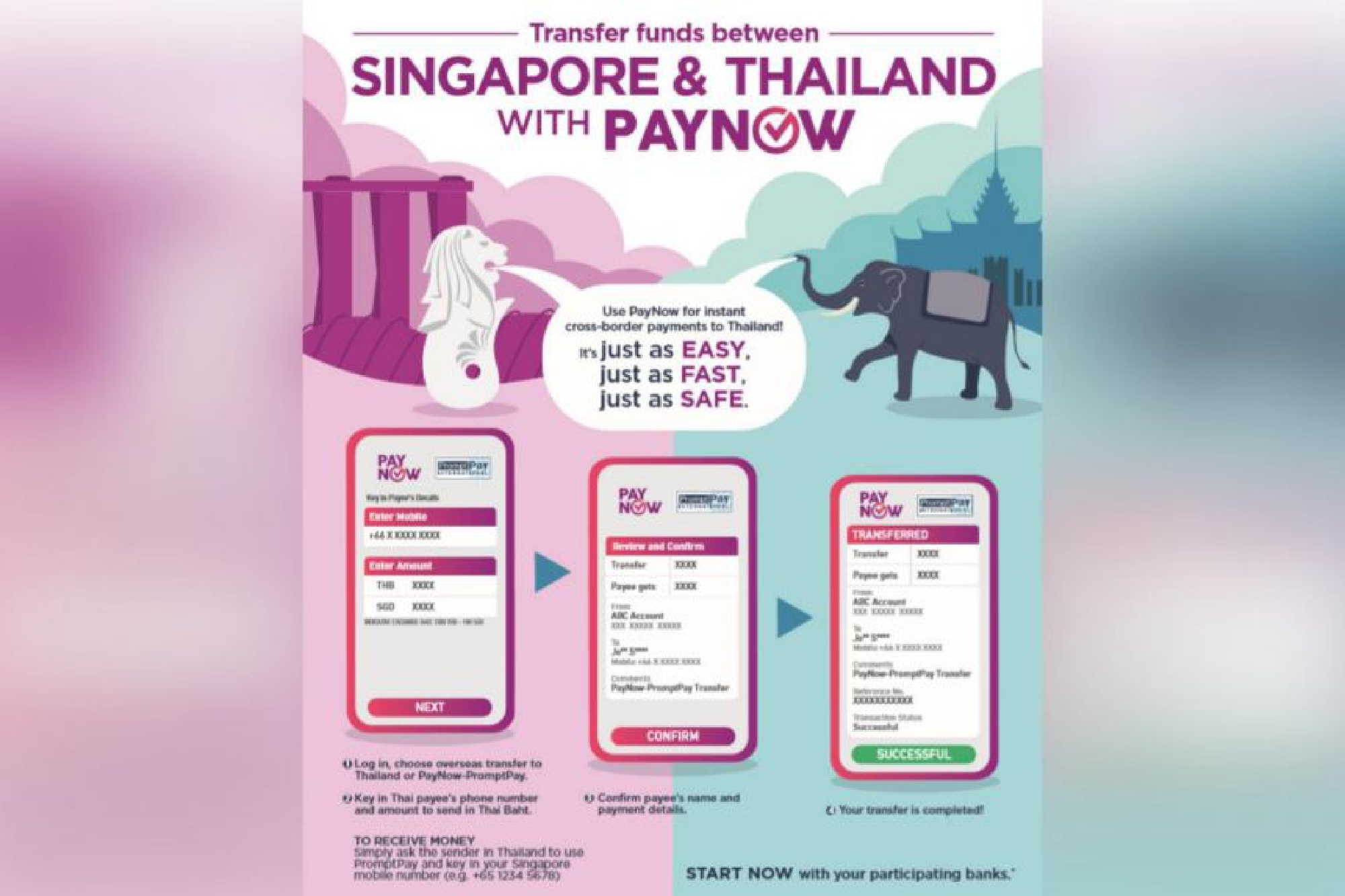
PayNow links up with Thailands PromptPay in a world first for cross-border fast payments
SINGAPORE – The local PayNow system that lets individuals transfer money using just a mobile number is now linked to Thailands PromptPay version, the Monetary Authority of Singapore (MAS) and Bank of Thailand (BOT) said in a joint statement on Thursday (April 29).
The linkage between the two countries’ national fast payment systems is the first of its kind in the world, they said.
Three of Singapore’s 12 PayNow banks are participating in the scheme – DBS Bank, OCBC Bank and UOB – together with four banks in Thailand – Bangkok Bank, Kasikorn Bank, Krung Thai Bank and Siam Commercial Bank.
MAS and BOT will progressively add more participating banks and extend the transfer limits to facilitate business transactions.
The PayNow-PromptPay linkage will allow customers of the participating banks to transfer funds of up to $1,000 or 25,000 baht (S$1,060) daily across the two countries, with their mobile phones.
There will be no need to populate information fields such as the recipient’s full name and bank account details, as with normal remittance solutions.
The experience will be similar to how domestic PayNow and PromptPay transfers are made, in which senders can use their mobile banking or payment applications to initiate fund transfers instantly and securely, at any time of the day.
The funds will flow seamlessly and securely between customers’ accounts in Singapore and Thailand, and the transfers will be completed in less than five minutes, presenting a marked improvement over the average of one to two working days needed by most cross-border remittance solutions.
The fees will be affordably priced at less than 3 per cent to 5 per cent of the value of transfer, compared with the global average of 11 per cent, and will be transparently displayed to senders.
Senders will also be able to view the applicable foreign exchange charges prior to sending their funds, with these rates benchmarked closely to prevailing market rates.
The linkage is a key collaboration under the Asean Payment Connectivity initiative that was launched in 2019, and closely aligns with efforts by the Group of 20 (G-20), Financial Stability Board and other international standard-setting bodies to facilitate faster, cheaper, more inclusive and more transparent cross-border payment arrangements.
Mr Ravi Menon, managing director of MAS, said that the PayNow-PromptPay linkage is only the beginning of a more ambitious project.
“MAS’ shared objective with BOT is to work with our Asean counterparts to expand this bilateral linkage into a network of linked retail payment systems across Asean,” he said in the statement.
PayNow links up with Thailands PromptPay in a world first for cross-border fast payments
Dr Sethaput Suthiwartnarueput, governor of BOT, said Thailand also seeks to enhance cross-border linkages with Asean and other countries and has launched its QR cross-border payment connectivity with Japan, Lao PDR, Cambodia and Vietnam.
“This service by the MAS and the BOT will effectively address customers’ longstanding pain points in the area of cross-border transfers and remittances including long transaction times and high costs.”
Mr Wee Ee Cheong, chairman of ABS and the chief executive of UOB, said in a separate statement: “This initiative is also an important step to connecting payment systems across Asean at scale in the future, enabling more bank customers to send money to their friends and families and to pay for goods and services quickly, simply and safely across borders.”
Mr Lawrence Chan, the chairman of Banking Computer Services and Nets group CEO said, “As the operator of PayNow and FAST, we are extremely proud to be part of this trailblazing effort to connect communities, essentially a world first to enable banks’ retail customers to perform cross-border fund transfers.”
India accepts oxygen supply from 40 countries, including Singapore, amid new Covid-19 wave
NEW DELHI – India, which until a few weeks ago was a global supplier of vaccines and medicines, is now depending on help pouring in from over 40 countries, rich and poor, in a sign of how Covid-19 can quickly change fortunes.
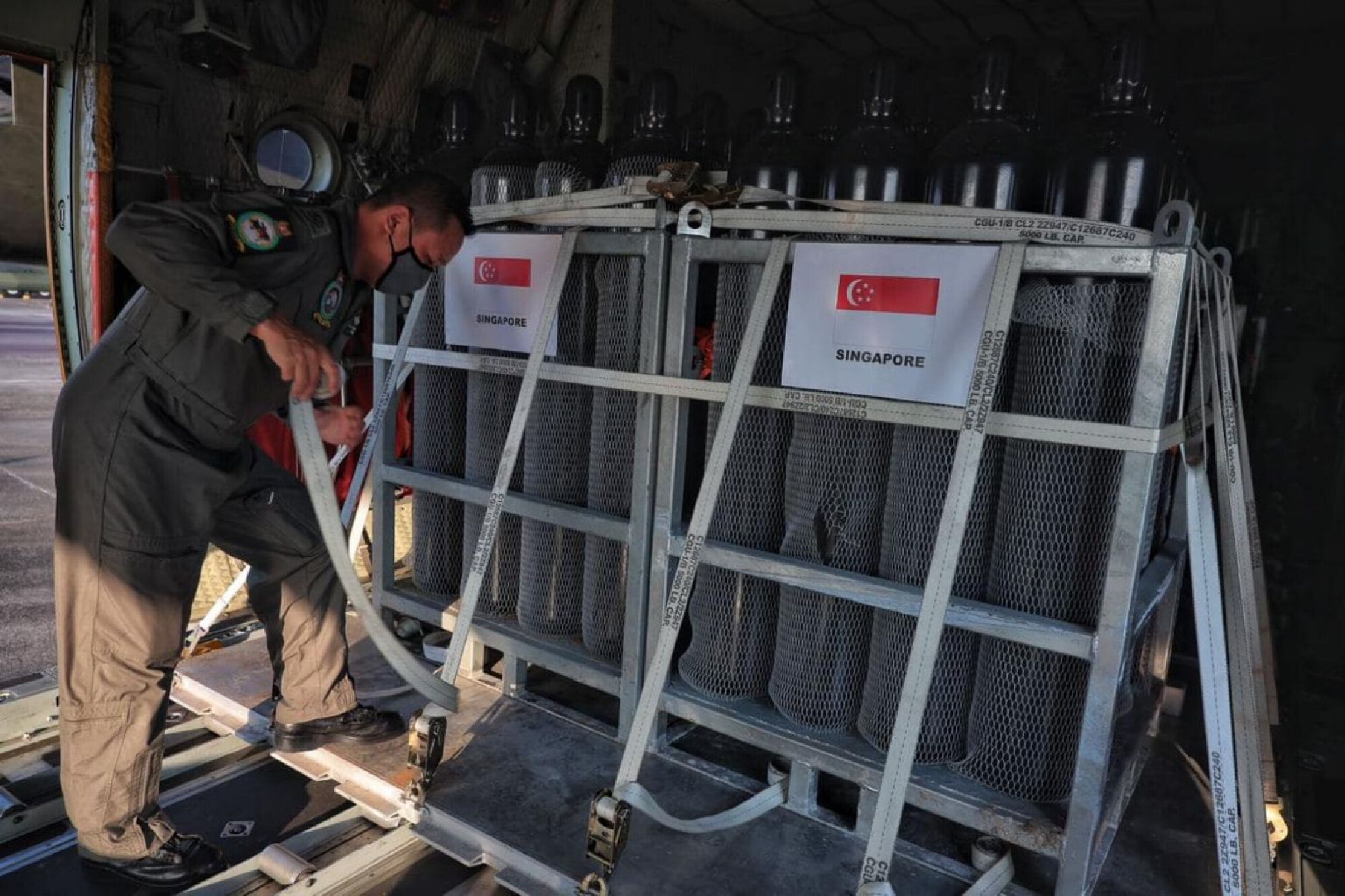
Foreign Secretary Harsh Vardhan Shringla said at a press conference on Thursday (April 29) that nations, including Singapore, were sending close to 550 oxygen generating plants, 4,000 oxygen concentrators and 10,000 oxygen cylinders, as well as medicines such as the antivirals remdesivir and favipiravir.
International support has become crucial for India, where people in cities like Delhi are in desperate need of oxygen and medicines.
The Republic of Singapore Air Force sent 256 oxygen cylinders on board two C-130 planes from Singapore to West Bengal on Wednesday, while four cryogenic oxygen containers were airlifted by the Indian Air Force last Saturday.
India, which escaped relatively unscathed in the first wave last year, has been hit by a far more infectious second wave. It reported 379,257 cases on Thursday, its biggest one-day spike, and the highest daily deaths of 3,645.
Some of the aid was requested by India, and some was offered, including by smaller neighbours Bhutan and Bangladesh, which has offered 10,000 vials of injectable anti-viral medication. Mr Shringla said countries had expressed appreciation for help earlier rendered by India.
“The situation now, we have never seen before and will never see. This is an unprecedented situation we are dealing with. We have prioritised items we need but many countries have come forward on their own to offer us assistance,” he said. He noted that the help was also coming from Indian firms bringing in supplies and Indian communities around the world supplementing efforts.
“Countries said they appreciated our assistance and they’re giving us in return.” Mr Shringla said the pandemic had highlighted what it meant to live in an interdependent world.
The South Asian country had rolled out an ambitious vaccine export programme rivalling China’s vaccine diplomacy in a move to fortify its international influence. Apart from donating and exporting vaccines, India had also sent medicines to different countries, including hydroxychloroquine to the US.
India is the world’s third-largest producer of drugs and supplies nearly 60 per cent of the global demand for vaccines, but is now facing shortages at home.
In just one instance of the crisis, India produces 60,000 doses of remdesivir per day but demand has soared to 300,000 to 400,000 a day, said Mr Shringla.
Some observers have noted the shift in India’s longstanding policy of not accepting external help in a crisis. India refused to take tsunami relief in 2004 and similarly turned down aid offers following a flood in Uttarakhand in 2013.
Professor Harsh V. Pant, the director of studies at the Observer Research Foundation in New Delhi, said in this case, India was responding to an exceptional situation.
“This is a humanitarian crisis. India would like to get as much help from wherever it’s able to. Many of the countries are saying that India stood up in a time of need and they are reciprocating,” said Prof Pant.
“I think this is something that doesn’t change the fundamental logic of India’s aid policy, where the idea was to manage on our own. That’s what (former Prime Minister) Manmohan Singh did in 2004. A lot of what is happening now is emergency procurement of medicine and concentrators.
“Once it stabilises, this kind of procurement would end and the larger policy will remain.”
India’s rivals, Pakistan and China, have also offered help.
Pakistan allowed overflight to an EU aid flight and has offered relief, including ventilators.
The country’s ties with China deteriorated following border skirmishes last year in which both sides suffered casualties.
While ties have not been normalised, China’s foreign minister, Mr Wang Yi, on Thursday sent “a message of sympathy” to his Indian counterpart, Mr S. Jaishankar, reiterating support from China.
“Chinese medical suppliers are working overtime on orders from India, at least 25,000 orders for oxygen concentrators in recent days. Cargo planes are under plan for medical supplies. Chinese Customs will facilitate the relevant process,” Chinese ambassador to India Sun Weidong tweeted on Wednesday.
China resolutely opposes the United States military intensifying surveillance and activities near Chinas maritime and air space, which threatens peace and stability in the region, a Ministry of National Defense spokesman said on Thursday.
Since the current US administration took office on Jan 20, activities involving US naval vessels in China’s adjacent waters have increased by 20 percent compared to the same period last year, with the frequency of reconnaissance planes up over 40 percent, according to the spokesman, Senior Colonel Wu Qian.
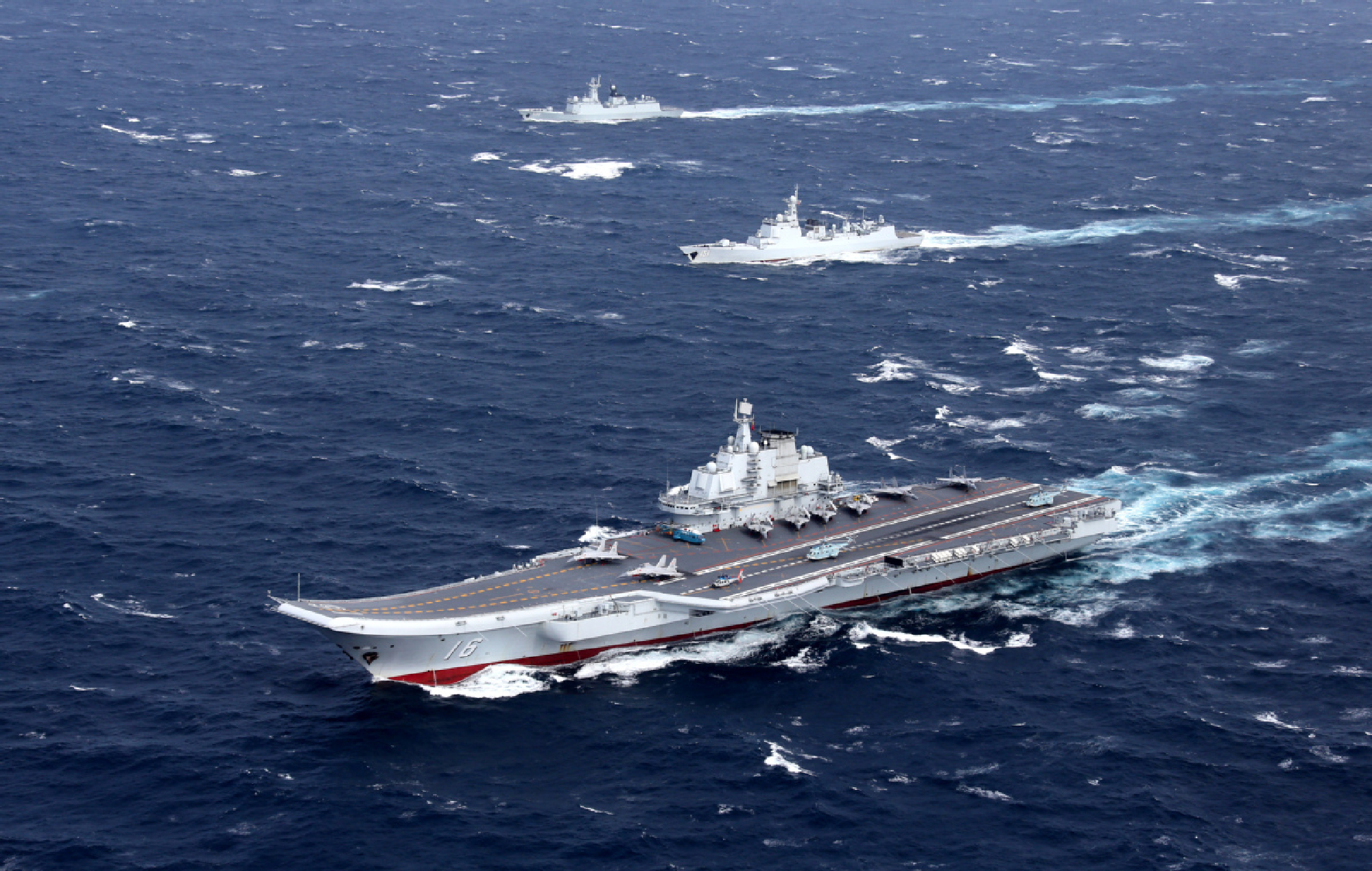
On April 11, the US Navy posted a photo of Robert Briggs, the commander of the US destroyer USS Mustin, casually sitting back with his feet propped up as he and the ship’s executive officer, Richard Slye, monitored the Chinese aircraft carrier CNS Liaoning from a distance. Analysts have called the photo very unusual, and the picture went viral on Chinese social media.
Wu said the USS Mustin has frequently conducted close-up surveillance of recent training conducted by the CNS Liaoning aircraft carrier group in the South China Sea and the Taiwan Straits.
“This has seriously interfered with the training and has severely undermined the voyage and personnel safety of vessels from both sides,” he said. “This is very insidious in nature, and Chinese naval vessels have warned and dispelled the US warship.”
Wu said some people in the US government have become so paranoid that they manically hype up the so-called Chinese threat and Chinese challenge.
“This is a form of morbid psychopathy that will harm others and themselves, creating a self-fulfilling prophesy in the process,” he said. “China has no interest in threatening or challenging any country, but if someone insists on threatening and challenging China, then it leaves us no choice but to fight back.”
In response to US, Japan, India, Australia and France conducting joint naval exercises in the Bay of Bengal, some media reports have speculated that such exercises were targeting China. Wu said China doesn’t really care about such opinions.
“We hope related countries can do more to contribute to peace and stability in the area and refrain from ganging up as a clique to flex their muscles and push for the militarization of the region,” he said.
“If the exercises are not targeting China, we welcome the notion. But if they are, we are not afraid,” he added.
When asked about the different zones set up by Taiwan’s Democratic Progressive Party to deter military action from the Chinese mainland, Wu said such zones are invalid and cannot shake the military’s resolve and will to safeguard national sovereignty and territorial integrity.
The DPP recently set up so-called surveillance zones, warning zones and destruction zones for mainland military aircraft operating in the Taiwan Straits. It also drew a “red line” that these aircraft cannot cross within 30 nautical miles off the island.
“The DPP’s attempt to use military force for secession is doomed to fail,” Wu said.
Tokyo Games impose stricter rules on athletes to avoid infection
A second version of the rule book, which includes measures to prevent the spread of the coronavirus and stricter regulations for athletes and officials participating in the Tokyo Olympic and Paralympic Games, was released Wednesday.
The first version of the rule book, or the Playbook, was published in February. However, it was revised after the outbreak of variant strains of the virus.
Everyone entering the country, including athletes, is required to be tested twice within 96 hours of their departure and also upon their arrival. Those staying at the athletes’ village can only eat inside the village or at a Games venue.
If an athlete or official chooses to stay at another location, they may dine at either catering facilities at Games venues, the restaurants at their hotels, or in their hotel rooms using room service or delivery service.
In principle, athletes and officials will not be allowed to use public transportation. Violation of the rules can result in disqualification or other penalties.
Prior to the release of the second version, the government held a meeting on Wednesday to discuss measures to deal with various situations. It agreed on new protocols in the event an Olympic or Paralympic athlete was to test positive for the virus.
The protocols include setting up a general clinic, a special outpatient clinic for those who come down with a fever, and a virus-testing lab. It will be open 24 hours a day during the Games. The government also agreed to designate hospitals that will accept athletes who require hospitalization in and around Tokyo.
A contagious disease center for monitoring the health and movements of the athletes and a Tokyo hub for coordinating with public health centers will open in June.
The final version of the Playbook is expected to be released in June
![[Myanmar] Policeman fires into air to control the crowd queued at KBZ Bank in Mawlamyaing](https://media.nationthailand.com/uploads/images/md/2021/05/CbT0qdXAcyqVdLItzOD7.jpg?x-image-process=style/lg)
 PayNow links up with Thailands PromptPay in a world first for cross-border fast payments