Xi calls for international effort to address climate challenges
Upholding multilateral approach crucial, president tells leaders at virtual summit
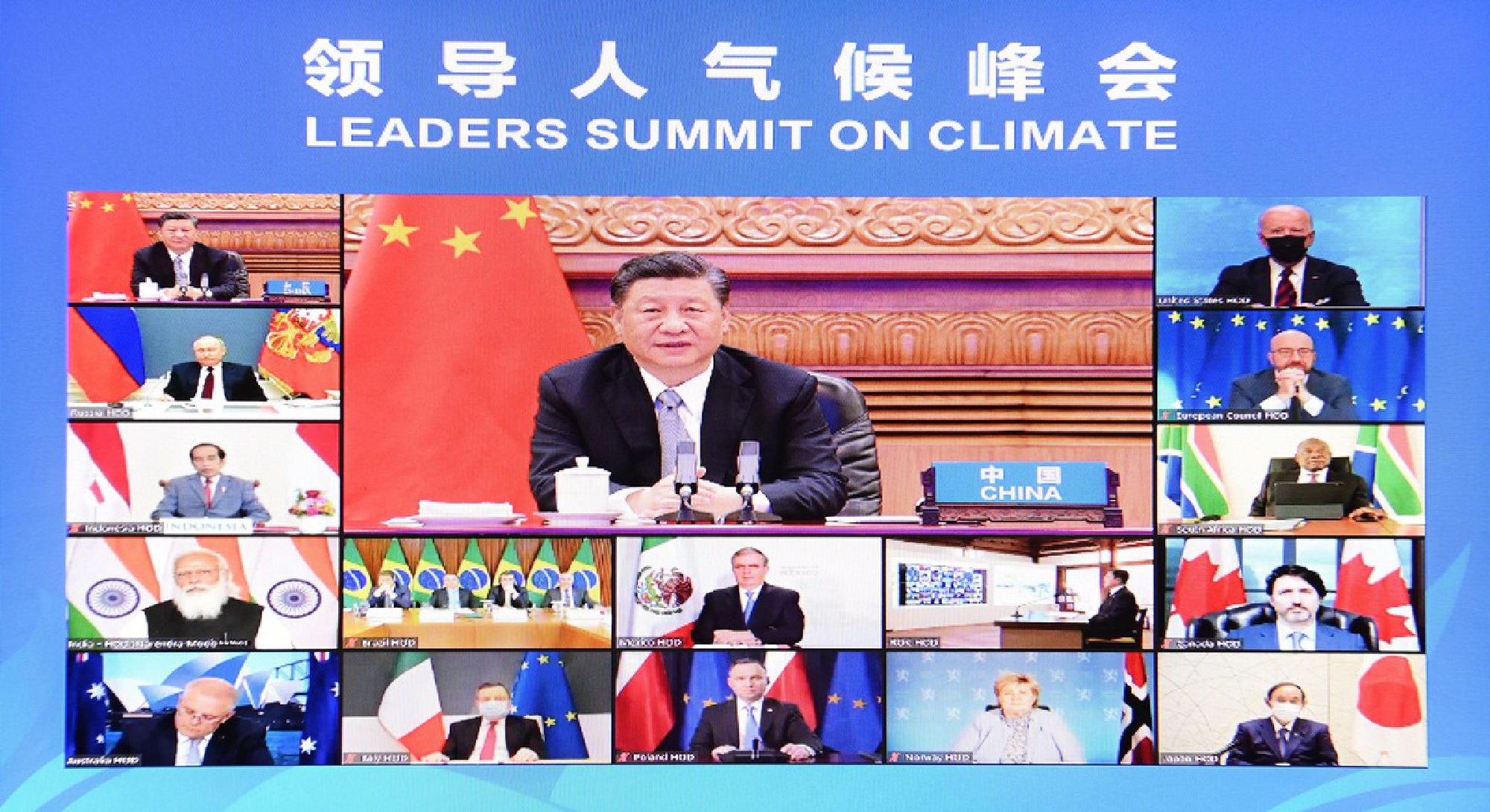
President Xi Jinping called on Thursday for “unprecedented ambition and action” from the international community to build a community of life for mankind and nature in order to jointly cope with the challenges from climate change.
Xi made the remark while delivering a speech via video link in Beijing during the virtual Leaders Summit on Climate hosted by the United States.
During the speech, he welcomed the return of the US to the multilateral climate governance process and reiterated China’s firm commitment to upholding multilateralism, as well as its effort to advance the building of a fair and equitable global environmental governance system for win-win cooperation.
“Faced with unprecedented challenges in global environmental governance, the international community needs to come up with unprecedented ambition and action. We need to act with a sense of responsibility and unity, and work together to foster a community of life for man and nature,” Xi said.
He underlined the importance of upholding multilateralism in climate governance, saying countries should adhere to international law, promote fairness and justice, take effective actions and safeguard the international system with the United Nations at the core.
Countries should follow the objectives and principles laid out in the UN Framework Convention on Climate Change and the Paris Treaty, and work to deliver the UN’s 2030 Agenda for Sustainable Development, Xi said.
While calling for strengthening partnerships, Xi said countries should take consistent actions, honor their commitments and avoid pointing fingers at each other.
He reiterated the need to be committed to the principle of common but differentiated responsibilities, which he called “the cornerstone for global climate governance”.
Developing countries face various challenges, such as fighting COVID-19, developing their economies and addressing climate change, and their particular difficulties and concerns should be taken into consideration, Xi said.
“Developed countries need to increase climate ambition and action. At the same time, they need to make concrete efforts to help developing countries strengthen the capacity and resilience against climate change, support them in financing, technology, and capacity building, and refrain from creating green trade barriers,” he added.
Xi said China has done its best to help developing countries build capacity against climate change through various forms of results-oriented South-South cooperation. “From remote sensing satellites for climate monitoring in Africa to low-carbon demonstration zones in Southeast Asia and to energy-efficient lights in small island countries, such cooperation has yielded real, tangible and solid results.”
China has also made ecological cooperation a key part of Belt and Road cooperation, he said. “A number of green action initiatives have been launched, covering wide-ranging efforts in green infrastructure, green energy, green transport and green finance, to bring enduring benefits to the people of all Belt and Road partner countries.”
Speaking of China’s actions to deal with the climate crisis, Xi said the country adheres to a path that puts ecological conservation first while pursuing green and low-carbon growth.
Xi announced last year that China will peak its carbon dioxide emissions before 2030 and will achieve carbon neutrality before 2060.
“This major strategic decision is made based on our sense of responsibility to build a community with a shared future for mankind and our own need to secure sustainable development,” Xi said at the summit.
He added that China has committed to move from carbon peak to carbon neutrality in a much shorter time span than what it might take many developed countries, and “that requires extraordinarily hard efforts from China”.
The targets of carbon peak and carbon neutrality have been added to China’s overall plan for ecological conservation, Xi said, adding that China will strictly control coal-fired power generation projects, and strictly limit the increase in coal consumption over the 14th Five-Year Plan (2021-25) period and phase it down in the 15th Five-Year Plan (2026-30) period.
“Moreover, China has decided to accept the Kigali Amendment to the Montreal Protocol and tighten regulations over non-carbon dioxide emissions,” he said. “China’s national carbon market will also start trading.”
Xi’s quotes
· We should protect nature and preserve the environment like we protect our eyes, and endeavor to foster a new relationship where man and nature can both prosper and live in harmony.
· To protect the environment is to protect productivity, and to improve the environment is to boost productivity-the truth is as simple as that.
· Protecting the ecosystem requires more than a simplistic, palliative approach.
· In this process, we must join hands, not point fingers at each other; we must maintain continuity, not reverse course easily; and we must honor commitments, not go back on promises.
Moon raises carbon-cutting target as Biden resumes climate diplomacy
President Moon Jae-in on Thursday set more drastic cuts in greenhouse gas emissions by 2030 than previously revealed to achieve a carbon-neutral Korea by 2050, at a two-day virtual climate summit ending Friday.
The Leaders Summit on Climate, joined by 40 world leaders and hosted by US President Joe Biden seeking to restore US leadership on the carbon-cutting commitment, marks Washington’s return to the climate dialogue that the Donald Trump administration abandoned after withdrawing from the Paris agreement.
“We’ve decided to raise the emission reduction target for 2030 to go beyond what we promised,” Moon said, referring to an earlier pledge to reduce carbon emissions 24 percent by 2030 compared to 2017 levels. Moon set out goals the previous year to emit zero emissions by 2050.
Moon, who did not elaborate on the hike, said he will bolster support for renewable energy sources such as solar and wind power, noting his government will no longer build coal-fired power plants and will shut down old ones. Tax credits and subsidies for new coal plants will be suspended, he added.
Moon said the government will help local industries ride out the fallout from the change as it attracts investments in renewables. In March, he promised $7 billion in government aid to make the country run on renewables rather than fossil fuels.
On the first day, the summit discussed leaders’ commitments to cut carbon emissions and the role of capital markets to realize their targets, known as a Nationally Determined Contribution.
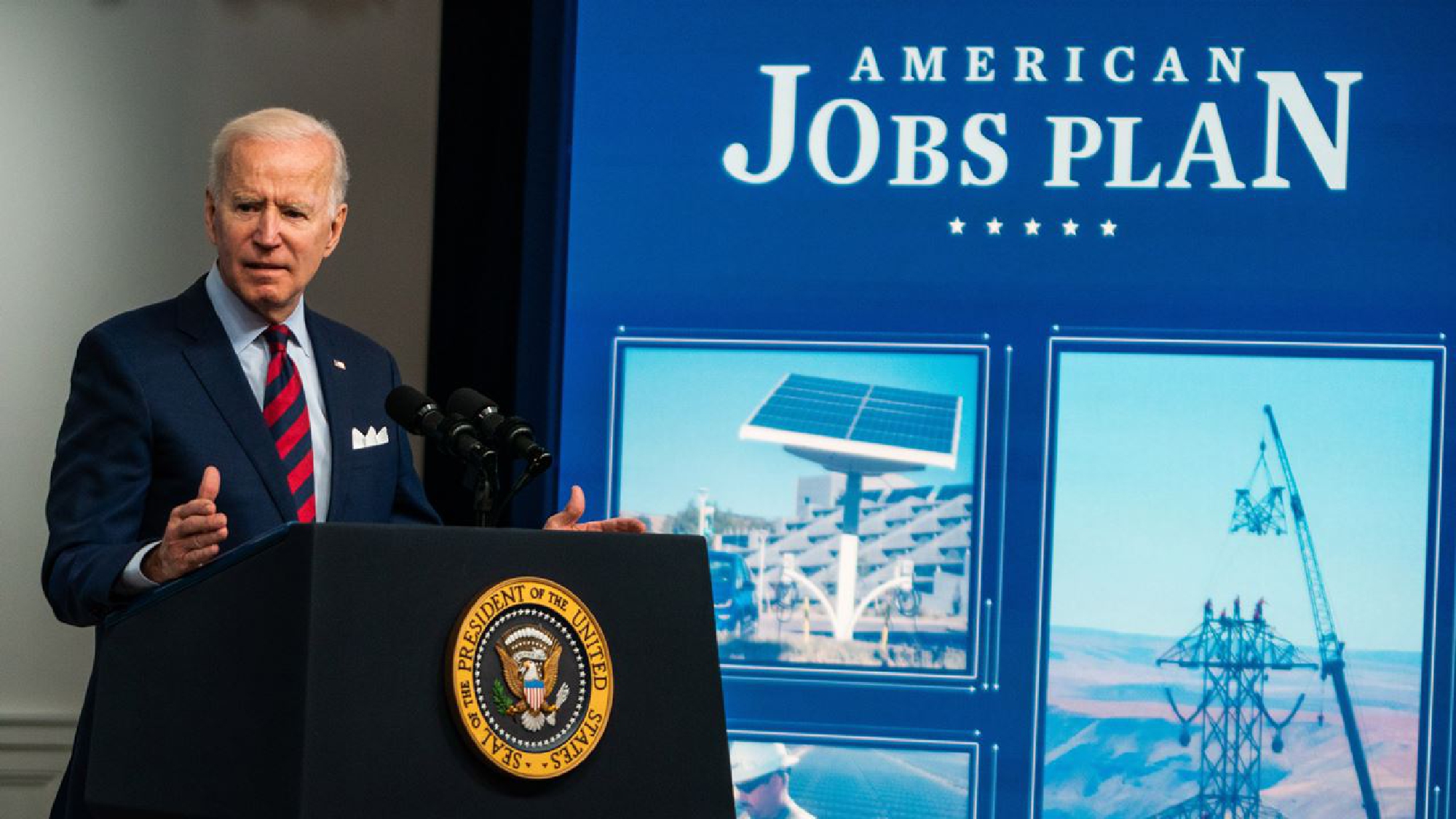
On Friday, Biden’s “Build Back Better” program will be the agenda as he has made clear that fighting climate change is an opportunity to create jobs. His administration rolled out a massive infrastructure proposal to transition fossil fuel workers to new jobs and build clean energy infrastructure.
Microsoft co-founder and philanthropist Bill Gates, who has invested some $2 billion in clean technologies, will join the discussion on the last day of the summit.
The gathering paves the way for the upcoming P4G summit, another global initiative aimed at supporting green projects in public and private sectors, which is slated for May. The Seoul-hosted meeting will discuss helping developing nations use technologies for green economic growth.
“The P4G summit will be a steppingstone to a promising UN climate conference in November,” Moon said.
Should I wear a mask outside? Experts weigh in on scenarios.
As more Americans are vaccinated against the coronavirus and a growing body of scientific evidence suggests that the risk of outdoor transmission is low, many people are wondering: Do we need to keep wearing face masks outside?
The short answer is that masking outdoors can be “optional,” says Paul Sax, clinical director of the Division of Infectious Diseases at Brigham and Women’s Hospital in Boston. While he says people should still generally don masks indoors, Sax believes statewide mandates for wearing masks outdoors may no longer be necessary. “The science of the viral transmission is advanced enough that we really don’t want to be kind of confusing people by forcing them to wear masks in places where really they’re at minimal risk,” he says.
But before you start spending all your time outdoors barefaced, Sax and other experts emphasize that decisions about when to wear a mask outside largely depend on personal risk assessments involving a variety of virus-related factors. What is your vaccination status? How many other people could you be interacting with? Do you know their vaccination status? How much prolonged close contact could you have with them? Are you, or is anyone in your household, at increased risk for becoming severely ill from covid-19?
“There is not necessarily a straightforward rule,” says Krystal Pollitt, an assistant professor of epidemiology at the Yale School of Public Health. “A lot of it really comes down to still thinking of the level of risk of the situation around you and the people around you, especially.”
Here’s how experts say you should assess risk and what they recommend about masking in various outdoor scenarios.
Q: How can I judge whether it’s safe for me to take my mask off?
A: Although situations vary, there are guiding principles that can help you answer this question.
If you can’t maintain distance and there are a lot of people around who might not be vaccinated or might not be comfortable if others are unmasked, “then I think those are good cues to be wearing a mask,” Pollitt says. You also should be mindful of the public health guidance on masking in your area.
Linsey Marr, an aerosol expert at Virginia Tech who studies airborne virus transmission, suggests keeping three factors in mind: whether you’re outdoors, whether you’re at a safe distance from other people and whether everyone is wearing masks. Ideally, Marr says, you should try to be in situations where you can meet two out of three of those conditions, particularly if you or people you’re interacting with outside your household aren’t vaccinated.
But if you’re by yourself or only coming into close contact with members of your household and everyone is considered low risk, being outdoors without a mask is probably fairly safe, experts say.
“When you’re walking your dog, you’re going for a run or you’re on a bicycle, these are really not risky situations for either you or the people who you might transiently pass,” Sax says. Studies on ventilation, he adds, have shown that air flow outside is far better than it is indoors, “even with just a gentle breeze.”
That means if you’re hiking unmasked and you briefly encounter strangers on the trail, experts say there is probably no need to throw on a mask unless you’re doing so to be polite. “We know that these aerosols are going to disperse very quickly outdoors,” Pollitt says, “and the risk of infection, even without vaccination, would be much lower.”
The risk decreases even more if you and the people around you outdoors are fully vaccinated, Marr says – “not zero risk, but getting there.”
Of course, if you want to wear a mask outdoors in lower-risk situations, go ahead. “There are going to be people who, for a while, feel uncomfortable being outside without a mask,” Sax says. “Any changes we make with relation to this pandemic are going to take some adjustment.”
Q: When can I take off my mask while socializing?
A: Masks aren’t necessary for outdoor socializing unless you’re in a crowded area where unvaccinated people from different households are close to one another for prolonged periods of time, experts say.
If you’re going to be having a face-to-face conversation and don’t know whether the other people are fully vaccinated, keep your mask on, Sax says. “Face-to-face conversation is one of the things we know is risky for covid transmission.”
But if you’re vaccinated and talking outdoors with people from a single household, it may be OK to take your mask off, Marr says, as long as the other people are comfortable. The Centers for Disease Control and Prevention has said that it is low risk for a vaccinated person to spend time indoors and unmasked with unvaccinated people from a single household who aren’t vulnerable to severe cases of covid.
“If it’s OK do it indoors, then it’s certainly OK to do it outdoors,” Marr says.
Q: If I’m eating outdoors, when should I put on mask?
A: Eating outdoors is generally safe, especially if you’re vaccinated, Marr says, noting that she would not recommend that unvaccinated people from different households gather for a meal.
Regardless of your vaccination status, try to avoid dining setups where tables are close together or you’re eating with others inside a structure. “You could be under a roof, but there should not be any walls,” Marr says.
While brief unmasked interactions with servers are likely low risk, experts say you should still put your mask on when they approach your table to be considerate. Similarly, consider putting on your mask if you’re engaging with someone at a drive-through window, even though the risk of transmission is low.
“As a matter of courtesy, we should continue to wear masks when we have encounters with servers because servers have been front-line workers from the start,” Sax says. “I think that it’s something that we should just do to respect them.”
Q: Do I have to wear my mask while walking or running?
A: While masks aren’t needed for a solo walk or run, if you’re vaccinated and planning to go with someone outside your household or with a group of people who might not be vaccinated, that may increase risk.
“The larger the group, theoretically, no matter what the activity is, the greater the likelihood that someone could have covid in that group,” Sax says.
And, Pollitt notes, you’re going to be breathing more heavily if you’re running, which means you might inhale greater amounts of air expelled by someone else. If you don’t feel comfortable running in a mask, try to keep your distance from other people in the group, she says.
People who want to walk or run with a partner can forgo masks if everyone involved is comfortable with the level of risk, Pollitt says. In this situation, Marr suggests running side-by-side with a bit of distance between you and the other person.
“If one person’s following behind the other, then the person behind could be breathing a lot of the front person’s exhaled breath,” Marr says. “That’s the situation you want to avoid.”
Q: Do I have to wear my mask playing outdoor sports?
A: The decision to wear a mask while playing sports outside will depend on the amount of contact you’ll have with other players.
“If you are able to maintain extended distance, the mask, especially for vaccinated individuals, is less important,” Pollitt says.
You probably don’t need to wear a mask during noncontact sports such as tennis or golf, but a pickup basketball game is a different situation, experts say. During a basketball game, “people can get really close to each other and you’re breathing hard,” Marr says. So unless everyone is vaccinated, masks should be worn.
Q: Should I wear my mask at an outdoor game or concert?
A: Large crowds are risky, even outdoors, Sax says.
If you’re watching a game or attending a concert, you’ll likely be around many other people for an extended period of time and should wear a mask. Keep in mind that people at games and concerts are typically yelling or cheering loudly, Marr says, actions that may forcefully expel larger amounts of potentially infectious particles into the air.
Guests at outdoor weddings also should consider staying masked unless they can be seated at a safe distance, Marr says.
Q: How long will we have to wear masks?
A: As the pandemic continues to evolve, experts emphasize that recommendations for masking will change. In the meantime, it’s important to understand that being outdoors and without your mask can be safe, Sax says.
“We’re never going to get to a place where there’s zero risk,” Sax says. “But I think that if we focus on the situations that are riskiest and pull back a little on the safer settings, that would actually give people more trust in public health messages.”
Biden spells out U.S. climate goal, urges other world leaders to go big
WASHINGTON – In one of the most surreal summit meetings ever, President Joe Biden on Thursday hosted more than 40 world leaders in a bid to restore the United States damaged diplomatic reputation and to rally nations around the globe to make deeper cuts to greenhouse gas emissions.
With Biden, Secretary of State Anthony Blinken and special presidential envoy for climate John Kerry seated around a horseshoe-shaped table in the East Room of the White House, the faces of presidents and prime ministers flashed by on a large screen, one by one putting forth their own limited plans for meeting the goals of the 2015 Paris climate accord.
Biden kicked off the meeting vowing to cut U.S. emissions to half of their 2005 levels by the end of the decade. Several other world leaders also pledged to speed up cuts to their own emissions, restore forests, phase out coal plants, and put people to work building wind turbines and solar panels. And many leaders beseeched the world to act more urgently – and find more money – to help nations already grappling with existential threats from rising seas and other impacts.
This was climate diplomacy in the pandemic age – technical glitches and all – as Biden virtually convened more than three dozen heads of state for an Earth Day summit intended to reassert U.S. leadership on international climate action and galvanize worldwide momentum ahead of a critical United Nations gathering in Scotland this fall.
“This is a moral imperative, an economic imperative. A moment of peril, but also a moment of extraordinary possibilities,” President Biden said at the start. “Time is short, but I believe we can do this. And I believe that we will do this.”
The event, while global in scope, also was aimed at shining a spotlight on Biden’s renewed push at home to transform the U.S. economy, moving it away from fossil fuels and setting in motion far-reaching changes that would affect everything from how Americans power their homes to what cars they drive.
Three months after officially rejoining the Paris climate accord, the White House on Thursday unveiled a new pledge to reduce U.S. emissions between 50% and 52% by 2030 compared with 2005 levels – significantly more aggressive than the target set by President Barack Obama six years ago.
Biden also promised by 2024 to double the amount of annual financing that Obama had made available for climate-related projects in developing countries. He faces an uphill battle in delivering on some of these climate promises, given that they will need congressional support.
Throughout the morning, other world leaders announced their own new promises.
Canadian Prime Minister Justin Trudeau vowed to reduce his county’s emissions by 40% to 45% by the end of the decade, compared to 2005. Japanese Prime Minister Yoshihide Suga said his country would aim to cut greenhouse gases at least 46% by 2030, more than double its previous target. South Korea president Moon Jae-in committed to ending public financing for overseas coal power plants, and said the nation “hopes” to ramp up its overall emissions-cutting goals this year.
South African President Cyril Ramaphosa said the country’s greenhouse gas emissions would peak in 2025, 10 years earlier than previously targeted. Brazilian President Jair Bolsonaro vowed eliminate illegal deforestation by 2030, even though the problem has grown more dire since he took office.
U.K. Prime Minister Boris Johnson, meanwhile, touted the nation’s decision to reduce its emissions by 78% by 2035, compared with 1990 levels. Like Biden and other leaders, he spoke of tackling climate change not just as an environmental necessity, but as an unprecedented economic opportunity.
“It’s vital for all of us to show that this is not all about some expensive, politically correct agreement of bunny hugging,” Johnson said. “This is about growth and jobs.”
Some experts criticized Canada’s and Japan’s pledges as insufficient, however, and other high-profile leaders steered clear of making major new commitments.
China’s Xi Jinping, the first national leader to speak at Thursday’s summit, reiterated the nation’s pledge to “strive to peak carbon dioxide emissions before 2030 and achieve carbon neutrality before 2060.” On coal consumption, Xi said China might “phase it down” during its 15th Five Year Plan, which runs from 2025 through 2030. The Chinese leader also said his country, which is responsible for nearly a third of the world’s emissions, would strictly control coal power projects in the years ahead.
Russian President Vladimir Putin promised only to “significantly” reduce emissions by 2050, and noted that his country takes seriously its international commitments. He mentioned both the Kyoto Protocol and the Paris accord – climate agreements that the United States once walked away from.
Still, most countries on Thursday wholeheartedly welcomed the U.S.’s return to the world stage, saying American leadership is critical to reach the collective goal of limiting Earth’s warming to “well below” 2 degrees Celsius (3.6 Fahrenheit) compared with preindustrial levels, and if possible to stay closer to 1.5 degrees Celsius. Failure to hit those targets, scientists have warned, will result in a cascade of costly and devastating effects.
“It is so good to have the U.S. back on our side in the fight against climate change,” European Commission President Ursula von der Leyen said.
Despite the Biden administration’s renewed push to slow the Earth’s warming and the flickers of climate ambition that emerged Thursday from other nations, the world so far remains nowhere near meeting the aspirations it set for itself in Paris six years ago.
U.N. Secretary General António Guterres warned leaders at the White House summit that the world is “racing toward the threshold of catastrophe” unless it moves more rapidly. He noted that the past decade was the hottest on record, greenhouse gas concentrations in the atmosphere have reached disturbing levels, and scorching temperatures and epic wildfires are growing more intense.
“We are at the verge of the abyss,” he said. “We must make sure the next step is in the right direction.”
“So far, only 18 to 24 percent of pandemic recovery spending is expected to contribute to mitigating emissions, reducing air pollution or strengthening natural capital,” Guterres said. “We cannot use these resources to lock in policies that burden [the next generation] with a mountain of debt on a broken planet.”
The U.S. climate pledge is less ambitious than Britain’s or the European Union’s, which has committed to cutting its greenhouse gas emissions 55% compared to 1990 levels by the end of the decade, as well as Britain’s. Using 1990 as a baseline, the U.S. would cut its emissions by between 41% and 44% by 2030.
Even as the White House said the new U.S. commitment is consistent with the goal of keeping global temperature rise to 1.5 degrees Celsius (2.7 Fahrenheit), an independent analysis by the nonprofit Climate Action Tracker suggests it still falls short of that lofty goal.
America would have to cut its carbon output by between 57% and 63% at least to avert that level of warming and meet Biden’s own 2050 climate target, the scientists projected. Biden has pledged to reach net-zero carbon emissions by mid-century.
Several analyses suggest that the new U.S. commitment, which would rely in part on significant new funding from Congress and federal policies to rein in emissions from power plants and the nation’s auto fleet, would require a profound reshaping of the American economy.
The University of Maryland’s Global Center for Sustainability published a working paper in February examining what changes would transpire if the nation cut emissions 51% by 2030. At that point, the researchers projected, renewable power would account for roughly half of the nation’s electricity – quadruple current levels. Almost no coal plants would be operating unless they captured their carbon pollution.
Advances in transportation would account for a quarter of emissions reductions between now and 2030, they estimated, so that more than 65% of new cars and SUV sales and 10% of new truck sales will be electric. All new buildings would be fully electric, they wrote, and almost all new appliances would run on electricity rather than natural gas.
“For this U.S. economy, this is a fundamental and thorough transformation,” University of Maryland Professor Nathan Hultman, who directs the center and was the report’s lead author, said in an interview.
While Biden’s climate summit was intended to help persuade other nations to embrace the bigger, bolder goals envisioned under the Paris accord, whether that succeeds or fails will become clearer only over time. A moment of truth will come this November in Glasgow, where nations are expected to arrive with detailed new blueprints for how they intend to do their part.
This week, though, part of the answer seemed to rely on big corporations, which world political leaders tried to rally to the climate cause. Biden announced Thursday that he would launch an international climate finance plan to help underwrite the transition to a decarbonized global economy “in a coordinated way.”
He said that money must flow toward finding breakthrough technologies and helping the world’s most vulnerable countries, many of which have also been battered by the covid-19 crisis. But Treasury Secretary Janet Yellen said that while she shared Biden’s goals, “past efforts to support private investment have not achieved anywhere near the scale needed to green the global economy.”
International Monetary Fund managing director Kristalina Georgieva was among the officials who made a strong pitch for an international carbon price, starting with a common price among the Group of 20 largest economies. Georgieva said that the price should increase to $75 a ton by 2030.
“Without it, we will not meet our carbon goals,” she said.
For now, Biden already faces competing pressures from critics who say he is taking the country down a disastrous path, as well as allies who say he still isn’t moving aggressively enough.
“President Biden is unilaterally committing America to a drastic and damaging emissions pledge,” Sen. John Barrasso, R-Wyo., ranking member of the Senate Committee on Energy and Natural Resources, said in a statement. “As the president sets punishing targets for the country, America’s adversaries like China and Russia continue to increase emissions at will. The last thing the economy needs is higher energy prices and fewer jobs, but that’s exactly what we’re going to get.”
West Virginia Attorney General Patrick Morrisey, a Republican, who repeatedly sued the Obama administration over its climate policies, called Biden’s pledge “a domestic and foreign policy blunder of almost unfathomable proportions.”
“It would necessarily take over nearly every aspect of American life – requiring drastic changes for homes, businesses and factories – while crippling our country’s ability to compete on the world stage,” Morrisey said in a statement.
To some climate activists, the U.S. pledge unveiled Thursday and the new measures announced by other countries represent merely a down payment on what must be more transformative action to come.
“You need to accept the era of fossil fuels is over,” 18-year-old Xiye Bastida, a New York-based organizer with the youth climate group Fridays for Future, said at the White House summit. “You will often tell us again and again that we are being unrealistic and unreasonable,” she added. “But who is being unrealistic and unreasonable with non-ambitious, non-bold solutions?”
Bastida called on leaders to drastically scale back emissions, while also addressing the persistent inequality between wealthy nations and those suffering the worst effects of climate change: island nations, Arctic communities, and people in Africa and the Amazon.
On Capitol Hill, Swedish climate activist Greta Thunberg delivered a similar message.
“How long do you think you can continue to ignore the climate crisis?” she asked in her opening statement before a virtual House Oversight subcommittee hearing, in which she called government fossil fuel subsidies a “disgrace.”
“You still have time to do the right thing and to save your legacies, but that window of time is not going to last for long,” she continued. “So my advice for you is to choose wisely.”
Published : April 23, 2021
By : The Washington Post · Brady Dennis, Juliet Eilperin, Steven Mufson
Bidens economy shows strength, but recovery is far from complete
SEWARD, Alaska – Bixler McClures whale-watching tours in this popular port south of Anchorage are nearly sold out for June and July. Hes had so many emails and phone calls begging him for a spot that he recently hired another captain and ordered a third boat. This big expansion of his small business, Seward Ocean Excursions, would have been unthinkable this time last year, when tourism evaporated and he nearly sold a boat to keep the business afloat.
“The word on the street in Seward from hotels and Airbnbs is it’s going to be a wild summer,” McClure said. “Airbnb nightly rentals are literally full for all of July. This has never happened this early.”
The surge in bookings for flights, hotels and even boat tours like McClure’s is the latest sign an economic rebound has taken hold. The durability of this rebound, though, is difficult to measure. The coming spending tsunami is expected to lift the U.S. economy to its fastest growth rate since at least the early 1980s, but it’s unclear how long it will last.
As President Joe Biden approaches his 100th day in office, he confronts a much different economy than the one that existed when he was sworn in. Hiring is picking up rapidly after backsliding in December. Hunger is decreasing. The number of families behind on rent fell by more than 2 million in March. The widely tracked S&P 500 stock market index has notched at least 21 records since Biden took office, the most seen by any president in his first 100 days since John F. Kennedy. And business optimism is rebounding in both the manufacturing and service sectors, albeit from low levels.
Economists have long predicted that growth will accelerate as the coronavirus comes under control, regardless of who is in the White House, though the Biden administration has put a distinctive spin on the government’s role in the recovery. The president’s signature spending initiatives, such as a $2 trillion infrastructure plan, are still taking shape and, if passed, are not likely to take effect until after the initial rebound. But at the same time, Biden’s team prioritized vaccinations and worked quickly with Congress to enact a $1.9 trillion stimulus package to provide ample support to the economy. Both of these moves have already had a tangible impact.
McClure, who doesn’t like to get political, described the economic shift like this: “There is more optimism now. I’ll put it that way.”
The White House is quick to emphasize the recovery is still a work in progress and has been deeply unequal. Wealthier Americans tend to be doing better during the recovery, and many remain concerned about the unevenness of the recovery as Black, Hispanic and Asian American communities continue to suffer deeper job and business losses. Black women, for example, have experienced almost twice the job losses (8.3%) as their White counterparts (4.7%) since the pandemic began. And the White House has faced criticism that it’s been slow to dispense some aid.
Biden has spoken of creating an economy that doesn’t just return the United States to where it was pre-pandemic but also offers more opportunities to all, including workers of color, women and those without college degrees.
Whether Biden ultimately achieves these more ambitious goals remains to be seen, but the foundation appears set for a boom year that should bring back millions of jobs, grow the economy considerably and ease the burden of Americans living in poverty.
“My message to the American people is this: Help is here. Opportunity is coming. And at long last, there’s hope for so many families – so many families. Credit for this progress belongs not to me but to the American people,” Biden said earlier this month.
– – –
The stimulus package, known as the American Rescue Plan, which passed with only Democratic votes in Congress, has triggered a noticeable rise in spending. Economists are raising their forecasts for how robust the economy will be in the coming months.
Before the election, in October, forecasters expected the economy to grow by 3.9% in 2021, according to a survey of 50 economists by Wolters Kluwer’s Blue Chip Economic Indicators. By April, the consensus estimate had jumped to 6.3%. Many Wall Street economists predict an even faster rate of growth. Goldman Sachs now forecasts a stunning 8%, which would be the U.S. economy’s strongest year since 1951.
“It’s really the stimulus that’s made the difference in the economic recovery,” said Nela Richardson, chief economist at payroll processor ADP. “We’re going to celebrate a lot of good economic data,” she added. “And I think Wall Street is going to pretend that they did it all themselves. But we know that the stimulus checks . . . really made a difference.”
The third quarter (July through September) is especially telling. Before the election, forecasters anticipated 3.7% growth at an annualized rate. Now, that has risen to 7.5% after the stimulus passed and the vaccine rollout accelerated, prompting Biden to vow the nation will be “closer to normal” by the July Fourth holiday.
– – –
Getting the nation across the threshold for herd immunity remains a key challenge for the Biden administration.
“Yes, business activity is accelerating in the U.S. and this has certainly increased the demand for more workers. But make no mistake, 2021 will be a delicate transition year,” Bernard Baumohl, chief economist at the Economic Outlook Group, wrote in a note to clients. “We believe the recovery will be nothing like any previous business cycle.”
For more than a year now, Federal Reserve Chair Jerome H. Powell has said the path of the economy will depend on the path of the pandemic. Cases have dropped from their winter peaks and at least a quarter of Americans are fully vaccinated, but many remain vulnerable to the deadly novel coronavirus. Dangerous variants continue to pop up in places such as Michigan and California. In some parts of the country, widespread vaccine skepticism threatens to stall progress.
Deborah Dicks Maxwell, a community leader and retired public health social worker in Wilmington, N.C., said that activity was picking up in the coastal city’s crucial tourism sector but that vaccine hesitancy has slowed the recovery.
Like most Southern states, vaccination rates in North Carolina lag well behind the national average, and fear of the virus continues to limit tourism work.
“People really need to vaccinate,” Dicks Maxwell said. “It’s tourist time here, so we have people coming from everywhere. . . . If they’re coming to condos or beach houses, guess who has to clean them up? Your local populace.”
– – –
In perhaps the most telling sign of improvement since Biden took office, there’s been a noticeable decline in the number of American households who say they are behind on rent or did not have enough to eat in the past week.
Hunger soared during the pandemic, with many Americans visiting food banks for the first time and struggling to pay their bills, especially in the fall and winter when unemployment payments were reduced. As recently as December, 1 in 7 adults said they sometimes or often did not have enough to eat, according to a U.S. Census Bureau survey conducted every couple of weeks during the pandemic. That has now fallen to 1 in 11 – the lowest level recorded since the survey began in April.
It’s a similar story for renters. Nearly 1 in 5 renters were behind this winter, the Census Bureau survey showed. That has now fallen slightly to 1 in 7 renters. Congress has enacted nearly $50 billion in aid to try to help renters, but much of that money flows through state and local government agencies that are struggling to set up processes to distribute it all.
The recent $1,400 stimulus payments that have gone out to roughly 160 million Americans have provided an immediate cash infusion to help pay rent and buy food until other forms of aid come through.
Amy Berrios, a mom in Camden, N.J.,is among those who says her “fridge is full again” and her bills are all paid after she received the stimulus via direct deposit in March. Berrios, her disabled husband and her 3-year-old daughter all qualified, giving the family a $4,200 financial boost.
“I used the stimulus for the utilities. And I just got stuff for my daughter. And food and stuff like that,” said Berrios, who works part-time at a grocery store. “I also put $1,000 into savings.”
Berrios said her family was always able to pay their bills before the pandemic. But when the crisis hit, life became a nightmare. Her hours were reduced at the grocery store. They fell behind on rent. They received their first electric shut-off notice, and she spent many weeks “choosing between paying for food and paying bills.” She credits the latest stimulus, which delivered the one-time payment as well as an additional $300 a week in unemployment benefits with helping them catch up. She still gets some unemployment money because her hours were cut so severely.
Still, Berrios says, the biggest help of all would be going full-time again.
– – –
The United States added 916,000 jobs in March, the biggest jump in hiring in seven months. An uptick in hiring is a signal that businesses are confident enough about the future to add more employees.
But about 8.5 million people who lost work during the pandemic still have not been hired back or found a new job. The jobs recovery is only about 60% done. One of the most worrying signs? More than 4 million Americans have now been looking for work for more than six months. Historically, the long-term unemployed have struggled to find new jobs. Their earnings, and their careers, will be set back for years.
Economic growth, measured through the gross domestic product, is likely to recover to pre-pandemic levels by June, said Joseph LaVorgna, chief U.S. economist at Natixis who served on President Donald Trump’s National Economic Council. But the job market rebound has not been as swift.
“GDP has come back. This is an incredible achievement considering many forecasters did not anticipate this happening until late 2022. Unfortunately, the labor market is still lagging,” LaVorgna said.
Economists anticipate more months of strong job growth to come as businesses see more customers returning. Job sites such as ZipRecruiter and Indeed say job postings are jumping. Companies are competing to get their ads in front of as many workers as possible as hiring ramps back up.
Elle Zernia recently opened Mermaid Grotto Cafe in Seward, Alaska, and was able to find staff quickly, but she says the $12-an-hour jobs at Captain Jack’s Seafood Locker have remained unfilled as the many seasonal workers who normally come to Alaska in the summer haven’t seemed to be coming this year after learning that the large cruise ships weren’t going to be running. The economy is improving, but it isn’t close to being back to normal.
“I’m having a terrible time finding people who want to work and process fish,” Zernia said. “I have had many people tell me they can make more money on unemployment than at a job.”
In March, the University of Michigan Consumer Sentiment Index hit its highest level in a year, as consumers expect the economy to be much improved a year from now. Still, it remains about 15% below the highs it set at the apex of the last expansion, and it will be widely watched as an indicator of when consumers will open up their wallets once more.
On the Alaska coast, boat tour operator McClure is worried about only one thing: whether the new boat he ordered for the busy summer season will actually arrive in June.
Shipping delays and supply chain glitches are fast becoming the biggest problems in the economy, driving up prices and holding back growth. McClure has held off selling tickets on the new boat yet, but he’s eager to start as soon as it arrives.
Published : April 23, 2021
By : The Washington Post · Heather Long, Andrew Van Dam
Health officials lean toward resuming Johnson & Johnson coronavirus vaccine – but with a warning
Federal health authorities are leaning toward recommending that use of the Johnson & Johnson coronavirus vaccine resume, possibly as soon as this weekend – a move that would include a new warning about a rare complication involving blood clots but probably not call for age restrictions.
The position would be similar to one taken by Europe’s drug regulator, the European Medicines Agency, which said this week the Johnson & Johnson vaccine should carry a warning but placed no restrictions on its use. The European agency said the shot’s benefits continue to outweigh the risks.
The current stance of U.S. authorities was described by two government officials who spoke on the condition of anonymity to discuss internal deliberations. They said the position could be affected if there were a sudden flood of reports of blood-clot cases, which appears unlikely, or if other surprises emerged connected to the vaccine.
The fate of the Johnson & Johnson vaccine is scheduled to be discussed publicly in a pivotal meeting Friday of an influential advisory group to the Centers for Disease Control and Prevention.
That independent expert panel, the Advisory Committee on Immunization Practices, last met April 14. It reviewed the decision made the day before by the CDC and the Food and Drug Administration to recommend a temporary halt of the vaccine in response to reports of six cases of a severe type of brain blood clot among the more than 7.5 million people who had been inoculated at that time. The panel said at that meeting it needed more data before recommending an end to the pause or other steps, such as restrictions based on age or gender.
In separate interviews this week, the heads of the CDC and FDA declined to say whether federal authorities are leaning toward recommending lifting the pause. Acting FDA Commissioner Janet Woodcock said Thursday she didn’t want to “preshadow” the deliberations of the CDC advisory committee. CDC Director Rochelle Walensky said Wednesday, “I don’t want to get ahead” of the panel.
Both, however, offered encouraging news about the incidence of blood clots. Walensky has said the government has received only a “handful” of additional cases. In an interview, she added there are “more that are being adjudicated” and that a final number would be presented Friday. But, she noted, “we are not being inundated with things that we are concerned about. We didn’t have hundreds and thousands of people coming in and saying, ‘Oh wow, I had one of those.'”
Woodcock agreed officials have not seen a “huge avalanche” of clot cases. “That’s a great relief,” she said.
The rarity of cases has persuaded many federal officials that the complication can be addressed by adding a warning that describes the groups at higher risk for the adverse event, and by working to ensure that doctors know how to spot and treat the problem. Most notably, physicians are advised to avoid using heparin, a common treatment for blood clots, because it can make the vaccine-related condition worse.
If the CDC advisory committee votes Friday that the vaccine pause should be lifted, the CDC and FDA could recommend the resumption of the shots within hours or days. That outcome would be good news for many state officials eager to begin using the one-dose vaccine again. But if the advisory panel has a different view – and recommends, for example, that the vaccine not be used for certain age groups or not be used at all for now – it is not clear what happens next.
It’s also possible that the committee will have a general discussion about the issues and leave it to FDA and the CDC to decide whether to lift the pause.
The FDA and CDC share responsibilities on vaccines. The FDA makes initial decisions on whether to authorize or approve a vaccine; both agencies collect data on safety. The CDC advisory panel weighs who should get a vaccine, a recommendation that must be approved by Walensky.
“I recognize that the eyes of the country and across the world are on this decision, and the gravity of the decision,” Walensky said in the interview, adding that the CDC and FDA are working closely together. “I want to hear what ACIP has to say, and then all of us are motivated to move quickly thereafter.”
The six cases of blood clots previously identified by officials occurred in women between the ages of 18 and 48. They developed symptoms, most often headaches, six to 13 days after vaccination. One vaccine recipient, a Virginia woman, died in March.
Another, 18-year-old Emma Burkey of Las Vegas, began having seizures several days after receiving the vaccine. She initially was treated in the Las Vegas area, then airlifted to a hospital in Loma Linda, Calif., according to a family spokesman, Bret Johnson. She has had three surgeries to remove blood clots in her brain and is slowly improving, he said. Doctors are “cautiously optimistic” because she is off a ventilator and can blink her eyes and stick out her tongue, he said.
The CDC is working on an analysis requested by the advisory panel that looks at the risks and benefits of the Johnson & Johnson vaccine in the context of the two other authorized shots, one from Pfizer and partner BioNTech and another by Moderna, that are made using a different scientific method, Walensky said.
“In the absence of J&J, was it that you were going to get another vaccine or was it that you were going to get nothing at all? That was some of the risk-benefit analysis that we’ve been doing over the last week,” Walensky said.
During last week’s advisory panel meeting, Doran Fink, an FDA vaccine expert, said the agency believed the risk of the blood clots could be addressed by including new warning statements in fact sheets that accompany the Johnson & Johnson vaccine and by coordinated efforts by the FDA, CDC and others to alert health-care providers and vaccine recipients to the potential risk and symptoms.
Some say the FDA should have the final say on vaccine-safety questions because of its extensive experience on drug-safety issues.
“The FDA’s expert staff are the right people to collect and analyze the data and figure out how to use the vaccine safely,” said former agency commissioner Scott Gottlieb in a recent opinion column for the Wall Street Journal. Putting the issue before the CDC’s advisory panel confused the process, he said.
But Jason Schwartz, an assistant professor of health policy and management at the Yale School of Public Health, disagreed. He said the CDC and FDA have long been partners on vaccines, and when safety issues emerge, the CDC’s advisory panel typically makes recommendations before the FDA makes changes to the vaccine’s label.
Others noted that the immunization advisory panel’s lengthy public meetings, full of detailed scientific presentations, increase transparency and help shore up public trust in vaccines.
The rare, severe clots that emerged in recent weeks alarmed officials because they were accompanied by low levels of blood cells involved in clotting, a seemingly paradoxical combination almost unheard of among healthy, young people.
“These are not just run-of-the mill clots,” Walensky said.
Supplies of the Johnson & Johnson vaccine will be limited for the foreseeable future. An estimated 9.2 million doses of the vaccine are available at administration sites, CDC officials said last week. Those doses were not made in the Emergent BioSolutions plant in Baltimore that was the subject of an FDA inspection report issued Wednesday that detailed unsanitary conditions and other problems.
Emergent and Johnson & Johnson did not provide an estimate Wednesday for when issues at the plant, currently shut down, would be corrected, although Emergent said it was working on them.
Before the clotting problem emerged, the Johnson & Johnson single-shot vaccine received a warm welcome from state and local health officials who said its ease of use made it especially suitable for vulnerable communities, such as homebound people or homeless populations who might be unwilling or unable to return for a second shot, which is needed for the Pfizer-BioNTech and Moderna coronavirus vaccines.
Paul Offit, a vaccine expert at Children’s Hospital of Philadelphia, said last week’s advisory panel decision to leave the pause in place probably did more harm than good with about 5,000 people dying every week in the United States from covid-19, the illness caused by the virus.
“By putting a scarlet letter on this vaccine without doing a good job of explaining the risks, you have to ask, did you do harm, and I think the answer is, I think you did. Because we did this, there are people now who will not get a vaccine,” he said.
If there is an extended halt, it could affect how other countries view the shot.
Offit said he hopes the advisory committee on Friday urges a resumption of use of the vaccine while detailing its risks and benefits. He advised the panel to steer clear of age or gender restrictions.
“There are no risk-free choices. You are more likely to get killed driving to a vaccination site,” Offit said.
Helen Keipp Talbot, an associate professor of medicine at Vanderbilt University and a voting member of the advisory panel and the panel’s vaccine safety subcommittee, said the subcommittee has been reviewing case data this week.
“We’re trying to gather as much information as possible, so we can make informed decisions,” she said, adding that committee members realize “there’s a certain level of anxiety” if a decision is postponed again. “We may have been overly cautious in some people’s eyes.”
This week, the safety group is looking for any prior reports or new ones, “so we can say, what is the risk if you get covid-19, what is the risk if you get vaccines, and which risk is greater and whether it may be different for different age groups,” she said. For an older person, the risk of dying from covid may be far greater than the risk of getting a clot, “but that may not be true in a younger person.”
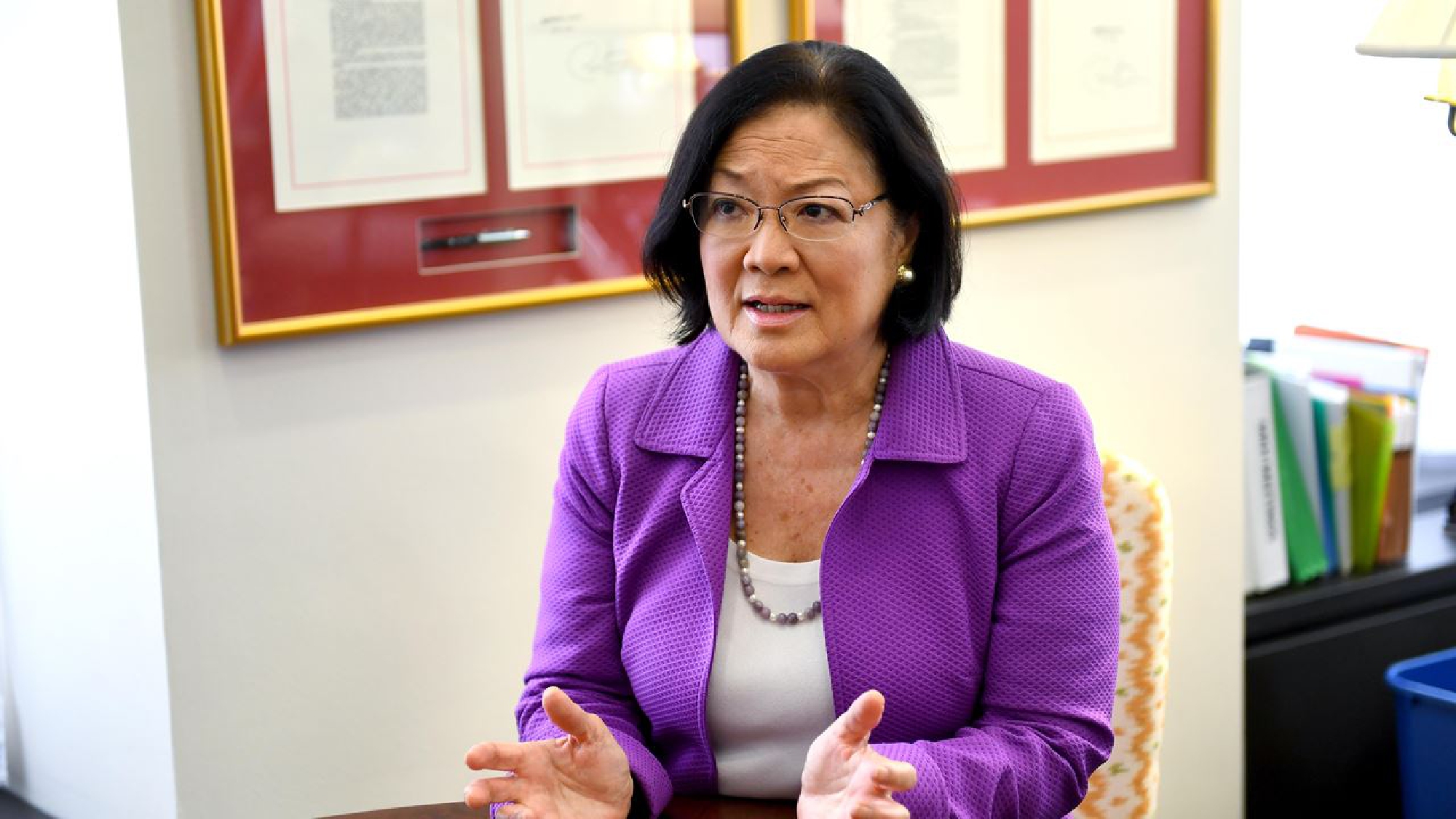
Bill to combat hate crimes against Asian Americans passes Senate with bipartisan support
WASHINGTON – The Senate overwhelmingly passed legislation Thursday designed to more forcefully investigate hate crimes, particularly those against Asian Americans after the March 16 shootings at three Atlanta spas and a wave of violence following the spread of the coronavirus from China last year.
“To our Asian American friends: We will not tolerate bigotry against you. And to those perpetrating anti-Asian bigotry: We will pursue you to the fullest extent of the law. We cannot – we cannot – allow the recent tide of bigotry, intolerance and prejudice against Asian Americans go unchecked,” Senate Majority Leader Charles Schumer, D-N.Y., said in a floor speech just before the vote.
The vote was 94 to 1. Sen. Josh Hawley, R-Mo., was the lone no vote.
Sen. Mazie Hirono, D-Hawaii, introduced the bill last month, officially titled the COVID-19 Hate Crimes Act, based on a year’s worth of rising attacks after the pandemic began in Wuhan, China. Five days after Hirono introduced the legislation, eight people were killed, including six Asian women, in mass shootings at three Atlanta spas. The crimes heightened the pressure on Congress to respond to the rise in attacks against the Asian American community.
“I cannot tell you how important this bill is to the AAPI community, who often has felt very visible in our country, always seen as the other. And for them to experience that kind of hatred against them,” Hirono told reporters after the legislation passed.
With Rep. Grace Meng, D-N.Y., as the lead House sponsor, the legislation would assign an official in the Justice Department to review and expedite all reports of hate crimes related to the coronavirus, expand support for local and state law enforcement agencies responding to these hate crimes, and issue guidance on mitigating the use of racially discriminatory language to describe the pandemic.
Meng, in a statement after Thursday’s vote, said the House is expected to take up the legislation next month. President Joe oBiden has vowed to sign it when it reaches his desk.
Republicans at first hesitated to adopt a position on the legislation, which carefully avoids any mention of former president Donald Trump’s comments about the “Kung Flu” and “the China virus” as possible inspiration for attacks on Asian Americans – but the inference is easily understood.
In a rare bipartisan compromise, negotiators agreed to add a broader bill, the “No Hate Act” sponsored by Sens. Richard Blumenthal, D-Conn., and Jerry Moran, R-Kan. to provide federal funding to conduct broader studies about the number of hate crimes every year.
That decision cleared the way for last week’s initial vote to begin debate on the legislation, with 92 senators in support. Hirono and Sen. Susan Collins, R-Maine, then spent several days negotiating the final details of the bill, which ended up more expansive that its original design and drew more support.
“Senator Collins, I really appreciate your work on this bill. We would not be here without your support,” Hirono said during her speech.
“Crimes motivated by bias against race, national origin, or other characteristics simply cannot be tolerated. Our amendment both denounces these acts and marshals additional resources toward addressing and stopping these despicable crimes,” Collins said in her floor speech.
Their deal also assured that the Senate would reject three amendments offered by conservatives that would have been considered poison pills and brought down the entire legislation.
Supporters of the legislation cited one study in 16 major cities, where hate crimes decreased overall in the past year but those crimes against Asian Americans soared 145%.
At a news conference with Hirono and Schumer afterward, Sen. Tammy Duckworth, D-Ill., recalled regularly hearing the same phrase – “Where are you from, really?” – even while serving in the Army.
This legislation is needed, Duckworth said. “There’s a lot more work to be done. This is a good first step.”
Singapore to bar visitors from India on worsening situation
Singapore said it will further tighten border controls with India, including a ban on visitors from the country, because of a “rapidly deteriorating situation” there.
Authorities are also stepping up measures to prevent a wider outbreak within Singapore, officials said at a press conference on Thursday. Foreign workers and those working in the construction and marine sectors, who had previously been infected with covid-19 and recovered, are no longer exempted from measures like routine testing, the health ministry said in a statement Thursday.
From Saturday, all long-term pass holders, which include foreign spouses or children of citizens or residents, as well as short-term visitors, who have been in India for the last 14 days will not be allowed into Singapore, or to transit through the city-state, the health ministry said. This will also apply to those who had obtained prior approval for entry into Singapore, it said.
All travelers from India who haven’t finished their 14-day quarantine by Thursday will need to complete an extra seven-day isolation at dedicated facilities, instead of their homes, according to the statement.
The worsening pandemic in India has prompted travel restrictions in several countries. Australia will cut flights from India to reduce covid risk, Indian news channel NDTV said in a tweet. The U.K. added India to its travel ban list April 20, and earlier this month New Zealand temporarily suspended arrivals of its citizens and residents from India. Hong Kong banned flights from India, Pakistan and the Philippines for 14 days starting April 20, while Macau has extended the quarantine requirement for travelers from those three countries to 28 days.
India posted the world’s biggest one-day jump in coronavirus cases ever as a ferocious new wave grips the country, overwhelming hospitals and crematoriums and prompting frantic cries for help on social media. The South Asian nation reported 314,835 new infections Thursday, topping a peak of 314,312 recorded in the U.S. on Dec. 21.
The coronavirus strains detected among travelers entering the city-state have included 46 cases with variant B.1.617 from India, which has been dubbed the “double mutant.” All of the cases served quarantine upon arrival, the ministry of health said in a statement Thursday.
In Singapore, there has been a “worrying increase” in local cases, Health Minister Gan Kim Yong said in a briefing on Thursday. After months of almost zero new cases, a virus cluster was discovered this week in a foreign worker dormitory, sending more than a thousand laborers into government quarantine.
There is no evidence that recent cases at the Westlite Woodlands dormitory are linked to the new strain from India, the health ministry said. Still, many of the arrivals from India are workers in the construction and marine sectors, and there is still a risk a leak may happen even if they had been quarantined before starting work.
“If such a leak were to happen among new Indian arrivals working in these sectors, then a new strain may get leaked into the dormitory. And worse, even recovered or vaccinated workers may get infected,” Lawrence Wong, the education minister who co-chairs the virus taskforce, said at a briefing.
Among the additional rules to combat any virus spread among the migrant workers, Singapore will enroll the laborers back for regular routine testing once they have crossed 270 days from the date of their covid-19 infection.
“We know that this major move will have an impact on our construction, marine and process sectors, and many local SMEs and contractors will be badly impacted,” Wong said. “The government will be looking at providing additional support measures to help these companies.”
The 320,000 migrant workers living in dormitories who help build and service the city came into the spotlight last year as covid-19 raged through their packed buildings, threatening to wreck the nation’s efforts to control the virus. Singapore then confined these workers to their dormitories to prevent an outbreak in their ranks from spreading across the island, and many of the restrictions on their movement have remained.
Tan See Leng, the second minister for manpower, said plans to ease restrictions for the workers are now put on hold “for a while” given the new virus cluster at the dorm.
Published : April 23, 2021
By : Syndication Washington Post, Bloomberg · Philip J. Heijmans
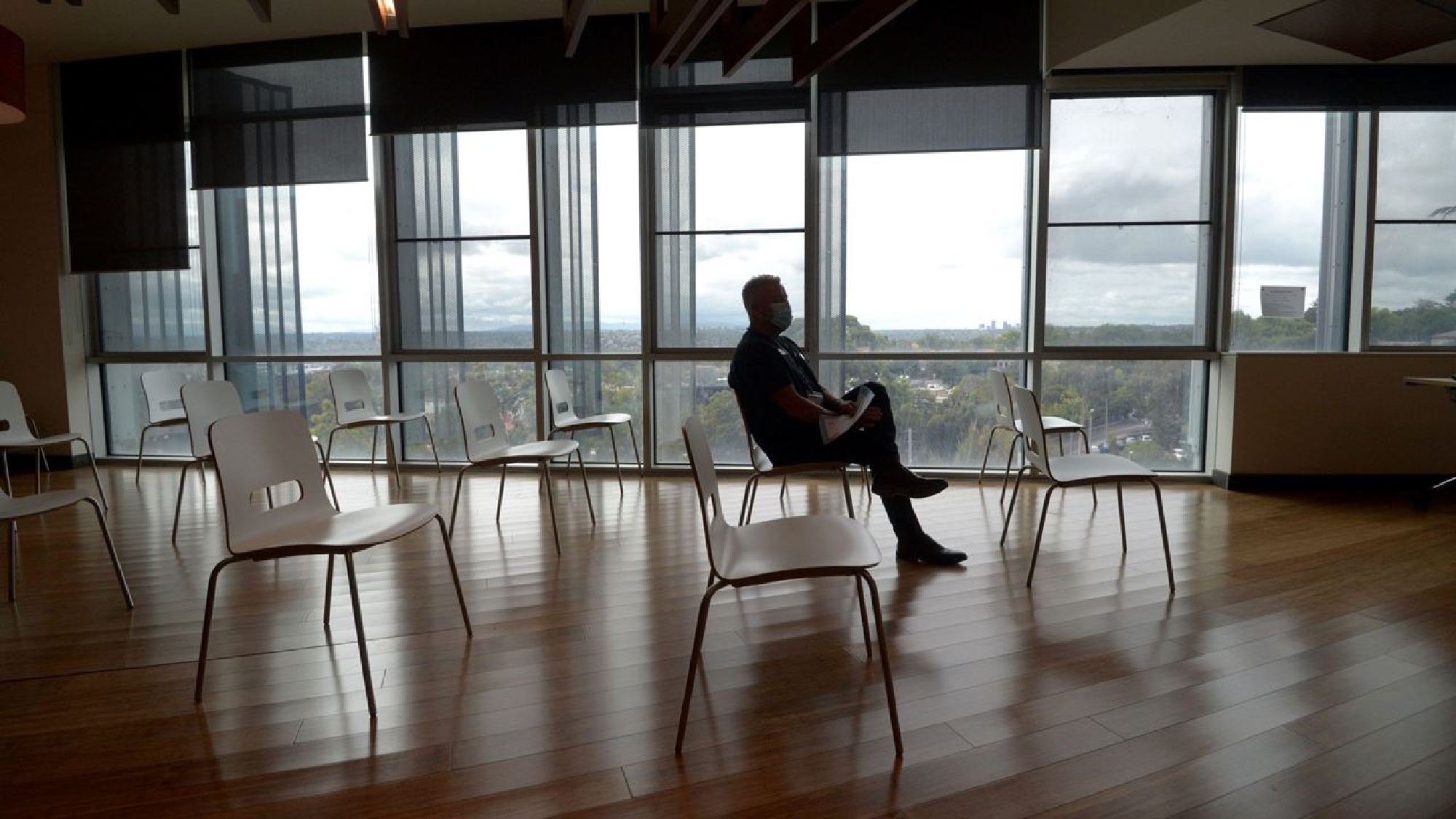
Slow vaccine rollout could keep Australia isolated into 2022
While much of the world contends with a surge in Covid-19 cases, Australia takes another big step toward normality this weekend when about 100,000 football fans will gather in the nations largest sports stadium, without having to wear masks.
The government has tamed the virus by shuttering the international border and through rigorous testing and contact tracing, giving Australians an enviable level of freedom. But after winning the containment battle, the country now risks losing the vaccination war as supply shortages and a slow rollout jeopardize the economic recovery.
International tourism and higher education have little chance of recovering until the borders reopen — and that won’t happen until most of the population has been vaccinated. With only 1.7 million shots delivered so far in a nation of almost 26 million, covering just 3.2% of its citizens, Australia is ranked 93rd on Bloomberg’s Global Vaccine Tracker.
The timeline for vaccinating all Australians by October has slipped, potentially into early next year, when Prime Minister Scott Morrison’s government will seek re-election.
“Some voters will feel the shine of managing the pandemic wear off if they see Australia trailing all these other countries in their vaccination rollouts,” said Jill Sheppard, a political analyst at the Australian National University in Canberra. “That could particularly hit Morrison around election time if they feel poor decision-making by the government is affecting their hip pocket.”
Australia is in a group of countries including neighboring New Zealand, South Korea and Taiwan that were successful in controlling the spread of covid-19, but have fallen short of the massive vaccination pushes seen in the U.S., U.K. and Europe.
Morrison says he’s secured access to 170 million doses and that his rollout strategy is now hostage to vaccine nationalism, with the European Union barring delivery of some 3 million AstraZeneca shots.
His plans have also been impacted by blood-clotting concerns, with Australia joining other nations in preferring not to give the Astra shot to people aged under 50. Locally made AstraZeneca jabs form the backbone of Australia’s vaccination effort and the health guidance has heightened concerns the rollout won’t be completed this year.
The main opposition Labor party is on the attack.
“The federal government hasn’t made the vaccines available,” Labor leader Anthony Albanese told reporters. “They have put all of their eggs in the AstraZeneca basket.”
The government also faces criticism for tasking family doctors to administer the bulk of jabs, rather than establishing mass vaccination hubs. Along with supply shortages, that’s contributing to the hold up, according to Catherine Bennett, the chair in epidemiology at Melbourne’s Deakin University.
“There’s been more of a trickle feed in the early stages of the distribution,” she said.
In a bid to ramp up the rollout, Morrison announced on Thursday that Australia will prioritize Pfizer vaccines for those aged under 50, people in elderly and disability care, quarantine workers, and individuals in remote areas. In a bid to relieve stress on the hotel quarantine system, direct flights for Australian citizens returning from India — which is suffering a deadly virus surge — will be cut by 30%.
With the threat of infection relatively low in Australia, concerns about the safety of vaccines may also be slowing the rollout. A survey of Australians released last month showed that while 59% of respondents intend to get vaccinated, 29% had low levels of hesitancy, 7% had high levels of hesitancy and 6% were resistant to getting the jab.
According to an Essential Report survey published last week, 52% of voters think Australians are being vaccinated too slowly. Some 42% blamed Morrison’s government, while 24% said it was due to international supply chains. The same poll predicted a narrow election victory for Labor.
Airlines and tourism operators are among the most vocal in demanding a quicker rollout. Qantas Airways’s Chief Executive Officer Alan Joyce told reporters last week that Australia “cannot be laggards here and fall behind the rest of the world.”
Paul Bloxham, chief economist in Australia for HSBC Global Research, says Australia’s economy won’t reach its potential until the international border reopens.
Open borders support “migrant flow (population growth), tourism, foreign student arrivals and the movement of workers,” he wrote in an April 18 research note. “Recent delays in the vaccine rollout mean a clear risk of a delayed border reopening.”
That may not immediately worry the thousands of sports fans who’ll gather in Melbourne to watch the football on Saturday night.
“Enjoy the footy,” Health Minister Greg Hunt told Australians on Tuesday. “Revel in the fact that Australia is in an almost unique and a deeply privileged position in a world which otherwise is facing a pandemic.”
Yet should Australia’s remain cut off from most of the world into next year, the government may face a backlash, said Helen Pringle, a researcher at the University of New South Wales.
“The government has consistently asked Australians to contrast their experience of what’s happened in the U.S. and Europe,” Pringle said. It could be punished “if it becomes clear that we’ve lost that edge.”
Published : April 23, 2021
By : Syndication Washington Post, Bloomberg · Jason Scott
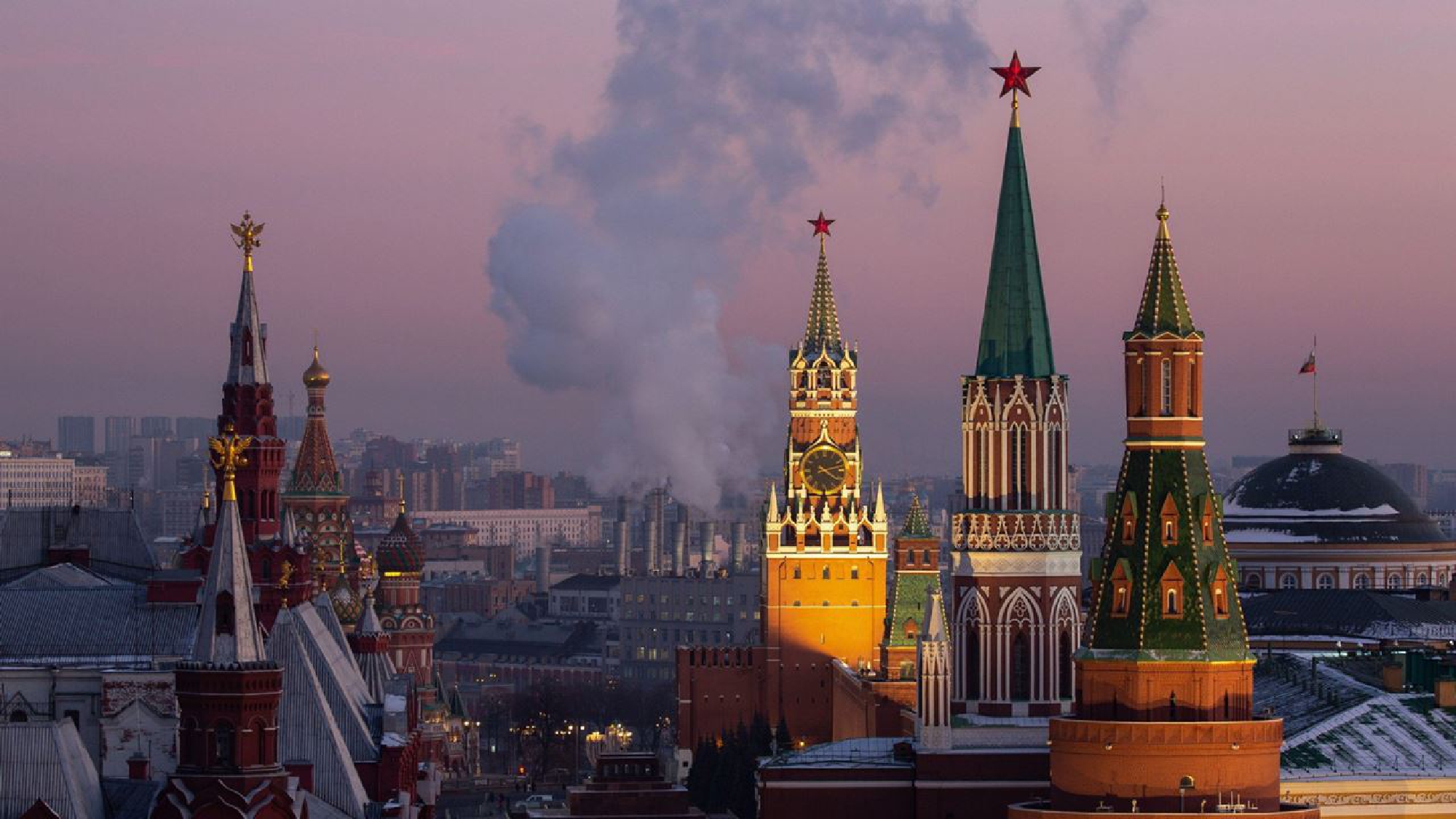
Russia to pull troops back from Ukraine border, easing tensions
Russia said it will begin pulling thousands of troops back from areas near the Ukrainian border starting Friday, in a step that could calm strains with the West that have surged in recent weeks.
Ukrainian President Volodymyr Zelensky welcomed the move, saying in a tweet it “reduces tension.”
The ruble gained as much as 1.4% against the dollar and the cost of insuring Russian debt against default fell the most in 10 months after the news. The Russian currency had slipped amid fears the conflict could bring new Western sanctions. Ukraine’s hryvnia rose to the highest level since April 14.
The military units will return to their bases by May 1, Russian Defense Minister Sergei Shoigu said Thursday in Crimea, where he’s on a visit to review maneuvers.
“The goals of these surprise checks were fulfilled completely. The forces showed their ability to reliably defend the country,” he told commanders, announcing the end of the operation. “The military activity of NATO in this region has significantly increased,” Shoigu noted, according to a ministry press release.
Western officials say Russia moved as many as 100,000 troops, as well as tanks, warplanes and other equipment, to areas near the border with Ukraine in recent weeks, the largest such buildup in years. The U.S. and its European allies called on the Kremlin to pull the forces back but Moscow said it’s free to deploy its military wherever needed on its territory.
“Moscow thinks that it got its message across,” said Fyodor Lukyanov, head of the Council on Foreign and Defense Policy, which advises the Kremlin. “There’s been some de-escalation and now the confrontation has returned to the political and diplomatic sphere.”
To be sure, there was no immediate sign the withdrawal would take place as announced and Russia has changed plans for deployments on short notice in the past. Adding to the uncertainty, the Defense Ministry said it would leave the tanks and other equipment of one of the major units in the area near the border ahead of exercises planned for the fall.
Amid the crisis, U.S. President Joe Biden called Vladimir Putin to appeal to the Russian leader to reduce tensions, offering the prospect of a summit meeting later this year, a gesture welcomed in Moscow.
Russia denied its buildup was a threat to Ukraine but the Kremlin had charged the government in Kyiv with planning an assault on Donbas separatist regions in the east of the country that are backed by Moscow. The Ukrainian government rejected those claims and accused Moscow of planning a military incursion of its own.
As recently as Tuesday, Shoigu had accused Ukraine of seeking to destabilize the Donbas and said the troop buildup was a response to threats from the North Atlantic Treaty Organization. On April 13, he said the exercises would end within two weeks.
On Tuesday, German Chancellor Angela Merkel called the situation “extremely tense and very worrying as a result of the concentration of forces on the Russian side of the Ukrainian border.” She and other western leaders had repeatedly appealed to the Kremlin to de-escalate.
Putin on Wednesday warned the West against crossing Russia’s “red line” but his spokesman Thursday declined to specify where that line lies with regard to Ukraine.
Published : April 23, 2021
By : Syndication Washington Post, Bloomberg · Ilya Arkhipov, Daryna Krasnolutska