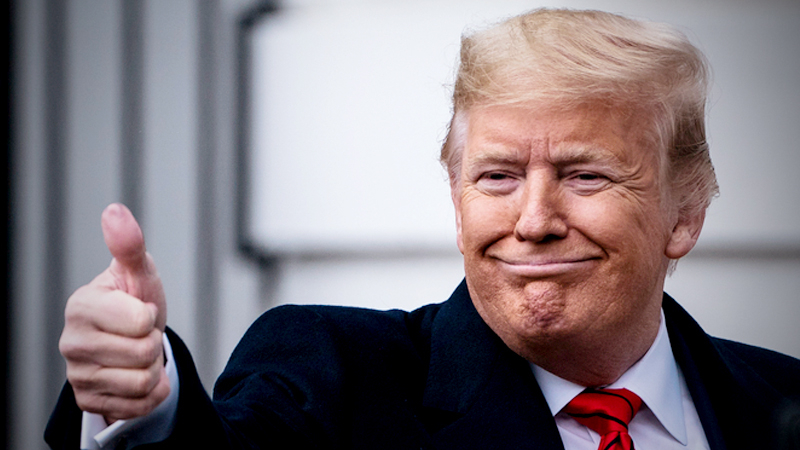
Docomo, MUFG Bank plan tie-up on financial products
Jan 10. 2021
By The Japan News
NTT Docomo Inc. and MUFG Bank plan to form a comprehensive alliance for new business in the financial sector.
Under the plan, special bank accounts will be available exclusively for Docomo users. The two companies will also work together on mortgages and unsecured loans. The two industry leaders will utilize each other’s customer bases to improve their profitability. They aim to reach an agreement by the end of March.
A plan to launch a new deposit account service, which will earn Docomo points when used to pay cell phone bills, is being considered. In the future, the two entities will also consider selling a variety of financial products through smartphones.
They will also consider forming a new company through joint investment to enter the financial services intermediary business. Legislation enacted last year will enable one-stop services in a wide range of financial fields, including banking, securities and insurance. They are also expected to offer services that make use of vast amounts of customer data.
In March, Docomo will introduce a new, cheaper phone plan in response to Prime Minister Yoshihide Suga’s call for lower cell phone rates. With the profit margins of its mainstay cell phone business set to decline, the company will be pressed to develop financial services as a new source of revenue.
Docomo is already involved in cashless settlements using smartphones and the credit card business, but its services are considered inferior to those of competitors such as Softbank Corp. Docomo hopes to leverage MUFG’s large customer base of about 40 million accounts and its creditworthiness.
In September last year, it was discovered that cash had been illegally withdrawn from Docomo deposit accounts via its electronic payment service. MUFG aims to strengthen the protection of users by utilizing its expertise in data management.
On MUFG’s side, the tie-up with Docomo will allow it to reach out to customers that it had previously missed. It aims to attract people who live in areas where there are no branches and potential customers in younger generations.
Illegal wildlife trade finds a new marketplace—social media
Jan 10. 2021
By The Kathmandu Post
Traders are turning to social media to reach out to potential customers to sell wild animals for their meat and to be kept as pets, in the domestic market.
People buying groceries, electronic gadgets, dresses and books online has become common these days with the availability of the internet and social media.
But the internet has also become a place for trade in illegal items, including wild animals, their body parts and meat. Several pages and groups on Facebook have been found to be actively involved in such a trade.
According to wildlife conservationists, traders are using social media sites to sell various mammals, reptiles, and birds. This is a worrying trend, they say.
“Traders are using several pages and groups on social media to sell wild animals’ meat,” said Raju Acharya, a wildlife conservationist. “That such trade is going on shows that protected species are being hunted and captured illegally.”
According to Acharya, the most commonly traded species killed for their meat are wild boars, kalij pheasants, barking deer, red junglefowl, and monkeys.
“Most of the animals are traded online for their meat,” said Acharya, also the executive director of Friends of Nature Nepal, a youth-led non-governmental organisation working in the field of environment and wildlife conservation. “If this is happening in broad daylight on social media, we can infer that efforts by concerned authorities to control poaching of wild animals have not been adequate.”
Even a cursory search on Facebook, reveals several posts and pages that provide details on how one can buy wild animals for consumption or to keep as pets.
Chiranjeevi Khanal, another wildlife conservationist, who closely follows such trade on social media, said birds like parrots are the most common ones to be sold on social media.
“We can also see many posts on wild boar meat. However, no one knows for sure whether the meat on offer is of a wild boar,” said Khanal. “Species like tortoise are also being sold in such groups.”
According to Khanal, generally, youths are found to be involved in such activities.
“I have even found a pangolin on sale. And, I have also captured a photo of an elongated tortoise, an endangered species being sold through social media.”
The trade in wildlife parts may be taking place easily and in the open, but such practices are against the law, officials say.
Nepal’s wildlife conservation law does not allow the killing or injuring, selling, or buying and selling of wild animals and their parts, except under official permission.
Haribhadra Acharya, spokesperson for the Department of National Park and Wildlife Conservation, said that as per the National Park Wildlife Conservation Act, 1973, no one can kill or injure, or even sell a wild animal.
“The department keeps getting complaints that people are taking to social media to sell wild animals and their parts. Even last fiscal year, we issued a notice after there were reports that wild animals were being sold on social media for their meat,” said Acharya. “Most of the time, such incidents are happening because the members of the public are unaware of the consequences of their actions.”
However, according to conservationists, such practices are going on unabated in different parts of the country, even in Kathmandu.
“Trade in wild animals is happening across the country. For instance, monkeys are sold in western Nepal for their meat and for making local alcohol and medicine,” said Acharya, the conservationist.
“Then the meat of wild boar and kalij pheasant is easily advertised and sold in restaurants in cities like Kathmandu and Pokhara. The law has listed only 26 mammals as protected ones. But that does not mean the remaining animals can be killed or sold easily in the market.”
Even though hotels and restaurants claim to be serving dishes made of wild boar meat, it is illegal to do so.
Last year, the government came up with a new rule that allows farmers to kill wild boars if they damaged their crops. However, doing so requires compliance with a host of conditions.
As of now, the only place where animals can be hunted is the Dhorpatan Hunting Reserve where permission can be obtained to hunt for Himalayan blue sheep (naur) and Himalayan tahr (jharal) after paying the park its fees.
“Even keeping wild animals and birds as pets is not permissible by law,” said Acharya.
The fifth amendment to the National Park and Wildlife Conservation Rules introduced a provision to grant permission to a person or entity for commercial farming and reproduction of various wild mammals, reptiles, and amphibians. But the law hasn’t been implemented.
“Until then, our laws do not allow trade in any wild bird or animal,” said Khanal. “But common birds like parrots are ignored by local forest officials and security forces as well, until and unless someone files a complaint.”
For Acharya, the conservationist, the buying and selling of wildlife using social media platforms pose a new challenge to protect the country’s valuable wildlife. “While existing wildlife trade routes are used for smuggling wildlife parts abroad, the internet is being used to create a domestic market.”
Bangladesh gets its first fully-automated dairy farm
Jan 10. 2021As the cowsheds were designed using a Swedish model, the animals feel more comfortable in these sheds. Photo: Star
By The Daily Star
Eon Group has established the country’s first automated dairy farm in a village of Badarganj upazila in Rangpur.
The state-of-the-art facility will mainly produce pasteurised milk alongside other milk-based products such as ghee, curd and ice cream.
Fisheries and Livestock Minister SM Rezaul Karim inaugurated the farm as chief guest yesterday.
He expressed deep satisfaction over the facility, which will retail products under a Barakah brand.
The dairy farm was built on 50 acres of land in Shantoshpur village at the end of 2019.
The same year, Eon Group imported 225 pregnant Holstein Friesian cows from Australia which are now being reared at the farm.
The cows started producing milk in December last year.
During a visit to the site on Saturday, this correspondent found the cows in several large sheds separated by gender and age.
A milk processing plant was also installed at the farm, which employs 45 people.
Dr AKM Serajul Haq, an adviser to the farm, said all aspects of the facility were fully automated, from preparing the fodder to packaging the milk.
“We are not using our hands at all in the process. The control machine runs all the steps for producing safe milk while cutting expenses,” he said.
Besides, IOT sensors have been set up on every cow to monitor their health, food intake, application of drugs and breeding as well.
The cowsheds were designed using a Swedish model. “Cows feels more comfortable in these sheds and if they are comfortable, milk production will be high,” Haq added.
A dairy farm expert from the Netherlands was also appointed.
The farm’s processing unit can separate the harmful antibiotics and aflatoxin from the milk, which will be available in 500ml and 1,000ml packs in the market.
“We are going to produce other milk-oriented products, sans milk powder, which will be marketed soon,” he said.
At present, the company’s daily production target is around 2,000 litres. However, they have been working on a plan to produce 10,000 litres of milk per day.
Momin Ud Dowlah, chief executive officer of Eon Group, termed it a revolutionary step in dairy farming.
Around Tk, 4,000 crores are spent each year to import milk, especially the powdered one. If entrepreneurs across the country come forward, Bangladesh will be a milk exporting country and it is possible to earn huge profits from just this sector, he added.
In the last couple of years, annual milk production has gone up 10 times in the country.
There are 15,00,000 dairy farms across the country. Of them, just six were of a large scale, said Abdul Jabbar Sikdar, director-general of the Department of Livestock Services.
“Per capita milk consumption in the country rose to 175ml, around 4.5ml higher. Such a farm of a high scale would create an opportunity for locals,” he added.
Rownak Mahmud, secretary to the ministry, as a special guest, urged all ministry officials in the region to extend their support for the sector.
Rich Indians are holidaying in Maldives, emerge as top source market
Jan 10. 2021
Maldives
By The Island
NEW DELHI, January 9: Wealthy Indians are flocking to Maldives for a holiday. Last year, they became that country’s top source market: 62,905 Indian tourists made it their holiday destination. They accounted for 11.3% of the total market share, according to the Indian High Commission in Male.
Maldives is one of the few countries open to international tourists during the Covid-19 pandemic. Five Indian cities have flights to Male with five airlines operating there under the air bubble formed between the two countries
Maldives had allowed international tourists from July 15, 2020 with free visa-on-arrival. The archipelago does not have mandatory quarantine or testing on arrival for foreign tourists.
“All tourists are required to submit an online health declaration form within 24 hours prior to departure… All tourists are required to hold a negative PCR test for Covid-19 conducted 96 hours prior the scheduled time of departure from the first port of embarkation en route to Maldives,” says the website of Maldives Marketing and Public Relations Corporation (MMPRC), the national tourism office of the Maldives.
Since the country opened up, a lot of hotels and resorts have hosted rich and famous Indians, including Bollywood celebrities like Tiger Shroff, Tapsee Pannu, Katrina Kaif, Varun Dhawan, Neha Dhupia, Disha Patani, Eli Avram and Mouni Roy. Some of their posts on social media have given their followers a glimpse of this island country where you can truly sit back, relax and forget the pandemic.
It has helped boost business. “We have had several top celebrities from India holidaying in the Maldives. This assured others of the stringent safety measures we have taken,” says Thoyyib Mohamed, MD, Maldives Marketing & Public Relations Corporation (MMPRC).
Even before the pandemic, Maldives had begun emerging as a favourite destination for Indians. “The Indian market has shown significant growth over recent years and by the end of 2019 the growth was 83.5% with a market share of 9.7 % and ranked second biggest source market in terms of arrivals,” adds Mohamed.
The honeymoon market is especially big in the Maldives. “Our natural beauty, rich marine life and excellent hospitality makes us a hot spot for honeymooners. India is the world’s second largest wedding market globally, and many Indian tourists visit Maldives for their honeymoon.
“Based on the arrival figures of 2019, India is ranked in the second position of the highest performing markets to the Maldives. It is one of the key focused markets after the reopening of borders on 15th July 2020,” the MMPRC website says.
“All tourists are granted a 30-day free visa upon arrival. Quarantine upon arrival is not required. However, if the passenger has a fever, cough or shortness of breath on board the flight or upon arrival, it should be informed to the local health protection agency. All tourists must undergo thermal screening at the arrival terminal (and) wear masks,” it adds.
This article draws upon the work I have done at different times with Architects Asiya Sadiq Polack and Christophe Polack, Dr Noman Ahmed, and Engr Mansoor Raza, and various researches on the subject I have carried out with the support of the Karachi Urban Resource Centre, Hamza Arif and NurJehan Mawaz Khan.
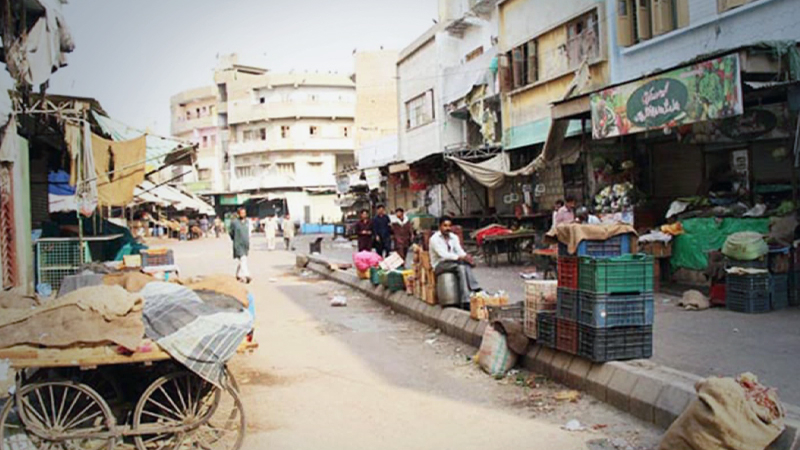
Hawkers are everywhere in Karachi. They dominate the urban landscape, except in the cantonments where they are prohibited. Karachiites of all classes in the city deal with them.
My association with them began in 1986 while travelling through Somerset Street with my teacher, Ghulam Kibria. I saw hawkers being removed violently from the pavements of the street. Their carts were being overturned, they were being thrashed by batons and attempts at confiscating their goods were also being made.
Kibria Sahib, a much celebrated engineer and humanist, was horrified. “You don’t treat your own people like this. The unmet needs of the stomach are responsible for so much evil.”
He then suggested that I draw up a plan which we could place before the Commissioner of Karachi, whereby hawkers’ zones could be created and regularised. Over the next few months I interviewed the hawkers, government officials, residents of Saddar and transporters, and drew up a plan for the pedestrianisation of certain streets in Saddar, where hawkers could be located. I took the plans to Ghulam Kibria and he said that, before taking it to the officials, we should present it to the hawkers, residents and the market operators.
The city’s informal economy employs 72 percent of its entire workforce and is the engine that keeps the city going, helping people survive even during periods of severe economic downturn such as now. Hawkers form a small part of a huge street economy, but are vital to its processes. Can the city survive by uprooting them? Can it afford to ignore them?
When we presented it to them, they all tore the plans to shreds and I realised that even participatory research findings can lead to the wrong recommendations and a misunderstanding of the conflicting interests of the different stakeholders. So, we did not take this study to officialdom and the matter was closed.
However, my interest remained alive and, after the formation of the Urban Resource Centre (URC) in 1989, the centre carried out a number of surveys in 1995-96 which showed that four streets in Saddar paid a bhatta [protection money] of 10.5 million rupees a month to “someone” who was supported by the police. The URC also documented the process and the actors involved in the collection of bhatta. The bhatta issue attracted a lot of attention and tickled the curiosity of the media and its audience. So the URC decided to study in detail the street economy phenomena in Karachi, with a focus on Saddar. The study was carried out by architects Asiya Sadiq, Christophe Polack and myself, with support from the URC.
The study took two years to complete and looked at various relationships the vendors had with each other, their suppliers and the manufacturers of the goods they sold, government agencies, transporters, their customers, and those who extracted bhatta from them. This study resulted in a book The Hawkers of Saddar Bazaar: A Plan for the Revitalisation of Saddar through Traffic Rerouting and the Rehabilitation of its Hawkers. It also established a strong relationship between the URC and the hawkers, which has stood the test of time.
Government officials such as Engr Zia-ul-Islam, then head of the Traffic Engineering Bureau, helped the study with his expertise and previous research. The findings and recommendations of the study were presented before (the late) Mayor Naimatullah Khan, who was very supportive of it, but wanted hawkers legalised in certain areas but removed from the precincts of Saddar.
The study taught us that vendors were a small part of a huge street economy that consisted of formal and informal manufacturing, raw materials suppliers, wholesaling (local and imported supplies), retailing, transportation, formal sector shops and markets, and various types of service provision to the actors of this economy. This paper looks more at the retailing aspects of this economy in relation to Saddar.
Keeping this understanding in mind, a new study was initiated in 2018. This study was carried out under the supervision of Dr Noman Ahmed, Engr Mansoor Raza and myself. Its focus was on various areas of District South. The methodology adopted for the study was to look at the situation of the vendors and relate it to the processes and actors involved. The analysis was based on 14 points developed by Dr Noman Ahmed.
In addition, mapping of locations in the study areas of the street economy, and the scale and nature of businesses was documented. Their supply chains along with their relationships with hawkers, government agencies, customers and formal sector enterprises with each other were identified. The impact of the Supreme Court-ordered demolitions on the street economy were also investigated. Observation was an important part of the research, along with hundreds of conversations and detailed interviews of 182 hawkers, formal business owners, customers and trade organisations.
FINDINGS
The street economy is the retailing of skills and materials, manufactured and supplied through different formal and informal processes, to retailing enterprises working informally from state or privately-owned spaces.
This economy is a part of a larger informal economy, which employs 72 percent of Karachi’s workforce. There are 202 markets in the formally developed commercial areas of the city. Wherever you have these formal markets, you have an active informal economy around them, which serves the functions of the market at a cheaper cost than the formal shops and makes them affordable to the lower-income groups in the city.
The commercial areas and the formally developed markets in them have been built by the Karachi Development Authority (KDA), the Karachi Metropolitan Corporation (KMC) and Cantonment Boards. Almost all of the Central Business District and Saddar have informal markets along most of their important roads and neighbourhoods. Because of the visitors that these markets attract, their precincts become major transport hubs and this increases customers for the vendors. But this also creates congestion and often traffic jams.
All of the city’s informal areas also have an informal street economy. These markets are very close together as they are mohalla markets to which the residents (especially housewives) can walk easily.
It is estimated, through observation, that the majority of hawkers in Karachi are located in these neighbourhood markets in low-income areas. Many of these neighbourhood markets began at bus stops and, as they expanded, they were accepted as markets by local governments and provided with the necessary facilities. In some cases, formal market buildings were constructed to accommodate them.
The non-availability of toilets and portable water have remained a very major problem for the vendors and visitors to these markets. Informal food outlets are an important part of these markets and the media has often raised issues regarding hygienic conditions in food retailing.
THE PREFERENCE FOR HAWKERS
The hawkers are preferred to formal sector shops by low-income and lower-middle-income groups. The main reason for this is that the poorer sections of society feel closer to them. Many respondents said that shopkeepers intimidated them and also that they were not very responsive to bargaining. Another factor was that hawkers’ goods were about 15-20 percent cheaper than that of shops.
It was also mentioned that hawkers are located at transport hubs and so they are easily accessible to commuters, who on the way home, can pick up household requirements without having to walk long distances. A few customers also mentioned that, over the years, they had developed relationships of trust with the hawkers they regularly purchased from and, as a result, credit facilities were also available to them. In one case a marriage between the hawker’s daughter and the customer’s son was also the result of such relationships.
Most of the shopkeepers interviewed liked to have hawkers in front of their shops. Because of these hawkers, there appeared to be life in the street and this attracted people to the area and hence to the formal shops as well. Many shopkeepers had business arrangements with the hawkers as well. These worked both ways. Items not available but in demand were exchanged between the hawker and the shopkeeper to the benefit of both.
For hawking to be successful, the area in which it takes place has to be clean as well. For this purpose, hawkers get together to employ “sweepers”. Every morning and evening, when the shops close down, the pavements are cleaned and the waste lifted. The sweepers are paid between 10-20 rupees per day per hawker and usually cater to about 35-50 hawkers.
In addition, they also employ security guards for the protection of their merchandise at night and, where relations are good, their merchandise is stored in the shops in front of whom their cabins are located. The security guards are paid 20-50 rupees per day by each hawker and they are sometimes shared by the formal sector shops as well.
There are all types of hawkers. There are those who place their wares on a cloth spread out on the street. There are those who use three-wheeled wheelbarrows. The most popular is the four-wheeled cart or thela, which is either owned or rented. There are also small kiosks. At times they have been set up by the government.
The pavements also have beggars, performers, fortune tellers and musicians. They all pay bhatta to the police. The most popular performance is that of parrots picking up tarot cards and telling your fortune. All these relationships point to a strong social construct between the players in the street economy drama.
Interviews with hawkers showed that the vast majority of them set up businesses as near as possible from their homes so as to save costs and the inconvenience of transport. The main areas which they occupy are pavements, roadsides where pavements are not too narrow, bus stops and transport terminals, pedestrian bridges, under those flyovers which are serviced by transporters, and around formal sector markets.
To secure a place, a new hawker has to seek the permission of the other hawkers in the area or, where policing is strong, has to seek the permission of the local government tout.
They may also be invited by a shopkeeper to install themselves before his shop. But in this case, again, the agreement of neighbourhood hawkers is required. After the initial bribe, local government touts and police collect an amount of 500-1000 rupees per day from each hawker.
Most of the hawkers interviewed said that they take to hawking because they have no other job option. There were also those that had lost a job because of a layoff in industry or government. Others have a preference for it because it can be an evening part-time job, while they work elsewhere in the day time. This helps them beat inflation and recession.
Setting up a hawking business requires a small capital investment of about 20,000 rupees. This is not difficult to borrow. However, a majority of respondents preferred government or semi-government office 9-5 jobs, since they provide them with greater respectability both in their families and their social groups.
The street economy expands enormously during Ramazan, Muharram and other national or religious holidays. This it does often without permission from the state. Food stalls are set up along, with retailing of different types of merchandise. The gates to parks and public spaces visited by Karachiites are crowded with food retailing hawkers and so are the beaches. At Seaview beach, the right of subletting space at a cost is given to a contractor who bids for it from the Defence Housing Authority (DHA). In Ramazan, night cricket, complete with lights, is organised by residents, which increases their clientele.
There are many vendors’ organisations, some of whom claim to be registered. However, they only come together in a crisis; otherwise they are dormant. The street economy also caters to the Urs of saints at shrines in Karachi. This involves the setting up of kiosks for the sale of chadars, flowers and a large variety of trinkets. Extra space is also occupied for the preparation of deghs and a large number of thelas around the entrance to the mazaars and the streets adjoining them. There is no estimation of how many people visit the mazaars, but the media talks of thousands of people visiting the Urs of Ghazi Abdullah Shah and Yusuf Shah. We have no estimate of the scale of the economy that these festivals generate.
HAWKERS AND GOVERNMENT AGENCIES
Local government has historically not only supported hawking but has also built a large number of kiosks and rented them out to small enterprises. These have been constructed on pavements, roads and open spaces around various markets. This was done by the Ayub government to overcome unemployment and poverty.
Similar kiosks and permission to hawk was also given for other markets such as Lea Market, Soldier Bazaar Market and Bolton Market (which was ultimately demolished for the construction of a larger market). The number of such shops and “encroachments” is well above 20,000. Over the years, the government has planned many demolition and relocation schemes for the hawkers, and their implementation has been attempted. However, the street economy has always come back through demonstrating and negotiating with an understanding government.
The tradition of accommodating hawkers was also supported by our two elected mayors, Naimatullah Khan and Mustafa Kamal. Both of them promoted bachat bazaars and allocated space for them. Both of them established cabins and small shops on the pavements of the city, which paid rent regularly to the local government through bank deposits.
The location of these cabins and shops (such as bus stops and busy markets) were conducive to the promotion of small enterprises. Both the mayors were not anti-hawkers per se, but they wanted them registered and legalised in specific locations which did not hinder traffic and pedestrian movement, or create an unpleasant “social” environment.
The relationship between the street economy and officialdom has been closer during periods of empowerment of local government than during bureaucratic rule. In any case, local government representatives or the civic agencies have very little dealing with the street economy apart from negotiating location and bhatta.
ENTER THE SUPREME COURT
In October 2018, the Supreme Court of Pakistan ordered the removal of all street activity that was obstructing pedestrian and vehicular movement in Karachi and also within the market buildings.
It also ordered the demolition of all structures that violated the 40-year-old Karachi Master Plan. This was followed by a Sindh High Court judgment of October 29, which ordered the removal of all informal street activity from main roads and crossroads.
According to an Urban Resource Centre survey, these decisions resulted in the demolition of 3,495 shops and the removal of approximately 9,000 hawkers, including 82 women hawkers, from the Empress Market. These displacements led to a loss of jobs to shop owners, hawkers, porters at the markets, security guards and sweepers. Many of them could no longer keep paying the rent for their homes, while most of them had to borrow money and fell in debt. Many of those spoken to complained of deep depression. However, the most serious result of this displacement was the discontinuation of the education of a large number of students. The vendors were further devastated by Covid-19, and some complained that they had to beg for the first time in their lives.
Major losses were also suffered by the food chains, where crores of rupees of dry fruit, tea, eggs, vegetables and other dairy products had been paid for but could not be distributed. In many cases, the spaces where they had been stored were demolished while the products were still stored in them.
It is pertinent to mention here that wholesalers import millions of rupees of dry fruit from Afghanistan, tea from Sri Lanka and Kenya, and exotic animals and birds from Latin America and Southeast Asia, which they pass on to retailers at the kiosks and cabins of specialised markets within Saddar.
Fruits and vegetables from the sabzi mandi were not collected for retailing in the hawkers markets. It is reported that they also rotted at the sabzi mandi or in piles in the areas where hawkers were previously located. In addition, container-loads of used clothes are imported from Western countries to Pakistan and they are sold on thelas, cabins or shops in the city. They are the main source of cheap clothes, especially warm ones, for the lower income citizens of Karachi. Additionally, electronic and household goods smuggled back from the Afghanistan transit trade are sold on thelas at the various Sunday markets in the city including on Muhammad Ali Jinnah Road.
Leaders of the Empress Market Fruit and Vegetable Association hired a lawyer and filed a petition in the Supreme Court against the demolition process. However, it was dismissed. Meanwhile, the government promised an alternative location to the rent-paying and/or leased shops, which were no more than 20 percent of those that had been demolished. In the majority of cases, the dislocated enterprises discovered that the properties that were being allocated to them were already occupied or they were in locations where businesses could not function because of a lack of visitors to the area.
According to the leaders of the various businesses, the anti-encroachment drive was successful, unlike before, because it was backed by the Supreme Court, which made negotiations with the local government impossible, and because the Rangers instead of the Police were responsible for maintaining law and order. They also claimed that, unlike before, the climate of fear in the country prevented them from large scale agitation and that large sums of money were paid to the vendor leadership to keep quiet.
Another group that was interviewed was of customers and transporters. Customers said they could not find their regular vendors and had to look for new ones. Also, whereas earlier, everything was available in one location, now everything was spread out, resulting in loss of time and inconvenience. Tea shops and canteen owners also lost customers and so did transporters as commuters in Saddar declined by 50 percent.
We are not aware of how all this affected manufacturing at Lalukhet or Shershah, but the making of flowers, trinkets and food at home, which are the job of women and children, were badly affected.
An analysis of all of Karachi’s street economy is not possible. However, it is estimated that 2,000 shops and cabins and 4,000 hawkers were removed in Saddar (see table below). At a daily earning of 1,000 rupees per day, their total earnings amount to 2,190 million rupees per year. At a modest estimate, there are 150,000 hawkers in Karachi and, at 1,000 rupees per day, their earnings amount to 5,475 million rupees per year.
About 50 percent of the hawkers have come back to Saddar but not to their original locations. They claim that their earnings have been reduced by 50 percent and they have lost their old customers. A large number of them demonstrated in front of Empress Market on December 19, 2020, claiming that Saddar and Empress Market belonged to them. This raises the issue of heritage.
THE HERITAGE ISSUE
The Supreme Court, in its judgment and orders, mentions only the Empress Market, although there are other heritage markets as well such as Hoti Market, Lea Market, Soldier Bazaar Market, Cantonment Market and Jackson Market. The systematic removal of shops was only carried out at Empress Market and, half heartedly, at Lea Market.
Empress Market was a meat and vegetable market where you could get every household item under one roof. When it was built in 1889, it had 280 shops. In 1954, this was increased to 405 shops and stalls who paid rent to the KMC. Soon after, KMC built 1,390 cabins around the Empress Market, which have been removed as the result of the anti-encroachment drive of 2019. Inside the Empress Market, only 19 shops are left.
Indications from the government and media are that the market will be converted into a high-end dining space, a museum or an art gallery. The government’s contention is that internally the market had to be cleared because it was being subjected to vandalism, illegal subletting of shops, with shopkeepers and their assistants living and sleeping there at night, and there are also claims that many of them were armed. But the question is, why could the government agencies not look after this market and protect it from physical, social and environmental decay?
For the hawkers and small shopkeepers of Saddar, clearing the market and demolishing the shops is a part of a larger plan to gentrify Saddar. It is to take it away from them and hand it over to the developers. They claim that the plan is to turn Empress Market into an entertainment facility for an elite population that is eventually going to live in Saddar.
From the discussions above, it is clear that the street economy is an integral part of Karachi’s social and economic life and that, with an increase in Covid-induced poverty it is also increasing. Supporting it and its manufacturing and supply chain sectors with credit and technical support will increase jobs in addition to the economy itself.
Today there is a lot of talk about developing laws that regularise hawking. However, laws are complex things with minute details and procedures. They require bureaucracies and special agencies to supervise their implementation and they take time to enact. What we require is something immediate and hence very simple — allocate spaces where hawking can take place and survive, and hand over these spaces to the hawkers to maintain and stay within its limits, collect rent and deposit it in the government’s account. The rest can follow incrementally.
The street economy is also an integral part of Karachi’s tangible and intangible culture. Locations are known by the name of the food served there, by the products available there, and by the festivities (religious and secular) that take place there and all these are linked to Karachi’s street economy and its actors.
Heritage has to be seen in this context and where people own it and use it, it should be left to them.
Jan 10. 2021This undated photo shows a container ship leaving Qingdao Port in Shandong province. (YU FANGPING / CHINA DAILY)
By China Daily
China will step up efforts to expand its free trade area network with trading partners across the world to enlarge its “circle of friends”, while eliminating more tariffs on goods and broadening market access for services trade and investment, according to Commerce Minister Wang Wentao.
Wang told Xinhua News Agency in a recent interview that these efforts will push forward higher-level opening-up. He added that the country will facilitate China-Japan-Republic of Korea free trade agreement negotiations, as well as those with the China-Gulf Cooperation Council, China-Norway and China-Israel FTAs, while giving active consideration to joining the Comprehensive and Progressive Agreement for Trans-Pacific Partnership.
Official data shows that China has signed FTAs with 26 countries and regions, with FTAs accounting for 35 percent of the country’s total foreign trade value.
Building a high-standard free trade area network with global reach is in line with China’s goal of forging a new round of high-level opening-up, and was highlighted in the Party leadership’s proposals for formulating the 14th Five-Year Plan (2021-25) for National Economic and Social Development and the Long-Range Objectives Through the Year 2035, Wang said.
He added the country will make more efforts to increase the proportion of the goods trade that enjoys zero tariffs, ease market access for the services trade and investment, and proactively participate in rule-setting negotiations in fields such as the digital economy and environmental protection, to shore up the establishment of an open economy at a higher level.
According to analysts, China’s pursuit of higher-level opening-up is in line with the implementation of its new dual-circulation development strategy and will enhance China’s contribution to global economic development.
“Opening-up is an indispensable part of the dual-circulation development pattern, because the interplay between domestic and foreign markets will boost each other while the country seeks to build a strong domestic market,” said Huo Jianguo, vice-chairman of Beijing-based China Society for World Trade Organization Studies.
Signing more FTAs will help China expand and stabilize external markets and achieve higher-level opening-up, especially as the country proactively makes adjustments to meet related requirements, such as adopting stricter rules for environmental protection and leveling the playing field for market entities, he said.
A new round of higher-level opening-up will also facilitate China’s deepening reforms and help build a more transparent and law-abiding domestic market with a better business environment, which will inject new impetus into China’s rapid economic growth and further contribute to the world economy, according to Huo.
Zhou Mi, a senior researcher at the Chinese Academy of International Trade and Economic Cooperation in Beijing, said expanding the free trade area network with a global reach is a long-term opening-up strategy for China.
Apart from facilitating goods and services trade, FTAs also provide platforms to establish widely adopted and universally accepted rules in areas such as the digital economy and environmental protection, he said.
However, the establishment of more FTAs requires not only efforts from China but also its trading partners, he added.
China had notable achievements in promoting multilateral trading in 2020, with the signing of the RCEP in mid-November and the conclusion of negotiations for the China-EU investment treaty at the end of the year.
With the RCEP to take effect soon, China will strengthen promotion and training on FTAs to ensure enterprises benefit more from them, according to Wang.
In recent years, newspapers in South Korea have struggled to stay relevant for mainstream readers, many of whom consume news on major portals instead of media websites.
The dominance of portals in the news market, mostly led by two heavyweights Naver and Kakao, is unlikely to change in 2021. Rather, they are very likely to strengthen their influence further, an outlook that poses more questions for the embattled print newspaper companies.
In an ideal situation, an individual newspaper runs its own website and maintains a solid user base for shoring up its online ad revenue or paid content sales. In reality, many Korean online users are not drawn to individual news media sites since there is a much better alternative.
The primary alternative is the news section run by Naver, the country’s biggest portal. Naver collects a large amount of news articles from both national and regional papers and curates the latest and most popular articles based on an algorithm powered by artificial intelligence.
From the perspective of online readers, Naver’s news section offers far more news than individual news media sites. In addition, as most news readers are already registered members of Naver, it’s more convenient to read a selection of news articles and post comments on the Naver app or website, as opposed to visiting a smaller media site, which requires an additional sign-up process in order to post comments.
Aside from Naver’s unrivalled scale and user-friendly interface of its news service, a major change is now underway and local news media have to navigate a fresh wave of challenges to safeguard their position.
At the heart of the issue is the changing rule governing the news ecosystem of Naver and its news content partners. Previously, Naver had paid license fees to its news partners on a monthly basis to run its news section, but this system — favored by newspapers which run small websites – is now gone.
Last year, the portal scrapped the license fee system and instead switched to a “performance-based” payment system for news media. Each media outlet is given a spot on Naver’s PC and mobile app, and gets a slice of ad revenue in accordance with the traffic and subscribers it attracts.
Naver claimed the new system is designed to “offer more revenue-making opportunities to media partners,” but it seems likely that newspaper outlets will find it more difficult to run and upgrade their own websites since Naver’s profit-sharing scheme is more attractive and realistic than their online advertisement system.
In short, Naver’s control on the local news media will accelerate as its news partners are now required to compete with each other to generate more traffic and subscribers to make money.
The dominance of the news market by big portals cannot be rolled back, especially after their influence has gotten bigger and more powerful following the outbreak of COVID-19 that prompted many people to embrace an online-centered lifestyle.
Without a drastic policy change on the part of the government, portals will continue to set the rules for local media and the challenge for individual newspapers to set up a viable website will become greater.
Several years ago, there was a time when local newspaper companies rushed to build their own mobile apps in the hopes of attracting a great number of paying subscribers. Their attempts turned out to be too ambitious and misguided since, even then, Korean users were unwilling to pay a dime to read news articles. The widespread perception about online news here is that it’s free and always available on portals. It is hoped that Korean newspapers should change this perception by pushing for an innovative breakthrough in the year 2021 — to stay relevant for a growing number of news readers favoring online news on portals.
The official view in Kathmandu is that China is interested in the development of and direct connection with Nepal’s northern region just as India’s interest lies in the development of the country’s southern Terai region.
The notion of strategic depth first appeared on the radar of the Indian establishment in a substantive way in the 1980s and 1990s when Pakistan upped its involvement with its western neighbour Afghanistan ~ providing political, ideological, military, and economic support to the anti- Soviet mujahideen ~ thereby gaining more traction on its eastern front with India.
New Delhi spent the next two decades trying to counter this development by pouring men, materials, and money into Afghanistan in an effort to deepen its engagement and to ensure Islamabad did not get a free pass on its western flank leaving it free to embark on adventures military and otherwise vis-à-vis India.
The strategic architecture in India’s East too has been undergoing a transformation for a while now especially with China’s persistent wooing of Nepal, traditionally closely allied with India, resulting in Indian policy makers having to rethink their policies including but not limited to reaching out to South- East Asia, Japan, Australia, and the Indo-Pacific region.
But the challenges are only growing with Beijing’s latest move to gain depth in its south – China’s foreign aid agency, CIDCA, is making a major foray into Nepal’s northern region by funding 15 pilot development projects in 13 of the 15 districts that share a border with Tibet.
CIDCA was established in 2018 with the objective of strengthening strategic planning and coordination of Chinese aid to developing countries. In March 2019, the Nepal government had permitted CIDCA to provide assistance to create capital in the 15 northern districts of Nepal to meet their developmental needs.
A framework agreement was signed by Prime Minister KP Oli on his state visit to China in June 2018. Ominously, the Chinese commerce ministry will be the implementing agency for the CIDCA funded projects. The official view in Kathmandu is that China is interested in the development of and direct connection with Nepal’s northern region just as India’s interest lies in the development of the country’s southern Terai region.
But experts say one of the motivating factors behind China’s move is its concern about Tibet. While on the surface Chinese investment in the northern region may appear to hold low geo-strategic value, once it plays out fully it will go a long way in warding off the presence of India from the Nepal-China (Tibet) border.
Experts underline the qualitative difference in the latest soft power projection by China compared to earlier initiatives under which the Tibetan Autonomous Region government used to supply food and other essentials to the northern districts.
Now, with the Chinese development agency directly assisting projects in the region, enhancing infrastructure including roads, health facilities, school buildings, and irrigation channels are part of the mix.
Beijing is clearly wary of Indian and Western development agencies’ activities in northern Nepal due to its sensitivity about Tibet. By putting their money where their interests lie, the Chinese could well be setting up Kathmandu not to permit non-Chinese players in the northern districts.
Political observers who take more than a passing interest in American politics typically do so for the purpose of knowing how US democratic institutions function to get the nation through its most difficult political crises. This is especially so for us in the Philippines, a former American colony whose institutions were consciously modeled after those of the United States.
The problem with this approach is that it idealizes the American system, and ignores the real-life stresses to which all nations are subject at certain points in their lifetime. This attitude is unfortunately reinforced by mainstream American media, which views US institutions as so inviolable that those who challenge them from within can only be seen as crazy, ignorant, or misguided.
Donald Trump may go down in history as the worst president the United States ever had. He is impulsive, narcissistic, reckless, and so consumed by the need to prove his power that he treats government as though it were his own personal tool.
But, how is it that such an odious person, who has not previously held public office and has shown no regard for the higher interests of the state, could get elected president of the world’s most powerful democracy? It is not as if he merely used his billions to get himself declared the official candidate of the Republican Party. For indeed, he went through the party’s tedious selection process, prevailing over more qualified and highly respected leaders of the party. And, most stunning of all, in the 2016 presidential election, he defeated the highly-experienced and immensely more intelligent Hillary Clinton of the Democratic Party, defying all the predictions of major polling organizations.
It could not have been his charisma, or his mesmerizing rhetoric. For Trump has never been known to possess a reassuring and inspiring presence. Nor is he half as eloquent or as stirring a speaker as, say, John F. Kennedy or Barack Obama. He rambles on, has a limited vocabulary, and is often incoherent in his public speeches. For a president of the world’s most powerful country, he has shown no meaningful grasp of global affairs, and has articulated no vision of what a future world should be like. His political slogan — “Make America Great Again” — conveys the remarkable insecurity, rather than the self-assurance, of what is supposed to be the leading nation of the democratic world.
No, Donald Trump did not create the angry constituency that has supported him. Rather, I believe, he has merely served as a vector for one that has been steadily forming in the underside of American politics. To use Voltaire’s famous formulation: If he did not exist, it would have been necessary to invent him.
What is important is to account not for Trump, but for the rise of a constituency that is deeply resentful of Washington politics, of big government, and of a social order in which ordinary people feel they no longer have a place. To this day, US mainstream media’s focus has been mainly on Trump and his enablers in the Office of the President and in the Republican Party. This makes them blind to the symptoms of the right-wing populist disease that has been sweeping across America, particularly its rural communities.
“Spin the camera toward the furious crowd — there’s the real story,” advises the author Ian Bremmer in his 2018 book, “Us vs. Them: The Failure of Globalism.” “It’s not the messenger that drives this movement. It’s the fears… of ordinary people — fears of lost jobs, surging waves of strangers, vanishing national identities, and the incomprehensible public violence associated with terrorism. It’s the growing doubt among citizens that government can protect them, provide them with opportunities for a better life, and help them remain masters of their fate.” Bremmer traces this phenomenon to globalism, the “ideology of the elite.”
As I watched the Jan. 6 rampage on the US Congress play out on CNN, listening to its reporters and commentators denounce the rioters’ “desecration” of the “nation’s temple of democracy,” my thoughts brought me back to the events of Edsa 1 in February 1986 and Edsa 2 in January 2001. I still recall how some sectors of Western media initially portrayed those events as signs of mob rule, until the transfer of power legitimized them as righteous acts of “people power.”
In contrast, Edsa 3, which exploded following the arrest of ousted President Joseph “Erap” Estrada, neither stopped the jailing of Estrada nor did it restore him to the presidency. As a result, in the annals of people power, the so-called “Edsa masa” is largely dismissed as nothing more than the inconsequential rioting of an ugly mob — the dark twin of heroic people power.
In retrospect, Edsa 3 was anything but insignificant. For, as it turned out, the same populist impulse that had fueled it resurfaced in 2016 and catapulted the cult figure Mayor Rodrigo Duterte of Davao to the presidency.
Could it be so different in America? The quick reconvening of the US Congress to certify the election of Joseph R. Biden as the next president of the United States has been hailed as proof of the strength of its democratic institutions. But, I doubt it will end the populist reactionary upsurge in US politics. Already, Trump, who garnered 11 million more votes in the November 2020 election than in 2016 when he won the presidency, has intimated he may run again in 2024. He may not succeed in getting the Republican Party nomination the next time around. But somebody else, riding on the same populist resentment, might just do a Trump redux.
Bangladesh will have to meet the European Union’s new criteria on human rights to retain its duty-free market access to the bloc as the EU looks to increase accountability and fight impunity, said a top diplomat.
The EU is scheduled to assess the trade privilege in light of the human rights situation after the bloc became more cautious about it.
“As a major beneficiary of the EBA (Everything but Arms), Bangladesh will have to comply with the new criteria on the human rights to enjoy the benefit on exports,” said Rensje Teerink, head of the EU Delegation to Bangladesh.
Some 61 per cent of Bangladesh’s exports are destined for the EU.
Garment export, which accounts for about 85 per cent of the national sales abroad, rose from $12.49 billion in fiscal 2009-10 to $27.95 billion in 2019-20, according to a recent study by the Bangladesh Garment Manufacturers and Exporters Association.
Of the total export, more than 90 per cent are apparel items and 96.4 per cent goods are covered by the GSP scheme.
On December 7, the European Council adopted a decision and a regulation establishing a global human rights sanctions regime.
This will allow the EU to target individuals, entities and bodies – including state and non-state actors – responsible for, involved in or associated with serious human rights violations and abuses worldwide, no matter where they occurred.
“The new regime enables us to impose sanctions regardless of where human rights violations and abuses occur…,” said Josep Borrell, high representative of the EU for foreign affairs and security policy and vice-president of the European Commission.
“…without having to create new, country-specific sanctions regimes as we had to do until now. This means we have new tools to increase accountability and fight impunity,” he said in a blog.
The EU can also respond to human rights violations by suspending development aid or withdrawing EBA trade preferences, Borrell said.
“So, Bangladesh needs to protect the EBA facility by complying with the new conditions of human rights,” Teerink said in an exclusive interview with The Daily Star recently.
“The Director-General Trade and DG Employment of the EU have been closely monitoring the human rights situation in Bangladesh to be assessed for the next eligibility.”
The new condition on human rights has been communicated with the ministries of commerce, labour and employment and foreign affairs, she said.
Retaining the trade privilege in the EU is important for Bangladesh because the current economic growth of the country happened significantly riding on the bloc’s generous trade benefit over the last five decades.
Once the country graduates to a developing nation from the least-developed country (LDC) grouping in 2024, Bangladesh will face a lot of competition from other countries in the EU, and there is a possibility of losing the market share due to erosion in preference, the envoy said.
“It is very difficult to say exactly how much Bangladesh would be affected due to graduation,” Teerink said, adding that the EU would remain a major market for Bangladesh even after the graduation.
After the expiry of the current EBA, obtaining the GSP Plus status to the EU by Bangladesh would also be very difficult because of a strong export base of the country to the EU.
For instance, the minimum threshold of import value by the bloc from a GSP eligible country should be less than 7.4 per cent of the total imports from all beneficiary countries during the last three consecutive years on an average. Bangladesh’s share was 24.4 per cent in 2018.
In fact, Bangladesh is the biggest beneficiary of the GSP among all LDCs and is alone utilising 67 per cent of the trade preferential treatment because of higher shipment of apparel items.
In order to qualify for the GSP Plus, a country must meet some criteria.
First, a potential country must be considered vulnerable, according to a document of the European Commission on the EU’s GSP.
A vulnerable country refers to a nation which is not classified by the World Bank as a high-income or upper-middle income country for three consecutive years.
Also, a country must have ratified 27 core international conventions in the fields of human and labour rights, the environment and good governance.
The GSP Plus is a special incentive arrangement for sustainable development and good governance. It slashes tariffs to zero for vulnerable low and lower-middle-income countries.
Bangladesh has ratified almost all major conventions except for a fundamental convention of the International Labour Organisation’s Minimum Age Convention.
In major progress, Bangladesh has amended the labour law, bringing down the threshold of the consent of workers required for the formation of trade unions to 20 per cent from 30 per cent.
“I think that is a good and commendable threshold, but it is not enough,” Teerink said, adding that the threshold would not be able to ensure the freedom of association of workers.
To retain the EBA, Bangladesh needs to follow the labour roadmap recommended by International Labour Organization (ILO).
“The EBA is a such a gift that is quota-free and duty-free access to a country, we have to be sure certain basic human rights and labour are respected while products enter the European Union markets,” Teerink said.
“That is why we have this EBA engagement to see where is Bangladesh on trade.”
If certain basic principles are not respected, there would be unfair competition, she said.
There will be an important meeting about the improvement on labour rights this year.
She said there was no doubt that Bangladesh has been progressing economically despite the fallouts of the Covid-19 fallouts.
“We are incredibly proud as Bangladesh is going forward to be graduated to be a developing country.”
She praised the government’s efforts to roll out the stimulus packages for industries.
Bangladesh’s economy needs to be diversified, and at this moment, it is very much dependent on the ready-made garment industry.
“I hope the government will address it in its Eighth Five-Year Plan,” Teerink said.
The ease of doing business is an important area to improve the business climate in the country, according to the diplomat.
Bangladesh, along with other LDCs, has been pushing for an extension of the current GSP status for 10 more years because of the fallouts of Covid-19.
However, she said she was not much aware of the EU’s position in this regard.
Many local trade experts have suggested signing a free trade agreement (FTA) with the EU.
Responding to this, Teerink said, “At this moment, this is not in the discussion of the DG Trade. Maybe in future, the FTA issue might be discussed.”
The issues of responsible business behaviour by retailers and brands of the EU and the low-price issue of garment items of Bangladesh will be discussed in the next meeting of Sustainability Compact, which was signed between Bangladesh and the bloc in 2013 after the Rana Plaza building collapse.
“Very crucial due diligence issues will be discussed in the meeting as many Bangladeshi garment suppliers have been affected by unusual deferral payments by EU retailers and brands during the pandemic,” she added.



 As the cowsheds were designed using a Swedish model, the animals feel more comfortable in these sheds. Photo: Star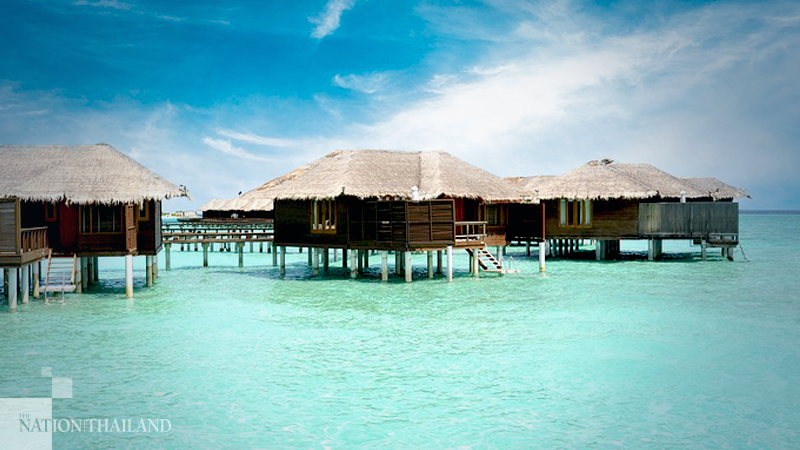
 This undated photo shows a container ship leaving Qingdao Port in Shandong province. (YU FANGPING / CHINA DAILY)