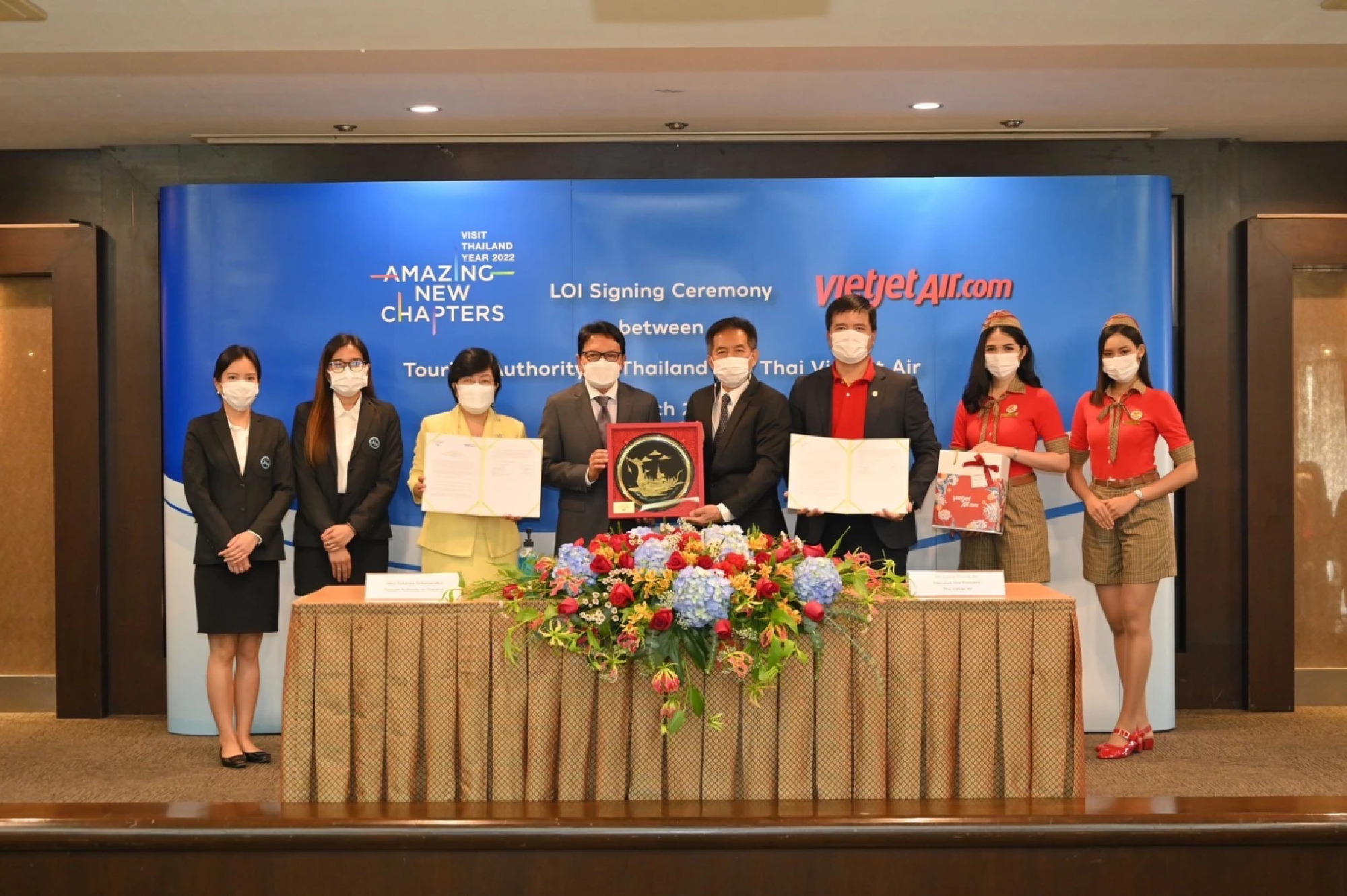
Bangkok, March 2, 2022 – Thai Vietjet, in collaboration with the Tourism Authority of Thailand (TAT), today signed the Letter of Intent (LOI) for cooperation in the field of tourism as strategic partners in implementing joint marketing activities, to promote and increase the number of inbound tourists, specifically from Vietnam and Cambodia markets, to Thailand.
The letter of intent (LOI) was developed as a result of relentless efforts and successful actions together for tourism promotion in domestic and international markets, with aims to collaborate and create joint promotional activities, and also to organize joint agent and media familiarization trips to Thailand and share travel and tourism information that is mutually beneficial to both parties and tourism industry in general.
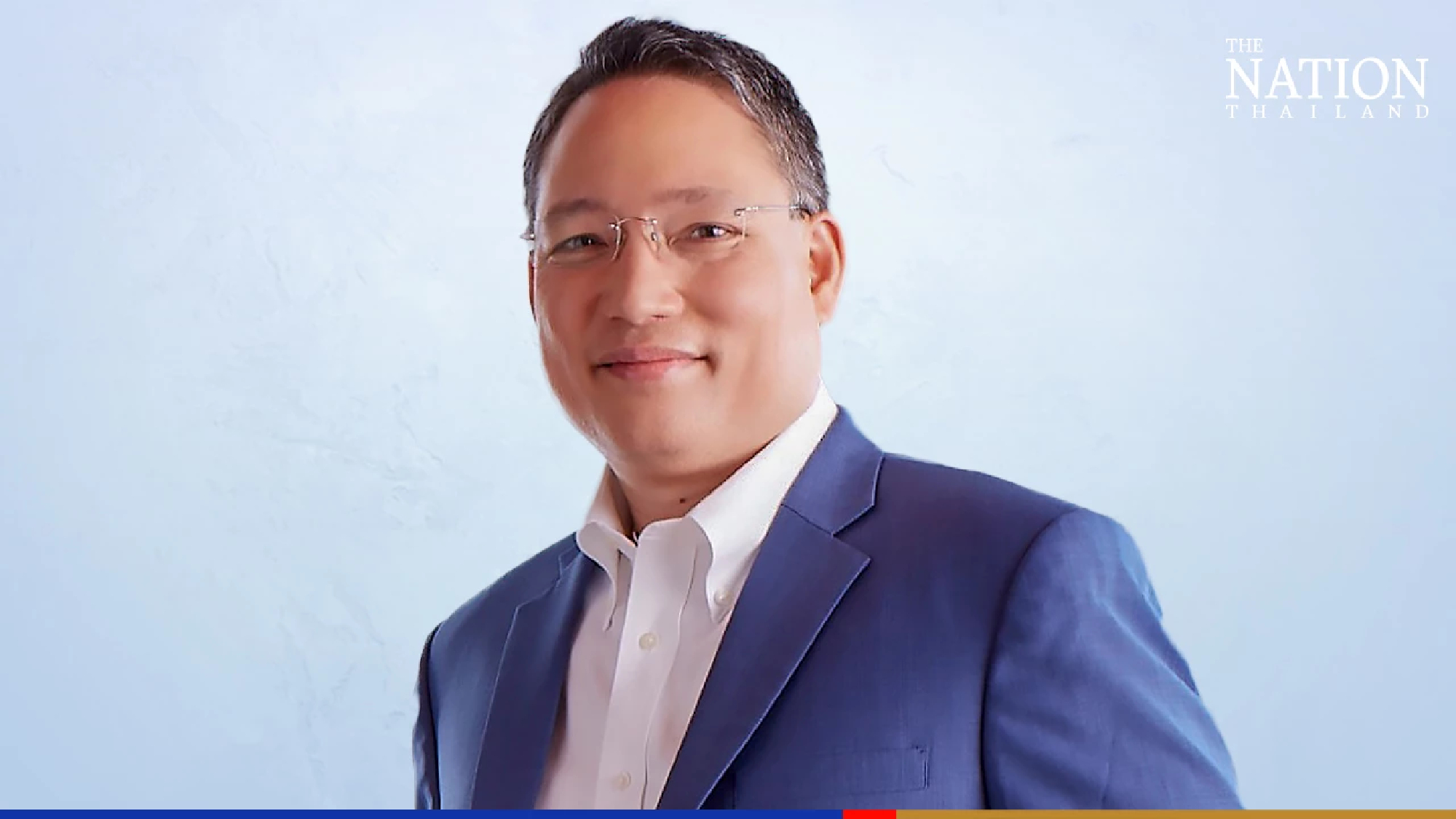
Woranate Laprabang, CEO of Thai Vietjet, said “We are delighted to announce the partnership between Thai Vietjet and the Tourism Authority of Thailand (TAT), working together to enlarge the number of inbound tourists, particularly from the Vietnam and Cambodia markets, to Thailand. We strongly believe that the committed collaboration will help further contribute to the recovery of aviation and tourism, as well as Thailand’s economy. Besides, this shall also be beneficial to the tourists with various attractive marketing campaigns in the coming time”
Currently, Thai Vietjet is operating flight service from Bangkok to Ho Chi Minh City with the frequency of up to 6 flights a week, while the flight services from Bangkok to Da Nang will be resumed from March 27, 2022. Also, the airline has introduced its new international service connecting Bangkok and the Cambodian capital city of Phnom Penh, starting from March 16, 2022. The airline shall further expand its international operation and will announce accordingly in the coming future.
Commercial banks approved 289.3 billion baht in loans to over 120,000 people and nearly 300 businesses affected by the Covid-19 outbreak since it was first found in Thailand in early 2020, the Thai Bankers’ Association reported on Thursday.
“For nearly two years, the association has been working with the Bank of Thailand and member banks in providing financial aid to business owners and the general public to help them stay afloat during the Covid-19 crisis,” said the association president, Payong Srivanich. “Data as of February 14 showed that 124,250 people and 285 businesses have been approved for Covid-19 related loans amounting to 289.3 billion baht.
“Besides loans, commercial banks have also granted debt moratorium to customers hit by the Covid-19 fallout, who owed 39.5 billion baht,” he added.
“Currently business loans are expanding at 7.9 per cent compared to last year, which means the business sector still needs money for business rehabilitation and expansion,” said Payong.
“Member banks under the association will continue to provide loans to business owners to make sure that the economic recovery is progressing smoothly now that the outbreak is gradually subsiding.”
Payong added that during the outbreak, member banks of the association also invested in establishing smart infrastructure, such as the PromptPay platform and Digital Supply Chain Finance to facilitate financial transactions even during Covid-19 lockdowns to comply with the government’s Covid Free Setting standard.
“We are planning to use digital platforms to record online purchasing history and payment of utility bills and submit the data to the National Credit Bureau [NCB],” said Payong. “The NCB will then use AI [artificial intelligence] and data analytics technology to turn it into Big Data that will help improve efficiency in alternative credit scoring.”
A House of Representatives body looking into the controversial proposed merger between telecom giants True Corporation and Total Access Communication (DTAC) met officials from the two companies on Wednesday to seek clarifications.
True and DTAC were asked about various aspects of their deal, such as reasons for merger, guidelines, laws and impacts on consumers, the commission chairman, Anudith Nakornthap, said.
He added that True and DTAC were also to clarify some issues later so that the commission could study the impact of the deal in the future.
“The commission is still curious about the real intention of this merger deal, as it is still unclear, especially the change in technology, new services which will not affect consumers and the impact of cost reduction on service quality and competitiveness,” he said.
“Meanwhile, we want to know about the steps the National Broadcasting and Telecommunications Commission [NBTC] will take to assure consumers that the merger will not have any impact on them and they will receive good quality service at a reasonable price.”
He said the commission will summon the NBTC to discuss the issue next week before concluding all information to propose to related agencies for consideration.
Anudith said the NBTC must ensure that the merger will be in line with laws, while it can launch measures to ensure improvement in service at a reasonable price.
“We believe that the merger can be done in line with laws, but we should focus on the process before and after the merger, on how it impacts the people and the telecommunication market,” he said, adding that the commission will report to the House of Representatives later.
Anudith said the business could not survive if the merger deal cannot be done, especially with the arrival of Over-The-Top (OTT) services from abroad, citing remarks by True and DTAC.
“Both mobile operators claimed that the merger deal is a solution to reduce fixed costs, as OTT service will increase network traffic and data usage, while metaverse would impose high operation costs on them,” he said.
“Meanwhile, AIS said the coming of OTT services is a challenge that global telecommunication must face, adding that it is necessary to see the merger result.”
He said the commission is paying attention to laws, improvement in services and reasonable price, so the NBTC and related agencies must supervise the issue to ensure there is no market domination or technology concentration.
He added that the NBTC and Trade Competition Commission must supervise this issue.
The Bank of Thailand (BOT) on Wednesday asked PayPal (Thailand) to extend its international money transfer service period for small online sellers until its identity verification system is completed.
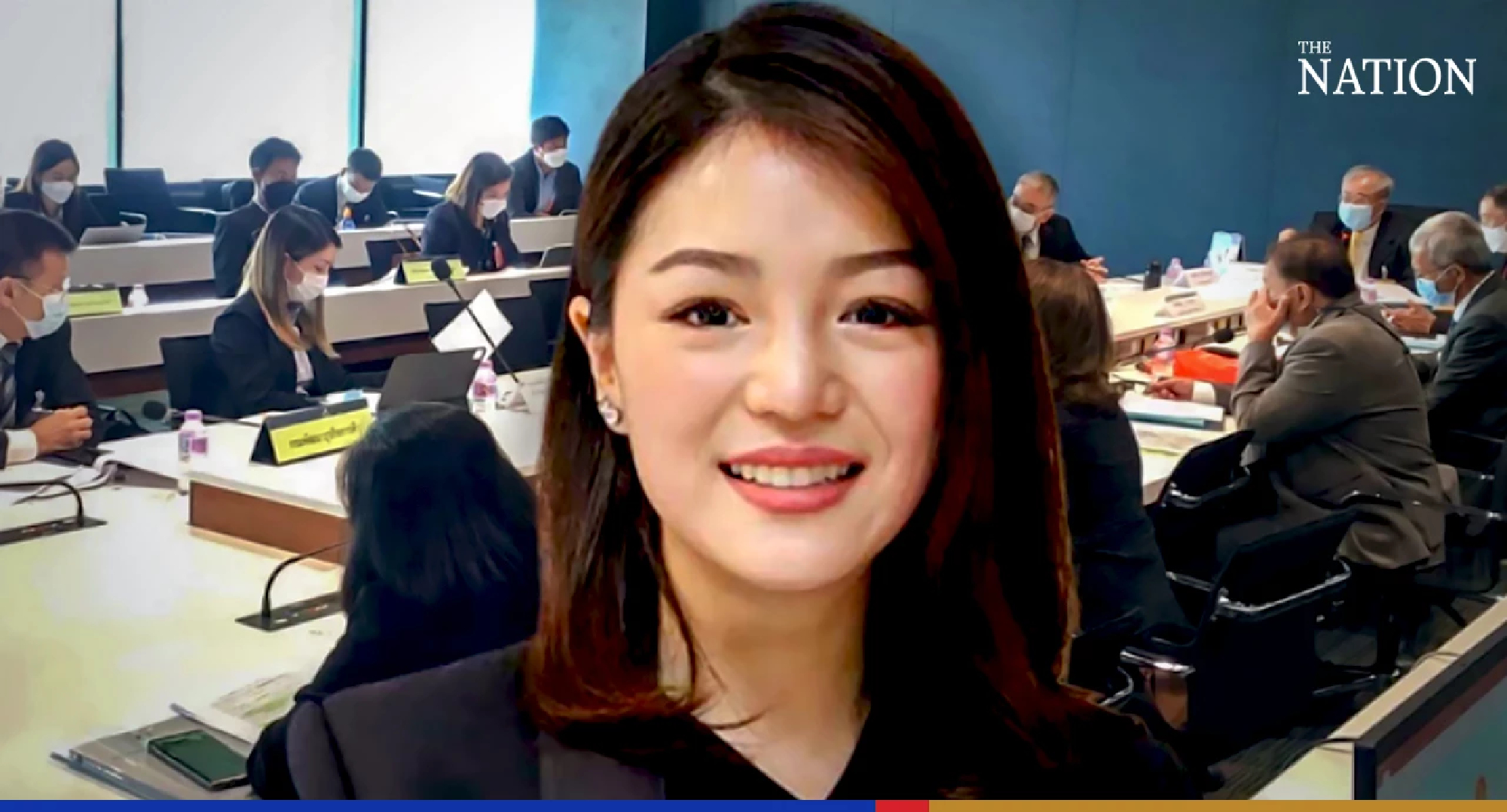
BOT’s request came after a meeting of the House of Representatives’ finance, financial institutions and financial market commission. The meeting was also attended by the Anti-Money Laundering Office (AMLO) and small online entrepreneurs.
The meeting was called after the online sellers submitted a letter to commission spokeswoman Watanya Wongopasi, claiming they were affected by PayPal’s new policy that individuals must register as juristic persons to use its international money transfer service. The policy is scheduled to take effect on March 7.
Teeraphat Charoensuk, representing the online sellers, made it clear that he would suffer from PayPal’s new policy. He also claimed that he faced difficulties registering as a juristic person, citing increasing business operation expenses and age restrictions.
BOT said PayPal’s move to verify identities must be done under the bank’s supervision in order to protect Thai customers, adding that the policy is also in line with AMLO laws.
The bank said an announcement by PayPal (Thailand) asking users to register as juristic persons in order to verify their identities under the new policy is a misunderstanding as the central bank and AMLO want both individuals and juristic persons to verify themselves.
Meanwhile, Watanya said the commission had concluded that individuals can verify their identity by using their ID cards or passports. She added that business registration with the Commerce Ministry is enough to meet AMLO conditions if PayPal wants to verify business operations.
“Hence, individuals do not have to register as juristic persons, which would result in high operation costs,” she pointed out.
Watanya said PayPal’s identity verification system is expected to be completed in six months. The company must verify customers’ identities within three months after the system is ready.
She added that BOT had discussed with PayPal the issue of compensating online sellers for causing a misunderstanding.
The Stock Exchange of Thailand (SET) Index is expected to rise to between 1,700 and 1,705 points on Thursday after an increase in the prices of crude oil and coal on the heels of sanctions against Russia, Krungsri Securities said.
Meanwhile, the US Federal Reserve signalling that it would raise the interest rate by 0.25 per cent each time would help boost the index, Krungsri Securities said.
“However, the index would be under pressure due to the war between Russia and Ukraine,” it added.
Krungsri Securities advised investors to closely follow the Fed’s monetary policy and US economic results to be announced on Thursday.
It recommends the purchase of the following as an investment strategy:
• PTTEP, PTT, Top, SPRC, BCP, Banpu and Age, which would benefit from the rising energy prices.
• PSL and TTA, which would gain from a rising freight rate.
• BDMS, Intuch, Advanc and Dtac, which are “defence” stocks.
The SET Index closed at 1,689.81 on Wednesday, down 4.47 points or 0.26 per cent. Transactions totalled 107.13 billion baht with an index high of 1,699.58 and a low of 1,684.53.
The baht opened at 32.48 to the US dollar on Thursday, strengthening from Wednesday’s close of 32.70.
Krungthai Bank market strategist Poon Panichpibool predicted the Thai currency would move between 32.35 and 32.60 during the day.
Poon said the baht found support from China’s new “Zero Covid” prevention measures, which could lead to a travel bubble with Thailand.
He said the market was open to more risks as foreign investors continued to buy Thai stocks, which have helped the baht to strengthen.
However, the Russia-Ukraine war might keep the market in a risk-off state, which means markets will remain volatile.
Poon said the market will swing in a wider range than normal. The baht’s key resistance level will remain at 32.80 to the dollar, while the key support level would be from 32.20 to 32.40.
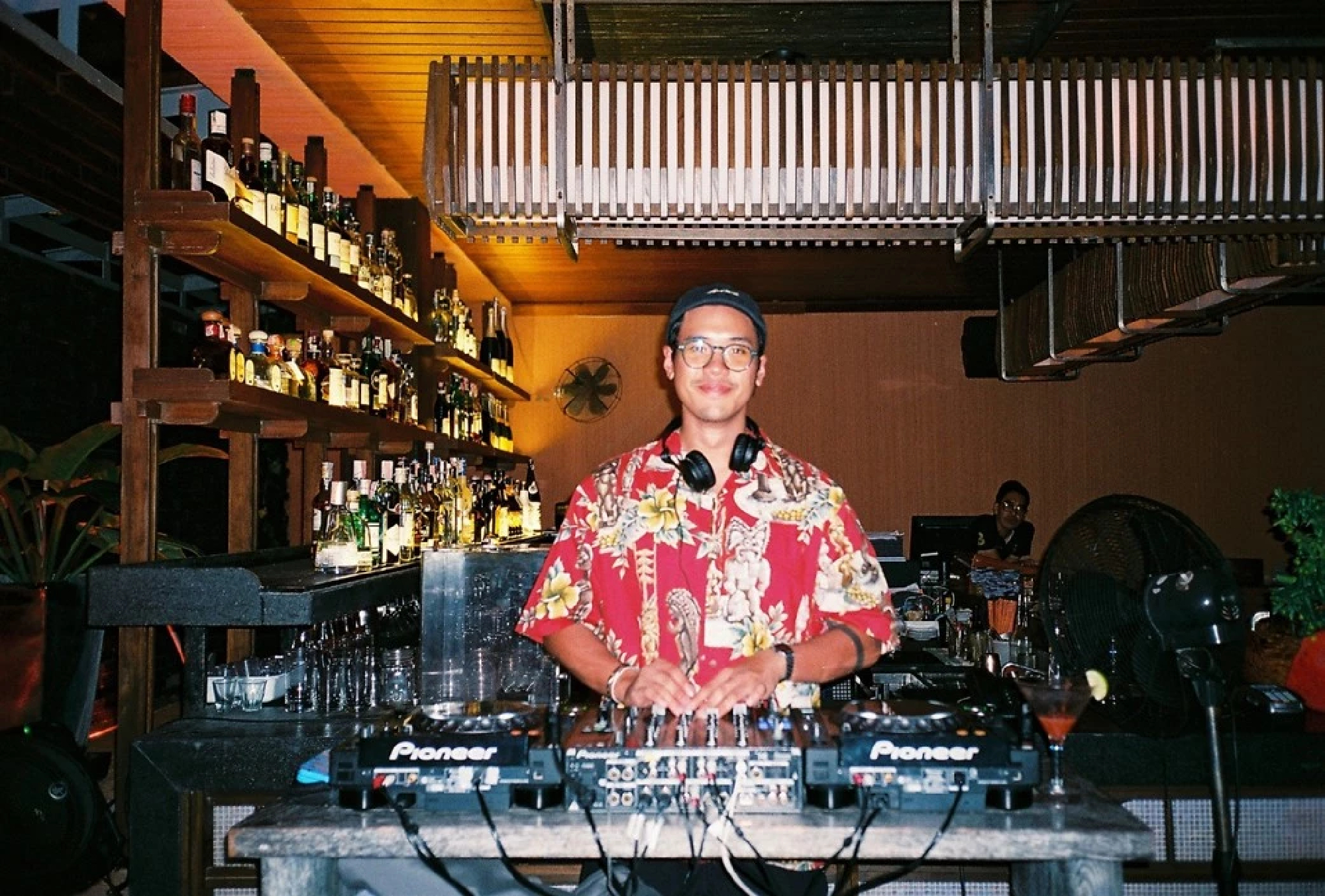
The Standard beach resort in Hua Hin is bringing an upbeat Miami Beach vibe to Thailand this week as it presents “Sunny Grooves” – two live sessions from pioneering Thai DJ Slowlygreen.
The Standard beach resort in Hua Hin is bringing an upbeat Miami Beach vibe to Thailand this week as it presents “Sunny Grooves” – two live sessions from pioneering Thai DJ Slowlygreen.
Set to take place on March 4 and 5 at the resort’s chic social spaces, the Beach Bar and Lido Bar, Sunny Grooves invites guests and local residents to drop in, chill out and boogie down in a spectacular alfresco setting, surrounded by verdant lawns, tropical greenery and just steps away from the shimmering sea.
On March 4, DJ Slowlygreen will take the stage to spin at the Beach Bar from 6pm to 9pm. Hotel guests, beachgoers and other party people can soak up the laidback atmosphere and throw some shapes on the soft sand.
On March 5, he will set up his decks at the Lido Bar from 4pm till 7pm, giving The Standard’s guests and visitors a chance to unwind by the pool or get groovy on the grass.
The Beach Bar and Lido Bar will be serving up a delightful selection of cocktails, light bites and casual Thai snacks on both evenings.
Diners seeking a more immersive culinary experience can head to Praça, The Standard’s restored heritage house and Thai izakaya by the sea, which serves authentic, innovative Thai cuisine with a creative, international twist.
DJ Slowlygreen is inspired by sounds from around the world. His sets are lively with influences from the US house scene, disco, jazz, dub and world beats. The Sunny Grooves sessions will be upbeat enough to let guests get down and dance barefoot, as the day melts seamlessly into night.
This is the latest example of The Standard’s commitment to showcasing local and international music and culture in all its forms, from emerging talents to established acts, in inspiring and intimate settings.
Just as unique as every Standard hotel, The Standard, Hua Hin, sets the stage for artists and acts that reflect the diversity of Thailand’s vibrant music scene, including electro DJs, indie bands and more.
Newly opened in December 2021, The Standard, Hua Hin, brings a cool Miami vibe to Thailand’s golden gulf coast.
With 199 rooms, suites and villas, the Lido pool and bar, a Thai izakaya restaurant and juice café, this chic seafront hotel is a haven for explorers.
The Standard hotels are only present in the most desirable destinations, from Miami Beach to the Maldives, London to New York, Hollywood to Hua Hin.
Singha Estate Pcl reported an 18 per cent increase in revenue year on year amid the Covid-19 pandemic, and a spectacular turnaround in results year on year in the fourth quarter.
Singha Estate Pcl reported an 18 per cent increase in revenue year on year amid the Covid-19 pandemic, and a spectacular turnaround in results year on year in the fourth quarter.
The company reported revenue of 7.739 billion baht for 2021, with improvements year on year in four consecutive quarters, aggregating an 18 per cent rise compared to the previous year. Singha achieved a net profit of 100 million baht in the fourth quarter alone, after reporting a loss for the period in the previous year.
The increase in revenue came primarily from the hospitality business, which reported 4.512 billion baht revenue, nearly triple the total revenue from sales and services last year. The company sees the performance as the success of its strategy to diversify risk.
Nearly 90 per cent of total revenue in 2021 was contributed by the UK Portfolio hotels, which gained from the strong recovery of the tourism industry from the high vaccination rate. The Project Crossroads Phase 1 hotels were highly rated and attracted various types of customers.
In the fourth quarter, the American Depositary Receipt (ADR) of Crossroads Phase 1 hotels was $418 (13,650 baht), the highest ADR level since its opening in September 2019, emphasising a positive signal to future revenue growth.
Singha Estate CEO Thitima Rungkwansiriroj attributed the performance to its strategies to continue adjusting its business model and differentiate through product/service development to enhance profitability.
The strategies along with effective cost management enabled the company to achieve earnings before income tax, depreciation and amortisation of 1.562 billion baht, up 213 per cent from the previous year.
Singha Estate reported a net profit of 100 million baht for the fourth quarter, a radical turnaround from the loss of 2.029 billion baht for the same period last year.
The company continued to emphasise the success of Santiburi the Residences through the development of low-rise projects to leverage brand equity, focusing on the luxury segment priced at 20 million to 100 million baht, which is considered the company’s key area of expertise.
Singha Estate expects to officially launch the first project at Pattakarn 32, with units priced at 50 million to 100 million baht in the second half of 2022. The company plans to acquire four additional land plots in other potential districts in 2022.
Despite the pressure from negative factors towards commercial property for the rental market, a balance of customer portfolio management, asset improvement, and the offering of new business models to cope with changing demand are factors driving the average occupancy to remain at 87 per cent.
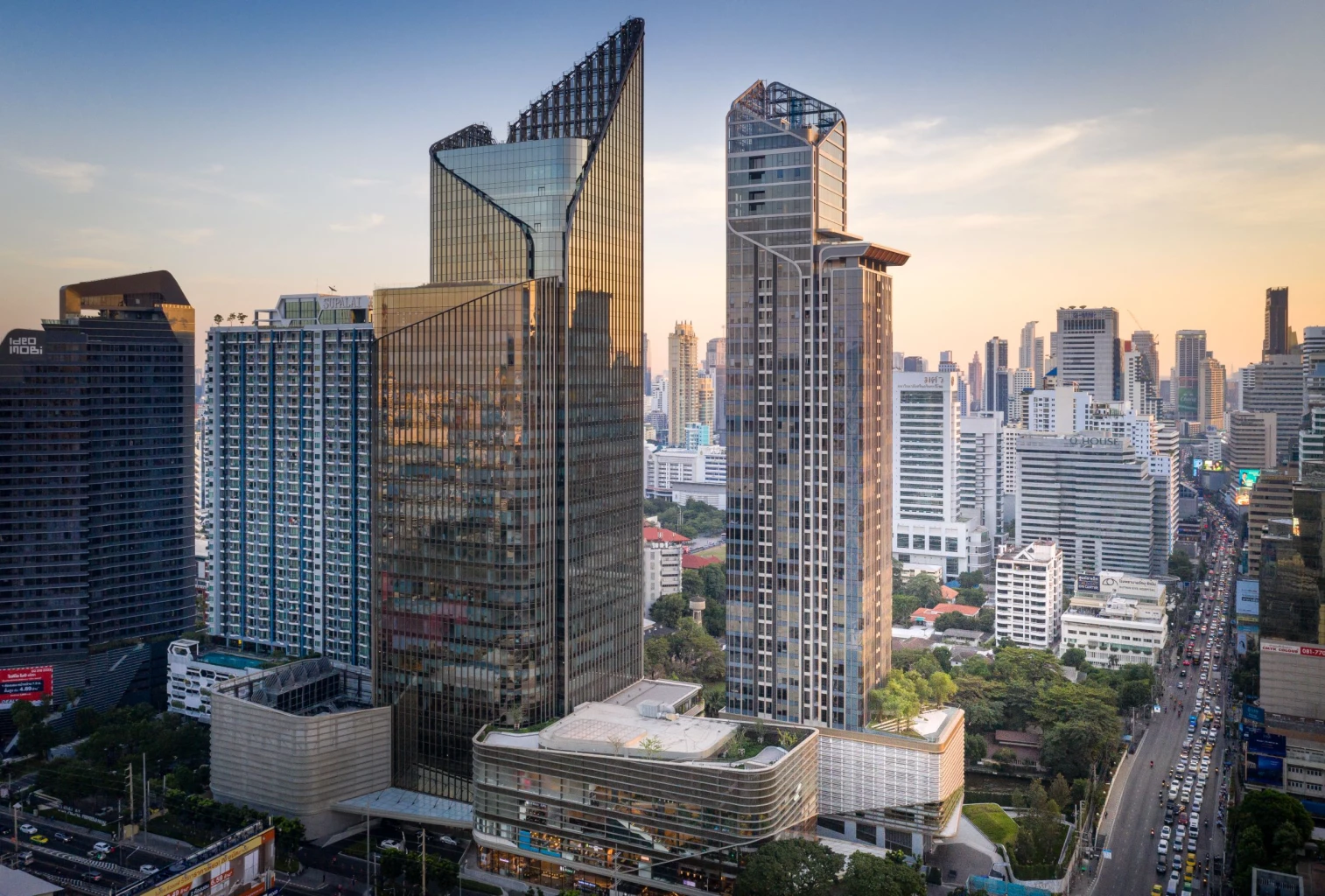
In the second quarter of 2022, Singha Estate expects to officially launch its new office building, “S Oasis”, which was designed under the “hybrid workplace” concept to support high flexibility in useable area. This project is the first Prime Grade office tower located on Vibhavadi Rangsit Road with approximately 54,000 square metres net leasable area for office and retail space.
Singha Estate has signed a long-term lease agreement with S Prime Growth Leasehold Real Estate Investment Trust (SPRIME) for three premium office buildings and retail space, which will have total rental space of over 64,000 square metres.
The lease agreement is valued at not less than 6.45 billion baht. This follows the company’s asset portfolio management strategy, which will focus on capital recycling to strengthen its financial positioning and to support consistent business expansion while enhancing SPRIME’s growth potential.
“This is a milestone year that marks our transition into the next phase of Singha Estate’s development journey to strengthen its portfolio with competitive advantages and create unique selling points. This follows our mission to drive the business to become one of Thailand’s foremost enterprises that leverages the synergies between multiple property sectors and across related services to double revenue in 2022,”
Collectius, the leading restructuring partner for financial institutions in Asia, has acquired US$80 million (2.6 billion baht) worth of non-performing loans (NPL) from Kiatnakin Phatra Bank in Thailand on January 23.
The deal, which includes a combination of hire purchase and SME loans, extends the strong momentum of portfolio acquisition for Collectius since it was licensed by the Bank of Thailand in 2016.
To date, Collectius has purchased a total of US$460 million worth of unsecured NPLs in the country and is preparing to secure more portfolios this year after the BOT eased debt assistance measures to help businesses and individual borrowers get easier access to credit during the pandemic.
“Kiatnakin Phatra Bank is one of Thailand’s leading banks providing a range of financial services encompassing commercial banking, capital markets and debt restructuring. Its banking services include personal banking, as well as serving the needs of small and medium-sized enterprises,” it explained.
“With the bank upgrading its loan growth target last year, Kiatnakin Phatra Bank expects its NPL ratio to reach 3 per cent by the end of 2021 compared to 3.4 per cent in June last year.”
Commenting on the transaction, Gustav A Eriksson, group CEO at Collectius, said the company is pleased to partner Kiatnakin Phatra Bank in strengthening its liquidity position and thereby drive operational efficiency.
Such a move helps credit to continue to flow freely which would aid the local economy on its road to recovery, he added.
“After our acquisition of Magnate last year — one of Thailand’s top debt servicing firms — we are confident of maintaining strong growth momentum in Thailand where we have expanded our acquisitions from personal loans to leasing and SME loans in recent times,” he said.
As a leading Singapore-based fintech pioneer in unsecured debt purchases, Collectius in 2020 partnered with IFC, a member of the World Bank Group, to launch a $60-million Distressed Asset Recovery Programme (DARP) dedicated to acquiring and resolving unsecured debt in Indonesia, the Philippines, Malaysia, Thailand and Vietnam.
DARP has allowed banks to offload $30 billion in NPLs and is facilitating the normalisation of obligations of more than 18 million households and small and medium-sized enterprises.
Collectius continues to reinforce its position as the preferred partner for sale of consumer NPLs in Southeast Asia, by employing technology and digital-led strategies to build additional servicing capacity.
“In 2021, the company doubled its assets under management to US$5 billion and registered a 53 per cent growth in portfolio volume and revenue respectively,” it added.
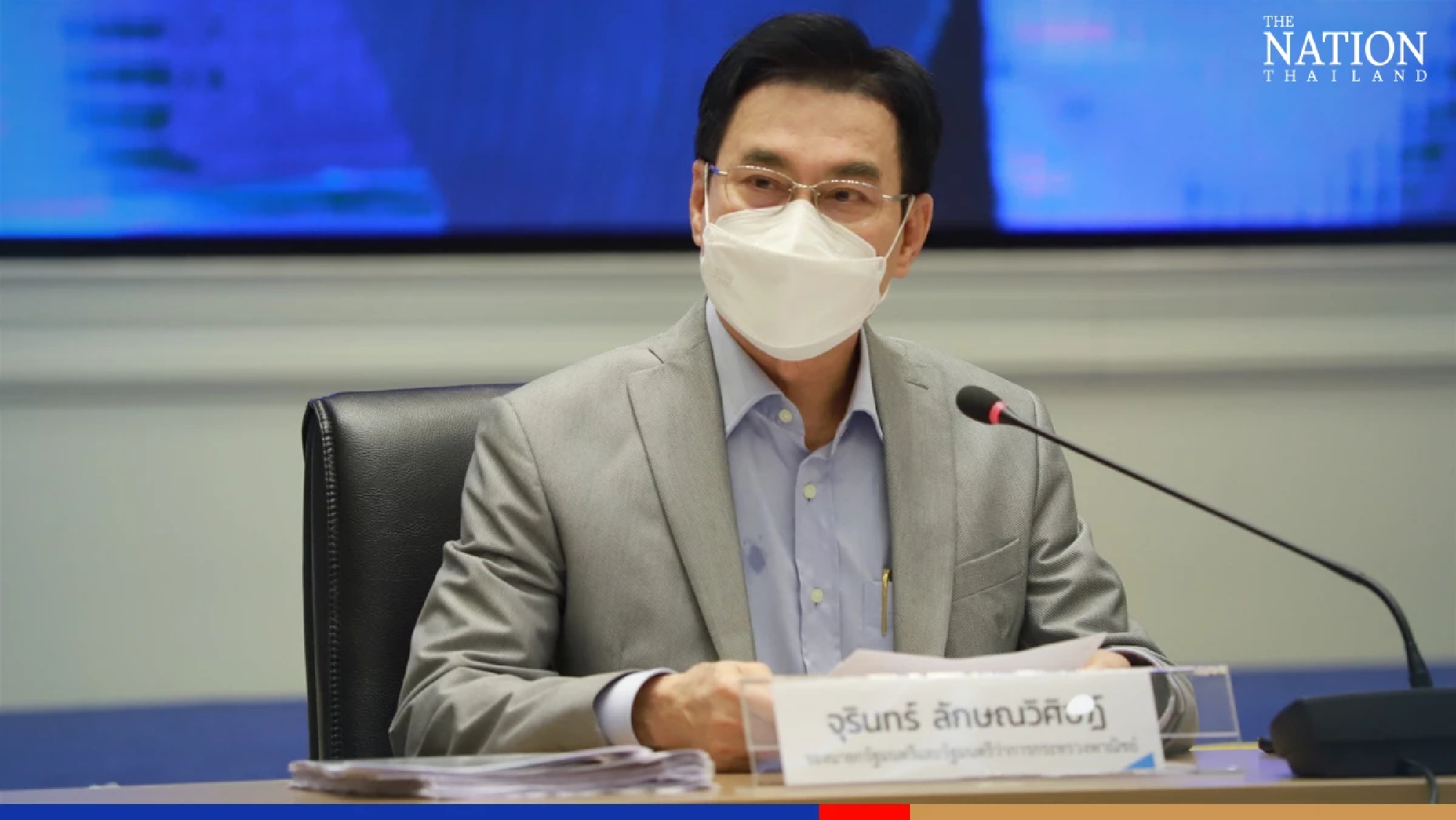
Thailand’s exports recorded 8 per cent growth in January, Deputy Prime Minister and Commerce Minister Jurin Laksanawisit said on Wednesday.
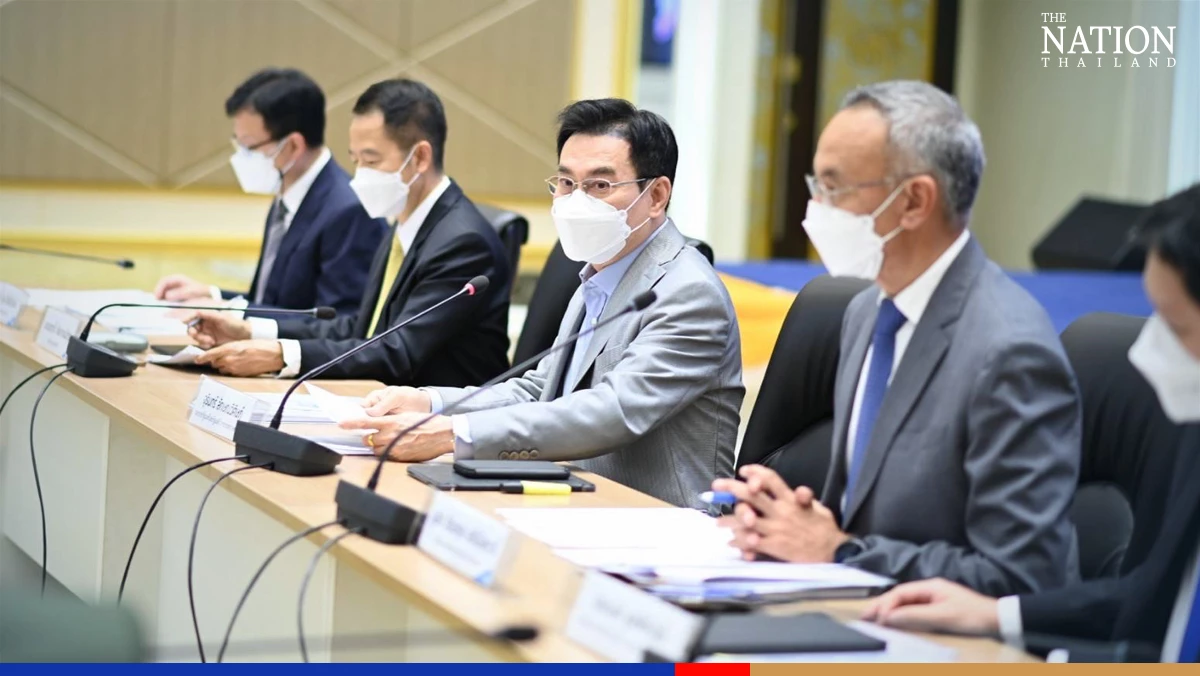
Jurin and Boonyarit Kalayanamit, the permanent secretary for Commerce, held a press conference at the Commerce Ministry to announce the export figures for January.
Jurin said the export figures for January 2022 came out late because the Customs Department was revising its HS [harmonised system] code, which has to be revised every five years.
Jurin said exports grew by 8 per cent in January with a total value of Bt708.31 billion.
The top 10 markets with most growth are: India (31.9 per cent), Russia (31.9 per cent), United Kingdom (29.7 per cent), South Korea (26.8 per cent), the United States (24.1 per cent), Canada (13.6 per cent), Asean (13.2 per cent), China (6.8 per cent), Latin America (5 per cent) and European Union (1.4 per cent).
Jurin said the country enjoyed growth mainly because the Commerce Ministry has been working closely with the private sector to boost exports.
Moreover, the manufacturing sector was expanding globally, which was reflected in the Global Manufacturing Index that was above 50 points for 19 consecutive months.
Another factor was the fact that the shortage of containers at the Laem Chabang deep sea port and Bangkok Port has eased, Jurin said. He said the private sector and US authorities have been working night and day and on holidays to speed up clearance of goods so the containers could be recycled for use for exports.
Jurin added that the figure was much higher than the 0.3 per cent growth in January 2021.
The Commerce Ministry maintained its export target for this year of 3 to 4 per cent growth despite the Russia-Ukraine war, Jurin said.
Jurin said the permanent secretary has been assigned to discuss the situation related to the war with the Thai Chamber of Commerce, the Federation of Thai Industries, and the Thai National Shippers’ Council on measures to mitigate the impact of the war.
Jurin said the discussion concluded that the current situation would not much affect Thailand’s exports because exports to Russia constituted only 0.38 per cent of all export figures and only 0.04 per cent to Ukraine.
He said the conflict could affect in the long run due to rising cost because of increasing oil prices.
The meeting discussed that if some ports in Russia and Ukraine remain closed because of the war, new ports would have to be found and the shipping costs would rise.
The meeting also realised that the war could affect the prices of imported materials, such as steel for making cans and for construction and grains for making animal feed, as Russia and Ukraine are major exporters of wheat.
The meeting also discussed a measure for Thailand to seek new markets in the Middle East, Africa and Latin America to substitute markets in Russia and Ukraine.
Jurin said the meeting also discussed finding alternate markets where Thailand could replace Russia and Ukraine. For example, Thailand could try to export tapioca to China to replace corn from Ukraine or export rubber products to the US to replace products from Ukraine.
Jurin said he had told the permanent secretary to work closely with the three organisations to find measures to mitigate the impact from the war.







 Jurin said the discussion concluded that the current situation would not much affect Thailand’s exports because exports to Russia constituted only 0.38 per cent of all export figures and only 0.04 per cent to Ukraine.
 Jurin said the meeting also discussed finding alternate markets where Thailand could replace Russia and Ukraine. For example, Thailand could try to export tapioca to China to replace corn from Ukraine or export rubber products to the US to replace products from Ukraine.
