The Stock Exchange of Thailand (SET) Index is expected to rise to the resistance level between 1,708 and 1,710 points on Thursday after the US Federal Reserve signalled it would not raise the interest rate immediately, Krungsri Securities said.
It added that mass buy-ups of company shares that are expected to grow based on their business turnover last year would help boost the index.
“However, uncertainty over tension between Russia and Ukraine would make the index volatile,” Krungsri Securities predicted.
It recommends the purchase of the following companies’ shares as an investment strategy:
• EA, GPSC, Amata, WHA, AH and Stanly, which will benefit from the government’s electric vehicle promotion package.
• BBL, KBank, KTB, SCB, TTB, BLA and THREL, which would gain from news of a US interest rate hike.
• IVL, SPRC, Gulf, Banpu, TU, CPF, Spali, ORI, WHA, Amata, HMPro, CPN, CRC, BLA, NER, Itel, XO, Ask, UBE, Forth, TH and SNNP, that are expected to grow based on their business turnover last year.
The SET Index closed at 1,701.45 on Tuesday, up 16.76 points or 0.99 per cent. Transactions totalled 91.60 billion baht with an index high of 1,702.74 and a low of 1,687.18. The index was closed on Wednesday for Makha Bucha Day.
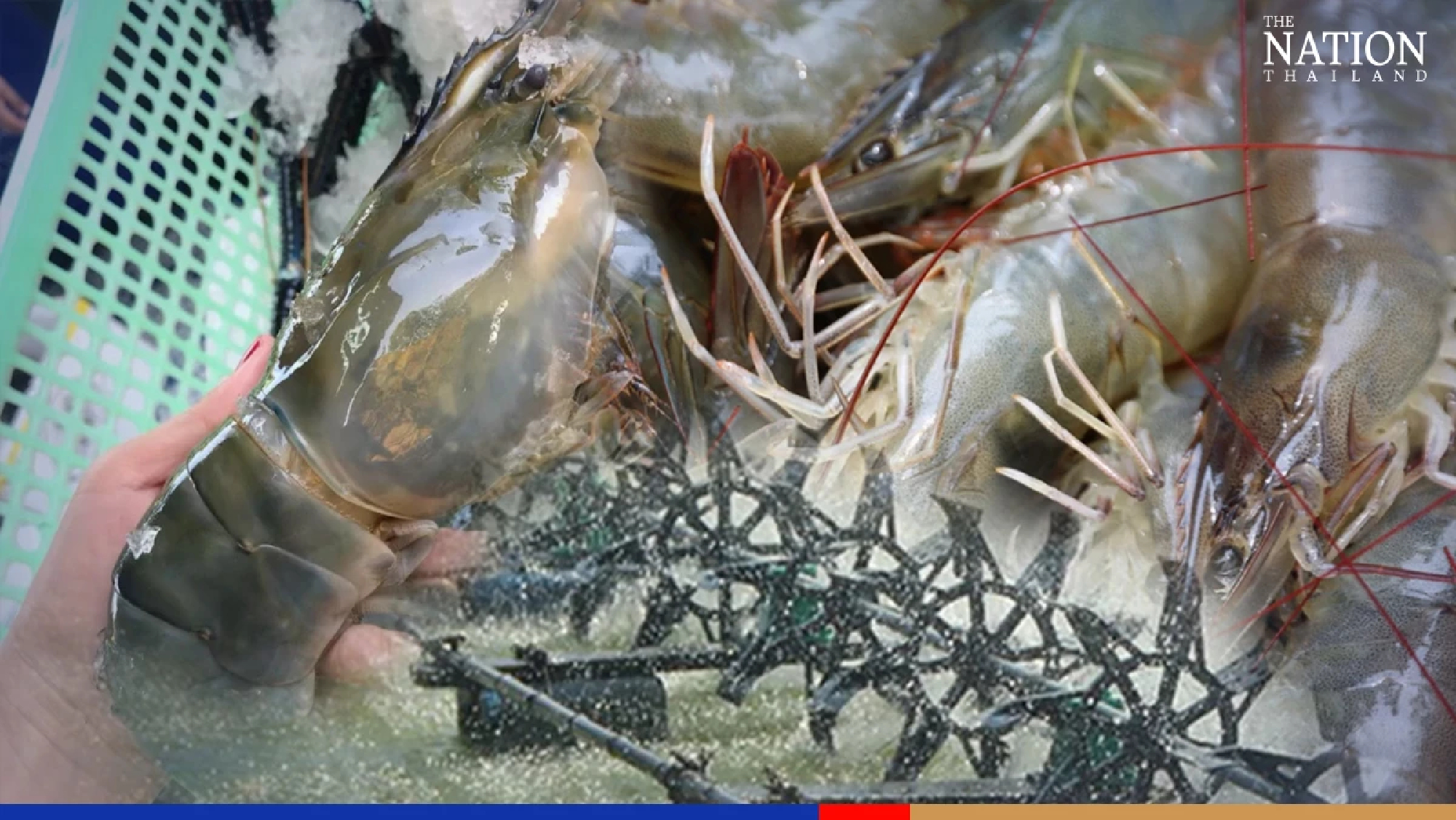
Thai shrimps have been affected by early mortality syndrome (EMS), which has severely dented yields since 2012, leading to dependence on imports, the Thai Shrimp Association said.
The association’s president, Ekapoj Yodpinit, said that
Thailand used to produce more than 630,000 tons of shrimp, but now produces only 280,000 tons worth 43 billion baht. The output was not enough to meet the needs of factories, he said, as a result shrimp has to be imported before it is processed for export.
The reduced output has led to loss of exports worth more than 500 billion baht, or an average loss of 100 billion baht per year for the past decade.
Thailand was the No. 1 shrimp exporter, but has now slid to sixth place. Ecuador, India and Vietnam have become major exporters.
The global shrimp market still acknowledges and has faith in the quality of Thai shrimp, said Ekapot.
The Thai Shrimp Association and partners in the shrimp industry have proposed to the Ministry of Agriculture and Cooperatives to formulate guidelines for the development of the aquaculture industry to ensure sustainability for the country.
The association wants the Department of Fisheries to urgently research and find cures for three major diseases – EMS, white faeces, and red and white spots – which are serious problems that destroy shrimp farms.
The department has to research to produce disease-resistant young shrimp, an effective diet, and organise an appropriate raising system.
Shrimp disease problems have resulted in an increase in the cost of production by about 160 baht per kg (100 shrimps), close to the selling price, he said
The association expects a suitable output of 400,000 tons per year.
If the plans succeed, the shrimp output will be sufficient to meet the demands of Thai processing plants within two years. It will free the country from the need to import shrimp and farmers would be able to sell at a satisfactory price, said Ekapot.
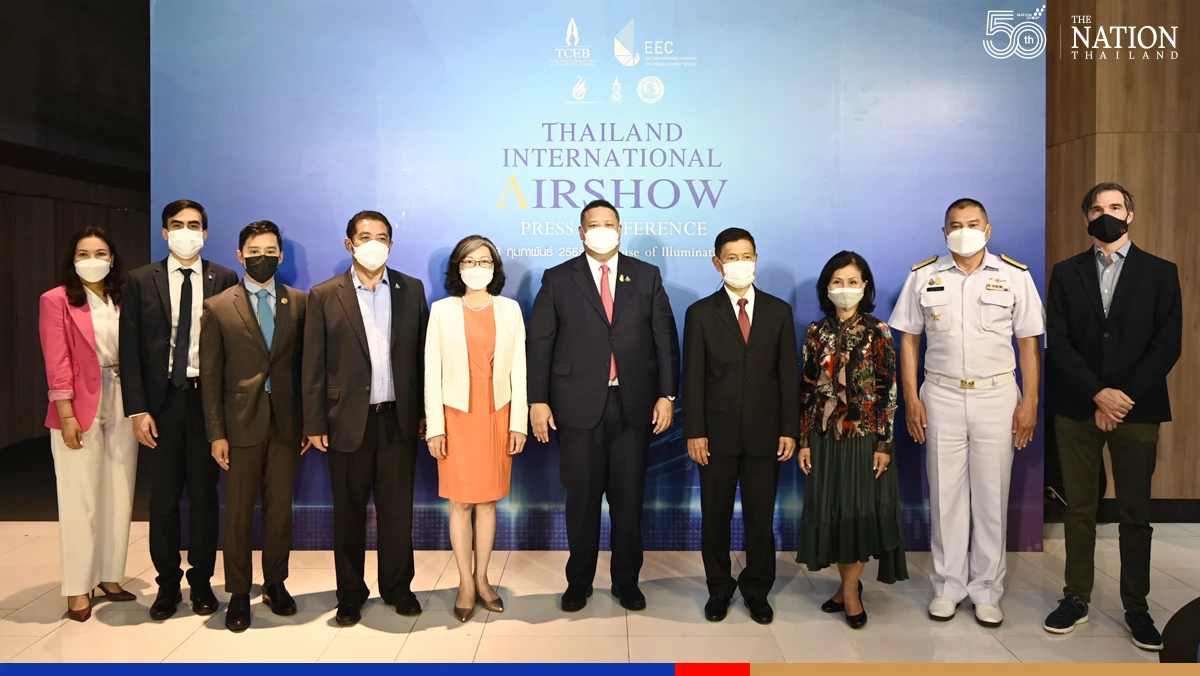
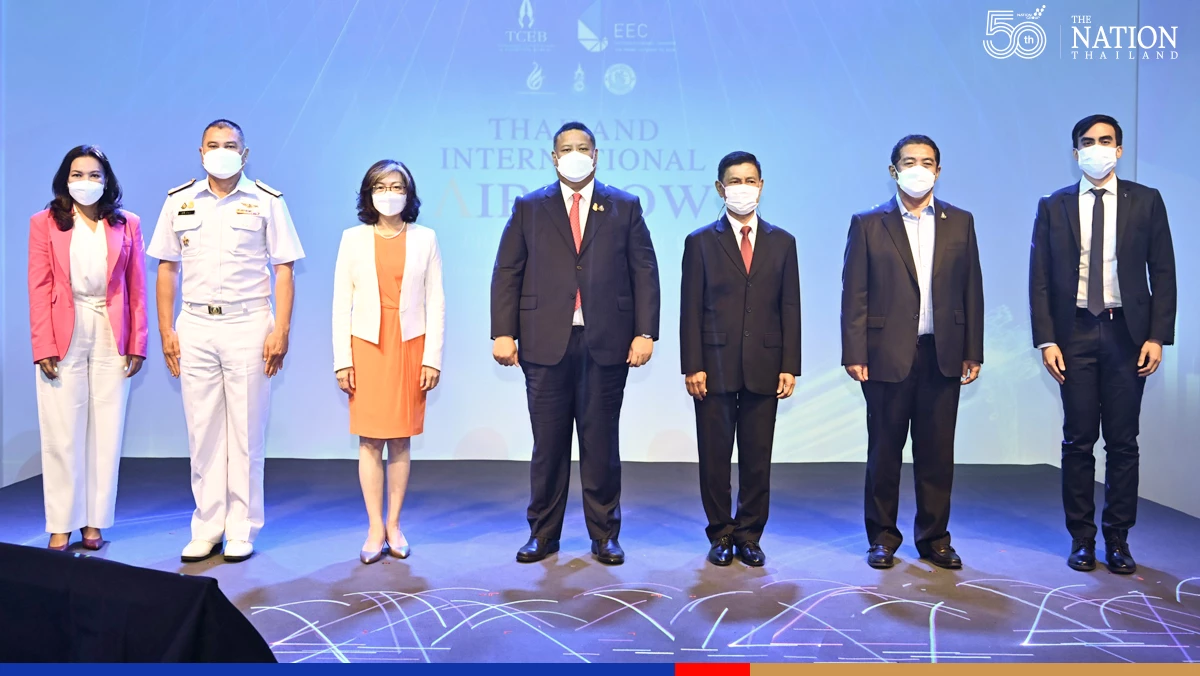
The Thailand Convention and Exhibition Bureau (TCEB) is organising the “Thailand International Air Show” at U-Tapao International Airport in Rayong in 2027 in a bid to promote the country as an Asean aviation hub and provide the Eastern Economic Corridor a fillip, the bureau announced on Tuesday.
The project was presented to the Eastern Economic Corridor Office of Thailand (EECO) as an organisation in charge of the development of U-Tapao Airport and the Eastern Aviation City.
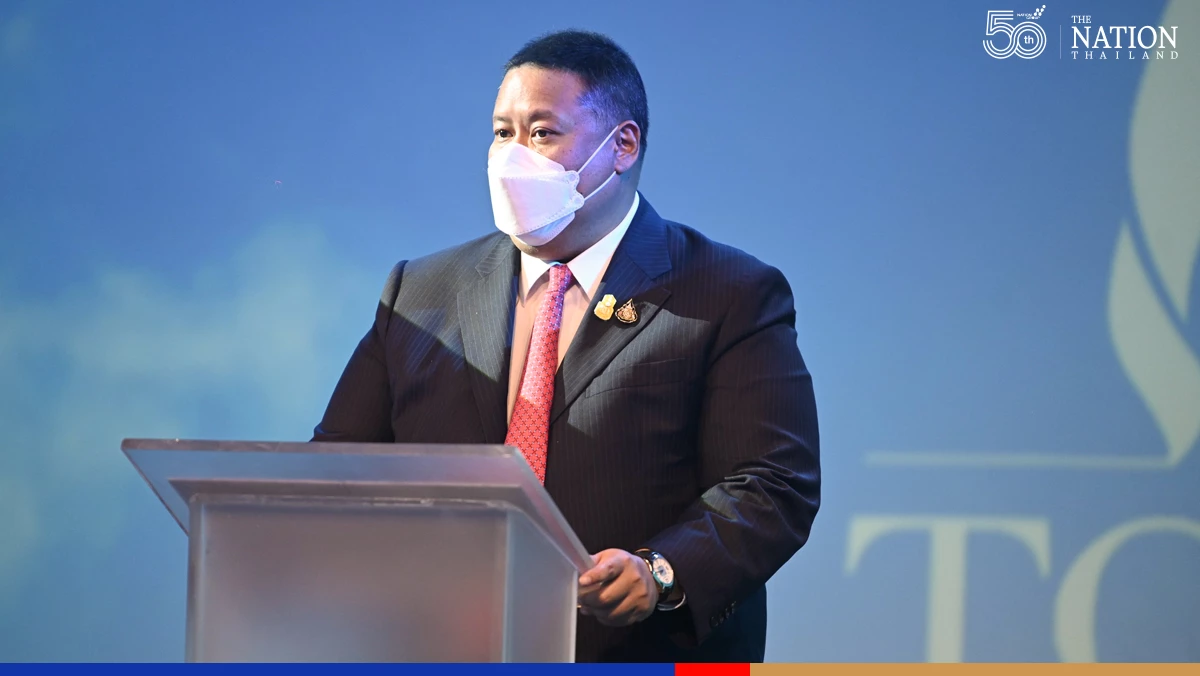
TCEB president Chiruit Isarangkun Na Ayuthaya, as chairman of the event, said it would be the country’s first international air show and promote Thailand as an exhibition centre and aerospace trade hub.
He said the show would be a large-scale international event and become a driving force of Thailand’s high-tech industry.
“In addition, this event promotes Thailand as one of the world’s leading manufacturers and exporters of aircraft parts,” he pointed out.
Chiruit Isarangkun Na Ayuthaya
He explained that Thailand exported aircraft parts and equipment worth as much as US$3.18 billion (THB104.6 billion), citing information from the Board of Investment in 2018.
“Entrepreneurs will have the opportunity to participate in the development of the world’s aerospace industry,” Chiruit said.
He added that the event would be organised in 2027 without worries over the Covid-19 situation.
Meanwhile, TCEB senior vice president of Strategic Marketing and Business Development Nichapa Yoswee said that apart from the role to drive the MICE (meetings, incentives, conferences and exhibitions) industry to develop the economy through innovation and distribute income to all sectors, the TCEB also acts as a “national bidder” to organise or attract world-class events in line with Thailand 4.0 and the 20-year national strategic plan.
She said the TCEB is promoting the air show under the concept of “The Future of Aerospace”, which emphasises innovation technologies to reflect Thailand 4.0 across all sectors, including civil, commerce and defence.
Nichapa went on to say that the idea and concept of organising a world-class trade show in Thailand came after the TCEB responded to the industry 4.0 policy in 2017.
“The TCEB began a study on air shows in 2018 in order to assess the feasibility and set up a cooperation framework for organising aviation trade shows in Thailand,” she explained. “In addition, public hearings and meetings with relevant agencies were organised.”
The bureau has invited the EECO, U-Tapao International Airport, the Royal Thai Navy and Pattaya City to become a part of the global event.
TCEB hopes to elevate the aviation and logistics industries and prepare MICE businesses in the area to support the international air show through a “Road to Air Show” project by initiating a trade fair and MICE industry conference titled “Aviation & Log-In Week”, which is a combination of shows, conferences and mega events to increase participation opportunity, create business or industry value and stimulate the economy.
“The TCEB expects that from 2023 to 2027, there will be 28 new and continuous events in the EEC area as part of the Aviation & Log-In Week, including the Thailand International Air Show. These events would generate a positive economic impact to Thailand of more than 8 billion baht during that period,” Nichapa added.
EECO special adviser of Infrastructure Development Chokchai Panyayong said the EEC appreciates the TCEB idea of wanting to push for an aviation trade show and world-class logistics, which will promote the development of technology, products, services and labour, as well as increase the competitiveness of the Thai aviation industry and related industries to advance to international standards.
He said the project is in line with the U-Tapao Airport Development Policy and the Eastern Aviation City in the EEC to elevate Thailand into an Asean aviation hub.
Chokchai explained that in 2019, Thailand’s six major airports could accommodate more than 140 million passengers per year, with up to 450,000 departure flights per year across the world.
The country as a whole has a high demand for aircraft maintenance services, with the value exceeding 36.5 billion baht per year. The Civil Aviation Authority of Thailand meanwhile has registered 679 aircraft in the country.
“In response to the government’s strategy to boost the aviation sector and logistics in accordance with the national development plan, the EEC is driving Thailand’s development and increasing its potential to become a fully integrated aviation hub,” he said.
“As a result, one of the country’s major infrastructure projects is the building of U-Tapao International Airport and the Eastern Aviation City. Maintenance repair and overhaul [MRO] as well as the manufacturing of parts and other associated components will be incorporated within the area to establish the groundwork for the development of a comprehensive aviation sector,” Chokchai said.
He said U-Tapao International Airport and the Eastern Aviation City, MRO and an aviation technical zone, including a high-speed rail linking the three airports and the third phase of the Laem Chabang Port and Map Ta Phut Industrial Port development, would be completed between 2025 and 2026.
“The Thailand International Air Show will be a stepping stone for the aviation industry to realise its immense potential to become more than a tourism destination but also an aviation hub or a one-stop service for aviation businesses,” Chokchai added.
Pattaya Mayor Sontaya Kunplome said the Thailand International Air Show is a great response to Neo Pattaya’s strategy for a smart city – the centre of the economy, investment and transportation in the Eastern region.
He said U-Tapao International Airport would be another significant airport that would meet the new normal lifestyle in terms of tourism, business and housing.
Sontaya went on to say that Pattaya City’s new age, like that of other world-class international cities, will be enhanced by digital transformation technology with greater convenience for its residents, business people and tourists.
“This effort will help improve the economy at the national level, resulting in revenue to residents and entrepreneurs,” he said. “Pattaya City is proud to be Thailand’s representative city for hosting world-class events, such as this air show.”
Many believe the event will contribute to the development and progress of Thailand’s communities, society, commerce, industry, and economy as an Asean aviation hub.
The power company will launch “EGAT Smart Energy Solutions” at the Thailand Pavilion during energy and environment week (February 20-March 8).
Electricity Generating Authority of Thailand (EGAT) will showcase its innovations on the global stage at the ongoing World Expo 2020 Dubai in the United Arab Emirates. The power company will launch “EGAT Smart Energy Solutions” at the Thailand Pavilion during energy and environment week (February 20-March 8).
Exhibits and videos will tell the story of EGAT’s push for clean energy. These include Renewable Energy Certificates (REC) for rights to produce electricity from renewable sources, the ERC Sandbox to test innovations, EGAT’s Smart Energy Solution ENZY, and the world’s largest hybrid floating photovoltaic project – a hybrid 45MW solar-hydro power plant at the Sirindhorn Dam. EGAT said it is confident that participation in the World Expo will boost business opportunities for EGAT Group and Thailand.
Never before have businesses been confronting with an environmental issue of this magnitude. Where are the challenges and opportunities? What innovations will be the answer for sustainable growth?
Never before have businesses been confronting with an environmental issue of this magnitude. Where are the challenges and opportunities? What innovations will be the answer for sustainable growth?
Krungthep Turakij newspaper in collaboration with Dow Thailand Group (Dow) on the occasion of the 125th anniversary of the founding of Dow will be organizing a seminar on the “Fast Track to the Net Zero” on Friday, March 11, 2022 from 13:00 – 17:30 hrs.
The idea is to present the challenges and business opportunities arising from the Net Zero emissions target. Led by both local and international experts joining the panel discussion, participants will be introduced innovative solutions that not only enable business growth while reducing carbon emission but also achieve the sustainability goals more efficiently and promptly.
Joining the panel discussion:
• Khun Auramon Supthaweethum, Director General, Department of Trade Negotiations
• Assoc. Prof. Dr. Singh Intrachooto, Chief Advisor to MQDC’s Research & Innovation for Sustainability Center (RISC)
• Dr. Nuwong Chollacoop, Committee, Electric Vehicle Association of Thailand
• Khun Chivanon Piyaphitakskul, Marketing Manager, Kantar, Thailand and Malaysia, Worldpanel Division
• Mr. Loganathan Ravisanker, Associate Technology and Business Development Director, Dow Southeast Asia
• Mr. Nicholas Kolesch, Vice President of Projects Alliance to End Plastic Waste
• and a Team of innovation experts from Dow group.
Marriott International Inc on Tuesday announced plans to expand its portfolio across Asia Pacific, aiming to open its 1,000th property in the region by late 2022.
Marriott International Inc on Tuesday announced plans to expand its portfolio across Asia Pacific, aiming to open its 1,000th property in the region by late 2022.
The company said in a press statement that it expects to open nearly 100 properties in the region this year.
Craig S Smith, Group President, International for Marriott International, said the firm is signing an average two new development deals per week, with deals clinched in 13 different markets across the region.
“This year, we expect to continue to drive demand and growth, which is a testament to our talented teams committed to operational excellence, and the relationships we have with the customers we’re privileged to serve and the developers, owners, franchisees and partners we’re honoured to do business with,” Smith said.
Greater China remains an engine for Marriot International’s growth, as it accounts for more than half of the company’s anticipated luxury openings in Asia Pacific in 2022.
Ritz-Carlton Reserve anticipates expanding its highly curated portfolio in Greater China, debuting its first rare estate in the historic Jiuzhaigou valley later this year. Additional expected luxury openings in 2022 include JW Marriott Hotel Changsha and W Macau-Studio City, the company said.
Research by the World Travel & Tourism Council (WTTC) suggests that leisure travel demand is now booming at an accelerating rate. Marrriot said it was poised to strengthen its presence across several leisure destinations as leisure demand continues to outpace business travel this year. In South Korea, the company expects to bring its JW Marriott brand to Jeju with the opening of JW Marriott Jeju Resort & Spa in May 2022. Meanwhile, the scheduled opening of W Sydney in late 2022 will mark the third W hotel in Australia.
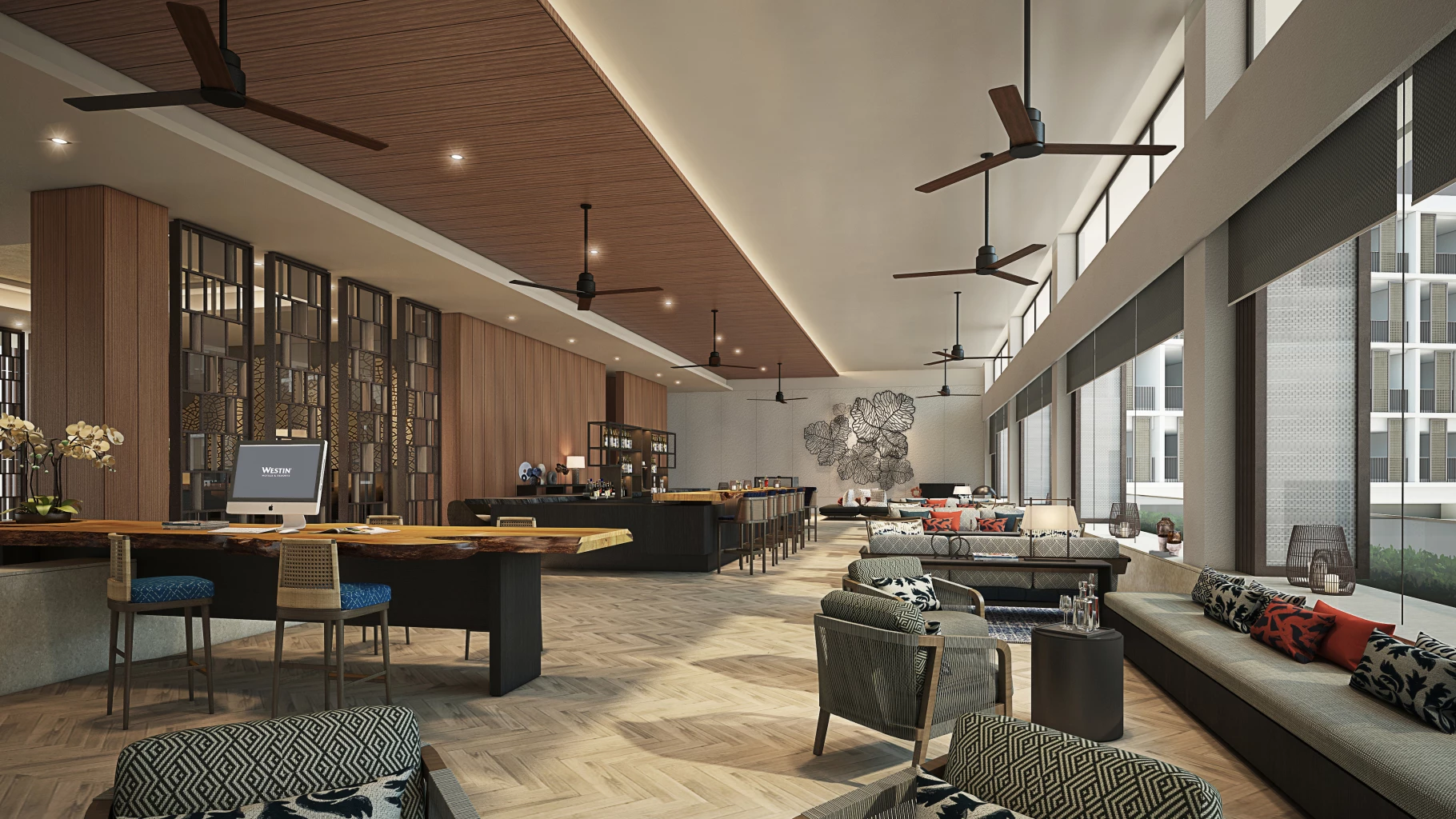
With wellness and well-being remaining a continued priority for many travellers, the company’s leading wellness brand, Westin Hotels & Resorts, is due to celebrate two new debuts in Japan’s Yokohama and Vietnam’s Cam Ranh in 2022.
Marriott’s select service portfolio is driving momentum for growth, providing a wide range of amenities and offerings across well-established brands such as Courtyard by Marriott, Fairfield by Marriott, Four Points by Sheraton, AC Hotels and Moxy Hotels. In Greater China, the openings of select service hotels will further expand consumers’ travel choices, bringing guests a diverse range of experiences in emerging Chinese destinations. Four Points by Sheraton expects to continue its growth with five planned openings throughout the year, while Moxy Hotels anticipates continuing to share its playful spirit in destinations such as Suzhou and Xi’an.
Outside of Greater China, the company expects to debut its AC Hotels brand in South Korea with AC Hotel Seoul Gangnam and in Australia with AC Hotel Melbourne Southbank. In Japan, Fairfield by Marriott expects to continue to strengthen its presence with six new properties planned to open across Nara, Hokkaido and Hyogo along “Michi-no-Eki” roadside stations aimed at revitalising the country’s local sightseeing spots and well-hidden rural destinations, the press statement said.
U City completed a turnaround to record a net profit of 92 million baht in 2021, versus a net loss of 6.61 billion baht in 2020.
UCity completed a turnaround to record a net profit of 92 million baht in 2021, versus a net loss of 6.61 billion baht in 2020.
The real estate firm attributed the swing in performance to a rapid change of direction approved by its board and shareholders last year.
U City said the company was struggling amid the Covid-19 pandemic 12 months ago due to its heavy reliance on the hospitality business.
Revenues fell 90 per cent from their peak after closure of almost all of its 73 hotels due to government restrictions and the travel ban.
But the firm said its financial performance moved into the green after shareholder decisions to sell off its hospitality and other real estate, and to shore up its balance sheet with a capital increase.
U City said it signed an agreement on December 15 to also dispose of its European hotel assets.
It has entered into agreements to sell about 6.3 billion baht of real estate assets. The firm said it will dispose of its remaining 26-billion-baht real estate portfolio over the next three years.
In parallel, it has accelerated its move into financial services through the acquisition of Advance Life Assurance Plc (A Life) as well as significant stakes in Singer Thailand Plc (Singer) and Jay Mart Plc (JMart), as it moves to integrate financial services to the heart of BTS Group’s “3M” Strategy.
“The Company’s turnaround has been well executed so far, and we are delighted with the impact to our financial results. We expect to see more transactions that will accelerate our expansion into financial services within this year,” said Soraya Satiangoset, CFO and acting CEO of U City.
In 2021, U City recorded revenue of 6.57 billion baht, up 16.3 per cent year on year and helped by a gain from the investment in JMart.
The value of JMart and Singer shares had risen 64 per cent and 32 per cent respectively after U City’s investment, said the company, enabling U City to capture the value from major shareholder BTS Group’s MATCH strategy.
U-P, the preference shares in U City that come with dividends, were trading at 1.06 baht as of February 14.
Thailand’s largest food company has joined hands with Kasetsart University (KU) to develop cannabis strains and other food-related innovations.
Thailand’s largest food company has joined hands with Kasetsart University (KU) to develop cannabis strains and other food-related innovations.
Charoen Pokphand Foods (CP Foods) and Charoen Pokphand Produce (CPP) said their collaboration with KU will begin with two pilot research projects – on new cannabis varieties and food for athletes.
The collaboration’s goal is to boost research in food and agriculture and develop the country’s higher education in three areas, namely curriculum, research, and capacity building for students.
KU students will receive hands-on teaching from CP Foods experts to build quality graduates that meet global market demands, the company said.
CP Foods said it will also fund research on cannabis strains for cannabis-based products suited to the Thai market in the hope of creating a new cash crop for farmers.
Meanwhile, KU, CP Foods and CPP will work together on multiple research projects including nutrition for athletes, food for the elderly, alternative proteins, probiotics and local ingredients.
CP Foods CEO Prasit Boondoungprasert said the partnership with KU, a leading university in the field of agriculture and food science, will increase competitiveness of Thai food products.
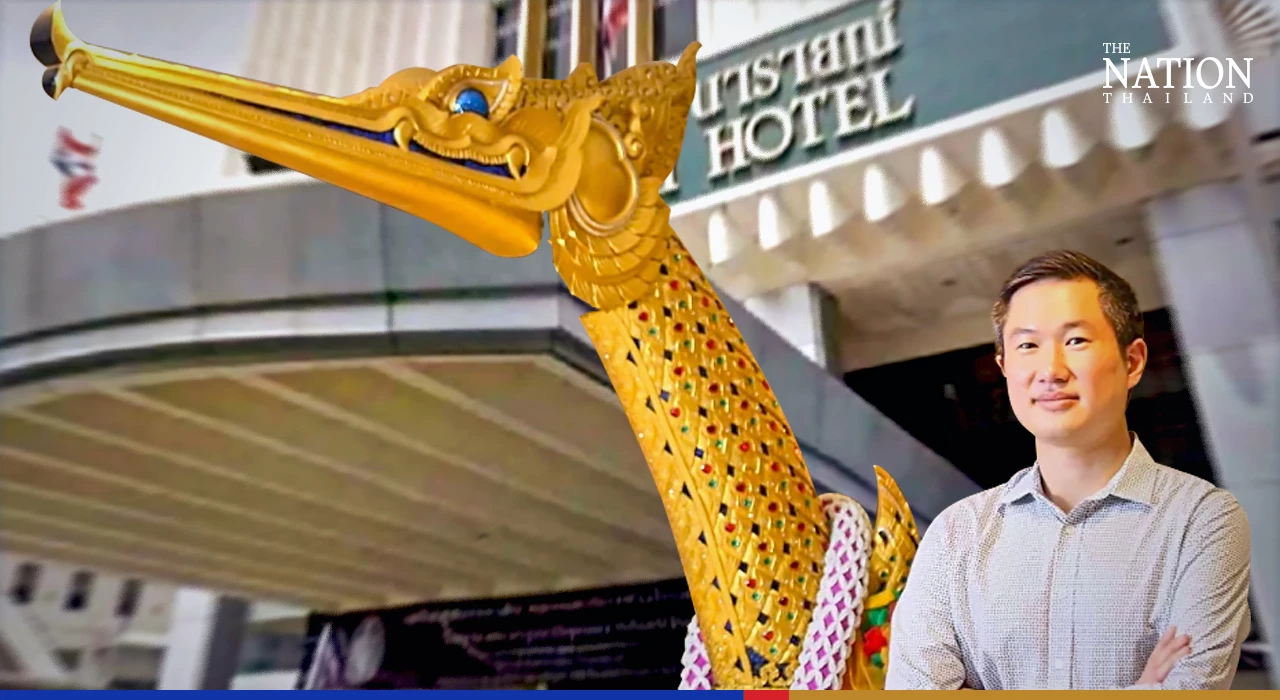
One of the long standing buildings in Bangkok’s Silom Road, the famous Narai Hotel, will soon be demolished to make way for a new one in its place.
The 54-year hotel will make way for “An Oasis,” expected to come up in four years, said Nathee Nithivasin who runs the hotel.
The young businessman, who has inherited the family business, on Tuesday unveiled several projects while reminiscing his fond childhood memories of the 465-room Narai Hotel.
After the completion of construction of the new hotel approximately in four years, Nathee said they would implement the idea of serving communities in Silom area under the concept “Be Part of Everyone’s Community”, by providing communal public areas which can be utilised by non-guests while other nearby plots are rented at low rates to small-sized businesses.
The new design and room patterns would remain similar to the current version on the lower floors to maintain the vintage atmosphere, while the upper sections of the hotel would be more luxurious, said Nathee, who is a third-generation member of the family business. He said the original Narai statue will be installed at a new shrine in an area where the public can pay obeisance.
He said the “An Oasis” project will be implemented to make the new hotel a key attraction and hospitality service at the heart of Bangkok, in order to maintain its motto of “One of The Best of Bangkok”, which it has followed for 54 years.
Nathee, as a member of Narai Hotel Co Ltd’s board, has run the business since 2008. He said he remembered every corner of the 12-story hotel since his childhood, reliving many impressive moments during the past period – the first revolving restaurant and the Narai Pizzeria, which was the first Italian gourmet served in Thailand.
Narai Pizzeria, which now operates under the name Peperoni Hall, has provided around 3.55 million servings, he said. There are many Narai Pizzeria outlets serving at many locations in Bangkok.
Narai Ballroom had served as a key attraction for hosting weddings while more than 15.1 million guests had stayed through more than 7.5 million check-ins, he said, adding the Rabiang Thong Restaurant, which started serving one of the very first international buffets in Thailand, has catered to around 30 million customers.
Nathee said there were two major inspirations behind the use of the name Narai – the first, in honour of King Narai The Great of the Ayutthaya period, and second in honour of God Narai, one of the forms and names of Lord Vishnu and considered the Supreme being in the Vaishnavism sect of Hinduism.
The demolition of the current Narai Hotel will begin after February 18, after a farewell party for current and former staff, before the current operation formally ceases.
Output of rubber is expected to increase by 1.82 per cent in 2022 over the previous year, the Rubber Authority of Thailand (RAOT) said.
Farmers will produce approximately 4.9 million tons of rubber, the RAOT said.
The volume of rubber exports in 2022 is expected to be approximately 4.21 million tons, an increase of 2.03 per cent from the previous year.
In the first quarter, rubber exports are expected to be approximately 1.10 million tons, an increase of 4.29 per cent, while rubber stocks are likely to decline, which is in keeping with the trend of decreasing stock in Qingdao, China. It is one of the factors helping boost exports.
The Association of Natural Rubber Production Countries (ANRPC) estimates global rubber production at approximately 14.55 million tons and the consumption at 14.39 to 14.82 million tons. Rubber consumption is forecast to expand by 2-5 per cent, so production in 2022 could be less than the demand for rubber.
This year’s rubber support factor include season and weather conditions and the Covid-19 epidemic, which led to more need for rubber gloves and PPE suits, the ANRPC forecast.
Meanwhile, challenges that may hurt the demand for rubber include the shortage of semiconductors, which affect the production and distribution of cars, container shortages, high transportation costs and slow clearances that affect the supply chain.

 Chiruit Isarangkun Na Ayuthaya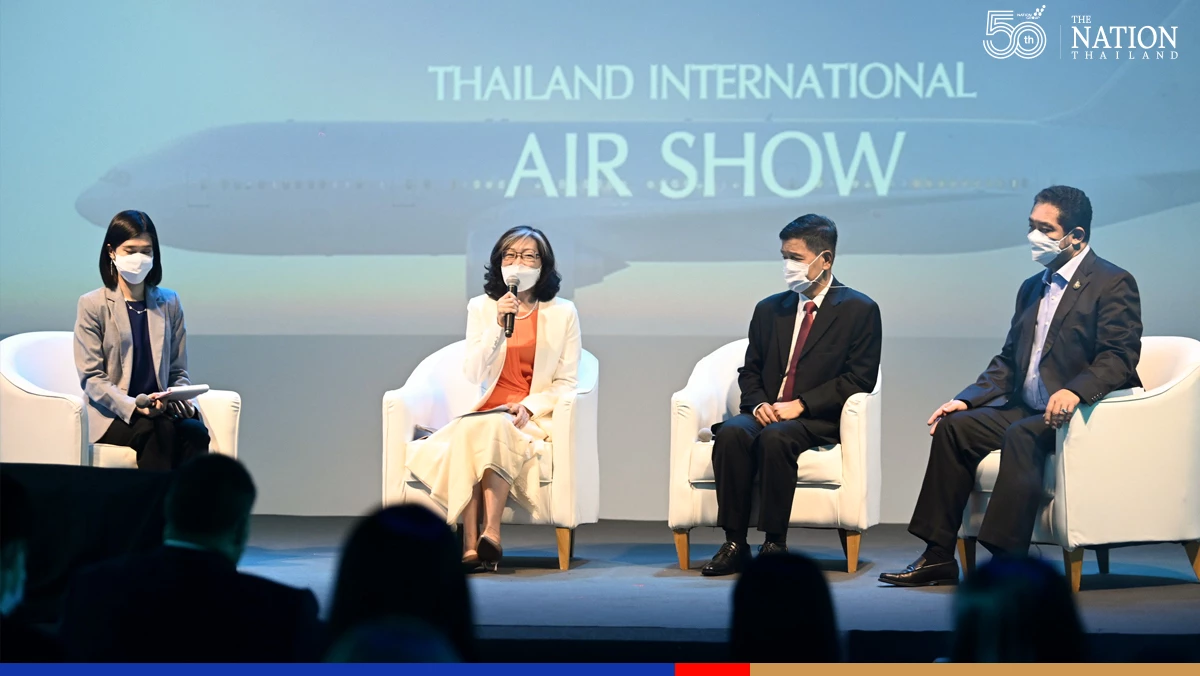





 Outside of Greater China, the company expects to debut its AC Hotels brand in South Korea with AC Hotel Seoul Gangnam and in Australia with AC Hotel Melbourne Southbank. In Japan, Fairfield by Marriott expects to continue to strengthen its presence with six new properties planned to open across Nara, Hokkaido and Hyogo along “Michi-no-Eki” roadside stations aimed at revitalising the country’s local sightseeing spots and well-hidden rural destinations, the press statement said.


 CP Foods CEO Prasit Boondoungprasert said the partnership with KU, a leading university in the field of agriculture and food science, will increase competitiveness of Thai food products.