Krungsri Securities forecast the Stock Exchange of Thailand (SET) Index on Thursday (November 4) would fall to between 1,600 and 1,605 points despite positive sentiment from US Federal Reserves move to taper quantitative easing by US$15 billion per month until the middle of next year.
set
It said the index, however, would be under pressure due to falling oil price in line with rising US oil storage, investors’ mass sell-offs of shares to follow Opec+ meeting and market volatility in line with the third-quarter performance forecast.
It also recommended buying of the following companies’ shares as an investment strategy:
▪︎ GULF, BGRIM, CHG, BCH, BDMS, KCE and JMT, whose third-quarter profit is expected to grow.
▪︎ AOT, AAV, BA, MINT, KBANK, SCB, CPN, CRC, HMPRO, CPALL, AMATA, WHA, BTS, BEM and VGI, which benefit from the country reopening.
As of 10.51am on Thursday, the SET Index rose by 5.41 points or 0.34 per cent to 1,617.33, witnessing a high of 1,618.71 and a low of 1,607.73 in opening trade.
Total government debt as of the end of fiscal year 2022 will reach 2.3 trillion baht or 62 per cent of GDP, said Patricia Mongkhonvanit, director-general at the Public Debt Management Office (PDMO) on Wednesday.
“Of this amount, 1.19 trillion baht is debt that we already borrowed and was included in the public debt figure as of September 2021, whereas total public debt is at 57.98 per cent of gross domestic product (GDP),” she said. “Meanwhile, the 1.12 trillion baht will be new debt that the government will borrow in fiscal year 2022, which will drive total public debt at the end of September 2022 to 62 per cent of the country’s GDP.”
Patricia added that in fiscal year 2022 the government will use government bonds as a major tool in borrowing money. “The government will use bonds ranging from 3 to 50 years period to borrow 1.1 to 1.3 trillion baht, or 48 to 56 per cent of projected total debt,” she said. “Other tools that will be used as well include treasury bill at 540 billion baht or 23 per cent, and promissory note and term loan at 390-590 billion or 16 to 25 per cent.”
“The government dose not block loans from foreign sources but will prioritize the use of domestic sources first. In case the domestic bond market becomes more strained we may consider borrowing money from foreign sources, which will be in the form of issuing government bonds for investment projects, such as the construction of U-Tapao International Airport,” said Patricia.
Patricia further added that Ministry of Finance is preparing to issue a new saving bond called Om Pai Duay Kan (Let’s Save Together) at 80 billion baht on November 15 to compensate budget deficit. The second batch of 70 billion baht will be issued around May to August 2022, and will compliment the target of issuing total 150 billion baht worth of saving bonds in fiscal year 2022.
European Central Bank President Christine Lagarde renewed her pushback against market bets for an interest-rate increase in 2022 after an attempt last week left investors unimpressed.
“In our forward guidance on interest rates, we have clearly articulated the three conditions that need to be satisfied before rates will start to rise,” Lagarde said Wednesday in a speech in Lisbon.
“Despite the current inflation surge, the outlook for inflation over the medium term remains subdued, and thus these three conditions are very unlikely to be satisfied next year,” she said.
Lagarde used the news conference following the last Governing Council meeting to call market expectations for a rate hike inconsistent with the ECB’s own analysis and forward guidance. But she stopped short of saying markets are wrong, reflecting an agreement within the Council that such a move could backfire.
Money-market bets on an ECB rate increase by December 2022 have moderated a little after dovish remarks this week by the Reserve Bank of Australia. But they remained at 10 basis points of tightening following Lagarde’s comments, down from 23 basis points on Monday.
The euro was 0.1% higher against the dollar at $1.1592.
“Lagarde is clearly correcting the collective vague pushback last week,” said Piet Christiansen, chief strategist at Danske Bank. “However, the damage isn’t undone as the market will carry an ECB-risk premium. The front end is still with global developments and I don’t think Lagarde or the ECB is able to push the pricing lower by themselves at this stage.”
Market moves have been fueled recently by accelerating inflation across the globe and uncertainty over the outlook for prices. Euro-area inflation breached 4% in October, topping economist estimates, data showed Friday.
The ECB said last week that while the current phase of faster inflation will last longer than previously projected, price pressures should still ease once global supply chains heal and other special factors start to fade.
The bank is gearing up for crucial policy decisions at its December meeting, when new economic forecasts become available. With Covid-19 disruption on the rise again, many analysts see the ECB boosting regular asset purchases once its 1.85 trillion-euro ($2.1 trillion) emergency bond-buying program ends in March.
“As for the calibration of bond purchases in a post-pandemic world, we will announce our intentions in December,” Lagarde said. “Even after the expected end of the pandemic emergency, it will be still important that monetary policy — including the appropriate calibration of asset purchases — supports the recovery and the sustainable return of inflation to our target of 2%.”
For now, the ECB will use emergency bond-buying to keep euro-area borrowing costs low, Lagarde said. An undue tightening of financing conditions “is not desirable at a time when purchasing power is already being squeezed by higher energy and fuel bills,” she said.
Stocks climbed to a record after the Federal Reserve signaled monetary policy will remain accommodative even as the central bank starts reducing its massive bond-buying program this month.
In a feat not seen since January 2018, the S&P 500, the Dow Jones Industrial Average, the Nasdaq 100 and the Russell 2000 closed at their all-time highs for a second straight day. The Treasury curve steepened after Fed Chair Jerome Powell sought to stress that tapering doesn’t mean rate hikes are coming soon. He said officials can be patient on tightening, but won’t flinch from action if warranted by inflation. The dollar fell.
“Powell was very careful not to make any missteps today, sticking carefully to his script that their focus is on tapering, not raising rates,” wrote Seema Shah, chief strategist at Principal Global Investors. “That’s a shame, because interest-rate hikes are all that markets want to talk about!”
Traders largely maintained bets on the timing of rate increases from the level they were at before the Fed decision. Money-market derivatives show about 55 basis points of rate hikes by the end of 2022. The first one is seen coming around July, with about a 70% chance it happens the month before, overnight index swaps show.
Some corporate highlights:
– In late trading, Qualcomm Inc., the world’s largest smartphone chipmaker, gave a stronger-than-expected outlook for the current quarter. Video-game publisher Electronic Arts Inc.’s revenue forecast was broadly in line with analysts’ estimates. Fox Corp. reported quarterly sales and earnings that beat Wall Street’s expectations.
– CVS Health Corp. jumped Wednesday after raising its annual forecast.
– Video-game company Activision Blizzard Inc. tumbled on an outlook that was seen as disappointing.
The Treasury announced the first reduction in its quarterly sale of longer-term debt in more than five years, reflecting diminishing borrowing needs as the wave of pandemic-relief spending ebbs.
U.S. companies added the most jobs in four months, suggesting employers are making progress in filling a near-record number of open positions. The data precede Friday’s monthly employment report from the Labor Department, which is forecast to show that private payrolls increased by 408,000 in October. Service providers expanded at a record pace in October, powered by resilient demand and stronger business activity.
Here are some events to watch this week:
– OPEC+ meeting on output, Thursday
– Bank of England rate decision, Thursday
– U.S. trade, initial jobless claims, Thursday
– U.S. unemployment, nonfarm payrolls, Friday
Some of the main moves in markets:
– – –
– The S&P 500 rose 0.6% as of 4 p.m. New York time
– The Nasdaq 100 rose 1.1%
– The Dow Jones industrial average rose 0.3%
– The MSCI World index rose 0.5%
– – –
– The Bloomberg Dollar Spot index fell 0.3%
– The euro rose 0.2% to $1.1605
– The British pound rose 0.5% to $1.3680
– The Japanese yen was little changed at 114.01 per dollar
– – –
– The yield on 10-year Treasuries advanced four basis points to 1.59%
– Germany’s 10-year yield was little changed at -0.17%
– Britain’s 10-year yield advanced four basis points to 1.07%
– – –
– West Texas Intermediate crude fell 4.9% to $79.82 a barrel
The Federal Reserve will start easing its vast support for financial markets this month, marking a highly anticipated policy change as central bank leaders grapple with major price increases in some parts of the economy but plenty of room to grow in the labor market.
The Fed’s announcement, made after its two-day policy meeting on Wednesday, comes as the economy continues to shift more than 18 months after the coronavirus pandemic first hammered U.S. labor and financial markets. The S & P 500 and other stock indexes closed at record highs on Wednesday amid fresh optimism about the economy’s direction, but other concerns persist, including inflation, supply chain issues, and a disconnect between many unfilled jobs and unemployed workers.
The virus’s delta variant appears to be finally easing, leading to a pickup in hiring. But inflation concerns that the Fed have long labeled as “transitory,” or temporary, haven’t yet receded. Fed leaders on Wednesday pointed to the persistence of “sizable price increases in some sectors,” and Chair Jerome Powell said at a news conference that inflation and the related supply chain issues “will persist well into next year.”
The Fed had provided extraordinary support to the economy since the height of the pandemic to help money flow through the economy, limit bankruptcies, and try and stopgap the wave of layoffs that washed across the United States last year.
For months, the Fed had set the stage to start winding down this sprawling bond-buying program – which includes $120 billion a month in asset purchases – in November. Those purchases have helped stimulate the economy and made borrowing easier by holding down long-term rates, and the expectation was that the purchases will be fully drawn down before the Fed raises interest rates. On Wednesday, the Fed announced it would be cutting purchases by $15 billion each month.
That decision reflected optimism within the Fed that the economy is on the right track. But tremendous uncertainty still hangs over the economy, especially when it comes to how long prices will keep rising faster than wages, a phenomenon many Washington policy makers did not expect to last so long. Following the Fed’s policy meeting, officials released a statement saying that the mismatch of supply and demand, plus the reopening of the economy, have contributed to high prices.
Powell he said he didn’t expect that inflation will have a permanent imprint on the economy, and added that the central bank will use its tools “to make sure that doesn’t become a permanent feature of life,” especially for households most sensitive to higher prices for groceries, rent, gas and more.
Now that the Fed has started its long-awaited “taper,” the markets are hungry for signals about when the Fed will raise interest rates for the first time since the pandemic. But Powell emphasized patience, arguing that the Fed would wait to cool the economy down until as many people as possible have gotten back into jobs first.
“There’s still ground to cover to get to maximum employment, and we don’t want to stop that when there’s good reason to think – although it’s been delayed – that the economy will reopen if we do get past significant outbreaks of covid,” Powell said.
Wednesday’s policy announcement was no surprise: Powell and other Fed leaders have sent strong signals for months that the taper would probably begin in November, if the economy progressed as expected. Still, the shift comes at a precarious time for the economy – and for the central bank, which is charged with keeping prices stable and fostering full employment.
Inflation has climbed higher, and lasted longer, than policymakers within the Fed and Biden administration initially expected. Officials point to persistent supply chain issues that were exacerbated by the delta variant. They say prices won’t settle back down closer to the Fed’s 2 percent annual target until those backlogs are able to clear. (In September, the Fed’s preferred gauge for inflation clocked in at 4.4 percent.)
Meanwhile, the labor market has lagged, with weak job growth in August and September showing how vulnerable the economy still is to covid-19. This week, Treasury Secretary Janet L. Yellen argued that child-care issues and the ongoing pandemic are the main factors holding back the labor market. Still, there are encouraging signs that the economy is poised for an uptick in hiring.
The Fed’s main tool to combat inflation is interest rates, which it can raise or lower depending on what is unfolding in the economy. But Fed leaders are hesitant to hike rates – and cool the economy – if that means undercutting job growth.
Only time will tell if Fed leaders get the timing right. The Fed’s most recent crop of economic projections showed officials moving up expectations for a rate hike in 2022.
But already, inflation has become a flash point in Washington and the rest of the country. Republicans argue that the Biden administration’s vast spending is fueling rising costs and that the Fed will be behind the curve once it decides to raise rates.
Meanwhile, other issues loom over the central bank. Powell’s term as chair expires in February, and the White House has not made a decision on whether he will be reappointed or whom it will nominate for a slate of other openings on the Fed board. Powell on Wednesday declined to answer any questions about the renomination process.
“I’ve been meeting with economic advisers on what the best choices are. We’ve got a lot of good choices, but I’m not going to speculate now,” President Joe Biden said during a Tuesday news conference in Glasgow, Scotland.
Since the Fed’s last policy meeting in September, two Fed regional bank presidents also have exited their posts over their stock-trading behavior. That spurred an independent inspector general probe into whether those activities violated ethics rules and the law. The Fed also announced a major tightening of its internal rules overseeing the personal financial activities of top officials. On Wednesday, Powell said he had briefed officials in the Biden administration and on Capitol Hill about the Fed’s ethics issues.
The Stock Exchange of Thailand (SET) Index closed at 1,611.92 on Wednesday, down 5.97 points or 0.37 per cent. Transactions totalled 84.72 billion baht with an index high of 1,623.08 and a low of 1,607.72.
The index fell after rising by 4.11 points or 0.25 per cent on Tuesday.
In the morning session, Krungsri Securities forecast the SET Index on Wednesday would fluctuate between 1,610 and 1,630 points.
It said negative sentiment of falling oil price and investors’ move to follow the outcome of Federal Open Market Committee (FOMC) and Opec+ meetings would pressure the index.
“However, mass buy-ups of SCB which gained its unique positive sentiment and shares whose third-quarter profit is expected to grow would help boost the index,” Krungsri Securities said.
The 10 stocks with the highest trade value today were SCB, TRUE, KBANK, BANPU, BBL, DELTA, DTAC, HENG, IRPC and KCE.
Other Asian indices were down with one exception:
China’s Shanghai SE Composite closed at 3,498.54, down 7.09 points or 0.20 per cent, while the Shenzhen SE Component closed at 14,367.78, down 9.49 points or 0.066 per cent.
Hong Kong’s Hang Seng Index closed at 25,024.75, down 74.92 points or 0.30 per cent.
South Korea’s KOSPI Index closed at 2,975.71, down 37.78 points or 1.25 per cent.
Taiwan’s TAIEX Index closed at 17,122.16, up 56.19 points or 0.33 per cent.
To deliver the tastes of imported fruits from Japan, providing sweet potatoes to survey respondents.
The Japan External Trade Organization (JETRO) Bangkok Office is organizing the campaign “Japan Fruits Festival ~Seasonal Gift from Japan~” in collaboration with the stores that are certified with the “Japanese Food Supporter Stores”* as well as fruit importers and exporters. This event aims at promoting imported fruits from Japan among the consumers in Thailand, encouraging them to experience first-hand the extraordinary taste of the fruits – this time with a highlight on three seasonal fruits: apple, sweet potato, and strawberry.
This campaign is lasting from 29 October 2021 to 31 January 2022, and is packed with retail stores, online stores, and leading media agencies working together to promote the taste of those Japanese fruits in various ways. The campaign will also include a special promotional sample. Customers who buy the imported fruits or those visiting the campaign website will be rewarded with a prize of one kilo of sweet potato from Japan, worth 350 baht each, with a total of 20,000 prizes, just by completing a survey at the store or via mobile device.
Mr. Atsushi Taketani, President of JETRO Bangkok, explained about the idea behind the campaign and their expectation that “First of all, I would like to thank all the involved parties from both Thailand and Japan for making this campaign happen. Thailand is the 7th largest market by country as an export destination for Japanese food. In 2020, the value of Japanese food exports to Thailand was at 40,100 million yen (approximately 11,460 million baht). Before the spread of Covid-19, Thai people could fly to Japan to experience first-hand the original taste of Japanese food, vegetables, and sweets – which has resulted in the ever-growing popularity of Japanese food among Thai consumers. Even today, during the spread of Covid-19, the exports of Japanese food to Thailand still saw an increase from last year. This campaign focuses on communicating with the Thai consumers, aiming to encourage them to experience Japanese fruits of premium quality that offer their signature tastes and freshness, with hopes to turn them into real fans of Japanese fruits in the future. We also do hope that this project will work to further strengthen the connection and friendship between Thailand and Japan.”
Mr. Toshihiro Kudo, Chief Executive Officer of Tsugaru Mirai Agricultural Cooperative, one of the major farmers’ groups of apples in Japan, commented that “I would love to see Thai people trying fresh apples from Aomori, which have been grown with great care from the farmers.” Also, Vice President of Supermarket & Food at The Mall Group, Mr. Supawut Chaiprasitkul, added that “We are really glad to be a part of this campaign that aims to promote Japanese fruits of premium quality as it aligns with our core value that we have adhered to – that is to deliver the best products to our customers. I hope this project becomes a great success.”
The campaign “Japan Fruits Festival ~Seasonal Gift from Japan~” has been initiated by the joint effort of Wismettac Foods Inc. and Nihon Agri Inc., two major fruit importers and exporters in Japan, in collaboration with the retail stores that are certified with the “Japanese Food Supporter Stores” logo, which account for a total of seven brands and 138 branches, on top of the 15 online stores, all working together to encourage Thai people to have a taste of the appealing Japanese fruits this season.
The PR strategy of this campaign is implemented through three channels.
• The first channel includes leading media agencies as well as influencers on various platforms. Different keywords are sent out to convey the untold, yet fascinating, stories about Japanese fruits to the consumers to increase the fanbase. The main page of the campaign website will see the content from Wongnai, a leading restaurant review website and application in Thailand with more than 10 million active users per month. Besides, the stories about the Japanese farmers who grow their produce with great care and attention to every detail will be unveiled on online magazines such as The Cloud. Five food influencers will also reveal their secrets about how to bring out the best taste of such Japanese fruits using their creative recipes.
• The second channel includes retail and online stores where the communication is made using the staff and/or in-store advertising. The list of participating stores is available on Wongnai’s website.
• The third channel includes the “Forward the Japanese Fruits” survey. Those who complete the survey at the store or via mobile device will receive a special gift from the campaign, which is a kilo of sweet potato from Japan, valued at 350 baht. A total of 20,000 prizes will be given away during the campaign, and anyone who may be convinced that Japanese fruits look good but have never triedcan easily give it a try now. This activity will last until 31 January, so don’t forget it!
In addition, JETRO Bangkok is also running the business matchmaking event called “JETRO Online Business Matching & Exhibition of Japanese Food Products 2021” three times within this budget year. The first event has recently come to an end with estimated approximately 1,100 million yen in trade (approximately 333 million baht). The second event will last from 18 October to 12 November 2021, with expected number of participants greater than the first one. Both the marketing campaign and the matchmaking event are carried out with an objective to help expand business opportunities for those who export foods from Japan to Thailand.
Start Your Day in Style for Only 1 Baht with Marriott Bonvoy
Marriott Bonvoy’s Breakfast Club has returned to Thailand! When two diners enjoy a blissful breakfast together at any of Marriott’s participating hotel restaurants throught out November and December 2021, the second diner will pay just THB 1.
Hotel guests and local residents can discover a series of enticing à la carte, buffet or set breakfasts at 14 properties across the country. Every restaurant will also showcase its own signature dishes, specially created by their expert chefs. From delicious pancakes and waffles to eggs cooked to-order and aromatic curries, Marriott makes every morning more memorable.
Are you seeking an energizing start to your day in Thailand’s capital city? Six Bangkok hotels – Sukhumvit Park, Bangkok – Marriott Executive Apartments, Mayfair, Bangkok – Marriott Executive Apartments, Bangkok Marriott Hotel The Surawongse, Renaissance Bangkok Ratchaprasong Hotel, The Athenee Hotel, a Luxury Collection Hotel, Bangkok, and Royal Orchid Sheraton Hotel & Towers – are offering Breakfast Club deals on their bountiful buffet breakfasts! Alternatively, unlimited à la carte dining is available at Viu, overlooking the Royal Bangkok Sports Club at The St. Regis Bangkok. Siam Tea Room, the elegant Thai eatery at Bangkok Marriott Marquis Queen’s Park has crafted a sublime Breakfast Set, while Seasonal Tastes at The Westin Grande Sukhumvit, Bangkok is offering its Breakfast Bites with a tempting THB 1 deal for the second diner.
The Breakfast Club Returns to Thailand!
Guests in Southern Thailand can take advantage of a Breakfast Club deal at Phuket Marriott Resort & Spa, Merlin Beach, where a breath-taking buffet breakfast can be savored overlooking the lagoon pool, or up the coast at JW Marriott Khao Lak Resort & Spa and Le Méridien Khao Lak Resort & Spa, which promise bottomless à la carte breakfasts with uninterrupted views of the Andaman Sea.
At Le Méridien Chiang Mai meanwhile, Latest Recipe is inviting diners to enjoy an unlimited à la carte option, including locally-inspired dishes from Northern Thailand, and finally, down on the glittering Gulf coast, Sheraton Hua Hin Resort & Spa is serving the ultimate tropical breakfast at The Deck, surrounded by shimmering pools and lush foliage.
Delicious Thai, pan-Asian and international dishes are freshly prepared every morning by Marriott’s culinary teams all across Thailand, accompanied with premium coffee and tea, natural juices, baskets of warm bread and much more. With 14 participating hotels across the Kingdom, in-house guests and local residents alike can experience a new taste sensation every day with the Breakfast Club!
For full information about the Breakfast Club and to start your day for only THB 1, please CLICK HERE.
The Breakfast Club Returns to Thailand!
The full list of participating hotels and restaurants is as follows:
SCBX, the ‘Mothership’ company of SCB Group, to take over 51 per cent of ordinary shares of Bitkub Online Ltd., a leader in digital asset exchange, from Bitkub’s parent company Bitkub Capital Group Holdings Ltd. The value of shares to be obtained by SCBX is estimated at 17.85 billion baht.
The shares will be held by SCBX’s affiliate, SCB Securities (SCBS), who will work with Bitkub as business partner to build a digital asset ecosystem that has digital asset exchange as one of the infrastructures at national level.
“The transaction of shares will comply with the regulations of related agencies, such as the Bank of Thailand and the Securities and Exchange Commission,” said Arthid Nanthawithaya, CEO of SCBX Plc. “We expected the transaction will be complete within the first quarter of 2022.”
Arthid further added that the investment in Bitkub Online will enable SCBX to create new value that can expand in long term within the new world of digital asset exchange. “This investment aligns with SCBX’s strategy to become a regional financial technology group that fulfils customers’ needs and ready for the new forms of competition in the next 3-5 years,” he added.
Jirayut Srupsrisopa, founder and Group CEO of Bitkub Capital Group Holdings, said that the partnership also aims to develop new digital asset businesses to strengthen the country’s digital economy in the future. “From now on Bitkub is no longer just a startup, but we are becoming a key contributor to Thailand’s Finance 3.0 infrastructure,” he said. “SCBS will hold 51 per cent of Bitkub Online, a company with total value of 35 billion baht and is one of Thailand’s ‘Unicorn’ startups.”
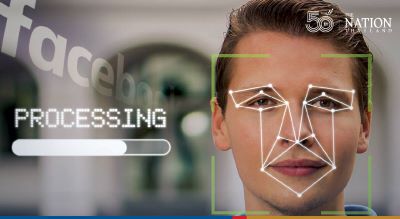
Facebook said Tuesday it will end its use of facial recognition software and delete facial data on more than a billion people, a sudden reversal for one of the Internets biggest face-scanning systems that could reinvigorate scrutiny about the softwares expanding prevalence around the world.
The social media giant, which has used the software to automatically tag people by name in photos since 2010, said in a blog post that it decided to drop the technology after carefully considering both its future promise and potential risks for surveillance and privacy.
“The many specific instances where facial recognition can be helpful need to be weighed against growing concerns about the use of this technology as a whole,” wrote Jerome Pesenti, the company’s vice president for artificial intelligence.
The change marks a dramatic shift for a controversial technology that the social network did more than anyone to normalize. In the more than a decade since Facebook showcased its usefulness, face-scanning systems have expanded widely across schools, airports, police investigations and worker-monitoring software.
Facebook’s reversal could further fuel skepticism about the largely unregulated technology and concerns about its potential for misuse. But some privacy experts suspect that Facebook’s promotion of the technology has already left an indelible imprint on the Internet. Companies such as Google and Apple use similar facial recognition features for photo tagging, though typically only in personal albums not available for public view.
Facebook “introduced this technology in a way that highlighted its utility while downplaying the negative downstream effects of making it ubiquitously available,” said Liz O’Sullivan, the chief executive of Parity, an algorithmic assessment start-up. “They had access to this unique and massive data-collection system – not just of people, but how people change over time. . . . We always said the world’s best facial recognition system is undoubtedly in the hands of Facebook.”
The move also showcases how Facebook, which for years pushed a self-proclaimed “move fast and break things” ethos, has historically pushed forward with products that have resulted in outcries from privacy experts and the public.
The social network, which last week changed the name of its parent company to Meta, is in the midst of a crisis over its public reputation after a whistleblower came forward with tens of thousands of pages of research documenting the company’s knowledge of extensive societal harms caused by its service.
The company’s leadership has appeared eager in recent weeks to show it takes potential negative consequences from its products into account. The company recently said, for example, that it was pausing the development of Instagram for children in response to allegations that the company’s internal research found that the product caused harm to the body image of some teen girls.
The company said last week that it will also develop a new suite of hardware products, including virtual reality, in concert with regulators and taking into account privacy and safety from “day one.” That could also include a smartwatch that can take biometric readings, The Washington Post and others have previously reported, potentially giving the company access to even more sensitive data.
In citing the technology’s legal uncertainty in a country where regulators have yet to provide a “clear set of rules governing its use,” Facebook will follow in the footsteps of other tech giants who have voiced concerns about the software’s legal uncertainty.
Amazon cited similar reasons in May, when it indefinitely extended a global ban of its own police facial recognition software, saying Congress had yet to implement appropriate laws. IBM and Microsoft also stopped selling their own facial recognition technology to police last year.
Pesenti said facial recognition software provided accessibility benefits for the visually impaired and noted that more than a third of Facebook users had chosen to use it. Until 2019, users were automatically opted into the service.
Facebook has faced questions in recent months of whether it would fold the technology into upcoming products, such as a pair of camera glasses the company is making with Ray-Ban or its broader shift toward the “metaverse.”
Company executives have said that feature is not included in its existing glasses. But Pesenti said in the blog post that, while the company is ending its existing Face Recognition system, it will continue to explore “potential future applications of technologies like this.”
Facebook’s facial recognition algorithms turned people’s photos into facial “templates” – mathematical representations of a person’s likeness that the software could compare to millions of other photos in an instant, experts said. But deleting those templates will not prevent the images from being used by companies such as Clearview AI, which pulled its photos without permission to build a vast facial recognition search tool that the company sells to police.
Deleting the templates will also not prevent other companies from running saved Facebook photos through their own facial recognition software. Companies such as PimEyes now allow anyone to scan for faces across billions of photos from around the Web.
Facebook’s reversal stands at odds with the federal government, which has moved aggressively to expand facial recognition use for tracking its own employees, criminal suspects or Americans at large. Ten federal agencies, including the Homeland Security and Justice departments, told government auditors this year that they intended to expand their face-scanning capabilities by 2023.
Members of Congress have proposed some federal regulations that would address facial recognition use by police and government authorities, though none have yet to pass. Last month, the European Parliament called for a ban on police use of facial recognition in public places.
More than a dozen cities and states have enacted their own laws banning or restricting the technology’s use, including Boston and San Francisco, but they mostly relate to use by governments, not companies.
In Illinois, one of three states to ban companies from collecting facial and other “biometric” data without a person’s consent, Facebook agreed last year to pay $650 million to settle a class-action lawsuit alleging it had broken the law. That settlement came one year after Facebook agreed to settle separate Federal Trade Commission allegations claiming it had misled consumers about how third-party apps could access their data during the Cambridge Analytica scandal.
The social network’s introduction of facial recognition in 2010 marked the early stage technology’s biggest debut yet on the global stage. The move was controversial at the time, because Facebook’s software automatically “tagged” people in photos, linking their online accounts and identities to images they may not have realized had been taken.
But company data scientists had discovered that notifying people they were tagged in photos was an excellent psychological tactic to lure people into engaging with the service, according to two people who engaged in the early conversations around the tech, who spoke on the condition of anonymity to discuss private matters.
At the time, Facebook’s leadership was obsessed with growing the amount of time that users spent on the platform and with reaching a billion users before going public, which happened in 2012. That same year the company purchased Instagram, and some early Instagram employees resisted adding Facebook’s photo-tagging to the app because they thought it was creepy and tacky, The Post previously reported. They were rebuffed because photo-tagging was so successful.
Early Facebook employees have said in interviews with The Post and other outlets that photo-tagging was one of the greatest “growth hacks” Facebook engineers had ever developed, because it was hard for users to resist notifications that they were showing up in other people’s pictures.
Unlike earlier facial recognition systems that relied on official photos from passports or jail mug shots, Facebook’s technology was supercharged by a sprawling and diverse set of facial images submitted by the users themselves.
Facial recognition technology has faced increasing resistance in recent years after researchers found that some algorithms performed more inaccurately for people with darker skin. The systems have been blamed for at least three wrongful arrests by U.S. police departments, all of which involved Black men.
Joy Buolamwini, an AI researcher who documented racial biases in facial recognition software, tweeted Tuesday: “Legislative action is as necessary as ever to continue to fight for algorithmic justice. We need an even bigger surge of FacePurges.”
The technology has more generally conjured dystopian fears of devastating surveillance, because it can be used to identify people from afar without their knowledge or consent. The technology has been used by Chinese police to track the general public, including Uyghurs, the largely Muslim minority group that has been detained in mass “reeducation” camps.
Jake Laperruque, a senior policy counsel at Project On Government Oversight, a Washington watchdog group, said he believes Facebook’s about-face could reinvigorate calls for new legal guardrails and further shift the debate from companies to lawmakers.
“This marks another sea change on the tech and how it’s regarded. It’s not just one company in isolation now; there are a number of companies who did this mass data collection who now say the technology has gone too far over the line,” he said. “The fact is that facial recognition is everywhere now. And the only way to take it on is not through voluntary measures. It’s through laws.”






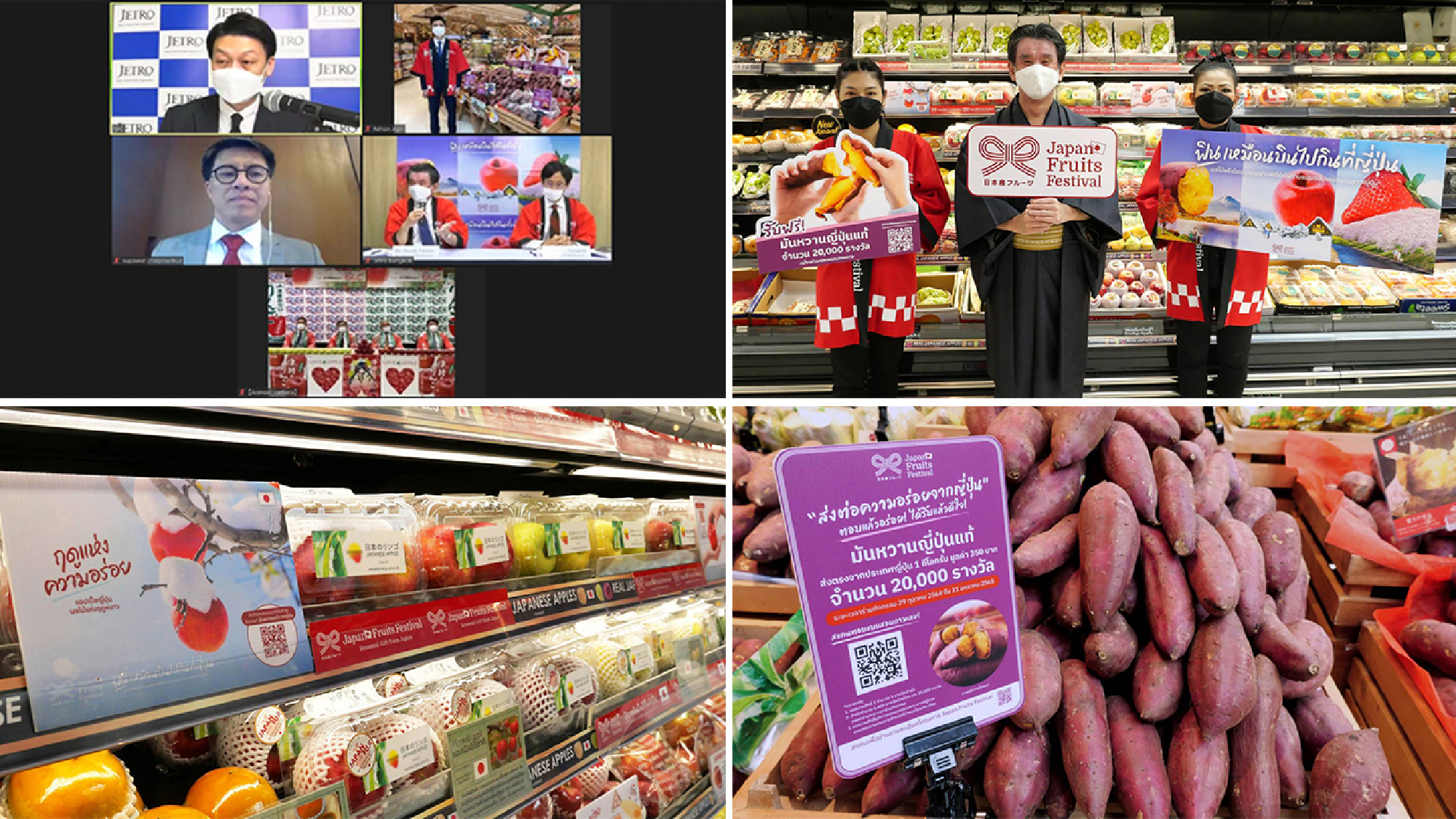 JETRO introduces the campaign “Japan Fruits Festival ~Seasonal Gift from Japan~”
 The Breakfast Club Returns to Thailand!
 The Breakfast Club Returns to Thailand!