Thailand needs to change to strengthen its bilateral ties with Japan, say experts
SUNDAY, DECEMBER 18, 2022
Stephanie Adair
Japan has played a big part in Thailand since bilateral ties were first established 135 years ago. Now Thailand has nearly 100,000 Japanese expats and is the base for some 6,000 Japanese companies.
However, many experts believe Thailand’s potential as an important partner is being held back by its lack of infrastructure.
The experts were speaking at Nagoya University’s annual Thai alumni seminar, “Past 135 Years and the Future: Japan and Thailand Relationship in the Changing World”, held recently at the Japan Foundation in Bangkok.
Dr Attachak Satayanuruk, a history professor at Chiang Mai University, pointed out that Thailand needs to adapt itself to match Japan as a partner.
“I think other than thinking about what holds us back as a society, we must perceive Japanese people’s way of thinking. In Thailand, it is the system that defines the outcome of each person’s life, while in Japan, people are taught that every outcome defines society as a team.”
Prof Dr Siriporn Wajjwalku from Thammasat University’s Faculty of Political Science agreed, saying that the shift from being a reliable partner to an important one will require Thailand to make adjustments.
“Can Thailand change for Japan to see us as an important partner in the future? Not just in terms of bilateral relations but when it comes to shared production and operating system?” he asked.
Dr Pichet Itkor, a special adviser at Ajinomoto Sales (Thailand), said: “If we look at it, Thailand is mostly a recipient and Japan may not view Thailand as an equal partner but more as a place for investment. If Thailand wants to become a true partner, it will have to elevate its system and upskill the workforce.”
GE Technology to use advanced recycling technology at new facility in S Korea
SUNDAY, DECEMBER 18, 2022
GE Technology will transform end-of-life plastic waste into Honeywell Recycled Polymer Feedstock (RPF) which can be used to create new plastics using Honeywell’s UpCycle Process Technology
Honeywell announced that GE Technology will license Honeywell’s UpCycle Process Technology at their planned advanced recycling facility in South Korea.
The plant will be able to convert mixed waste plastics into Honeywell Recycled Polymer Feedstock (RPF), which will then be used to create new plastics, and help enable the development of a circular economy for plastics.
Production is anticipated to begin in 2025 and is projected to be the first commercialized waste plastics recycling facility to use Honeywell’s UpCycle Process Technology in Korea.
The planned advanced recycling plant is expected to have the capacity to transform 30,000 metric tons of mixed waste plastics into Honeywell RPF per year.
“Honeywell’s UpCycle Process Technology not only allows us to reduce waste by expanding the types of plastics that can be recycled but also displaces the need for fossil fuels in the creation of virgin plastics,” said Woo-Hyun Shim, vice president, GE Technology.
“Enabling a circular economy for plastics in Korea is now possible through our licensure with Honeywell and their UpCycle Process Technology.”
Honeywell’s UpCycle Process Technology is a ready-now technology that utilizes molecular conversion, pyrolysis, and contaminants management technology to convert waste plastic to Honeywell RPF, which is then used to create new plastics.
The UpCycle Process Technology expands the types of plastics that can be recycled to include waste plastic that would otherwise go unrecycled, including coloured, flexible, multilayered packaging, and polystyrene.
When used in conjunction with other chemical and mechanical recycling processes – along with improvements to collection and sorting – Honeywell’s UpCycle Process Technology has the potential to help recycle nearly 90 % of waste plastics. This would represent a considerable increase in the number of waste plastics that can be turned into polymer feedstock
“GE Technology is the first company in Korea to license Honeywell’s UpCycle Process Technology, which will build upon GE Technology’s existing capability in waste collection and mechanical recycling,” said Barry Glickman, vice president and general manager, Honeywell Sustainable Technology Solutions.
“Honeywell’s technology can play a key role in driving a circular plastics economy to tackle the global challenge of plastic waste.” Today’s announcement expands the UpCycle Process Technology footprint, building on Honeywell’s recent announcements in the U.S., Spain, Turkey, China, and Egypt.
Honeywell’s UpCycle Process Technology was created within Honeywell’s Sustainable Technology Solutions (STS) business, which is part of Honeywell UOP.
This latest breakthrough technology builds upon Honeywell’s focus to deliver high-impact, environmentally sustainable solutions for customers and society.
Honeywell committed to achieving carbon neutrality in its operations and facilities by 2035. This commitment builds on the company’s track record of sharply reducing the greenhouse gas intensity of its operations and facilities as well as its decades-long history of innovation to help its customers meet their environmental and social goals.
Approximately 60 % of Honeywell’s new product introduction research and development investment is directed toward products that improve environmental and social outcomes for customers. About GE Technology
GE Technology is a leading waste management company in South Korea with the vision of Plastic Circularity, carbon reduction and Hydrogen Economy. With broad experience operating Material Recovery Facilities for years, GE Technology has been establishing strong value chains and offering full-service waste management and recycling optimization solutions.
Thai company with global ambitions targets net-zero emissions by 2042
SATURDAY, DECEMBER 17, 2022
Opal Varunsuda
Organic growth, with focus on research and development for sustainable expansion, are the key mantras of the SET-listed Eastern Polymer Group Plc (EPG) that aims for a global presence in niche segments.
EPG focuses on investing in world-class, innovative businesses that make polymer and plastic products through its subsidiaries Aeroflex, which makes thermal insulation; Aeroklas, which makes parts and accessories for cars; and Eastern Polypack Co Ltd (EPP), which makes plastic and packaging.
Automotive parts and accessories were the biggest contributors to its revenue, accounting for 50.9% in the second quarter of fiscal year 2022-23 (July 22-Sep 22); insulation accounted for 29.7% and plastic and packaging for 19.3%.
Pawat Vitoorapakorn, the CEO of EPG and Aeroflex Co LtdPawat Vitoorapakorn, the CEO of EPG and Aeroflex Co Ltd, is ambitious. He is not satisfied with dominance in the domestic market. He wants the companies’ products to gain worldwide recognition and his motto is: “The world is the market”.
“Our aggressive business strategies centre on NIN [network, innovation, niche] markets,” he says. “Aeroflex, for example, develops and sells only novel goods protected by legal patents to a niche market. Because of this, we can sell in large quantities in our specialised markets. Only a few manufacturers can compete with EPG globally,” he says.
Speaking of the company’s history, Pawat says: “The Vitoorapakorn family founded Eastern Polymer Group Public Company Limited in 1978. Thermal insulation, vehicle and accessories, plastic and packaging, and R&D are the primary businesses. In 2014, we changed our name to Holding Company and listed on the Stock Exchange of Thailand, raising 2.8 billion baht after having begun with an investment of 1 million baht.
EPG is now investing in domestic and foreign enterprises, focusing on polymer and plastic processing, with revenues from three major industries.”
Aeroflex has factories in both Thailand and the United States. They also work together in China and India. In the second quarter of 2022-23, 76% of Aeroflex’s sales came from outside the country, while only 24% were from Thailand. America, Asia, and the Middle East make up the main international markets, says Pawat.
Eastern Polypack manufactures and distributes disposable plastic food and beverage containers, cups, plates, and bowls under the EPP brand
Aeroklas Co Ltd designs and develops patented vehicle parts and accessories. Aeroklas’ car components and accessories are used to decorate and improve the efficiency of pickup trucks. Aeroklas distributes the brand domestically and internationally.
Eastern Polypack manufactures and distributes disposable plastic food and beverage containers, cups, plates, and bowls under the EPP brand. EPP is a premium brand in the food and beverage industry, he says, adding, the company introduced “eici” last year to expand into non-premium products.
“During the pandemic, the company experienced the same difficulties as other industries because our customers were impacted. Fortunately, we had another business opportunity with Eastern Polypack, which sells food containers. They became the pandemic’s demand-pull delivery food business. As a result, our company did not suffer much of an impact,” he says.
Pawat said that in fiscal year 2022–2023, EPG expects to increase revenue by 12–15%, with a gross margin of 29–32%. He added that the group is focusing on a strategy to achieve sustainable growth in four areas:
▪️ Create organic growth from the core business with technological readiness and highly efficient production capacity that create innovative products to achieve continuity in the new S-curve and to expand the market domestically and internationally to increase market share. ▪️ Build joint venture investments. ▪️ Increase the budget allocated to R&D to develop a new business era in the future. ▪️ Set the long-term aim of achieving “net-zero” greenhouse gas emissions by 2042.
EPG is also committed to its vision of long-term growth by adhering to the motto “Contribution to a better society”. EPG adheres to its commitment of “Creating a World in Harmony with Technology and Innovation”, says Pawat.
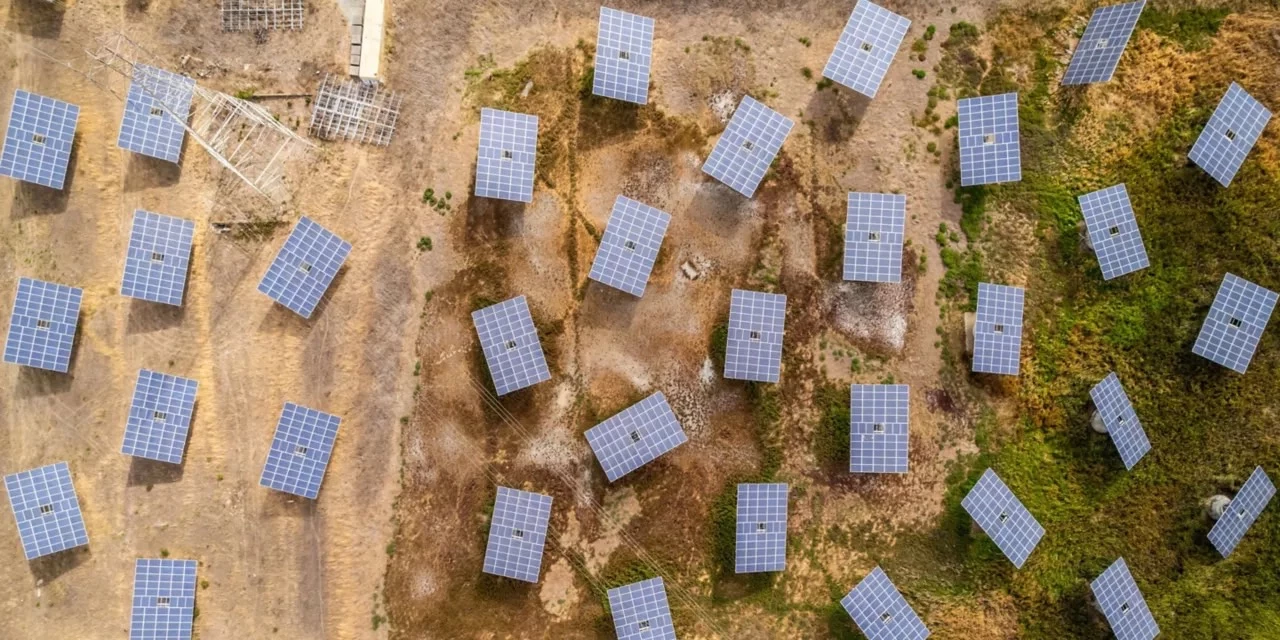
“Energy consumption is a fundamental need for business operations, and energy activity generates greenhouse gases. So Aeroflex has set a long-term goal of net zero by 2042,” he says. “Proactive energy conservation measures have been implemented to improve the organisation’s energy efficiency, including a solar rooftop, resulting in total power capacity of 18 megawatts and the ability to absorb 13,500 tons of CO2, saving about 70 million baht per year,” he added.
Persistence to strive as the most sustainable data center in Thailand, SUPERNAP (Thailand) provides a solution for corporates, hyperscale’s and government desiring to consolidate their digitalization with better, and greener, digital infrastructure.
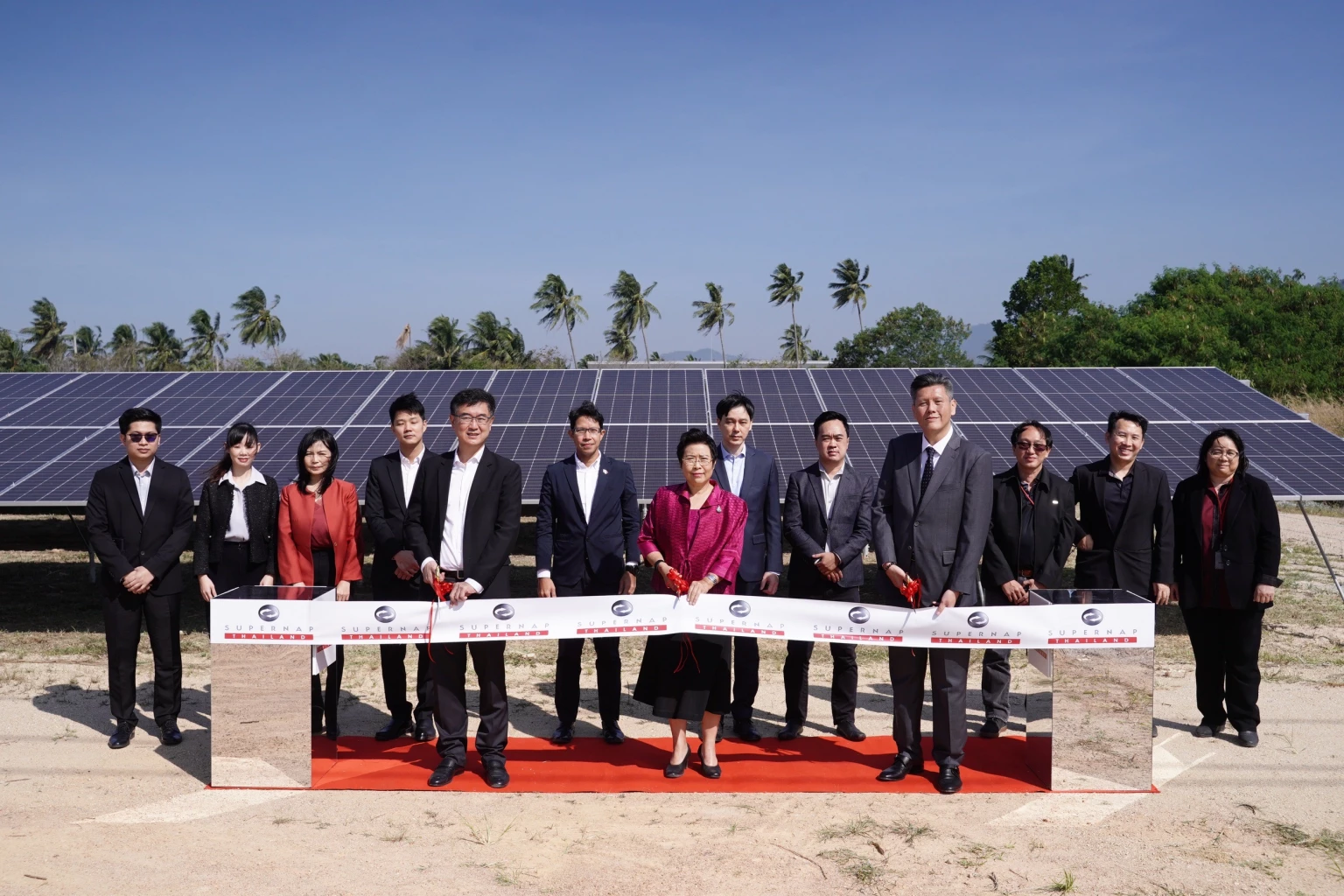
SUPERNAP (Thailand) celebrated the official opening of their first solar panel to power the most advanced data center in Thailand, reinforcing its position as the most sustainable colocation provider in the country.
With the continuous growth of data, and to cater to the green goals of global environmental protection, minimizing environmental impact by providing maximum energy efficiency and renewable energy is an urgent priority for cutting edge data centers.
During the ceremony, Mr. Yap Jin Yi, Chief Executive Officer of the company declared: “SUPERNAP (Thailand) position has always been being the leader in the industry of the region. Powering our data center IT load with renewable energy and being the most sustainable data center is another step to reinforce our position as frontrunner in the digital infrastructure in Thailand.”
As data centers are huge consumers of power, and electricity is the main cost of their operation, adding renewable energy to an energy efficient infrastructure is the key for data center sustainability.
Mrs. Ajarin Pattanapanchai, former Permanent Secretary at the Ministry of Digital Economy and Society and newly appointed Board of Director at WHA Industrial Development Public Company Limited declared during her congratulatory speech: “Data center are at the heart of the economy, as the digital backbone of businesses and governments, hosting data globally and making them accessible. […] SUPERNAP (Thailand) is once again a success story, pathing the way in Thailand of the global movement of industries changing from digital economies to green economies.”
SUPERNAP (Thailand) selected WHA Utilities and Power Plc. (WHAUP) to install the solar power system to provide green energy to the data center, with utmost confidence to WHAUP full turnkey approach to meet the company’s business sustainability objective.
The solar farm was built next to SUPERNAP (Thailand)’s data center premises located in the Economic Eastern Corridor (EEC), outside the Bangkok flood zone and close to international network landing station with links across the country of Thailand.
“SUPERNAP (Thailand) delivers higher service capabilities than any data center in Southeast Asia. Having SUPERNAP (Thailand) as our solar power customer reinforces WHAUP’s expertise and reputation as one of the leading service providers of solar power systems in Thailand”, said Mr. Somkiat Masunthasuwun, Chief Executive Officer at WHA Utilities and Power Plc.
Built with more than 350 patents, including energy efficiency innovative technology, such as a proprietary environmental station and software for their patented air handlers, ensure a strategic decrease of energy consumption and enable SUPERNAP (Thailand) data center with the best PUE in the nation. Power Usage Effectiveness (PUE) is the most significant key performance indicators to show how efficiently a data center uses energy.
Furthermore, SUPERNAP (Thailand) uses less than 0.05 L/kWh, which is less than one cup of water for every kilowatt-hour delivered to servers. According to the US Department of Energy report, Water Usage Efficiency (#WUE) of an average data center is 1.8L per 1kWh.
Providing colocation and cloud, the company meets the public and private sectors demand for sustainable digital infrastructure and consolidates their leadership and competitive advantage.
Rock by the River with Anantara During the Bangkok Riverside Fest 2023
FRIDAY, DECEMBER 16, 2022
A standout event on the city’s social calendar, the annual Bangkok Riverside Fest is back after a three-year hiatus to bring a vibrant mix of music, water sports and alfresco feasting to the banks of the Chao Phraya River.
Taking place over the weekend of 3-5 February 2023, the festival aims to capture the spirit of the community as well as celebrate local culture and raise charitable donations for Anantara’s elephant-related projects throughout Thailand.
The third instalment of the popular festival promises a number of new surprises alongside such crowd-pleasers as overwater fireworks, VIP champagne tents, an interactive display from Thailand Kite Association, and concerts by leading Thai artists in the Music Zone.
This year, the festival line-up features a number of top acts including mini-concerts from PiXXiE, POLYCAT, VIOLETTE WAUTIER, MEAN, LIPTA, 4EVE, patrickananda, Wanyai Feat. Mon Monik, as well as live DJ sets for dancing on the grass.
Families will find a dedicated Kids’ Fun Park with bouncy castles, kiddie paddle boats and giant bubbles, a bustling Flea Market with local vendors selling everything from handcrafted items to Thai souvenirs, and of course the Foodie Village treating the hungry crowds to festival food staples, Thai street food classics and international dishes from Thailand’s top restaurants and Bangkok’s favourite chefs. Guests can also relax with an indulgent artisan cocktail in the beer and wine gardens while taking in the water action.
During the day, the sporting events on the mighty Chao Phraya will be the main attraction with elephant boat racing teams battling it out for a chance to win luxury prizes. The competitively-minded among public will also be offered a healthy challenge by signing up for kayaking and stand-up paddle-boarding contests. After dark, the action will shift to the Music Zone with performances running late into the night.
To make a weekend out of it, guests can combine their festival experience with a stay at the adjacent Anantara Riverside Bangkok.
During the festival, Anantara Riverside’s complimentary shuttle boat will be running an hourly service between the BTS station – Saphan Taksin and the resort’s jetty until late.
EGCO Group and Hitachi cooperating on development of smart industrial estate
THURSDAY, DECEMBER 15, 2022
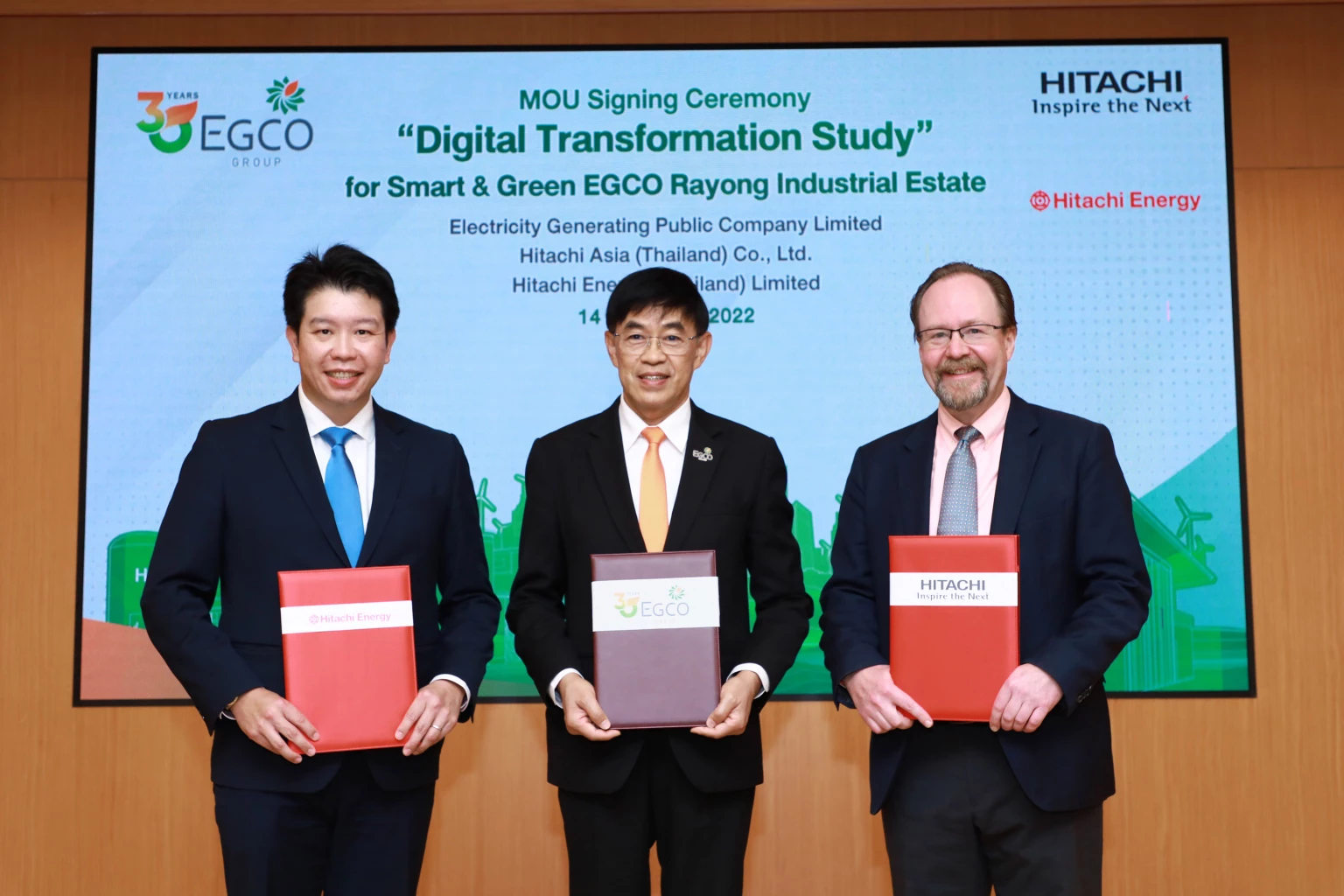
Electricity Generating Plc (EGCO Group) and Hitachi Group will jointly study technology and intelligent systems for the EGCO Rayong industrial estate, according to a memorandum of understanding between the two.
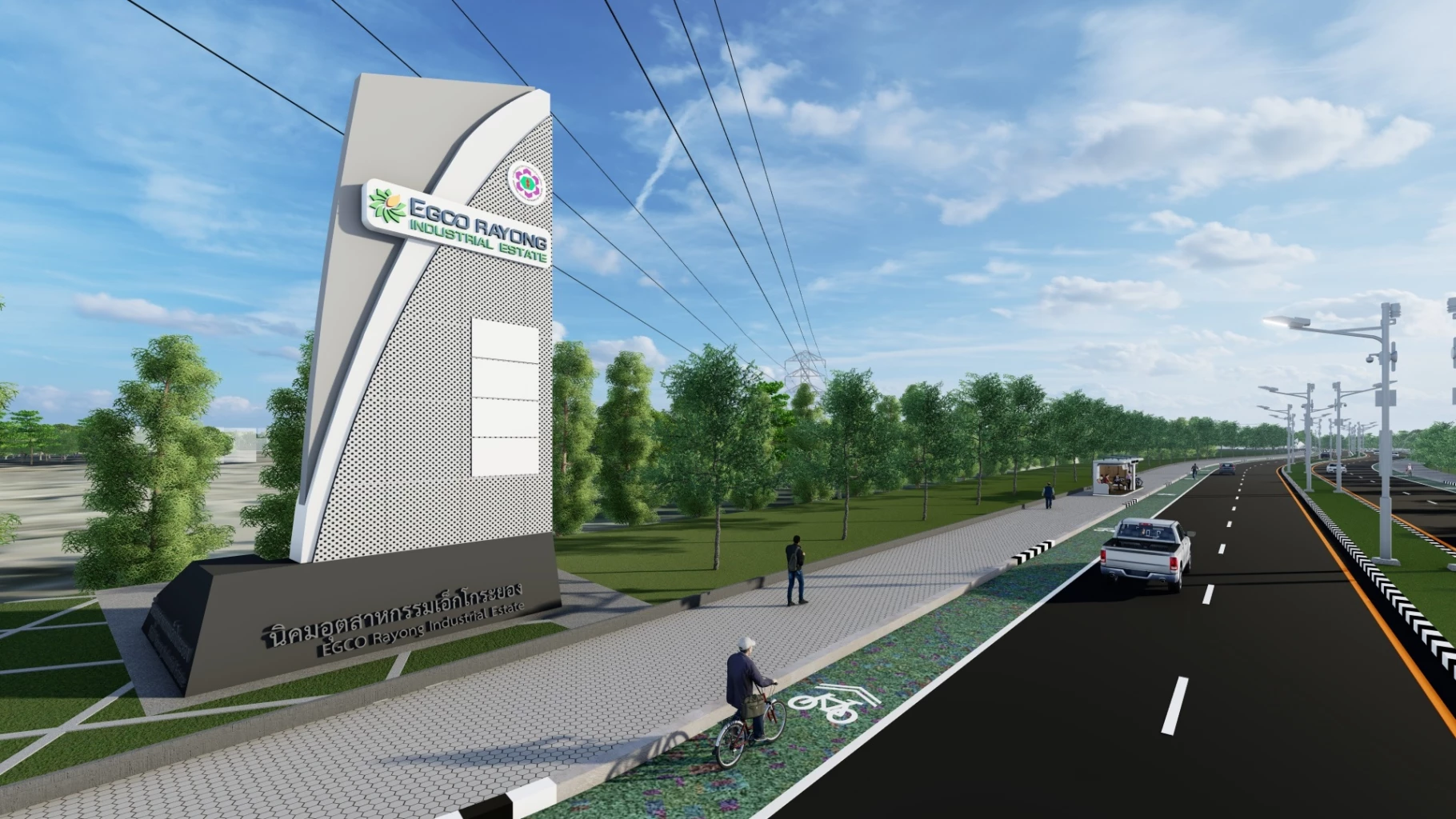
The estate in Rayong is being developed into a smart and green industrial estate for advanced industries, such as electric vehicle manufacturing, in the Eastern Economic Corridor ( EEC ).
EGCO Group together with Hitachi Asia (Thailand) Co., Ltd. and Hitachi Energy (Thailand) Limited signed MOU to carry out a project to study the development of technology and intelligent systems under the project named “Accelerated Digital Transformation: DX Study” for the “EGCO Rayong” Industrial Estate Project which seeks to jointly develop appropriate technology and smart system plan in this industrial estate, as well as apply the study results to other development projects of EGCO Group as appropriate.
This cooperation is in line with EGCO Group’s goal to develop the “EGCO Rayong” Industrial Estate Project, located in Map Ta Phut Municipality, Muang Rayong District, Rayong Province, covering an area of 621 rai, to be a smart and green industrial estate.
The Special Economic Promotional Zone which has been announced in the Royal Gazette is to support both S-Curve and New S-Curve industries. The four targeted S-Curve and New S-Curve industries which will be promoted to invest in the Special Economic Promotional Zone comprise the digital industry, next-generation automotive industry, robotic manufacturing industry, as well as aviation and logistics industries.
Thepparat Theppitak, EGCO Group’s President, said, “EGCO Group is committed to developing the “EGCO Rayong” Industrial Estate to respond to the needs of modern industries in all aspects including research & development and business promotion according to the targeted industries, such as the production of electric vehicles, modern battery production, supporting the aviation industry and data centre, etc., resulting in using expertise in the power business to support the demand for renewable energy and clean energy.”
It also places great emphasis on environmentally friendly management, caring for the community and society as well as all stakeholders according to EGCO Group’s strategic direction for driving the organization towards sustainability under the concept of Cleaner, Smarter and Stronger to Drive Sustainable Growth.
Andrew Hamilton, General Manager of Digital Transformation Consulting & Marketing Group, Hitachi Asia (Thailand) Co., Ltd., said, “Hitachi Asia and Hitachi Energy see this MOU as a great opportunity to work with EGCO Group to co-create the digital transformation roadmap for the “EGCO Rayong” Industrial Estate Project.”
The objective of the roadmap is to guide EGCO Group on its journey toward planning, designing, constructing and operating smarter and more sustainable industrial estates thus contributing to Thailand’s targeted S-curve industry’s growth in the Eastern Economic Corridor (EEC).
Worawut Waruttamapornsu, Country Managing Director, Hitachi Energy (Thailand) Limited said, “Hitachi Energy and Hitachi Asia are excited to work with EGCO Group for achieving its smart and green goals for the “EGCO Rayong” Industrial Estate Project. Hitachi affirms the knowledge and expertise of the teams for the collaboration for the roadmap based on the commitment to developing social innovation solutions for a smart, green and sustainable energy future for allCurrently, the “EGCO Rayong” Industrial Estate Project is in the process of designing details to prepare the infrastructure management system and allocation of usable space for maximum benefit.”
The construction is expected to commence in mid-2023. Meanwhile, EGCO Group is in the process of finalizing business and marketing plans, in line with the needs of the industries and to support the needs of targeted customers who expressed their willingness to invest in this industrial estate.
Thai and Singaporean firms form JV to produce batteries for electric vehicles
FRIDAY, DECEMBER 16, 2022
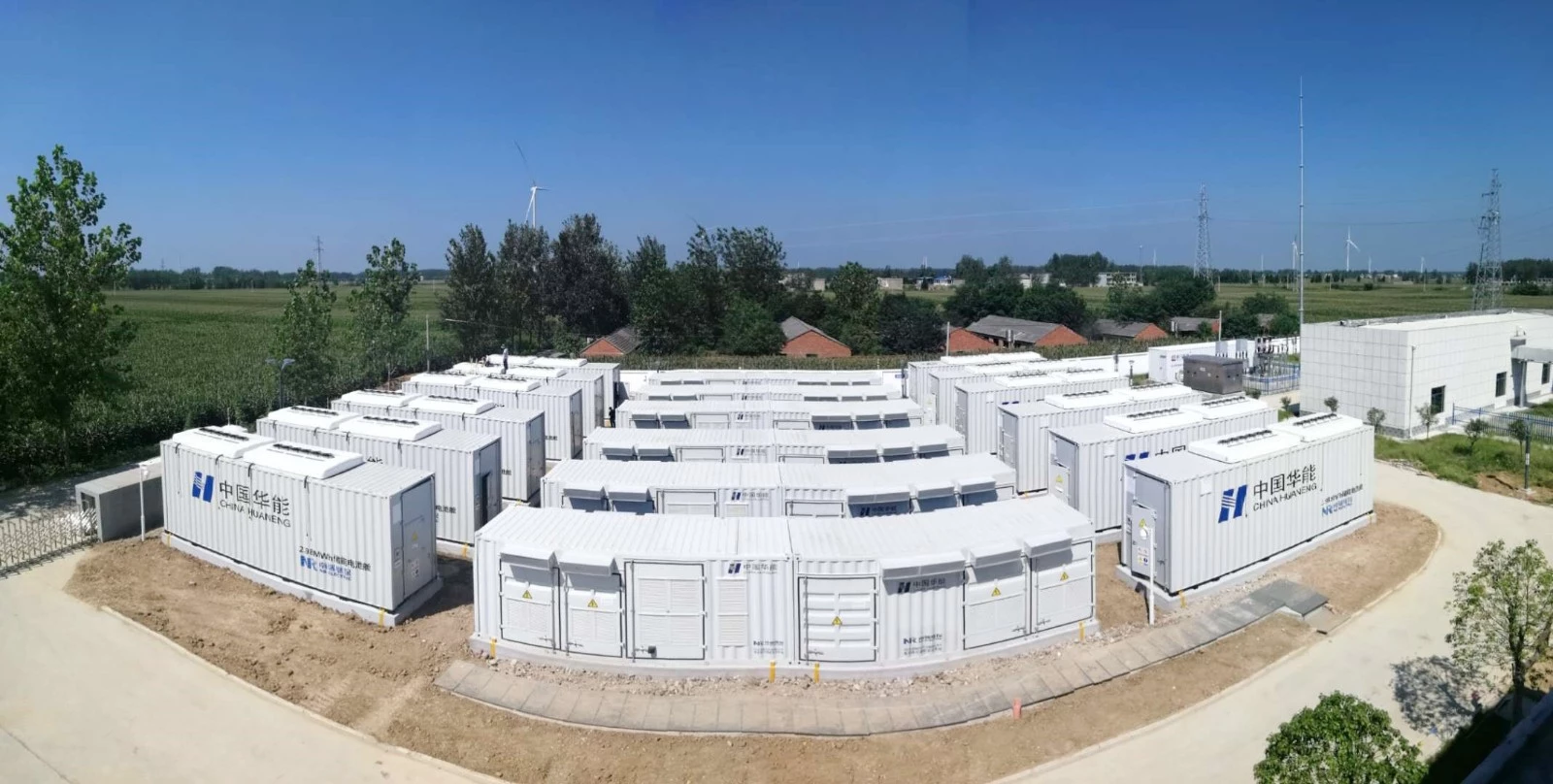
Nuovo Plus, a joint venture between Arun Plus and Global Power Synergy Plc, is forming a joint venture with Gotion Singapore to build a battery plant to supply electric vehicles and energy storage systems, the company announced.
The joint venture, NV Gotion, will have authorised capital of almost 600 million baht, with 51% from Nuovo Plus and 49% from Gotion, Nuovo Plus said in a press release.
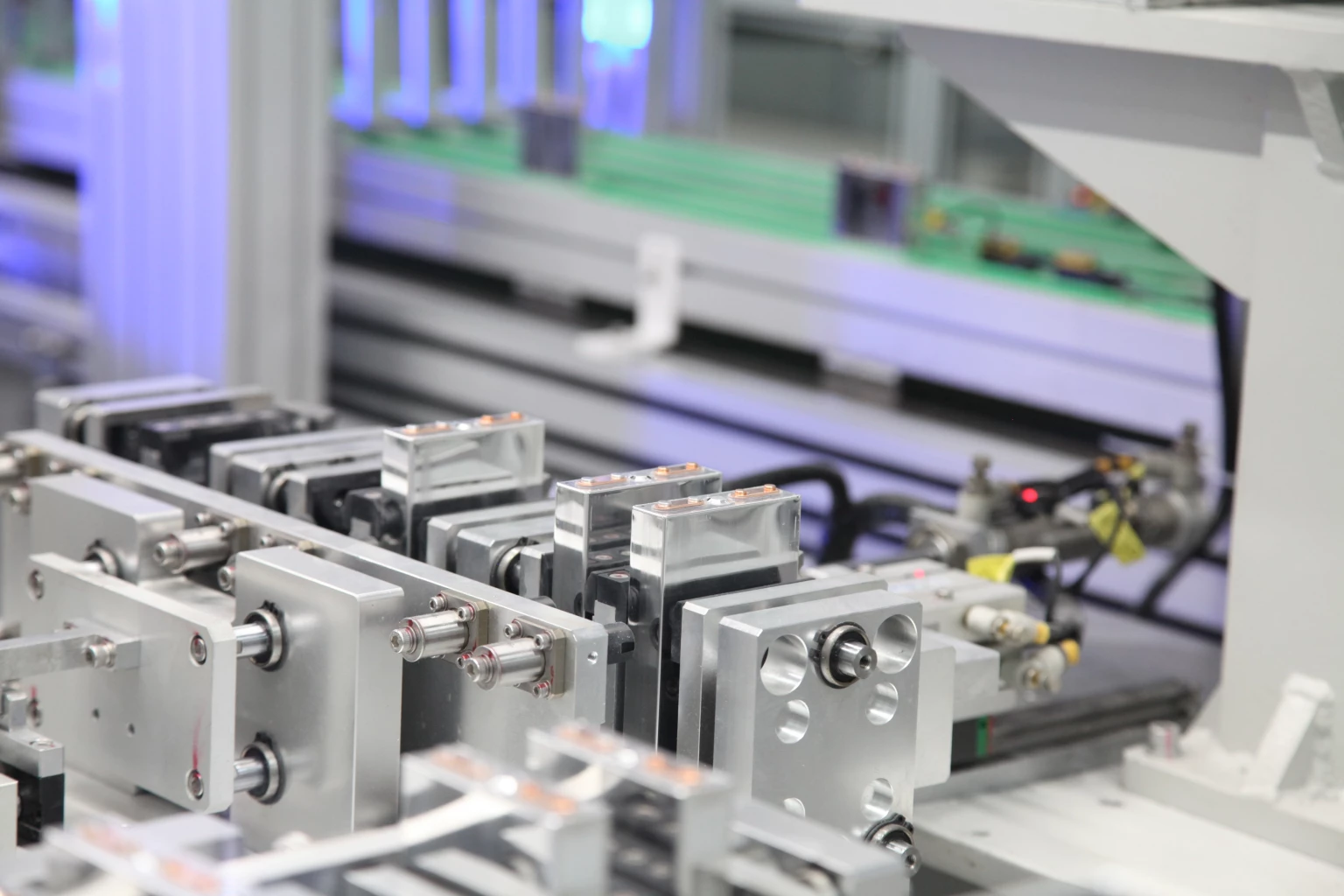
NV Gotion will import components, and assemble and distribute battery modules and packs for energy storage systems and electric vehicles, the press release said. Its initial production capacity will be 1 GWh a year, which will double to 2 GWh per year by 2025.
Nuovo Plus is a joint venture between Arun Plus and Global Power Synergy.
Buranin Rattanasombat, Chief New Business and Infrastructure Officer, PTT Public Company Limited and Chairman of the Board of Nuovo Plus Company Limited revealed that creating an ecosystem of renewable energy and electric vehicle depends primarily on the production of batteries for energy storage and electric vehicles (EV).
This joint venture establishes NV Gotion company which specializes in the energy storage and EV Value Chain — upstream to downstream — in accordance with the future energy business of PTT Group’s strategy.
NV Gotion will be capable of providing industrial sectors with one-stop service and international standard batteries not only in Thailand but across Asean by combining the knowledge of Nuovo Plus and Gotion in the fields of research and development (R&D), competitive production potential, technical service from experts. Thus, NV Gotion is going to construct a 2 GWh battery plant in the Eastern Economic Corridor (EEC). By the fourth quarter of 2023, the plant plans to develop and provide high-quality lithium-ion batteries to the market so that boosting competitiveness through innovation and technology could ensure Thailand’s Net Zero goal.
Li Zhen, Chairman of Gotion High-tech Co., Ltd. highlighted the significance of the joint venture with PTT and expectations for the future.
Gotion believes that the cooperation will aid in the company’s international growth and accelerate the new energy development of PTT Group. Resulting in win-win situation and laying a solid foundation for further collaboration in the future.
The quality of products is the key to the joint venture’s success. It is intended that both parties can leverage their respective strengths, and make their advantages complement one another.
” To advance product technology, enhance the functionality of products, and enhance services, thus, we must collaborate. Promoting application is the soul of the development of the joint venture. In order to help Thailand’s automotive industry become more globally competitive, NV Gotion will support the Thai government to create a green economy and transform Thai automobiles. Gotion High-tech and PTT Group, with NV Gotion as the platform, will make the most of the first-class technology, high-quality products, and advanced management to support the success of electric vehicles equipped with NV Gotion batteries in Southeast Asia and beyond,” Li said.
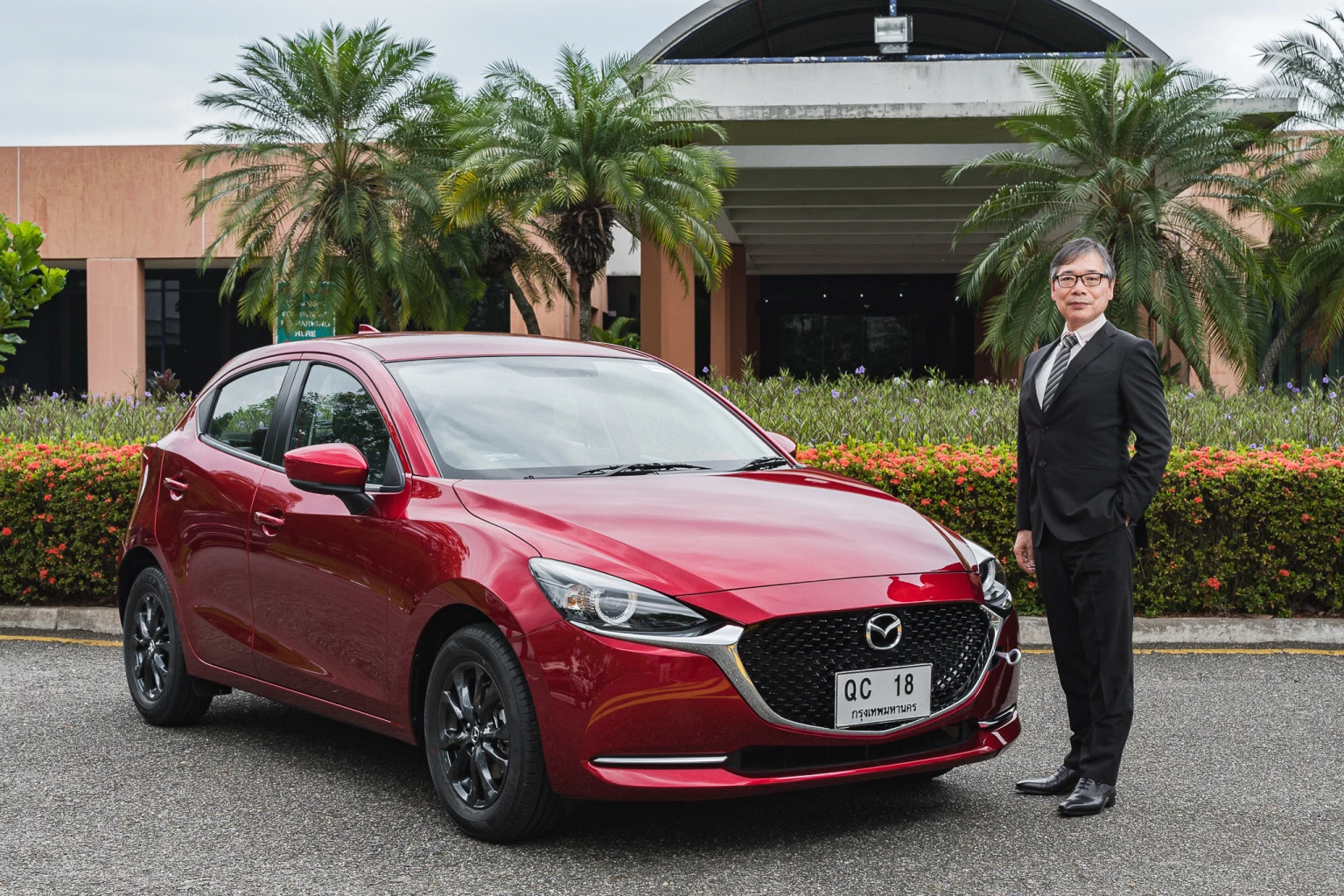
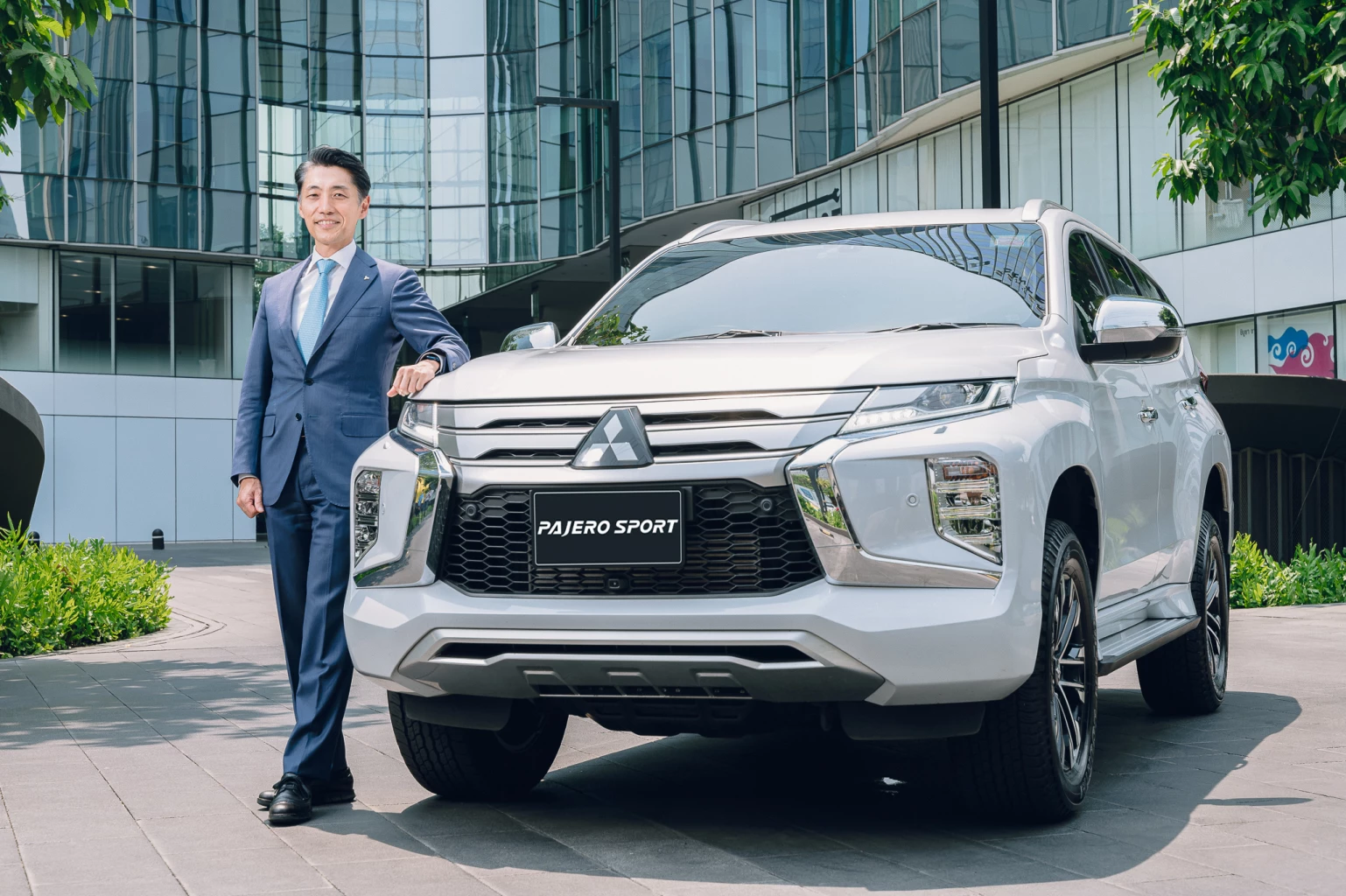
What makes quality a necessity? Unlock the keys to success with Isuzu, Mazda, Mitsubishi, and Toyota Execs
FRIDAY, DECEMBER 16, 2022
Quality is vital to a company navigating its way to success, especially for a car manufacturer whose product quality embodies its customers’ safety, convenience, and overall experiences.
This is why NielsenIQ Automotive Team, the expert of customer experience studies and auto industry data analysis, have decided to delve deeper into the secrets behind some of the most successful automotive manufacturers in Thailand namely Isuzu, Mazda, Mitsubishi, and Toyota. We want to find out just what these producers are doing differently to ensure they stay ahead of the competition in this fiercely competitive industry and how they see the future of the automotive industry.
Consumer needs for quality in the Thai automotive market have never stopped evolving.
The three crucial aspects found in every quality product or service are operational efficiency, consumer confidence, and value for money. It is no surprise that quality control in the automotive industry has evolved with changing times. In the view of the four executives, the following key factors have contributed to the transformation:
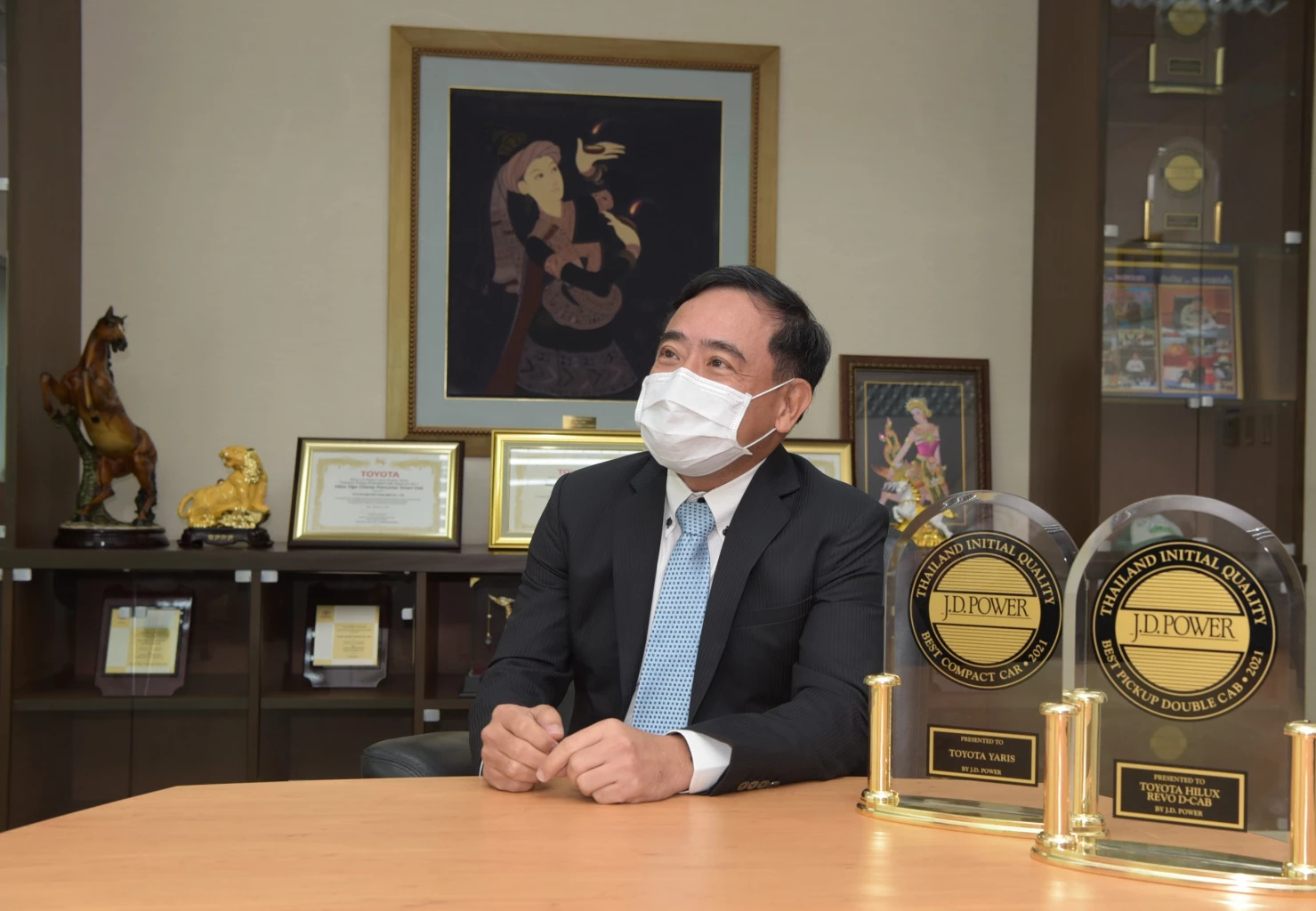
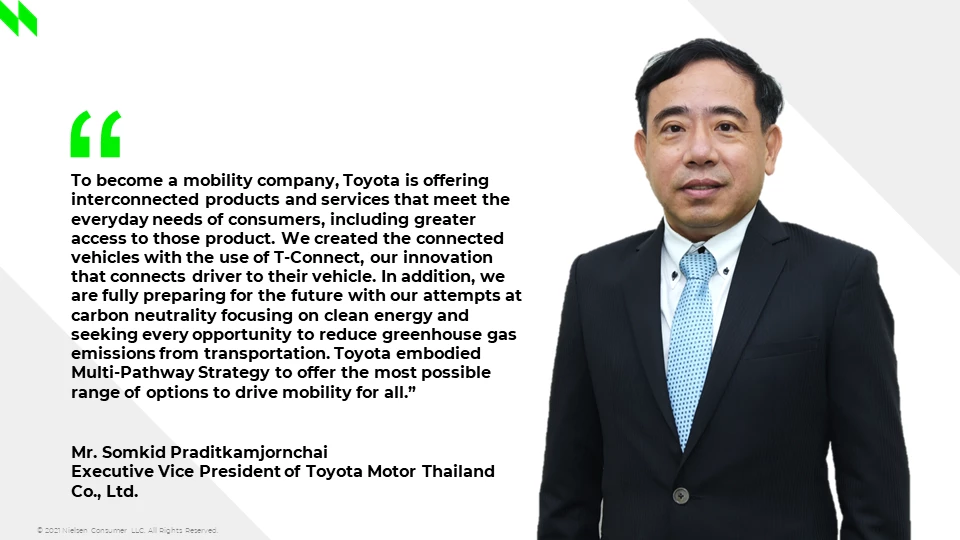
Technology & Connectivity: Consumer needs for quality have evolved with technological innovation and the advancement of connectivity, explains Mr. Somkid Praditkamjornchai, Executive Vice President of Toyota Motor Thailand Co., Ltd. As new technologies emerge car manufacturers have to incorporate them to improve their vehicles’ performance. However, this does not mean that manufacturers can lose sight of the vehicles’ basic requirements, such as a smooth ride, comfortable seating, engine quality, reliability, no car noises, or component excellence. Indeed, manufacturers must ensure that the quality of these factors are maintained while understanding that consumers are now taking more notice of the technologies on offer from their products than ever before.
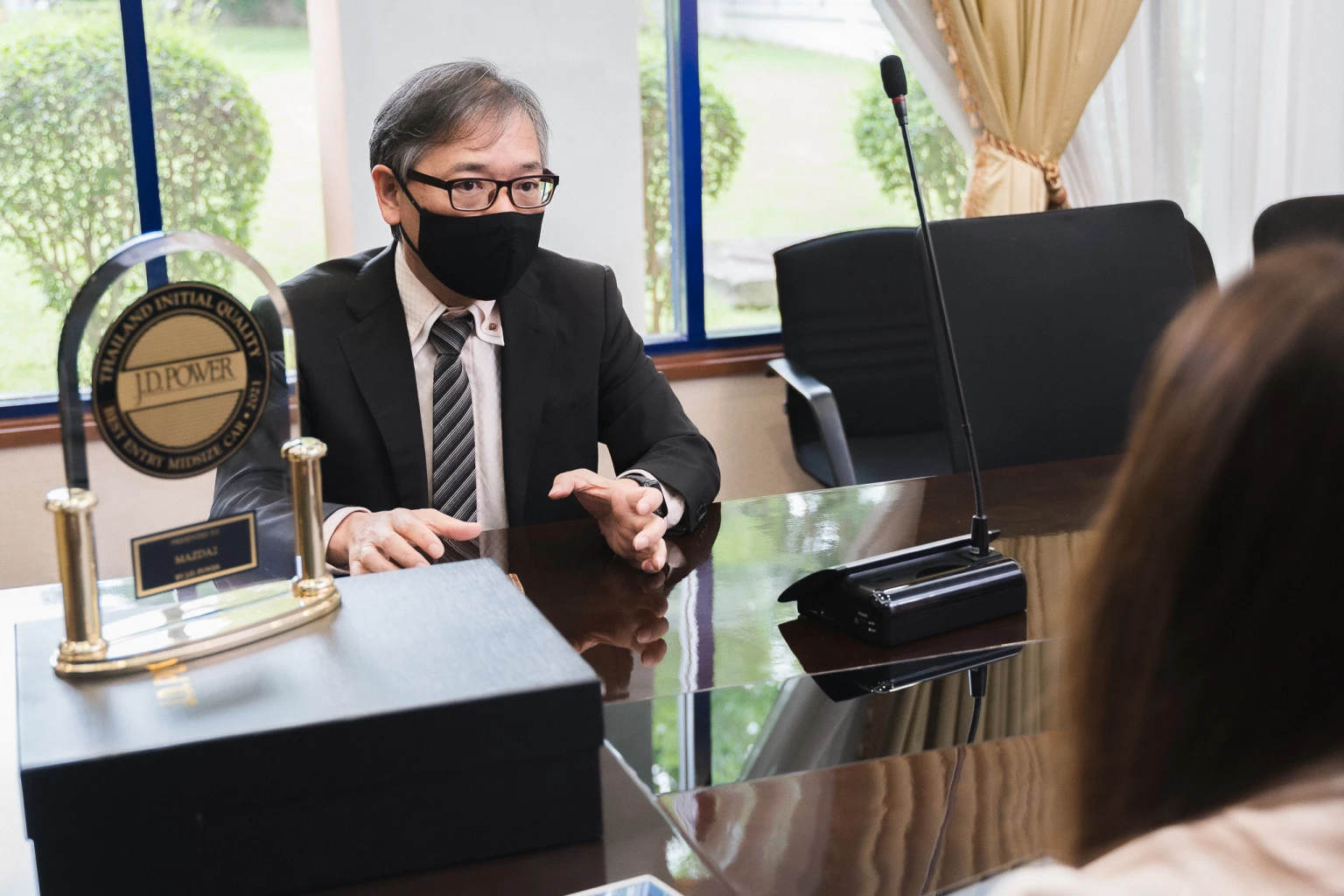
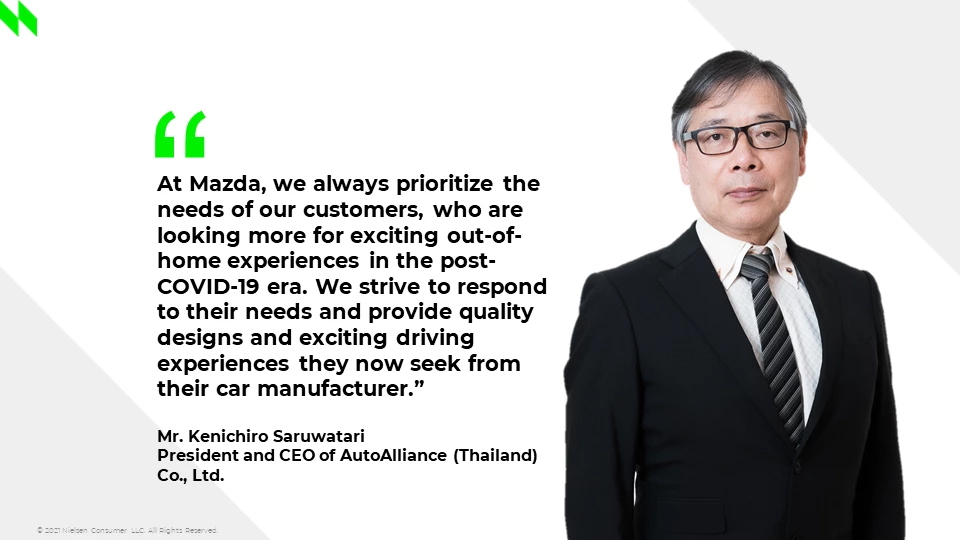
At the same time, Mr. Kenichiro Saruwatari, President and CEO of AutoAlliance (Thailand) Co., Ltd., believes that continuous development of new communications technology features will have a lasting effect on quality assurance and that manufacturers also place connectivity at the heart of their technological advancements.
Trends, Government Regulations & Social Issues: In Saruwatari’s opinion, society’s increasing environmental awareness has made electric vehicles more and more desirable to consumers. Manufacturers need to respond to this trend. Meanwhile, different government regulations around the world, including carbon neutrality and net zero emissions goal, also play an integral part in setting the stage. He cites the example of Japan, where there are more road accidents involving elderly people than younger generations from society, leading to automotive innovations aimed at addressing this social problem.
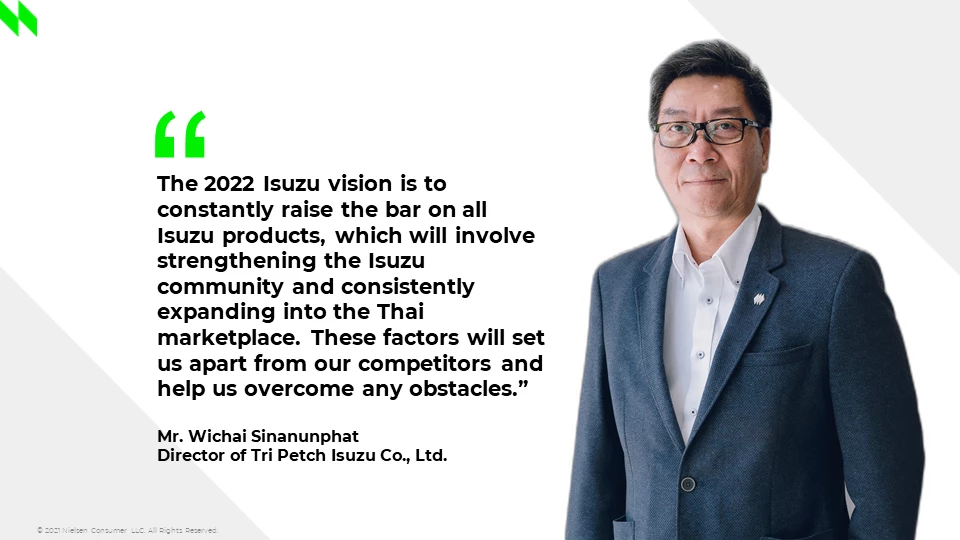
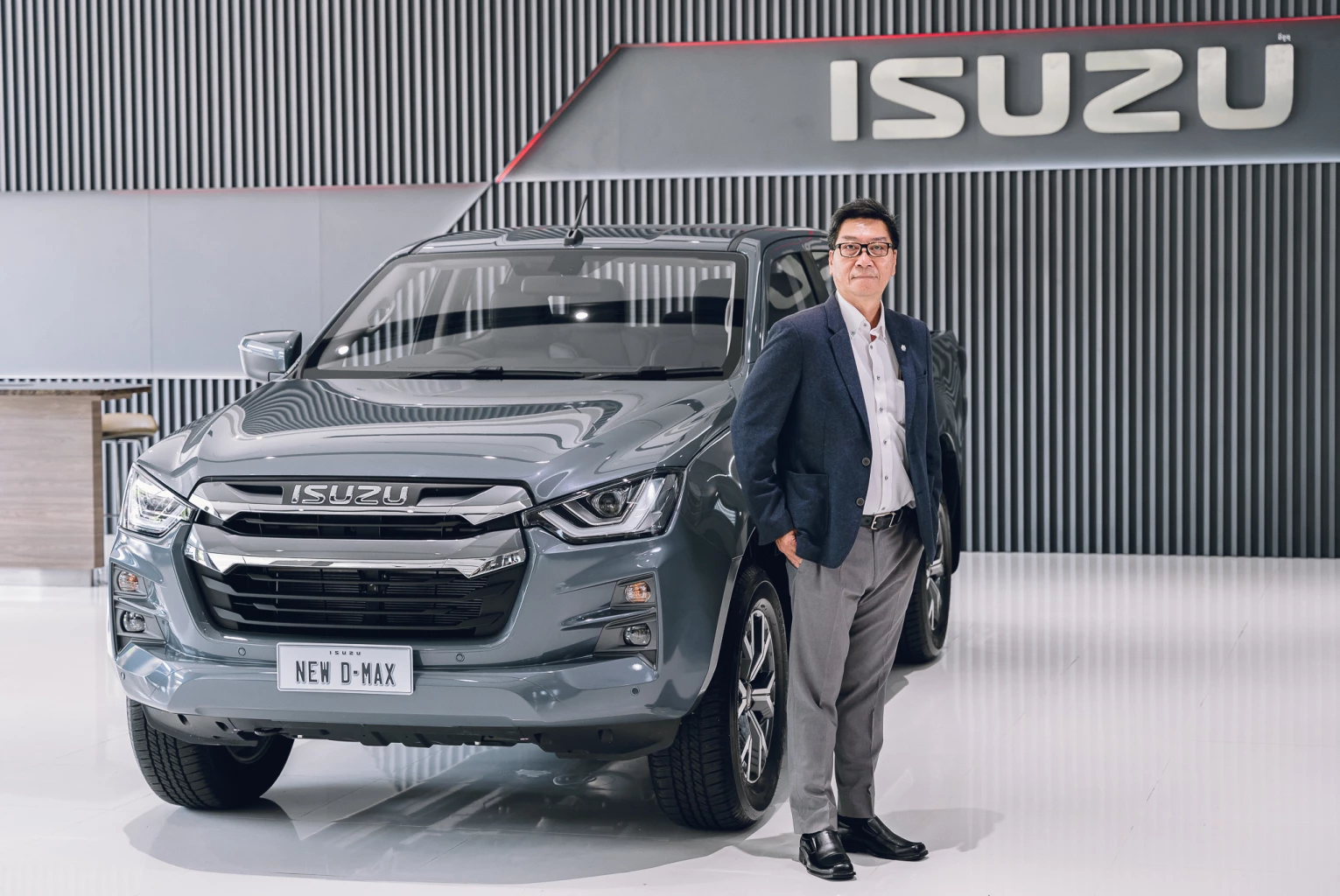
Emotional requirements: Consumers have higher expectations, so manufacturers must be careful to meet said needs, both in terms of everyday facility and the emotional benefits their products can offer. Examples of such include designing vehicles that are eye-catching, luxurious, and elegant as these can indicate a person’s good standing in society, as well as producing a sense of pride in its owner, according to Mr. Wichai Sinanunphat, Director of Tri Petch Isuzu Co., Ltd.
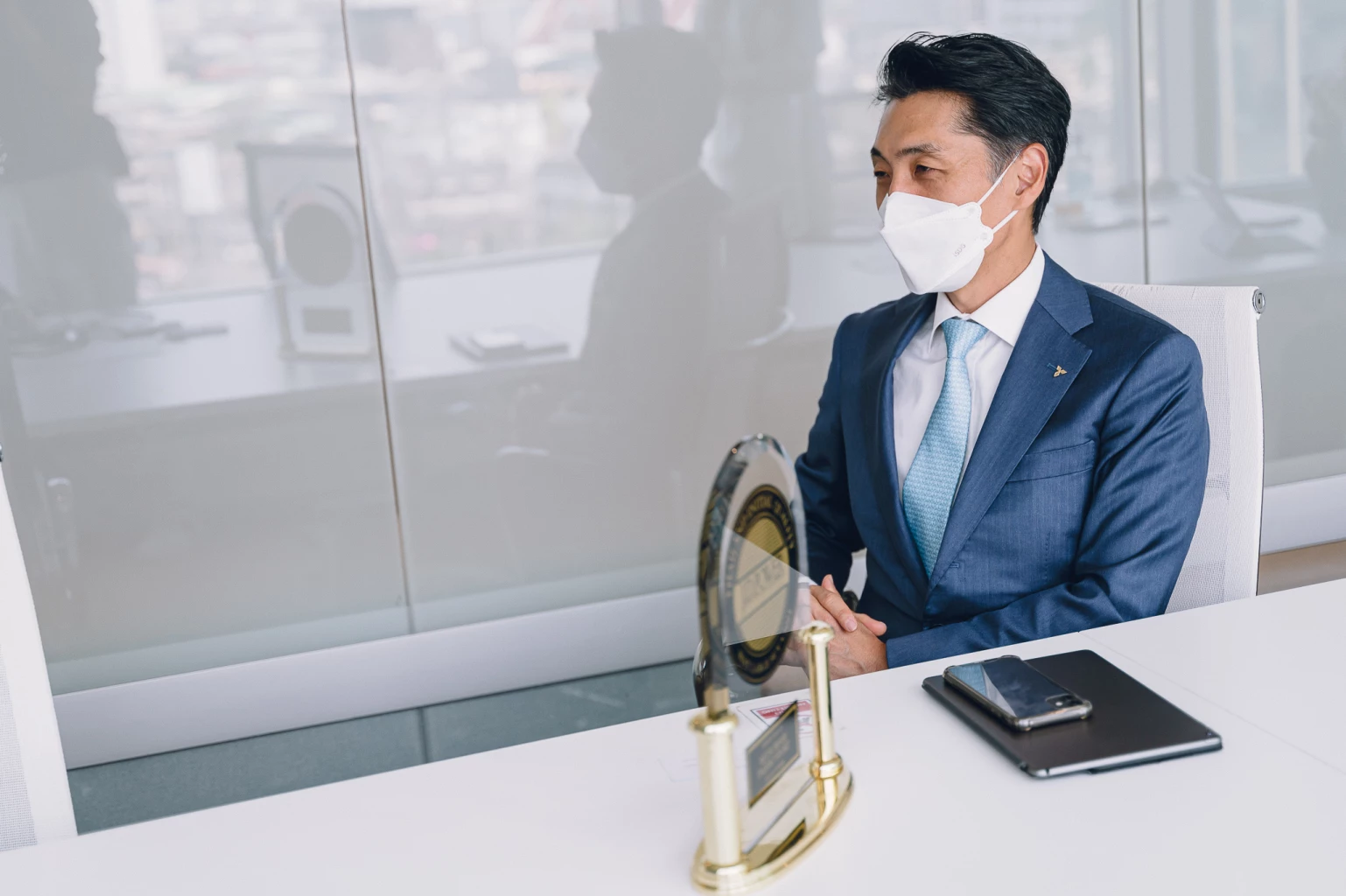
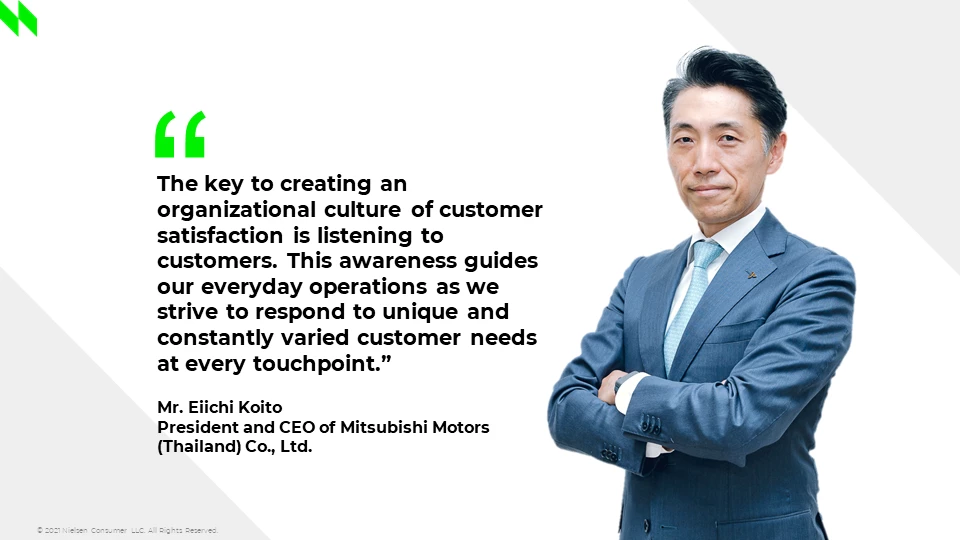
As consumer requirements are constantly changing, ensuring that the company has its ears open to the ‘customer voice’ is essential to Mr. Eiichi Koito, President and CEO of Mitsubishi Motors (Thailand) Co., Ltd. He also remarks that it is not merely the passing of time that is influencing the ever-changing consumer needs, it is also the automotive market differences in each country and segment that result in unique requirements. Organizations must therefore keep a close eye on their customers to analyse how those needs are changing and how they can be effective in meeting them as this information will prove vital to success. The speed at which a company can process such information is another critical aspect, which is why Mitsubishi has provided special training to staff to ensure a company culture built around maintaining high levels of customer satisfaction.
Quality control challenges in the eyes of Manufacturers
All four executives agree that ‘quality control’ is a challenging objective, particularly when it comes to the latest innovations or technologies. Manufacturers must have a clear understanding of the direction that any potential progress could take the company – be that in terms of processes, components, suppliers, or new products – including how quality and customer satisfaction could be affected.
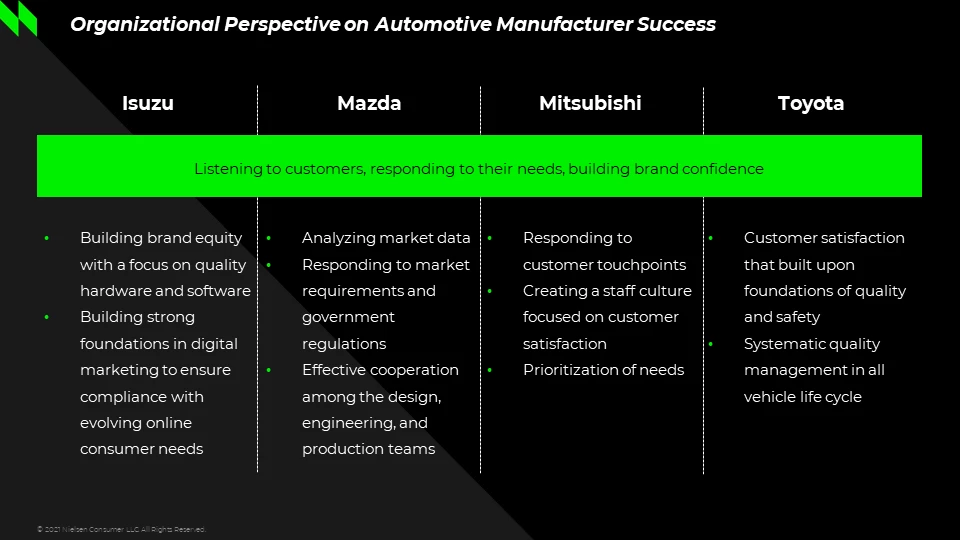
Isuzu takes responsibility for quality assurance throughout the process, from design and manufacturing to product delivery and after-sales care. As a result, their customers trust in the brand. Mazda is another shining light in this regard, having multiple teams – including designers, engineers, and quality controllers – working collaboratively for optimal operational efficiency. They also quickly identify and address any issues that arise.
Meanwhile, Mitsubishi believes that the diverse and varied needs of their customers pose an intriguing challenge. By focusing on shared points of importance to both themselves and their customers, they take on the most pressing issues first, creating vehicle models with their own unique selling points.
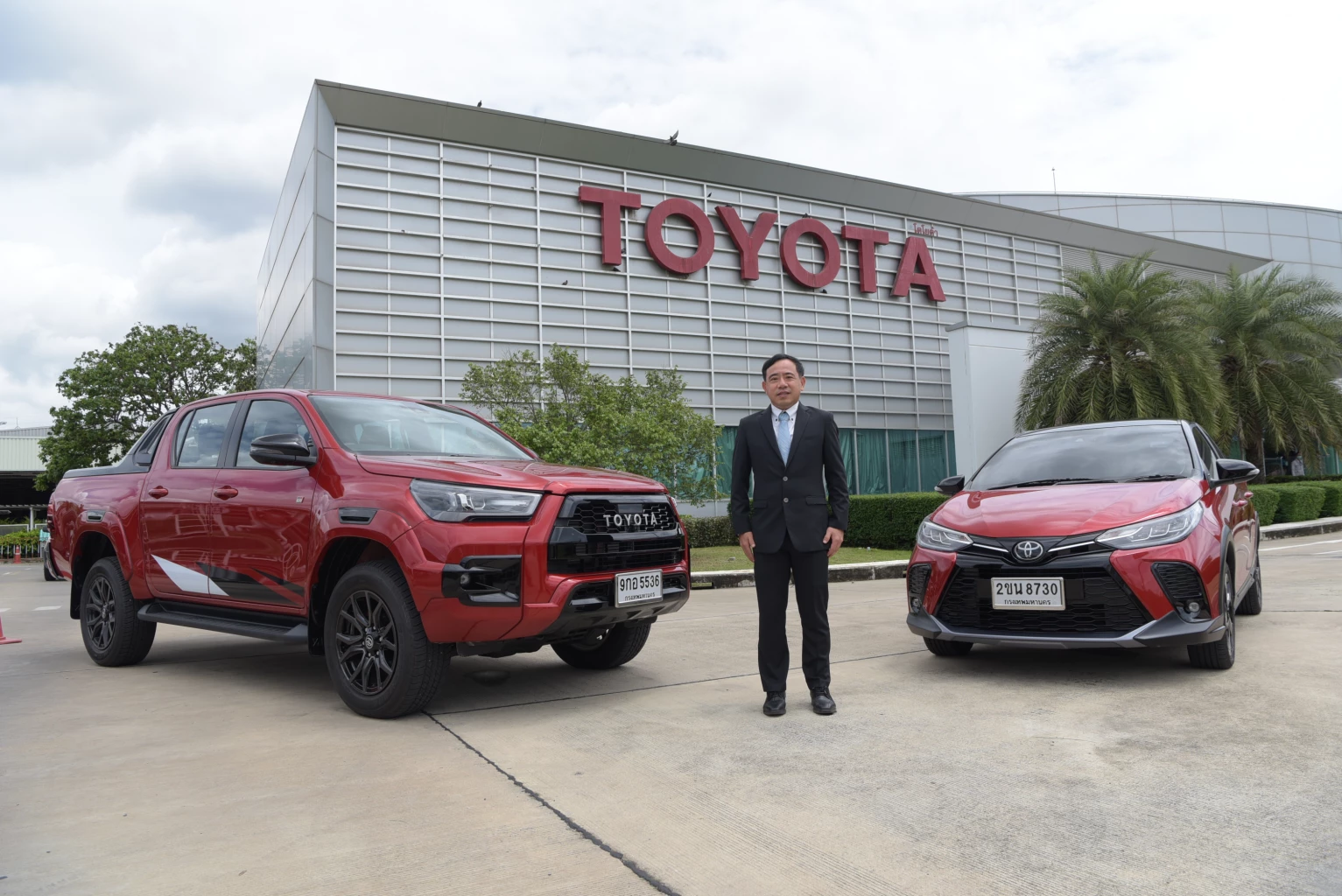
Finally, Toyota has a range of standards and procedures to guarantee ‘safety and quality’ to their customers, including adherence to safety and quality principles and the use of customer-centric change management and other techniques designed to reduce problems faced by their customers. The success of such a method is heavily reliant on the executive closely monitoring day-to-day operations.
These key factors underpin automotive manufacturer success
Despite each of the organizations having their own individual policies or concepts, it is clear that they share a belief in listening to consumer opinion to inform the design of their vehicles, resulting in greater customer confidence in their brands. The executives of these four successful businesses have outlined the following key factors to automotive manufacturer success:
All four executives are in agreement that the automotive market is in a rebound phase and that it is starting to expand once again following the COVID-19 pandemic. Consumers are beginning to expand their own horizons, whether in terms of professional lives, tourism, or even camping. However, as Mr. Somkit and Mr. Wirachai remark that there remain some very challenging obstacles for automakers, including high costs, especially for metal, and a lack of access to semi-conductors. The current precarious supply chain requires careful attention moving forward. Meanwhile, many economies are still recovering from the effects of the pandemic. Additionally, higher fuel prices are significantly impacting consumer demand for vehicles, making it difficult for manufacturers to make accurate predictions for this year’s sales figures.
Despite these volatile factors, the automotive market seems to be heading in the right direction. For car makers, placing a greater importance on consumer voice, teamwork, efficient manufacturing process, and product safety ensure the highest quality can be maintained. This is not exclusive to the motor vehicle industry but instead should be seen as a mantra to guide producers from all industries as they strive to stay ahead of the competition.
Receiving the winning titles for past initial quality award is a source of pride for these executives and a testament to their organizations’ utmost attention to customer voice. They reflect the dedication to quality shown by these outstanding automobile manufacturers.
AURA sees glittering future for its Thong Ma Ngern Pai gold shops
THURSDAY, DECEMBER 15, 2022
Nongluck Ajanapanya
Aurora Design Plc (AURA), one of Thailand’s leading gold and diamond jewellery retailers, is expanding its consignment business under its Thong Ma Ngern Pai (Gold Comes, Money Goes) brand of shops.
The move comes after it became the first gold jeweller to list on the Stock Exchange of Thailand (SET) last month. The decision to roll out more shops was driven by expanding demand in the consignment sector, AURA chief marketing officer Anipat Srirungthum explained on Thursday.
Thong Ma Ngern Pai brand is a retailer that also allows customers to temporarily exchange jewellery for cash to boost their liquidity.
Anipat said this business was previously only a supplement to its Aurora and Seng Heng gold shops but had now become a core focus.
The expansion is part of the company’s rebranding from an antique traditional family jewellers to a modern trendy gold store for people of all ages.
Anipat said Thong Ma Ngern Pai differed from its competitors thanks to its high credit limit, no need for a guarantor, instant cash, low monthly interest rate of 1.25%, more than 200 standardised branches nationwide, and easy access via its own app.
“I dare to say that no other gold shop offers such a high credit limit with such a low interest rate,” he said.
Asked why Aurora Design is so confident about making the consignment business its new flagship, Anipat highlighted the critical role digitisation.
“We are a data-driven organisation. Data helps us with accuracy of checking and tracking as well as ensuring security against errors and scams on a proper economy of scale. It also helps us understand our customers’ pain points and the solutions we can offer them.”
Aniwat explained that the Thong Ma Ngern Pai brand was created to help customers easily access financial sources at a legal interest rate and with greater convenience. After more than three years of testing, the service showed promising prospects.
Revenue is growing at least 45% per year and there are over 130,000 users of Thong Ma Ngern Pai services.
AURA plans to expand the current network of 266 stores to 409 by 2024, boosting revenue to 3.7 billion baht.
Aniwat said the brand will also collaborate with other businesses to improve user experience and engagement. The company has partnered with CJ MORE, Line BK, and Kasikorn Bank.
New, expanded markets may see Thai rice exports cross 2022 target
FRIDAY, DECEMBER 16, 2022
Thailand will likely achieve its goal of exporting 7.5 million tonnes of rice this year, and may even go beyond the target, the Department of Foreign Trade (DFT) said.
Ronnarong Phoolpipat, the department’s director-general, said on Friday that exporters have sought to ship out up to 8.58 million tonnes of rice this year, adding that the baht’s exchange rate has made prices very competitive.
Also, he said Iraq’s import of 1.3 million tonnes of rice in the first 10 months of this year has helped rice exports grow by 500% year-on-year.
Export of rice to the US and the Philippines – both of which are Thailand’s key markets – has grown by 25% and 44% respectively.
Ronnaraong said he expects rice exports to rise further in 2023 thanks to the exchange rate and the easing of Covid-19 measures.
He also said Indonesia and Bangladesh have expressed interest in importing rice from Thailand because their harvests are not large enough to cover domestic demand.
He said DFT will meet key rice exporters next month to set an export target for 2023.
The department also plans to hold a Thailand Rice Convention next year, as well as participate in international fairs like Germany’s BioFach, UAE’s Gulfood 2023, Foodex 2023 in Japan, the China-Asean Expo 2023 and Fine Food 2023 in Australia to promote Thai rice.





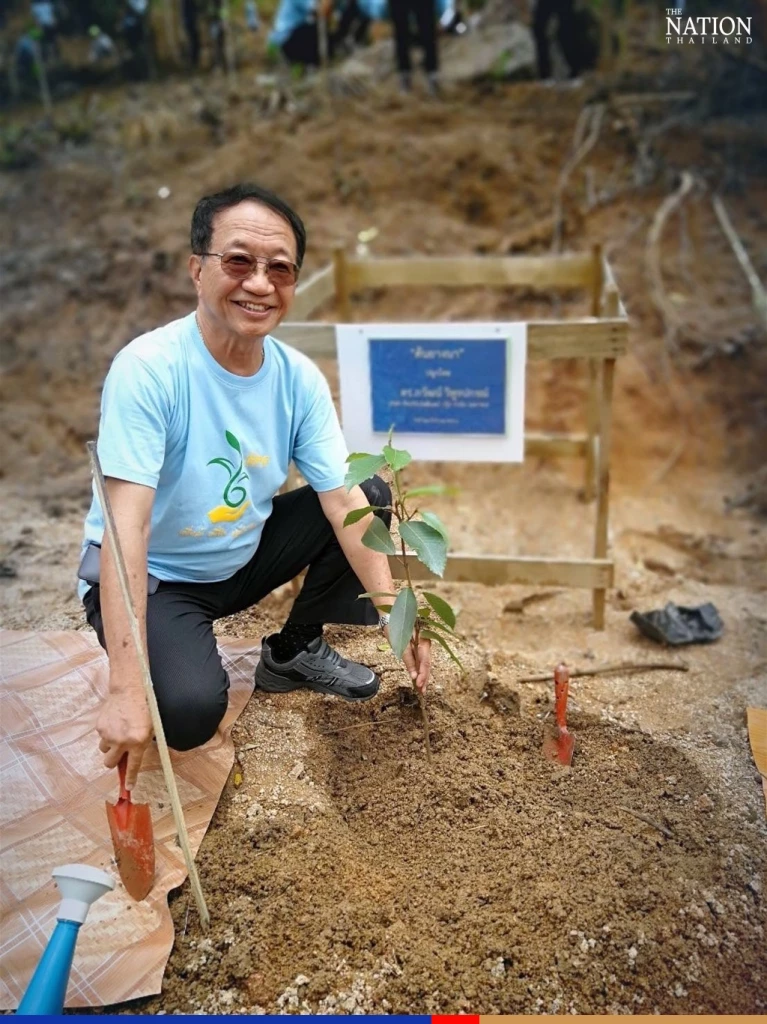 Pawat Vitoorapakorn, the CEO of EPG and Aeroflex Co LtdPawat Vitoorapakorn, the CEO of EPG and Aeroflex Co Ltd, is ambitious. He is not satisfied with dominance in the domestic market. He wants the companies’ products to gain worldwide recognition and his motto is: “The world is the market”.
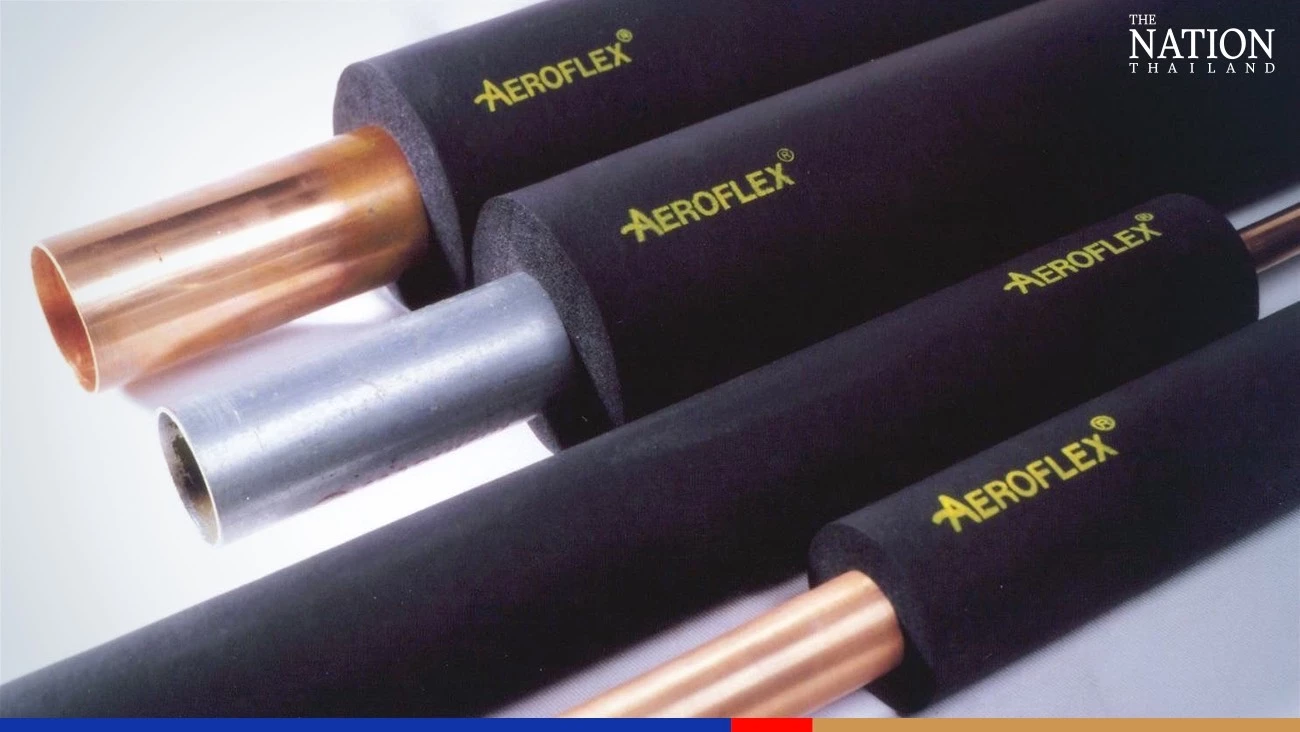 Speaking of the company’s history, Pawat says: “The Vitoorapakorn family founded Eastern Polymer Group Public Company Limited in 1978. Thermal insulation, vehicle and accessories, plastic and packaging, and R&D are the primary businesses. In 2014, we changed our name to Holding Company and listed on the Stock Exchange of Thailand, raising 2.8 billion baht after having begun with an investment of 1 million baht.
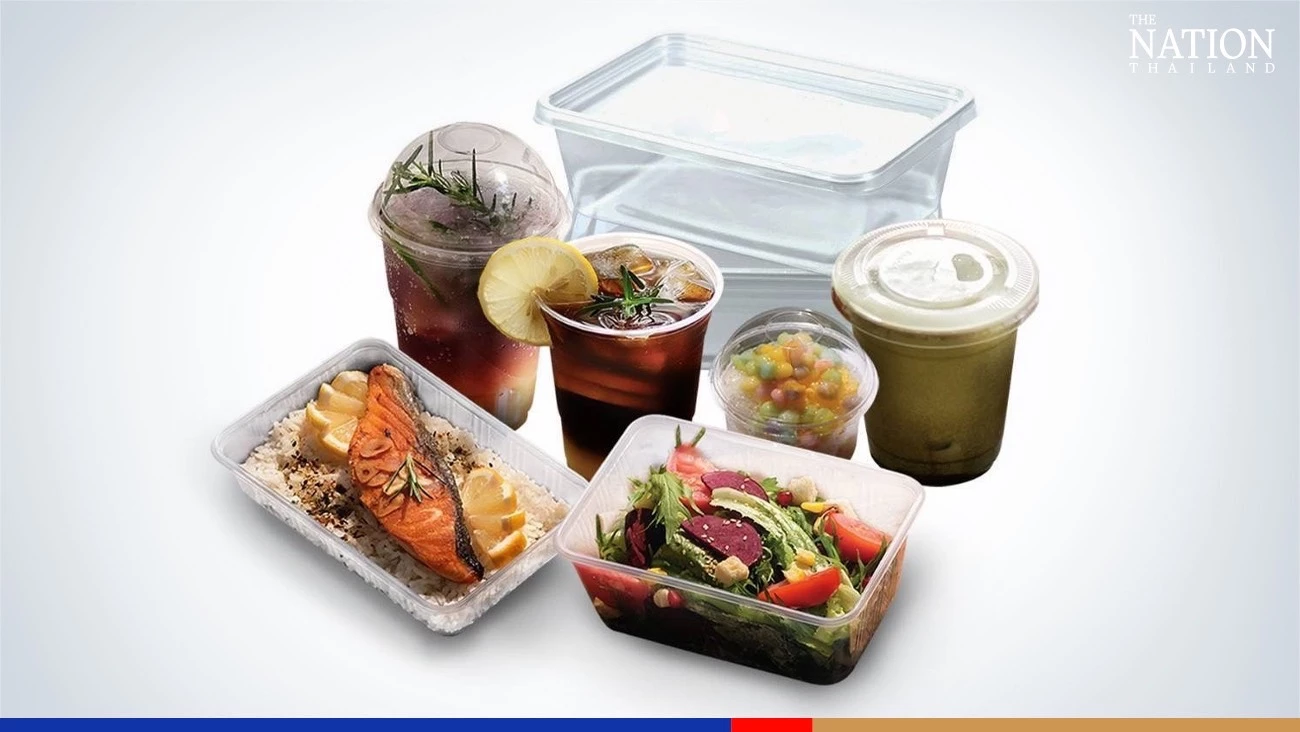 Eastern Polypack manufactures and distributes disposable plastic food and beverage containers, cups, plates, and bowls under the EPP brand









 SootinClaimon.Com