APEC Business Advisory Council presents APEC Economic Leaders Report to Prime Minister
TUESDAY, OCTOBER 18, 2022
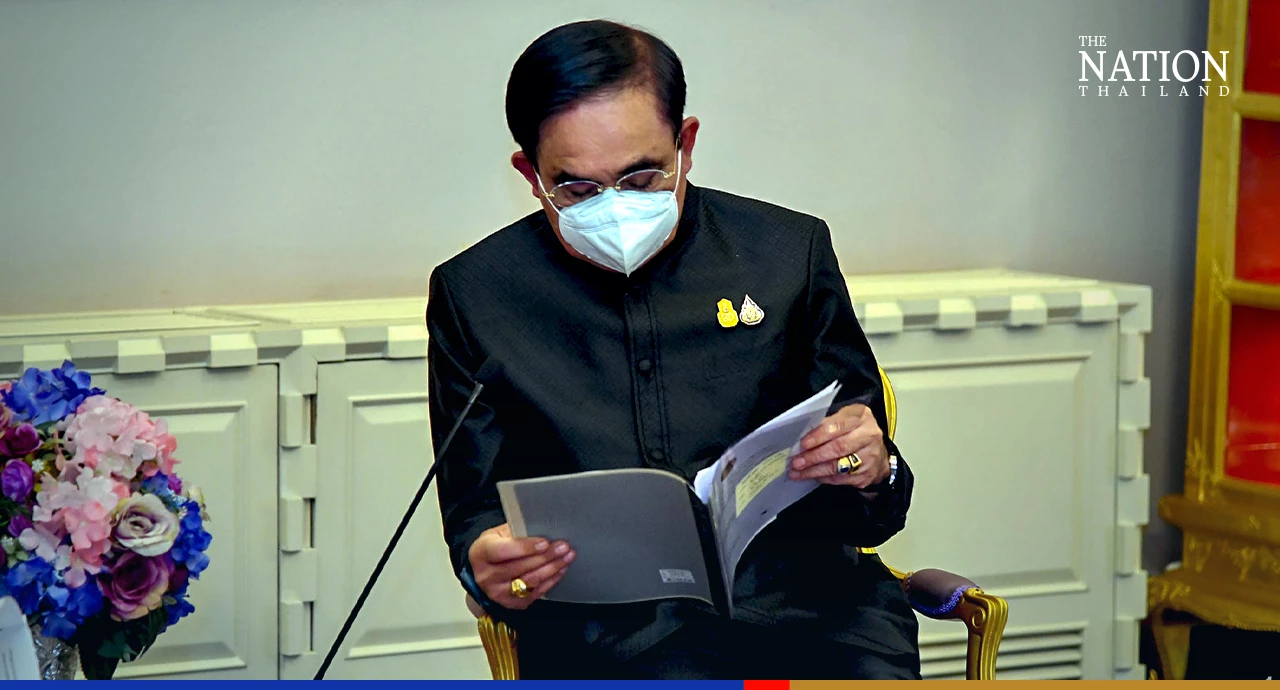
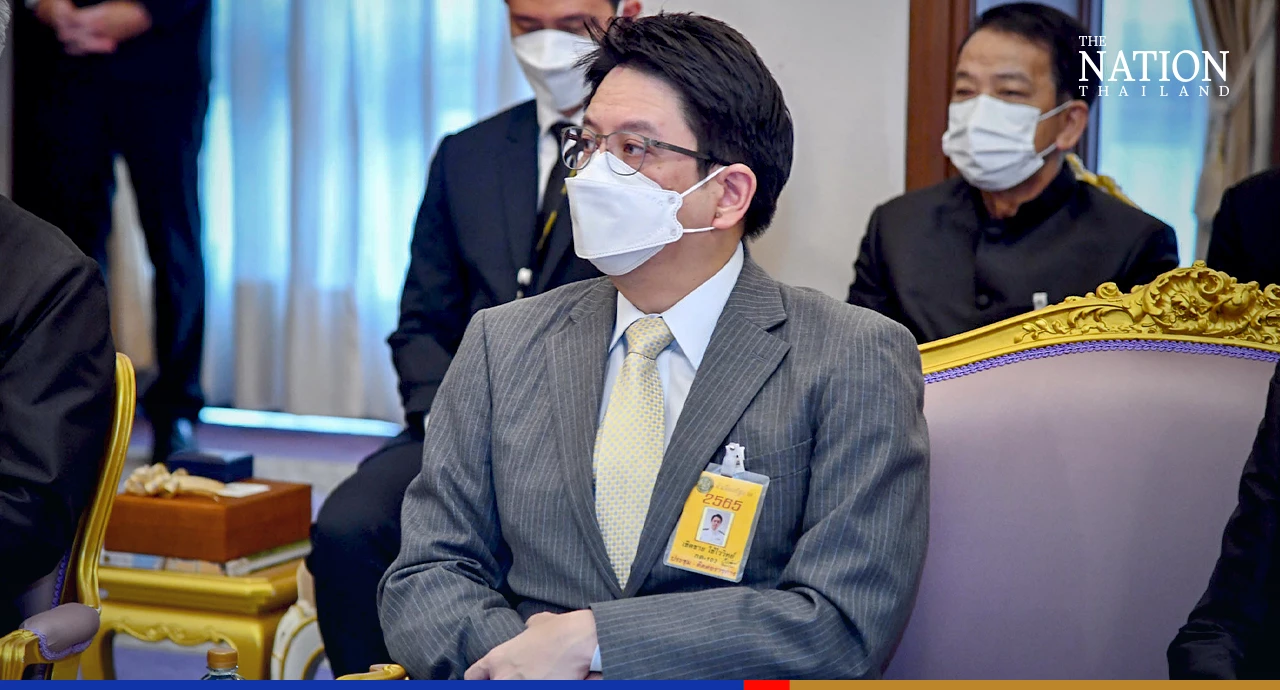
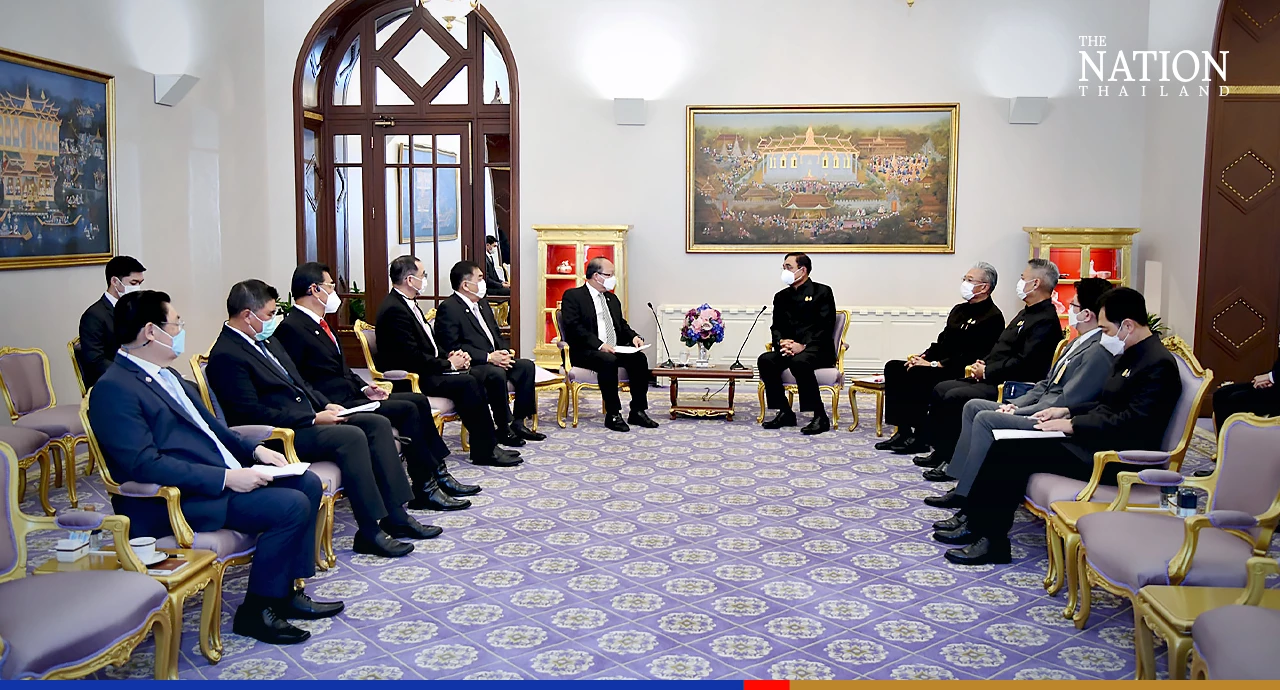
On October 11, Mr Kriengkrai Thiennukul, 2022 APEC Business Advisory Council (ABAC) Chair, along with other Thai ABAC Members, presented the 2022 ABAC Report to APEC Economic Leaders to Prime Minister and Chair of APEC 2022 General Prayut Chan-o-cha at the Government House.
ABAC has been working closely with the Asia-Pacific Economic Cooperation (APEC) throughout the year, offering insights and recommendations to APEC across its workstreams, and the presentation of the ABAC Report is an important part of the APEC process.
This year’s ABAC Report focuses on promoting speedy and sustained recovery and regaining the momentum for sustainable, inclusive and sustainable growth with an emphasis on climate change, food security, health resilience, low carbon economy, as well as advancing the FTAAP agenda and digitalization.
ABAC has held three meetings this year and will hold the Fourth ABAC Meeting ahead of the APEC Economic Leaders’ Week in November 2022 to prepare for the upcoming APEC Leaders’ Dialogue with ABAC.
APEC has benefitted and incorporated ABAC’s practical recommendations in APEC’s work. This includes a recommendation from the ABAC Report in 2021 on having a mechanism to promote travel that resulted in the establishment of the APEC Safe Passage Taskforce. This year, the Taskforce has been coordinating APEC’s work towards the resumption of safe and seamless cross-border travel.
Thai production companies find foreign buyers for content worth nearly THB400 million
MONDAY, OCTOBER 17, 2022
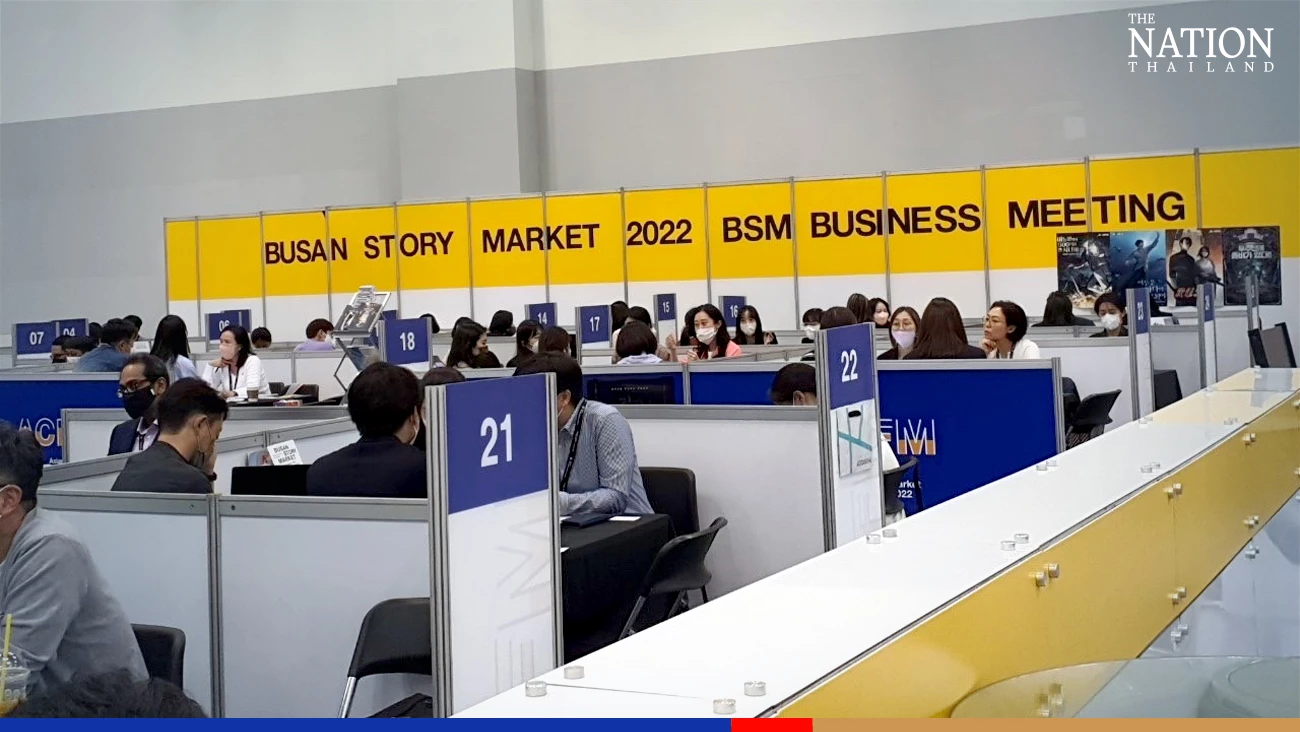
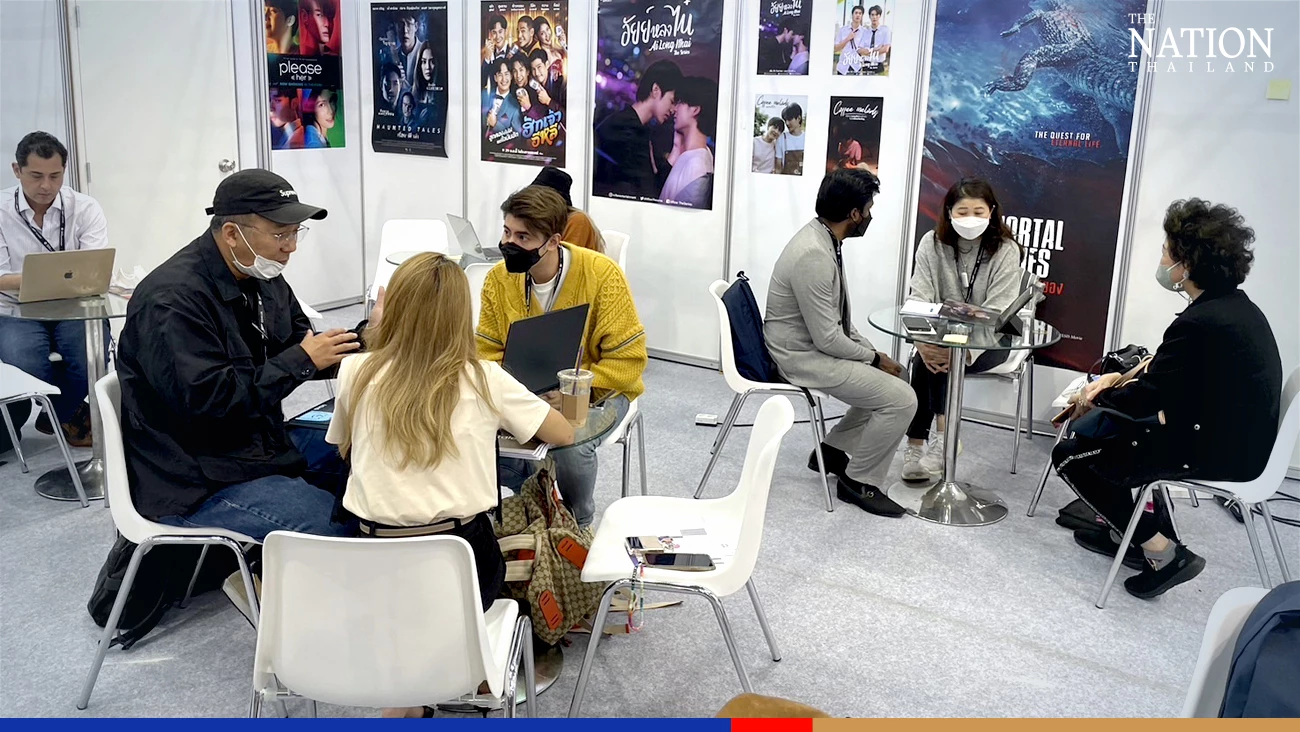
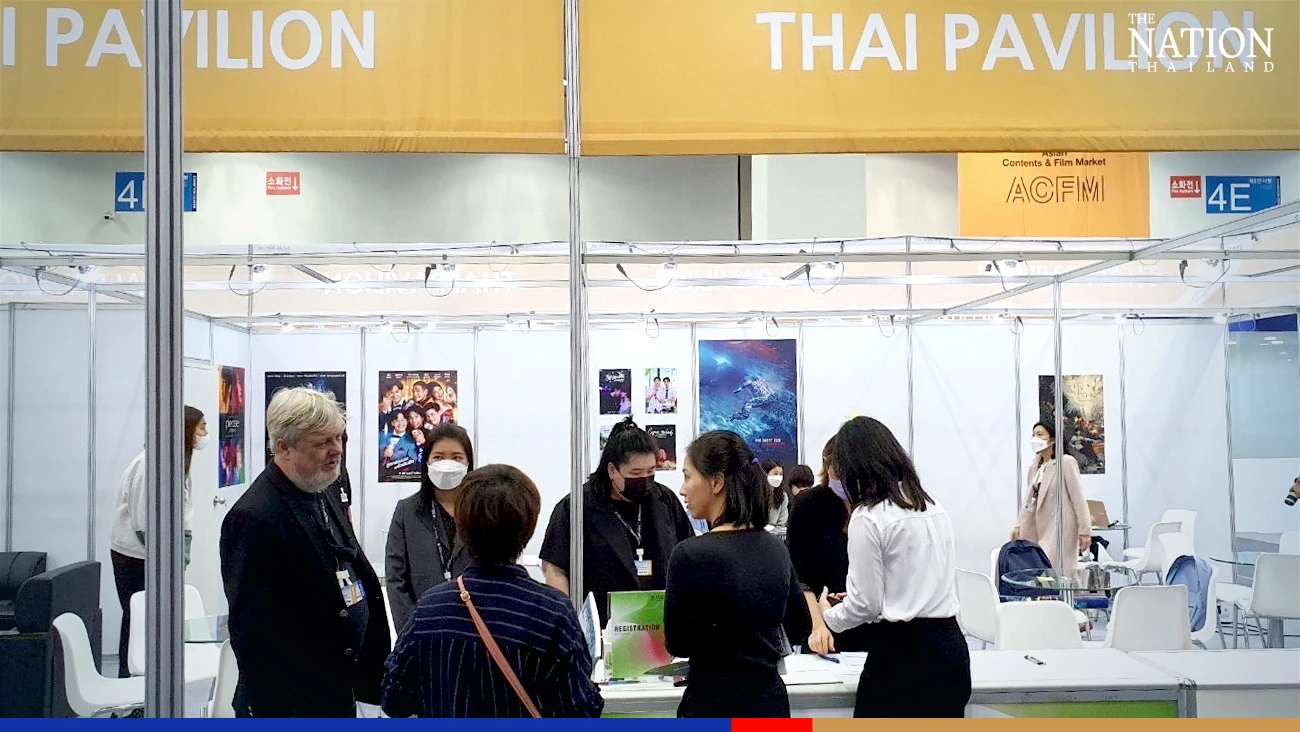
Thai content providers struck deals worth 398 million baht at a South Korean film event, the Department of International Trade Promotion (DITP) said on Monday.
DITP director-general Phusit Ratanakul Sereroengrit said the department had taken eight Thai content providers to participate in the Asian Contents & Film Market 2022 at Busan Exhibition and Convention Centre in South Korea from October 8 to 11.
The eight Thai content providers were: 9Naa Productions, Benetone Films, De Warrenne Pictures, Halo Productions, M Flow Entertainment, M Pictures, Right Beyond and Thongkham Films.
“This move aims to promote Thailand’s soft power among filmmakers and investors worldwide, as well as increase marketing channels for Thai entrepreneurs in film and its related industries,” he said.
He said there were 134 trade negotiations between Thai and foreign entrepreneurs, generating 398 million baht in revenue.
The foreign entrepreneurs came from South Korea, Japan, Malaysia, Canada, Mongolia, India, Taiwan, Vietnam and the US.
“Content that received attention from foreigners revolved around action, thriller and boys’ love,” he said.
Phusit said the DITP is promoting Thai film and entertainment industries to get international recognition.
He added that Commerce Minister Jurin Laksanawisit is scheduled to promote Thai film and entertainment industries at two events, namely “American Film Market 2022” and “Thai Night”, in Los Angeles at the beginning of November.
“These events feature business activities, such as trade negotiations, film exhibitions, networking and seminars on business potential and trends,” he added.
Thailand considers South Korea, which is the 10th largest in the world, an important trade partner. Thailand-South Korea trade value last year was more than US$15 billion.
Thailand dreams big digital dreams with its brand new ‘Digital Infinity’ strategy
MONDAY, OCTOBER 17, 2022
Nongluck Ajanapanya
Thailand is set to launch an ambitious digital roadmap that will propel its digital industry forward, empower workers and position it at the forefront of the global digital revolution.
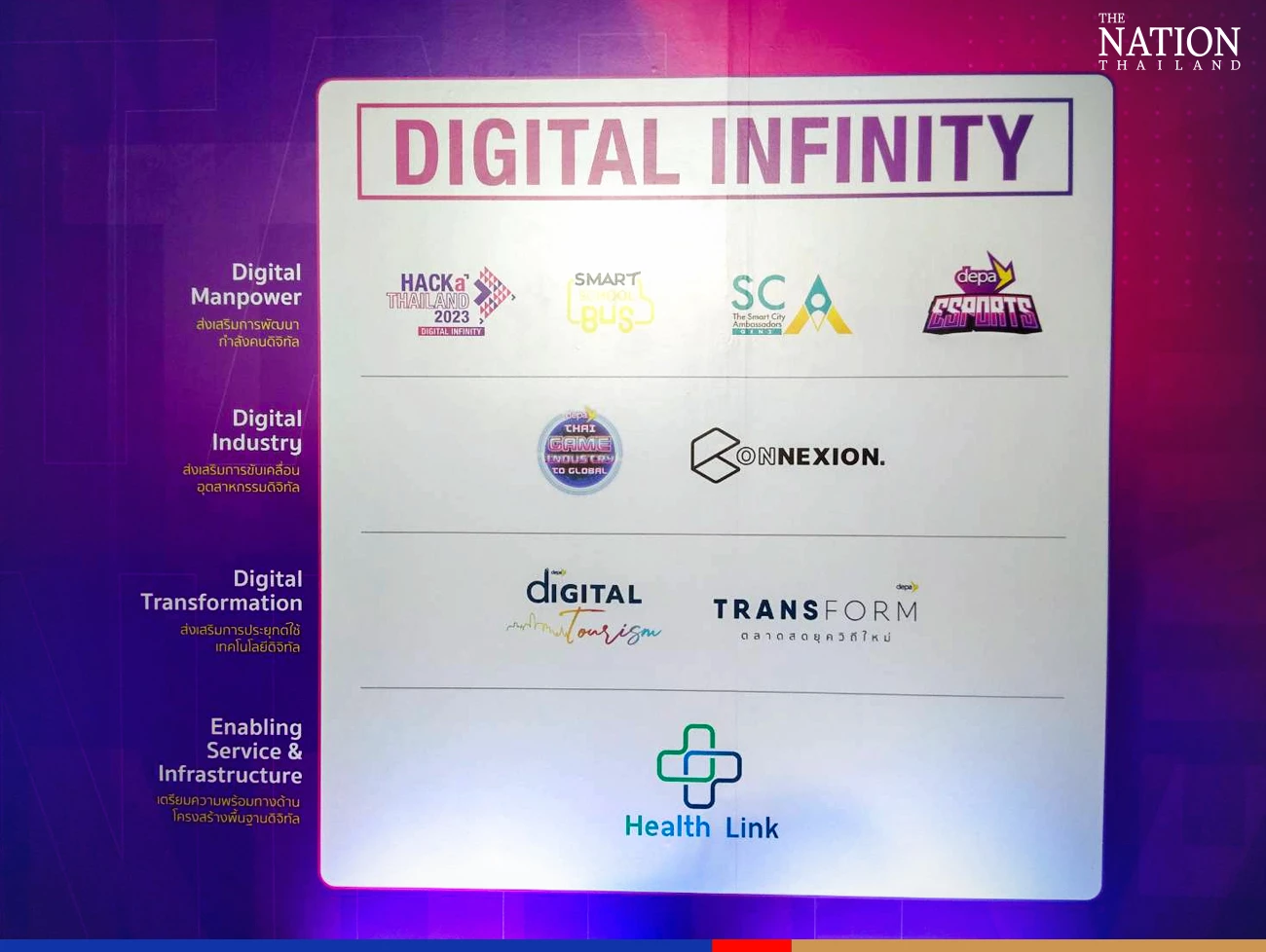
The strategic plan comprising eight projects under the “Digital Infinity” concept is being launched jointly by the Digital Economy and Society (DES) Ministry and the Digital Economy Promotion Agency (depa).
Assoc Prof Dr Nuttapon Nimmanphatcharin, depa president, told the press on Monday that the eight projects will go into operation gradually over the next 360 days and start showing concrete results by August 2023.
He said the aim is to generate at least 320 billion baht by upskilling more than 6.2 million Thai workers.
“The projects will help improve the adoption of digital technology and innovation, as well as the readiness of Thailand’s digital infrastructure and ecosystem to prepare for a thriving digital economy and society,” Nuttapon said.
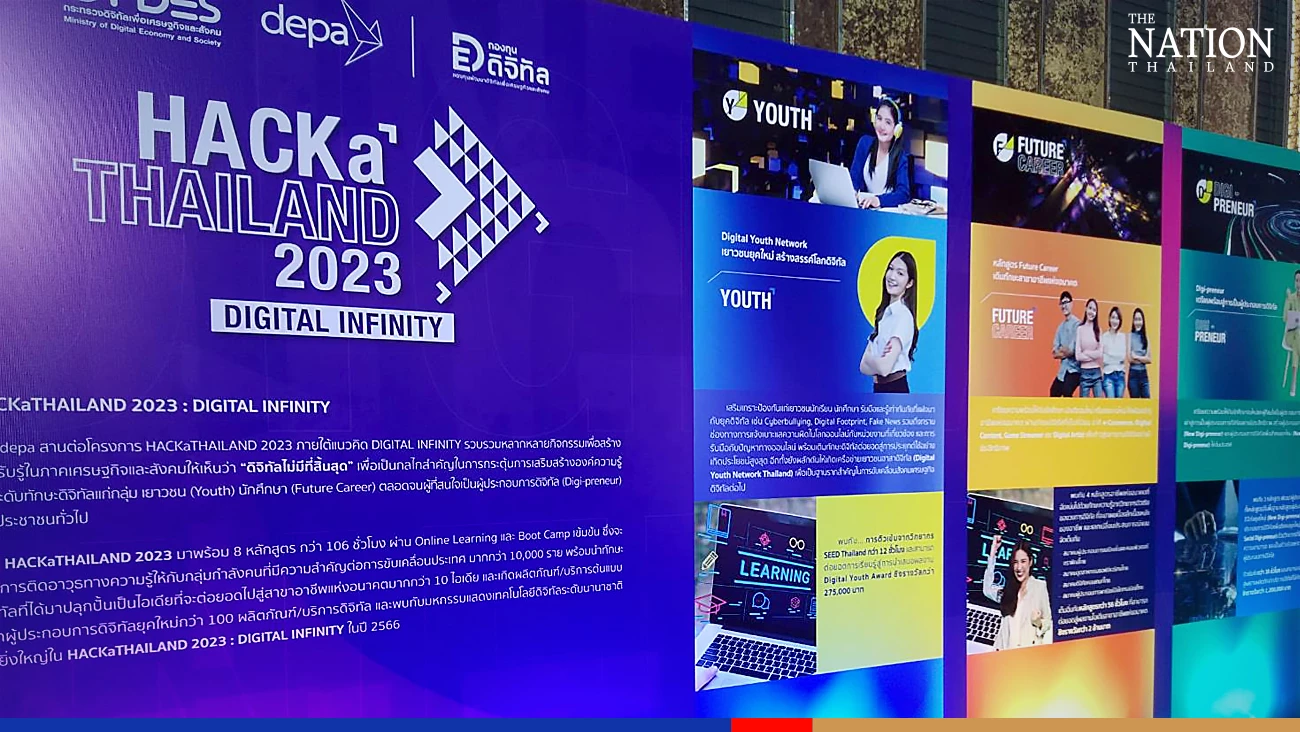
The first project, “HACKaThailand 2023: Digital Infinity”, will kick off next month with a contest that aims to boost the digital skills of the Thai public.
Participants can use the digital knowledge gained at the hackathon to advance their careers, he said.
HACKaTHAILAND will comprise three main activities: an online learning platform, the hackathon and a digital showcase.
Nuttapon said the event will showcase a variety of advanced technologies under the themes of digital manpower development, digital industry development, digital technology adoption and innovation promotion and digital infrastructure readiness.
“Depa hopes that with hands-on experience at the event, more Thais will be able to experience and learn about digital technology and innovation,” Nuttapon said.
The other projects under the Digital Infinity strategy are Smart School Bus Platform, Smart City Ambassadors GEN 2, Thai e-Sports Internationalisation Project, Thai Game Industry to Global, CONNEXION Project, Reopening the Country with Digital Tourism Platform and Transform: New-Normal Market Project.
Nuttapon said the plan will cost approximately 3 billion baht, with depa providing 1 billion baht and the remainder coming from the private sector.
DES Ministry’s Vice Minister Newin Chochaiyathip told the press on Monday that the project is part of the government’s efforts to reskill and upskill Thais so they can become “digital citizens”.
“They will be able to adapt their skills and embrace digital technology for opportunities in next-generation professions,” Newin said.
He added that the new digital roadmap will also help the country develop its own digital experts, reduce reliance on foreign know-how and accelerate the development of Thai-made technology and innovation.
The government is also preparing a digital infrastructure and ecosystem to support economic activities to smoothen the transition to “Digital Thailand”.
He added that the government was committed to encouraging farmers, small businesses, community enterprises and entrepreneurs to use technology and solutions provided by Thai digital start-ups to improve business performance.
BOI frames new 5-year investment promotion strategy to pave way for new economy
MONDAY, OCTOBER 17, 2022
Thailand’s Board of Investment (BOI) last week approved the framework of its new investment promotion strategy for the next five years, which will focus on entering the new economy era.
The strategy involves encouraging technological advancement, a transition to green and smart Industries, talent development, as well as creativity and innovation, to strengthen the country’s status as a regional hub for business, trade and logistics.
The new investment promotion strategy (2023-27) aims to promote investment to restructure the country’s economy around three core concepts: innovation, technology, and creativity; competitiveness and the ability to adapt quickly; and, inclusiveness, taking into account environmental and social sustainability.
“In view of the challenging, volatile and highly competitive global environment, the BOI will stay ahead of changes and keep promoting investment in a way that achieves concrete results, helping to lead Thailand into the new economy,” Narit Therdsteerasukdi told reporters during his first press conference since taking over as secretary-general of the BOI on October 3.
”To reach that objective, the BOI will broaden its role from that of a ‘promoter’ providing tax and non-tax benefits, to focus on becoming an ‘integrator’ of investment support tools, a ‘facilitator’ providing services, and a ‘connector’ linking industries to create more business opportunities.”
To implement the strategy and its vision of the new economy, the BOI will articulate its investment promotion policies around seven pillars:
● Upgrade existing industries, in parallel with the building of new industries in which Thailand has high potential, and an overall strengthening of the supply chain
● Acceleration of industrial transition to green and smart industries through investments in automation, digital adoption and decarbonisation
● Promotion of Thailand as a business centre, and an international trade and investment gateway for the region
● Strengthening SMEs and startups, ensuring they are connected to the global market and supply chain
● Promotion of investments in the different regions of Thailand that fits the potential of each area and enables inclusive growth
● Promotion of investments that will promote community and society development
● Promotion of Thailand’s overseas investment to expand business opportunities for Thai companies
Further details of the policies and sector-specific incentive packages will be presented to the board and announced in coming weeks, Narit said.
During the first nine months of 2022, foreign and local investors filed with the BOI a total of 1,247 applications for investment promotion, worth a combined 439.1 billion baht (US$11.6 billion), Narit said.
While the number of applications rose 8.5 per cent when compared to the 1,149 projects seen in the first nine months of 2021, the combined value fell 14.1 per cent, from 511 billion baht, reflecting a smaller average project size.
Thailand’s Eastern Economic Corridor (EEC) area saw 376 projects applying for promotion, representing a combined investment value of 246.7 billion baht, or 56 per cent of the total value of applications in the first nine months, Narit said. Most are investments in Rayong and Chonburi provinces.
Foreign direct investment (FDI) applications decreased 25 per cent year on year to 275.6 billion baht
The main source of FDI applications in the first nine months was China with 45 billion baht, followed by Taiwan (39.3 billion baht), Japan (37.6 billion baht), the US (34.3 billion baht), and Hong Kong (26.3 billion baht).
During the first nine months, FDI applications data for China, Hong Kong and Taiwan all included investments in the manufacturing of new electric vehicles (EV) and parts. Major EV investments announced in Thailand this year involve plants by BYD, whose investment is coming through its Hong Kong-based unit, and Foxconn.
Over the nine months to September, the BOI issued promotion certificates to 1,101 projects, an increase of 17 per cent year on year. The combined investment value of the certificates amounted to 357.6 billion baht, an increase of 57 per cent, Narit said.
“The promotion certificate statistics, the closest data we have to actual investment, are sending a clear signal that over the next one to two years, there will be a significant increase in actual investment flows,” Narit said.
Government considering extending shopping subsidy scheme to lift economy in last quarter
MONDAY, OCTOBER 17, 2022
THE NATION
The Finance Ministry is looking at reviving the “Shop Dee Mee Kuen” (Shop and Payback) scheme to stimulate the economy towards the year-end. There is no word yet on whether the “Khon La Khrueng” (Let’s Go Halves) co-shopping subsidy campaign, which expires this month, would be extended.
The Fiscal Policy Office (FPO) said on Monday that it is finalising the details for the new phase of the Shop Dee Mee Kuen scheme, with some adjustments made to the original criteria when it was first introduced in 2020.
Under the original Shop Dee Mee Kuen, people who shopped for specified products, such as those with VAT (excluding alcoholic beverages, tobacco, accommodation, or flight tickets), OTOP, or books, will receive a tax discount in line with the scheme’s rules.
However, FPO director and Finance Ministry spokesman Pornchai Theerawet said a decision is yet to be made on extending the Khon La Khrueng to its sixth phase. Under the scheme, the government covers 50 per cent of bills for food, drinks and basic necessities up to 150 baht per day when paying via Pao Tang application at participating shops. The fifth phase will end on October 31.
Pornchai said the fifth phase, which capped the spending at 800 baht per person, has recorded total spending of 34.3 billion baht, from 24.02 million people, as of Sunday. He said 8.75 million people, or 36 per cent of all registrants, had already maxed out their 800-baht limit.
Pornchai added the FPO estimates that measures stimulating domestic spending would help boost the country’s economy towards the year-end, and hoped to see gross domestic product (GDP) in 2022 expand by 3.0 to 3.5 per cent.
He said the Fiscal Policy Office estimated next year’s GDP growth at least 4 per cent, with tourism sector a major contributor thanks to the increasing number of foreign visitors.
The Finance Ministry will release by the end of October its updated forecast on economic expansion this year and in 2023.
The International Monetary Fund in August predicted 2.8 per cent GDP growth for Thailand in 2022.
Thailand on track for economic revival to pre-Covid level by 2023, says BOT
MONDAY, OCTOBER 17, 2022
The central bank believes Thailand’s economy will return to pre-Covid levels by the end of this year or early next year.
Government spokesman Anucha Burapachaisri said on Monday that this forecast was included in the Bank of Thailand (BOT)’s latest economic report.
In the report, BOT forecast economic growth of 3.3 per cent this year and 3.8 per cent next year, with tourism and private sector spending being the main driving forces.
The central bank said with tourism picking up, the recovery is extending to other sectors as well.
Meanwhile, BOT believes that though the global economy is slowing down faster than expected, this slowdown should only affect the export sector, not the economy’s general recovery.
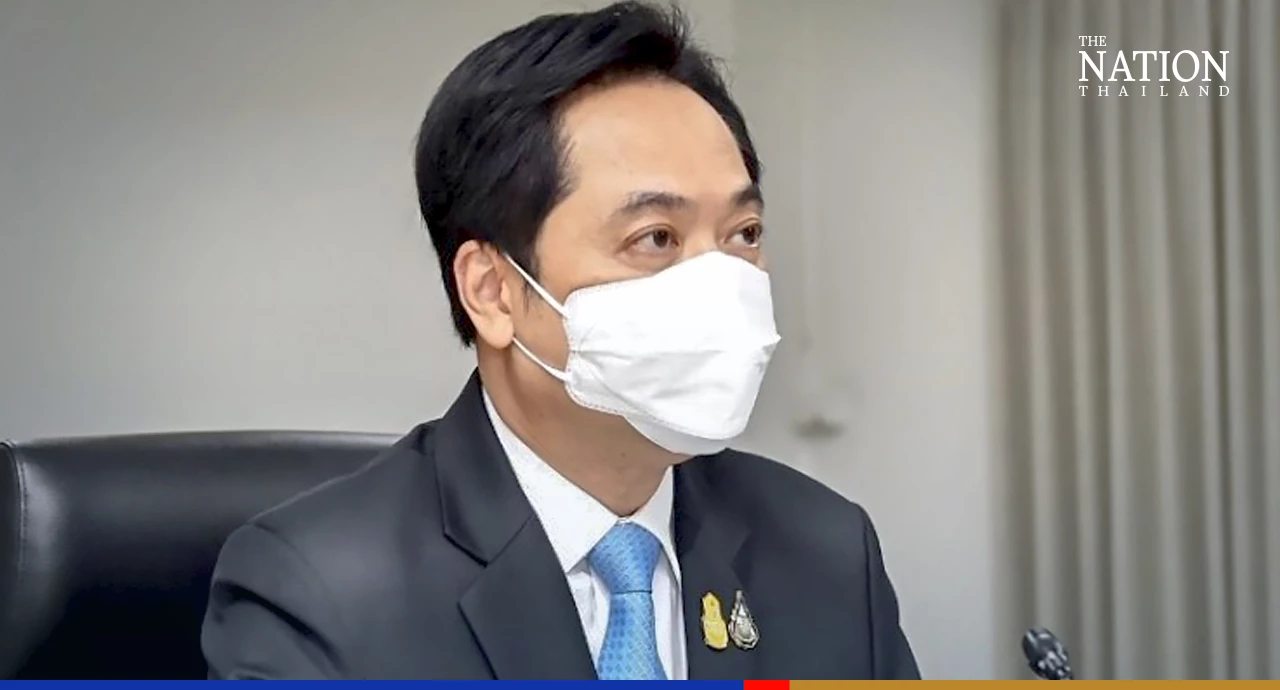
The central bank also pointed out that the Thai financial system was stable and commercial banks had healthy levels of reserves. In addition, it said, the private sector and households were also improving their ability to repay debts.
However, despite these positive factors, the central bank recommended that the government implement the following three measures to ensure sustainable growth.
Firstly, it said, the government should find a way to lower household debts. Secondly, the financial sector should support “green” companies to ensure sustainable growth, and thirdly, speed up the development of the digital payment infrastructure.
Anucha explained that the bank’s Monetary Policy Committee had increased the key policy rate by a quarter point to 1 per cent on September 28 to keep inflation in check and ensure the country can continue enjoying economic growth.
He also said Prime Minister Prayut Chan-o-cha has instructed all relevant agencies to come up with monetary measures that help all vulnerable groups, such as providing soft loans and restructuring debt.
The premier is also upbeat about the country’s recovery, especially after the International Monetary Fund predicted that Thailand’s GDP would expand by 2.8 per cent this year. The IMF has also indicated a 4 per cent surge next year thanks to a recovery in export and tourism.
Central Department Store turns 75 with promise to ‘bring happiness’ to shoppers all this month
FRIDAY, OCTOBER 14, 2022
Central invites you to join its 75th-anniversary celebrations which include a parade of activities and special treats offered as part of the “Central National Celebration” campaign all of October at every Central Department Store.
October 15 – 16 and October 22 – 23, 2022: Check out a caravan of floral bicycles which will spread happiness and show appreciation to its patrons over the past 75 years.
The caravan is an invitation for all to join the Central 75th Anniversary in nine cities, namely Pattaya, Samui, Khon Kaen, Udonthani, Hat Yai, Nakhon Ratchasima, and Patong.
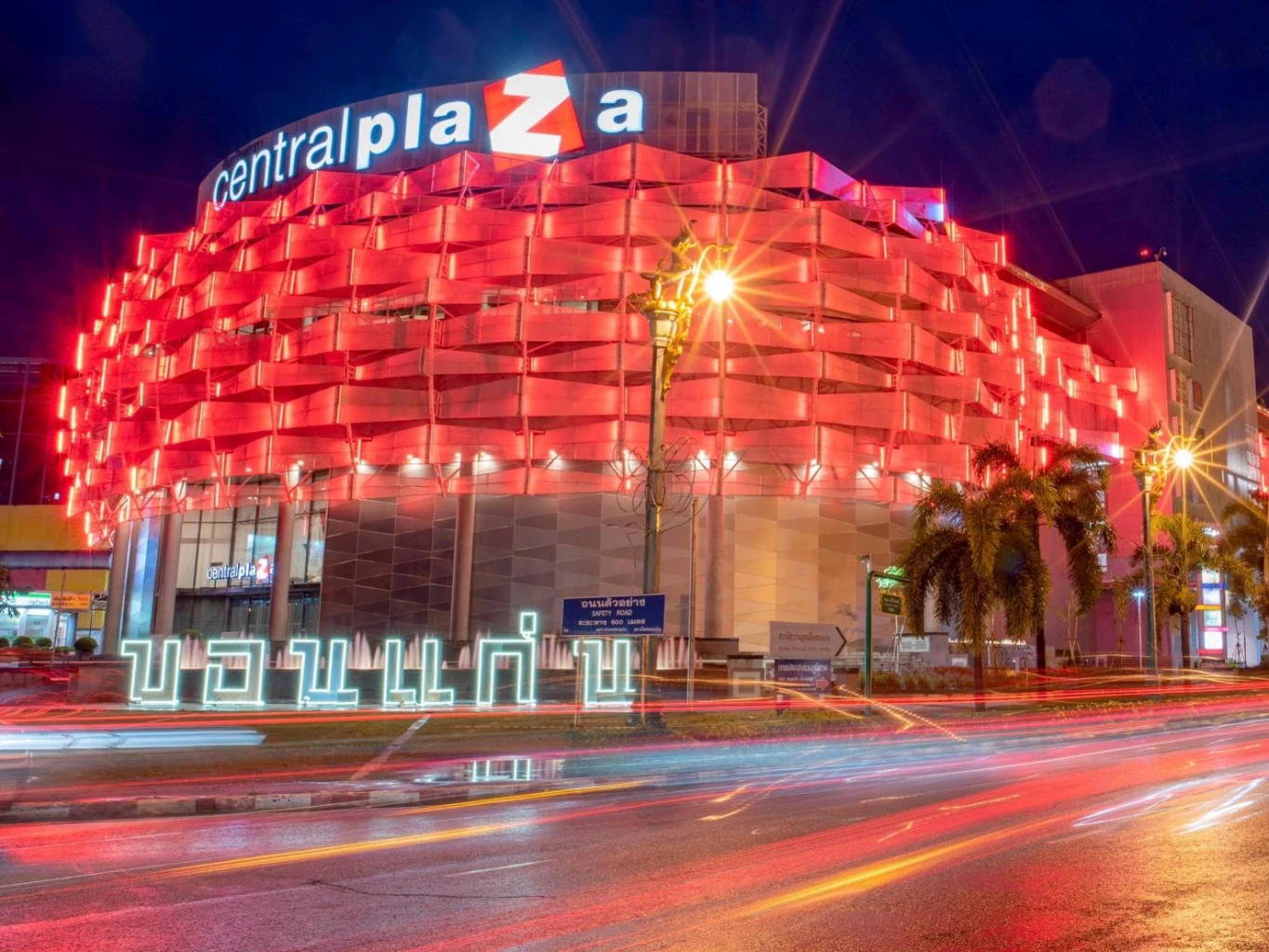
October 22 – 31, 2022: Be dazzled by Building Light Up, in which 10 Central Department Store branches nationwide, namely centralwOrld, Bangna, WestGate, Khon Kaen, Nakhon Ratchasima, Phuket, Hat Yai, Samui, CentralFestival Chiangmai, and Udon Thani will create a special phenomenon, Red Night, embracing all Central Department Store buildings with red light at 6 PM to signify the beginning of the joyful celebration.
Red is Central Department Store’s symbolic color. There are special performances and gifts, as well as Central Book of Memories “ALL AT CENTRAL” activity which invites everyone to answer a quiz about Central Department Store to win exclusive prizes in celebration of its 75th anniversary at every Central store.
October 27- 31, 2022: Content creators must not miss the Central Department Store Flower Festival, which is a much-anticipated highlight. Central Chidlom, CENTRAL @ centralwOrld, and Central Embassy will be transformed into a flower paradise in three styles right in the middle of the city.
Indulge in the beauty of floral creations and take chic photos with millions of flowers! Meet and mingle with actors and celebrities who will come to congratulate Central Department Store on its 75 years of success at the opening ceremony on October 27th, 2022, at Square B of centralwOrld.
Take part in the special campaign to celebrate the 75th anniversary of Central Department Store and join the festival of happiness at Central Department Store during 15-31 October 2022.
True-DTAC merger would undermine telecom market, Thai economy, says study by NBTC advisers
FRIDAY, OCTOBER 14, 2022
A merger between True Corporation and Total Access Communication (DTAC) would likely degrade market competition, raise prices and lower service levels due to a lack of competition, a study conducted by telecoms watchdog NBTC’s foreign advisers has found.
The study also said that it would be difficult to rectify the resulting lack of market competition by introducing new competitors after the merger.
The study on the impact of the proposed True-DTAC merger was done by UK-based SCF Associates Ltd for the National Broadcasting and Telecommunications Commission (NBTC).
The telecoms regulator has dithered on whether to approve the proposed merger by Thailand’s second- and third-largest mobile network operators.
Last week, the Thailand Consumers Council urged the NBTC to make its decision on the planned merger strictly according to the law, without allowing capitalists to take advantage of the public and the market.
The adviser report, dated September 14, is the first of three prepared for the NBTC. A copy of the report was obtained by The Nation.
The study said that the merger would adversely affect competition in the Thai mobile market for data, voice and messaging, as well as the market for bundled services integrated with mobile connectivity, which characterises the country’s current and future mobile market.
Also, the study found that the resulting uncompetitive market condition due to the merger would be difficult to rectify by attempting to restore competition through the introduction of new operators.
“All potential remedies have difficulties, be they attempting to encourage a third new mobile network operator to enter, and/or introduction of a resilient and highly aggressive mobile virtual network operator wholesale market, or by forcefully managing pricing and service competition levels, via detailed regulatory reviews over many years,” the report said.
Repercussions on the Thai economy could be serious as “mobile is an essential ingredient of Thailand’s economic success”, the report said.
It pointed out that without vibrant competition, which attracts investments to a sector that drives many others, new mobile market development could be impaired with wider consequences.
“The Thai mobile market and associated communications offerings may become less attractive — thus, for instance, reducing FDI [foreign direct investment] generally,” the report said.
It cited cases from foreign mobile markets, such as the Philippines and Mexico, where a lack of competition led to higher prices and a shortage of new technologies and advanced services.
However, the report also stated that a decision on the merger of True and DTAC was a question requiring further analysis and ultimate conclusions could be drawn from the next phase of research.
“Such a direction would require the regulator to have suitable countervailing powers to halt industry concentration,” the report said.
The study examined the background to the proposed merger, expected impacts after the merger on barriers to entry and access to infrastructure, and conditions and measures that correspond to effects arising from the merger.
It was found that after a merger between two mobile network operators, access to the infrastructure needed to build a new business is “likely to be most difficult”. The study estimated that a new third network would need five to eight years to construct its infrastructure and become capable of gaining market share.
After the merger, it would “likely be most difficult” to restore competition, as remedies are not readily apparent, be they at the level of markets, infrastructure or regulatory oversight, the report concluded.
Indorama Ventures opens largest PET recycling plant in the Philippines
FRIDAY, OCTOBER 14, 2022
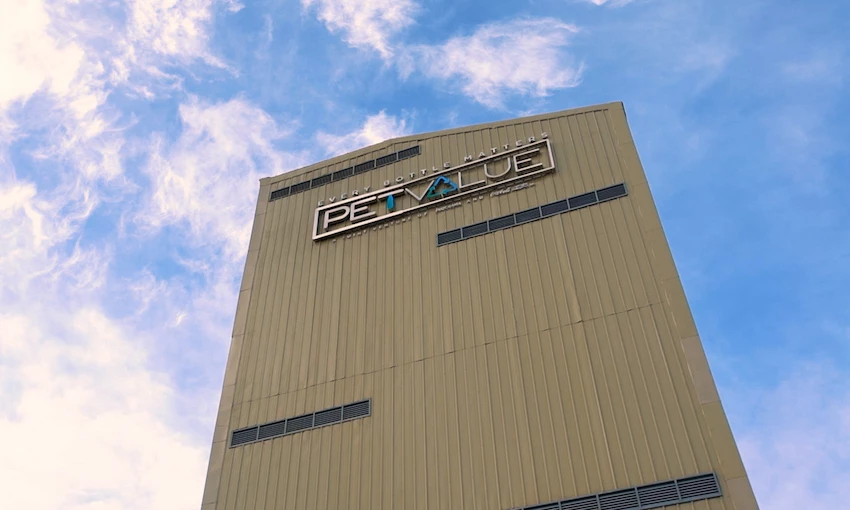
Indorama Ventures Pcl (IVL), a global sustainable chemical company, announced the official opening of its PETValue bottle-to-bottle recycling plant in the Philippines, in partnership with Coca-Cola Beverages Philippines—the bottling arm of Coca-Cola in the country.
The plant is IVL’s latest recycled PET facility. The venture builds on the global integrated petrochemicals company’s position as the world’s largest producer of recycled resin used in plastic beverage bottles.
PETValue Philippines, located in General Trias in Cavite Province south of Manila, is the country’s first food-grade, bottle-to-bottle recycling facility, and the largest in the Philippines.
It was built by IVL in partnership with Coca-Cola Beverages Philippines, Inc. in accord with The Coca-Cola Company’s ‘World Without Waste’ program to collect and recycle the equivalent of every bottle it sells by 2030.
As a result of the joint venture with Coca-Cola, IVL will recycle about 2 billion additional used PET (polyethylene terephthalate) plastic bottles in the Philippines every year and create about 200 new local jobs. The plant will wash and shred post-consumer bottles into flakes to produce recycled PET resin that is suitable for use in food-contact applications.
Managed under IVL’s regional business lead for Recycling Vertical Anivesh Tewari, PETValue brings together an experienced leadership team led by Site Manager Joel Potian, who has nearly three decades of manufacturing and chemical engineering expertise in the Philippines and Korea. He is supported by Aris Castillo as Chief Financial Officer, formerly from Coca-Cola Beverages Philippines with more than 10 years in supply chain finance and manufacturing.
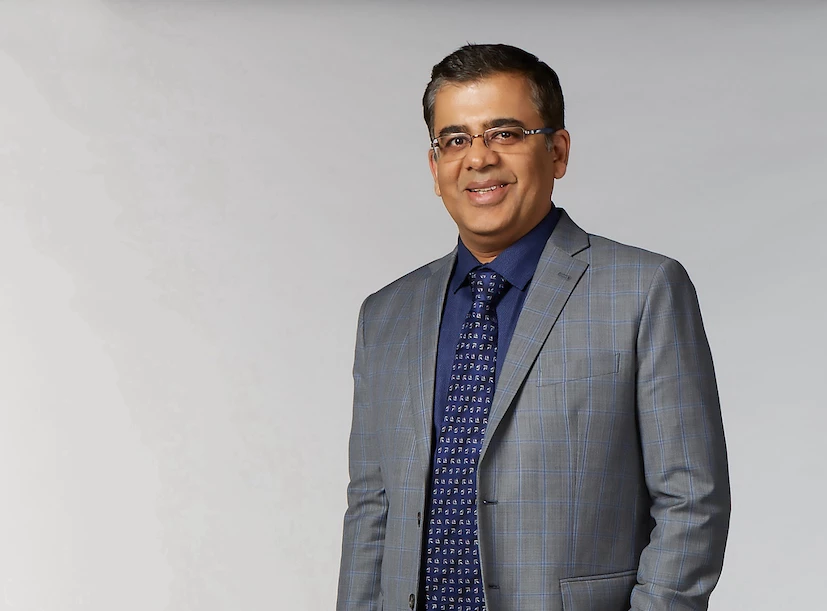
Sanjay Ahuja, Executive President of Combined PET, Indorama Ventures, said, “PETValue is an important development for IVL, for our partner Coca-Cola, and for the Philippines community. IVL, as the largest producer of recycled PET resin, is bringing our global experience and know-how to grow capacity and recycle more bottles. This, together with our partner Coca-Cola’s powerful consumer footprint, represents significant potential for us, as purposeful companies, to close the loop on plastic bottle recycling and help resolve waste in the Philippines.”
IVL has already surpassed the half-way milestone towards meeting its 2025 target of increasing its recycling capacity to 750,000 tons per year.
The company is investing US$1.5 billion globally to expand recycling facilities and sustainable production, including a new ambition to reach post-consumer PET bale input of 1,500,000 tons per year by 2030.
PETValue will introduce the most advanced technology and infrastructure in the Philippines, helping to improve collection and recycling rates and prevent leakage into waterways. The new plant will encourage a more robust waste value chain to help address the growing post-consumer waste management problem in the Philippines.
The unique PET plastic used in soft drinks and water bottles is 100% recyclable and the most collected plastic packaging in the world. Global brands including Coca-Cola are using more recycled plastic in their bottles to close the loop and deliver a circular economy.
Yash Lohia, Chairman of ESG Council at Indorama Ventures, said, “By the end of this year we will have increased our recycling capacity to more than 375,000 tons. In 2021, we acquired a PET recycling plant in Texas and announced plans to build a new facility in Indonesia. In 2020, we signed a joint venture agreement with Coca-Cola to build a state-of-the-art recycling plant in the Philippines, which culminated in today’s announcement. In the same year, we also acquired recycling plants in Brazil and two in Poland. This is to be celebrated given the challenging pandemic environment. These seven plants will join a family of existing recycling sites in Alabama, Ireland, two in France and the Netherlands.”
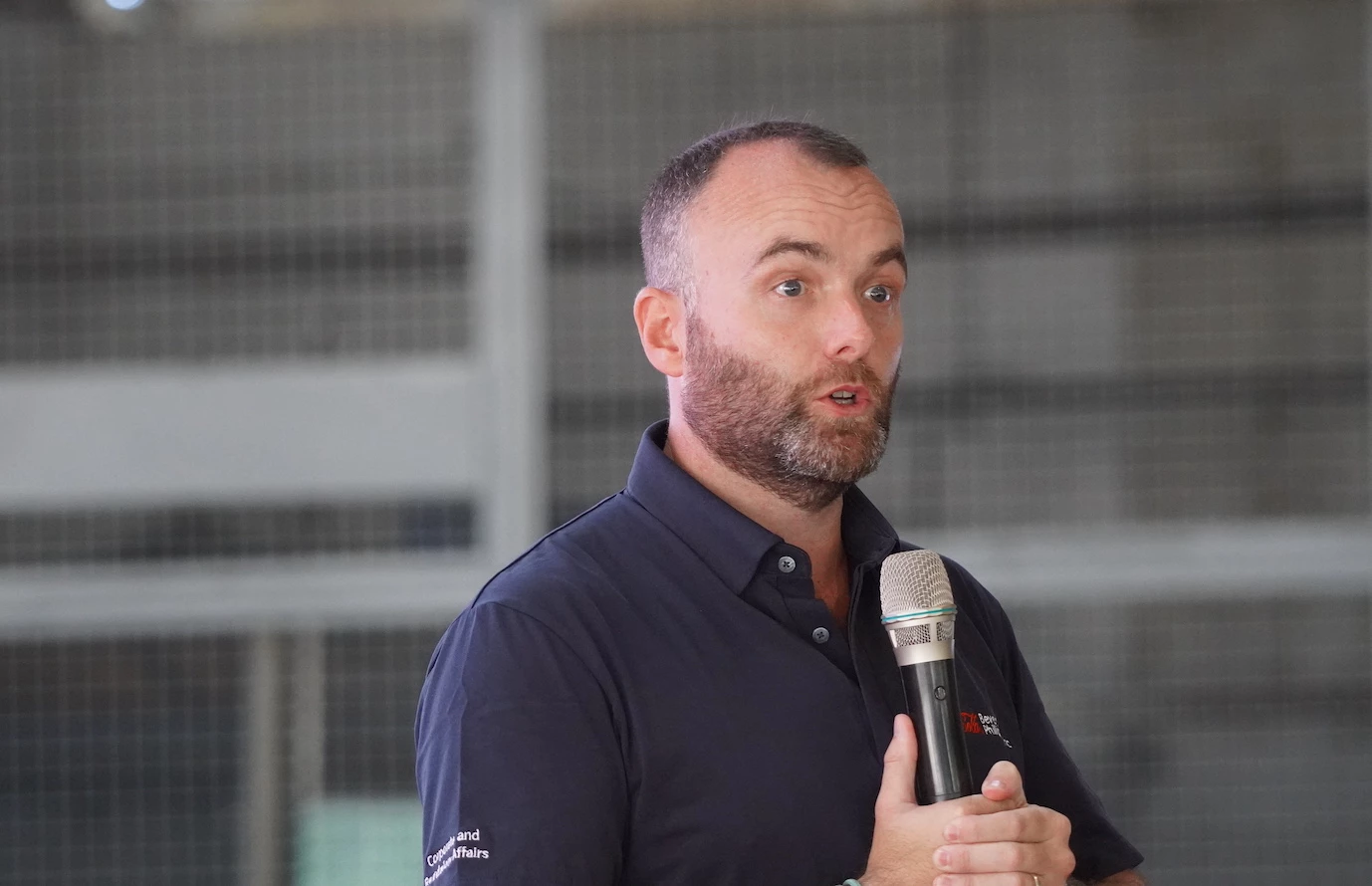
Gareth McGeown, President and CEO of Coca-Cola Beverages Philippines, Inc., said, “Sustainability is at the heart of who we are as a company, as evidenced by more than a century of Coca-Cola treating the Philippines as its home. We are extremely proud of PETValue Philippines and our partnership with Indorama Ventures, whose global expertise in recycling technologies will prove to be an asset to the Philippines’ collective goals for more sustainable practices and a truly circular economy for recyclable plastic packaging. It is through innovations like PETValue Philippines and the strong partnerships we’ve formed with like-minded entities like Indorama Ventures that Coca-Cola can continue serving Filipino communities for another hundred years.”
Help small businesses, low-income earners, Arkhom tells G20 ministers
SATURDAY, OCTOBER 15, 2022
At this week’s G20 meeting, Finance Minister Arkhom Termpittayapaisith suggested that governments introduce financial measures to help small businesses and low-income earners in the face of a global economic recession.
The meeting brought together finance ministers and central bank governors from the Group of 20 (G20) countries.
Arkhom told them that rising prices of consumer goods and energy have become a huge challenge, with high inflation threatening to lead to economic recession.
Finance Ministry spokesman Pornchai Theeravet said on Saturday that Arkhom made the remarks while attending the two-day meeting in Washington DC at the invitation of Indonesia’s Finance Ministry, which hosted this year’s gathering on Wednesday and Thursday.
The meeting was attended by representatives from the European Union, eight industrial countries — United Kingdom, Canada, France, Italy, Japan, Germany, United States and Australia — as well as 11 large economies, namely Argentina, Brazil, China, India, Indonesia, Mexico, Russia, Saudi Arabia, South Africa, South Korea, and Turkey.
The G20 countries account for 80 per cent of the global economy and two-thirds of the world’s population.
This year’s G20 summit of finance ministers and central bank governors, held along the theme “Recover Together, Recover Stronger”, discussed six topics — global economy, international financial architecture, financial sector regulation, infrastructure investment, sustainable finance and sustainable taxation.
The meeting agreed to consider all tools necessary to address food and energy insecurity as well as the rising cost of living in many countries. It also highlighted the importance of cooperation to ensure a coordinated global response to tackle food insecurity.
The meeting reaffirmed G20’s commitment to the implementation of an international tax package while looking toward the implementation of the Asia Initiative Declaration on International Taxation, which calls for improved transparency and exchange of information for tax purposes.
On Thursday, Arkhom also met with senior executives from the financial institutions HSBC and Mitsubishi UFJ Financial Group, said Pornchai, who doubles as director of the Finance Ministry’s Fiscal Policy Office.
The executives of the two financial institutions voiced their confidence in the Thai economy and the government’s policies on investment for long-term development, the spokesman said.





 Nuttapon said the event will showcase a variety of advanced technologies under the themes of digital manpower development, digital industry development, digital technology adoption and innovation promotion and digital infrastructure readiness.
 The other projects under the Digital Infinity strategy are Smart School Bus Platform, Smart City Ambassadors GEN 2, Thai e-Sports Internationalisation Project, Thai Game Industry to Global, CONNEXION Project, Reopening the Country with Digital Tourism Platform and Transform: New-Normal Market Project.
 DES Ministry’s Vice Minister Newin Chochaiyathip told the press on Monday that the project is part of the government’s efforts to reskill and upskill Thais so they can become “digital citizens”.


 The central bank also pointed out that the Thai financial system was stable and commercial banks had healthy levels of reserves. In addition, it said, the private sector and households were also improving their ability to repay debts.




 SootinClaimon.Com