TMB Thanachart Bank says it will compensate customers who were affected by the two-day outage of its ttb touch mobile banking app.
In an announcement posted on its website on Saturday, the bank apologised for the disruption to app services on Thursday and Friday.
The announcement said although the app is back online, the backlog of transactions might mean certain users find it hard to access mobile banking services.
The bank advised those who experience difficulty logging in to wait for a moment before trying again.
It also announced the following four measures to compensate users of the app:
– The issuing fee for new TMB debit cards will be exempted this month.
– Current debit card holders will have their annual fee reduced to reflect the two-day app outage.
– Customers who carry out inter-bank ORFT (Online Retail Funds Transfer) transactions at TMB ATM machines will be exempted from fees throughout this month.
– Customers who use the app to pay monthly instalments will be compensated in two cases:
Those who make loan repayments to TMB will be exempted from late-payment penalties and interest incurred during the two-day downtime.
Delicate authentic flavours are not enough to ensure success in the Thai fine-dining business today. Adding consciousness about sustainability is a key to level up, according to Blue Elephant, a well-known global Thai fine restaurant chain.
Thai cuisine is popular around the world because it is marketed as the healthiest meal which the rich of herbs. Many non-Thai customers visit Thai restaurants around the world. In 2017, seven Thai dishes were named in CNN Travel’s “World’s 50 Best Foods” list, which was based on an online poll of 35,000 people.
According to statista.com, revenue in Thai food market amounts to US$65.31 billion in 2022. The market is expected to grow annually by 5.83 per cent.
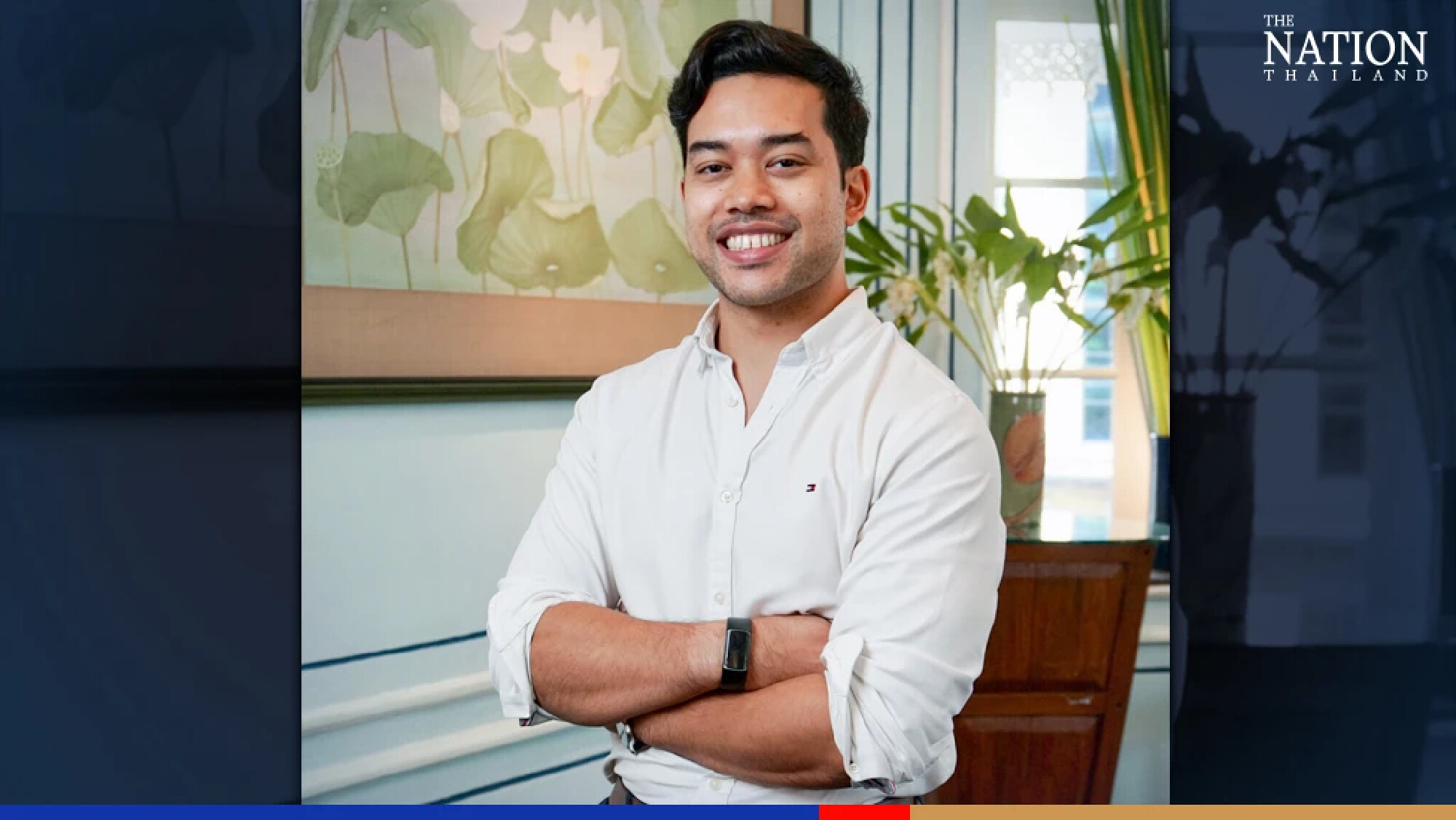
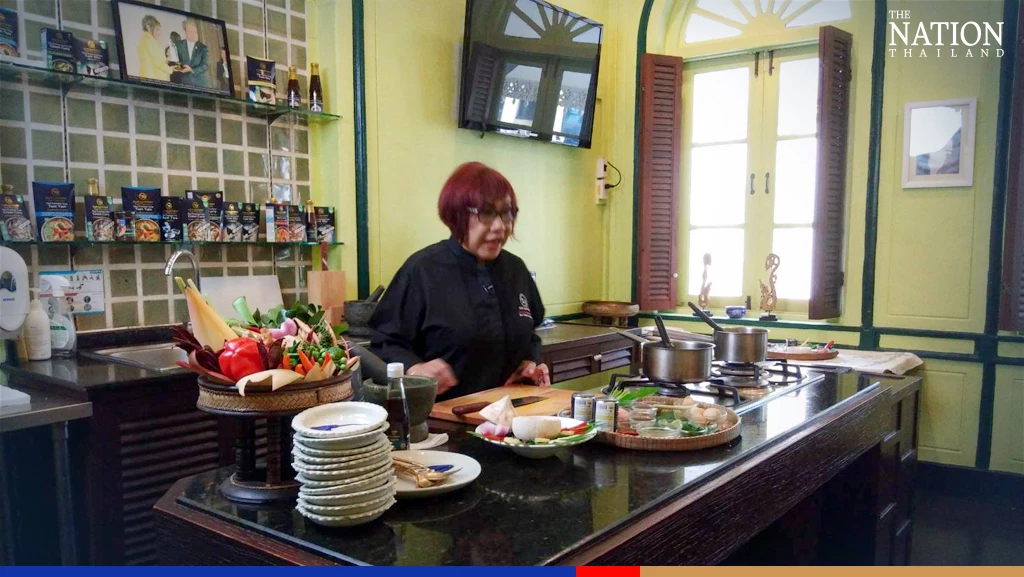
Blue Elephant Group and Blue Spices Vice Managing Director Kevin Somany discusses his goals and challenges after half-inheriting this 42-year-old Thai fine-dining restaurant in an exclusive interview with The Nation in order to stay at the forefront of this competitive market.
Blue Elephant, which opened in Brussels, Belgium in 1980, was one of the first well-known Thai fine dining restaurants among foreigners.
After years of tremendous success, the Blue Elephant Restaurant and Cooking School returned to its homeland, opening in Bangkok in 2002, followed by a Phuket branch in 2010. The Blue Spice factory, the Blue Elephant group’s manufacturing arm, was then opened in 2006.
Kevin concedes that the authentic taste of genuine traditional Thai cuisine at Blue Elephant restaurants, and their other spice products, such as curry pastes, sauces and seasonings, have given them global recognition. These key elements, however, cannot be their sole unique selling points to sustain the business in the long run.
Adding more items to the menu, creating more products and more services will help, but they will not be enough to make Blue Elephant and Blue Spices any different from other Thai restaurants, he points out.
“When you come out with any new products, it has to have something unique beyond normal standards,” Kevin says, and that’s when he discovered the critical part of the sustainability factor.
Kevin says that Blue Elephant has been concerned about people, the community, and the environment since its inception. It is the guiding principle of chef Nooror Somany Steppe and her husband, restaurant founder Karl Steppe.
Hence, all he needs to do now is make those principles visible and concrete.
That’s when he and his management team decided to go for a makeover in the packaging of all Blue Spices products, including their pastes, sauces, spices, and cooking sets in 2020.
“The change is in the very small details, you have to observe closely to see it,” says Kevin, as he demonstrates their products.
All the cardboard used for packaging is 100 per cent from trees certified by Forest Stewardship Council, meaning the trees are harvested from forests that are responsibly managed, socially beneficial, environmentally conscious and economically viable.
Besides, the packaging has been redesigned to eliminate the use of plastic film coating, no more see-through windows to prevent a plastic, non-toxic water-based matted coating, and a smart lock pack to eliminate the use of glue or Polyvinyl chloride sticker.
Furthermore, the package is labelled with a new logo to certify that the improvement is in the nature of more eco-friendly packaging, Kevin points out.
“As Blue Elephant, no one doubts our quality and the authentic Thai traditional taste. However, in every change, we have to add a bit more level of delicacy that will please our customers,” Kevin noted.
He says that the market has reacted favourably to the products. Blue Elephant sold 3.5 million units of products just before Covid. With people staying at home during the pandemic and a growing interest in Thai cuisine, it peaked at 4.6 million units, with curry pastes accounting for 70 per cent of sales.
However, he believes that a part of the reason people from other countries choose Blue Elephant is not only the savoury flavours, but also the innovative eco-friendly packaging.
According to a study on “Thai Cuisine to Global Market” by Napavarn Noparatnaraporn, an expert in biodiversity, one of the most important things that draws customers’ attention is creative and distinct packaging. Furthermore, food producers must be concerned about society, the environment, and the global food market in the near future.
“Our biggest market is the USA, followed by Switzerland, Austria, Israel and Hong Kong. The Netherlands, despite a year-long disruption, could be added to this list as it has always been in the top 3 and is about to be back in the top 5,” says Kevin.
Kevin is currently moving forward with his plan to expand its Pathum Thani factory, where work was temporarily suspended due to the pandemic. The new factory will be twice the size of the old one and will begin production in 2024.
“The demand is growing stronger and stronger. With the factory expansion, we can increase production, manpower, and use a more sustainable method. We are in the midst of a young generation that is just stepping in. Hopefully, we will be able to continue for the next hundred years,” Kevin states.
Blue Spices now has four main product categories: ready to cook, ready to eat, ready to heat, and ingredients.
“I think Blue Elephant is a great concept and my dream would be to have one Blue Elephant in every major city in the world. There are many places that deserve to have a Blue Elephant restaurant,” Kevin says.
Currently, there are four Blue Elephant restaurants in operation: Bangkok, Phuket, Copenhagen, and Malta. They did, however, manage to expand their Blue Spice products to 45 countries worldwide, with more new markets on the way.
In addition, they provide cooking-based curry pastes, dipping and dressing sauce to airlines, hotels, and Thai restaurants as well as Thai cooking classes.
Sustainability has been a buzzword for many years as a result of the global environmental crisis. The United Nations declared climate change an emergency and urged all parties to do more to protect the environment.
The term is also thought to be a key secret to success for many businesses looking to expand and is projected to skyrocket in developing economies and emerging markets in the coming years
Fortune Business Insights found out that the global green technology and sustainability market is expected to grow from $13.76 billion in 2022 to $51.09 billion by 2029.
The Business Development Department expects hotel booking and tour businesses to experience growth this year after suffering a massive drop in revenue for two years.
In its recent report, the department said these two types of businesses saw their combined revenue of 123.79 billion in 2019 fall by 70.42 per cent to 36.42 billion in 2020 and again by 61.08 per cent from the previous year to 14.25 billion baht in 2021.
The department attributed this drop to the Covid-19 pandemic and subsequent lockdowns that kept tourists away.
This year, however, the department is upbeat about the two businesses enjoying growth, especially with several indicators pointing to an upward trend in travel.
The report also cited a forecast from the University of Thai Chamber of Commerce, which said some 6 million to 8 million tourists can be expected to visit Thailand in the second half of this year and this would generate revenue of up to 50 billion baht per month.
Another indicator is the registration of new tourism and hotel-booking businesses this year, the report said.
From January to July this year, 549 new tourism-related companies have been registered with a capital of 988.53 million, marking a 169.12 per cent increase year on year.
The report said the lifting of travel restrictions and the fact that Thailand has destinations that can be visited all year are factors that will encourage foreign arrivals and encourage travel by local people, thus boosting the growth of related businesses.
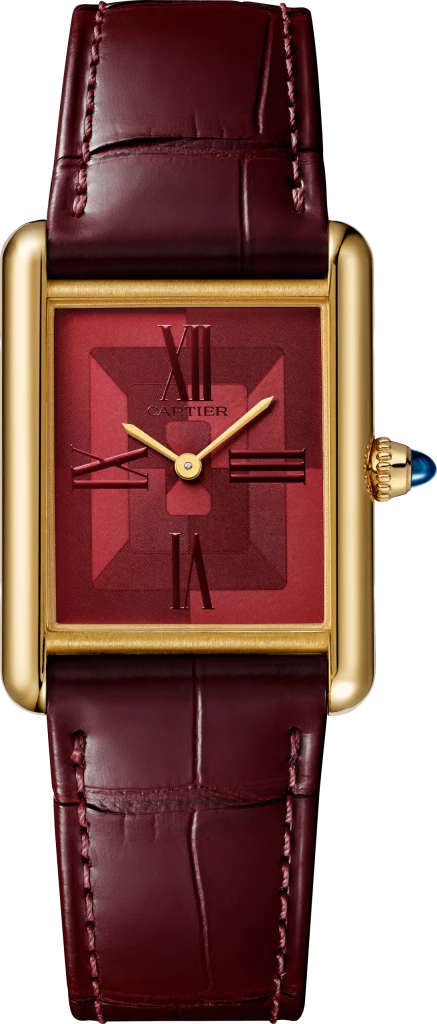
Cartier is bringing new timeless appeals of the TANK watch, a compelling timepiece treasured generation after generation, by introducing the newest version of TANK LOUIS CARTIER that stands out for its rectangle-within-a-rectangle dial buoyed by the intensity of red, Maison’s signature colour, and anthracite grey.
Complementing this duo, TANK MUST feature timeless aesthetics of a deep black dial that characterises its understated look and feel.
TANK LOUIS CARTIER
For Cartier, time is here and now. Pure lines, perfect form and precise proportions: these enduring watches stand out as readily in their own time as they will in the future. The Tank watch is a prime example of being utterly timeless.
FROM TANK TO TANK LOUIS CARTIER
REVISITING AN INSPIRATION
Two signature brancards and a clean rectangle punctuating the strap: this is the Tank watch, created in 1917 and cherished generation after generation since. Like an idea with endless possibilities, or a “founding concept” according to Louis Cartier, it paved the way for many different versions.
In 1922, the design of the Tank watch was reworked: the case was elongated, the brancards were refined and the angles softened.
The resulting Tank Louis Cartier would go on to borrow the monochrome dials of its sister and of the Tank Must, born in 1977. In 2021, Cartier revealed a Tank Louis Cartier watch whose dial featured the rectangle-within-a-rectangle motif that first appeared on a Must de Cartier watch from the 1980s.
RED AND GREY
TECHNICAL INNOVATION AND MONOCHROME WITH A TWIST
This year, the Tank Louis Cartier watch brings with it a new radical elegance buoyed by the intensity of the monochrome dials: red, Maison’s signature colour, and anthracite grey, a shade borrowed from the Cartier watchmaking palette.
In addition to this, it has been further refined: from the twelve classic hour marks, just four remain and the rail track is absent. Appearing monochrome at first glance, the Tank Louis Cartier watch, depending on the light and the way you view it, reveals a vibrancy that is rich in shade and depth.
To achieve this effect, Cartier’s watchmaking craftsmen used—for the first time at Cartier—an innovative electrochemical engraving technique that allows for very high-precision markings: these almost invisible markings, carried out in different directions, form a group of sections and areas which recreates the graphic pattern featured on the dial of a Cartier Must watch from the 1980s. Techniques used for colouring differ: lacquer for the red dial and a galvanised finish for the grey dial.
The dials are then enhanced with a glossy, multi-layered decal that accentuates the Roman numerals. The engraving creates reflective effects and optical variations that modify our very perception of colour.
THE TANK MUST
MEETS BLACK
Even more radical and intense, the third version of the Tank Louis Cartier complements this duo with its deep black dial. The bright lacquer contrasts with the radiance of the gold case. A family affair, yes, but two watches with strong character nonetheless.
Embodying the spirit of the 1970s and 80s, the Tank Must applies the visual style of the early Tank Louis Cartier watches to steel. This great aesthetic potential feeds the inspiration of Cartier’s watchmakers and inspires ongoing cycles of creative exploration.
Fully redesigned in 2021 to be as close as possible to the Tank Louis Cartier, the 2022 edition of the Tank Must features an all-black dial. Timeless, understated and mounted on steel, this is a watch rich in character and without distraction or compromise. This new version is now available in both small and large models.
Mercedes-Benz AG announced the appointment of Martin Schwenk as the new President and CEO of Mercedes-Benz (Thailand) Limited, succeeding Roland Folger who will take over a new position at Mercedes-Benz’s headquarter in Germany, effective from January 1, 2023.
Under his leadership at Mercedes-Benz Thailand, Roland Folger has contributed to the sustainable growth of the company and the structural optimization of Mercedes-Benz’s dealer network in Thailand.
His support and dedication to the electrification of Mercedes-Benz brand, including his initiatives on the preparation of battery and electric vehicle production as well as the Charge to Change movement, have been the key to success ahead of the trends.
Roland’s managing of the digitalization drive has enabled the company to achieve measurable results for an online business for both sales and customer service.
Martin Schwenk who will succeed Folger on January 1, 2023, started his career in 1992 when he joined the ‘Mercedes-Benz-Nachwuchsgruppe’ in Stuttgart as a quality engineer.
After several functions in Quality and Finance at the MB Plant in Rastatt, Germany, he headed the Controlling department for the newly established Production Planning in Sindelfingen.
From 2006 to 2015, he was in charge of different Finance and Controlling functions in South Africa, and Austria and as CFO of MBUSI in the United States.
In 2015, Martin relocated to Beijing, to assume the role of CFO for the Mercedes-Benz Sales organization in China. He contributed to the success of Mercedes-Benz brand in China and exerted a strong impact on the progress of many critical projects and business processes.
On November 1, 2018, Martin took over as the Managing Director & CEO of Mercedes-Benz India.
Martin played a key role in preparing Mercedes-Benz India for the future transition of the automotive industry, by driving electrification and digitalization initiatives.
He contributed to formulating Mercedes-Benz’s growth strategy that includes the market introduction of key ICE products, pioneering luxury EV journey with the EQC, transforming the retail network strategy with MAR 2020 retail format, and successful implementation of the ‘Retail of the Future’ business model in India.
During his tenure, Mercedes-Benz India successfully mitigated the Covid-19 crisis, emerging stronger as a resilient organization. His vision, strategic collaborations, and deep engagement with people, partners and customers, enormously contributed to building a future-ready, transparent and highly people-centric organization.
Upon his appointment, the company is certain that, with three decades of experience in the automotive industry across several continents, Schwenk will drive business growth and lead Mercedes-Benz Thailand to achieve new heights in an exciting future of emerging mobility trends.
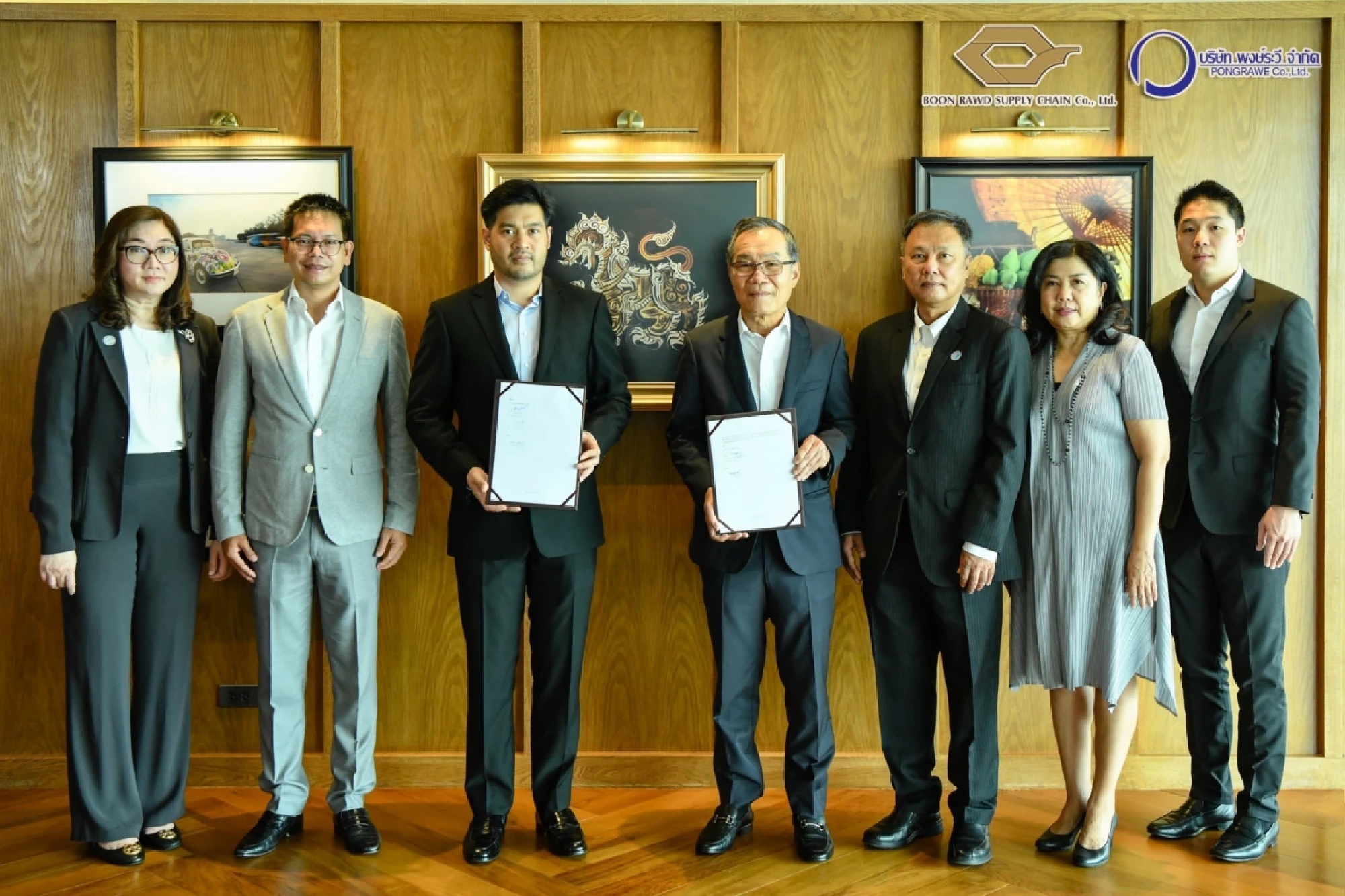
“Boonrawd Supply Chain Co., Ltd.,” the supply chain service and full distribution solution provider nationwide, joins forces with “Pongrawee Company Limited,” which specializes in logistics for high maintenance materials like chemicals and petroleum products, to boost the capabilities and business potential in Thailand and the region.
Mr. Piti Bhirom Bhakdi, Chairman of the Board Boon Rawd Supply Chain Co., Ltd reveals that the company had its eyes set on long-term growth, and elevating its distribution and logistics game is one of the company’s core strategies. In the past years, the company has partnered with world-class businesses like “Linfox” which specializes in storage management and logistics from Australia. The global technology, knowledge, and methods, paired with the company’s strength in the nationwide distribution network, will bring our logistics capabilities to new heights, not only just in Thailand but in the region as well.
Furthermore, Boonrawd Supply Chain has planned to expand its distribution and logistics business to meet the market’s demands. The company has recently joined hands with ASEAN-level partners like PONGRAWE Co., Ltd., an expert in delivering dangerous goods like chemical or petroleum products to leading companies. Pongrawee now operates with over 350 vehicles to serve its clients and over 14 processing centers nationwide in Chiang Mai, Lampang, Khon Kaen, Yasothorn, Pichit, Chant, Saraburi, Pathumthani, Bangkok, Samut Prawn, Chachoengsao, Chonburi, and Rayong.
Pongrawee is a trusted partner and has been certified by institutions like the British Standards Institution and Department of Land Transport and has been awarded from both national and international clients like PTT, Shell Thailand, Esso Thailand, and Oil Industry Environmental Safety Group Association.
While Boonrawd Supply Chain is an expert in managing supply chains with a nationwide distribution network and aims to build capabilities at a regional level with four services available: logistics, customer, planning, and Digital services. The company can hold up to 310,000 square meters of goods, which accounts for over 380 million pieces per year. With over 13 distribution centers nationwide, the company can distribute products over 180,000 trips per year to more than 250 Thai wholesalers and 300,000 retailers.
This partnership will bring Boonrawd’s strength in managing supply chain with a nationwide distribution network and combine it with Pongrawee’s capabilities in distributing dangerous goods to deliver a complete logistics business and lead to new business capabilities, leveraging the economy of scale to grow side by side with clients in Thailand and the whole region.
Rebuilding over 1 million square metres of forest with an aim for zero carbon emission in 2030 and long-term sustainability
Singha Estate, which excels in property investment and development in Thai and worldwide, is aware of the climate change problem we’re currently facing. The company aims to move toward sustainability, lowering carbon emissions, and building a new way of conducting business to build a better environment. The “Forest with Fingers” project is joined by partners like Siam Kubota and Thaicom to rebuild over 1 million square metres of forest in Chiang Rai.
Mrs Thitima Rungkwansiriroj, Chief Executive Officer of Singha Estate Public Company Limited, revealed that the “Forest with Fingers” aims to increase the area for carbon absorption, balancing the ecosystem, and taking the food chain into account when going about in business, economics, society, and environment for a more sustainable future. The aim is to grow as much green area as possible by starting in 3 regions; the North, the Central, and the South, namely the Pah Ton Nam in Chiang Rai, Pah Nai Muang in Bangkok, and Pah Chai Lane in Phi Phi island, Krabi to lower environmental impact caused by climate change in which carbon and greenhouse gas emissions are the main culprits.
The “Forest with Fingers” project will start at Chiang Rai with over 1 million square metres of forest with collaborations from the private, government, and local sectors. Thaicom’s latest technology has been used to follow up on trees’ growth and carbon absorption. At the same time, Siam Kubota will bring innovations to speed up the plantation process. The project is based on a carbon neutrality philosophy by 2030.
Mr Pongrat Luangthamrongcharoen, Managing Director of Singha Park Chiang Rai, explained that the Pah Ton Nam area in the Northern part of Thailand is vital to the nation’s ecosystem and weather. The forest hosts various species of plants and animals and is an integral part of the locals’ lives, especially in Chiang Rai. By putting our efforts into this area, not only will Chiang Rai locals benefit from it, but every life will also see positives from it. Singha Park Chiang Rai is ready to be another partner for good, not just for Chiang Rai but for all.
Singha Estate’s Forest with Fingers project will increase the forest area in Chiang Rai by 1 million square metres. The trees which will be planted are highly beneficial to the community, including perennial trees, usable trees, and consumable trees for biological diversity.
The Forest with Fingers project will expand to Pah Glang Nam, which is in Bangkok, then Pah Plai Nam or Pah Chai Lane in Phi Phi island, Krabi. This is a 10-year project with committed follow-ups, measurements, and evaluation for the best benefits and will be accompanied by awareness and engagement campaigns. This project is a part of a mission to increase green areas, build shade, lessen pollution, absorb carbon dioxide, improve clean air, and ultimately reduce the effects of global warming.
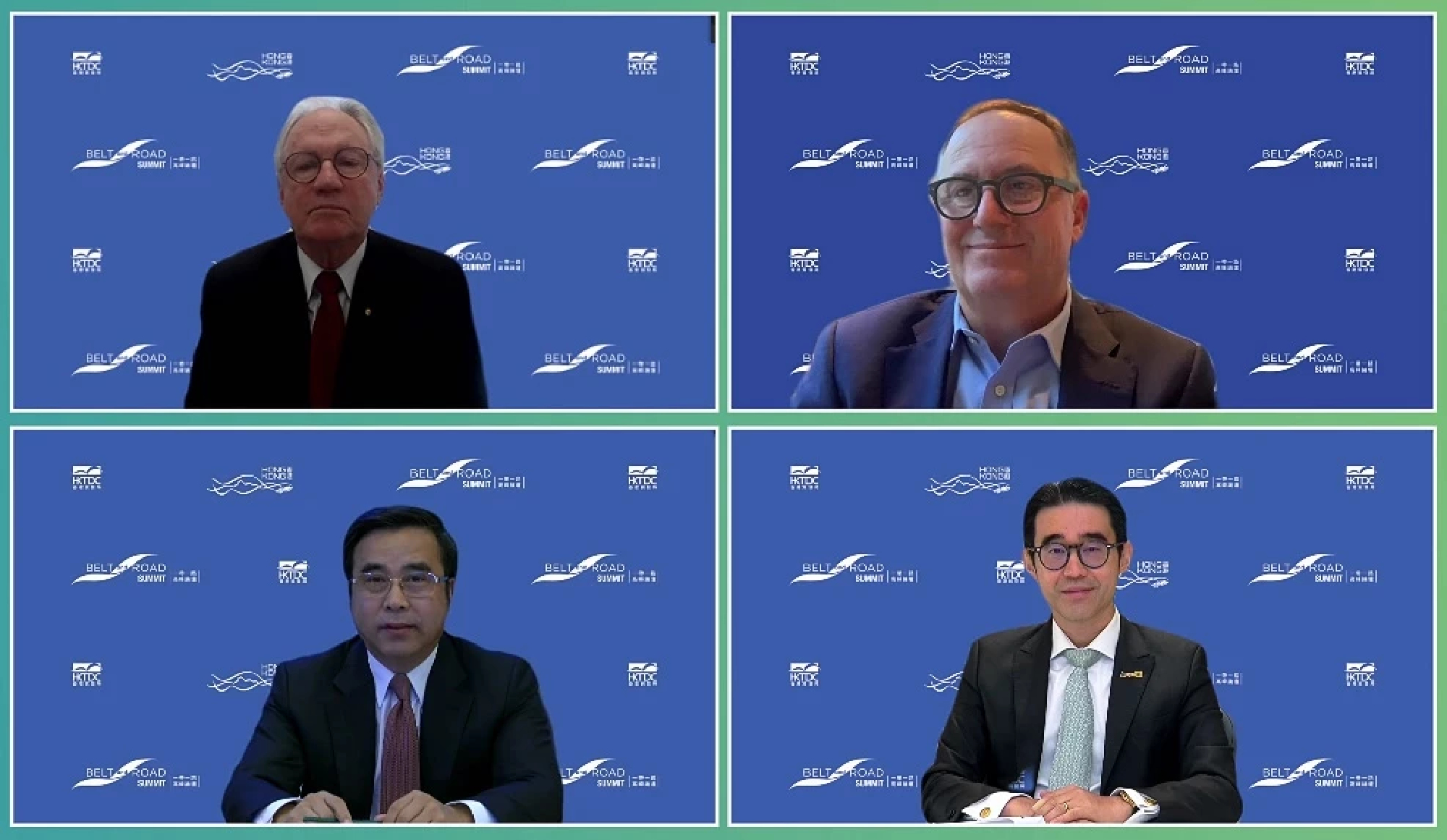
Mr Aswin Techajareonvikul, CEO and President of Berli Jucker Public Company Limited was recently invited by Hong Kong Special Administrative Region of the People’s Republic of China’s Trade Secretary, Mr Edward Lau to speak at the 7th Belt and Road Summit on August 31, 2022 under the Business Plenary ‘Collaborate for a Bright New Era’ chaired by Mr Ronnie C. Chan, GBM Chair Hang Lung Properties Limited.
The other panelists included Sir Rod Eddington AO, Chairman, Infrastructure Partnership Australia, Chairman, J.P. Morgan’s Asia Pacific Advisory Council, Non-Executive Chairman, Lion; Rt Hon Sir John Key GNZM, AC, 38th Prime Minister of New Zealand; Mr Liu Liange, Chairman, Bank of China, and Dr YK Pang, GBS, JP, Deputy Managing Director & Chairman of Hong Kong Jardine Matheson Holdings Limited. The Business Plenary Session was officiated by Hong Kong Special Administrative Region of the People’s Republic of China’s Financial Secretary The Honorable Paul Chan Mo-po, GBM, GBS, MH, JP.
Mr Aswin, who was speaking as a business leader representing Southeast Asia, began his remarks by emphasizing Chinese President Xi Jin Ping’s view on Belt and Road Initiative for China to achieve, among many other goals, people-to-people connectivity that can build a new platform for international co-operation, in order to create new drivers of shared development. The One Belt One Road policy is well received in Thailand as it is in tune with Thailand’s 20-year strategy and the 4.0 policy of Thailand’s ongoing projects, especially those in the Eastern Economic Corridor or EEC. Thailand sees vast opportunities in trade and investment with neighboring countries having Belt and Road being a better link with the world market, especially with the CLMV countries.
As for the Regional Comprehensive Economic Partnership (RCEP) that Thailand has officially signed on January 1 this year, Mr Aswin is confident that this agreement will tremendously enhance the supply chain relationships and production efficiency among its 15-member countries. Like Thailand, goods manufacturers and service providers from the Greater Bay Area (GBA) can expand their supply chains into new markets to take advantage of the provisions of the RCEP, notably helping to accelerate the economic integration in the Asia-Pacific region. More raw materials and intermediate products produce in RCEP locations will be able to move freely between upstream and downstream participants in the supply chain without trade barriers as we look for 90 per cent of all goods to reach 0 per cent import tariffs in 20 years. There is no better synergy than that of One Belt One Road Initiative and this Regional Comprehensive Economic Partnership (RCEP) as we move ahead into the future in this region.
Mr Aswin ended by repeating Thailand’s Deputy Prime Minister and Minister of Commerce, His Excellency Mr Jurin Laksanawisit who has recently said the Thai Government is in full support of China’s One Belt One Road policy, along with RCEP benefits.
Bangkok (September 1, 2022) – The movement of the crypto industry has continually seen a rise within Asia. These developments are top of mind for many country’s financial sectors, which are exploring ways to embrace these new developments and innovations and specifically on how best to regulate digital assets, including cryptocurrencies.
In August 2022, Binance, the world’s leading blockchain ecosystem behind the largest cryptocurrency exchange, continued working with various regulators and industry players in Asia, including the Philippines, Cambodia, and South Korea, to discuss and build a regulatory framework. The aim is to strengthen digital asset regulatory operations for the use of cryptocurrencies and a decentralized financial system (DeFi).
In the Philippines, Binance and the FinTech Alliance Philippines represented the digital asset industry in a Senate hearing by the Committee on Banks, Financial Institutions & Currencies. Government institutions like the Banko Sentral ng Pilipinas (BSP), the Security Exchange Commission (SEC) and the Cagayan Economic Zone Authority (CEZA) were also present in the Senate hearing to discuss key initiatives aimed at putting together policies and guidelines for FinTech and digital assets. Central to the discussion was how the Philippines can harness new innovation while ensuring the appropriate guardrails are in place necessary for consumer protection.
During the Senate hearing, the industry players provided critical insights for the committee and shared the steps that should be implemented to address security concerns. Binance specifically highlighted its policies around user protection and security, which are some of the strictest in the FinTech industry. Key security features are embedded at all stages of a user’s experience, including strict Know Your Customer (KYC) process, active collaboration with global law enforcement and banking agencies, and the strict evaluation process of digital assets offered on the exchange.
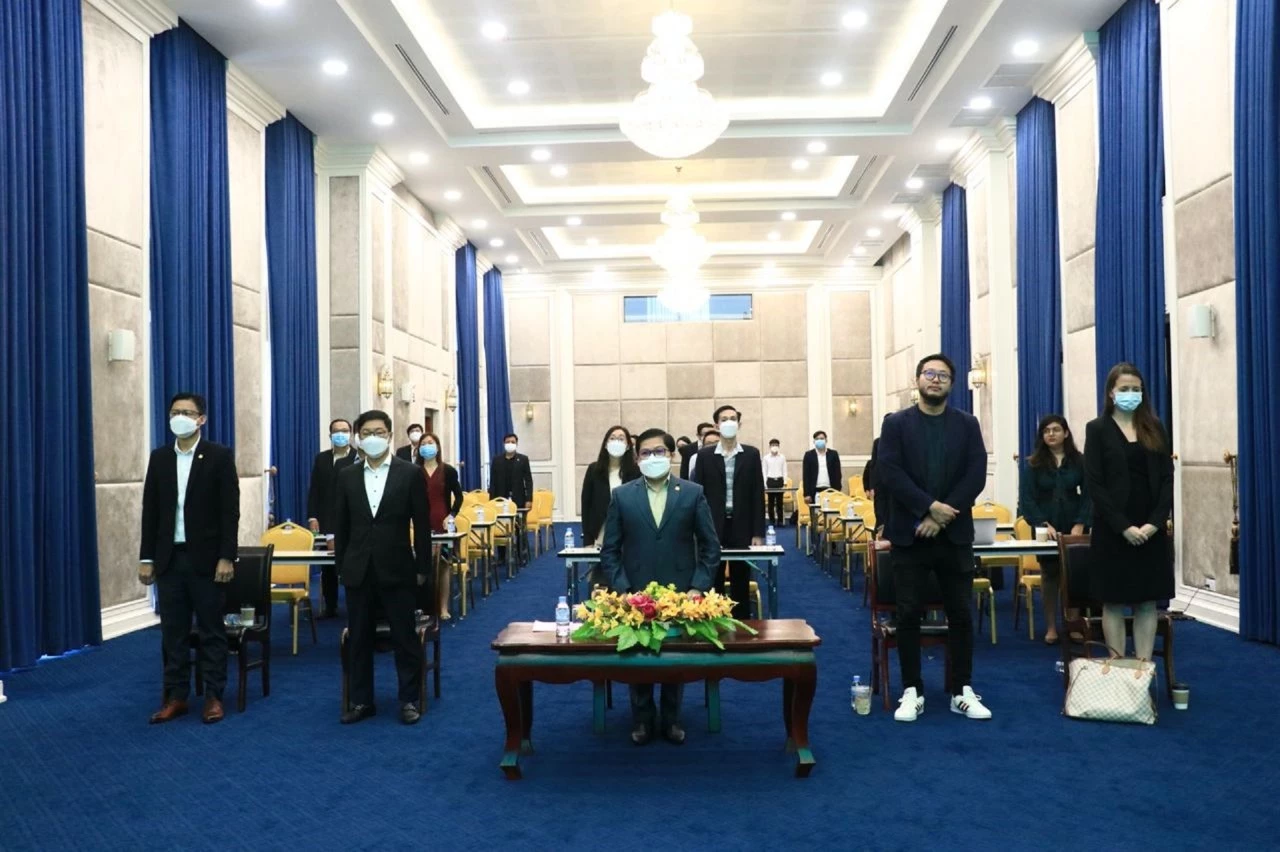
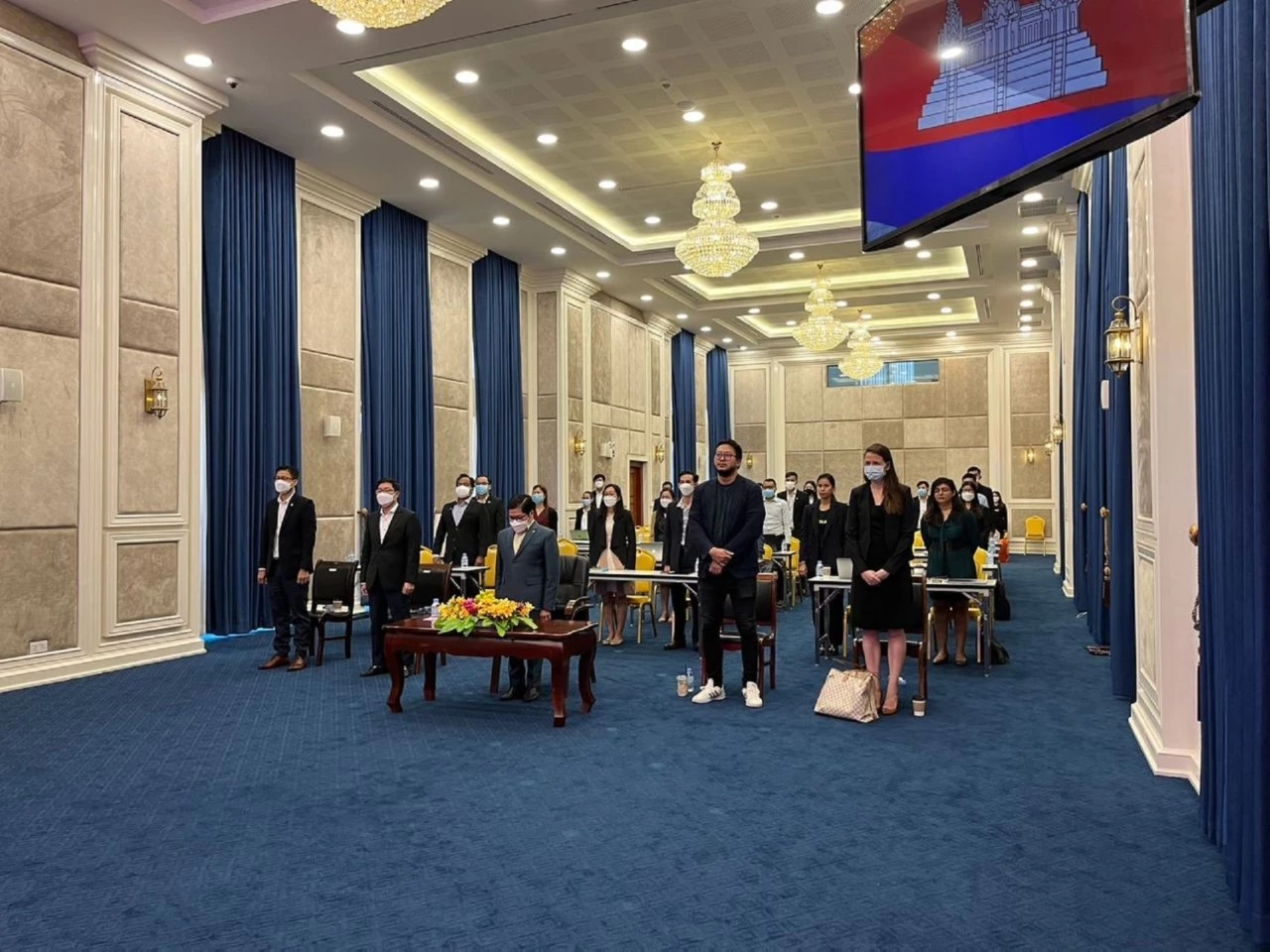
In mid-August, Binance Capital Management Co., Ltd. also cooperated with the Securities and Exchange Regulator of Cambodia (SERC) to organize a capacity building workshop for SERC officials as part of the MOU implementation. This workshop is designed to enhance the knowledge of digital asset operations for SERC management and officials. Through the workshop, they obtain additional insight needed for developing the legal framework for regulating and developing the digital asset market in Cambodia.
The capacity building program of the workshop included: • Introduction to Blockchain and Digital Assets • Regulating the Digital Asset Industry: Policy Strategies
Some of the key topics covered during the workshop were the types of digital assets, consumer protection, token listings, DeFi applications, stablecoins, and more.
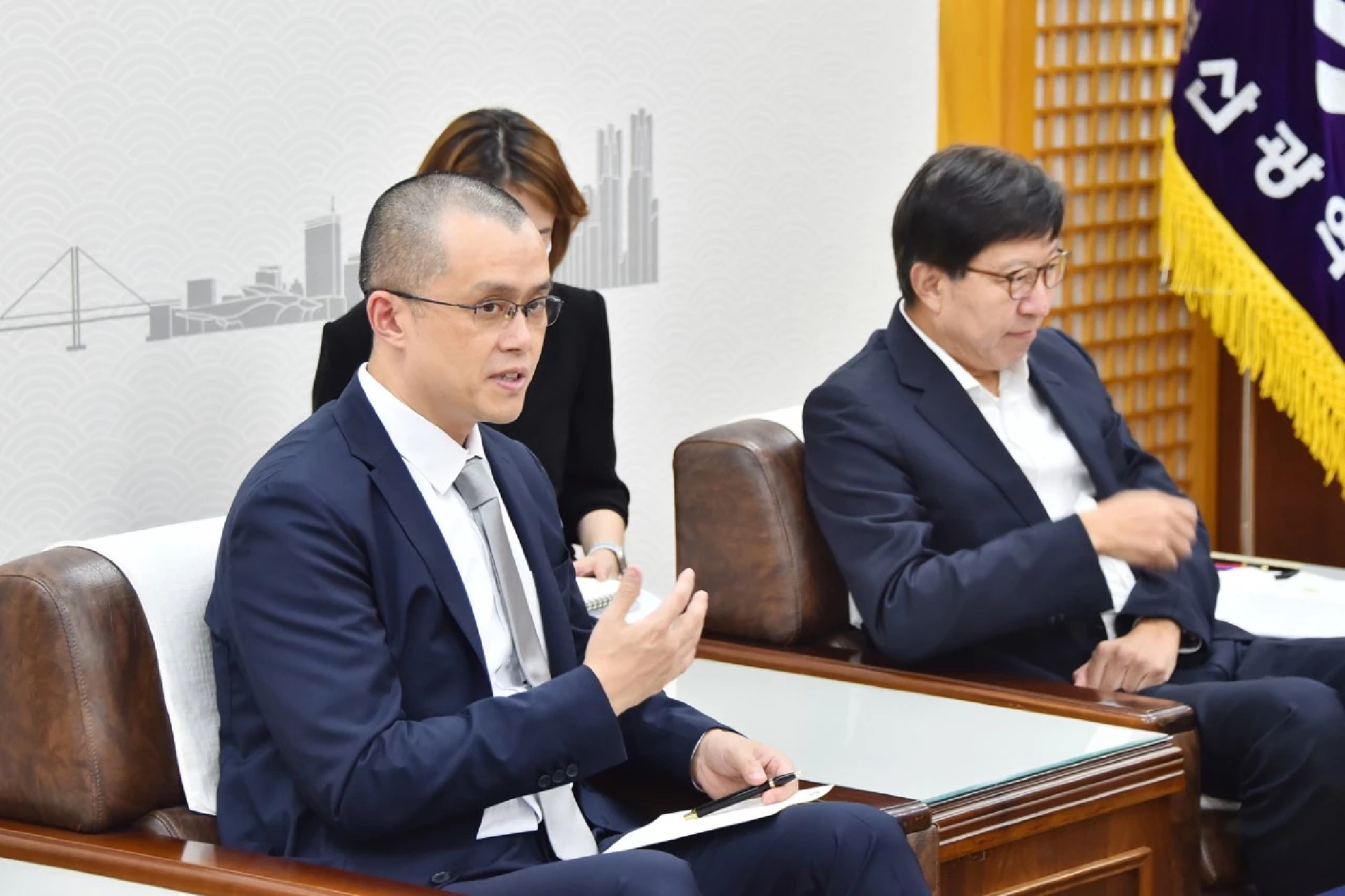
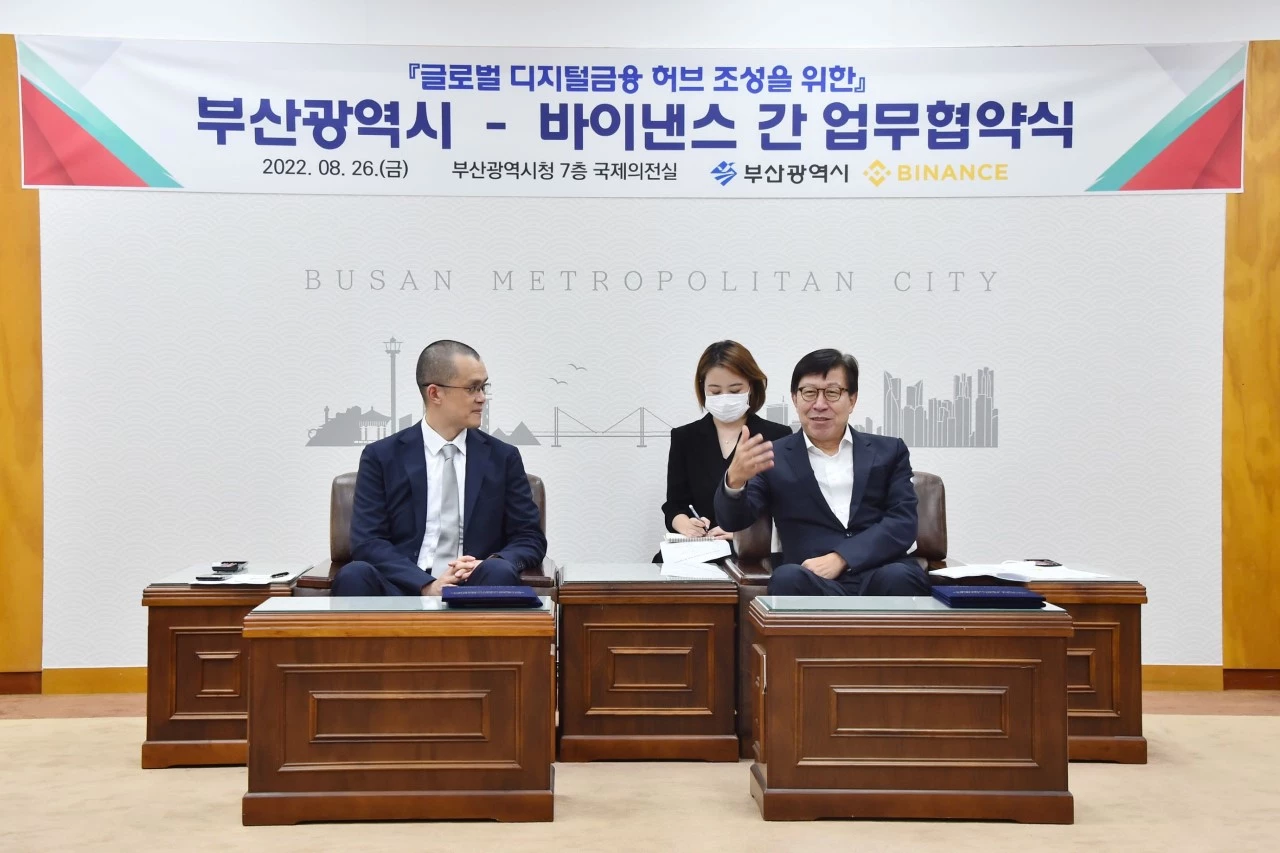
More recently on Friday, August 26, 2022, Binance announced the signing of a Memorandum of Understanding (MoU) with the City of Busan in South Korea. The MoU will see Binance providing technological and infrastructure support for the development of the city’s blockchain ecosystem and promotion of the Busan Digital Asset Exchange, as well as the order book sharing between the two parties. Besides, Binance plans to develop and foster Busan City’s blockchain sector in several ways:
• Utilizing Busan’s blockchain regulatory-free zone to promote blockchain initiatives and businesses. • Supporting blockchain-related research and investments in the city. • Providing specialized blockchain education and online resources from Binance Academy. • Advancing initiatives that promote societal well-being through Binance Charity. • Helping with the organization of Blockchain Week in Busan in 2022 (BWB 2022).
Furthermore, Binance said it will establish a presence in Busan by the end of the year, which is expected to serve as a driving force for the city to become one of East Asia’s most vibrant digital hubs.
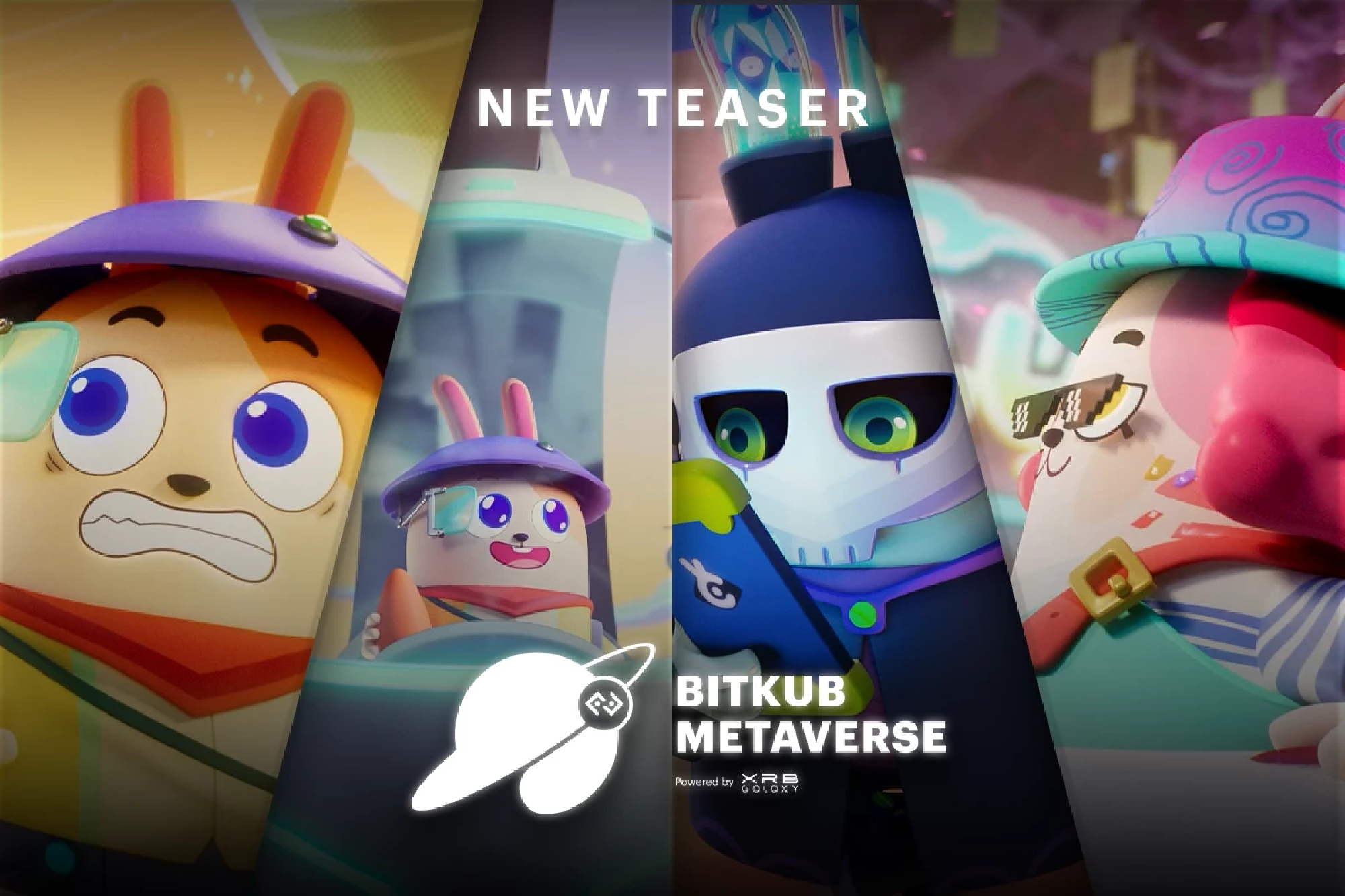
Bangkok, September 2, 2022 — Bitkub Blockchain Technology, the blockchain service provider and Bitkub Chain developer, under cooperation with XRB, the leading animation and 3D visualization effect developer, announced the Bitkub Metaverse teaser with a big step to unlock the visual world.
Bitkub Metaverse, the land beyond imagination, opened for you to enjoy the new dimension of experience. It will be a place consisting of many businesses, entertainment, tourism, culture and education. Bitkub Metaverse will utilize a state-of-the-art technology like web3 and blockchain to provide a futuristic experience. The concept of Bitkub Metaverse is inspired by the galaxy and universe called “XRB”, and it will be one of the planets in the XRB universe.
The story of XRB Galaxy is designed and written by the XRB team on Bitkub Metaverse Official Whitepaper as follows: In the future, Earth will lack the necessary resources to sustain life. In a desperate attempt for survival, Mankind devised a plan to experiment with different species to increase their unique abilities for life on other planets. These species’ primary purpose is to find resources from other planets. One species, rabbits, could cultivate. Unfortunately, their spaceship was struck by the most powerful alien mineral, “Carotium.” However, the rabbits gained unrivaled evolutionary powers from this collision and landed on Mars! The rabbits have created a Colony on their new home planet. They have evolved and become the Universe’s greatest cultivators. A new star of hope was born. 10,000 years have passed, and Mars is now the “center” of the Universe. Various alien races across the galaxy come to Mars for refuge to guarantee their survival.