Harnn allures with ‘Sign of Love’ Valentine gifts #ศาสตร์เกษตรดินปุ๋ย

#ศาสตร์เกษตรดินปุ๋ย : ขอบคุณแหล่งข้อมูล : หนังสือพิมพ์ The Nation

https://www.nationthailand.com/lifestyle/30381698?utm_source=category&utm_medium=internal_referral

Harnn allures with ‘Sign of Love’ Valentine gifts

Feb 06. 2020
The Angel Hand set

The Angel Hand set
Thai organic therapy and skincare brand Harnn has unveiled the “Sign of Love” collection just in time for Valentine’s Day.

It features rose exact and other essential ingredients from nature in a skincare lotion and perfume.

The Angel Hand includes aromatic Jasmine and Pomegranate Hand Cream, Oriental Rose Hand Balm with Coenzyme Q10 and Cymbopogon Herbal Aroma Hand Cream.

The Aromatic oil perfume set borrows from the holistic Asian philosophy utilising the five elements to help restore mental and spiritual balance.

Aromatic oil perfure

Aromatic oil perfure

The Oriental Rose Hand Balm is a rich mix of all-natural active ingredients such as Organic Rose Water, Shea Butter, Panthenol and Coenzyme Q10 to keep hands hydrated and soft and fingernails strong and beautiful.

Oriental Rose Hand Balm

Oriental Rose Hand Balm

A 10 per cent discount is available right through February with every Bt3,000 spent at any Harnn store and online.

Lockdown of Hubei province upends daily life along Yangtze River #ศาสตร์เกษตรดินปุ๋ย

#ศาสตร์เกษตรดินปุ๋ย : ขอบคุณแหล่งข้อมูล : หนังสือพิมพ์ The Nation

https://www.nationthailand.com/lifestyle/30381624?utm_source=category&utm_medium=internal_referral

Lockdown of Hubei province upends daily life along Yangtze River

Feb 05. 2020
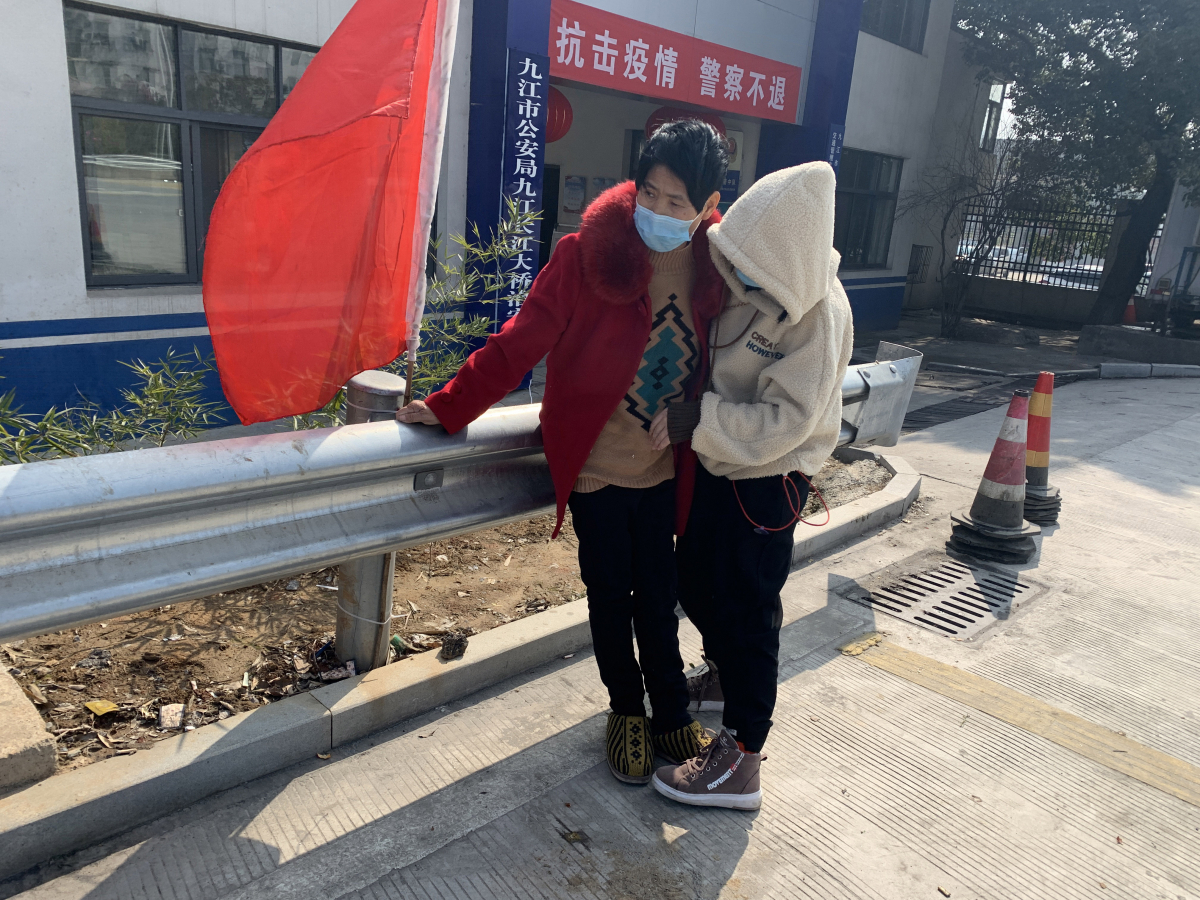
Police guard a barricaded bridge from virus-stricken Hubei Province, which is under quarantine. A loudspeaker warns Hubei residents and vehicles that they may not enter. MUST CREDIT: Washington Post photo by Gerry Shih

Police guard a barricaded bridge from virus-stricken Hubei Province, which is under quarantine. A loudspeaker warns Hubei residents and vehicles that they may not enter. MUST CREDIT: Washington Post photo by Gerry Shih
By The Washington Post · Gerry Shih · WORLD, ASIA-PACIFIC 

JIUJIANG, China – One hand clutching her furry bunny purse and another propping up her disabled grandmother, Shi Zhiyu hobbled down the empty highway on a one-way journey across the Yangtze River.

Home never seemed so far from here.

“You won’t be able to come back,” a police officer warned at the last checkpoint before the bridge rose then disappeared toward Hubei – the locked-down heart of the coronavirus outbreak.

Shi Zhiyu, 15, helps her grandmother Ying Quanlong, 55, cross a bridge back home. They have been separated from their family for nearly two weeks after the closure of the bridge. MUST CREDIT: Washington Post photo by Gerry Shih

Shi Zhiyu, 15, helps her grandmother Ying Quanlong, 55, cross a bridge back home. They have been separated from their family for nearly two weeks after the closure of the bridge. MUST CREDIT: Washington Post photo by Gerry Shih

Since Jan. 24, a once-busy bridge connecting eastern Hubei to Jiujiang in Jiangxi province – and the outside world – has been shut as part of an unprecedented Chinese effort to contain the epidemic. Eighteen police officers guard the bridge on each shift, while a loudspeaker warns that “Hubei residents and vehicles are prohibited” from entry.

For a lucky few who have the right documents and appear healthy, the bridge is in fact a rare escape hatch. For Hubei residents locked on the outside and trying to get home, such as Shi and her grandmother, it’s a passage into a surreal confinement that will last weeks, if not months.

For the country, the bridge symbolizes the sudden isolation imposed over Hubei, a swath of China’s densely interconnected heartland that is now physically cut off.

As the epidemic radiated in recent weeks out from Hubei’s capital, Wuhan, the Chinese have turned against those who hail from the province – a domestic microcosm of the stigma that their compatriots now face internationally.

Hotels reject travelers with a Hubei identification card. Nervous workers screening passengers emerging from trains routinely ask whether they traveled from Hubei. Those from Hubei found in other parts of China are tracked down, accosted and sequestered at home by neighbors. When a man tried to escape Hubei by floating down the Yangtze River on a wooden raft last week, he was “educated” then turned back, Jiujiang police said.

Those who are found to “willfully” spread the disease by flouting quarantine rules could be punished by death, national authorities have warned. On social media, Chinese people have condemned the 5 million so-called “public enemies” – Wuhan residents who fled the city in the days before and immediately after the government’s lockdown order.

Here in Jiujiang, a lush corner of Jiangxi province 140 miles down the Yangtze from Wuhan, residents say proximity to the crisis has meant disease and paranoia, disrupted lives and commerce. But for a region historically bound to Hubei by trade, culture and blood, it’s also more complicated than that.

The bridge suddenly closed in January while Shi, who lives on the Hubei side of the river, was visiting her grandmother Ying Quanlong, who was hospitalized on the Jiangxi side after suffering a stroke.

“We come here all the time for movies and shopping. It’s a 20-minute bus ride,” said Shi, 15, as she set Ying on a wool blanket and waited for police approval for her father to drive an SUV across the empty bridge to pick her up. “Now, it’s another world.”

Hauling her luggage the other direction toward Jiujiang was a saleswoman surnamed Gui, who got up at 8 a.m. for a long taxi ride, then a 90-minute hike over the bridge. Like a trickle of other pedestrians, Gui was one of the few allowed to pass the police barricade and leave Hubei because she showed proof that she purchased train tickets onward to Shenzhen well before the quarantine announcement – and she had passed a temperature test for fever.

“I don’t blame” the quarantine, Gui said, laughing and seemingly relieved at her escape. “The country has to do what it has to do.”

Less than a quarter-mile away, in an alley off a deserted commercial drag, shopkeeper Zhang Hubin was less pleased about his city’s neighbors.

“It’s not right to be prejudiced, but when I hear a customer with a Wuhan accent, I get nervous,” said Zhang, who has seen his business grind to a halt as Jiujiang authorities ordered shops near the Hubei border closed and residents voluntarily stay indoors.

City officials have reported more than 87 coronavirus cases. Two Jiujiang hospitals last week posted requests on social media for donated masks and protective suits. The hospital seemed calm and sparsely populated on a recent afternoon, but two nurses confirmed that there was still a shortage of supplies.

Fear has spread beyond the immediate provincial border. On a country road outside Jiujiang, a red government banner proclaims: “Don’t run around if you just came back from Wuhan – it’s all over if you spread the disease.” Another reads: “You go running door-to-door? Death will show up at your door!”

In the foothills of the steep Mount Lu, a half-dozen thickset men loitered around a roadblock they constructed out of bamboo poles.

They were volunteers assigned by local officials to keep visitors – and the risk of infection – out of Shimendong Village. Other men were tasked with keeping fellow villagers inside, explained a volunteer surnamed Hu: many families in the village had migrant workers returning home from Hubei before the Lunar New Year holiday. They needed to be cautious.

“The village committee went door to door accounting for everyone who came back from Hubei,” Hu said. “We have them all isolated at home and under surveillance. Thankfully, no one is sick.”

He added: “This should be understandable.”

Those from Hubei have aired their despair about the fear and loathing they face. A woman told the Chinese newspaper Time Weekly that her housemates locked her out of her Beijing apartment. In the northern city of Shijiazhuang, neighborhood committees offered bounties of $280 to anyone who reported someone who had visited Wuhan. An apartment block in Shenzhen cut off water to force tenants from Hubei to register after returning to the southern city.

In Jiangxi’s provincial capital, Nanchang, hotels asked guests to answer surveys asking whether they had traveled to Hubei. A receptionist at a major international chain assured a visitor that there were no guests from Hubei in the building. “We’ve rejected them all,” he said.

Some officials, including the Communist Party chief of Wuhan, have taken notice and urged Chinese people not to treat their compatriots with scorn. The People’s Daily, the party’s official mouthpiece, instructed citizens to “not hold prejudice or treat cold-heartedly” people from Wuhan.

“They wish more than anyone to eliminate the epidemic,” the paper wrote. “They want safety, assurance and care.”

On an abandoned boulevard in Jiujiang, Tian Hongfa, a 62-year-old flower arranger, said he depended for years on a flow of tourists and flower purveyors from Hubei to sustain his business. He feared that Hubei’s isolation would plunge his city and much of central China into prolonged misery.

“We had already been having five years of slowing economy – and now this disease,” Tian said. “It’ll be a long time before we can lift our heads out of this.”

Jiangxi’s destiny is tied to Hubei, in the past and the present, Tian said. Like the ancestors of many in these parts, Tian’s father fled the Japanese invasion of Wuhan in the 1930s with two sacks of his belongings strapped to a bamboo pole across his shoulder and settled in Jiujiang, he said.

“I say we should have sympathy for those in Hubei,” Tian said. “We’re one family, of the river.”

Ten passengers infected with coronavirus on quarantined cruise ship with thousands aboard #ศาสตร์เกษตรดินปุ๋ย

#ศาสตร์เกษตรดินปุ๋ย : ขอบคุณแหล่งข้อมูล : หนังสือพิมพ์ The Nation

https://www.nationthailand.com/lifestyle/30381619?utm_source=category&utm_medium=internal_referral

Ten passengers infected with coronavirus on quarantined cruise ship with thousands aboard

Feb 05. 2020
By The Washington Post · Derek Hawkins · WORLD, HEALTH, ASIA-PACIFIC
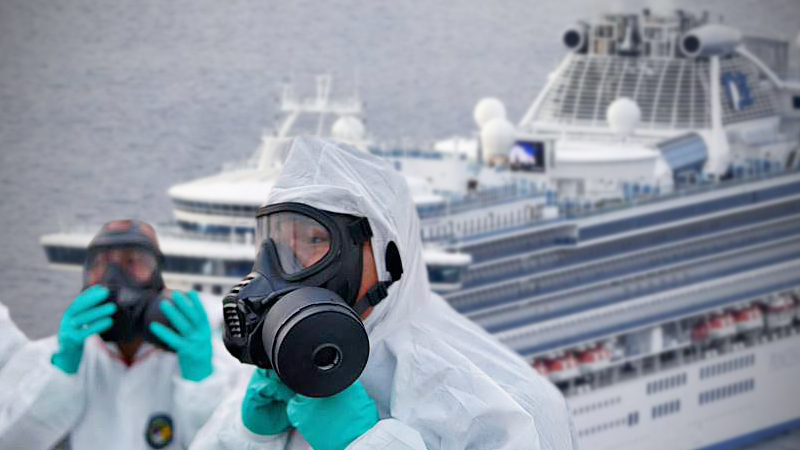
Ten people aboard a cruise ship anchored off the coast of Yokohama, Japan, tested positive for the new coronavirus, Japanese media reported Tuesday. The news comes as the number of reported infections outside China continues to grow.

The roughly 3,500 passengers and crew aboard the British-flagged ship, the Diamond Princess, have been quarantined for more than a day after a traveler from Hong Kong was diagnosed with the new coronavirus.

All the infected passengers were in their 50s or older, with some in their 80s, Japan’s health and labor minister said, according to the news agency Jiji. Three were said to be Japanese nationals.

More than 270 people are being tested, said Katsunobu Kato, Japan’s minister of health, labor and welfare, the Nikkei Asian Review reported.

“We ask passengers to remain in the ship for at most 14 days,” Kato said. “We would like to take thorough measures.”

Those testing positive are being brought to medical institutions on land, he added.

The original infected passenger embarked in Yokohama on Jan. 20 and disembarked in Hong Kong on Jan. 25, Princess Cruises said in a statement Tuesday. During that time, he did not visit the ship’s medical center or report any symptoms, according to the company. Six days after leaving, he tested positive for the coronavirus in a Hong Kong hospital, Princess Cruises said.

Japanese health officials began screening passengers Monday night, focusing on those showing symptoms and others who had contact with potentially infected people, according to NHK, Japan’s public broadcasting network.

“The safety, security and well-being of all guests and crew is our absolute priority,” Princess Cruises said. “The review of the arriving guests and crew, by Japanese health authorities, is standard practice after a guest tested positive for coronavirus and we are working closely with the local authorities to provide detailed records to facilitate their review.”

Officials from the World Health Organization said nine countries outside China have confirmed 27 instances of human-to-human transmission, while cases continued to soar in China, where the outbreak began in Wuhan, a city of 11 million.

The most common symptoms are fever and cough, officials said.

On the Diamond Princess, passengers and crew remained on lockdown aboard the ship, according to the British channel ITV. Most people self-quarantined in their rooms while they awaited medical checks, passengers told the channel.

One passenger, David Abel, said he had to cancel a Monday night flight back to Oxfordshire, England, after the ship was denied permission to dock.

“The ship is like a ghost town,” he told ITV. “It’s really weird.”

Key evidence about coronavirus spread is retracted as public health decisions loom #ศาสตร์เกษตรดินปุ๋ย

#ศาสตร์เกษตรดินปุ๋ย : ขอบคุณแหล่งข้อมูล : หนังสือพิมพ์ The Nation

https://www.nationthailand.com/lifestyle/30381609?utm_source=category&utm_medium=internal_referral

Key evidence about coronavirus spread is retracted as public health decisions loom

Feb 05. 2020
File Photo:  Syndication Washington Post, Bloomberg

File Photo: Syndication Washington Post, Bloomberg
By The Washington Post · Carolyn Y. Johnson, Lena H. Sun · NATIONAL, WORLD, HEALTH

Last week, a medical journal reported that a business traveler from China had infected at least one person in Germany with coronavirus even though she had no symptoms. It was decisive evidence that the virus could spread undetected and a critical piece of information, one of the key factors U.S. officials weighed when formulating unprecedented quarantines and travel restrictions announced by health officials at the White House.

Now, interviews with the woman have revealed a fundamental mistake in the report, which appeared in the prestigious New England Journal of Medicine. It turns out the woman did have symptoms while she was in Germany. They were “mild unspecific symptoms,” including back pain, for which she took a fever-reducing Tylenol-like drug, according to Marieke Degen, a spokeswoman for the Robert Koch Institute, a German research institute and governmental public health agency that was following up on the case.

The revelation underscores how the urgency to make sweeping public health decisions about the spread of the coronavirus is clashing with the uncertainties surrounding a novel virus. The essential question public health experts are grappling with is how easily the virus spreads, particularly from people who have very mild symptoms. And despite the error in the report from Germany, it’s still possible that people can spread it before they have symptoms. Public health measures that depend on isolating people who could transmit the virus could become difficult to implement if the virus spreads before people realize they have been infected.

The new information could intensify an already challenging public health situation, experts said. The United States imposed wide-ranging quarantine and isolation measures that took effect Sunday, including barring non-U.S. citizens who recently visited from China from entering the United States. U.S. officials will also quarantine Americans who visited Hubei province, where the outbreak began, for 14 days.

“We can’t isolate everyone who has a headache and took a Tylenol,” said Marc Lipsitch, an epidemiologist at the Harvard T.H. Chan School of Public Health. If there is spread of disease when someone is not yet showing signs of illness, “it becomes a considerably bigger public health challenge.” he said. “The isolation of ill cases would not be effective if there’s transmission to a considerable degree before people are really sick.”

Swedish health officials leaped on the error to inform the public on its website that the evidence the virus could spread without symptoms was not based on science. The World Health Organization issued a report saying it is “aware of possible transmission” before symptoms, but noted that study continues on the “few instances” where it may have occurred.

Nine countries outside China have confirmed 27 instances of human-to-human transmission of the infection, WHO officials said Tuesday during an executive board meeting at WHO headquarters in Geneva, a worrisome sign for containment of the disease.

In China, cases continue to soar. Chinese officials on Tuesday reported a total of 20,438 confirmed cases of infection – an increase of 3,235 from Monday, the biggest daily jump since the National Health Commission began releasing statistics. Almost 3,000 of the infected are in critical condition.

WHO officials also said 2% to 3% of patients have gastrointestinal problems. The most common symptoms are fever and cough, officials have said.

The HO declared the outbreak a global health emergency Thursday and warned countries against imposing travel and trade restrictions on China. WHO Director-General Tedros Adhanom Ghebreyesus reiterated that call Tuesday, noting that 22 countries have reported such restrictions. The United States is one of them.

“Such restrictions can have the effect of increasing fear and stigma, with little public health benefit,” he said. In countries that have imposed them, he called for them to be short, proportionate to the public health risks, and be reassessed regularly.

He chided “some high-income countries” with confirmed cases that are “well behind” in sharing complete data about their cases. “I don’t think it’s because they lack capacity,” he said. Without better data, it’s difficult for the WHO to assess how the outbreak is evolving, or what impact it could have.

Hong Kong became the second place outside mainland China to report a fatality, after China reported 425 deaths, bringing the overall toll to 427. A 39-year-old man who died had a preexisting condition and had traveled to Wuhan last month. He was hospitalized Friday.

More infections were announced outside China, including six more in Thailand and Singapore, suggesting that the virus is gaining steam internationally.

In the United States, the top official at the Centers for Disease Control and Prevention overseeing the coronavirus response has cited the NEJM report about asymptomatic transmission as one of several “worrisome data points” about a serious public health situation.

“We are aware of the correction to the NEJM article on asymptomatic transmission and the fact that this patient did have mild symptoms is consistent with what we know of other cases,” a CDC spokeswoman said Tuesday.

She said the “enhanced response posture” of the federal government is based on “a dramatic increase in the number of cases reported, supporting efficient person-to-person spread, the geographic expansion of the outbreak, and continued reports of severe illness including those resulting in death.”

Anthony Fauci, the director of the National Institute for Allergy and Infectious Diseases, who has often been the official called on by the past six presidents to explain outbreaks to the American public, said he still believes it is possible for the virus to spread from someone who is not showing symptoms. Fauci had initially said the report had served as an important confirmation of rumors and anecdotes that had been filtering in from China, and he mentioned it at a White House briefing Friday.

“One of the problems with when the virus is transmitted in an asymptomatic way and has its implications – it puts a terrible burden on the screening process. How do you screen somebody?” Fauci said last week, when referencing the NEJM report. “You know, remember back with Ebola? Ebola doesn’t get transmitted unless you’re actively very ill, and you know that. It’s very, very clear.”

Upon learning of the journal error, Fauci said he picked up the phone and talked to a top public health official and scientist in Beijing who told him that the disease could spread without symptoms.

“I think it’s a double-edged sword. I think it’s important to get information out quickly when you’re dealing with an emerging and evolving public health issue, but there is a danger in that and we have just seen now a classic example of this danger,” Fauci said Tuesday. But he said his conversation made him confident that while the report was incorrect, the phenomenon it described is real.

Other clinicians said patients often recall their symptoms differently when multiple people ask them, said Trish Perl, chief of infectious diseases and geographic medicine at the University of Texas’s Southwestern Medical Center, who has fought other respiratory virus outbreaks, including severe acute respiratory syndrome, or SARS, which also emerged in China and infected about 8,000 people and killed nearly 800 between 2002 and 2003.

“Stuff you might not consider a symptom, like a little bit of a runny nose, is something people kind of ignore,” she said.

The information about the German case was published as a letter in the NEJM last Thursday, which – like other scientific and medical journals – has vowed to make emerging scientific information available rapidly available. That speed has been praised because information-sharing is essential in a public health emergency, but also opens the door for more errors.

A spokeswoman said the NEJM “is looking into the matter,” but the journal has not posted a correction or update. Degen, at the Robert Koch Institute in Berlin, said that its researchers had submitted its findings and that “it is still open when (and in which journal) this will be scientifically published.” The main author of the letter did not immediately respond to questions about the report.

The report could still have value, experts said, because it shows that a person with mild symptoms can transmit the illness initially.

Lipsitch added that public policy should be flexible in the face of an emerging threat, in order to take into account information that may change or evolve. The travel restrictions announced by the White House late last week stated that policy should be reevaluated at least every 15 days.

Lauren Ancel Meyers, a mathematical epidemiologist at the University of Texas at Austin, said that she is gearing up to simulate scenarios in which the disease spreads in the United States to help with preparation and planning for countermeasures. But much depends on information that is still murky: how soon after contracting the virus people can begin to spread it, how readily it spreads and other factors.

“There is so much uncertainty, and the information is changing every day about what is going on with the virus,” Meyers said.

Hong Kong resists China border closure over coronavirus threat as city reports first death #ศาสตร์เกษตรดินปุ๋ย

#ศาสตร์เกษตรดินปุ๋ย : ขอบคุณแหล่งข้อมูล : หนังสือพิมพ์ The Nation

https://www.nationthailand.com/lifestyle/30381575?utm_source=category&utm_medium=internal_referral

Hong Kong resists China border closure over coronavirus threat as city reports first death

Feb 04. 2020
By The Washington Post · Shibani Mahtani · WORLD, HEALTH

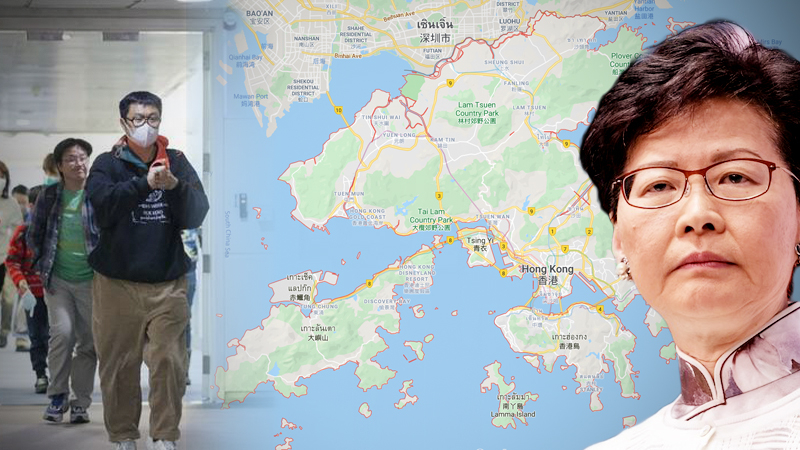
HONG KONG – Chief Executive Carrie Lam on Monday further restricted the territory’s border crossings with mainland China to curb the coronavirus outbreak but stopped short of a blanket closure demanded by hospital workers who will now execute a five-day strike.

The strike – organized by a pro-democracy union formed after months of political unrest – represents a conundrum for Lam. Beijing’s handpicked leader, who must weigh the intensifying public health crisis and widespread disaffection toward her government against her obligations to, and instructions from, the Chinese Communist Party.

On Tuesday, Hong Kong reported its first death from the coronavirus outbreak. The 39-year-old man had been in stable condition late last week, according to the Center for Health Protection, but deteriorated quickly in recent days. He had traveled to Wuhan on Jan. 21, returned to Hong Kong two days later and was admitted to the hospital last Friday.

Hong Kong, which has its own immigration system but is under China’s sovereignty, has reported 15 cases of the novel coronavirus infection. More than 17,000 cases and 360 deaths have been confirmed in mainland China, prompting many nations – the United States, Singapore and Italy to name a few – to impose sweeping and unprecedented travel restrictions on Chinese nationals and foreign travelers who have passed through the country.

China’s neighbors such as North Korea and Mongolia have sealed their borders in an effort to halt the spread of the virus, which has reached more than 20 countries.

Lam said Monday she would leave open only three of the financial center’s 14 crossing points with mainland China, including the airport. Hong Kong had already closed six border checkpoints, but Lam said there was a need to take further steps “because of the latest developments in the outbreak.” She said she hoped the closure would make it inconvenient for people to travel to mainland China, and provide a disincentive for people to cross.

But a full border closure was untenable, she said, because of the “almost unique” situation between Hong Kong and mainland China, including a “very close relationship” between the people on both sides.

There is “very legitimate and genuine cross-border traffic that we have to handle, otherwise we will end up with more troubles for this city and the seven million people in Hong Kong,” she said, citing cases of people who live in Hong Kong but work in the mainland, and vice versa.

She added that her government is “not the enemies of the Hong Kong people,” and is working in their best interest. Calls to shut the border have come from across the political spectrum.

Her moves, however, were insufficient to appease thousands of medical workers, who on Monday launched the first wave of a gradual strike designed to pressure the Hong Kong government to fully close the border.

The striking doctors, nurses and others are from the Hospital Authority Employees Alliance, a union formed following anti-government protests that rocked Hong Kong last year over fears that the city has been losing autonomy and ceding control of its affairs to Beijing.

The union on Monday said it will escalate the strike to involve more of its 18,000 members – including front-line medical workers – citing the government’s unwillingness to cede to their demands and a breakdown in talks with the Hospital Authority, which manages the territory’s government hospitals.

“Our actions have forced the government to gradually close the border,” said union chairwoman Winnie Yu, speaking after Lam’s announcement. Yet, she added, the government “has not directly responded to our demands.”

“We cannot see [Lam’s] sincerity to shut down all the borders, and to cut off the source of the virus,” Yu added.

Long lines formed at hospitals on Monday as nurses and doctors signed up at designated booths to register their participation in the strike. Across the city, residents wore white ribbons in solidarity with medical workers.

Employees in Hong Kong’s financial district, which is quieter than usual as companies institute work-from-home arrangements to halt the spread of the virus, held a small lunchtime protest supporting the medical workers, reminiscent of demonstrations at the height of the political unrest late last year. Some wore full-face respirators.

Tony Ko, the chief executive of the Hospital Authority, said Monday that the strike was already affecting services. Cardiac surgeries have had to be rescheduled, he said, and a shortage of staff members has been reported in pediatric wards.

“We are seriously concerned about the situation,” he said. “Patients may be put at unnecessary risk.”

Lam, eager to quash any perception that civil resistance can sway her government, said her decision to widen the border closures has “absolutely nothing to do” with the medical workers’ strike.

“If anyone thinks that by resorting to such extreme measures, the government will be made to do something that is not rational or will harm the public good, they will not get anywhere,” she said.

“This is a tactic that smacks of political considerations. We believe it really doesn’t help protect public health and the fight against the disease.”

Why does the state of New York have the nation’s lowest suicide rate? #ศาสตร์เกษตรดินปุ๋ย

#ศาสตร์เกษตรดินปุ๋ย : ขอบคุณแหล่งข้อมูล : หนังสือพิมพ์ The Nation

https://www.nationthailand.com/lifestyle/30381528?utm_source=category&utm_medium=internal_referral

Why does the state of New York have the nation’s lowest suicide rate?

Feb 04. 2020
Jessica Lioy took part in a brief intervention program in New York.

Jessica Lioy took part in a brief intervention program in New York. “They … make you focus on the worst thing in your life and then coach you through it,” Lioy says. MUST CREDIT: Courtesy of Jessica Lioy
By Special To The Washington Post · Michelle Andrews · HEALTH 

“I just snapped” is how Jessica Lioy describes her attempt in April to kill herself.

After a tough year in which she’d moved back to her parents’ Syracuse, New York, home and changed colleges, the crumbling of her relationship with her boyfriend pushed the 22-year-old over the edge. She impulsively swallowed a handful of sleeping pills. Her mom happened to walk into her bedroom, saw the pills scattered on the floor and called 911.

In 2017, 1.4 million adults attempted suicide, while more than 47,000 others did kill themselves, making suicide the 10th-leading cause of death in the United States, according to the Centers for Disease Control and Prevention. And the rate has been rising for 20 years.

Like other states, Jessica Lioy’s home state of New York has seen its rate increase. But New York has consistently reported rates well below those of the United States overall. Compared with the national rate of 14 suicides per 100,000 people in 2017, New York’s was just 8.1, the lowest suicide rate in the nation.

What gives? At first glance, the state doesn’t seem like an obvious candidate for the lowest rank. There’s New York City, all hustle and stress, tiny apartments and crowds of strangers. And upstate New York, often portrayed as bleak and cold, is famously disparaged in the Broadway musical “A Chorus Line” with the comment that “to commit suicide in Buffalo is redundant.”

Experts say there’s no easy explanation for the state’s lowest-in-the-nation rate. “I can’t tell you why,” said Jay Carruthers, a psychiatrist who is the director of suicide prevention at the New York State Office of Mental Health.

There is no single answer, but a number of factors probably play a role, Carruthers and other experts on suicide said.

Low rates of gun ownership are likely key. Guns are used in about half of suicide deaths, and having access to a gun triples the risk that someone will die by suicide, according to a study in the Annals of Internal Medicine. Because guns are so deadly, someone who attempts suicide with a gun will succeed about 85 percent of the time, compared with a 2 percent fatality rate if someone opts for pills, according to a study by researchers at the Harvard Injury Control Research Center.

“The scientific evidence is pretty darn good that having easy access to guns makes the difference whether a suicidal crisis ends up being a fatal or a nonfatal event,” said Catherine Barber, who co-wrote the study and is a senior researcher at the Harvard center.

New York has some of the strongest gun laws in the country. In 2013 – after the mass shooting at Sandy Hook Elementary School in Newtown, Connecticut – the state broadened its ban on assault weapons, required recertification of pistols and assault weapons every five years, closed a private sale loophole on background checks and increased criminal penalties for the use of illegal guns.

Last year, the state enacted laws that, among other things, established a 30-day waiting period for gun purchases for people who don’t immediately pass a background check and prevented people who show signs of being a threat to themselves or others from buying guns, sometimes referred to as a “red flag” or “extreme risk” law.

The population is also heavily concentrated in urban areas, including more than 8 million people living in New York City. According to the Census Bureau, nearly 88 percent of the state’s population lived in urban areas in the 2010 census, while the national figure is about 81 percent.

Suicide rates are typically lower in cities. In 2017, the suicide rate nationwide for the most rural counties – 20 per 100,000 people – was almost twice as high as the 11.1 rate for the most urban counties, according to the CDC. The trend is accelerating. While the suicide rate in the most urban counties increased by 16 percent from 1999 to 2017, it grew by a whopping 53 percent in the most rural counties.

Loneliness, isolation and access to lethal weapons can be a potent combination that leads to suicide, said Jerry Reed, who directs the suicide, violence and injury prevention efforts at the Education Development Center. The center runs the federally funded Suicide Prevention Resource Center, among other suicide prevention projects.

People in rural areas may live many miles from the nearest mental health facility, therapist or even their own neighbors.

“If your spouse passes away or you come down with a chronic condition and no one is checking on you and you have access to firearms,life may not seem like worth living,” Reed said.

New York’s efforts to prevent suicides include conducting a randomized controlled trial to test the effectiveness of a brief intervention program developed in Switzerland for people who have attempted suicide – because they are at risk for trying again.

The trial has yet to get underway, but clinicians at the Hutchings Psychiatric Center in Syracuse were trained in the Attempted Suicide Short Intervention Program, as it’s called. They began testing it with some patients in 2018.

Jessica Lioy was one of them. After her suicide attempt, she spent a week at the inpatient psychiatric unit at Upstate University Hospital in Syracuse. A social worker approached her about signing up for that outpatient therapy program.

The program is simple. It has just four elements:

In the first session, patients sit down with a therapist for an hour-long videotaped discussion about why they tried to kill themselves.

At their second meeting, they watch the video to reconstruct how the patient moved from experiencing something painful to attempting suicide.

During the third session, the therapist helps the patient list long-term goals, warning signs and safety strategies, along with the phone numbers of people to call during a crisis. The patient carries the information with them at all times.

Finally, during the next two years, the therapist writes periodic “caring letters” to the patient to check in and remind them about their risks and safety strategies.

In the Swiss trial, about 27 percent of the patients in the control group attempted suicide again during the next two years. Only 8 percent of those who went through the intervention program reattempted suicide during that time.

“The difference with ASSIP is the patient involvement. It’s very patient-centered,” said Seetha Ramanathan, the Hutchings psychiatrist overseeing the program. It’s also focused on the suicide attempt, not on other issues like depression or post-traumatic stress disorder, she said.

Lioy said that, at the beginning, she didn’t have high hopes for the program. She had already told her story to many doctors and mental health therapists. But this felt different, she recalled.

“They steal you for an hour from the universe and make you focus on the worst thing in your life and then coach you through it,” Lioy said. “They force you to feel something, and they force you to just reflect on that one situation and how to move forward to not end up back in that place. It’s very immediate.”

It hasn’t all been smooth sailing. Shortly after returning home, Lioy felt depressed and couldn’t get out of bed. But she had learned the importance of asking for help, and she reached out to her parents.

“I was able to talk with them, and it felt amazing,” she said. “I’d never done that before.”

There have been other changes. Since returning home, Lioy finished her bachelor’s degree in molecular genetics and is working as a pharmacy technician. She’s applying to doctoral programs, and she has a new boyfriend, although she said she no longer needs a boyfriend to feel OK about herself.

“It’s been a really big journey,” Lioy said.

300,000 break their hips each year. Calcium and vitamin D could cut that number, research says. #ศาสตร์เกษตรดินปุ๋ย

#ศาสตร์เกษตรดินปุ๋ย : ขอบคุณแหล่งข้อมูล : หนังสือพิมพ์ The Nation

https://www.nationthailand.com/lifestyle/30381526?utm_source=category&utm_medium=internal_referral

300,000 break their hips each year. Calcium and vitamin D could cut that number, research says.

Feb 04. 2020
By Special To The Washington Post · Linda Searing · HEALTH

A fractured hip – one of the most common bone breaks experienced by the elderly – sends more than 300,000 people 65 and older to the hospital each year, according to the Centers for Disease Control and Prevention. New research, however, suggests that taking both calcium and vitamin D supplements could trim that number.

Analyzing data from 17 studies, involving nearly 84,000 people, most in their upper 60s or older, researchers found that those who took both supplements were about 16% less likely to break a hip and 6% less likely to break any bone. By comparison, no protection from bone breaks of any sort was found for those who took only vitamin D, according to the research published in the journal JAMA Network Open. Long billed as essential for healthy bones, calcium and vitamin D work together.

Calcium is a key nutrient for building strong, dense bones and protecting them from the weakening effects of osteoporosis. But the body needs vitamin D to absorb calcium. Good sources of calcium include milk, cheese, yogurt, broccoli, cabbage, leafy greens, and food and drink fortified with calcium, such as cereals and orange juice. For most people, sunlight is the main source of vitamin D. It is naturally present in only a few foods – egg yolks and fatty fish, for instance, as well as milk fortified with vitamin D.

Among the thousands of hip fractures each year, women experience three-fourths of them, and more than 95% are the result of a fall, according to the CDC. To prevent these fractures, experts recommend weight-bearing and other exercises that strengthen bones and muscles, such as walking, running, climbing stairs and lifting weights. Needed amounts of the two key nutrients vary by age, but most recommendations for adults suggest 1,000 milligrams (mg) of calcium daily from food and – if necessary – supplements, increasing to 1,200 mg for women 50 and older and men 70 and older.

For vitamin D, if food and sunshine prove insufficient, adults 50 and older should get 800 to 1,000 IU of vitamin D daily from a supplement, according to the National Osteoporosis Foundation. Talk with your doctor before taking supplements.

Winter dries out skin, but moisturizing helps #ศาสตร์เกษตรดินปุ๋ย

#ศาสตร์เกษตรดินปุ๋ย : ขอบคุณแหล่งข้อมูล : หนังสือพิมพ์ The Nation

https://www.nationthailand.com/lifestyle/30381445?utm_source=category&utm_medium=internal_referral

Winter dries out skin, but moisturizing helps

Feb 02. 2020
By Special To The Washington Post · Jill U. Adams · HEALTH
My hand lotion dispenser gets a workout in the winter.

I wash my hands a lot to prevent whatever virus is making the rounds of my neighborhood. Afterward, I lotion up to prevent the dry skin that often seems to accompany cold weather.

And it’s not just hand washing that may lead to dry skin. In a study of German hairdressers, who presumably have similar routines regardless of season, researchers noticed more complaints about dry and irritated skin during cold winter months.

What is it about winter that causes skin to be more dry?

“It’s multifactorial,” says Daniela Kroshinsky, a Harvard University dermatologist. Humidity is a big reason. Outdoors, the cold air holds less moisture. Indoors, heating systems also dry out the air.

If you take long, hot showers, that will add to the problem because you’re washing away some of the natural oils in your skin. Harsh soaps, Kroshinsky says, can strip even more oils out.

“But soap is not the main thing,” she says. “Humidifiers are wonderful.”

Studies on human skin function found that the top layers of skin holds less water in low-humidity conditions.

If you want to humidify your home, Kroshinsky recommends a high-capacity machine. “Smaller units probably don’t change the humidity level effectively,” she says.

A humidity gauge will ascertain that the machine is having an effect – 45% to 55% relative humidity is a typical target.

The main problem with dry skin is that it is uncomfortable. And sometimes kind of gross. My lips may crack and I can shake dander out of my clothes at the end of the day.

A review of the scientific literature on climatic conditions found this general truth: Low humidity and low temperatures reduce the skin’s capacity to serve as a barrier and increase the risk of dermatitis – itchy, dry and often inflamed skin.

Patients with atopic dermatitis – the most common form of eczema with its characteristic red, itchy skin – are particularly sensitive to winter dryness and can experience flare-ups.

Patients complaining of itchy skin are not uncommon beginning in November or December, says Gary LeRoy, a family physician in Dayton, Ohio, who is president of the American Academy of Family Physicians.

“When did you turn on your heat in your house and close all your windows? Do you take really hot baths or showers? Do you pat or rub dry? Rubbing can exfoliate the skin and can add to drying out,” he says.

LeRoy recommends taking showers that aren’t too long or too hot, patting yourself dry and applying moisturizer while your skin is still damp. Also, “an oatmeal bath can help with itchy sensation,” he says.

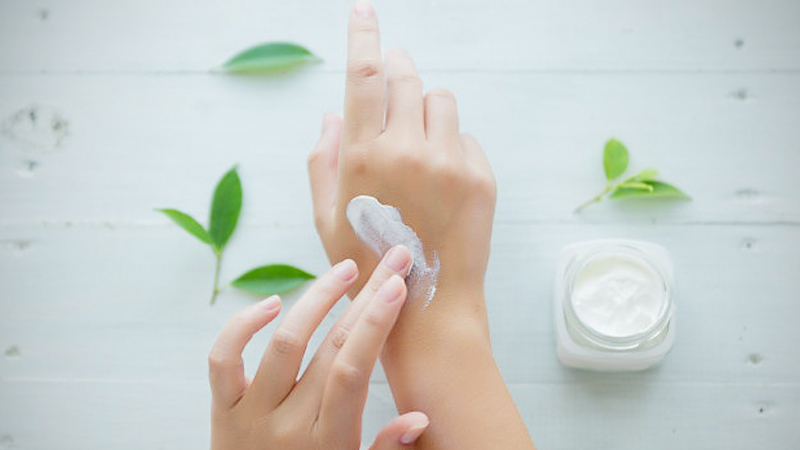
The easiest route to managing dry skin in winter is to use a moisturizer. They come in varying packaging – pump or pour lotions, creams in a tube or jar, and ointments, such as petroleum jelly – and contain a dizzying array of ingredients.

They don’t actually add water to your skin. Rather, they keep water from escaping. Some substances, such as shea butter and lanolin, which are emollients, are intended to make your skin feel softer.

LeRoy says lotions with a lactic acid base are “pretty doggone good.” Other ingredients to look for are salicylic acid, glycolic acid, and urea.

Kroshinsky says helpful ingredients include ceramides, glycerin and hyaluronic acid.

Ceramides are naturally occurring compounds in the skin that impede water loss. Both urea and lactic acid work in part by stimulating the skin to make more ceramides.

One study compared six commercially available moisturizers that contain different mixes of therapeutic agents on the skin of 80 people with moderately or severely dry skin. Applied twice a day for four weeks, all the products improved symptoms.

The researchers concluded that “consistent and regular moisturizer use is much more important than the moisturizer’s particular formulation.”

Kroshinsky agrees. She tells her patients to choose a moisturizer that they will use: “If you don’t like the feel or the smell, that’s not good. Because you have to actually use it.”

Moisturizing twice a day seems to be the ideal treatment. “You’ll get the most bang for your buck after the shower,” Kroshinsky says.

That is because the lotion or cream will trap moisture gained from your shower. Plus, she says, cream-based moisturizers go on easier when your skin is damp and feels less greasy.

Both doctors agree that it’s best to avoid fragrances and color dyes, which can be irritating. Beware: A lotion labeled “fragrance-free” means just that, while “unscented” lotions are formulated to not have a noticeable odor, but may still contain fragrance compounds.

When should you see a doctor for dry skin? “When you become concerned about it,” LeRoy says. “Because it’s compromising your lifestyle or common fixes aren’t helping.”

Other things that should be checked out are rashes that won’t go away or are getting worse, and any sign of infection – skin that’s hot to the touch, painful or weeping.

Kroshinsky says a good dermatologist will check for other causes of dry skin. Maybe it’s not just winter drying out your skin. It could be a health condition or your medication.

Some people are more sensitive to changes in climate, especially the very young and the very old.

“As we age, the oil components of our skin diminish,” Kroshinsky says. Also, skin is thinner in older people.

Flu is a much bigger threat than coronavirus #ศาสตร์เกษตรดินปุ๋ย

#ศาสตร์เกษตรดินปุ๋ย : ขอบคุณแหล่งข้อมูล : หนังสือพิมพ์ The Nation

https://www.nationthailand.com/lifestyle/30381435?utm_source=category&utm_medium=internal_referral

Flu is a much bigger threat than coronavirus

Feb 02. 2020
By The Washington Post · Lenny Bernstein · NATIONAL, HEALTH 
The rapidly spreading virus has closed schools in Knoxville, Tennessee, cut blood donations to dangerous levels in Cleveland and prompted limits on hospital visitors in Wilson, North Carolina. More ominously, it has infected as many as 26 million people in the United States in just four months, killing up to 25,000 so far.

In other words, a difficult but not extraordinary flu season in the United States, the kind most people shrug off each winter or handle with rest, fluids and pain relievers if they contract the illness.

But this year, a new coronavirus from China has focused attention on diseases that can sweep through an entire population, rattling the public despite the current magnitude of the threat. The flu poses the bigger and more pressing peril; just seven cases of the new respiratory illness have been reported in the United States, none of them fatal or apparently even life-threatening.

“Anything that we don’t feel we have sufficient information about feels like a threat,” said Lynn Bufka, senior director of practice research and policy at the American Psychological Association and an expert on anxiety. “The flu doesn’t feel novel. Most people’s experience with the flu is they’ve had it, they’ve recovered, it’s not a big deal – despite the fact that thousands of people die every year.”

According to the Centers for Disease Control and Prevention, 8.6 million to 12 million people have visited health-care providers complaining of influenza-like symptoms, such as fever, coughing, sneezing and aches since the flu season began Oct. 1. As many as 310,000 people have been hospitalized, and 68 children have died.

On the CDC’s map of flu activity, most of the nation is a deep red, indicating the highest level of “influenza-like illness” activity.

The entire school district serving Knoxville and Knox County, Tennessee, which has 57,800 students, shut down this week because of flu circulating among students and staffers. In Cuyahoga County, Ohio, which includes Cleveland, 218 people have died; 2,500 have shown up in emergency rooms in the city alone, said Merle Gordon, director of the city’s Department of Public Health. In Arkansas, nine school districts have closed, 33 people have died and hospitalizations have increased sharply in the past two weeks.

“We’re being hit right now, a lot of communities at the same time,” said Jennifer Dillaha, medical director for immunizations and outbreak response for the Arkansas Department of Health.

More than 173 million doses of flu vaccine have been administered to date, much less than needed to cover the nation. During the 2018-2019 flu season, the latest with complete data available, 45.3% of adults and 62.6% of children received flu shots, according to the CDC.

Two types of flu are circulating, increasing risk. They seem to be producing fewer fatalities among older people, who typically comprise most of the deaths during flu season, but they are hitting children hard. The current season does not appear to be as severe as 2017-2018, when the flu reached epidemic proportions and as many as 95,000 people died, according to CDC estimates.

But no amount of flu can mitigate public fear and interest in the new coronavirus, which is spreading inexorably out of China, where it has killed more than 250 people and infected more than 11,000.

“I would say that there’s good interest in both,” Dillaha said. “I think people are a little bit panicked about coronavirus and want to know what steps to take, thinking that it’s circulating in the state.” So far it isn’t, she said.

“Any time someone asks about the flu they talk about coronavirus, and any time they talk coronavirus, they ask about the flu,” she said.

Anthony Fauci, director of the National Institute of Allergy and Infectious Diseases and a member of the government task force coordinating the response to the coronavirus, said he is often asked why the government is focusing on coronavirus when so many are dying of seasonal influenza.

“I often get asked: ‘We have an influenza outbreak here, we have about 8,000 deaths already, 100,000 hospitalizations. Why are we paying such attention” to coronavirus?

“The reason is, despite the morbidity and mortality with influenza, there’s a certainty of seasonal flu. I can tell you as we get into March and April, the cases are going to go down.”

Until officials can offer that kind of certainty about the coronavirus, even if it does not seem as dangerous as the flu, anxiety levels will not decline, Bufka said. While public health officials are urging handwashing, staying home when sick and keeping a distance from obviously ill people, Bufka suggests a different calculation for mental health.

When she counsels anxious clients, they “try to get a good assessment of what is actually the risk,” she said. “How likely is it? And try to distinguish between possibility and probability.

“Sure it’s possible there will be more cases in the U.S. It’s probable there will be more cases in the U.S. But it’s not likely to be the person standing next to me in the grocery store.”

First peanut allergy drug approved by FDA #ศาสตร์เกษตรดินปุ๋ย

#ศาสตร์เกษตรดินปุ๋ย : ขอบคุณแหล่งข้อมูล : หนังสือพิมพ์ The Nation

https://www.nationthailand.com/lifestyle/30381393?utm_source=category&utm_medium=internal_referral

First peanut allergy drug approved by FDA

Feb 01. 2020
By The Washington Post · Carolyn Y. Johnson 
The first drug to prevent potentially life-threatening allergic reactions to peanuts was approved Friday, providing children and families who live with the fear of accidental exposures a long-awaited treatment option.

The therapy, Palforzia, isn’t a cure and comes with significant risks of triggering the very reactions it is supposed to quell. But for families and children who have re-engineered their routines to minimize potential exposures – changing how and whether they travel, eat out, socialize and feel safe in their daily lives – it could offer an important layer of protection and relief.

Palforzia is seen as an important test case for a new generation of therapies expected to transform how a rising epidemic of food allergies are treated. Doctors who have had few tools other than counseling their patients to assiduously avoid peanuts expect that other drugs will follow – additional drugs for peanut allergy, as well as egg and tree nut allergies. Aimmune Therapeutics, which makes Palforzia, has several other food allergy treatments in its pipeline.

“Even with strict avoidance, inadvertent exposures can and do occur. When used in conjunction with peanut avoidance, Palforzia provides an FDA-approved treatment option to help reduce the risk of these allergic reactions,” said Peter Marks, director of the Food and Drug Administration’s Center for Biologics Evaluation and Research.

Allergists have emphasized that the drug will not be appropriate for every family. It is approved for children ages 4 to 17 and requires children to eat increasing doses of peanut protein to gradually desensitize their allergies. That means patients must intentionally expose themselves to the very substance that causes trigger a life-threatening reaction under the regimen, called oral immunotherapy. Due to the risks, patients must take some doses under a doctor’s supervision. The drug can cause severe allergic reactions and require epinephrine injections. It’s unclear how long patients will have to stay on the drug.

Palforzia, which will carry a list price of $890 per month, could also reignite discussions about high drug prices – although the company will offer an assistance program to drop patient’s share of the cost to as low as $20. Some physicians have already used this oral immunotherapy approach to desensitize people to peanut allergies using commercially available, inexpensive peanut flour. Proponents of Palforzia argue that having a drug available could standardize the treatment, provide a way for insurance to cover it and also ensure that there isn’t variability in the amount of allergen in different batches of peanut flour.

But a study by the Institute for Clinical and Economic Review, which evaluates whether drugs are worth the price, found that there wasn’t sufficient evidence that Palforzia was better than strictly avoiding peanuts or than current immunotherapy that uses peanut flour.

The therapy has been life-changing for Giuliana Ortega, 8 of Hughesville, Maryland. Her mother, Alicia, vividly recalls when Giuliana ate a peanut butter cracker when she was two and a half years old. She was vomiting white foam by the time a steroid finally started to combat the reaction. Later, in pre-kindergarden, a friend who had eaten a peanut butter sandwich hours earlier handed her his kazoo. After she blew into it, she had a severe reaction.

Giuliana has been taking Palforzia through a clinical trial since she was four and said that the therapy has changed her life. Now, she can choose whether to sit at the peanut-free table at lunch or with the other kids, take a flight to Florida and even hug family members without having to ask them if they’ve eaten peanuts recently.

“I’ve gone on a vacation, can sit at a normal table with the normal kids when I want to, go to the theater without wiping the seat down, can go to a hotel safely, can fly on a plane now,” Giuliana said. She said the first time that her mom told her she could sit at the lunch table where kids might be eating peanut butter sandwiches or other food with peanuts she was scared, but that she felt fine.

But Giuliana’s experience also demonstrates how much commitment the drug will take, and that it may not be for everyone. As part of the treatment, she went to the hospital every other Friday to be bumped up to a higher level of the drug under medical supervision. The medicine caused some allergic reactions and stomach cramps, and her parents had to be careful that their daughter, who loves to dance, stayed calm and still after she took the drug. If she ran up the stairs, for example, it could cause her to metabolize the drug too fast and trigger a reaction.

Under the standards set in the trial, Giuliana didn’t have a clear cut success – she was not able to eat the equivalent of 2 peanuts without having a reaction. But her mother, Alicia, said that the drug has been critical in giving the family a new level of confidence.

They have begun to eat at new places – including a special breakfast each week when her dad would bring back doughnuts. One day last summer, after Giuliana ate the same doughnut she’d had safely many times, Alicia noticed that her daughter was getting a puffy, swollen look around her eyes that usually preceded a reaction. Alicia called the shop and found out that a new doughnut of the month had just been introduced that contained peanut, possibly cross-contaminating the one her daughter was eating. But the miraculous thing was that Giuliana took a Claritin, and her reaction subsided.

“That’s kind of what we wanted, just a normal life,” Alicia Ortega said. They’re still vigilant about peanuts, but it has been life-changing. “It’s given us a confidence that we would never have had.”