Ebola outbreak in Congo finally wanes #ศาสตร์เกษตรดินปุ๋ย

#ศาสตร์เกษตรดินปุ๋ย : ขอบคุณแหล่งข้อมูล : หนังสือพิมพ์ The Nation

https://www.nationthailand.com/lifestyle/30382153?utm_source=category&utm_medium=internal_referral

Ebola outbreak in Congo finally wanes

Feb 14. 2020
By The Washington Post · Max Bearak 

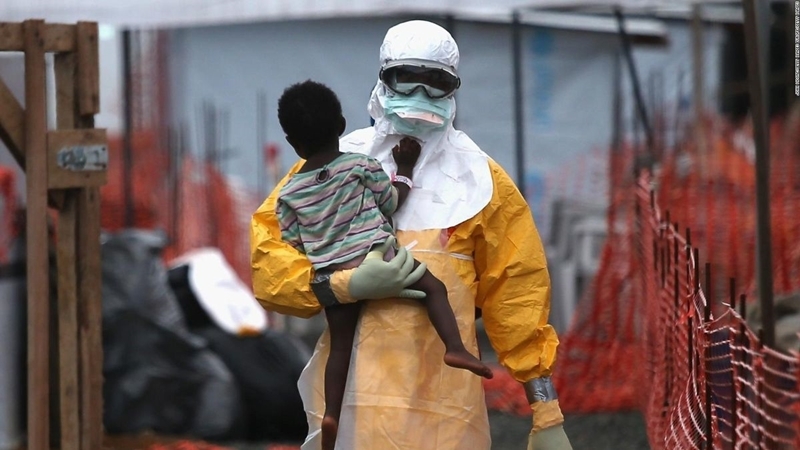
ADDIS ABABA, Ethiopia – The second-biggest Ebola outbreak in history, which has upended life in eastern Congo’s North Kivu and Ituri provinces since August 2018, infecting nearly 3,500 people and killing about 2,250, is down to its last chain of transmission.

Despite ongoing violence that has hampered the response from its outset, and that has spiked again recently, new cases have dwindled. At its height last May, hundreds were contracting the disease every week.

The waning of the Ebola outbreak comes as a new one captures global attention – and potentially funding, too. Global health officials have warned that while the novel coronavirus, now known as covid-19, racks up thousands of new cases a day, the hard work of ending the Ebola outbreak and preventing another is far from over.

“Funding needs [for the Ebola response] have not as yet been fully met, and currently there is a risk there will not be funding for WHO activities beyond February,” said Margaret Harris, a World Health Organization spokeswoman.

On Wednesday, an independent committee that advises the WHO unanimously agreed that the Ebola outbreak “still constitutes a public health emergency of international concern” – a designation that was recently extended to the covid-19 outbreak.

Ebola and covid-19 are vastly different viruses; Ebola can be transmitted only through exchange of bodily fluids, but it killed nearly 70 percent of those who contracted it in eastern Congo.

The WHO’s director general, Tedros Adhanom Ghebreyesus, said Thursday that covid-19 “might have adverse consequences for the [Ebola] response efforts through diminishing focus” on it.

While the WHO, the U.S. Centers for Disease Control and Prevention, a constellation of nonprofits and the Congolese Health Ministry have mounted a relentless campaign to contain Ebola, little has been done to shore up the region’s health system, which is sorely lacking in even the most basic infrastructure. Ebola is endemic to Congo’s rainforest, and the likelihood of future outbreaks is high.

“Only half of health facilities have access to water,” said Tedros. “Strengthening a health system may not be as sexy as responding to an outbreak, but it is equally important.”

Almost all of this month’s cases have been reported in the restive city of Beni, which has also been besieged by an Islamist militia that calls itself the Allied Democratic Forces, or ADF.

In late October, the Congolese military launched an offensive against the ADF, complicating the Ebola response and sparking a wave of retaliatory attacks that have killed hundreds of civilians. The offensive has been lauded by Congo’s president, Félix Tshisekedi, as nearly flushing the group out of Beni and the surrounding region, but a resurgence of ADF attacks in February has cast doubt on those claims.

Harris, the WHO spokeswoman, said that while officials were confident in asserting that only one chain of Ebola transmission remains, ongoing violence has made it impossible to reach some areas that have had cases over the past few months.

“Given the lack of access in some areas like Lwemba, it’s possible that there are other areas where there could be cases that we are not aware of, but it’s unlikely,” she said.

With the end of the outbreak in sight, some of the response’s protocols have shifted as resources have been freed up from emergency activities. Now, patients can be afforded a greater degree of comfort, instead of being confined to Ebola treatment centers where the dead and dying were present.

“Everyone who has been in contact with someone confirmed to have Ebola is now offered the option of voluntary isolation – meaning that if they would like, they can be accommodated in a guesthouse where they are provided with food and health support – so that they can be monitored as closely as possible, and if they develop symptoms they can be brought to care as quickly as possible,” Harris said. “Most people are taking up this offer.”

In addition to a shortfall of investments in eastern Congo’s health infrastructure, a large funding gap exists for an ongoing measles outbreak in the same region that has killed 6,300 people in far less time than Ebola.

Peace is also unlikely to return soon to the region, known as the Great Lakes for its defining geographical feature, as competition over minerals heats up between the Congolese, Ugandan, Rwandan and Burundian governments and local militias aligned with them.

“The Great Lakes region is increasingly on edge. Distrust is rife among Burundi, Rwanda and Uganda, all of which have connections to insurgents in eastern Congo,” said a recent report by the International Crisis Group. Plans by Congo’s Tshisekedi to invite armies from those countries to help defeat the ADF and other groups heightens the chances for an intensification of conflict.

“Were Burundian, Rwandan and Ugandan forces given a green light” to operate in Congo, the report said, “the danger would be all the graver, raising the specter of an interlocking proxy war wherein each Great Lakes country is backing its rivals’ enemies.”

The Nook: Love Frankie offers escape for mentally troubled young people #ศาสตร์เกษตรดินปุ๋ย

#ศาสตร์เกษตรดินปุ๋ย : ขอบคุณแหล่งข้อมูล : หนังสือพิมพ์ The Nation

https://www.nationthailand.com/lifestyle/30382014?utm_source=category&utm_medium=internal_referral

The Nook: Love Frankie offers escape for mentally troubled young people

Feb 12. 2020
Rebecca ‘Frankie’ Mok and Matt Love, founders

Rebecca ‘Frankie’ Mok and Matt Love, founders
By The Nation

It’s been estimated that 2.62 million people in Thailand are dealing with mental illness in isolation. The lack of social support can worsen mental illness in multiple ways, including relapse, slow response to treatment, mood disorders and, in worst cases, can lead to suicide.

Young people are the most affected by this isolation, struggling due to a lack of networks and safe spaces where they might share their experiences. One million young Thais deal with clinical depression every day and 3.5 per cent of the youth population struggles with anxiety disorders, unable to reach out for help.

Social-change creative agency Love Frankie, in partnership with Acorn & Associates and TQPR, have introduced the Nook, a free-to-visit pop-up space that hosts workshops, sharing circles and coaching in wellness practices.

“Our own independent research looking into key barriers young people face about mental health in Thailand found out that many young Thais long for safe spaces to share and receive guidance, but there are very few such places,” said Love Frankie co-founder Rebecca Frankie.

Initially at Yelo House, the Bangkok warehouse-turned-creative space, from February 29 to March 3, daily from 9am to 8pm, the Nook will host more than 30 activities.

These will include art therapy workshops by Persona Studio and Labaai, group discussions facilitated by Aristotle’s Café, talks with experts like Amornthep Sachamuneewongse, founder of Sati App, and wellness activities led by Cat Lau, Karma Break and Mindful Sparks.

Move over, pot: Psychedelic companies are about to go public #ศาสตร์เกษตรดินปุ๋ย

#ศาสตร์เกษตรดินปุ๋ย : ขอบคุณแหล่งข้อมูล : หนังสือพิมพ์ The Nation

https://www.nationthailand.com/lifestyle/30381967?utm_source=category&utm_medium=internal_referral

Move over, pot: Psychedelic companies are about to go public

Feb 11. 2020
By Syndication Washington Post, Bloomberg · Kristine Owram · BUSINESS, HEALTH

The first companies developing medical treatments from psychedelic drugs like LSD, ketamine and the active ingredient in magic mushrooms are gearing up to list on Canadian stock exchanges.

Mind Medicine Inc., which is undertaking clinical trials of psychedelic-based drugs, intends to list on Toronto’s NEO Exchange by the first week of March, said JR Rahn, the company’s co-founder and director. A NEO spokesman confirmed the listing, which is pending final approvals.

The company plans to list via a reverse takeover under the ticker MMED. It’s not yet generating revenue and is targeting a valuation of approximately $50 million, Rahn said. Mind Medicine counts former Canopy Growth Corp. co-chief executive officer Bruce Linton as a director and Shark Tank star Kevin O’Leary as an investor.

“Our ambition is to be one of the first publicly listed neuro-pharmaceutical companies developing psychedelic medicines,” Rahn said in a phone interview.

For those who are still getting used to legal marijuana, the idea of publicly traded companies working with psychedelic drugs like MDMA and psilocybin, which is derived from magic mushrooms, may sound a bit out there.

Yet a growing number of companies are conducting clinical trials of psychedelic treatments for everything from depression to post-traumatic stress disorder, and some have recently received the blessing of the U.S. Food and Drug Administration. This has created a legal way for these companies to conduct research on otherwise illegal drugs, opening the door to public listings.

In late 2018, the FDA gave “breakthrough therapy” status to a psilocybin treatment developed by London-based Compass Pathways Ltd. for clinical depression, expediting the development process.

Meanwhile, Toronto-based Mind Medicine is preparing a Phase 2 clinical trial into the use of a psychedelic called ibogaine to treat opioid addiction, which will be conducted in New York and governed by the FDA.

Compass Pathways declined to comment on whether it’s planning a public listing, but the company is “always looking at options to ensure continued growth and funding,” chief communications officer Tracy Cheung said in an email.

The Canadian Securities Exchange, which has become the go-to bourse for U.S. cannabis companies that can’t list in their home country, is also expecting listings from psychedelic drug companies in 2020.

The FDA has “given clearance for a variety of trials at this point and it looks like they are going to be expanding that framework,” said Richard Carleton, CEO of the Canadian Securities Exchange. “If that is the case then I’m certain we’ll see our first issuers probably before the middle of the year.”

There’s growing investor interest in psychedelics, said Ronan Levy, executive chairman of Field Trip Psychedelics Inc. Field Trip is building a network of clinics focused on ketamine-enhanced psychotherapy, with the first one opening in Toronto next month and others planned for New York City and Los Angeles. It’s also conducting research into psilocybin at the University of the West Indies in Jamaica.

Last week, Field Trip closed a Series A financing round that raised $8.5 million from a variety of investors including cannabis-focused asset manager Silver Spike Capital and Harris Fricker, the former CEO of GMP Capital Inc., which helped a number of marijuana companies go public.

The funding round attracted interest from all over the world, including “some very large Silicon Valley tech investors and entrepreneurs,” Levy said.

Field Trip is considering a public listing, although Levy also sees further opportunities to raise private funding, he said. Unlike cannabis, which remains federally illegal in the U.S., the work psychedelic companies are doing is legal. This creates “greater opportunity to access growth capital from private investors in the U.S. who may not touch cannabis,” he said.

It also sets the industry apart from cannabis, which has seen stock prices collapse amid slower-than-expected sales in Canada and ongoing federal illegality in the U.S.

“I think that the psychedelics industry could be much bigger than the cannabis industry because it’s going to attract institutional capital and already is starting to,” Rahn said. “It’s also going to be a more concentrated space because the barriers to entry are much higher.”

Scientists hope antiviral drug being tested in China could help patients #ศาสตร์เกษตรดินปุ๋ย

#ศาสตร์เกษตรดินปุ๋ย : ขอบคุณแหล่งข้อมูล : หนังสือพิมพ์ The Nation

https://www.nationthailand.com/lifestyle/30381935?utm_source=category&utm_medium=internal_referral

Scientists hope antiviral drug being tested in China could help patients

Feb 11. 2020

http://www.washingtonpost.com/video/politics/trump-says-chinas-president-told-him-heat-generally-kills-viruses-like-the-coronavirus/2020/02/10/

By The Washington Post · Carolyn Y. Johnson, Adam Taylor
China tentatively returned to work Monday after an extended Lunar New Year shutdown precipitated by the coronavirus outbreak, but with deaths from the epidemic continuing to rise, much of the country remained at a standstill, and many were working from home.

.
https://www.washingtonpost.com/video/politics/trump-chinas-president-says-heat-generally-kills-viruses-like-the-coronavirus/2020/02/10/f24867f2-b361-4e08-8a01-abffebc4725f_video.html

https://www.washingtonpost.com/video/c/embed/f24867f2-b361-4e08-8a01-abffebc4725f
.

Chinese health officials announced Monday that 103 more people died from coronavirus, bringing the total global death toll to 1,013. The health ministry in Hubei province also confirmed 2,097 new cases of the disease, which has now sickened more than 42,000 people around the world, the majority in mainland China. More than 6,000 remained in critical condition in the hospital, officials said.

The outbreak has claimed 974 lives in Hubei province, the epicenter of the public health crisis. A Japanese citizen and an American citizen were recorded dead in Wuhan over the weekend.

More than 25,000 people remained hospitalized in mainland China, and roughly 76,000 were under medical observation, according to Chinese officials.

In Japan, an additional 65 people on board a quarantined cruise ship have tested positive for the virus, according to Japan’s Health Ministry. Pressure is mounting to test everyone on the ship now docked in Yokohama, where 135 people are known to have been infected. Eleven Americans are among the additional people, the cruise ship operator said Monday.

Earlier, U.S. officials confirmed that physicians in Wuhan, China, began testing an experimental drug called remdesivir last week.

The drug, made by Gilead Sciences, was successfully used on the first U.S. patient, a 35-year-old man in Snohomish County, Washington. He recovered, but a single case can’t determine the extent to which the drug may have contributed.

Although remdesivir failed an ebola clinical trial, it has shown promise in laboratory tests against other coronaviruses, including severe acute respiratory syndrome (SARS) and Middle East respiratory syndrome (MERS).

Timothy Sheahan, an assistant professor of epidemiology at the Gillings School of Global Public Health at the University of North Carolina at Chapel Hill, said that instead of developing a new drug for each emerging virus, the hope is that remdesivir could be broadly useful and work against multiple coronaviruses.

“I think starting a clinical trial is essential for determining if this drug will work” against the coronavirus, Sheahan said.

One of the clinical studies will test remdesivir on infected patients who are in the hospital but do not have severe symptoms. The other will test it on people with severe infections, who are on supplemental oxygen or have other complications.

Gilead is providing the drug to Chinese researchers at no charge, according to spokeswoman Sonia Choi.

An advance team of World Health Organization experts has arrived in China to help lay the groundwork for a larger team, officials from the organization said Monday.

The team is led by Bruce Aylward, a Canadian physician and epidemiologist, who previously worked on the WHO’s response to the 2014 ebola outbreak in West Africa.

“Bruce and his colleagues will be working with their Chinese counterparts to make sure we have the right expertise on the team to answer the right questions,” Tedros Adhanom Ghebreyesus, the WHO director general, told reporters at a daily news conference.

Officials from the WHO declined to be drawn into specifics about what Aylward’s team would be doing in China, describing the members as medical professionals who would be given a large degree of autonomy to coordinate with local counterparts.

“The team is there first and foremost to learn,” said Michael Ryan, executive director of the WHO health emergencies program.

Tedros had made a trip to Beijing for preliminary talks with President Xi Jinping and Chinese officials in late January, during which it was agreed that an international mission would be sent, but subsequent deliberations over its format lasted weeks.

Some public health experts have criticized the Chinese government for initially misleading the world about the threat posed by the outbreak.

“We were deceived,” Lawrence Gostin, a professor of global health law at Georgetown University who also provides technical assistance to the WHO, told The Washington Post.

A new disease-transmission model created by University of Toronto researchers suggests that the coronavirus epidemic started in November, one month earlier than commonly believed.

The model uses open-access data to replicate epidemiological scenarios, allowing the researchers to test some narratives about the outbreak.

Although it is only a model, it may provide a plausible explanation for how the virus was able to spread so quickly – useful in the absence of hard evidence.

“You can’t get up to that level of cases if the epidemic started in December even if you pushed the reproduction really high,” David Fisman, a professor in the Dalla Lana School of Public Health and one of the model’s creators, said in a statement.

In China on Monday, emergency service workers were soaking cars, buildings and airplanes with disinfecting spray in an attempt to eliminate the virus from the city of Wuhan, where the epidemic began.

It’s unclear how effective the method is, especially considering that the entire region is under a travel lockdown and many people are not venturing outside.

Thus far, experts think the coronavirus is largely transmitted by close person-to-person contact and respiratory droplets. “Some coronaviruses can persist on surfaces, but I usually don’t think of a street as a surface I worry about,” Rivers said.

Hong Kong’s Center for Health Protection announced early Tuesday that it would be evacuating some residents of an apartment building after two people were diagnosed with coronavirus, despite living in apartments 10 stories apart.

Officials said engineers from Hong Kong’s housing department would investigate the sewage system in the building to see whether it could have been the source of the virus’s spread.

During the 2003 SARS outbreak, more than 300 people were infected in the Amoy Gardens apartment complex in Kowloon, Hong Kong, eventually leading to a quarantine of the apartment complex. Officials later said that the outbreak had spread through bathroom drainpipes.

Some 3,600 passengers and crew were allowed to disembark from a ferry quarantined in Hong Kong on Sunday after all 1,800 crew members tested negative for the virus. It was feared the crew members might have come into contact with infected passengers on a previous trip.

In Washington, President Donald Trump said Monday that Xi reassured him that the cases of coronavirus are likely to dwindle during warmer months.

“He feels very confident, he feels very confident,” Trump said. “And he feels that, again as I mentioned, by April, or during the month of April, the heat generally speaking kills this kind of virus. So that would be a good thing.”

Trump made the remarks during a meeting with governors at the White House. He had spoken with China’s leader on the phone Friday.

In Canada, the coronavirus will “undoubtedly” have a “real” impact on the economy, the country’s finance minister said Monday.

Delivering a keynote address at a meeting of the Economic Club of Canada in Alberta, Bill Morneau said the virus is likely to disrupt supply chains and hit Canada’s tourism sector. He also noted that oil prices have fallen 15% since the outbreak began because of a decrease in demand and fewer flights traveling to and from China.

There have been seven confirmed cases of the coronavirus in Canada.

Russian health authorities are monitoring more than 20,000 people in their country for signs of the virus, including 6,000 Chinese citizens. Two cases of the virus have been found so far.

Russia’s Federal Anti-Monopoly Service warned Monday of “economic looting” by retailers seeking to take advantage of the crisis, with a sharp increase in the cost of medical masks across Russia.

“The vast increase in retail prices for medical masks in 68 regions of the Russian Federation has all the indications of ‘economic looting’ during a period of increased demand,” the FAS said in a statement.

Russian President Vladimir Putin said last week that pharmacies that price-gouged on medicines and medical masks should have their licenses canceled.

A top Chinese diplomat has been quarantined by Russian authorities as a safety precaution, Interfax news agency reported Monday.

The diplomat, Consul General Cui Shaochun, had arrived in Yekaterinburg on Thursday to take up his new post but had not yet met with any Russian diplomats, according to Interfax.

Li Ka-Shing, the richest person in Hong Kong with , has pledged a donation of $12.9 million to help Wuhan, the city at the center of the coronavirus outbreak.

The donation was made through the Li Ka Shing Foundation, which announced the news Monday that it would be making the donation “in support of the frontline healthcare professionals battling the Novel Coronavirus outbreak in Wuhan.”

Li, who has an estimated net worth of $29.4 billion, is one of Asia’s best-known philanthropists. His charitable organization is the second largest private and individual-led foundation in the world, after the Bill & Melinda Gates Foundation.

On Thursday, the Gates Foundation announced that it would commit $100 million toward the global response to the coronavirus epidemic. A number of other wealthy figures have pledged money to help in the fight against the outbreak.

The Jack Ma Foundation, established by and named after the Chinese billionaire and co-founder of Alibaba Group, pledged $14.4 million toward fighting the outbreak in late January. The funding will primarily go toward vaccine research underway at Chinese institutions. Other big names donating millions in funds include the online food delivery company Meituan Dianping, logistics subsidiary Cainiao Global and Tencent Charity Foundation. Alibaba’s payment and health subsidiaries are also offering loans and free services to affected people.

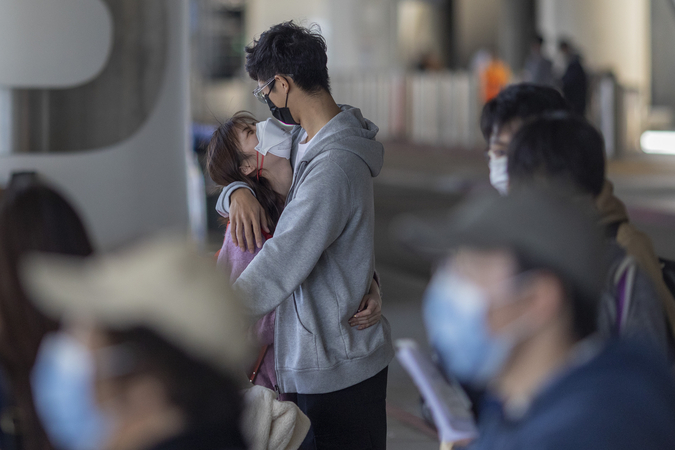
Love in the time of coronavirus, quarantines and travel bans #ศาสตร์เกษตรดินปุ๋ย

#ศาสตร์เกษตรดินปุ๋ย : ขอบคุณแหล่งข้อมูล : หนังสือพิมพ์ The Nation

https://www.nationthailand.com/lifestyle/30381877?utm_source=category&utm_medium=internal_referral

Love in the time of coronavirus, quarantines and travel bans

Feb 10. 2020
By The Washington Post · Miriam Berger · WORLD, HEALTH
There’s nothing like a quarantine or an international travel ban to test a relationship.

Gabrielle Autry, a 26-year-old American from Georgia living with her Chinese boyfriend in Hangzhou, China, suddenly experienced this firsthand. Hangzhou is the capital of Zhejiang province, one of the worst-hit by the coronavirus outbreak that has killed at least 720 people and infected more than 34,000 in China since December. The world around her is on lockdown.

But although Autry had the choice to leave because of her U.S. citizenship, she stayed. Her boyfriend, now effectively trapped along with many other Chinese nationals by travel restrictions, would otherwise have had to stay alone in their shared apartment.

“I’m not leaving, even though I can,” she told The Washington Post. “It wouldn’t be the right thing to do for our relationship, just to leave him.”

Their bond has weathered the first storm. But their reality is far from romantic.

As China and governments around the world impose hastily concocted quarantines, travel bans and evacuations, mixed-nationality couples and families looking to leave China have found themselves divided by citizenship status. Frustration and anxiety is running high as people struggle to navigate emergency measures meant to contain the virus, but which critics say have stoked xenophobia and public panic.

Monte Gisborne, a Canadian citizen whose wife and stepchild are visiting relatives in the Chinese city of Wuhan, the epicenter of the epidemic, had hoped that they would get seats on a plane evacuating Canadians. He said Canada excluded his wife and child because they are Canadian permanent residents, not citizens. “Aren’t we a Canadian family?” he asked.

Getting out of China, no matter one’s nationality, is getting harder and harder. Airlines around the world are canceling flights. Countries are imposing bans on people traveling from China. Within the country, movement between and within cities is highly restricted. Chinese regulations and diplomatic relations have further complicated some efforts by governments to evacuate their citizens.

On Jan. 31, the Trump administration issued stringent new travel restrictions, effectively barring entry to any non-U.S. citizens who recently traveled in China and imposing a 14-day quarantine on returning U.S. citizens. Chinese nationals who are spouses or immediate family members of a U.S. citizen are exempt from the ban.

Autry and her boyfriend, Li, who spoke on the condition that only his last name be used to protect his privacy given sensitivities around the virus, had been set to travel to Hong Kong to get engaged. The couple met while she was studying in China. Two years later, “he’s part of my family,” she said.

Then the virus hit. Autry first heard about it from the U.S. media and Reddit, she said, while news from China was censored. The two decided to proactively self-quarantine and began limiting trips outside their apartment. After a few weeks, officials formally banned any unnecessary travel.

These days, the guards at Autry’s apartment complex take her temperature before and after she steps out for a moment to pick up delivered groceries, she said. Inside, life is fairly boring: Li works remotely, she studies Chinese and they play video games. But at least they’re together.

“I can’t imagine being alone in this kind of situation,” she said. “(Leaving), it’s not something I would even consider.”

Others have been separated, though not by choice.

Gisborne’s wife, Daniela Luo, and their daughter, 9-year-old Dominica, were visiting Luo’s family in Wuhan when the quarantine took effect. Gisborne had not joined the trip.

As permanent residents of Canada, Luo and her daughter have nearly all the rights of Canadian citizens; however, Canada only allows permanent residents seats on flights out if they are accompanying a minor who is a Canadian citizen – so Luo and her daughter suddenly don’t count. They have no option but to remain in Wuhan.

“If there is a reason for the criteria, it has not been made clear to us,” Gisborne said. “I really need clear information from my government.”

Gisborne is gripped by fear and anxiety about what his daughter and wife have to endure. “Who would not be afraid for their family and try and do whatever they can?” he said.

Countless families have faced a maddening array of international barriers.

Kai Huang, a Canadian citizen, had to decide whether to leave Wuhan or stay with his 78-year-old mother, a permanent Canadian resident not allowed on the Canadian flight, he told the Canadian Broadcasting Corp. Two weeks ago, British authorities first told Natalie Francis, a British citizen working in Wuhan, that her 3-year-old son, Jamie, who is a dual British-Chinese citizen, would not be allowed to leave on the flight with her because of his Chinese citizenship.

“It really wasn’t up until the very last minute that she got some assurance there was a strong possibility her and Jamie would be allowed on the flight,” Francis’s aunt, Michele Carlisle, told the BBC.

Back in China, Autry said her boyfriend’s family doesn’t trust reports from the Chinese government. They are also extremely distrustful of the United States, which Chinese media and officials have accused of using the outbreak to weaken China. It’s uncomfortable, she said, but it hasn’t had an effect on their relationship.

“They said no, their issues are with the American government and not with me,” she said.

As you age, strength training can be vital in staying healthy and independent #ศาสตร์เกษตรดินปุ๋ย

#ศาสตร์เกษตรดินปุ๋ย : ขอบคุณแหล่งข้อมูล : หนังสือพิมพ์ The Nation

https://www.nationthailand.com/lifestyle/30381875?utm_source=category&utm_medium=internal_referral

As you age, strength training can be vital in staying healthy and independent

Feb 09. 2020
By Special To The Washington Post · Amanda Loudin · HEALTH
When an intruder broke into the Rochester, New York, home of 82-year-old Willie Murphy a few months ago, he was met with a big surprise. Murphy, a diminutive but powerlifting woman, quickly jumped into action, using her strength to pummel the intruder with a broom and send him running for the door.

Not surprisingly, the story went viral as people embraced the images of the elderly Murphy flexing her muscles for the cameras.

While older men and women needn’t become powerlifters, athletes like Murphy who lift massive weights, experts say strength training – using weights heavier than you might expect – can be an important component of a healthy future.

Beginning about age 30, men and women lose muscle mass at about the rate of 10 percent per decade until about 50, when that loss accelerates to 15 percent per decade, according to research.

By the eighth decade, the loss of muscle mass – known as sarcopenia – and strength can be severe, greatly affecting quality of life by increasing the odds of falls and bone breaks that can cascade into other medical problems.

“When we talk about bone health and falls, we talk about three factors: fall, fragility and force,” says Matt Sedgley, sports medicine physician with the MedStar Orthopaedic Institute. “Participating in weight-bearing and resistance-training exercises helps develop muscle mass. This may help treat fragility conditions like osteoporosis. So if you fall you have stronger bone density. It may also lead to more cushioning when you do fall.”

Building strength can also help with the ability to stay independent as someone ages. “Strength declines rapidly if it’s not maintained,” says Seth Larsen, a Fort Worth-based primary care physician and certified strength and conditioning coach. “Without it, daily activities like picking up a bag of groceries, opening a kitchen cabinet or getting in and out of a chair can become difficult.”

Resistance training can be part of the antidote, but picking up five-pound dumbbells and doing a few biceps curls won’t get you where you need to be, Larsen says.

“In daily life, you’re going to need to lift things bigger than five pounds all the time, You might also need to catch yourself from falling, or get yourself off the floor. Both require far more strength,” he says.

For the best results, experts say a varied, heavier workload is needed.

“In most cases, what people think of as strength training really isn’t,” says Chris Nentarz, a Buffalo-based physical therapist. “If you want to offset age-related muscle loss, you need to be working at an intensity of 60 percent to 80 percent of your maximum load (meaning the highest amount you can lift). You can’t recruit your muscles if you aren’t working hard enough.”

Larsen agrees. “If you don’t overload your tissues, they won’t respond,” he says. “If you continue using the same weights and rep scheme, you’ll actually go backwards. The body wants and needs to be challenged.”

Before embarking on a program of heavier weight training, however, it’s important to get a medical checkup, particularly if the person is middle aged or older, with a focus on heart health to ensure it can handle the demands, Larsen says. And it’s important to assess whether there are any muscular problems or bone issues that need to be worked with before starting a new regimen. “The approach should be very individualized,” he says. “If vascular health is good, there’s not much off limits, but you need to start simple and progress.”

After that, finding a qualified trainer, gym or coach is the best place to learn how to lift weights without injury and also obtain guidance for progression to heavier loads.

Many gyms offer basic weightlifting classes using everything from barbells, dumbbells and kettlebells, or, in larger gyms, even a TRX system, a suspension system of straps that taxes you with body weight.

At the heart of a good strength routine, says Larsen, are several moves. “You need to be able to push, pull, hinge at the hips, carry and squat,” he says. “And as you age, you must be able to get up off the floor in case you fall. This is what saves lives.”

Developing good balance is also important, and something you can work on with your strength routine. Mortality rates within a year of a hip fracture in populations over 60 range between 14 percent and 58 percent.

“The most common algorithms to assess fall risk recommend strength and balance exercises whether you are found to have low, moderate or high risk for falls,” Sedgley says. If it is not challenged, balance disappears with age. Strength moves that meet this need include those like a split squat – where one leg is in front in a lunge position – with a barbell you are able to handle comfortably on your back/shoulders.

The good news is that to make the strength and balance gains you need, you won’t have to invest a massive amount of time.

“Three to four sessions a week that include 20 to 30 minutes of intense training does it,” Nentarz says. “Use some of that time to practice your moves with good form.” Especially for beginners, a trainer can help discern the right starting weight as well as watch your form to help you make adjustments and ensure you are executing the moves properly.

Larsen adds that good form is key and should serve as a guiding principle. “Your workload should be determined by your ability to complete it with the proper form,” he says.

Another guiding principle is progressing in small increments. “We know that spikes in volume or intensity increases the risk of injury,” Nentarz says. “In general, this means increasing either at a rate of about 10 percent week to week.”

If you begin chest pressing using an empty barbell pole – weighing 35 pounds for women/45 for men – then you’d go up 3.5 pounds/4.5 pounds the next week, assuming you have proper form at the lower weight and have performed the exercise several times the previous week so your muscles are prepared.

Michele Greenfield, 58, has been active all her life – including as a collegiate swimmer.

Since college, she has been a runner and has weight trained. But two years ago, she felt like her strength-training routine had stagnated, so she began taking group fitness classes that included a large element of strength training at a nearby gym.

Today, she says her legs have more muscle tone, her back is stronger and her overall body composition has changed.

And progressing to lifting much heavier weights has made a difference. “I don’t need to return to the strength level of my college days, but I want to take advantage of the things I can control as I age,” she says.

“I see some of the older people in my life and how they have to work to do simple things, like getting out of the car,” she says. “I feel confident in my strength and movement and I want to stave off losses as long as possible.”

As for Willie Murphy, the 5-foot powerlifter who bested the intruder, she told NBC’s “Today” show that she began powerlifting in her mid-70s to stay healthy, fit and independent.

“When it snows in Rochester, guess who’s doing the snow? Me,” she said in the interview.

Hundreds of miles from Hubei, another 30 million Chinese are in coronavirus lockdown #ศาสตร์เกษตรดินปุ๋ย

#ศาสตร์เกษตรดินปุ๋ย : ขอบคุณแหล่งข้อมูล : หนังสือพิมพ์ The Nation

https://www.nationthailand.com/lifestyle/30381828?utm_source=category&utm_medium=internal_referral

Hundreds of miles from Hubei, another 30 million Chinese are in coronavirus lockdown

Feb 08. 2020
By  The Washington Post · Anna Fifield · WORLD, HEALTH, ASIA-PACIFIC
WENZHOU, China – More than 500 miles from the epicenter of the coronavirus outbreak, 30 million people are in lockdown – some quite literally locked in their homes – as Chinese authorities resort to extreme lengths to curb the spread of a respiratory illness that has stubbornly defied containment.

Across the coastal province of Zhejiang, the worst-hit area after Hubei province, four big cities have essentially put their populations under a form of house arrest: Only one person from each household is allowed to leave, and only every second day, to buy supplies.

To leave their residential compounds and to enter supermarkets, residents must have their government-issued ticket – a kind of passport to the outside world – stamped or their special identification codes scanned. Their temperatures are recorded at every gate.

“Every home has shut its doors,” said Chen Zongyao, a 55-year-old man in northern Wenzhou who, fortuitously, had stocked up on rice and fish before the outbreak reached Zhejiang. “We are totally isolated.”

The world’s attention has been focused in recent weeks on Hubei province and its capital, Wuhan, the root of a coronavirus outbreak that has killed more than 720 people in China and infected more than 34,000. Chinese authorities have launched a military-style effort to contain the virus in Hubei, building new hospital wards and fashioning huge isolation centers in gyms and stadiums.


But a similar situation is unfolding in Zhejiang, one of China’s most prosperous regions. Alibaba, the megalithic e-commerce company, is headquartered in the provincial capital, Hangzhou, and Xi Jinping, China’s current president, ran the province as party secretary here from 2002 until 2007.

Zhejiang has the most coronavirus infections after Hubei, leading to draconian restrictions in the main cities, from Hangzhou and Ningbo, one the world’s biggest ports, in the north to Taizhou and Wenzhou in the south.

The most severe are in Wenzhou, which has 421 confirmed cases of infection, the highest of any city outside Hubei province. More than 100,000 people from Wenzhou live in Wuhan, and many of them came home for the Lunar New Year holiday, bringing the infection with them.

Public transportation in Wenzhou has been shuttered since Jan. 31, and businesses were ordered to close until at least Feb. 18. Funerals and weddings have been banned.

“I’m telling you, this place is just like Wuhan now. It’s the second Wuhan,” said a woman who works at a rest stop by the southern toll gate into the city, gesturing toward Wenzhou on the other side. She asked that her name not be used.

The tollgate was closed except for two lanes, where police in full protective gear were checking paperwork and temperatures. Only registered city residents were allowed in – and they were told they would not be allowed back out.

“For your health, please be cooperative during the checkup,” a sign said. The cars contained families with babies, grumpy business executives, young couples, all wearing masks.

They joined the line with trucks laden with sweet potatoes and bearing banners on their hoods declaring they were bringing in food supplies. Authorities are sending food – fruit, porridge, bread, instant noodles – to trapped citizens every day.

There has been talk in town about food shortages. At a Walmart in Wenzhou, there were long lines of people – sometimes stretching for more than two hours – waiting to buy rice, instant noodles and canned foods. The store was completely out of fresh food, one shopper said.

As the outbreak took hold, about 20,000 people were placed under “centralized quarantine” in Wenzhou hotels, where they are now joined by anyone who has had contact with an infected person or has been to Hubei in the previous two weeks.

Chen Bin, a lawyer, was sent to centralized quarantine after returning from his hometown in Hubei, along with his two children and his in-laws.

Now, they are all in different rooms in the same hotel and can communicate only through their phones. At the beginning, Chen said, he couldn’t sleep because he was worried that “even the air is filled with germs.”

“I’m going crazy,” a quarantined woman wrote on Douyin, as TikTok is called in China, from a Wenzhou hotel room. “Not comfortable with sleeping, not comfortable sitting. My whole body is aching,” she wrote, taking selfies.

Others are even less happy.


When police with SWAT-style gear including plastic shields showed up at the home of one Wenzhou woman who had close contact with a confirmed case, she refused to go into centralized quarantine.

“I don’t need it!” the woman, in pink pajamas, yelled at the police.

“It’s a must! It’s a government order!” the officer yelled back, a video of the encounter shows.

The woman stabbed at them with a knife to try to fend them off. They eventually subdued her and got her into quarantine.

But she is an unusual case. There has been relatively little grumbling here: Wenzhou people can see all too clearly, thanks to the example of Wuhan, what happens when movement is allowed.

“I think people understand and agree with the policy of shutting everything down,” Chen said. “They are scared of the virus.”

In an apartment complex nearby, a 32-year-old mother who uses “Lemon” as her English name said she had learned to cook during the lockdown, which she is spending in her apartment with her husband and 4-year-old daughter.

“I’m fine with staying at home, even for longer,” Lemon, who works in a government-related job and also did not want to be identified, said over the phone as her daughter giggled nearby. “She’s too small to understand what’s happening. She just knows that ‘the virus that wears a crown’ is terrible and we can’t leave home.”

A woman who runs a small hardware factory in the area was matter-of-fact about having to close her business for an unspecified period. “Life is more important than making money,” said the woman, who wanted to be identified only by her surname of Xia.

Still, the situation in the city has led to an outbreak of anti-Wenzhou sentiment similar to the ostracism people from Hubei have described. People who were ordered to quarantine themselves at home found they were unwelcome in their compounds, with their neighbors directing them to a hotel instead.


Some people in other parts of Zhejiang reported extreme responses when they returned from trips to Wenzhou.

Local authorities put a “No visitors allowed” sign on Allen Li’s family home in Hangzhou and locked the door with a metal chain from the outside. “We argued with them, but they said it’s a decision from above,” Li told the South China Morning Post. “We understand we should not go out. But this is not humane. What if there’s a fire at our home at midnight and we can’t get anyone to unlock it?”

For now, people are hunkering down. Chen, the well-stocked resident from northern Wenzhou, expects to be at home for weeks: “I think there’s no hope for the lockdown finishing this month.”

Stanley Cohen, Nobel Prize-winning scientist who studied cellular growth, dies at 97 #ศาสตร์เกษตรดินปุ๋ย

#ศาสตร์เกษตรดินปุ๋ย : ขอบคุณแหล่งข้อมูล : หนังสือพิมพ์ The Nation

https://www.nationthailand.com/lifestyle/30381770?utm_source=category&utm_medium=internal_referral

Stanley Cohen, Nobel Prize-winning scientist who studied cellular growth, dies at 97

Feb 07. 2020
By The Washington Post · Matt Schudel · NATIONAL, OBITUARIES

Stanley Cohen, a biochemist who was awarded the Nobel Prize for his research on the growth of cells and helped build a foundation for other scientists studying cancer, dementia and other disorders, died Feb. 5 at a retirement community in Nashville, Tennessee. He was 97.

The death was announced in a statement from Vanderbilt University, where he was a longtime professor of biochemistry. The cause was not disclosed.

Cohen made his early scientific breakthroughs in the 1950s, when he was at Washington University in St. Louis. Rita Levi-Montalcini, his colleague at the time, had made a seminal discovery of a protein known as nerve growth factor, which stimulated the growth of nerve cells in laboratory mice.

The two scientists identified the chemical properties and molecular structure of nerve growth factor, or NGF, which marked the first time a biochemical agent that controlled cellular growth had been isolated.

“I did the chemistry, she did the biology,” Cohen told The Washington Post in 1986. “It was a completely collaborative effort.”

After moving to Nashville in 1959 to teach at Vanderbilt, Cohen continued his research in a small laboratory, assisted only by a technician and one postdoctoral student. He often walked the halls, puffing on a corncob pipe as he devised basic experiments that would have far-reaching and even profound effects.

In perhaps his most significant experiments, he injected proteins from the salivary glands of adult mice into newborn mice. He found that those mice opened their eyes and developed teeth several days sooner than usual.

Cohen determined that this early development was spurred by a substance similar to NGF, which he called epidermal growth factor, or EGF. In other experiments, he learned that EGF appeared to stimulate growth in other organs throughout the body and also promoted the healing of damaged skin and other cells.

“It was very simple thinking,” he told The New York Times in 1986. “We were speeding up a natural process, and since nature has spent so many millions of years perfecting her processes, it must be of interest to know how we change the normal program.”

Another of Cohen’s major discoveries was the protein on the cell membrane to which the EGF binds. He called the protein the epidermal growth factor receptor, or EGF receptor.

When the EGF and the receptor proteins interact, or bind, the result is “a signaling cascade from the receptor to the cell nucleus,” Robert Coffey, a cancer researcher and onetime colleague of Cohen’s at Vanderbilt, said in an interview. “It was a foundational discovery. He’s left a very rich legacy in our understanding of precise signaling pathways, and we continue to learn new lessons from his work.”

Mutations in the EGF receptors have been linked with certain forms of lung cancer and brain cancer. Using the building blocks Cohen put in place, researchers have discovered that EGF receptors can be targeted with specific drugs to inhibit their unchecked growth, holding a possible key to treating cancer and other diseases.

The importance of Cohen’s and Levi-Montalcini’s research was not fully understood at first. Over time, however, it has become a paradigm for scientists studying cellular development and seeking possible treatments for cancer, dementia, burns and other maladies.

“The idea is it gives an inkling as to what controls cell growth,” Cohen said in 1986. “A cancer cell is a normal cell that’s gone wild. If we don’t even know what goes on in a normal cell, how do we know what makes that one go wild?”

Cohen and Levi-Montalcini, who died in 2012, shared the 1986 Nobel Prize in physiology or medicine.

“On our own we were good and competent,” Cohen said of their experimental work. “Together we were marvelous.”

Stanley Cohen was born Nov. 17, 1922, in Brooklyn. His father was a tailor, his mother a homemaker.

Cohen, who had polio as a child, walked with a limp throughout his life. He graduated in 1943 from Brooklyn College, which he said he could afford only because the college had free tuition at the time.

He received a master’s degree in zoology from Ohio’s Oberlin College in 1945 and a doctorate in biochemistry from the University of Michigan in 1948. He taught at the University Colorado before joining the faculty of Washington University in 1952.

He and Levi-Montalcini, who was denied opportunities to teach and practice medicine in her native Italy because of her Jewish heritage, formed an innovative scientific partnership.

“When we started, we were following a little trail of interesting observations,” Cohen told the Los Angeles Times in 1986. “We had no expectation it would open up a whole field of research.”

He was named to the National Academy of Sciences in 1980 and was awarded the National Medal of Science in 1986. When Cohen received the Nobel Prize, Coffey said, nothing changed about his manner, his spartan laboratory or his casual wardrobe.

His marriage to Olivia Larson ended in divorce. Survivors include his wife since 1981, Jan Jordan of Nashville; a stepson and two children from his first marriage; and two granddaughters.

After retiring from Vanderbilt in 2000, Cohen lived for several years in Arizona, where he was part of program in which scientists mentored elementary and high school students.

“Many new things are found by accident,” he told a student group in 2007. “If you’re prepared to see the accident, you can find it.”

Another 41 people test positive for coronavirus on quarantined cruise ship in Japan, health minister says #ศาสตร์เกษตรดินปุ๋ย

#ศาสตร์เกษตรดินปุ๋ย : ขอบคุณแหล่งข้อมูล : หนังสือพิมพ์ The Nation

https://www.nationthailand.com/lifestyle/30381753?utm_source=category&utm_medium=internal_referral

Another 41 people test positive for coronavirus on quarantined cruise ship in Japan, health minister says

Feb 07. 2020
Diamond Princess cruise ship/Credit: Japan News-Yomiuri

Diamond Princess cruise ship/Credit: Japan News-Yomiuri
By The Washington Post · Simon Denyer, Akiko Kashiwagi 

TOKYO – Another 41 people have tested positive for coronavirus on the quarantined Diamond Princess cruise ship, bringing to 61 the number of people aboard who have been diagnosed with the virus, Japan’s health minister said Friday.

The latest test results came from the final 171 tests carried out on people aboard. A total of 273 people on the ship were tested for the virus, out of 3,711 passengers and crew. The tests were carried out on people deemed at highest risk of having caught the virus, either because they showed symptoms or because they had mixed with a passenger from Hong Kong who is believed to have carried the virus onto the ship.

Japan’s Health Minister Katsunobu Kato said Thursday that the quarantine would not “in principle” be extended, but he has not ruled out testing more people.

The people who tested positive will be taken to local hospitals, he said Friday.

Speaking about the people still aboard, he said: “We will give the highest priority to ensuring their health, and in order to prevent the spread of infection, we will implement measures thoroughly.”

Chinese health officials said Friday morning that they had confirmed more than 31,000 cases of the novel coronavirus, including 16 on the self-governing island of Taiwan. More than 4,800 of the cases were considered severe.

The death toll rose to more than 630, up from about 560 the previous day. The deaths remain almost entirely confined to China, with the exception of a man who died in the Philippines. That man, 44, was a resident of Wuhan in Hubei province, the epicenter of the outbreak.

Japanese Prime Minister Shinzo Abe told lawmakers that there was no discussion of canceling the 2020 Summer Olympics, which will be held in Tokyo in a few months, despite the outbreak.

“In terms of whether to hold the Tokyo Games, I’d like to make it clear that there have been no talks or plans being considered between organizers and the International Olympic Committee since the World Health Organization declared an emergency,” Abe told parliament Thursday, Kyodo News agency reported.

The reassurance comes as the coronavirus spreads, causing travel chaos across the region. Japan has 45 confirmed cases of the virus.

The Olympic torch is due to arrive in the country’s northern Miyagi prefecture in six weeks, with the games themselves set to begin July 24. The virus has already disrupted some Olympic qualifiers, causing officials to worry.

“We might possibly even see another outbreak in the middle of the Olympics,” Hitoshi Oshitani, a virology professor at Tohoku University’s School of Medicine, said in an interview last week. “We have to be well prepared for that possibility. It is not something unthinkable.”

In Washington, Defense Secretary Mark Esper identified 11 military installations that could house quarantined travelers returning to the United States if Department of Health and Human Services facilities become filled, the Defense Department said Thursday.

Each installation pairs with one of the 11 airports where flights from China have been directed to land because of the coronavirus outbreak. As many as 20 people could stay at each installation during their mandatory 14-day quarantine, DOD said in a statement.

HHS will bring any evacuee who is ill to a civilian hospital and ensure that they do not go to a DOD facility. The Defense Department also plans to provide office space for HHS employees through Feb. 22.

The military facilities, and their corresponding airports, are: JB Pearl Harbor-Hickam in Hawaii (Honolulu); Naval Station Great Lakes in Illinois (Chicago O’Hare); Naval Air Station Joint Reserve Base in Texas (Dallas-Fort Worth); March ARB in California (Los Angeles); Travis AFB in California (San Francisco); Dobbins ARB in Georgia (Atlanta); Fort Hamilton in New York (JFK); Naval Base Kitsap in Washington state (Seattle/Tacoma); Joint Base Anacostia in the District of Columbia (Washington-Dulles); Joint Base McGuire-Dix-Lakehurst in New Jersey (Newark); and Fort Custer Training Center in Michigan (Detroit).

The World Health Organization will convene a global research and innovation forum on Tuesday and Wednesday to coordinate international responses for containing and combating the outbreak.

“The aim is to fast-track the development of effective diagnostic tests, vaccines and medicines,” WHO Director General Tedros Adhanom Ghebreyesus told reporters Thursday in Geneva. “One of the key challenges is coordinating research funds to support key priorities.”

Tedros said scientists from all over the world, including China, would attend the conference both in person and by a remote video connection. The WHO is based in Geneva.

“A lot of donors want to help, but we need to direct them to support agreed priorities, rather than going off in different directions,” Tedros said of the forum’s intent. “I have said we need to be led by facts, not fears, and science, not rumors. And that’s exactly what we’re doing. We’re letting science lead.”

The Gates Foundation has pledged $100 million to stop the quickly spreading coronavirus.

Meanwhile, scientists are wrestling with the sticky question of what to call the novel coronavirus. Right now, it is officially “2019 nCoV,” which is inelegant at best and does little to describe either the virus or the resulting disease in humans.

But the virus could acquire a new, more easily communicated name in the coming days. It could be a variant of an existing name, SARS, which stands for severe acute respiratory syndrome, according to two scientists involved in the decision.

The SARS virus emerged in southern China in 2002 and killed more than 700 people before it was contained. The new virus is genetically similar. Both are coronaviruses of the type found in bats.

“They likely had a common ancestor in the bat population,” said Stanley Perlman, a virologist at the University of Iowa who is part of the Coronavirus Study Group, a subset of the International Committee on the Taxonomy of Viruses.

“It’s like a cousin. They probably started from a common ancestor some years ago in bats, and they mutated and evolved, and that’s what you have now,” he said.

He said the committee favors including SARS in the name of the new virus.

“It’s close to SARS. But it’s not SARS. You could say a SARS-like virus, slash Wuhan, slash 2019,” he said. “From a taxonomic point of view, it’s so related to the previous virus, it needs to be included in its name.”

Of the roughly 30,000 nucleotides (or “letters”) in the virus genome, about 6,400 are different, according to Benjamin Neuman, a virologist at Texas A&M at Texarkana who is also in the Coronavirus Study Group.

A Chinese doctor who was silenced by police for trying to share news about the coronavirus long before Chinese health authorities disclosed its full threat died Thursday from the disease, his friends and colleagues said.

Li Wenliang, 34, an ophthalmologist at Wuhan Central Hospital, became a national hero and a symbol of the Chinese government’s systemic failings last month. Li had tried to warn his medical school classmates on Dec. 30 about the existence of a contagious new virus that resembled the deadly SARS.

Word began to spread in China thanks to Li, but his posts were censored and he was detained on Jan. 1 for “rumor-mongering.”

The full outlines of his story, which came to light in recent weeks as the Wuhan outbreak exploded into an international emergency, set off a swell of outrage in China, where citizens have long chafed at the government’s penchant for relentlessly snuffing out any speech deemed threatening to social stability.

Africa has 1.2 billion people and only six labs that can test for coronavirus. How quickly can they ramp up? #ศาสตร์เกษตรดินปุ๋ย

#ศาสตร์เกษตรดินปุ๋ย : ขอบคุณแหล่งข้อมูล : หนังสือพิมพ์ The Nation

https://www.nationthailand.com/lifestyle/30381706?utm_source=category&utm_medium=internal_referral

Africa has 1.2 billion people and only six labs that can test for coronavirus. How quickly can they ramp up?

Feb 06. 2020

Photo by The Washington Post

Photo by The Washington Post
By The Washington Post · Danielle Paquette, Max Bearak, Lenny Bernstein
DAKAR, Senegal – After Africa’s first suspected case of the Wuhan coronavirus emerged last month in the Ivory Coast, doctors sent a sample from the coughing college student to the closest equipped lab – 4,500 miles north, in Paris.

Officials said the wait for the results, which came back negative, highlighted the need to rapidly expand testing capacity on the continent, where health authorities are scrambling to prepare for a potential outbreak.

No cases have been confirmed so far in any of Africa’s 54 countries, but the risk of an outbreak is high, World Health Organization leaders say. Africa is home to 1.2 billion people, including an estimated 1 million Chinese nationals, who tend to work in business, construction, oil and mining – a testament to Beijing’s increasingly tight relationship with Senegal, Nigeria, Ethiopia and beyond.

Flights from the Asian power bring at least 1,000 travelers to the continent each day. But as of this week, only six labs could test for the coronavirus. (In the United States, all cases were tested at the headquarters of the Centers for Disease Control and Prevention in Atlanta until Wednesday, when test kits were sent to more than 100 state labs.)

“Our greatest concern is about the potential for spread in countries with weaker health systems,” which lack the capacity to detect the virus, WHO Director General Tedros Adhanom Ghebreyesus said Wednesday.

To address that concern, medical teams from 15 African nations are convening in Dakar on Thursday for an emergency workshop on the first layer of readiness: diagnosing the new virus. WHO officials said 24 countries, encompassing most of Africa’s population, will receive the material needed to conduct the tests by the end of the week.

“We can do a test in four hours,” said Amadou Alpha Sall, general administrator of the Institut Pasteur in Dakar, the region’s top biomedical research facility, “and our goal is to spread that capability.”

The lab was one of only two on the continent that had testing capabilities before Nigeria, Ghana, Madagascar and Sierra Leone received the supplies this week, the WHO said. (The other one was in South Africa.)

The WHO has fielded dozens of alerts about possible infections from 20 African countries since late January. African governments are rushing to ramp up their preparedness, including by building isolation wards, but more specialized training is needed to address a new and fast-spreading problem.

The number of people infected in China climbed sharply this week, with nearly 3,700 new cases reported on Wednesday alone, bringing the country’s total to more than 28,000. China has reported more than 560 deaths. More than 190 cases have been counted in 24 countries, including the United States, Canada and Australia.

As the United States denies entry to foreign nationals coming from China, and as European nations impose varying levels of travel restrictions, countries across Africa are deploying less stringent tactics.

Countries with large numbers of travelers arriving from China are screening at airports with thermal monitors and isolating anyone who shows symptoms.

Mozambique stopped issuing visas for Chinese nationals. South Africa’s postal service no longer accepts packages from China. Six African airlines halted flights they have deemed hazardous, but Ethiopian Airlines has maintained 17 weekly flights to four Chinese cities, not including Wuhan.

In a global ranking last October of 195 countries on their level of preparedness for a “biological threat” by experts at Johns Hopkins University, African nations ranked toward the bottom of the list – with Equatorial Guinea placing last.

“I still think there are places that are flat-out bald in parts of Africa where the coronavirus could just race through,” said J. Stephen Morrison, director of the Global Health Policy Center at the Center for Strategic and International Studies, a Washington think tank.

Sall, head of the Institut Pasteur in Dakar, disputed such characterizations.

“It’s not right to say Africa is the most vulnerable and least prepared,” he said. “That’s based on how they see Africa and not on what’s actually happening.”

Police stopped two Chinese businessmen at Senegal’s border with Gambia last week. No thermal cameras greeted the visitors, who had arrived days earlier from Beijing. No one quarantined them. And no one panicked.

“Police took their addresses and phone numbers,” said El Hadji Mamadou Ndiaye, head of prevention at Senegal’s Ministry of Health. “We’re checking in with them every day for 14 days, and if any sign of the virus arrives, we’re ready for it.”

Thirty-eight others who have entered the West African country from China since Jan. 28 have received the same treatment of daily phone calls and doctor visits.

“We can’t afford quarantine,” Ndiaye said. “So we track their whereabouts. If they show even the slightest sign, we come and pick them up.”

A college student who returned to Dakar from China last week with a fever and a cough was tested and cleared, he said, in one afternoon.

Hanging over the response to the coronavirus is the memory of the Ebola epidemic that killed roughly 11,000 people in West Africa from 2014 to 2016.

Doctors know to report cases sooner, Sall said, and quickly share information across borders. Authorities are in regular contact with the WHO, the Africa CDC and Chinese worker associations.

Governments have launched campaigns to educate people about coronavirus symptoms and what to do if they manifest, but authorities have kept a tighter lid on medical data.

Senegalese health officials declined to say how many samples the Institut Pasteur has tested and from which countries.

Cities across sub-Saharan Africa – thought to be the fastest-growing region on Earth – are densely crowded, which elevates the risk for respiratory contagion, experts say.

Multiple outbreaks are ongoing in other parts of Africa, including simultaneous Ebola and measles outbreaks in eastern Congo. If the coronavirus were to arrive in Africa, some resources probably would have to be diverted away from the response in Congo, complicating already fraught efforts there.

Congo’s Health Ministry is generally regarded as competent at containing outbreaks, but health workers have been repeatedly targeted by Congo’s numerous militias, as well as locals suspicious of the motives behind the WHO’s large-scale intervention.

The Ebola outbreak has infected nearly 3,500 and killed 2,250.