Infections with the BA.2 subvariant of Omicron are rising fast in Thailand, leading virologist Yong Poovorawan said in a Facebook post on Saturday.
While the BA.1 subvariant was still behind most new infections in Bangkok, BA.2 cases are catching up, Yong said.
Also known as the “stealth variant” because it can evade detection in PCR tests, the BA.2 subvariant now accounts for about 18.5 per cent of new Covid-19 infections in Thailand, according to the Public Health Ministry.
Yong said that while BA.2 does not cause more severe symptoms than BA.1, it spreads faster and will eventually cause more infections.
Meanwhile, recent lab experiments in Japan show BA.2 also blunts immunity created by vaccines. However, a booster shot cuts the chances of illness after BA.2 infection by about 74 per cent.
On Friday, Thailand logged 18,885 new Covid-19 infections over the previous 24 hours, 224 of whom have arrived in Thailand from abroad. The death toll increased by 29, while 10,946 patients recovered and left hospitals.
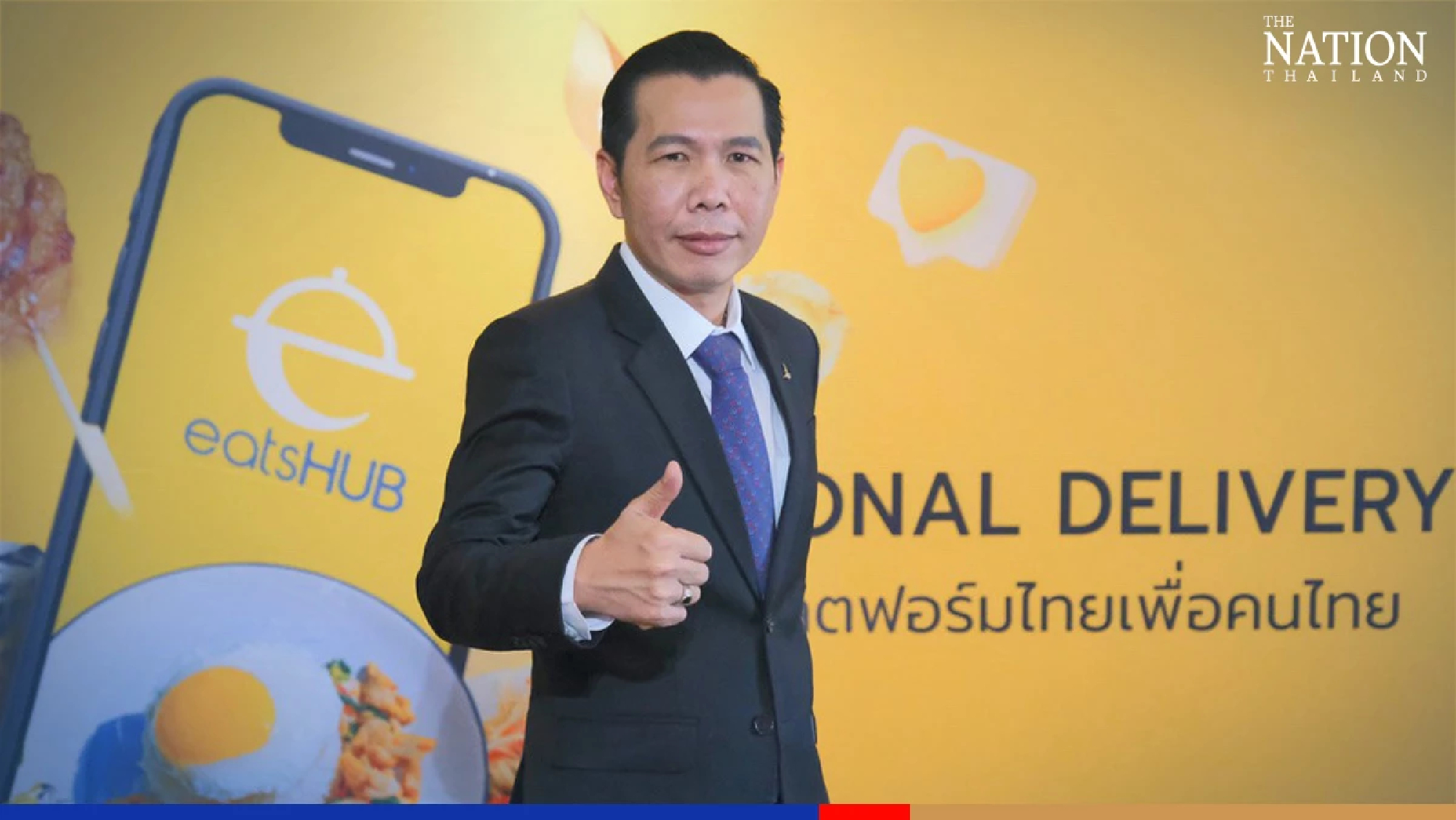
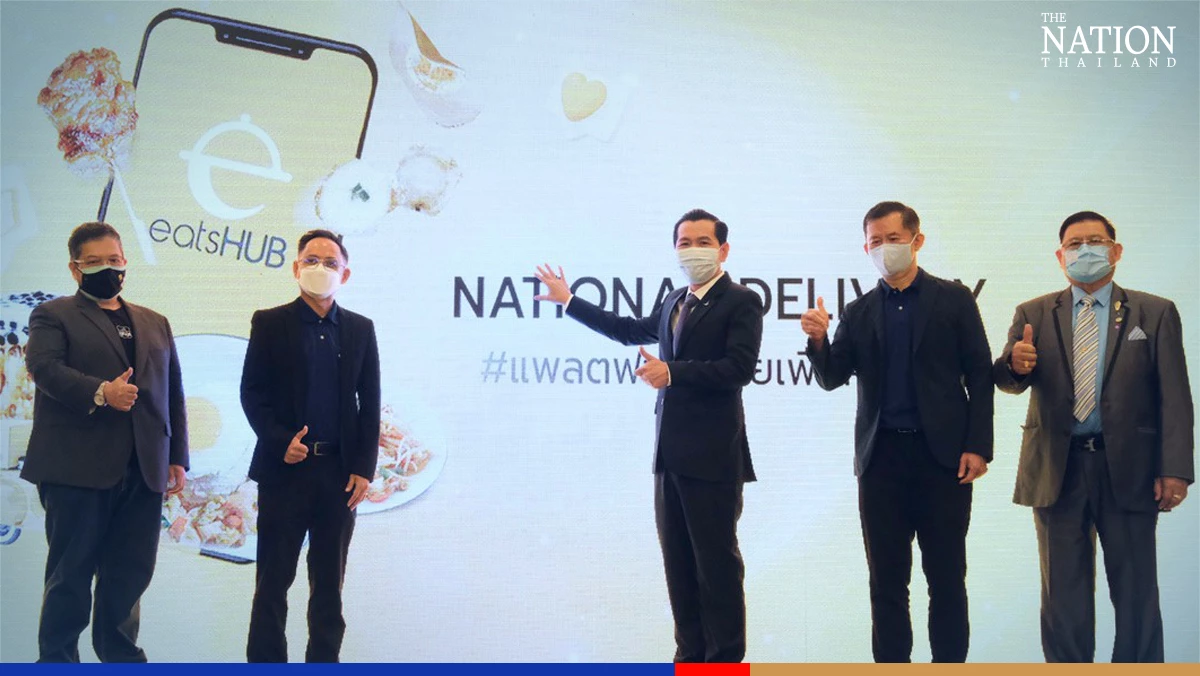
The government’s Digital Economy Promotion Agency (Depa) has joined hands with Foodordery to launch a Thai food-and-product delivery platform called eatsHUB to help vendors amid the Covid-19 crisis.
The platform is targeting at least 20,000 vendors and jobs for more than 2,000 riders.
Depa expects eatsHUB to generate working capital of at least 5 billion baht per year while charging vendors just 8 per cent of their gross profits (GP). The agency said this was far less than the average 30 per cent of GP charged by most other delivery platforms.
The home-grown eatsHUB would help eateries ranging from famous restaurants to small food stalls to expand their customer base via digital technology, Depa president and CEO Nuttapon Nimmanphatcharin said.
It also gives food merchants various channels to sell and promote their products, including via mobile, app, call centre, website, POS, and Cloud Kitchen. Meanwhile, it will create jobs for the unemployed during the economic crisis, Nuttapon added.
eatsHUb is currently available in Bangkok and surrounding provinces but will soon expand to Chiang Mai, Nakhon Sawan, Phitsanulok, Nakhon Si Thammarat, Phetchaburi, Surat Thani, Phuket, Songkhla, Chonburi, Chanthaburi, Rayong, Nakhon Ratchasima, Khon Kaen, Udon Thani, Ubon Ratchathani, Nakhon Phanom, and Ayutthaya.
Food vendors can apply at http://www.foodordery.co.th or the eatsHUB app on Android and iOS devices. Facebook Page: eatsHubOfficialThailand.
Cancer is one of the 10 non-communicable diseases that has been a threat to global health. In 2020, some 10 million people were killed by the disease, the World Health Organisation said.
Cancer is one of the 10 non-communicable diseases that has been a threat to global health. In 2020, some 10 million people were killed by the disease, the World Health Organisation said.
The Union for International Cancer Control (UICC) marks World Cancer Day on February 4 every year to highlight that the disease could affect everyone and the entire nation in multiple aspects, and to encourage people to take care of their health.
Cancer is a global problem of the public health system even for developed countries. In Thailand, medical knowledge and cancer treatment innovation has developed quickly and helped more patients to survive the disease than in the past.
However, cancer is still the number one cause of death for Thai people because a large number of patients could not access efficient cancer treatment equally.
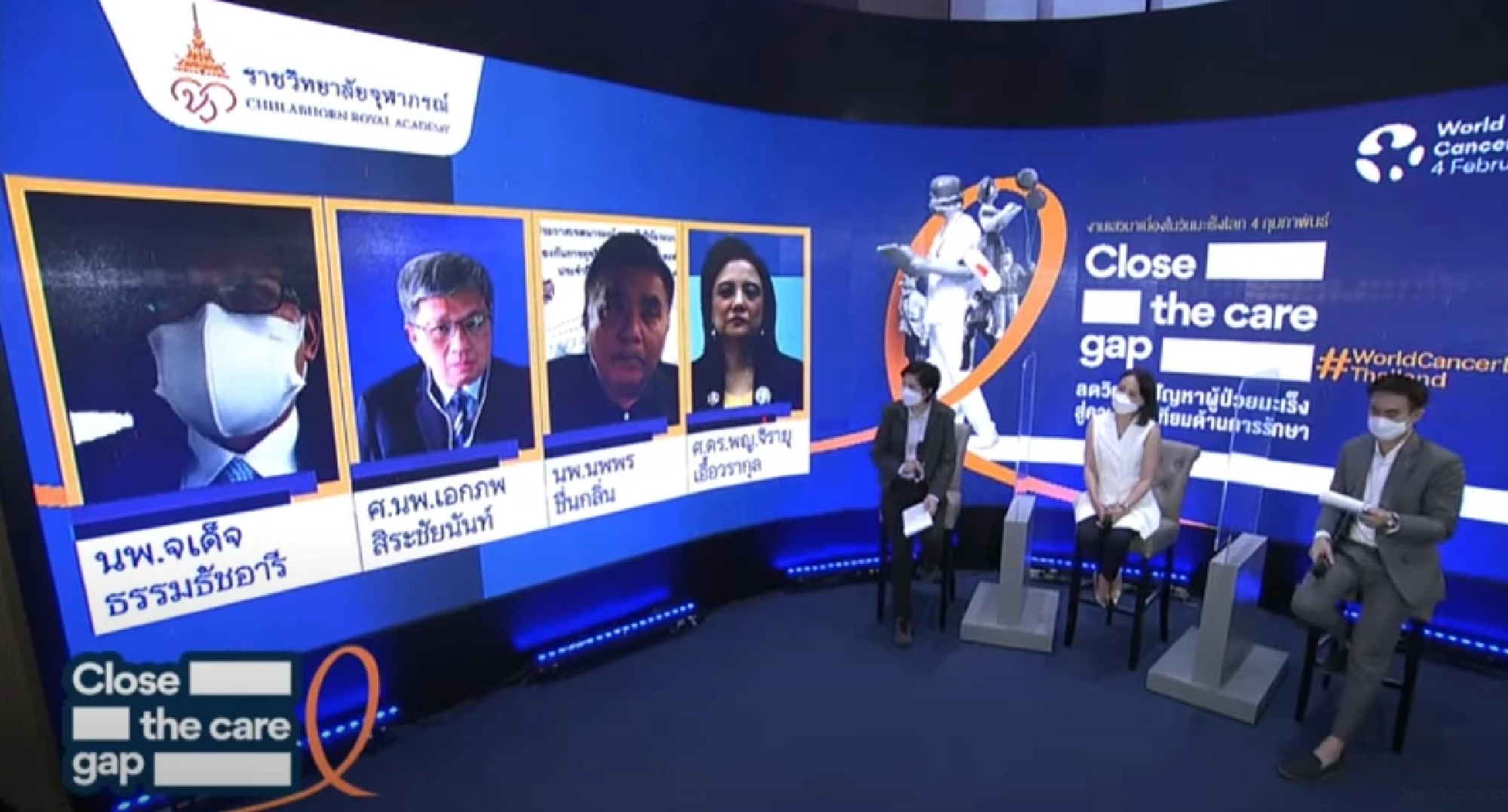
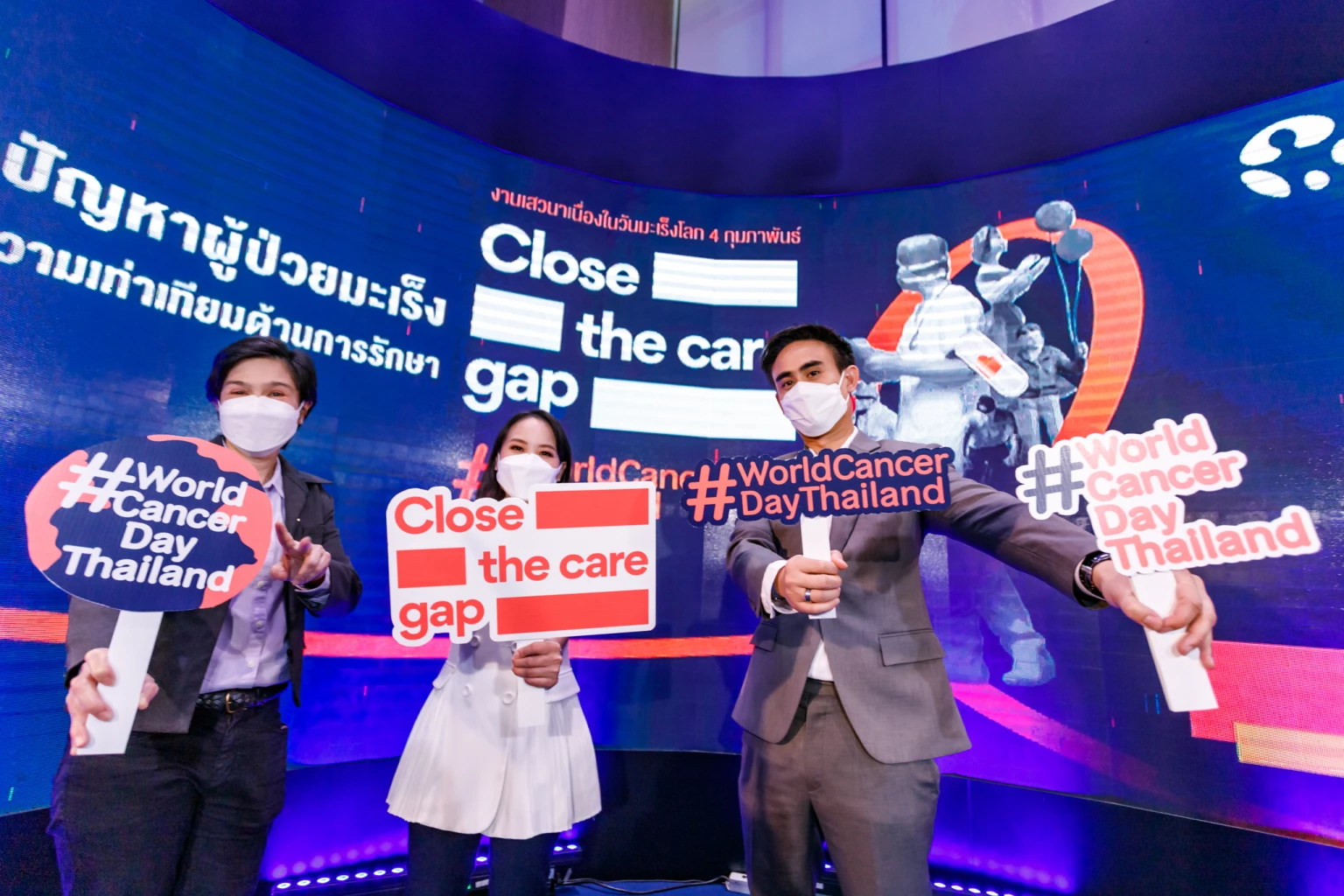
The seminar “Close The Care Gap: mitigating the crisis of treatment equity for cancer patients” was held on the occasion of World Cancer Day to boost public awareness of cancer burdens and healthcare schemes while seeking multi-stakeholder collaboration to improve patients’ quality of lives.
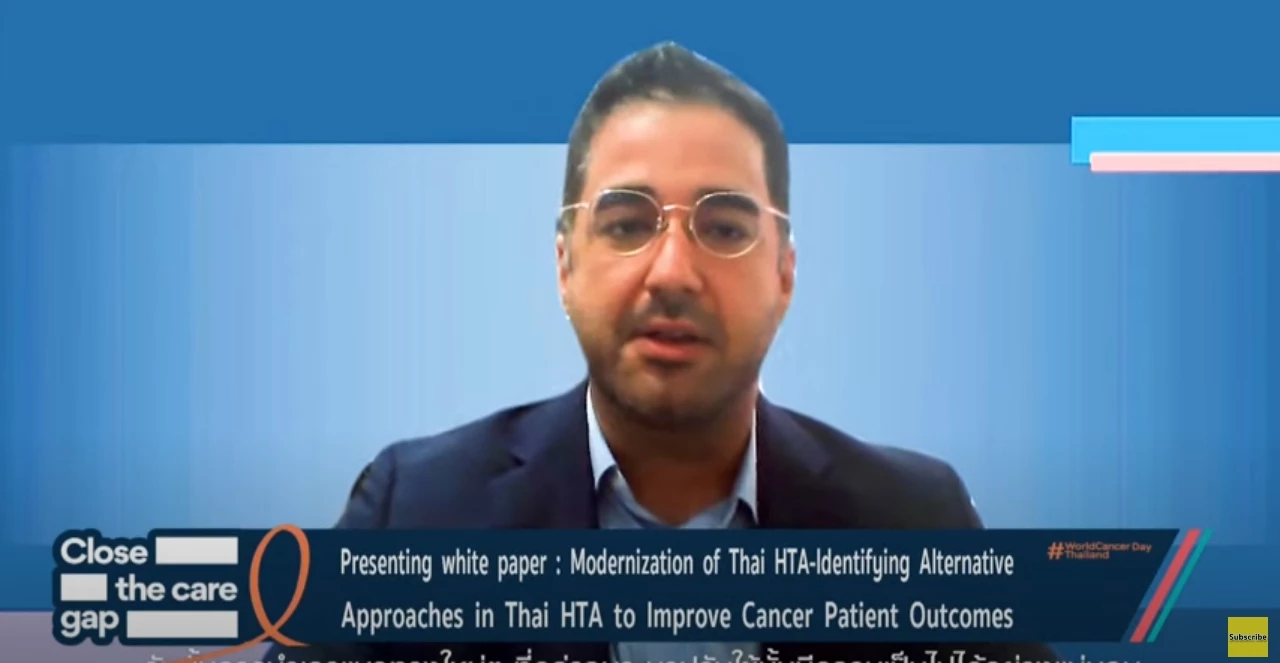
After the opening remarks by Chulabhorn Royal Academy Secretary-General Dr. Nithi Mahanonda, the seminar revealed the white paper “Modernization of Thai HTA – Identifying Alternative Approaches in Thai HTA to Improve Cancer Patient Outcomes” by Mr. Omar Akhtar, HEOR Director APAC, Ipsos. A summary was presented in Thai by Assoc. Prof. Puree Anantachoti, PhD, Faculty of Pharmaceutical Sciences, Chulalongkorn University; Asst. Prof Teerapat Ungtrakul, MD, Deputy Dean of Princess Srisavagavadha College of Medicine and Medical Oncologist; and Jomtana Siripaibun, MD, Director of Oncology Medical Centre Chulabhorn Hospital.
The white paper addressed the limitations in access to treatment and suggested a number of solutions from foreign countries to adopt and implement for prompt access to innovative cancer treatments.
The most possible solution is Managed Entry Agreements (MEA), which, according to experts, will be a key mechanic to ensure equity in accessing cancer treatments in Thailand as in many other countries that are facing this challenge.
Thailand has three healthcare programmes that provide universal health care to the country’s citizens — the Universal Coverage scheme or gold card, which covers the majority of the population; the social security for private employees; and the civil service welfare system for civil servants and their families.
Not only is cancer a crisis that kills a large population each year, but it also forces countries to invest medical resources and economic budgets to prevent productivity loss from disability and premature death.
Cancer treatment innovations, such as immunotherapy or targeted therapy, have progressed tremendously in recent years. However, the guideline to access effective cancer treatment in Thailand is limited when compared to the National Comprehensive Cancer Network (NCCN) in the United States.
The management to access such treatments might be costly. As a result, Thailand may have to consider adapting the guidelines from other countries as presented in the study to be in line with its healthcare schemes.
Sirintip Kudtiyakarn, President, Thai Cancer Society (TCS), shared her personal experience as a cancer survivor. Her cancer has been in remission for six years and she could get back to her normal life happily.
She also delivered a keynote address on Thailand’s cancer readiness and offered an in-depth analysis of patients’ and medical professionals’ needs.
She said that cancer patients need improvements in many aspects – from a better quality of life through treatment plans with reduced side-effects, caring and encouragement from families, and access to cancer treatment which is currently not thorough, due to geographical distance of hospitals, the readiness of tools and equipment, and limitation to access some cancer treatments.
Since most oncologists are commonly found working in Bangkok or major cities, upcountry patients have difficulty travelling to seek medical services. The process of diagnosis or treatment also takes a long time due to the waiting period in overcrowded hospitals. The cost of travelling and the time it takes are prevalent pain points, requiring more effort for improvement.
Sirintip stated, “To deal with cancer, one needs consciousness, encouragement, and appropriate treatment to recover and get back to their lives happily.”
Next, there was a panel discussion on “How to achieve more equitable access to cancer treatments and better quality of lives for the Thai people” by Prof. Chirayu Auewarakul, MD, PhD, Dean of Princess Srisavagavadha College of Medicine and Medical Oncologist, Jadet Thammathat-aree, MD, Secretary- General, National Health Security Office (NHSO), Nopporn Cheanklin, MD, Executive Director, Health Systems Research Institute (HSRI), Assoc. Prof. Ekaphop Sirachainan, MD, President, Thai Society of Clinical Oncology (TSCO), and Asst. Prof. Aumkhae Sookprasert, MD, medical oncologist, Faculty of Medicine, Khon Kaen University. Sirintip also took part as one of the panelists.
Nopporn, MD, elaborated that the new guideline consideration process for innovative cancer treatments may be time-consuming, and the working team is currently investigating the National List of Essential Medicines. He is convinced that the Managed Entry Agreements or MEAs proposed in the white paper potentially offer Thailand a tangible solution.
“The overall challenge of access to cancer treatments is their high cost, so the role of the NHSO is to make them more affordable. One concept that I believe in is helping each other to reduce the cost in general. Last year, the NHSO initiated the ‘Cancer Anywhere’ project for patients to receive treatment in hospitals with reduced waiting time and cost while the service quality remains satisfactory.”
Jadet, MD, added: “The NHSO also invited experts to discuss the adjustment of reimbursement schemes for innovative cancer treatments. The consideration criteria emphasized their efficacy rather than the expenditure. So far there are 42 medicines that the panel of experts would like to include into the medication protocol. Therefore, the NHSO is looking for a method to broaden access by considering the MEAs, or an arrangements made between manufacturers and payers as a means to facilitate the affordability and negotiate for a better treatment package. At the moment the supporting research evidence has been sent to us, and we are going to give an update once we manage to set up a new system.”
Summing up the event, Prof. Chirayu, MD, said: “The seminar that we organised on World Cancer Day offered a great opportunity for all stakeholders to come together and discuss better solutions to improve access to treatment for Thai cancer patients.”
Chirayu thanked everyone for their solutions and recommendations, saying: “Chulabhorn Royal Academy is ready to join hands with the NHSO, HSRI, TSCO, TCS and other sectors in the healthcare ecosystem to advocate equity of access to innovative cancer treatments. Subsequently, the survival rate and the quality of lives of Thai cancer patients will improve, which is in alignment with the determination of HRH Princess Chulabhorn, the CRA’s founder.”
More information: Modernization of Thailand Health Technology Assessment
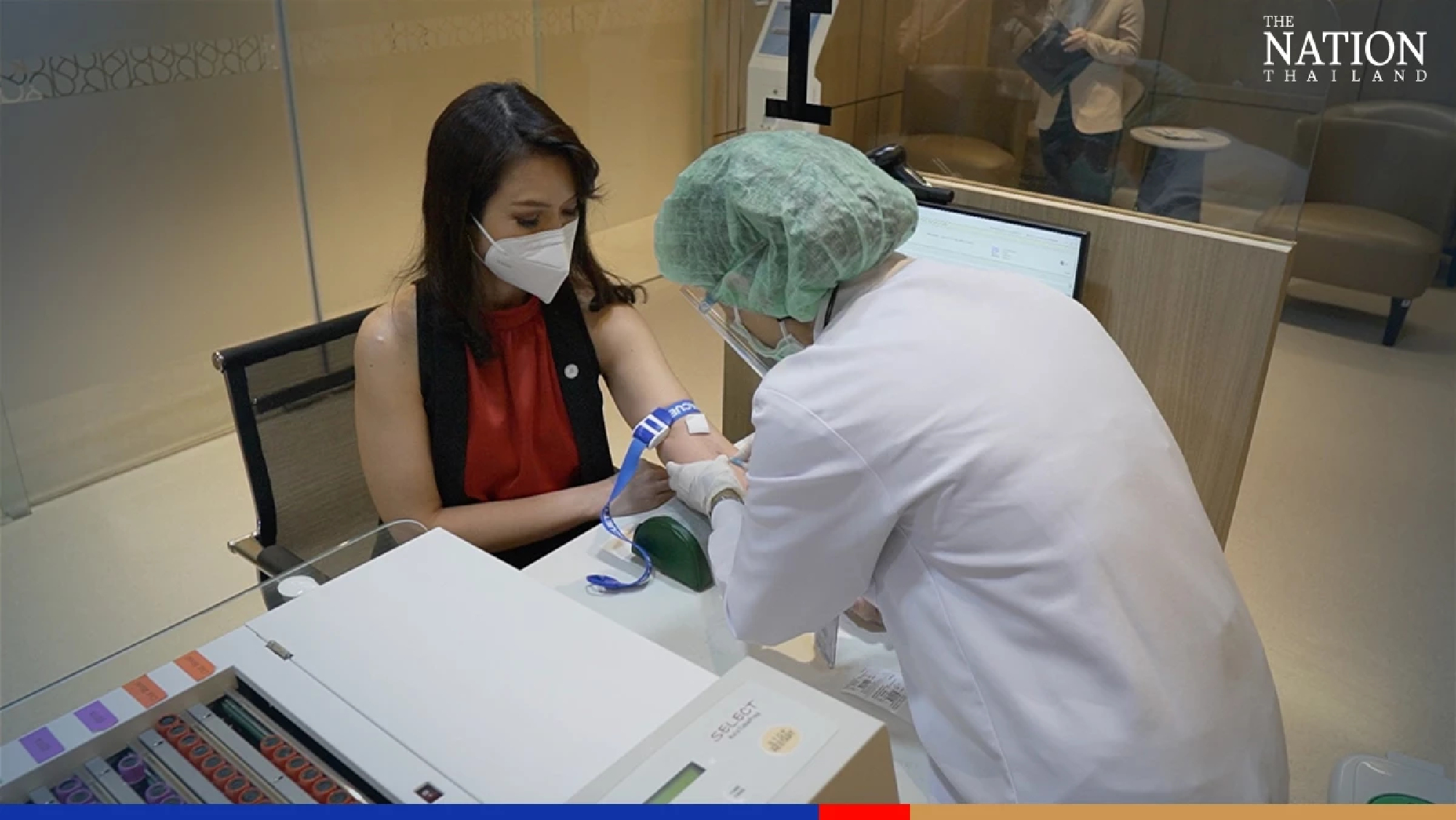
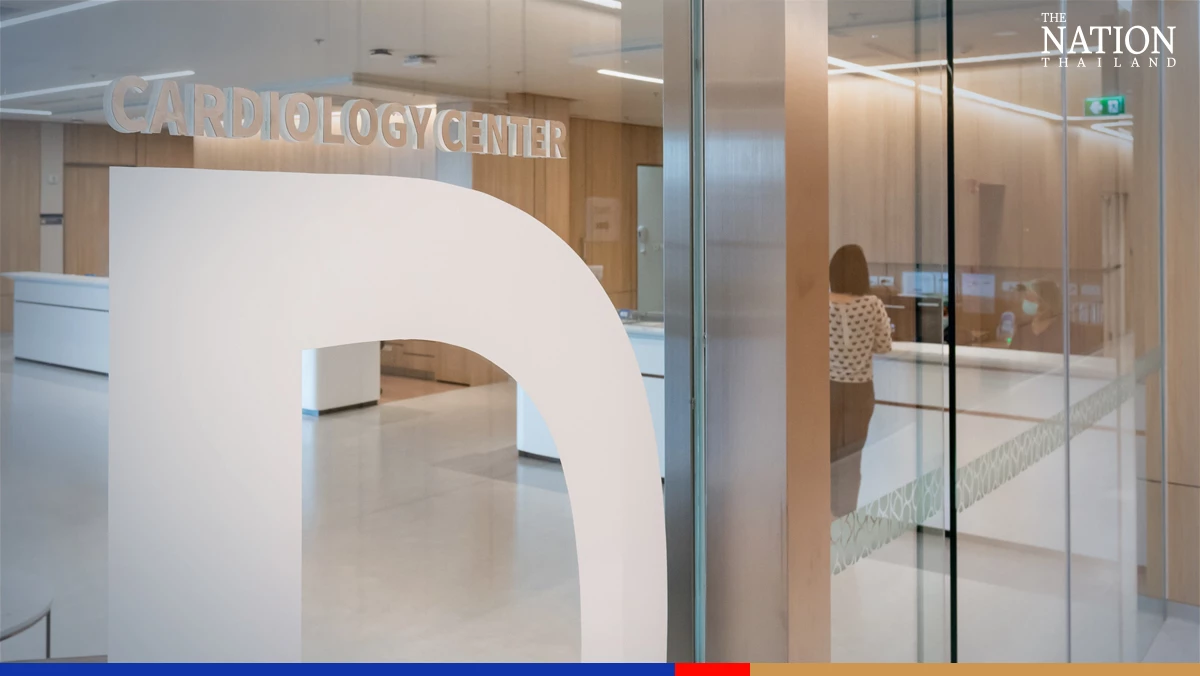
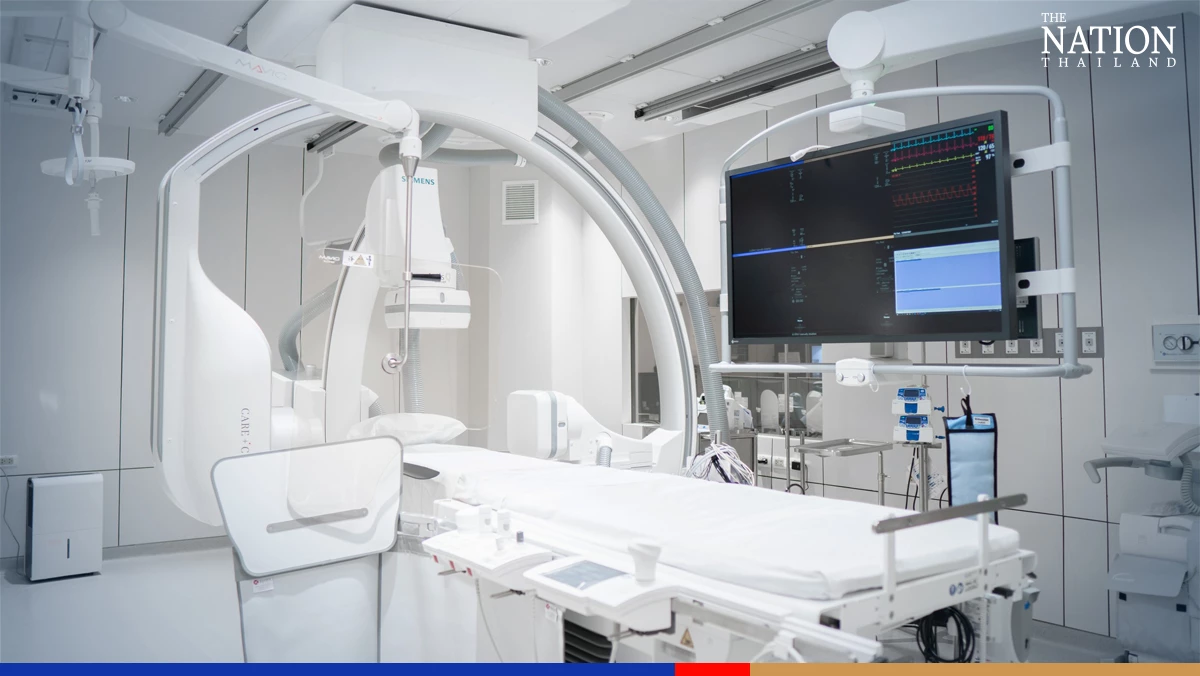
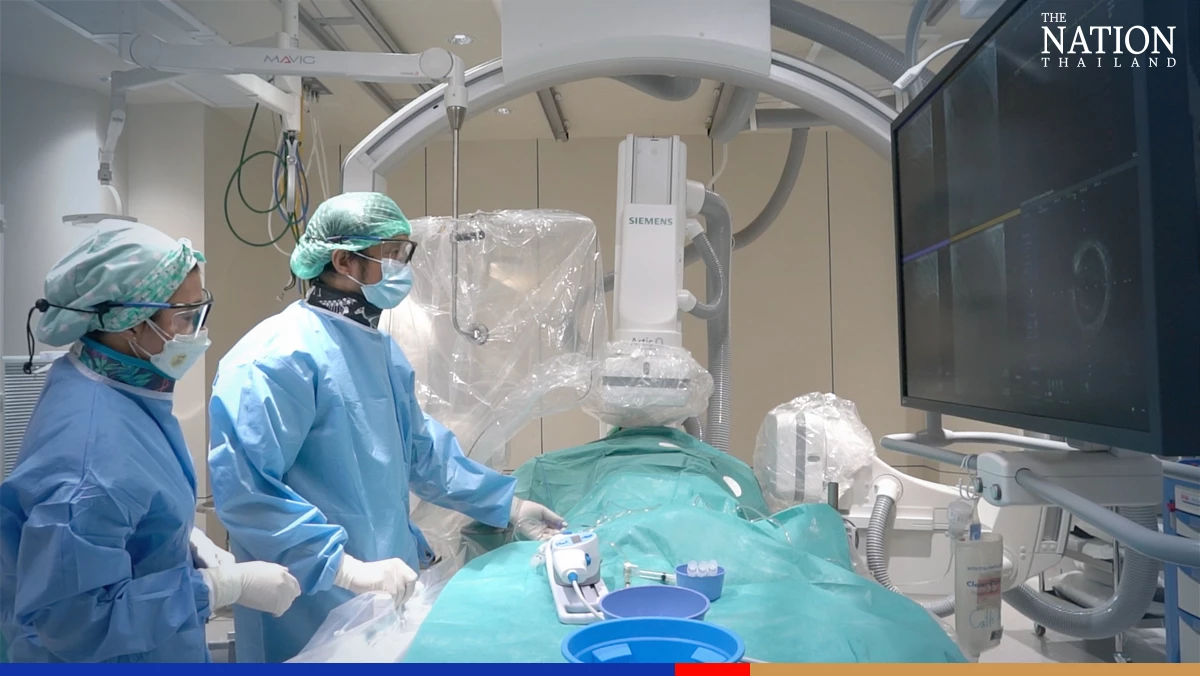
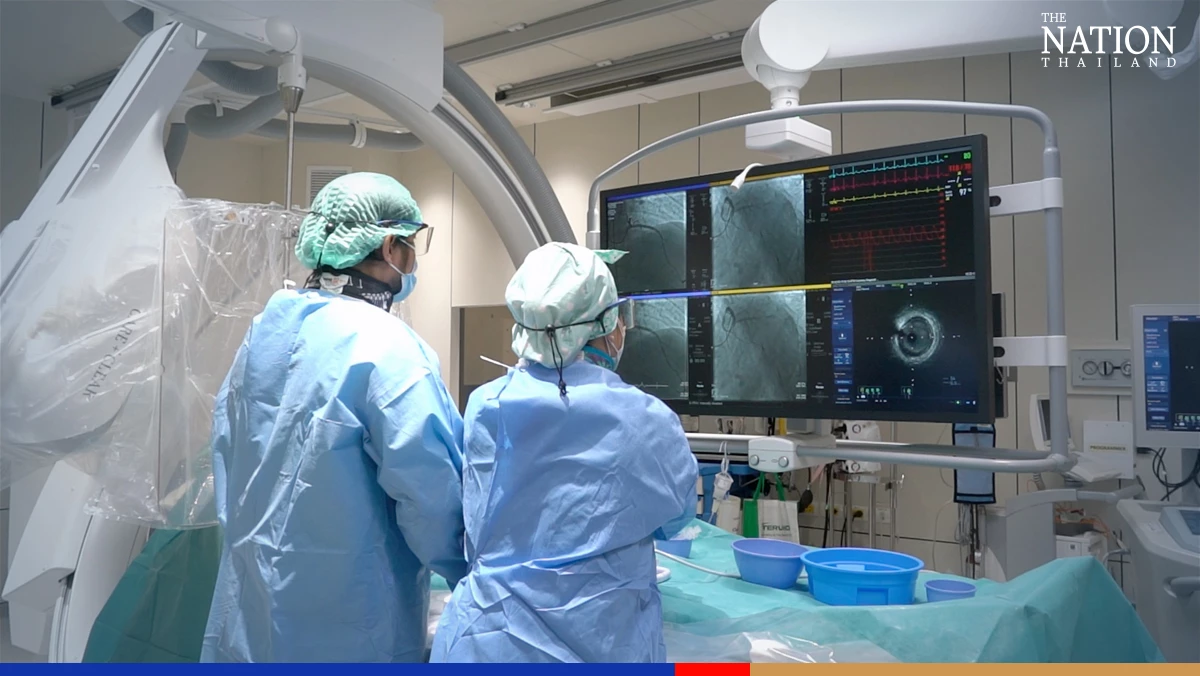
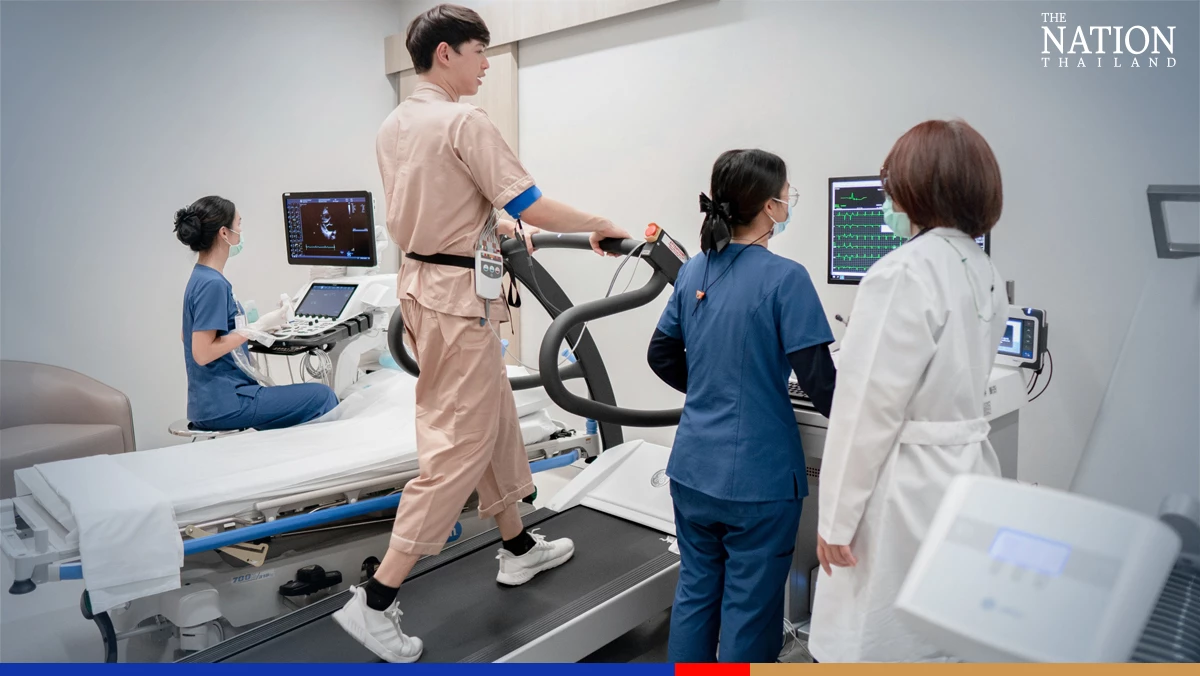
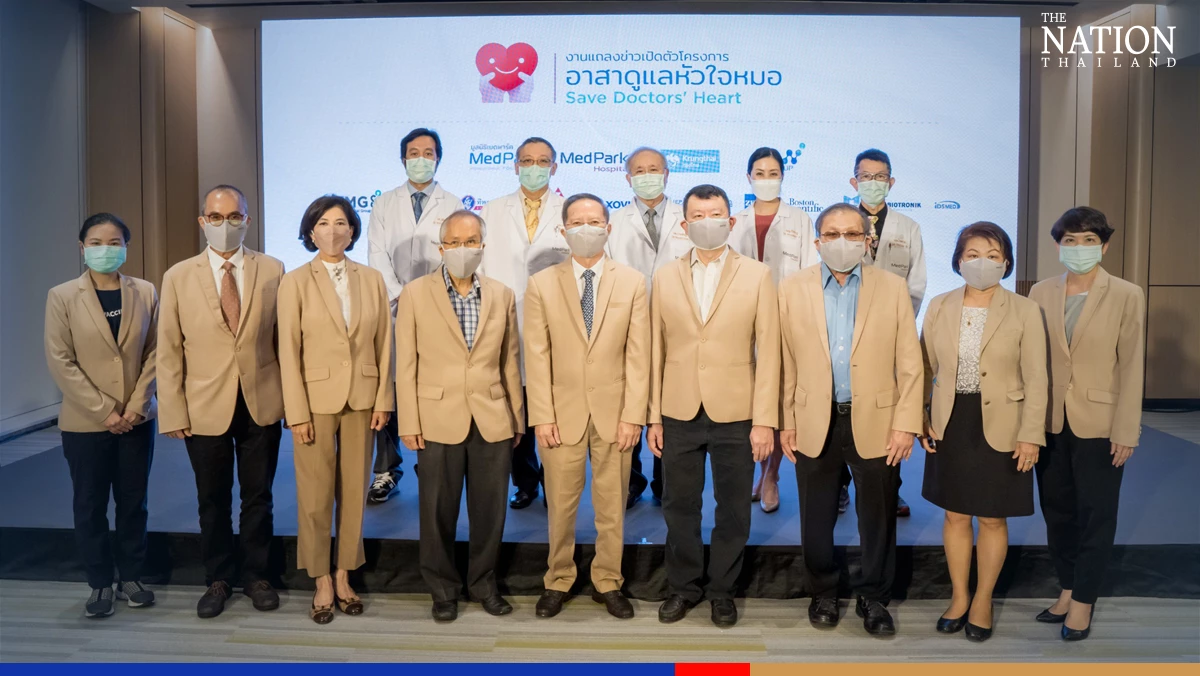
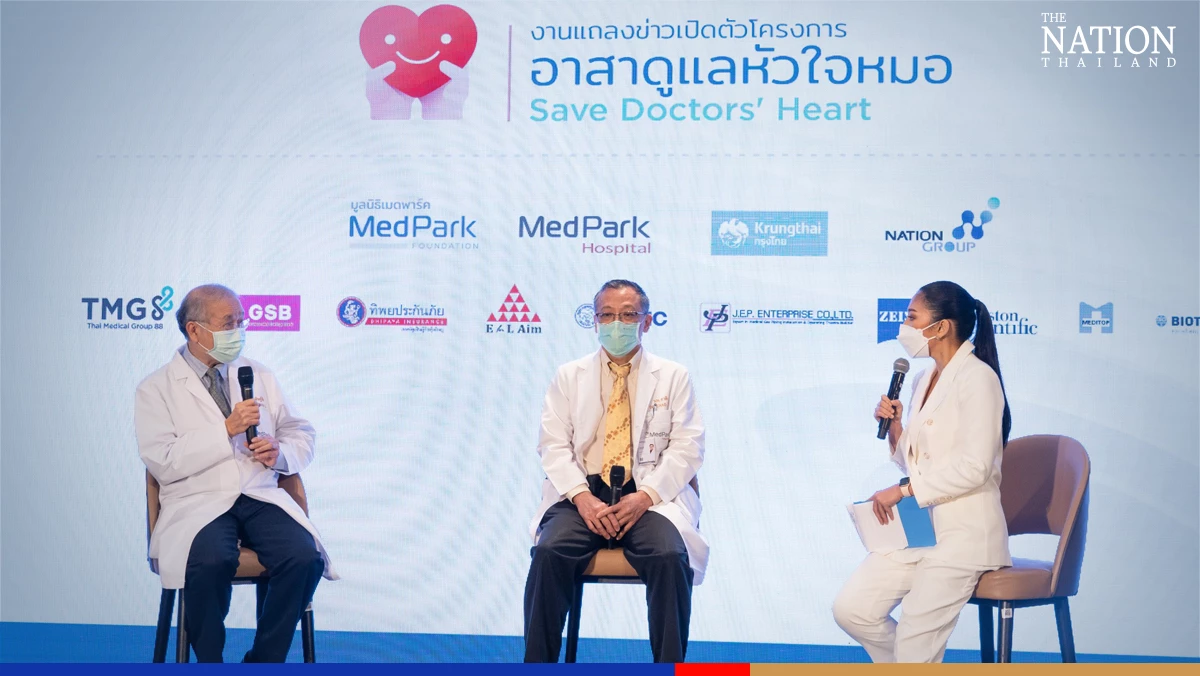
Bangkok’s MedPark Hospital began offering free heart checks for doctors on Monday, as stress levels among medics skyrocket during the pandemic.
The “Save Doctors’ Heart” project will run for six months until August 12 this year.
Hospital managing director Dr Phongphat Pratanwanich explained that the ratio of medics to patients is low and falls further every time a doctor falls ill.
“If any doctor gets sick, others have to bear the burden, especially during public health emergencies such as the Covid-19 crisis,” he said. “This means doctors are not looking after themselves, especially when it comes to heart-related diseases.”
The idea of the free heart checks was to reduce losses to the public health sector, he added.
Meanwhile, MedPark Hospital’s cardiology specialist Wasan Udayachalerm said the project was designed to help doctors lead longer, healthier lives.
“Doctors can treat patients even after reaching retirement age,” he added.
A total of 297 doctors died of heart-related diseases between 2017 and 2021, according to the Medical Council of Thailand. The youngest to die was just 31.
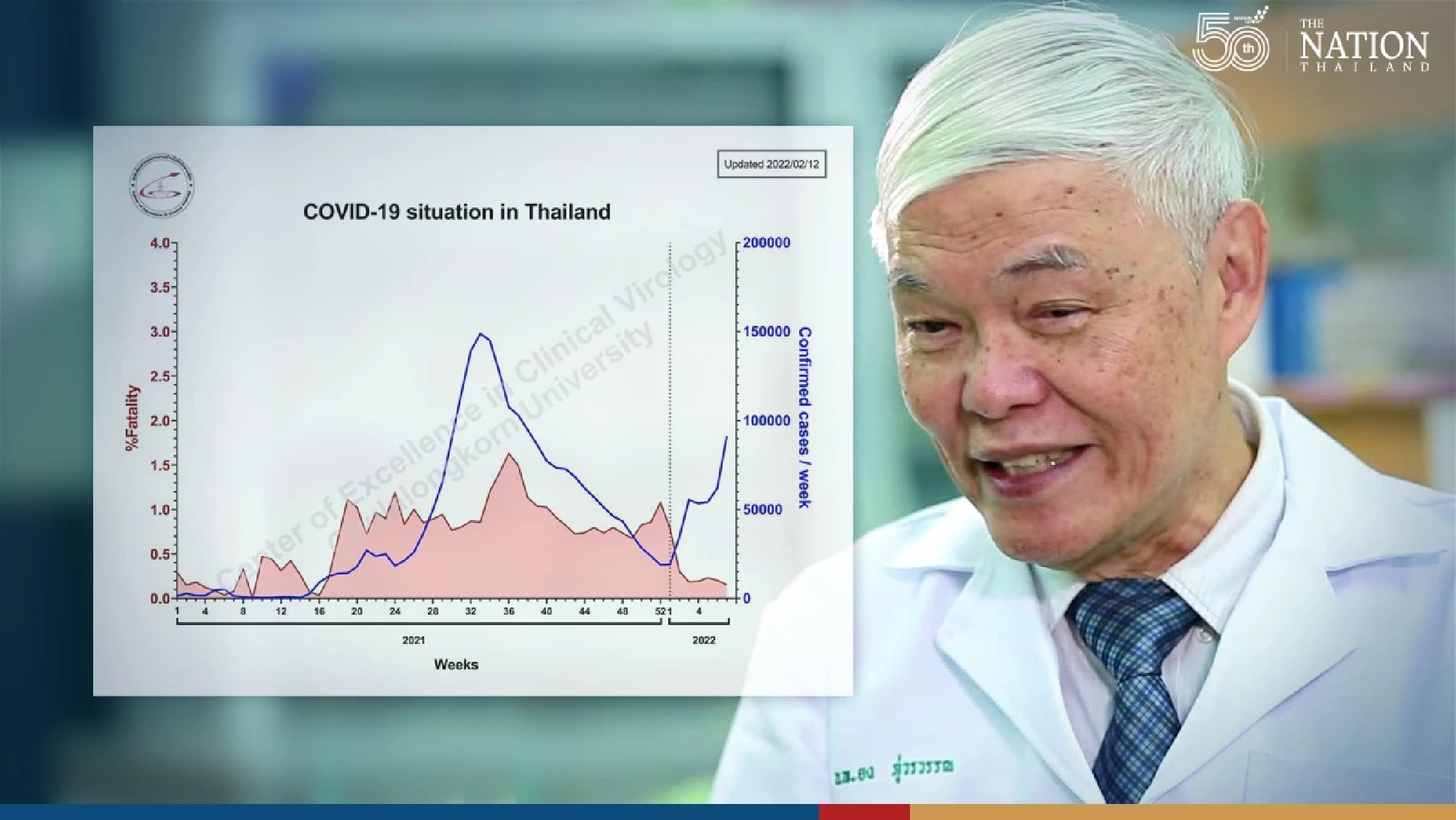
Though far more people are getting infected by the Omicron variant when compared to Delta, the death rate is far lower, leading virologist Yong Poovorawan said in a Facebook post on Saturday.
He said data collected from infections confirmed via RT-PCR tests shows that the rate of deaths from Omicron has dropped to 0.2 per cent.
This estimate is based on the fact that the number of confirmed Omicron cases is far higher than when the Delta variant was spreading in the country.
He also said that it takes far longer for patients to succumb to Omicron, which is keeping the number of deaths low.
Yong also pointed out that most of the deaths involved vulnerable people, so they should be provided with extra care and strict prevention measures should be put in place to curb the spread of the virus.
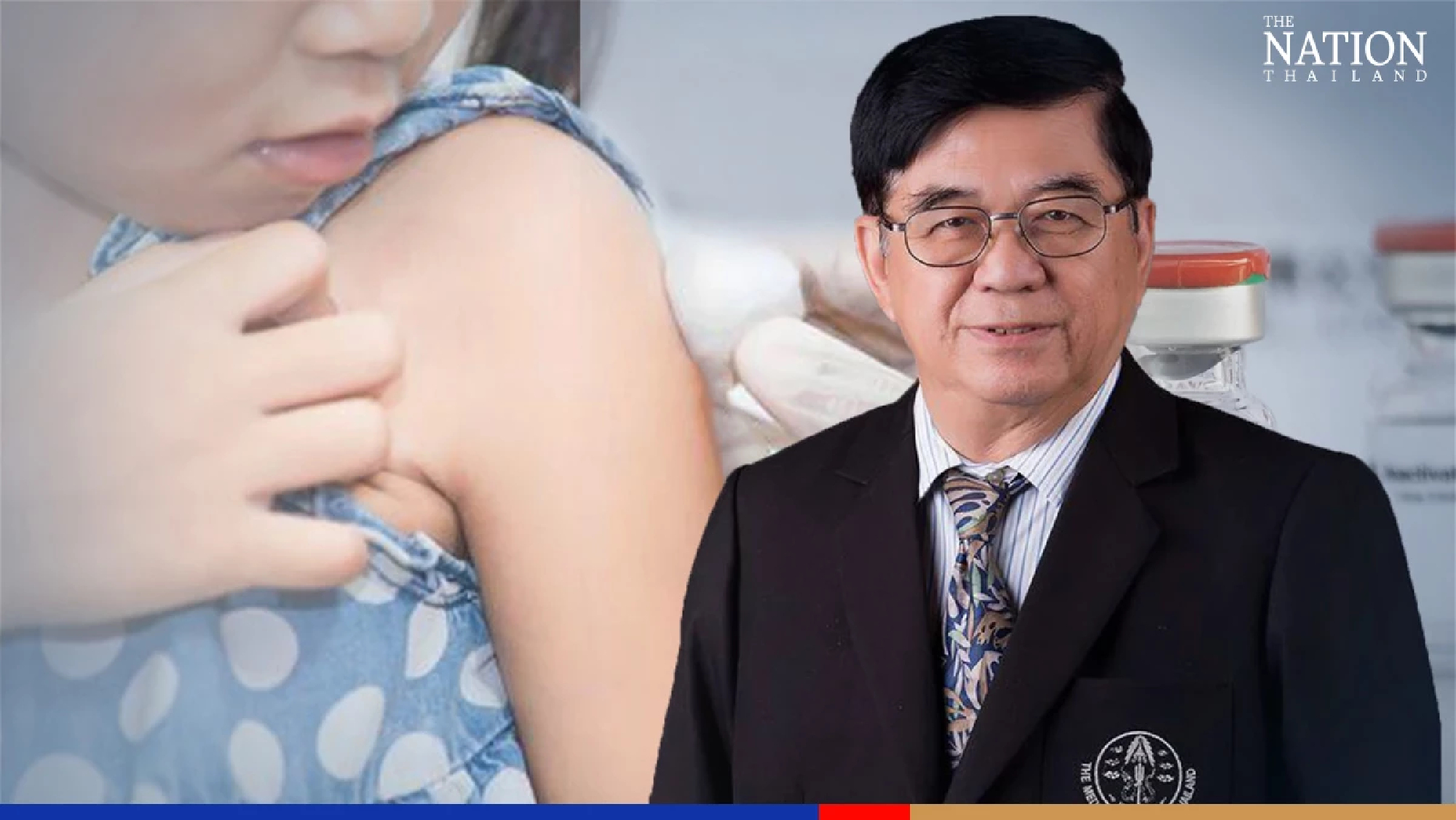
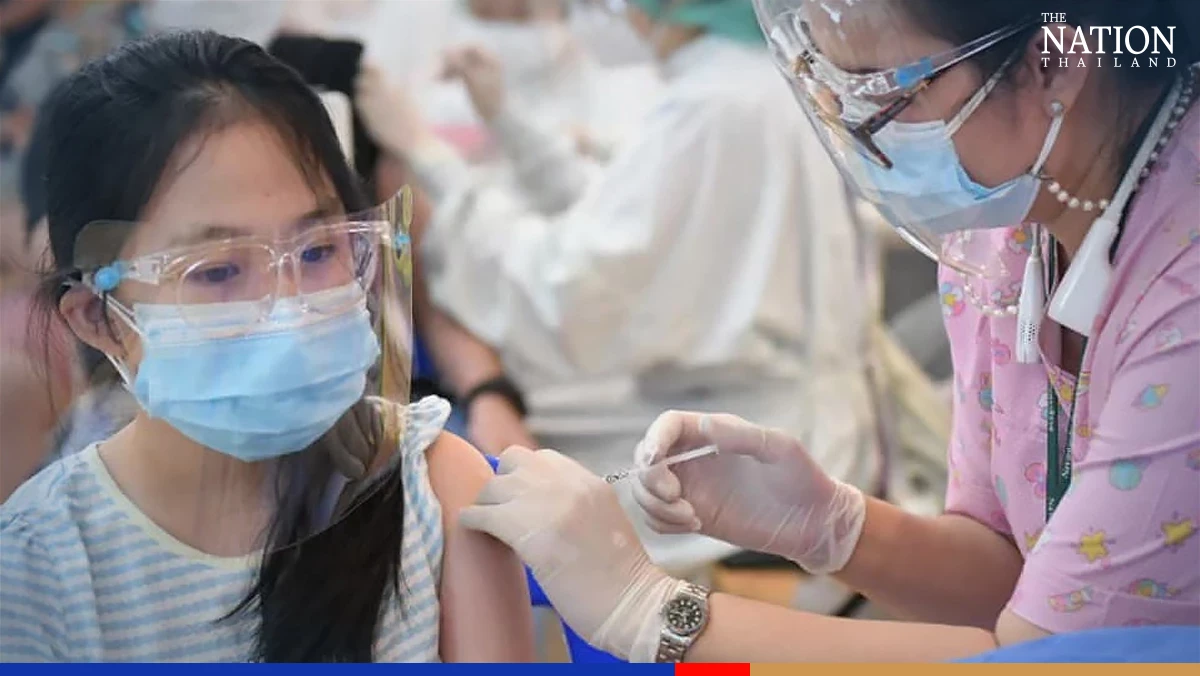
It is not necessary to give children an inactivated and mRNA vaccine cocktail because two doses of an mRNA vaccine provide plenty of protection, Somsak Lolekha, president of the Paediatric Society of Thailand, said recently.
The Public Health Ministry has approved the use of a Sinovac-Pfizer vaccine cocktail for children aged 12 to 17.
Somsak said though the cocktail provides the same immunity as two shots of Pfizer, he thinks it is a waste because the country has enough Pfizer vaccines in stock.
As for children between the ages of six and 11, he said they too should be provided with two doses of mRNA jabs instead of the cocktail.
The latest information from the US and Canada shows that children should receive two shots of the Pfizer vaccine within a gap of eight weeks instead of four. This has shown that children develop 10 times more immunity and the risk of developing heart inflammation is also reduced.
Somsak also advised against booster shots for children except those with chronic diseases who have low immunity.
He added that most children develop mild symptoms, with only 2 per cent getting hospitalised and a third of those in hospital landing in intensive care.
He also warned that some children may suffer from multisystem inflammatory syndrome after being infected with Covid-19, especially those in the five to 12 age range.


 The seminar “Close The Care Gap: mitigating the crisis of treatment equity for cancer patients” was held on the occasion of World Cancer Day to boost public awareness of cancer burdens and healthcare schemes while seeking multi-stakeholder collaboration to improve patients’ quality of lives.
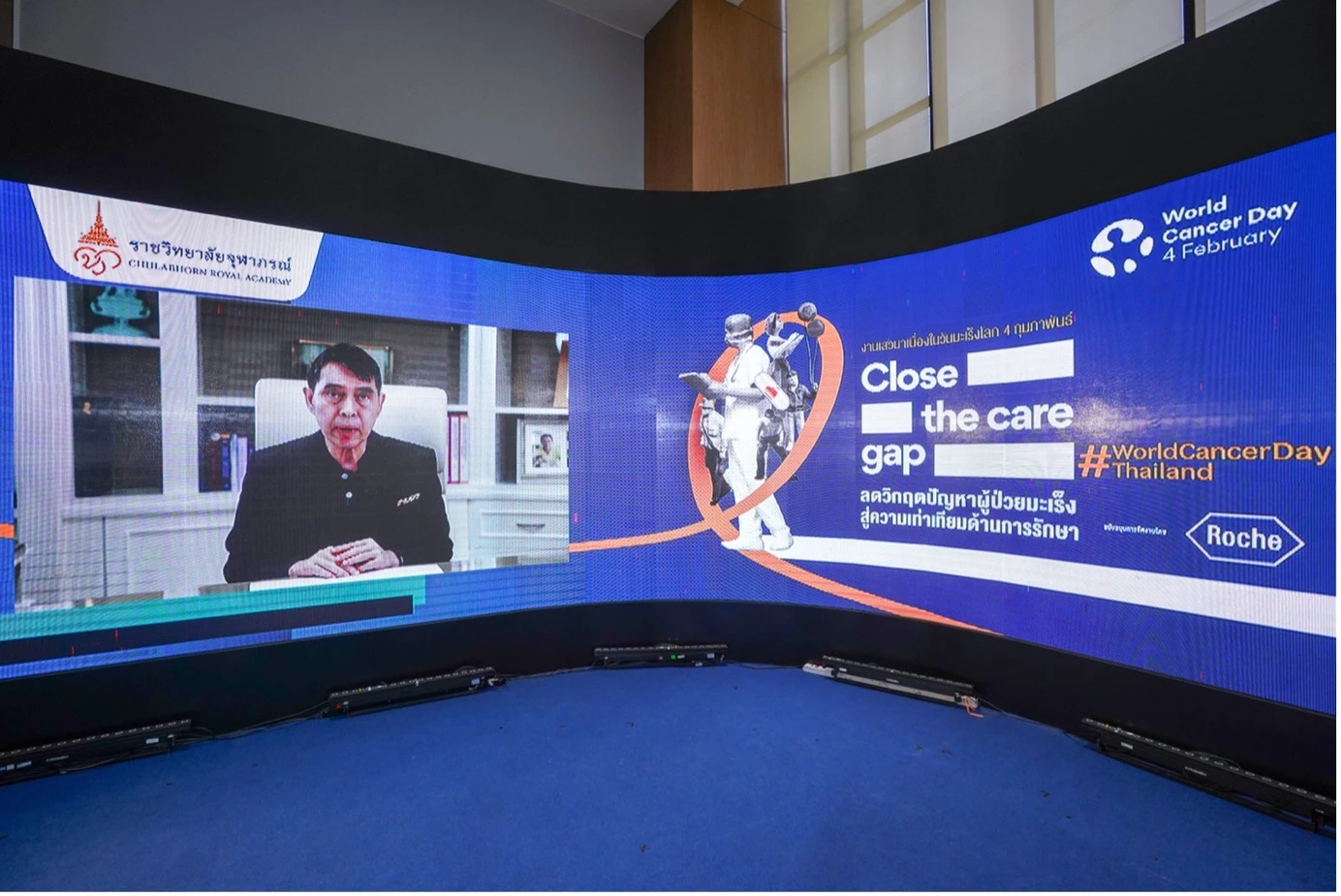 After the opening remarks by Chulabhorn Royal Academy Secretary-General Dr. Nithi Mahanonda, the seminar revealed the white paper “Modernization of Thai HTA – Identifying Alternative Approaches in Thai HTA to Improve Cancer Patient Outcomes” by Mr. Omar Akhtar, HEOR Director APAC, Ipsos. A summary was presented in Thai by Assoc. Prof. Puree Anantachoti, PhD, Faculty of Pharmaceutical Sciences, Chulalongkorn University; Asst. Prof Teerapat Ungtrakul, MD, Deputy Dean of Princess Srisavagavadha College of Medicine and Medical Oncologist; and Jomtana Siripaibun, MD, Director of Oncology Medical Centre Chulabhorn Hospital.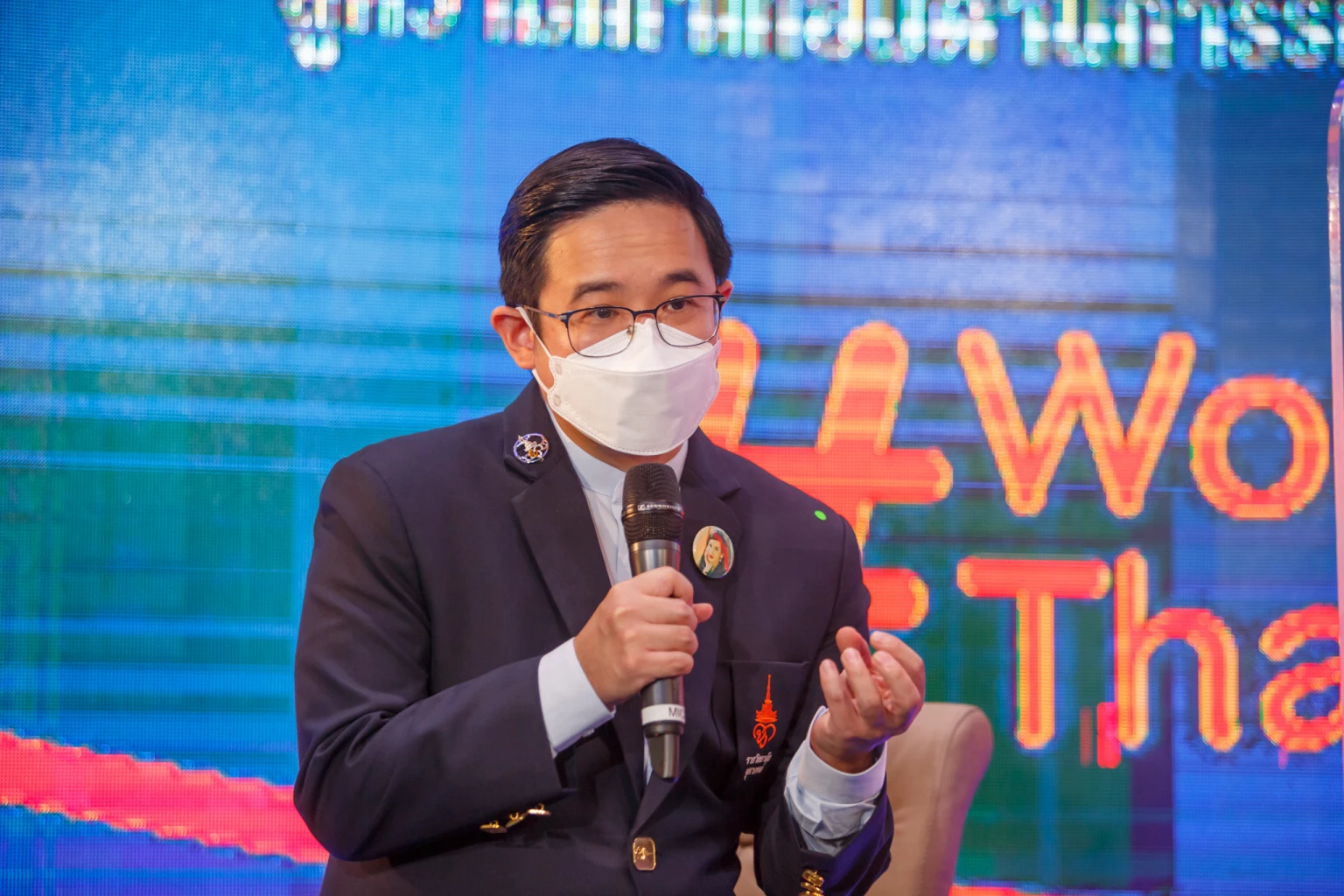

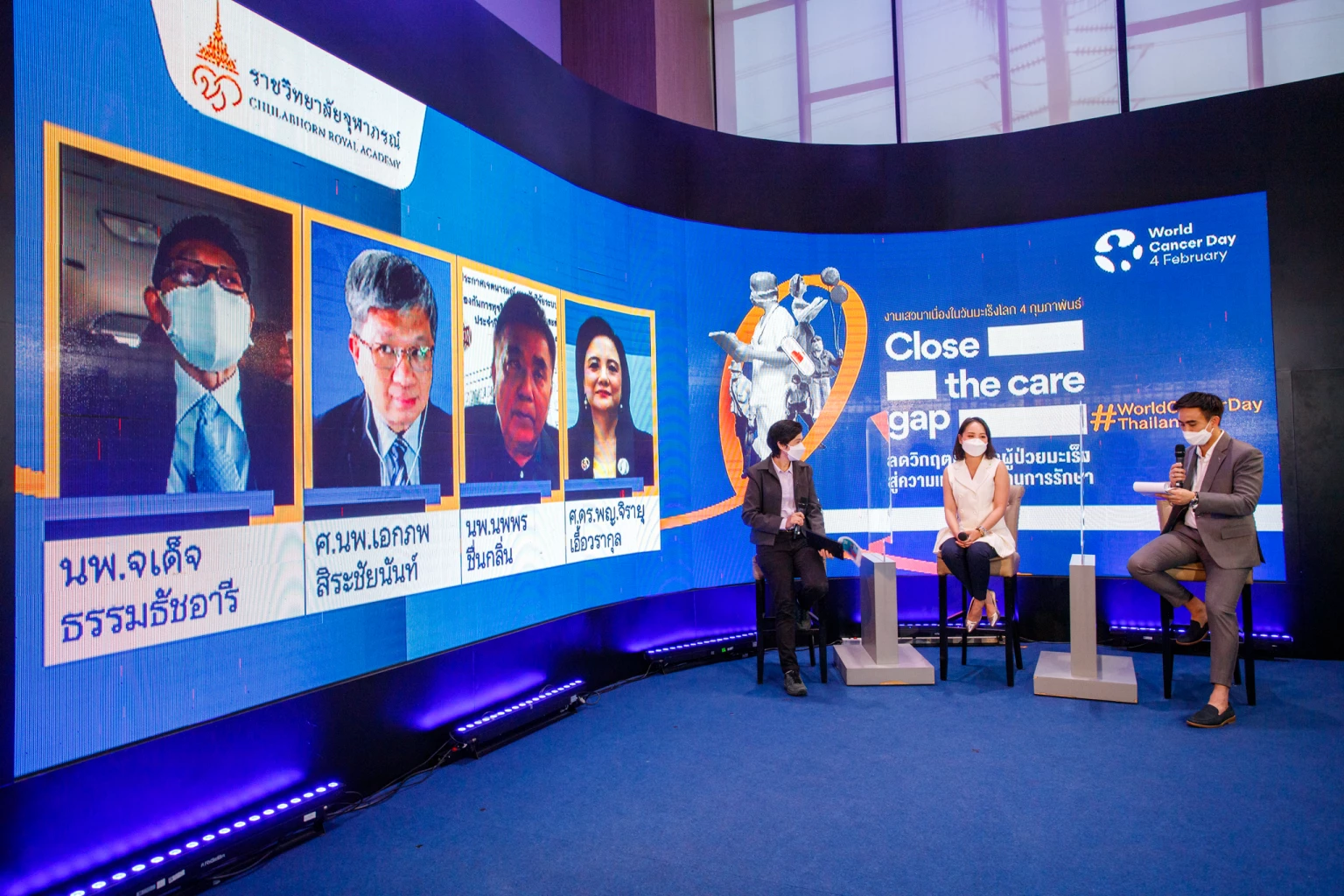
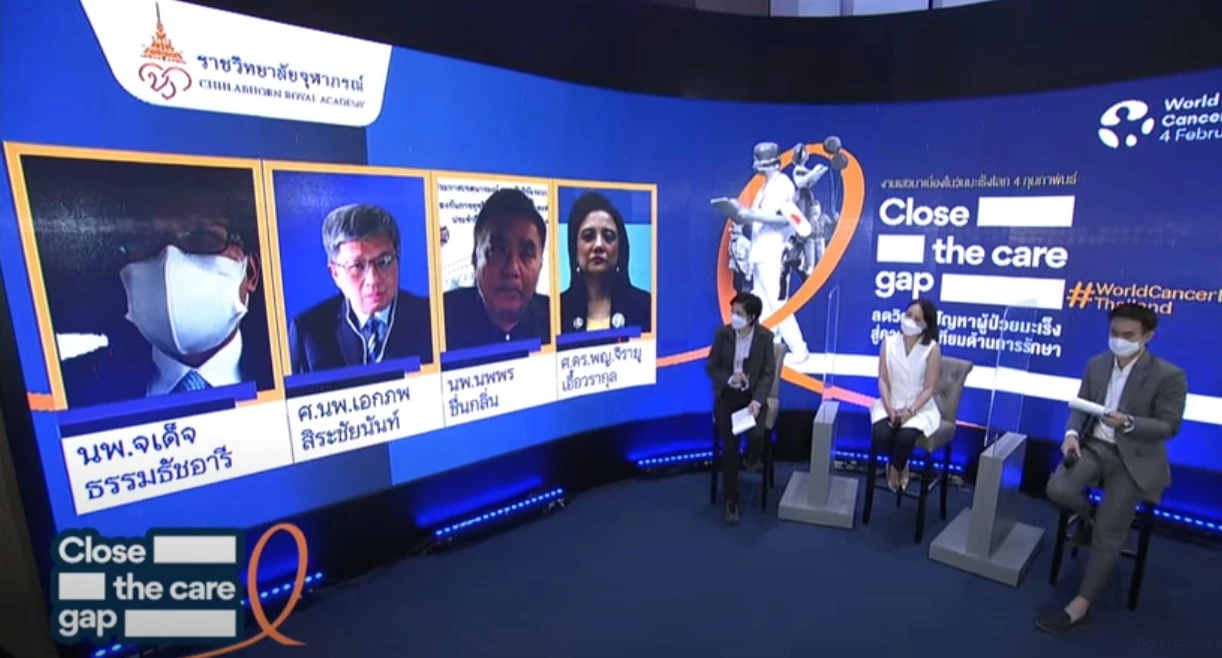 Jadet, MD, added: “The NHSO also invited experts to discuss the adjustment of reimbursement schemes for innovative cancer treatments. The consideration criteria emphasized their efficacy rather than the expenditure. So far there are 42 medicines that the panel of experts would like to include into the medication protocol. Therefore, the NHSO is looking for a method to broaden access by considering the MEAs, or an arrangements made between manufacturers and payers as a means to facilitate the affordability and negotiate for a better treatment package. At the moment the supporting research evidence has been sent to us, and we are going to give an update once we manage to set up a new system.”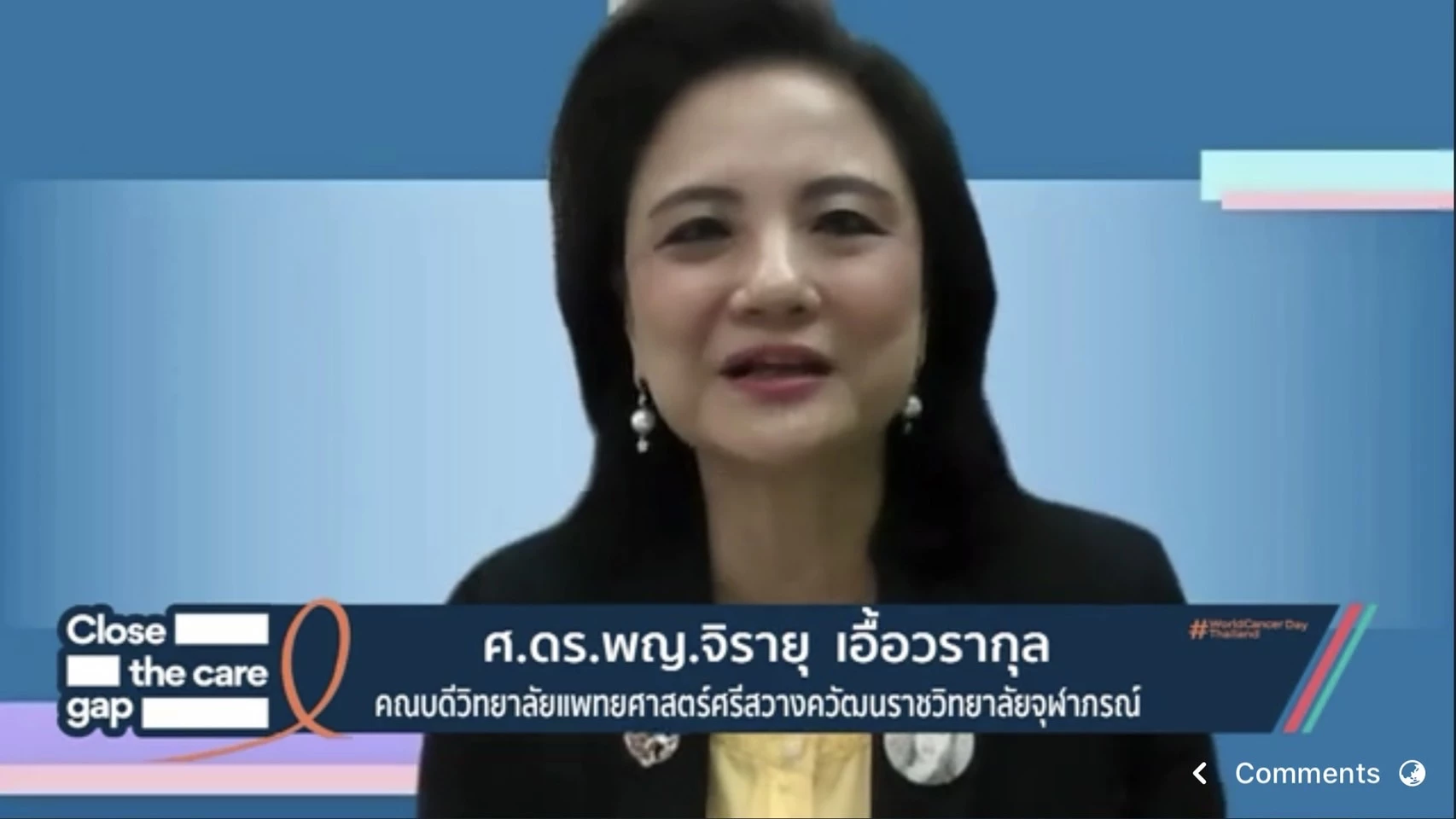


 SootinClaimon.Com