Lions, tigers in U.S. national zoo test presumptive positive for coronavirus
Fecal samples for all great cats, including six African lions, a Sumatran tiger and two Amur tigers, were collected and tested presumptive positive for coronavirus, said the Smithsonians National Zoo. So far there is no evidence to pinpoint the source of the infection.
All of the lions and tigers living in the Smithsonian’s National Zoo in U.S. capital Washington, D.C. have tested presumptive positive for coronavirus, the zoo said in a press release on Friday.
Fecal samples for all great cats, including six African lions, a Sumatran tiger and two Amur tigers, were collected and tested presumptive positive, said the zoo. Final results are expected in the next few days.
No other animals at the zoo are showing any signs of infection, said the zoo, which just celebrated panda cub Xiao Qi Ji’s first birthday late last month.
ADVERTISEMENT
Animal keepers observed decreased appetites, coughing, sneezing and lethargy in several lions and tigers last weekend, said the zoo in the release.
All lions and tigers are being treated with anti-inflammatories and anti-nausea medication to address discomfort and decreased appetite, as well as antibiotics for presumptive secondary bacterial pneumonia, according to the zoo.
They remain under close observation, the zoo added.
Zoo staff still managed the cats’ access to their outdoor habitats since their condition does not require they remain inside. However, given the substantial distance between the animals and visitors, the public is not at risk, the zoo said.
So far there is no evidence to pinpoint the source of the infection, the zoo said, adding it has conducted a thorough investigation of all staff that were in close proximity to the lions and tigers.
The U.S. Department of Agriculture has authorized the use of a SARS-COV-2 vaccine made specifically for zoo animals by Zoetis. The first round of vaccine disbursement will be administered to select animals identified as a susceptible species at both the zoo and Conservation Biology Institute in Virginia when it becomes available in the coming months, said the zoo.
It has been standard practice for all animal care staff and essential staff working in the zoo to mask indoors in all public and non-public areas.
Photo taken on May 21, 2021 shows a tiger at Smithsonian
Starting in October, children aged 12 and up will get Pfizer jabs with consent from parents.
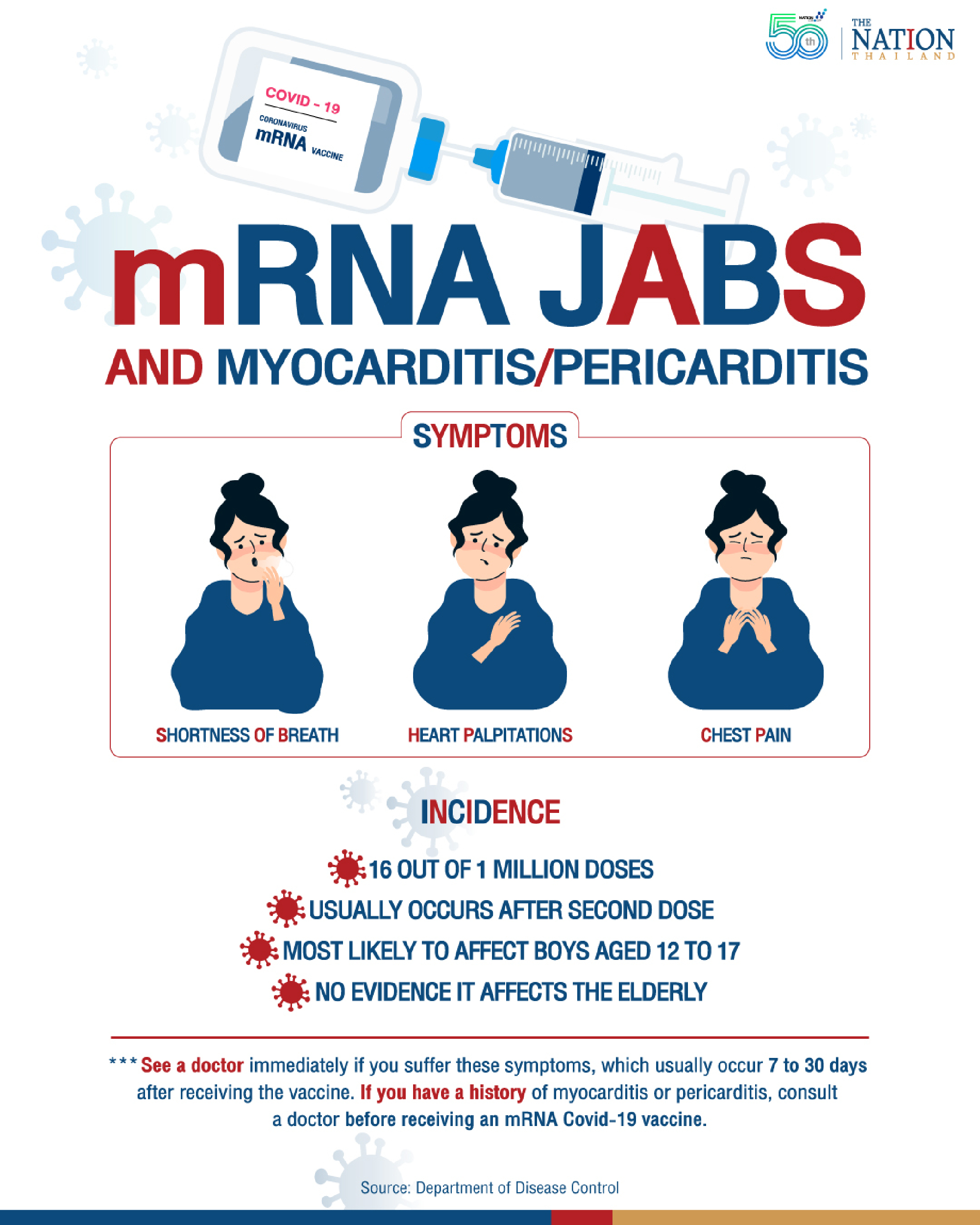
However, Chulalongkorn University virologist Dr Yong Poovorawan cautions that mRNA vaccine can cause the rare side effect of heart inflammation (myocarditis/pericarditis) in children, citing a US study (https://www.nationthailand.com/life/40005961).
US research indicates boys aged 12 to 15 are four times more likely to develop mRNA vaccine-related myocarditis than be hospitalised with Covid-19.
What are mRNA vaccines?
These vaccines use messenger RNA (mRNA) to instruct the body’s cells to make the Covid virus protein spike, which then triggers an immune response.
AstraZeneca ‘mini-booster’ gives almost same immunity as full shot, say Thai researchers
A mini booster shot containing one-fifth the normal of dose of AstraZeneca vaccine gives almost the same level of immunity as a full dose, according to new research at Prince of Songkla University (PSU).
The PSU study involved 95 volunteers who had already had two shots of Sinovac vaccine.
The volunteers were divided into two groups, with the first group given the mini-booster and the second group given a full shot of AstraZeneca.
After they were given the mini-booster, volunteers’ immunity – measured by BAU/mL or binding antibody units per millilitre – soared from an average 128.7 to 1,300.
Meanwhile, the full AstraZeneca dose generated immunity of 1,600 BAU/mL.
Some volunteers had their Sinovac jabs 4-8 weeks apart and others 8-12 weeks apart, but there was no significant difference in the mini-booster’s effect on either group, said researchers. Both groups saw their antibodies and T-cells surge to high levels after receiving one-fifth of an AstraZeneca dose, they added.
Researchers also reported no serious side effects among the 95 volunteers.
The mini-booster jabs were administered subcutaneously (under the skin) while the full dose was injected into the muscle. No serious side effects were reported by volunteers in either group. The mini-booster generated fewer physical side effects such as fever, chills, and aches, but more swelling, redness, heat and itching at the injection site.
Virologist warns of risk in giving mRNA vaccine to 12-17 year olds
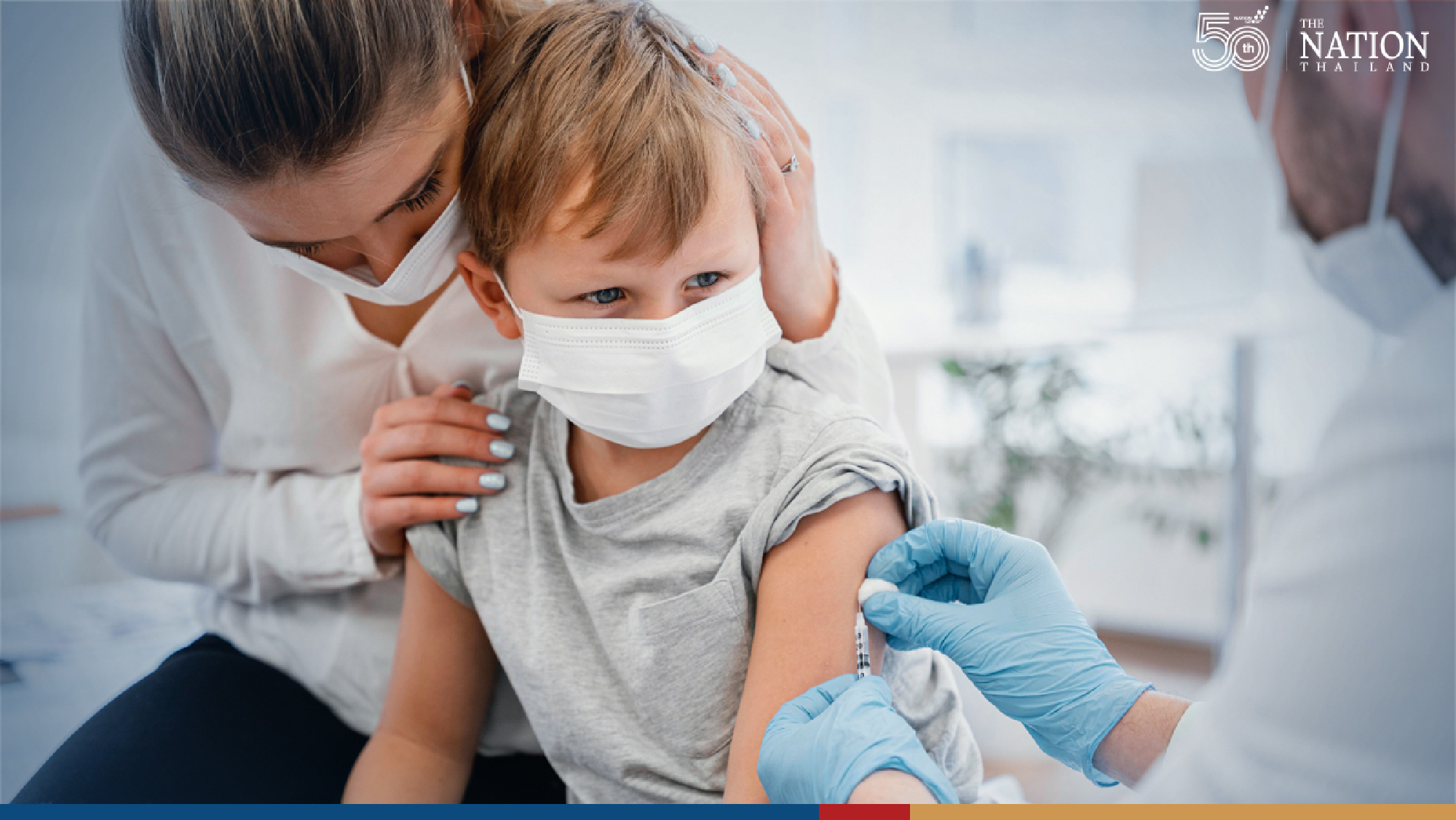
A well-known Chulalongkorn University virology specialist has warned that administering an mRNA vaccine to children aged 12-17 years old may cause myocarditis, which is an inflammation of the heart muscle.
In a Facebook post on Friday, Dr Yong Poovorawan said everyone should receive Covid-19 vaccine, but the disease affects the elderly and people with chronic diseases rather than children.
He explained that children who had been infected with Covid-19 developed mild symptoms and have low risk of developing pneumonia and death.
“The vaccine must be very safe for children because they develop mild symptoms,” he said. “They were only at risk of being a carrier to spread the virus to the elderly at home or people at school.”
Virologist warns of risk in giving mRNA vaccine to 12-17 year olds
He said 59-69 boys and 8-10 girls aged 12-17 years old would be at risk of developing myocarditis, citing the US study on administering the second mRNA vaccine to 1 million children.
“Parents should be informed on benefits and risks of administering mRNA vaccine,” he added.
Only around 10,000 patients’ records stolen from hospital: Health Ministry
Authorities on Tuesday downplayed the theft of patients’ data from a hospital in Petchabun, saying the case is not as serious as initially thought.
Thongchai Keeratihattayakorn, Public Health Ministry deputy permanent secretary, said the hacker obtained the personal details of more than 10,000 patients at Petchabun Hospital in the lower-north province.
Initial reports said details of up to 16 million patients had been hacked. Thongchai said the 16-million figure actually referred to records containing information on a total of 10,095 patients.
The stolen data included names, surnames, telephone numbers, illnesses, date of hospitalisation and the name of the doctors treating the patients in question.
“The hospital system is still operating normally. All information is still there,” said Thongchai.
The hospital is now securing and backing up the database with help from the National Cybersecurity Committee and Digital Economy and Society Ministry, he added.
A complaint has been filed over the data theft but the motive and identity of the hacker are still unknown.
The theft was reported on Sunday (September 5) when the hacked data was discovered for sale online. Thongchai said the stolen details did not come from the hospital’s main database and did not include diagnosis, treatment or lab results.
Many schools found flouting Covid-19 preventive measures
The Department of Health said on Monday that some schools have reopened despite failing the assessment criteria required under the “Sandbox Safety Zone in Schools” programme launched last month.
So far, 48 of 68 schools tested have passed the assessment in red and dark-red provinces.
The department said many rules are being flouted such as allowing outsiders to enter and leave boarding schools, not putting in place effective screening measures, allowing dormitories to be overcrowded and not maintaining a one-metre distance between beds. The guidelines also require staff and students to always wear a mask, even inside dormitories.
The department held a meeting on Monday with the Education Ministry, the Paediatric Infectious Disease Association and the Royal College of Paediatricians to solve the problem.
Thailand preparing to import Molnupiravir – “first anti-Covid drug”
Thai authorities are preparing to import Molnupiravir, which researchers claim is the first oral drug to quickly block the Covid-19 virus.
Medical Services Department chief Somsak Ankasil said health officials would give the green light to import Molnupiravir if phase 3 trials by its developers, Merck and Ridgeback Therapeutics, are successful.
Molnupiravir is among several anti-coronavirus drugs currently undergoing phase 2 and 3 trials abroad, with results expected at the end of this month, in October and November.
The Public Health Ministry is currently in talks with Merck to procure Molnupiravir and with Pfizer to import its Protease Inhibitor. If both drugs are registered after late-stage trials, Thailand will hurry to use them against future outbreaks, said Somsak.
Phase 3 trial results for Molnupiravir – the first antiviral drug specifically developed to fight Covid-19 – are expected by the end of this month, with US Food and Drug Administration (FDA) registration to follow in October.
Thailand expects to register Molnupiravir with the Thai FDA in November.
If the drug is successful, it will be used in place of favipiravir. Both drugs have the same mechanism of action, which is to stop the virus from entering cells. Patients with mild symptoms will be given 40 tablets of Molnupiravir to take over five days.
Meanwhile, results from Thai studies on favipiravir, Andrographis paniculata (fah talai jone) and other medications currently being used to fight Covid-19 are expected over the next 1-2 months.
Mu still rare in Thailand but other variants could be on their way: DMS
The Delta variant accounts for 93 per cent of Covid-19 infections, according to 1,500 random samples taken over the last week by the Department of Medical Sciences (DMS).
Meanwhile, cases of the Delta sub-variant “AY” have risen slightly but the new Mu and C1.2 variants are still rare in Thailand, said department director-general Suppakit Sirilak on Monday.
The Delta variant accounted for 97.6 per cent of cases in Bangkok and 84.8 per cent in other provinces. The Beta variant was responsible for 5 per cent of cases nationwide – 2.4 per cent in the capital and 5.7 per cent in Southern provinces where it was first detected.
The department said it has collected more than 13 million samples since last year in its mission to trace different variants.
The World Health Organisation classifies Covid-19 variants in two categories: variants of concern and variants of interest. The variants of concern are Alpha, Beta, Gamma and Delta – all of which are found in Thailand except Gamma. Variants of interest – classified as those which are likely to cause issues with transmission, vaccination or public health – are Eta, Iota, Kappa, Lambda and Mu.
Suppakit said the Mu variant, which was first detected at the beginning of the year in Colombia, was being closely monitored but did not yet present a concern for Thailand.
The department is cooperating with Prince of Songkla University to test 10,000 samples for variants by the end of 2021, he added.
Meanwhile, Phuket was ordered to accelerate testing on Monday, said Suppakit. He urged people not to panic if more variants were detected in Thailand.
การหมั่นสังเกตอุจจาระของตัวเองทุกวัน เป็นการคัดกรองอาการป่วยเบื้องต้นแบบง่ายๆ ที่ทุกคนสามารถทำได้ นอกจากนี้ยังมีวิธีการตรวจอุจจาระด้วยเครื่อง FIT Test เพื่อตรวจหาเลือดแฝงในอุจจาระที่สามารถทำได้ด้วยตัวเอง รวมถึงยังสามารถช่วยให้แพทย์ทำการวินิจฉัยโรคบางชนิดได้เร็วขึ้นอีกด้วย


 The mRNA vaccines and heart inflammation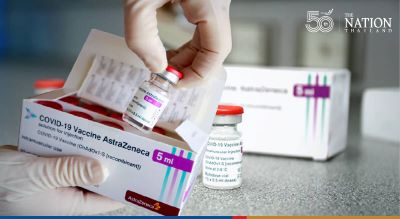

 Virologist warns of risk in giving mRNA vaccine to 12-17 year olds


 เชื่อหรือไม่!! อุจจาระบอกสุขภาพลำไส้ของเราแต่ละคนได้ และรูปทรงอุจจาระที่สมบูรณ์บ่งชี้ว่าเรามีสุขภาพดีที่สุดเป็นอย่างไรกันนะ


 “ดูแลปอด ดูแลใจ เพื่อผู้ป่วยมะเร็งปอด” แพทย์ชวนรู้เส้นทางของผู้ป่วยโรคมะเร็งปอด แนวทางการรักษา และข้อควรระวังช่วงโควิด-19 พร้อมอ่านเรื่องเล่าจากประสบการณ์ตรงของสองผู้ป่วยระยะที่สี่


 SootinClaimon.Com