Over 700 people volunteer for vaccine cocktail study, but only 90 to be chosen
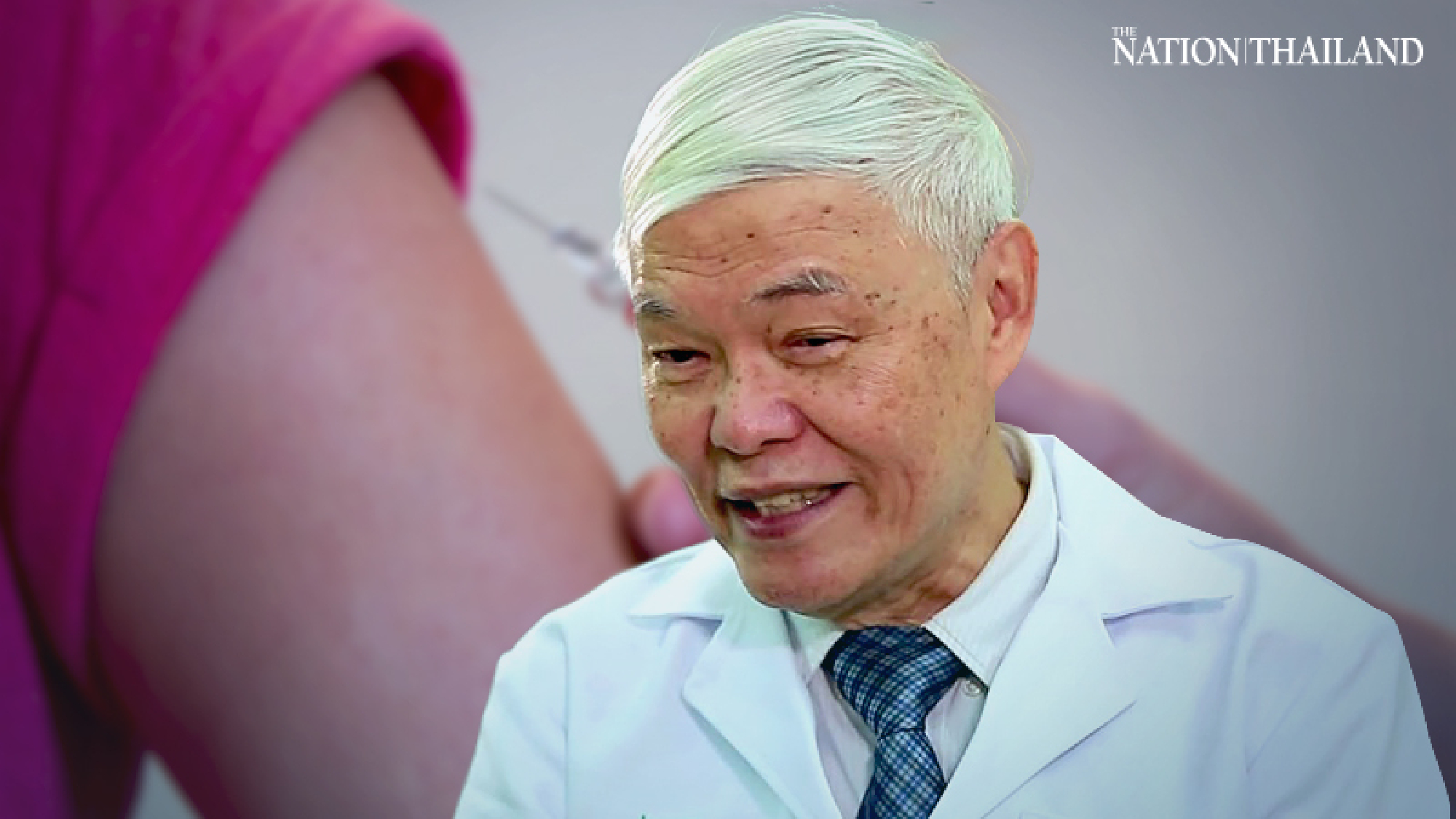
More than 700 volunteers responded within six hours to participate in a Chulalongkorn University research project for vaccination against Covid-19 by switching between doses of Sinovac and AstraZeneca vaccines
The volunteers were responding to an appeal from Dr Yong Poovorawan, head of the university’s Center of Excellence in Clinical Virology at the Faculty of Medicine.
The safety research project will study immunogenicity and alternating effects of the inactivated vaccine (Sinovac) and carrier virus (AstraZeneca).
Dr Yong said he would ask the ethics commission to do a study of only 90 people to get detailed results, which would later be used in practice, he said, and thanked all applicants.
Current wisdom advocates the use of the same Covid-19 vaccine for the first and second doses. But in some cases, where the first dose is not very effective, a different second dose is required, such as Sinovac and AstraZeneca, he said.
Two doses of different vaccines are useful in cases where vaccines are scarce, he added. When the second dose is available, different types of vaccines may be used, hence the effects of vaccine switch must be studied thoroughly before it can be used in practice, he said.
After being reviewed by the Ethics Committee, the project invited volunteers to receive the first and second doses of different vaccines.
The vaccine side-effects would be recorded and immunity would be monitored periodically to obtain academic information before being put into practice, Yong said.
Around 15 years ago, I was troubled by a nagging lower back ache. It was not serious enough
for me to consult a doctor, as, in general, I am a believer in the body’s ability to heal itself, but it did rob me of a good night’s sleep. At that time, I turned to yoga. The yoga teacher taught me a few simple asanas (or postures); the lower back pain diminished gradually and, over time, disappeared completely.
My interest in yoga was rejuvenated seven years ago. Since last year, when the Covid 19 pandemic crisis began, the whole world has been on a quest for better health. In urban settings, there is a growing recognition of the need to maintain physical and mental health in the confines of one’s tiny home, often in isolation.
At such a moment, the 7th International Day of Yoga, to be celebrated on 21 June, 2021 is a timely reminder that this ancient tradition from India, perfected by yogis or sages several thousand years ago, has much to offer.
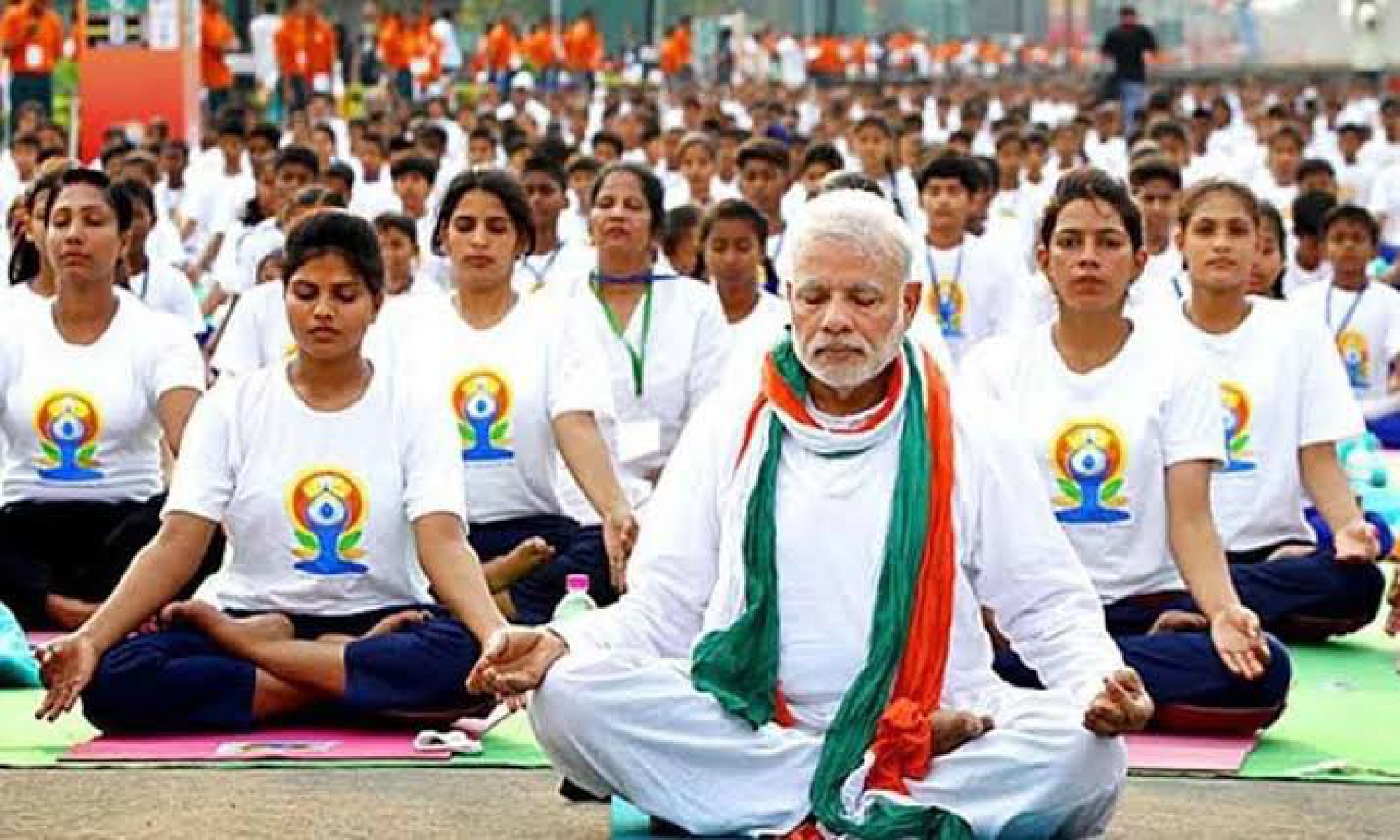
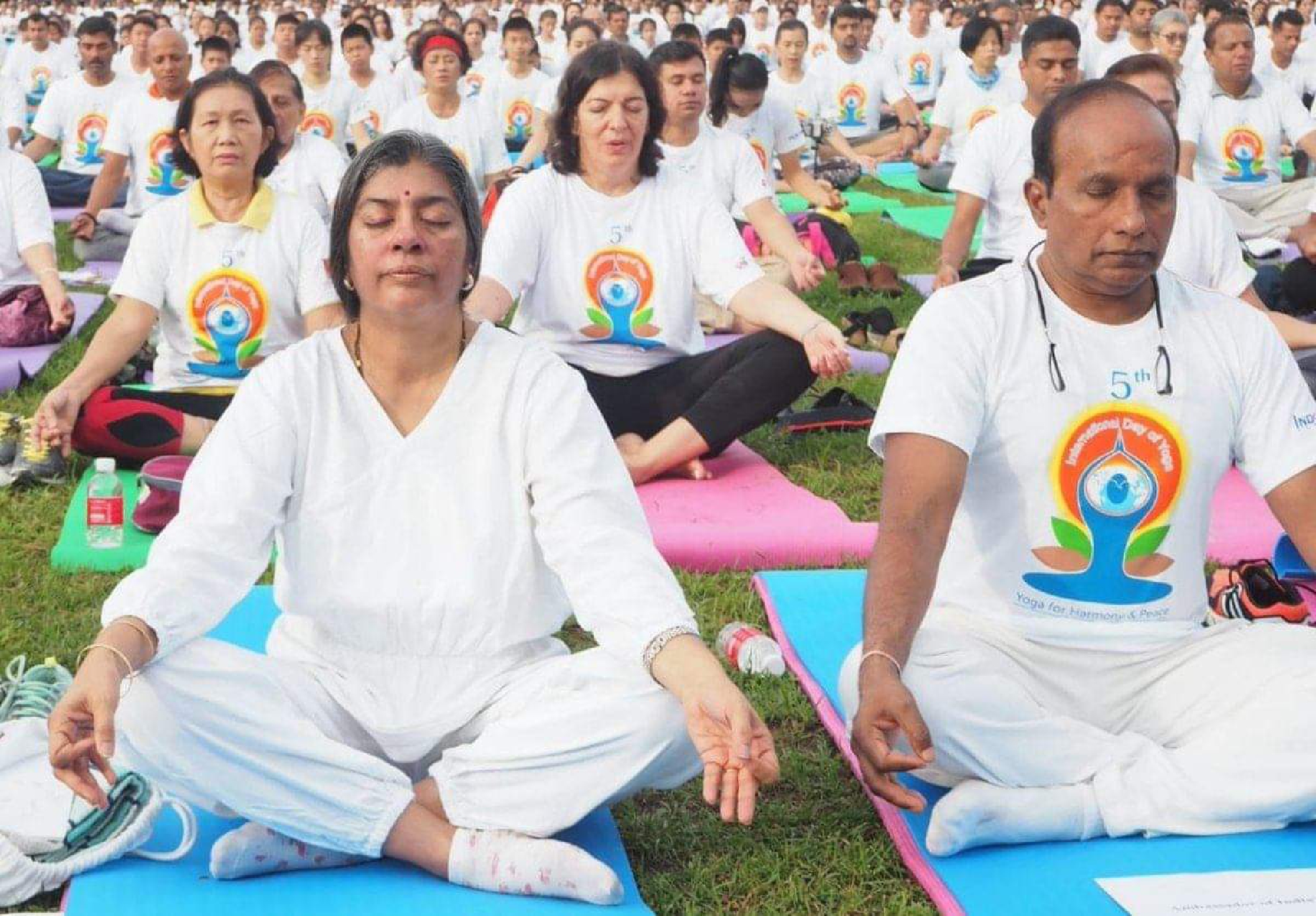
What is Yoga ? In Sanskrit, the word means “union”. Union of the mind and the body, thought and action, achievemen and self-control. In 2014, during his address to the UN General Assembly, India’s Prime Minister Narendra Modi pointed out that yoga signifies harmony between humanity and nature and is a holistic approach to health and well-being. Yoga, he said, is not just about physical exercise but to discover the sense of oneness with yourself, the world and nature. The practice of yoga can lead to a transformative lifestyle which in turn can contribute towards a better environment. Based on the Indian initiative, the United Nations adopted a consensus resolution declaring 21 June as the International Day of Yoga. Since 2015, the International Day of Yoga has been observed every year with enthusiasm all over the world including in Thailand.
Yoga – for harmony and healing
Over the years, yoga has acquired a universal appeal. Thailand has plenty of yoga centres. While it is difficult to state with certainty as to when the tradition of yoga began, the first codified text on yoga, the Yoga Sutra (Sutras are aphorisms) by the great Indian sage Patanjali is said to have been composed around 2500 years ago. Buddhist texts have frequently referred to yoga.
The Yoga Sutra define the eight stages of yoga or Ashtanga Yoga (the Eight Limbs or Stages of Yoga). These are Yama – moral guidelines; Niyama – inner laws that govern the body and the mind; Asana – physical movements or postures; Pranayama – regulation of subtle energy through breath-control; Pratyahara – withdrawal of the senses from the outer world; Dharana – focussing or the fixing of the mind on a single thought or object; Dhyana – meditation and Samadhi – state of profound absorption or union with the higher self. Beyond samadhi, a yogi experiences total freedom, or ananda (bliss).
Of these, the most well known are the asanas or the postures, pranayama and dhyana. The benefits of practising yoga are multiple – yoga has been clinically proven to reduce anxiety and stress; it helps in pain mitigation; in de-addiction; and in management of chronic non-communicative diseases such as diabetes, hypertension and cholesterol. The role of dhyana or meditation in bringing about mental and spiritual calm is well recognised. The best part about yoga is that it does not require much space or fancy equipment: all you need is a simple mat, comfortable clothes and some peace and quiet.
Combined with Ayurveda the ancient system of Indian medicine, yoga can greatly help in boosting immunity. Like India’s Ayurveda (literally, the science of life), Thai traditional medicine has been found to be useful in treating many ailments. The healing power of herbs and spices including neem, ginger, turmeric, pepper, honey as well as ghee (or clarified butter) shows that simple and effective cures can be found in our kitchens or in our gardens.
This year, the theme of the International Day of Yoga is “Yoga at Home and Yoga with Family”. In keeping with Covid 19 pandemic related restrictions, the Indian embassy at Bangkok is celebrating the day on Sunday, 20 June in a virtual manner. In the run-up, online classes have been organised by the Swami Vivekanda Cultural Centre. Do participate.
As the ancient Sanskrit sloka which is often invoked at the end of a yoga session goes: Lokah Samastah Sukhino bhavantu – may the entire world be healthy and happy.
ADVERTISEMENT
Published : June 19, 2021
By : Suchitra Durai India’s Ambassador to Thailand
Prince of Songkla Uni aims for Andaman medical hub status with new service centre
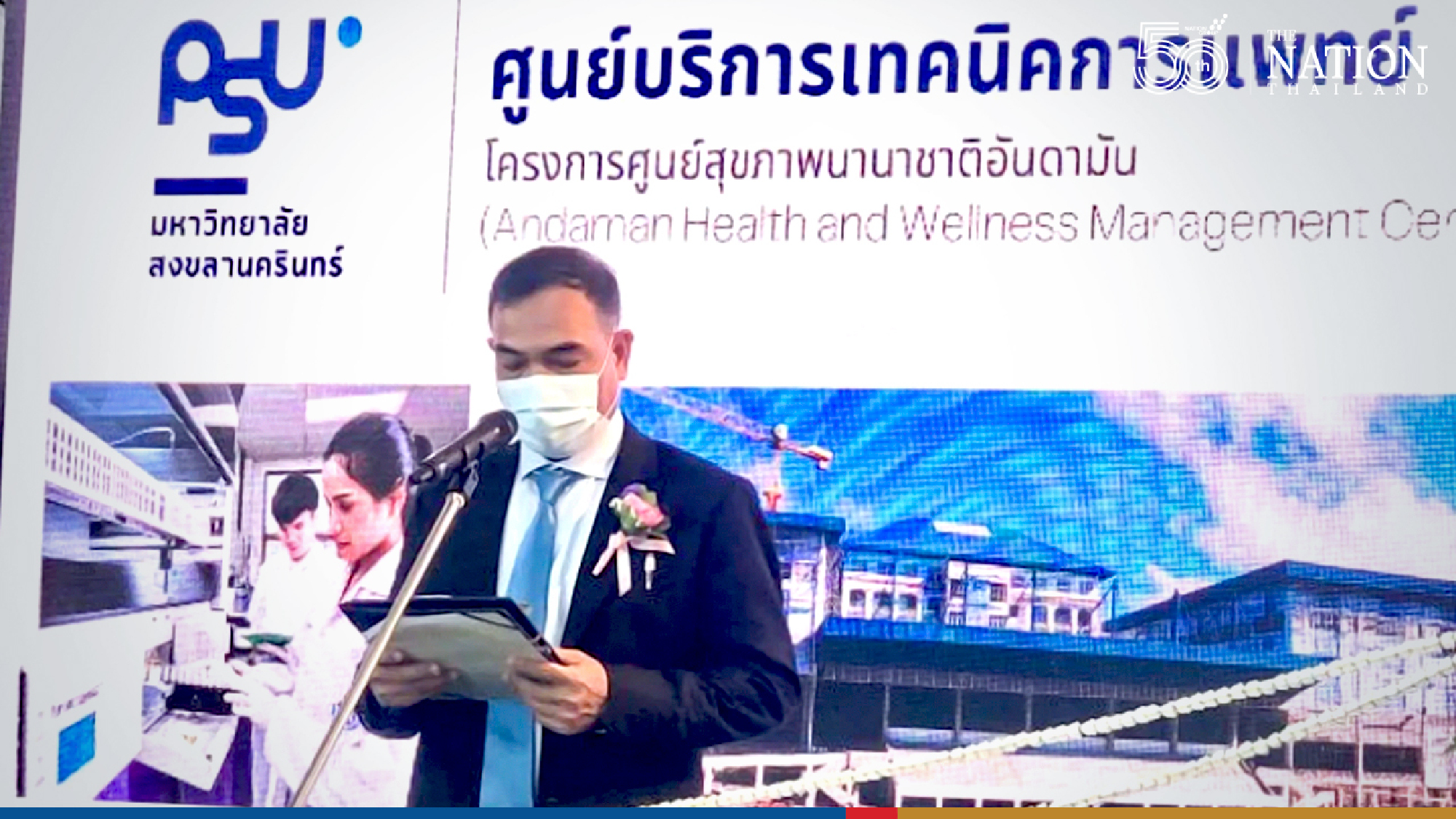
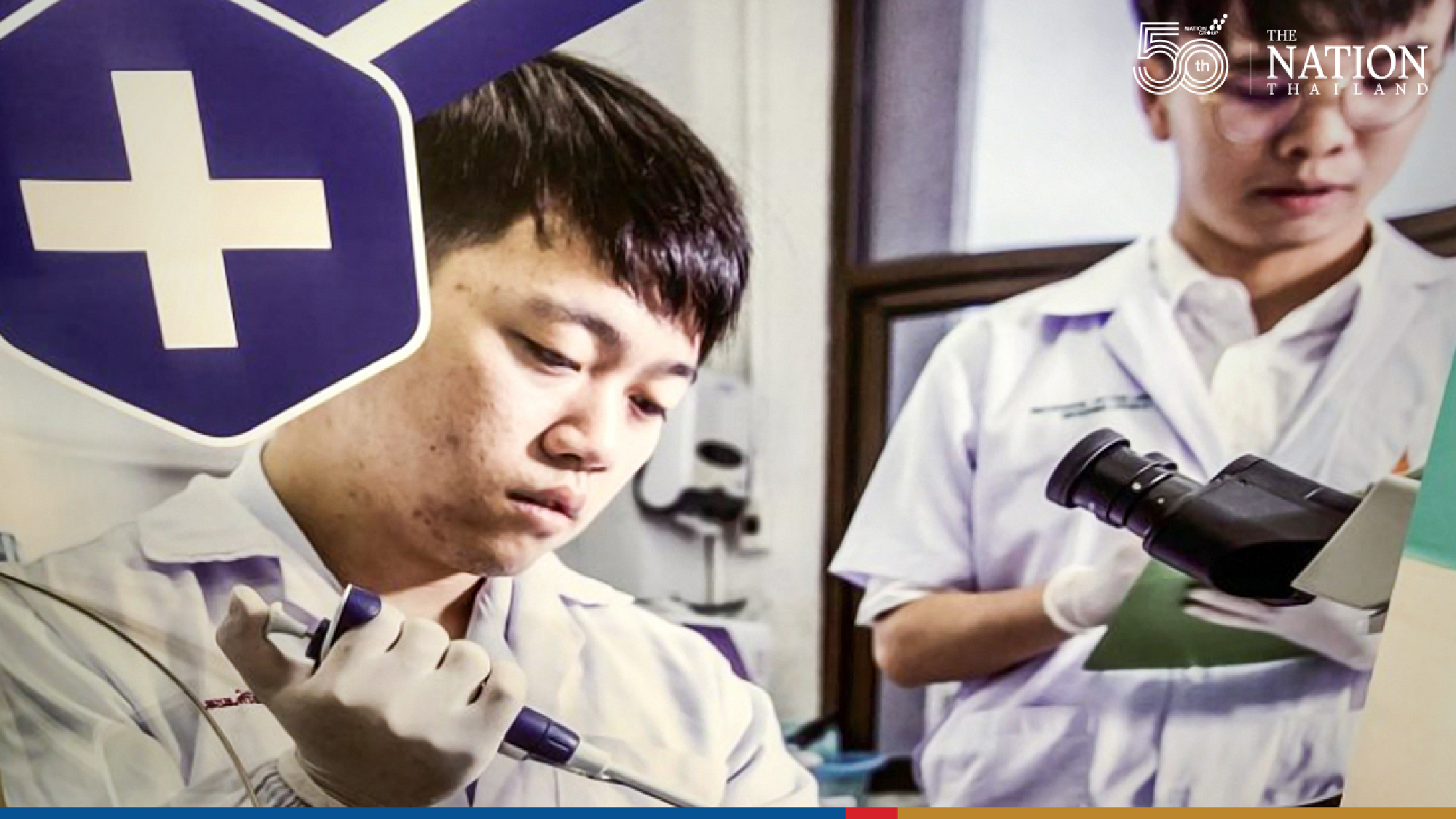
Prince of Songkla University Phuket Campus has opened a medical technology service centre as the first step to becoming an international medical hub in the Andaman.
Phuket Campus vice president Assoc Prof Dr Pun Thongchumnum said the centre has been set up to provide various medical services, such as laboratory tests, medical screening and advice for citizens and tourists alike.
He said the centre would be a learning facility for students as well as those who are interested.
“This move aims to enable people in Phuket and the Andaman Sea coast to seek medical services and promote medical tourism among foreign tourists,” he said, adding that the centre will help boost the economy under the Phuket Sandbox project scheduled to launch on July 1.
Prince of Songkla Uni aims for Andaman medical hub status with new service centre
He said the centre would initially focus on providing Covid-19 tests, medical screening and annual physical exams, such as tests for blood sugar and cholesterol levels.
“We hope the centre will promote Phuket as an international medical hub on the Andaman Sea coast,” he added.
Prince of Songkla Uni aims for Andaman medical hub status with new service centre
CureVac, the latest experimental coronavirus vaccine, proved just 47% effective amid spread of variants, preliminary analysis shows
A closely watched coronavirus vaccine invented by the German company CureVac was just 47% effective in a large trial at its interim analysis, a disappointing result that may highlight the challenge posed by virus variants.
The results of the 40,000-person trial, announced by news release Wednesday, mark a setback for a promising vaccine based on messenger RNA technology, the same approach at the core of the Pfizer-BioNTech and Moderna vaccines authorized late last year for use in the United States.
The trial in 10 countries in Latin America and Europe will continue, and a final result is not expected until the end of June. The CureVac vaccine is of key importance to Europe, which has preordered 225 million doses, with the option to buy 180 million more.
“While we were hoping for a stronger interim outcome, we recognize that demonstrating high efficacy in this unprecedented broad diversity of variants is challenging,” Franz-Werner Haas, Curevac’s chief executive, said in a statement.
Only minimal information was given about the trial results, with details expected in the final analysis and a company call planned Thursday. But the information known so far underscores the complexity of the changing pandemic. Thirteen variants caused cases of covid-19 in the trial, with only a single case caused by the original SARS-CoV-2 virus. More than half of the cases were infections with variants of concern.
“They’re testing their vaccine much later than all the other vaccines we have were tested, and there are a lot more variants out there that could confound the ability of a vaccine to protect,” said Deborah Fuller, a vaccine scientist at the University of Washington.
With other vaccines, it has become clear that while shots continue to protect against the worst outcomes from variants, immunity can wane against milder infections. That could be true for CureVac, but it would be necessary to see the breakdown of cases and their severity, data not yet available.
“It’s up in the air,” Fuller said. “I would not at this point say this is a failed vaccine, but people are going to make those comparisons.”
It remained unclear Wednesday whether the variants explained the results not meeting expectations. Results released earlier this week from a trial of the experimental vaccine made by Novavax found that vaccine was highly effective – even when variants were flourishing.
In the Novavax trial, tests run to determine the genetic fingerprint of infections showed most were caused by the alpha variant first identified in the United Kingdom, which spreads more readily but has not posed much of a challenge to other vaccines. A breakdown of which variants were found in the CureVac trial will not be available until the final analysis.
The CureVac vaccine uses messenger RNA technology found in other highly successful vaccines but has some key differences. The Pfizer-BioNTech and Moderna vaccines use a chemically modified version of messenger RNA, but CureVac does not. It also is stable at refrigerator temperatures and can be more easily shipped and stored.
Emerging data from real-world use of other vaccines suggests that even when they are challenged by some variants, they remain strongly protective against the most important outcomes of hospitalization or death.
Data from the use of the Pfizer-BioNTech vaccine in Qatar found that vaccine was 90% effective at preventing people from getting sick overall, but that the protection fell to about 75% against the beta variant first identified in South Africa. Protection against hospitalizations remained high, even against that variant.
A recent study by public health officials in the United Kingdom found that the Pfizer-BioNTech and AstraZeneca vaccines were both more than 90% effective in preventing hospitalization against the delta variant, which emerged in India, but were less effective at blocking any case of illness with symptoms.
One of the benefits of the messenger RNA vaccines, which are getting their first large-scale use during the pandemic, is that they can be rebooted quickly to match a new strain of the virus if needed. The emergence and increasing dominance in the last six months of variants has shown that such flexibility may be necessary to end the pandemic.
CureVac, like other vaccine makers, is already reformulating second-generation vaccines in partnership with GlaxoSmithKline, with the goal of making a vaccine that protects against multiple variants available by next year.
ADVERTISEMENT
If the CureVac vaccine is ultimately shown successful, it could run directly into the next challenge: manufacturing.
CureVac, a company founded more than two decades ago, has been racing to scale up production of its first medical product at a time that supply chains for workhorse laboratory ingredients, such as large plastic bags used to line bioreactors, are strained by unprecedented global demand and competition.
The German firm has partnerships with the big pharmaceutical companies Novartis and Bayer to help make its vaccine. The rapid scale up of manufacturing to meet the demands of the pandemic have been a challenge, even for veteran pharmaceutical companies.
CureVac has said it plans to manufacture 300 million doses this year, although final testing and quality checks could delay release of some of those doses until 2022, Haas, the CEO, said in an interview before the data were released. The European Commission has placed orders for 225 million doses, with an option to buy 180 million more. The company has said it plans to manufacture more than 1 billion doses next year.
Thai FDA delays Sputnik V approval after importer duplicates registration data
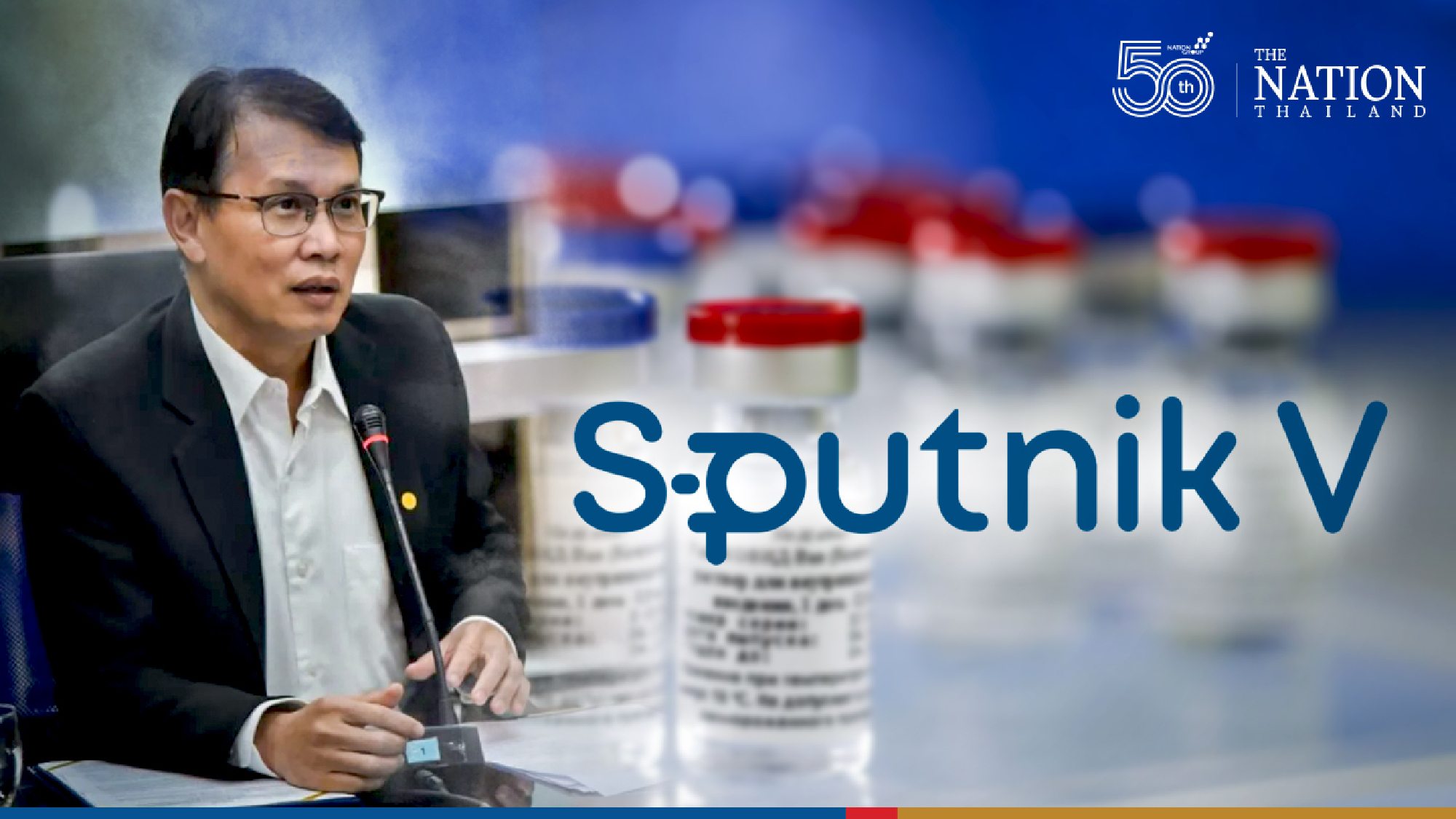
The Thai Food and Drug Administration (FDA) has postponed approval of the Sputnik V Covid-19 vaccine after discovering that the importer failed to supply registration details as requested.
Paisarn Dankum, secretary-general of the FDA, revealed that a second dossier of data was sent by Kingen Biotech Co on June 9, but was found to contain the same data previously submitted.
The data still lacks important information used to determine safety, quality and evidence of manufacturing standards, he said. As a result, 50 per cent of the information needed for registration, including data on active ingredients and product safety education, was still missing.
The FDA has asked Kingen Biotech Co to deliver the missing data for urgent consideration.
Meanwhile, the registration application for BioNTech-Pfizer vaccine is currently under consideration, the agency revealed last week.
So far, the FDA has approved five Covid-19 vaccine brands: AstraZeneca, Sinovac, Johnson & Johnson, Moderna and Sinopharm.
Chulalongkorn University’s Faculty of Engineering, in collaboration with PTT, has come up with a new three-layer face mask that provides protection from both fine dust particles and Covid-19.
Initial testing shows that the mask can filter up to 84 per cent of PM2.5 dust particles and trap up to 99 per cent of bacteria or viruses, said engineering lecturer Dr Pitchaya Rachadawong.
Dr Pitchaya Rachadawong
The mask’s outer layer is waterproof polyester infused with antiseptic compounds, the second layer is a filter made from fine fibres to trap dust particles, while the innermost layer is made of 100-per-cent cotton for the user’s comfort and safety.
The mask can be cleaned either by spraying it with alcohol or washed with soap and water. It can be washed up to 15 times.
The three-layer mask is suitable for airconditioned areas, as the wearer may find it too uncomfortable to wear outdoors.
The research team is working on thinner masks that offer the same or better protection.
Novavax covid shot 93% effective against variants in trial
Novavax Inc.s coronavirus vaccine candidate showed strong efficacy against the coronavirus, including mutated variants, in a large trial.
The shot was 90% effective at preventing symptomatic covid and 100% effective at preventing moderate and severe symptoms, the U.S. biotech firm said Monday. The shot was 93% effective against variants of concern, it said.
The vaccine uses a recombinant protein technology, also used in the vaccine candidate developed by Sanofi and GlaxoSmithKline Plc. At over 90%, the overall efficacy of the vaccine is close to reported rates for mRNA shots developed by Pfizer Inc. with BioNTech SE and by Moderna Inc., as well as the Sputnik V vaccine from Russia, using viral vector technology. However, immunologists tend to caution against comparing efficacy results across different trials as conditions and evaluation methods aren’t the same.
Novavax’s phase 3 trial included almost 30,000 participants in the U.S. and Mexico and studied the vaccine’s efficacy against major variants circulating in the U.S., as defined by the Centers for Disease Control and Prevention. Only one case of the highly contagious delta strain, which was first identified in India and remains rare in the U.S., was detected among trial participants, so the vaccine’s efficacy against it isn’t conclusive.
In results from a 15,000-person trial in the U.K. released in March, the shot demonstrated 90% effectiveness at preventing covid symptoms across variants and the original version of the virus.
The company previously said it wouldn’t file for vaccine authorization in the U.S. and Europe until the third quarter of the year. Novavax says it’s on track to reach manufacturing capacity of 100 million doses per month by the end of the third quarter and 150 million per month by the end of 2021.
“Novavax is one step closer to addressing the critical and persistent global public health need for additional coronavirus vaccines,” Chief Executive Officer Stanley C. Erck said in a statement. “Novavax continues to work with a sense of urgency to complete our regulatory submissions and deliver this vaccine, built on a well understood and proven platform, to a world that is still in great need of vaccines.”
Published : June 15, 2021
By : Syndication Washington Post, Bloomberg · Todd Gillespie
Human trials of the Covid-19 vaccine developed by Chulalongkorn University began on Monday, with 72 volunteers receiving shots under the supervision of doctors, nurses and researchers.
ChulaCov19 is an mRNA vaccine developed domestically in collaboration with the University of Pennsylvania’s Professor Drew Weissman, the world-renowned scientist who invented the technology, said Chula Professor Kiat Ruxrungtham.
The vaccine is made from parts of the coronavirus’s genetic material, not the whole virus.
The body uses this tiny piece of genetic material to build a spike protein, which stimulates the immune system to fight the virus in case of infection. After triggering the body to make proteins, the mRNA vaccine is destroyed and passes out of the body in a few days, Kiat said.
The second phase of human trials will involve 150-300 volunteers, who will receive the jab around August to measure their immune response to ChulaCov19.
The tests on humans come after successful trials in monkeys and rats.
Rats modified to develop Covid-19 were given two ChulaCov19 shots three weeks apart. The vaccinated rats showed strong immune responses that prevented infection and reduced virus levels in the nose and lungs by at least 10 million times. When tested for toxicity, the vaccine was found to be safe. The unvaccinated rats developed Covid-19 symptoms within 3-5 days, showing high infection in the bloodstream, nose and lungs.
Another plus point is that ChulaCov19 can be stored in refrigerators at temperatures of 2-8C for up to three months and room temperature (25C) for 2 weeks. This makes it easier to store than other mRNA vaccine brands.
TOKYO – Saturday marked two months since the start of Japans COVID-19 inoculation campaign for people aged 65 and up.
According to a Yomiuri Shimbun review of vaccination progress in the nation’s 74 major municipalities, only 19 municipalities have given over 40% of their elderly populations at least one dose as of June 11. Chuo Ward in Tokyo led the municipalities surveyed, administering at least one dose to 70.9% of its nearly 25,000 elderly residents.
The survey found that four cities — including Sakai, Osaka Prefecture — have administered a first shot to over 50% of their populations, while another 14 cities — including Yamaguchi — have cleared the 40% threshold. Rounding out the bottom of the list were 15 municipalities where fewer than 20% of elderly residents had received their first shot.
As early as February, officials in Tokyo’s Chuo Ward began enlisting the assistance of local medical associations and other groups to line up a roster of qualified vaccinators by the time the ward’s vaccination venues opened their doors on May 2.
Similar quick initial responses were observed across other municipalities that had logged high vaccination rates.
Vaccination of the nation’s over-65 demographic — all 36 million in total — began on April 12. A running tally of people who have received shots has since been kept in the government’s Vaccination Record System (VRS) database.
According to government figures, the number of elderly who had received their first dose passed the 10 million mark on Thursday, bringing the elderly national ratio to 29%.
The government has said it aims to complete vaccination of all elderly who want shots by the end of July.
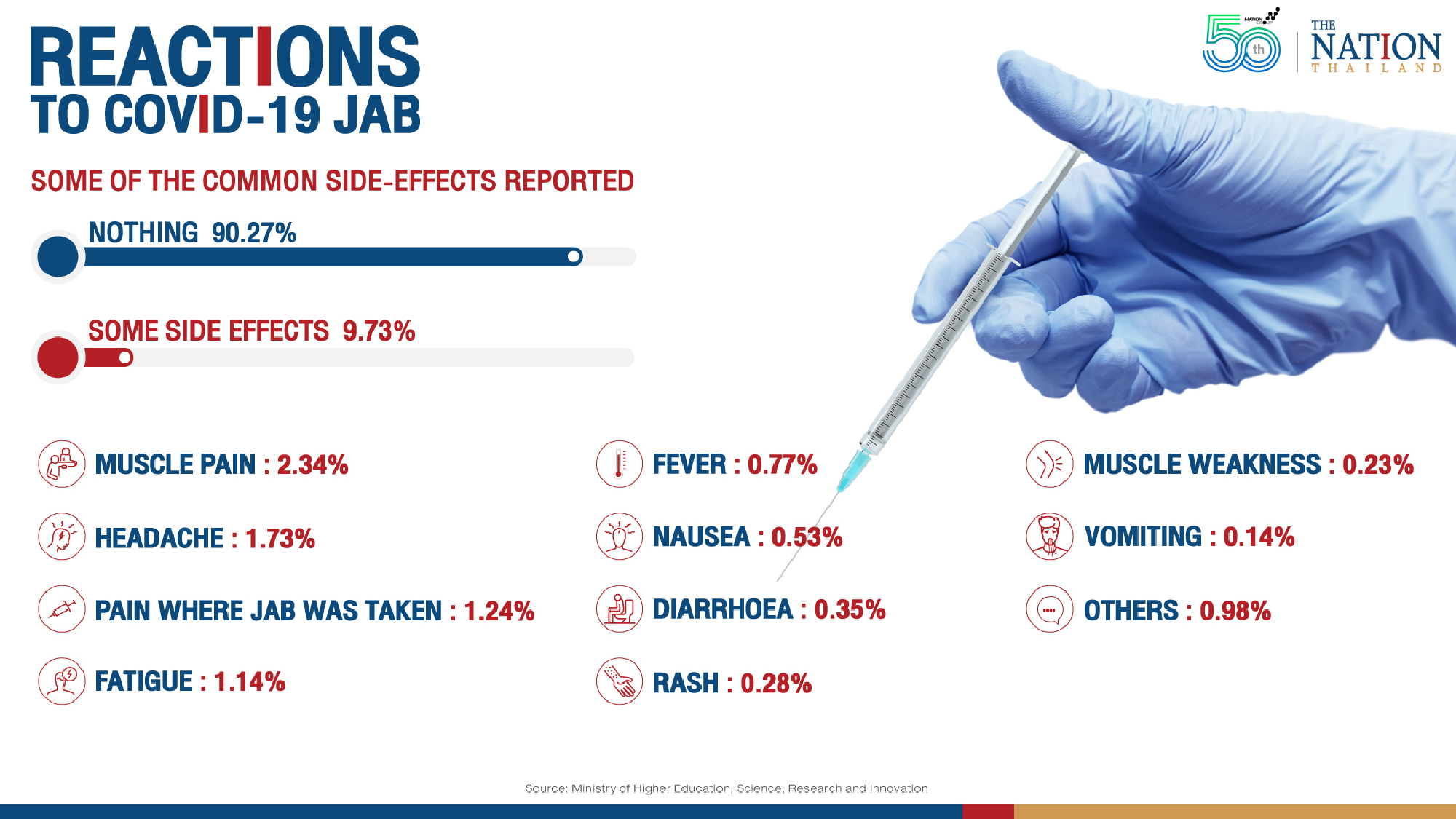
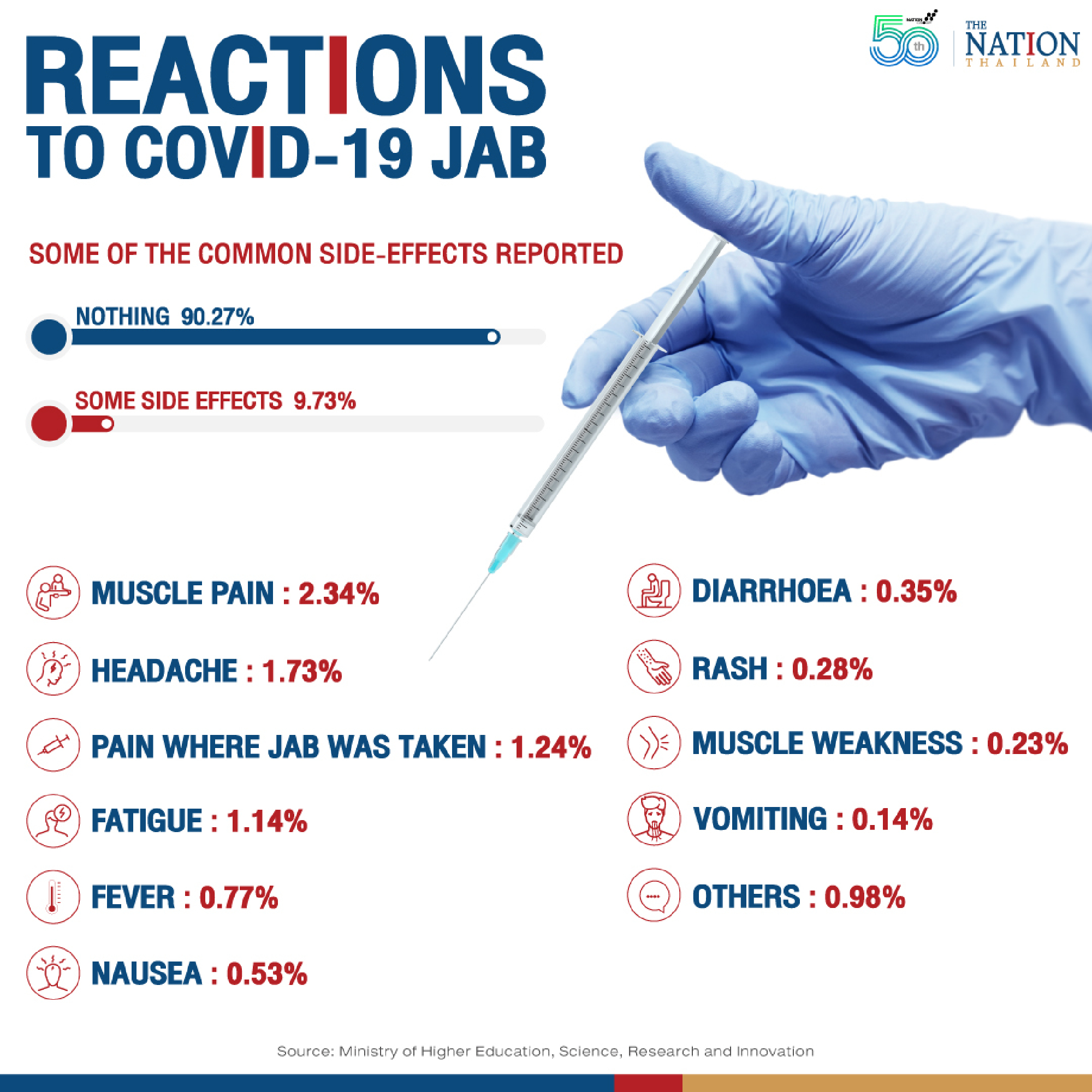
Most people (90.27 per cent) had no side effects after getting their Covid-19 jab, the National Research Council of Thailand and the Higher Education, Science, Research and Innovation Ministry reported on Friday.
Among those who have received a Covid-19 jab, only 9.73 per cent reported some side effects, the most common being muscle pain, headache and pain where the jab was taken.
Even though the vaccines being administered have been approved by the Food and Drug Administration, people are still advised to observe their symptoms and seek medical help if they worsen.
Assoc Prof Dr Panpit Suwangool, an infectious diseases specialist at Bangkok Hospital, is advising people to consume a lot of water to avoid blood clots and take paracetamol for fever or headache.
“People who develop a rash, high fever, dizziness, muscle weakness or pain in the chest should see a doctor immediately,” she said.
She also urged people to continue wearing facemasks, wash hands regularly and maintain social distancing. She added that people who have visited high-risk areas or come in contact with Covid-19 patients must go into self-isolation for 14 days.
“People who have been infected with Covid-19 should receive their jab three months later because there is no information on the duration of immunity after infection,” she added.

 Yoga – for harmony and healing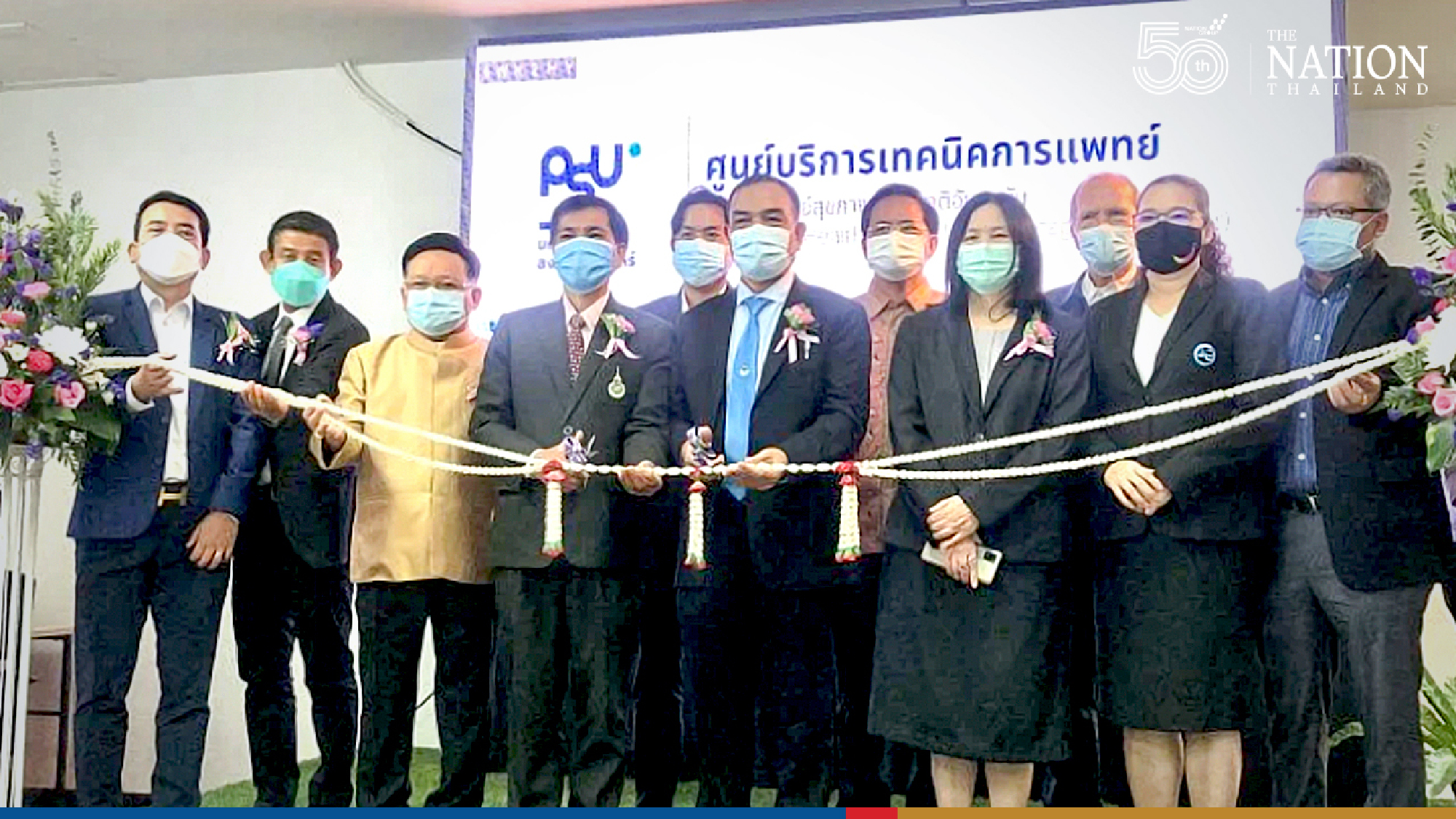
 Prince of Songkla Uni aims for Andaman medical hub status with new service centre
 Prince of Songkla Uni aims for Andaman medical hub status with new service centre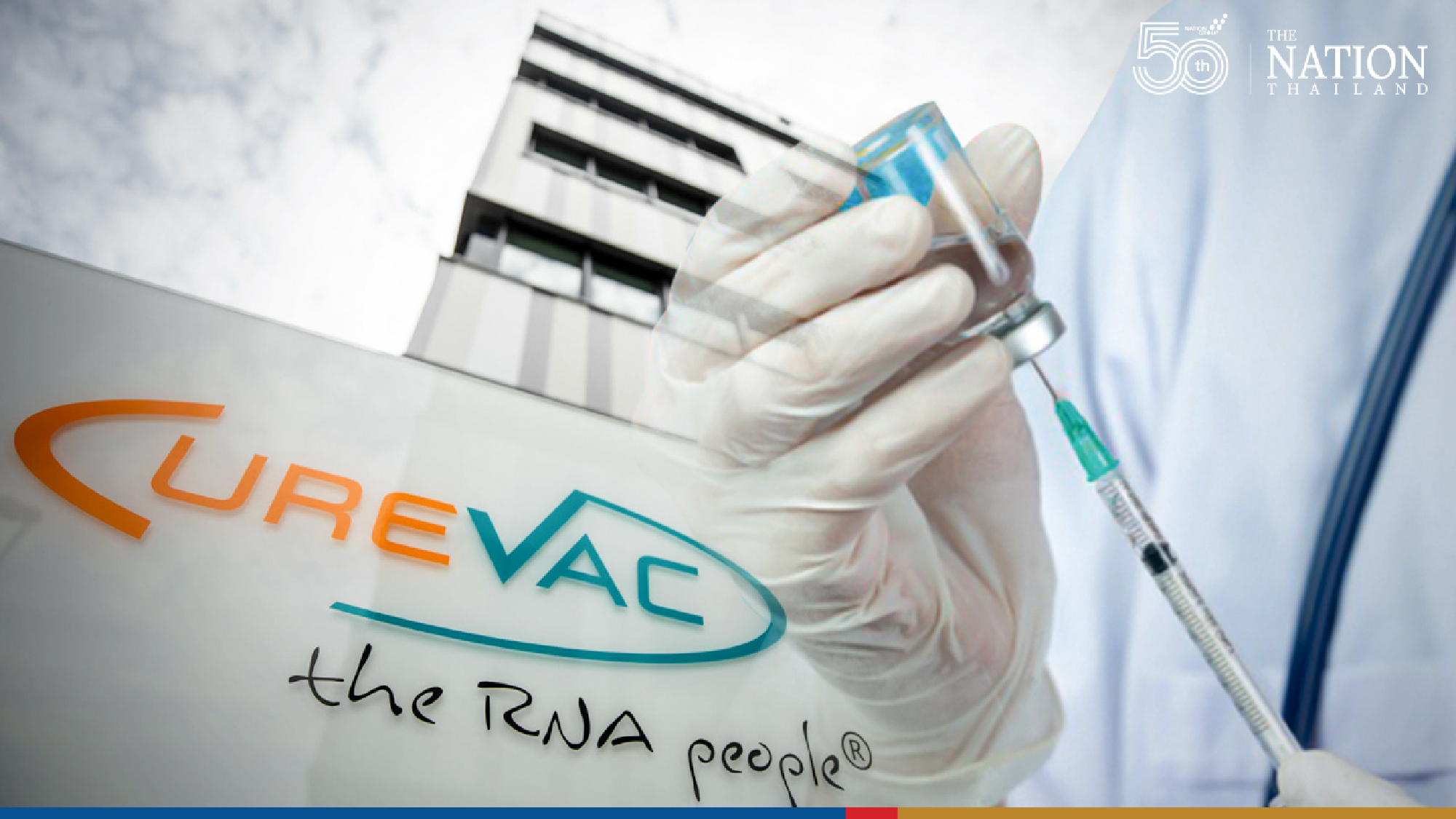

 Dr Pitchaya Rachadawong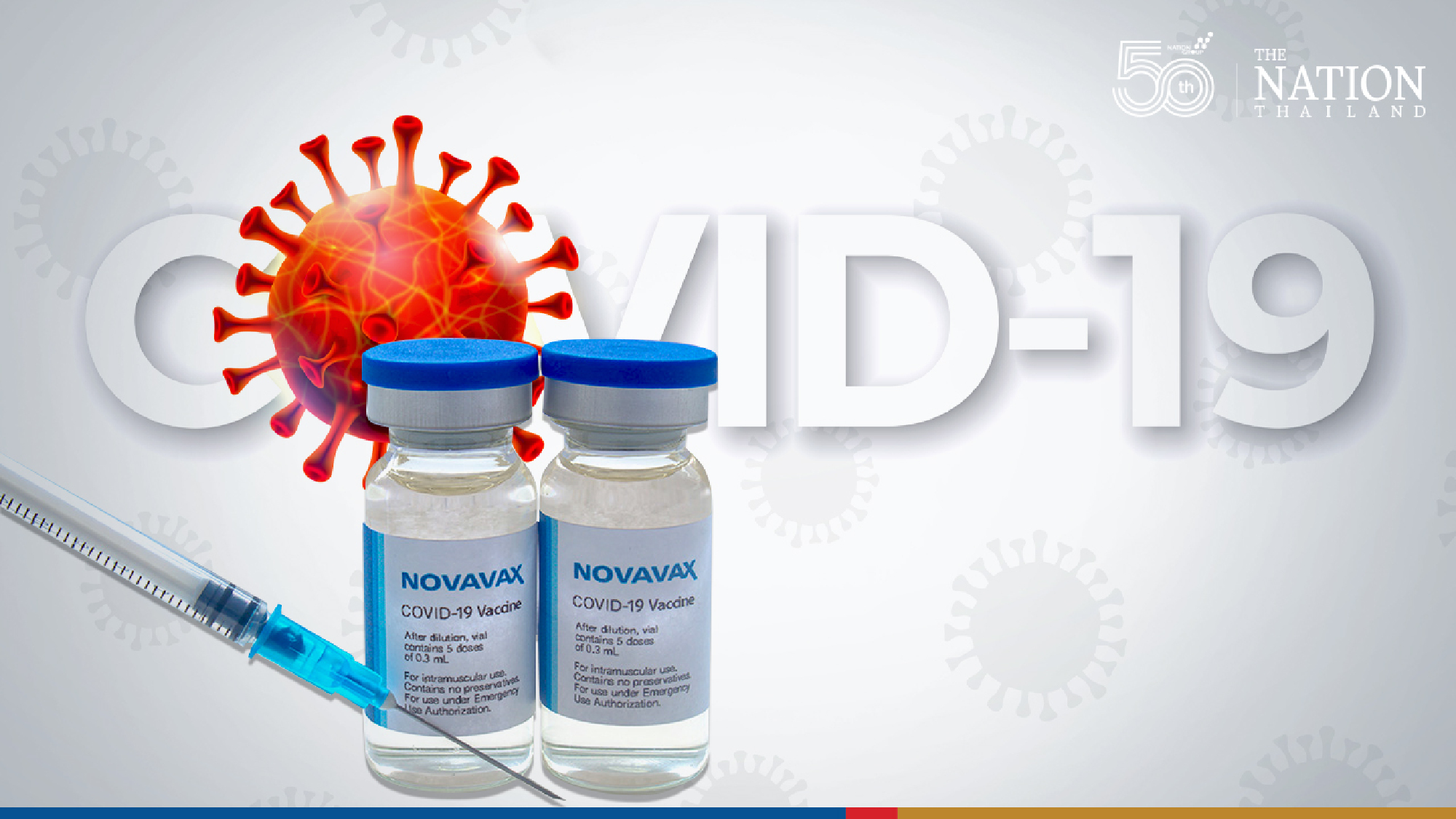

 Side effects to look out for after Covid-19 jab
